***DIRECTORS CUT
> But most of all i want to say thank you to my new and, maybe, first friend - thank you, Seligman*
LARS VON TIER RANKED THE FATHER THE SON AND THE HOLY SPIRIT**Vol 2 Chapters Ranked
**
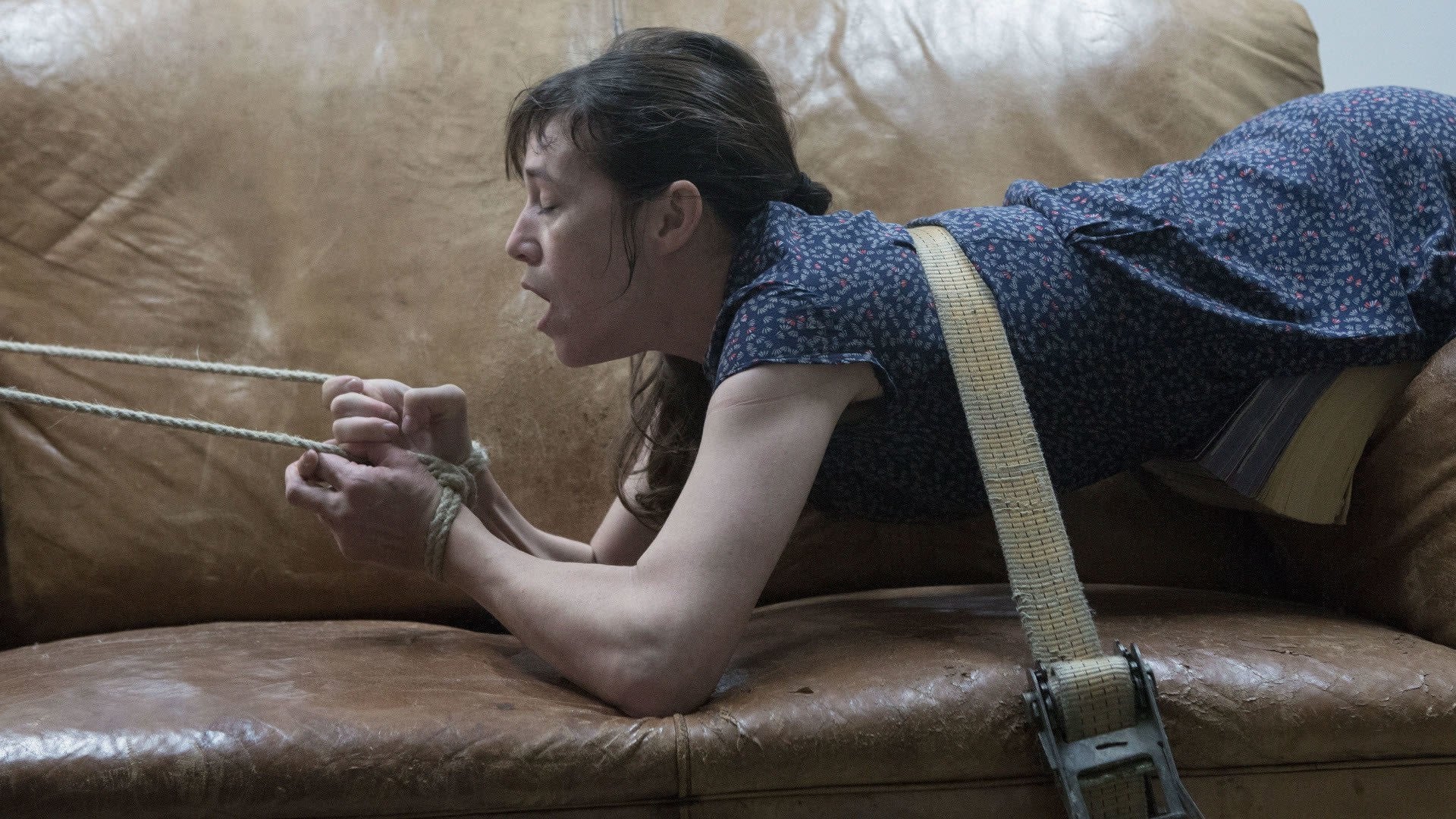
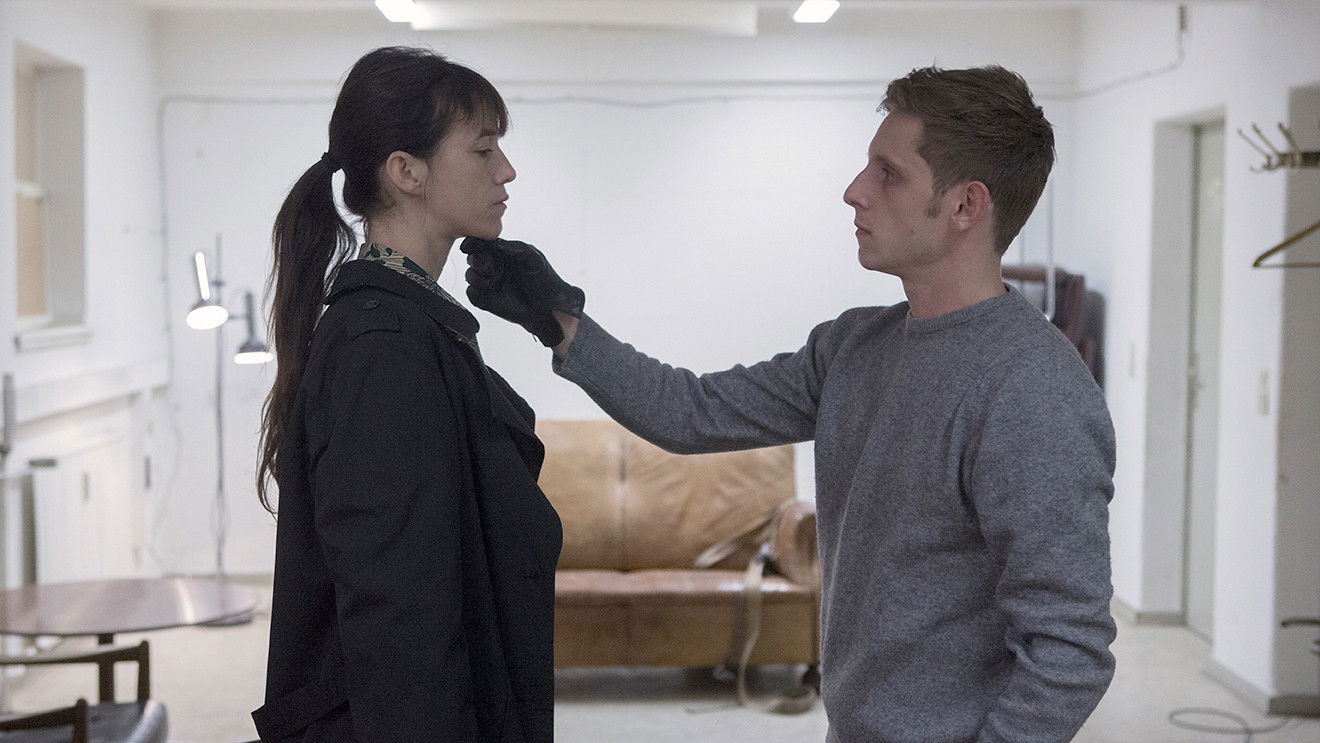
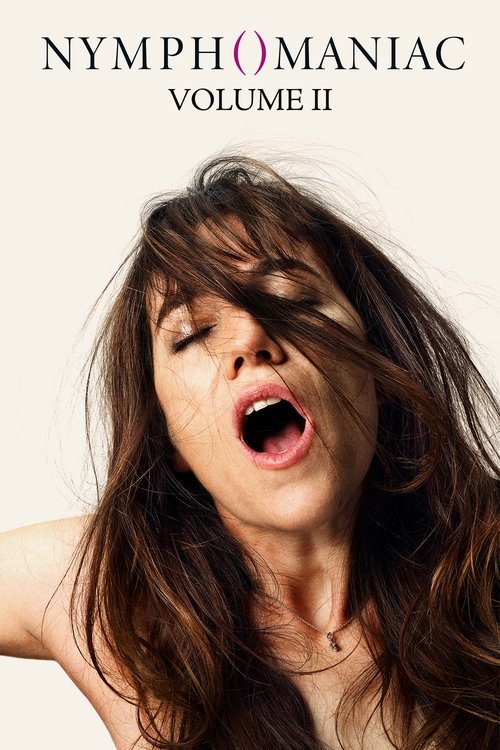
1.The Gun2.The Eastern and the Western Church (The Silent Duck)3.The MirrorI get why people dislike Volume 2, and I think this would have worked a lot better mixed with Vol 1. Vol 2 is much harsher, but it has a point in being so. It’s Joe’s nymphomania flourishing into depression, and I think if people saw it as a whole solo movie, it would have worked better. Lars references Antichrist in here to remind people this is a part of the depression trilogy. The violence and cruelty in here is bad, I admit, but there is a point to it. Lars is showing the desperation people have when depressed, to crawl out of there, going to extreme lengths for happiness. But since Joe is a nymphomaniac, her happiness is through pleasure. This is a sad and tragic story, and this is the darkest part of it all, as it explores her addiction and the loneliness she feels. This movie is more about the consequences of Joe’s nymphomania and is a very good portrait of self-destruction. Now I do admit some stuff was too much, like the abortion scene, and the runtime could have been shorter, but I get it because, in this one, all the playful, even adventurous, nature of Joe’s sexual exploits in the first film fades into a more painful reality. Her desires have become suffering for her and those around her, and Lars really isn't merciful in showing the command this takes on her and those around her. It’s heavier because it’s her growing sense of despair. She’s spiraling into a void. The more graphic tone and depictions of violence, degradation, and emotional pain are to show us that tone and put us in her position.
Joe's character in this undergoes some major changes, I think we all can tell, because we see what she thought was something controlled spiral into chaos. As the film progresses, we see her become more aware of it, which honestly just makes this such a tragic movie. But again, although there were some funny things, others were just so ????. We see that sense of empowerment she had from this getting replaced by vulnerability and a desperate need for something more than she can get. It crushes totally her sense of identity, especially when it affects her own child, which ended up spiraling her into depression that makes her go to some SERIOUS violent and degrading stuff to "fill all her holes" she has inside of her. I think people don’t like this one because in Vol 1 it was about desire, but in Vol 2 it became a game of survival, of searching for meaning.
I think this sums up what the movie really is about: addiction, guilt, redemption, and obviously Lars' favorite themes—depression and chaos. I like the fact that Lars portrays her sex addiction as any other addiction, showing her compulsions drive her into not only sadness but also madness. Lars really took the nymphomania topic seriously, and I’m glad he did because, let’s be honest, 99% of people don’t take addiction seriously if it isn’t about alcohol, drugs, or nicotine. But Lars dives into the nature of just addiction to something, the way it wraps around Joe like a parasite and starts to wrap around others that spend time with her. It consumes her sense of reality (derealization), her sense of herself (depersonalization), and finally leads her to lose her sense of communicating with society. But this also kind of leads to her guilt, because we sometimes see her reflecting on what addiction has caused to others, especially her child. But when she tries to redeem herself, Lars hates happiness, so the film questions the idea if it’s truly possible for someone so consumed by their own desires to actually redeem themselves.
And this is a Lars movie, so obviously it’s full of symbols and meaningful imagery. In this volume, he continues using trees as a symbol of our identity and of Joe’s quest to find her identity. Trees represent the tangles and chaos of Joe’s life, the unpredictability they have just like the consequences of what she does. A tree is also a symbol of life, growth, and decay, mirroring Joe’s journey once again. And at the end, she finds her tree, her life. It represents the paths of her choices, rooted in addiction and desire, but those roots extend into the branches of emotions and morals she has. The tree we see at the end doesn’t have any leaves, you could say it’s naked, but it’s empty, with nothing in it, symbolizing her sense of emptiness and tiredness she feels after all these years of self-destruction. But after all that, the tree is still standing—alone, but standing—showing that Joe has an option for redemption and to be someone again. People complain about the ending, but I liked it, showing that no matter the obstacles, Joe has found her life and will not let anything stand in her way, and will never submit to addiction anymore.
Overall, Volume 2 is much harsher than Volume 1, but it works to show Joe’s nymphomania spiraling into depression and self-destruction. It’s definitely more uncomfortable, with scenes of violence and cruelty, but Lars uses that to highlight the desperation and emptiness Joe feels. This movie is more about the consequences of her addiction and how it consumes her. The symbolism with trees shows Joe’s journey, with the ending leaving her standing, tired, but with a chance for redemption.