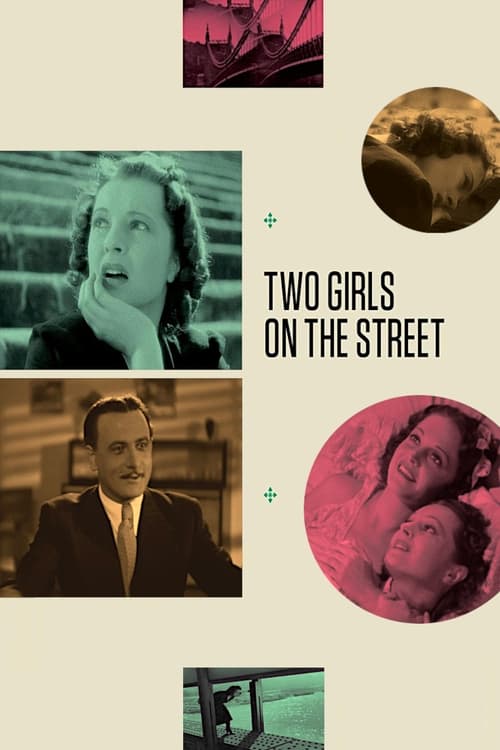
Two Girls on the Street backdrop

Two Girls on the Street

1939·Drama·1h 24m
7.1
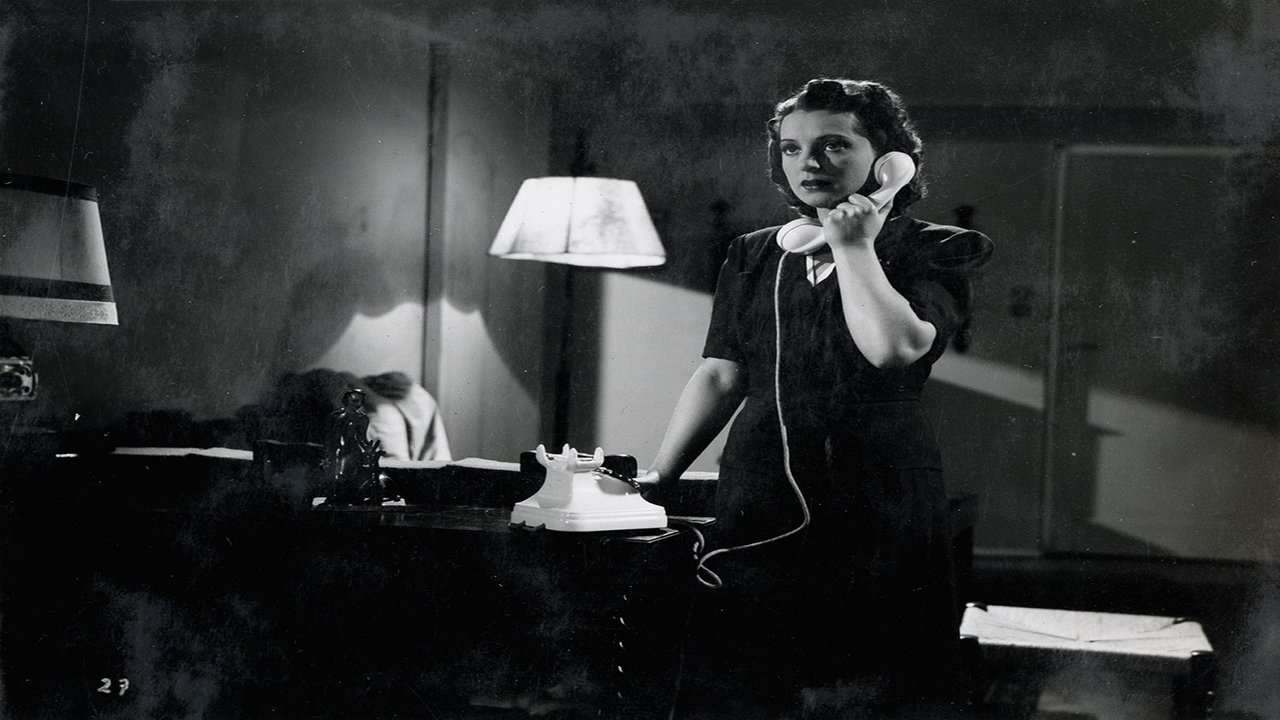
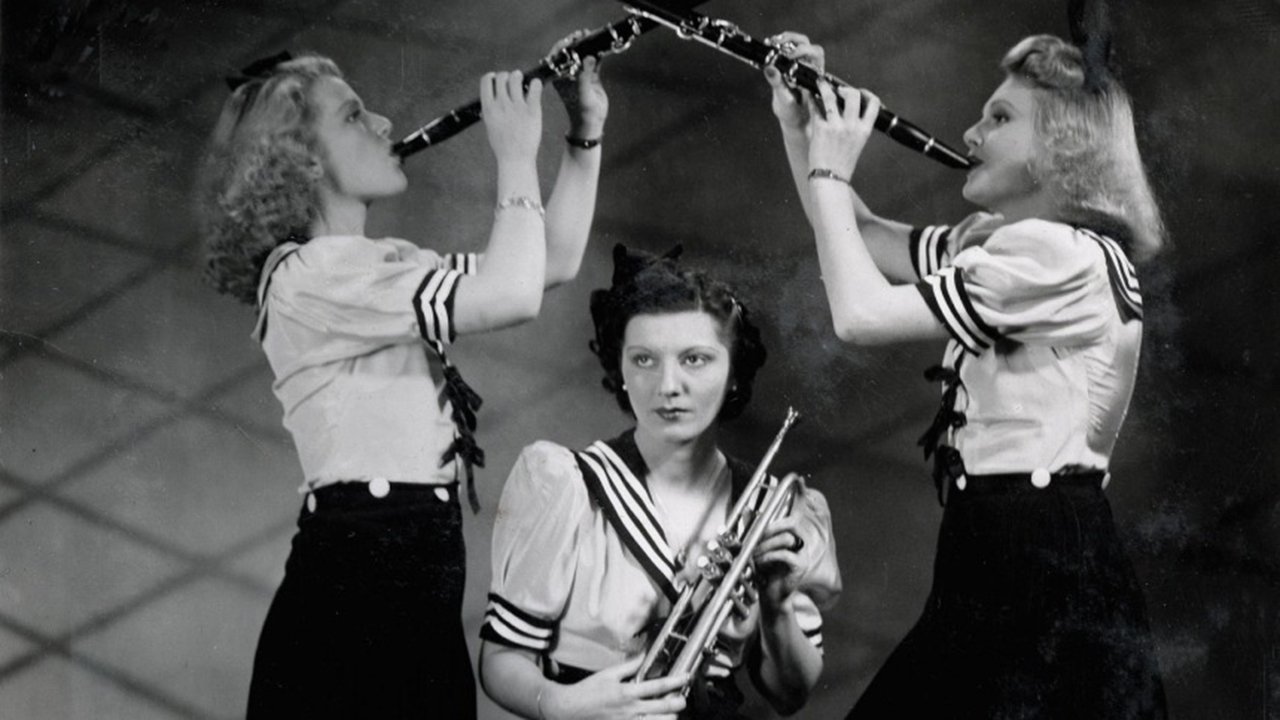
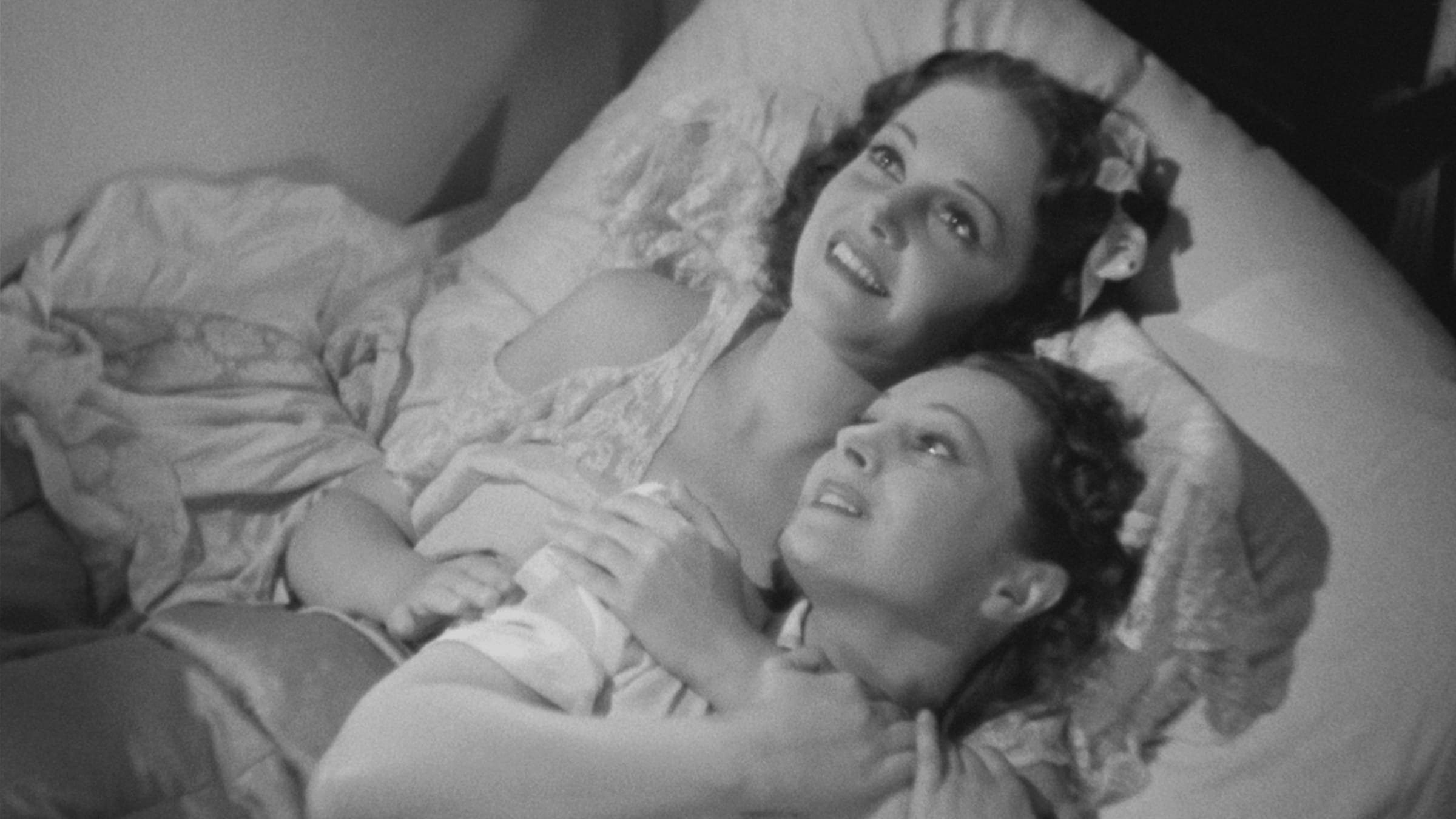
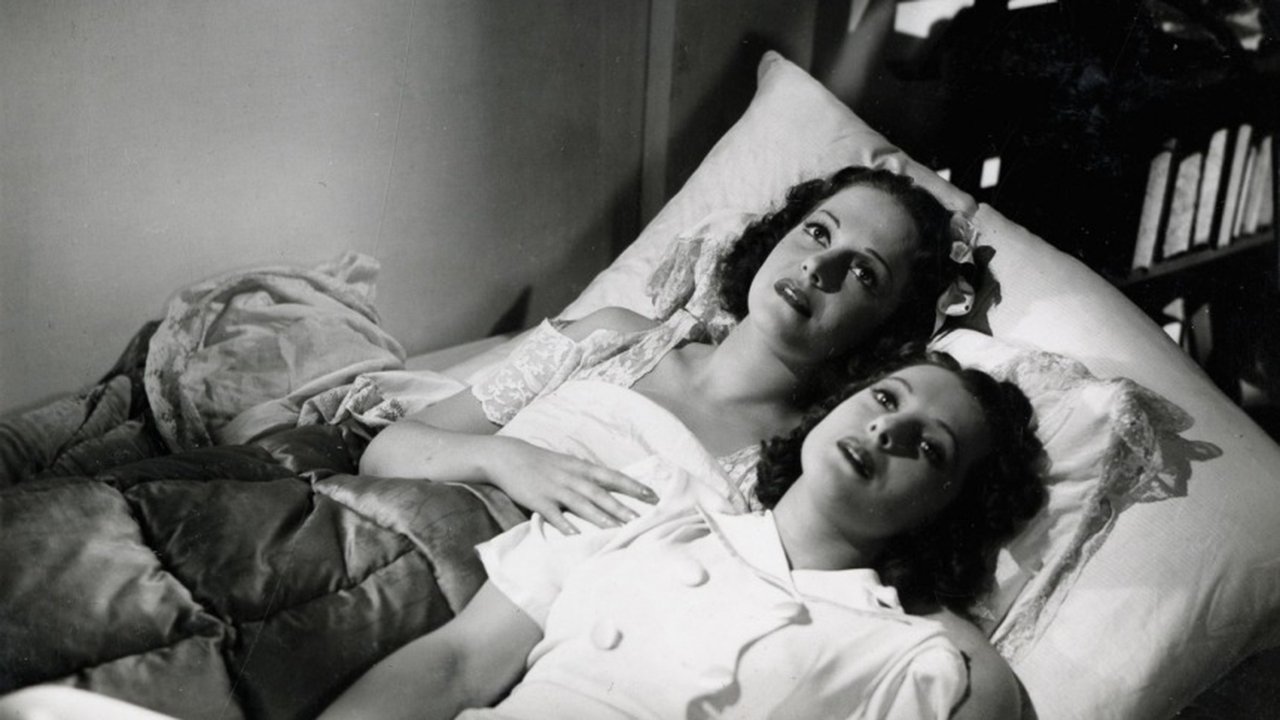
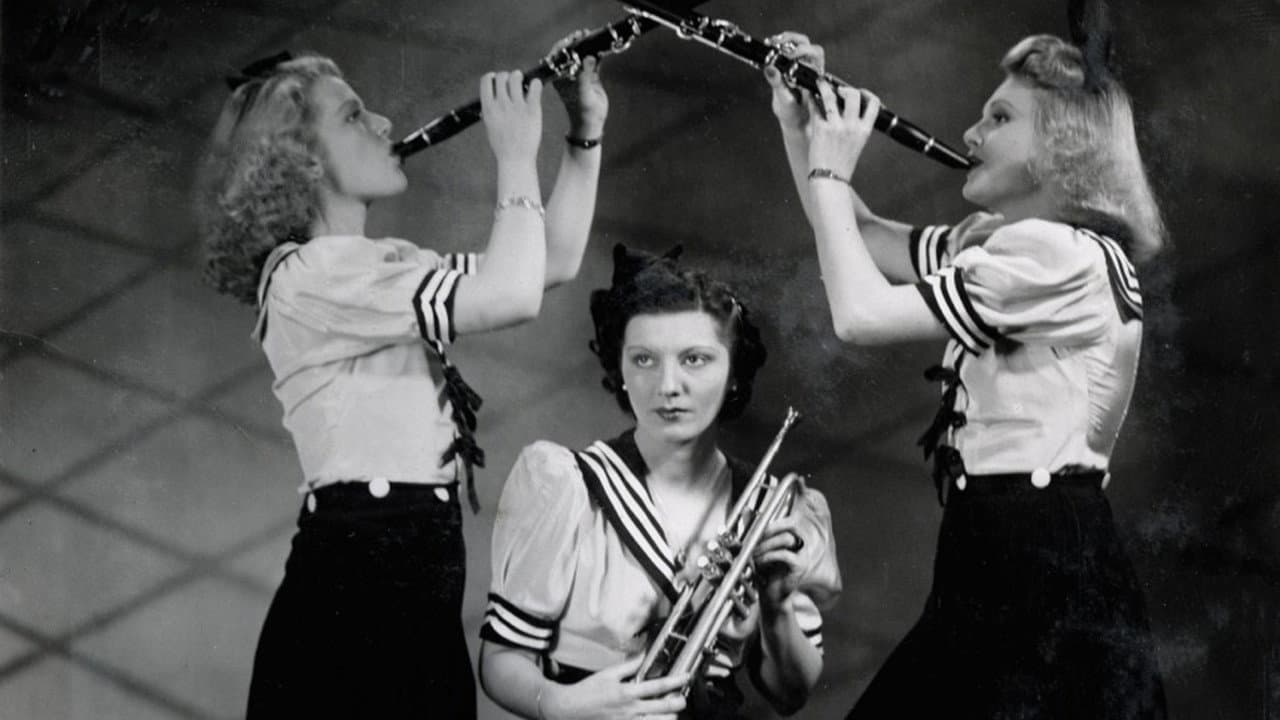
Two girls run away from a small village. Gyöngyi comes from an aristocratic family and her father throws her out of the house when he discovers she has gotten pregnant out of wedlock. She finds herself wandering the streets of Budapest and earns money playing the violin in a restaurant. Vica is an orphaned peasant; she is afraid of her stepfather and moves to the city where she gets a job on a construction site. Gyöngyi and Vica meet on the streets of Budapest, move in together and turn their lives around.
Directed by André de Toth

Cast

Bella Bordy
Bella Bordy
Torma Vica
Maria von Tasnady
Maria von Tasnady
Kartely
Piri Vaszary
Piri Vaszary
Pletyus
Gyula Csortos
Gyula Csortos
Filc bácsi
Andor Ajtay
Andor Ajtay
Csiszár István
Károly Kovács
Károly Kovács
Lali
László Földényi
László Földényi
Gyöngyi apja
Vali Rácz
Vali Rácz
Manci
János Makláry
János Makláry
Maklári János

Crew

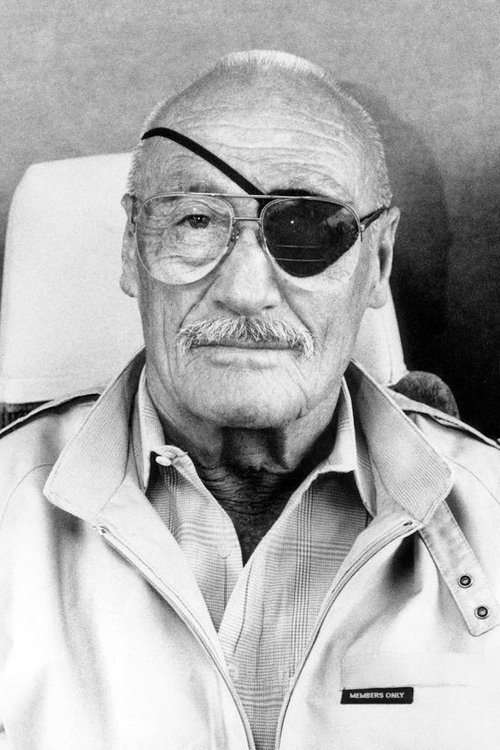
André de Toth
André de Toth
Director
André de Toth
André de Toth
Writer
Szabolcs Fényes
Szabolcs Fényes
Original Music Composer
Béla Lévay
Béla Lévay
Producer

Popular Reviews

3 reviews
Tony Hightower
Tony Hightower
Two Girls on the Street
The first half of this film is positively groundbreaking for its time; a tale centering two women from the same small town, one a musician, one a bricklayer, who become best friends in the big city, learning how to be independent and strong by themselves, decades before the Bechdel Test became a thing.

But then, a guy shows up. And it's not just any guy, but an architect who sexually assaulted one of them in the first act. He doesn't remember, of course -- it must happen all the time! Men, amirite? -- and so he sees her, and woos her anew, and then he woos the other one too, on the sly from each other, because why the hell not. He's still a shit.

It feels like André de Toth finished the first half of the film, but then someone at the studio (or a backer, or someone) saw it and told him to cut all this ladies-making-their-own-decisions business out. By the end of this film, someone is marrying that date rapist, and these two best friends from the same small town have to hate each other's guts, no matter how unrealistic the plot is.

Look, there's plenty of snappy dialogue, and the cinematography is often really inventive. It's great to look at. But the moral of the story is: horny men suck, there's no shame whatsoever in being a musician, even in a bar band, and if you have a real friend in this world, keep them close. Friends are way rarer than lovers.

The first half of this film is positively groundbreaking for its time; a tale centering two women from the same small town, one a musician, one a bricklayer, who become best friends in the big city, learning how to be independent and strong by themselves, decades before the Bechdel Test became a thing.

But then, a guy shows up. And it's not just any guy, but an architect who sexually assaulted one of them in the first act. He doesn't remember, of course -- it must happen all the time! Men, amirite? -- and so he sees her, and woos her anew, and then he woos the other one too, on the sly from each other, because why the hell not. He's still a shit.

It feels like André de Toth finished the first half of the film, but then someone at the studio (or a backer, or someone) saw it and told him to cut all this ladies-making-their-own-decisions business out. By the end of this film, someone is marrying that date rapist, and these two best friends from the same small town have to hate each other's guts, no matter how unrealistic the plot is.

Look, there's plenty of snappy dialogue, and the cinematography is often really inventive. It's great to look at. But the moral of the story is: horny men suck, there's no shame whatsoever in being a musician, even in a bar band, and if you have a real friend in this world, keep them close. Friends are way rarer than lovers.
Favorite
Comment
Gabriel Silva
Gabriel Silva
Two Girls on the Street
Favorite
Comment
David
David
Two Girls on the Street
Favorite
Comment