A SUN-SCORCHED ELEGY FOR FILIPINO FARMERS, WHERE PRIDE OUTLIVES OWNERSHIP, AND LOVE OUTLASTS LAND TITLES.
watching this felt like staring into a mirror carved from memory and struggle, a quiet echo of my own life unfolding in black and white. as someone born into a family of farmers my grandfather tilled the land before him, and we still live under the long, silent shadow of the hacienda system. that’s why i carry this deep pride in my father because despite the weight of a system built to keep men like him small, he raised a family with dignity and persistence, alongside my mother, who like the mothers in this film holds our household with hands worn but unwavering. now, as BS agriculture student alongside my sister, this film struck me not just as a historical window but as something living and breathing both an elegy and a hymn for the land and those who depend on it. i came to this film hoping to understand our history through cinema, but what i found was something far more piercing: a cinematic elegy for the filipino farmer, rich in texture, aching with truth that understood labor not as background but as character, that used light and shadow to sculpt class struggle into something poetic. it captured the scent of harvests, the ache of dignity denied, the quiet heroism of survival. it felt so nostalgic and alive, cinematic in its restraint yet overflowing with soul. this isn’t just a film about farmers it’s a mirror of generational endurance, of lives sown into the land, and of the grace that grows even in the harshest soil.
this film unfolds not just as a film but as a patient howl like an aching, grounded protest against the deeply rooted violence of the hacendero system, where land becomes a weapon of quiet domination and farmers are left to survive within boundaries they did not draw. the power shown here seeps into the soil itself, shaping lives, silencing resistance, and turning generations of honest labor into acts of submission. through its restrained pacing and intimate framing, the film reveals how exploitation isn’t always an event, but a condition one passed down like inheritance, woven into the fields these families cultivate with their hands and their histories. rvery gesture in the film feels tethered to something larger: the unspoken weight of betrayal wrapped in land titles, the illusion of ownership dangled like a promise that never arrives. it doesn’t indict a single villain but rather reveals a system that manufactures them, nurtures cruelty in silence, and lets injustice fester beneath the guise of order. watching it, especially as someone raised by farmers still bound to that legacy, it felt less like fiction and more like memory cinema as reckoning, as resistance, as record.
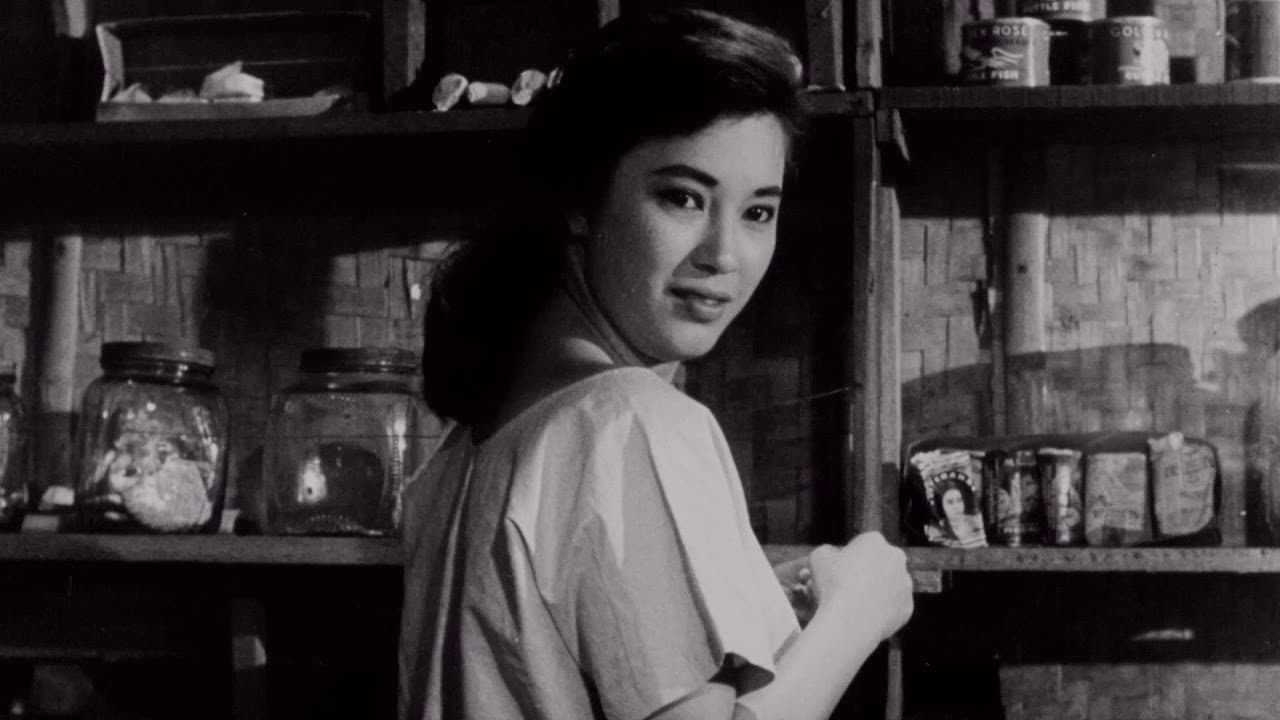
i really love how this film reveres women not with spotlighted declarations but through the quiet, persistent gravity of their presence especially maria, who embodies a strength that doesn’t ask to be seen but is felt in every gesture. she doesn’t command the frame with speeches or defiance; instead, she becomes the emotional architecture of the film anchoring, enduring, almost elemental. her prayers aren’t just acts of faith but quiet negotiations with grief, and her hands, always in motion, speak a language older than words: one of care, labor, and unspoken resilience. the camera lingers just enough to let her stillness breathe, revealing how domesticity is not passivity, but a different kind of survival one rooted in patience and deeply filipino in its quiet heroism. it reminded me how in many homes, especially those shaped by hardship, the ones who say the least often carry the most and how cinema, when attentive, can elevate these everyday women into something mythic without ever needing to mythologize.
it understands that endurance not as something loud or heroic, but as something lived in the silence between tragedies, in the quiet rituals of survival passed down through generations who had no choice but to stay. it doesn’t rely on sweeping dialogue or forced allegory; instead, it lets the land itself speak a breathing, punishing, forgiving presence that shapes identity, memory, and meaning. the soil becomes inheritance and burden, both womb and battlefield. every gesture, every decision the characters make feels steeped in a deep, generational ache, as if their bodies have already been written by the seasons. the film captures a kind of filipino stoicism that’s not about detachment, but about loving fiercely what little you have, even as the world keeps taking it away. and through the figure of the deaf-mute son isolated but alert, wordless but aware it reveals a radical strength in those who are usually made invisible. his silence isn’t weakness; it’s clarity. he becomes the spirit of the land itself: overlooked, underestimated, but unbreakable. it’s in this restrained, embodied storytelling shot with patience, with long takes that breathe and compositions that hold pain without decoration.that the film becomes not just narrative, but truth, something that recognizes resilience not as a plot point, but as a way of being.
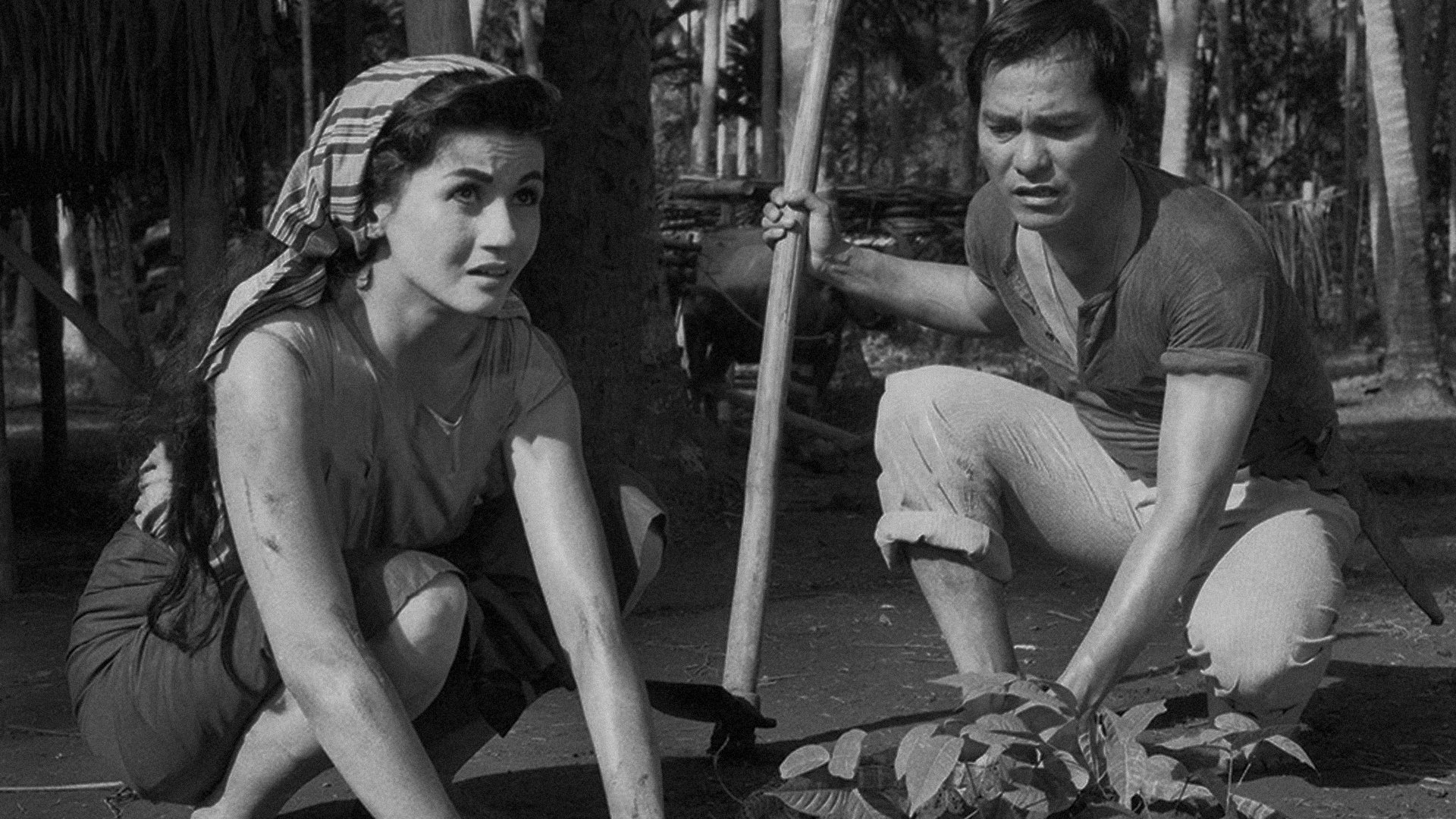
the land here doesn’t sit passively behind the story it pulses with breath, memory, and consequence; it is as much a character as any human on screen. it carries weight, not only physically but emotionally, as if each furrowed row and flood-soaked root holds generations of struggle and love. the soil is not just a medium for crops it is inheritance, resistance, faith. farming here is not aestheticized or flattened into imagery; it is textured with grit, labor, and quiet grace. the camera doesn't dramatize the toil but observes it with reverence, capturing not just the act of planting but the soul it demands. you sense the exhaustion in the bent backs and the deep, wordless pride in every harvest. watching it, i thought of my own father, my grandfather men who’ve wrestled food from the earth not with glory but with persistence. it reminded me how farming isn’t simply survival; it’s a form of devotion, a dialogue with nature where every seed planted is a gesture of belief that life will continue. the film understands that land is not owned it’s lived with, suffered through, held in calloused hands like something sacred yet stubborn. and in that, it becomes more than setting or symbol it becomes history itself, breathing through generations, feeding bodies and shaping identities.
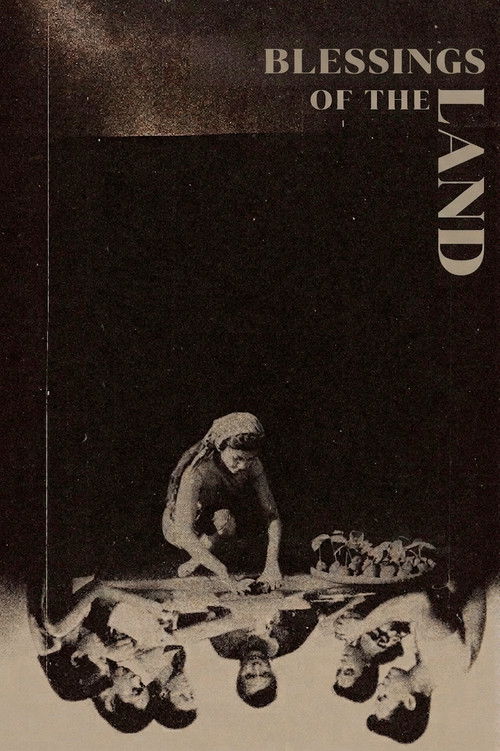
set against the trembling threshold of a post-war philippines, biyaya ng lupa evokes a rural memory that feels both sacred and slipping a world where the soil still held stories and the hands that tilled it knew both prayer and pain. through long, meditative shots and deliberate pacing, it breathes in the everyday rituals of a farming community each gesture, from sharpening a tool to kneeling in prayer, is rendered with quiet reverence. kt evokes a world where time moved slower but carried more weight, where modernity hadn't yet bled out the intimacy of neighborly gossip, ancestral faith, and intergenerational labor. You can almost hear the soil speaking through its black-and-white palette, its soft natural lighting, its unhurried editing every frame a love letter to the unspoken dignity of living close to the earth. this is not nostalgia, but memory with grit. the kind of memory that refuses to disappear, even as machines, politics, and distant cities pull the future away from the fields. what’s preserved here isn’t just a culture, but a moral landscape where growing crops was inseparable from growing families, and survival meant more than just enduring. it meant belonging to the land, to each other, to something older than history books could ever write down.
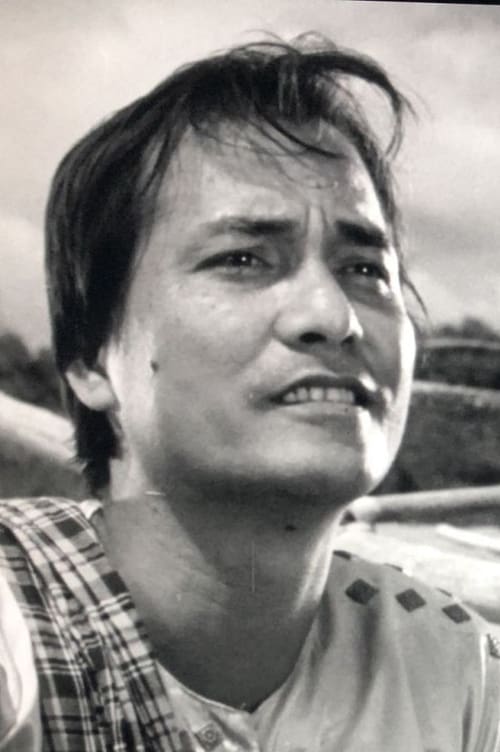
the violence that shatters the family's fragile peace doesn't arrive like thunder but it simmers, seeps, and coils until it infects everything it touches. bruno isn’t merely a character; he’s the embodiment of festering resentment, patriarchal rot, and the kind of bitterness that grows in silence and entitlement. he represents a deeper threat: how ruin often comes not from outsiders, but from within our own communities, our own bloodlines, those too broken to heal and too proud to yield. his presence is a slow undoing, a kind of rot disguised as authority. the father’s death doesn’t just mark grief; it marks a shift in generational weight, the collapse of what once held things in place. it’s a quiet implosion of order, faith, and structure. the framing tightens, the air thickens, and you feel the void stretch across the screen like something irreversible. this isn’t about a plot twist or a villain, it’s about the devastating truth that violence often wears a familiar face, and the hardest wounds to bear are the ones that feel inevitable.
miguel isn’t simply written as a villain; he’s a manifestation of what festers when poverty, unchecked masculinity, and social abandonment collide he is the slow rot in the foundation of a community that’s already been fractured by land inequality and silence. his presence in the film is a quiet indictment of a society that lets violence grow in the corners it refuses to confront, and this film frames him with a kind of moral stillness, allowing his cruelty to speak through expression, posture, and power imbalance rather than spectacle. what makes him disturbing isn’t just what he does, but how familiar it feels the way his entitlement is tolerated, how his violence emerges not from chaos but from something almost structural, something bred and allowed. in this way, the film suggests that real danger doesn’t always come from beyond the fences but often lives within the village itself, disguised as tradition, pride, or fear. it’s a reminder that peace isn’t merely the absence of conflict it’s the work of confronting what people would rather leave alone, especially when the monster wears a neighbor’s face.
this isn’t just cinema it’s lived memory carved in monochrome, a quiet elegy for those who built their lives with blistered hands and unspoken strength. Biyaya ng Lupa doesn’t perform its message; it breathes it, embodying the weight of labor, land, and love with a clarity that feels sacred. every frame feels tilled, not just shot, grounded in a realism that rejects spectacle for spirit. watching it, i didn’t see characters i saw the calloused palms of my father, the steady resilience of my mother, the stubborn dignity of my grandfather, and the echo of myself, still learning how to carry what they never said aloud. the film becomes a kind of prayer not to a god above, but to the earth below a film that holds space for the lives often silenced by history, yet pulsing beneath it. It's not just a classic it’s an inheritance, showing that survival itself can be an art form, and that stories like ours are not footnotes they are the soil from which the nation grows.
rated 5 stars and putting it in my top 4 favorites. this film is often compared to Italian neorealism, especially
Bicycle Thieves (1948), because of its grounded, unembellished tone, its intimate focus on family as an emotional and moral anchor, and its haunting portrayal of quiet, everyday economic injustice and this is widely considered a cornerstone of filipino national cinema frequently featured in retrospectives and academic syllabi for its enduring cultural resonance, historical weight, and refined cinematic craftsmanship.
:
a personal primer in absolute cinema |
auteur-coded |
top 10 films |
film posters i’d sell my soul for ୭˚. ᵎᵎ