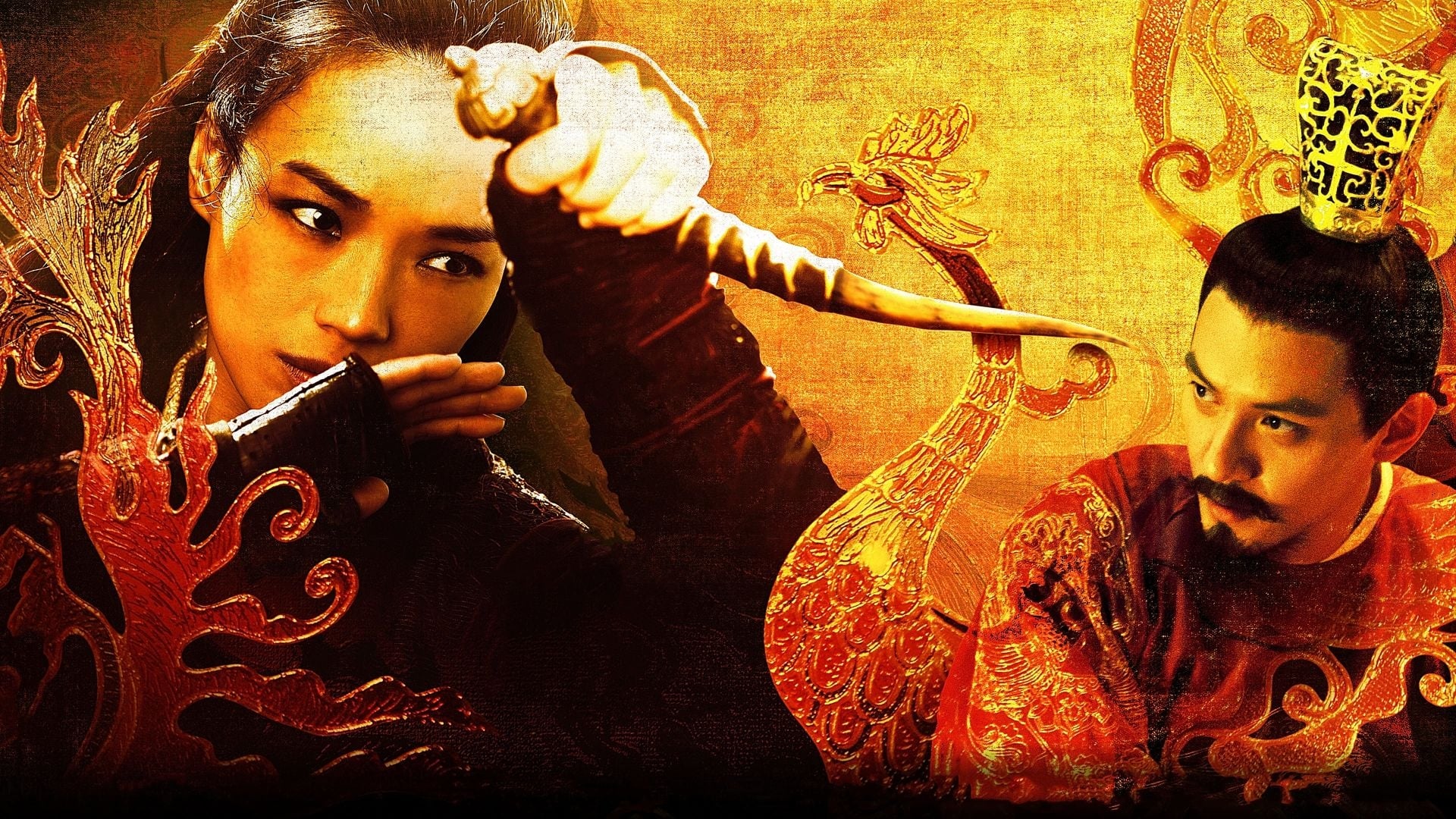
The Assassin serves as a quiet and effective deconstruction of the Wuxia genre the home of grande Chinese historical epics.
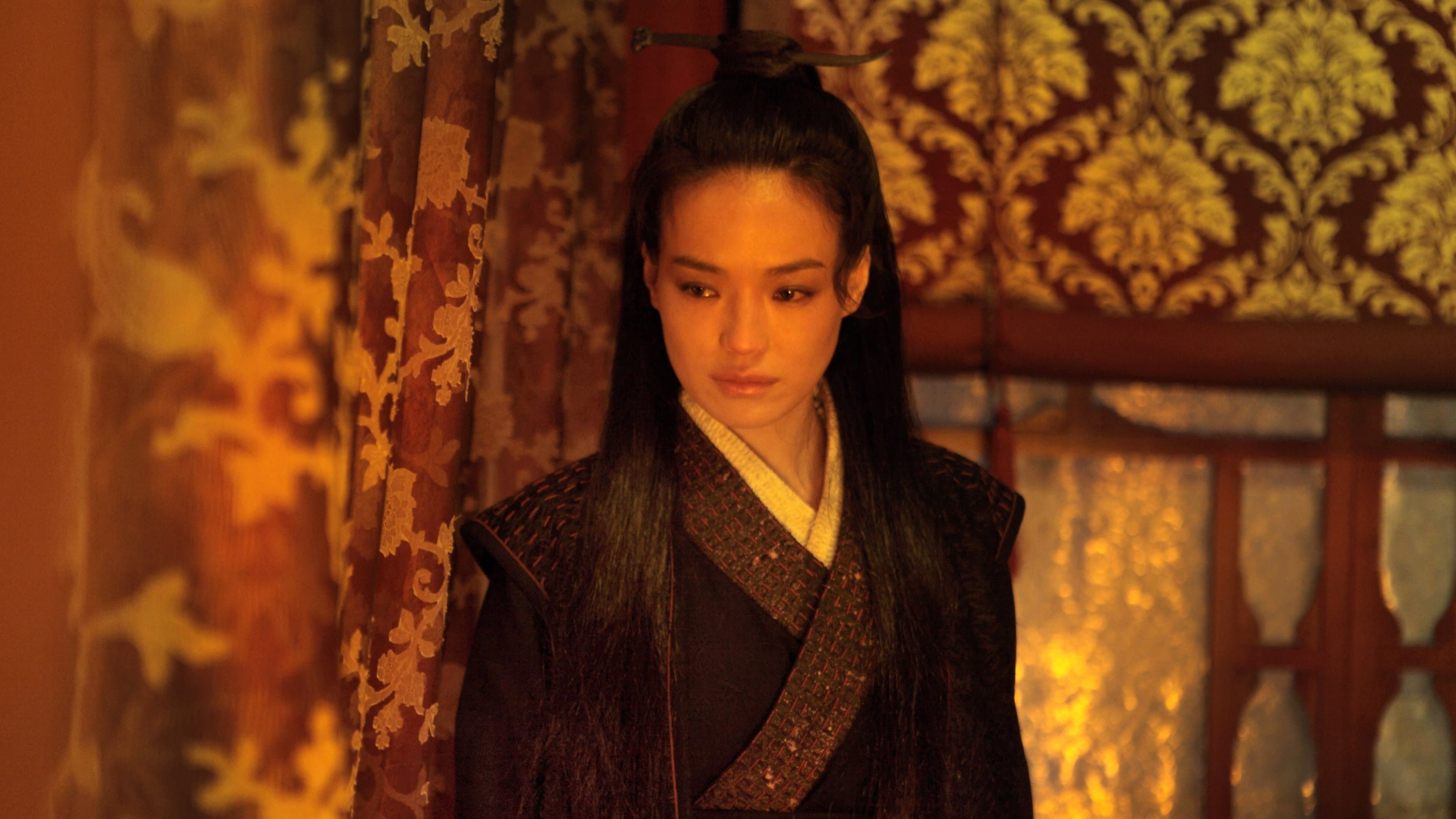
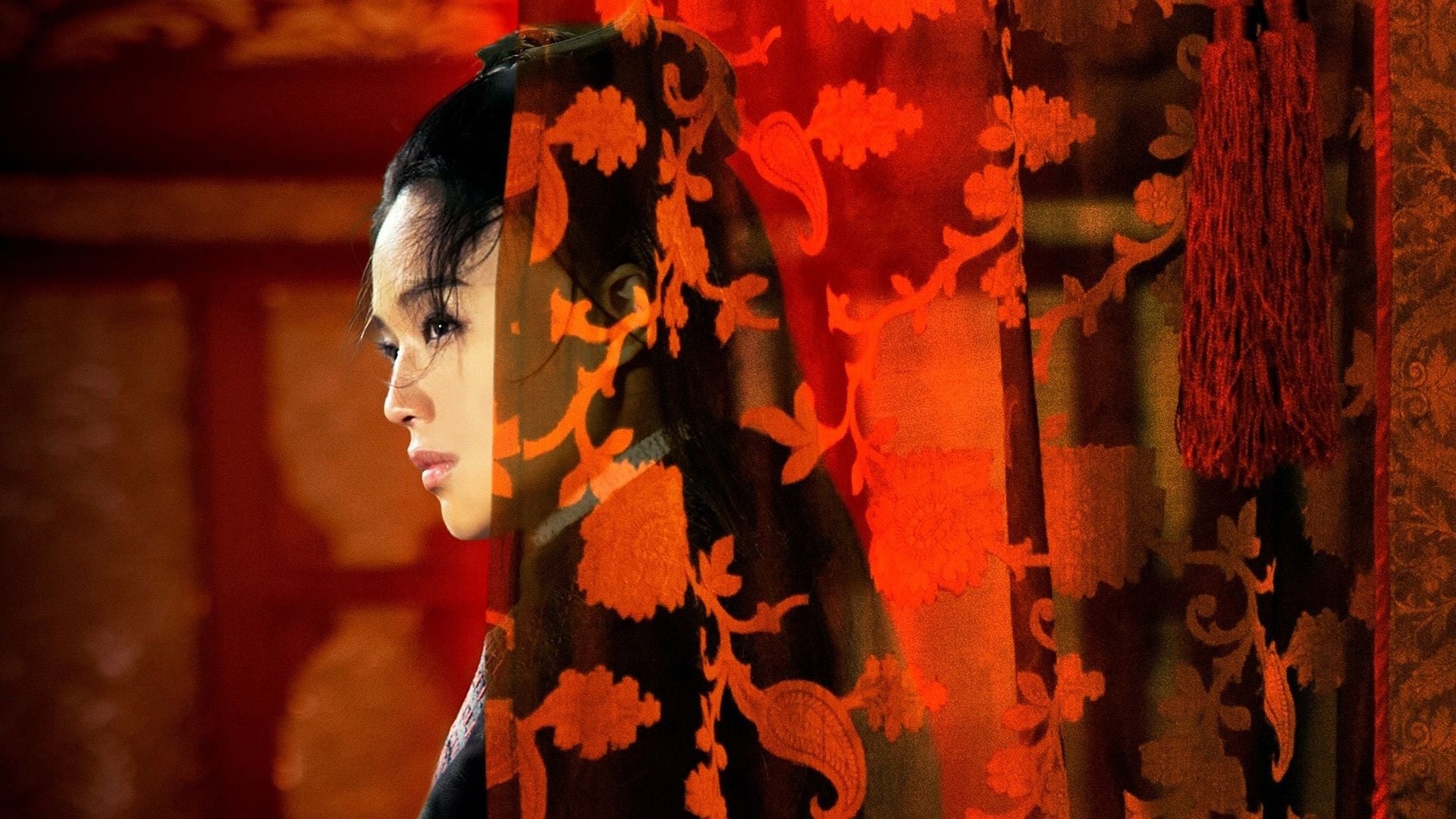
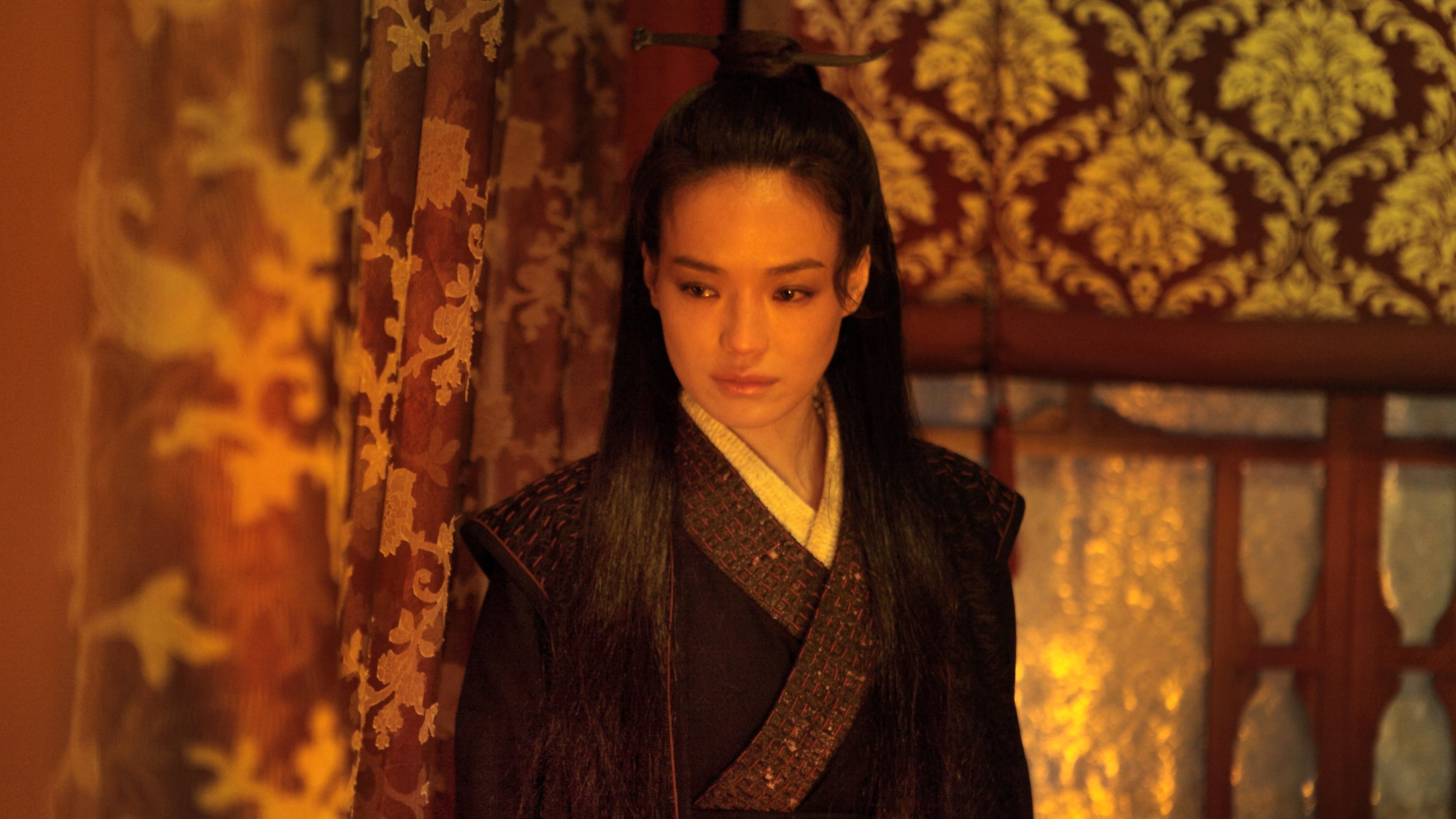
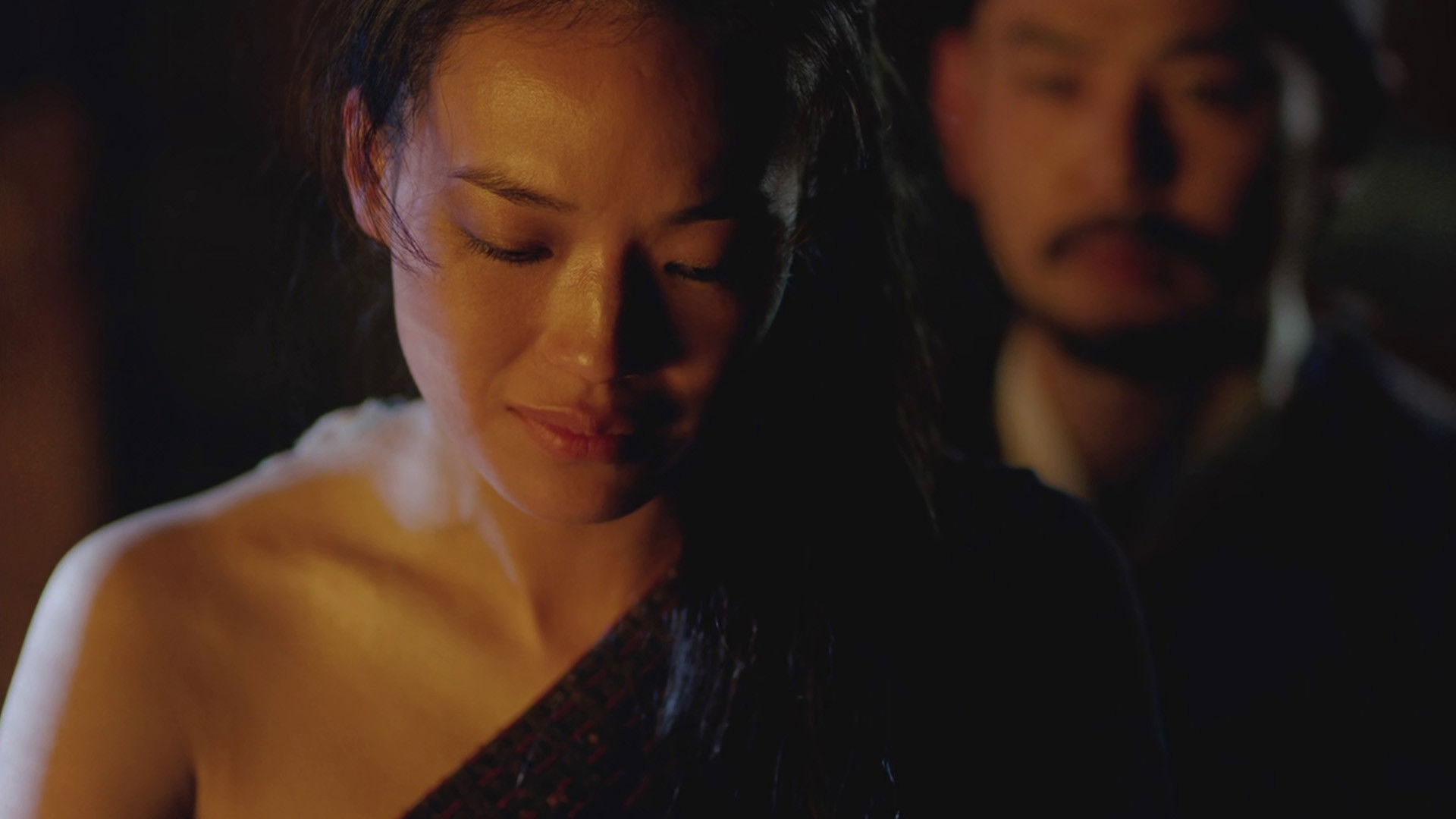
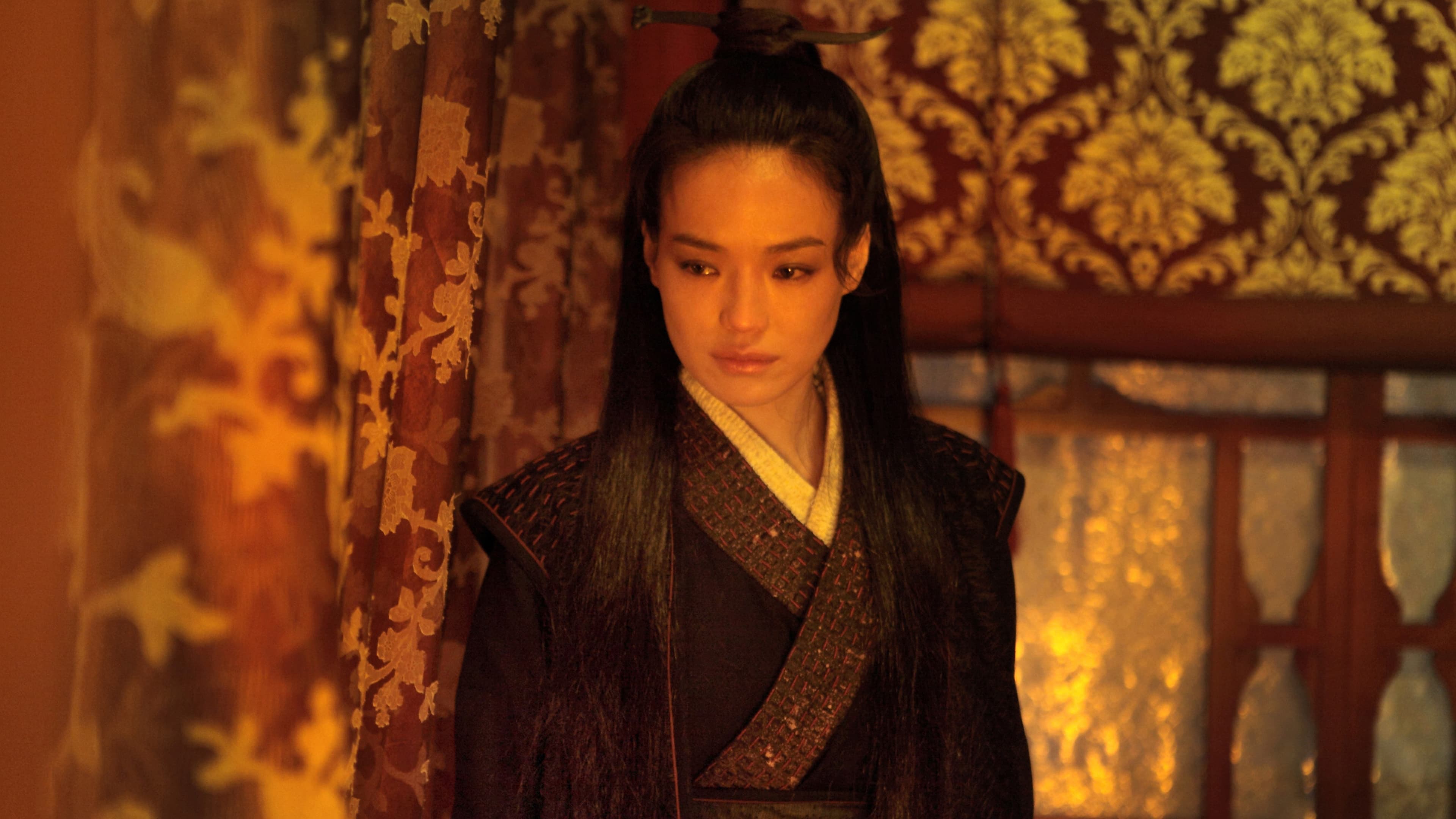
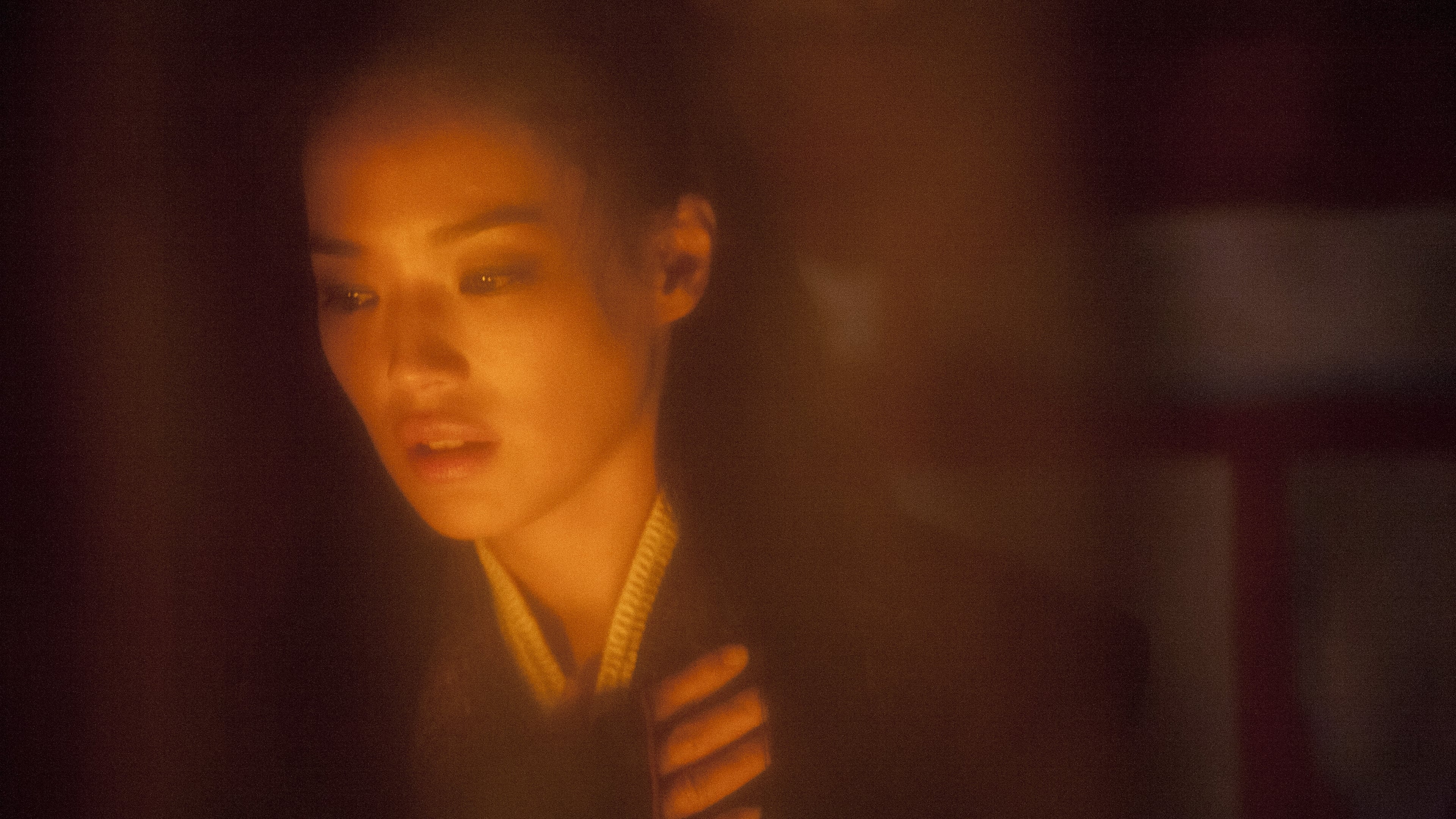
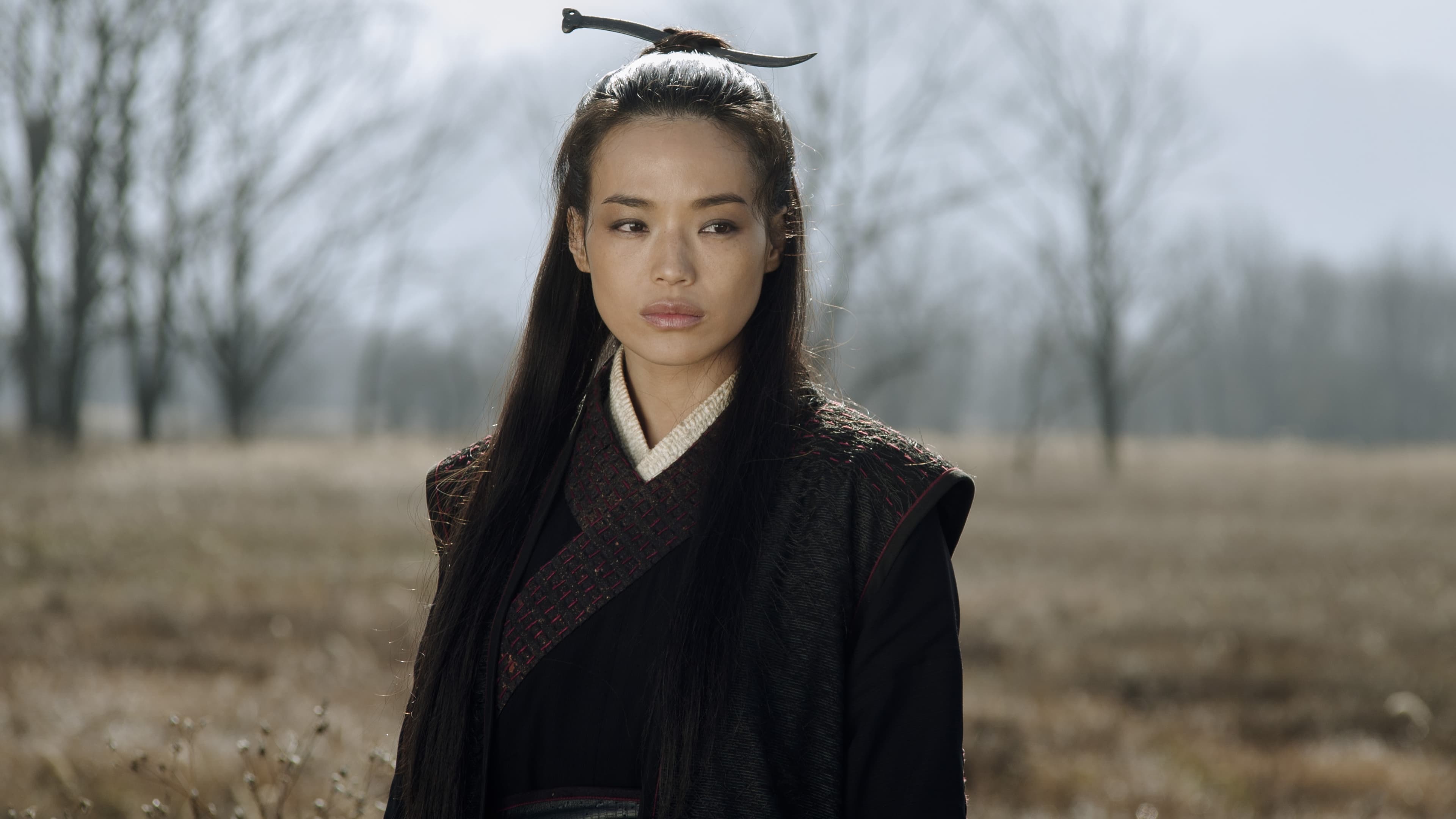
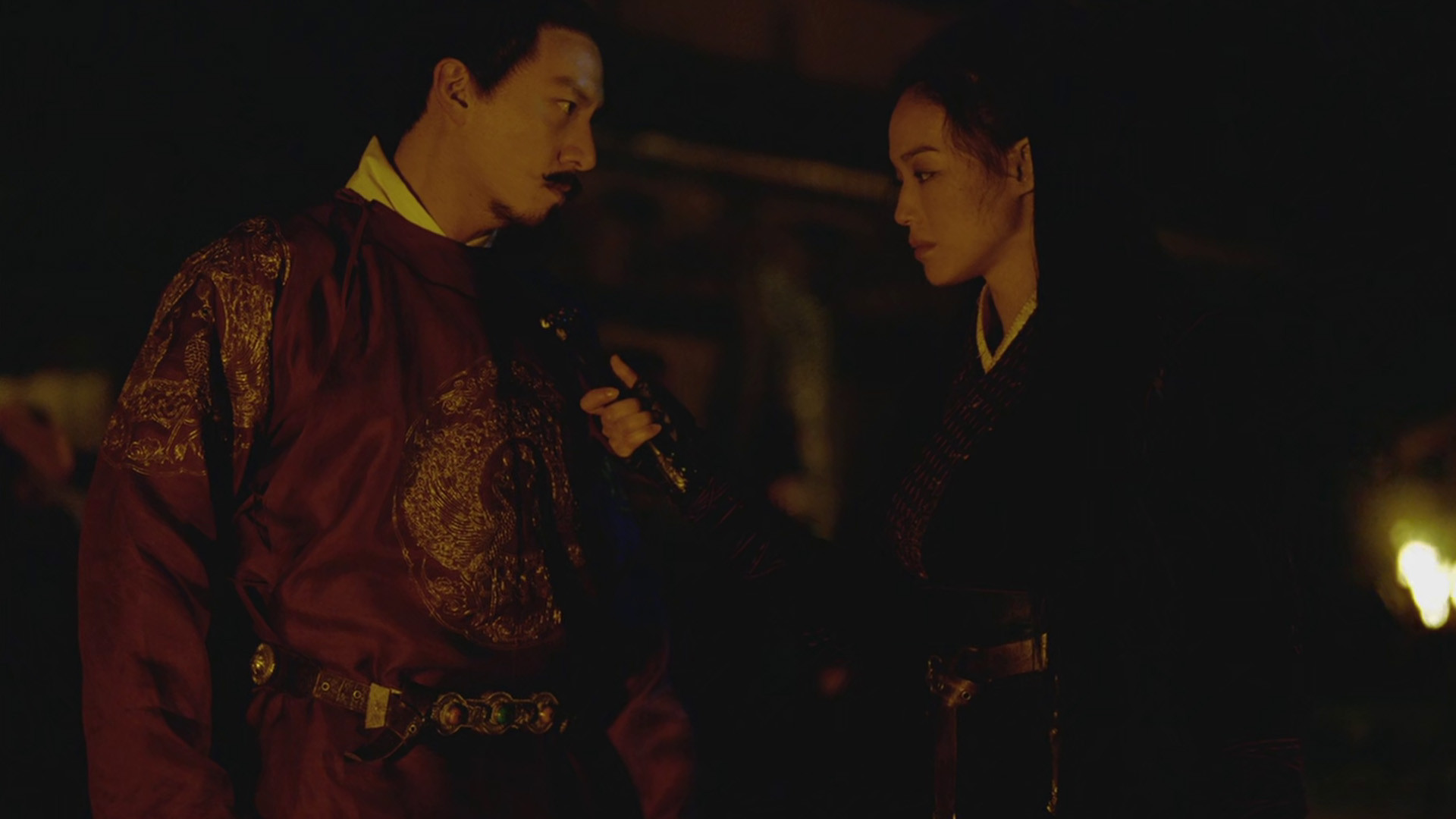
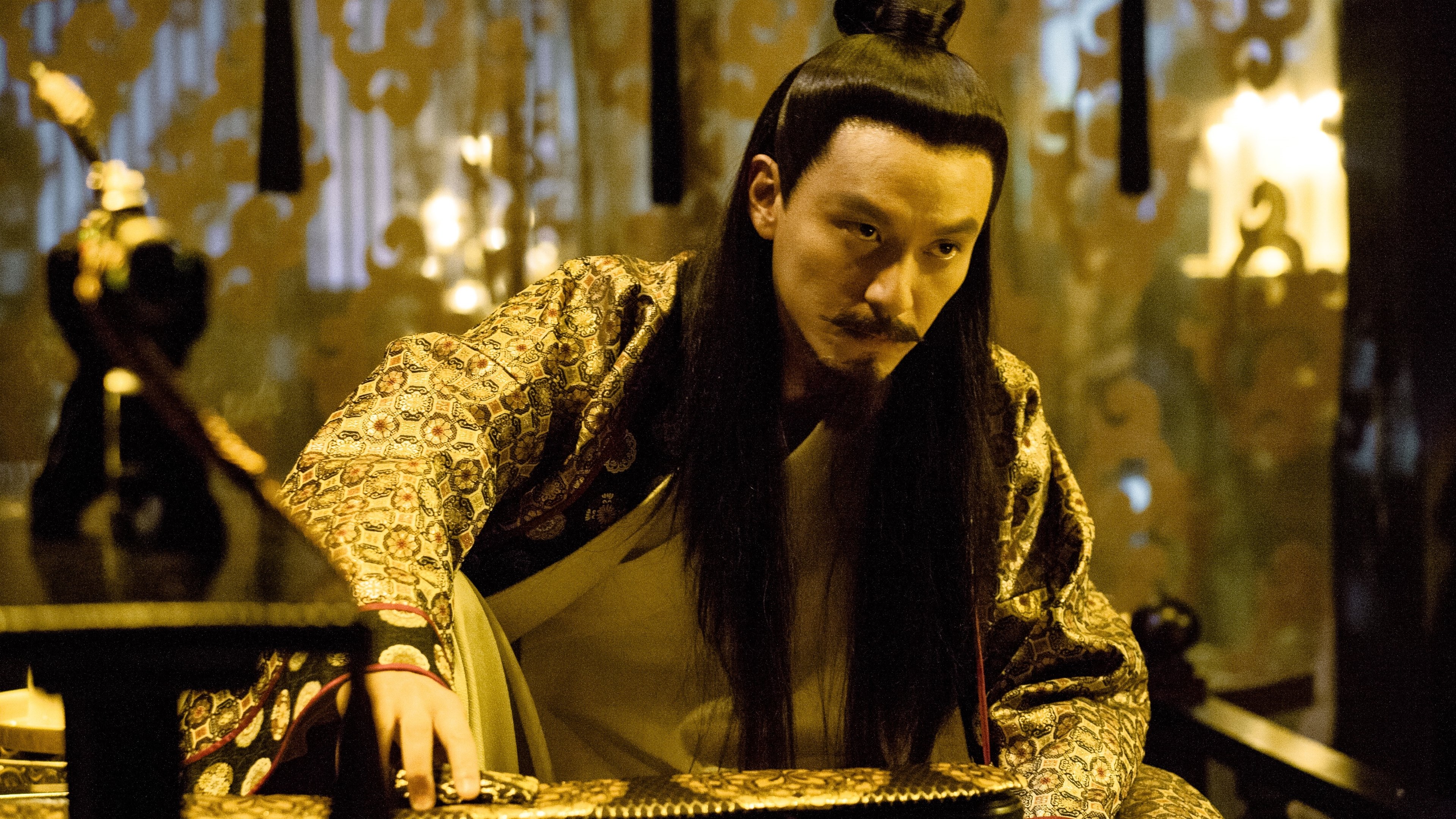
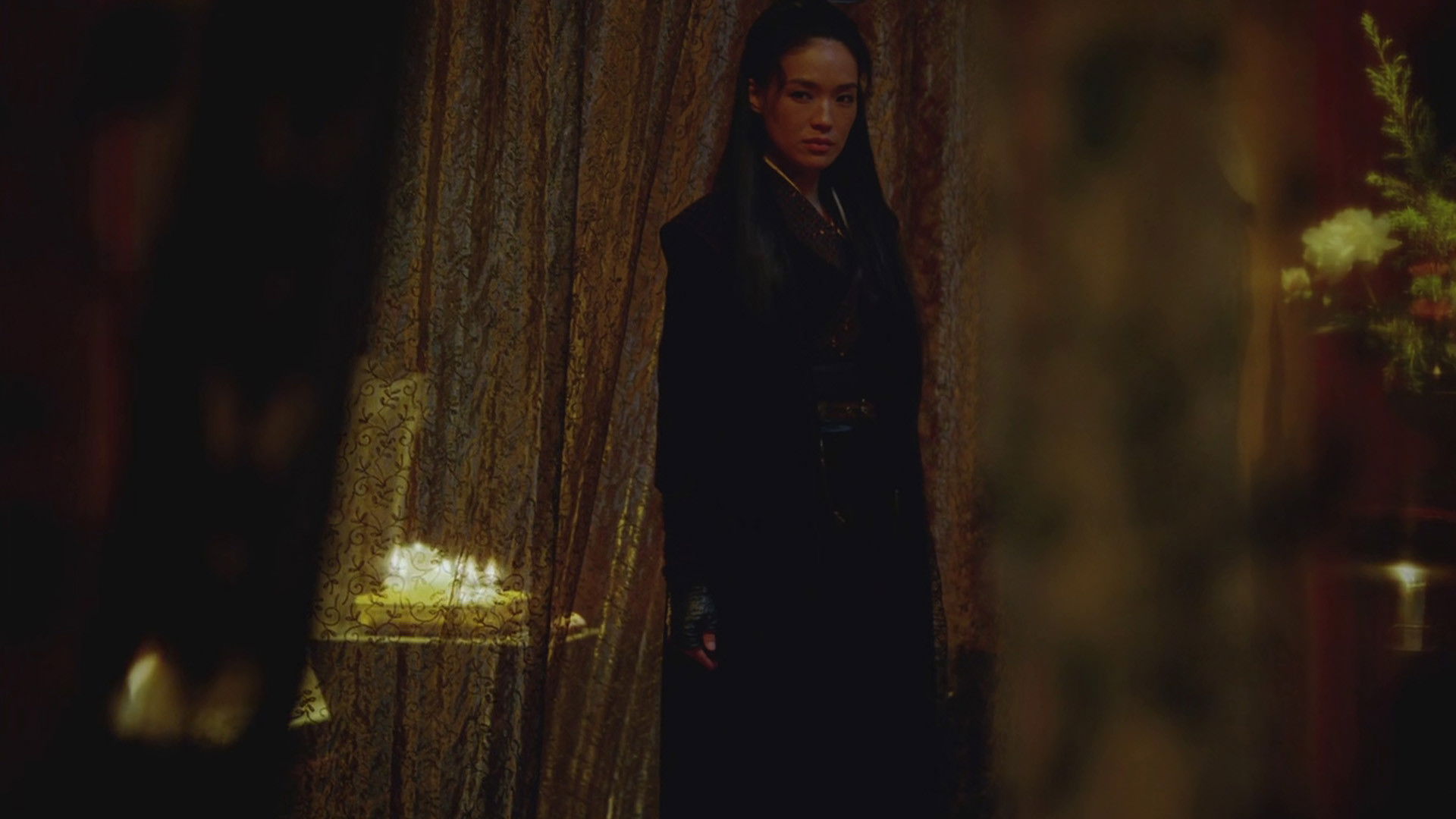
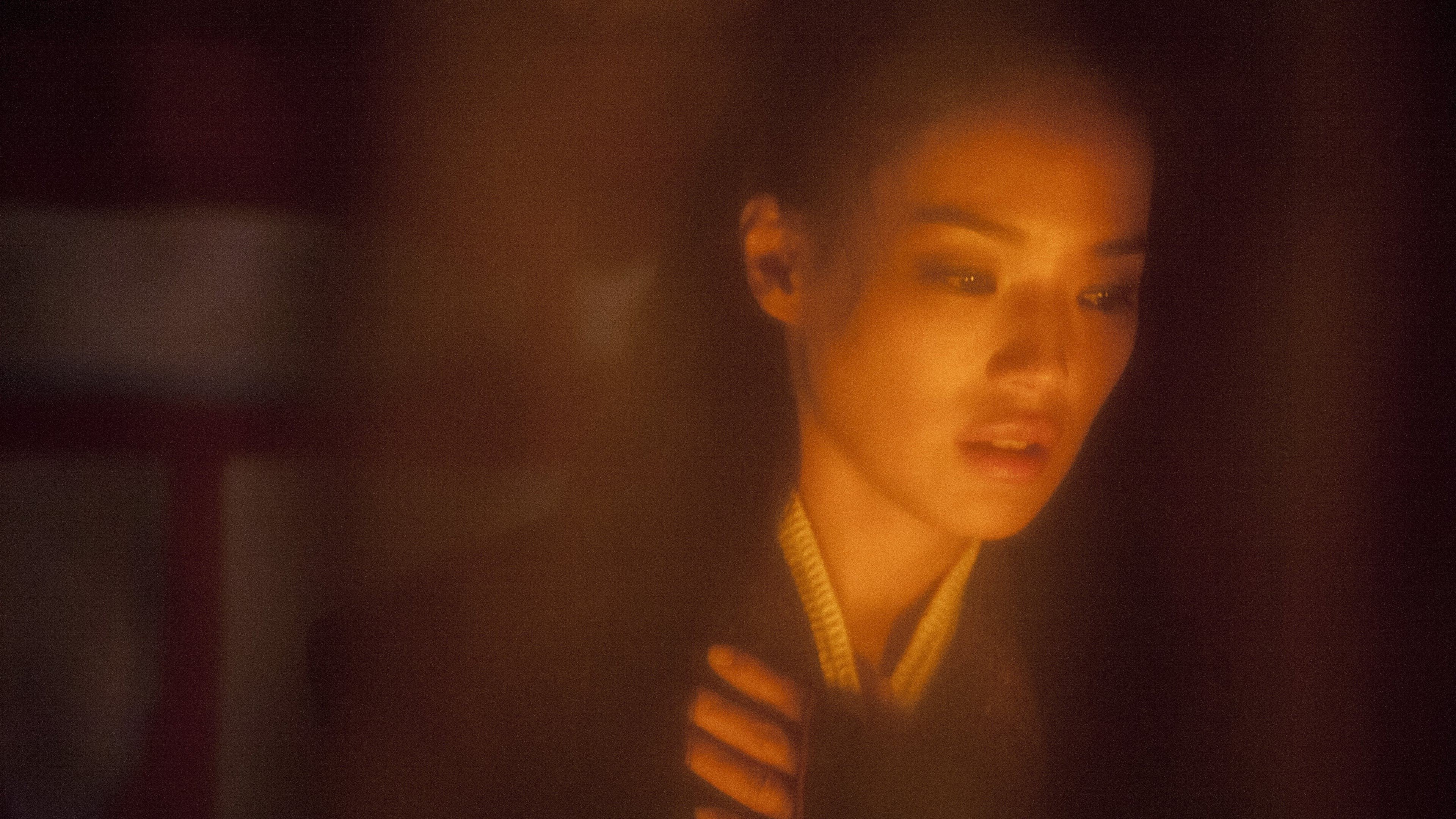
While Wuxia is often associated with melodrama and over the top martial arts, here the characters repress their emotions instead of wearing them on their hearts and swords. They convey them through silent stares and the faintest movements of the eyes instead of grandiose speeches.
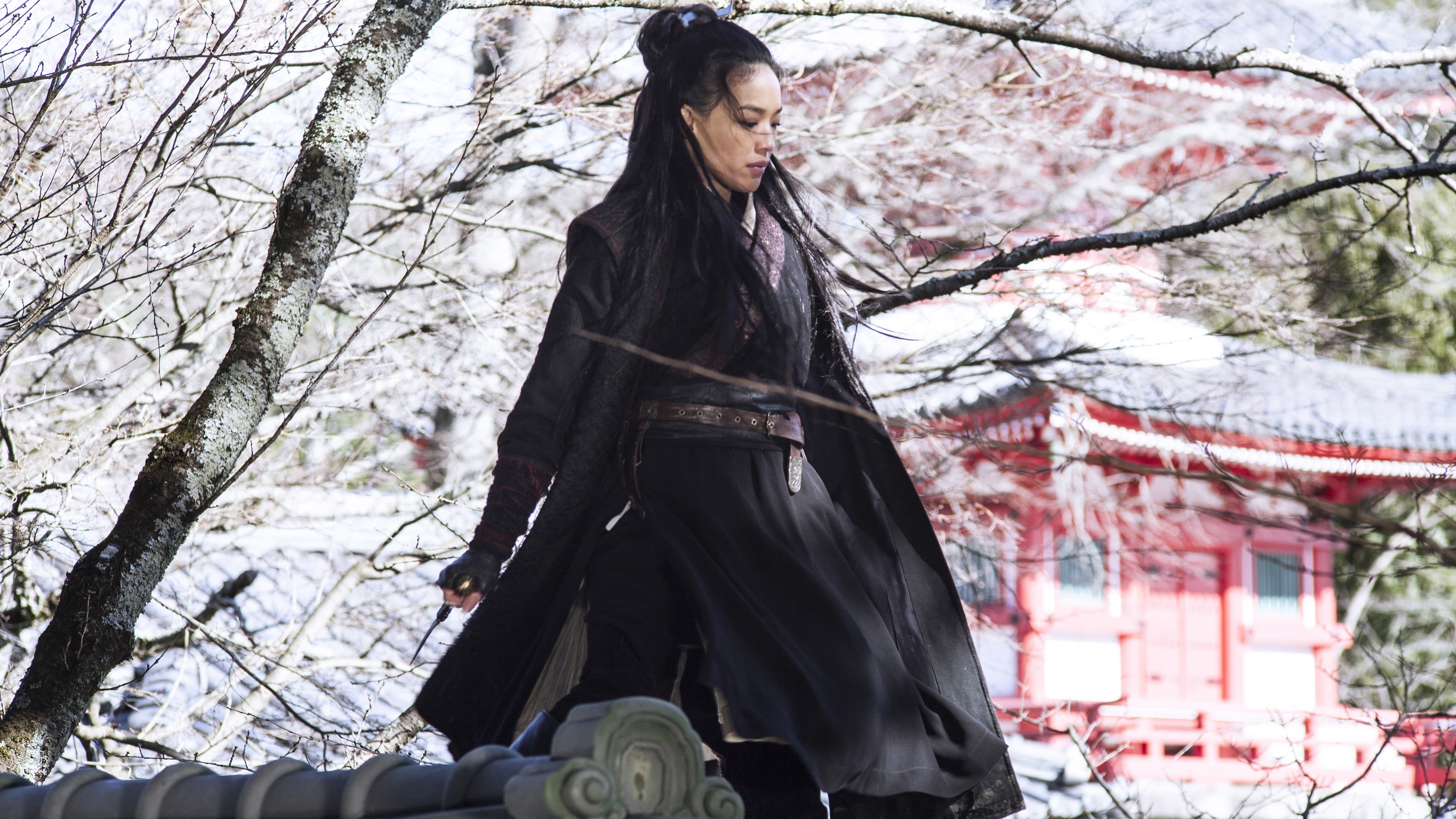
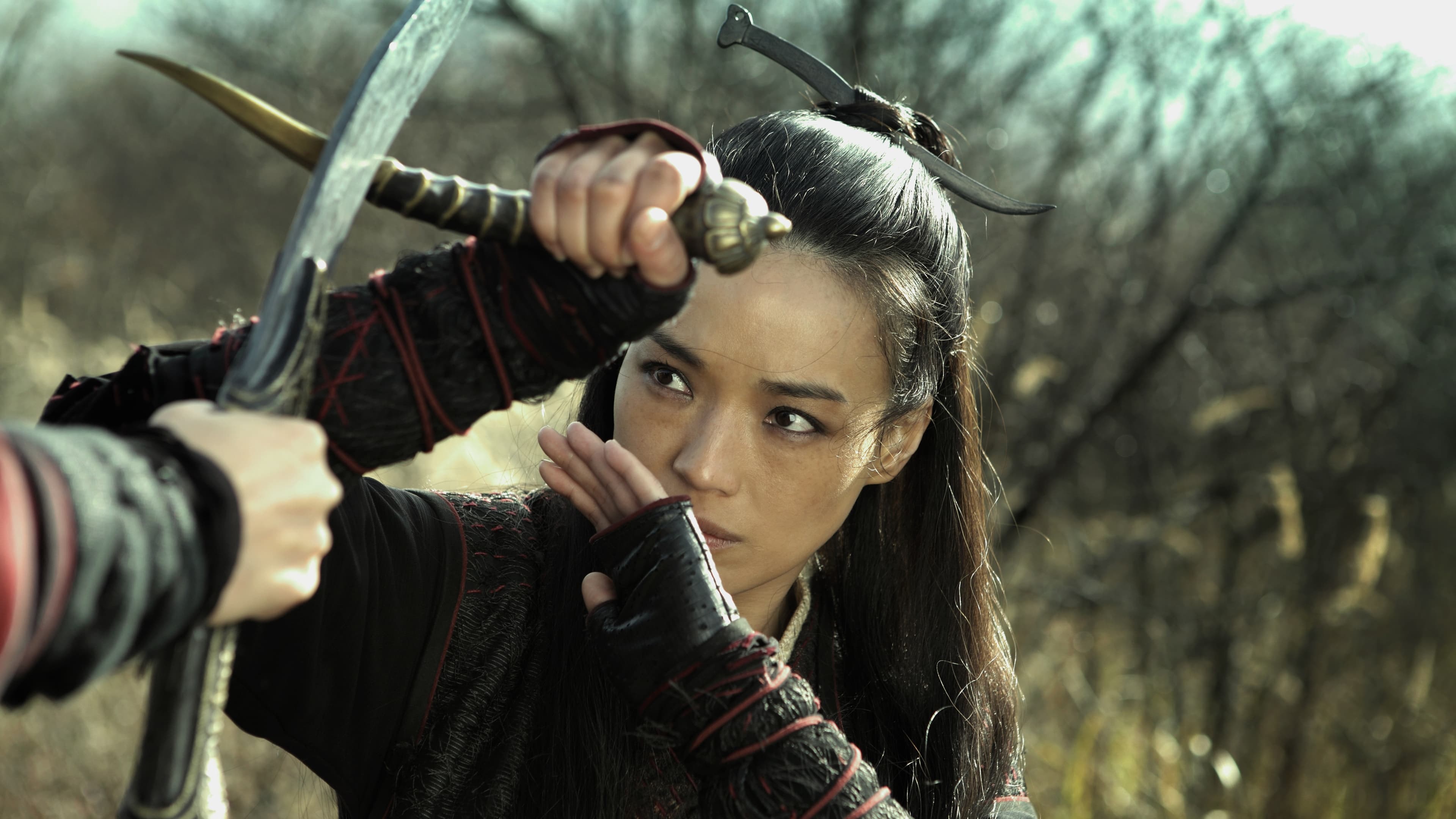
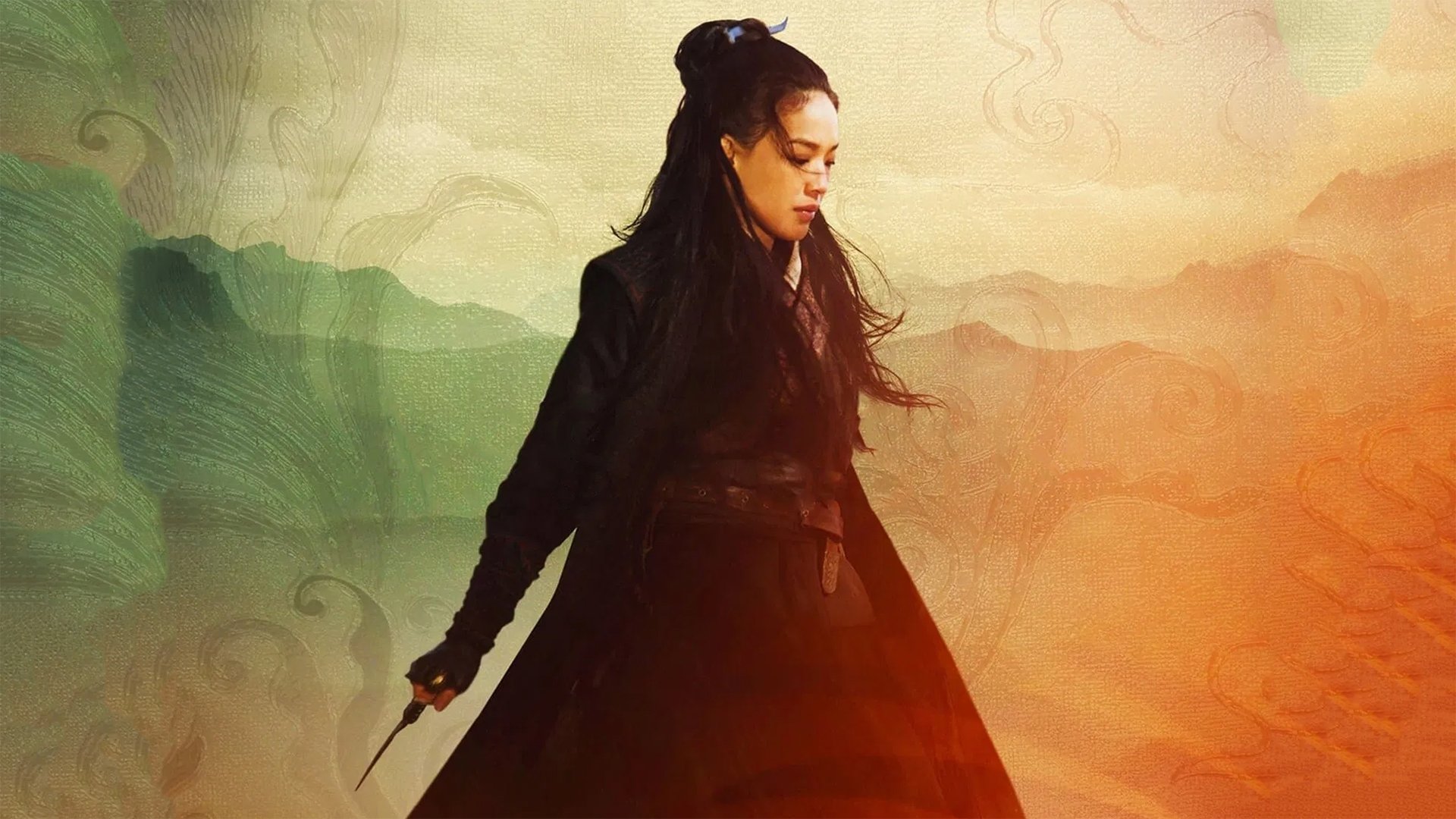
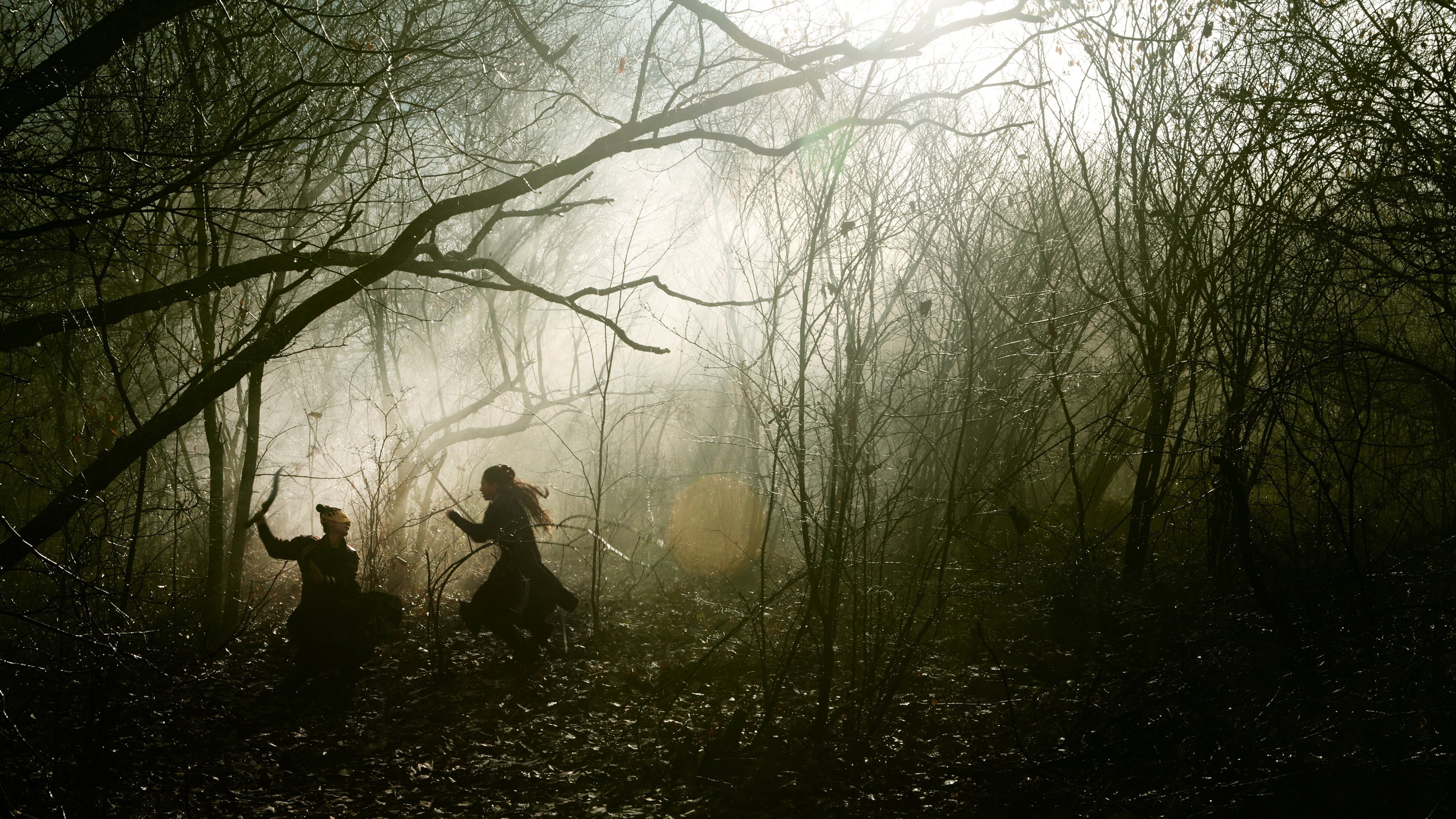
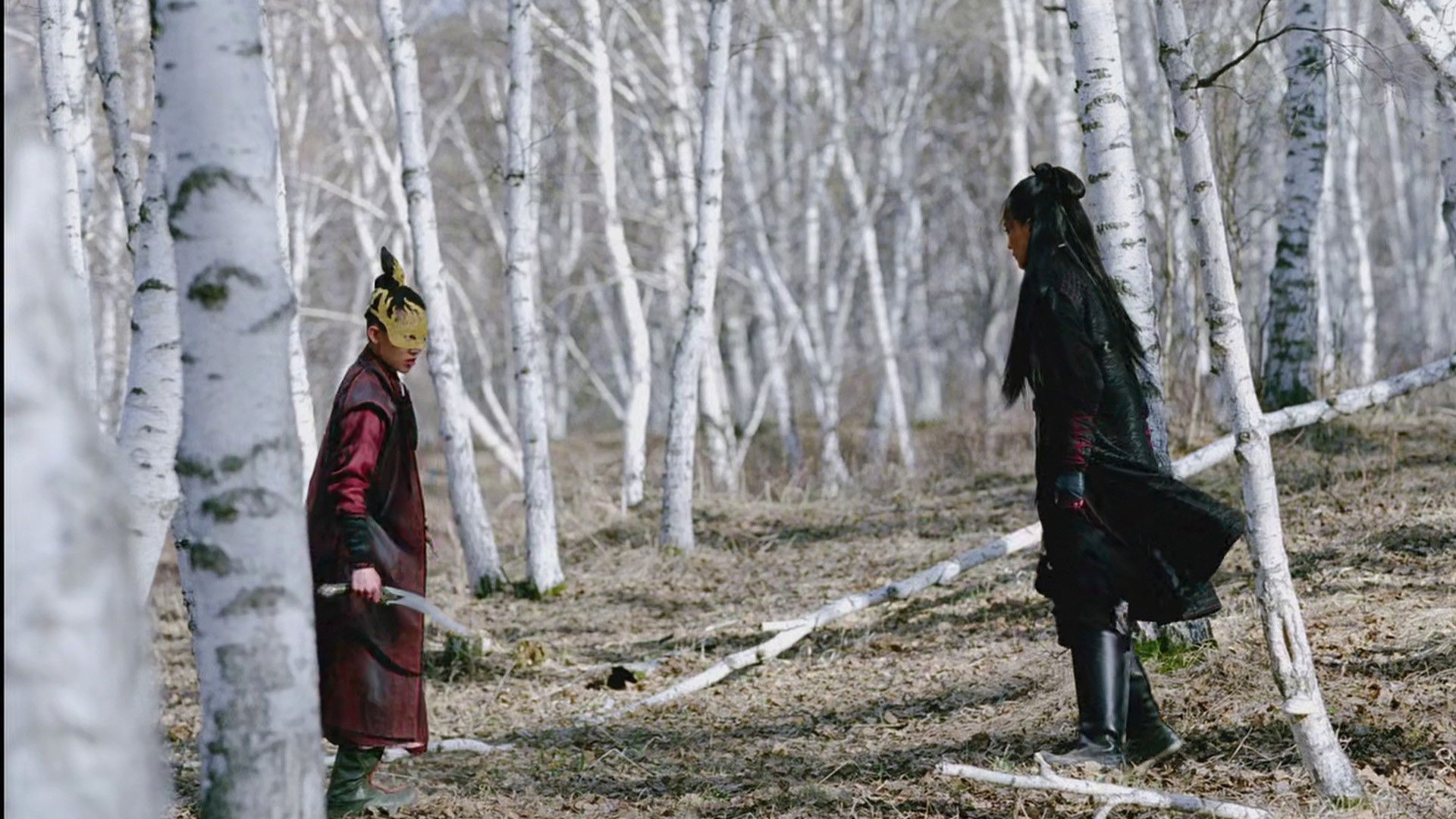
The same goes for the action, which The Assassin portrays as the cold (and especially refreshing wordless) act of killing and not as lavishly choreographed dances.
Action is kept sharp, emotions are reserved for the most important moments only.
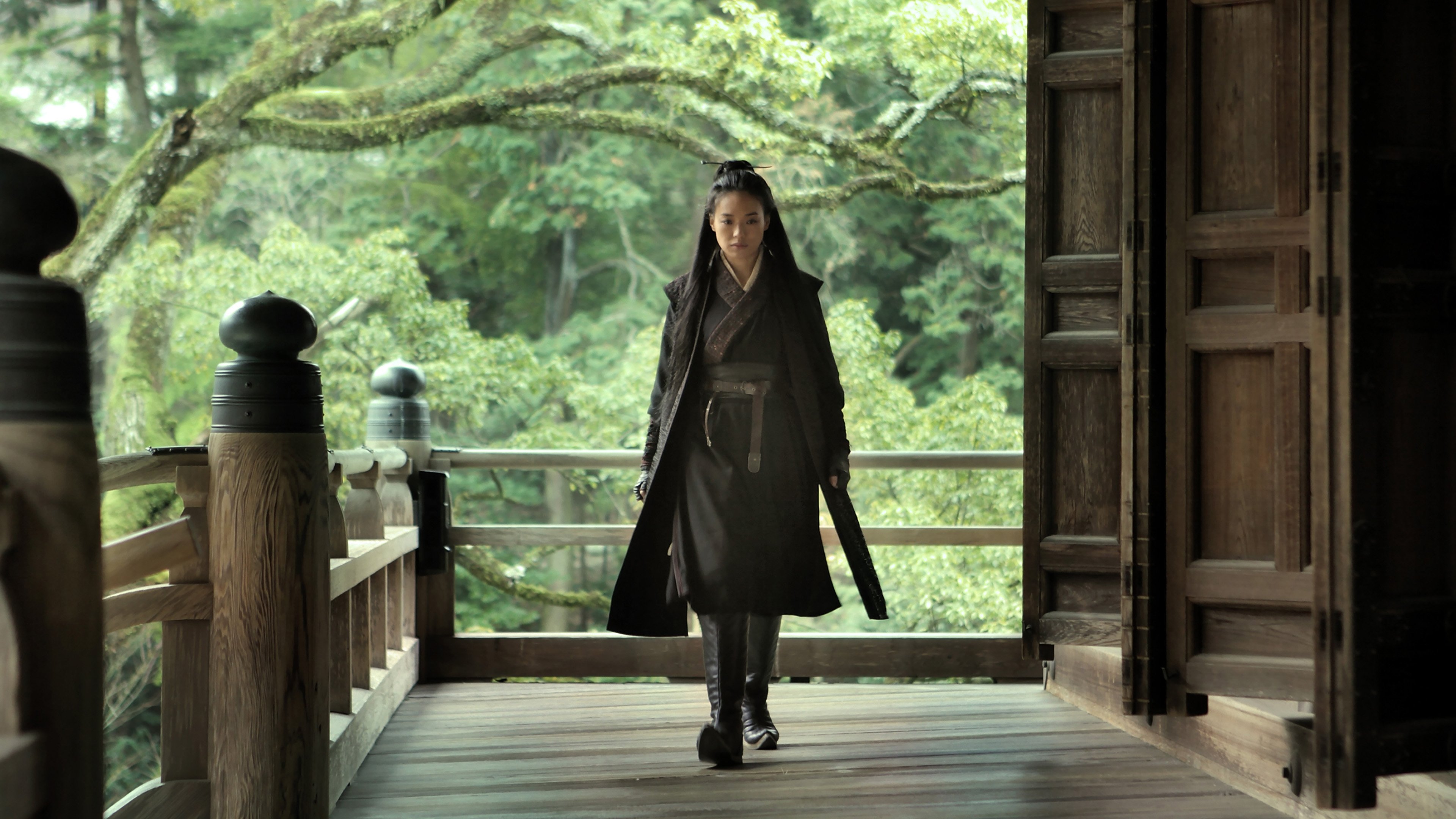
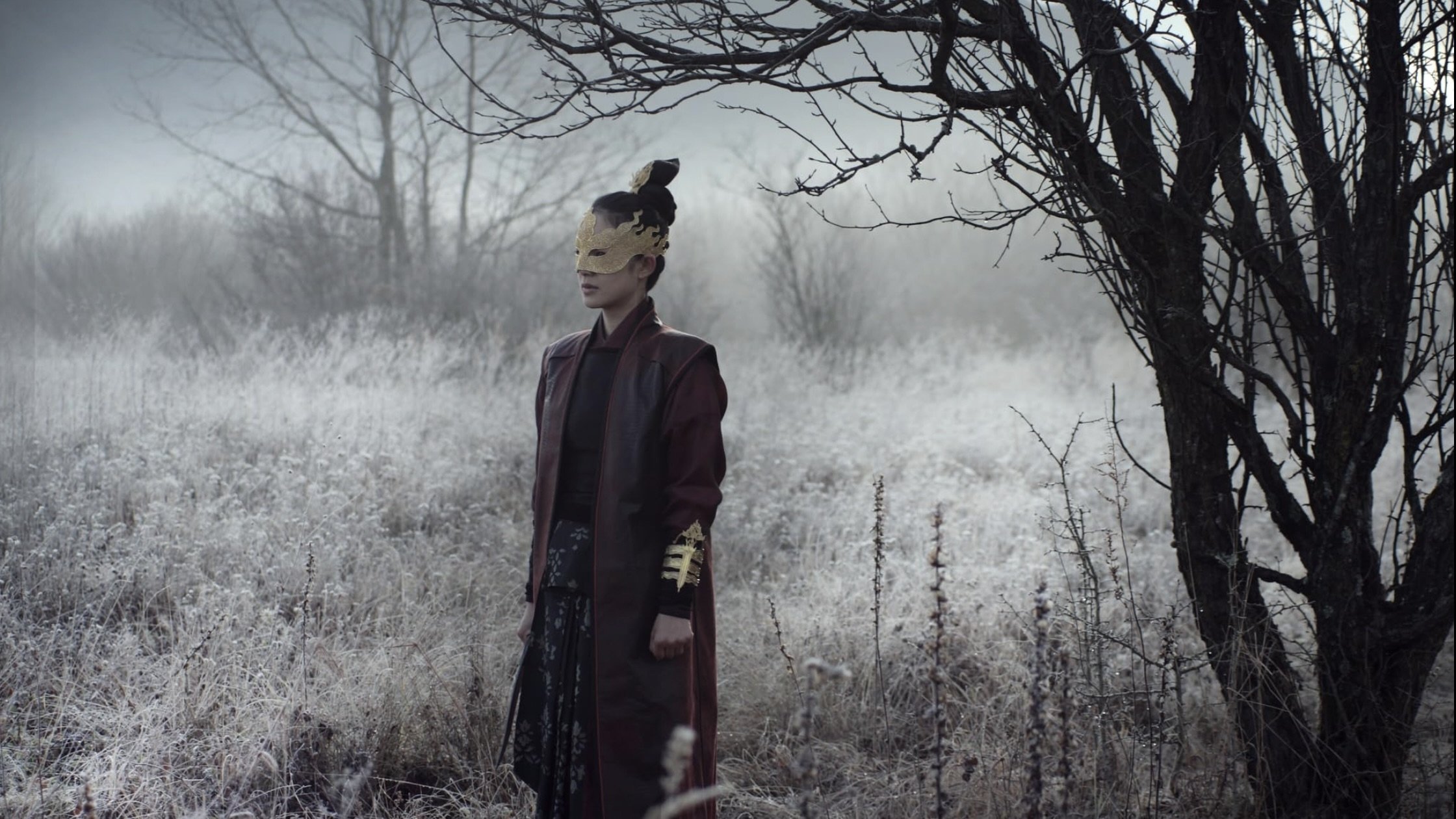
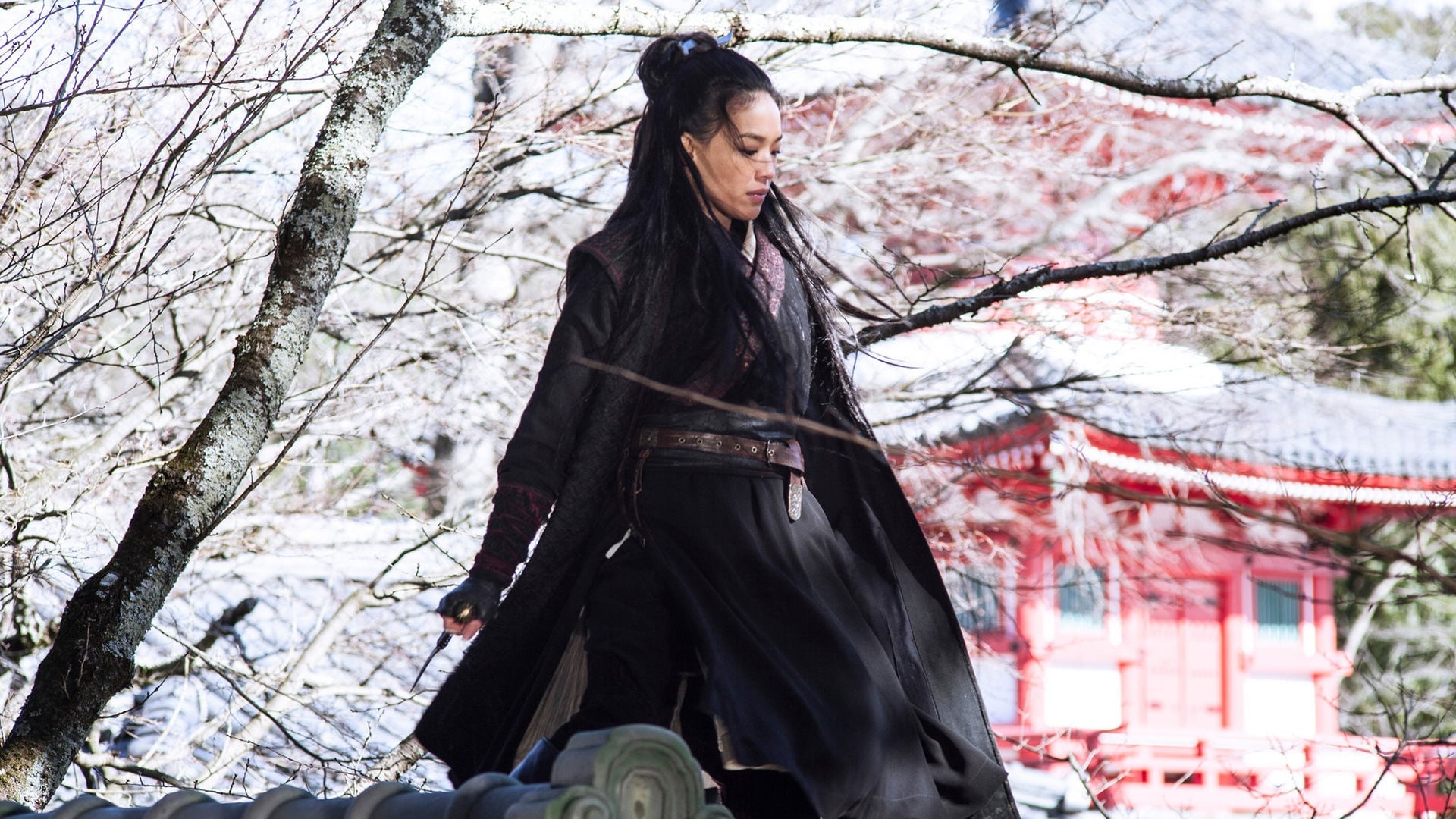
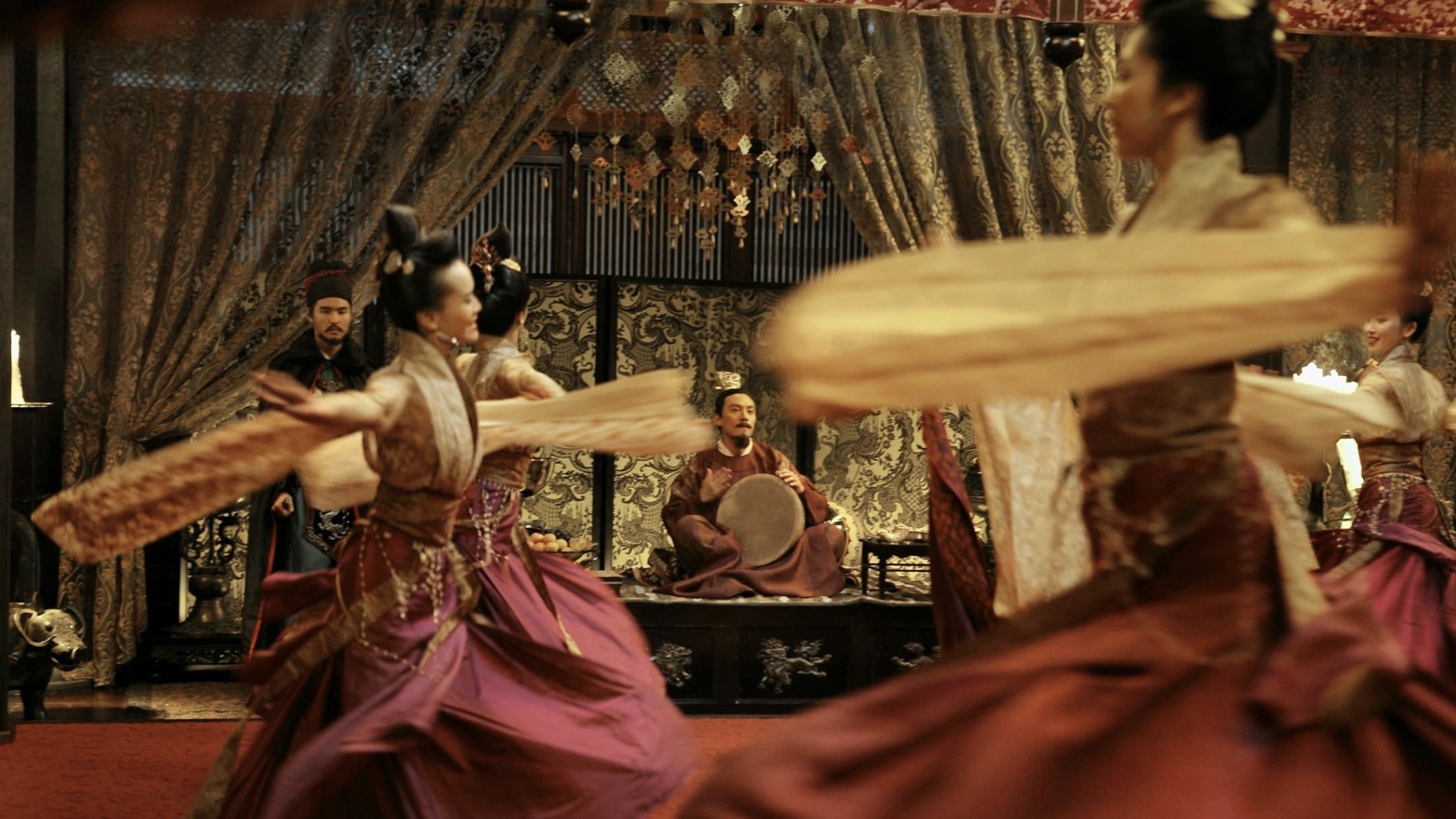
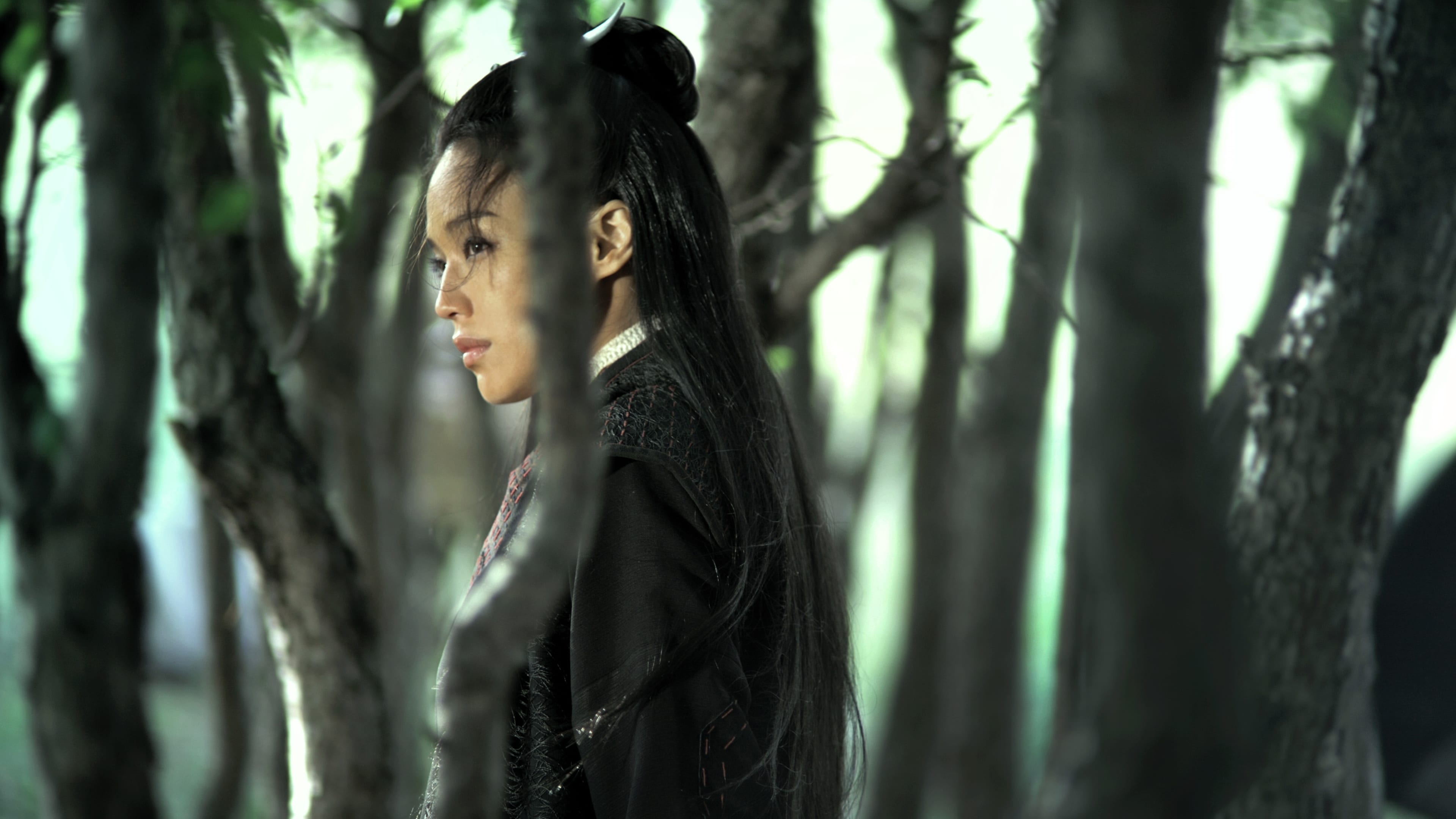
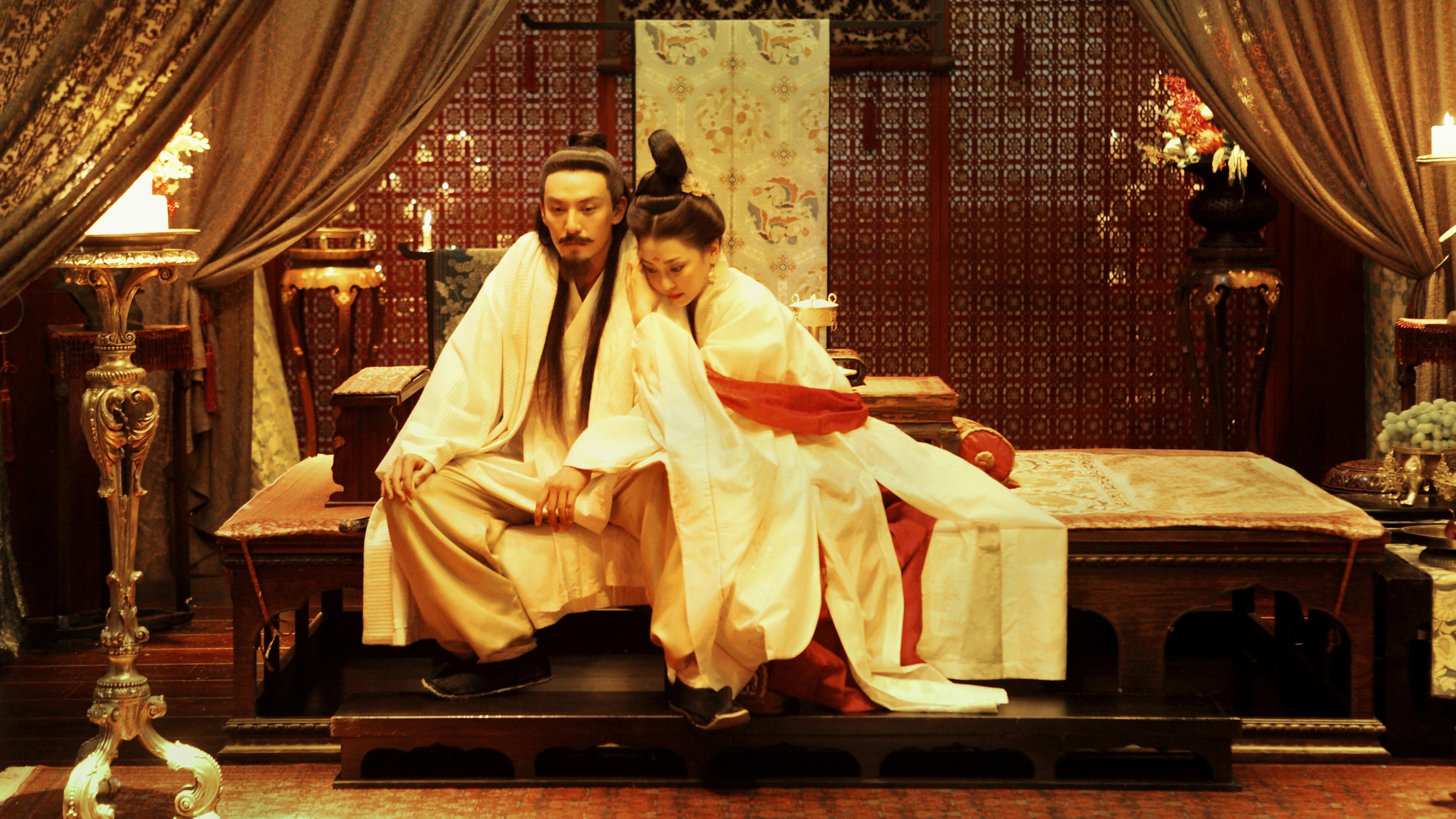
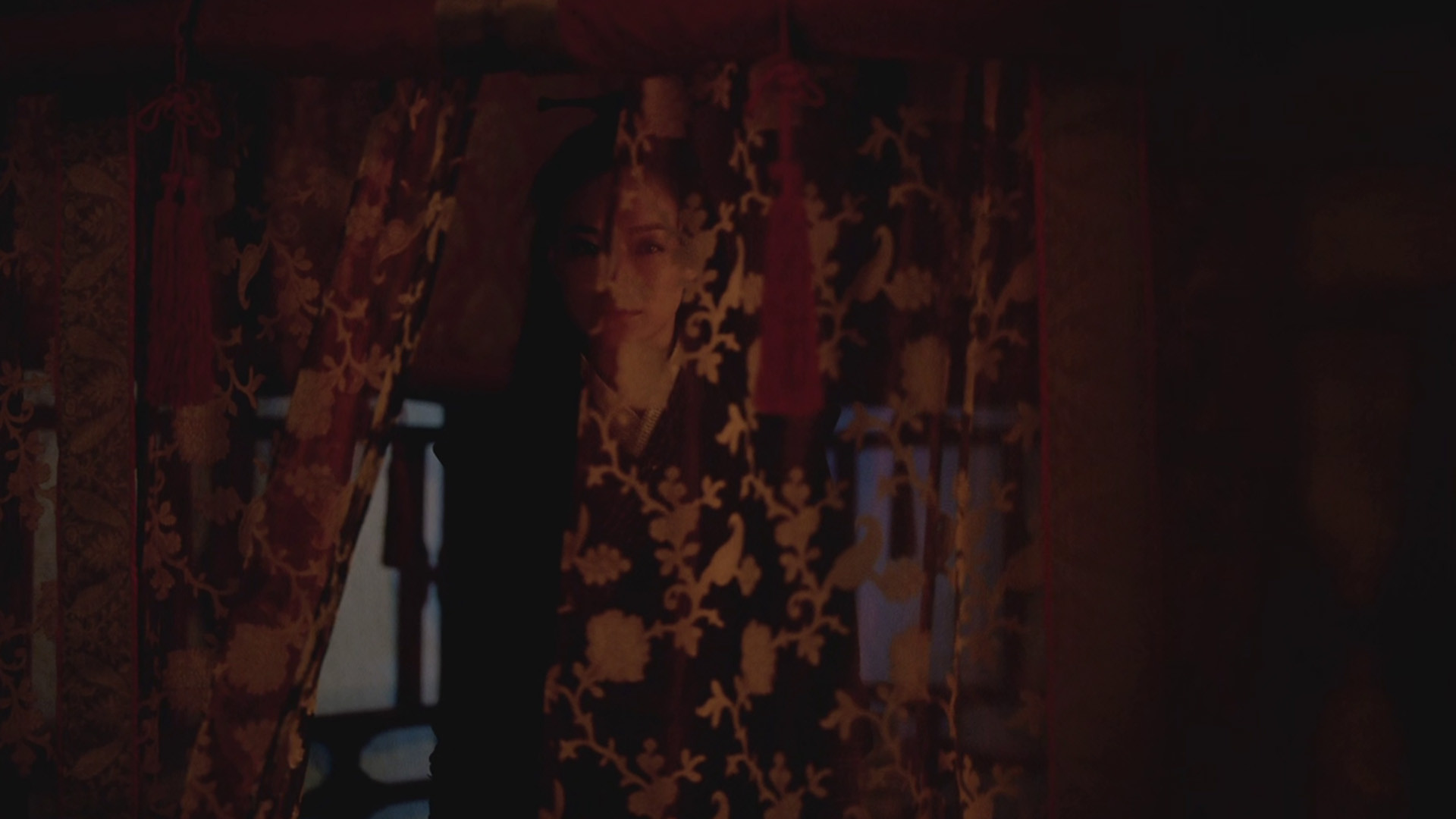
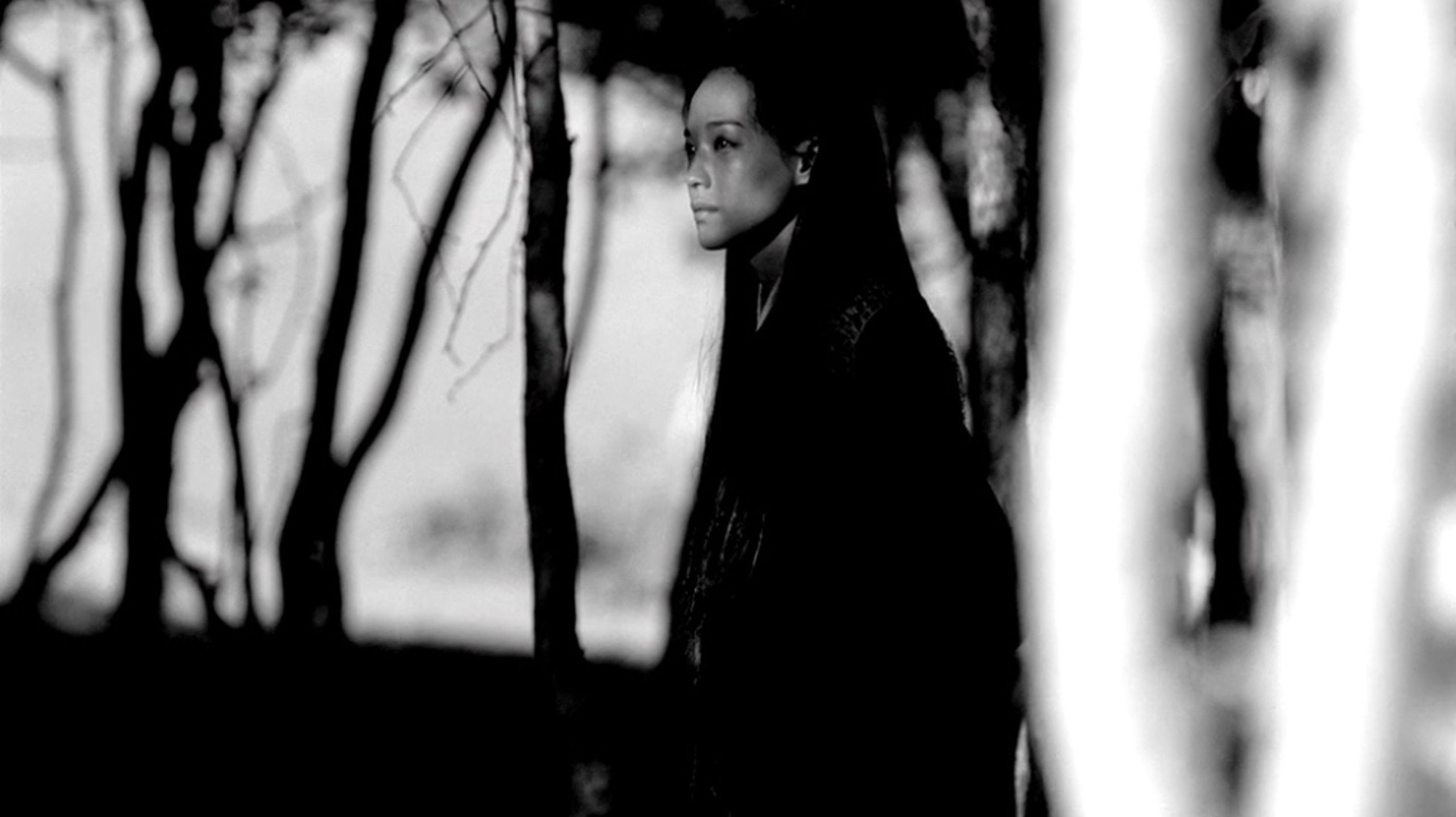
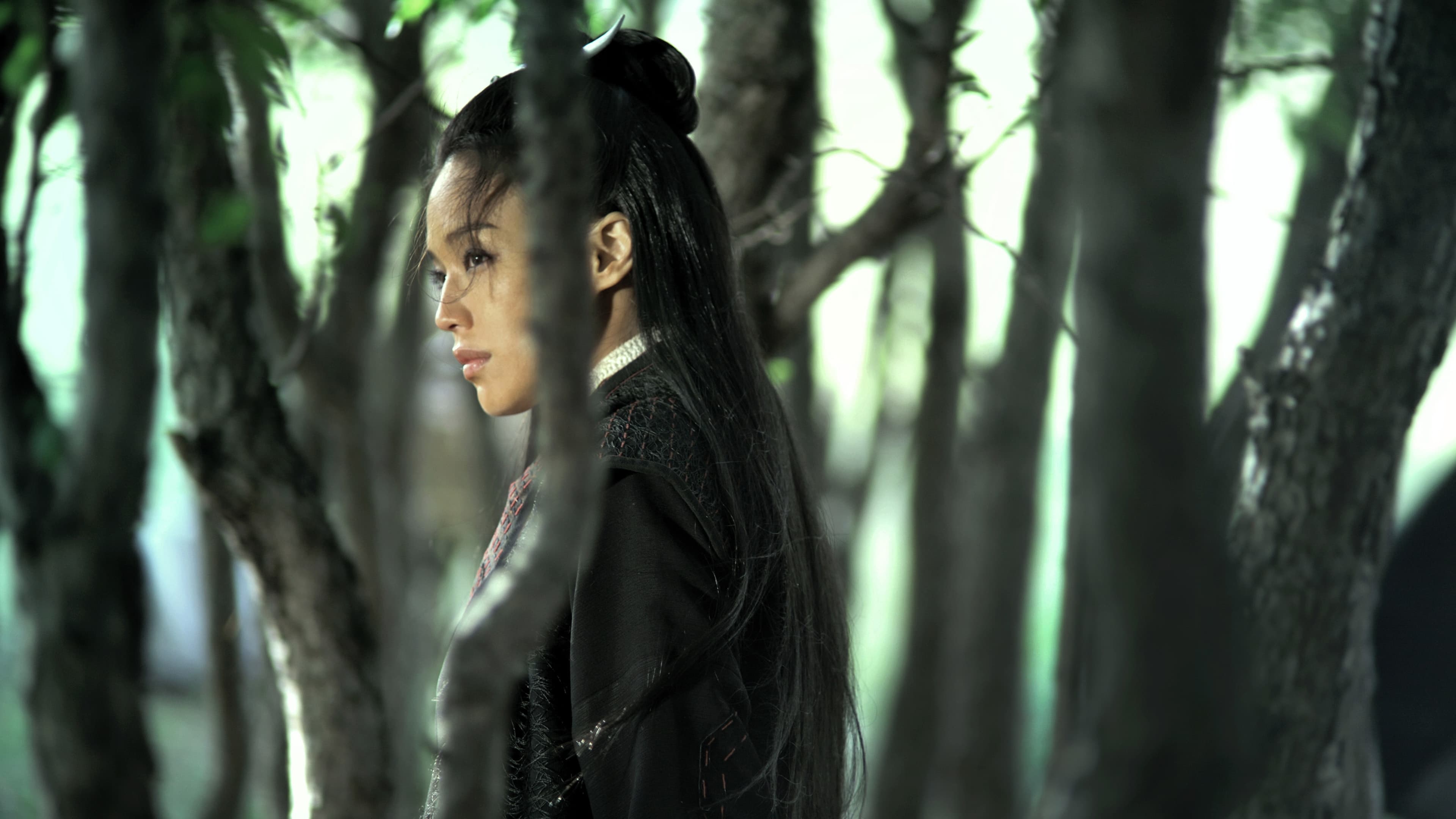
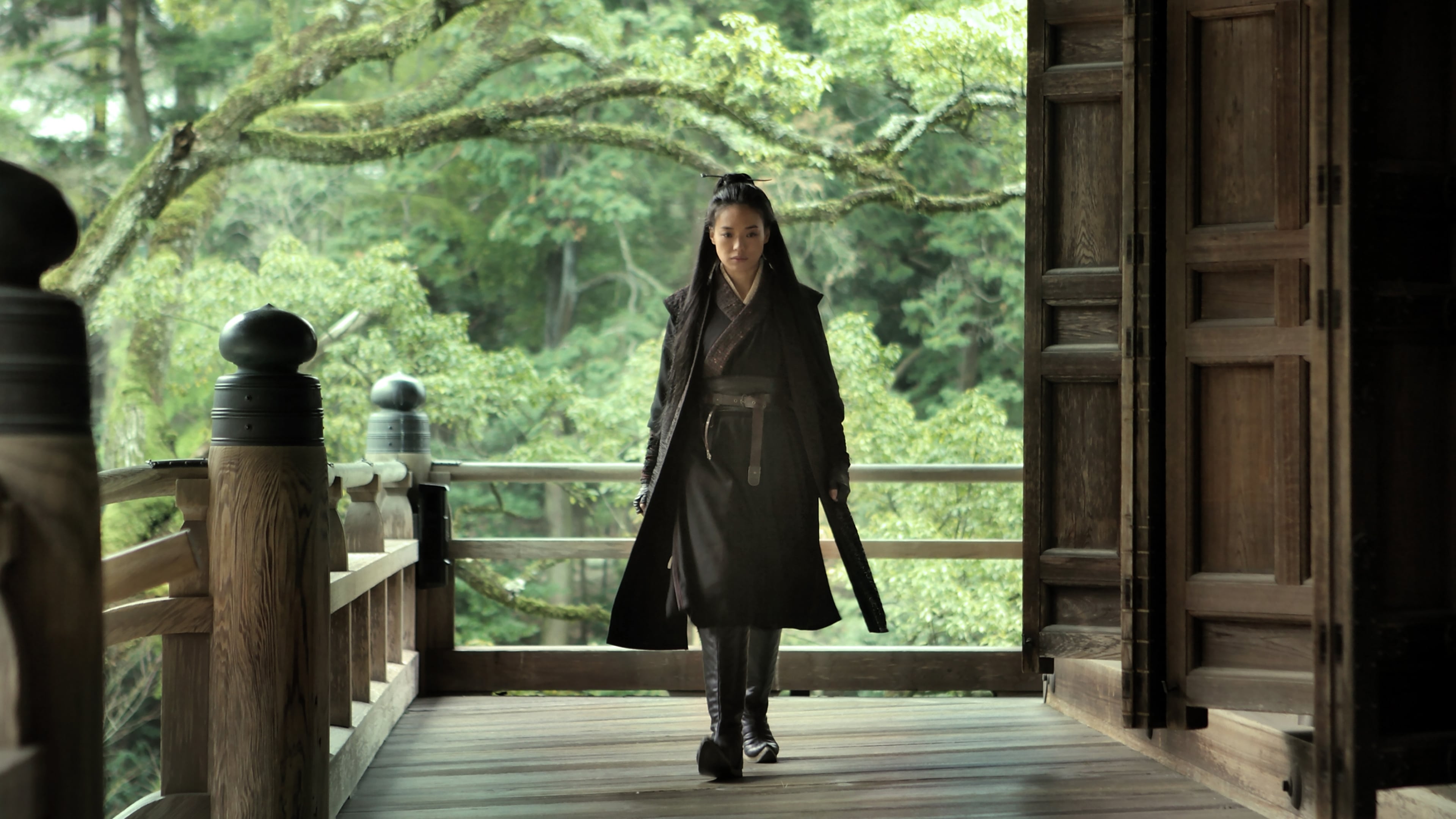
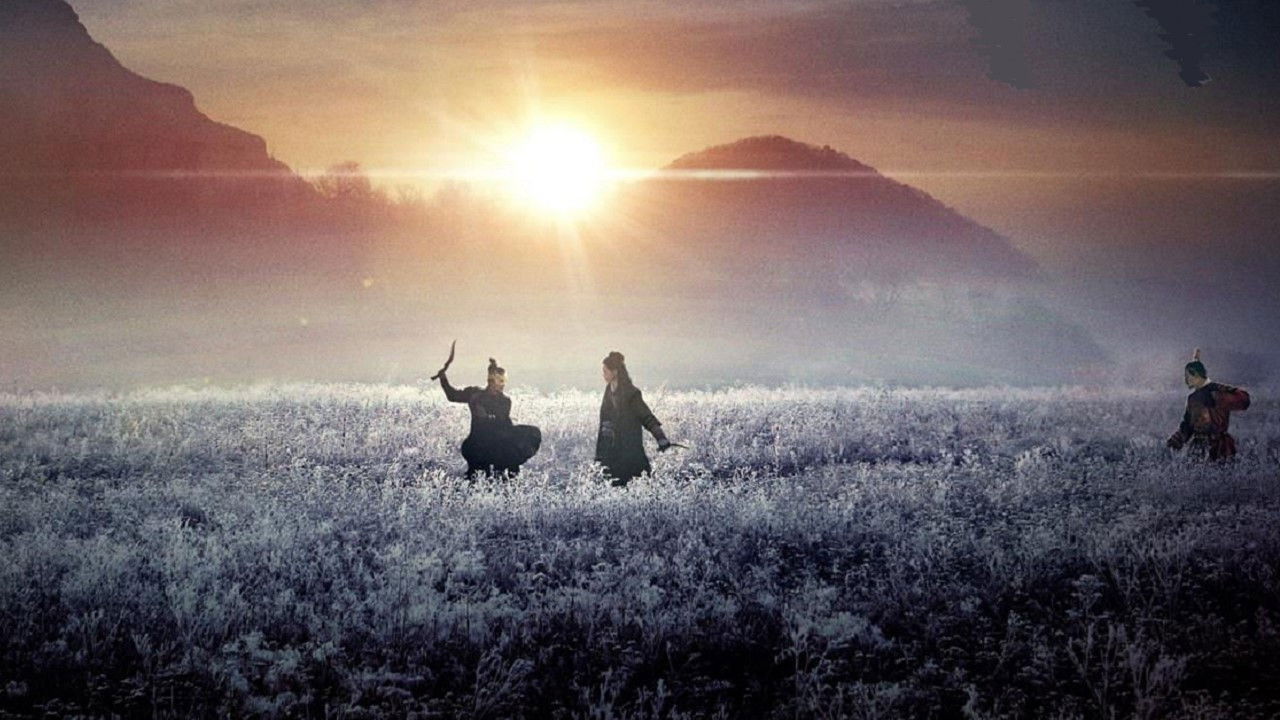
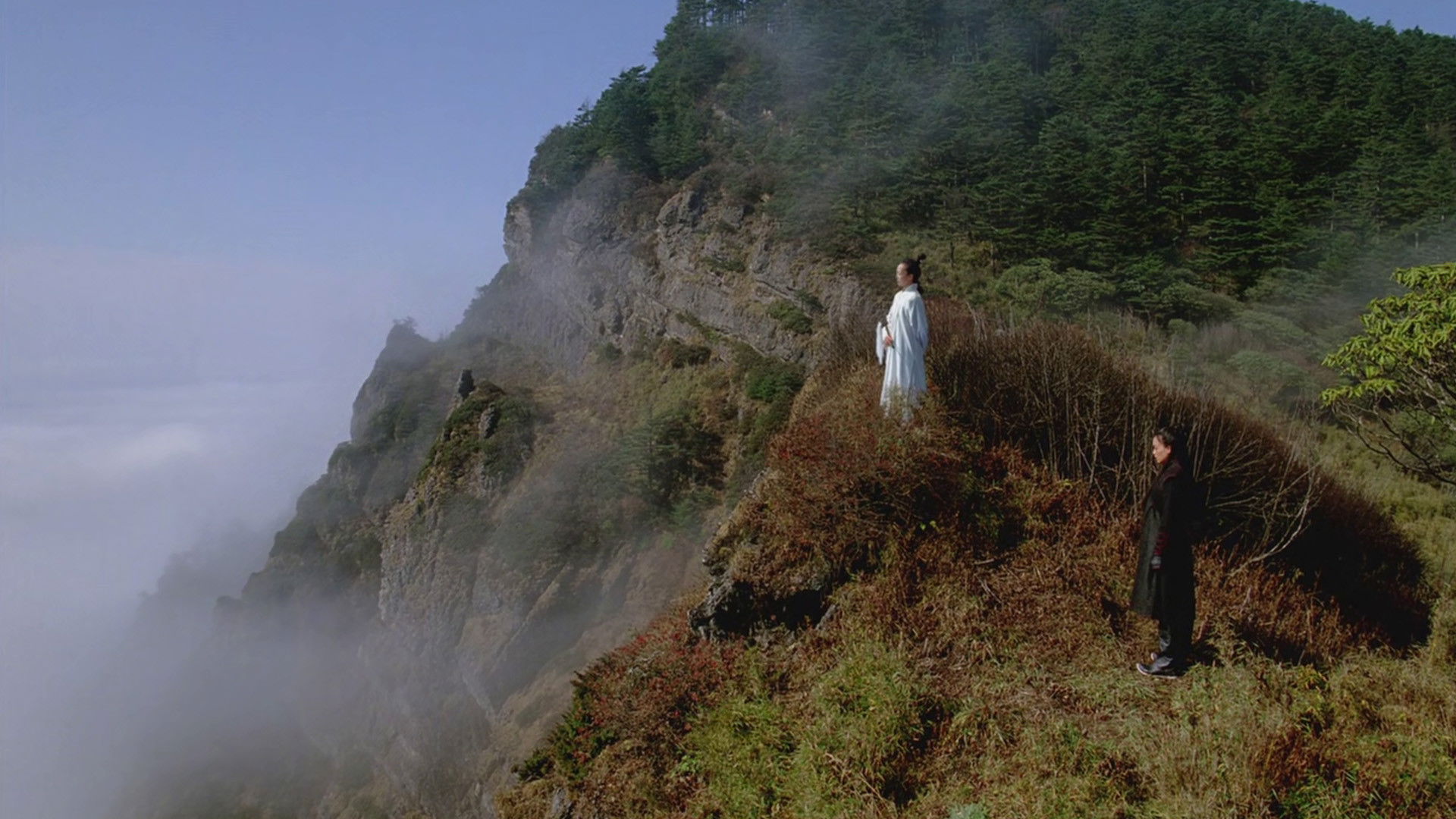
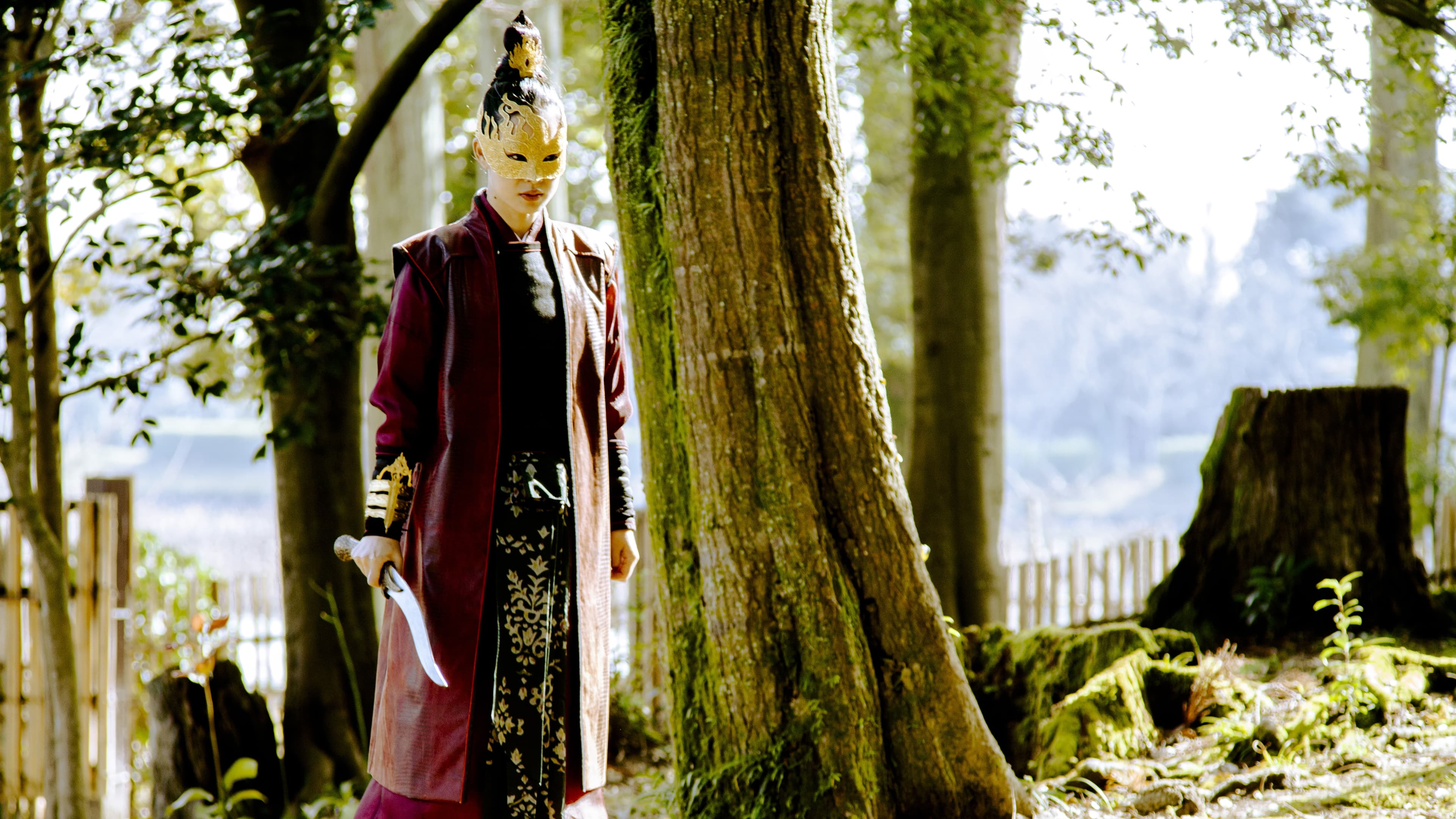
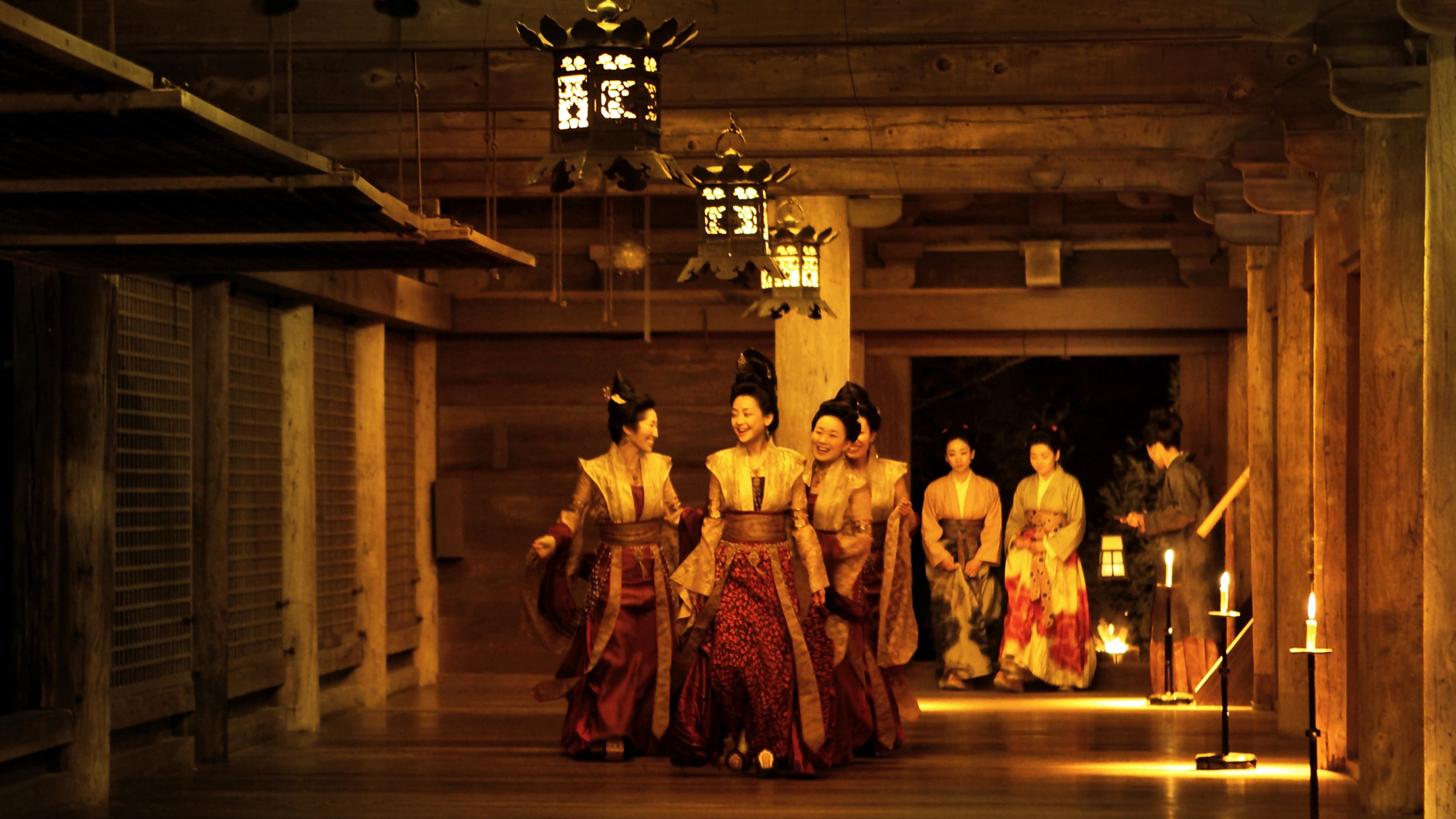
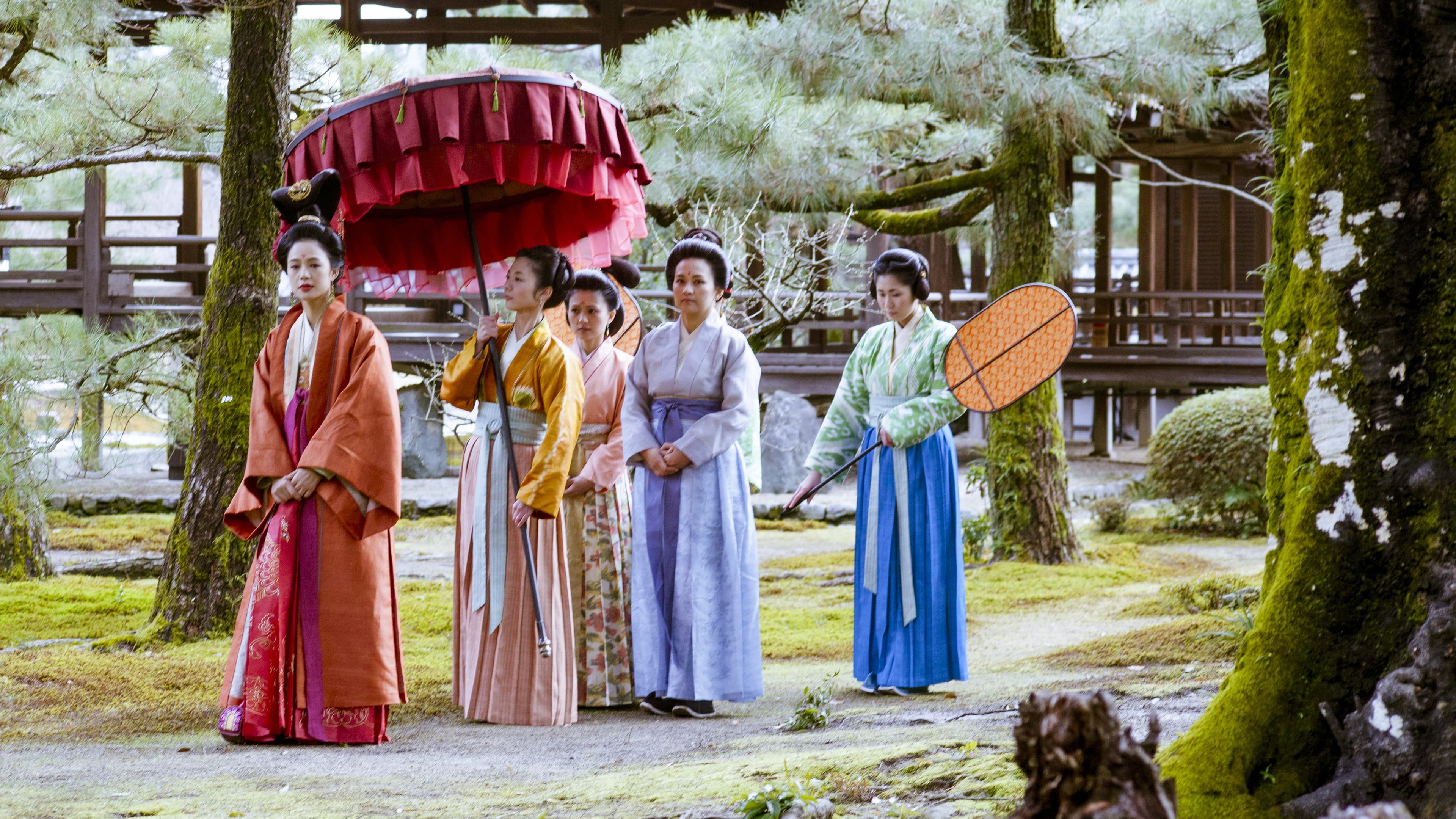
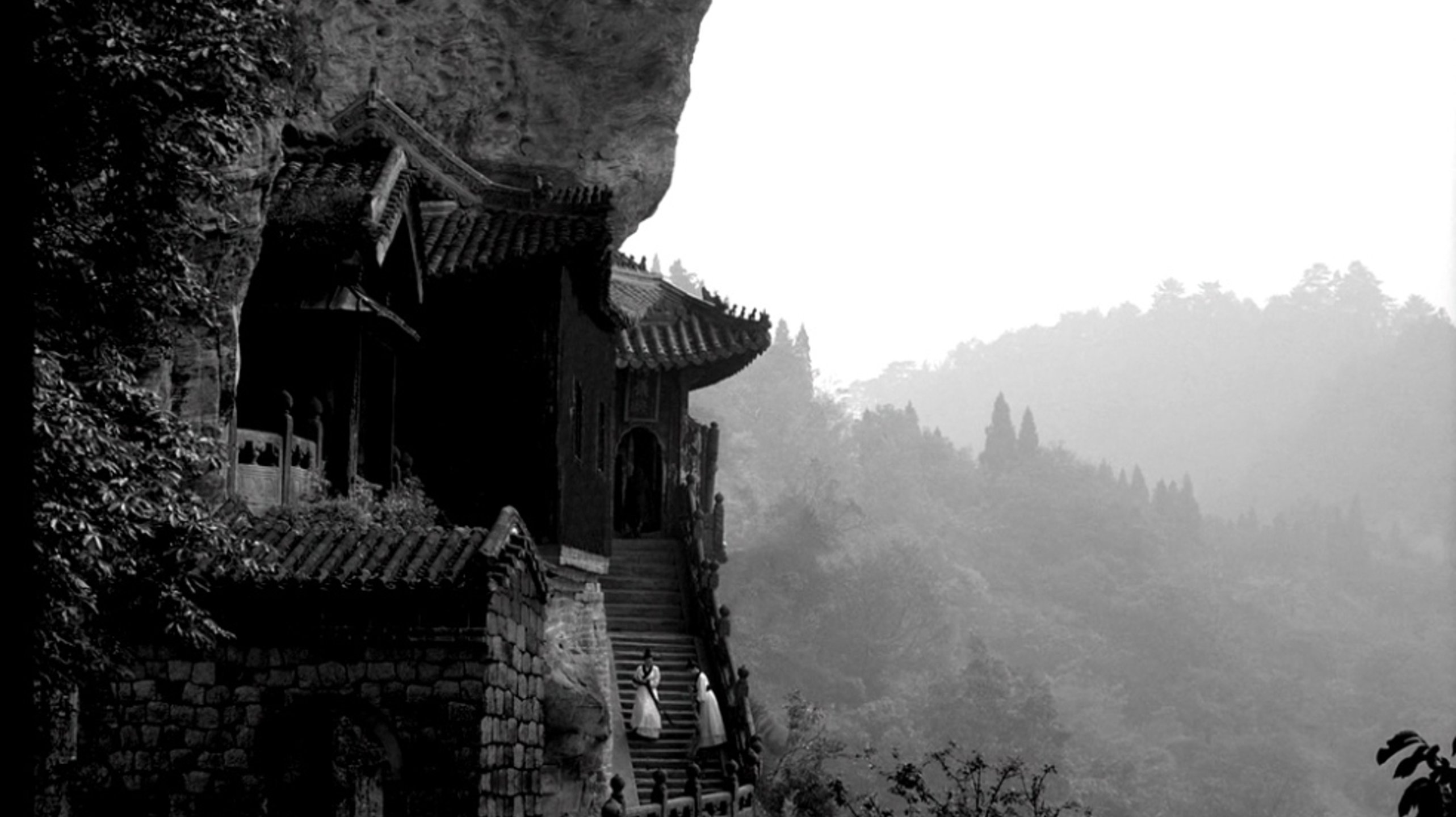
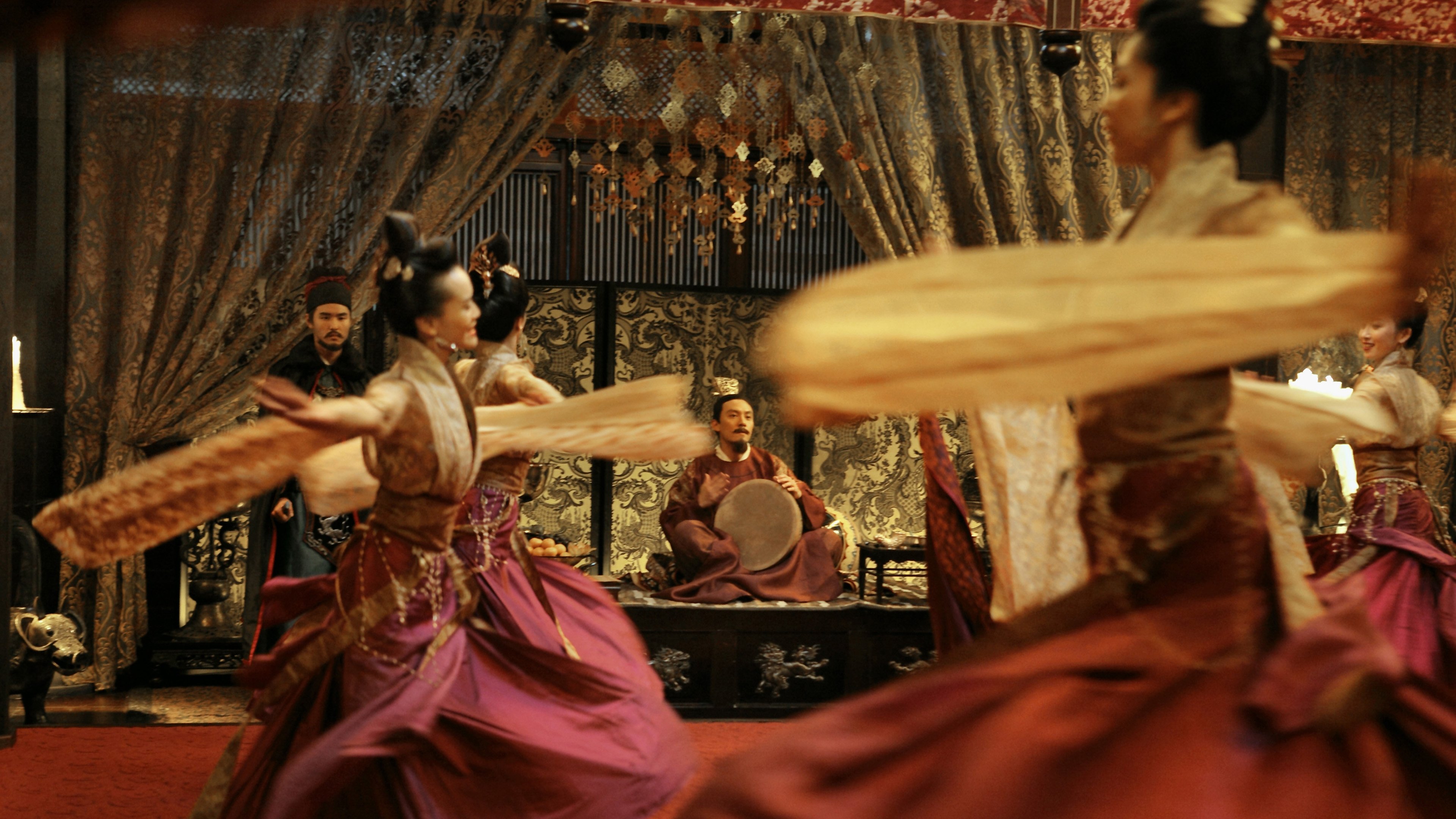
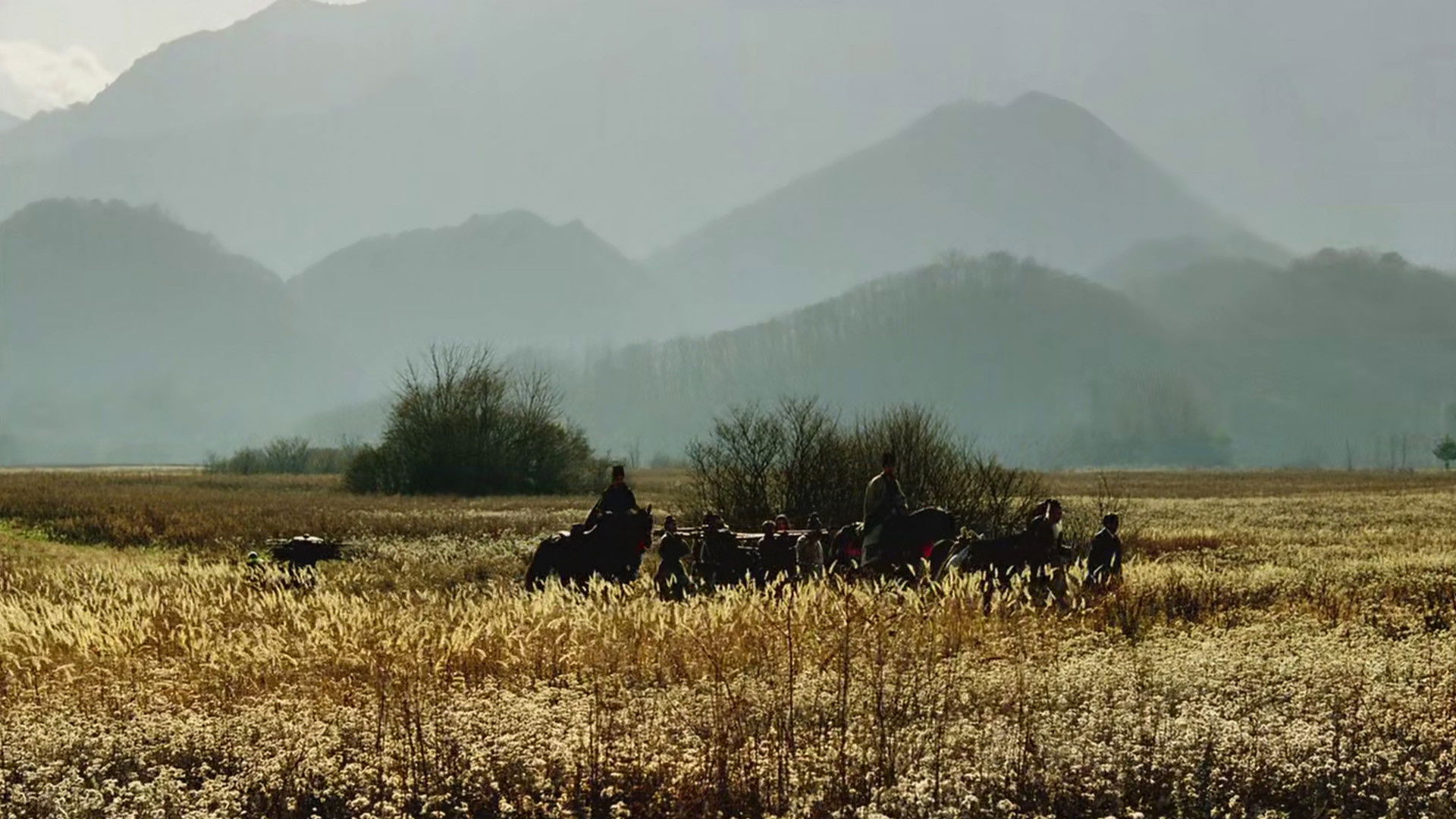
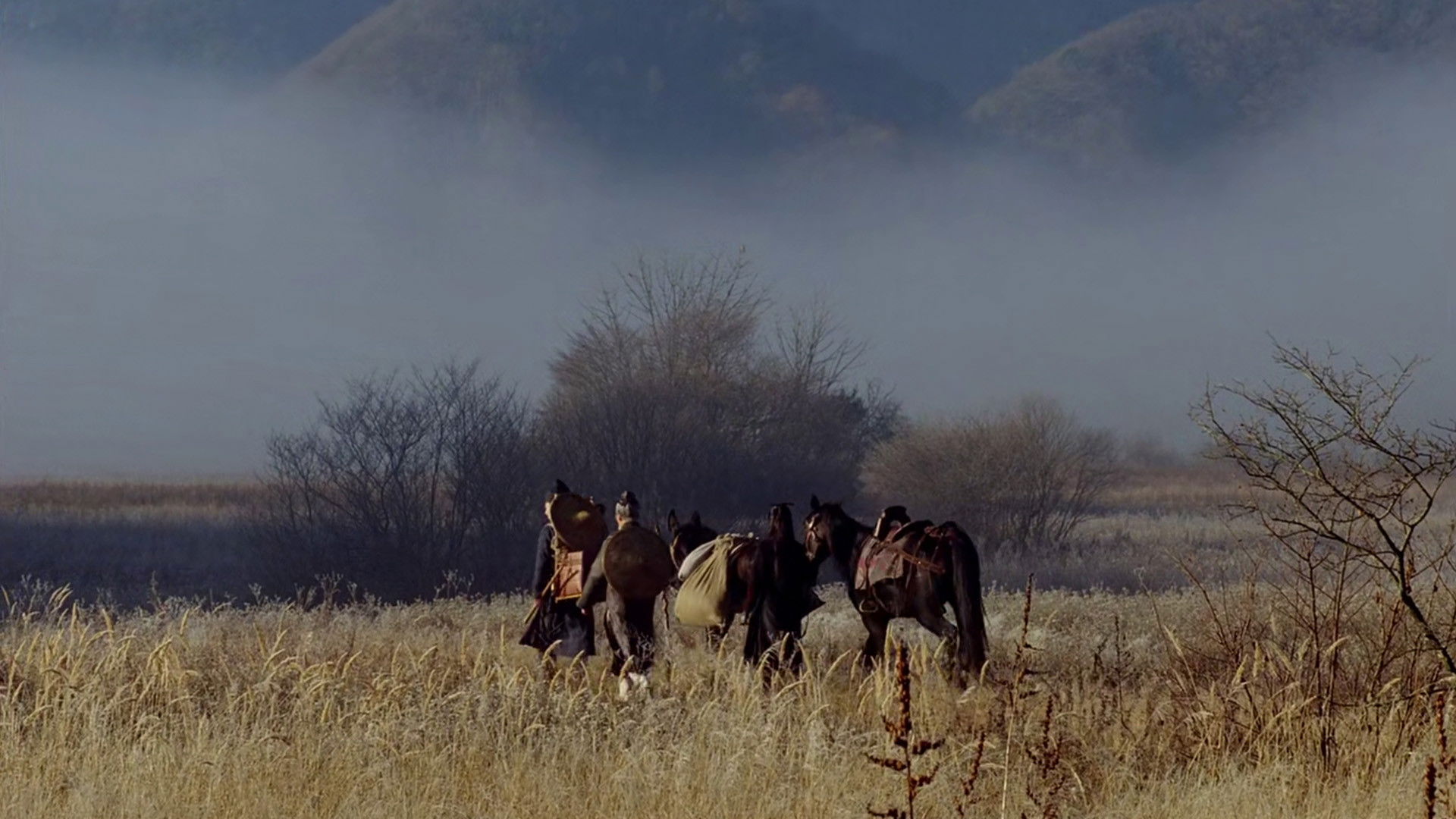
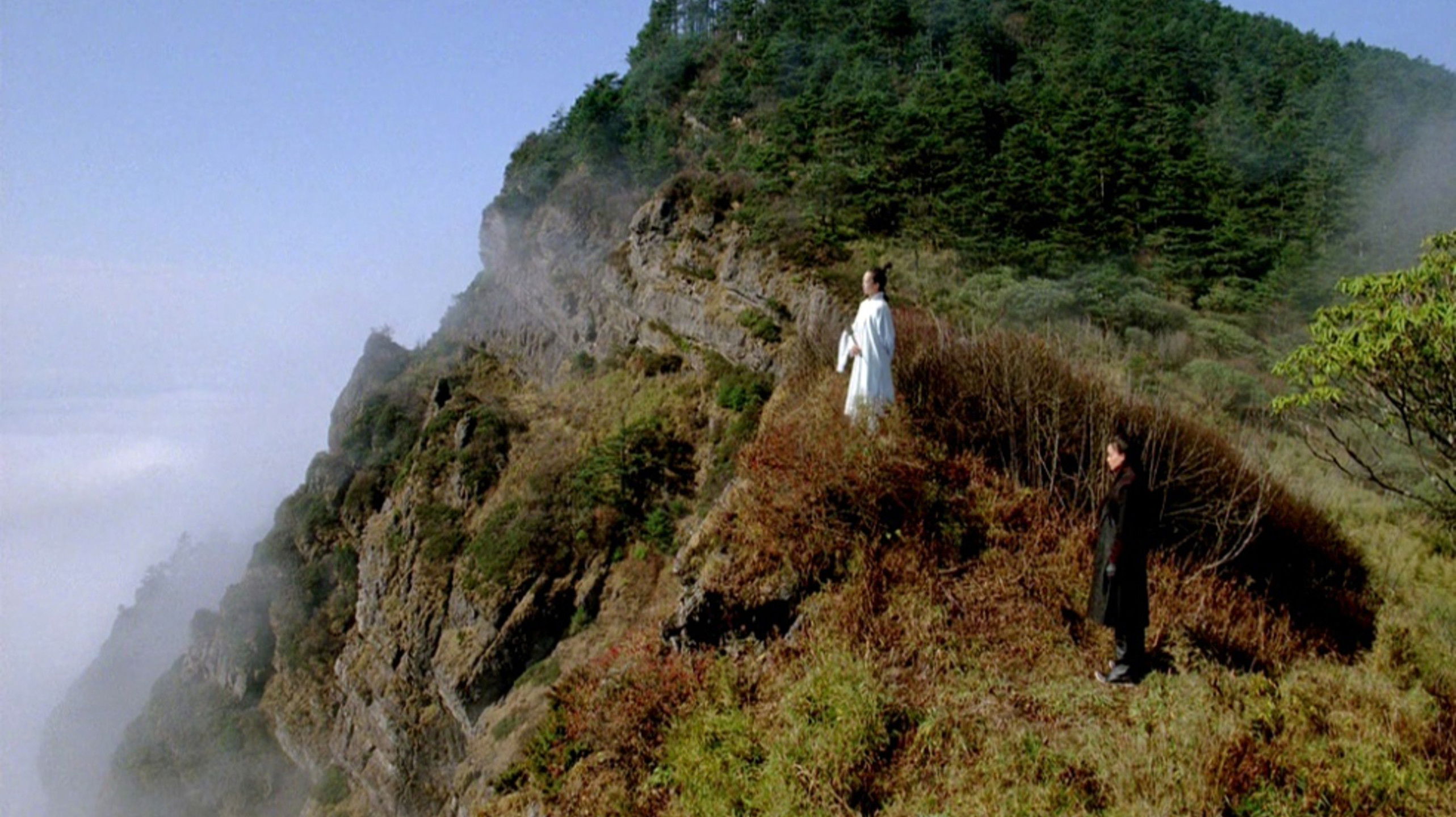
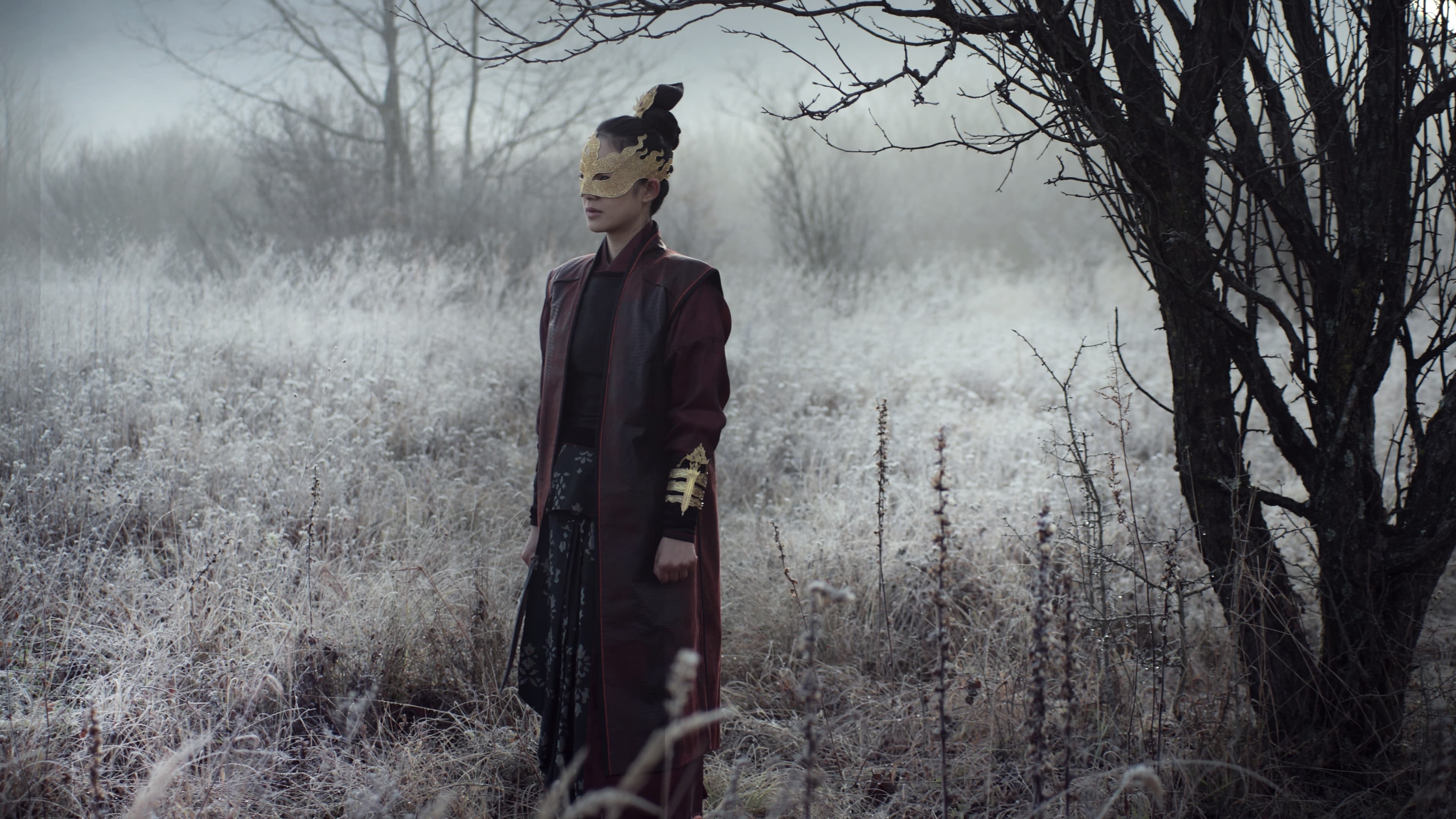
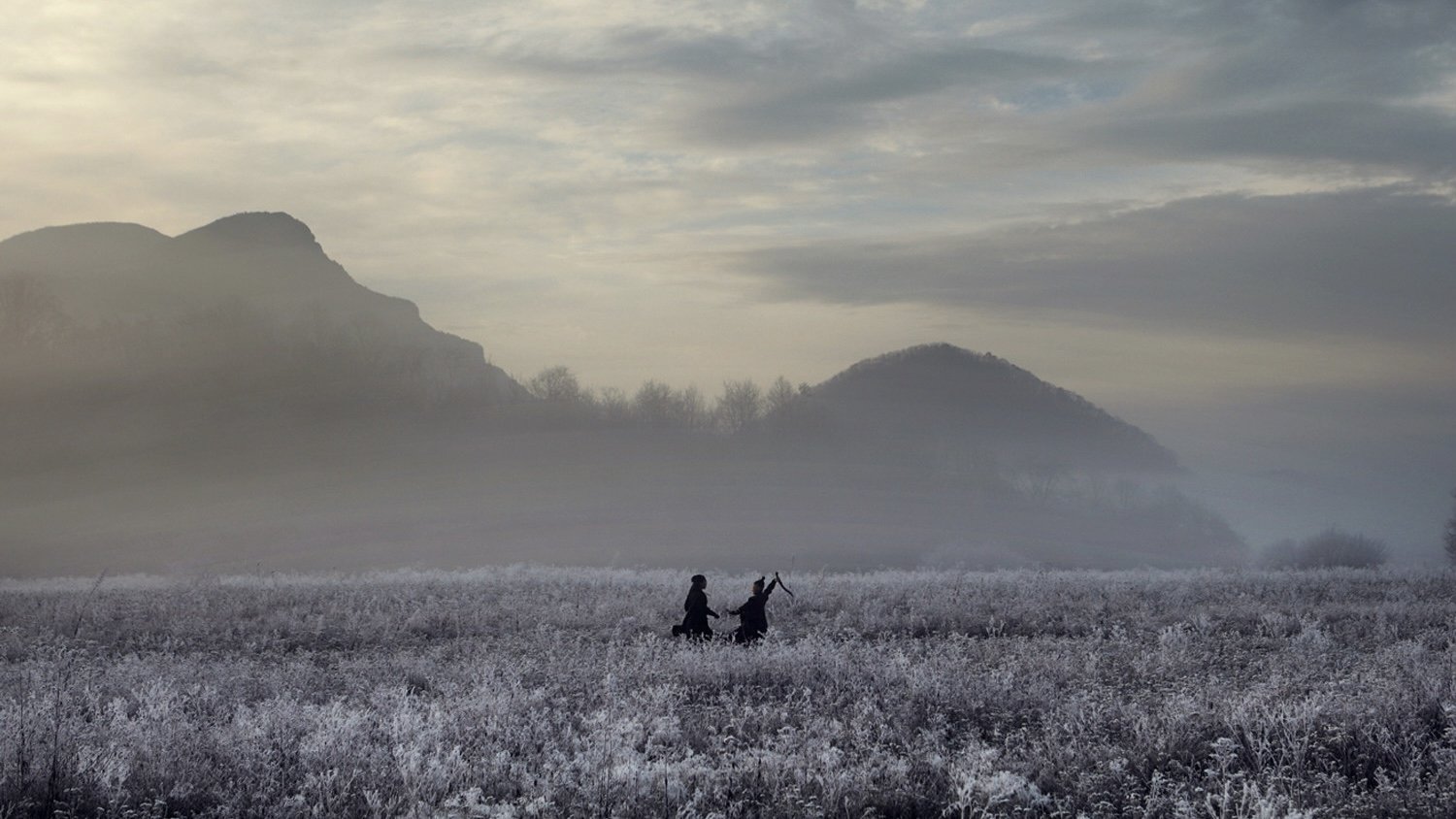
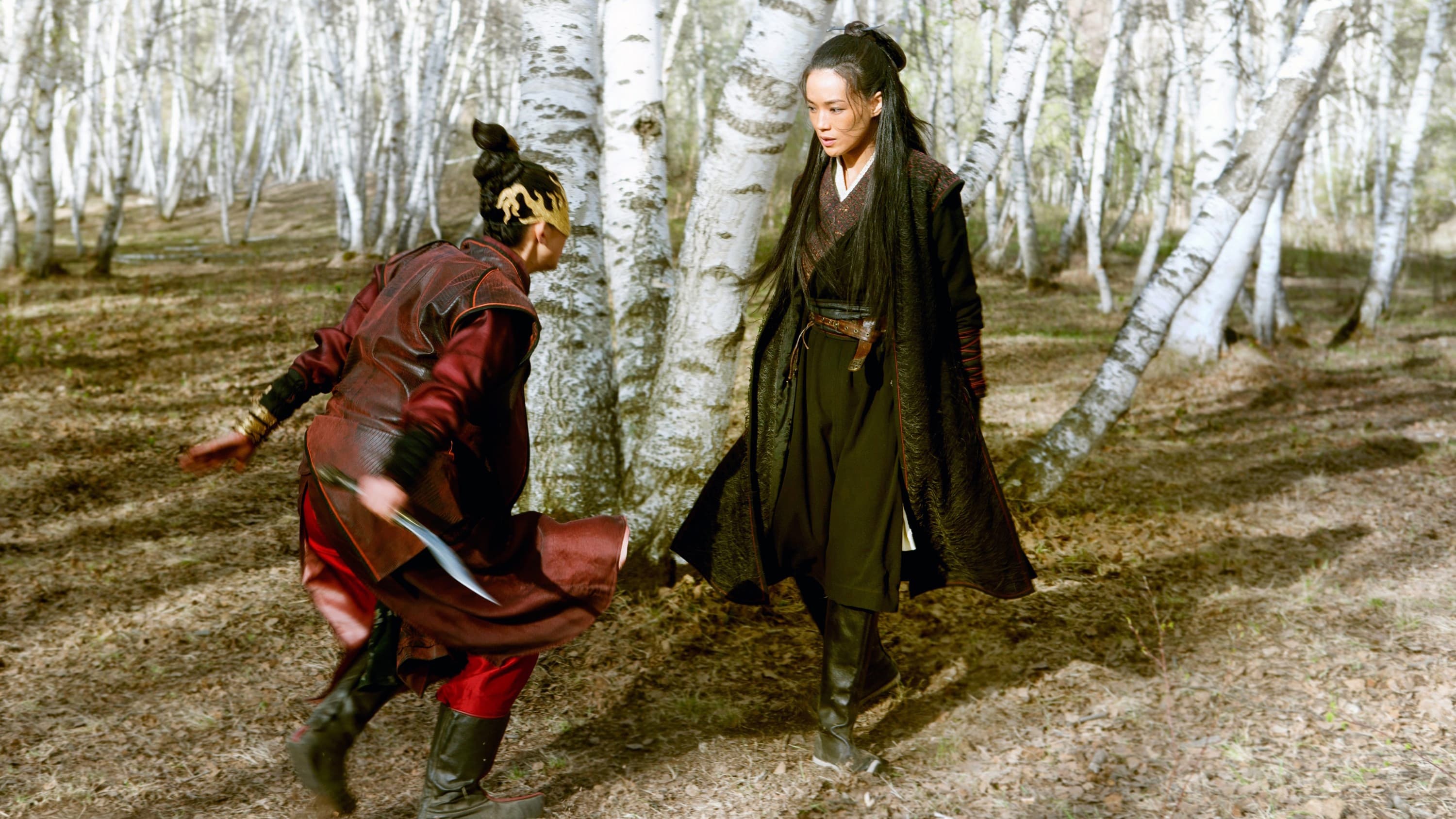
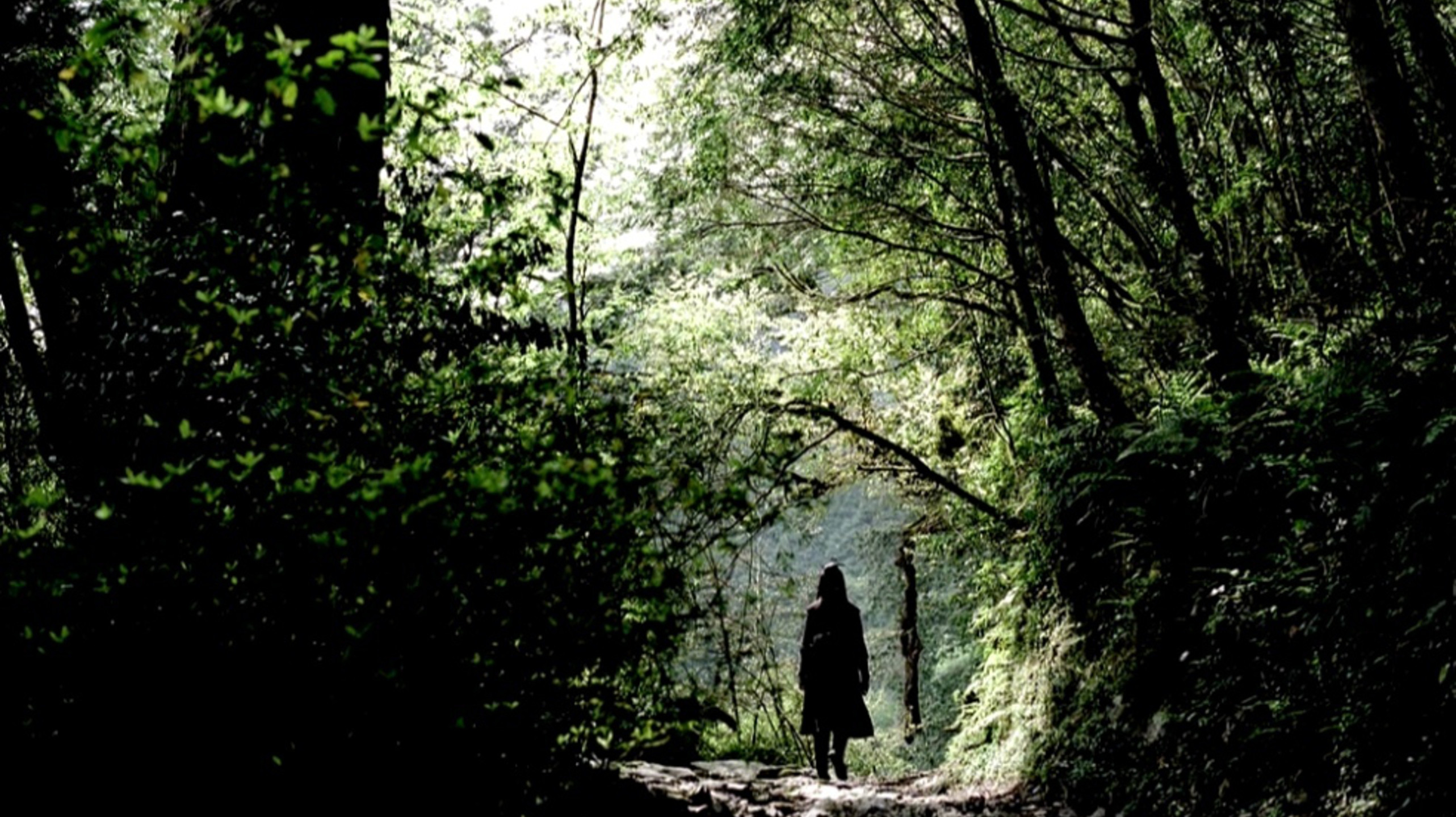
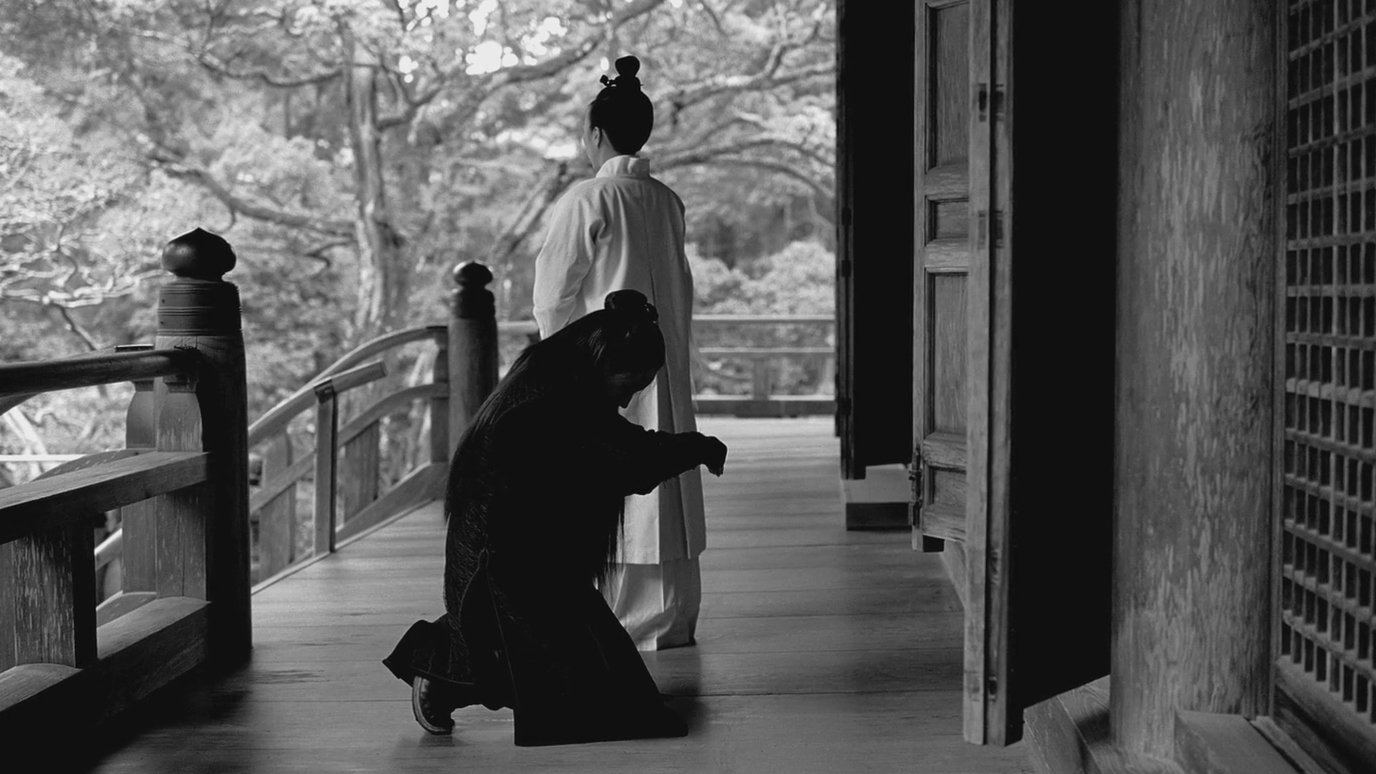
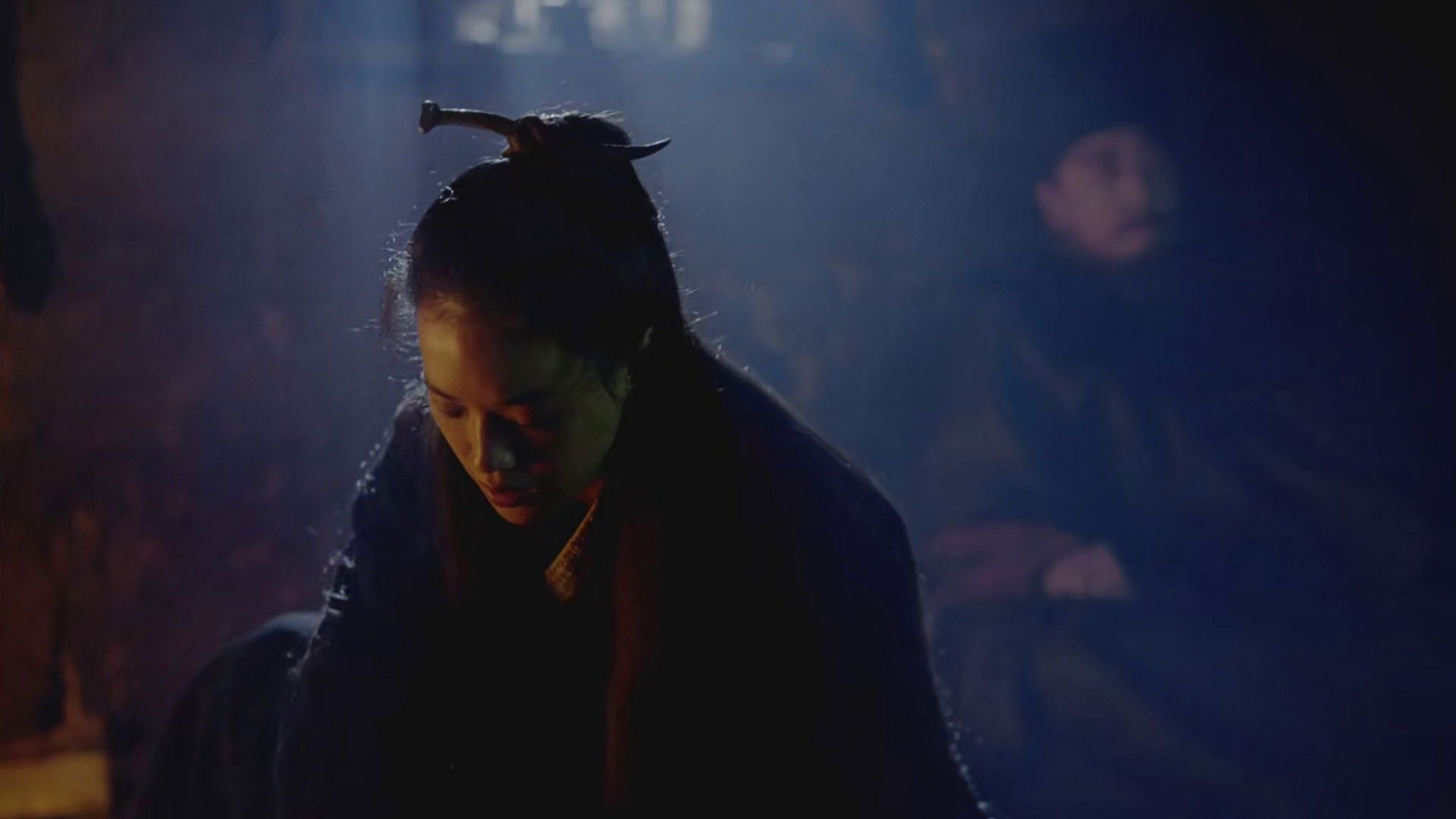
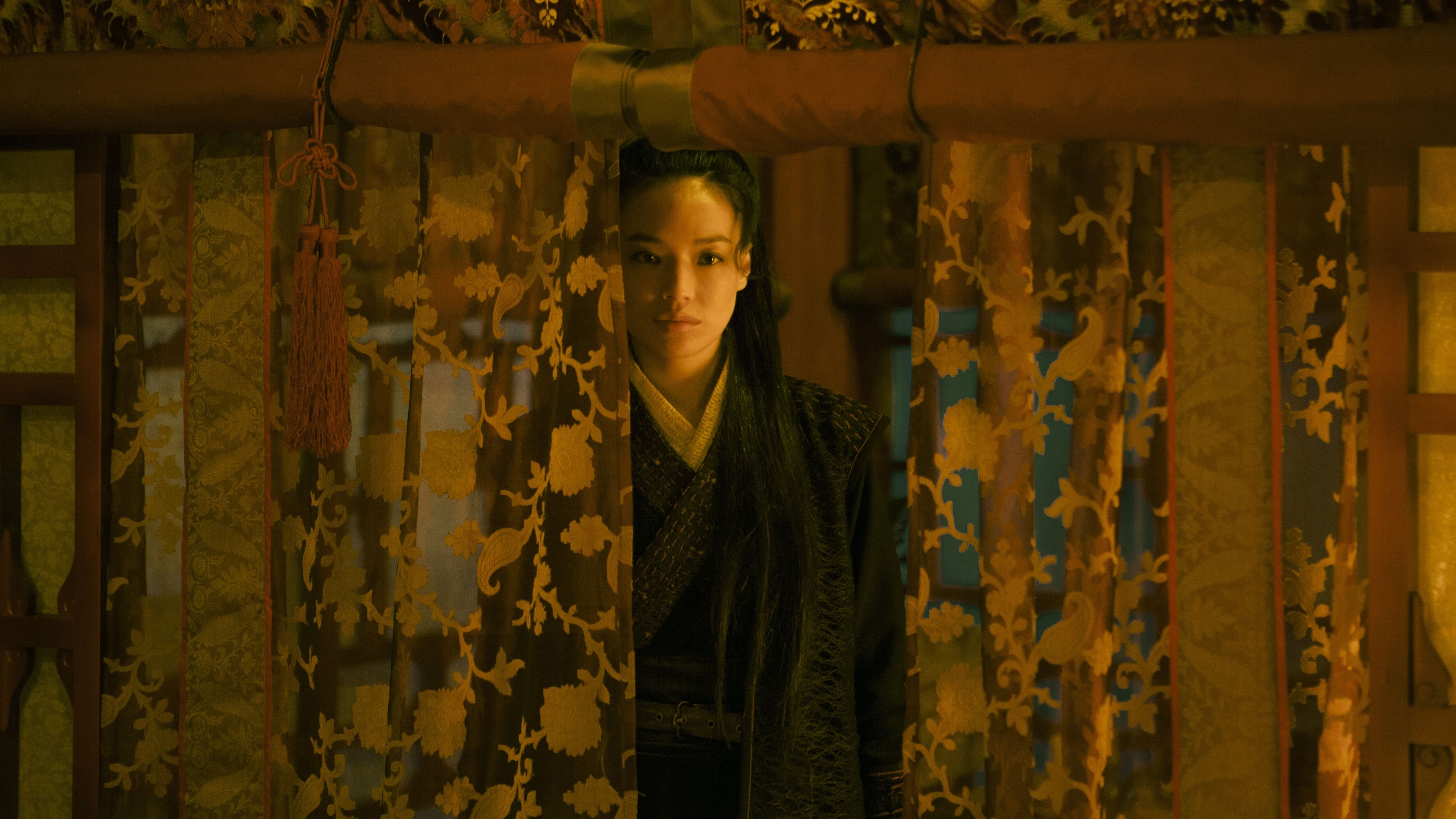
And all the while this film feels like a picture book: every cut to a new perfectly constructed, breathtaking image feeling like turning a page to reveal a new painting in which you can get lost in.
The Assassin serves as a quiet and effective deconstruction of the Wuxia genre the home of grande Chinese historical epics.
While Wuxia is often associated with melodrama and over the top martial arts, here the characters repress their emotions instead of wearing them on their hearts and swords. They convey them through silent stares and the faintest movements of the eyes instead of grandiose speeches.
The same goes for the action, which The Assassin portrays as the cold (and especially refreshing wordless) act of killing and not as lavishly choreographed dances.
Action is kept sharp, emotions are reserved for the most important moments only.
And all the while this film feels like a picture book: every cut to a new perfectly constructed, breathtaking image feeling like turning a page to reveal a new painting in which you can get lost in.