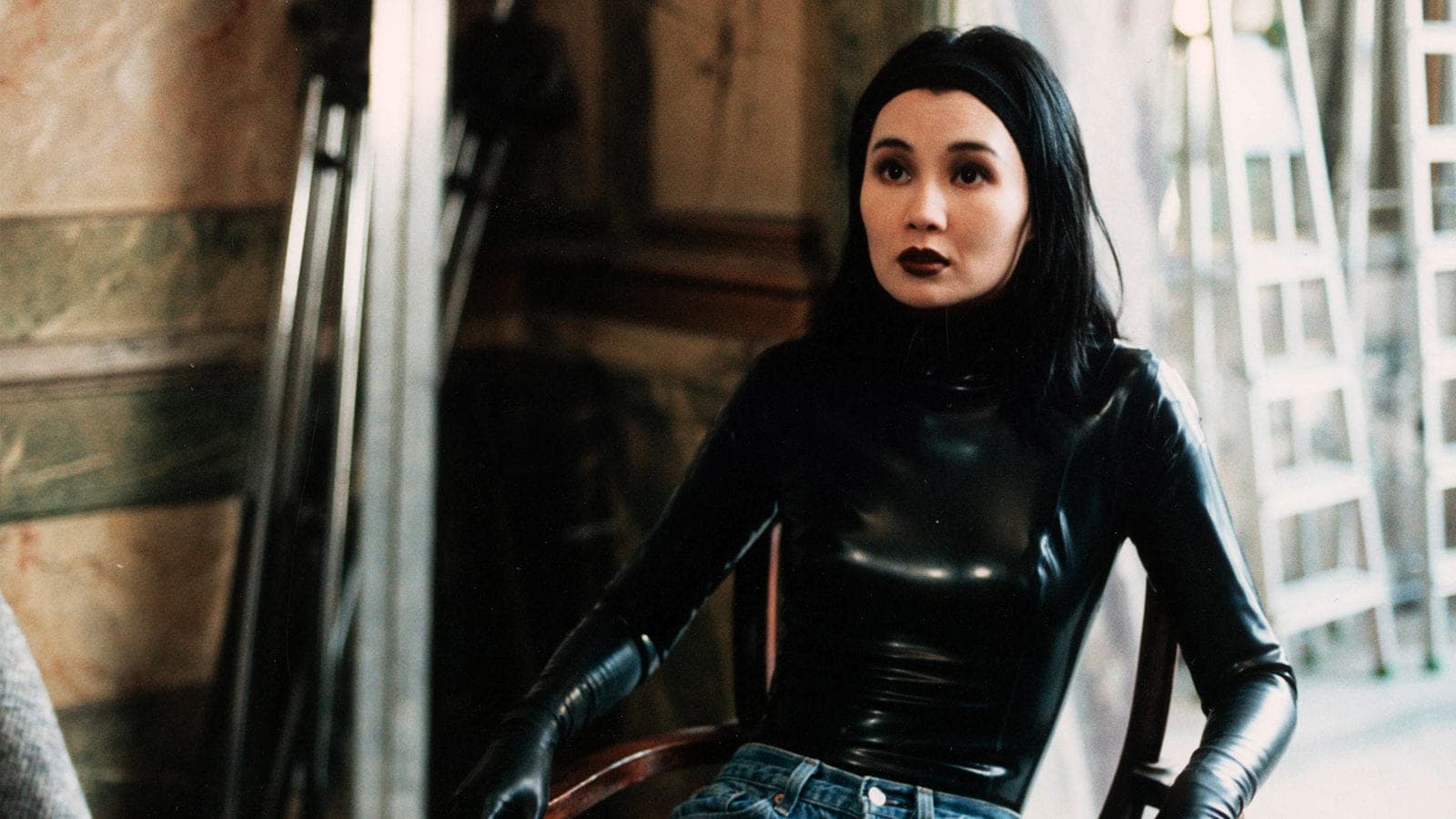
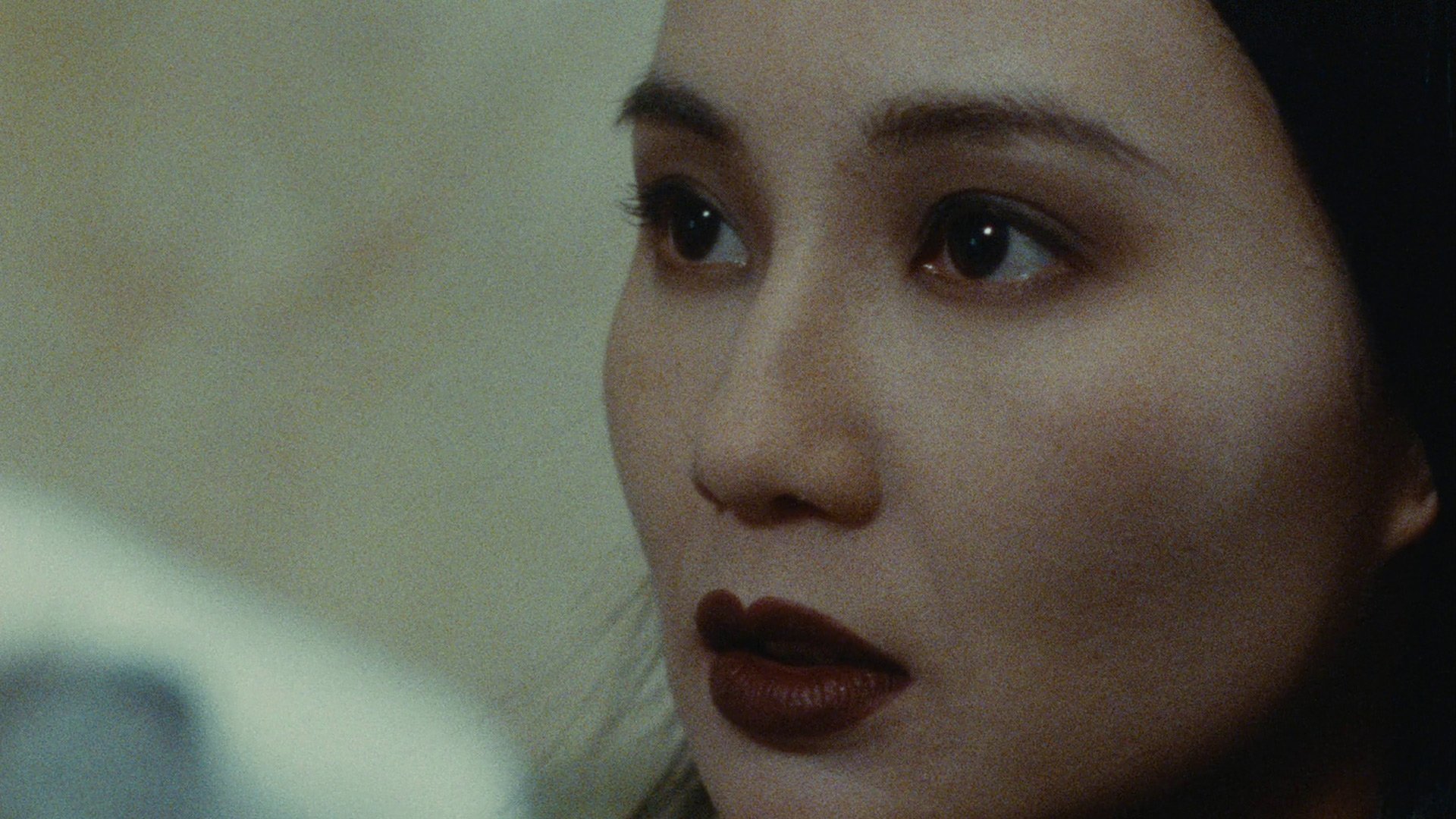
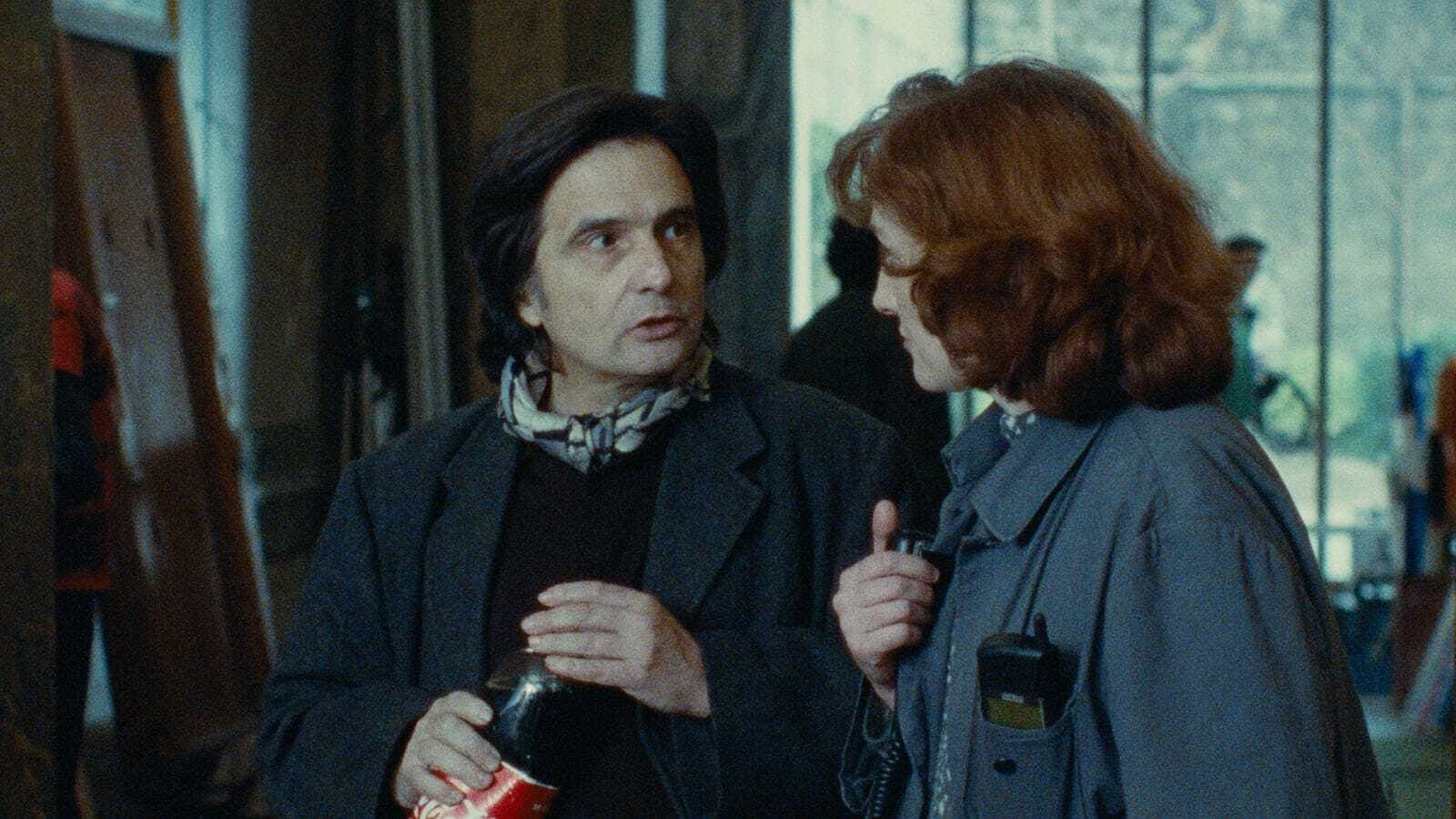
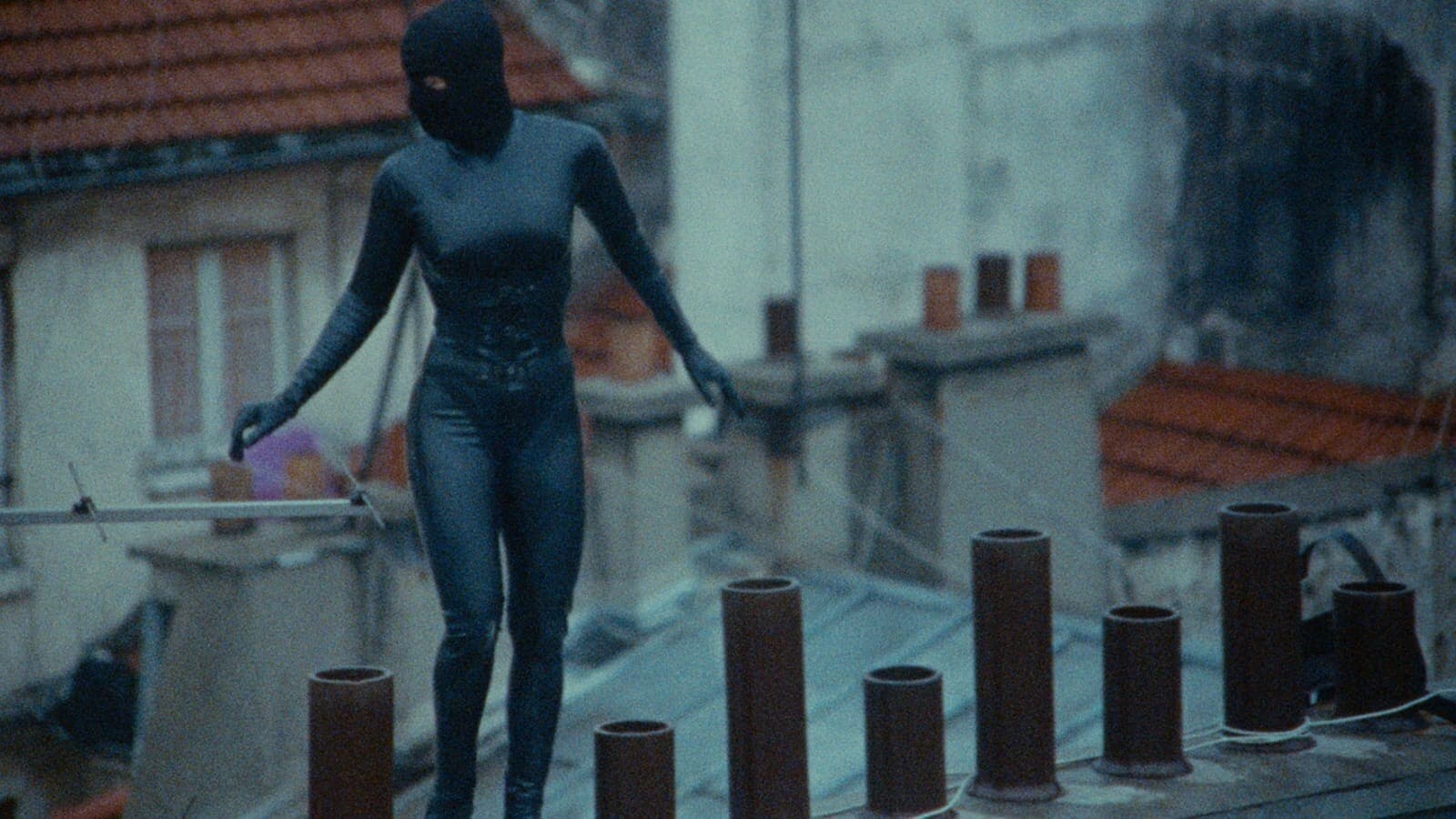
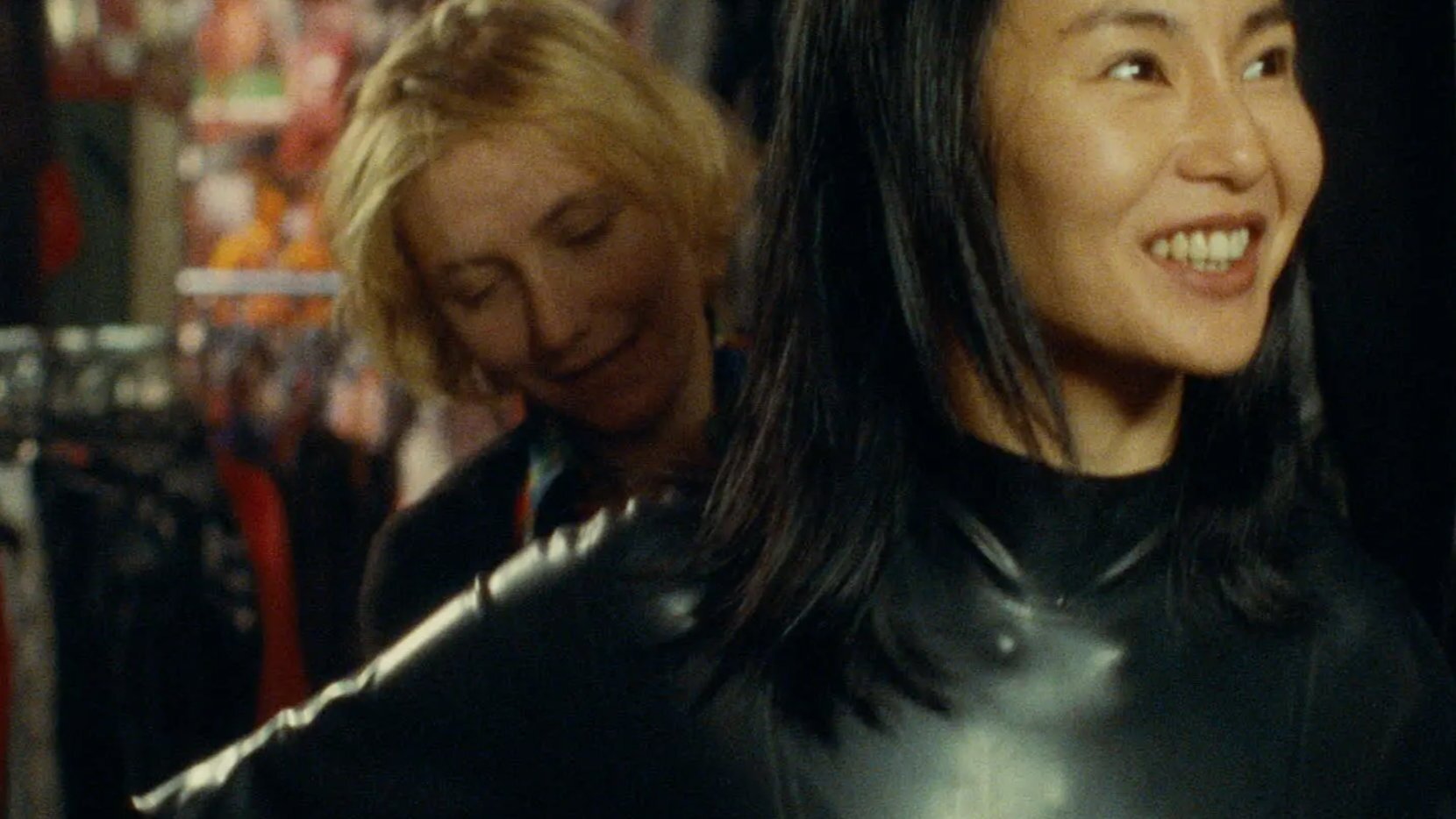
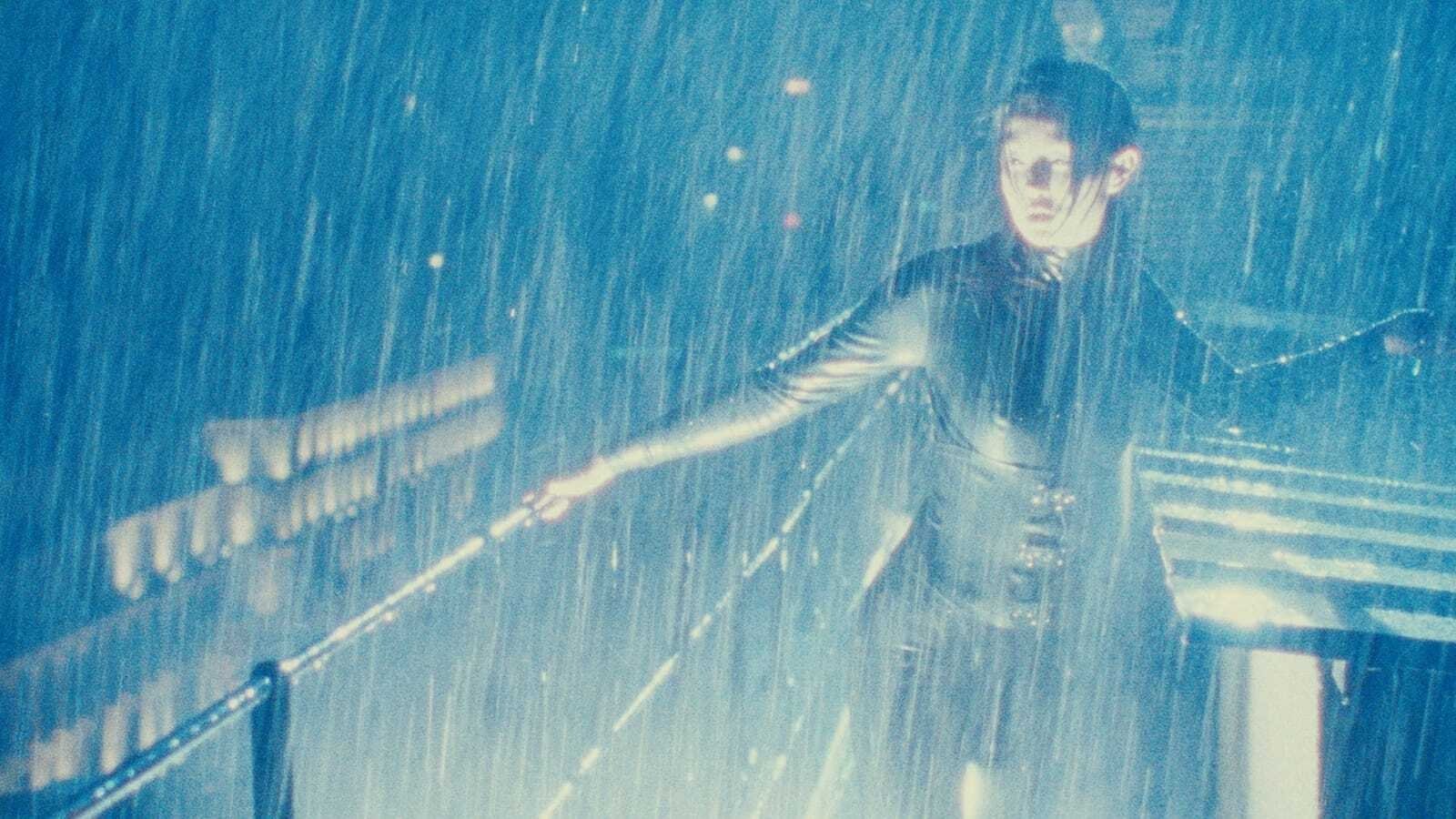
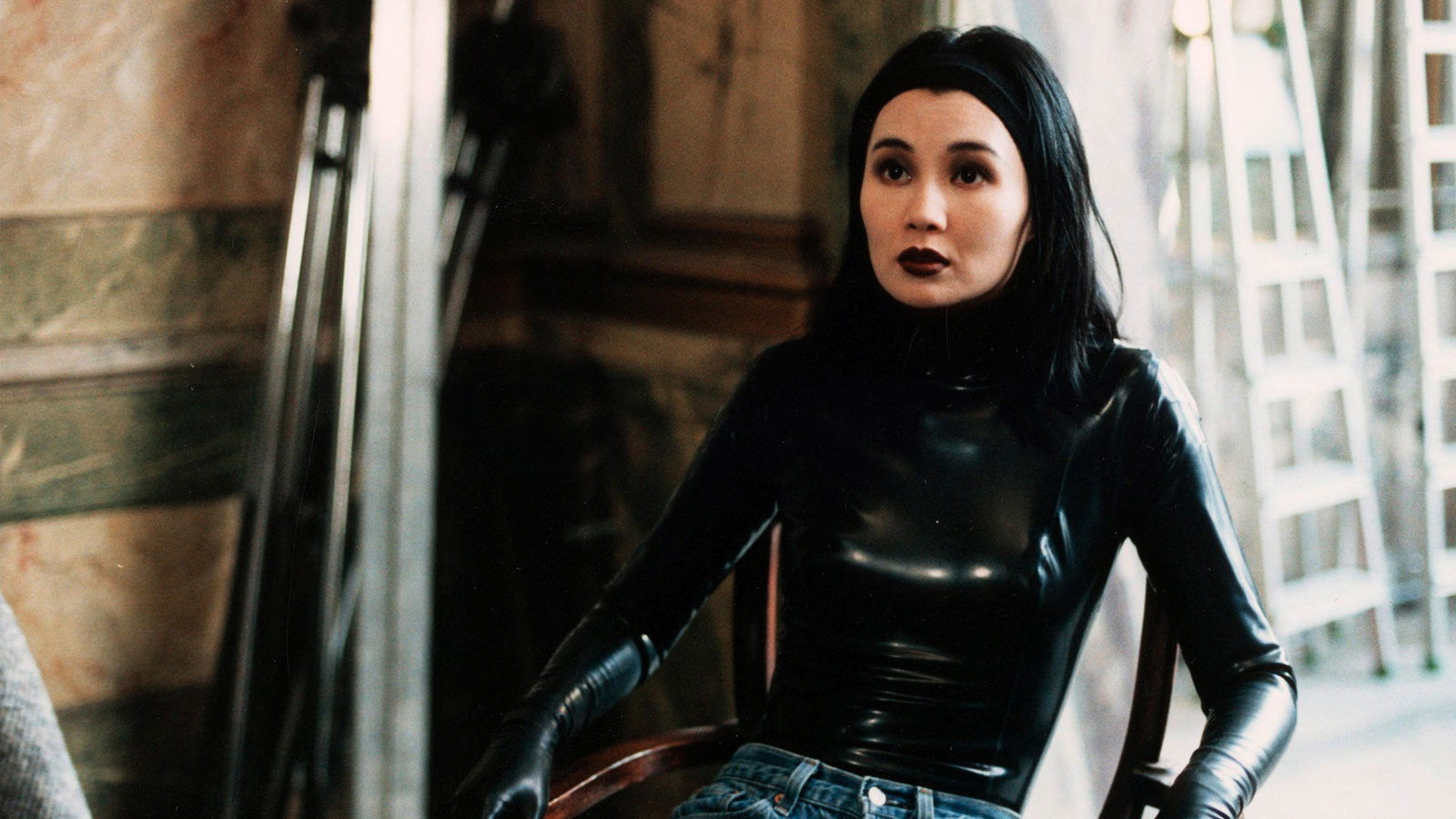
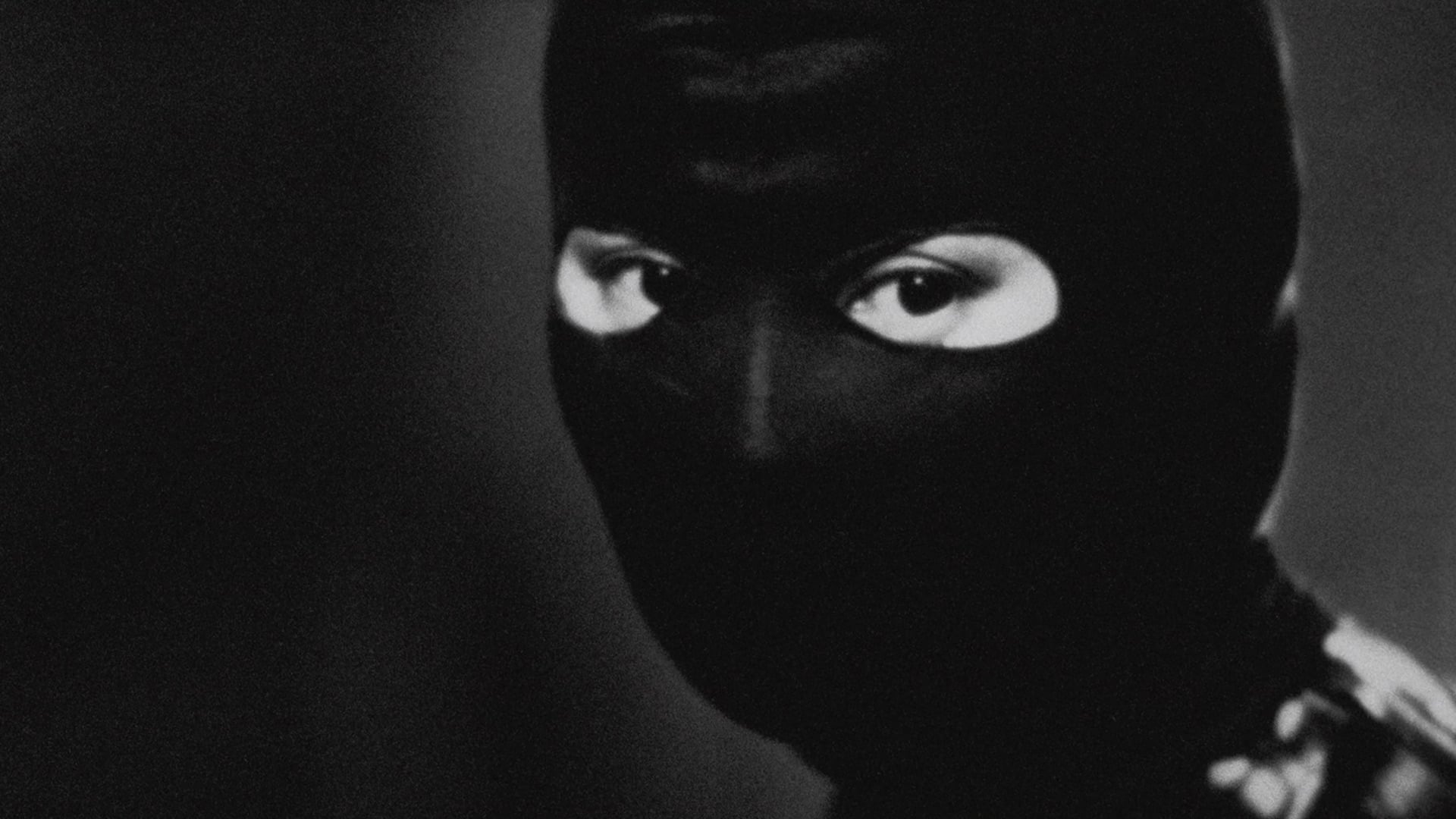
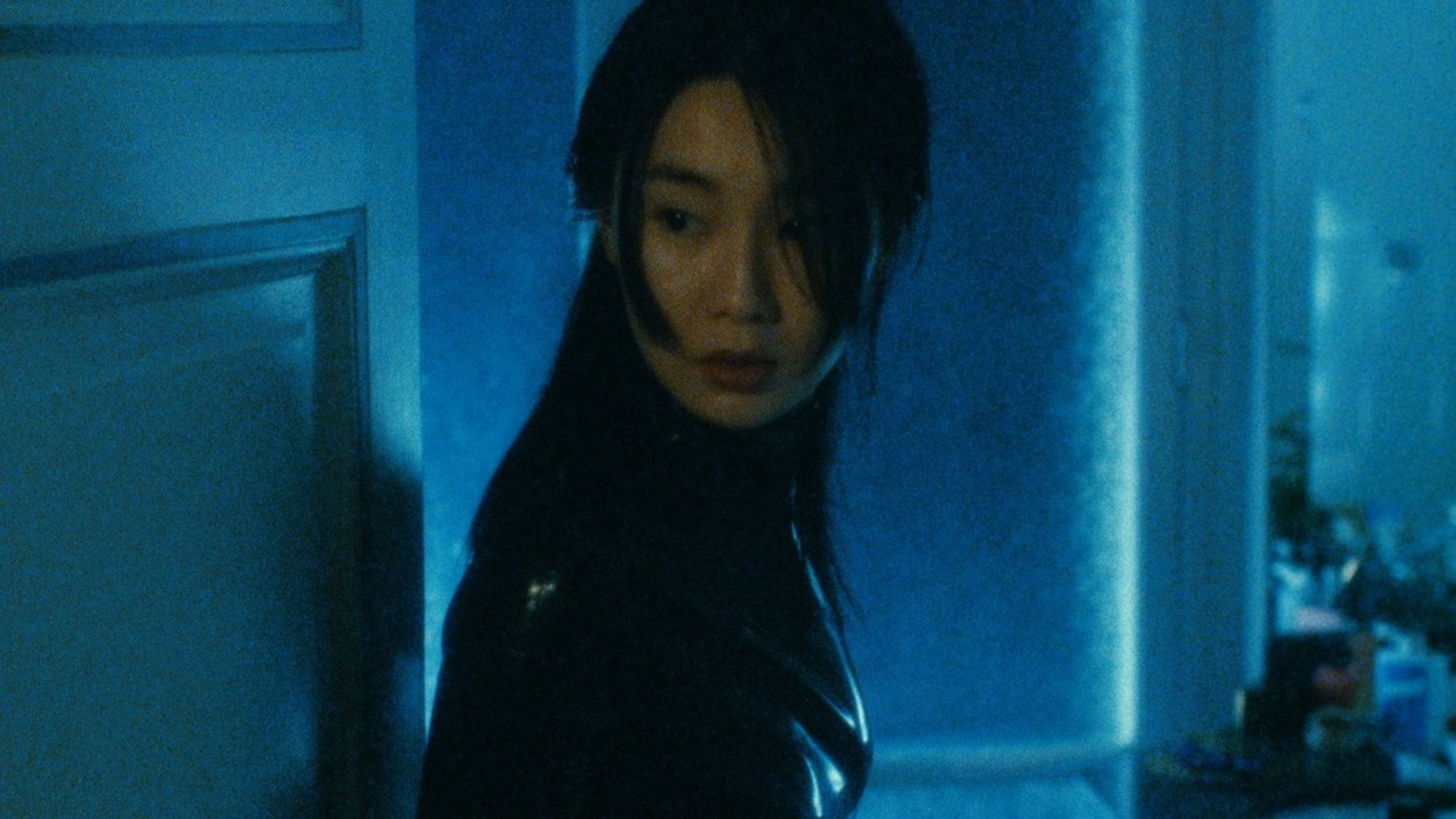
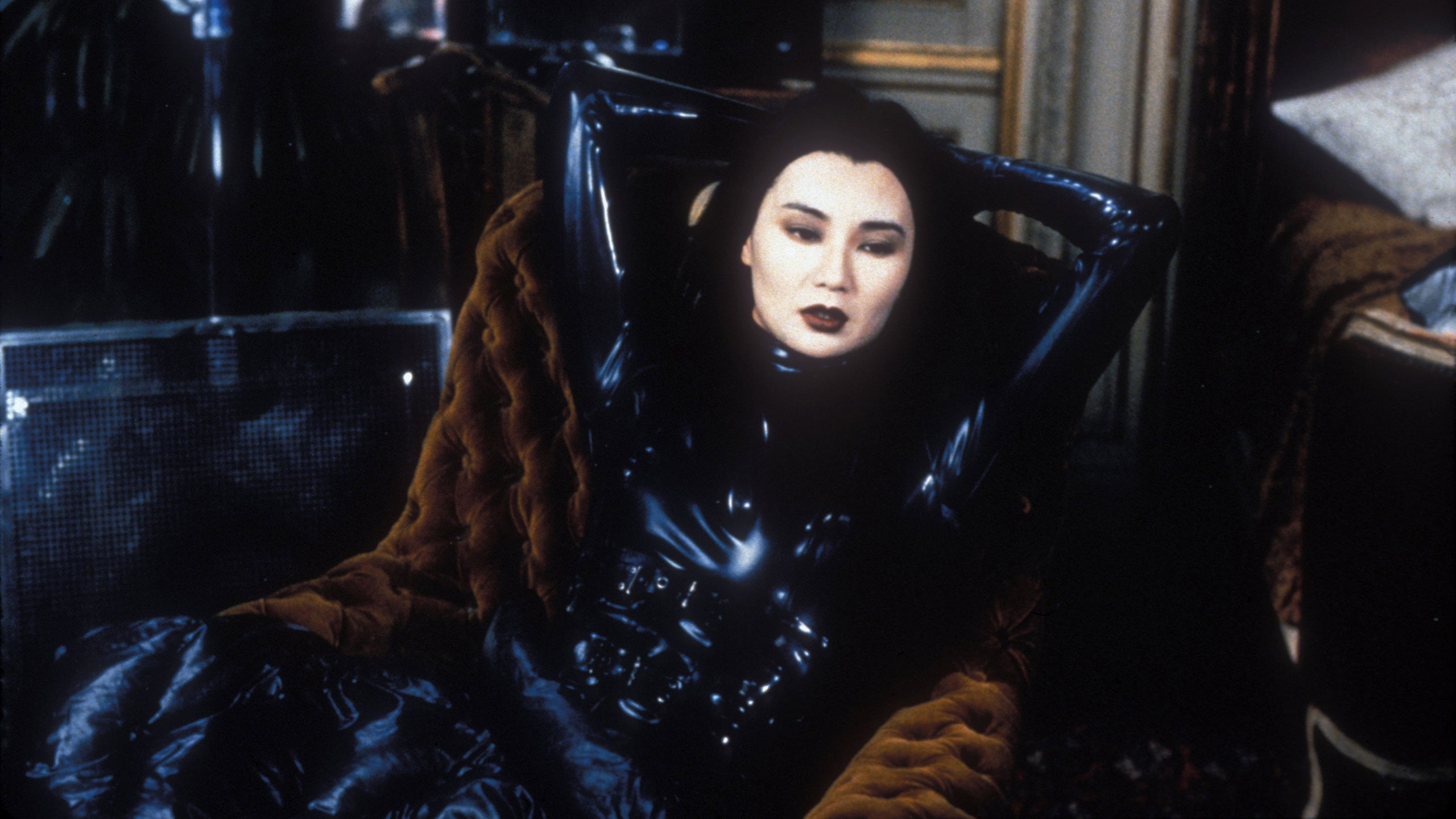
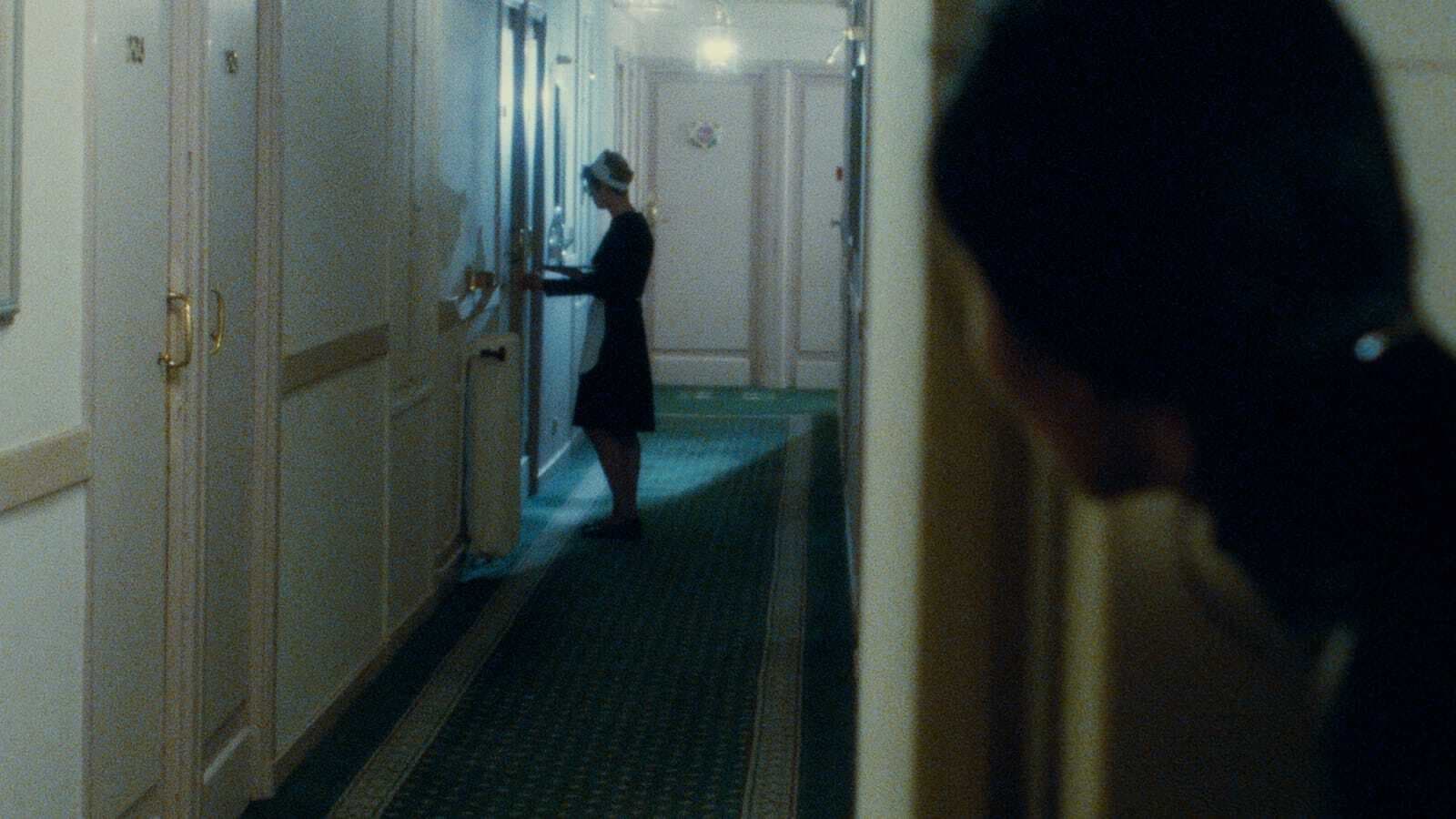
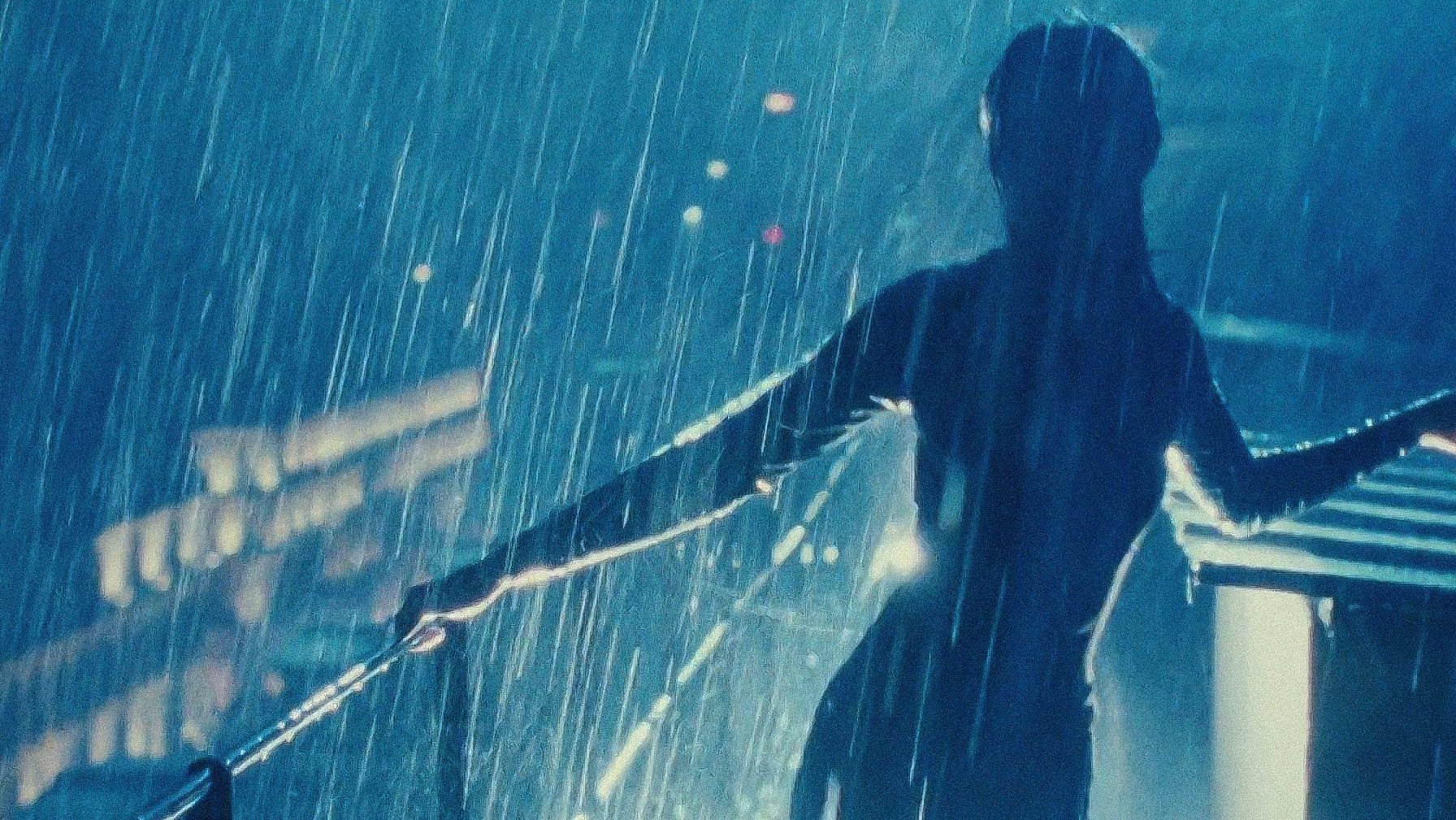
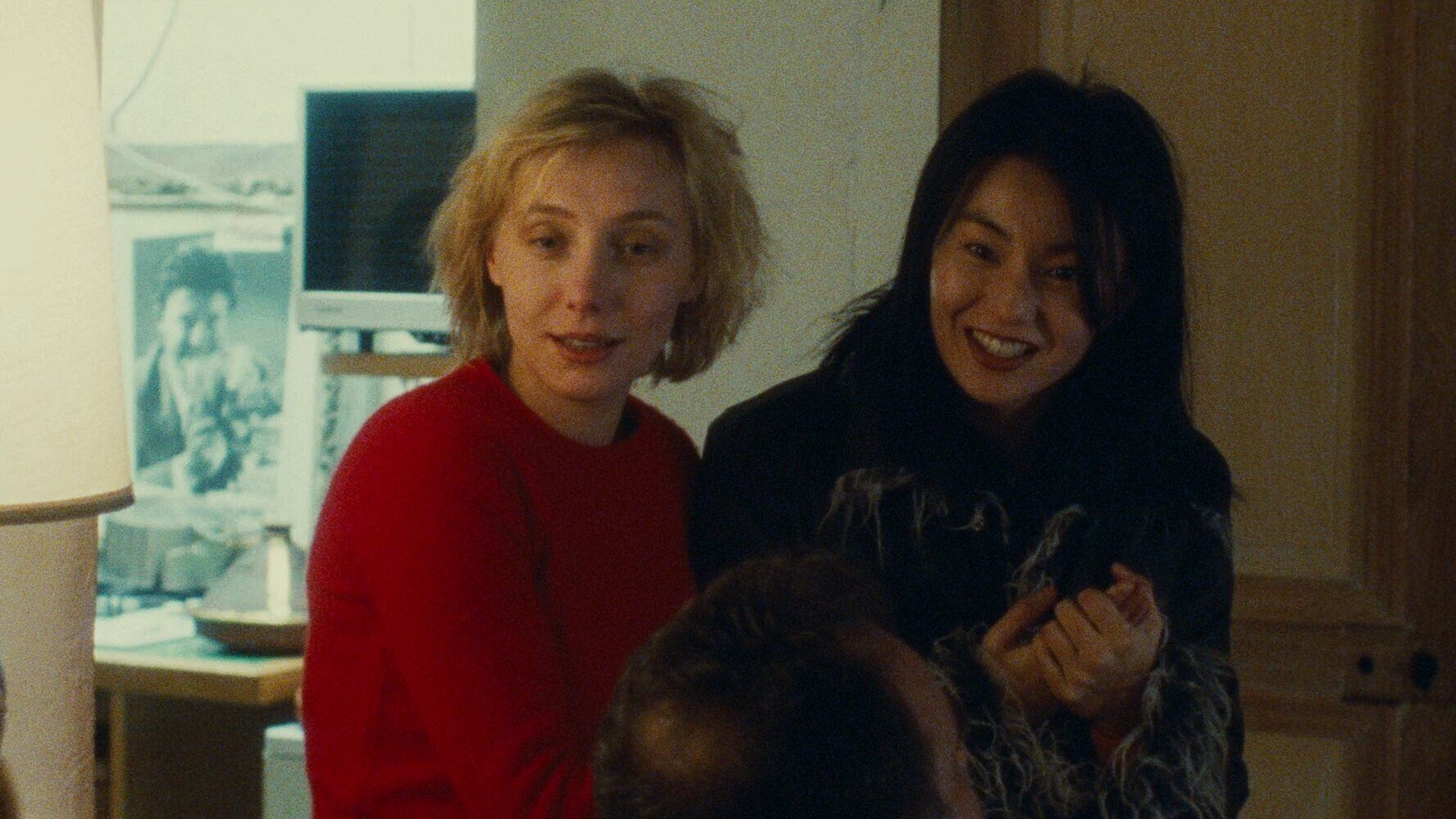
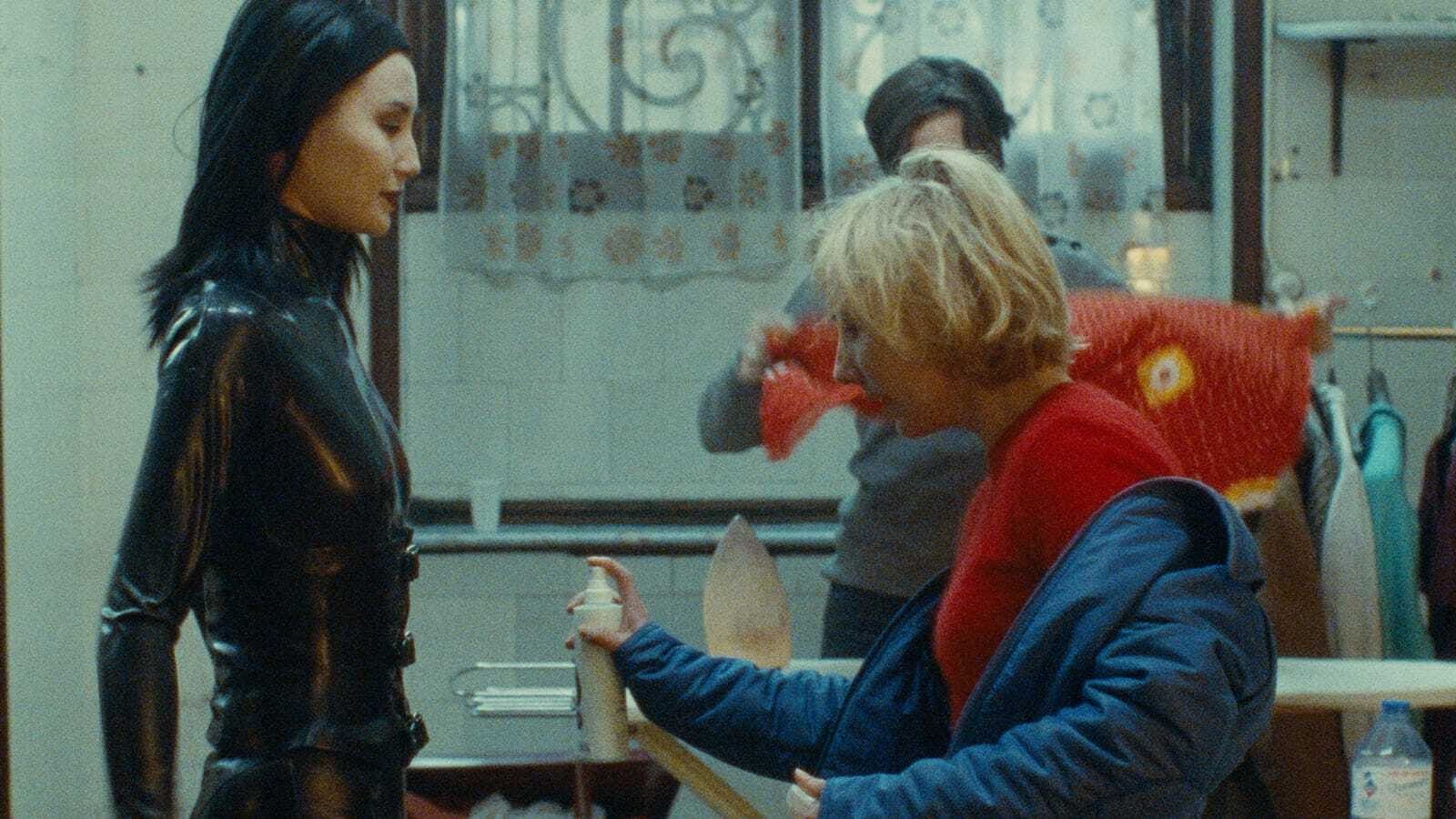
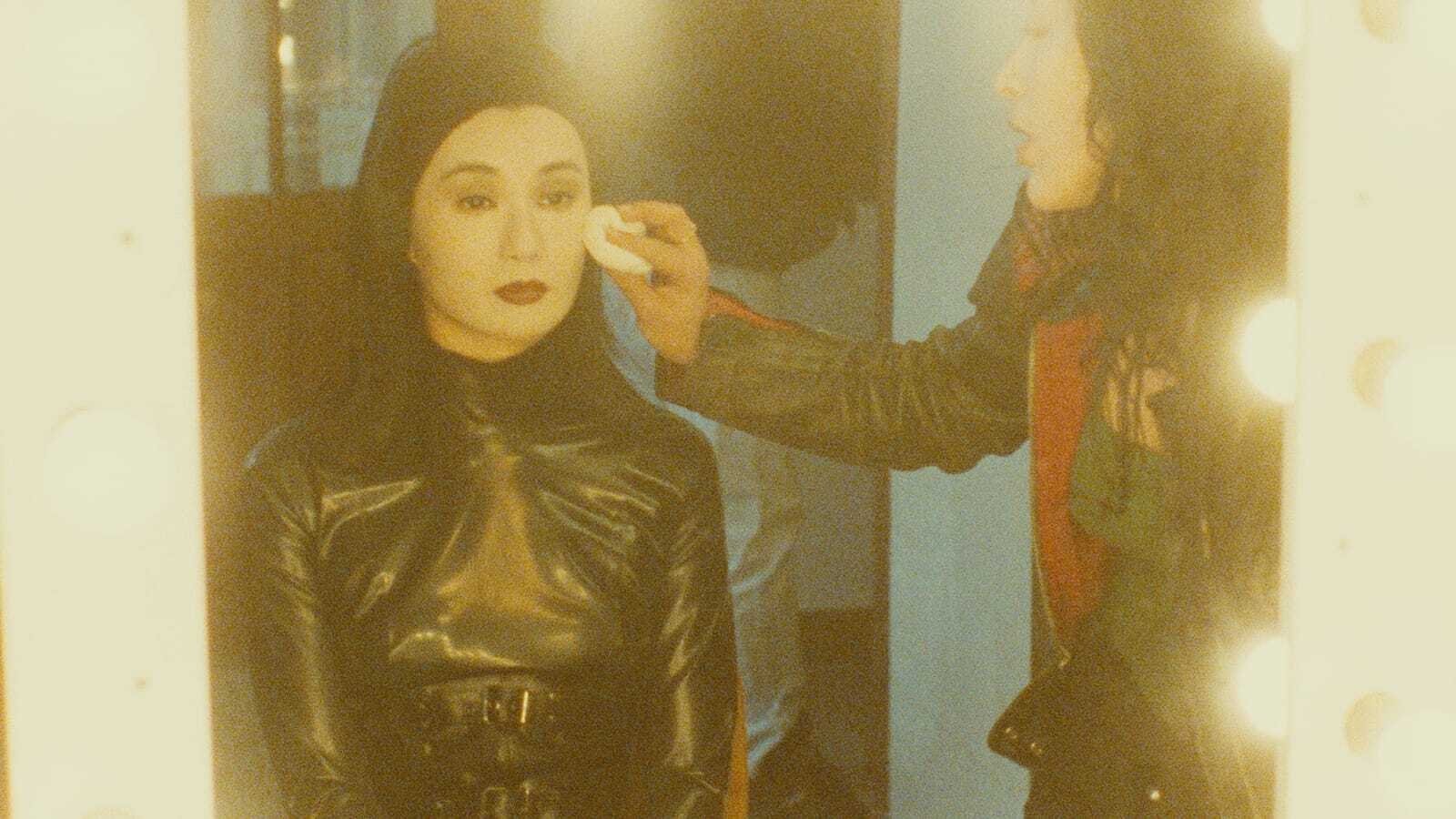
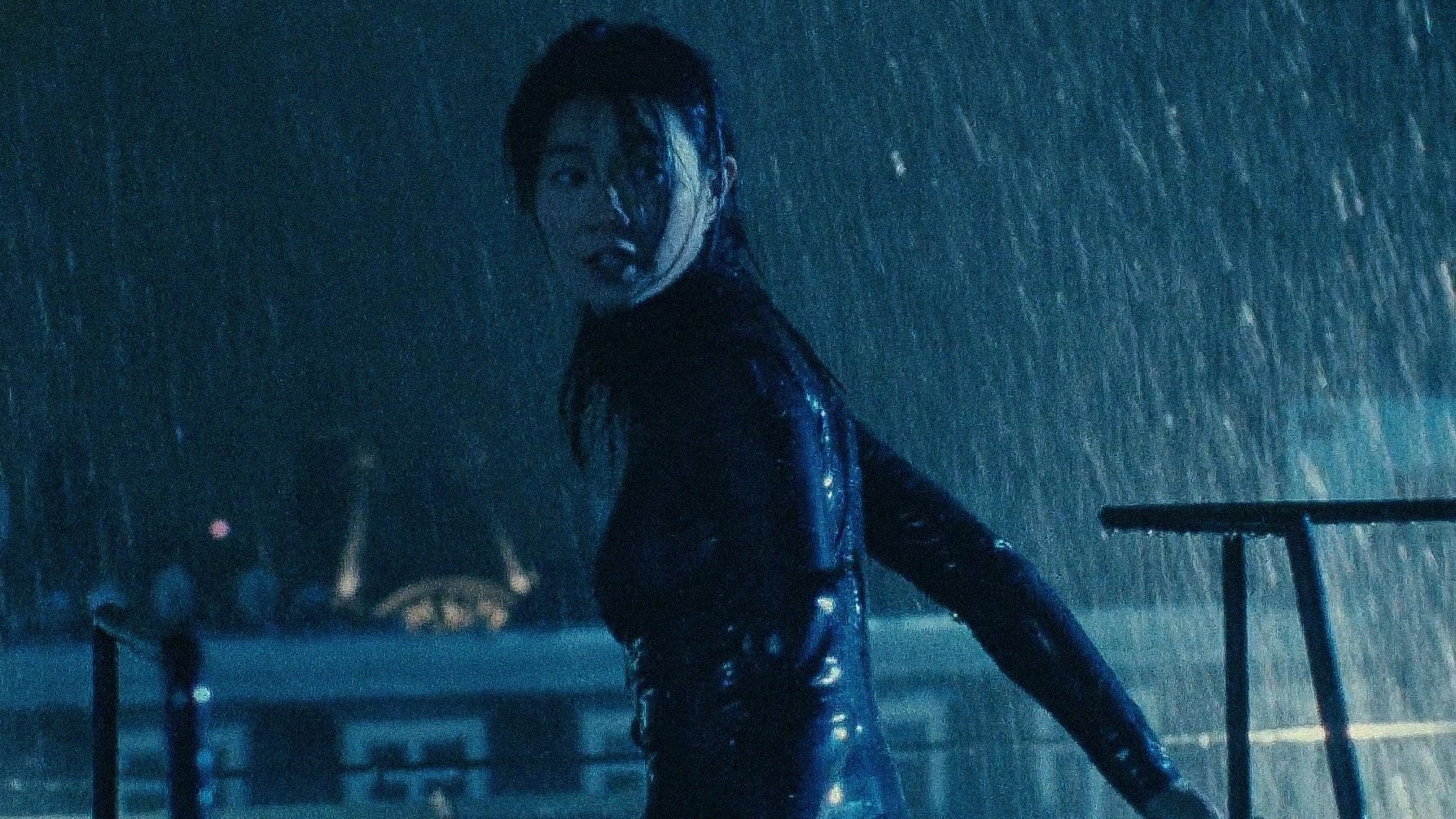
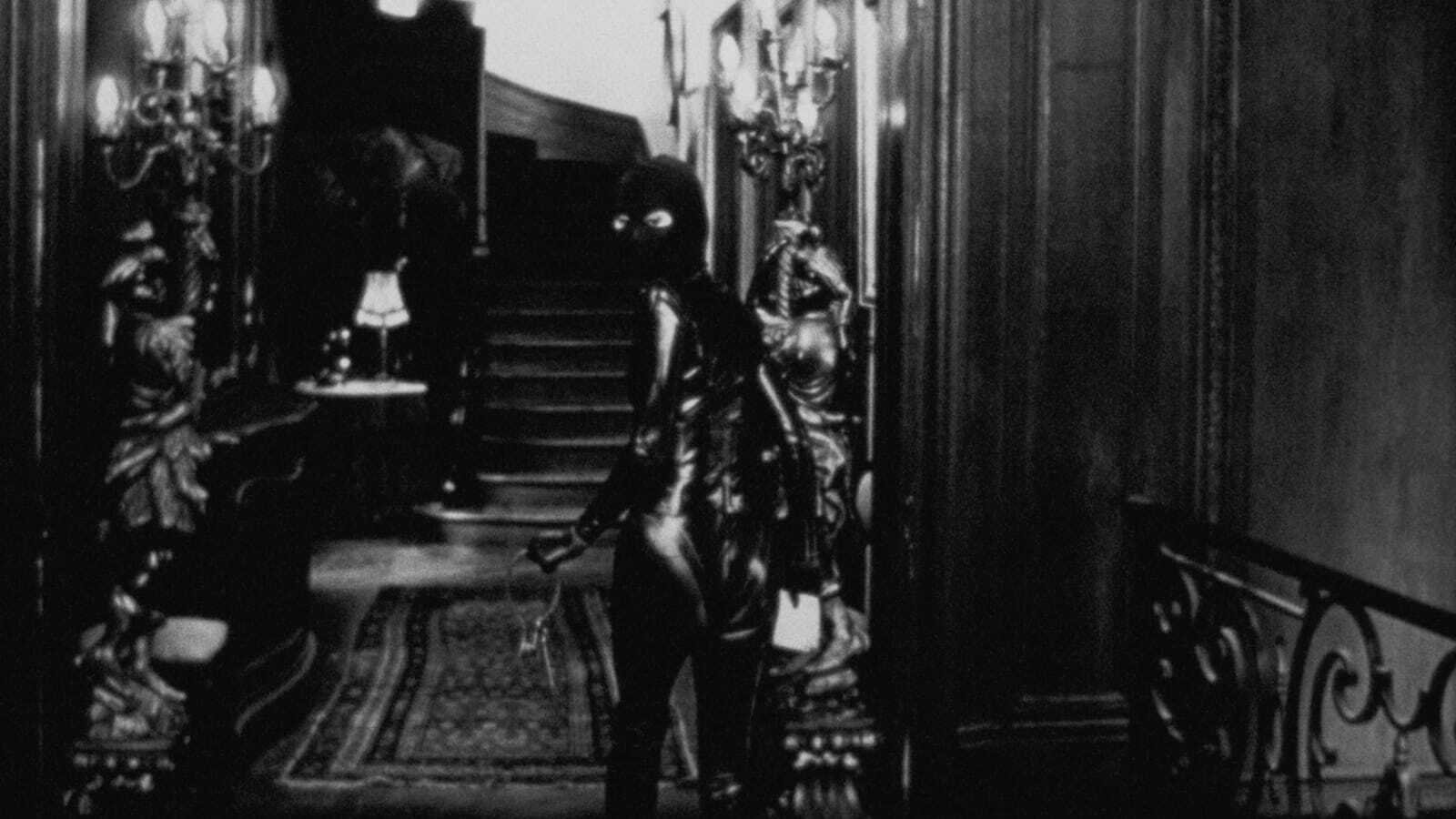
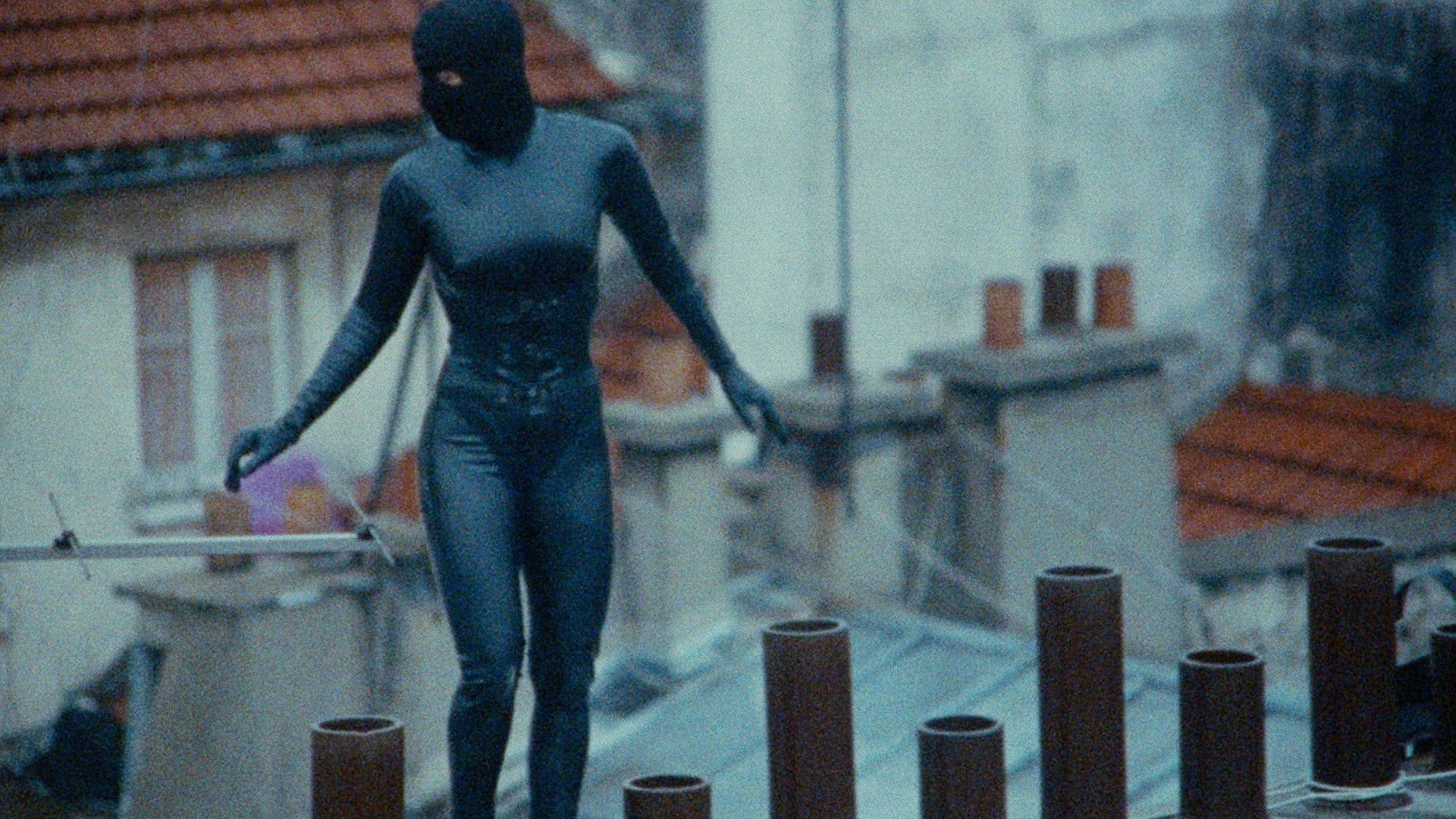
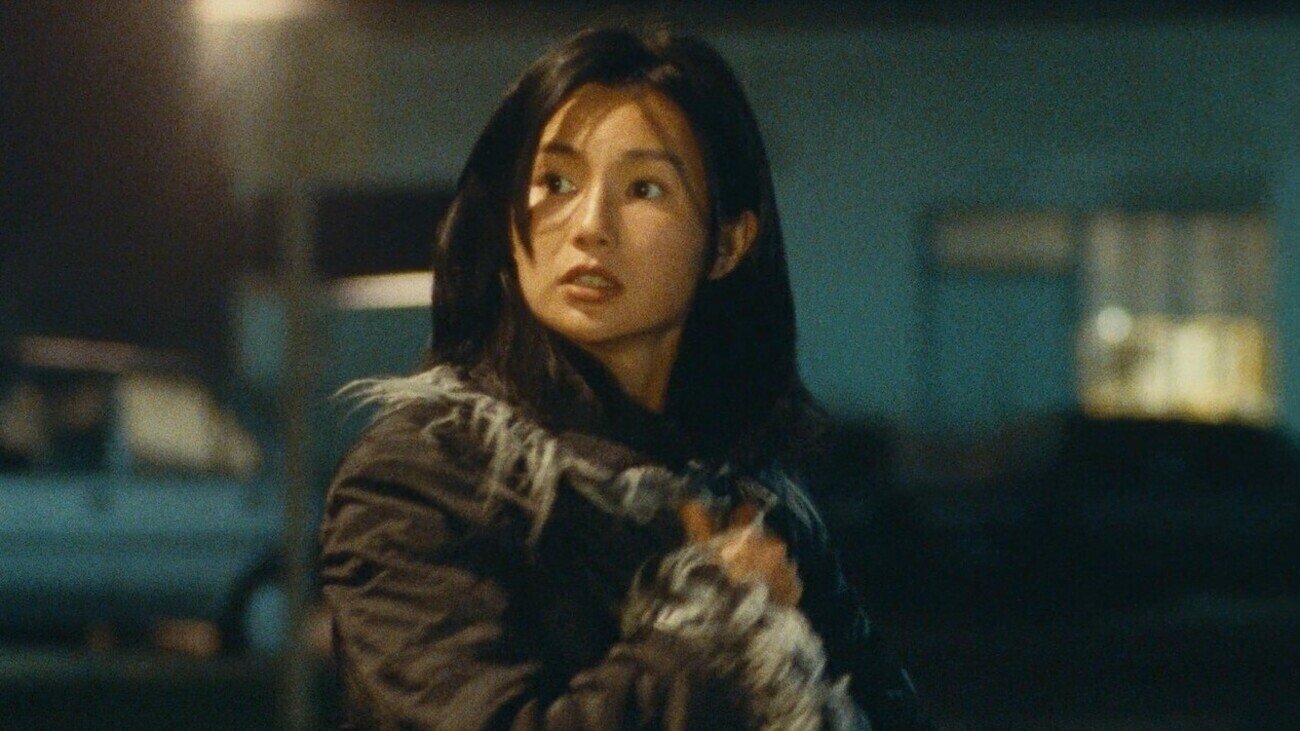
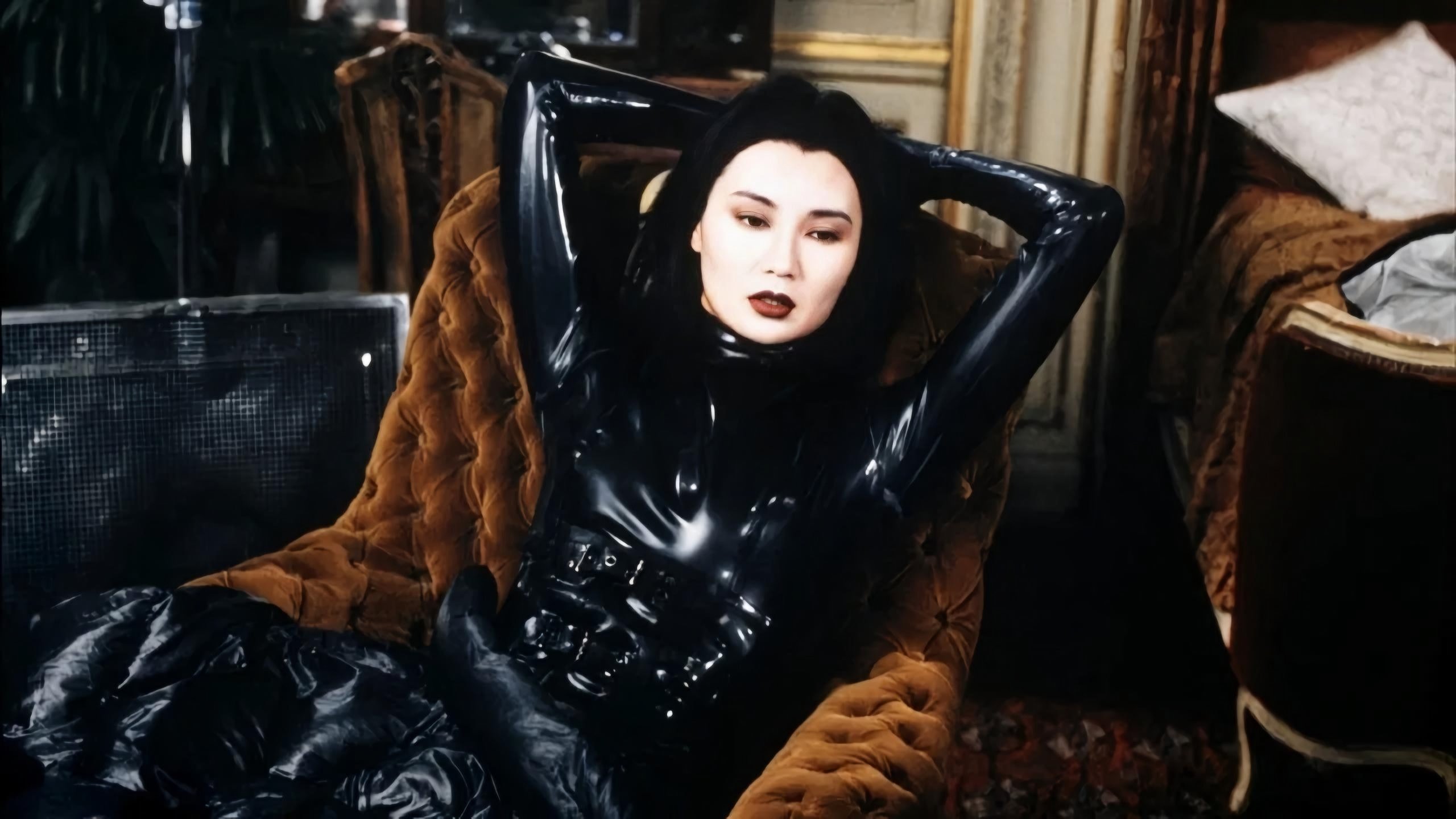
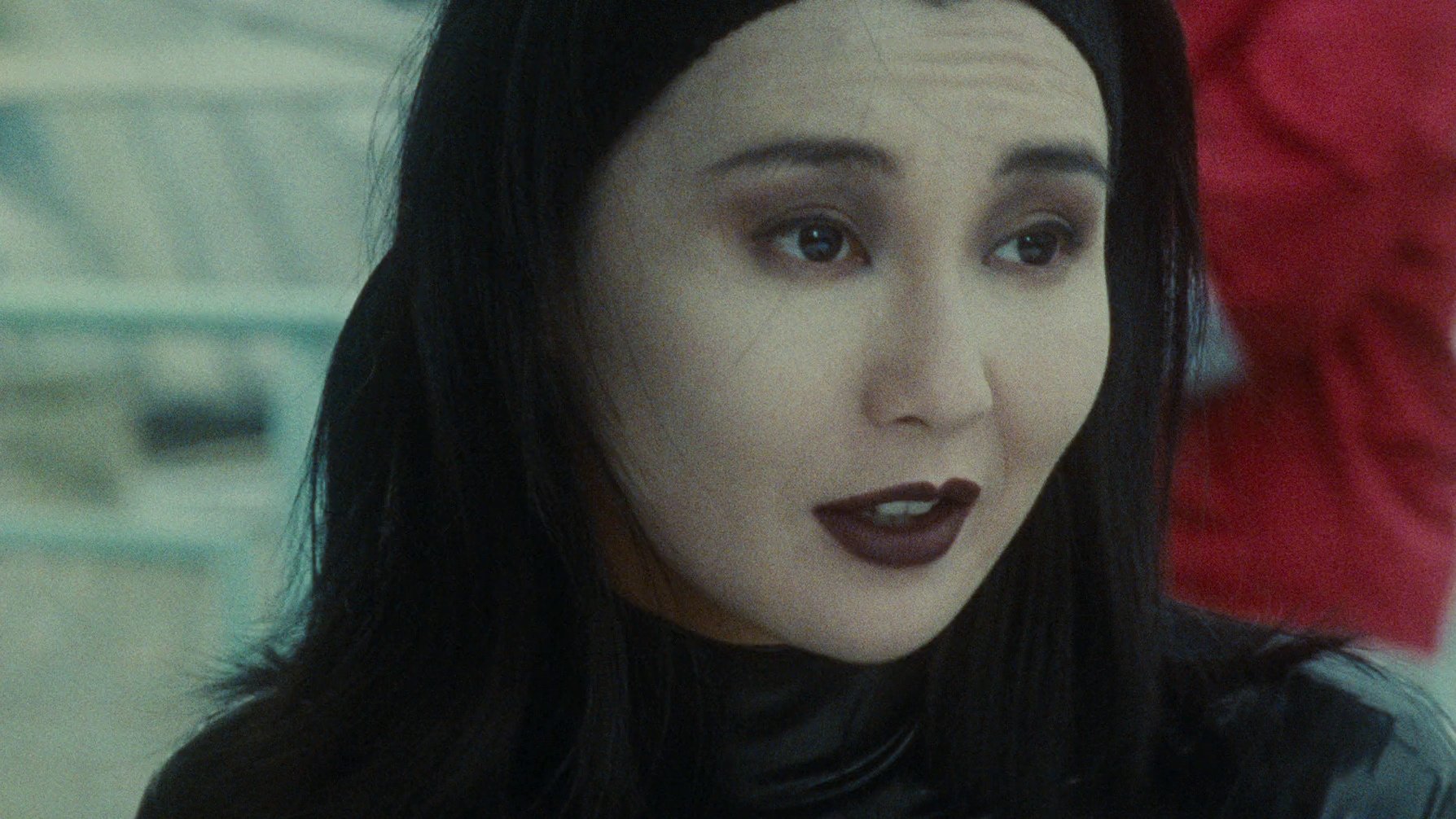
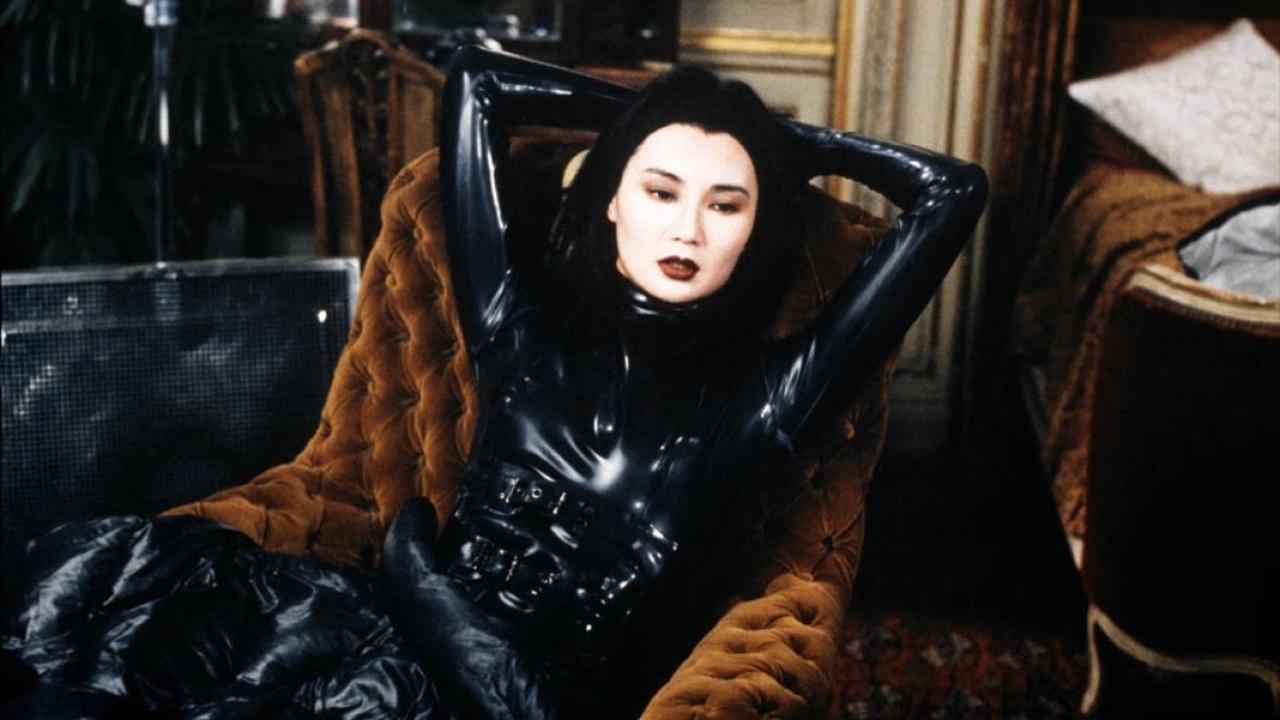
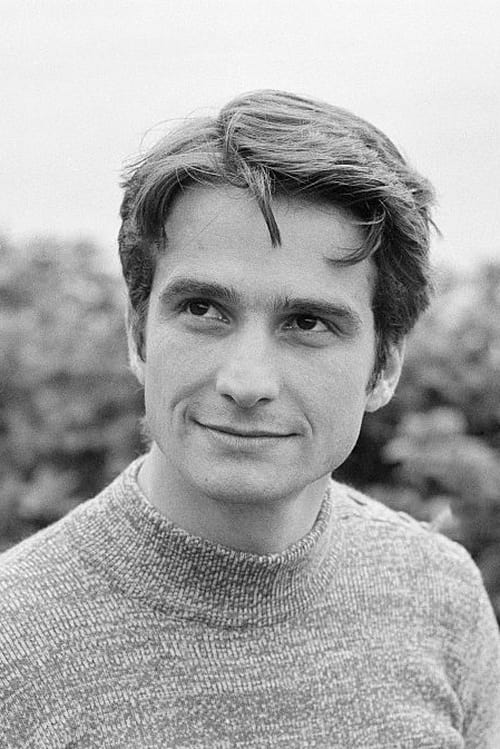
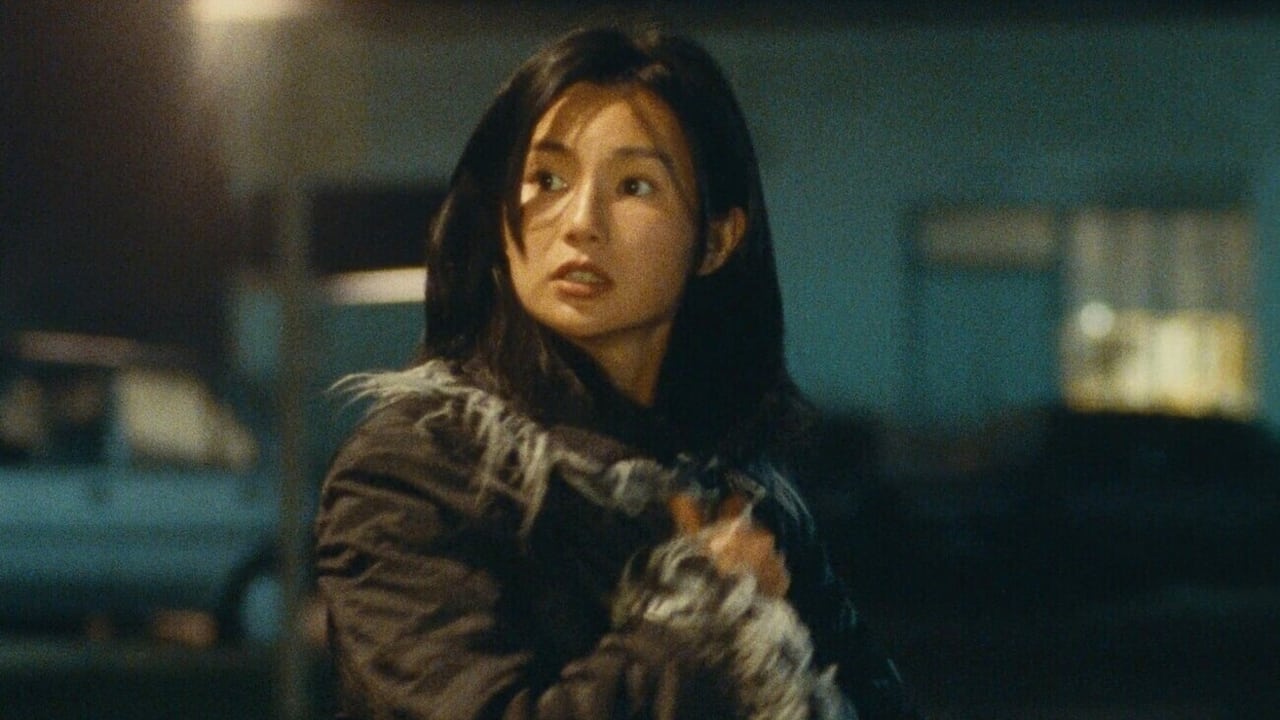
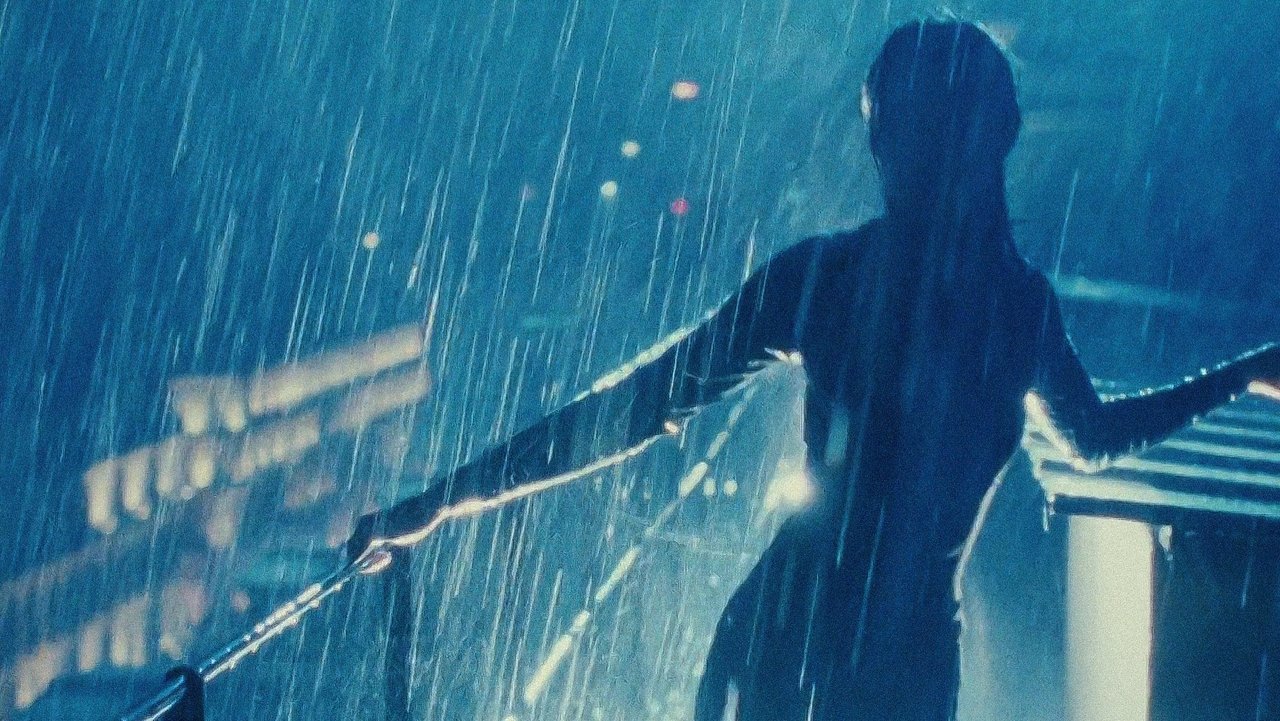
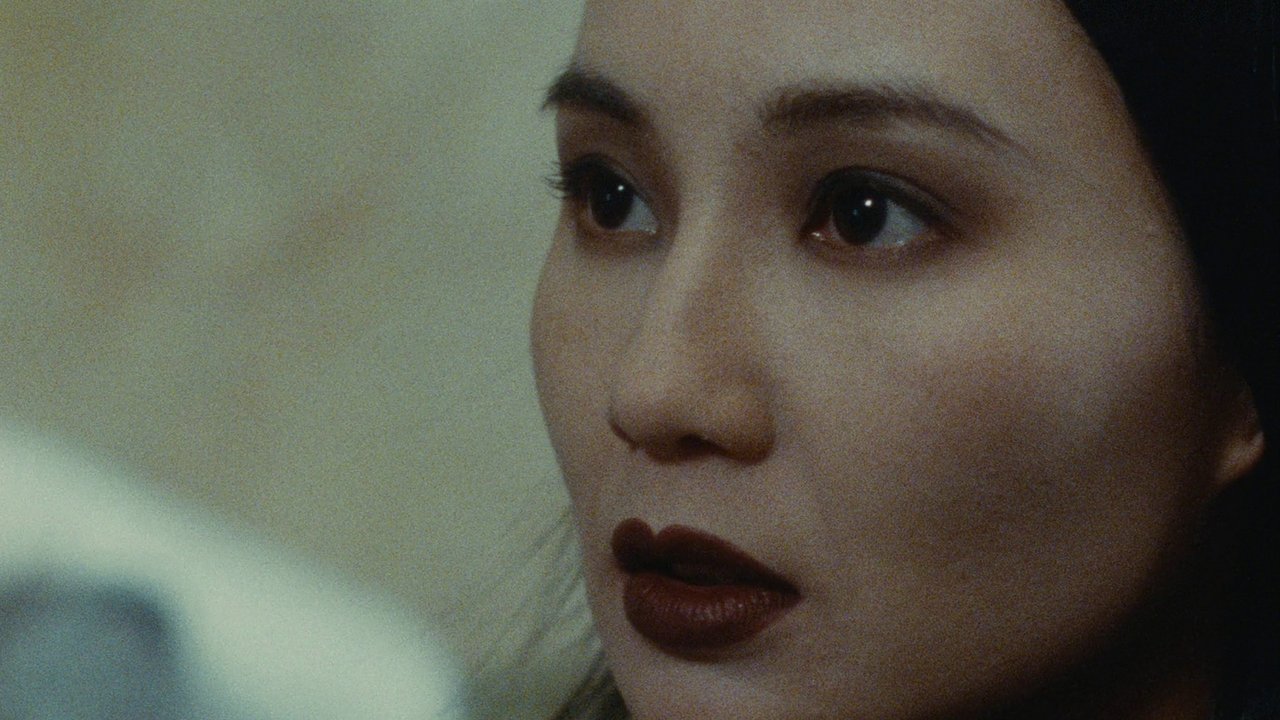
Olivier Assayas' film about a fictionalized version of his future wife, actress Maggie Cheung who stars in a cursed production of a French film, remaking Les Vampires features a story that sets up the dramatic friction between people on the set of films, with bitterness and differing ideas. Irma Vep describes the end of contemporary French cinema, particular the very last sequence, but it also stands for the universality of conservative film ideals shown through the replacement director, the difference between "intellectual" and "studio" projects, examplified by Maggie's character and the discussion between an interviewer, and the idea of originality and intent, mostly at the hands of Jean-Pieree Leaud's portrayal of a washed up director. With all of this greatness, I'm disappointed that it didn't go one for another 20-30 minutes.
Olivier Assayas' film about a fictionalized version of his future wife, actress Maggie Cheung who stars in a cursed production of a French film, remaking Les Vampires features a story that sets up the dramatic friction between people on the set of films, with bitterness and differing ideas. Irma Vep describes the end of contemporary French cinema, particular the very last sequence, but it also stands for the universality of conservative film ideals shown through the replacement director, the difference between "intellectual" and "studio" projects, examplified by Maggie's character and the discussion between an interviewer, and the idea of originality and intent, mostly at the hands of Jean-Pieree Leaud's portrayal of a washed up director. With all of this greatness, I'm disappointed that it didn't go one for another 20-30 minutes.