Criterion Challenge 2026Challenge #29. Watch a film from any box set release
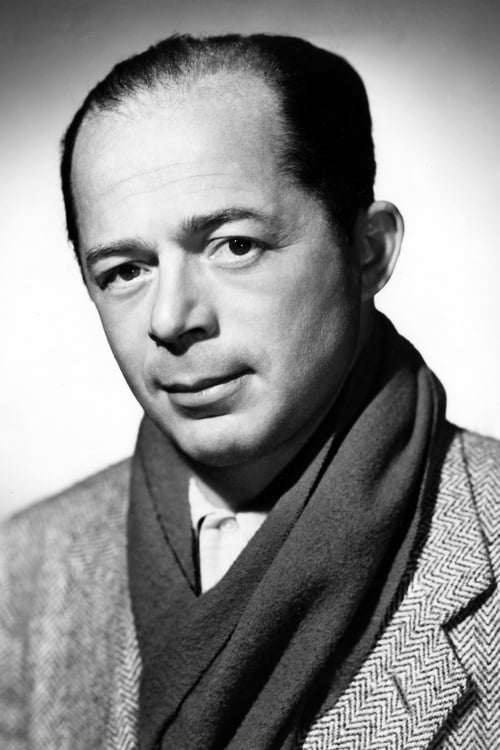
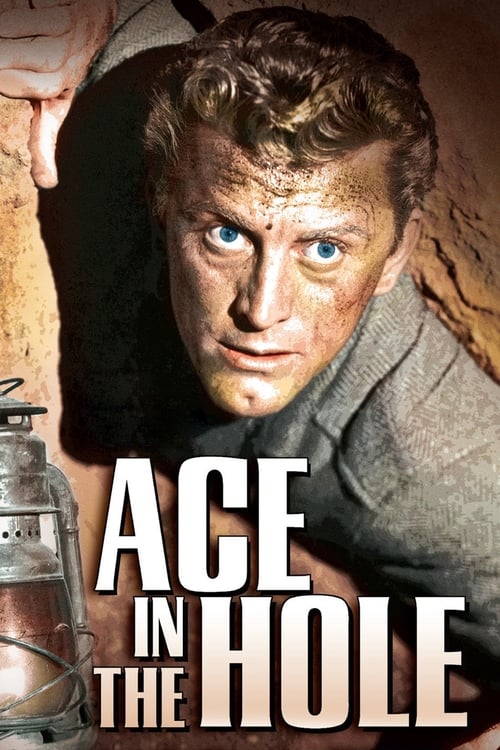
I don’t know how the man does it, but every time I finish a Billy Wilder film, I amd flooded with the urge to watch another one, to watch them ALL. Ace In The Hole quickly climbed near the top of my favorite Wilder films and makes for an interesting double feature with Sidney Lumet’s Network, which I also recently watched for the first time. Or maybe a triple feature with Network and Nightcrawler.
I think i had this idea in my head about Wilder being an all-out comedy guy, but the more of his films i see, I get the sense that maybe his comedies have been the outlier and films like The Apartment (which i know is a comedy, but is also very serious), Double Indemnity, Sunset Boulevard, and now Ace In The Hole seem to be where he thrives for me. Even something like One, Two, Three seems to defy any clean genre, and Wilder’s ability to weave in and out of various genres only inflates my admiration.
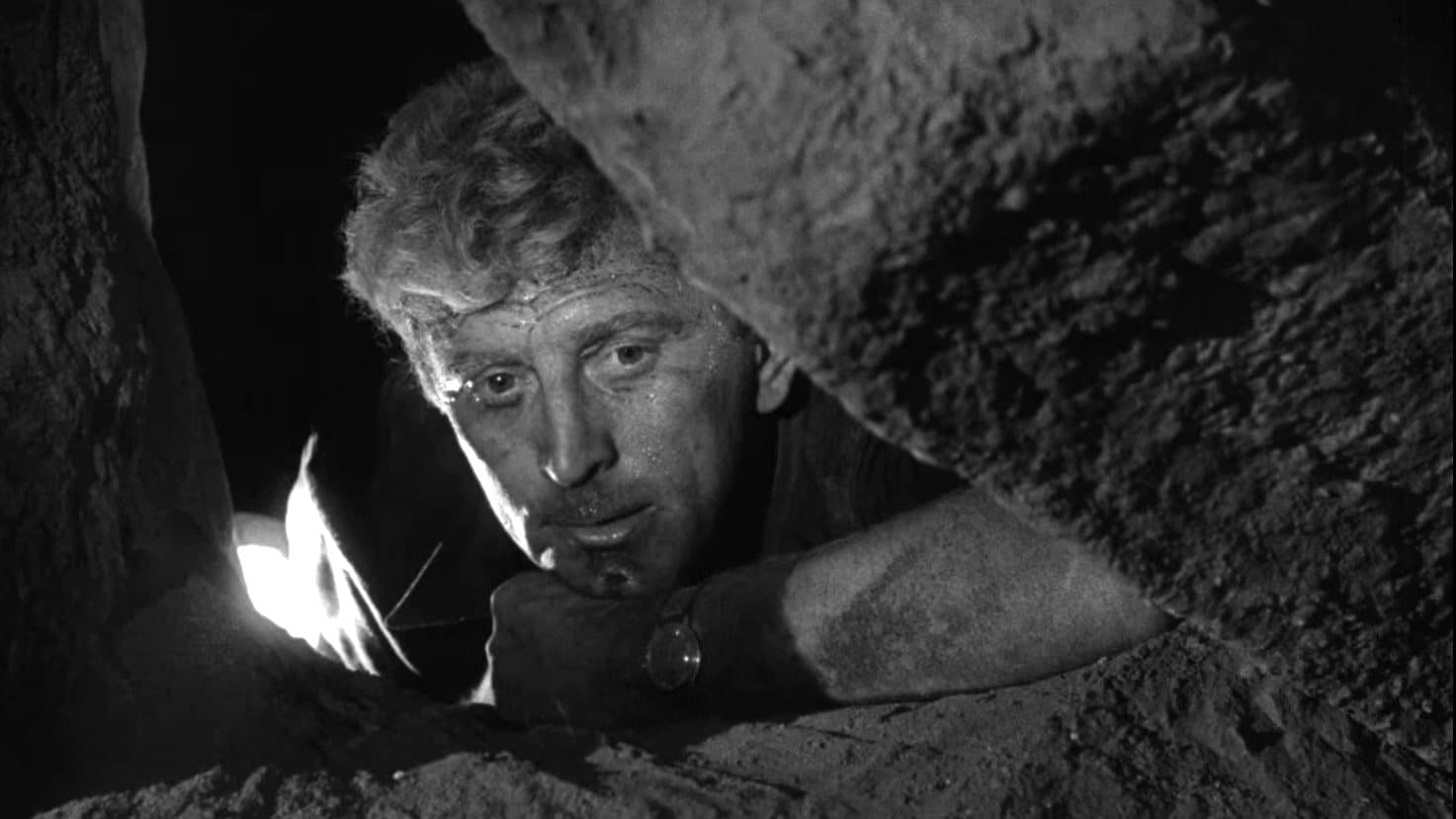
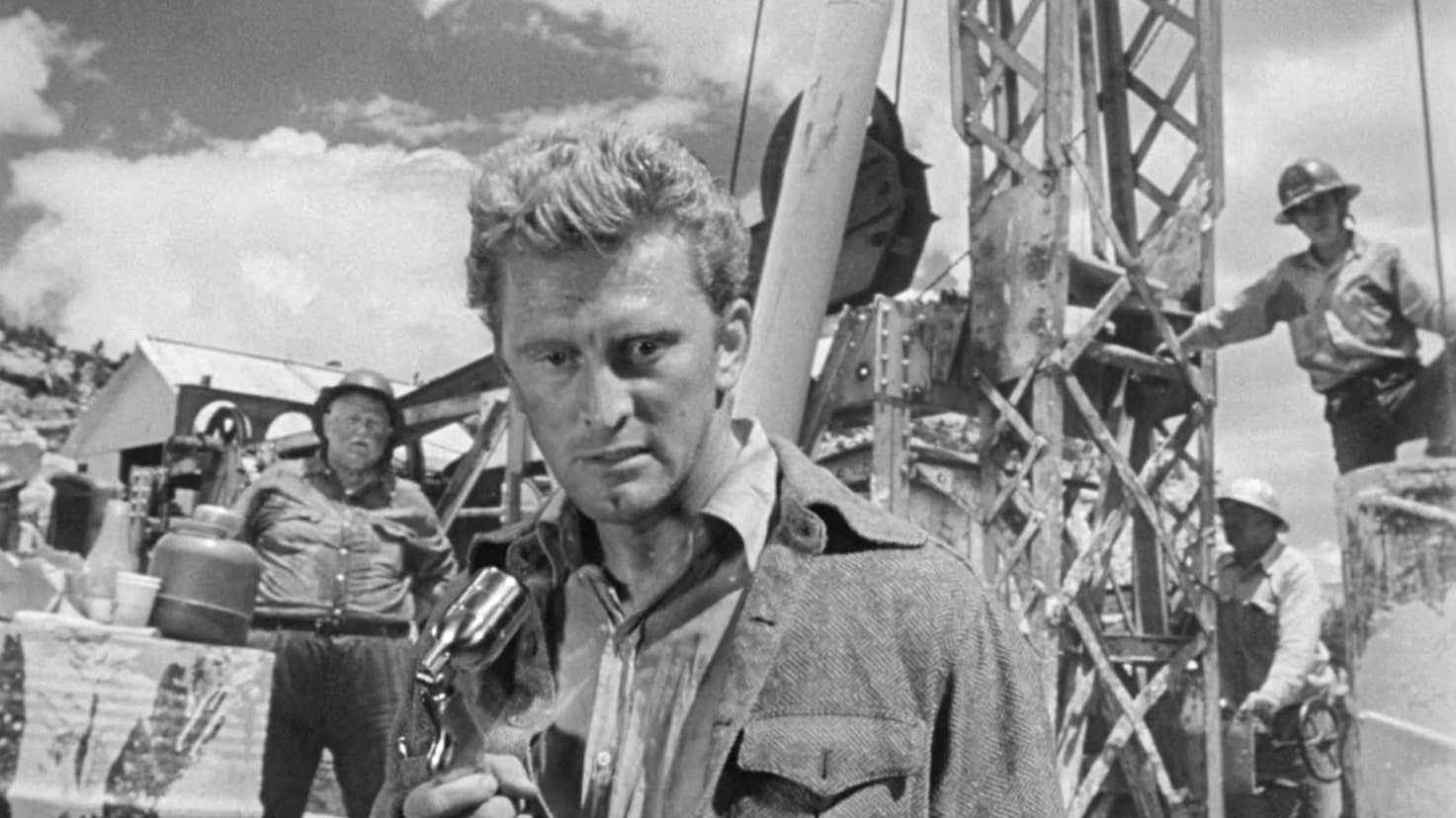
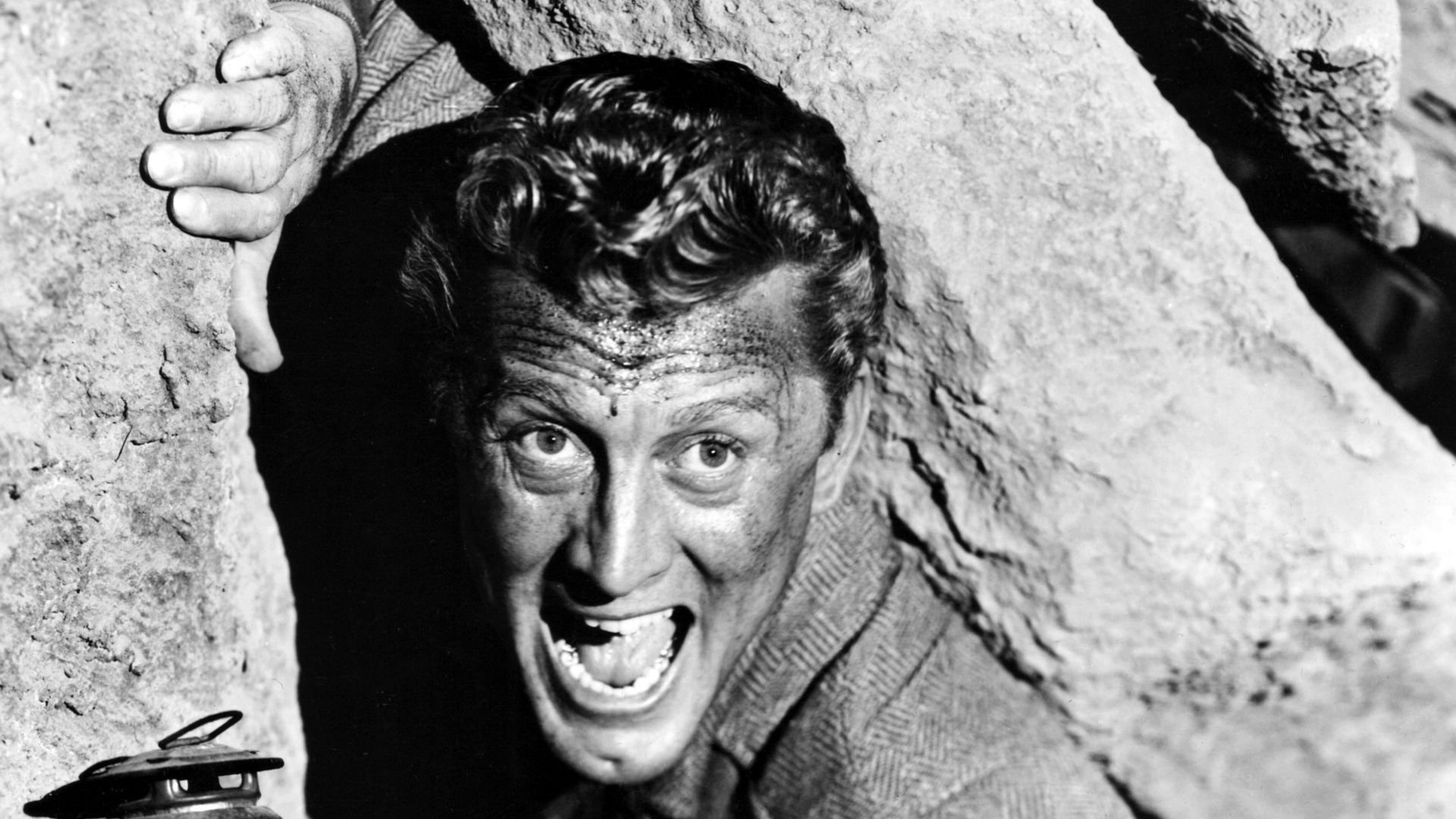
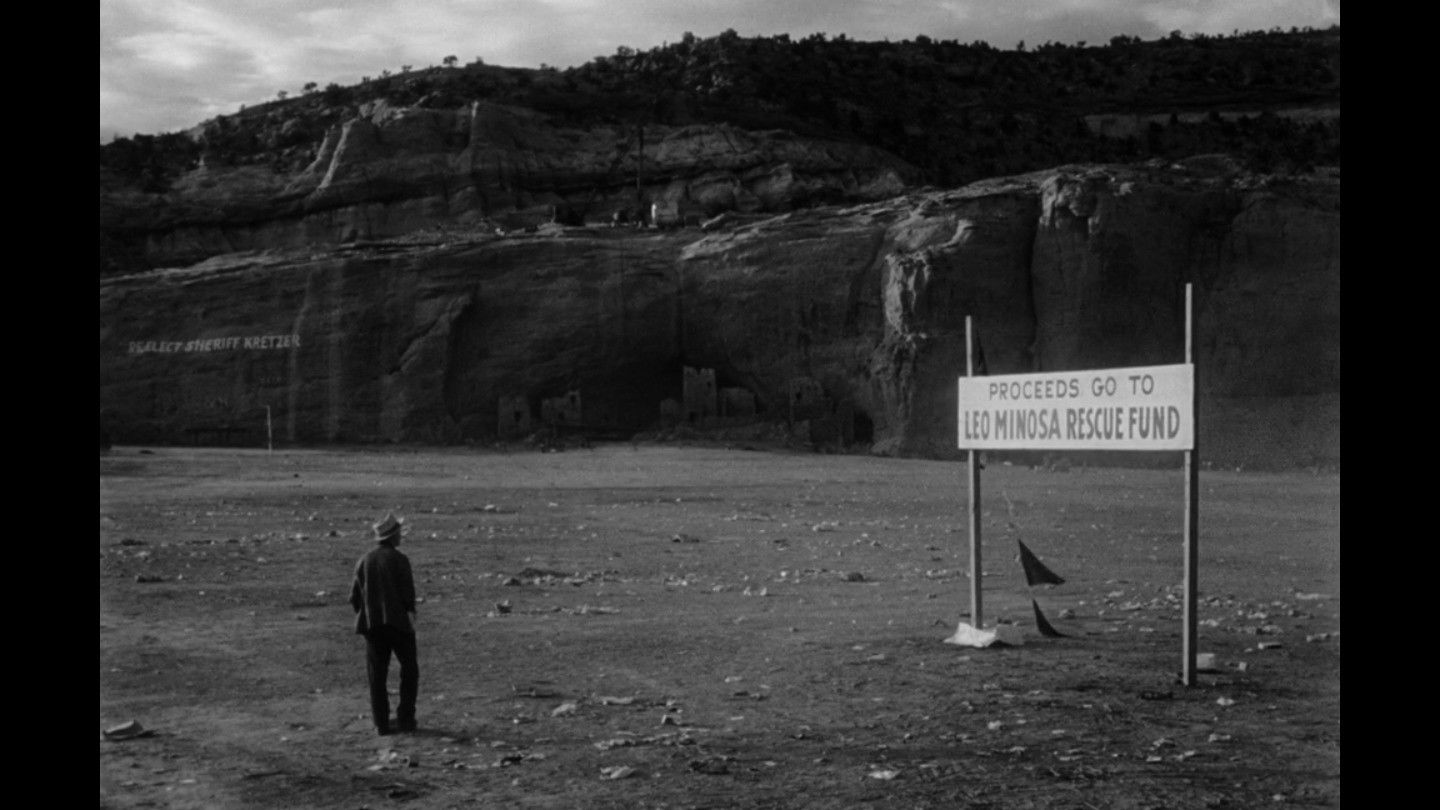
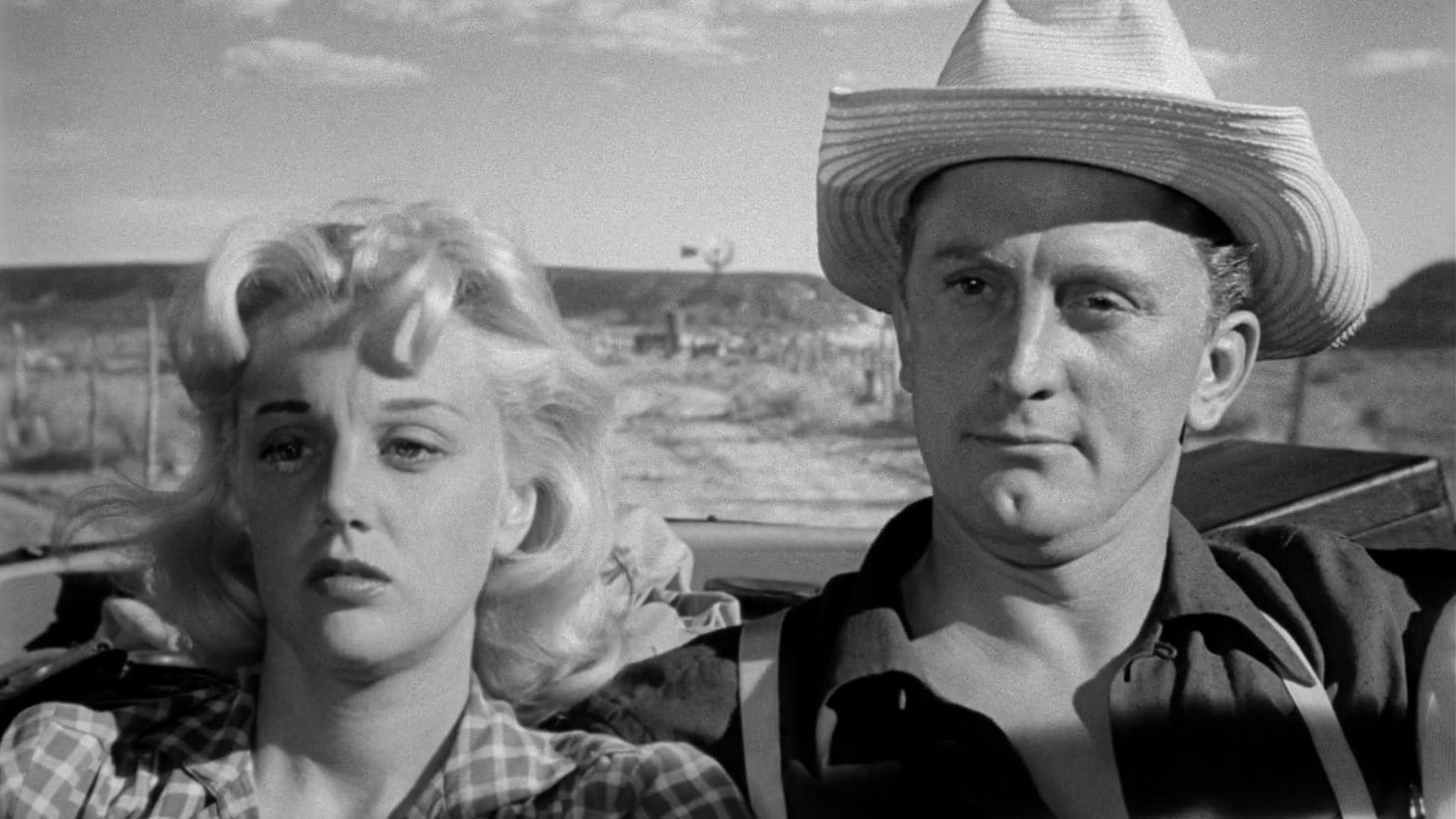
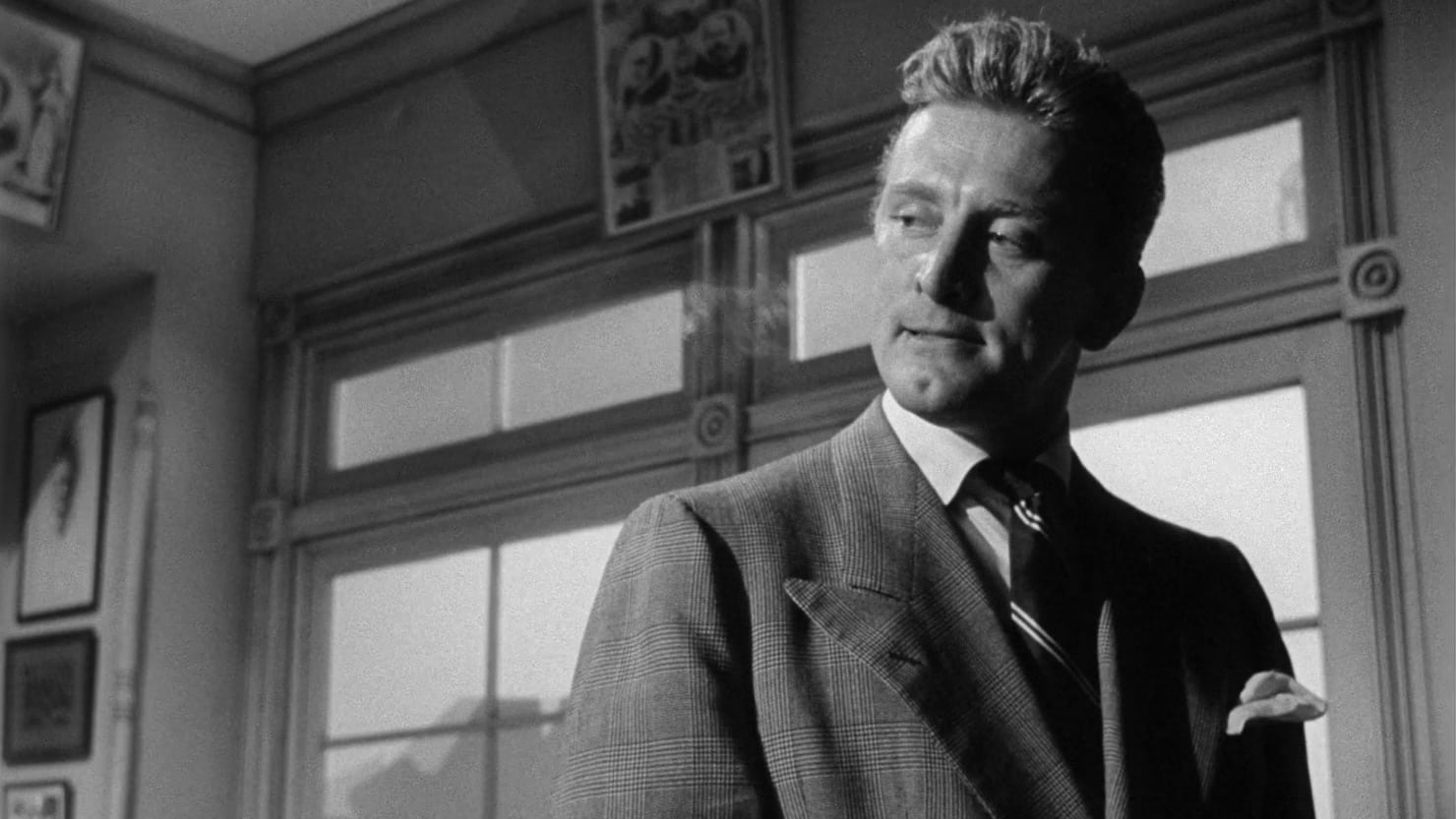
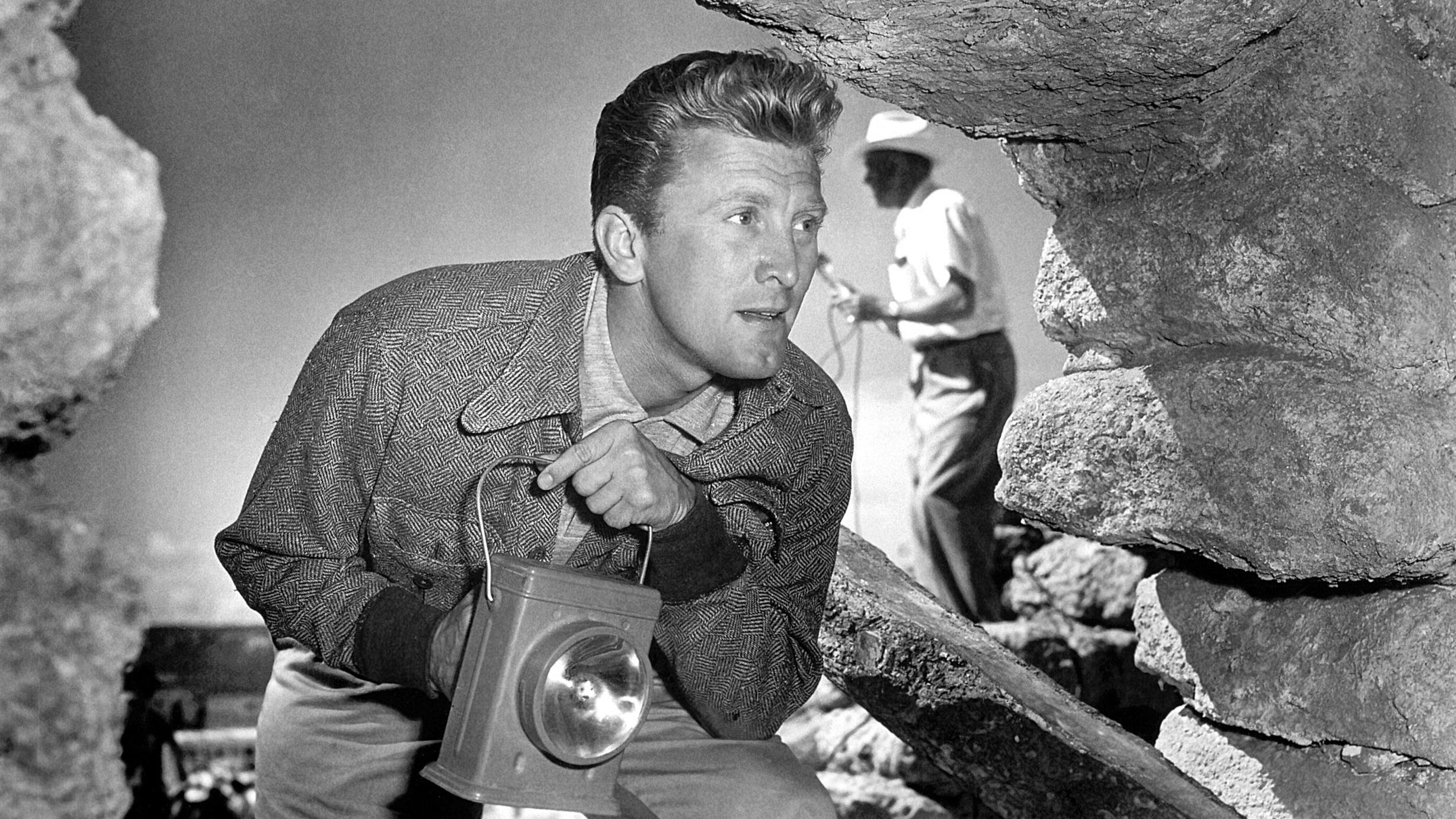
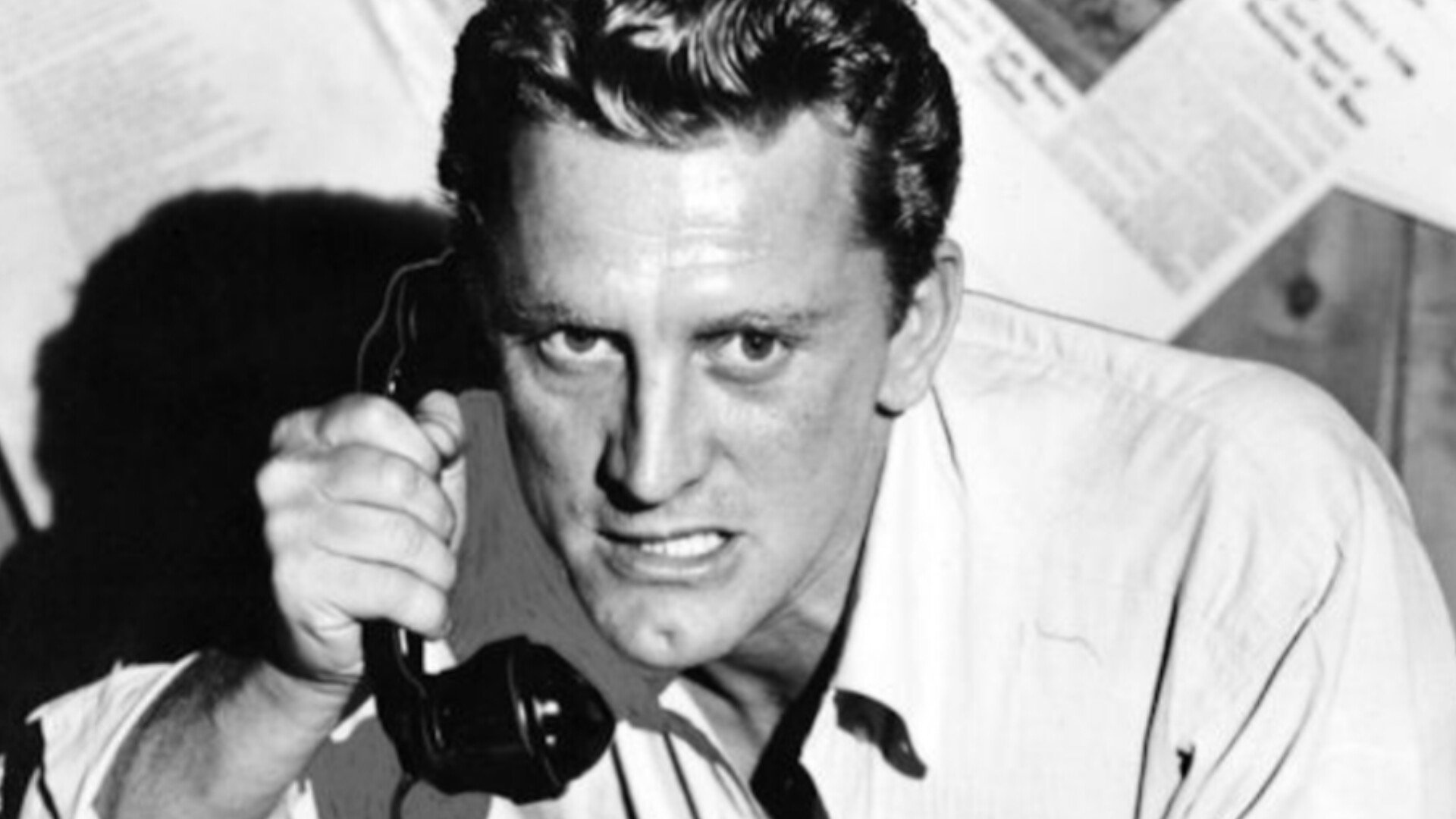
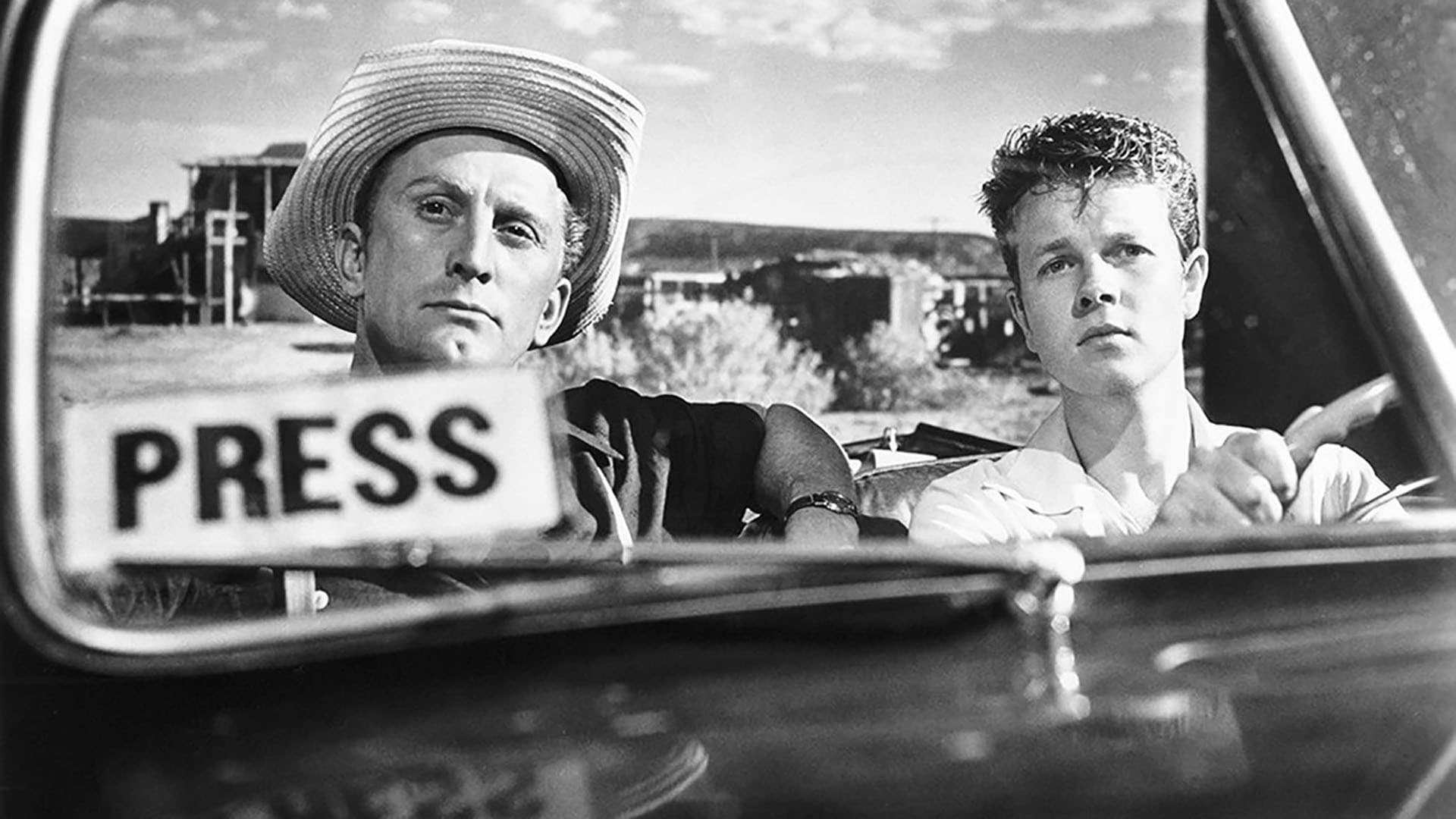
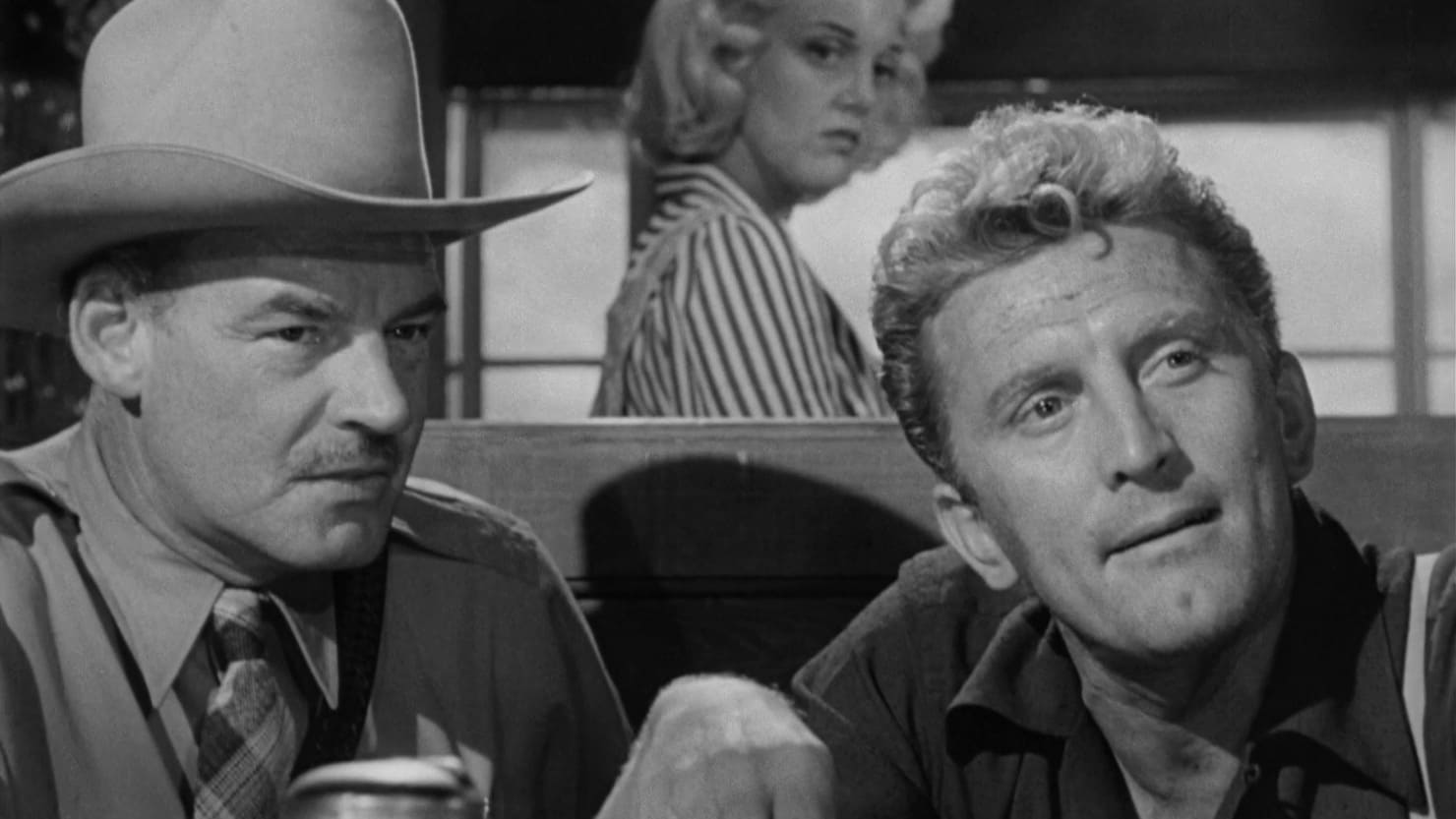
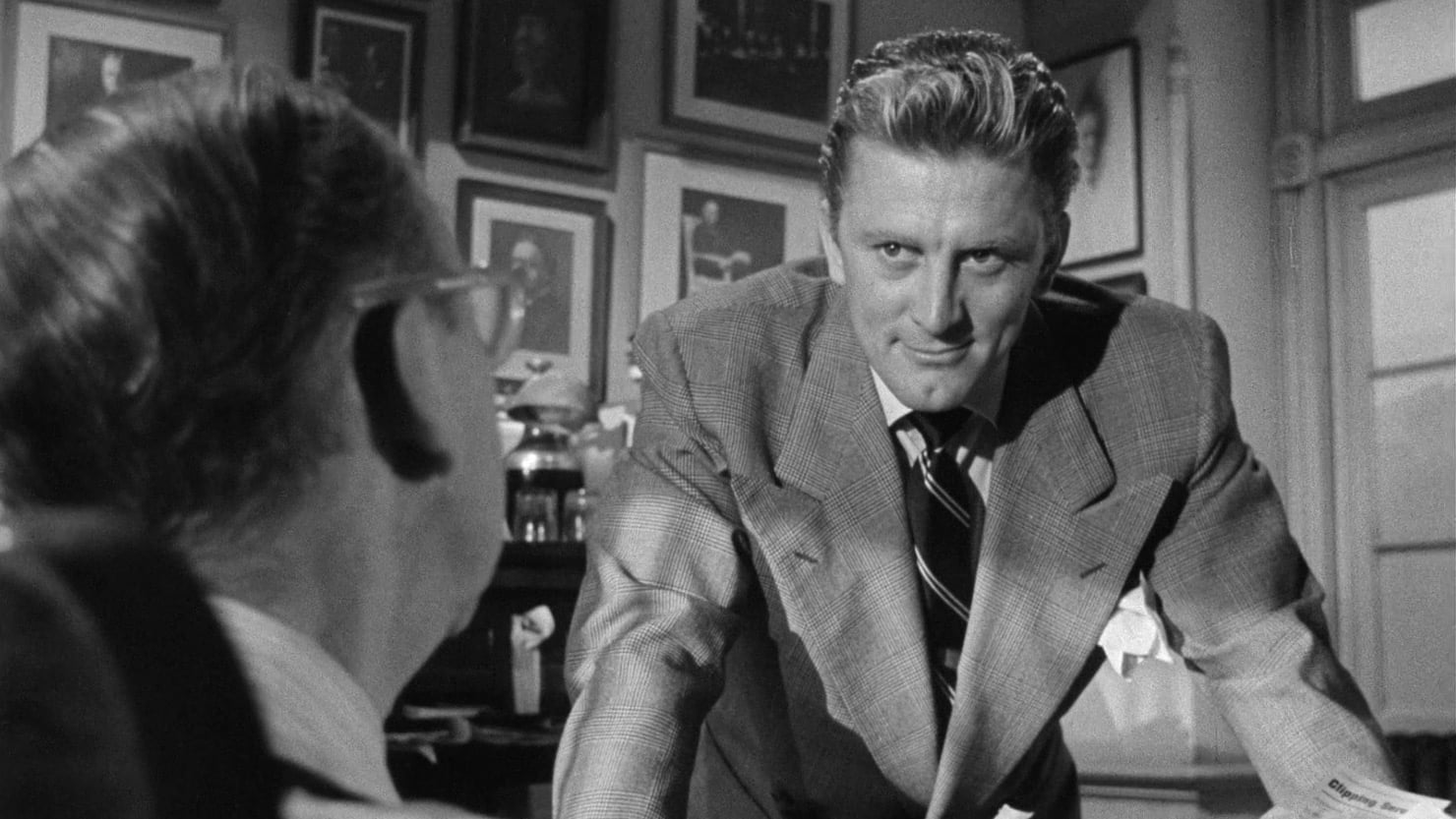
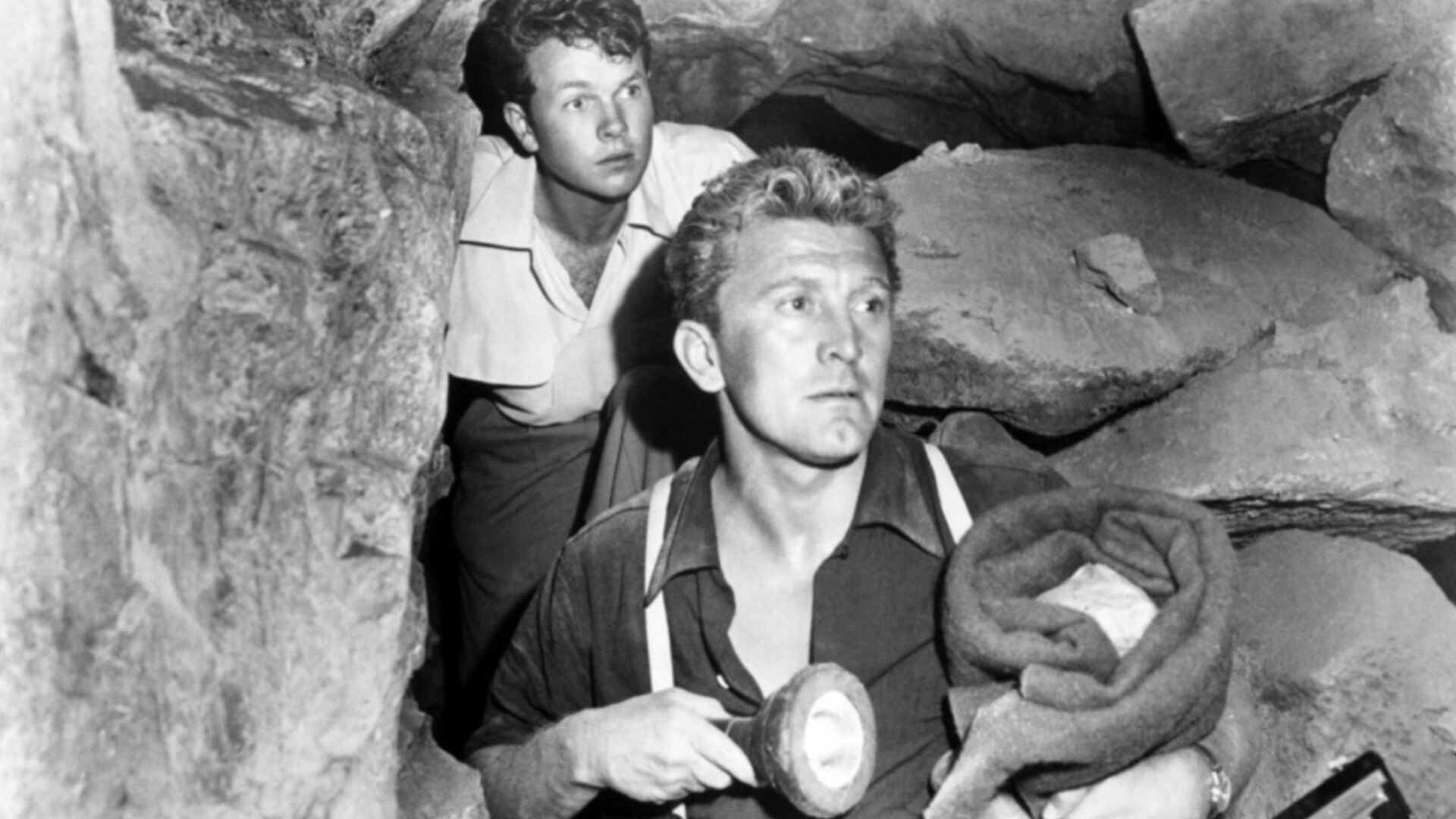
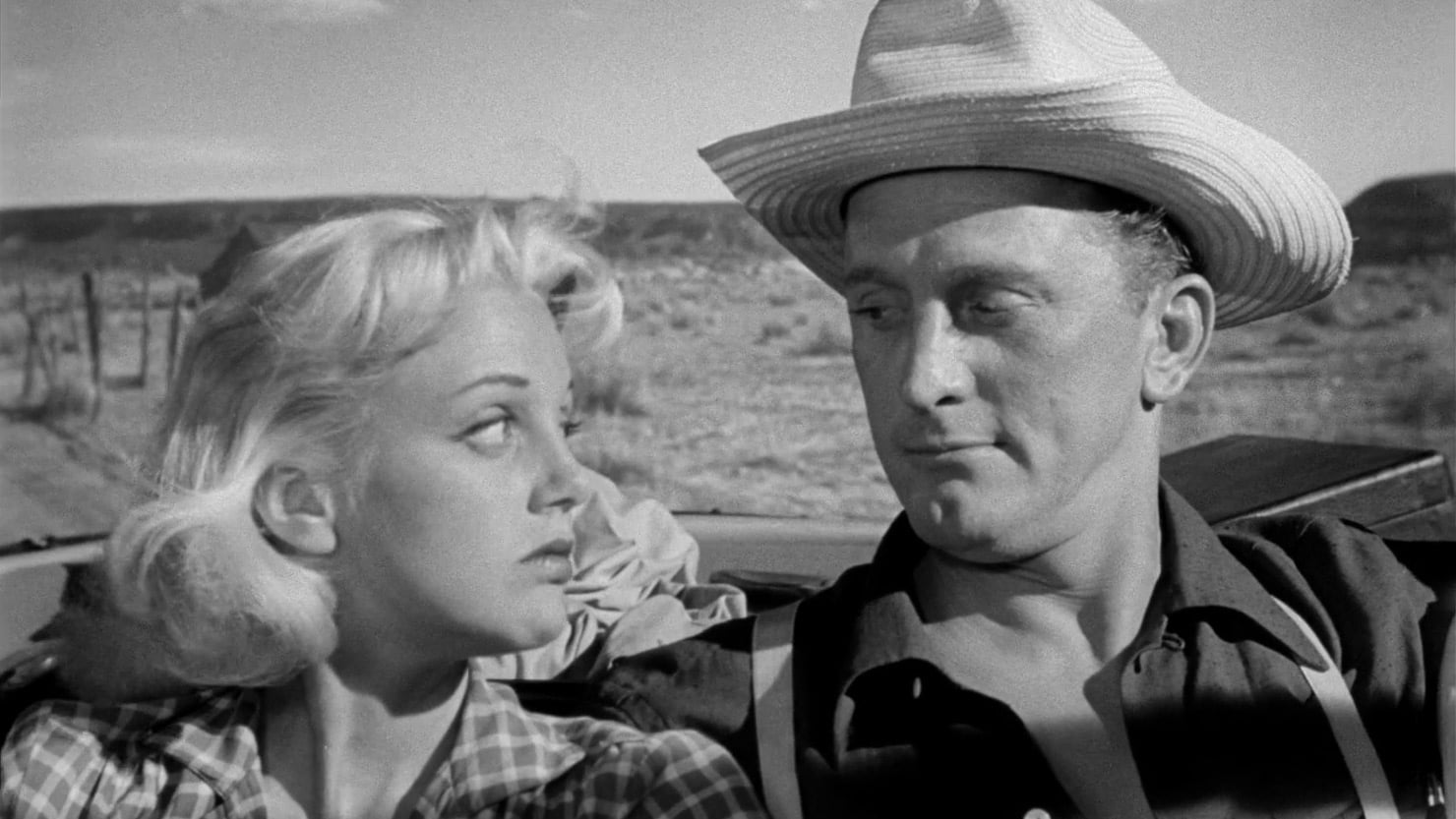
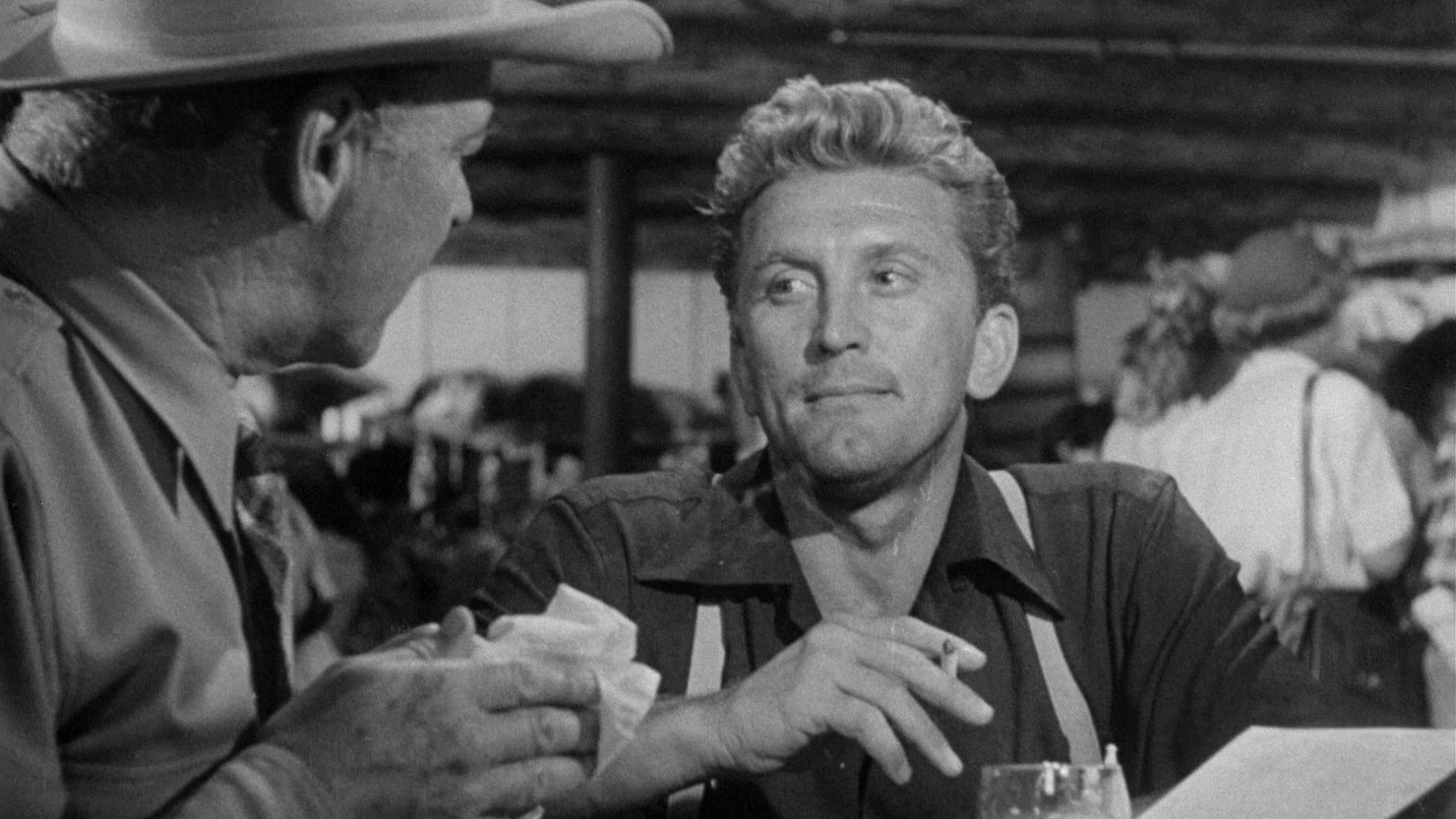
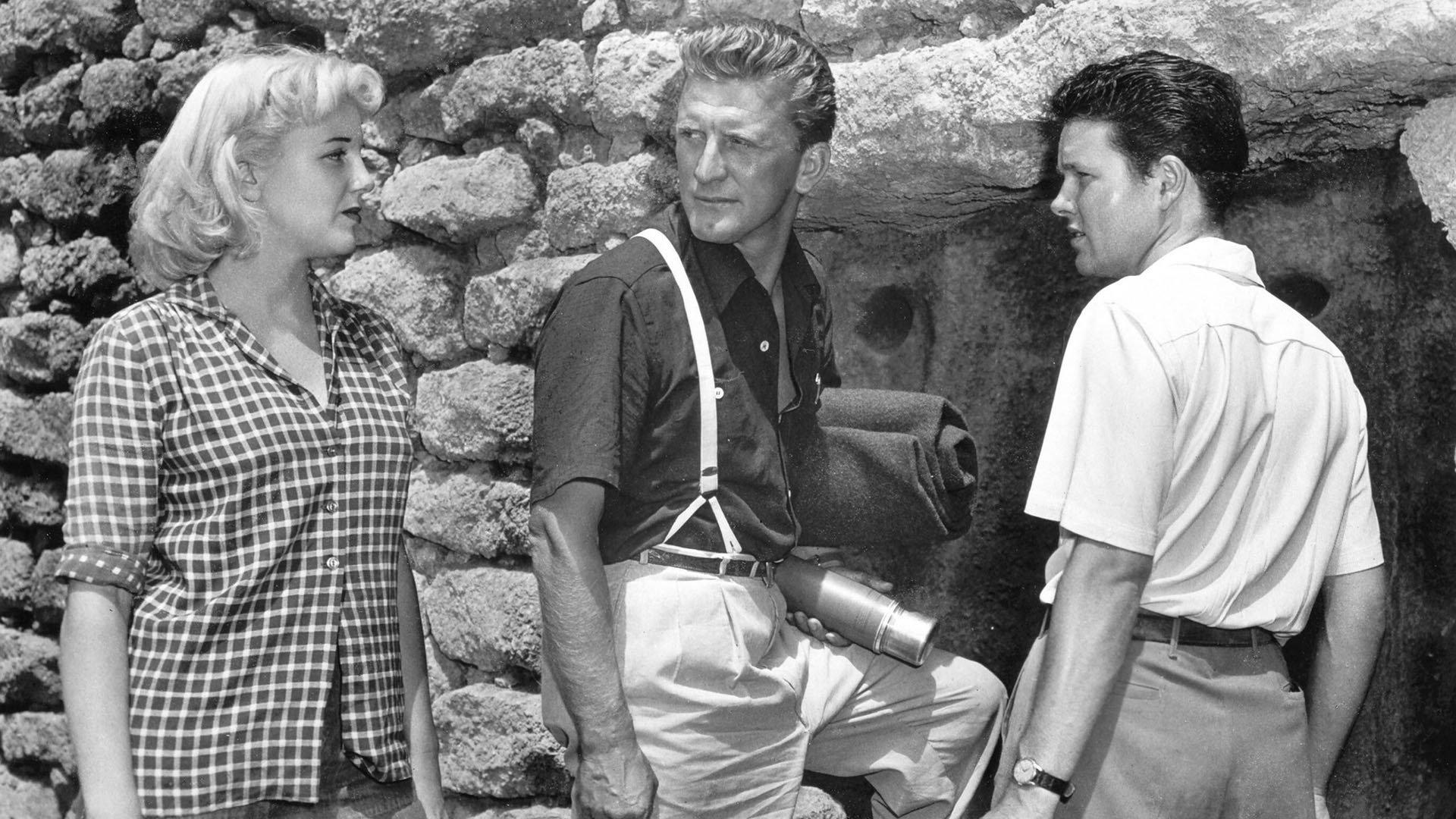
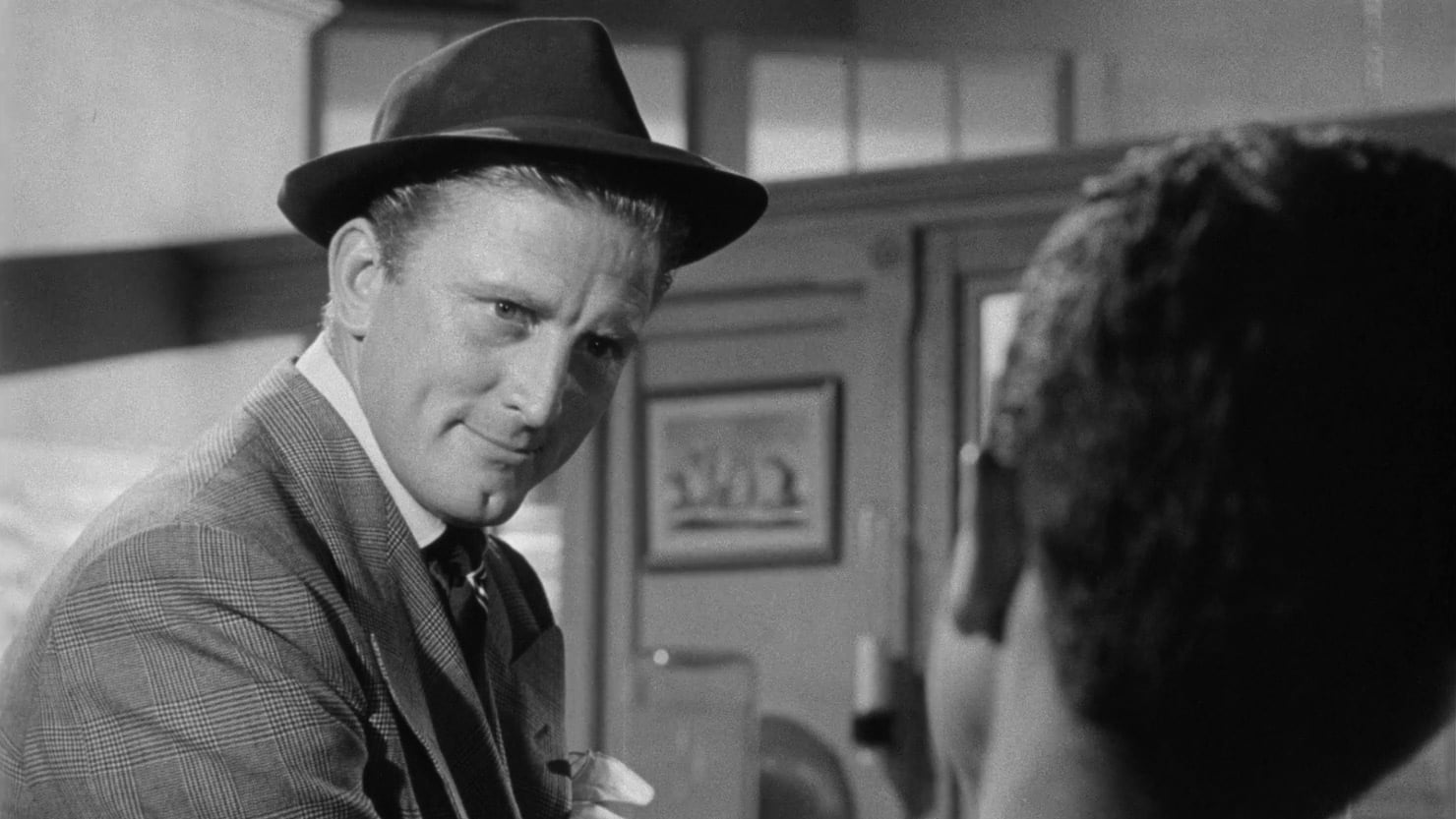
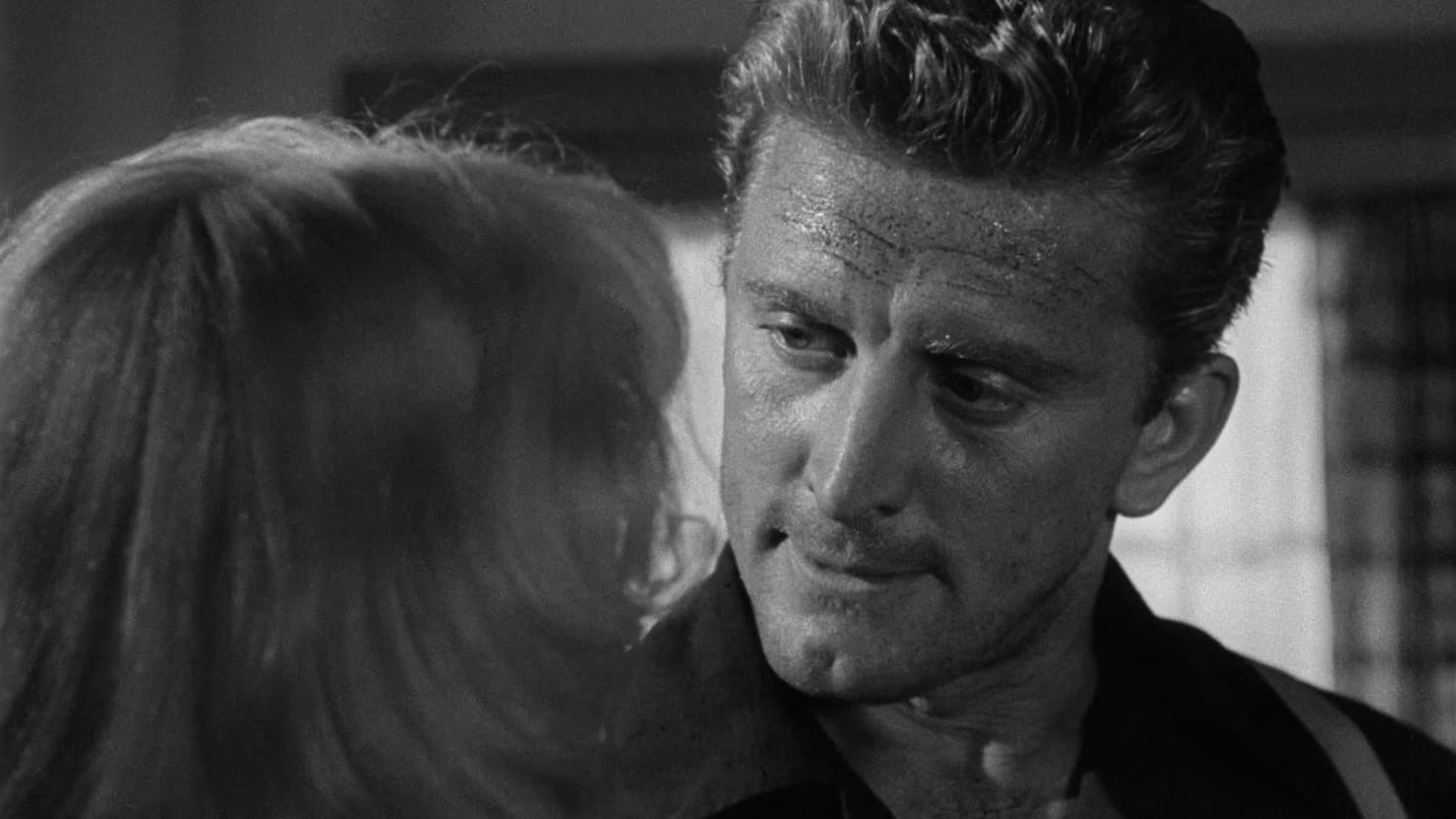
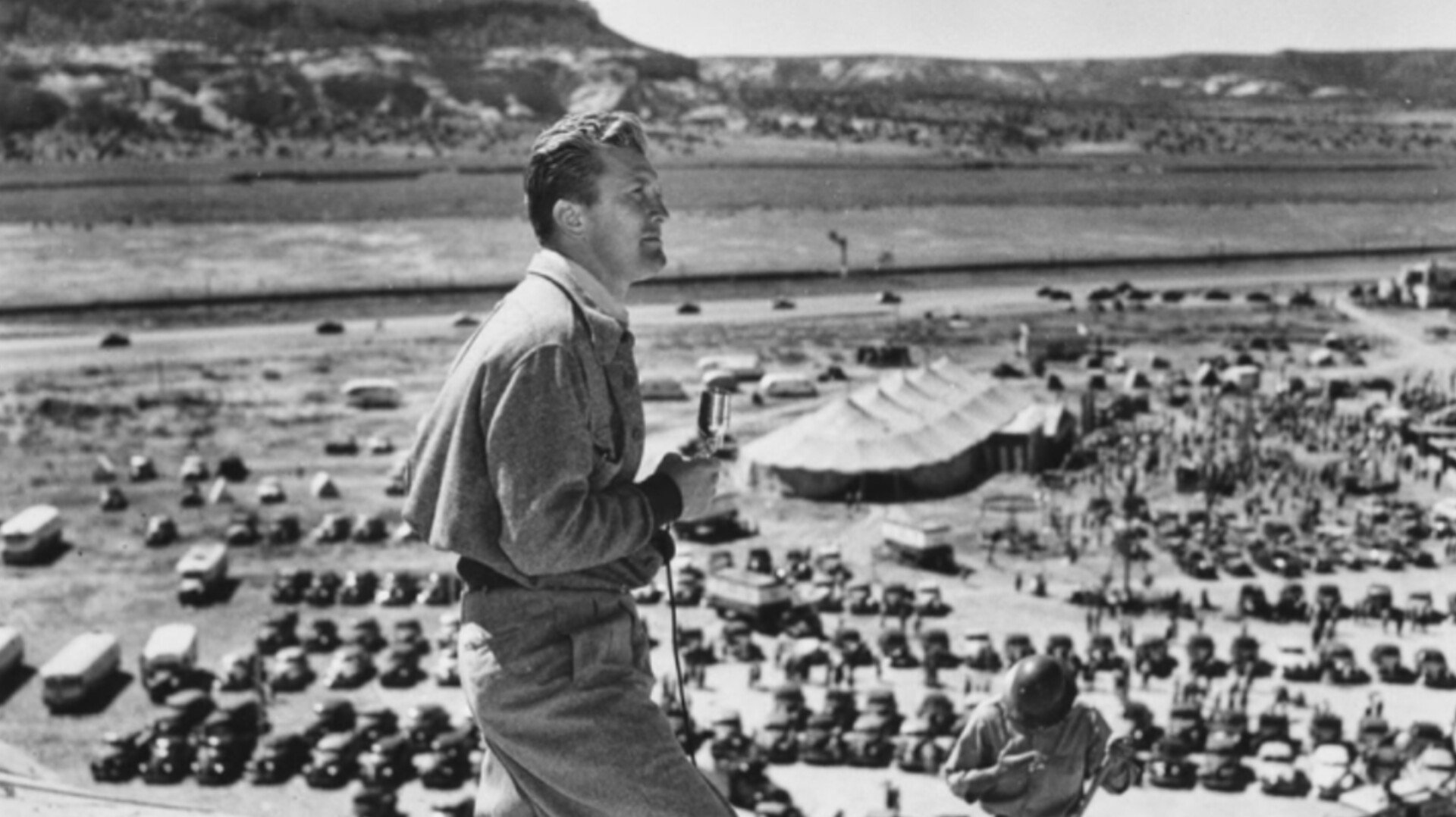
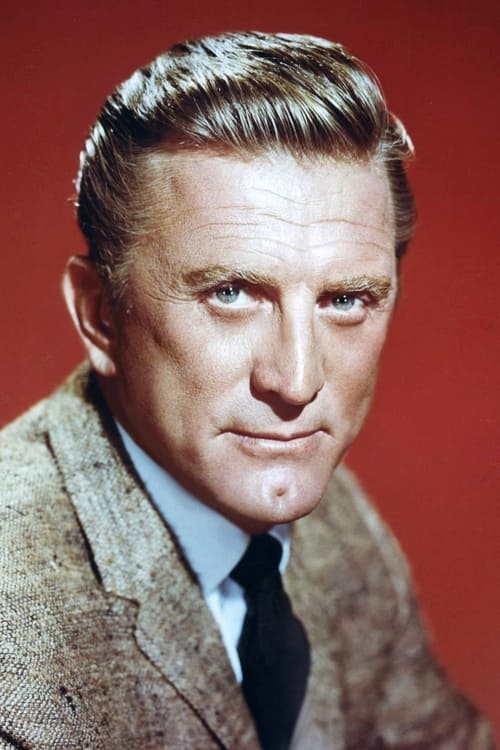
So, going into Ace In The Hole, I wasn’t sure what to expect. I knew it was about a journalist covering a developing story of a man trapped in a cave-in. That was it. What I certainly didn’t expect - from a film from 1951 no less - was a characters so despicable from the very outset, Charlie Tatum, played wonderfully by Kirk Douglas. He’s a guy who knows he’s a shitheel and continues being a shitheel. I also wasn’t expecting this film to look and sound and feel as lively as it does. Wilder seemed to be ahead of the curve on a lot of things that would become normalized in Hollywood storytelling, but the intricacies of the plot, characters, the huge, expansive vistas of the New Mexico desert filling up with a carnival and a parking lot of looky-loos, and not to mention the way this film ends really elevated him to another level of fortune teller to me.
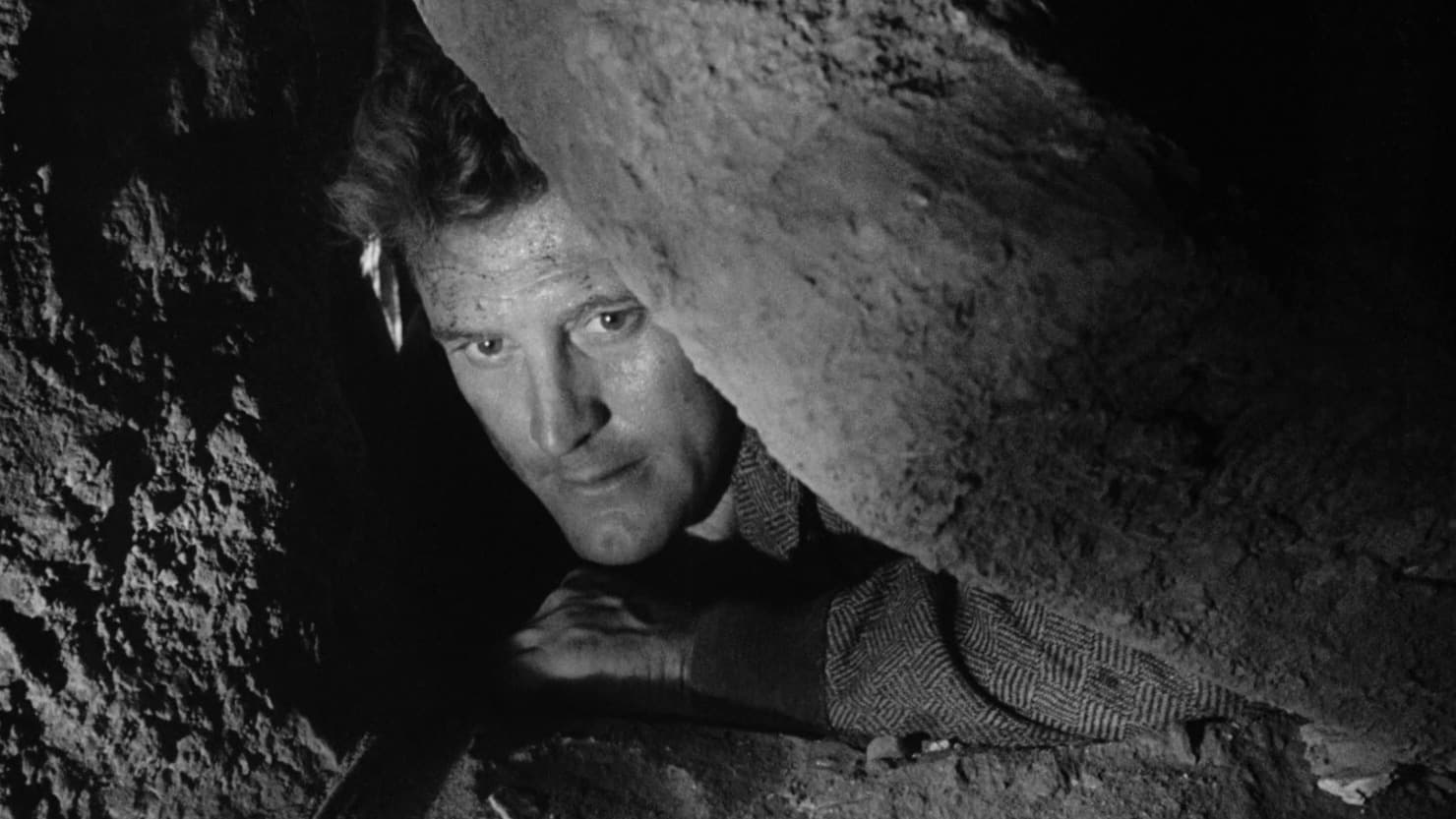
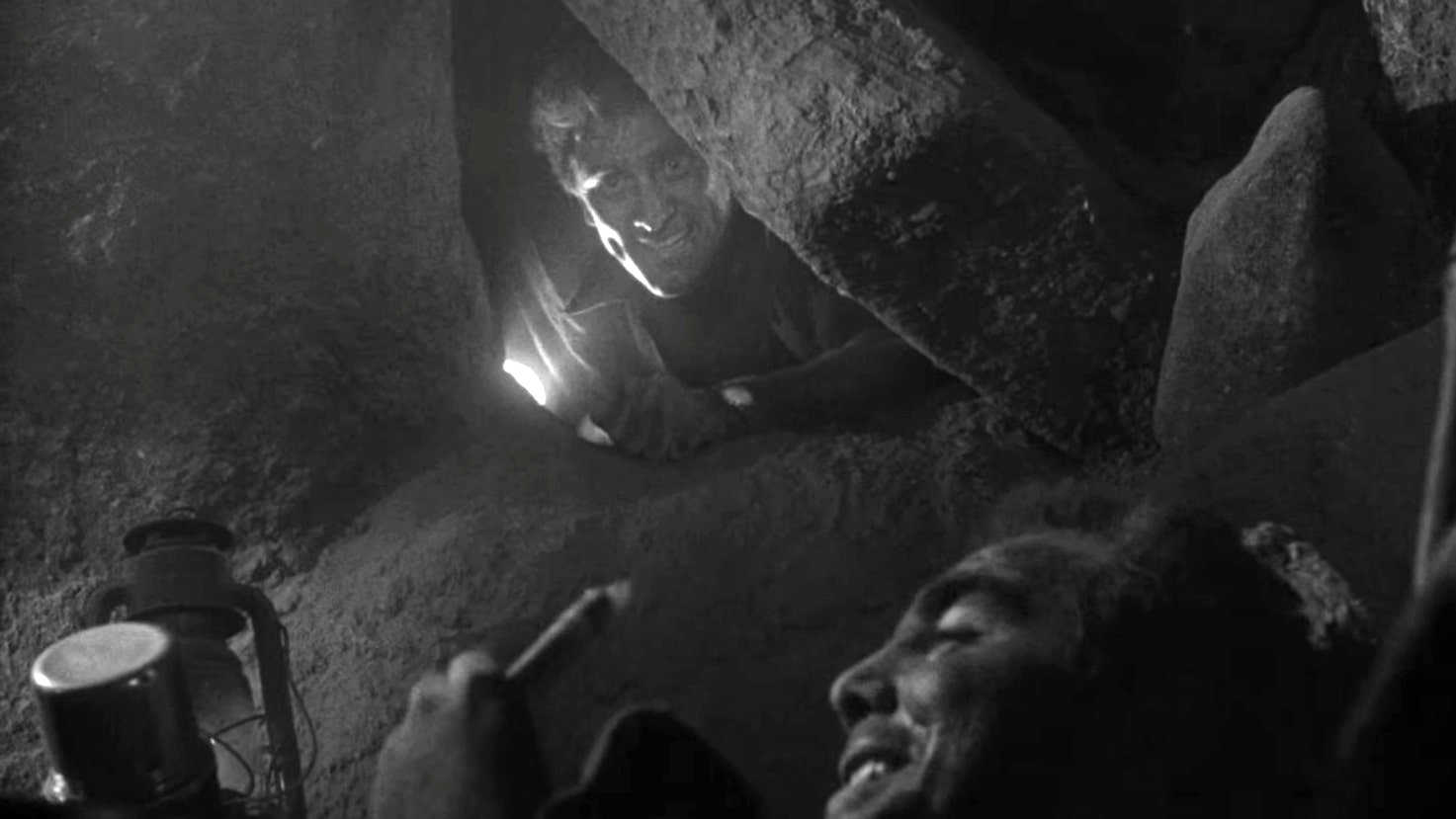
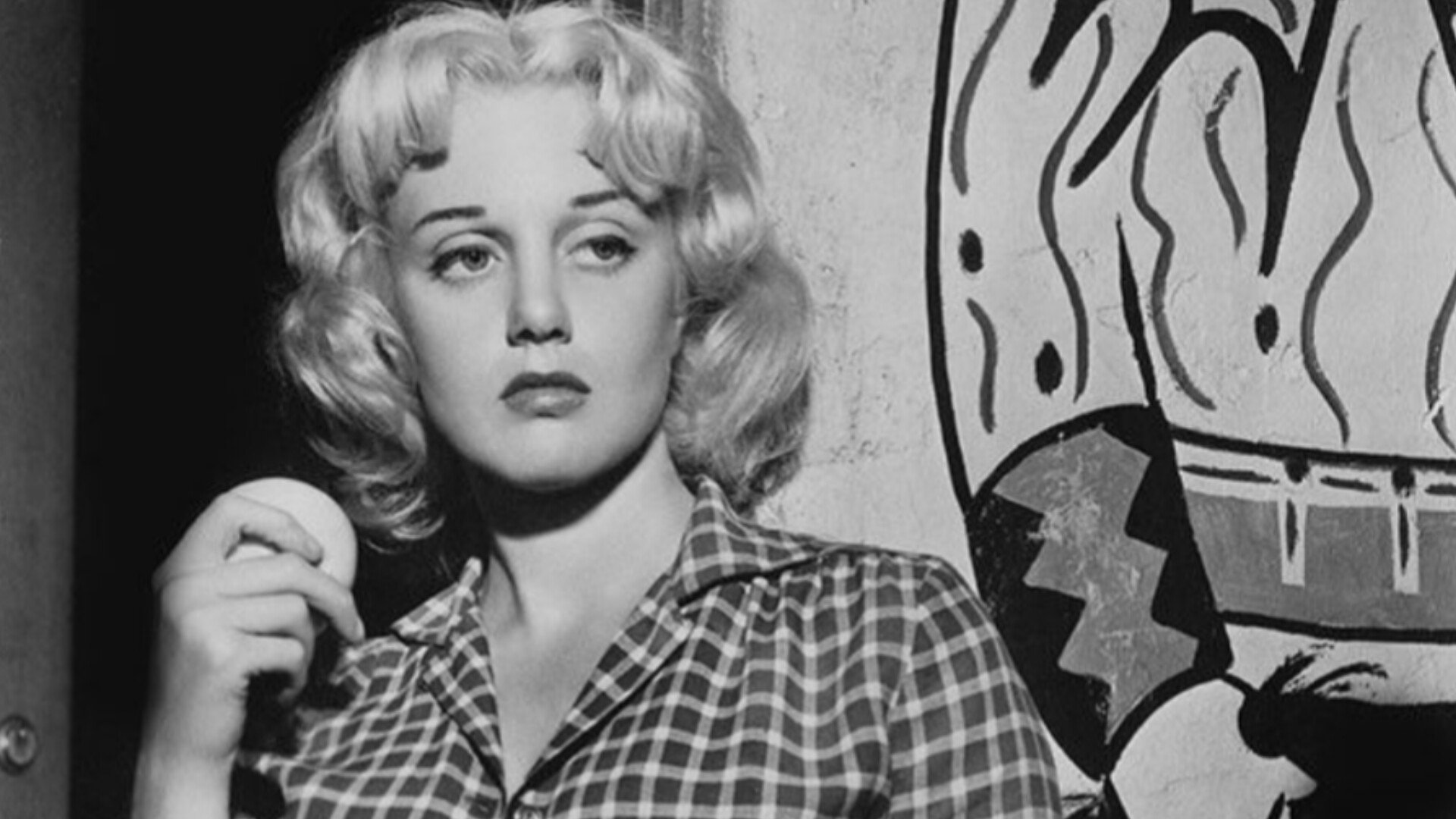
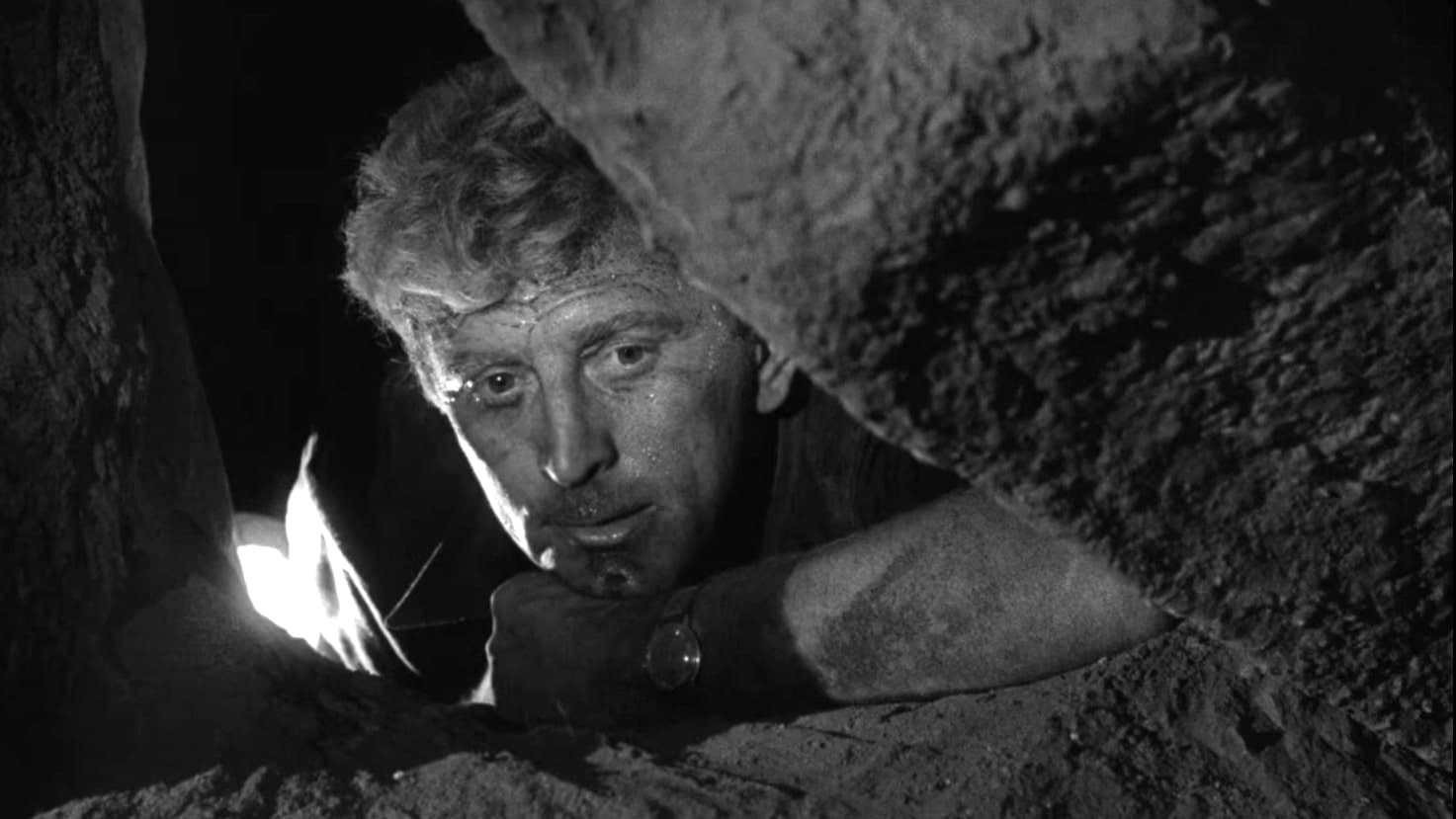
Before I dig into spoilers, let me explain what this film is. Charlie Tatum, a newspaper journalist who has been fired from multiple publications finds himself in Albuquerque and settling into a small-town paper, eager for a hot new lead, a story that will revitalize his career. That’s when he stumbles on a small town three hours away where a man, Leo, has become trapped in a cave-in. The film then quickly becomes something much darker when Chuck, using his savvy instincts for sensational journalism, begins taking charge on the rescue of Leo, but not before maneuvering the efforts to go on a bit longer, so that he can milk every drop of human interest from this horrifying story. Soon enough, gawkers and local townspeople show up to witness the rescue of Leo, as Chuck begins shopping his talents around to other newspapers.
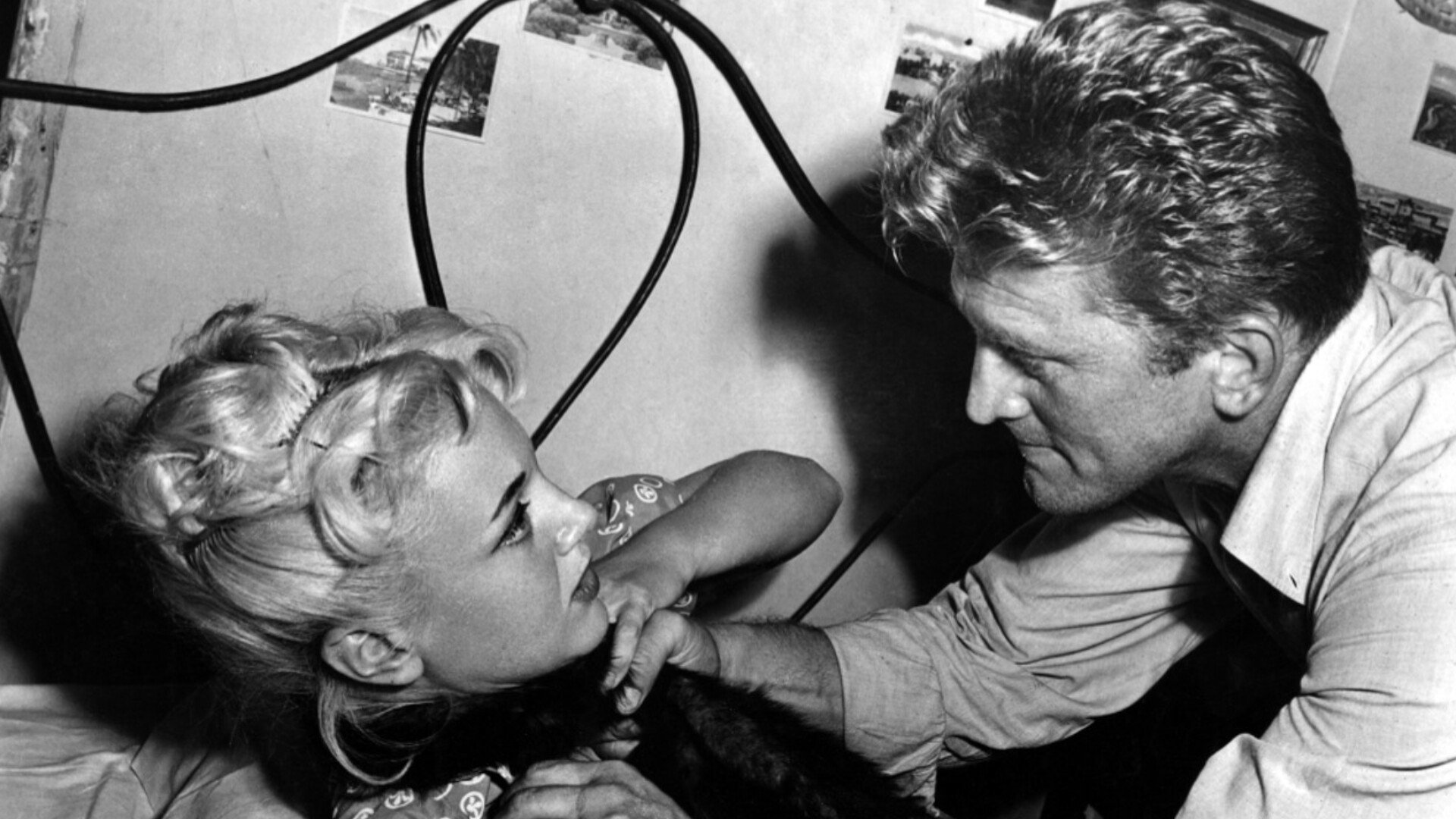
There’s a lot left out of there, like Chuck’s relationship with Leo’s wife, his deal with the county sheriff, and the fact that all of this is packed neatly into a parable about human green and the inherent and the fact that all of this is packed neatly into a parable about human greed and the inherent corruptibility of the press. What Wilder understood — and what makes the film feel less like a period piece and more like prophecy — is that sensationalism isn't a byproduct of bad journalism. It is the journalism, when the incentives are right. Chuck doesn't distort the story of Leo's entrapment. He is the story, shaping its contours, extending its runtime, selling it back to an audience hungry for exactly this kind of suffering. It's the same rot Network diagnosed twenty-five years later, and that Nightcrawler diagnosed sixty years later: the news doesn't reflect America's appetite for spectacle so much as it manufactures it, and once that machine is running, the guy trapped in the cave — the actual human being at the center of the story — stops being a person and becomes content.
At one point early on in the film, just after speaking with Leo, Chuck says, “I don’t make things happen. I just write about them,” a line that gets more and more chilling the more you watch and see that he does, in fact, make the things happen. His innate understanding that “Bad news sells best, because good news is no news,” causes you to examine the ways in which you interact in the media. At least, it should.
Now, major spoiler warning ahead.
There's a different version of this film that ends with Chuck's confession as genuine remorse — the bad man made good by consequence, the Hollywood moral restored. Wilder doesn't make that film. And the clearest signal of that comes before Chuck ever opens his mouth to confess: Leo dies.
I was biting my nails in that third act of this film, genuinely convinced the film would pull him out, that the rescue would land just in time and Chuck would be forced to reckon with a man who survived him. But Wilder understood that a living Leo would let everyone off the hook. The media gets the happy ending it was engineering. The audience gets the catharsis it came for. The machine keeps running. Leo has to die because his death is the only thing that can't be repackaged, the only outcome that exposes the whole operation as what it actually was — not a rescue, but a production. And even then, Chuck's coming clean is still Chuck working, still Chuck with his hand on the wheel of the story, even as the story kills him. The final image of Chuck collapsing on the floor as he’s about to come clean almost directly mirrors the vo office and public response to this movie. It was a bomb, because, among many reasons, people didn’t want this level of cynicism. People wanted to see Leo pulled from the cave and for Chuck to change. Actually.
And I think you have to ask where that refusal comes from — that insistence on not letting the corrupt institution redeem itself through a single honest act, or a lucky survival. Wilder fled Austria in 1934. He watched the machinery of propaganda operate at full capacity. He understood, at a level most Hollywood directors of his generation simply didn't, that institutions don't confess. Chuck Tatum isn't a bad apple. He's a proof of concept. And Wilder, who had seen what happens when nobody blows the whistle and also what happens when somebody does, wasn't interested in pretending that one man's conscience changes the system underneath it. Leo was always going to die. The carnival was always going to pack up and find the next cave.
If you can’t tell by now, i loved this. I loved the performances, I was blown away by the cinematography and scale. Every time they showed the vast expanse of cars and extras pulling up to the mountain, or that shot of the train arriving, really took my breath away. Wilder apparently never saw himself as a visual stylist, but man this film is gorgeous to look at.
I can go on and on, but I’ll cut it off there. One of these days, I’ll lock myself in a room and watch all of Wilder’s films front to back and report my findings. For now, I’m glad Ace In The Hole has a reappraisal in the 200’s and that people are recognizing it for what it is, a prescient and prophetic story about some of humanity's capacity for ugliness.
8.8/10