The individual personality…dissolved in the mass…
Intertitle appearing in Eisenstein’s famed
Battleship Potemkin.
One cannot live in society and be free from society -Lenin VI
Printed in large across the prison gates in
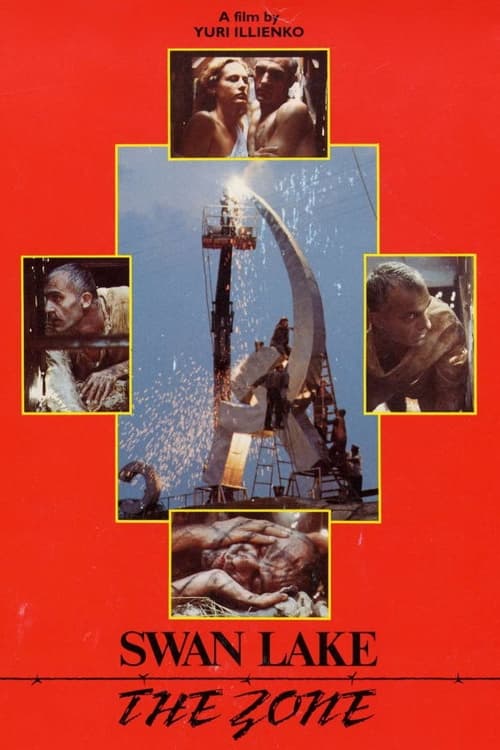
Swan Lake: The ZoneIlyenko channels an anger I first glimpsed in him back in
A Strip of Uncut Wild Flowers. Shockingly, the film was adapted from stories written mentally and memorized by Parajanov while in the selfsame prison that appears in the movie! You can’t make this kind of layered production up in its irony and meta-awareness. For all the censorship Ilyenko suffered, I feel like this is his great redemption. Of course, no one has seen this even to this day, but in a just future this will be discussed alongside films like
Come and See,
Schindler’s List,
The Act of Killing, and more.
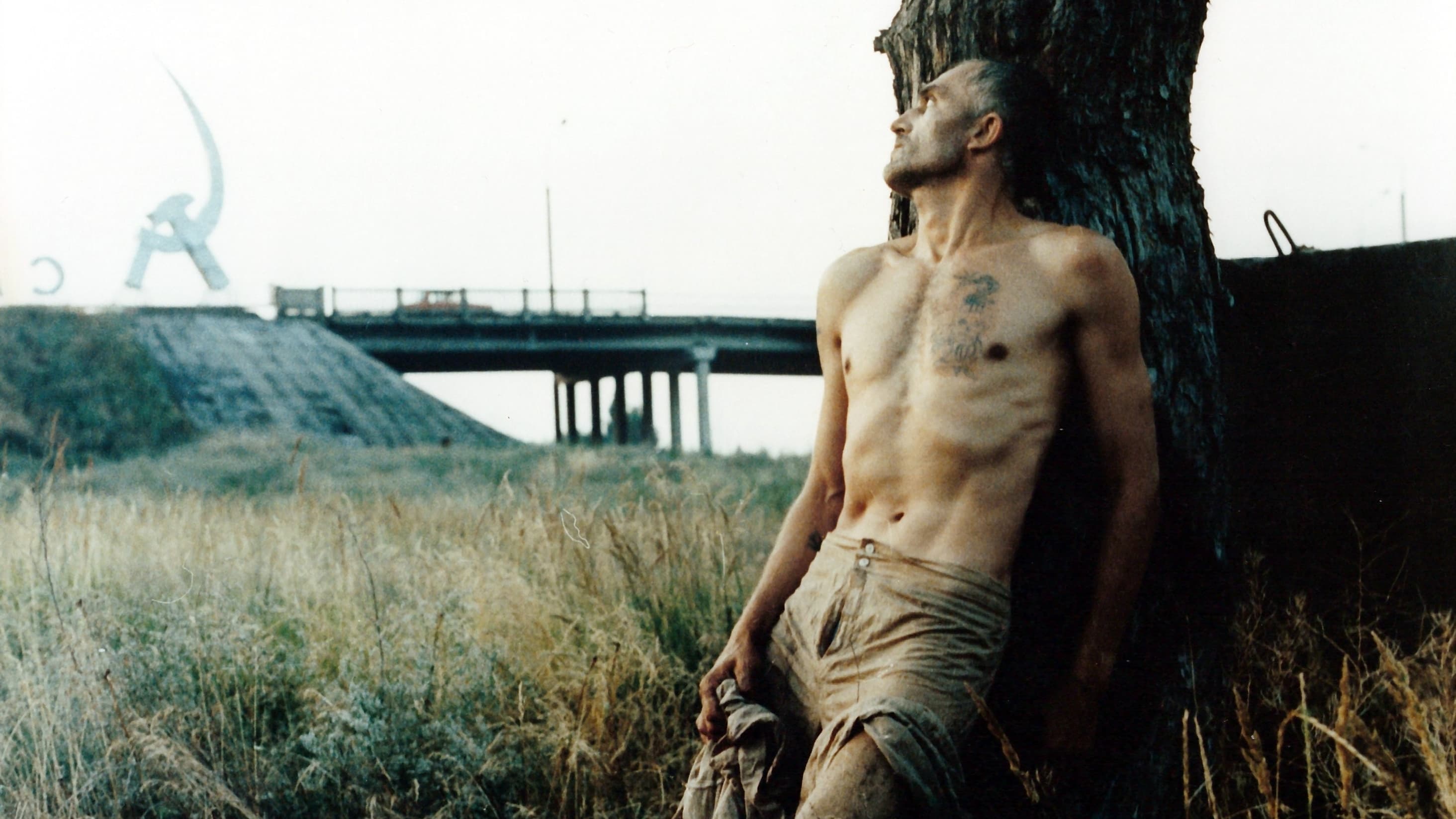
There is an early scene of a swan standing serenely amidst the prison grounds while fire hoses are shot at the prisoners in their cells. It was an image for the ages, conjuring such palpable empathy for trying to keep calm amidst the most chaotic environments. This film firmly lies in what some may call “miserycore.” Every once in a while, you get a film that effectively channels taste. When our protagonist first escapes and seeks any iota of water, the filth he drinks almost made me gag. The cinematography is the impoverished answer to Ilyenko’s previous magisterial command of nature. The colours are so desaturated; the very air is hopeless.
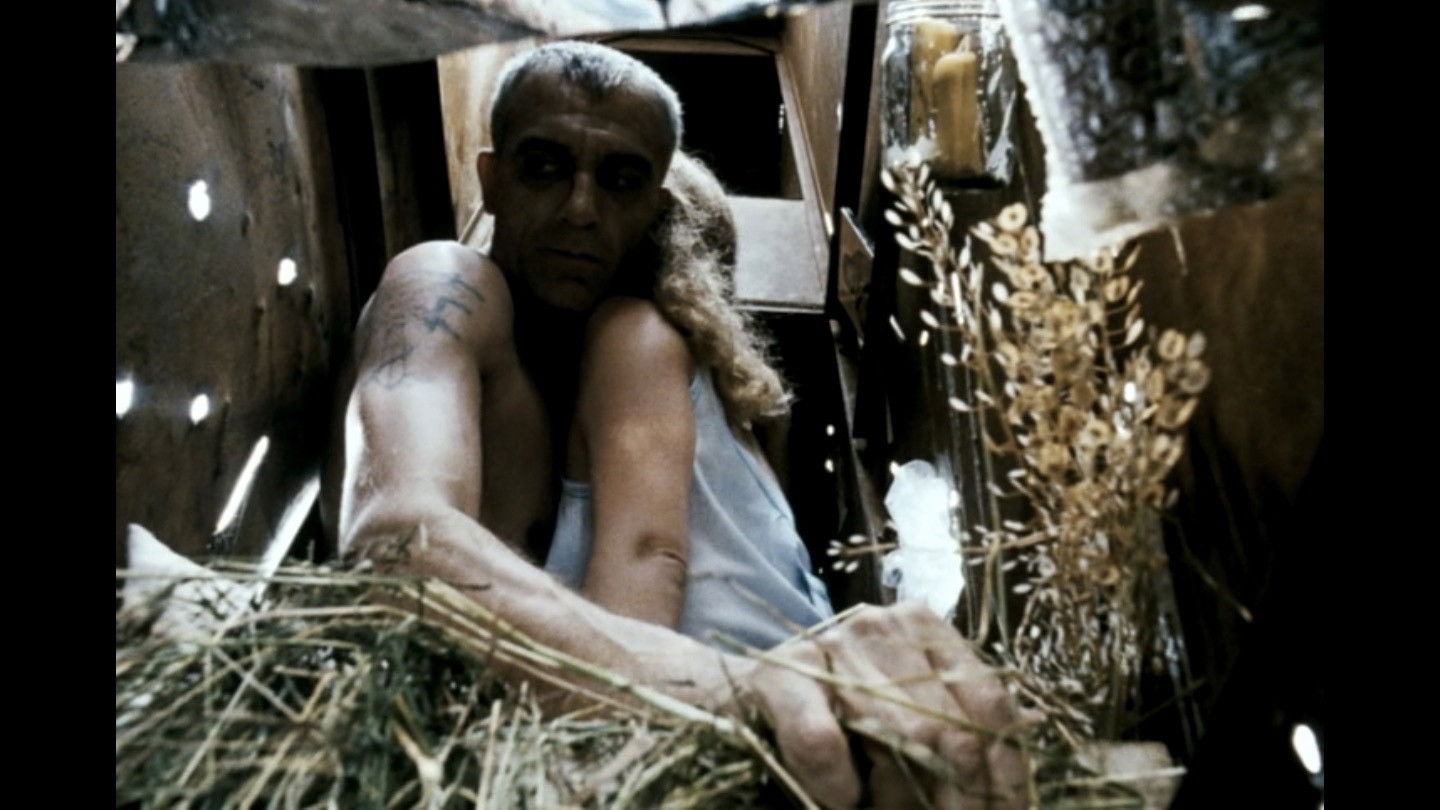
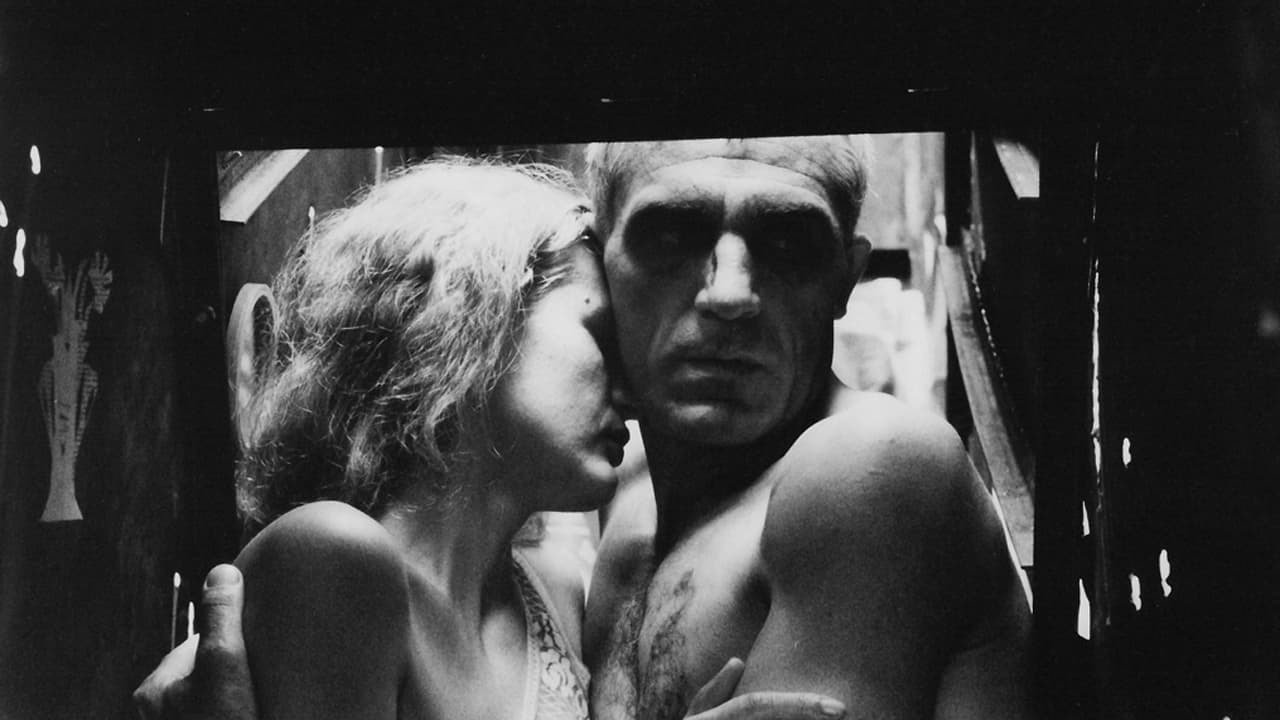
Ilyenko deftly infuses his folkloric magicalism into a more grounded story. He even plays with timelines again but really nails the most natural-feeling amount of abstraction. The ambiguity is sparser and often is focused on the romance between the main character and the woman (
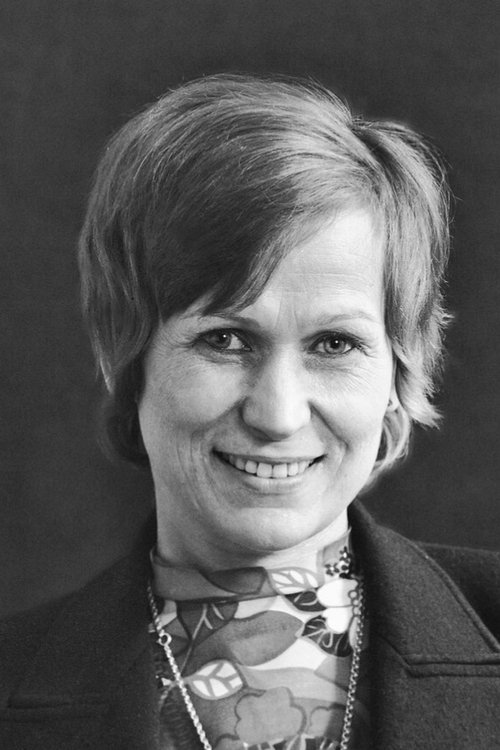
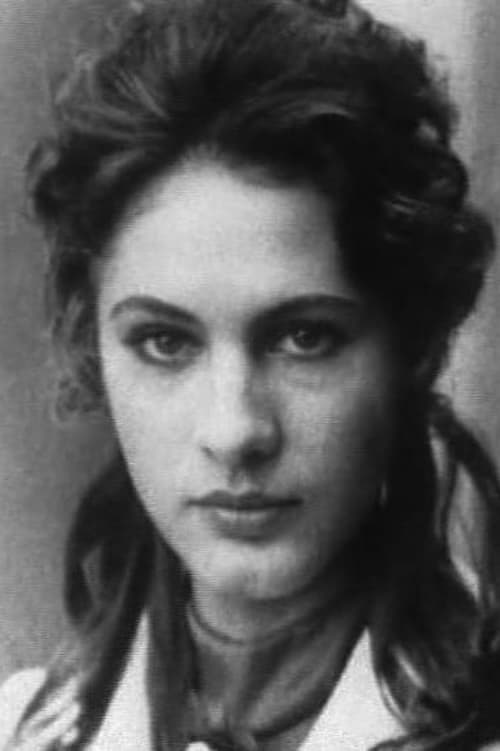
Liudmyla Yefymenko). This compliments the silent background themes of the film’s title. At first, I was ready to criticize the female character. I didn’t quite get on board with her introduction. I don’t often care for “assumed” romance. However, Ilyenko ended up earning my admiration here too when he spends time with the woman post his initial “death.” We get a number of scenes with her waiting and telling her story through her facial expression and environment. Another breathless shot can be identified with a smokestack billowing into a darkened sky in the background of a reflective Yefymenko.
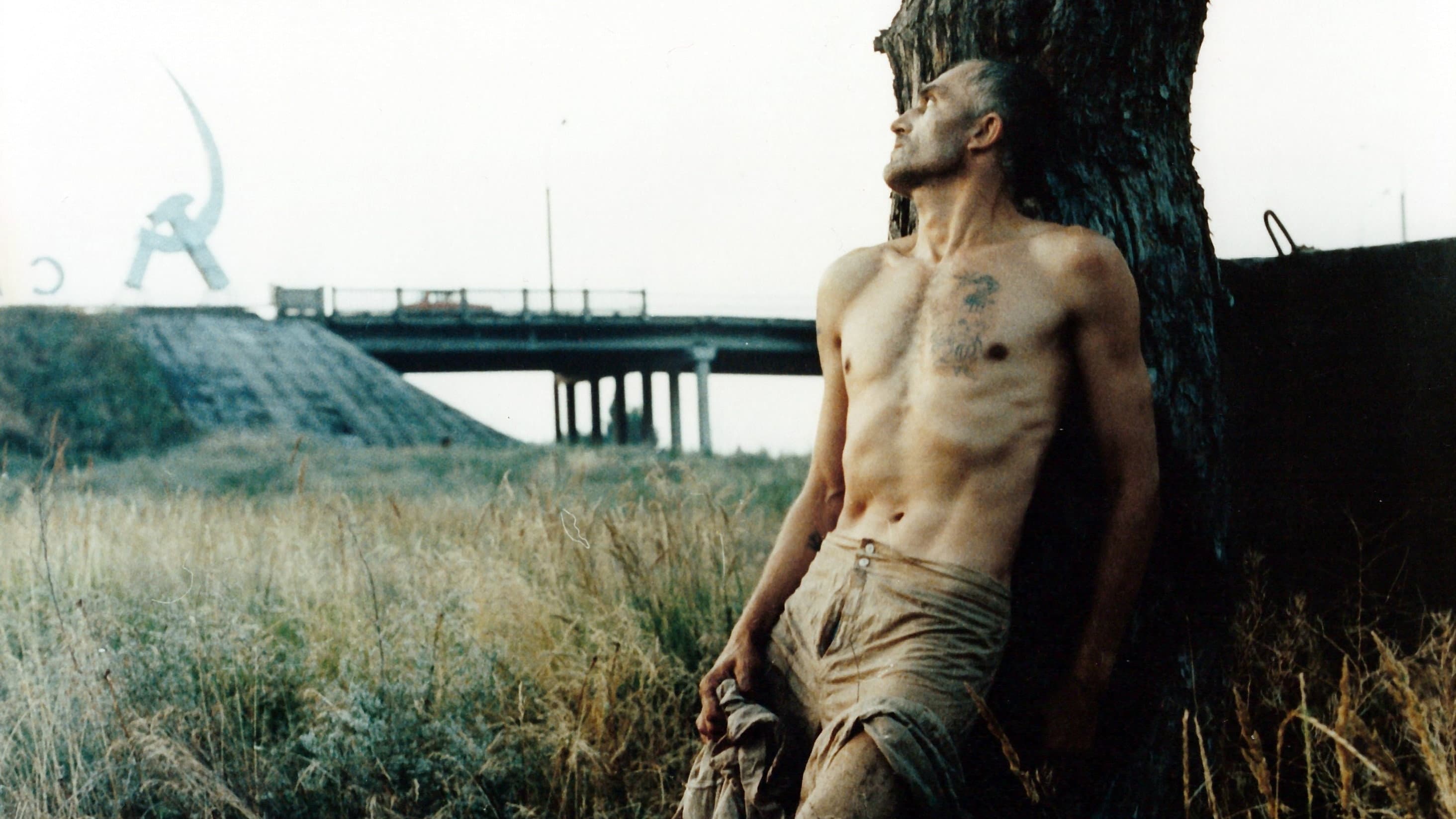
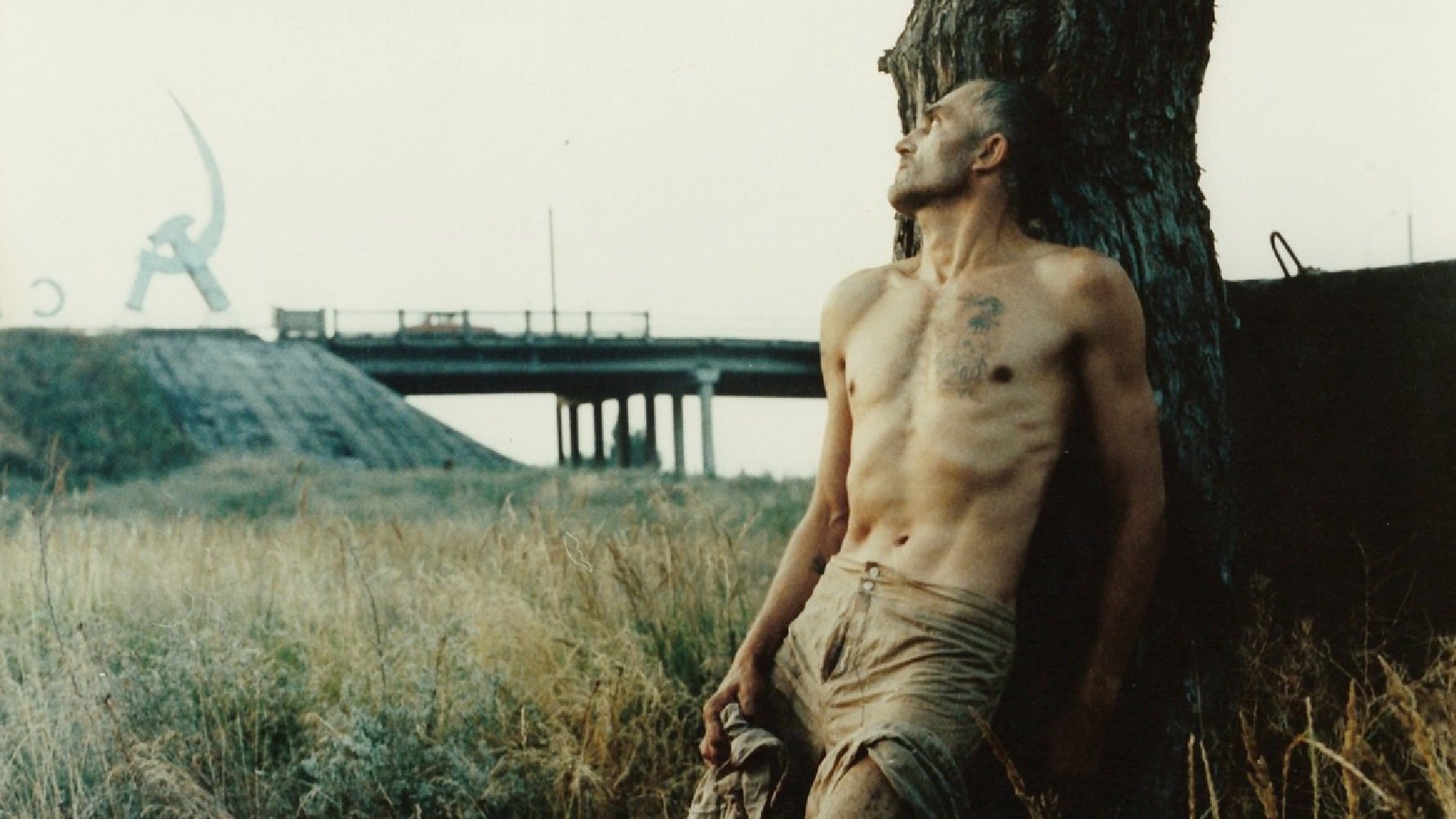
Special accolades should be heaped upon Viktor Solovyov, who plays our protagonist. Few actors can tap into the depths of stripped humanity the way he does. Throughout the film he constantly leaps toward death only to be denied and returned to the realm of the living and his hell. The folkloric destiny of imprisonment and imperative suffering is unending and therefore felt constantly. The persistence of suffering is pushed so far as to feel cosmic. Solovyov pushes himself, both mind and body, past their breaking points. I feel like that guy probably was not the same after this role. But then again, he freaking lived in this world. Like that’s the galling thing about this movie. The story is made up, sure, but all these things we’re seeing? The prison, the cells, the dirt, the damn hammer and sickle monument, that’s all REAL. Parajanov was locked up and serving real time in those actual cells!!
When I first discovered Ilyenko this year, I quickly praised him as the greatest undiscovered master. Little did I know his very best and most important film lay at the end of my journey. I already praised Ilyenko because of his skill; but here, and maybe a good chunk of credit goes to Parajanov’s inspiration, I feel like he is finally operating at a completely liberated level. Like we all know how much he dealt with in his career. I think that’s why this movie is so broken. But there’s still beauty and breathless romance. This is him finally free. Of course a political landscape of imprisonment will produce mental prisoners even after granted freedom/escape (see the recent
Beyond Utopia).
The environment of suffering is suffocating. The factual setting and the writer’s lived experience gives it a level of undeniable realism and credibility. I can’t get over the image of a man, barely alive, beneath a giant monument with the erected words:
Long Live Labour. For the number of Soviet films regarded as masterpieces, and rightly so, you must sincerely consider a film like this. It is so earnestly critical with an undeniable pedigree behind it. The last time I felt as strongly about an underrepresented film was
Angel’s Egg. But by lb stats, this is a cinematic crime against humanity.