
A Story of the Forest: Mavka
1980·Drama·1h 23m
7.1
★
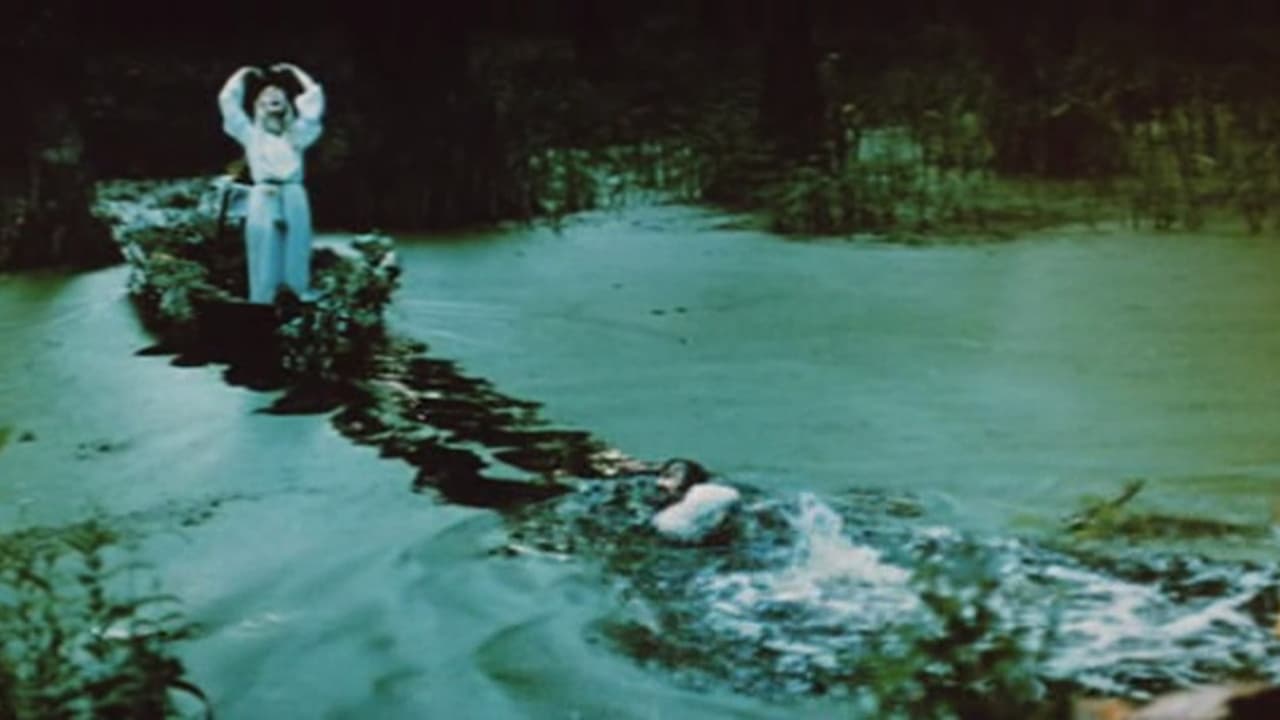
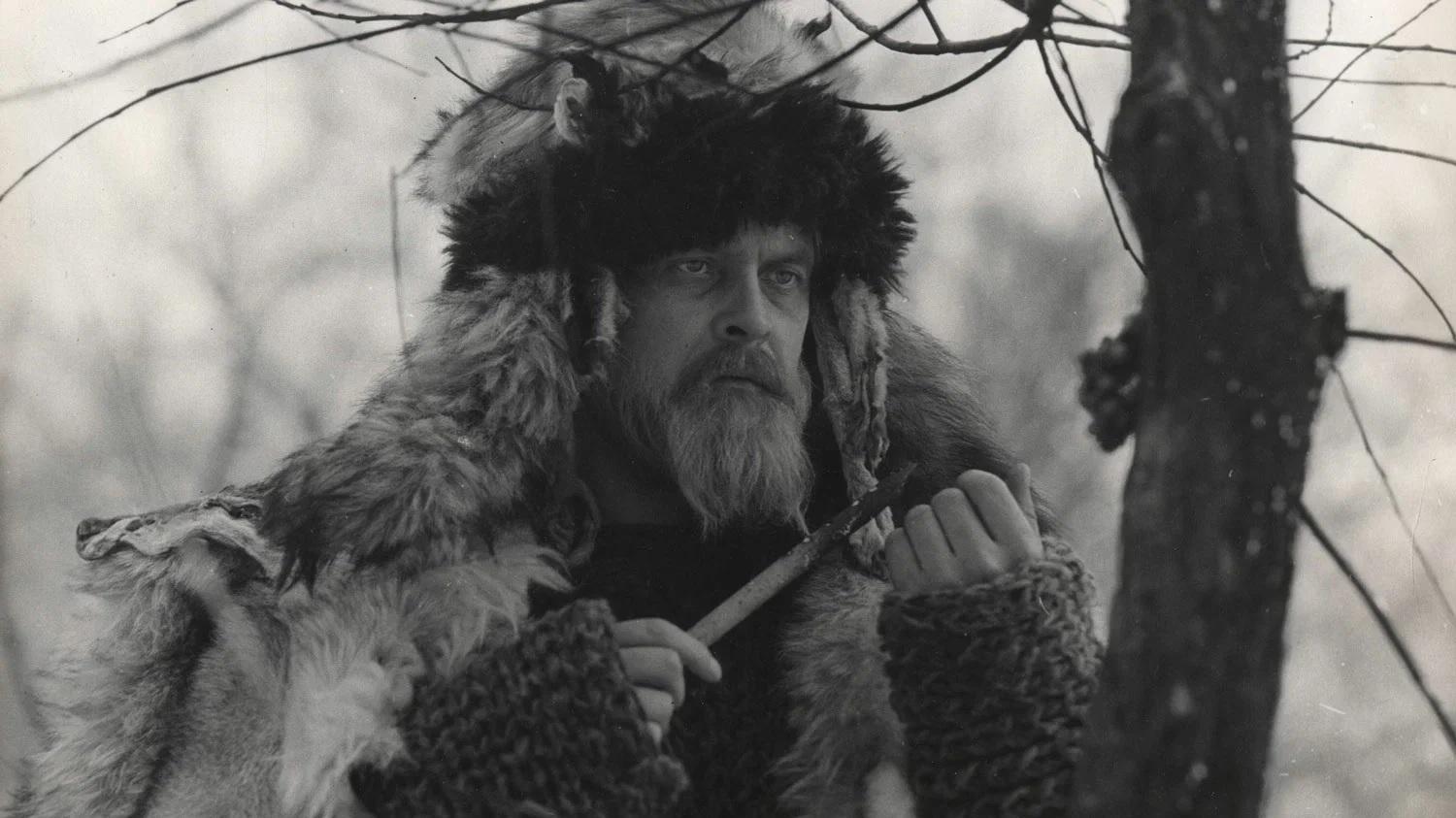
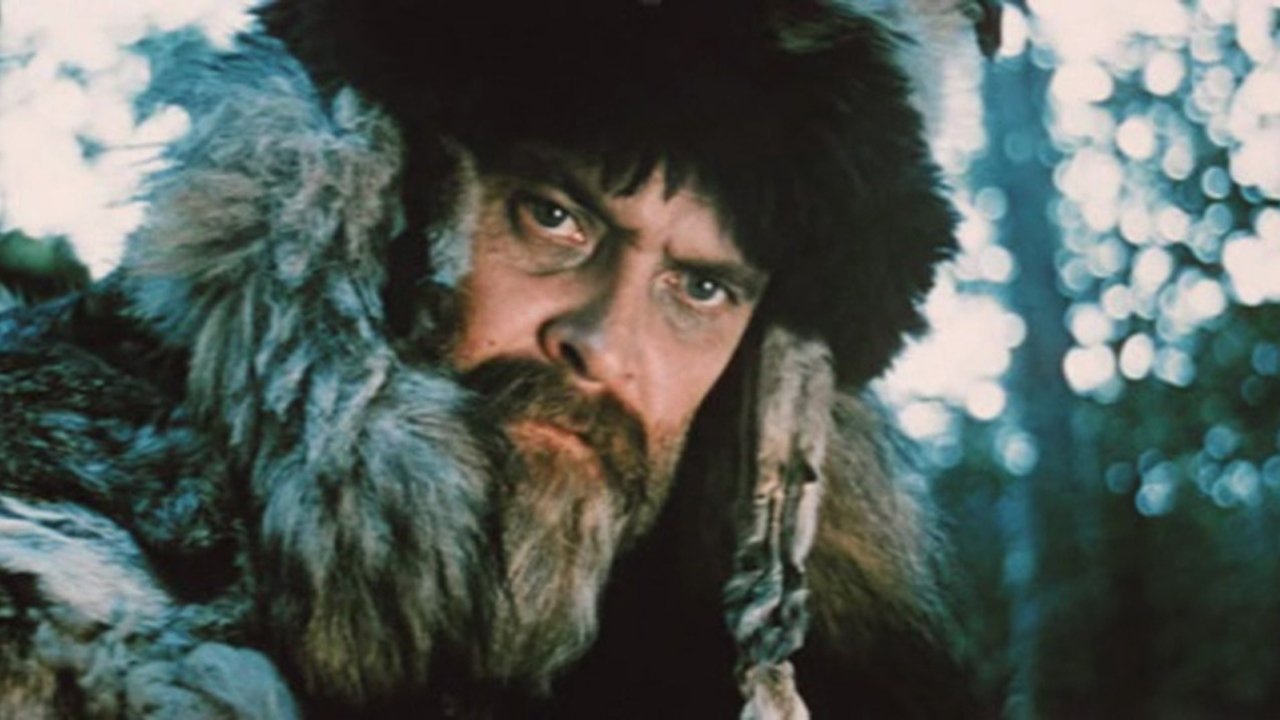
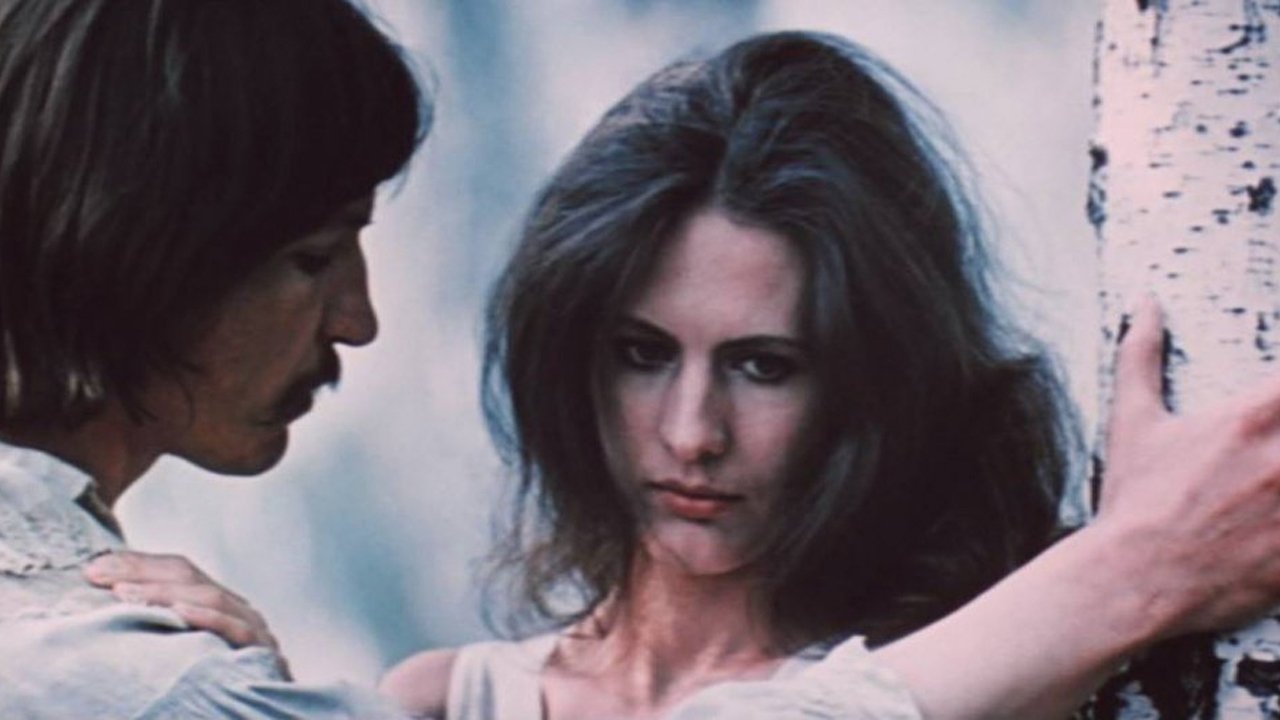
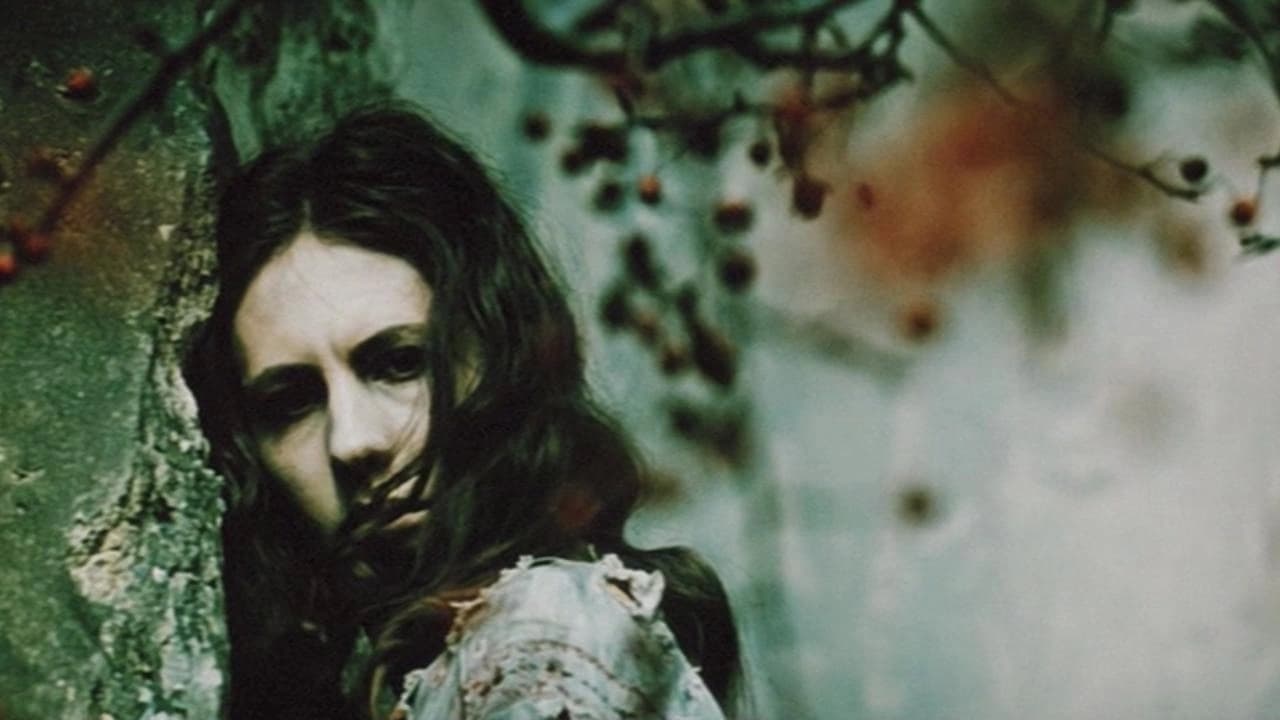
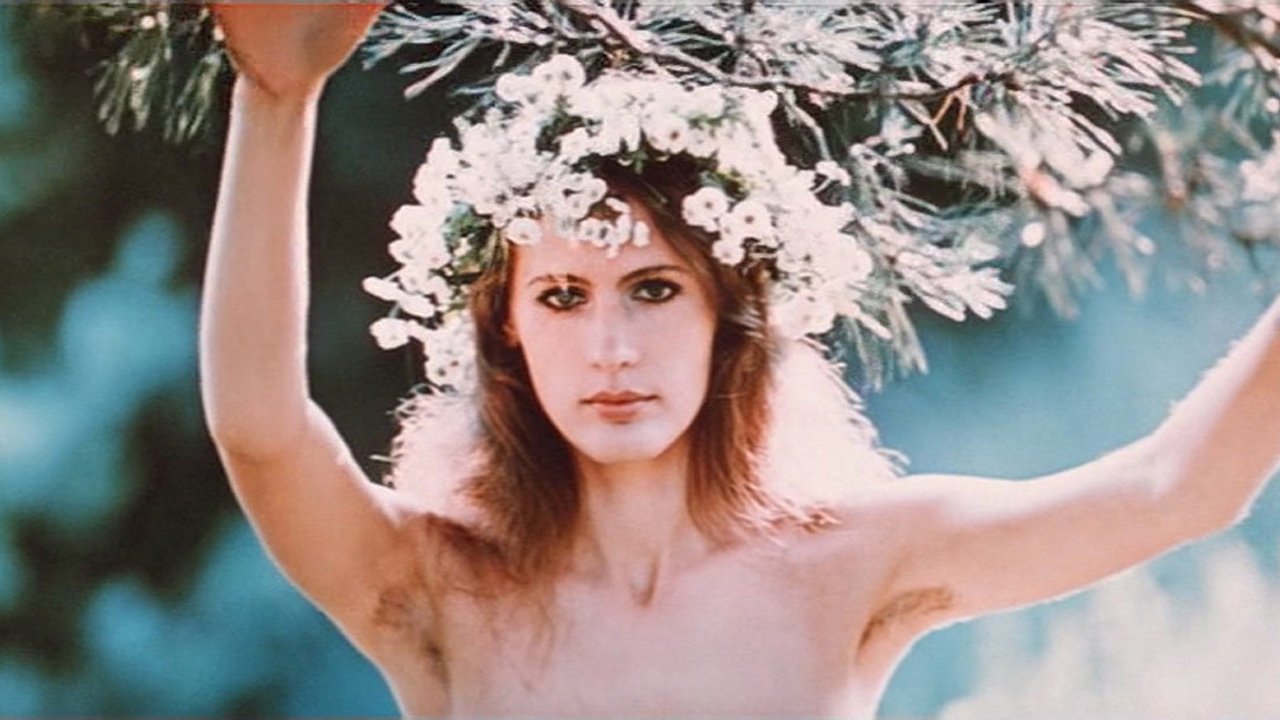
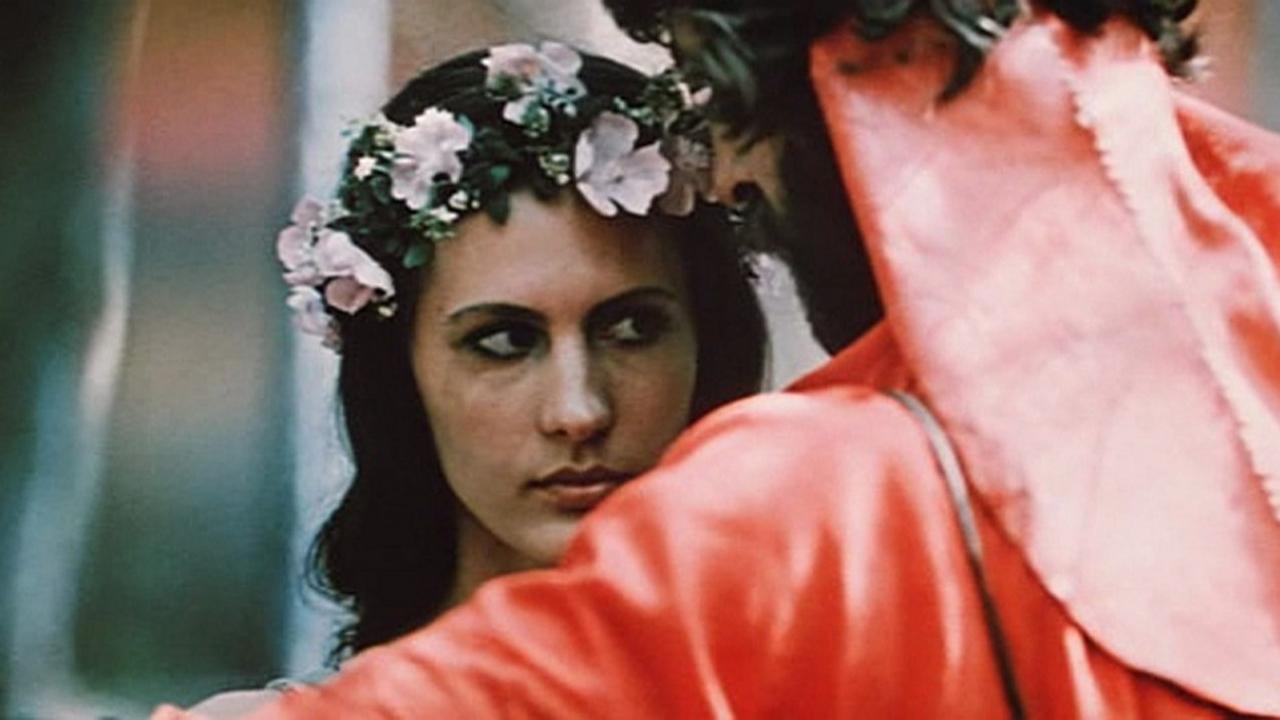
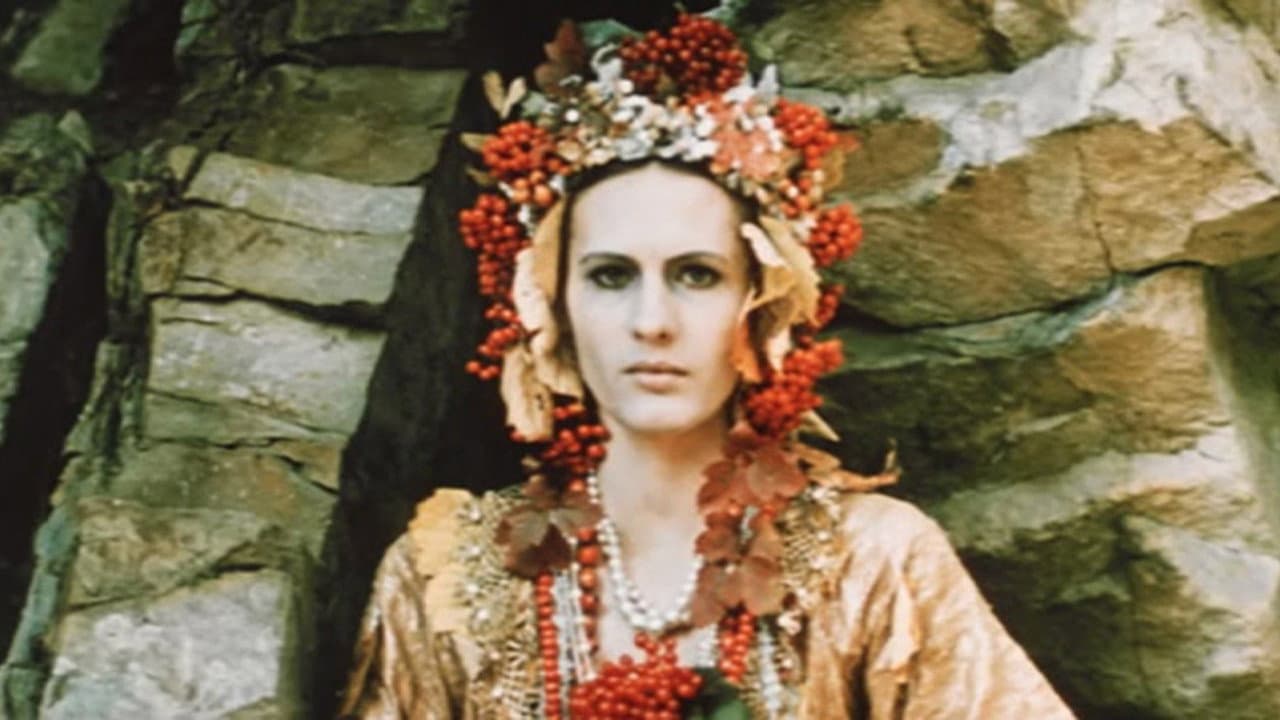
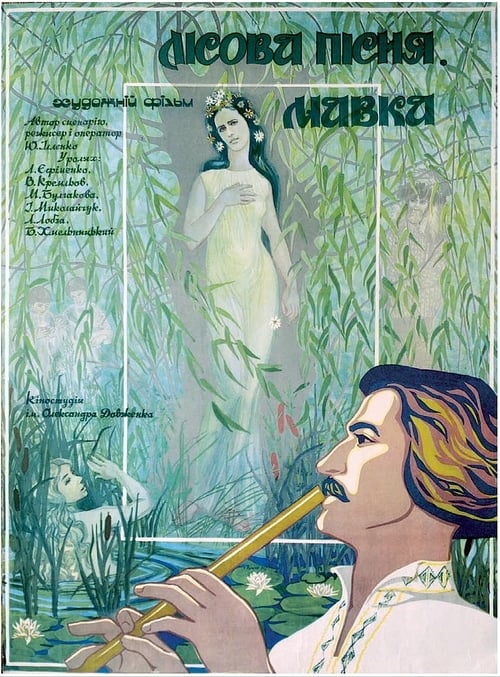
Mavka, a water nymph, loves Lukash, a country youth. Their brief happiness ends when Lukash is forced to marry the shrewish Kilina. The spirit of the forest turns Lukash into a wolf as punishment for his infidelity. The strength of Mavka's love breaks the spell, but Kilina curses the nymph, transforming her into a weeping willow. This beautiful and tragic story is based on a play written in 1912 by Lesya Ukrainka, a Ukrainian poet, writer and political, civil and female activist, and includes mythological characters taken from Ukrainian folklore.
Directed by Yurii Illienko
based on novel or book
love triangle
arranged marriage
tragic love
curse
folklore
based on myths, legends or folklore
ukrainian village
ukrainian culture
ukraine
forest spirit

IMDB
N/A
Cast
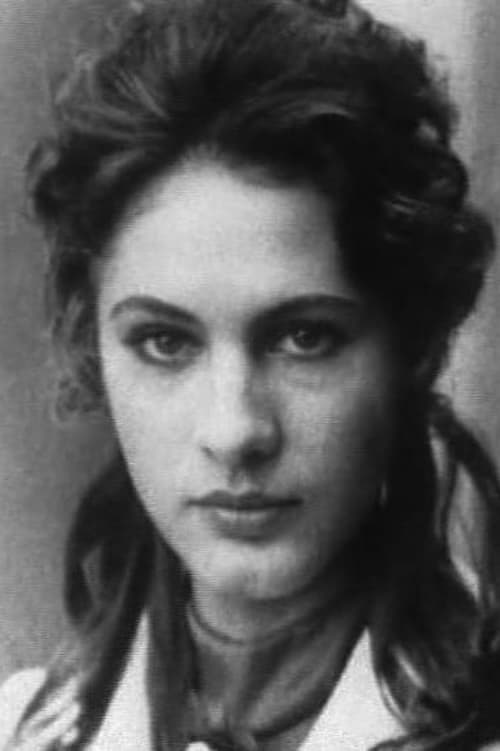
Lyudmila Efimenko
Mavka
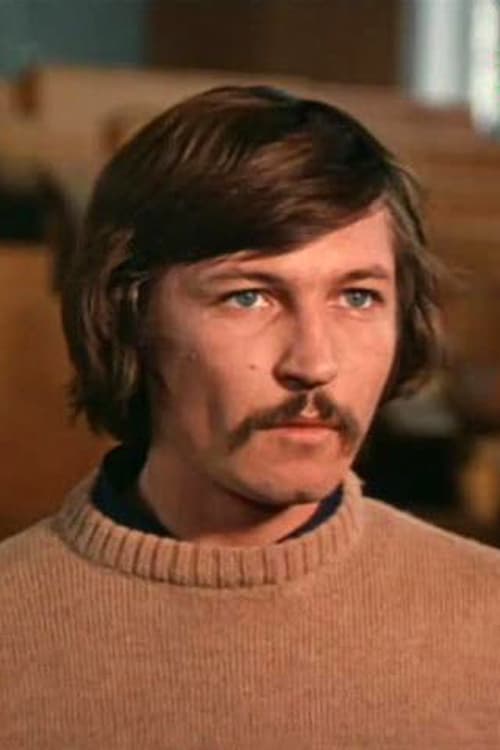
Viktor Kremlev
Lukash
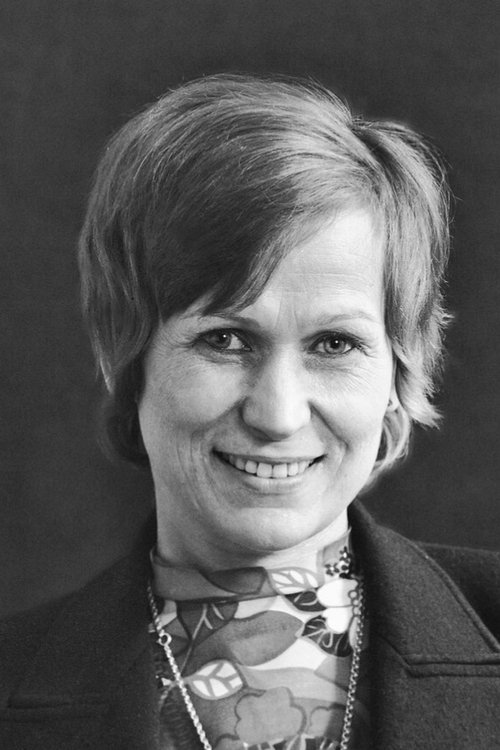
Maya Bulgakova
Lukash’s Mother
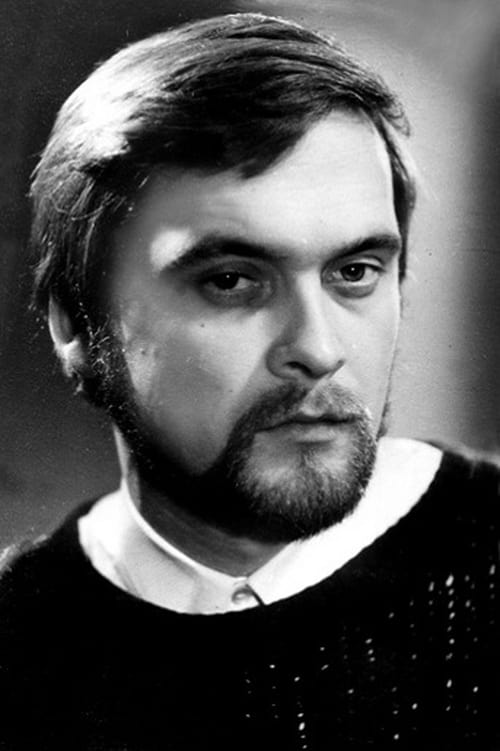
Ivan Mykolaichuk
Uncle Leo / Wood Goblin
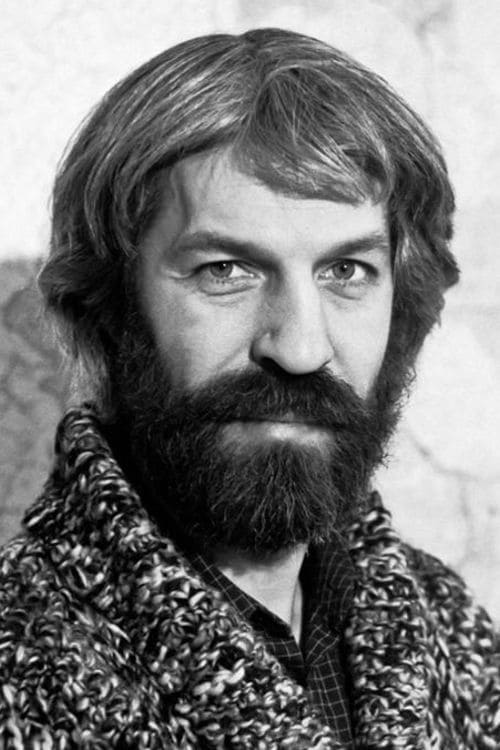
Boris Khmelnitsky
Red (forest) Demon
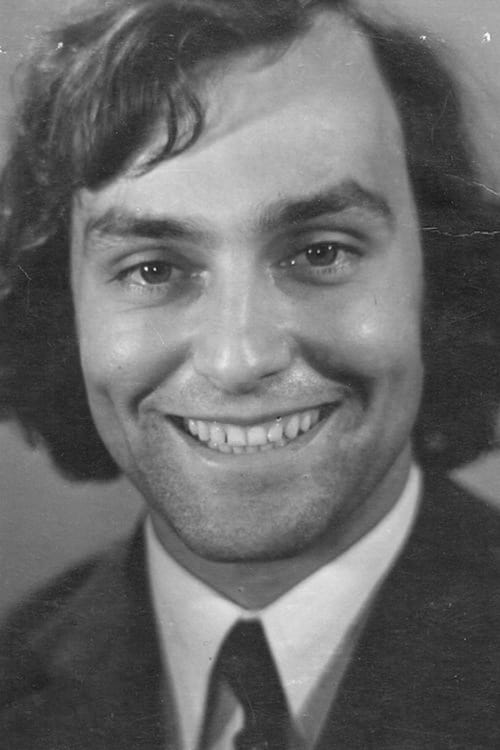
Viktor Demertash
Koots
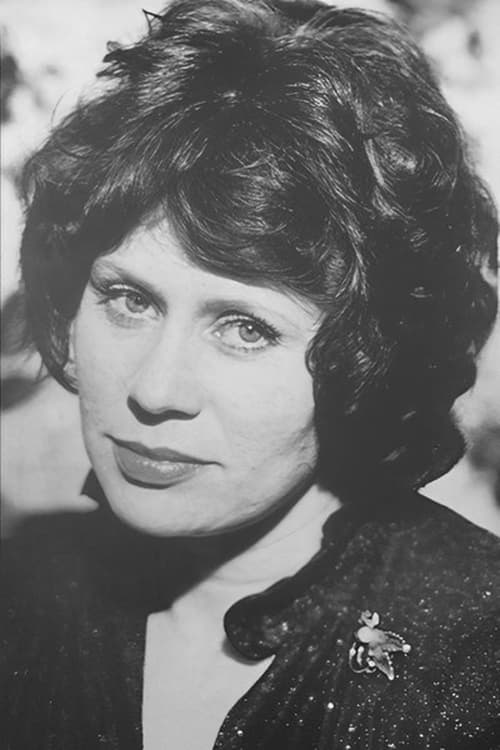
Liudmyla Lobza
Kylyna
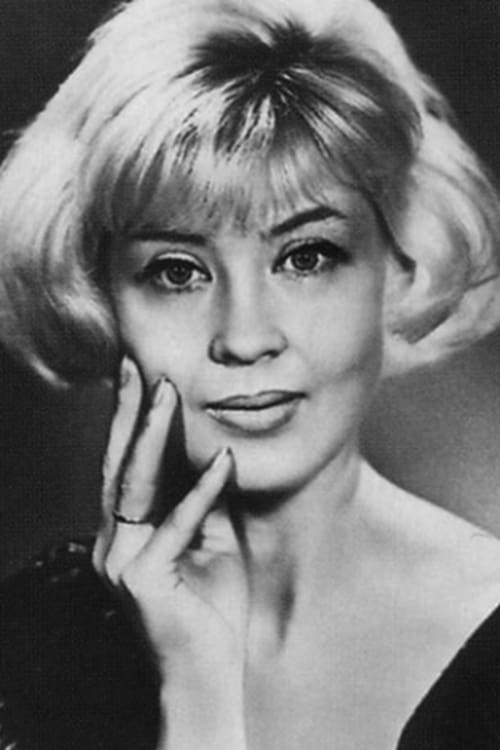
Nina Shatskaya
Water Sprite
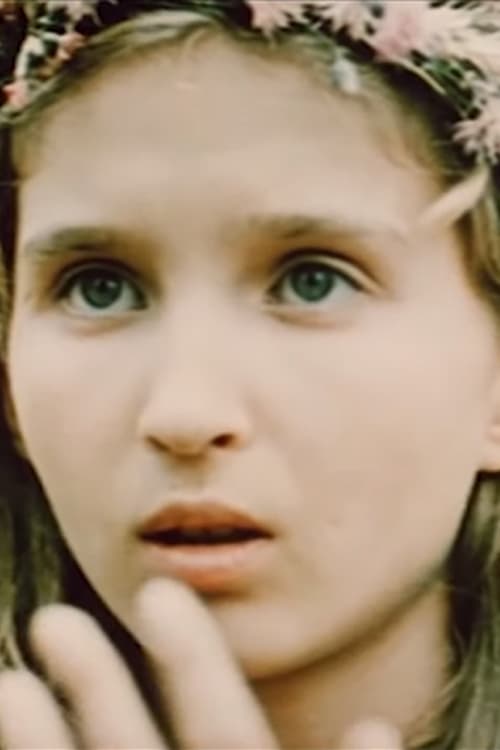
Svetlana Sergeyeva
Meadow Fairy

Pylyp Illienko
Kylyna’s child
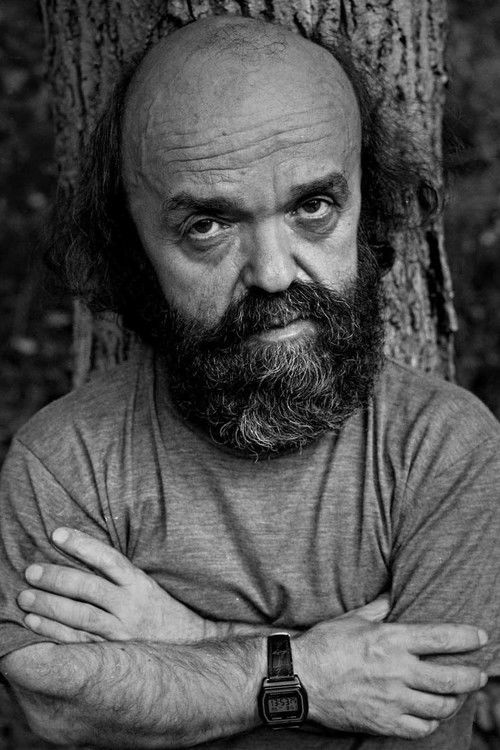
Vladimir Fyodorov
Hunger Imps
Crew
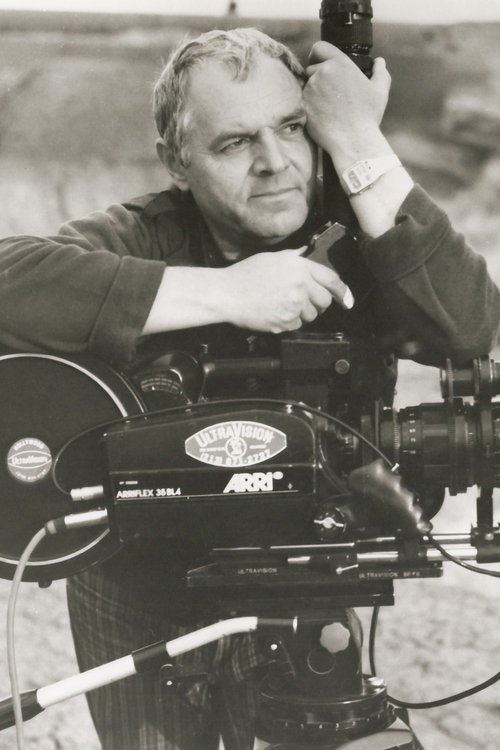
Yurii Illienko
Director
Yurii Illienko
Screenplay

Yevhen Stankovych
Original Music Composer
Yurii Illienko
Director of Photography
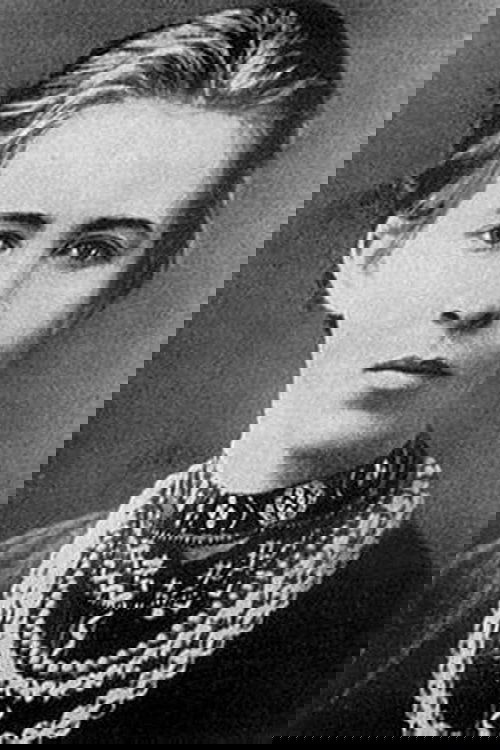
Lesia Ukrainka
Theatre Play
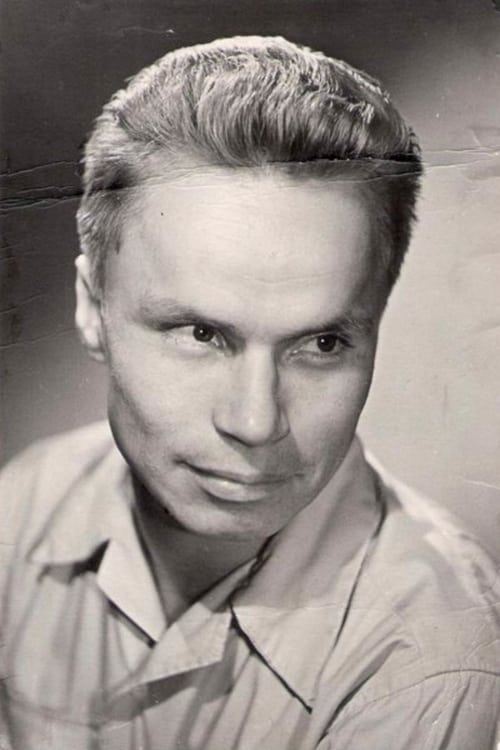
Anatoliy Mamontov
Production Design
Popular Reviews
11 reviews
Bjola
8.0★ · 02/26/26
Так магічно і гарно, але не покидала думка про те наскільки ж багато сцен не змогли розкритися через цензуру. Ритм фільму то зашвидкий, то повільний відчуваєш ці емоційні гойдалки мавки. Нехай таке кохання мене оминає.
Так магічно і гарно, але не покидала думка про те наскільки ж багато сцен не змогли розкритися через цензуру. Ритм фільму то зашвидкий, то повільний відчуваєш ці емоційні гойдалки мавки. Нехай таке кохання мене оминає.


Mashaaa
4.0★ · 11/24/25
Too poetic for me :(
The wide shots at the beggining tho>>>
And the effect of her disappearing?? (like at 54th minute +-) This looks so modernn
The wide shots at the beggining tho>>>
And the effect of her disappearing?? (like at 54th minute +-) This looks so modernn
Too poetic for me :(
The wide shots at the beggining tho>>>
And the effect of her disappearing?? (like at 54th minute +-) This looks so modernn
The wide shots at the beggining tho>>>
And the effect of her disappearing?? (like at 54th minute +-) This looks so modernn
Nick
8.0★ · 03/06/25
Ilyenko returns to, what I feel like, his roots with the anguish and solitude of A Spring for the Thirsty and the enchantment of The Eve of Ivan Kupalo. After two films which felt more reserved and withholding of Ilyenko’s visual talent, this one relishes in its tragic folk tale DNA. Only knowing it was based on a folk tale was enough to get me excited for Ilyenko’s touch. Sure enough, we’re enveloped in a land of strange enchantment.
Without the letterboxd summary, there is no way I would have understood what happened. But that doesn’t matter. For me, things like this unique edit Ilyenko uses to make characters appear and disappear out of the background is far more captivating than a coherent story. Another moment towards the end is when the nymph is left with a red flower weeping. There is so much damn tragedy in this film. And even though it all takes place in a real forest (as far as I can tell?), there is still an element of staginess which adds an extra layer of palpability. I was recalling romance akin to Romeo and Juliet with the doom of this couple.
I also don't necessarily think you need dialogue to understand because of how sparse the actual dialogue is. In fact, we go almost 10 minutes into the film without a spoken word. A number of shots emphasize our own gaze as voyeurs. Here’s where I mention, again, Ilyenko’s window frame shots. But this time he goes a step further. Towards the end of the film, we see another window frame, but this one is burnt. If you’re watching Ilyenko’s window frame motif as I have, this burnt frame really takes on an extra level of impact. The burnt window frame, even more so than the house itself, felt like Ilyenko’s Sacrifice, but maybe I’m just thinking that because I’ve come to like his work so much.
I also thought I’d muse here about one of the most iconic shots from my beloved Sátántangó. Yep, you guessed it, the child’s face in the window. I couldn’t find anything on Google, but I wouldn’t be surprised if Tarr had seen some of Ilyenko’s films. If so, he may have been influenced. That’s just my meaningless speculation, but what isn’t, is my new position that that shot is actually Ilyenkonic. Yes, I believe Ilyenko has affirmed his status as a leading auteur in shots of window frames and faces framed within them.
I hope I’m wrong, but this might be my last Ilyenko in the near future based on what I’ve preliminarily been able to find. I hope I can see more of his work because I’m a firm believer that Ilyenko is one of the greatest undiscovered filmmakers in the world. His images are evocative and stimulating. I’m glad this last entry I was able to see felt a return to form.
Without the letterboxd summary, there is no way I would have understood what happened. But that doesn’t matter. For me, things like this unique edit Ilyenko uses to make characters appear and disappear out of the background is far more captivating than a coherent story. Another moment towards the end is when the nymph is left with a red flower weeping. There is so much damn tragedy in this film. And even though it all takes place in a real forest (as far as I can tell?), there is still an element of staginess which adds an extra layer of palpability. I was recalling romance akin to Romeo and Juliet with the doom of this couple.
I also don't necessarily think you need dialogue to understand because of how sparse the actual dialogue is. In fact, we go almost 10 minutes into the film without a spoken word. A number of shots emphasize our own gaze as voyeurs. Here’s where I mention, again, Ilyenko’s window frame shots. But this time he goes a step further. Towards the end of the film, we see another window frame, but this one is burnt. If you’re watching Ilyenko’s window frame motif as I have, this burnt frame really takes on an extra level of impact. The burnt window frame, even more so than the house itself, felt like Ilyenko’s Sacrifice, but maybe I’m just thinking that because I’ve come to like his work so much.
I also thought I’d muse here about one of the most iconic shots from my beloved Sátántangó. Yep, you guessed it, the child’s face in the window. I couldn’t find anything on Google, but I wouldn’t be surprised if Tarr had seen some of Ilyenko’s films. If so, he may have been influenced. That’s just my meaningless speculation, but what isn’t, is my new position that that shot is actually Ilyenkonic. Yes, I believe Ilyenko has affirmed his status as a leading auteur in shots of window frames and faces framed within them.
I hope I’m wrong, but this might be my last Ilyenko in the near future based on what I’ve preliminarily been able to find. I hope I can see more of his work because I’m a firm believer that Ilyenko is one of the greatest undiscovered filmmakers in the world. His images are evocative and stimulating. I’m glad this last entry I was able to see felt a return to form.
Ilyenko returns to, what I feel like, his roots with the anguish and solitude of A Spring for the Thirsty and the enchantment of The Eve of Ivan Kupalo. After two films which felt more reserved and withholding of Ilyenko’s visual talent, this one relishes in its tragic folk tale DNA. Only knowing it was based on a folk tale was enough to get me excited for Ilyenko’s touch. Sure enough, we’re enveloped in a land of strange enchantment.
Without the letterboxd summary, there is no way I would have understood what happened. But that doesn’t matter. For me, things like this unique edit Ilyenko uses to make characters appear and disappear out of the background is far more captivating than a coherent story. Another moment towards the end is when the nymph is left with a red flower weeping. There is so much damn tragedy in this film. And even though it all takes place in a real forest (as far as I can tell?), there is still an element of staginess which adds an extra layer of palpability. I was recalling romance akin to Romeo and Juliet with the doom of this couple.
I also don't necessarily think you need dialogue to understand because of how sparse the actual dialogue is. In fact, we go almost 10 minutes into the film without a spoken word. A number of shots emphasize our own gaze as voyeurs. Here’s where I mention, again, Ilyenko’s window frame shots. But this time he goes a step further. Towards the end of the film, we see another window frame, but this one is burnt. If you’re watching Ilyenko’s window frame motif as I have, this burnt frame really takes on an extra level of impact. The burnt window frame, even more so than the house itself, felt like Ilyenko’s Sacrifice, but maybe I’m just thinking that because I’ve come to like his work so much.
I also thought I’d muse here about one of the most iconic shots from my beloved Sátántangó. Yep, you guessed it, the child’s face in the window. I couldn’t find anything on Google, but I wouldn’t be surprised if Tarr had seen some of Ilyenko’s films. If so, he may have been influenced. That’s just my meaningless speculation, but what isn’t, is my new position that that shot is actually Ilyenkonic. Yes, I believe Ilyenko has affirmed his status as a leading auteur in shots of window frames and faces framed within them.
I hope I’m wrong, but this might be my last Ilyenko in the near future based on what I’ve preliminarily been able to find. I hope I can see more of his work because I’m a firm believer that Ilyenko is one of the greatest undiscovered filmmakers in the world. His images are evocative and stimulating. I’m glad this last entry I was able to see felt a return to form.
Without the letterboxd summary, there is no way I would have understood what happened. But that doesn’t matter. For me, things like this unique edit Ilyenko uses to make characters appear and disappear out of the background is far more captivating than a coherent story. Another moment towards the end is when the nymph is left with a red flower weeping. There is so much damn tragedy in this film. And even though it all takes place in a real forest (as far as I can tell?), there is still an element of staginess which adds an extra layer of palpability. I was recalling romance akin to Romeo and Juliet with the doom of this couple.
I also don't necessarily think you need dialogue to understand because of how sparse the actual dialogue is. In fact, we go almost 10 minutes into the film without a spoken word. A number of shots emphasize our own gaze as voyeurs. Here’s where I mention, again, Ilyenko’s window frame shots. But this time he goes a step further. Towards the end of the film, we see another window frame, but this one is burnt. If you’re watching Ilyenko’s window frame motif as I have, this burnt frame really takes on an extra level of impact. The burnt window frame, even more so than the house itself, felt like Ilyenko’s Sacrifice, but maybe I’m just thinking that because I’ve come to like his work so much.
I also thought I’d muse here about one of the most iconic shots from my beloved Sátántangó. Yep, you guessed it, the child’s face in the window. I couldn’t find anything on Google, but I wouldn’t be surprised if Tarr had seen some of Ilyenko’s films. If so, he may have been influenced. That’s just my meaningless speculation, but what isn’t, is my new position that that shot is actually Ilyenkonic. Yes, I believe Ilyenko has affirmed his status as a leading auteur in shots of window frames and faces framed within them.
I hope I’m wrong, but this might be my last Ilyenko in the near future based on what I’ve preliminarily been able to find. I hope I can see more of his work because I’m a firm believer that Ilyenko is one of the greatest undiscovered filmmakers in the world. His images are evocative and stimulating. I’m glad this last entry I was able to see felt a return to form.
bumblebeegirl
7.1★ · 11/27/24
real beauty of Ukraine
real beauty of Ukraine
bumblebeegirl
7.1★ · 12/02/23
masterpiece
masterpiece