

1966·Documentary·49m
7.1
★
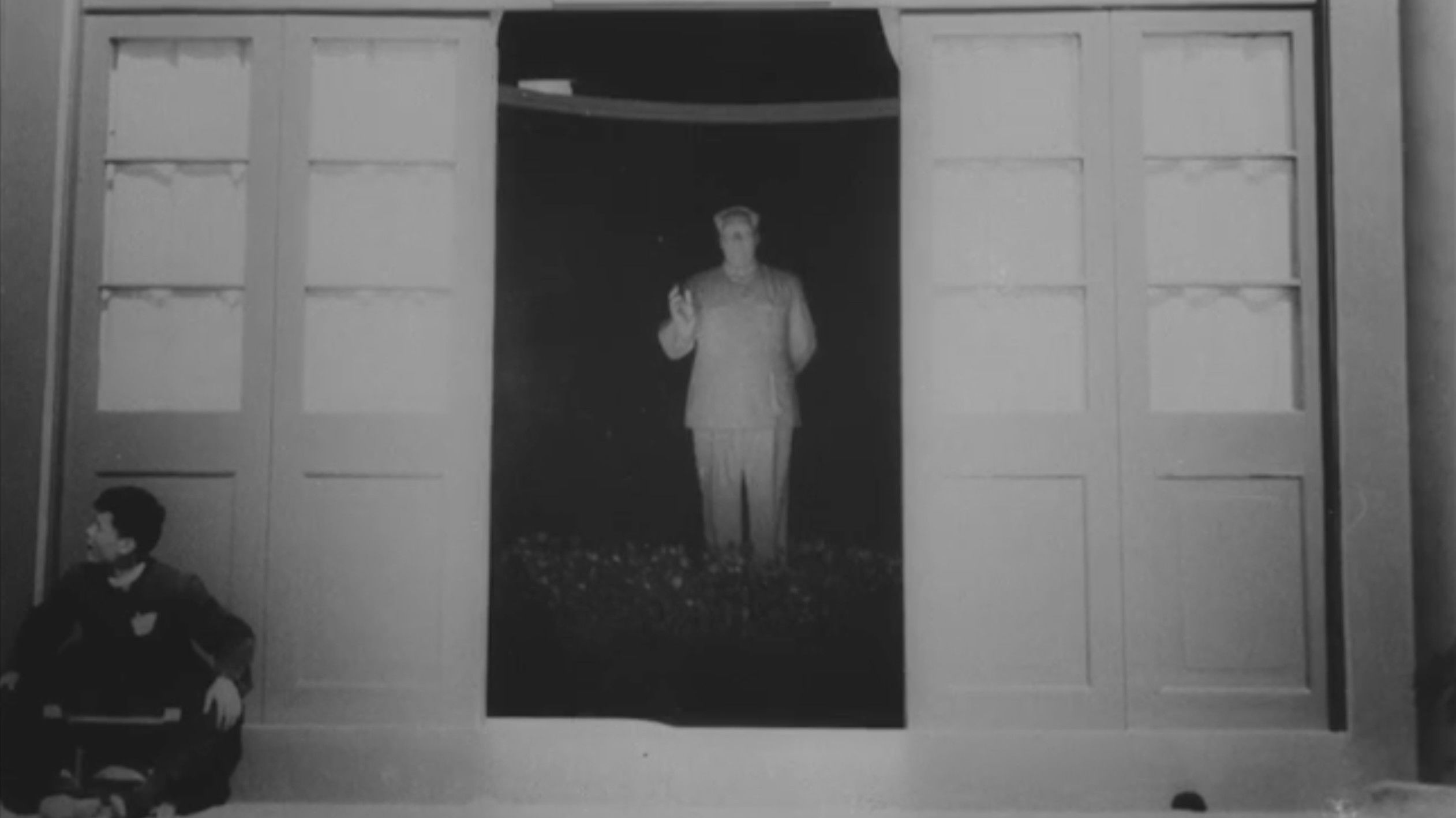
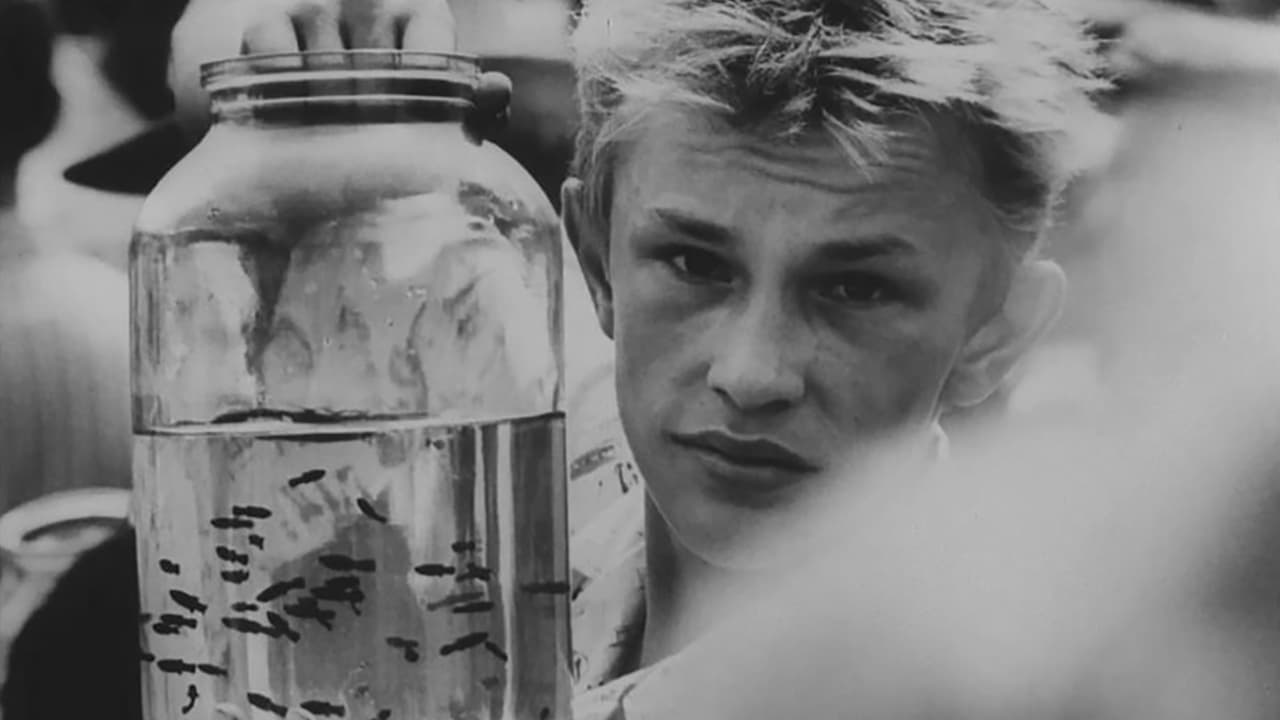
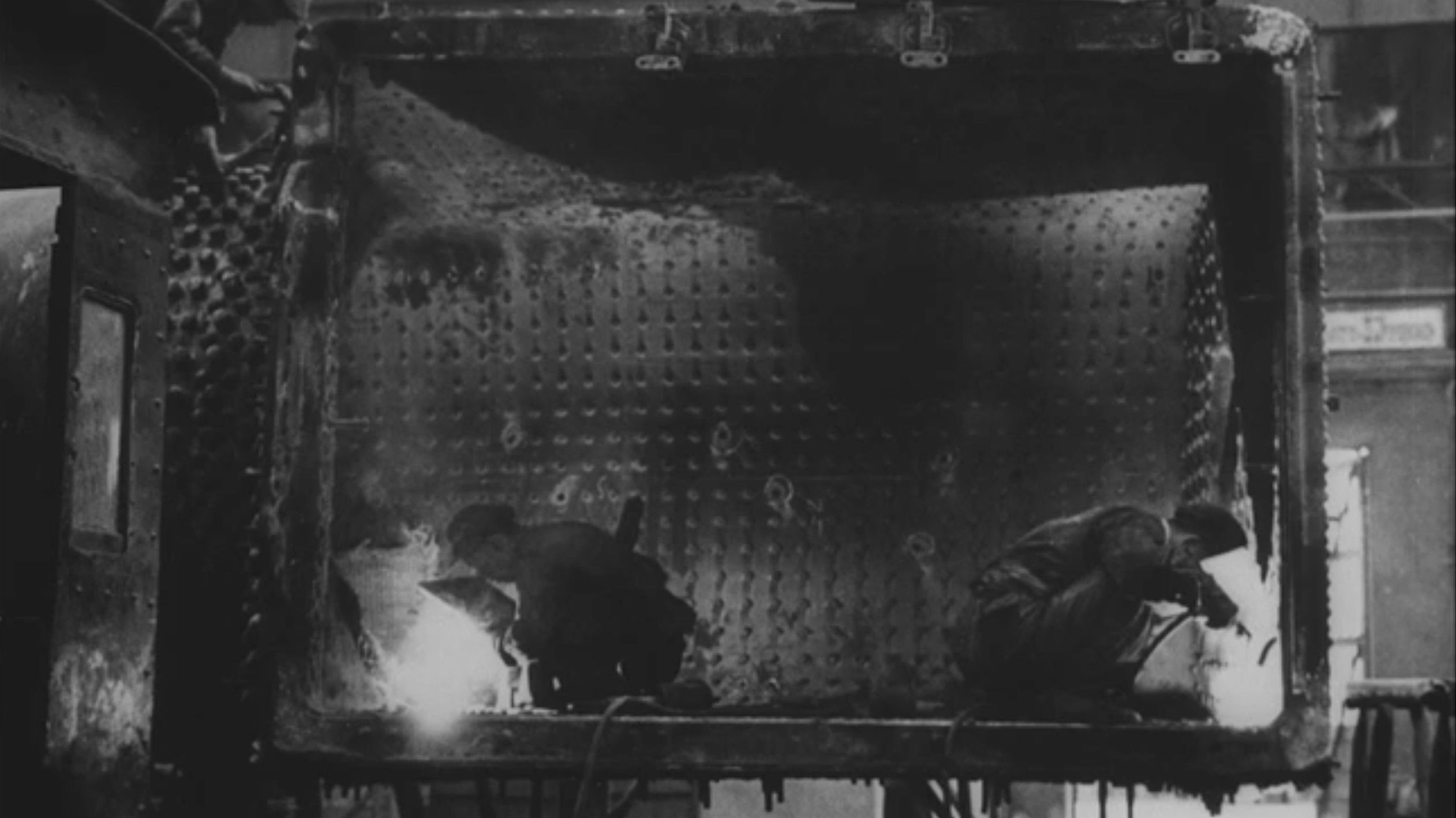
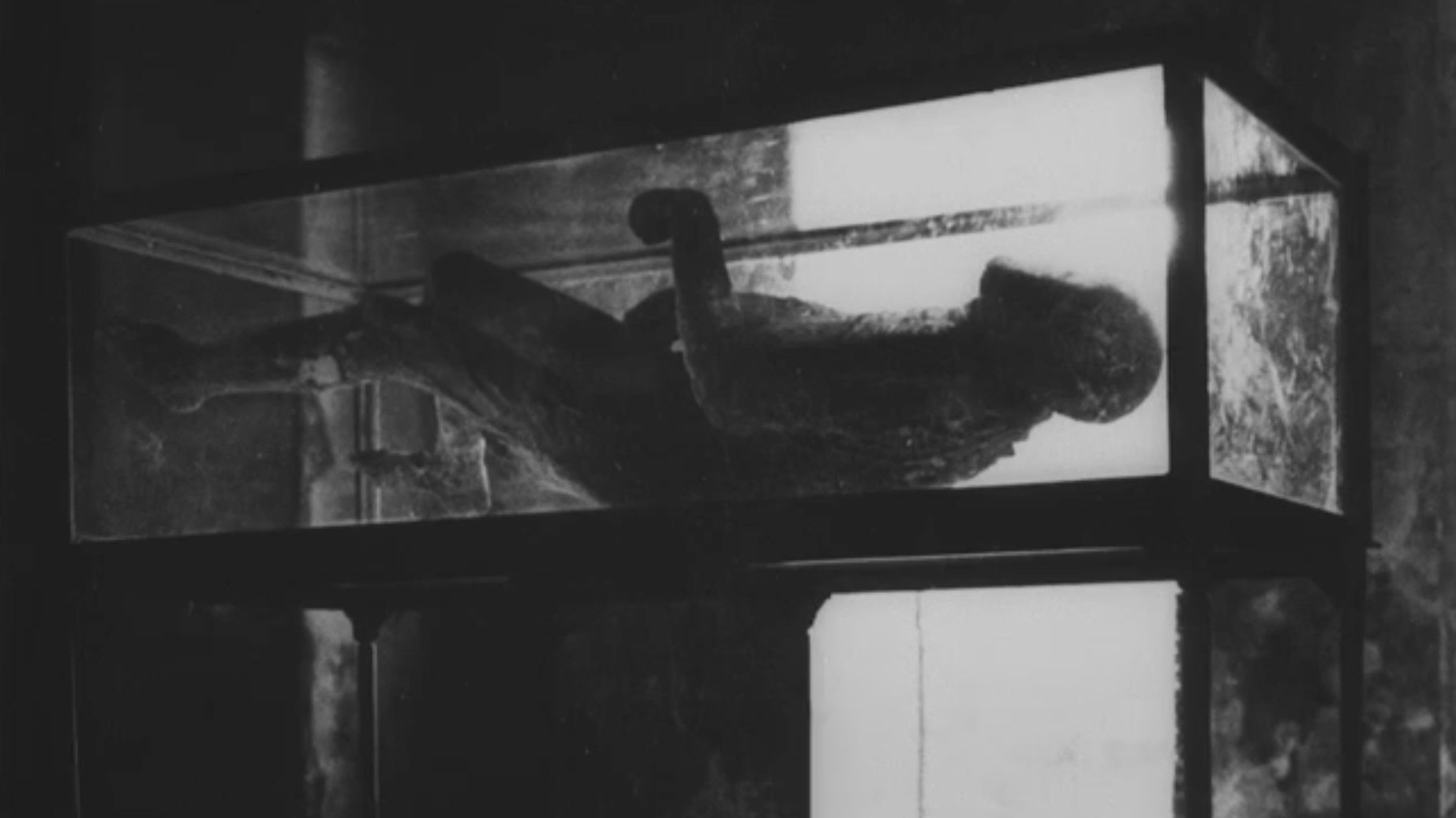
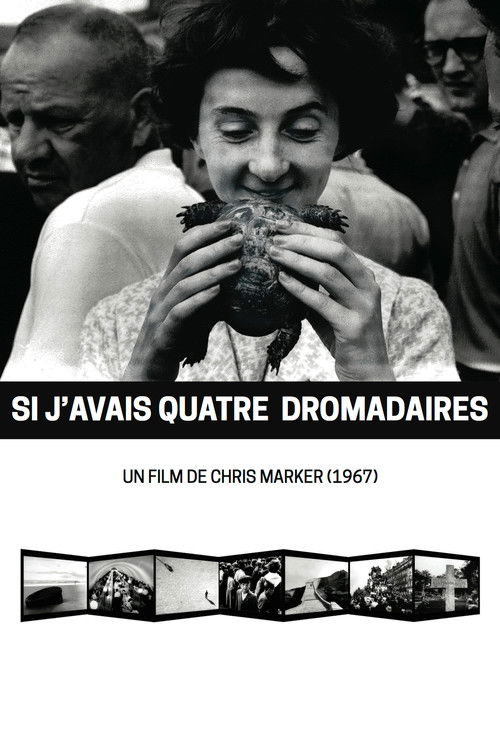
Composed entirely of still photographs taken by Chris Marker across 26 countries, If I Had Four Dromedaries presents a dialogue between three voices reflecting on the meaning of images and travel. Through this photo-essay form, Marker explores the relationship between still and moving images and the act of seeing itself.
Directed by Chris Marker

IMDB
N/A
Cast
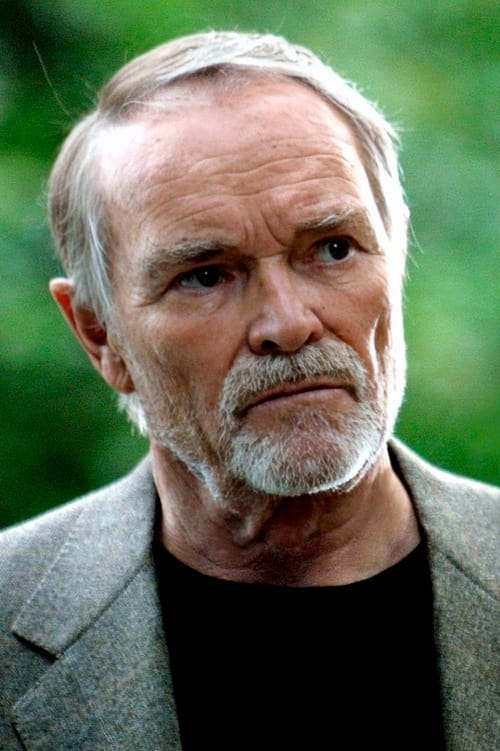
Pierre Vaneck
Récitant (voice)
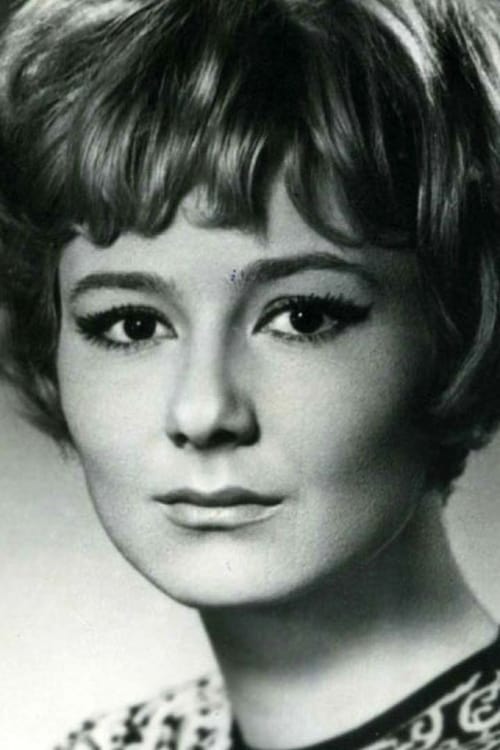
Tatyana Lavrova
Self (photo)
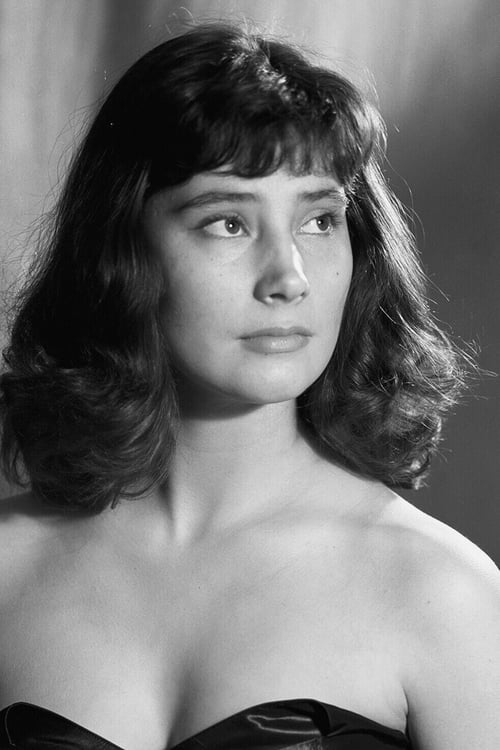
Tatyana Samoylova
Self (photo)
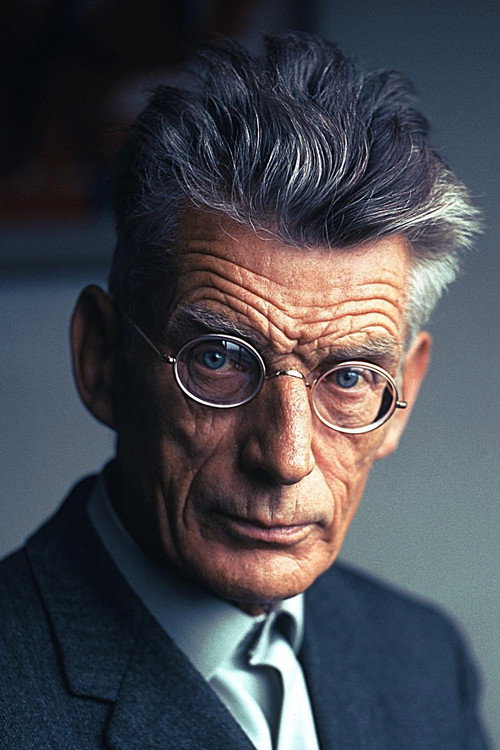
Samuel Beckett
Self (photo)
Crew
Chris Marker
Director
Chris Marker
Writer
Chris Marker
Editor
Chris Marker
Director of Photography
Barney Wilen
Music
Antoine Bonfanti
Sound
Popular Reviews
7 reviews
MopudPRO
8.0★ · 02/21/26
“The photo is the hunt. It’s the instinct of hunting without the desire to kill. It’s the hunt of angels you track, you aim, you fire and clic! Instead of a dead man, you make him eternal.”That’s incredibly poetic. The way Marker talks about photography is beautiful. The camera isn’t just a tool for documentation, it’s like a weapon that doesn’t kill the body what it shoots is time itself.
The film is structured as a slideshow of photographs with reflective narration, yet it feels like being invited into a conversation. It never feels stiff. It just flows.
He talks about photography as a form of power because we choose what to capture, what to show. But within that comes a moral question.
Are we really caring when we photograph suffering? Or are we just spectators?Overall, the film feels reflective, political, and poetic. It carries the same spirit as his previous work, La Jetée.
“The photo is the hunt. It’s the instinct of hunting without the desire to kill. It’s the hunt of angels you track, you aim, you fire and clic! Instead of a dead man, you make him eternal.”That’s incredibly poetic. The way Marker talks about photography is beautiful. The camera isn’t just a tool for documentation, it’s like a weapon that doesn’t kill the body what it shoots is time itself.
The film is structured as a slideshow of photographs with reflective narration, yet it feels like being invited into a conversation. It never feels stiff. It just flows.
He talks about photography as a form of power because we choose what to capture, what to show. But within that comes a moral question.
Are we really caring when we photograph suffering? Or are we just spectators?Overall, the film feels reflective, political, and poetic. It carries the same spirit as his previous work, La Jetée.

1

lucas
7.0★ · 11/03/23
!!!!!
ok Chris Marker .
" la photo c’est la chasse. les instincts de la chasse sans l’envie de tuer. la chasse des anges. on traque, on vise, on tire et crac ! au lieu d’un mort on fait un éternel. "
ok Chris Marker .
!!!!!
ok Chris Marker .
" la photo c’est la chasse. les instincts de la chasse sans l’envie de tuer. la chasse des anges. on traque, on vise, on tire et crac ! au lieu d’un mort on fait un éternel. "
ok Chris Marker .
Dani
9.8★ · 06/14/25
.Rewsi.
9.0★ · 06/14/25
Robin
8.0★ · 05/27/25