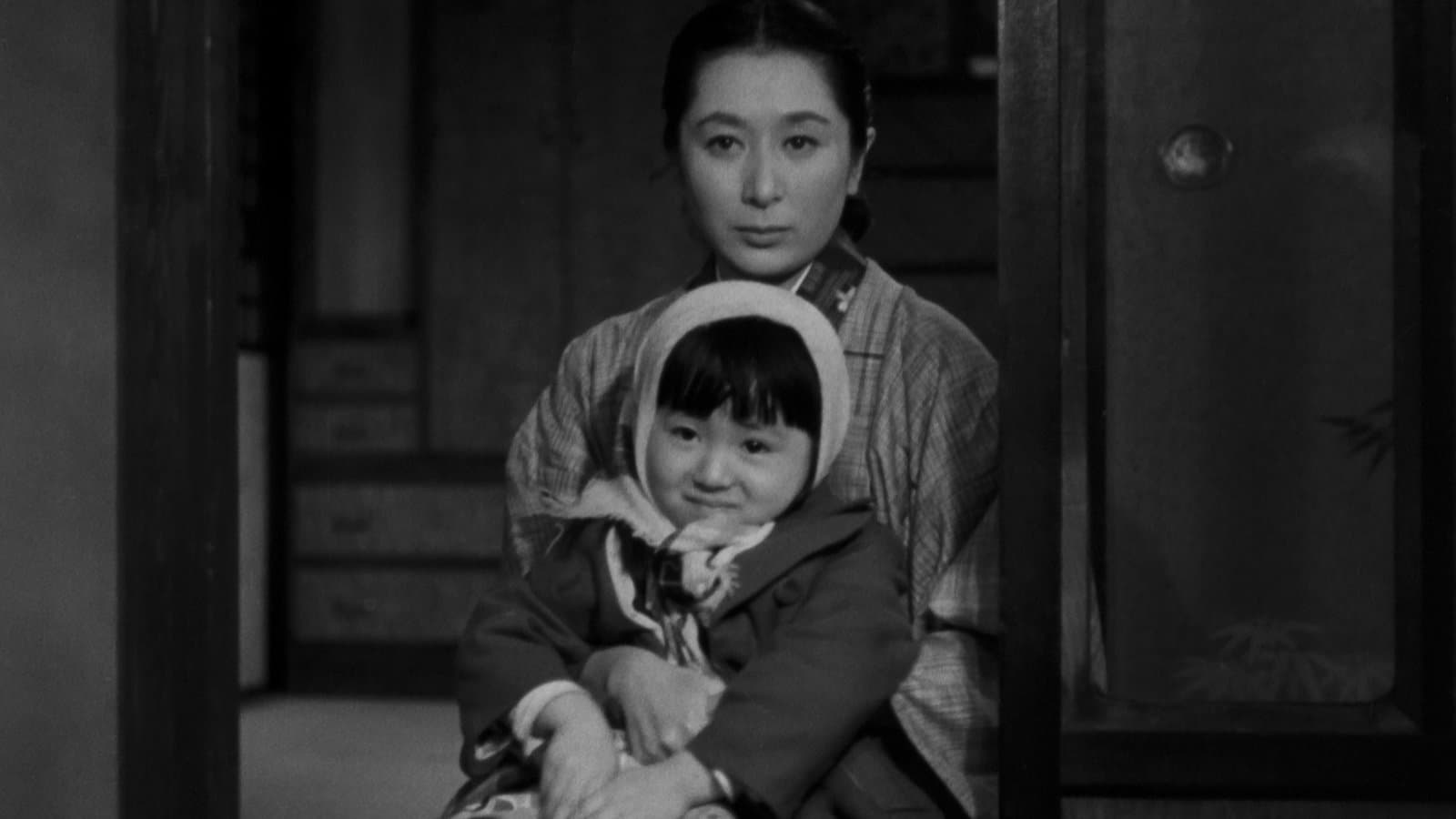
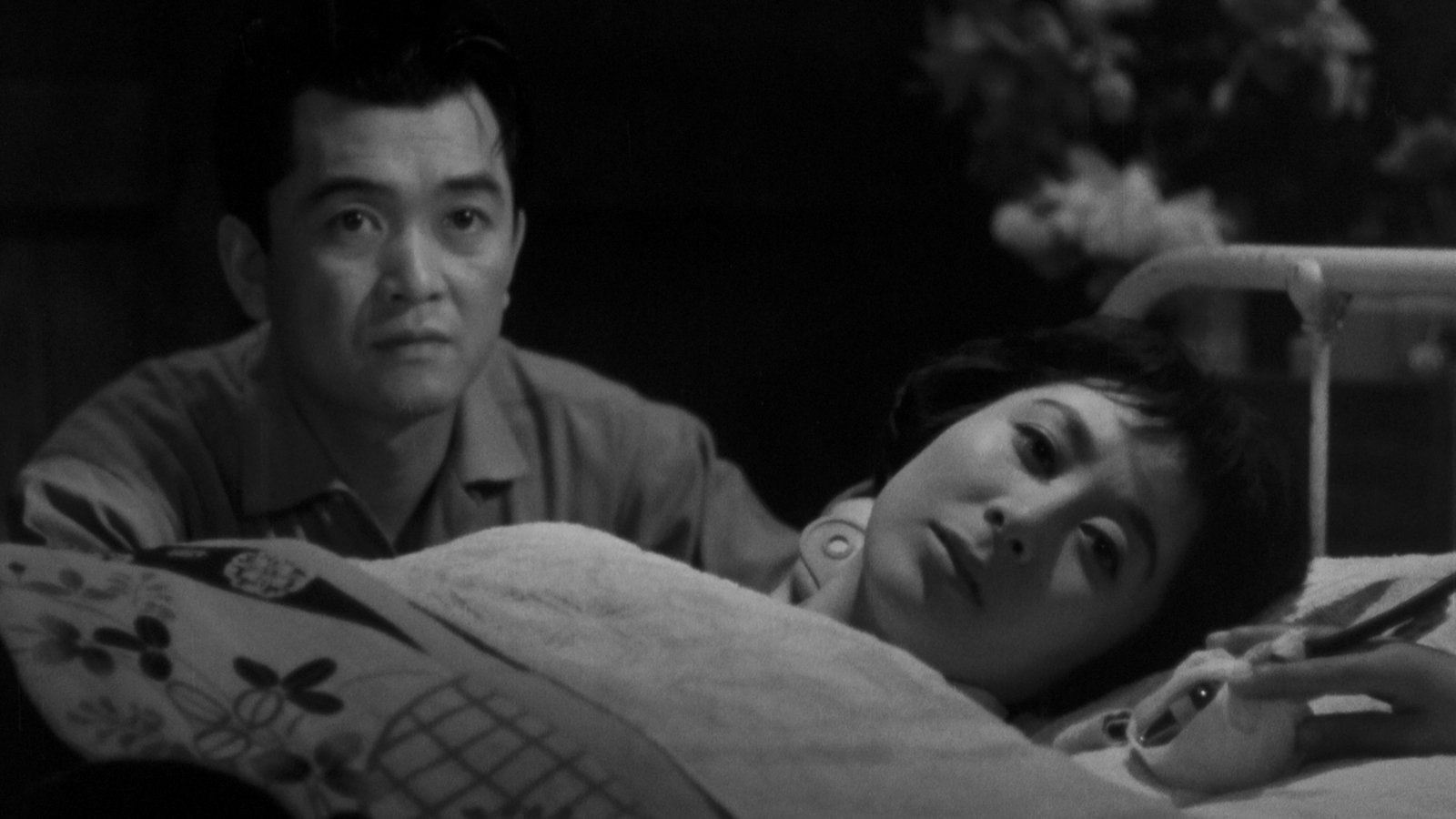
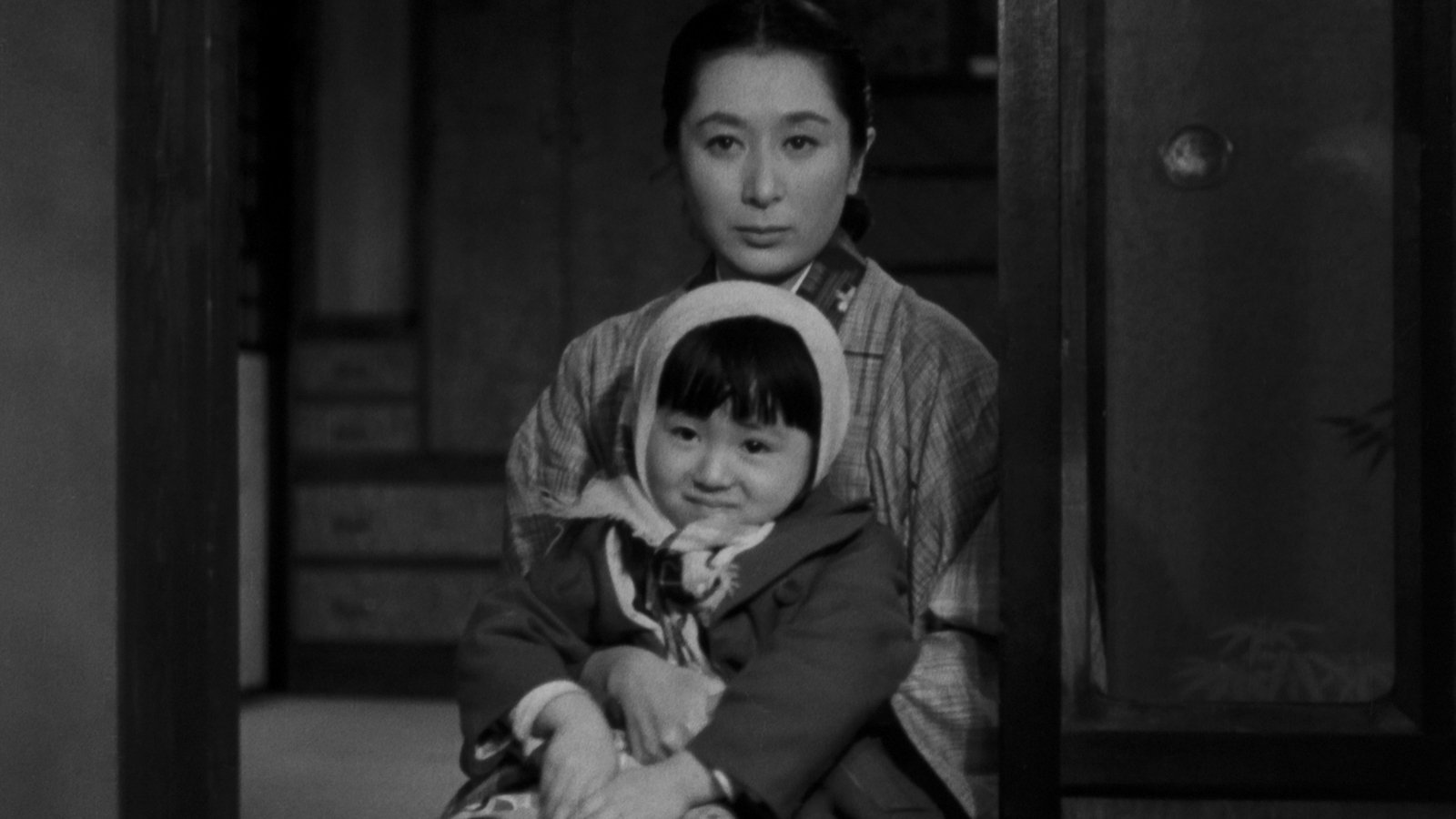
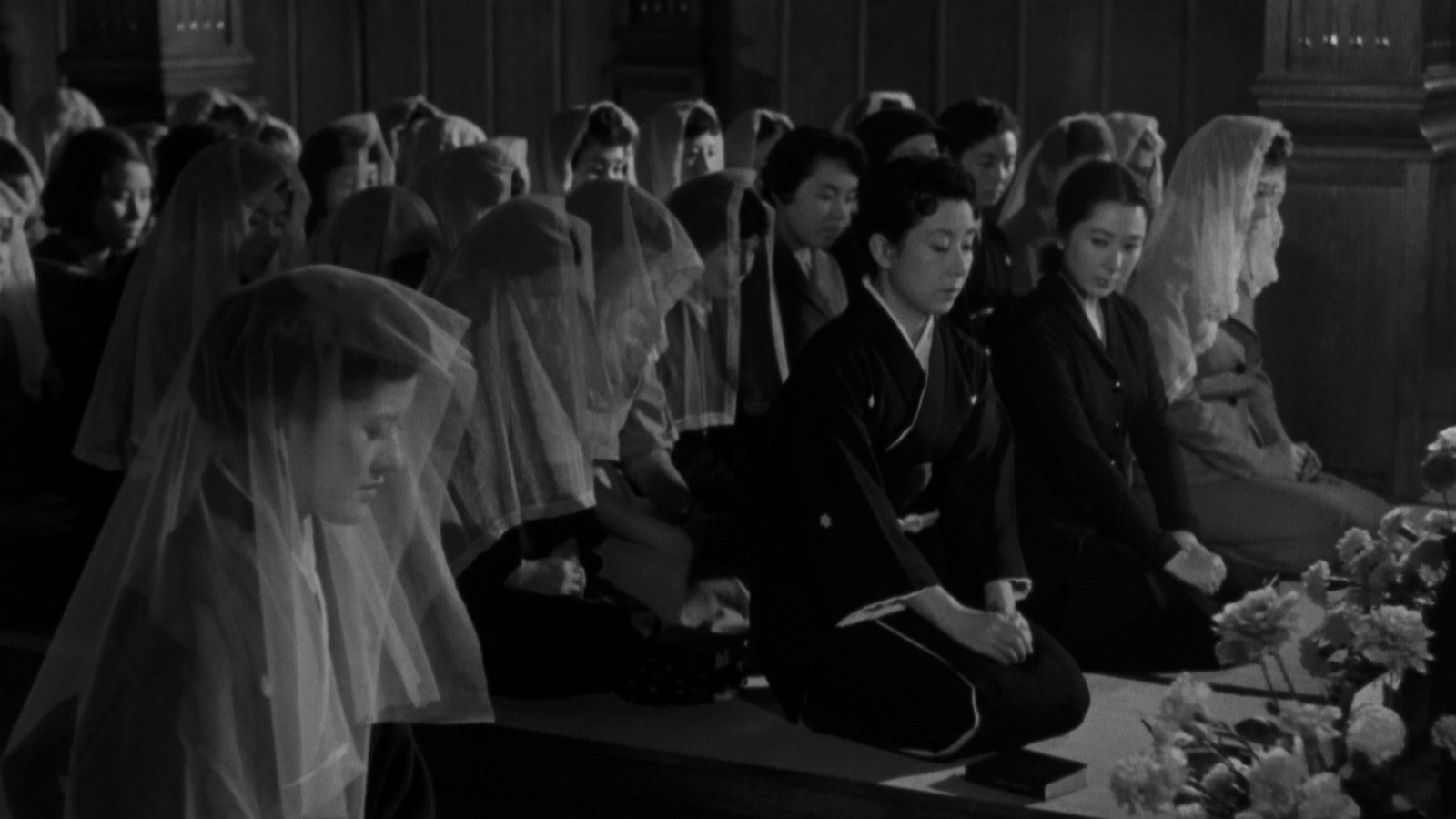
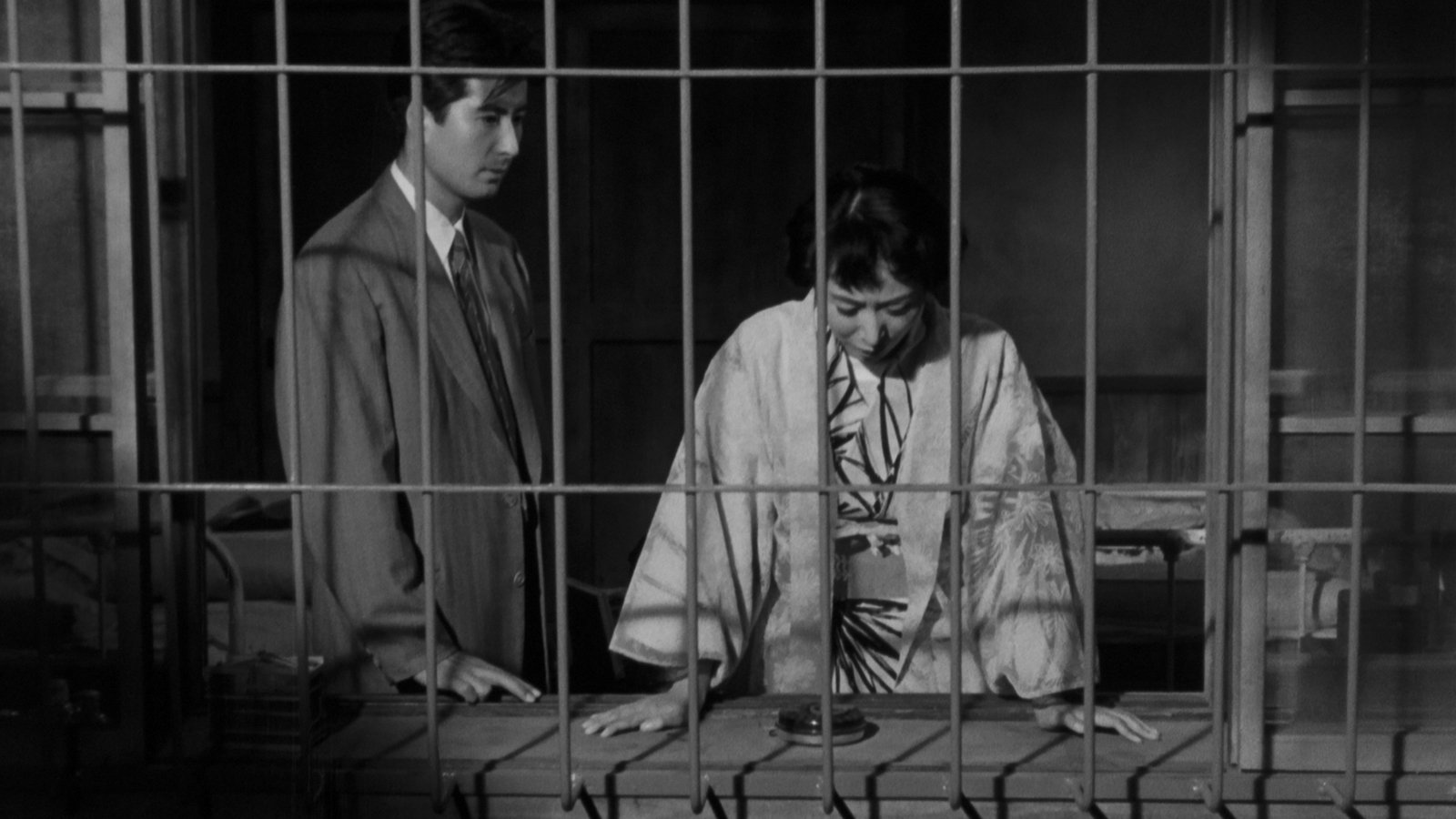
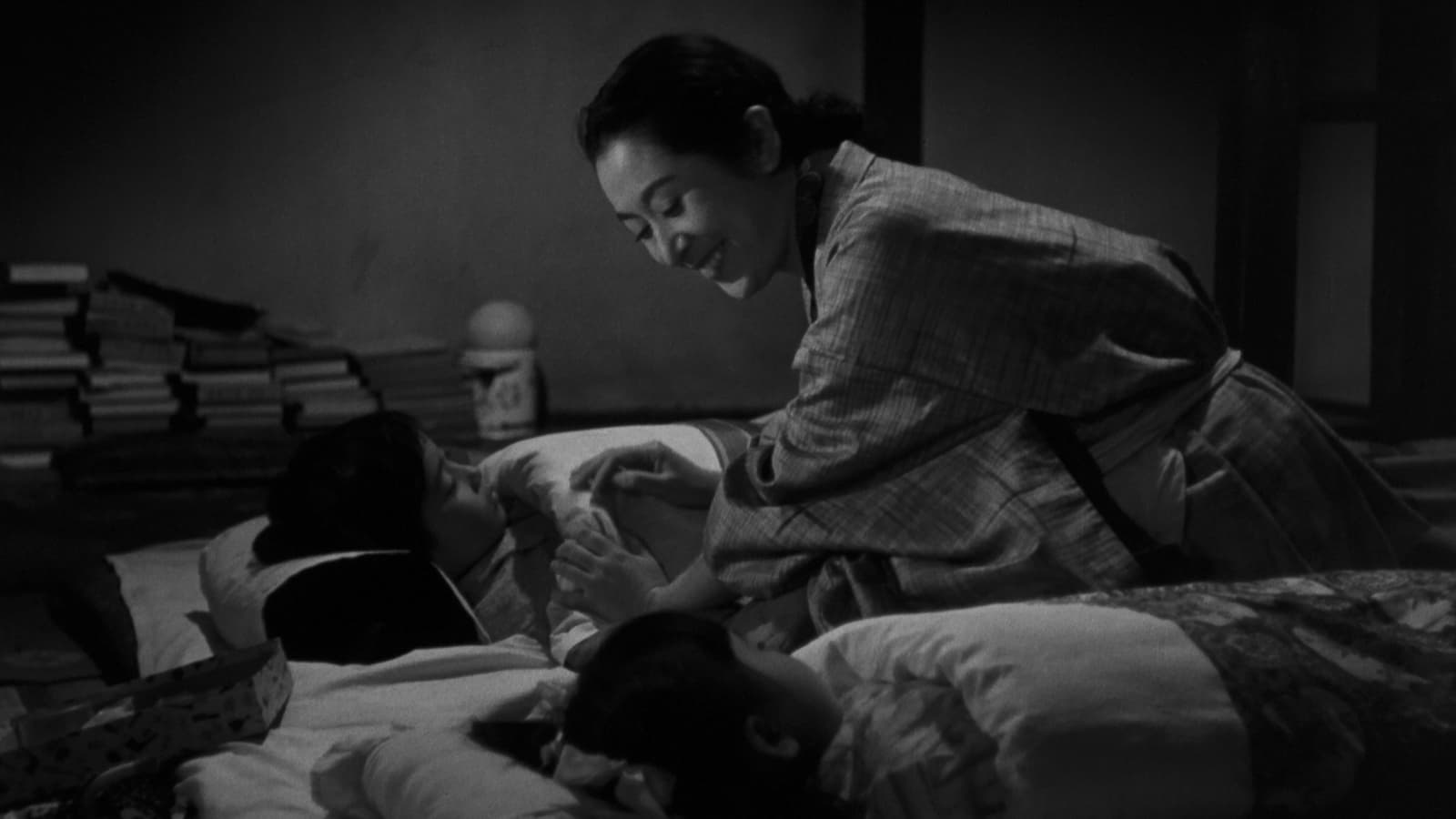
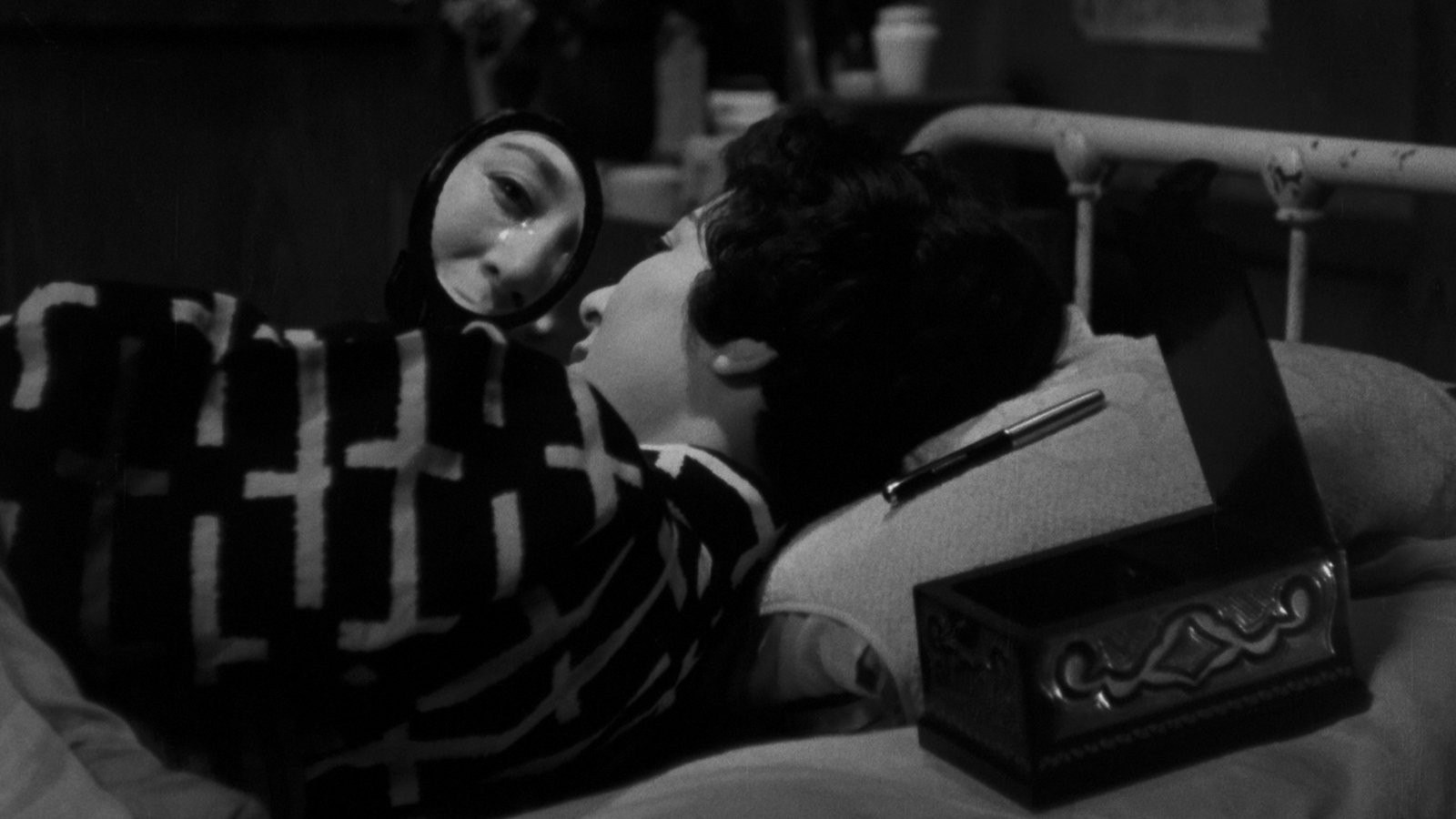
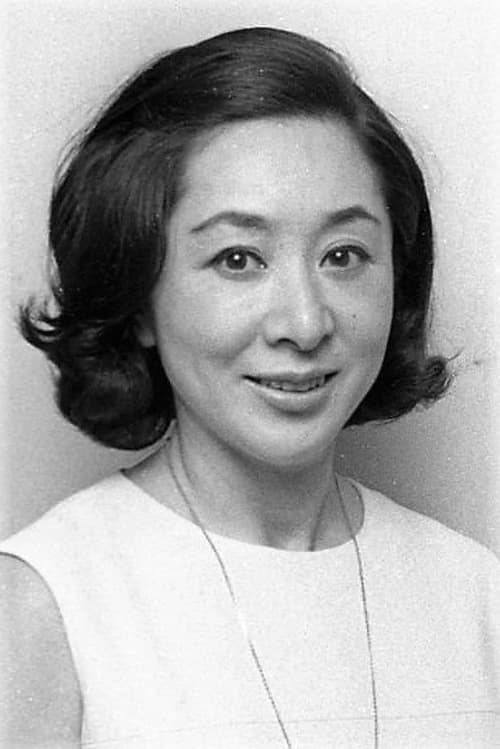
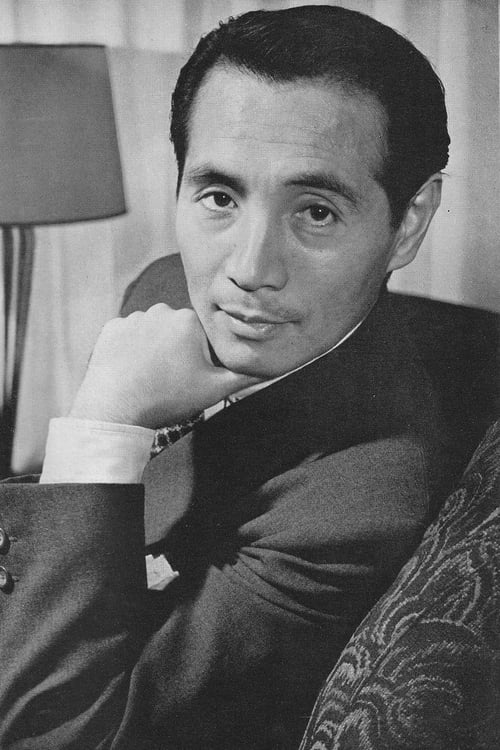
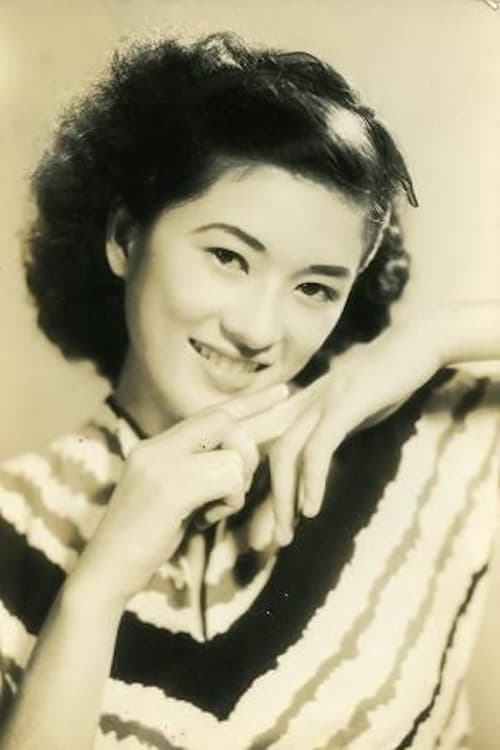
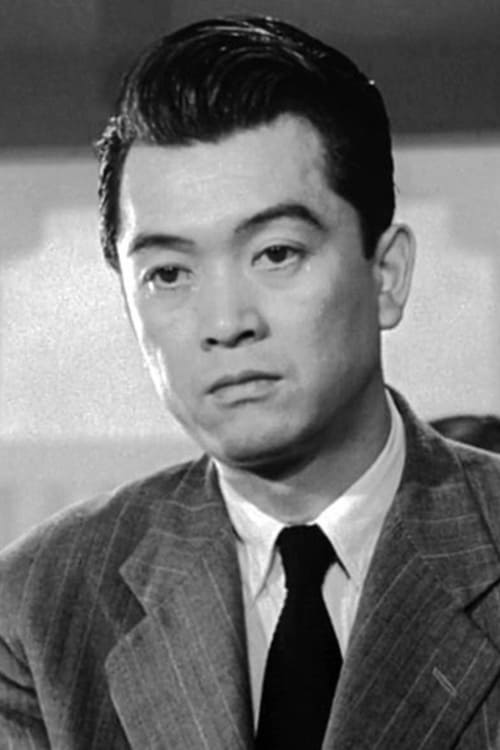
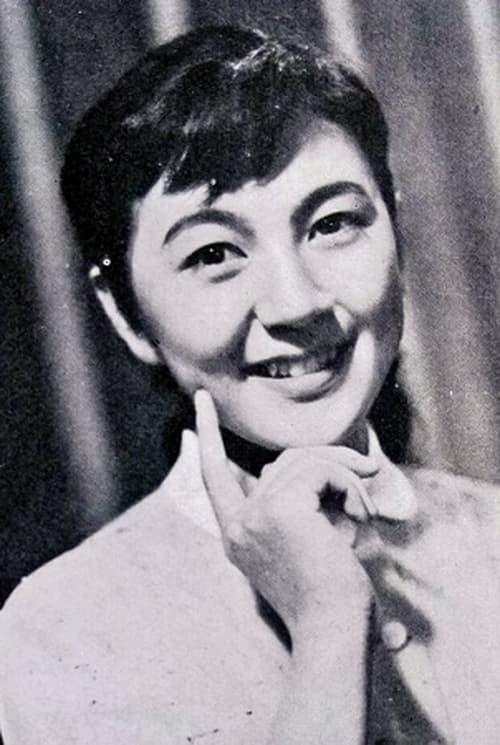
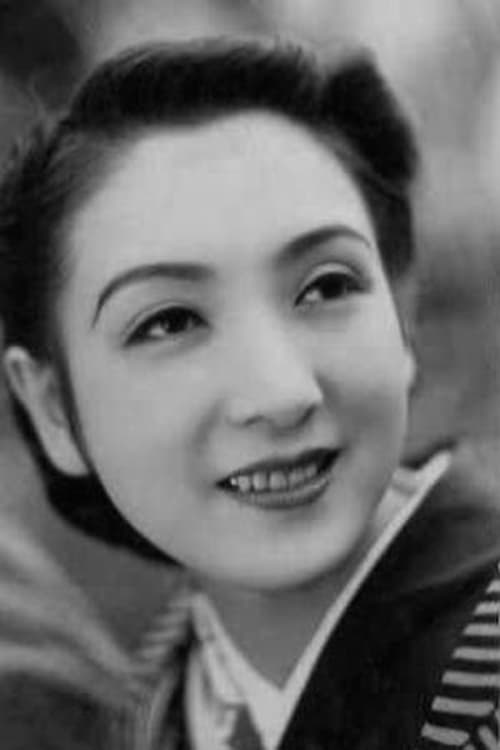
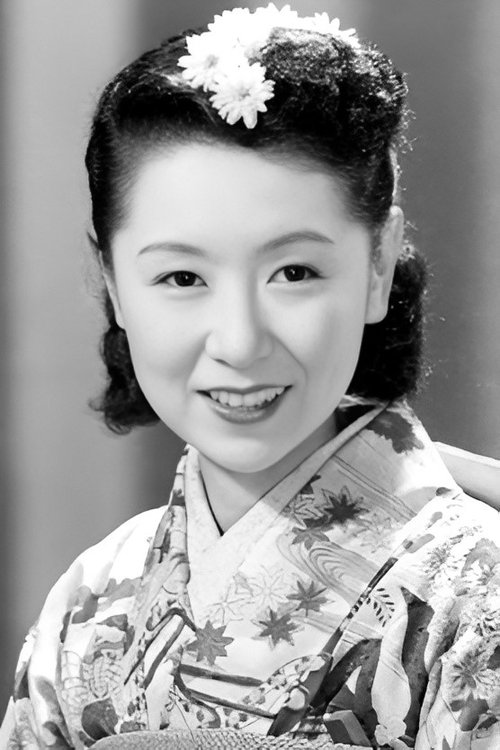
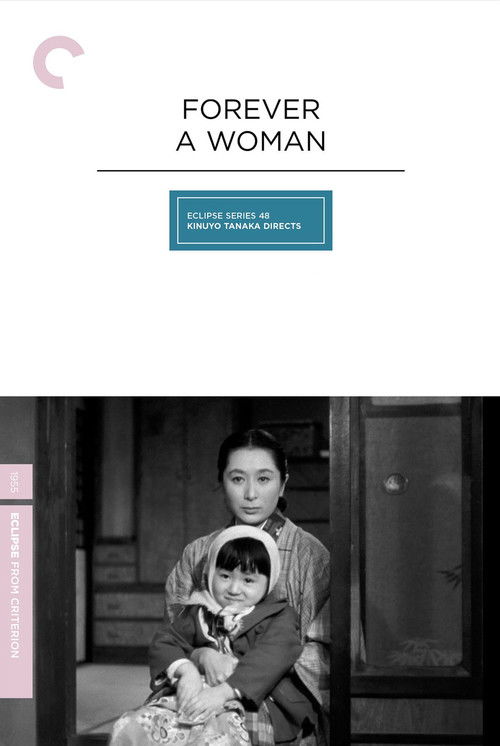
what i liked most about this film is the fact that it doesn’t pity fumiko in any way. instead, it focuses on her personal growth as a poetess and a woman. the initial situation was a highly disfunctional relationship between fumiko and her adulterous, drug-addicted husband. she keeps up that persona of the 'good wife', she is submissive and is trapped in a seemingly 'perfect' traditional marriage. but when she’s in her local poetry circle, she unleashes her actual feelings and experiences in form of beautiful poems, even though many of her peers consider her work to be 'exaggerated'. after she caught her husband committing adultery, she files for a divorce. shortly after, fumiko starts noticing her breasts changing, but she neglects her physical issues at first. as her disease slowly takes over, fumiko evolves, she appears more daring, unsentimental and most of all, imperfect. this is also noticiable in the cinematography and her appearance, obviously. her short hair is a cinematic feature for trauma. but does trauma make her a better poetess? the cinematography also gets more 'personal', we can see more close-up shots from fumiko as well as other characters. in conclusion, Tanaka's Forever a Woman is a subjective story which also carries feminist elements.
what i liked most about this film is the fact that it doesn’t pity fumiko in any way. instead, it focuses on her personal growth as a poetess and a woman. the initial situation was a highly disfunctional relationship between fumiko and her adulterous, drug-addicted husband. she keeps up that persona of the 'good wife', she is submissive and is trapped in a seemingly 'perfect' traditional marriage. but when she’s in her local poetry circle, she unleashes her actual feelings and experiences in form of beautiful poems, even though many of her peers consider her work to be 'exaggerated'. after she caught her husband committing adultery, she files for a divorce. shortly after, fumiko starts noticing her breasts changing, but she neglects her physical issues at first. as her disease slowly takes over, fumiko evolves, she appears more daring, unsentimental and most of all, imperfect. this is also noticiable in the cinematography and her appearance, obviously. her short hair is a cinematic feature for trauma. but does trauma make her a better poetess? the cinematography also gets more 'personal', we can see more close-up shots from fumiko as well as other characters. in conclusion, Tanaka's Forever a Woman is a subjective story which also carries feminist elements.