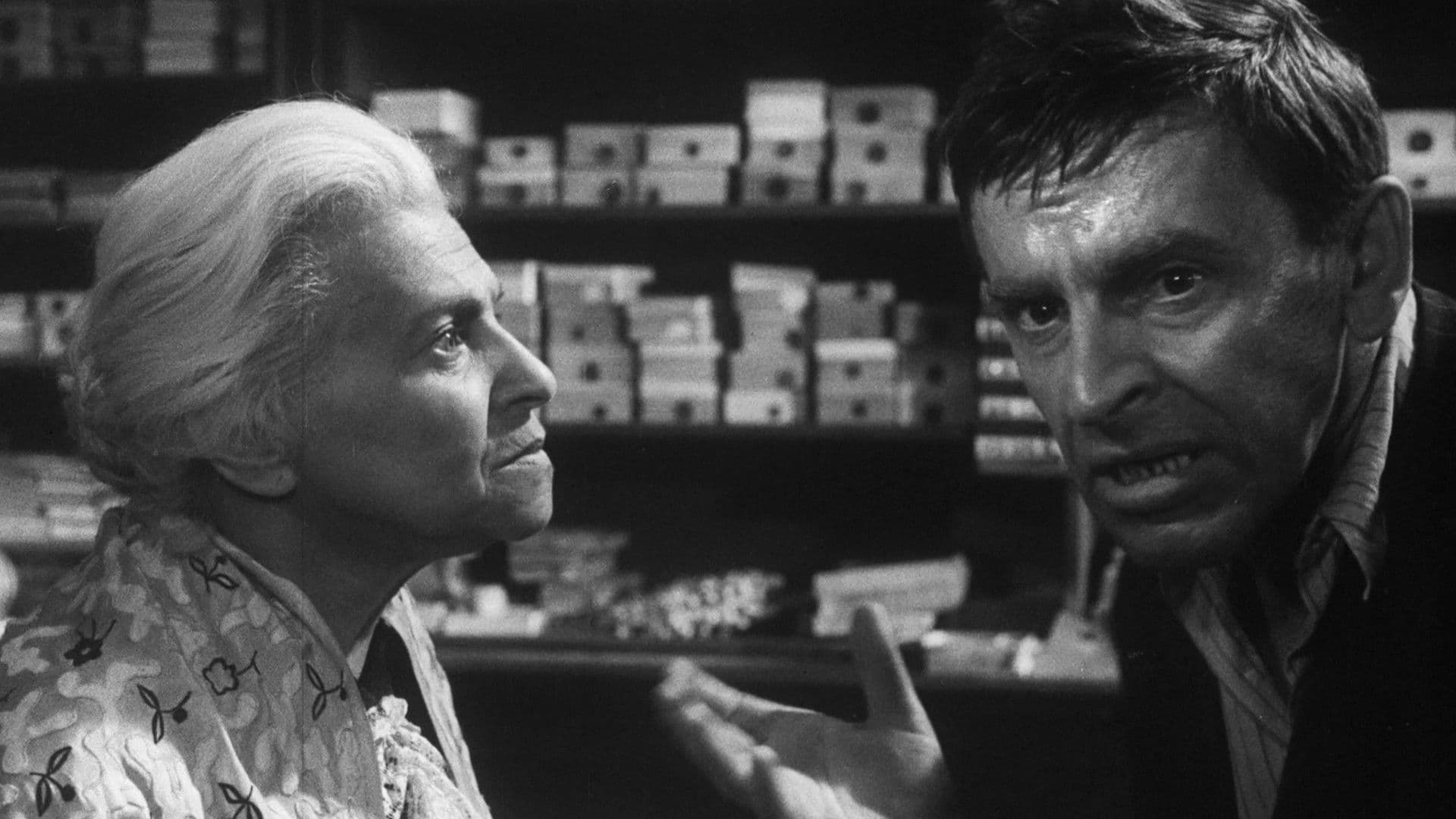
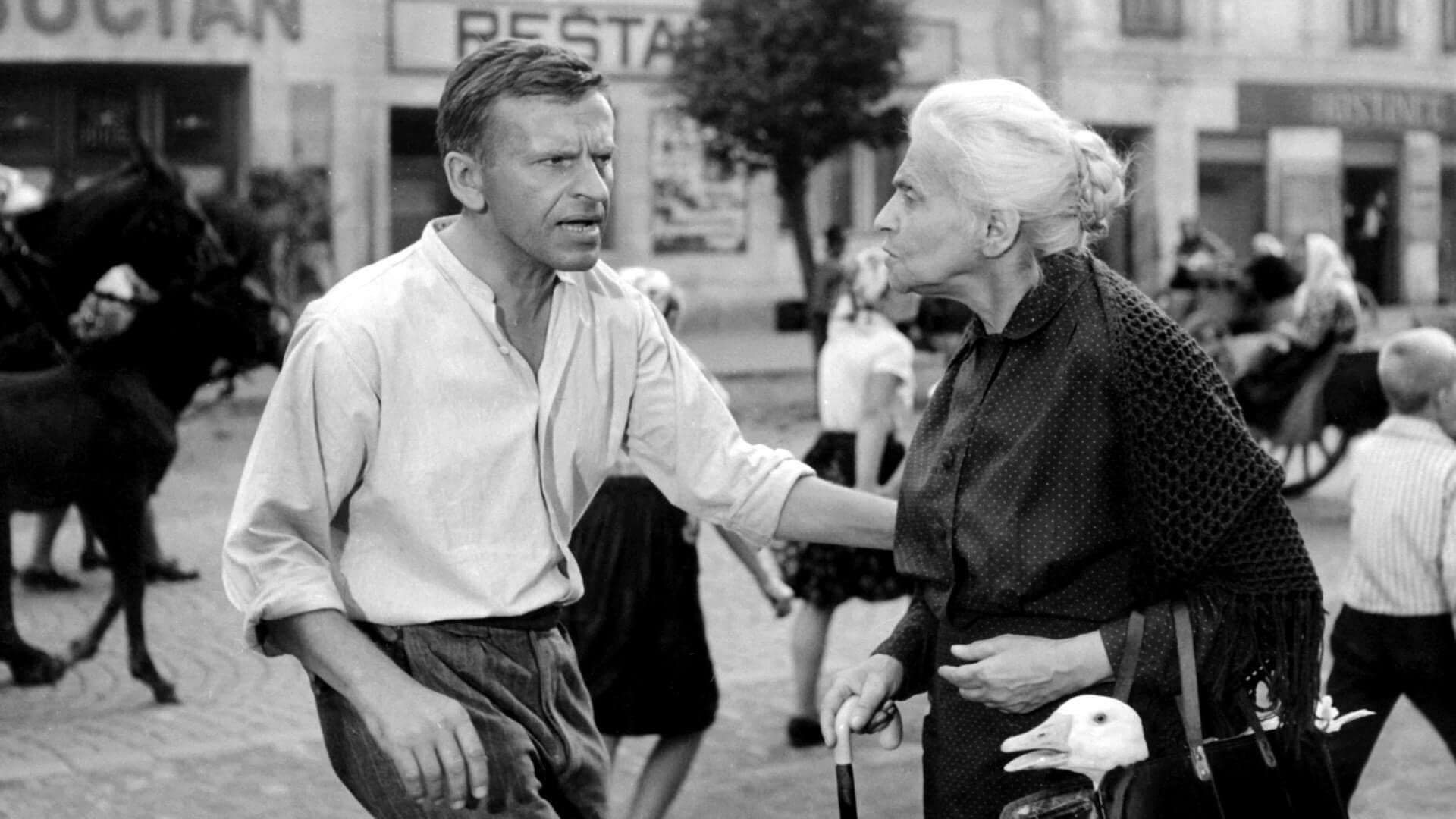
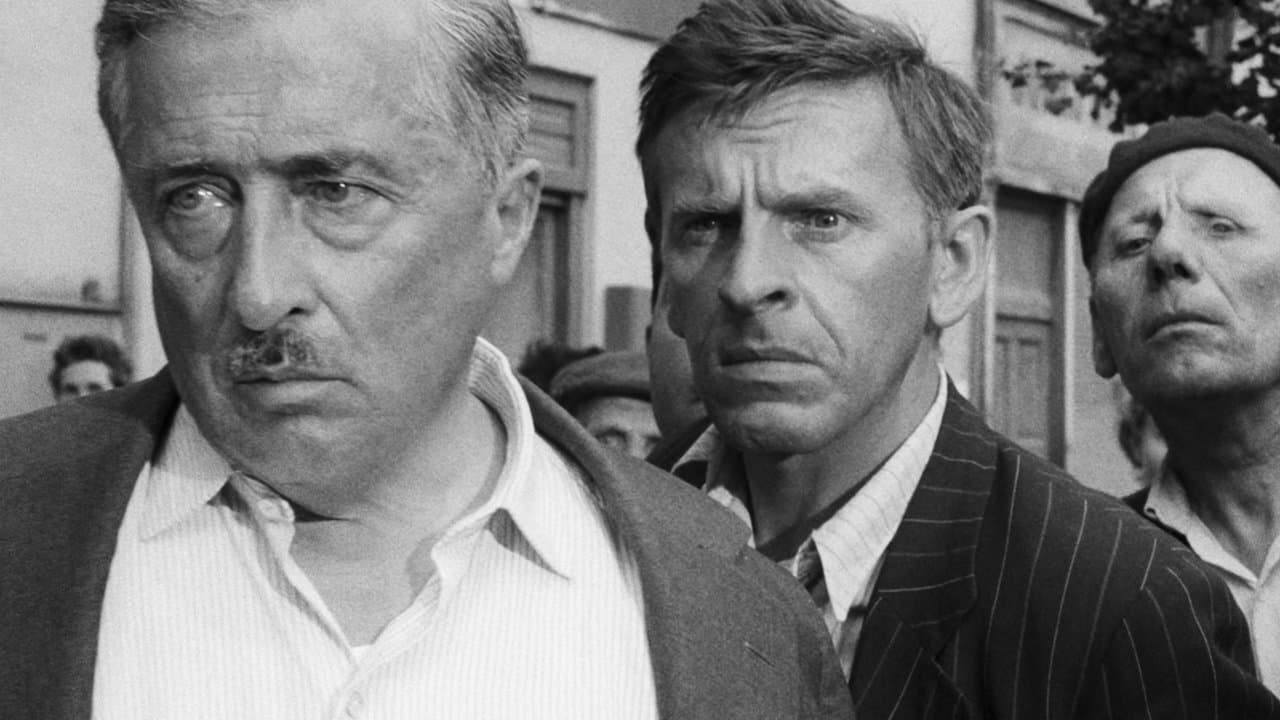
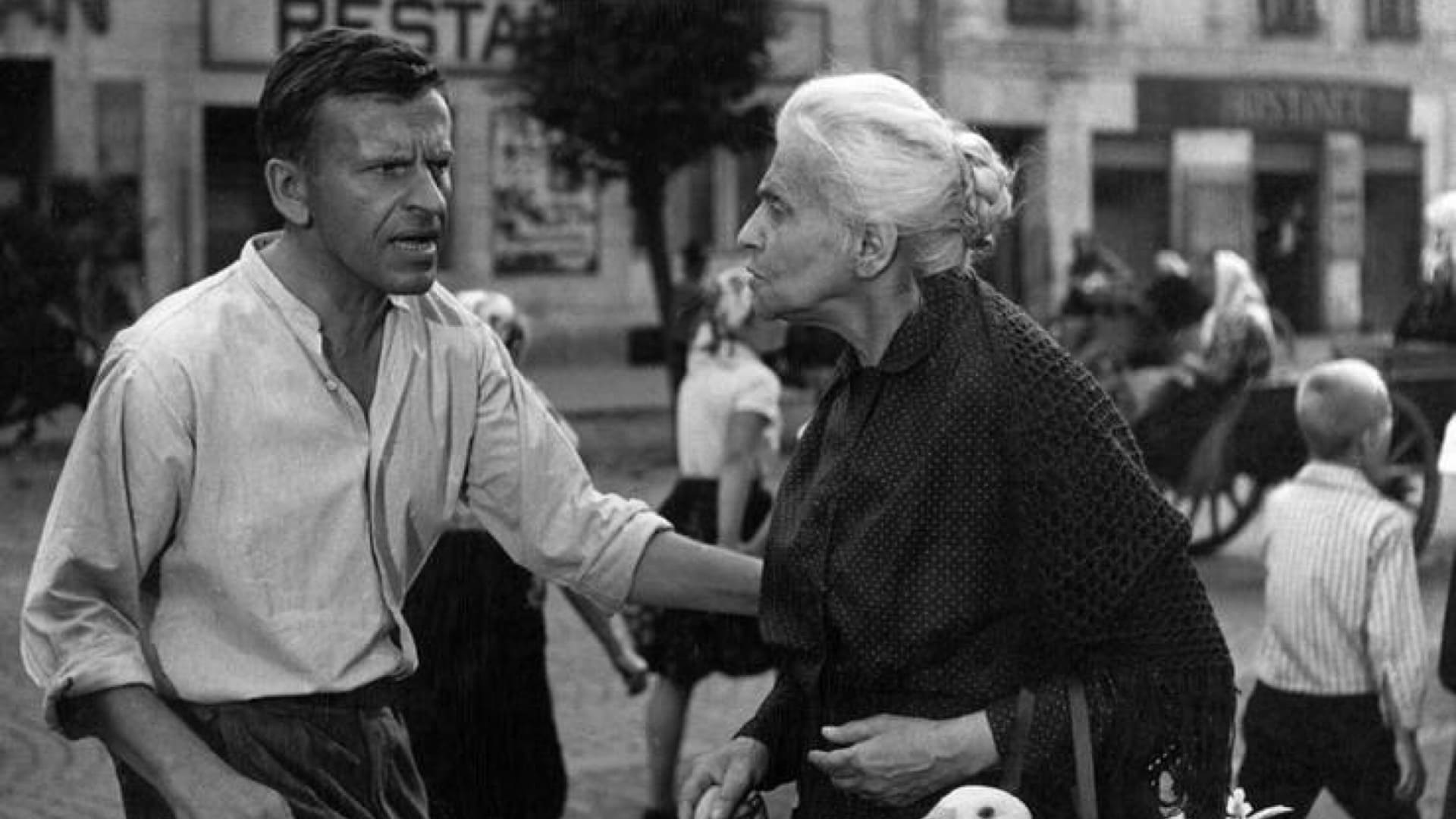
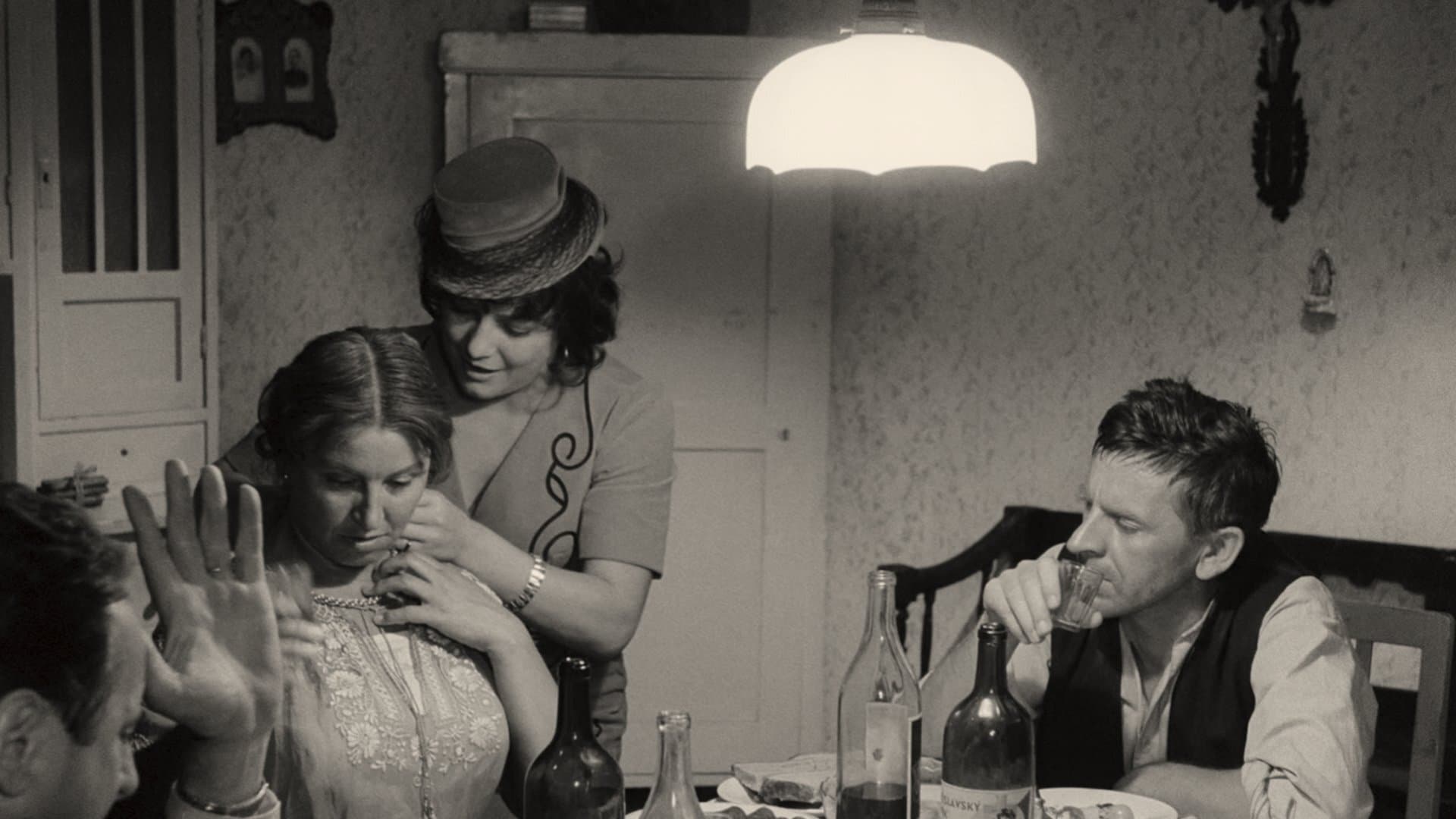
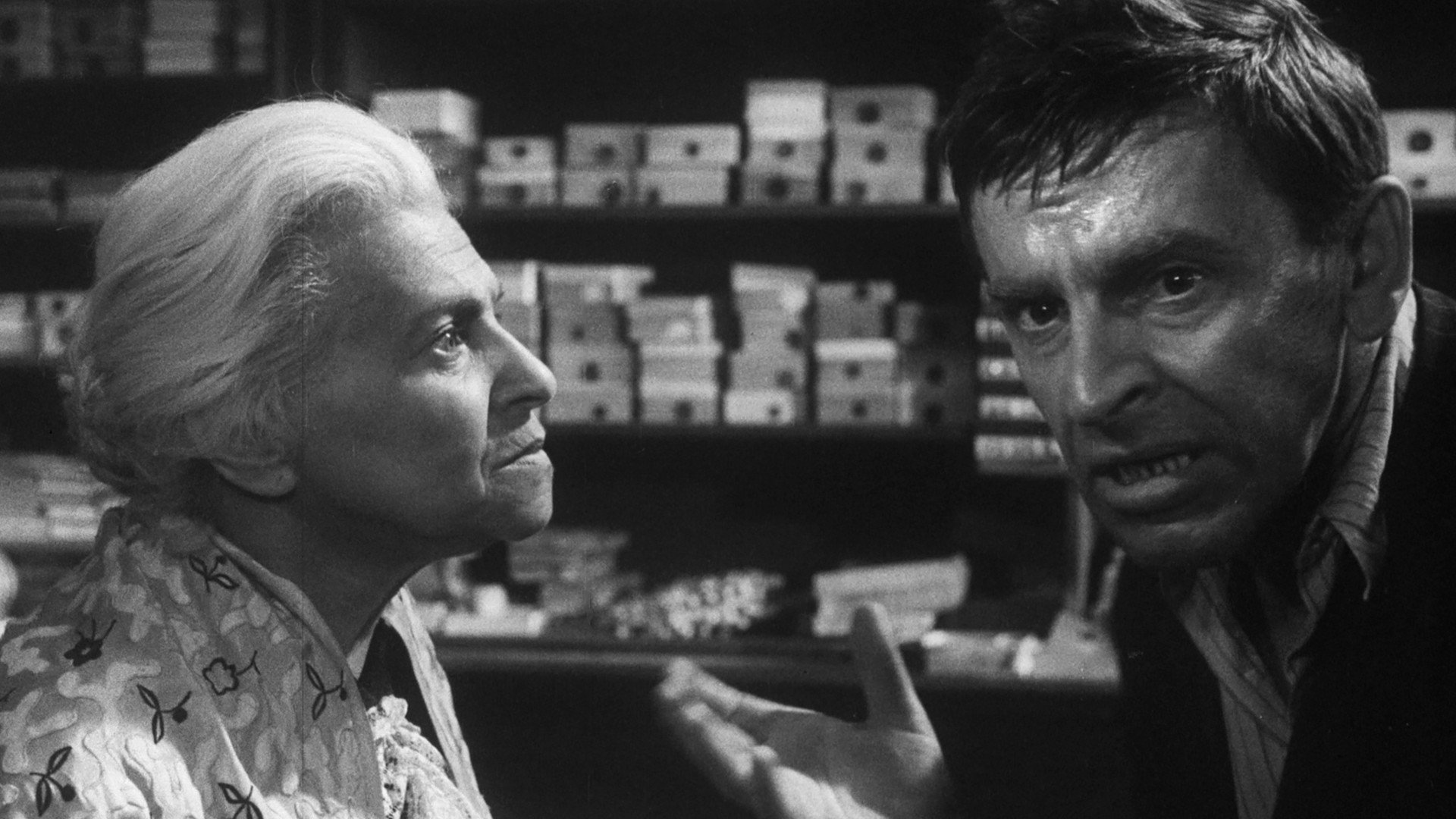
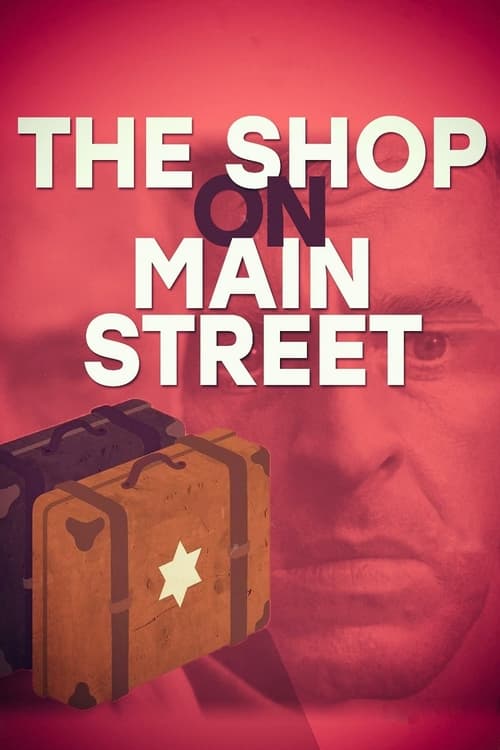
Endlessly uncomfortable, absolutely nothing is happening. This is a quietly devastating tale about moral collapse. Set during the Aryanization program of World War II, the film follows Tóno. As an apolitical carpenter, he gets appointed as the "Aryan controller" of a button shop. His worldview is rather oblivious to what is going on around him. The elderly Jewish button owner mirrors his obliviousness. Imrich Kuchar arrives and explains the whole situation to Tono. The elderly woman accepts donations from the Jewish community. Imrich elaborates that Tono should pocket that money because of the "out of sight, out of mind" type of mindset. Additionally, Imrich views Tono as a fool who isn't rigidly militaristic. What begins as a seemingly benign assignment slowly unravels when the villagers notice concentration camp trains arriving. The film explores the cost of staying silent in the face of injustice.
Culturally and historically, The Shop on Main Street became the first Slovak film to win the Academy Award for Best Foreign Language Film. It shifted Holocaust representation away from good and evil, and toward a gray middle. The film creates this masterful feeling of a slow, creeping realization of futility. There's an unwillingness to offer easy absolution because it's about the tragedy of complicity.
The filmmakers amplify the internal conflict, which causes silence and denial. Some viewers may take issue with Rozalia's innocence, which is what anchors the film. There's all this gut-wrenching hesitation for the viewer because the cruelty hasn't set in yet for the character. But for Tono, the suppressed guilt and shame are all-consuming. The claustrophobia of the small shop reflects the overwhelming decay. This raises questions still relevant today: What would you do? What could you do? And perhaps most painfully, can anything be done?
The Shop on Main Street weaponizes ordinary weaknesses. Denial resists opposition. Comfort evades discomfort. In portraying one man’s quiet collapse under the weight of moral responsibility, the film forces us to confront the uneasy truth that complicity often wears the face of good intentions.
Endlessly uncomfortable, absolutely nothing is happening. This is a quietly devastating tale about moral collapse. Set during the Aryanization program of World War II, the film follows Tóno. As an apolitical carpenter, he gets appointed as the "Aryan controller" of a button shop. His worldview is rather oblivious to what is going on around him. The elderly Jewish button owner mirrors his obliviousness. Imrich Kuchar arrives and explains the whole situation to Tono. The elderly woman accepts donations from the Jewish community. Imrich elaborates that Tono should pocket that money because of the "out of sight, out of mind" type of mindset. Additionally, Imrich views Tono as a fool who isn't rigidly militaristic. What begins as a seemingly benign assignment slowly unravels when the villagers notice concentration camp trains arriving. The film explores the cost of staying silent in the face of injustice.
Culturally and historically, The Shop on Main Street became the first Slovak film to win the Academy Award for Best Foreign Language Film. It shifted Holocaust representation away from good and evil, and toward a gray middle. The film creates this masterful feeling of a slow, creeping realization of futility. There's an unwillingness to offer easy absolution because it's about the tragedy of complicity.
The filmmakers amplify the internal conflict, which causes silence and denial. Some viewers may take issue with Rozalia's innocence, which is what anchors the film. There's all this gut-wrenching hesitation for the viewer because the cruelty hasn't set in yet for the character. But for Tono, the suppressed guilt and shame are all-consuming. The claustrophobia of the small shop reflects the overwhelming decay. This raises questions still relevant today: What would you do? What could you do? And perhaps most painfully, can anything be done?
The Shop on Main Street weaponizes ordinary weaknesses. Denial resists opposition. Comfort evades discomfort. In portraying one man’s quiet collapse under the weight of moral responsibility, the film forces us to confront the uneasy truth that complicity often wears the face of good intentions.