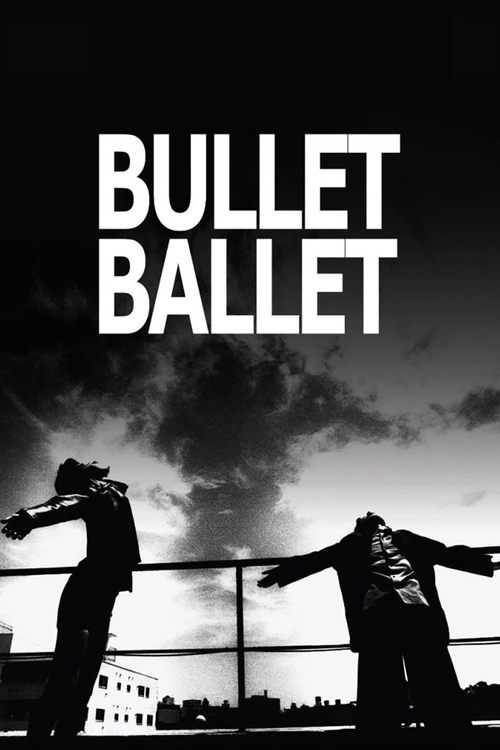
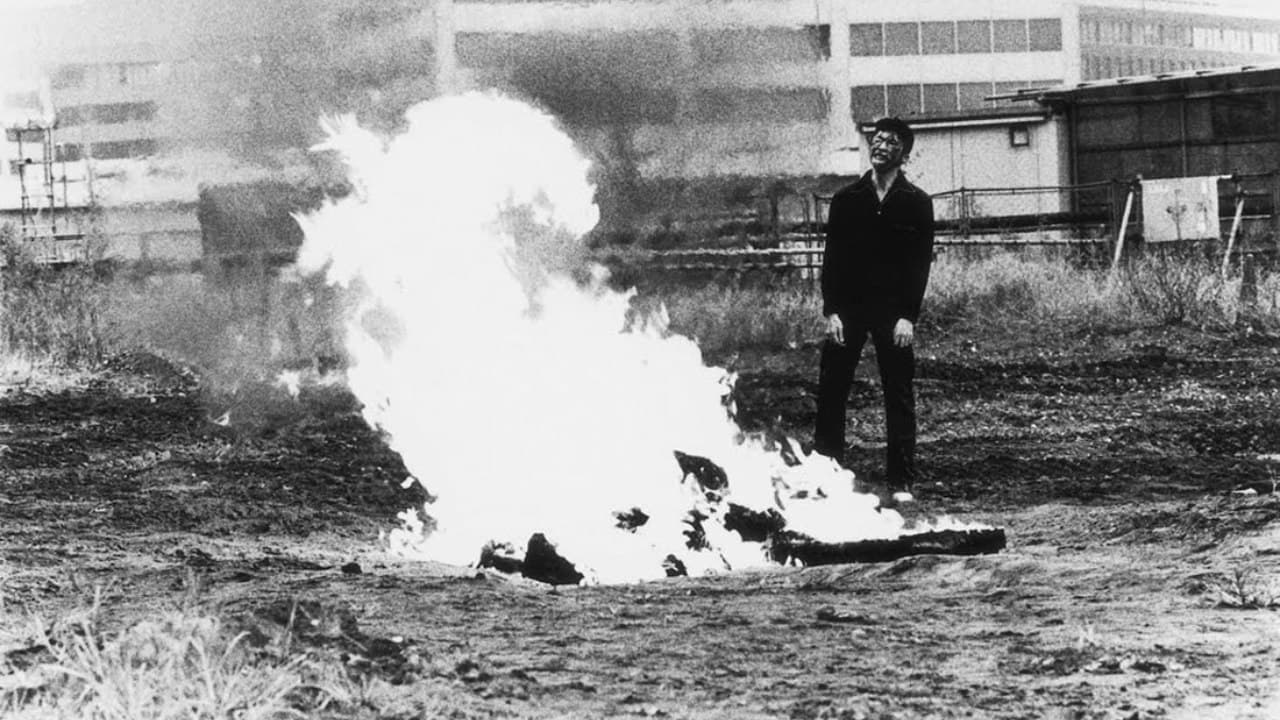
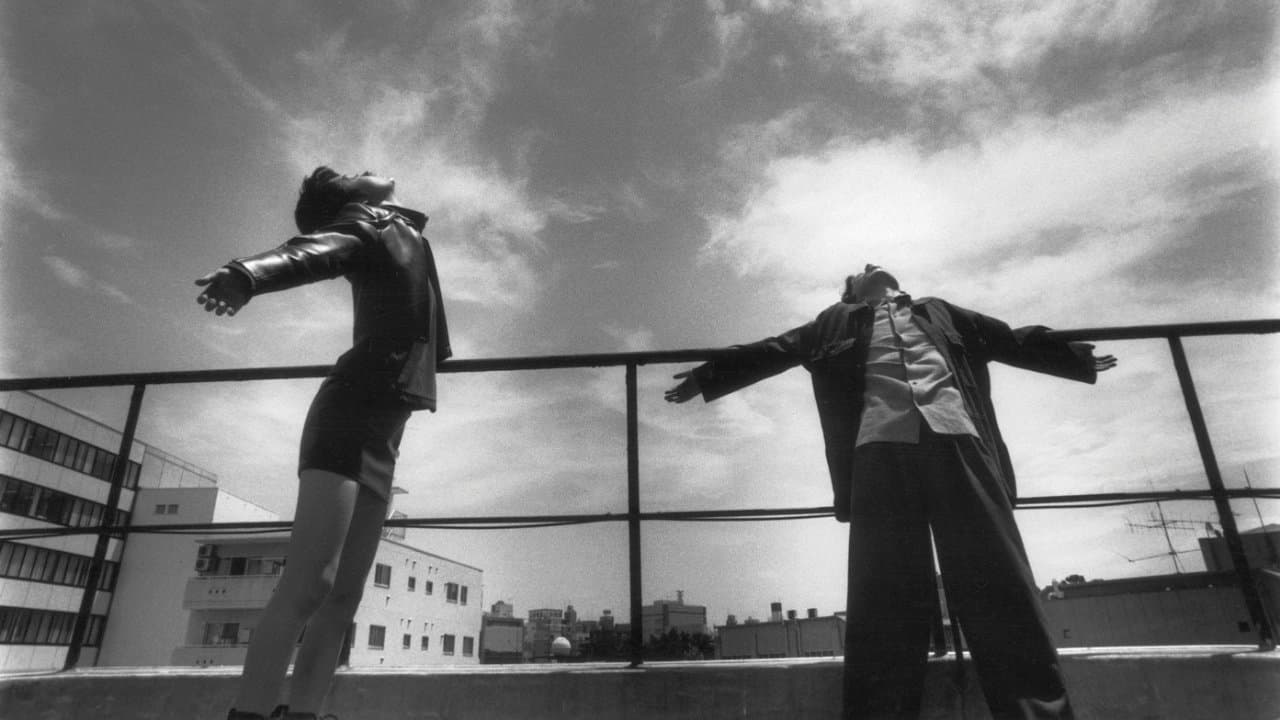
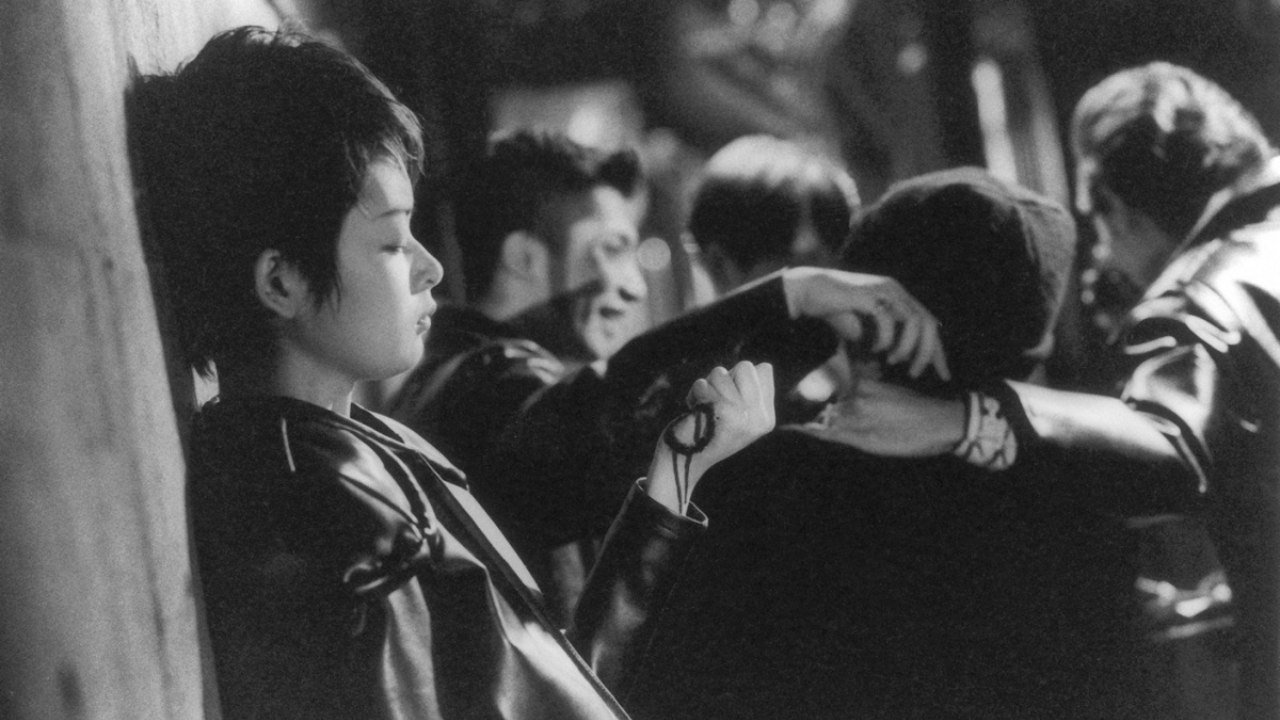
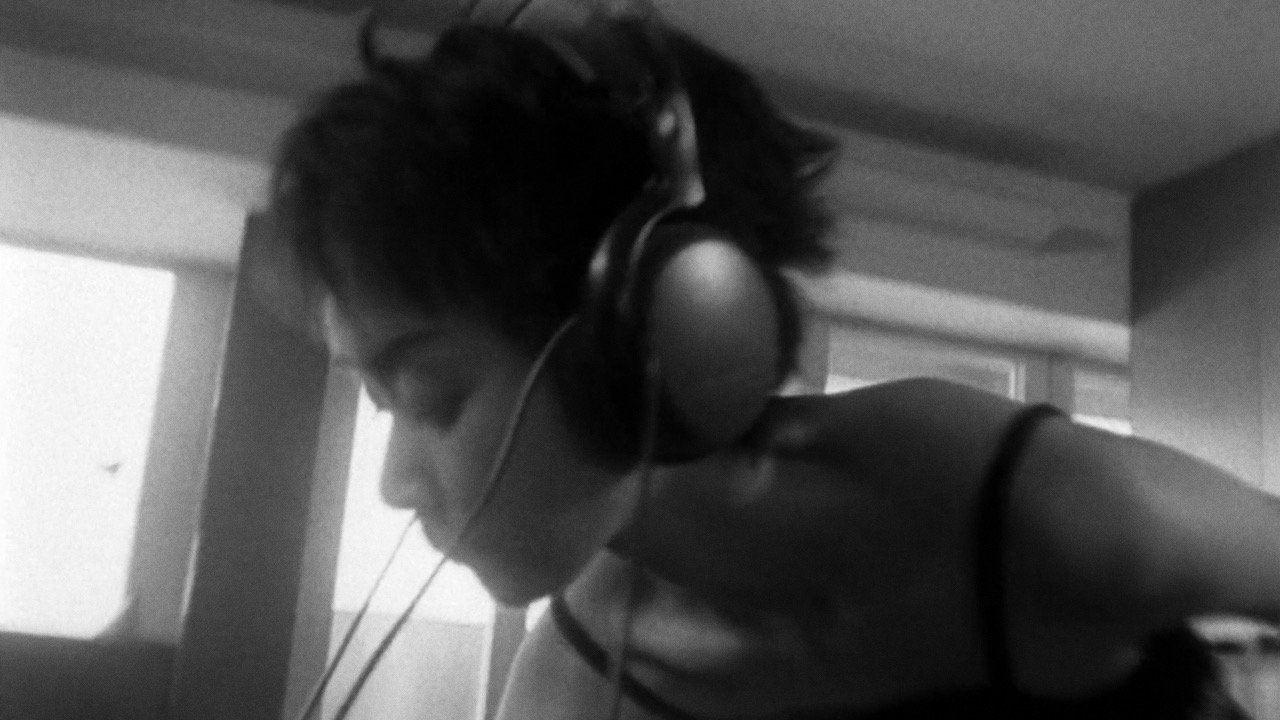
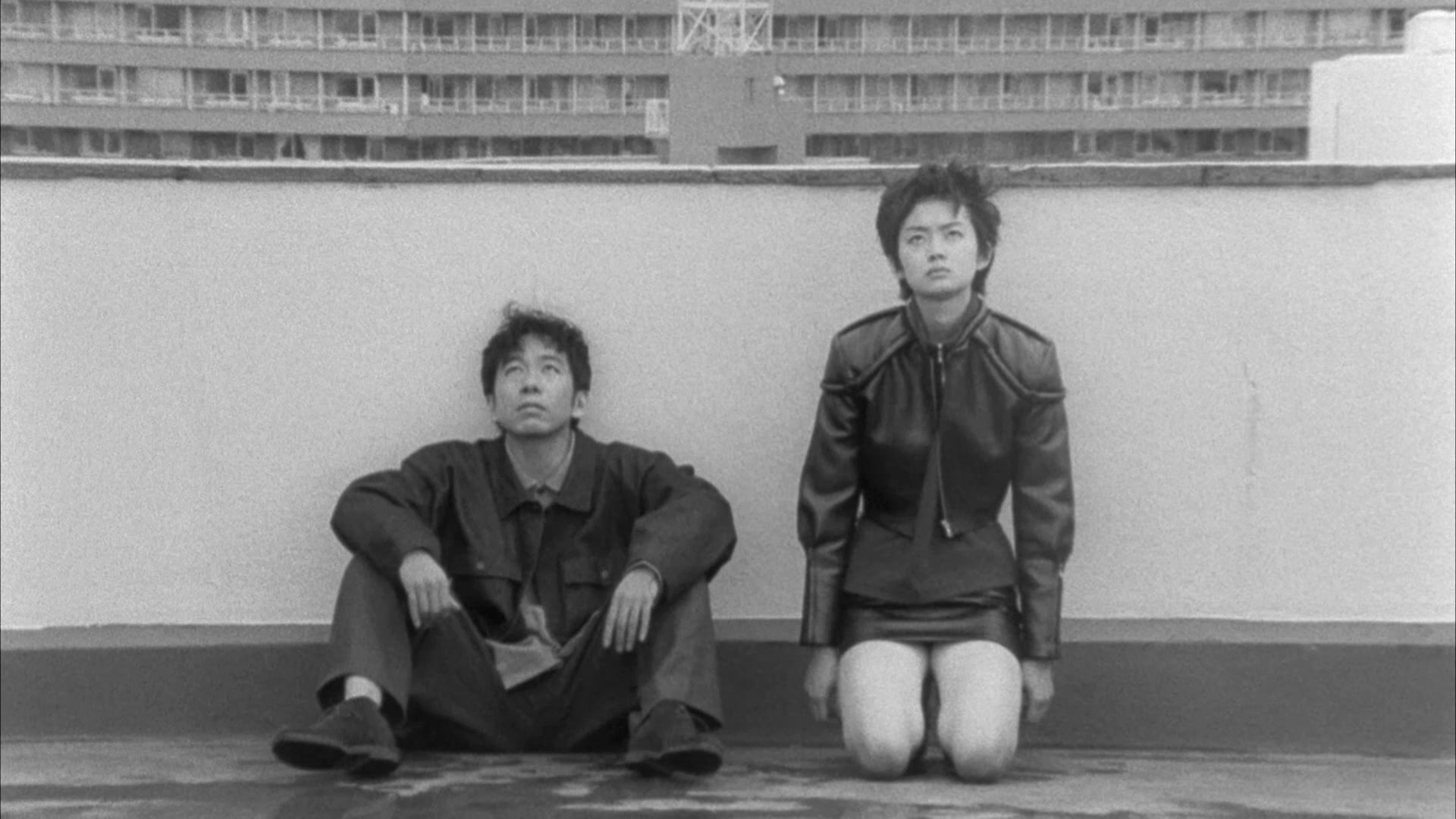
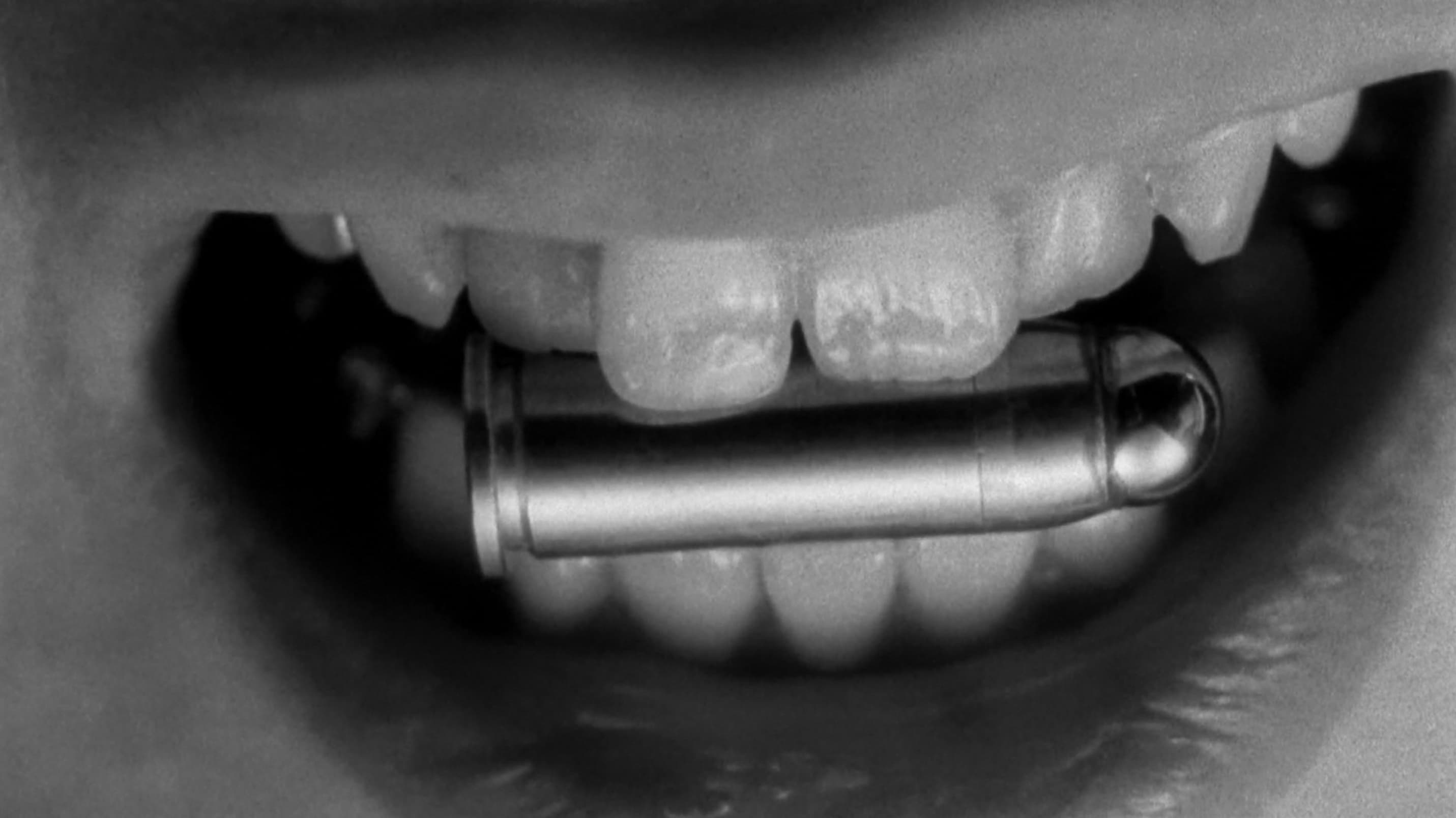
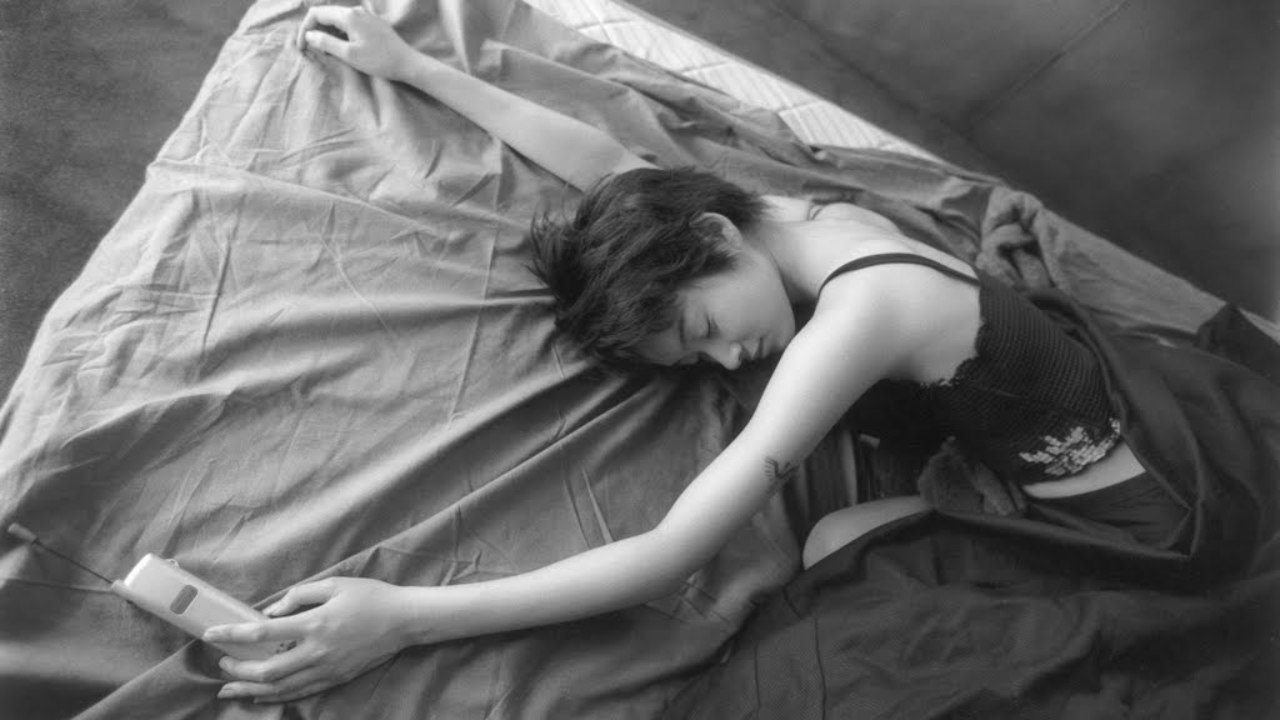
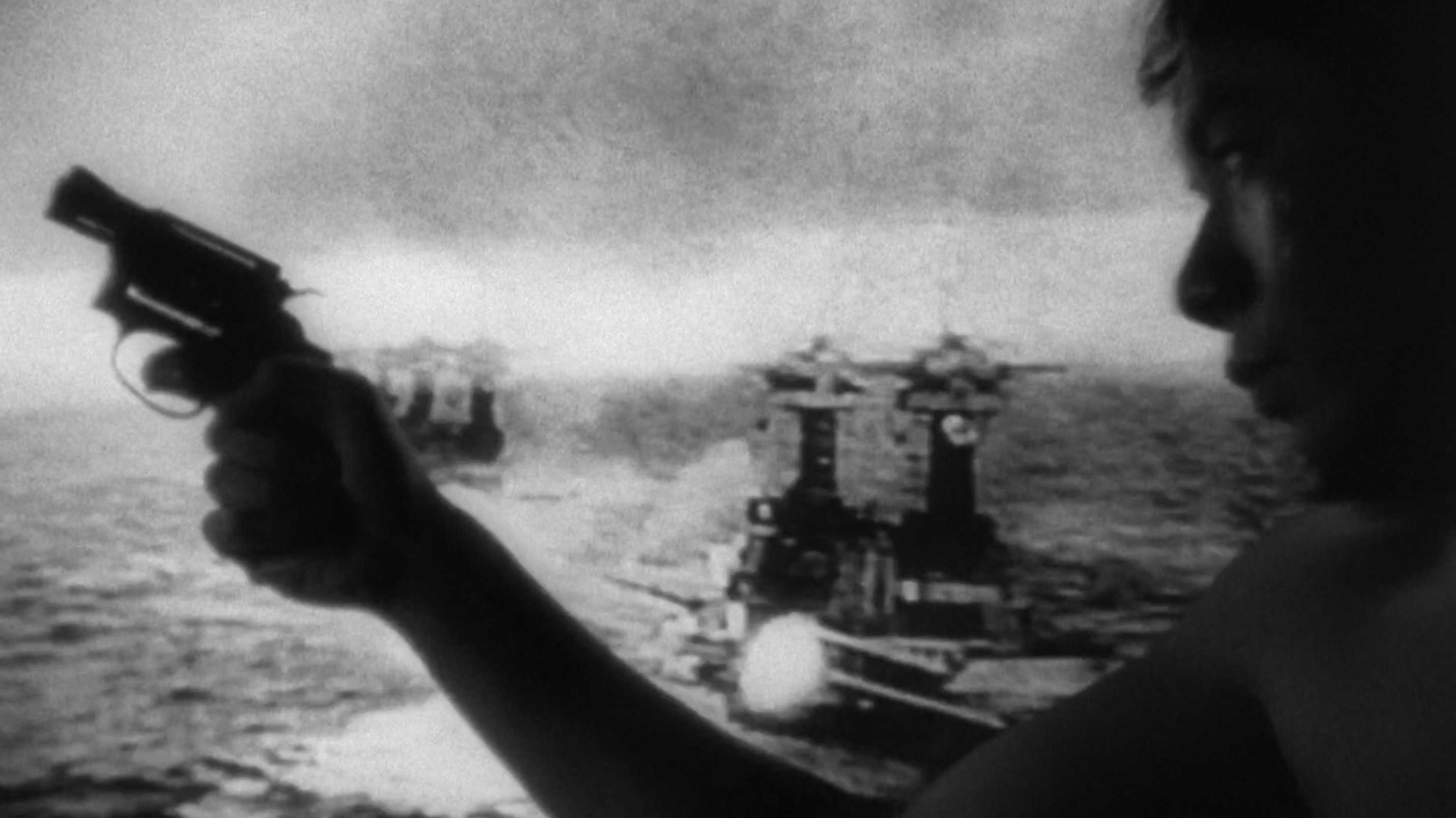
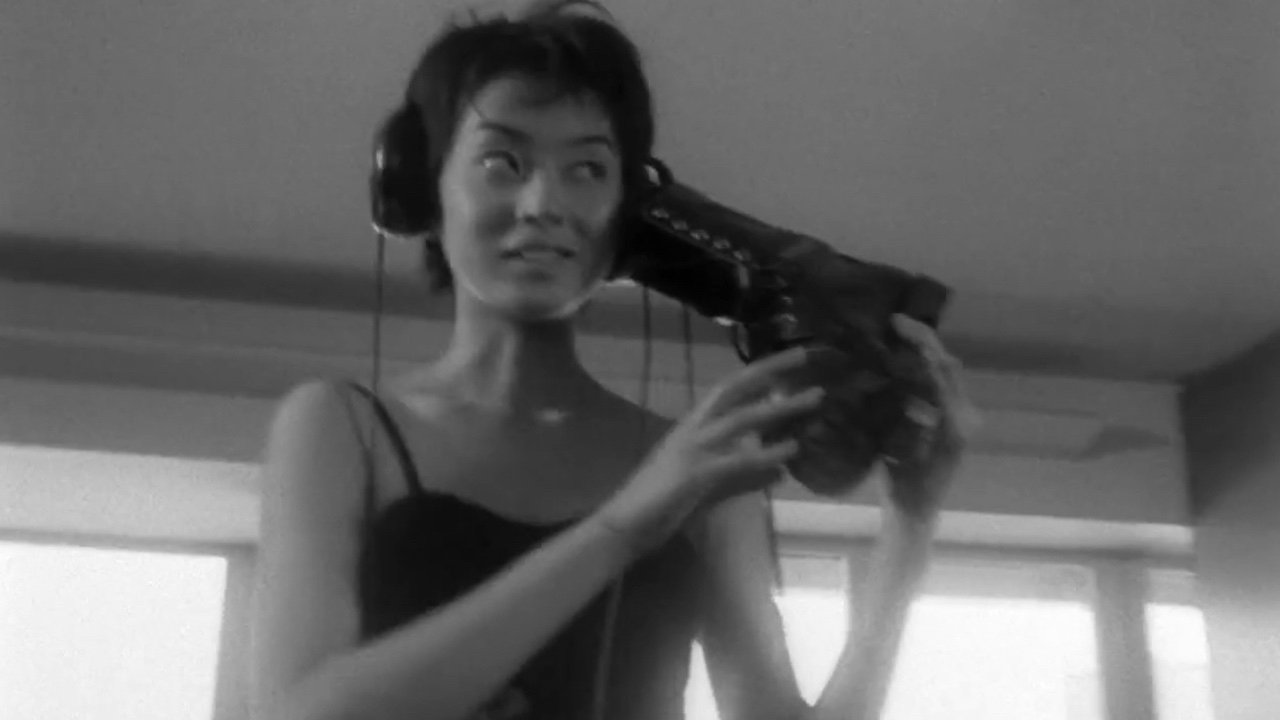
After his girlfriend commits suicide, a man becomes embroiled in gang warfare attempting to obtain a gun in hopes to kill himself.
Directed by Shinya Tsukamoto
suicide
nihilism
gun
punk rock
revenge
black and white
urban setting
neo-noir
self-harm
Rank
#22 in 1998·#1432 overall
Trailer
IMDB
N/A
Where to Watch
Cast
Shinya Tsukamoto
Goda
Kirina Mano
Chisato
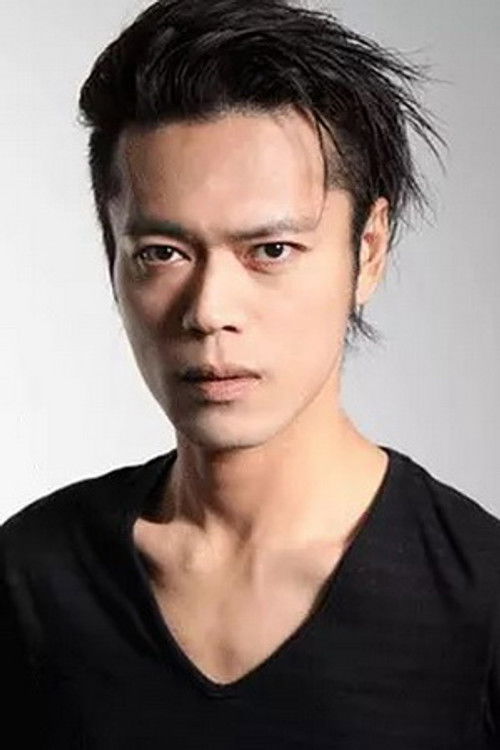
Tatsuya Nakamura
Idei
Kyoka Suzuki
Kiriko
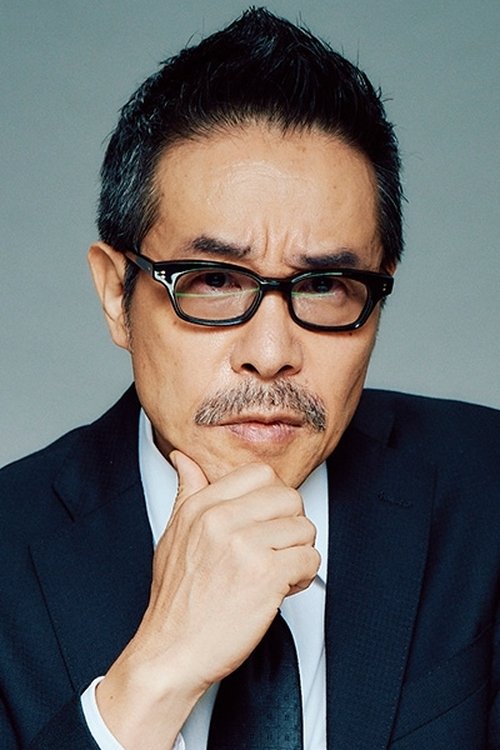
Hisashi Igawa
Shooter
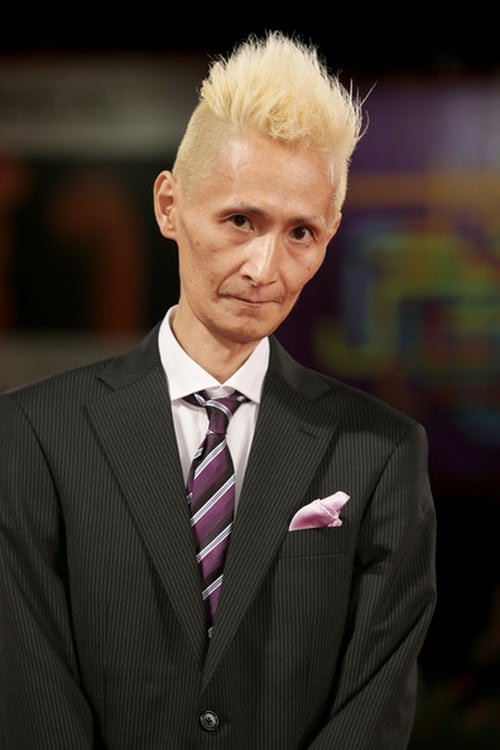
Tomorowo Taguchi
Policeman
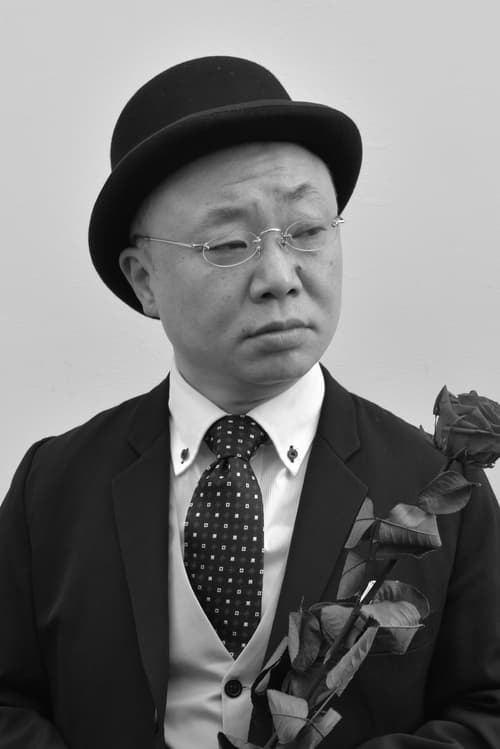
Kazuyuki Izutsu
Gun Seller
Masato Tsujioka
Yusa
Chu Ishikawa
Yutaka Mishima
Crew
Shinya Tsukamoto
Director
Shinya Tsukamoto
Screenplay
Chu Ishikawa
Original Music Composer
Shinya Tsukamoto
Editor
Shinya Tsukamoto
Director of Photography
Shinya Tsukamoto
Producer
Shinya Tsukamoto
Art Direction
Popular Reviews
227 reviews
Constantonis
9.0★ · 07/11/25
woah (I’m sleep deprived again)
woah (I’m sleep deprived again)
1
avantika
7.0★ · 07/12/26
pure chaos in the best way possible
pure chaos in the best way possible
Jack Sinclair
7.7★ · 06/18/26
Absolutely adore the cinematography and editing, it had me by the neck. The narrative itself isn’t quite on par with the direction but I enjoyed its bleakness and heavy punk themes.
Absolutely adore the cinematography and editing, it had me by the neck. The narrative itself isn’t quite on par with the direction but I enjoyed its bleakness and heavy punk themes.
Dominik
9.0★ · 06/13/26
Somewhere between Taxi Driver and Tetsuo lies Bullet Ballet.
Somewhere between Taxi Driver and Tetsuo lies Bullet Ballet.
Lxriexd
10.0★ · 05/23/26
this is the second time i watched this film and all i want to say is i freaking loveee it and how it is slightly chaotic
this is the second time i watched this film and all i want to say is i freaking loveee it and how it is slightly chaotic