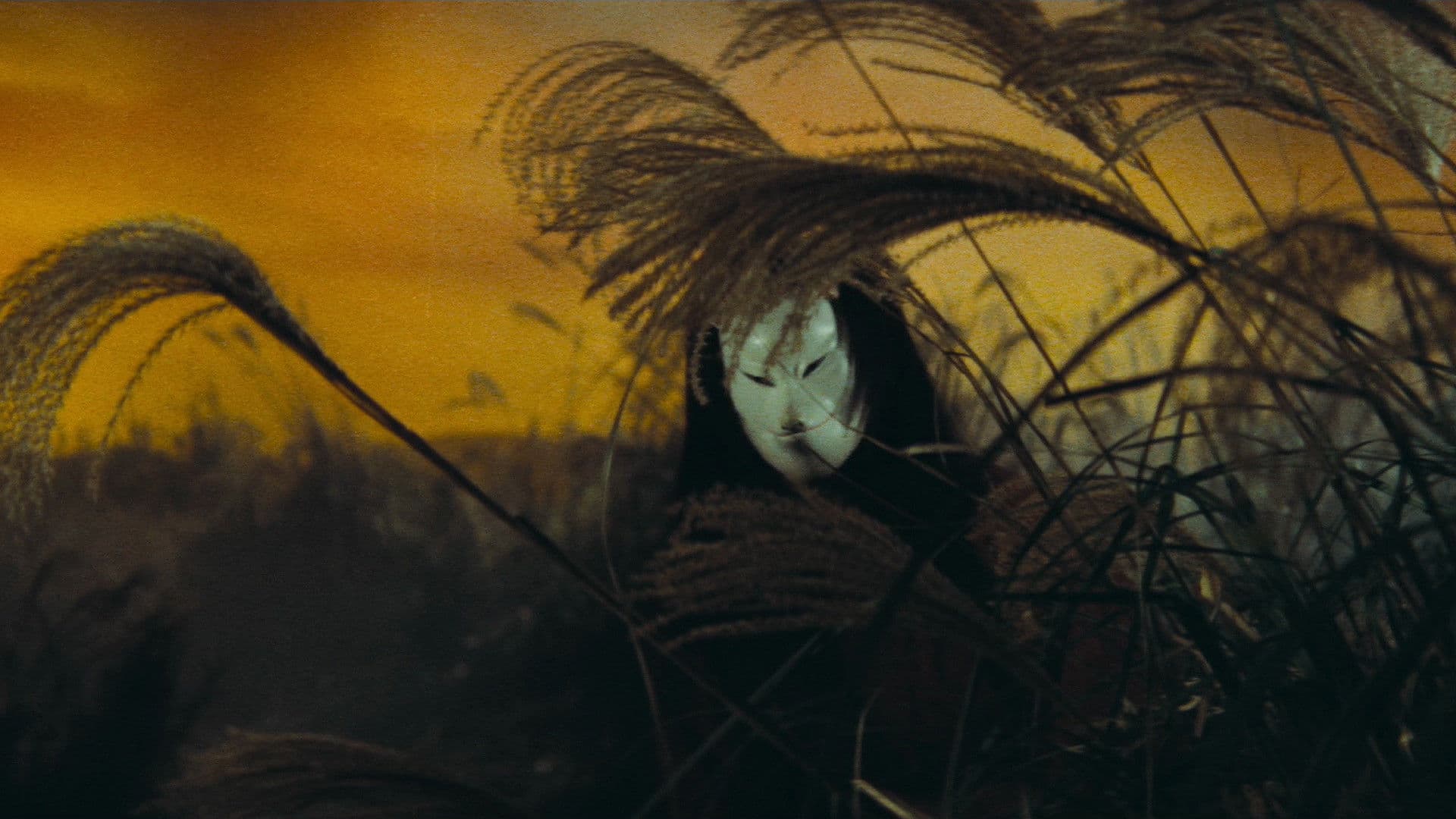
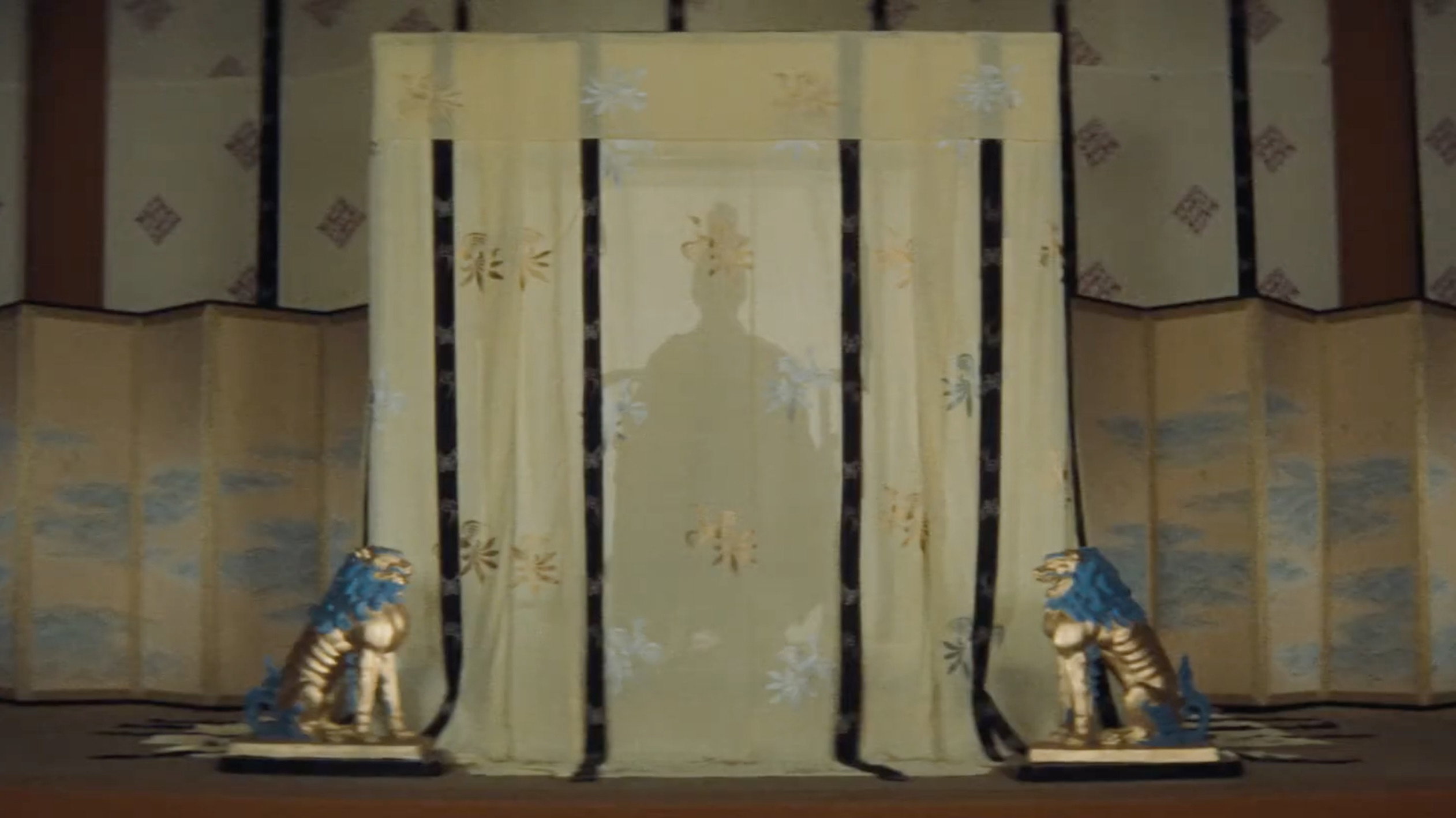
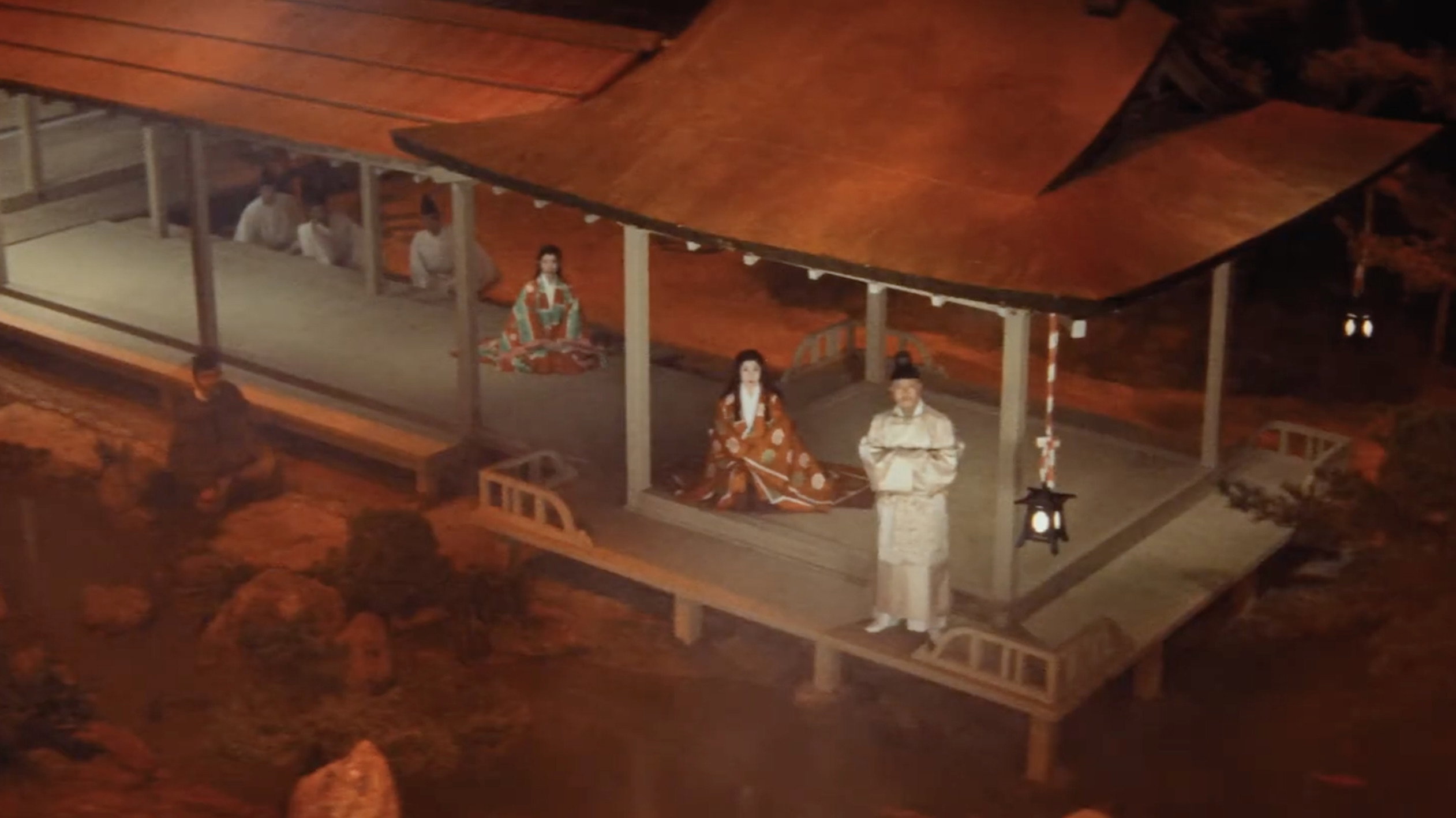
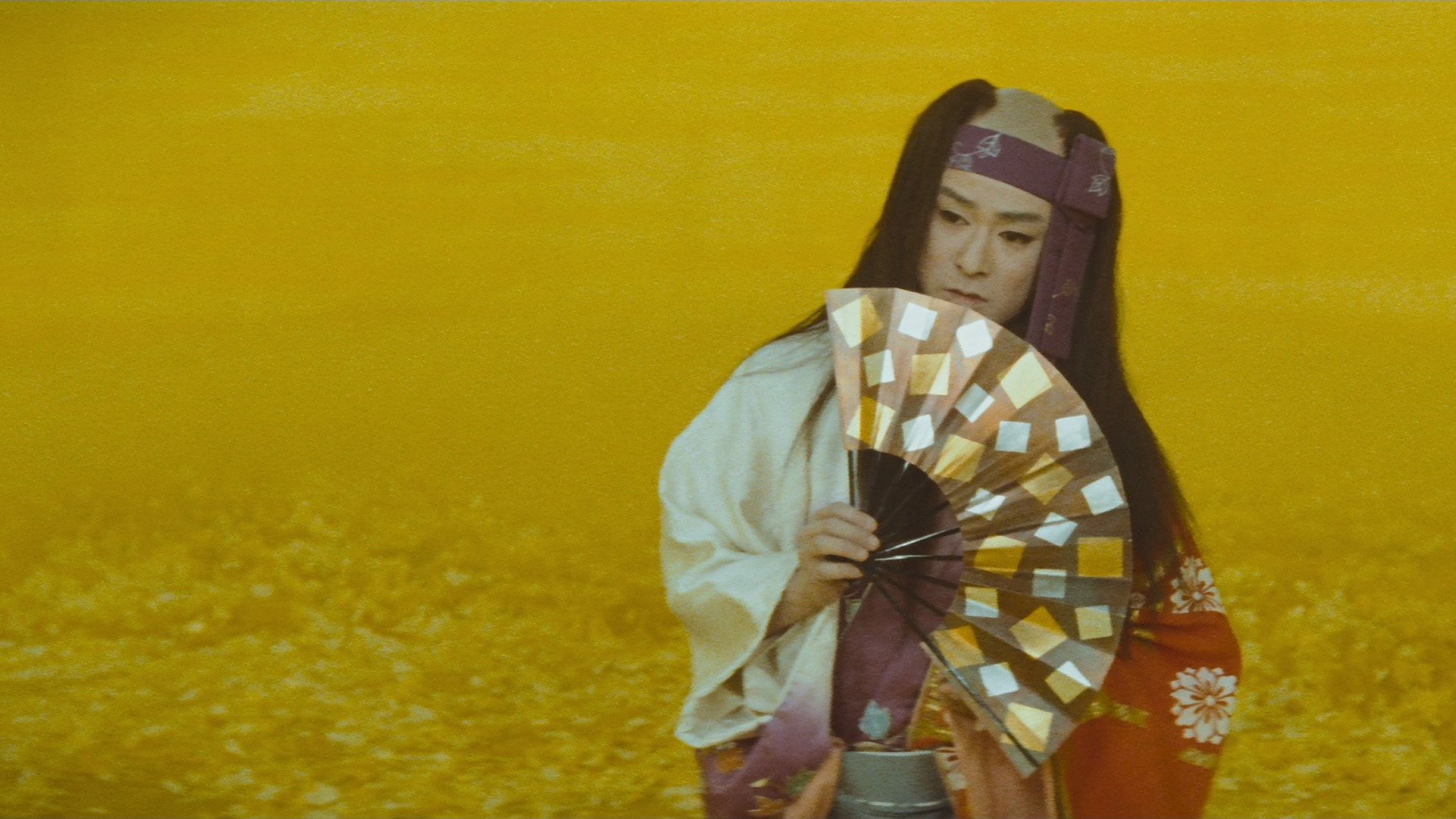
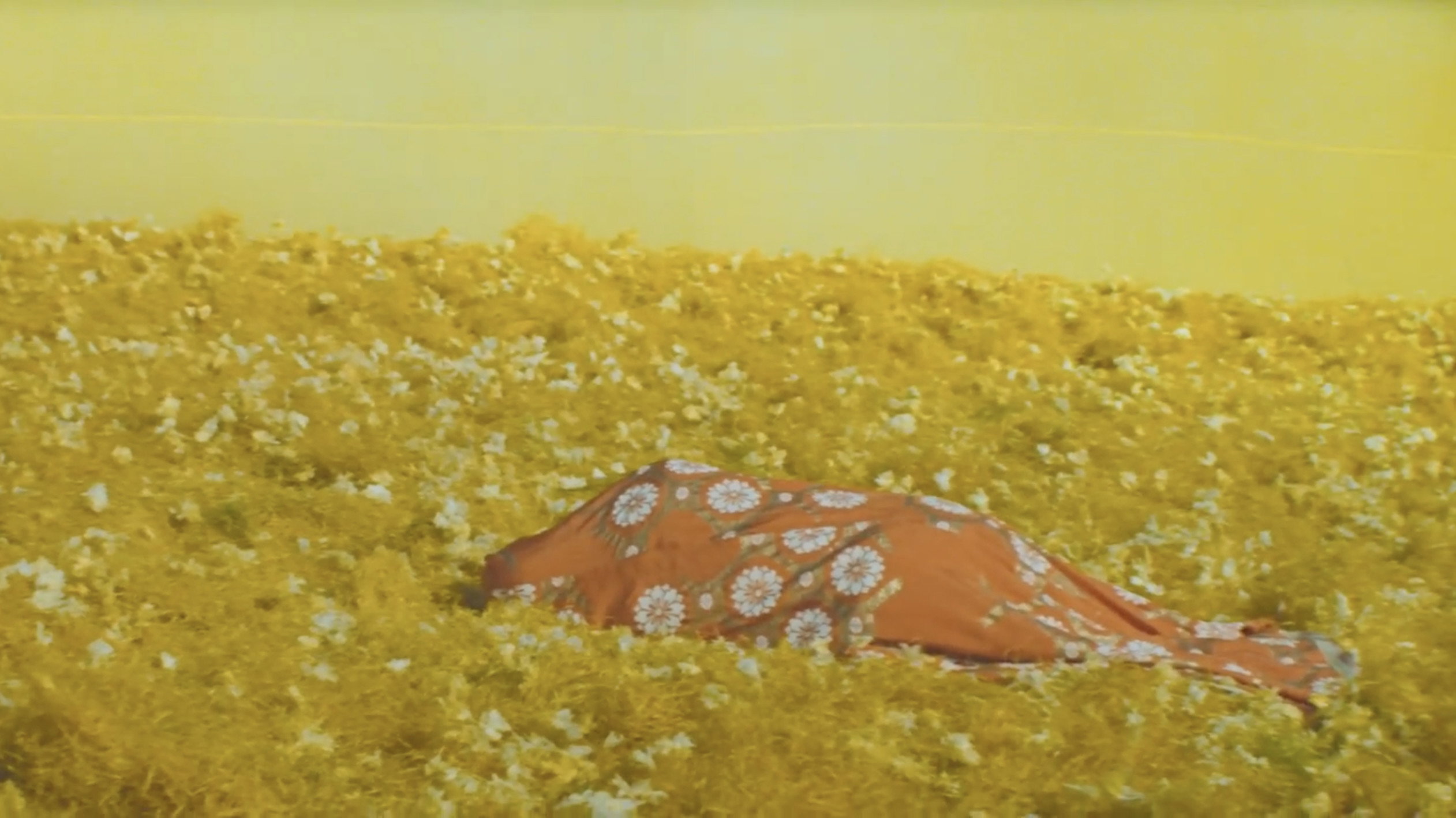
The kind of movie you feel like you’ve been searching for. It’s exquisitely painterly, at times rivaling Kwaidan in visual bliss. Stage play effects fuse with editing to yield a palpable theatricality. Its evocation of theatrical stage play allows it to tap into a unique cinematic language. The expressionism of characters reverberates through the lens and its scope feels larger because of the setting. Because of this unique fusing of mediums, I can’t help but suspect Schrader was heavily influenced by this during Mishima. Uchida consistently commands colour to his supreme advantage. From the beginning, the earth is shrouded in smothering red. The film continues with a marvelous palette. A movie I thought of was Ran and I wonder if Kurosawa saw this type of bold colour work.
The film tells a tragic story of Japanese hierarchy, deceit, and classism. Yasuna, the former student of a famed astrologist, descends a fate of exile and loss. His master is assassinated and his beloved, Sakaki, is killed. In an amnesiac state, he unites with Sakaki’s younger twin sister, Kuzunoha, in mistaken belief she is his lover. The two form a flawed, but pure, love. But fate strikes again. During an outing Yasuna saves a fox spirit in human form hit by a hunter’s arrow. Yasuna, still being hunted, is attacked and injured. The fox spirit’s granddaughter, Kon, saves Yasuna and cares for him as repayment for saving her grandmother. However, to care for him, Kon takes on the form of Kuzunoha. Yasuna and Kon bear a child. But soon Yasuna, tucked away in nature, is discovered by Kuzunoha and her parents. And so, Yasuna learns of Kon’s true identity as the fox spirit. Kon departs after writing to Yasuna where he should find her.
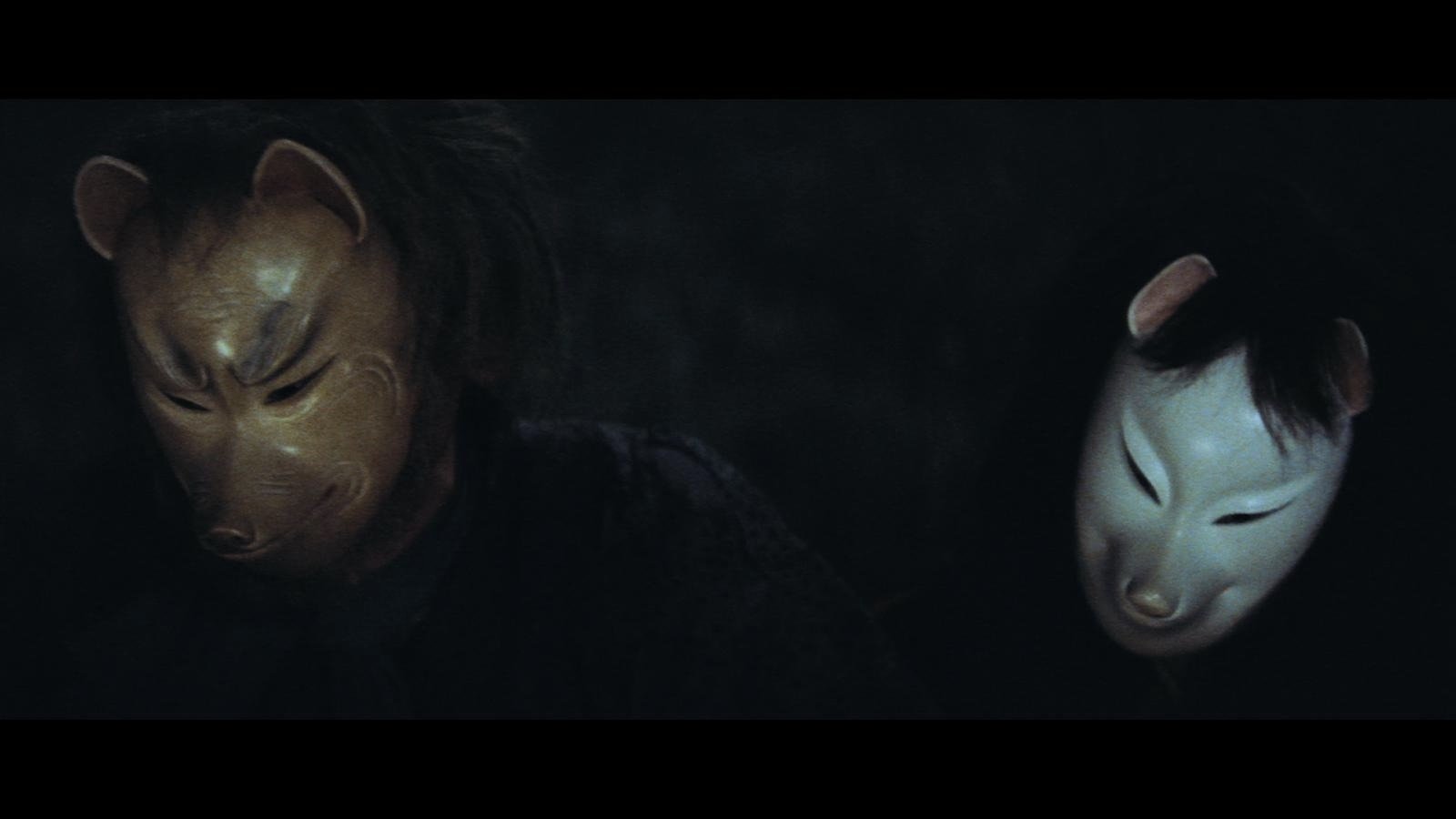
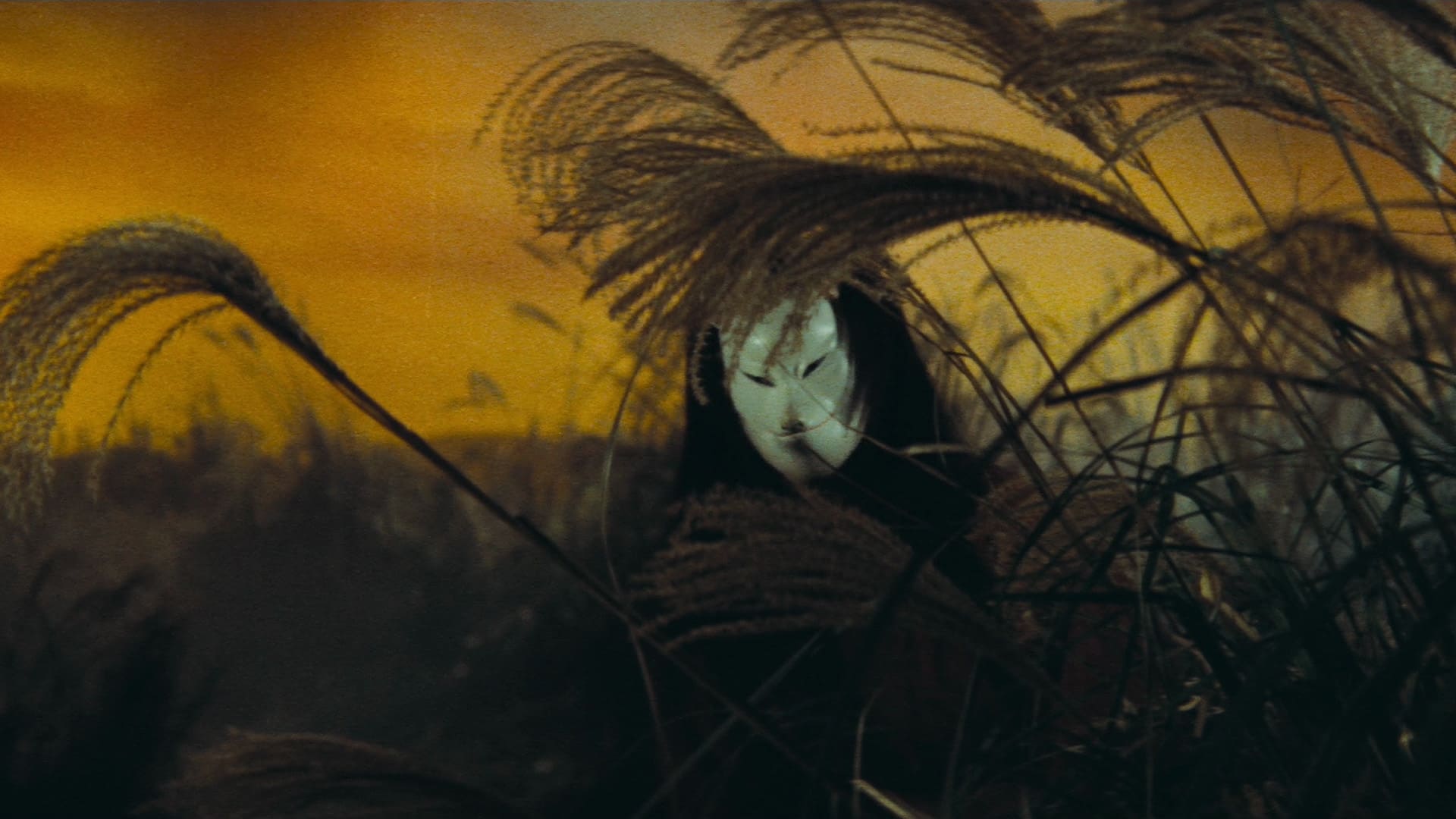
The sincerity and ingenuity with which this story is told reminded me of the feeling of wonder I got from Cocteau’s Beauty and the Beast. It is told with commitment to its belief and the understanding that the audience believes too. Because of the theatrical roots it evokes, it makes sense that there is a more trusting relationship to the audience. The tricks it pulls with the fox masks are so damn cool and makes you so happy for this fusion of mediums.
The formal impressiveness of this film alone is worth it. And holy cow, based on the current views on letterboxd, this is so criminally unseen. The back of my Arrow blu says this is the first time it’s been available outside Japan.
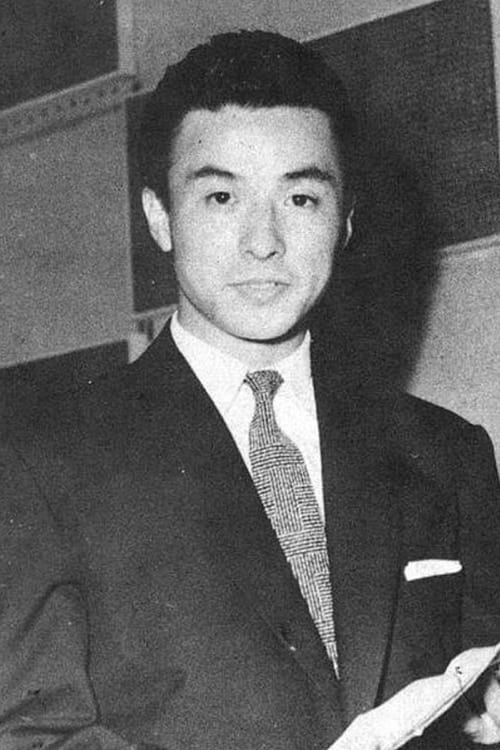
This was the first Tomu Uchida film I’ve seen and I’m floored. Look at that, I also happen to have Bloody Spear at Mount Fuji sitting on my shelf still sealed. Time to pop that in…
The kind of movie you feel like you’ve been searching for. It’s exquisitely painterly, at times rivaling Kwaidan in visual bliss. Stage play effects fuse with editing to yield a palpable theatricality. Its evocation of theatrical stage play allows it to tap into a unique cinematic language. The expressionism of characters reverberates through the lens and its scope feels larger because of the setting. Because of this unique fusing of mediums, I can’t help but suspect Schrader was heavily influenced by this during Mishima. Uchida consistently commands colour to his supreme advantage. From the beginning, the earth is shrouded in smothering red. The film continues with a marvelous palette. A movie I thought of was Ran and I wonder if Kurosawa saw this type of bold colour work.
The film tells a tragic story of Japanese hierarchy, deceit, and classism. Yasuna, the former student of a famed astrologist, descends a fate of exile and loss. His master is assassinated and his beloved, Sakaki, is killed. In an amnesiac state, he unites with Sakaki’s younger twin sister, Kuzunoha, in mistaken belief she is his lover. The two form a flawed, but pure, love. But fate strikes again. During an outing Yasuna saves a fox spirit in human form hit by a hunter’s arrow. Yasuna, still being hunted, is attacked and injured. The fox spirit’s granddaughter, Kon, saves Yasuna and cares for him as repayment for saving her grandmother. However, to care for him, Kon takes on the form of Kuzunoha. Yasuna and Kon bear a child. But soon Yasuna, tucked away in nature, is discovered by Kuzunoha and her parents. And so, Yasuna learns of Kon’s true identity as the fox spirit. Kon departs after writing to Yasuna where he should find her.
The sincerity and ingenuity with which this story is told reminded me of the feeling of wonder I got from Cocteau’s Beauty and the Beast. It is told with commitment to its belief and the understanding that the audience believes too. Because of the theatrical roots it evokes, it makes sense that there is a more trusting relationship to the audience. The tricks it pulls with the fox masks are so damn cool and makes you so happy for this fusion of mediums.
The formal impressiveness of this film alone is worth it. And holy cow, based on the current views on letterboxd, this is so criminally unseen. The back of my Arrow blu says this is the first time it’s been available outside Japan.
This was the first Tomu Uchida film I’ve seen and I’m floored. Look at that, I also happen to have Bloody Spear at Mount Fuji sitting on my shelf still sealed. Time to pop that in…