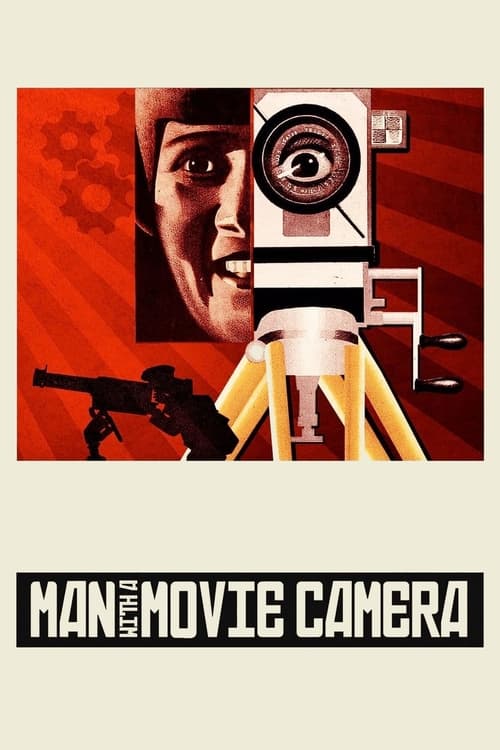
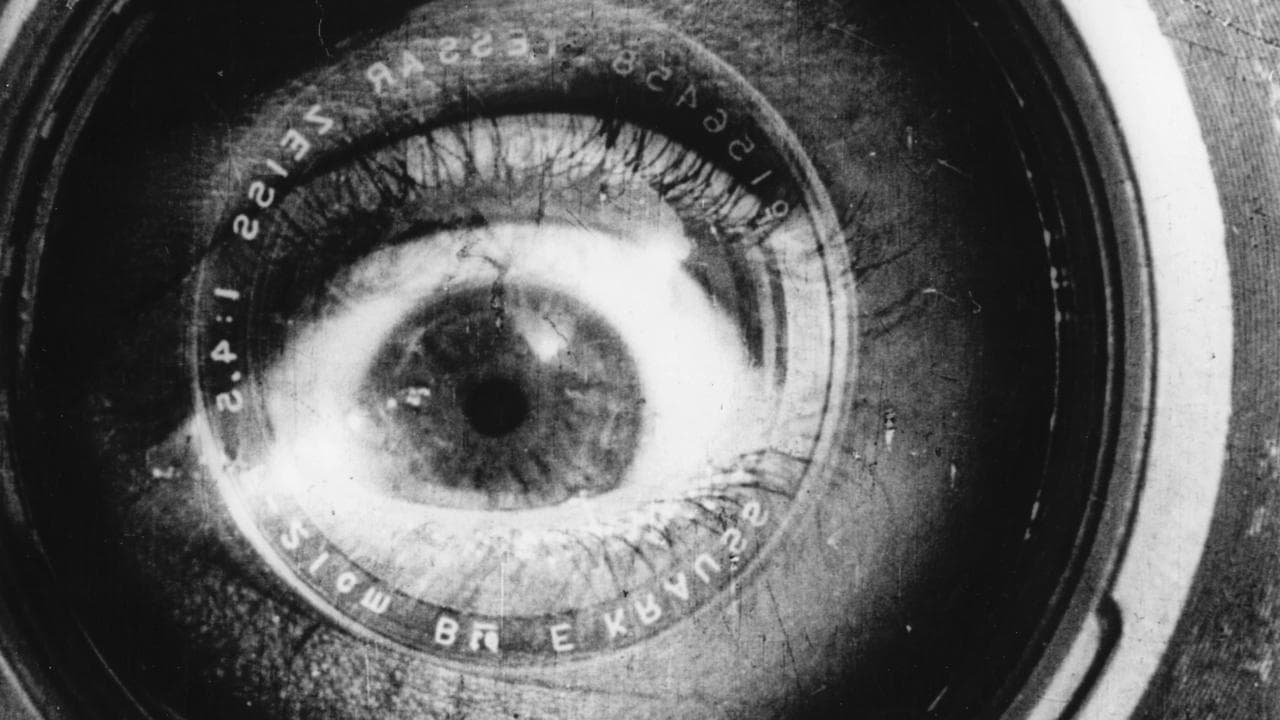
O cinema como nasceu, documentação, uma estação que recebe o tão esperado trem, teve filhos teatrais, mas "Man With a Movie Camera" foi sua ovelha-negra, o filho de destaque que seguiu os passos do pai e experimentando, revoluciona sua forma de mostrar.
"A vida como ela é"
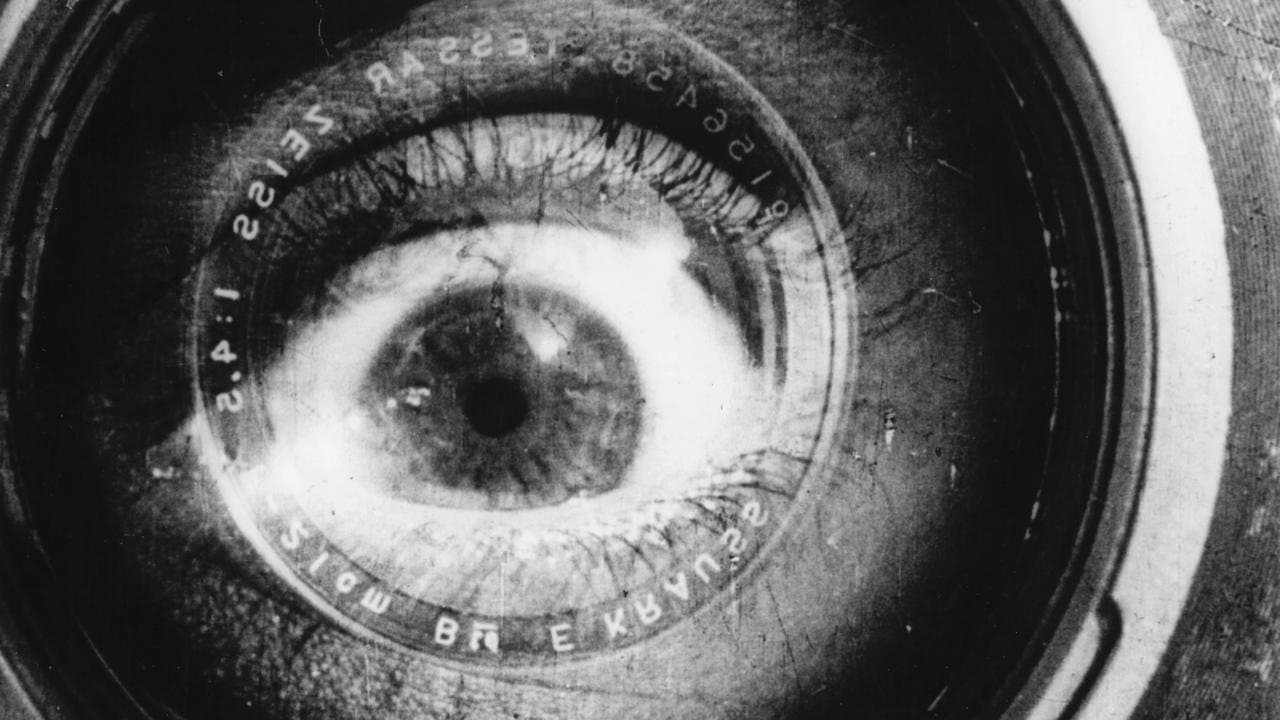
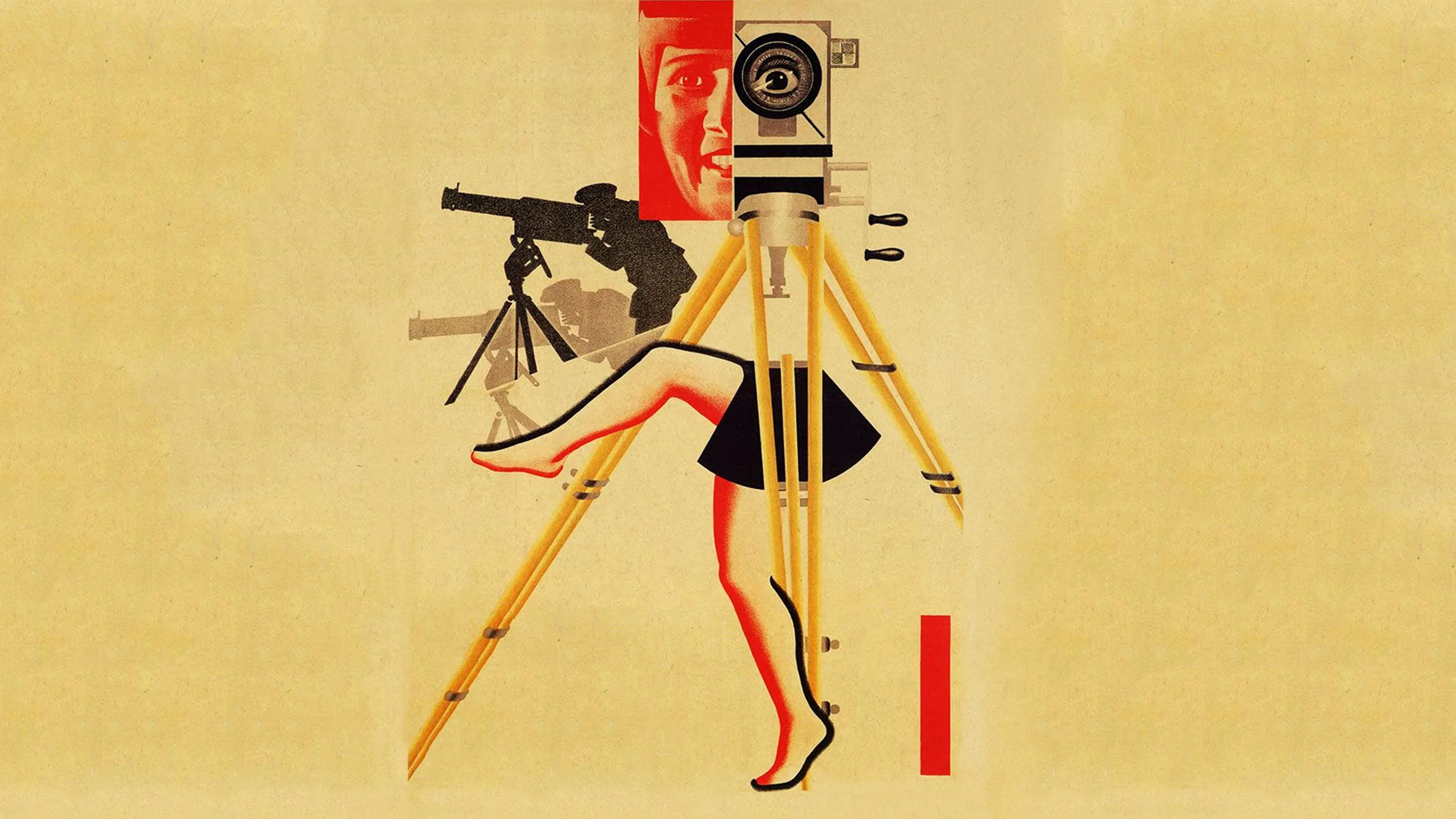
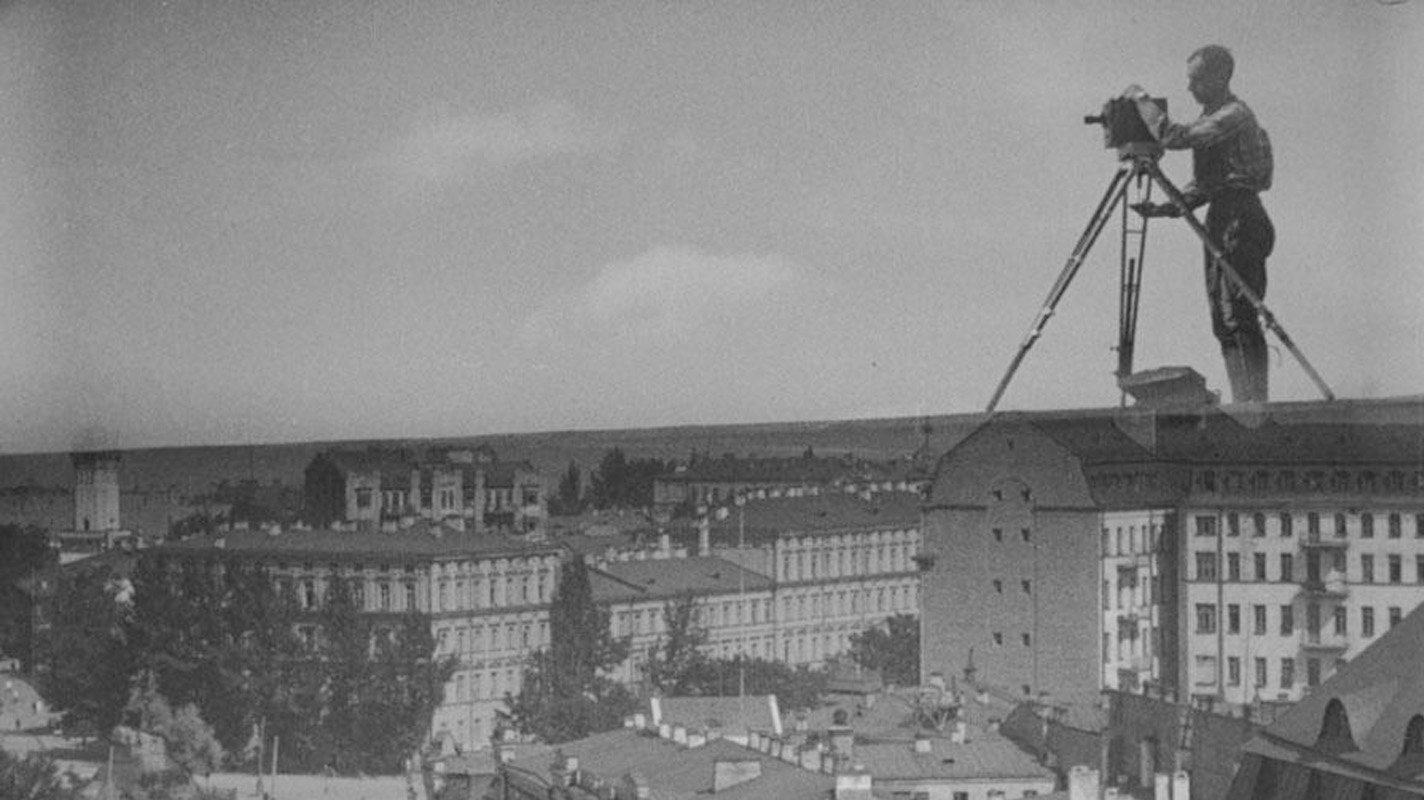
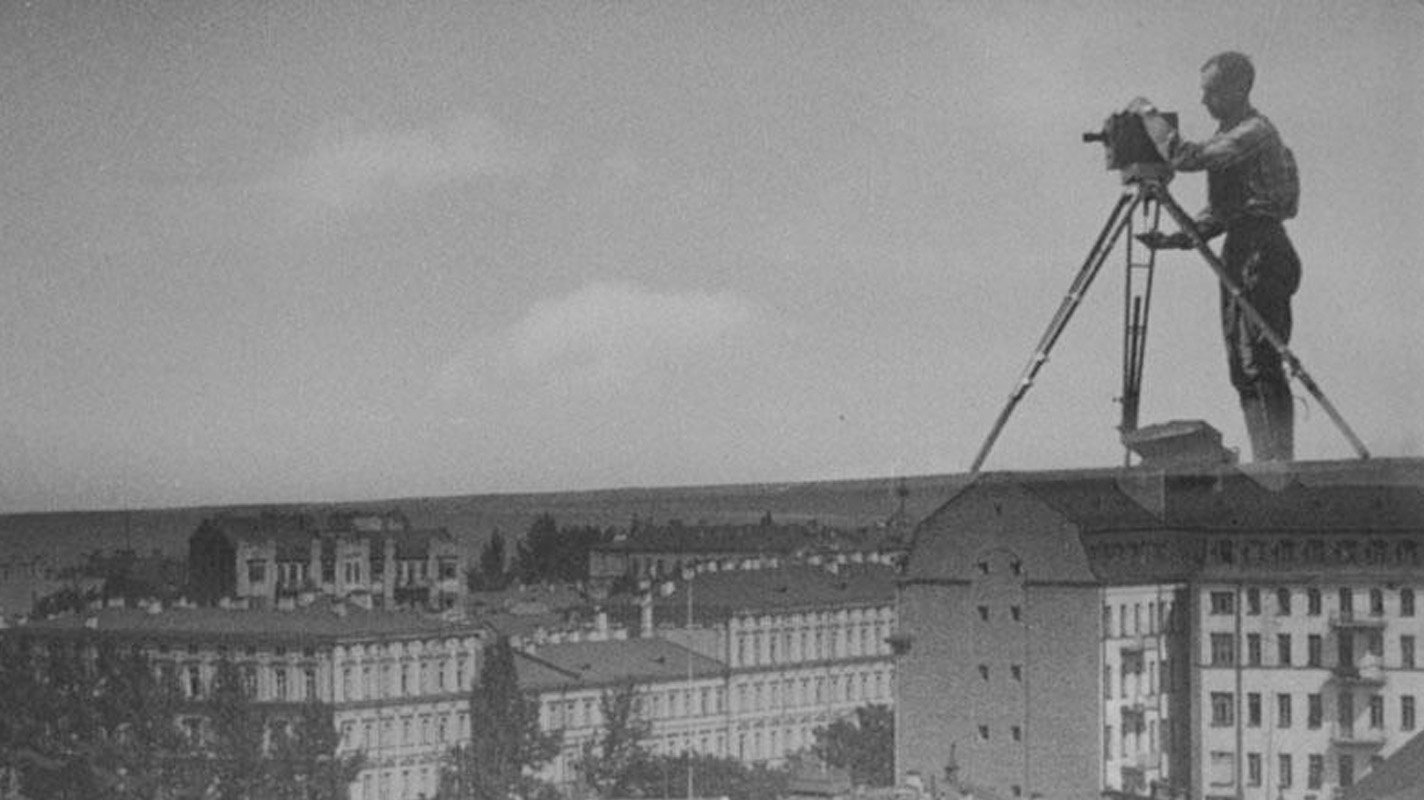
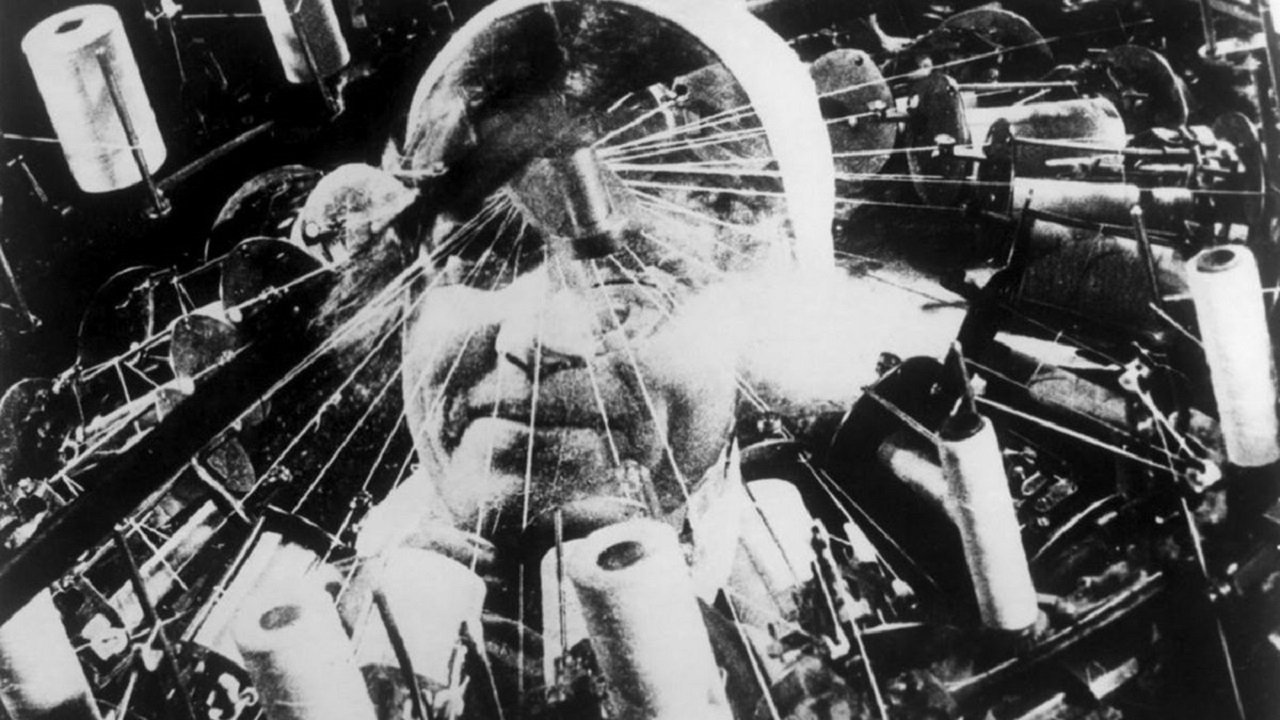
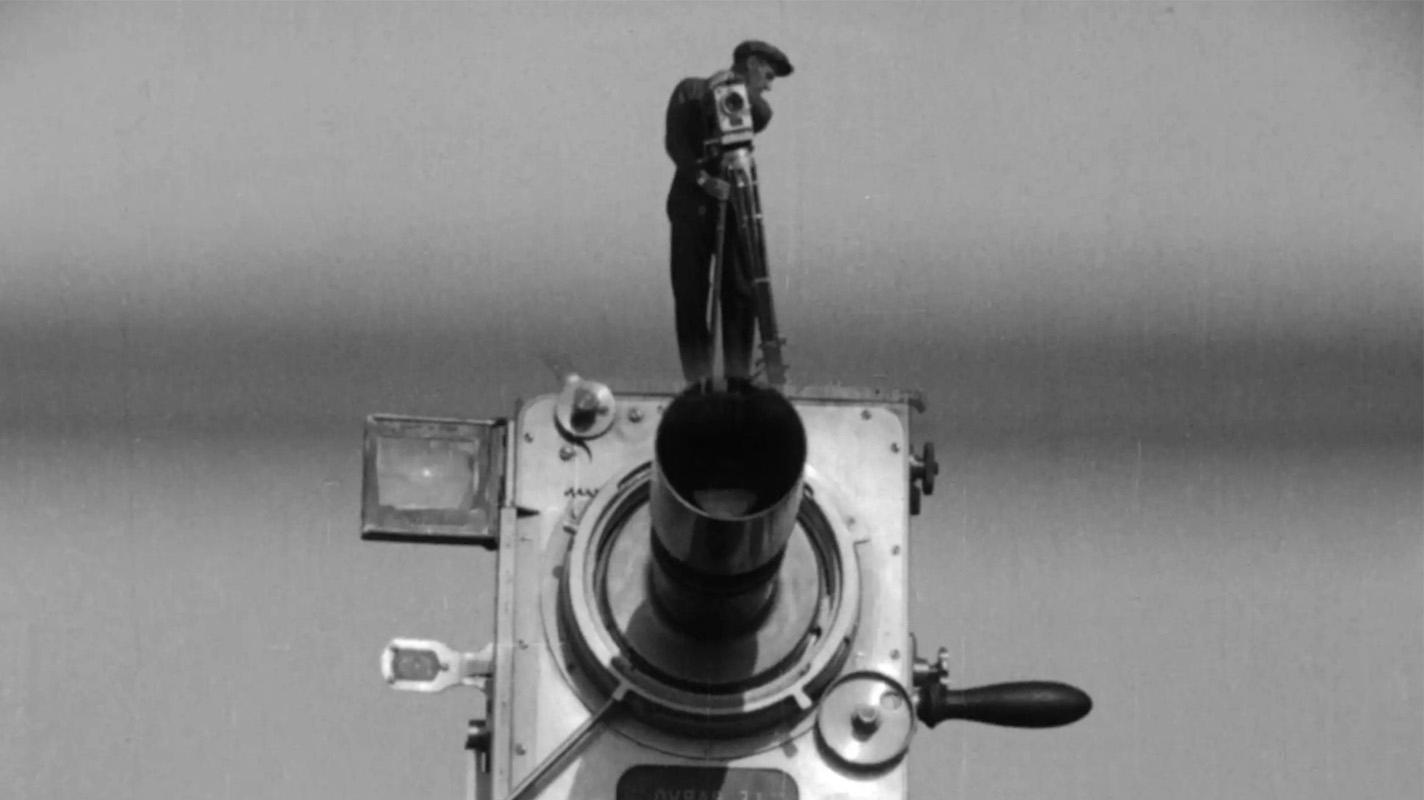
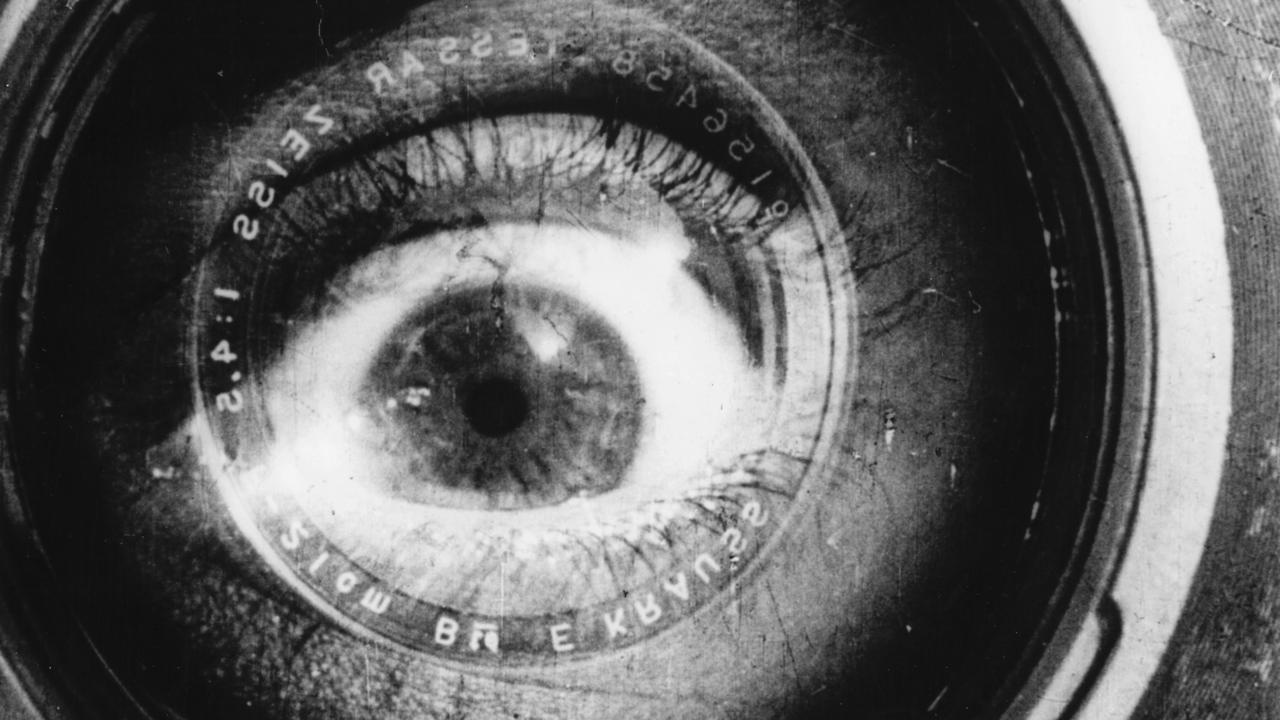
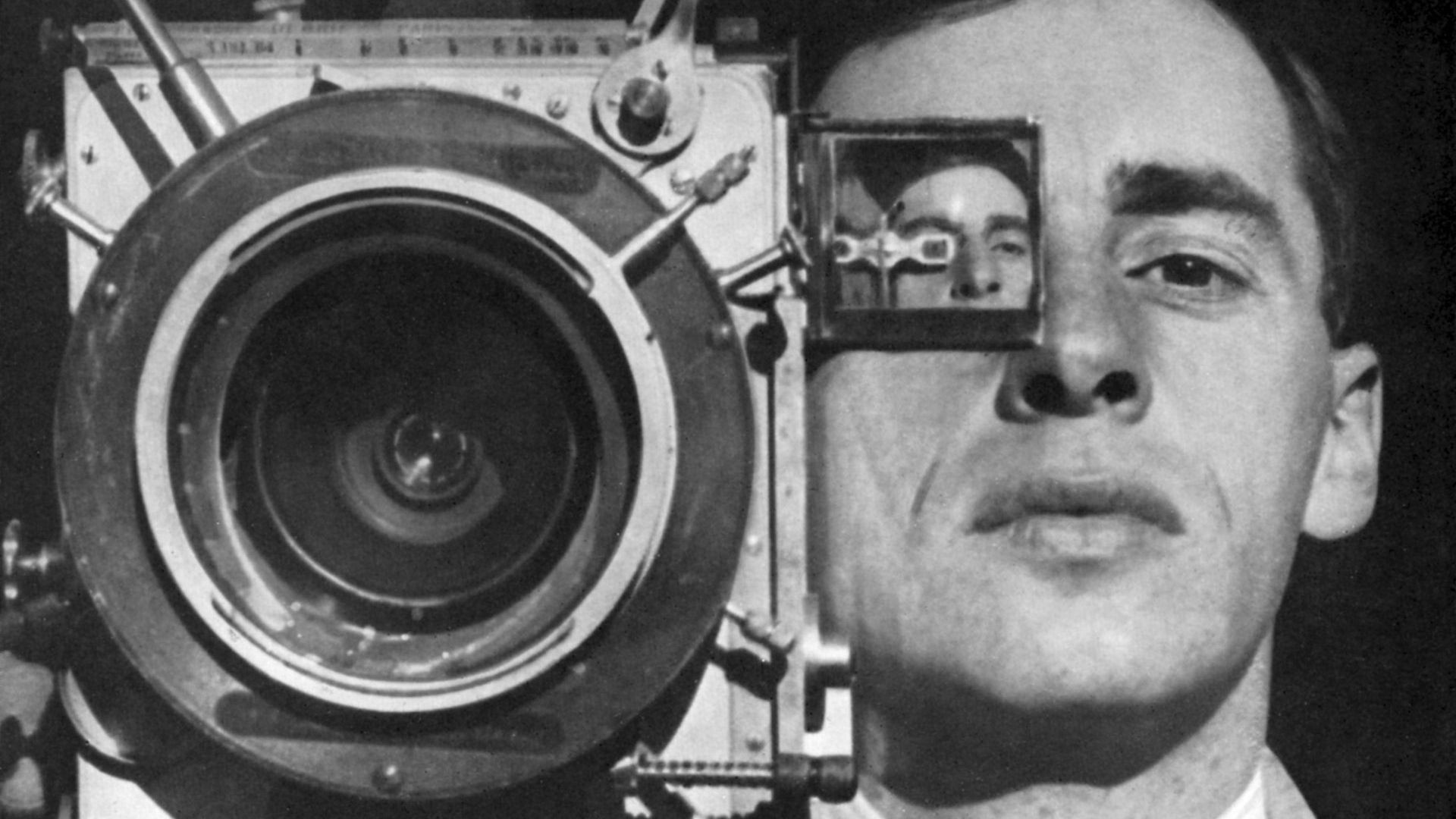
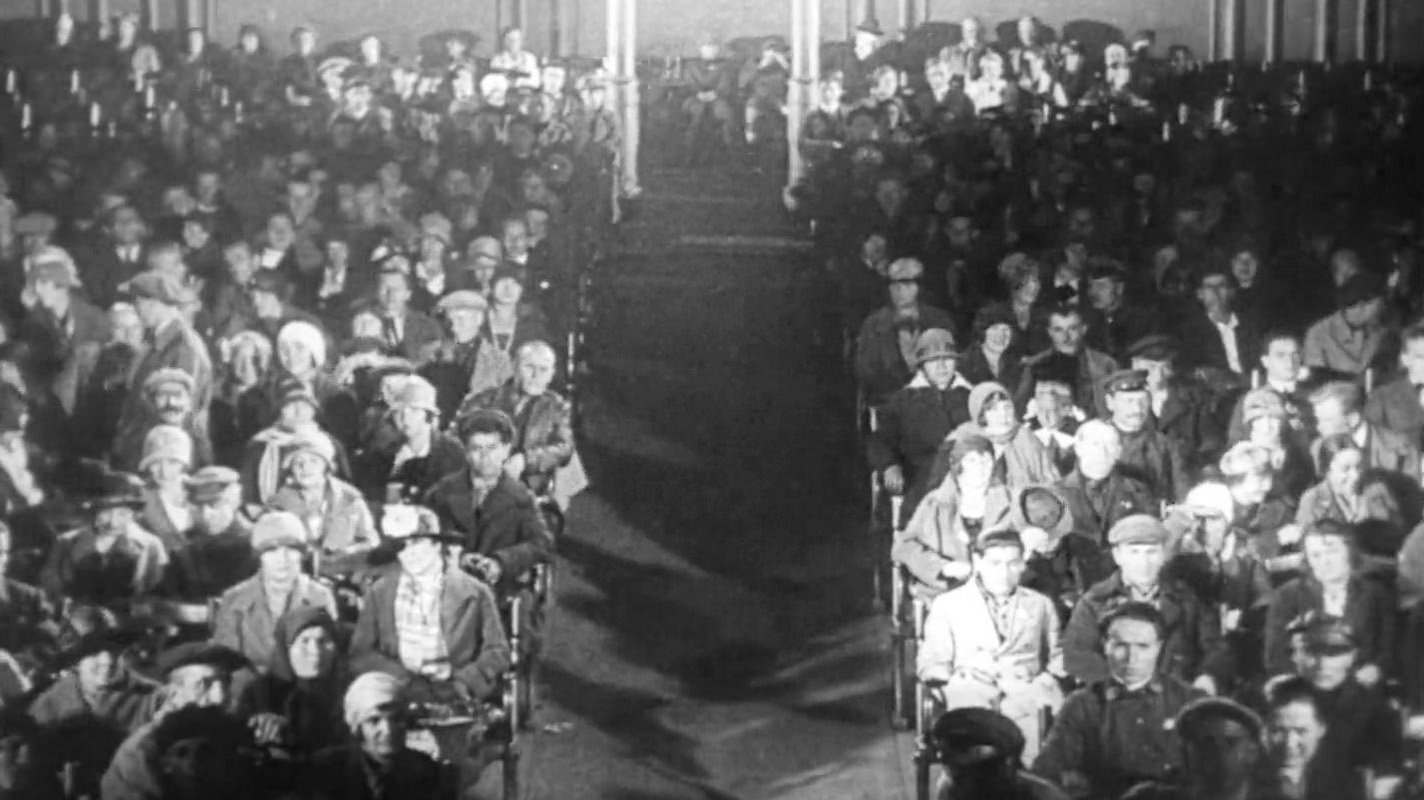
A obra se inicia como os fragmentos da memória de um observador, o caminhar pelo parque e seus moradores, as lojas do centro, o prédio e seus detalhes. O experimento de Dziga Vertov, tem a intenção de mostrar a câmera como um "olho" superior ao do humano, por suas funções e alcance, de fato não lembro com tantos detalhes como é o centro de minha cidade, mas a câmera de Dziga recorda com esquina por onde passou.
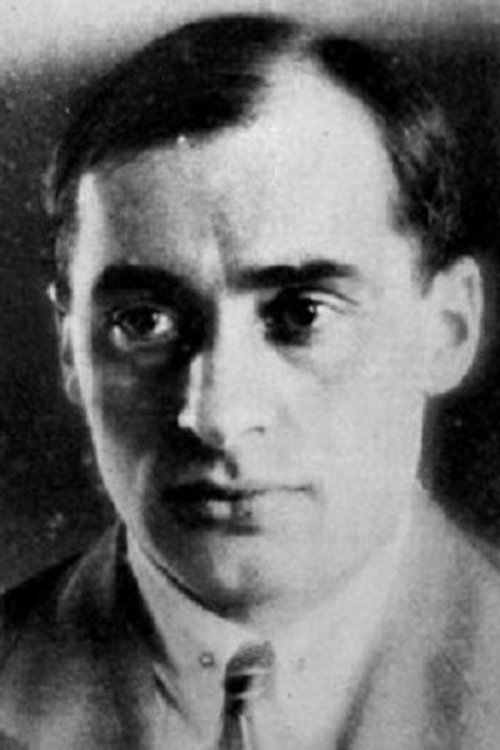
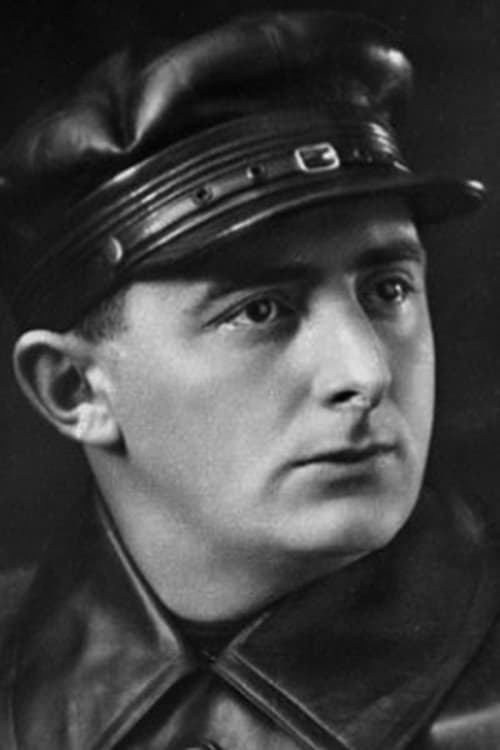
O homem deseja desde seu princípio, desde sua primeira lágrima ele quer algo. Acredito que a arte está intrinsecamente ligada ao desejo, desejamos eternizar sentimentos ou momentos que nos trazem algo, porém o olho não eterniza tão bem quanto os quadros, as letras, os sons e a câmera, o assunto em questão, a câmera. E pela lente do poeta, por sua montagem, assistimos a um parto, um casamento, a doença e um velório, a vida como ela é desde sempre, a pressa nas ruas e nos trens, é interlúdio entre nossos capítulos. "Man With the Movie Camera" eterniza a odisséia mecânica de nossas vidas, com uma montagem e olhar sensacional, Dziga Vertov quebra e constrói o cinema ao seu querer, um deus do audiovisual.
O cinema como nasceu, documentação, uma estação que recebe o tão esperado trem, teve filhos teatrais, mas "Man With a Movie Camera" foi sua ovelha-negra, o filho de destaque que seguiu os passos do pai e experimentando, revoluciona sua forma de mostrar.
"A vida como ela é"
A obra se inicia como os fragmentos da memória de um observador, o caminhar pelo parque e seus moradores, as lojas do centro, o prédio e seus detalhes. O experimento de Dziga Vertov, tem a intenção de mostrar a câmera como um "olho" superior ao do humano, por suas funções e alcance, de fato não lembro com tantos detalhes como é o centro de minha cidade, mas a câmera de Dziga recorda com esquina por onde passou.
O homem deseja desde seu princípio, desde sua primeira lágrima ele quer algo. Acredito que a arte está intrinsecamente ligada ao desejo, desejamos eternizar sentimentos ou momentos que nos trazem algo, porém o olho não eterniza tão bem quanto os quadros, as letras, os sons e a câmera, o assunto em questão, a câmera. E pela lente do poeta, por sua montagem, assistimos a um parto, um casamento, a doença e um velório, a vida como ela é desde sempre, a pressa nas ruas e nos trens, é interlúdio entre nossos capítulos. "Man With the Movie Camera" eterniza a odisséia mecânica de nossas vidas, com uma montagem e olhar sensacional, Dziga Vertov quebra e constrói o cinema ao seu querer, um deus do audiovisual.