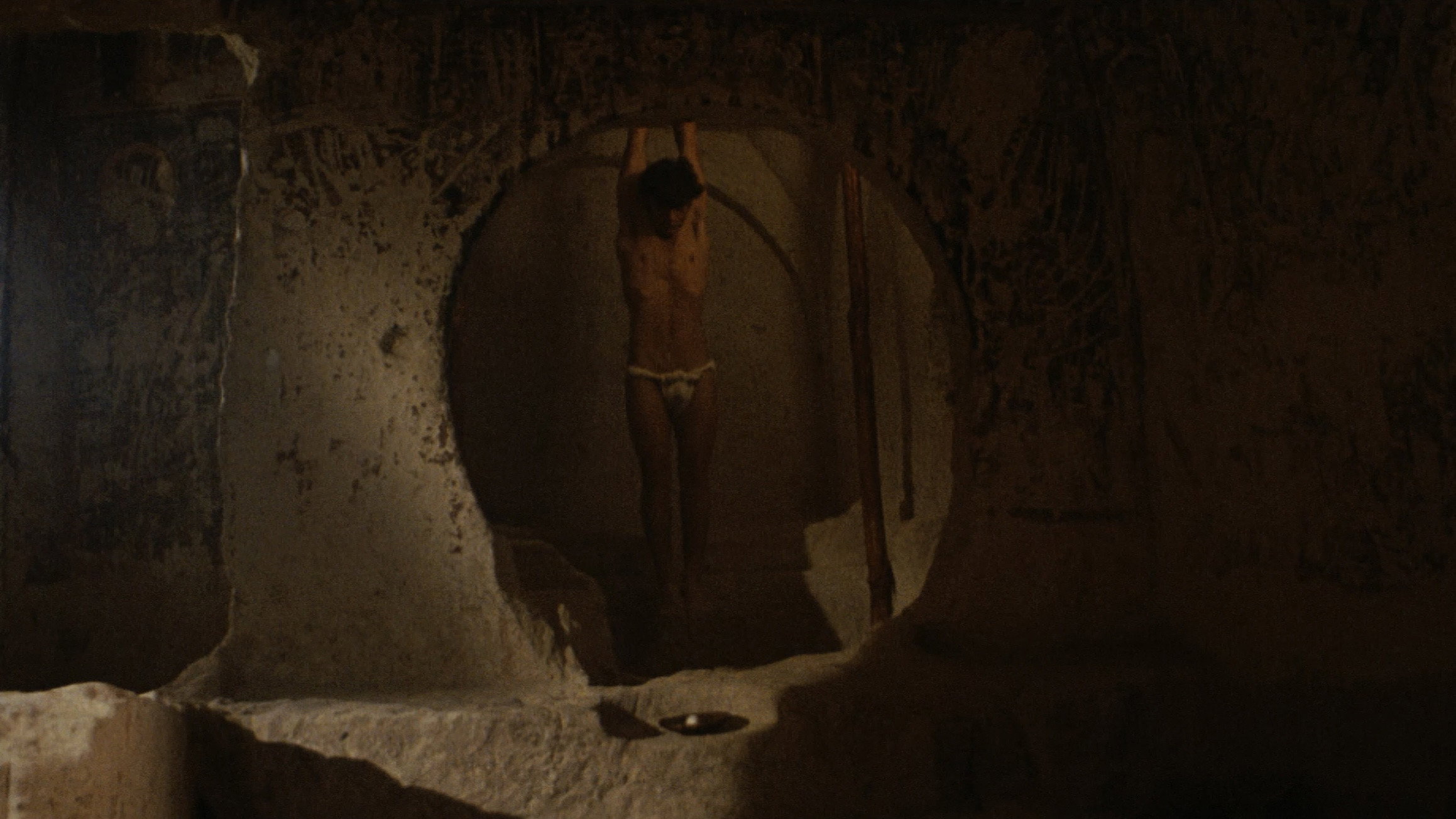
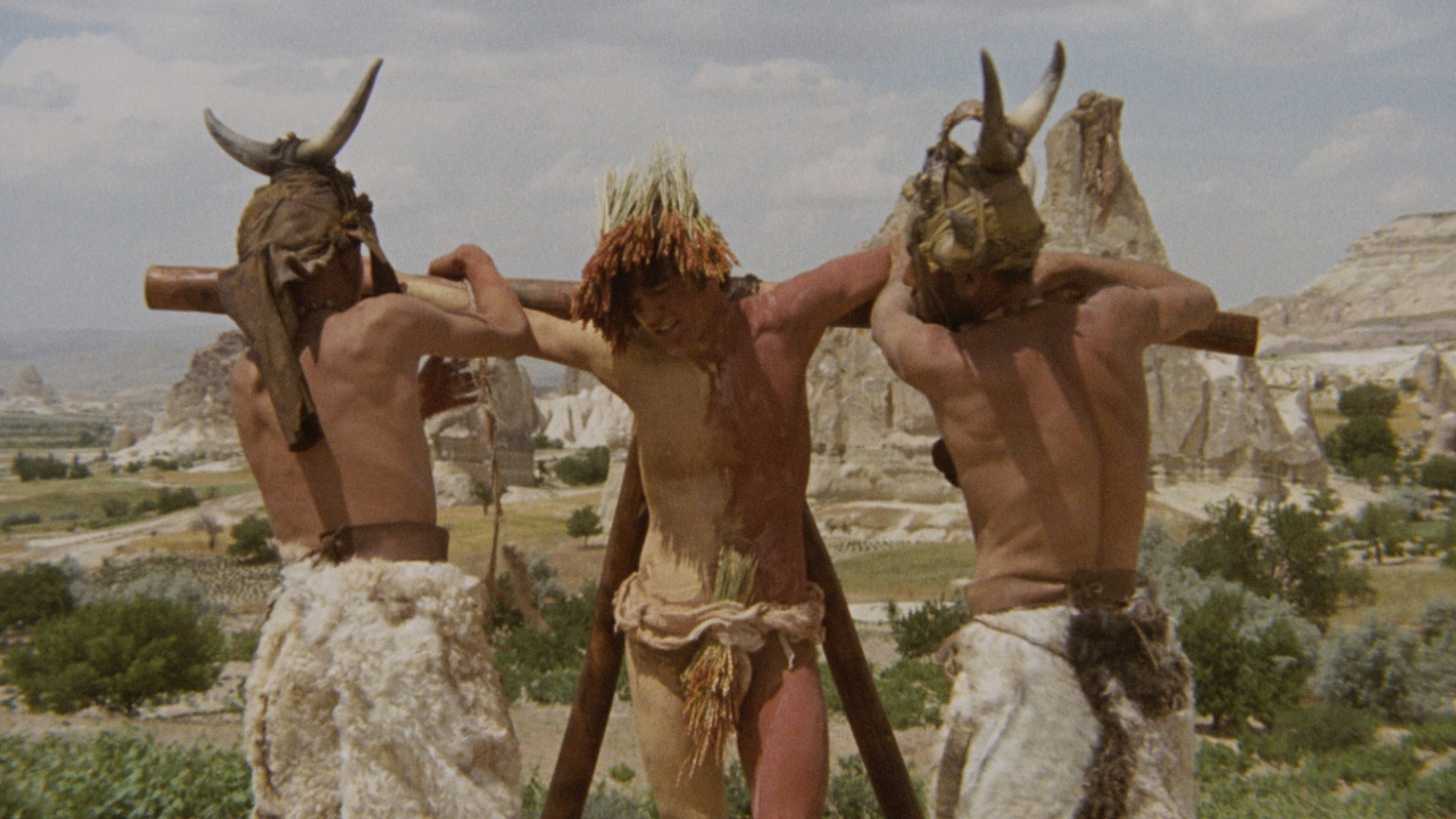
Incredible adaptation of Euripides' Medea. The repeated idea that the Golden Fleece is no longer powerful outside of Colchis, that Medea is the Fleece and is not what she was, and that this powerlessness has led her to 'depravity' is really interesting, especially in the context of the difference from the original work. In the original, obviously, the Olympians are present and they do ultimately defend Medea. Jason has broken an Oath, he is impious, and the barbarian Medea is in the right. This adaptation centres Medea's religion on her grandfather, the Titan Helios, and Colchis appears frozen in the past of the Titans, unlike Jason, the Argonauts, and Corinth's reason and logic. The orientalism is unsubtle in this way - to freeze Medea and her Central Asian Colchis in an emotional dark age with human sacrifice, while presenting Greek Jason as progressive and rational is blatantly orientalist. However, there are interesting plays on this, again with Medea's innocence, Jason's inability to connect with any of his emotions (his love for Medea for example), and Medea's murder of her sons at night, despite her religion of the Sun. Even the division of Chiron, the Heroic teacher having a barbaric centaur form that still influences Jason and a palatable human form.
Similarly, the move away from Medea's revenge on Glauce emphasises the feminist themes, in my opinion. In the second iteration of Glauce's death, Medea tells the King that Glauce is blameless, that she holds no ill will, and indeed when Glauce puts on Medea's garments, she does not burst into flames as originally occurs. Glauce chooses suicide - she examines her reflection and sees Medea within herself. As a woman, Glauce's autonomy is as limited, and perhaps more so, as Medea's, and she appears to liberate herself in death. This also stirs away from the orientalist and misogynistic undertones of the original play, which attempts to combat these beliefs but falls prey to multiple stereotypes. Medea is a barbarian and a woman, stereotypically she is irrational and emotional, and there is a tension between this divine mandate for justice and her violence in the original. Yet, Medea does not cause unnecessary casualties. Despite desiring and dreaming of burning Glauce and the King as revenge, Medea resists. Whether a spell still lingers or not, Medea turns from the violent path. It makes her sacrifice of her sons all the more redeemable. We see that Medea is rational and reasonable. She comes from a society of emotion and dogma, but she has adopted some of Jason's values in her time away. In the doubling of Glauce's death, with a dream vs reality, not only are the themes and ideals of the movie highlighted, but Pasolini perhaps does what Euripides is unable to do.
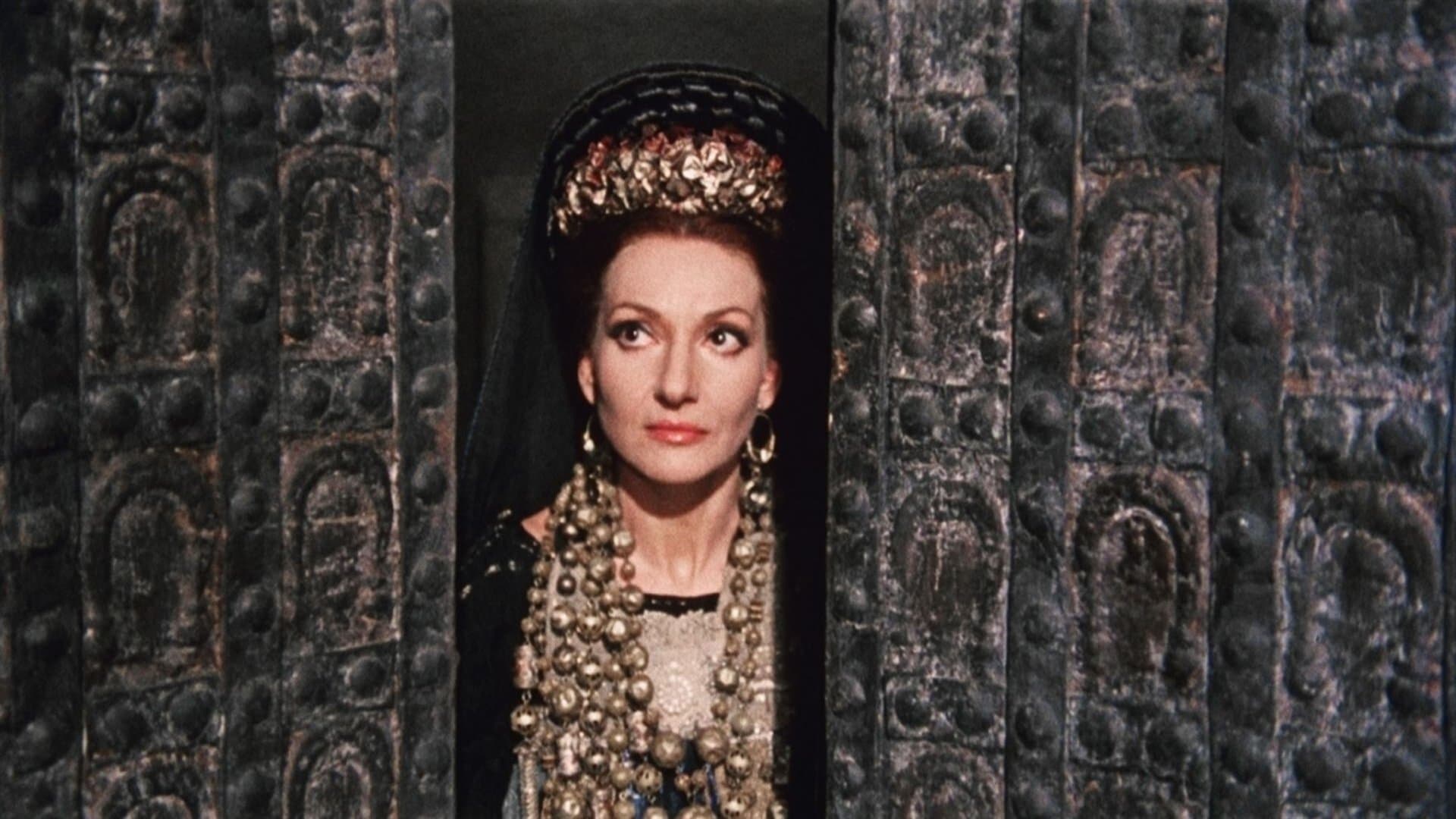
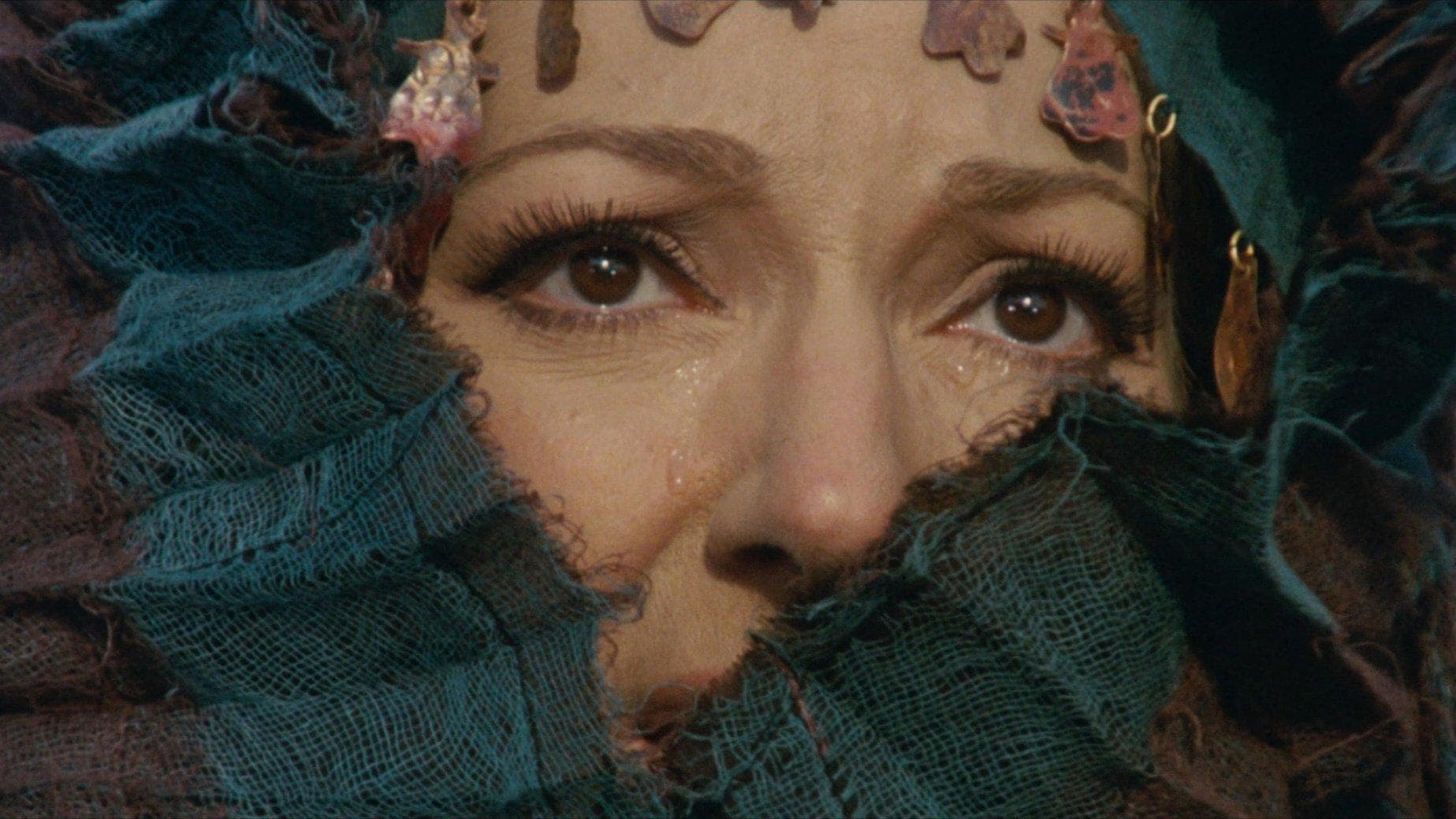
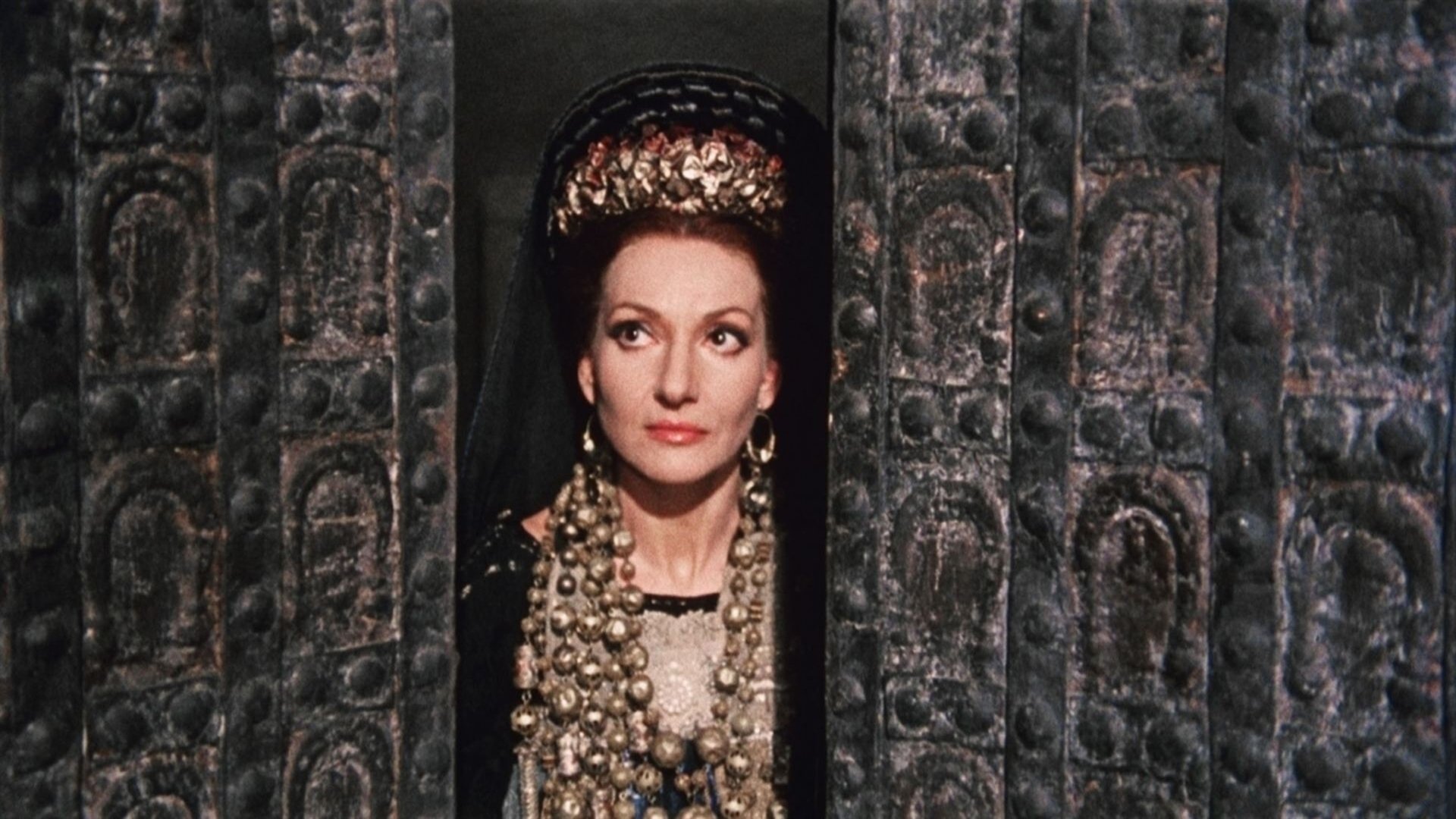
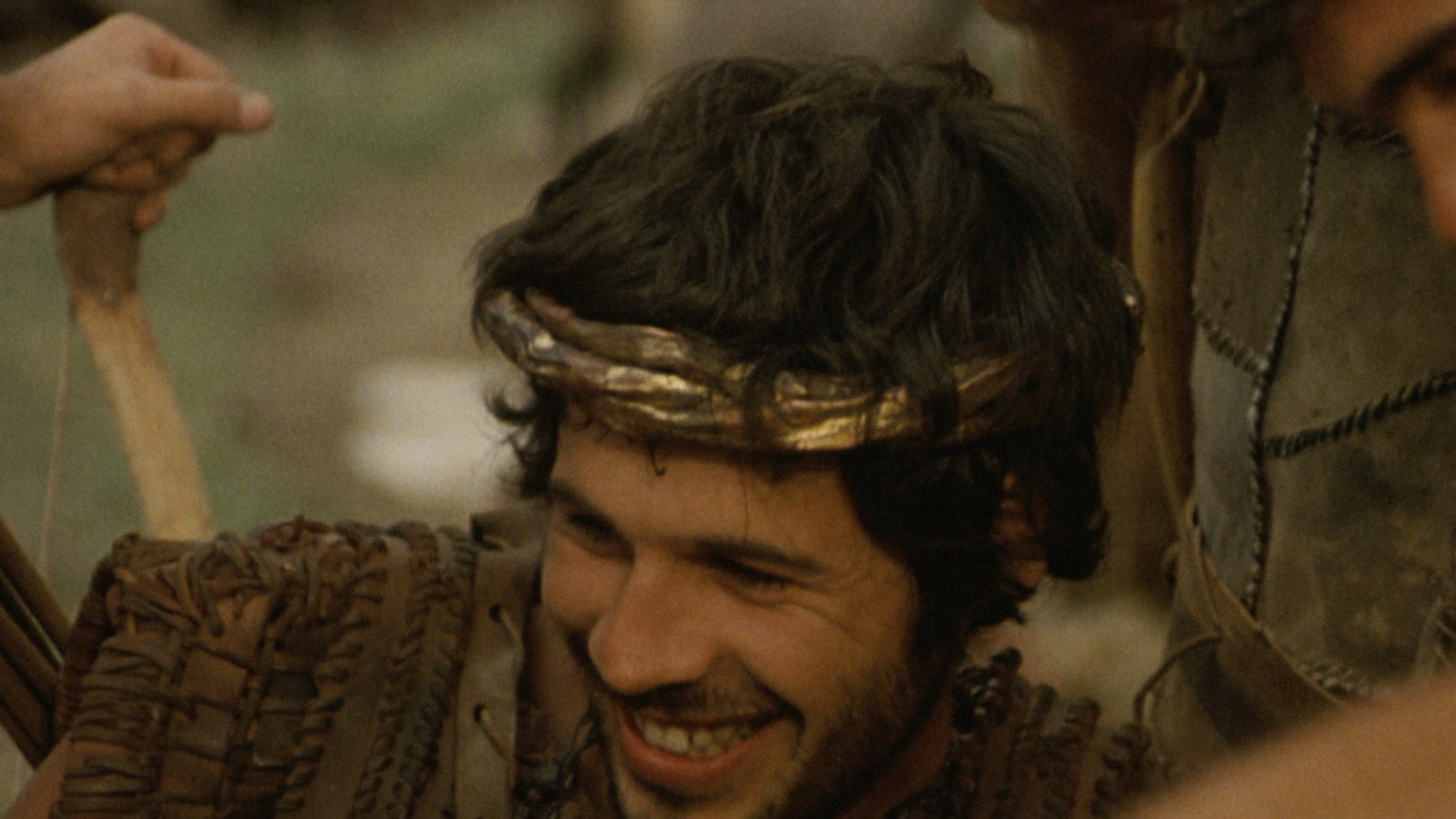
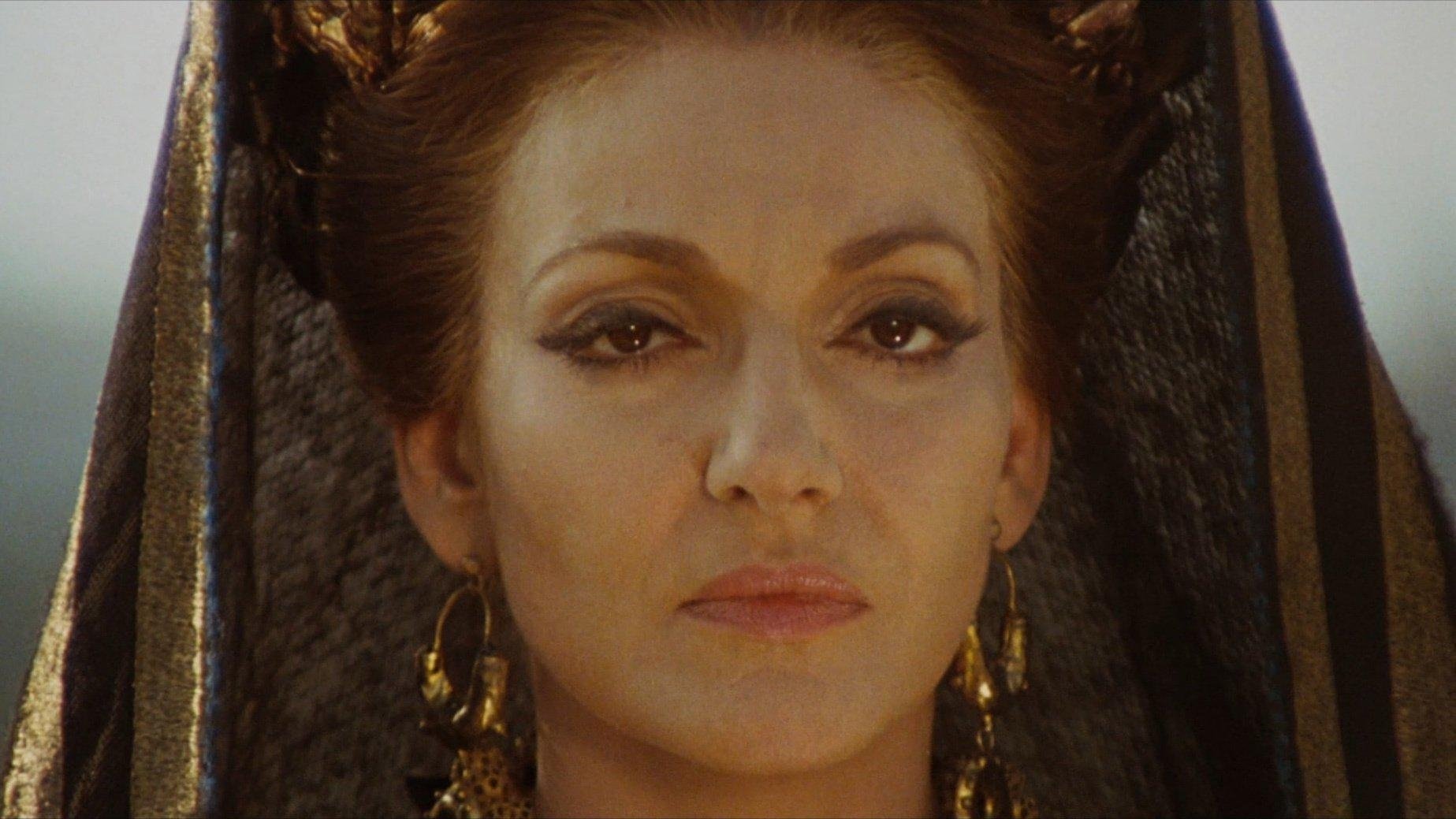
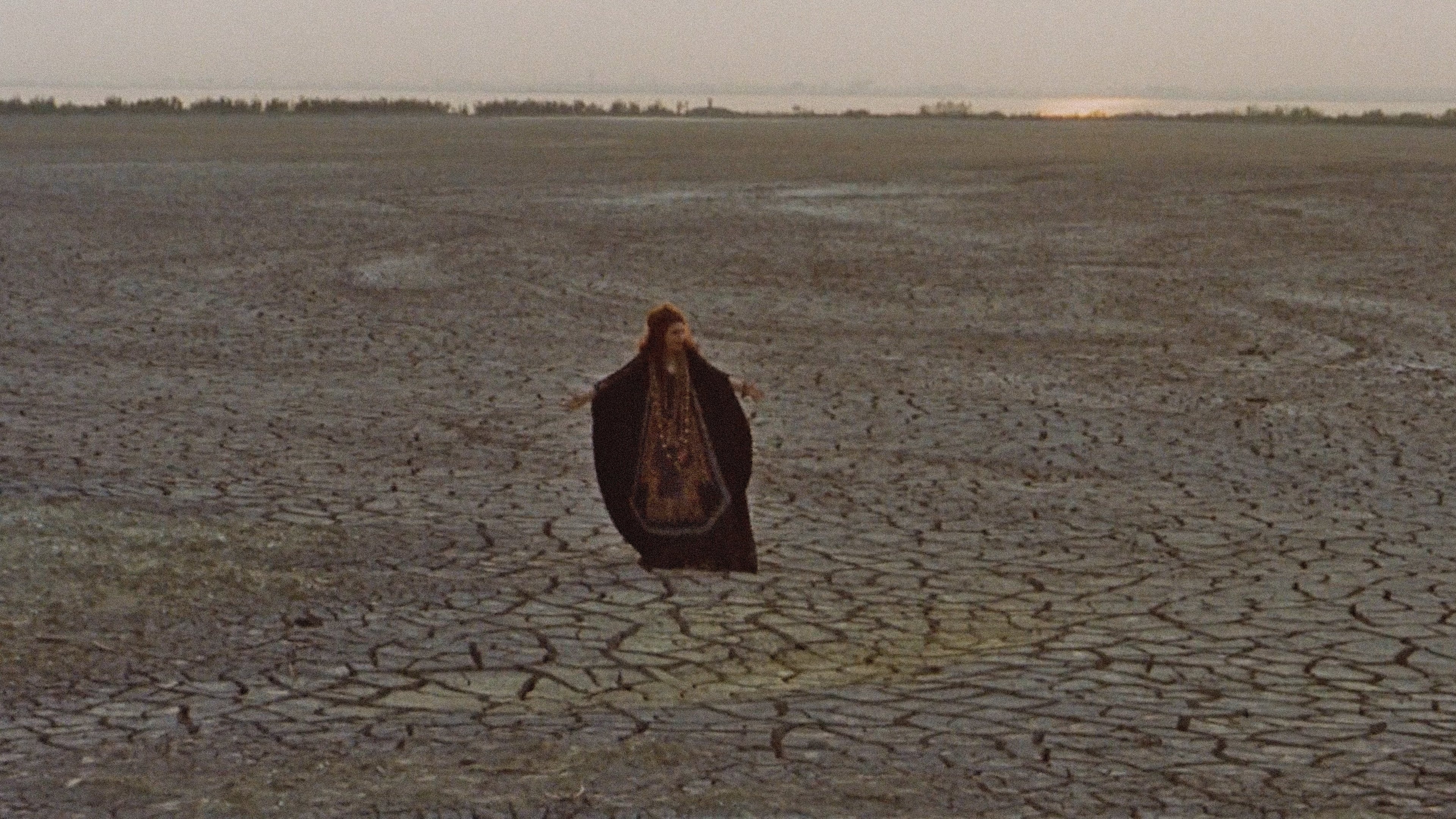
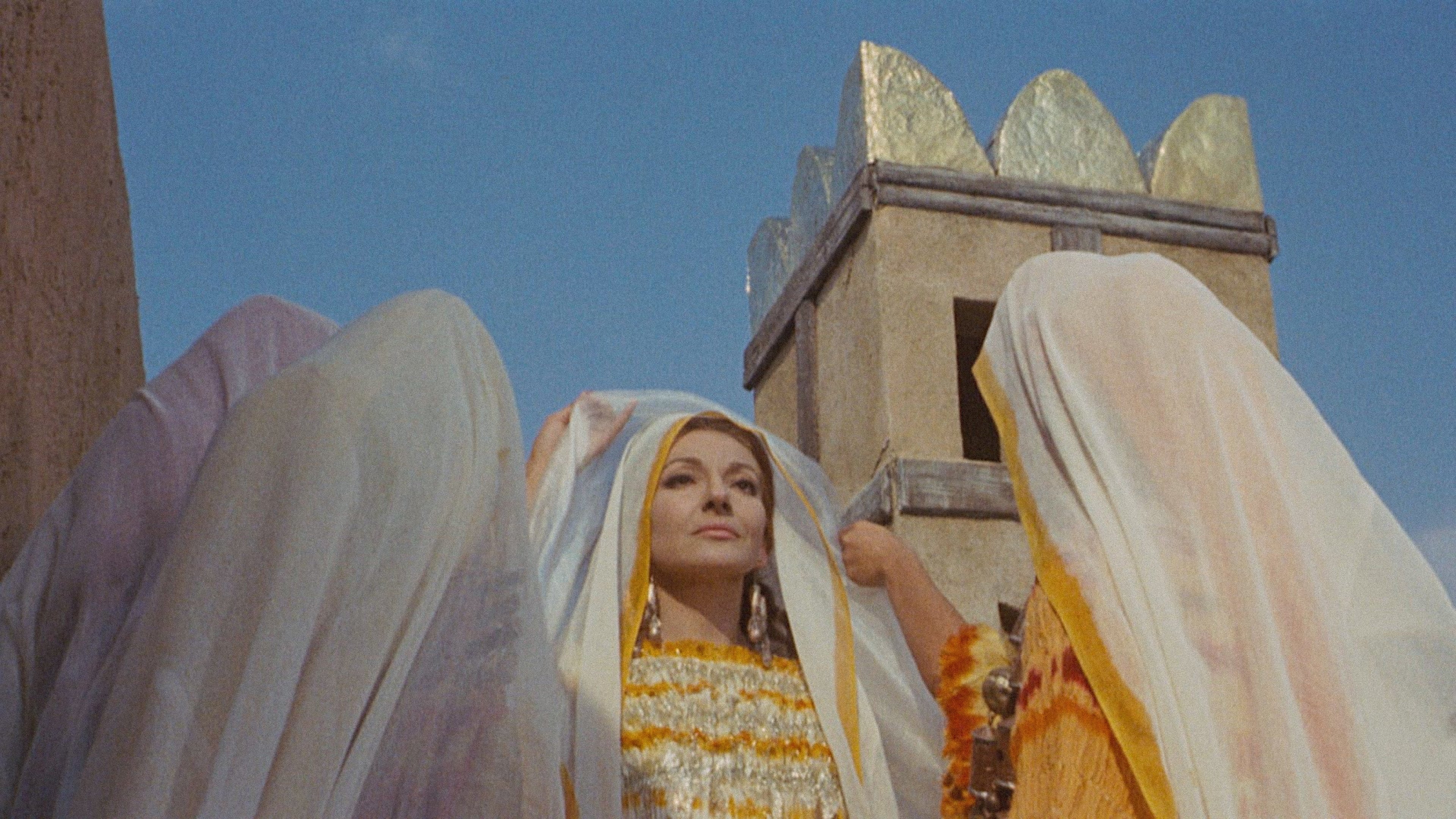
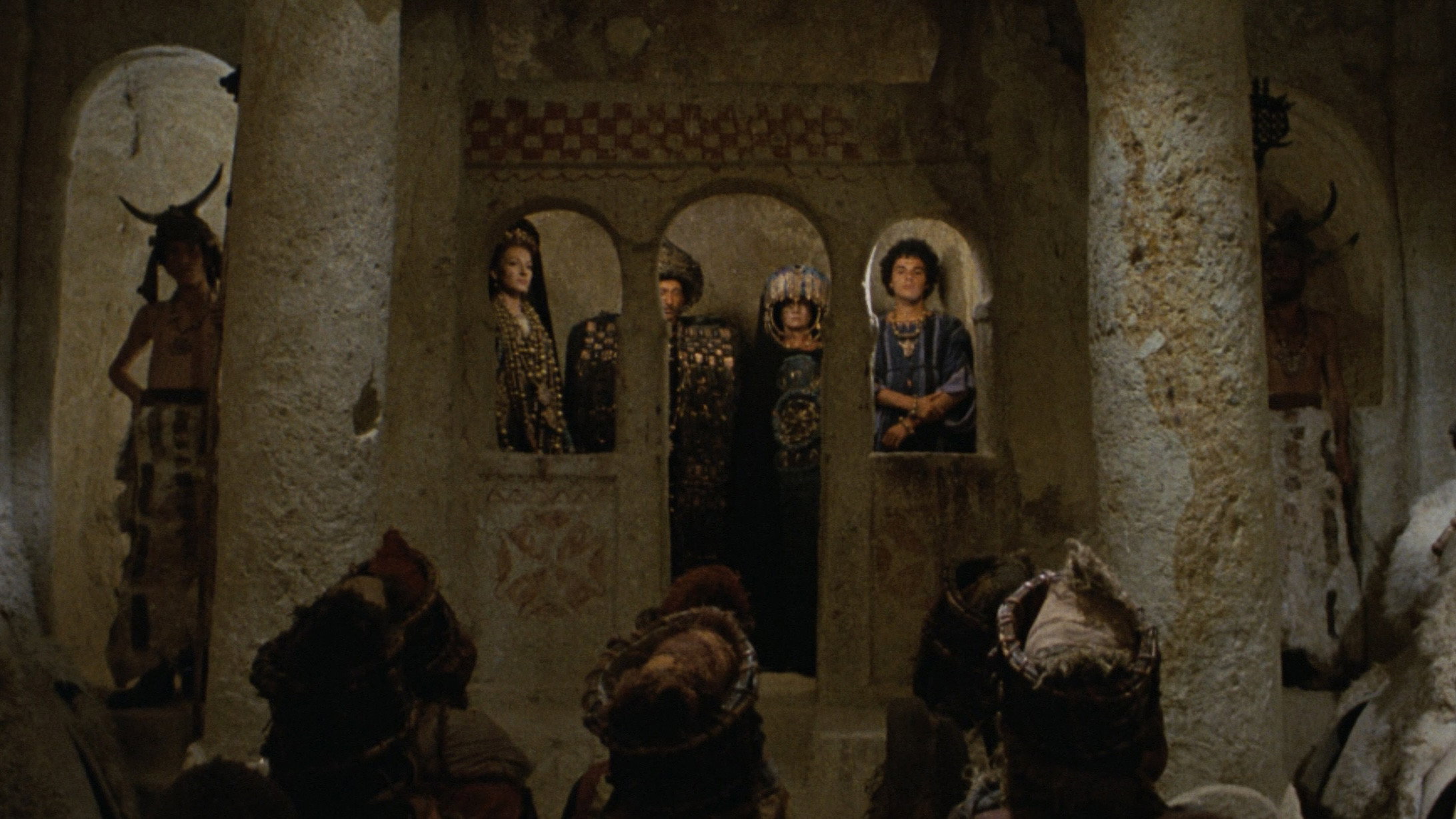
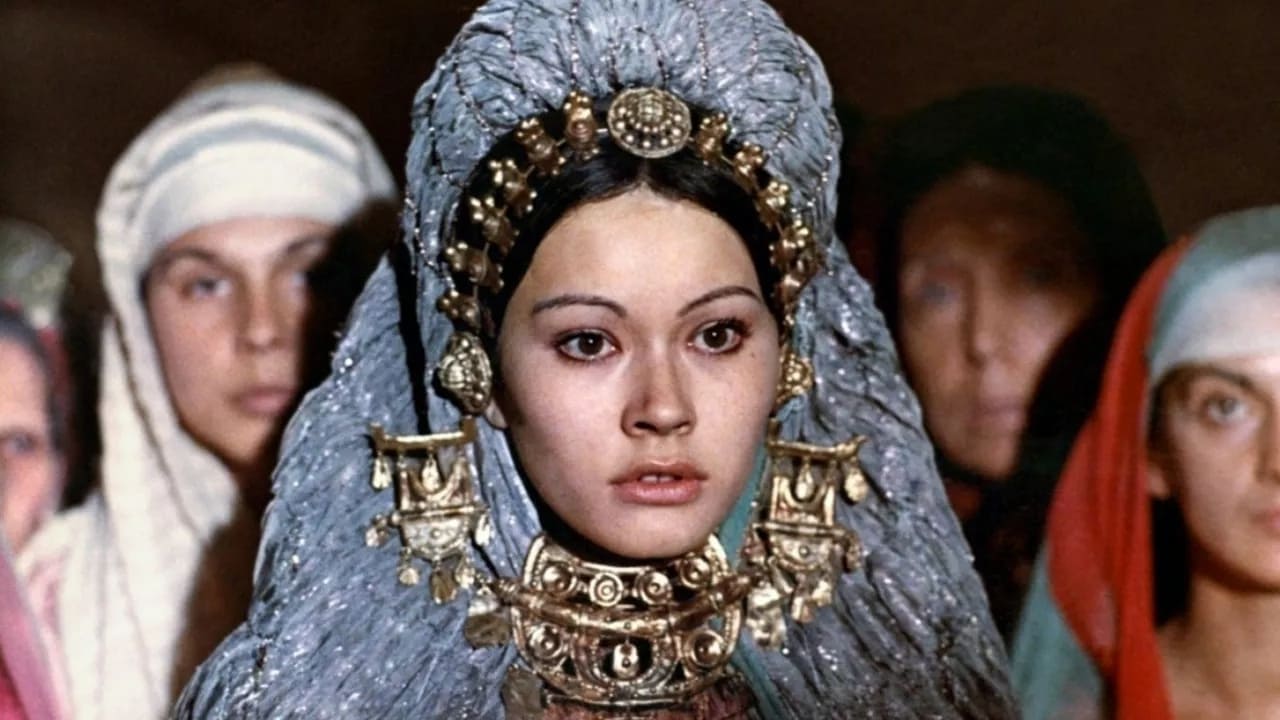
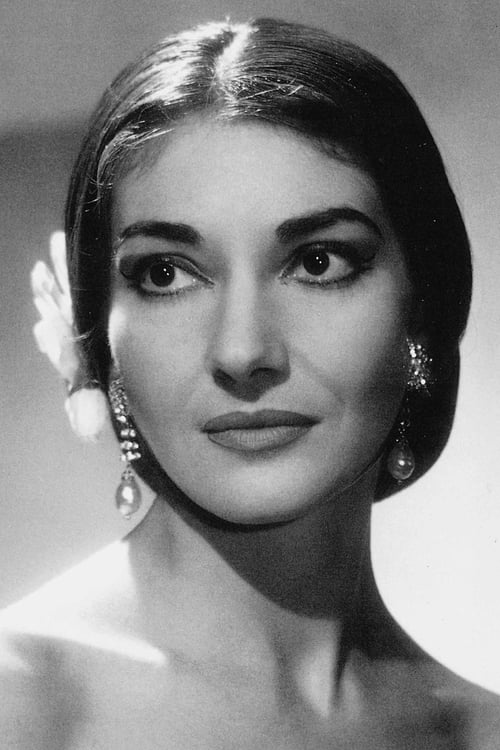
As a movie, the difference in costumes and set really immerses you into the world. The stark differences between Colchis and Corinth for example help frame Medea and Jason's life and what's happening. Medea's costume changes, from her traditional attire to conformity to Jason's life, and then return of her traditional attire in her revenge and grasp on autonomy, were really cool. I appreciated the casting of Maria Callas greatly, she was unconventional in her age but her acting abilities were powerful, especially for her only film role. The close-ups of her eyes and face were incredibly emotive, and I always love to see Eastern/Southern Mediterranean and especially Greek actors in these roles!
Incredible adaptation of Euripides' Medea. The repeated idea that the Golden Fleece is no longer powerful outside of Colchis, that Medea is the Fleece and is not what she was, and that this powerlessness has led her to 'depravity' is really interesting, especially in the context of the difference from the original work. In the original, obviously, the Olympians are present and they do ultimately defend Medea. Jason has broken an Oath, he is impious, and the barbarian Medea is in the right. This adaptation centres Medea's religion on her grandfather, the Titan Helios, and Colchis appears frozen in the past of the Titans, unlike Jason, the Argonauts, and Corinth's reason and logic. The orientalism is unsubtle in this way - to freeze Medea and her Central Asian Colchis in an emotional dark age with human sacrifice, while presenting Greek Jason as progressive and rational is blatantly orientalist. However, there are interesting plays on this, again with Medea's innocence, Jason's inability to connect with any of his emotions (his love for Medea for example), and Medea's murder of her sons at night, despite her religion of the Sun. Even the division of Chiron, the Heroic teacher having a barbaric centaur form that still influences Jason and a palatable human form.
Similarly, the move away from Medea's revenge on Glauce emphasises the feminist themes, in my opinion. In the second iteration of Glauce's death, Medea tells the King that Glauce is blameless, that she holds no ill will, and indeed when Glauce puts on Medea's garments, she does not burst into flames as originally occurs. Glauce chooses suicide - she examines her reflection and sees Medea within herself. As a woman, Glauce's autonomy is as limited, and perhaps more so, as Medea's, and she appears to liberate herself in death. This also stirs away from the orientalist and misogynistic undertones of the original play, which attempts to combat these beliefs but falls prey to multiple stereotypes. Medea is a barbarian and a woman, stereotypically she is irrational and emotional, and there is a tension between this divine mandate for justice and her violence in the original. Yet, Medea does not cause unnecessary casualties. Despite desiring and dreaming of burning Glauce and the King as revenge, Medea resists. Whether a spell still lingers or not, Medea turns from the violent path. It makes her sacrifice of her sons all the more redeemable. We see that Medea is rational and reasonable. She comes from a society of emotion and dogma, but she has adopted some of Jason's values in her time away. In the doubling of Glauce's death, with a dream vs reality, not only are the themes and ideals of the movie highlighted, but Pasolini perhaps does what Euripides is unable to do.
As a movie, the difference in costumes and set really immerses you into the world. The stark differences between Colchis and Corinth for example help frame Medea and Jason's life and what's happening. Medea's costume changes, from her traditional attire to conformity to Jason's life, and then return of her traditional attire in her revenge and grasp on autonomy, were really cool. I appreciated the casting of Maria Callas greatly, she was unconventional in her age but her acting abilities were powerful, especially for her only film role. The close-ups of her eyes and face were incredibly emotive, and I always love to see Eastern/Southern Mediterranean and especially Greek actors in these roles!