

Art and Craft
2014·Documentary·1h 30m
7.1
★

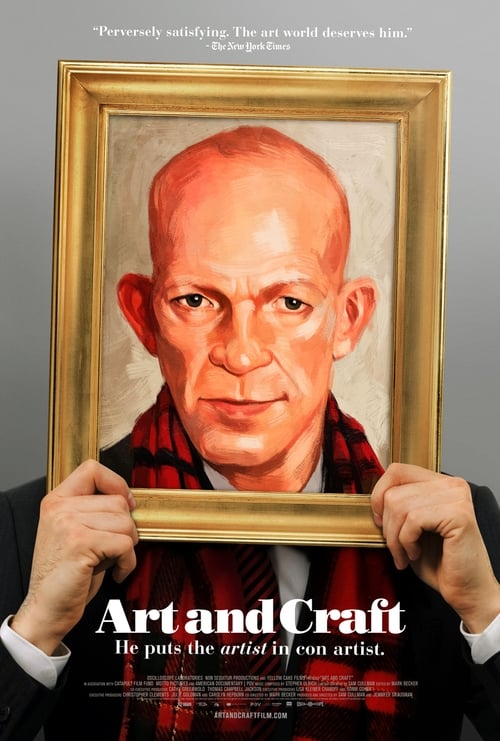
For several decades, gifted and incredibly prolific forger Mark Landis compulsively created impeccable copies of works by a variety of major artists, donating them to institutions across the country and landing pieces on many of their walls. ART AND CRAFT brings us into the cluttered and insular life of an unforgettable character just as he finds his foil in an equally obsessive art registrar.
Directed by Mark Becker and Sam Cullman and Jennifer Grausman
woman director

Trailer

IMDB
N/A
Where to Watch


Crew
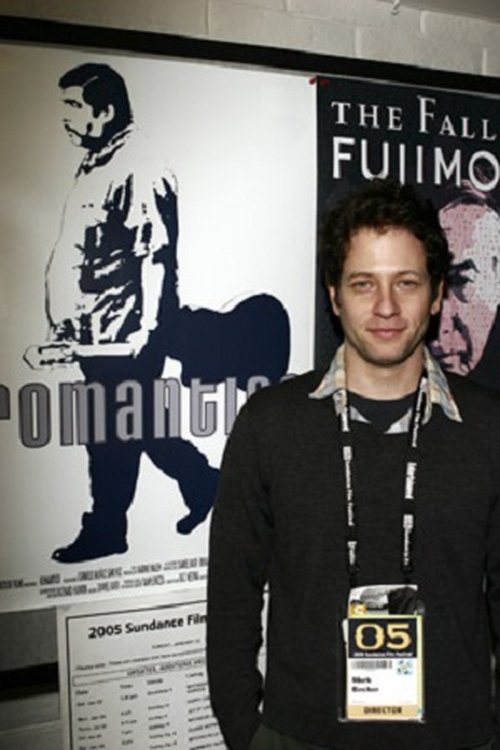
Mark Becker
Director

Sam Cullman
Director

Jennifer Grausman
Director
Mark Becker
Editor
Sam Cullman
Director of Photography
Sam Cullman
Producer

Julie Goldman
Executive Producer

Bonni Cohen
Executive Producer

Christopher Clements
Executive Producer
Jennifer Grausman
Producer
Popular Reviews
9 reviews
Carriço
7.0★ · 02/04/26
Obsessed with this dude
Obsessed with this dude


Nick
8.1★ · 07/19/24
autistic men staying on top
light 8/10
light 8/10
autistic men staying on top
light 8/10
light 8/10
LeonDeon
8.0★ · 07/13/22
So sometimes, I end up watching random movies with my friend. It’s those times I begin to appreciate my friends' varied tastes. One night we can watch one of the most depressing films I’ve ever seen, and in the same night we can turn on Jerry Springer or The Spongebob Movie. Last night was no exception.
Art and Craft is a 2014 film directed by Sam Cullman, Jennifer Grausman, and Mark Becker. The trio of directors has stumbled onto a challenging idea with the production of art. So many times in college, I would have to discuss whether a reissue of something is as legitimate as the original piece. This thought process was encouraged to go beyond the typical painting reissue but the more commodified version of a piece being recreated in postcards or the artwork on a dinner plate. The idea was that these pieces contain the same visuals as the original painting but since the original piece is now plastered on a mug or a plate does the piece lose value, or does it adapt to the mass production of art?
Mark Landis is not your typical documentary protagonist. Landis has almost no interest in what his work means in the more extensive discussion of art. Here you have a man who is gifted with his ability to recreate the art and the techniques used to make the pieces. Yet, Landis has never charged anyone for these pieces and simply donates them under various aliases. Landis has been compulsively creating these fakes for decades, duping all kinds of museums across the country with these fakes. Eventually, these fakes will be caught, and that's when we run into our deuteragonist, Matthew Leininger, who has been obsessively watching Mark Landis dupe these museums.
What you have from this story on the surface level is the levels of obsessions people have. Of course, we all know that not everyone has the same “normal” fixations but look at someone like Matthew, who is dedicating all waking hours of his day to cover and educate his daughter about one man who could care less about the art world. There are scenes in this film with Matthew trying to explain his obsession, and you begin to see the man function how he does and his approach to art. I was never too fond of Matthew’s portrayal of himself, and in opposition, it makes Mark Landis much more sympathetic. Speaking of Landis, when confronted about why he doesn’t just put his name on his works and sell that instead, he admits that he could and probably should but hasn’t yet. To Landis, the world of art is linear where it starts and stops with his interests and never explores the imposed significance of his ability to replicate art and pass them off as originals.
The root question of Art and Craft is the importance of the originals and what it means to have replicated versions housed in institutions meant to uphold an academic view of the pieces it displays. It's the equivalent of having a giant fat poached egg on your face as an unassuming man trudges outside the facility to work on his next project. I find Landis to be a trailblazer in the conversation of art’s authenticity. In The Work of Art in the Age of Mechanical Reproduction by Walter Benjamin, the essence of this is to comment on how mechanical reproduction and cultural commodification ruins the aura of a piece. It essentially argues that a piece of art loses its societal, cultural, and artistic value if it is plastered on mugs, t-shirts, dinner plates, billboards, etc. With Landis, he operates outside of this stratosphere because he doesn’t ask for money. He does it out of compulsion, and it becomes a necessity for him. It isn’t for profit which makes the dynamic of his forgeries intriguing. It challenges the notion of repeatedly replicated art under less than desirable conditions. If someone is recreating art and passing it off as not their own but something they found and are giving it away, we have to question the intention. Art and Craft interrogates this question by displaying Landis’ psyche or at least what is available.
With not a lot of action or confrontations, Art and Craft manages to tell a compelling story on its surface and leads the viewer to question their definition of art and its shapeless forms. While telling the story of Landis, you have another story of obsession being an all-consuming mist that leeches away years. It’s a gentle film with plenty of dry humor and commentary from Landis, retelling his perspectives on his work and its significance or lack thereof.
Art and Craft is a 2014 film directed by Sam Cullman, Jennifer Grausman, and Mark Becker. The trio of directors has stumbled onto a challenging idea with the production of art. So many times in college, I would have to discuss whether a reissue of something is as legitimate as the original piece. This thought process was encouraged to go beyond the typical painting reissue but the more commodified version of a piece being recreated in postcards or the artwork on a dinner plate. The idea was that these pieces contain the same visuals as the original painting but since the original piece is now plastered on a mug or a plate does the piece lose value, or does it adapt to the mass production of art?
Mark Landis is not your typical documentary protagonist. Landis has almost no interest in what his work means in the more extensive discussion of art. Here you have a man who is gifted with his ability to recreate the art and the techniques used to make the pieces. Yet, Landis has never charged anyone for these pieces and simply donates them under various aliases. Landis has been compulsively creating these fakes for decades, duping all kinds of museums across the country with these fakes. Eventually, these fakes will be caught, and that's when we run into our deuteragonist, Matthew Leininger, who has been obsessively watching Mark Landis dupe these museums.
What you have from this story on the surface level is the levels of obsessions people have. Of course, we all know that not everyone has the same “normal” fixations but look at someone like Matthew, who is dedicating all waking hours of his day to cover and educate his daughter about one man who could care less about the art world. There are scenes in this film with Matthew trying to explain his obsession, and you begin to see the man function how he does and his approach to art. I was never too fond of Matthew’s portrayal of himself, and in opposition, it makes Mark Landis much more sympathetic. Speaking of Landis, when confronted about why he doesn’t just put his name on his works and sell that instead, he admits that he could and probably should but hasn’t yet. To Landis, the world of art is linear where it starts and stops with his interests and never explores the imposed significance of his ability to replicate art and pass them off as originals.
The root question of Art and Craft is the importance of the originals and what it means to have replicated versions housed in institutions meant to uphold an academic view of the pieces it displays. It's the equivalent of having a giant fat poached egg on your face as an unassuming man trudges outside the facility to work on his next project. I find Landis to be a trailblazer in the conversation of art’s authenticity. In The Work of Art in the Age of Mechanical Reproduction by Walter Benjamin, the essence of this is to comment on how mechanical reproduction and cultural commodification ruins the aura of a piece. It essentially argues that a piece of art loses its societal, cultural, and artistic value if it is plastered on mugs, t-shirts, dinner plates, billboards, etc. With Landis, he operates outside of this stratosphere because he doesn’t ask for money. He does it out of compulsion, and it becomes a necessity for him. It isn’t for profit which makes the dynamic of his forgeries intriguing. It challenges the notion of repeatedly replicated art under less than desirable conditions. If someone is recreating art and passing it off as not their own but something they found and are giving it away, we have to question the intention. Art and Craft interrogates this question by displaying Landis’ psyche or at least what is available.
With not a lot of action or confrontations, Art and Craft manages to tell a compelling story on its surface and leads the viewer to question their definition of art and its shapeless forms. While telling the story of Landis, you have another story of obsession being an all-consuming mist that leeches away years. It’s a gentle film with plenty of dry humor and commentary from Landis, retelling his perspectives on his work and its significance or lack thereof.
So sometimes, I end up watching random movies with my friend. It’s those times I begin to appreciate my friends' varied tastes. One night we can watch one of the most depressing films I’ve ever seen, and in the same night we can turn on Jerry Springer or The Spongebob Movie. Last night was no exception.
Art and Craft is a 2014 film directed by Sam Cullman, Jennifer Grausman, and Mark Becker. The trio of directors has stumbled onto a challenging idea with the production of art. So many times in college, I would have to discuss whether a reissue of something is as legitimate as the original piece. This thought process was encouraged to go beyond the typical painting reissue but the more commodified version of a piece being recreated in postcards or the artwork on a dinner plate. The idea was that these pieces contain the same visuals as the original painting but since the original piece is now plastered on a mug or a plate does the piece lose value, or does it adapt to the mass production of art?
Mark Landis is not your typical documentary protagonist. Landis has almost no interest in what his work means in the more extensive discussion of art. Here you have a man who is gifted with his ability to recreate the art and the techniques used to make the pieces. Yet, Landis has never charged anyone for these pieces and simply donates them under various aliases. Landis has been compulsively creating these fakes for decades, duping all kinds of museums across the country with these fakes. Eventually, these fakes will be caught, and that's when we run into our deuteragonist, Matthew Leininger, who has been obsessively watching Mark Landis dupe these museums.
What you have from this story on the surface level is the levels of obsessions people have. Of course, we all know that not everyone has the same “normal” fixations but look at someone like Matthew, who is dedicating all waking hours of his day to cover and educate his daughter about one man who could care less about the art world. There are scenes in this film with Matthew trying to explain his obsession, and you begin to see the man function how he does and his approach to art. I was never too fond of Matthew’s portrayal of himself, and in opposition, it makes Mark Landis much more sympathetic. Speaking of Landis, when confronted about why he doesn’t just put his name on his works and sell that instead, he admits that he could and probably should but hasn’t yet. To Landis, the world of art is linear where it starts and stops with his interests and never explores the imposed significance of his ability to replicate art and pass them off as originals.
The root question of Art and Craft is the importance of the originals and what it means to have replicated versions housed in institutions meant to uphold an academic view of the pieces it displays. It's the equivalent of having a giant fat poached egg on your face as an unassuming man trudges outside the facility to work on his next project. I find Landis to be a trailblazer in the conversation of art’s authenticity. In The Work of Art in the Age of Mechanical Reproduction by Walter Benjamin, the essence of this is to comment on how mechanical reproduction and cultural commodification ruins the aura of a piece. It essentially argues that a piece of art loses its societal, cultural, and artistic value if it is plastered on mugs, t-shirts, dinner plates, billboards, etc. With Landis, he operates outside of this stratosphere because he doesn’t ask for money. He does it out of compulsion, and it becomes a necessity for him. It isn’t for profit which makes the dynamic of his forgeries intriguing. It challenges the notion of repeatedly replicated art under less than desirable conditions. If someone is recreating art and passing it off as not their own but something they found and are giving it away, we have to question the intention. Art and Craft interrogates this question by displaying Landis’ psyche or at least what is available.
With not a lot of action or confrontations, Art and Craft manages to tell a compelling story on its surface and leads the viewer to question their definition of art and its shapeless forms. While telling the story of Landis, you have another story of obsession being an all-consuming mist that leeches away years. It’s a gentle film with plenty of dry humor and commentary from Landis, retelling his perspectives on his work and its significance or lack thereof.
Art and Craft is a 2014 film directed by Sam Cullman, Jennifer Grausman, and Mark Becker. The trio of directors has stumbled onto a challenging idea with the production of art. So many times in college, I would have to discuss whether a reissue of something is as legitimate as the original piece. This thought process was encouraged to go beyond the typical painting reissue but the more commodified version of a piece being recreated in postcards or the artwork on a dinner plate. The idea was that these pieces contain the same visuals as the original painting but since the original piece is now plastered on a mug or a plate does the piece lose value, or does it adapt to the mass production of art?
Mark Landis is not your typical documentary protagonist. Landis has almost no interest in what his work means in the more extensive discussion of art. Here you have a man who is gifted with his ability to recreate the art and the techniques used to make the pieces. Yet, Landis has never charged anyone for these pieces and simply donates them under various aliases. Landis has been compulsively creating these fakes for decades, duping all kinds of museums across the country with these fakes. Eventually, these fakes will be caught, and that's when we run into our deuteragonist, Matthew Leininger, who has been obsessively watching Mark Landis dupe these museums.
What you have from this story on the surface level is the levels of obsessions people have. Of course, we all know that not everyone has the same “normal” fixations but look at someone like Matthew, who is dedicating all waking hours of his day to cover and educate his daughter about one man who could care less about the art world. There are scenes in this film with Matthew trying to explain his obsession, and you begin to see the man function how he does and his approach to art. I was never too fond of Matthew’s portrayal of himself, and in opposition, it makes Mark Landis much more sympathetic. Speaking of Landis, when confronted about why he doesn’t just put his name on his works and sell that instead, he admits that he could and probably should but hasn’t yet. To Landis, the world of art is linear where it starts and stops with his interests and never explores the imposed significance of his ability to replicate art and pass them off as originals.
The root question of Art and Craft is the importance of the originals and what it means to have replicated versions housed in institutions meant to uphold an academic view of the pieces it displays. It's the equivalent of having a giant fat poached egg on your face as an unassuming man trudges outside the facility to work on his next project. I find Landis to be a trailblazer in the conversation of art’s authenticity. In The Work of Art in the Age of Mechanical Reproduction by Walter Benjamin, the essence of this is to comment on how mechanical reproduction and cultural commodification ruins the aura of a piece. It essentially argues that a piece of art loses its societal, cultural, and artistic value if it is plastered on mugs, t-shirts, dinner plates, billboards, etc. With Landis, he operates outside of this stratosphere because he doesn’t ask for money. He does it out of compulsion, and it becomes a necessity for him. It isn’t for profit which makes the dynamic of his forgeries intriguing. It challenges the notion of repeatedly replicated art under less than desirable conditions. If someone is recreating art and passing it off as not their own but something they found and are giving it away, we have to question the intention. Art and Craft interrogates this question by displaying Landis’ psyche or at least what is available.
With not a lot of action or confrontations, Art and Craft manages to tell a compelling story on its surface and leads the viewer to question their definition of art and its shapeless forms. While telling the story of Landis, you have another story of obsession being an all-consuming mist that leeches away years. It’s a gentle film with plenty of dry humor and commentary from Landis, retelling his perspectives on his work and its significance or lack thereof.
Jacob Dickens
8.6★ · 02/02/21
The anti-art heist film. Instead of the roguish, witty lead, we have Mark Landis, a man who barely speaks above a whispered mumble, walks with a slight hunch, prefers the company of his television and old TCM reruns, and doesn't scam museums for money as much as because he is alone and "addicted to being a philanthropist". Instead of our toe-to-toe detective character, always one step behind our dashing lead, we have Matt, a stay at home dad who was recently let go from his curator job because of his obsession with Mark Landis and who comes off either confrontative or somewhat rough-edged throughout. There's no big schemes or victims that Landis lays waste to other than museums and curators who are left looking like fools by his admittedly very convincing forgeries. It's a very quiet, unassuming documentary that gives way to one of the more fascinating character studies of recent memory. Landis's soft-spoken politeness borders on eerie at points but ultimately there's something endearing about his love of the game, his purehearted pleasure he gets out of just donating copies of paintings to museums, no questions asked. The other interesting character in the film is the art world at large who regards Landis at varying points with disgust, annoyance, and begrudging admiration. It's a fascinating look at what makes art art and its central figure is unlikely to be forgotten by viewers anytime after viewing.
The anti-art heist film. Instead of the roguish, witty lead, we have Mark Landis, a man who barely speaks above a whispered mumble, walks with a slight hunch, prefers the company of his television and old TCM reruns, and doesn't scam museums for money as much as because he is alone and "addicted to being a philanthropist". Instead of our toe-to-toe detective character, always one step behind our dashing lead, we have Matt, a stay at home dad who was recently let go from his curator job because of his obsession with Mark Landis and who comes off either confrontative or somewhat rough-edged throughout. There's no big schemes or victims that Landis lays waste to other than museums and curators who are left looking like fools by his admittedly very convincing forgeries. It's a very quiet, unassuming documentary that gives way to one of the more fascinating character studies of recent memory. Landis's soft-spoken politeness borders on eerie at points but ultimately there's something endearing about his love of the game, his purehearted pleasure he gets out of just donating copies of paintings to museums, no questions asked. The other interesting character in the film is the art world at large who regards Landis at varying points with disgust, annoyance, and begrudging admiration. It's a fascinating look at what makes art art and its central figure is unlikely to be forgotten by viewers anytime after viewing.
Troy Troy
9.0★ · 09/30/18
People are crazy this was great
People are crazy this was great