
The Eve of Ivan Kupalo
1968·Drama·1h 11m
7.1
★
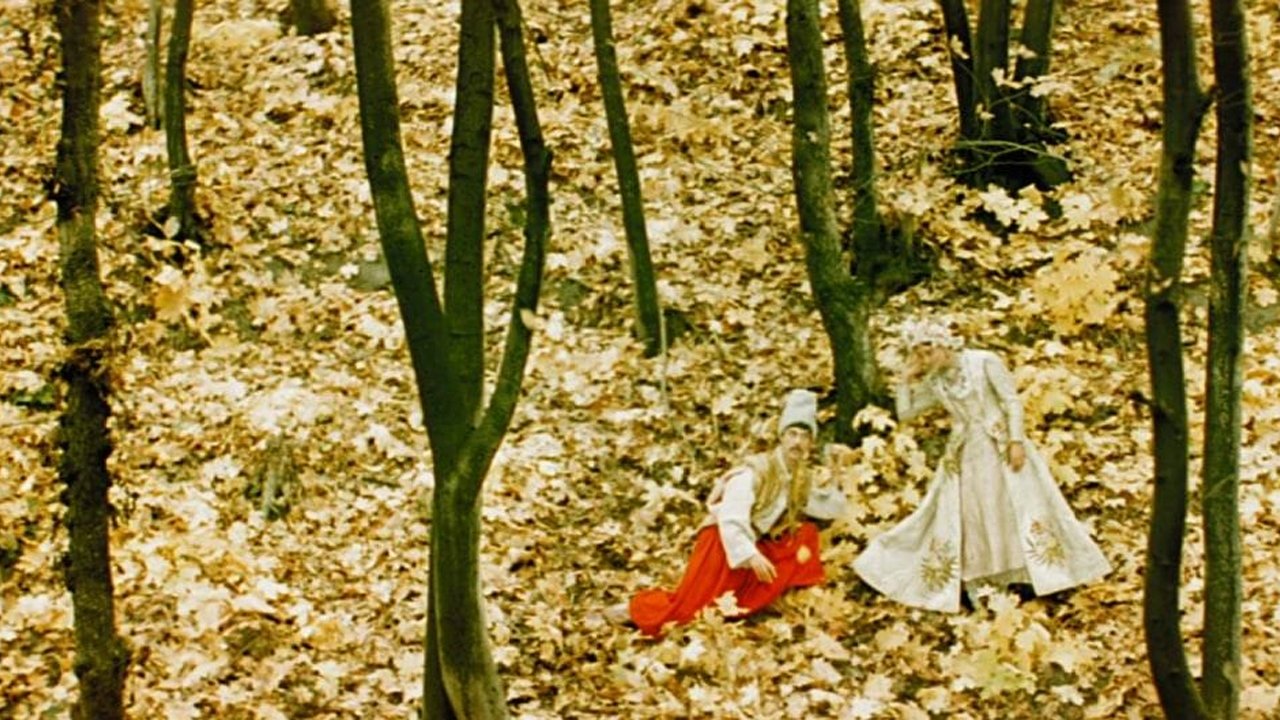
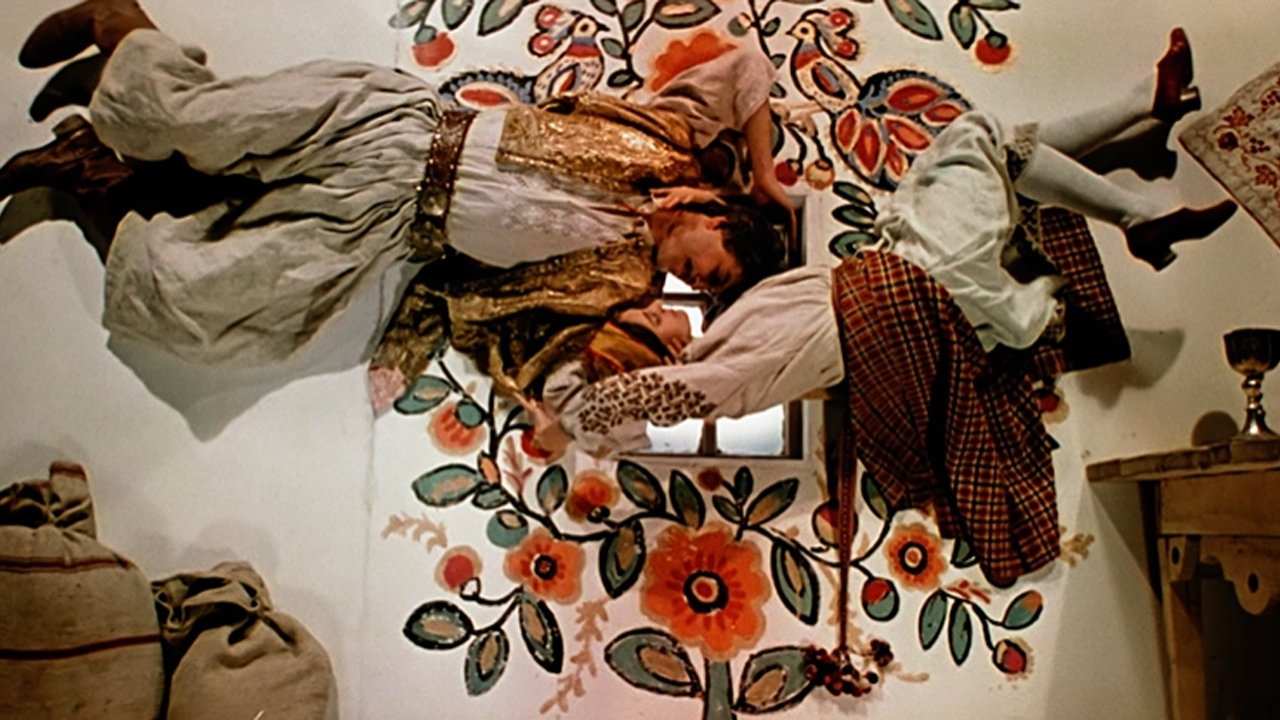
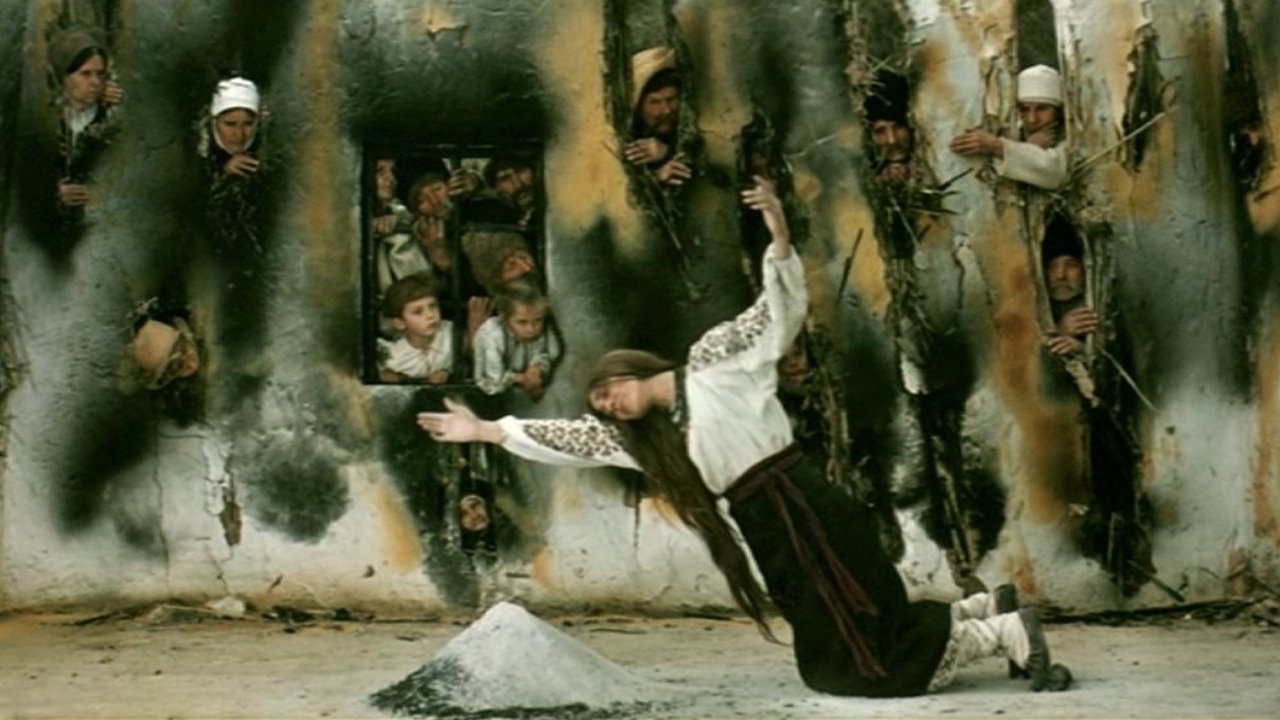
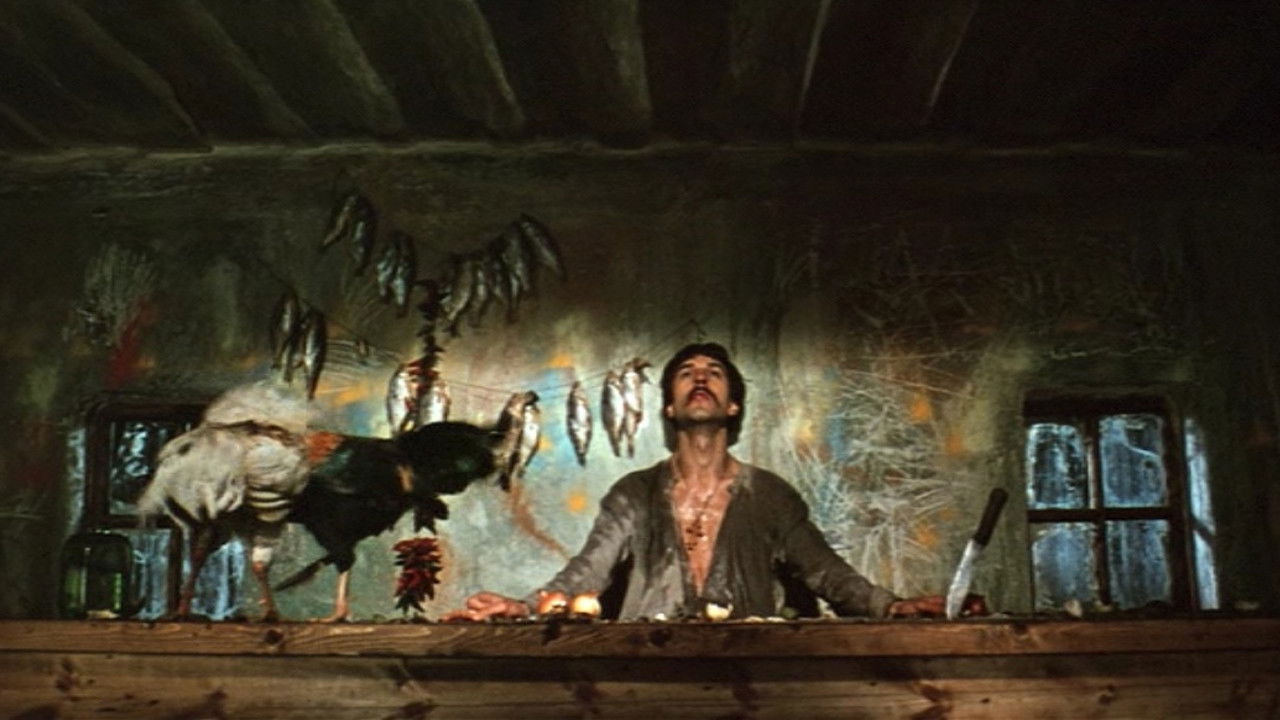
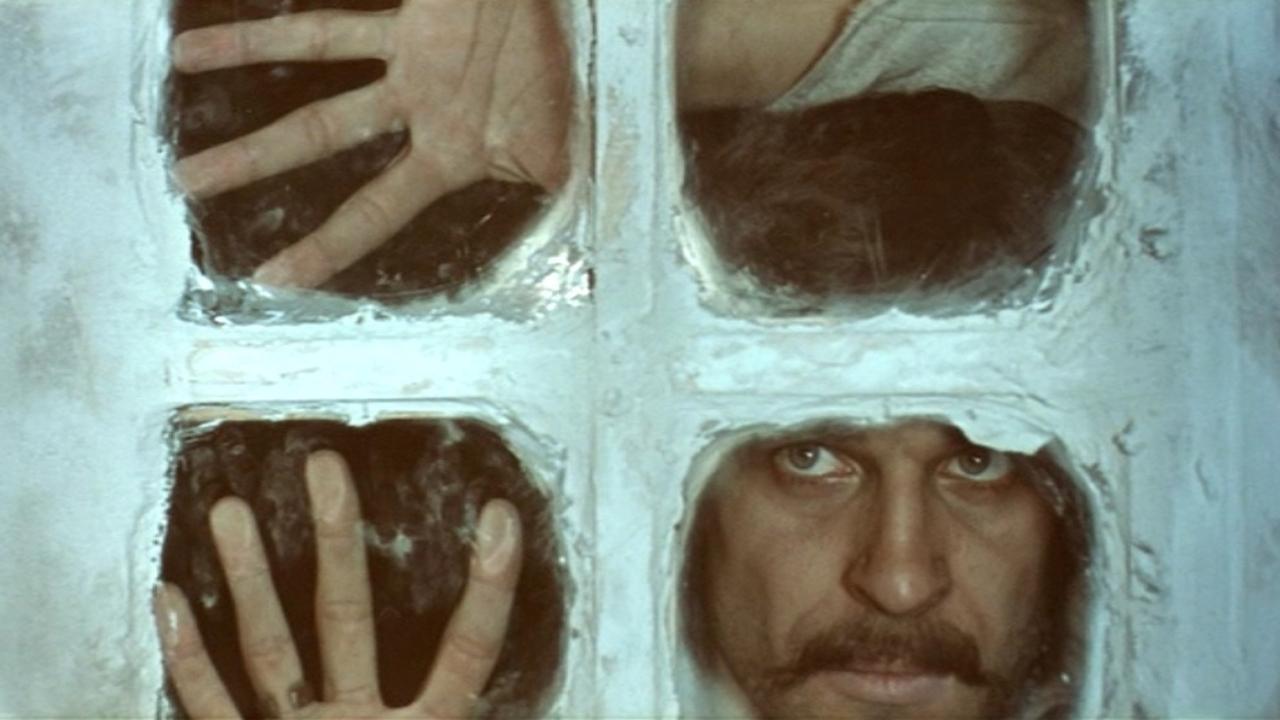
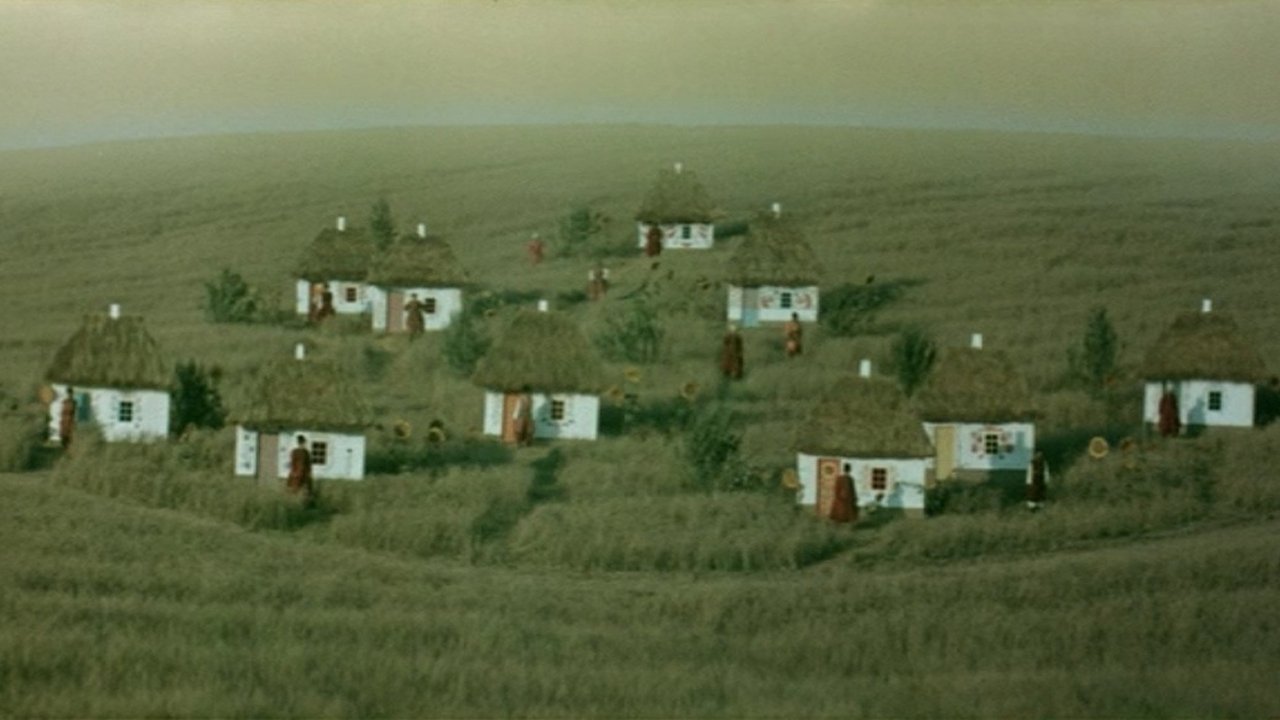
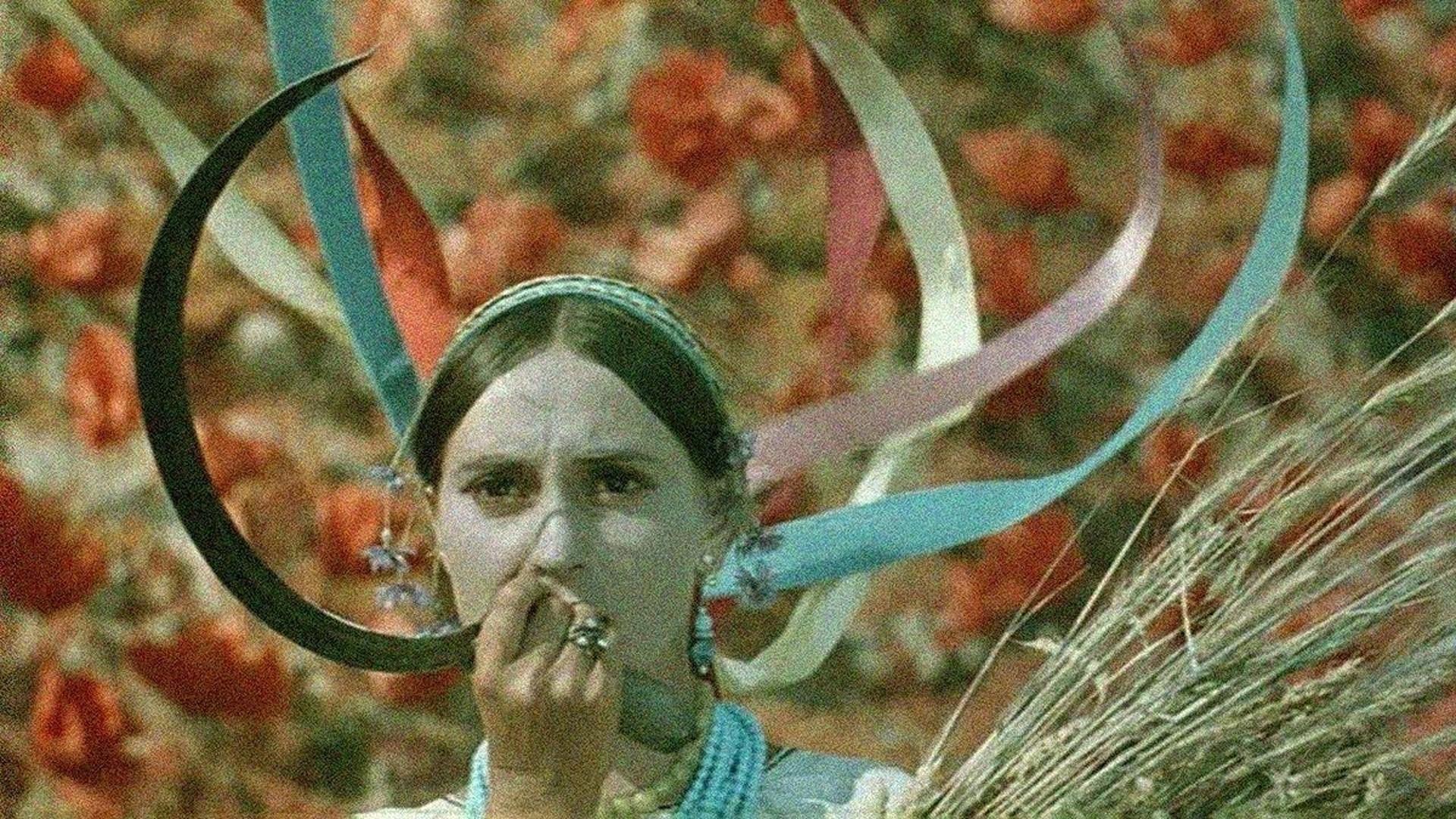
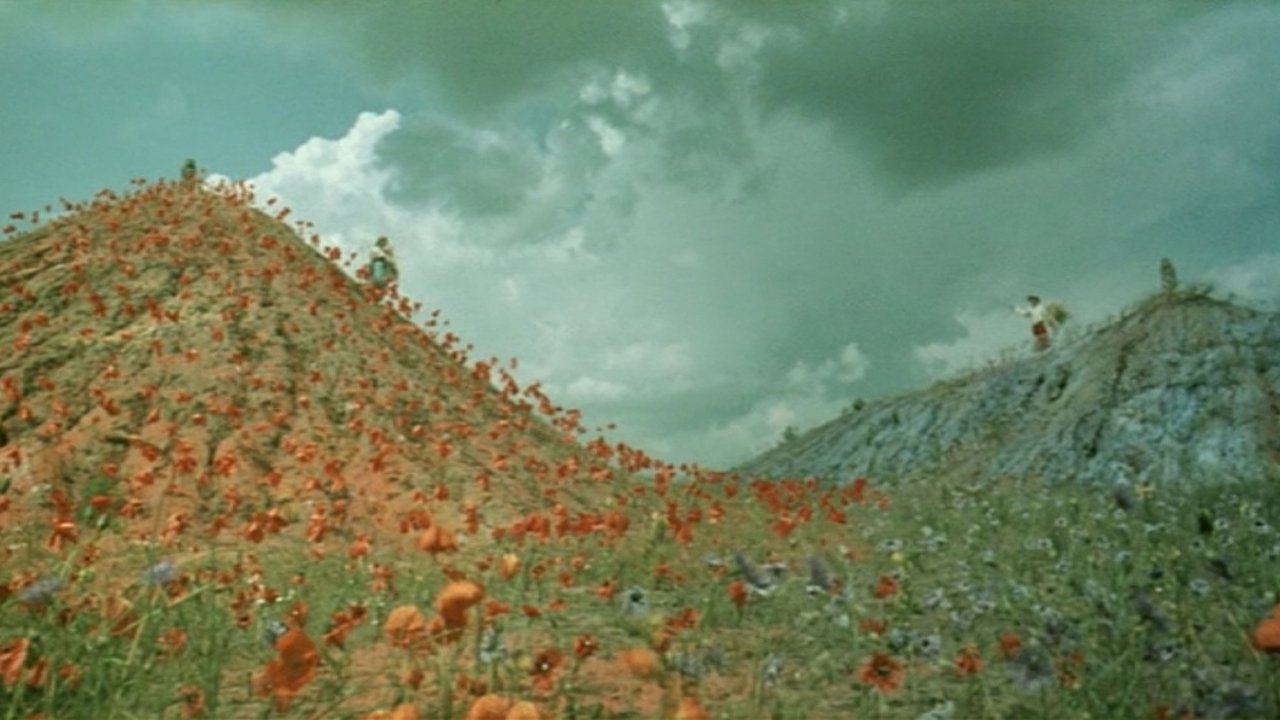
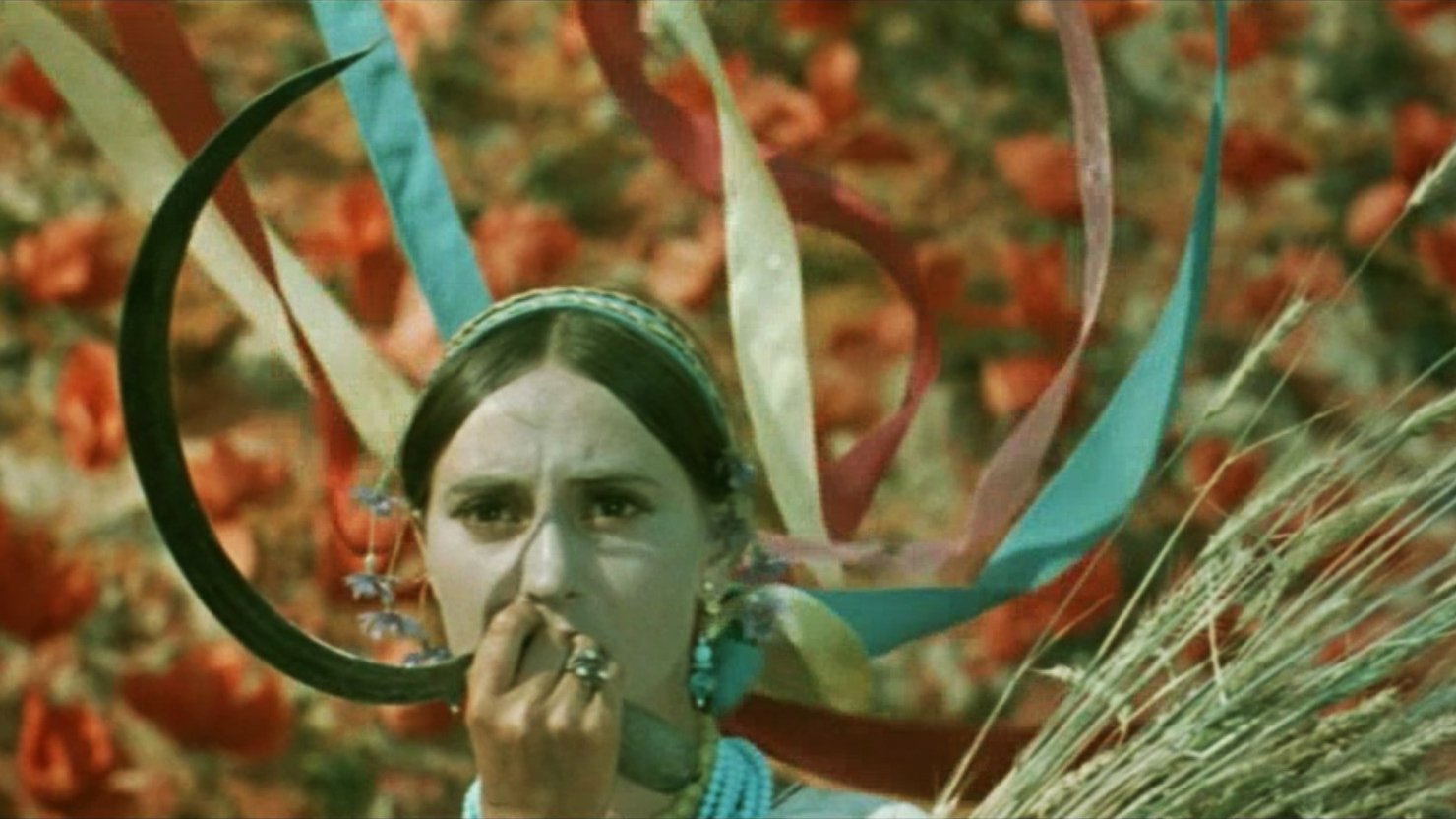
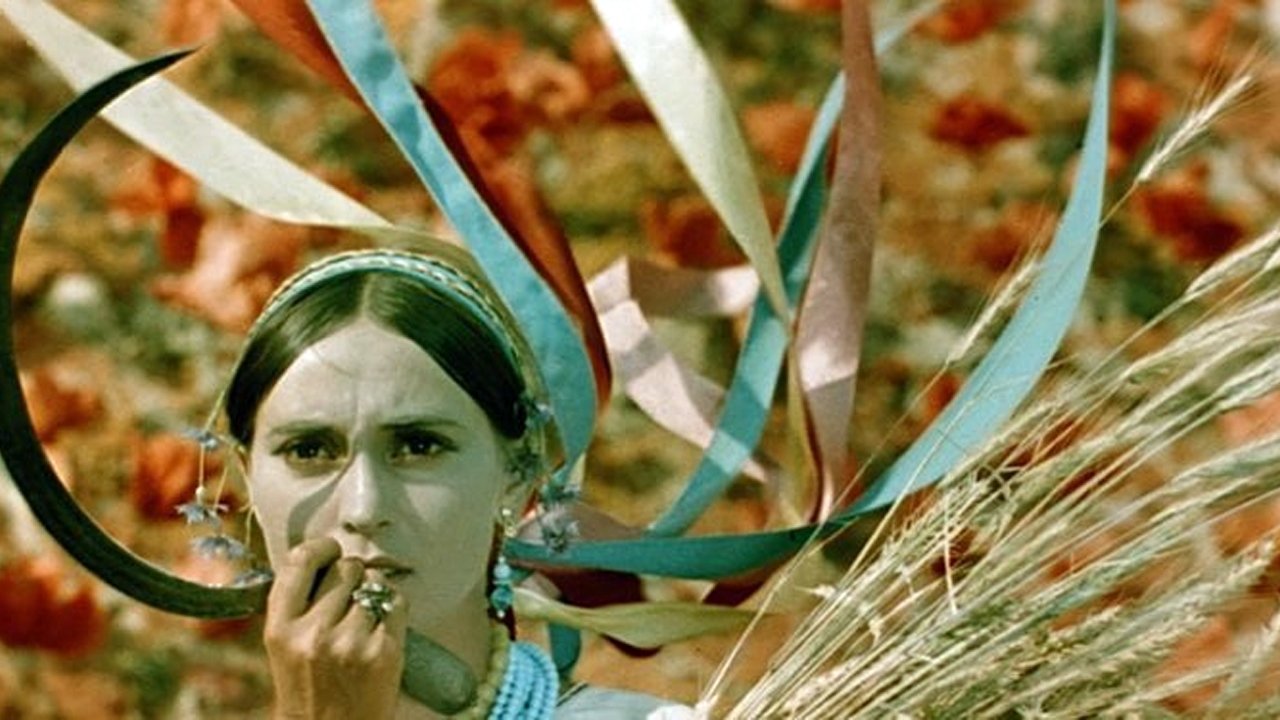
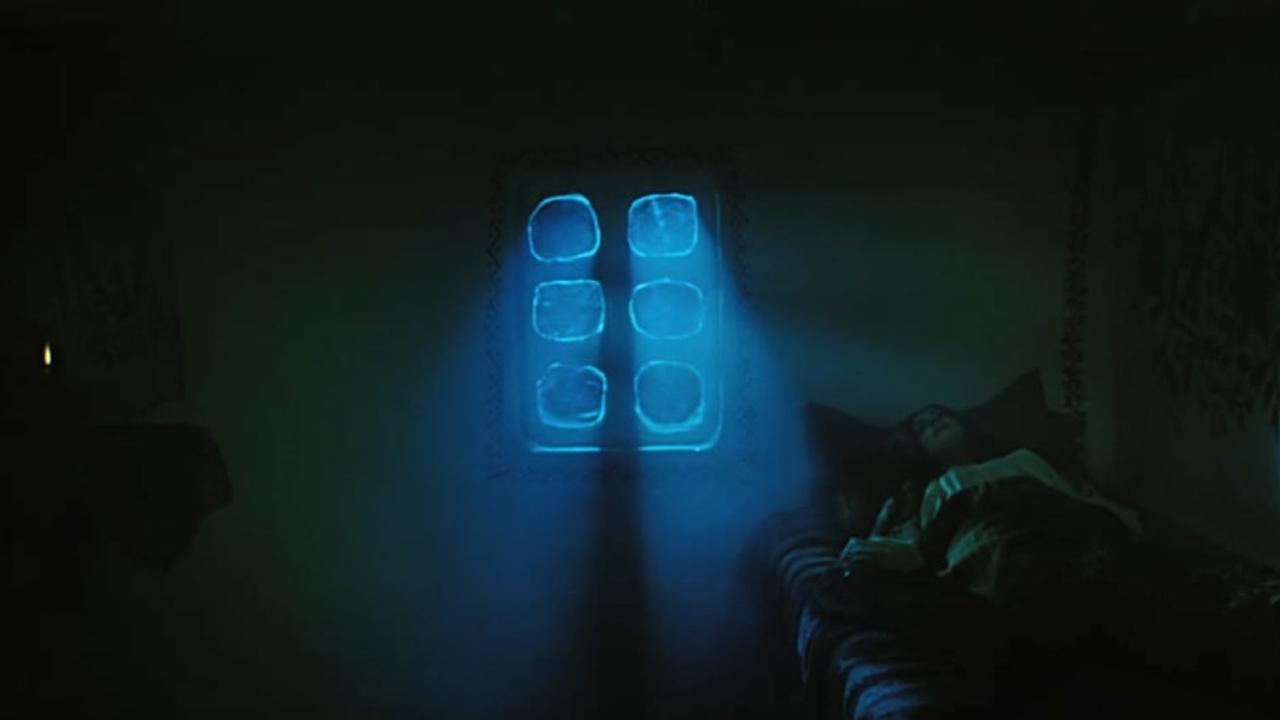
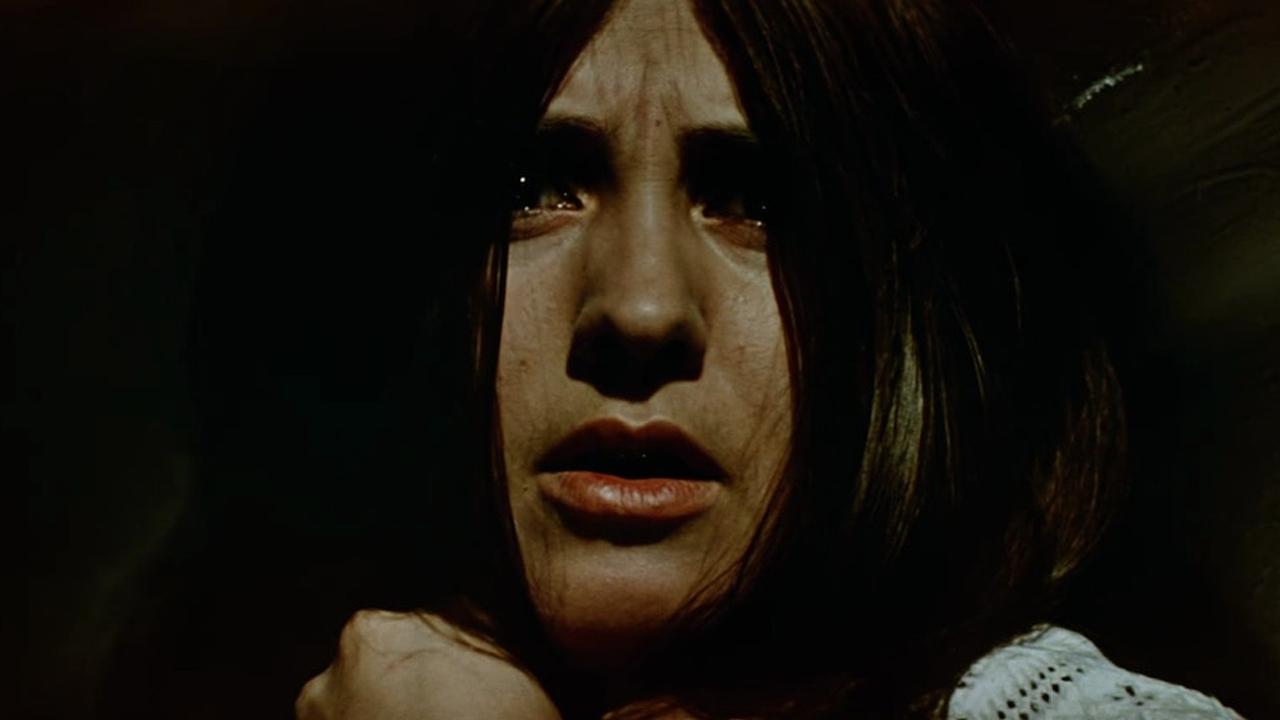
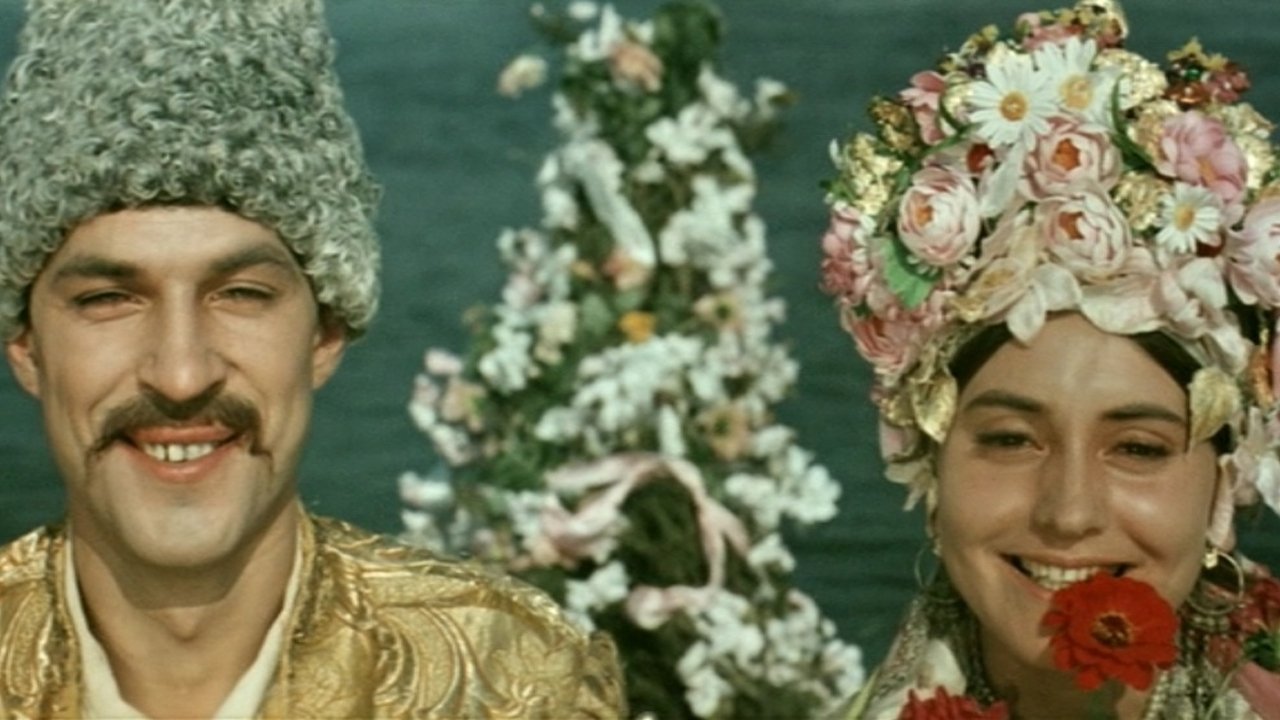
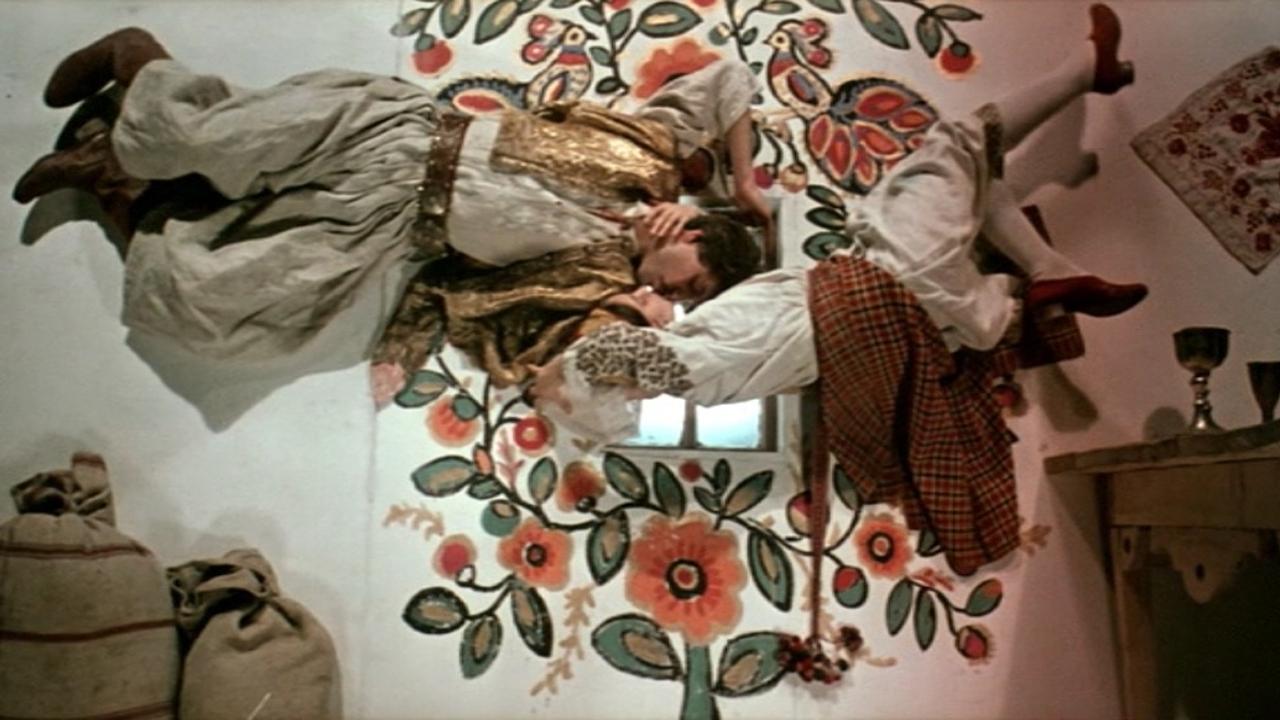
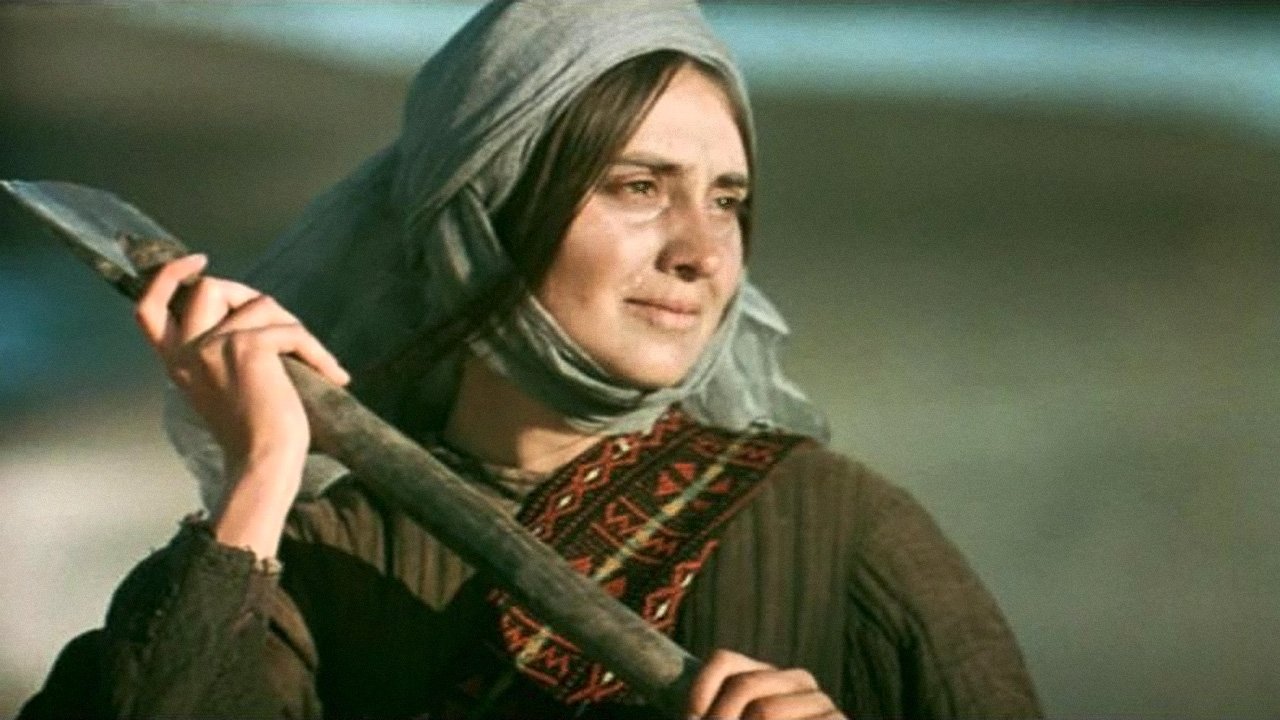
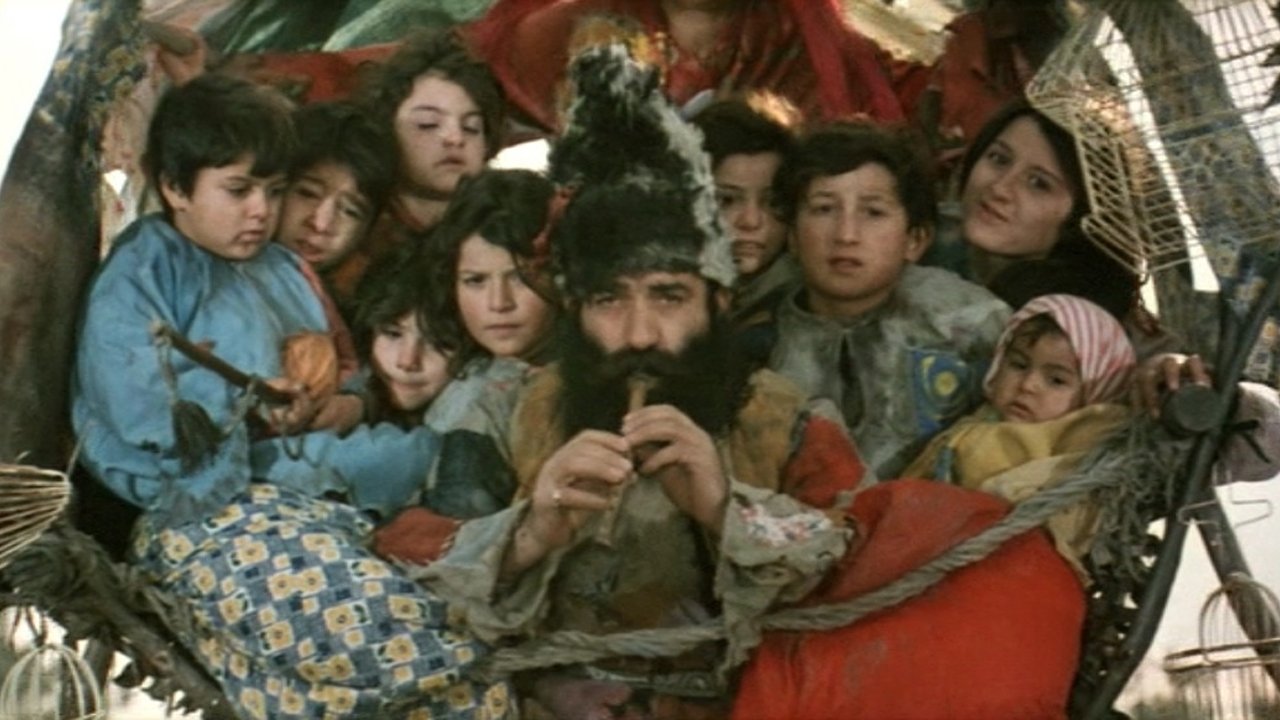
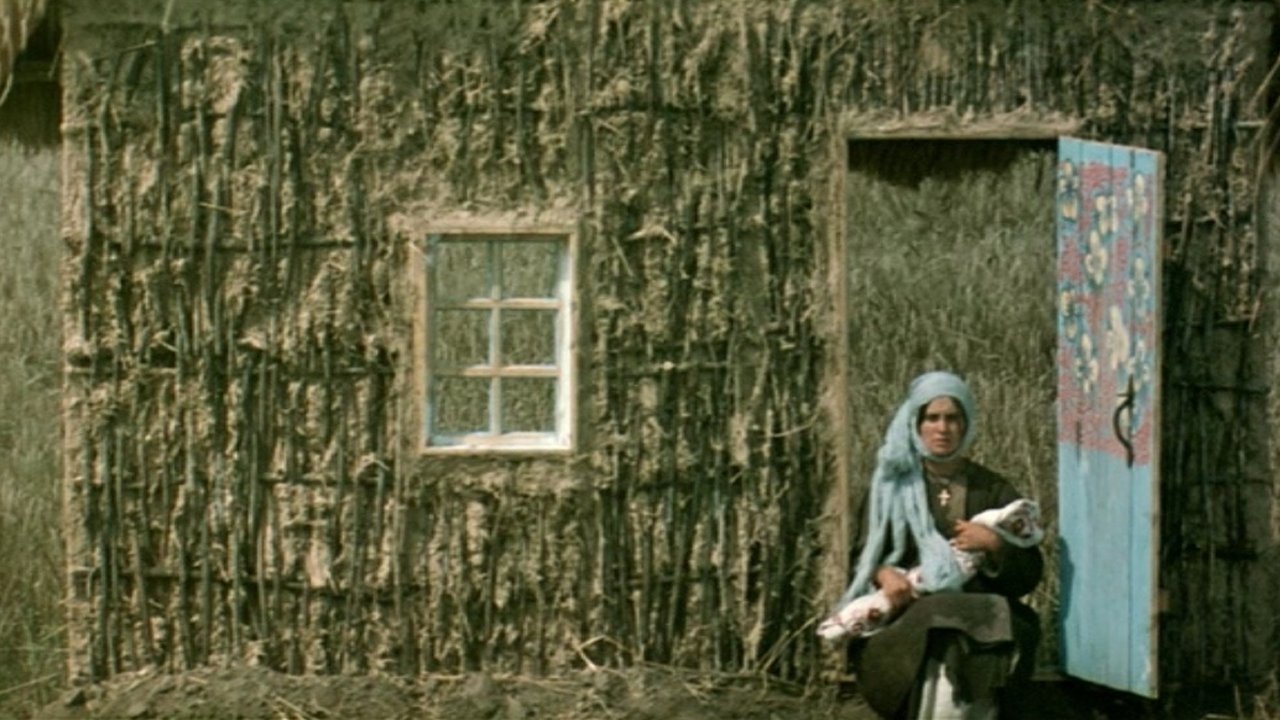
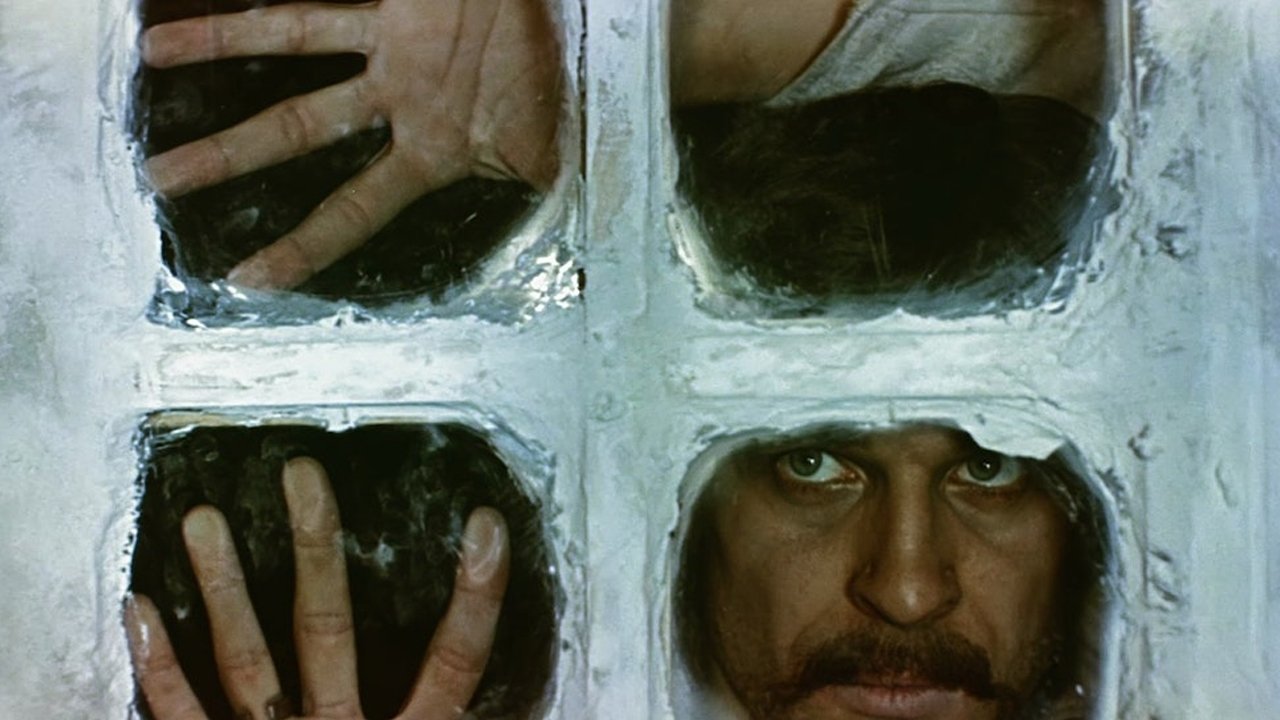
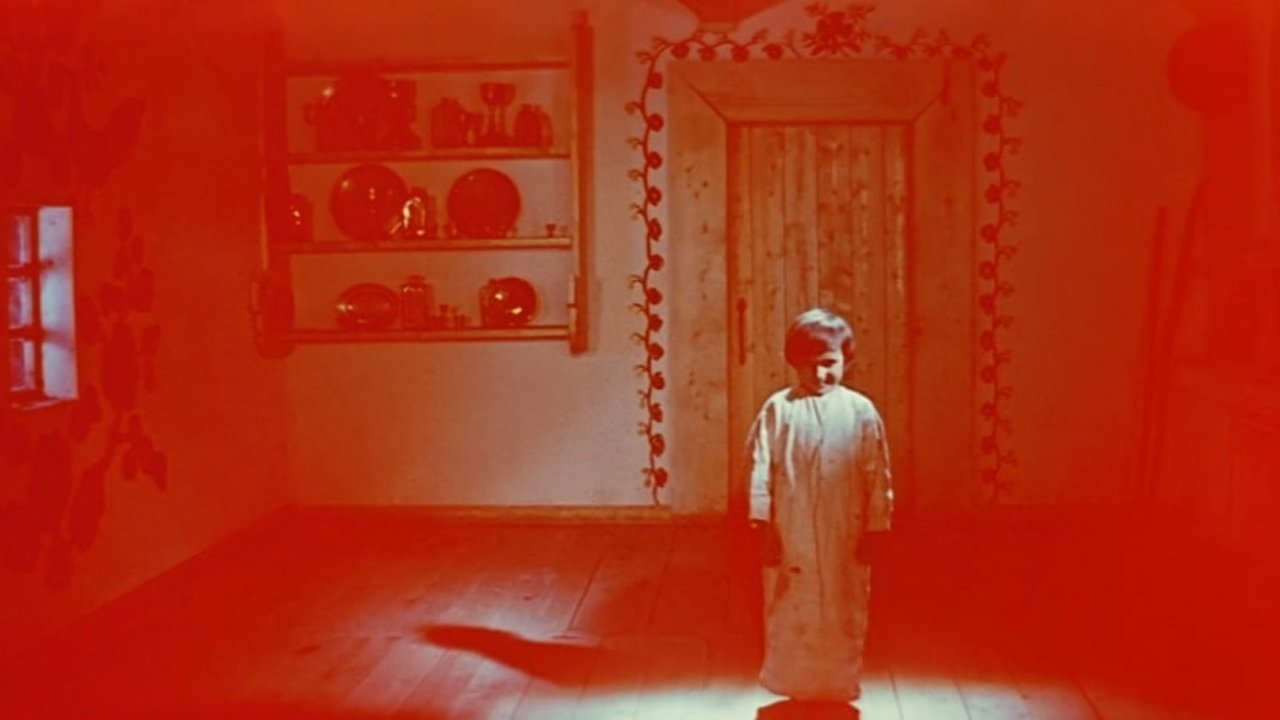
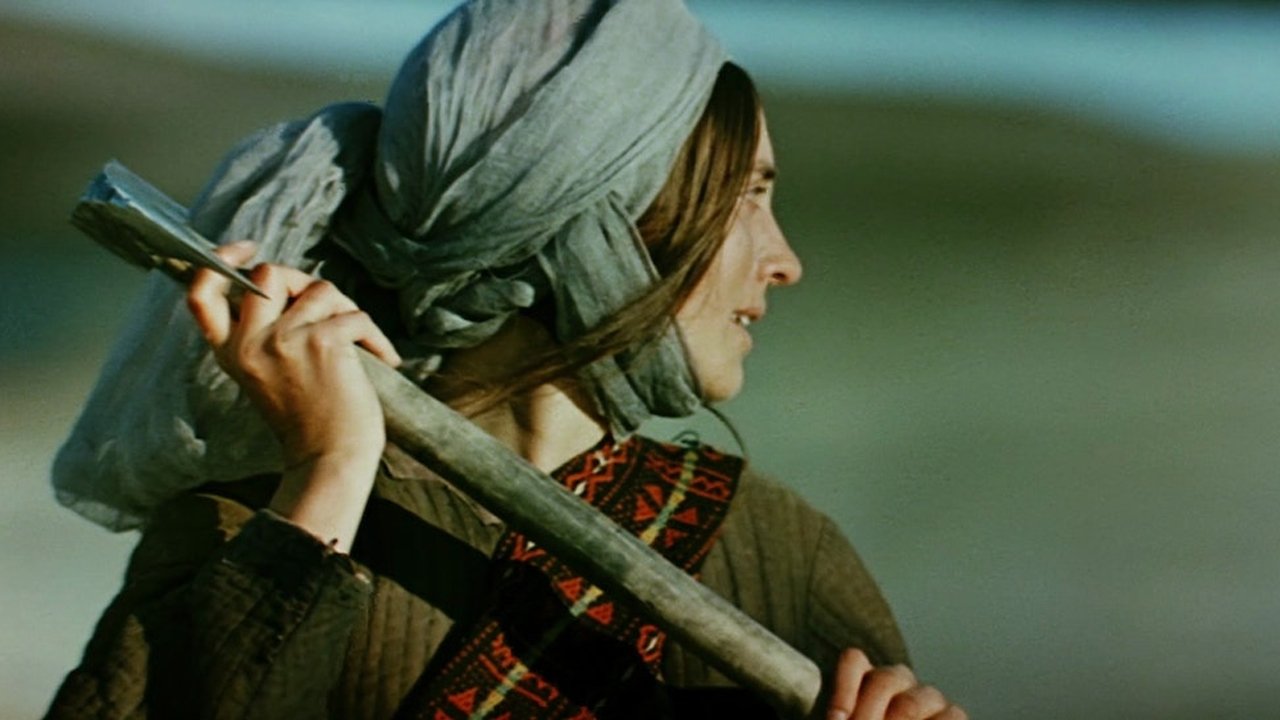
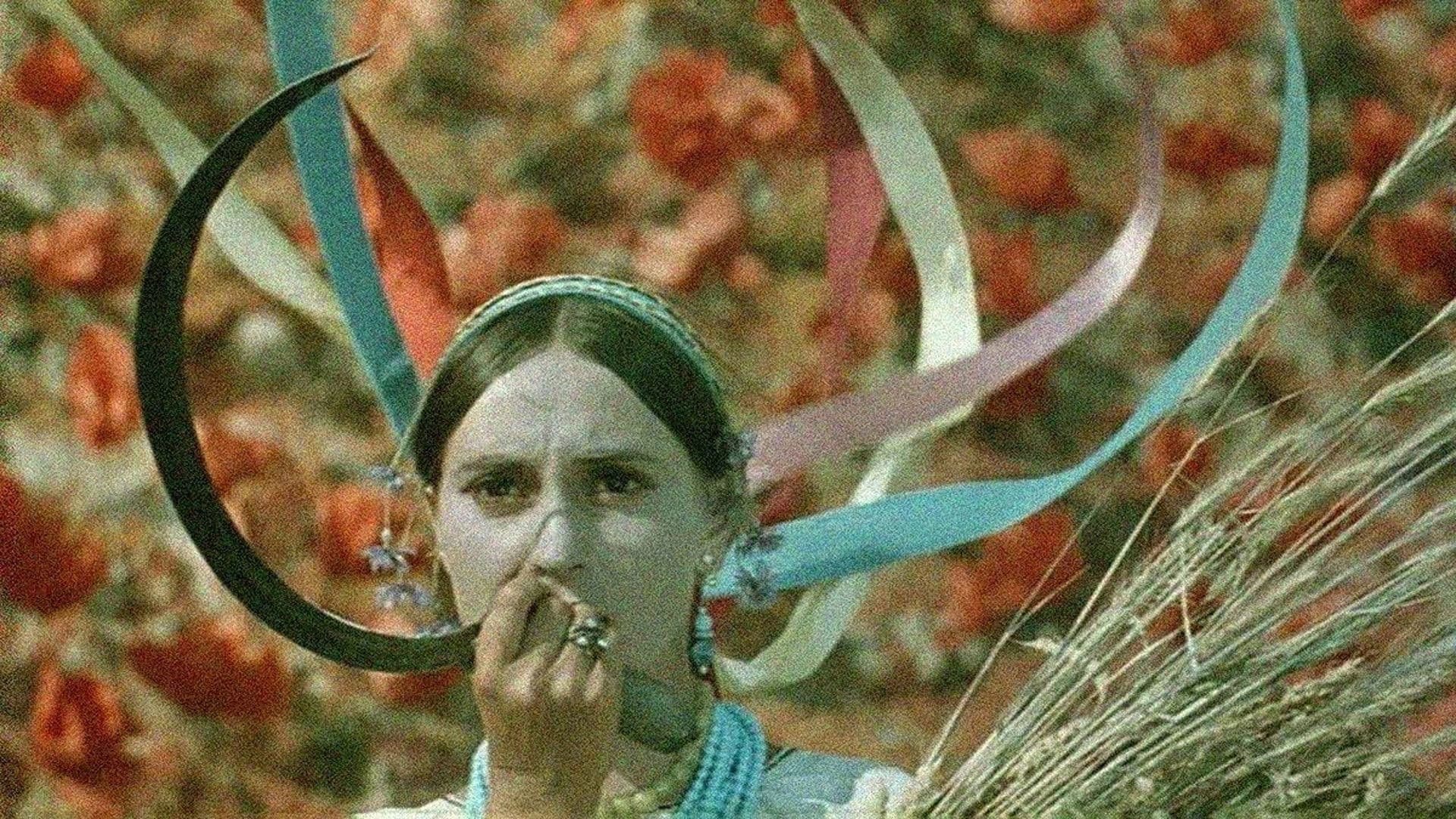
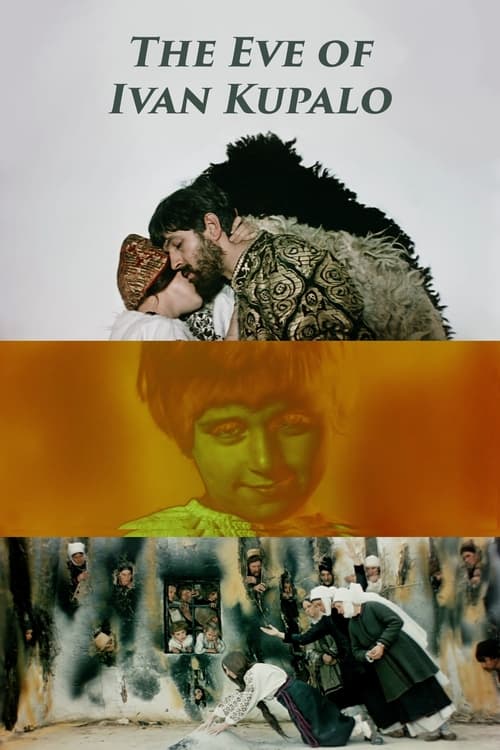
Petro is a modest farmhand living in an impoverished village in some unspecified long-ago era. He wants to marry the lovely Pidorka, but her stern father won't hear of it. The mischievous demon Basavriuk, offers a deal, enticing Petro into crime for the sake of fortune. Based on Nikolai Gogol’s short story “The Eve of Ivan Kupala” (“St John’s Eve”) and Ukrainian folk tales.
Directed by Yurii Illienko
hallucination
surrealism
pact with the devil
ukrainian village
mystical
ukrainian folklore
dance ritual

Trailer

IMDB
N/A
Cast
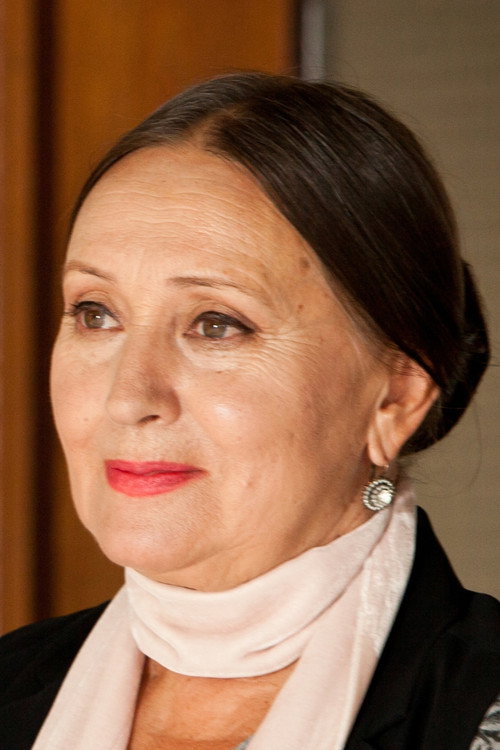
Larysa Kadochnykova
Pidorka
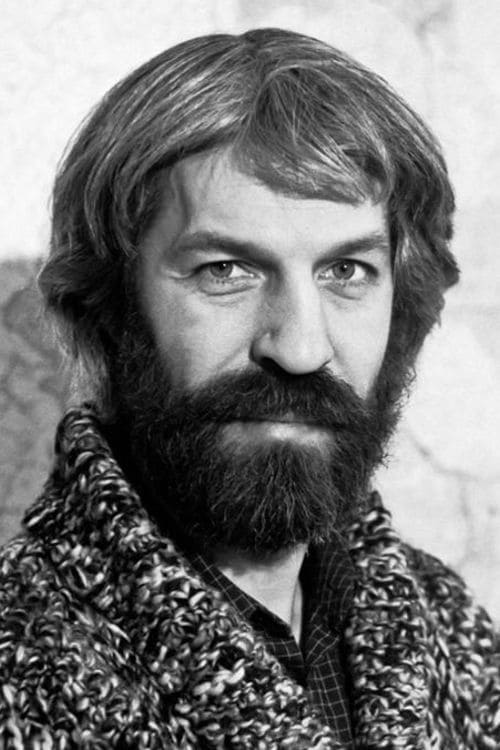
Boris Khmelnitsky
Petro
Oleksandr Sergienko
Ivas
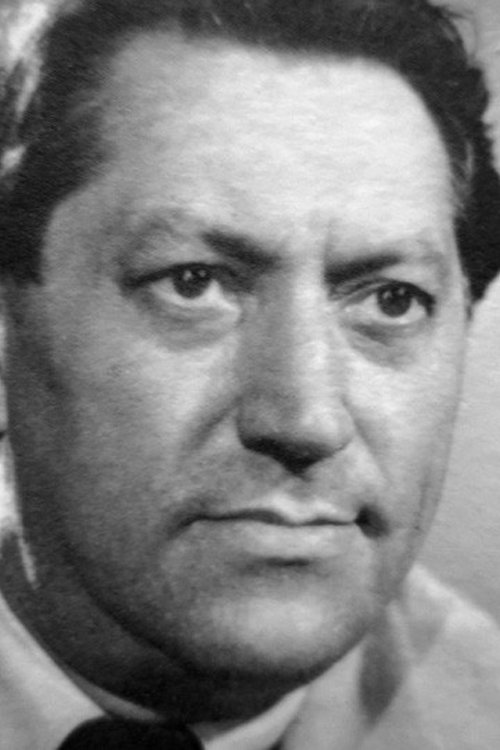
Davyd Yanover
Master
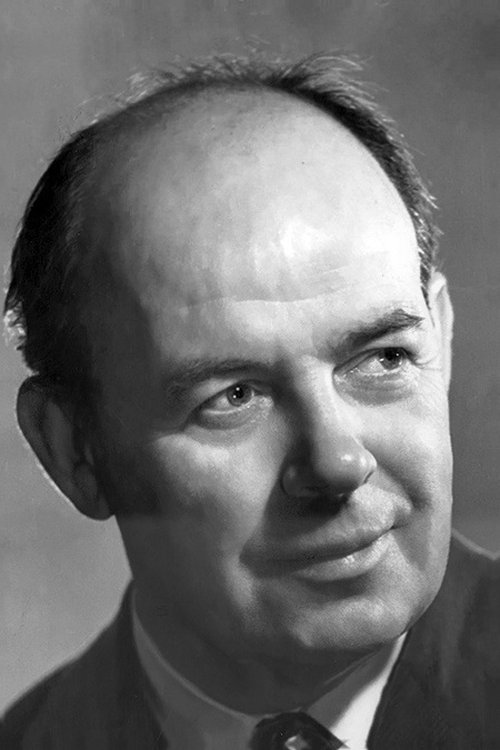
Dmytro Franko
Korzh
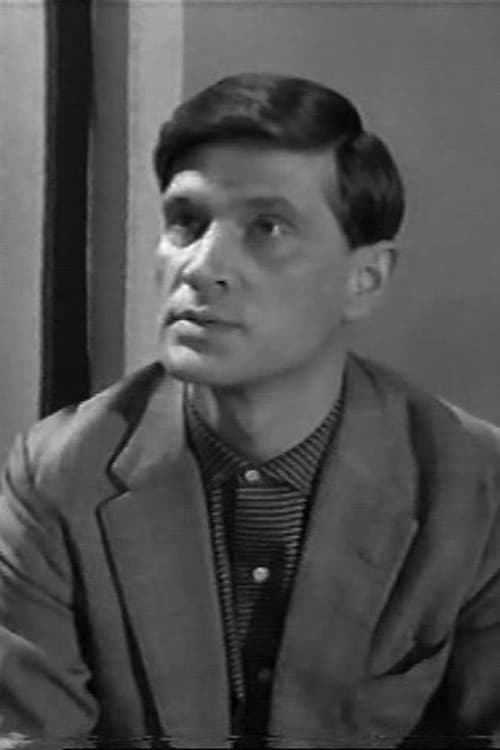
Yevgeni Fridman
Basavriuk
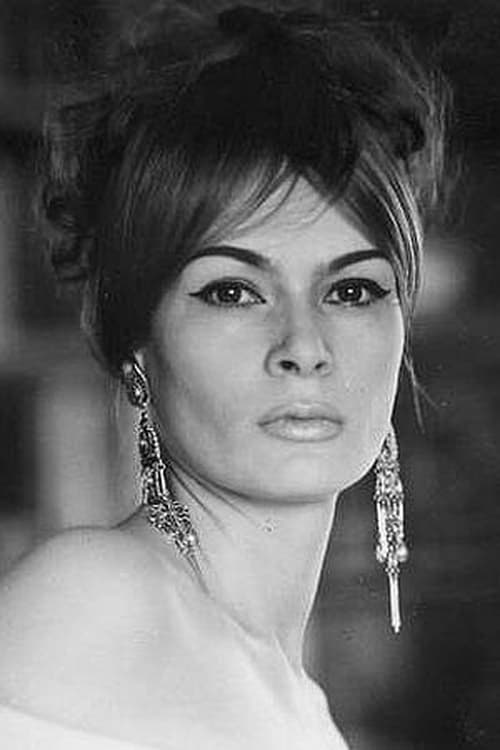
Gemma Firsova
Witch
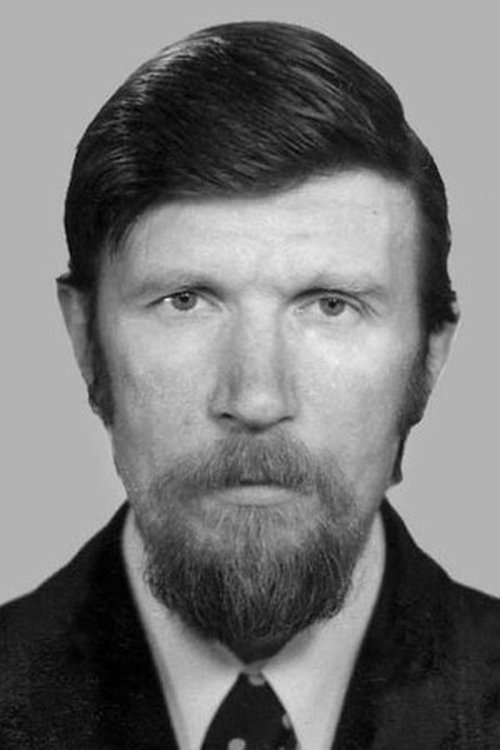
Konstantin Ershov
Priest
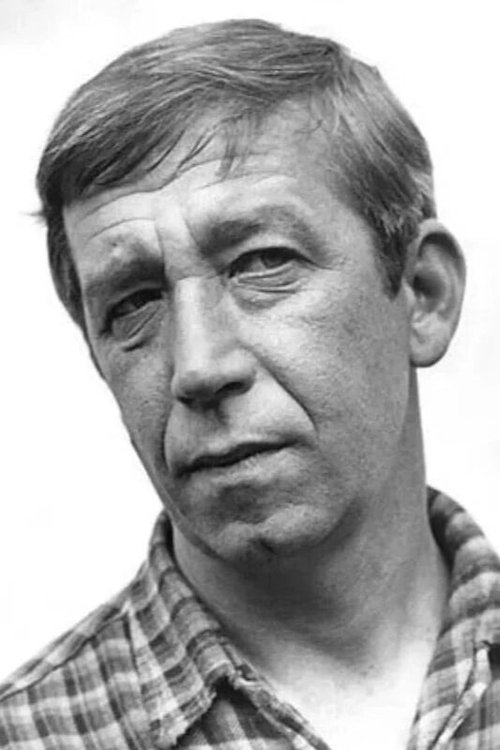
Boryslav Brondukov
Suitor
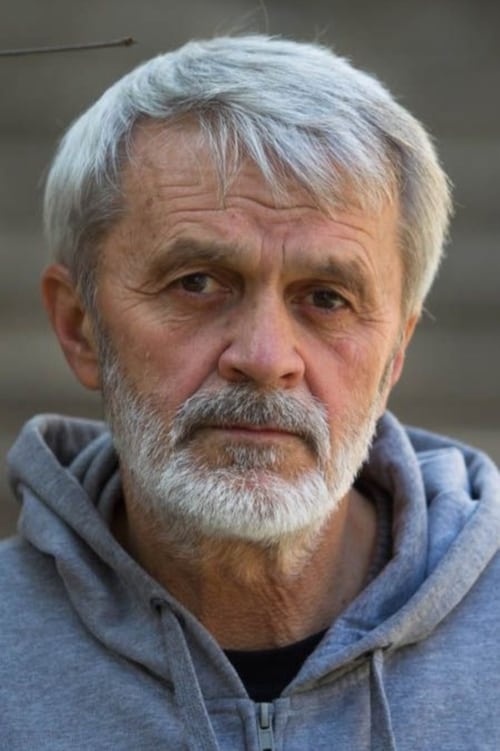
Mykhailo Illienko
Suitor
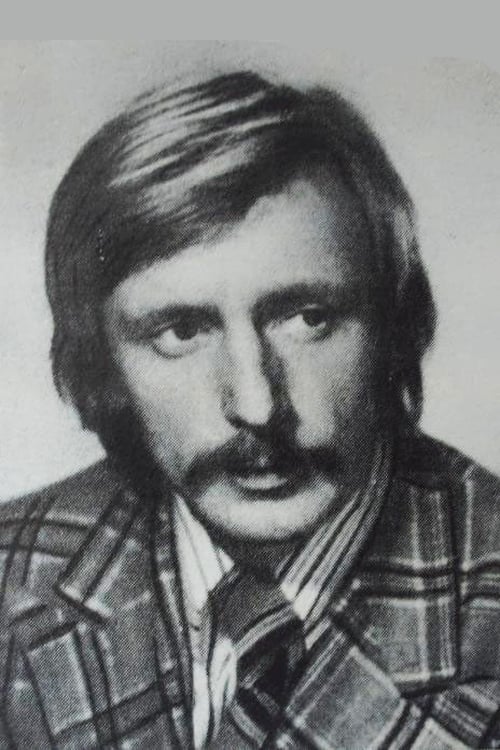
Viktor Panchenko
Suitor
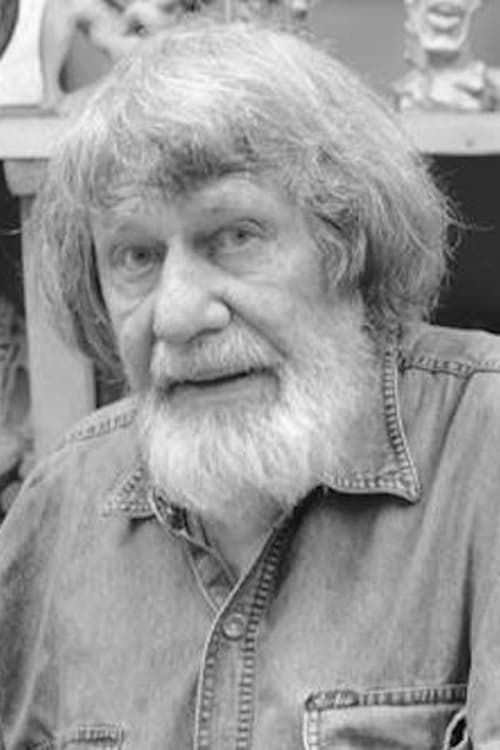
Nikolai Silis
Tavern keeper
Crew
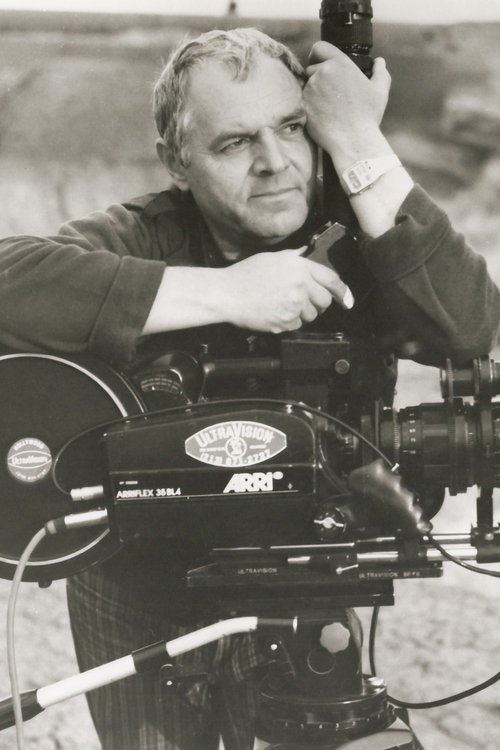
Yurii Illienko
Director
Yurii Illienko
Writer

Leonid Hrabovskyi
Original Music Composer
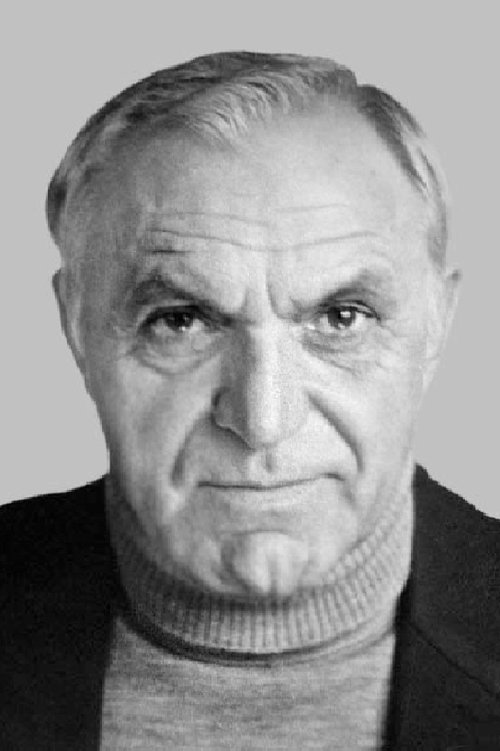
Vadym Illienko
Director of Photography
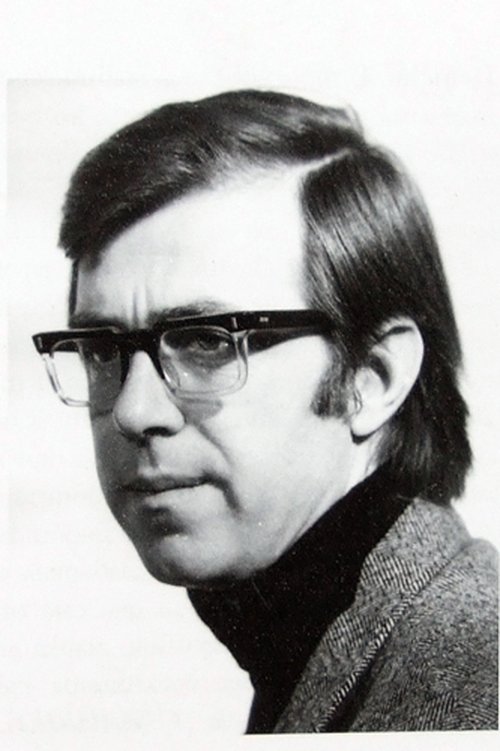
Georgi Djulgerov
Assistant Director
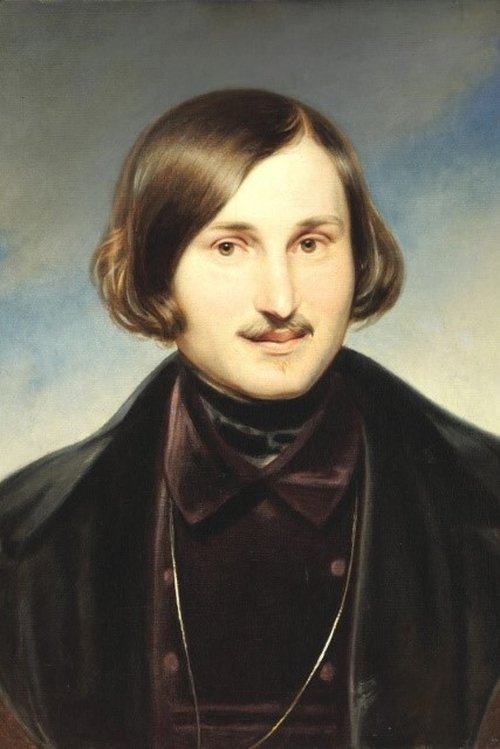
Nikolai Gogol
Short Story
Popular Reviews
15 reviews
Paulina
10.0★ · 06/29/26
ну це дійсно шедевр
ну це дійсно шедевр


hQ0105
10.0★ · 06/23/26
What a banger.
Yurii Illienko is such an underappreciated visionary genius. The symbolic power of every single shot never fails to strike me, even on a third rewatch.
Yurii Illienko is such an underappreciated visionary genius. The symbolic power of every single shot never fails to strike me, even on a third rewatch.
What a banger.
Yurii Illienko is such an underappreciated visionary genius. The symbolic power of every single shot never fails to strike me, even on a third rewatch.
Yurii Illienko is such an underappreciated visionary genius. The symbolic power of every single shot never fails to strike me, even on a third rewatch.
Teddy Westside
10.0★ · 05/21/26
Made me cry. A lot of shots here will stay with me until I die.
Every frame looks like a painting, yet it's more than willing to be funny when it needs to be. It's chaotic, dark and mournful, yet optimistic at heart.
I struggle to recommend it to my British friends because it's vehemently absurdist and the parts of the story you actually need to follow require a level of familiarity with Ukrainian culture and folklore that even I sometimes didn't have. Despite that, I would still recommend it as you can largely infer the story from the body language and sequences, you will only be missing out on the minutiae.
The visuals are unbelievably gorgeous throughout it's entire runtime. The scene where he accepts the deal with the devil is beautifully experimental. I believe it would be daring even today.
I enjoyed seeing the film as a history of Ukraine. Its past, its present, and its future. Particularly the scene where the foreign European nobleman arrives with his daughter and makes the villagers dance. It wasn't intended this way, but it's accidentally a perfect snapshot of the fake sympathy and condescension a lot of westerners give Ukrainians. As though we are a folk story to learn from rather than a nation of millions of unique conscious individual agents who have both good and evil within.
The final scene, with the husband and bride looking at the meadows, is the first in years to make me cry. I long for my people to find peace after a thousand years of struggle. I wish to be buried in that black soil.
Every frame looks like a painting, yet it's more than willing to be funny when it needs to be. It's chaotic, dark and mournful, yet optimistic at heart.
I struggle to recommend it to my British friends because it's vehemently absurdist and the parts of the story you actually need to follow require a level of familiarity with Ukrainian culture and folklore that even I sometimes didn't have. Despite that, I would still recommend it as you can largely infer the story from the body language and sequences, you will only be missing out on the minutiae.
The visuals are unbelievably gorgeous throughout it's entire runtime. The scene where he accepts the deal with the devil is beautifully experimental. I believe it would be daring even today.
I enjoyed seeing the film as a history of Ukraine. Its past, its present, and its future. Particularly the scene where the foreign European nobleman arrives with his daughter and makes the villagers dance. It wasn't intended this way, but it's accidentally a perfect snapshot of the fake sympathy and condescension a lot of westerners give Ukrainians. As though we are a folk story to learn from rather than a nation of millions of unique conscious individual agents who have both good and evil within.
The final scene, with the husband and bride looking at the meadows, is the first in years to make me cry. I long for my people to find peace after a thousand years of struggle. I wish to be buried in that black soil.
Made me cry. A lot of shots here will stay with me until I die.
Every frame looks like a painting, yet it's more than willing to be funny when it needs to be. It's chaotic, dark and mournful, yet optimistic at heart.
I struggle to recommend it to my British friends because it's vehemently absurdist and the parts of the story you actually need to follow require a level of familiarity with Ukrainian culture and folklore that even I sometimes didn't have. Despite that, I would still recommend it as you can largely infer the story from the body language and sequences, you will only be missing out on the minutiae.
The visuals are unbelievably gorgeous throughout it's entire runtime. The scene where he accepts the deal with the devil is beautifully experimental. I believe it would be daring even today.
I enjoyed seeing the film as a history of Ukraine. Its past, its present, and its future. Particularly the scene where the foreign European nobleman arrives with his daughter and makes the villagers dance. It wasn't intended this way, but it's accidentally a perfect snapshot of the fake sympathy and condescension a lot of westerners give Ukrainians. As though we are a folk story to learn from rather than a nation of millions of unique conscious individual agents who have both good and evil within.
The final scene, with the husband and bride looking at the meadows, is the first in years to make me cry. I long for my people to find peace after a thousand years of struggle. I wish to be buried in that black soil.
Every frame looks like a painting, yet it's more than willing to be funny when it needs to be. It's chaotic, dark and mournful, yet optimistic at heart.
I struggle to recommend it to my British friends because it's vehemently absurdist and the parts of the story you actually need to follow require a level of familiarity with Ukrainian culture and folklore that even I sometimes didn't have. Despite that, I would still recommend it as you can largely infer the story from the body language and sequences, you will only be missing out on the minutiae.
The visuals are unbelievably gorgeous throughout it's entire runtime. The scene where he accepts the deal with the devil is beautifully experimental. I believe it would be daring even today.
I enjoyed seeing the film as a history of Ukraine. Its past, its present, and its future. Particularly the scene where the foreign European nobleman arrives with his daughter and makes the villagers dance. It wasn't intended this way, but it's accidentally a perfect snapshot of the fake sympathy and condescension a lot of westerners give Ukrainians. As though we are a folk story to learn from rather than a nation of millions of unique conscious individual agents who have both good and evil within.
The final scene, with the husband and bride looking at the meadows, is the first in years to make me cry. I long for my people to find peace after a thousand years of struggle. I wish to be buried in that black soil.
Nick
8.0★ · 03/02/25
Ilyenko’s camera is dimensional. I recently praised Eggers’ camera in Nosferatu because of the dimensionality it was able to manipulate and deftly break. But here, Ilyenko navigates spacial dimensionality with even more grace. He did this last movie, too, in Spring. I think (?) he uses mirrors and angle shifts to present different perspectives of the same character within a seemingly single shot.
His images are so striking. There is a stylistic abbrasiveness. The narrative is more abstract and less concerned with immediate cohesion. It makes more room for the ambiguities and eccentricities to shine. I feel like I’m always provoked by what I’m seeing in a stimulating way. Right down to the end, I feel like I’m watching something, rich, beautiful, and textured.
I hope Ilyenko can get more exposure in the future because he is truly a lost master.
His images are so striking. There is a stylistic abbrasiveness. The narrative is more abstract and less concerned with immediate cohesion. It makes more room for the ambiguities and eccentricities to shine. I feel like I’m always provoked by what I’m seeing in a stimulating way. Right down to the end, I feel like I’m watching something, rich, beautiful, and textured.
I hope Ilyenko can get more exposure in the future because he is truly a lost master.
Ilyenko’s camera is dimensional. I recently praised Eggers’ camera in Nosferatu because of the dimensionality it was able to manipulate and deftly break. But here, Ilyenko navigates spacial dimensionality with even more grace. He did this last movie, too, in Spring. I think (?) he uses mirrors and angle shifts to present different perspectives of the same character within a seemingly single shot.
His images are so striking. There is a stylistic abbrasiveness. The narrative is more abstract and less concerned with immediate cohesion. It makes more room for the ambiguities and eccentricities to shine. I feel like I’m always provoked by what I’m seeing in a stimulating way. Right down to the end, I feel like I’m watching something, rich, beautiful, and textured.
I hope Ilyenko can get more exposure in the future because he is truly a lost master.
His images are so striking. There is a stylistic abbrasiveness. The narrative is more abstract and less concerned with immediate cohesion. It makes more room for the ambiguities and eccentricities to shine. I feel like I’m always provoked by what I’m seeing in a stimulating way. Right down to the end, I feel like I’m watching something, rich, beautiful, and textured.
I hope Ilyenko can get more exposure in the future because he is truly a lost master.
SamEssss
7.0★ · 01/18/23
Absolute Faustian absurdist folk madness. I can imagine Roy Andersson watching this as a kid!
Watched on Robert Eggers’ recommendation from the Screenshot Podcast - Episode: Folk Horror - 6th Jan 2023.
Watched on YouTube: youtu.be/-cD-3XXhSrk
Watched on Robert Eggers’ recommendation from the Screenshot Podcast - Episode: Folk Horror - 6th Jan 2023.
Watched on YouTube: youtu.be/-cD-3XXhSrk
Absolute Faustian absurdist folk madness. I can imagine Roy Andersson watching this as a kid!
Watched on Robert Eggers’ recommendation from the Screenshot Podcast - Episode: Folk Horror - 6th Jan 2023.
Watched on YouTube: youtu.be/-cD-3XXhSrk
Watched on Robert Eggers’ recommendation from the Screenshot Podcast - Episode: Folk Horror - 6th Jan 2023.
Watched on YouTube: youtu.be/-cD-3XXhSrk