
Giuseppe Makes a Movie
2014·Documentary·1h 22m
7.1
★
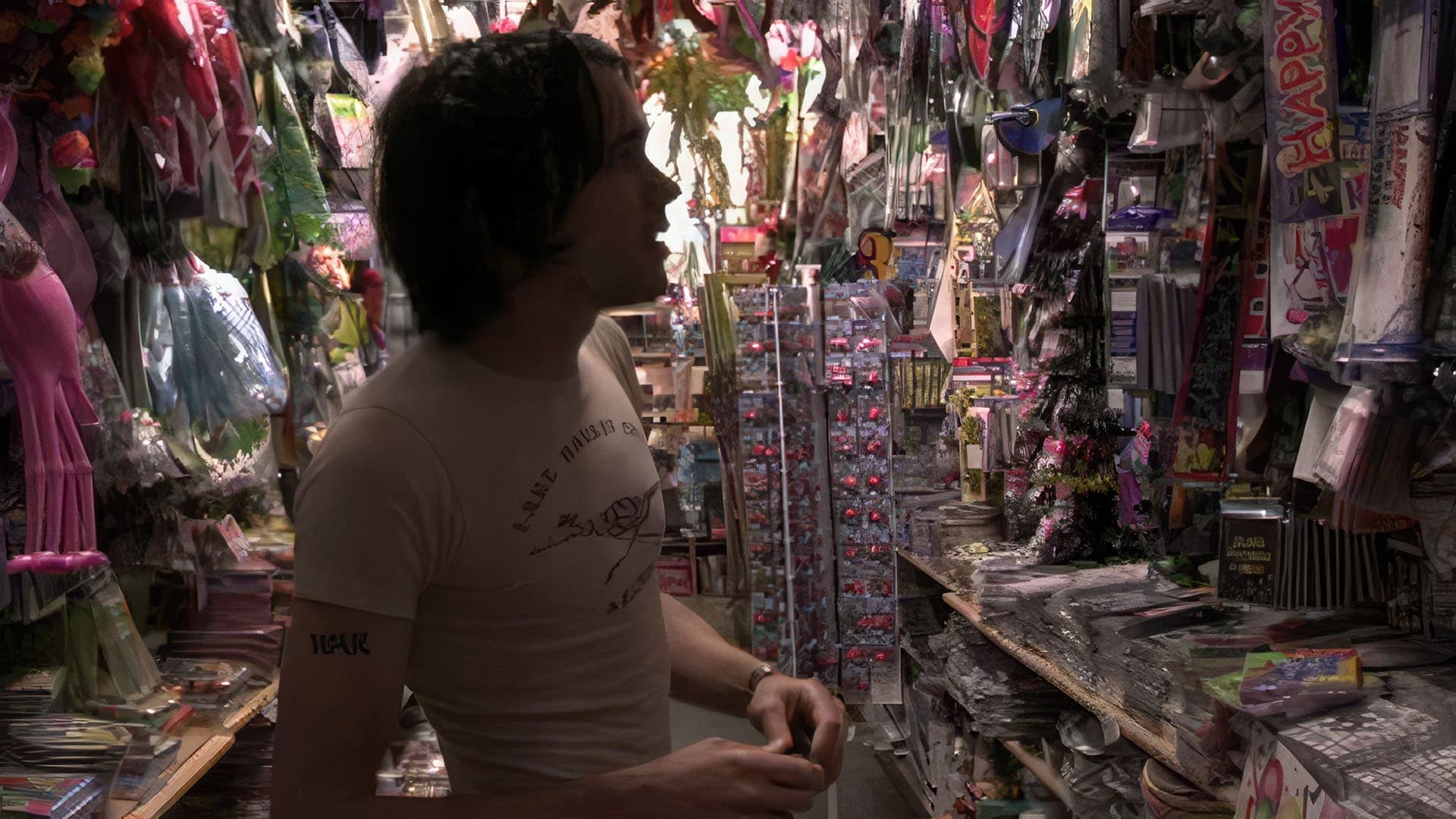
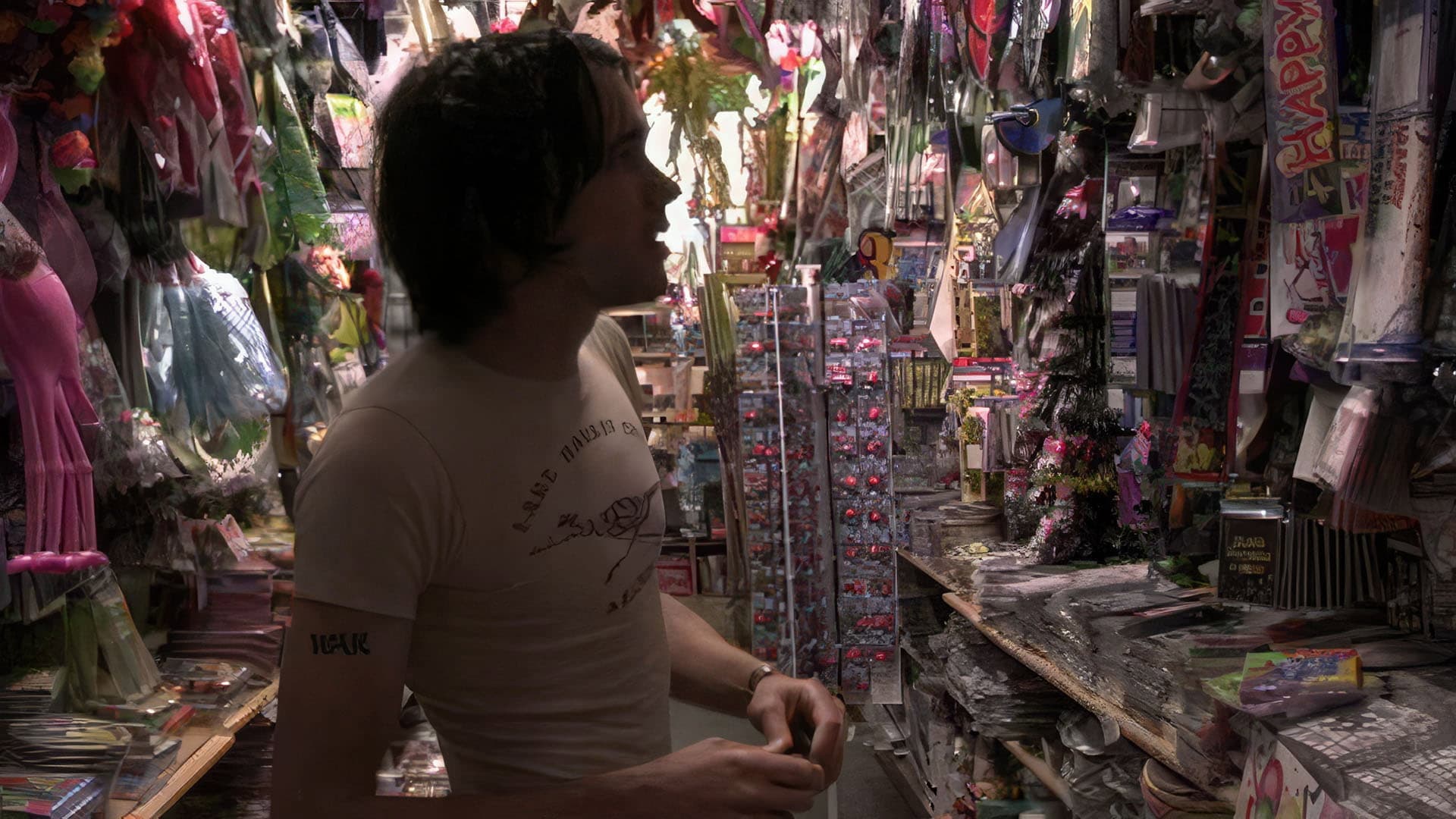
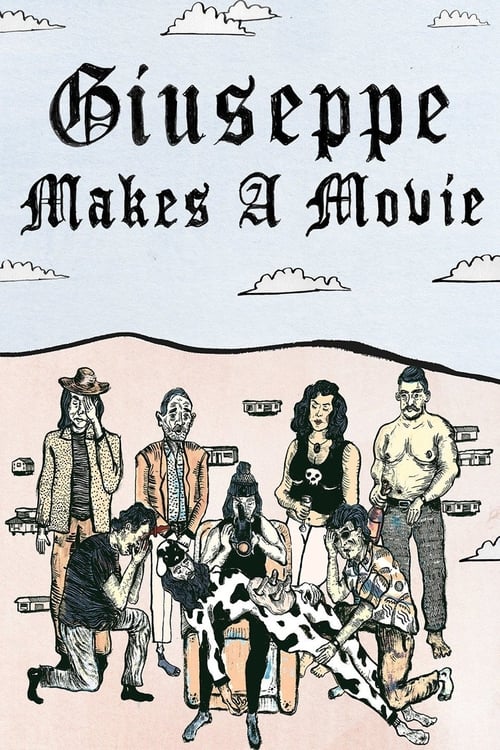
While the rest of America slept, DIY filmmaker/musician Giuseppe Andrews has made over 30 experimental features. Set in some demented alternate universe (i.e. Ventura, California), they are populated by real-life alcoholics and drug addicts, trash-talking senior citizens and trailer park residents dressed in cow outfits and costume-shop wigs. Director Adam Rifkin creates a wildly surreal, outrageously funny and strangely touching portrait of a truly Outsider Artist inhabiting a world few of us even know exists.
Directed by Adam Rifkin

IMDB
N/A
Cast
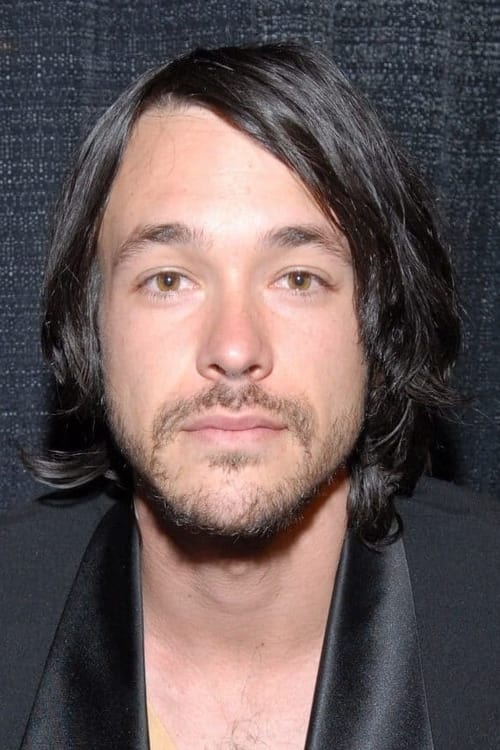
Giuseppe Andrews
Self
Vietnam Ron
Self
Crew
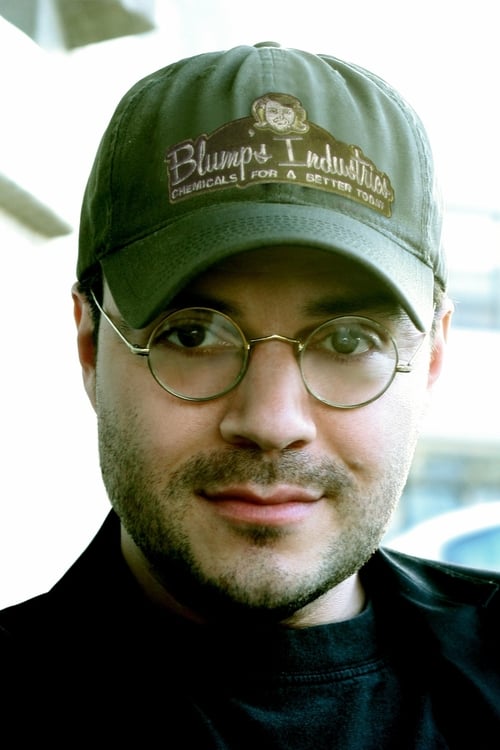
Adam Rifkin
Director
Adam Rifkin
Writer
Giuseppe Andrews
Original Music Composer
Adam Rifkin
Producer
Adam Rifkin
Cinematography
Popular Reviews
7 reviews
Gabriel Silva
9.3★ · 01/11/24
In an early scene of Giuseppe Makes A Movie, Giuseppe explains why his films lack a sense of continuity, or rather why he doesn’t care about continuity in his films. For him, the vibes are more important than anything that can be nitpicked apart by people watching. He’s trying to capture an energy from the moment he puts pen to page all the way until he is in the editing chair. The way he talks about films he’s seen and the films he wants to make is nothing short of inspiring, writing and shooting films often in less than three days total. You can sense through Rifkin’s documentary exactly how much Giuseppe loves film in its entirety. It’d be easy to dismiss his films as low-effort trash that exploits the homeless, but when watching him work and seeing how he talks about the people he casts in his films quite often it becomes harder to claim that. He rolls with the punches, running with whatever his actors - often paid upwards of $50 for a day of shooting - end up giving him. In one segment, an older actor, Tyree, has an unfortunate accident on set. Someone who only aimed to use these people because they were cheap would be so incredibly reluctant to clean them of themselves, assuring them that everything is fine and that they are still cared for and valued. The apparent impact Giuseppe has had on them, giving them a creative outlet, is powerful, especially when his actors talk about the fun they’ve had on set with big, huge smiles on their faces.
It truly feels like no other filmmaker loves creating as much as this guy does and Rifkin’s documentary matches Giuseppe’s attitude and flair perfectly.
It truly feels like no other filmmaker loves creating as much as this guy does and Rifkin’s documentary matches Giuseppe’s attitude and flair perfectly.
In an early scene of Giuseppe Makes A Movie, Giuseppe explains why his films lack a sense of continuity, or rather why he doesn’t care about continuity in his films. For him, the vibes are more important than anything that can be nitpicked apart by people watching. He’s trying to capture an energy from the moment he puts pen to page all the way until he is in the editing chair. The way he talks about films he’s seen and the films he wants to make is nothing short of inspiring, writing and shooting films often in less than three days total. You can sense through Rifkin’s documentary exactly how much Giuseppe loves film in its entirety. It’d be easy to dismiss his films as low-effort trash that exploits the homeless, but when watching him work and seeing how he talks about the people he casts in his films quite often it becomes harder to claim that. He rolls with the punches, running with whatever his actors - often paid upwards of $50 for a day of shooting - end up giving him. In one segment, an older actor, Tyree, has an unfortunate accident on set. Someone who only aimed to use these people because they were cheap would be so incredibly reluctant to clean them of themselves, assuring them that everything is fine and that they are still cared for and valued. The apparent impact Giuseppe has had on them, giving them a creative outlet, is powerful, especially when his actors talk about the fun they’ve had on set with big, huge smiles on their faces.
It truly feels like no other filmmaker loves creating as much as this guy does and Rifkin’s documentary matches Giuseppe’s attitude and flair perfectly.
It truly feels like no other filmmaker loves creating as much as this guy does and Rifkin’s documentary matches Giuseppe’s attitude and flair perfectly.


angelo
6.6★ · 02/04/23
This shows the beauty of making film on a budget, the idea of perfectionism is thrown out of the window and it teaches you on how to make your own personal masterpiece. Not only does it beautifully explore the love for film and is fucking hilarious but we get to meet a bunch of interesting personalities, personalities that we wouldn’t even think about associating with our own filmmaking. There’s just something poetic about having an idea for a film then just making it without any second guessing.
This shows the beauty of making film on a budget, the idea of perfectionism is thrown out of the window and it teaches you on how to make your own personal masterpiece. Not only does it beautifully explore the love for film and is fucking hilarious but we get to meet a bunch of interesting personalities, personalities that we wouldn’t even think about associating with our own filmmaking. There’s just something poetic about having an idea for a film then just making it without any second guessing.
Jacob Dickens
6.1★ · 08/04/21
What's really interesting about outsider art is that their creators have real, unbridled passion that isn't motivated by money or their audience. Giuseppe Andrews is a man who makes films with almost no budget in ludicrously short time with actors that are just as eccentric and unpolished as he is. There's a lot of truly fascinating dynamics at play between Giuseppe and his cast, Giuseppe and Ed, and even the audience to the work. I love getting to know a little more about Giuseppe's influences and his eye for shooting films. There's real heart to this examination of film for film's sake and I commend Giuseppe for being able to create so much with a ragtag team of likeminded collaborators from as far outside the Hollywood ideal as you can get.
What's really interesting about outsider art is that their creators have real, unbridled passion that isn't motivated by money or their audience. Giuseppe Andrews is a man who makes films with almost no budget in ludicrously short time with actors that are just as eccentric and unpolished as he is. There's a lot of truly fascinating dynamics at play between Giuseppe and his cast, Giuseppe and Ed, and even the audience to the work. I love getting to know a little more about Giuseppe's influences and his eye for shooting films. There's real heart to this examination of film for film's sake and I commend Giuseppe for being able to create so much with a ragtag team of likeminded collaborators from as far outside the Hollywood ideal as you can get.
Luca Buca
4.2★ · 07/19/24
ren
8.0★ · 09/05/21