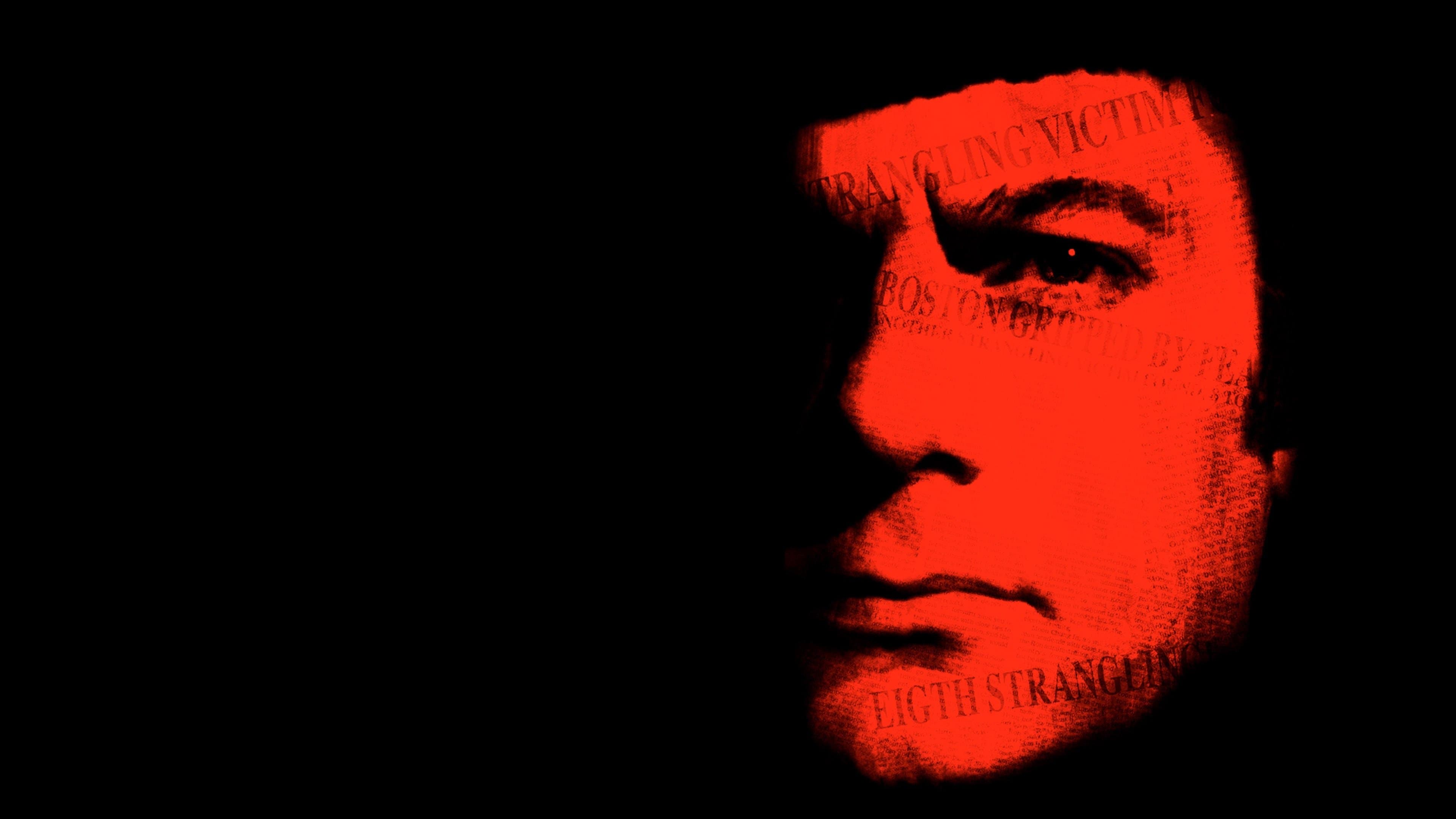
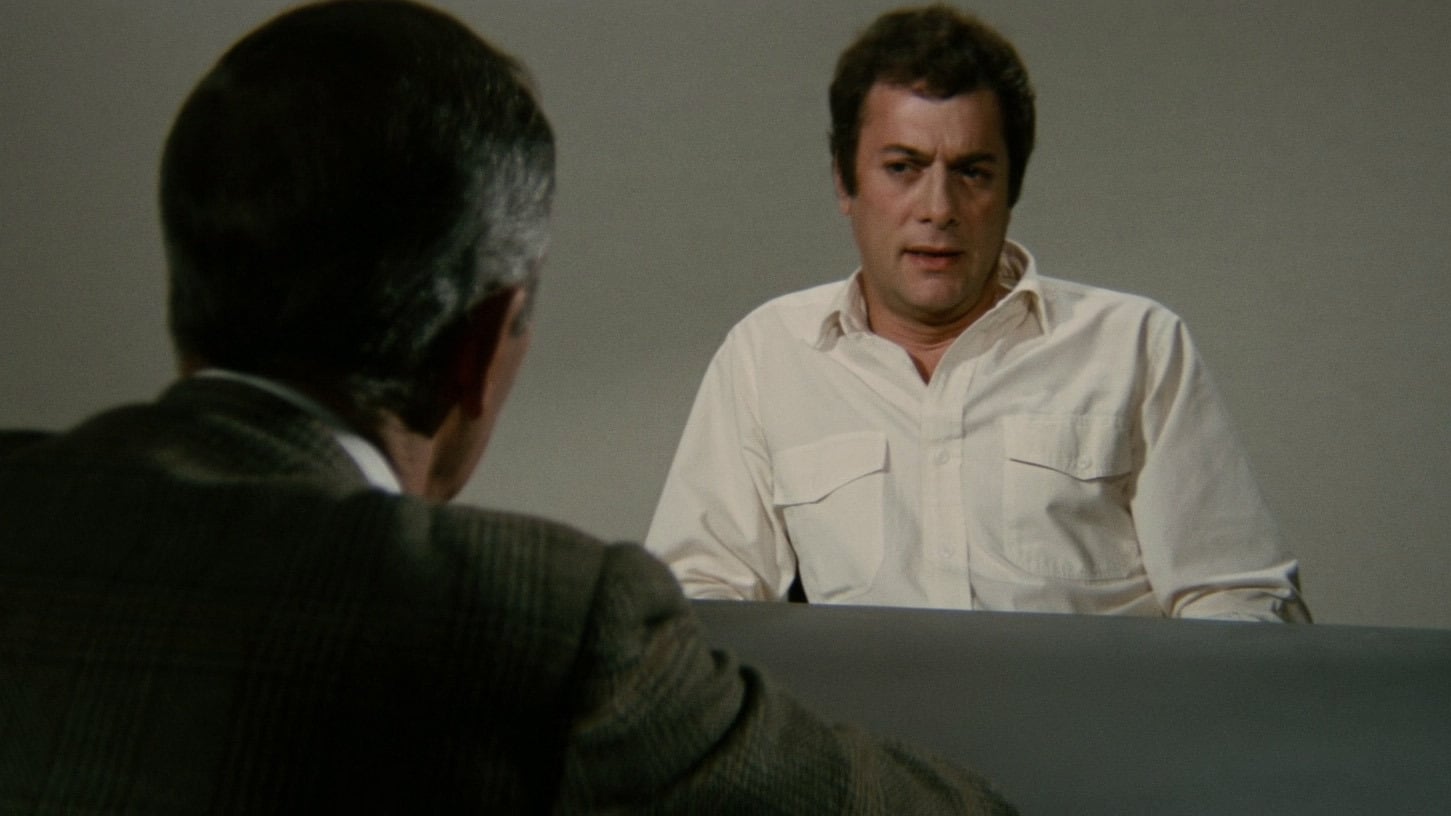
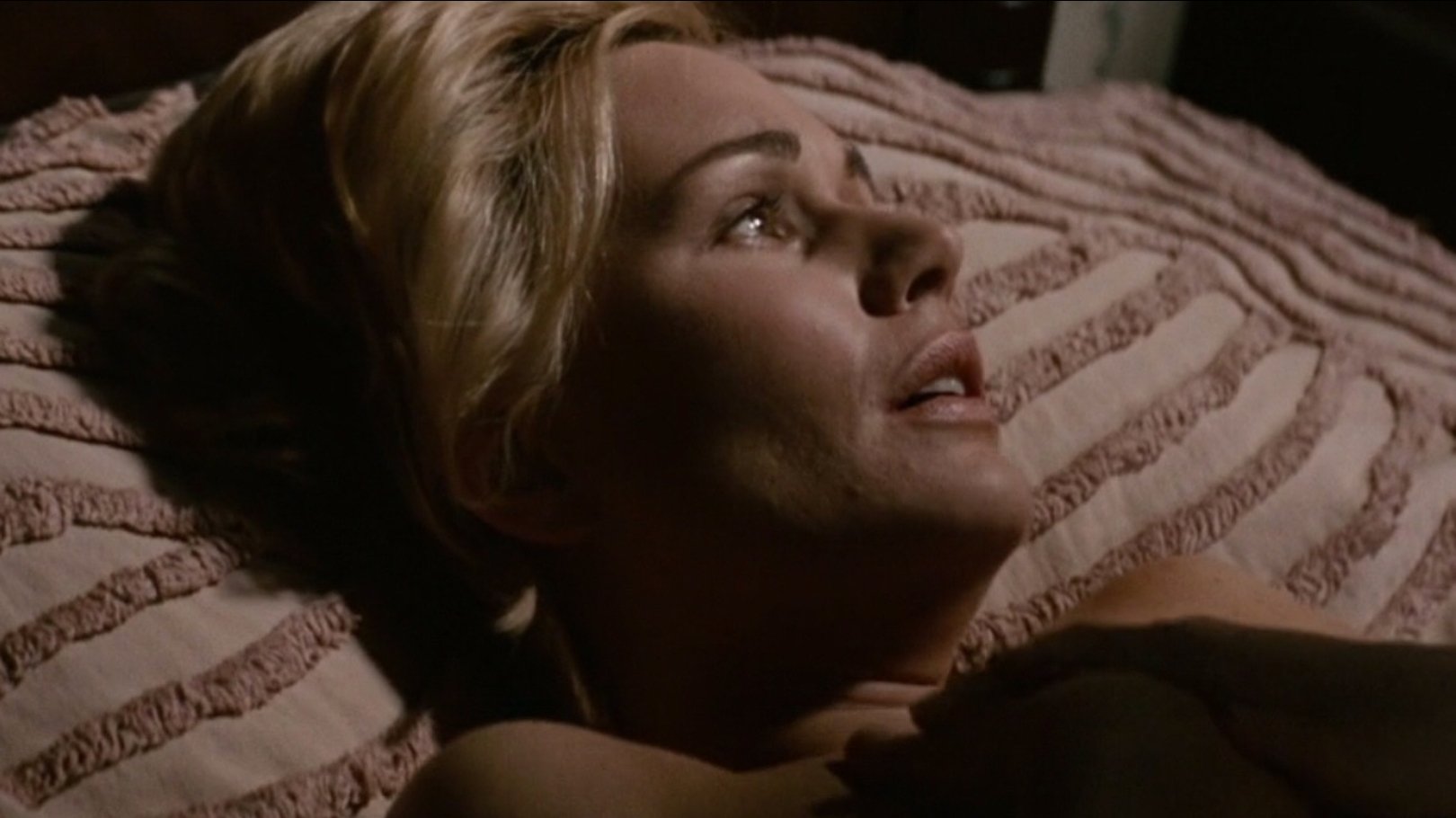
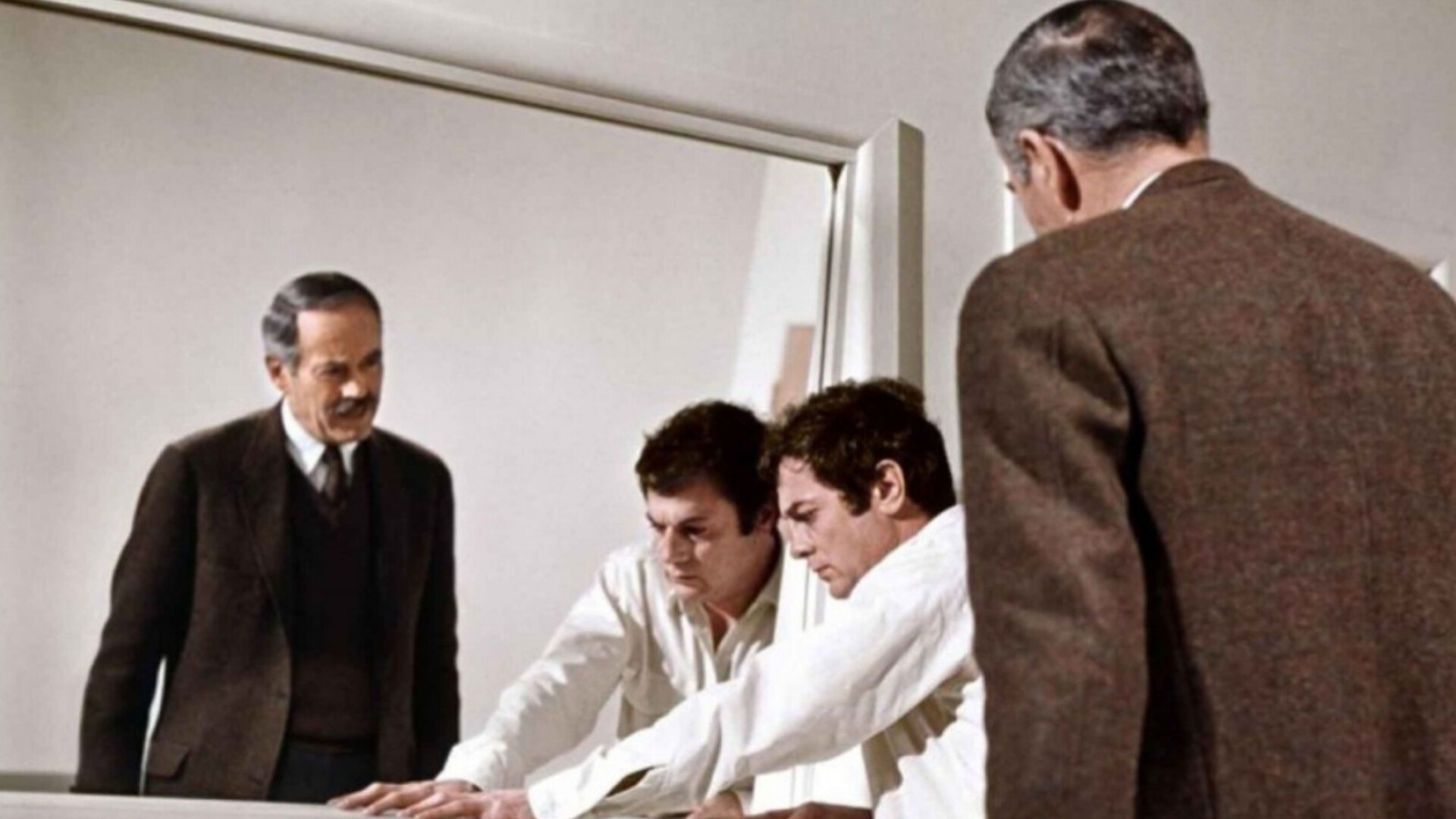
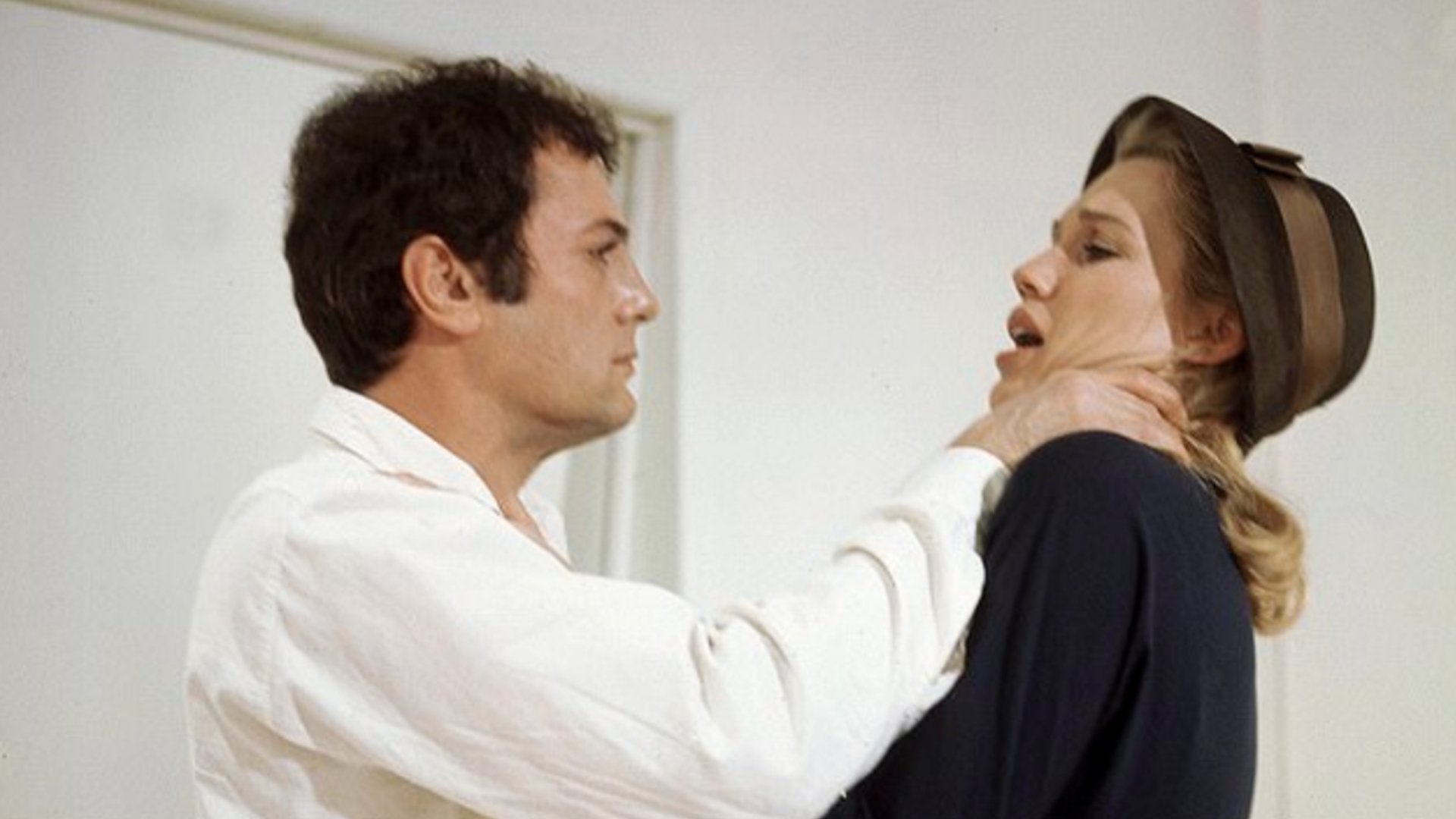
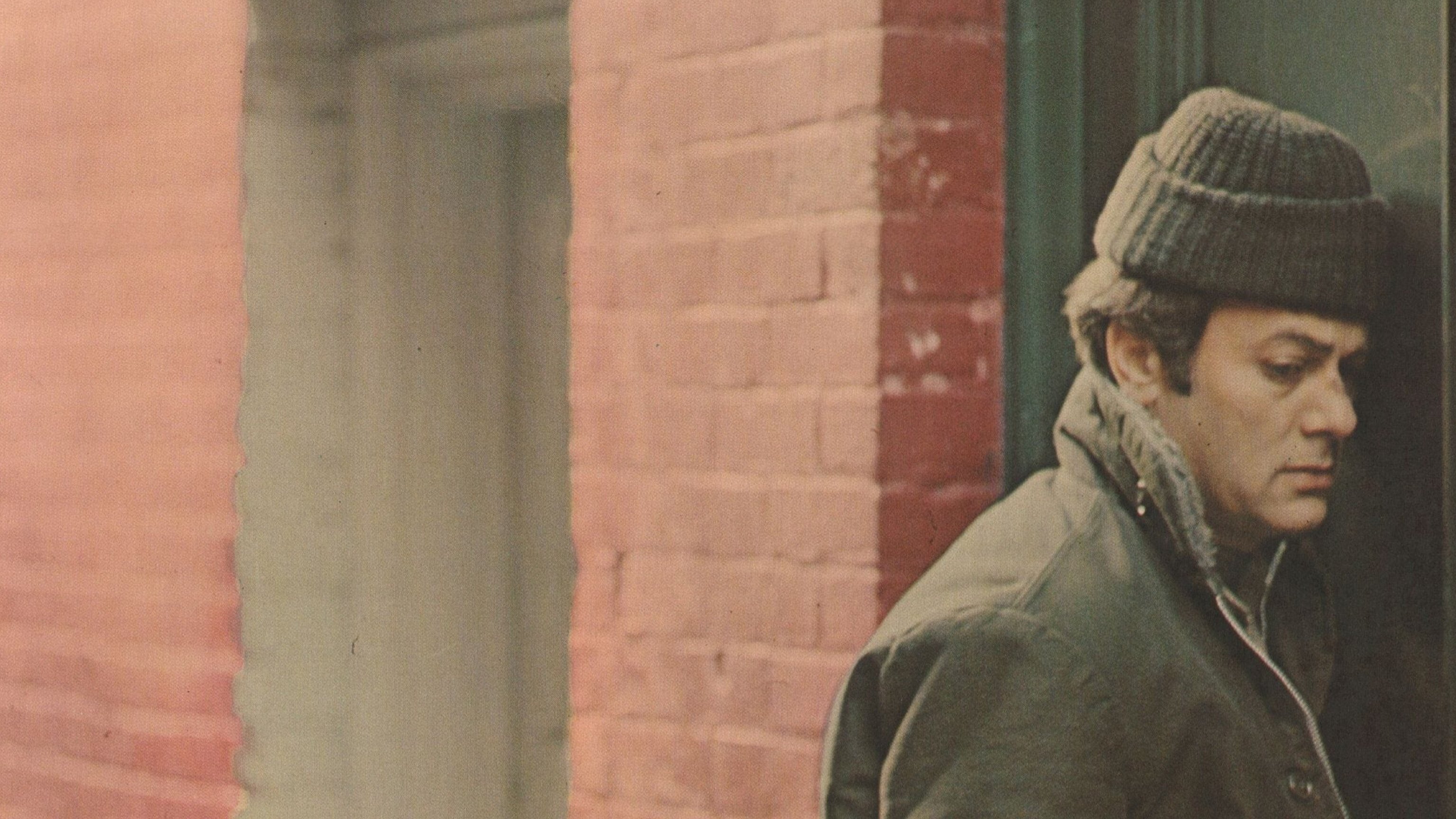
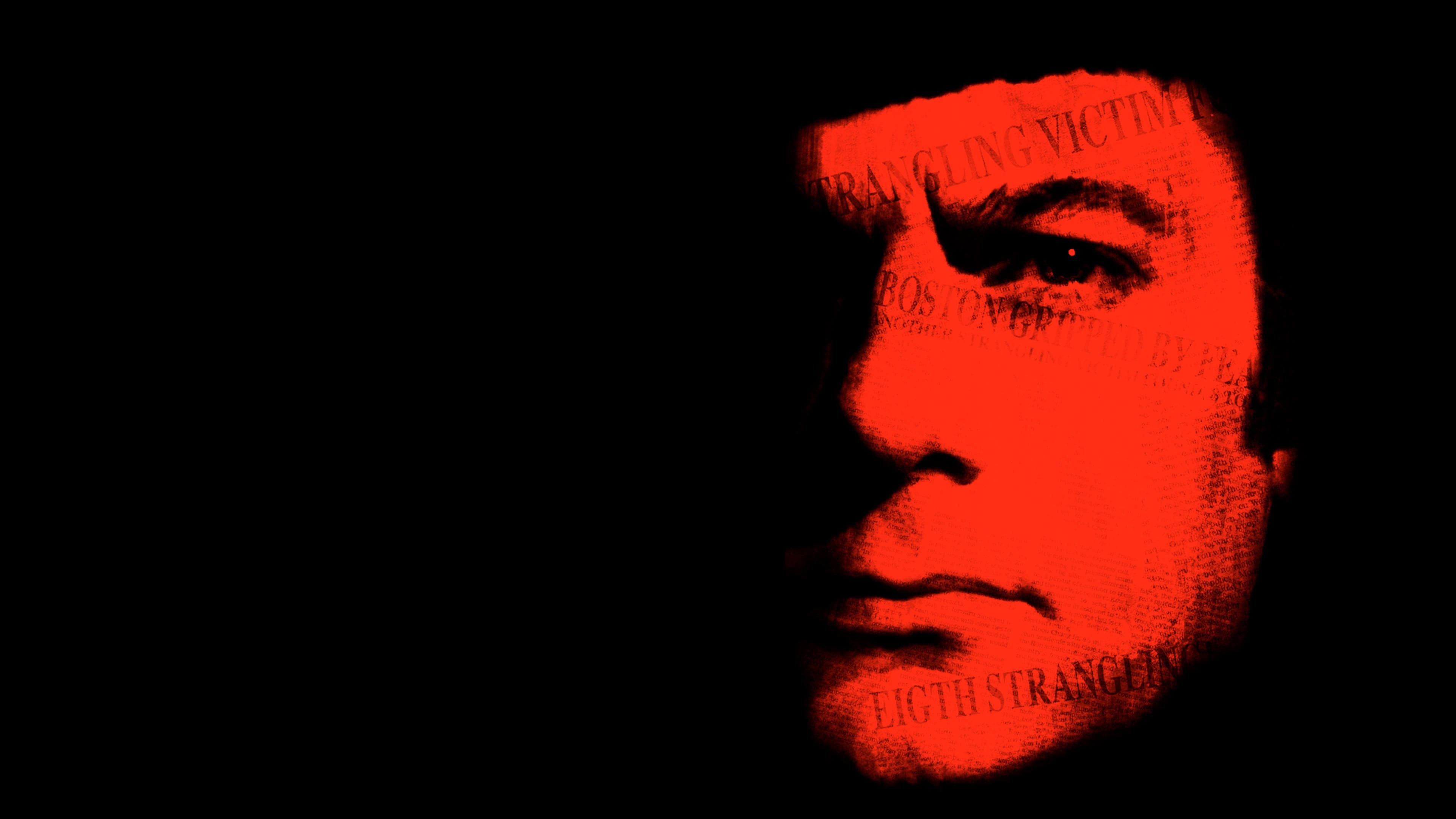
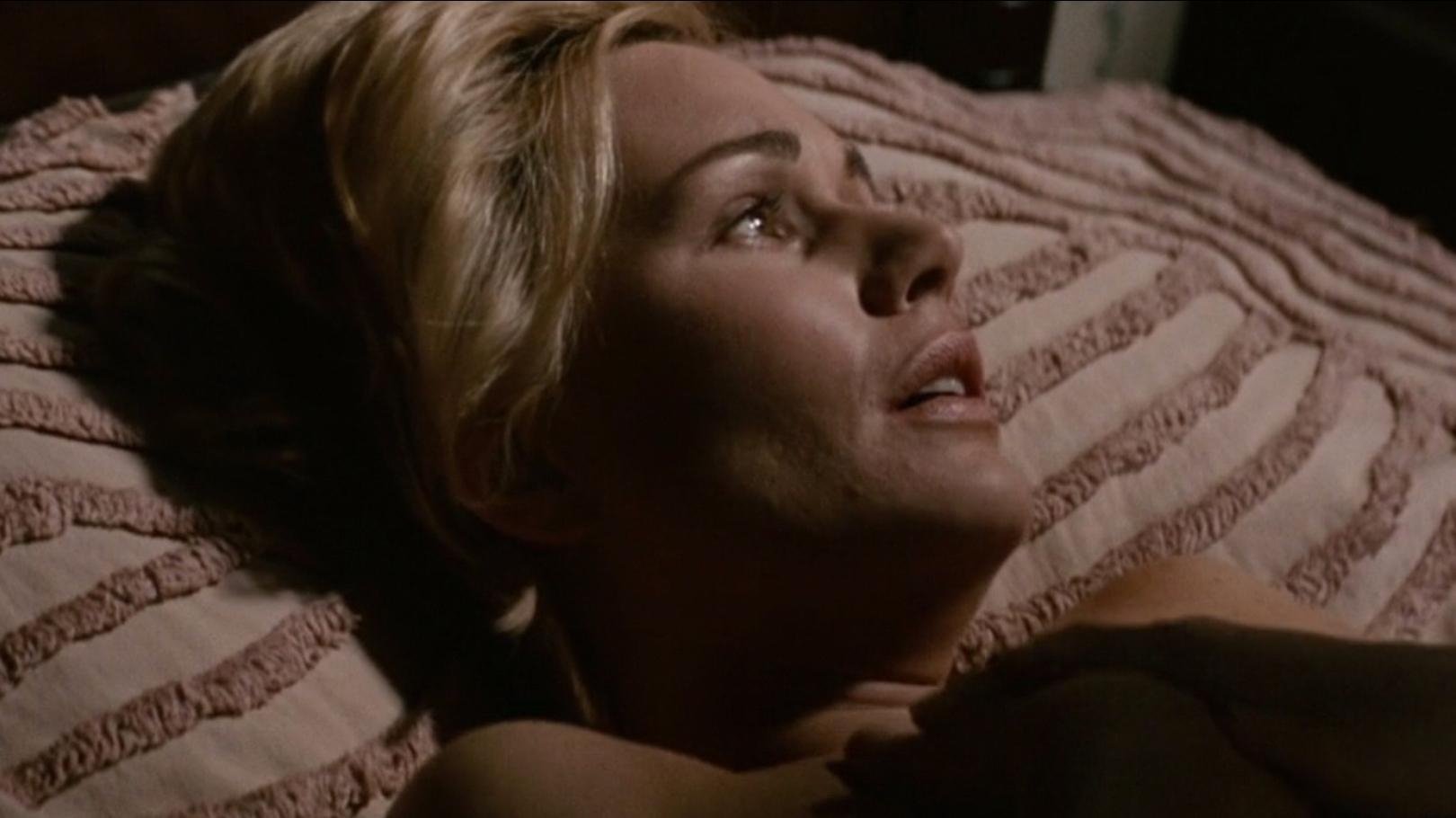
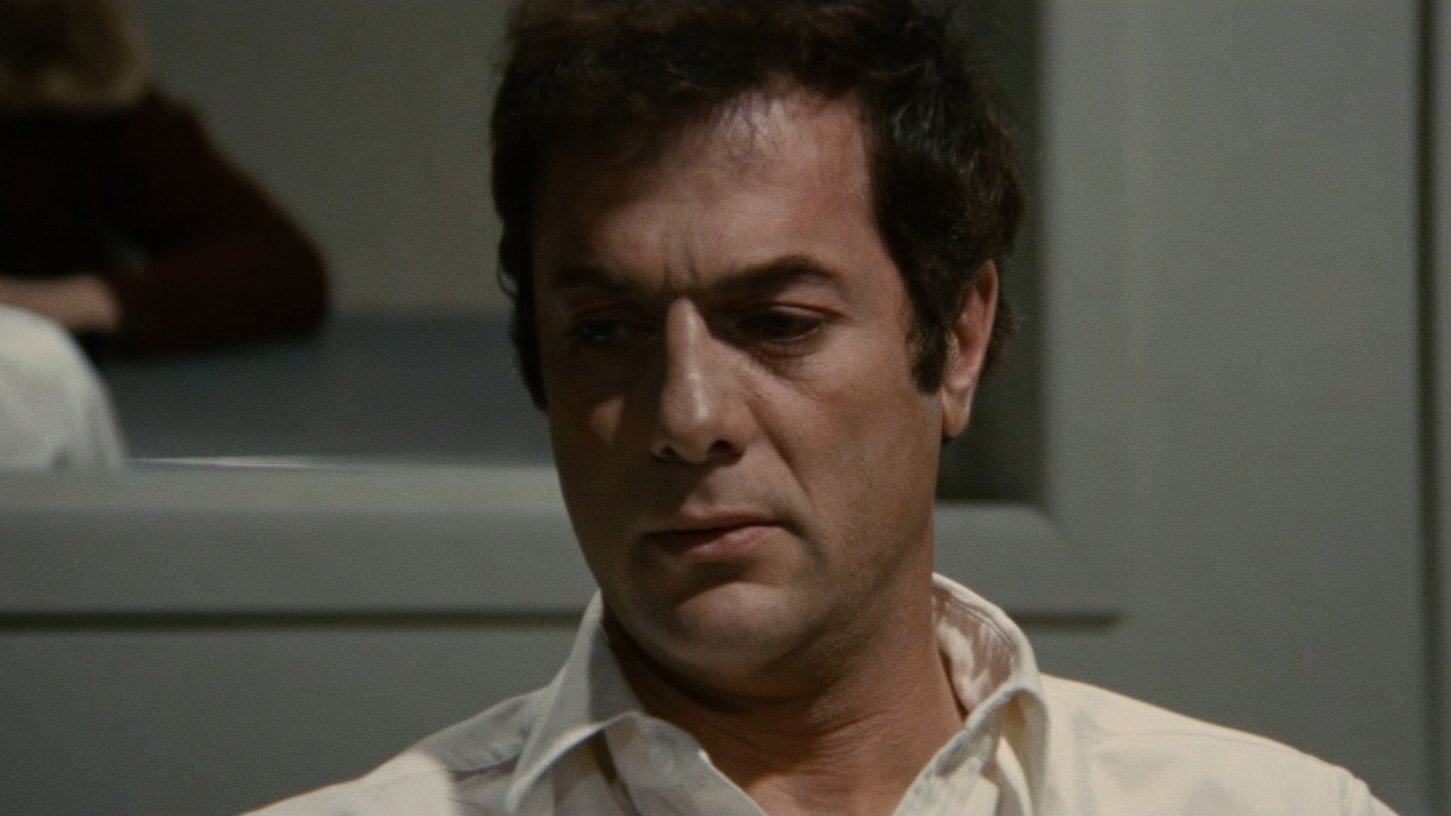
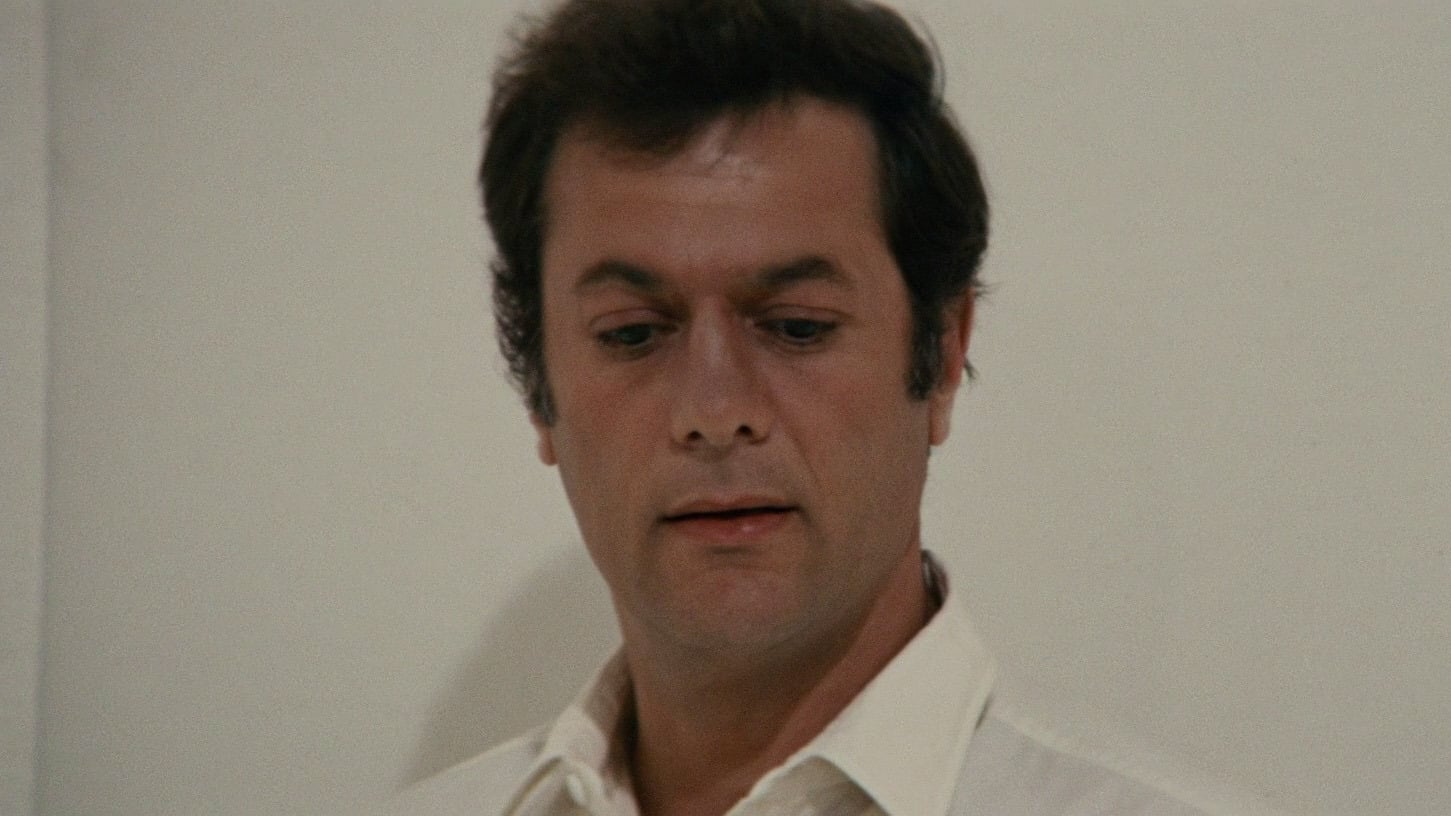
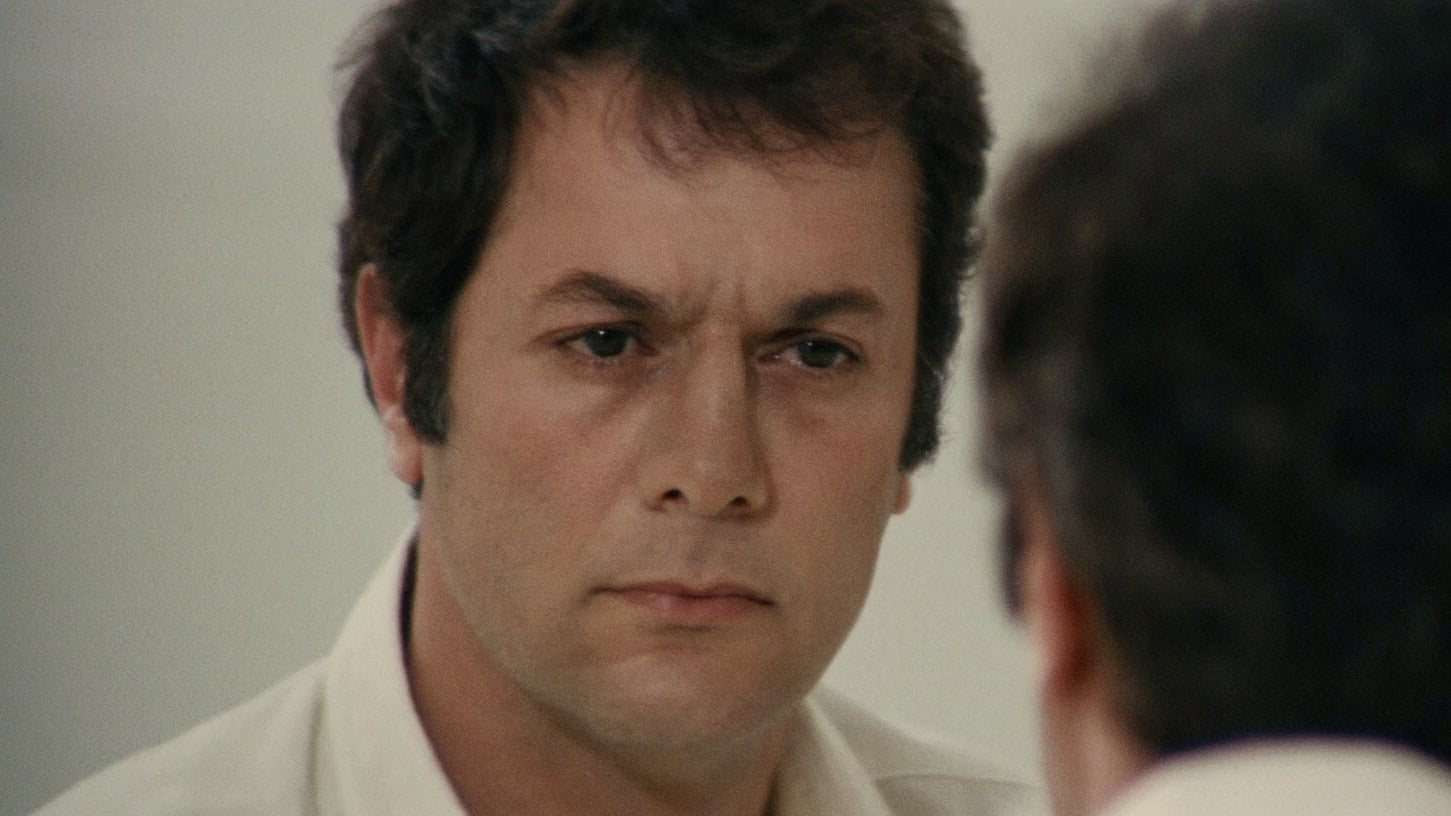
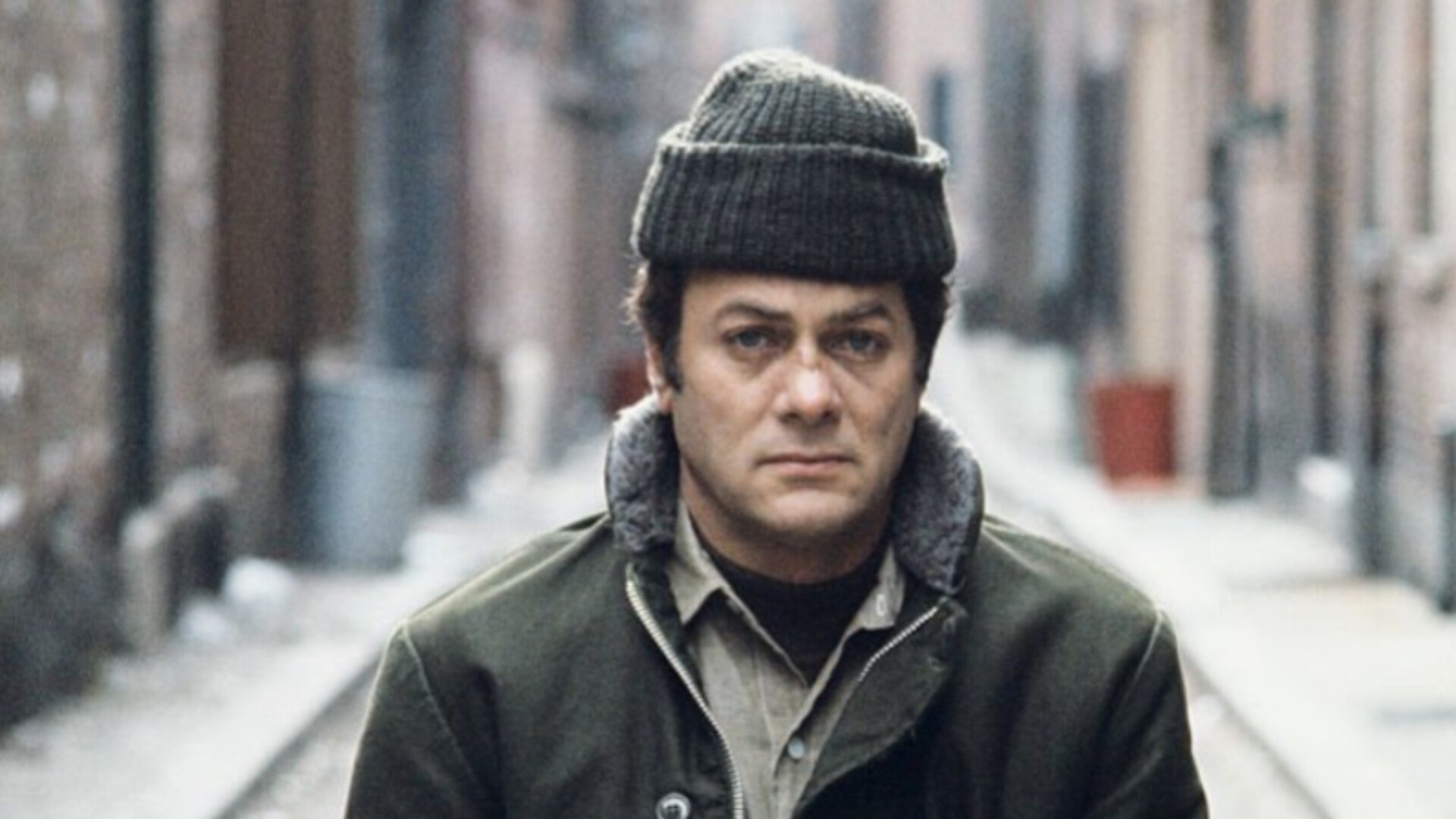
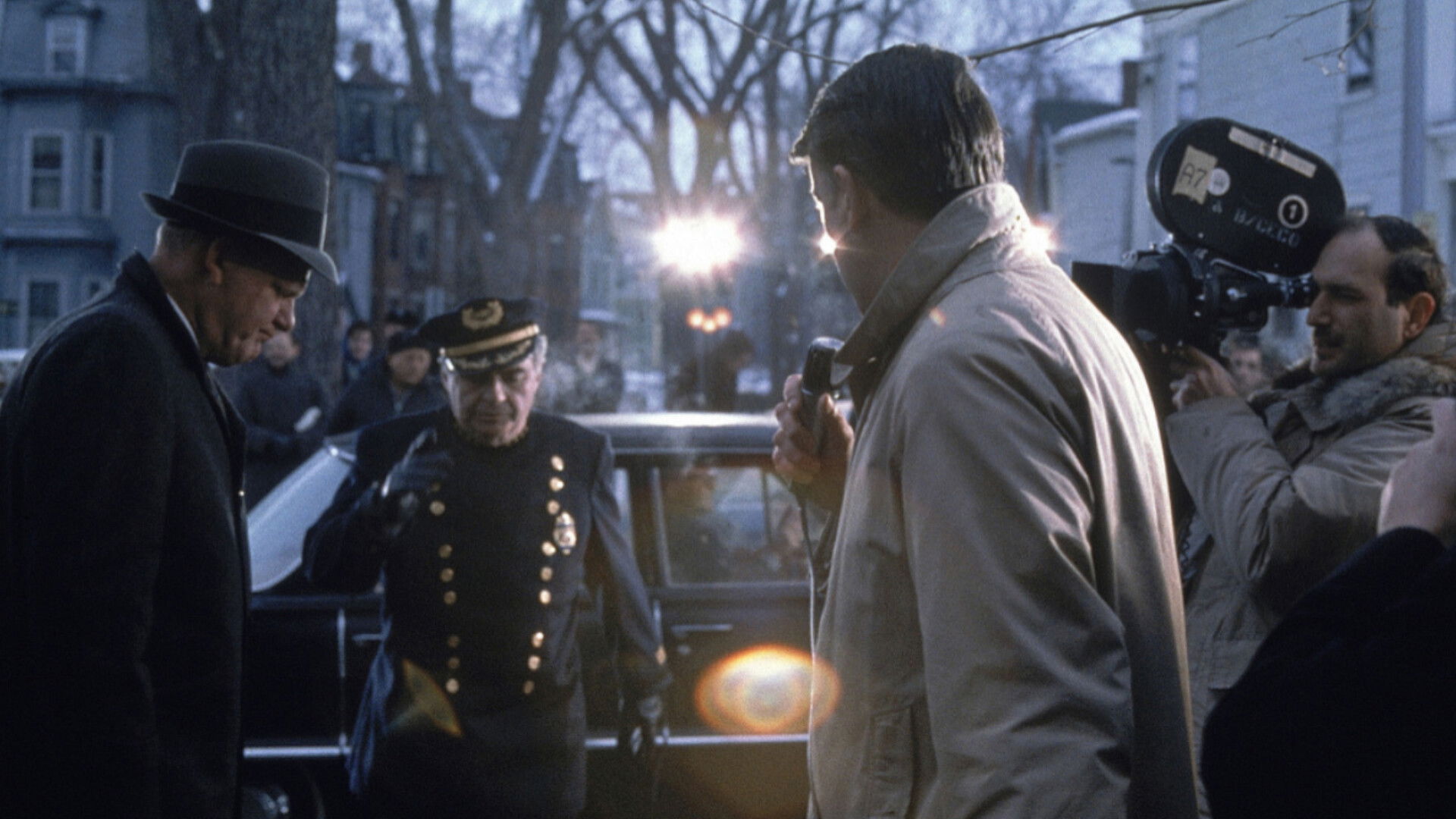
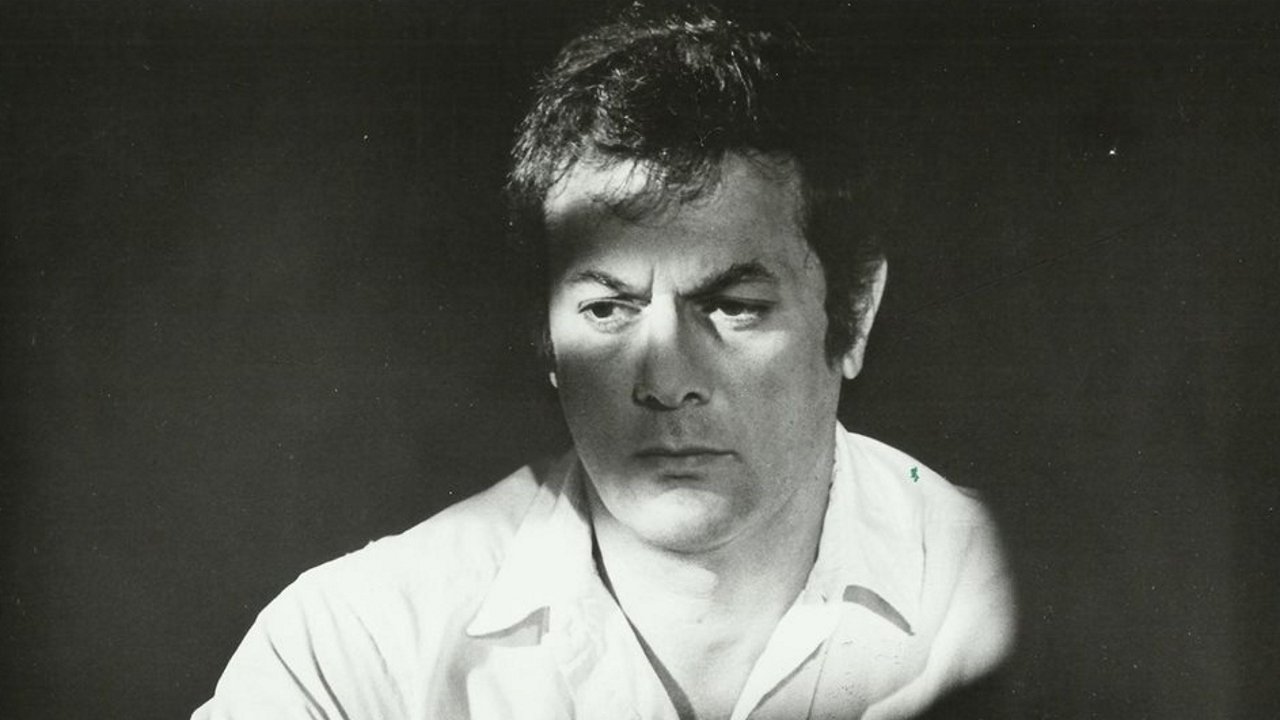
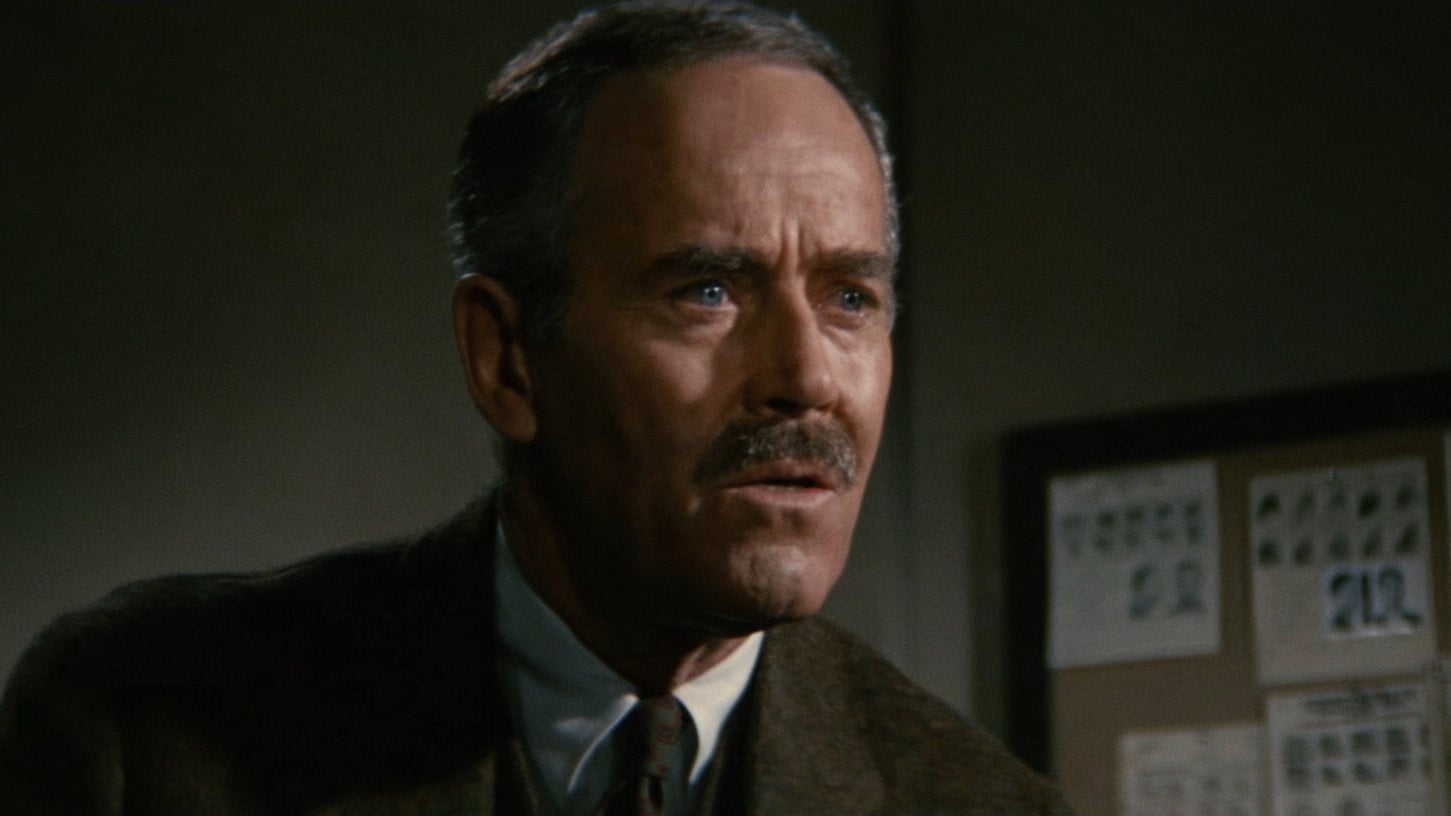
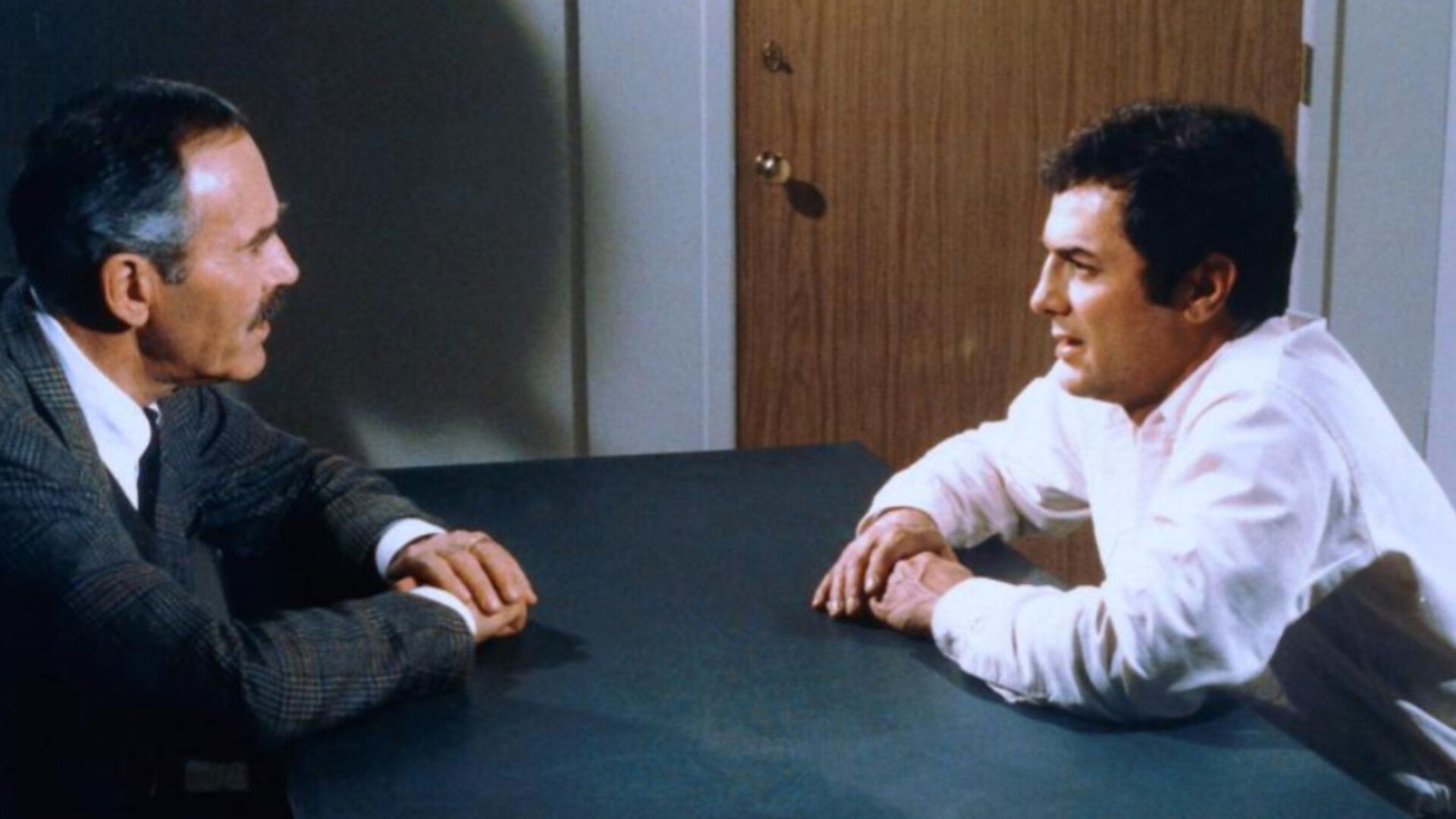
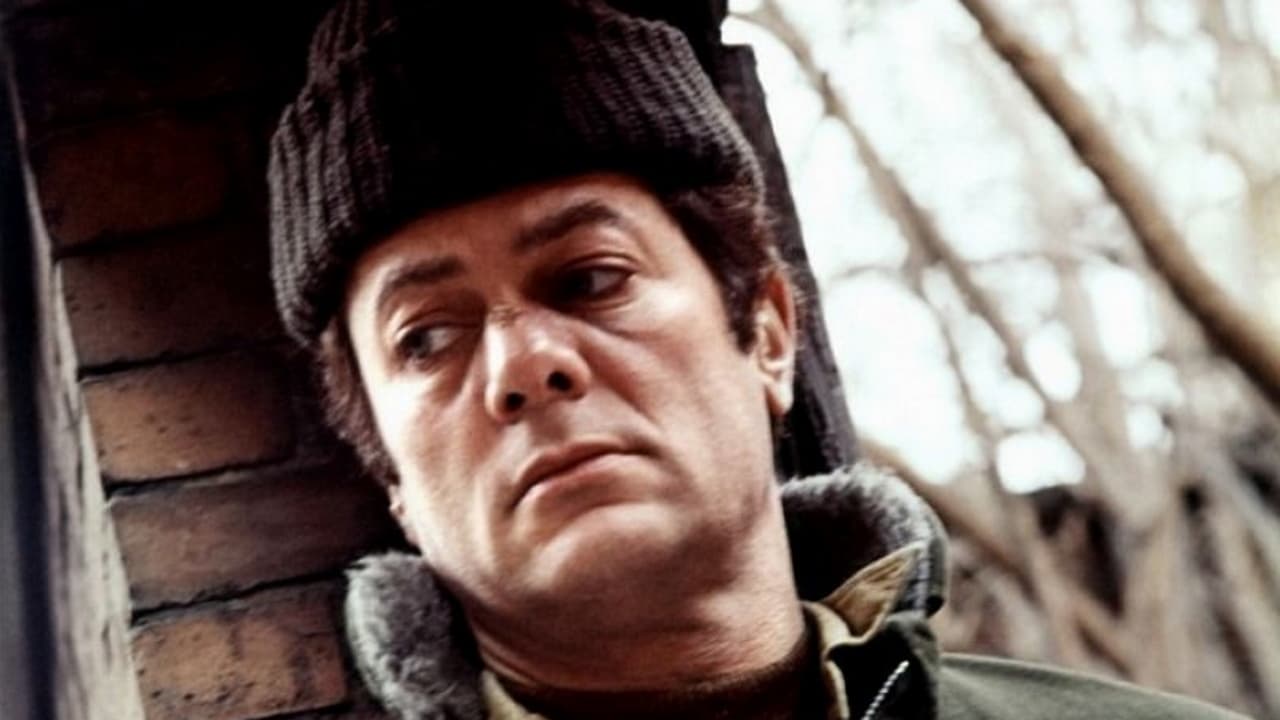
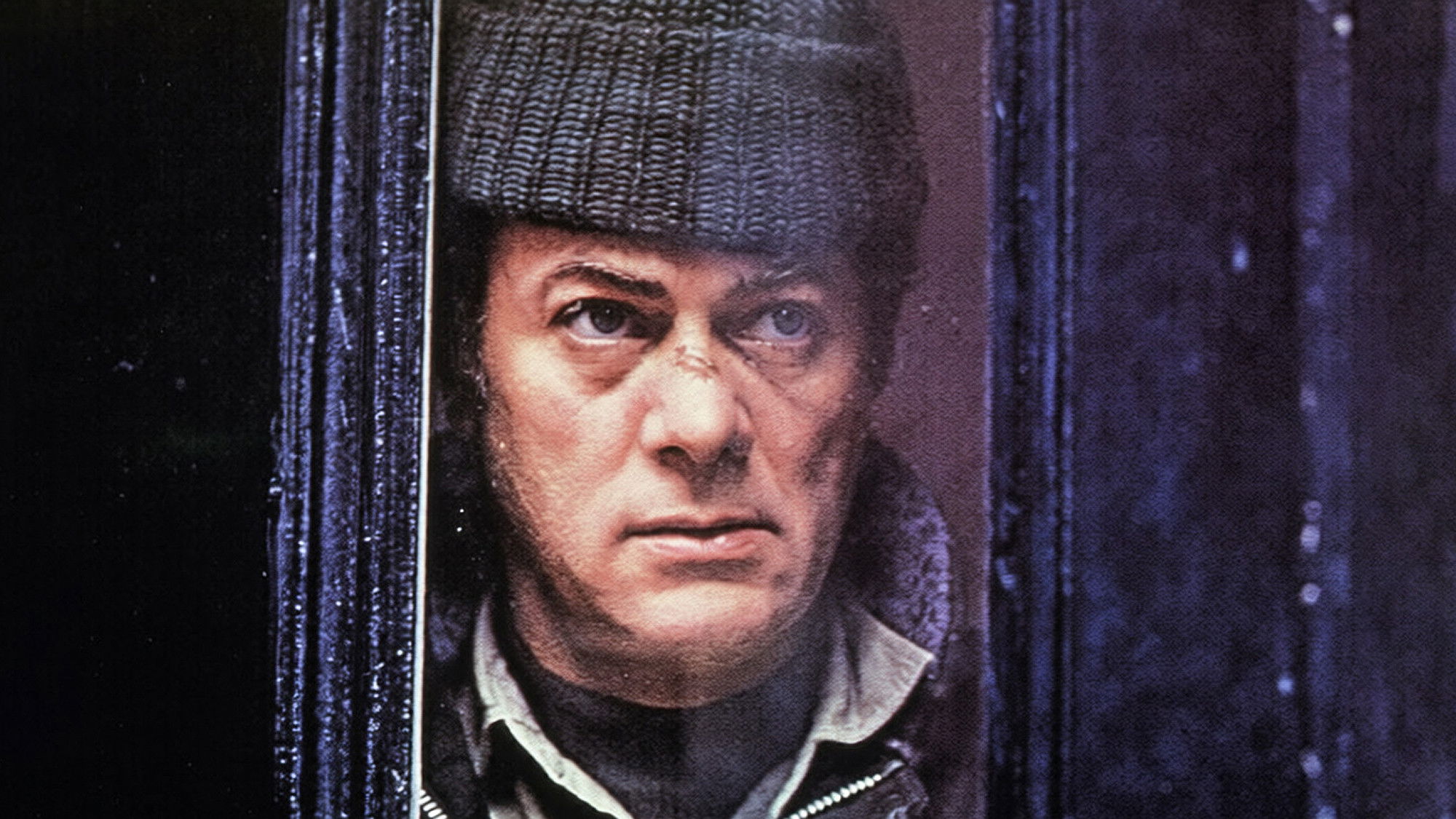
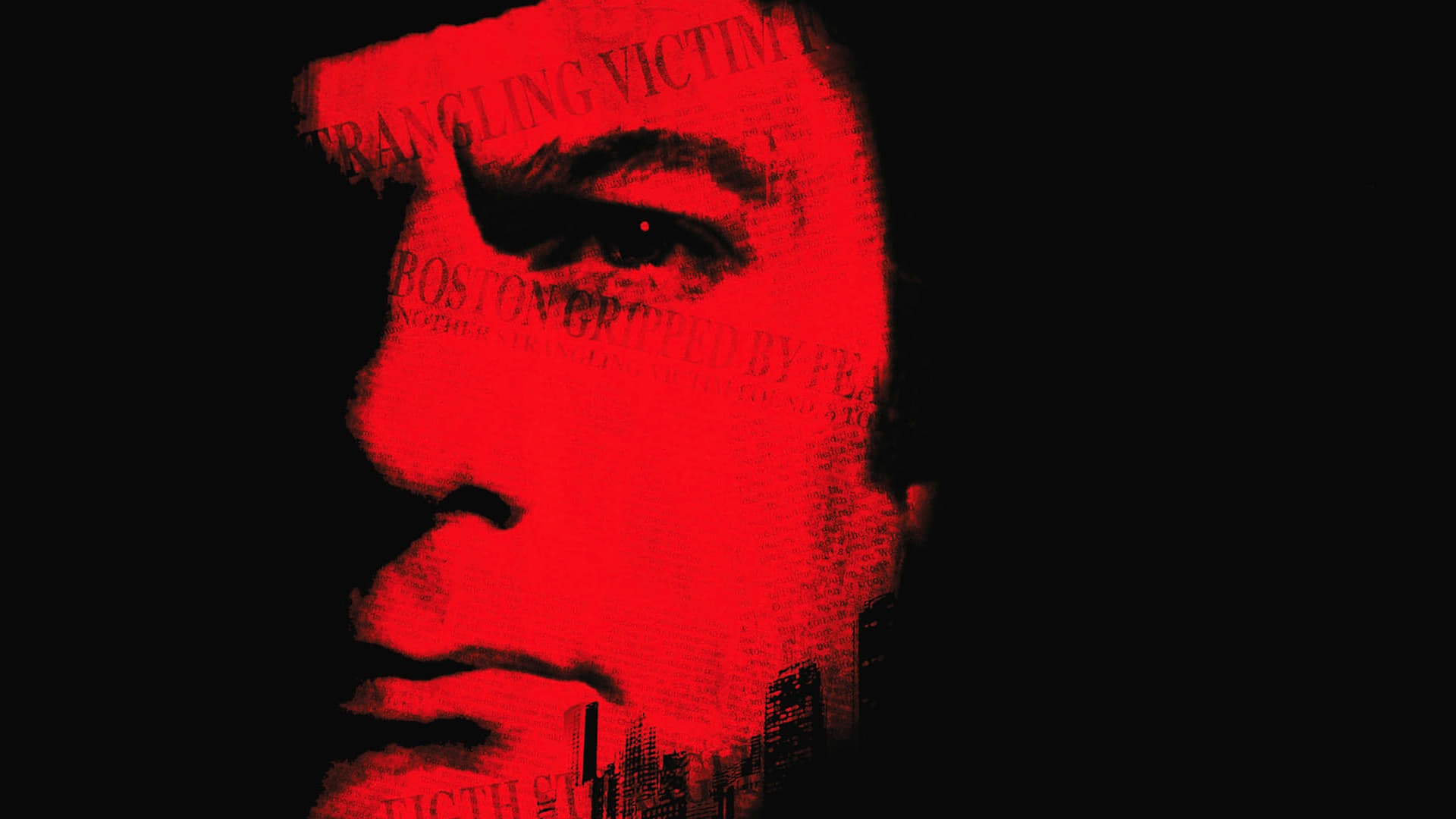
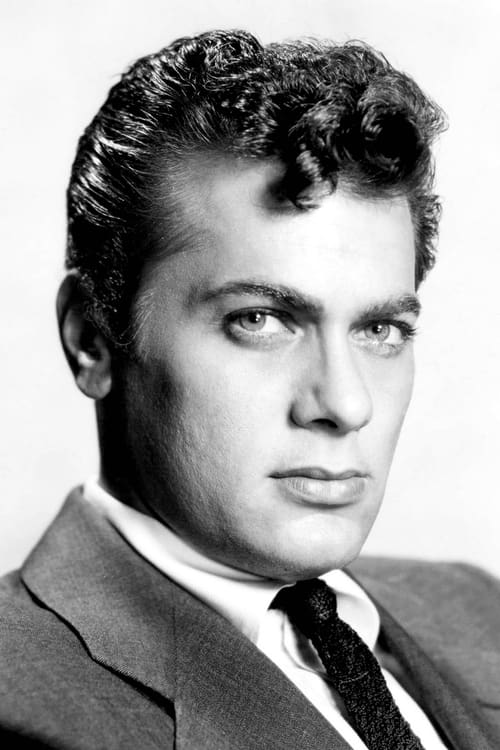
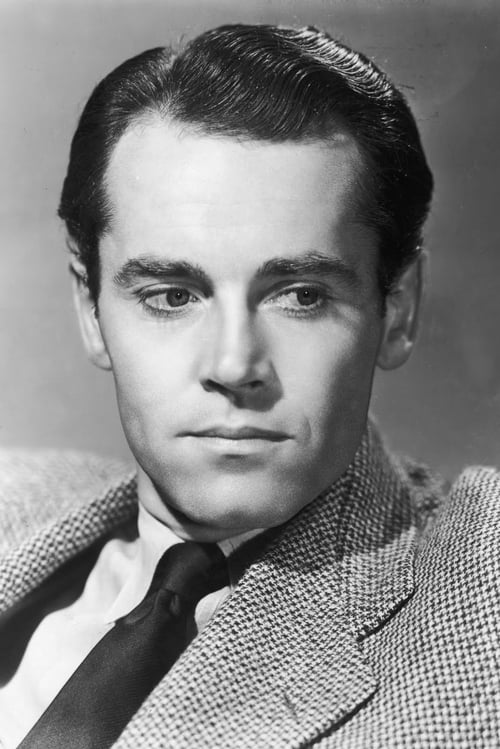
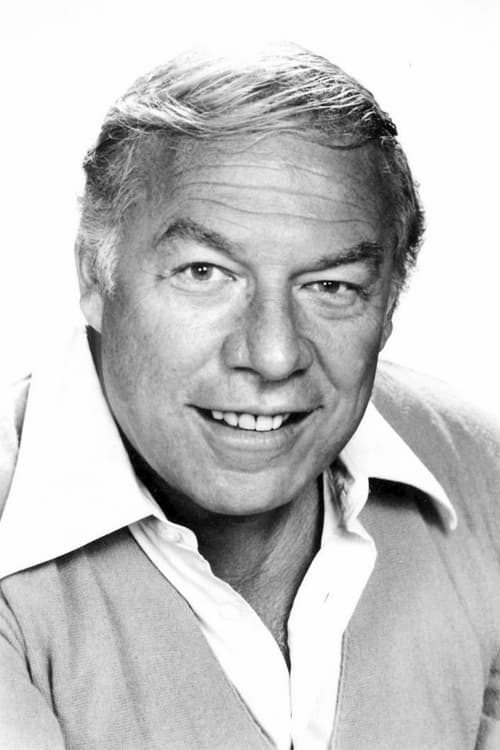
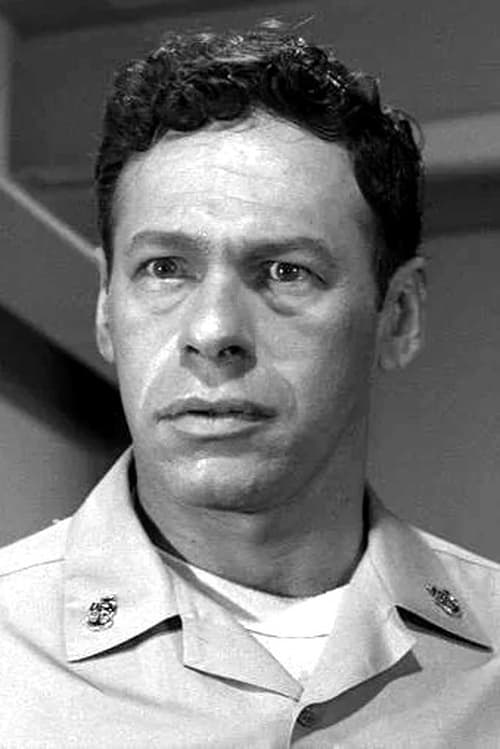
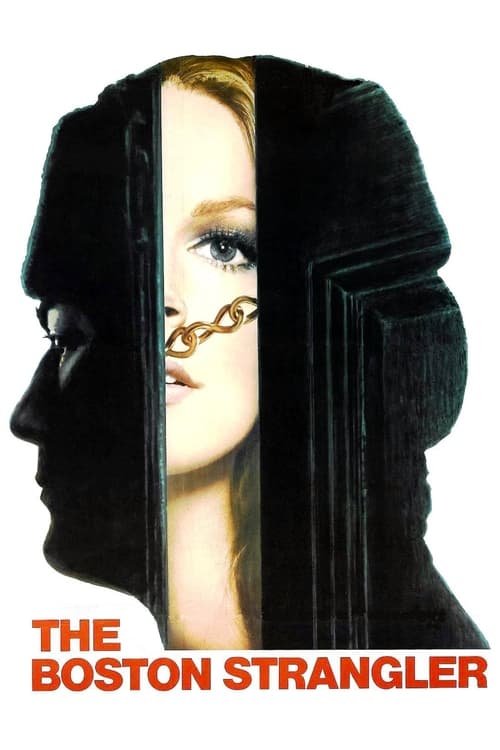
In the early 1960s, 13 women were strangled by an unknown assailant in the Boston area. Among the many things that connected these victims was a seemingly inexplicable one to the media: all of these women willingly let this man into their homes with no signs of forced entry. About four years after his spree ended, Richard Fleischer adapted a book about the case for the big screen with a who's who assembly of the best character actors led by Henry Fonda, George Kennedy, and Tony Curtis. At the time, the film was mired by controversy over its inconsistencies with real events and the concern that it would sink into exploitation fare for a tragedy that had only occurred a few years prior. At this point, we are used to true crime storytelling sacrificing objectivity for entertainment but what is most striking about Fleischer's film is the first two acts which verge on experimental for a mainstream studio production. The most obvious piece of this is of course the segmentation of the frame which caught me off guard when it first appeared and again once I realized it would be a consistent artistic choice. Fleischer splits the screen for the discovery of bodies and the imminent approach of the killer and then radically shatters it further in sequences showing the police rounding up suspected criminals and women stocking on weapons and locking their houses for safety. It's disorienting and overwhelming, launching you into a city gripped by panic and unsure how to protect itself. Fleischer also withholds Curtis as the Strangler until the final act, instead keeping him offscreen and following the police department on a wild goose chase from criminal to criminal. In a way, Fleischer paints a city beset by dozens or hundreds of men as dangerous as our killer, each a future criminal in the making though some are only targeted for their sexuality. The last third of the film is easily the weakest and deflates the construction of everything so far in favor of somewhat weak pop psychology about split personalities that nevertheless doesn't delve any deeper into DeSalvo beyond as a curio: the family man succumbing to urges to kill for reasons even he doesn't understand. There are some parts here that work well, particularly when the film gets a little dreamy with it, and I find the final notes the right kind of unsatisfying, but Curtis doesn't add too much to the pot and it feels like the studio wrangled the script back into a more digestible crime formula. Even still, there's enough interest here for how to play with the serial killer film to make it worth watching and I'll likely be sitting with some of its sequences in the coming days.