
1950·Crime·1h 19m
7.1
★
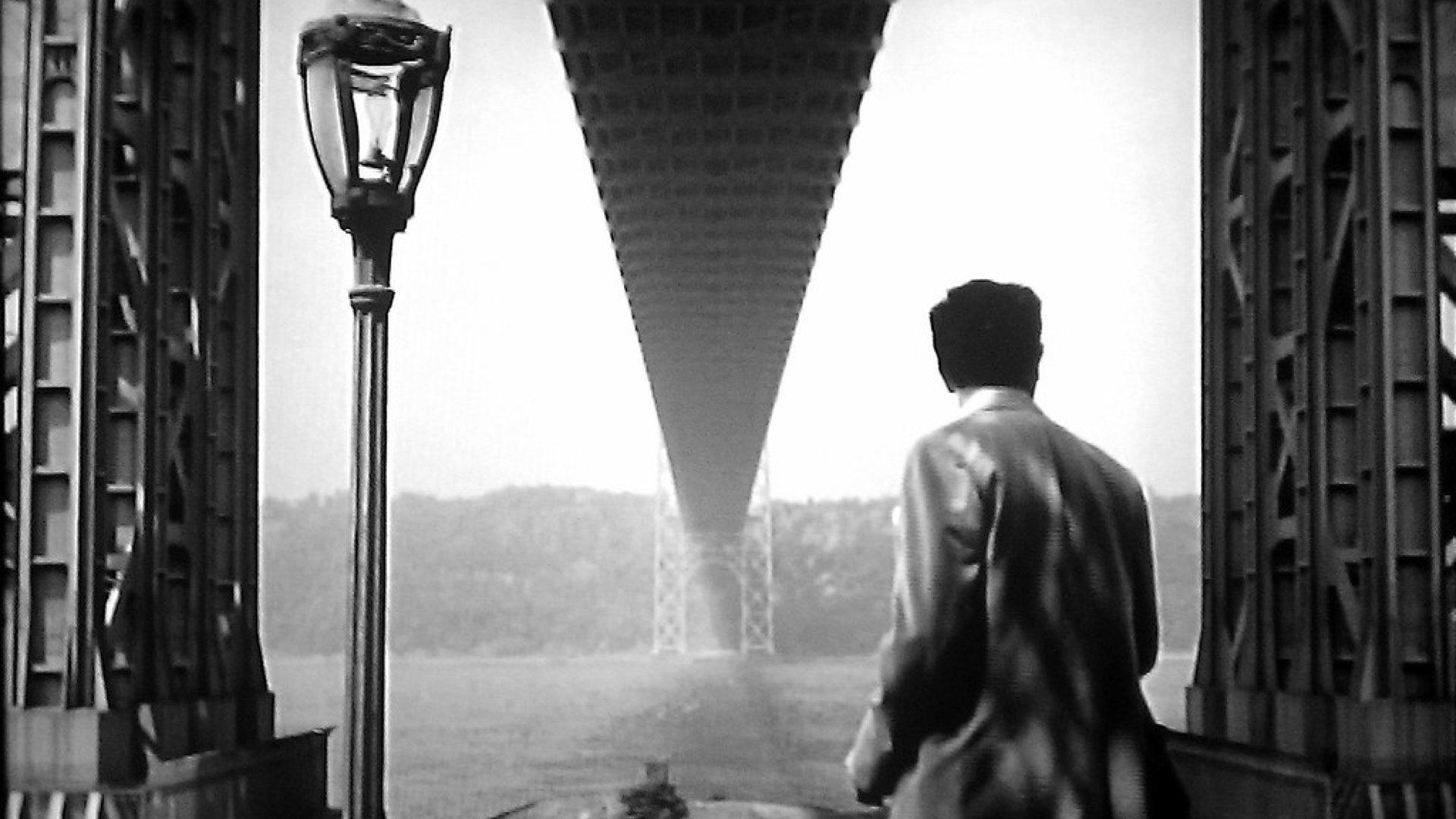

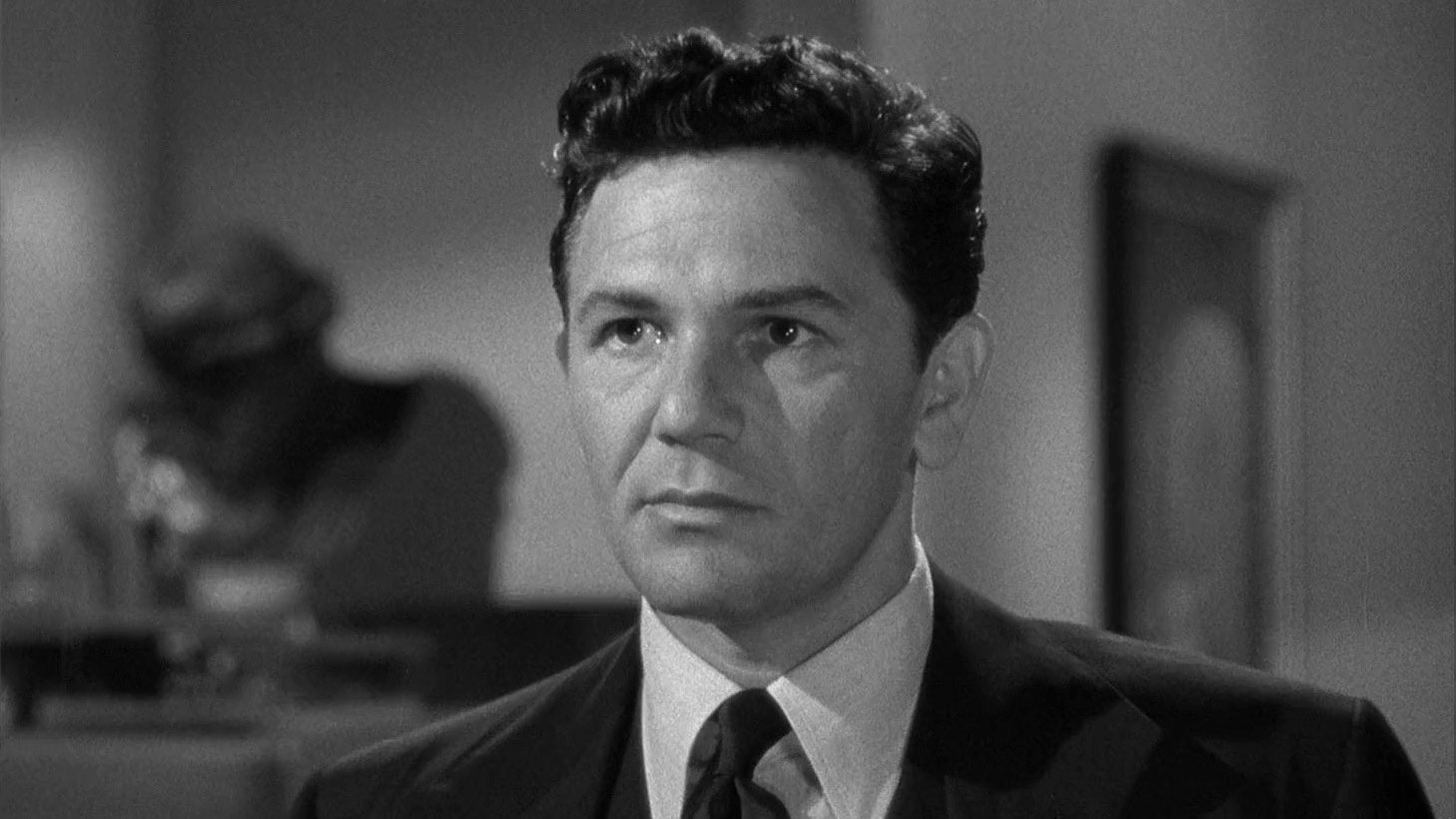

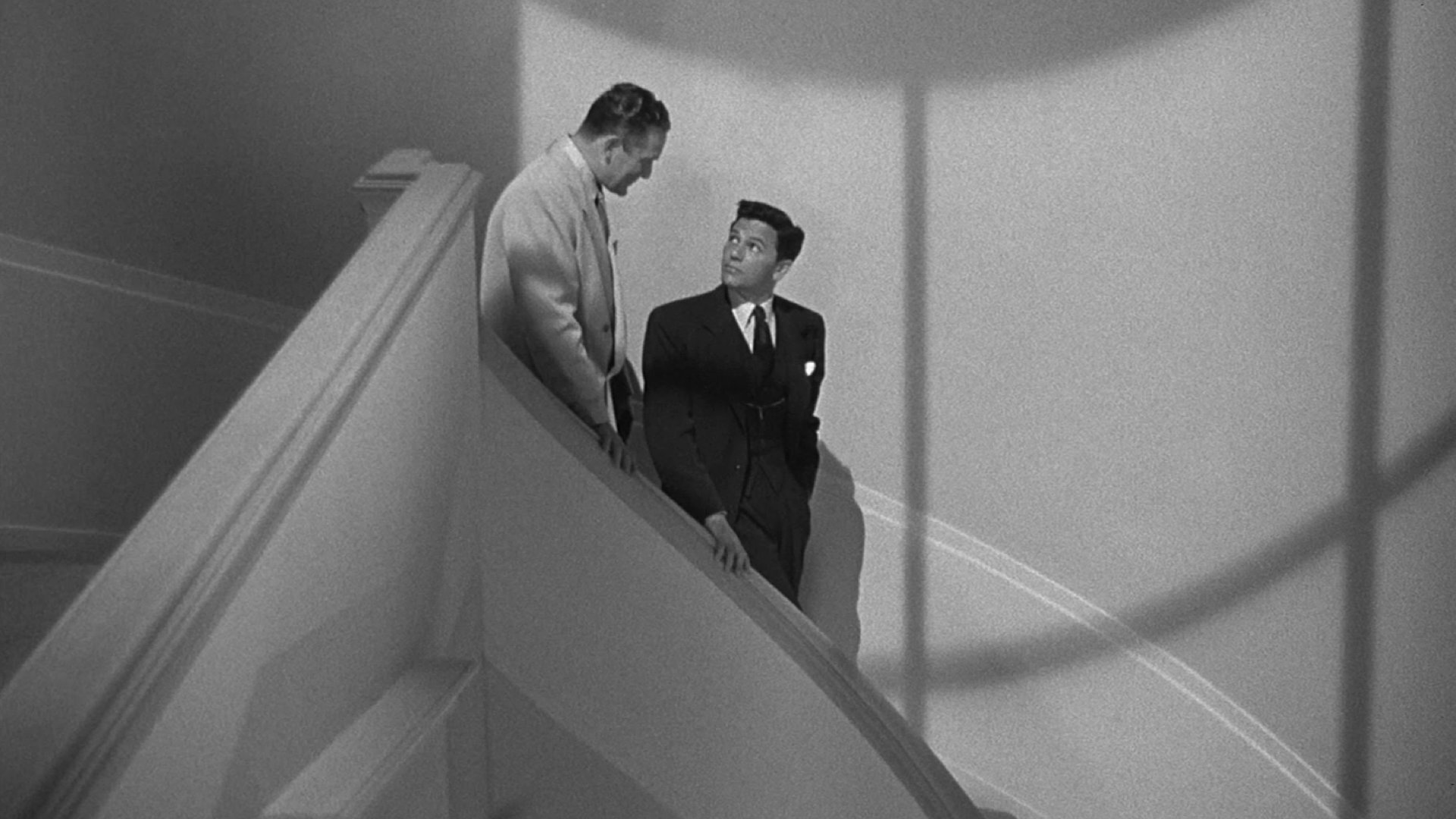
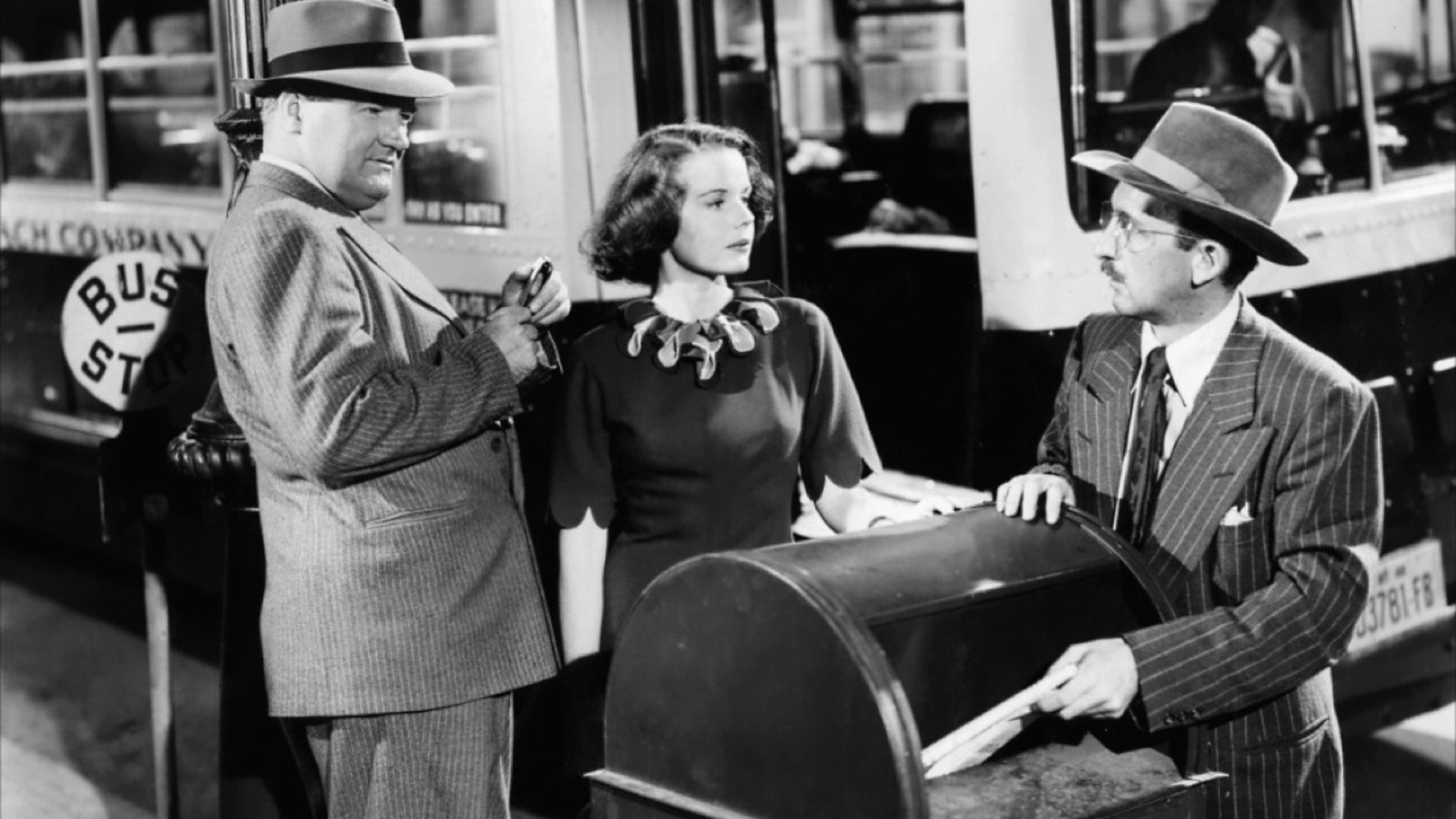
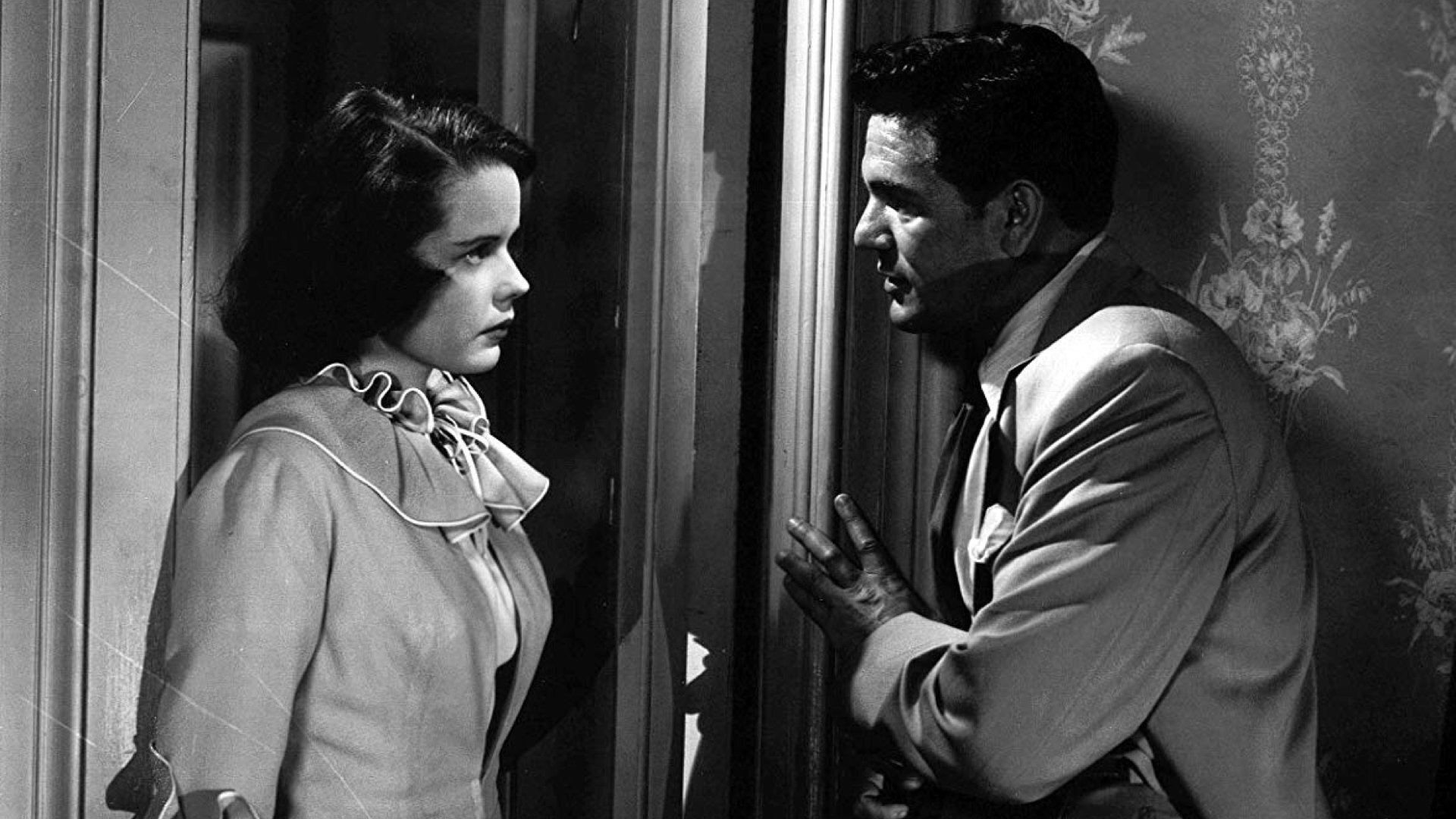

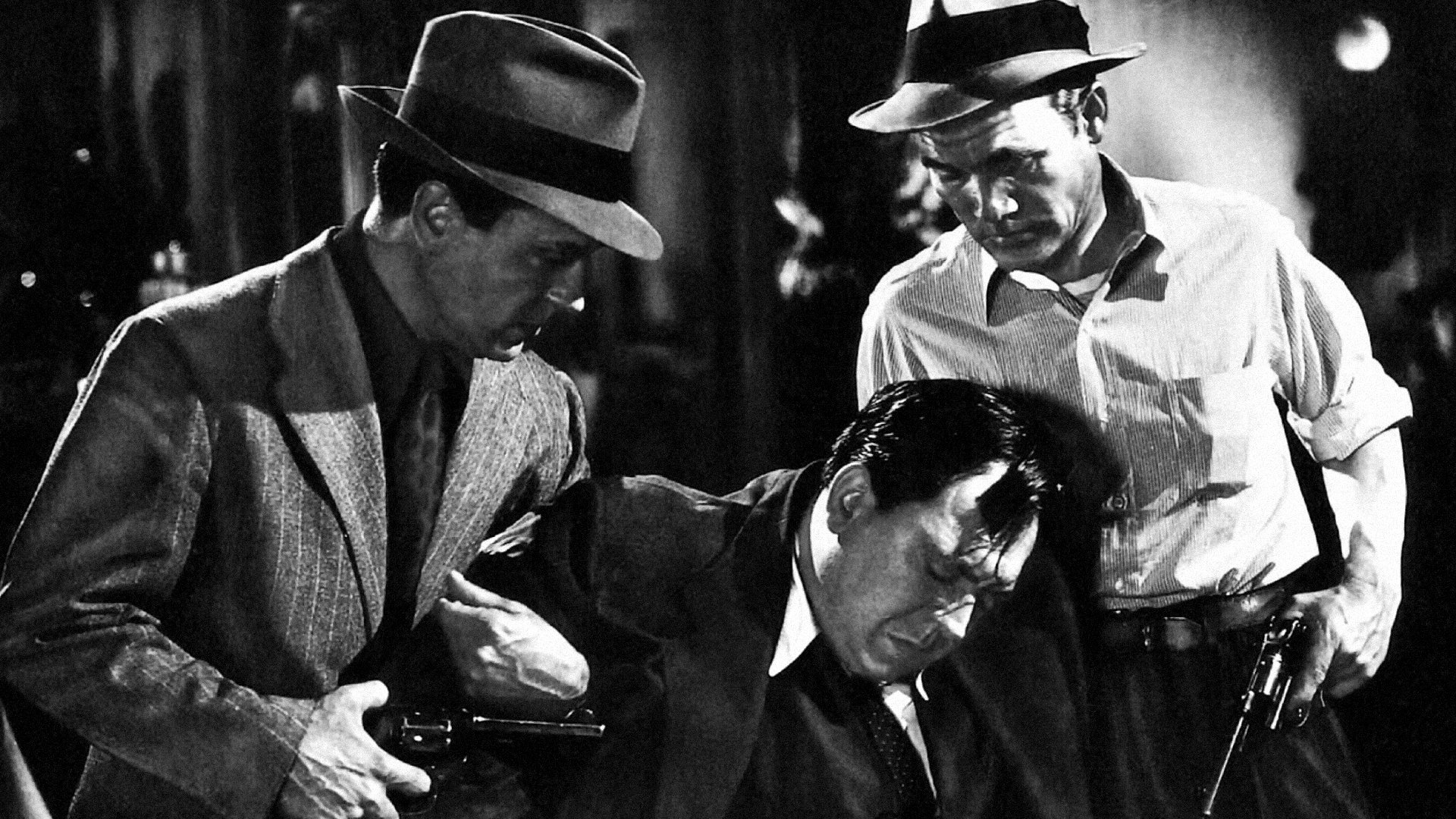
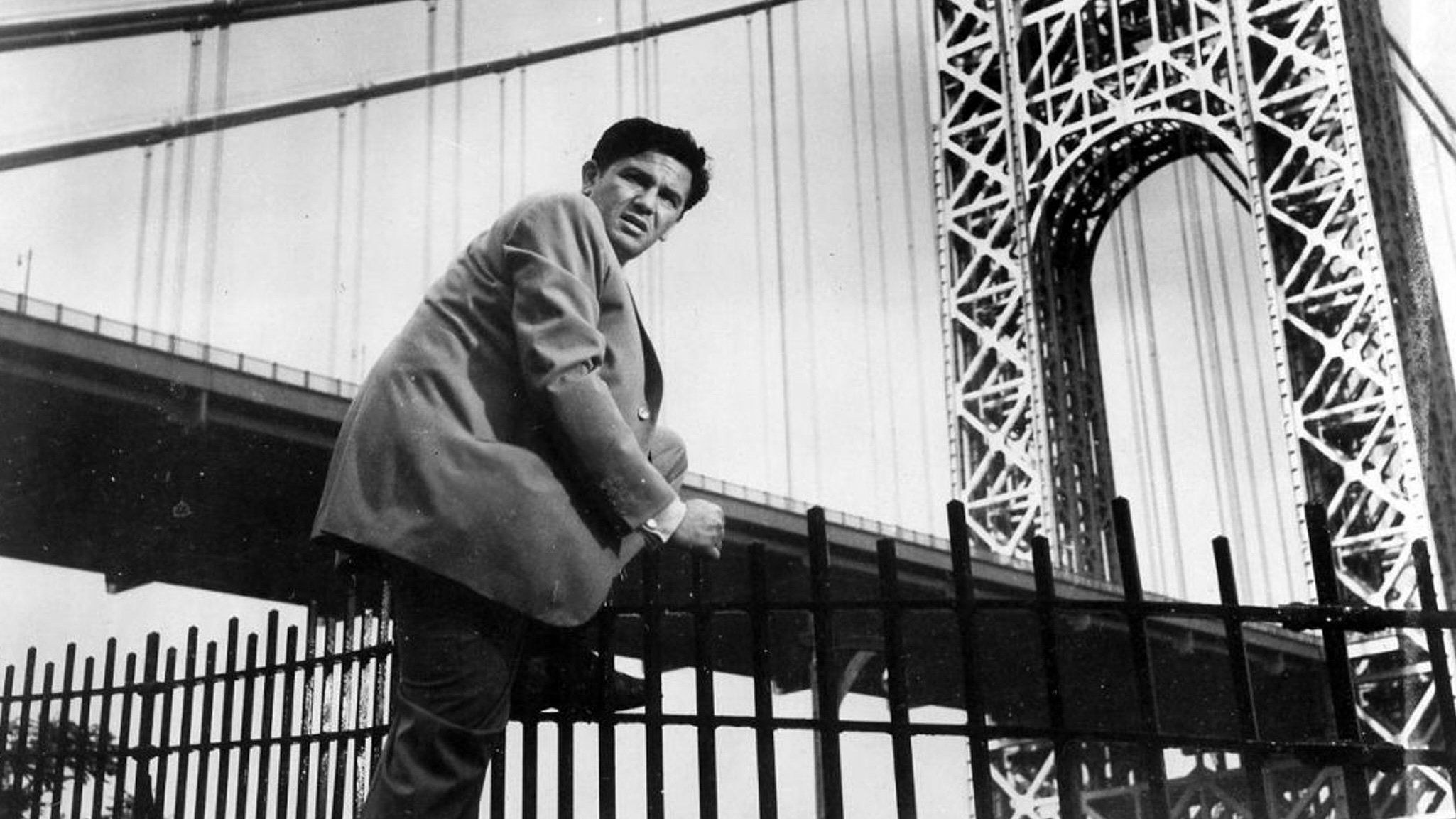
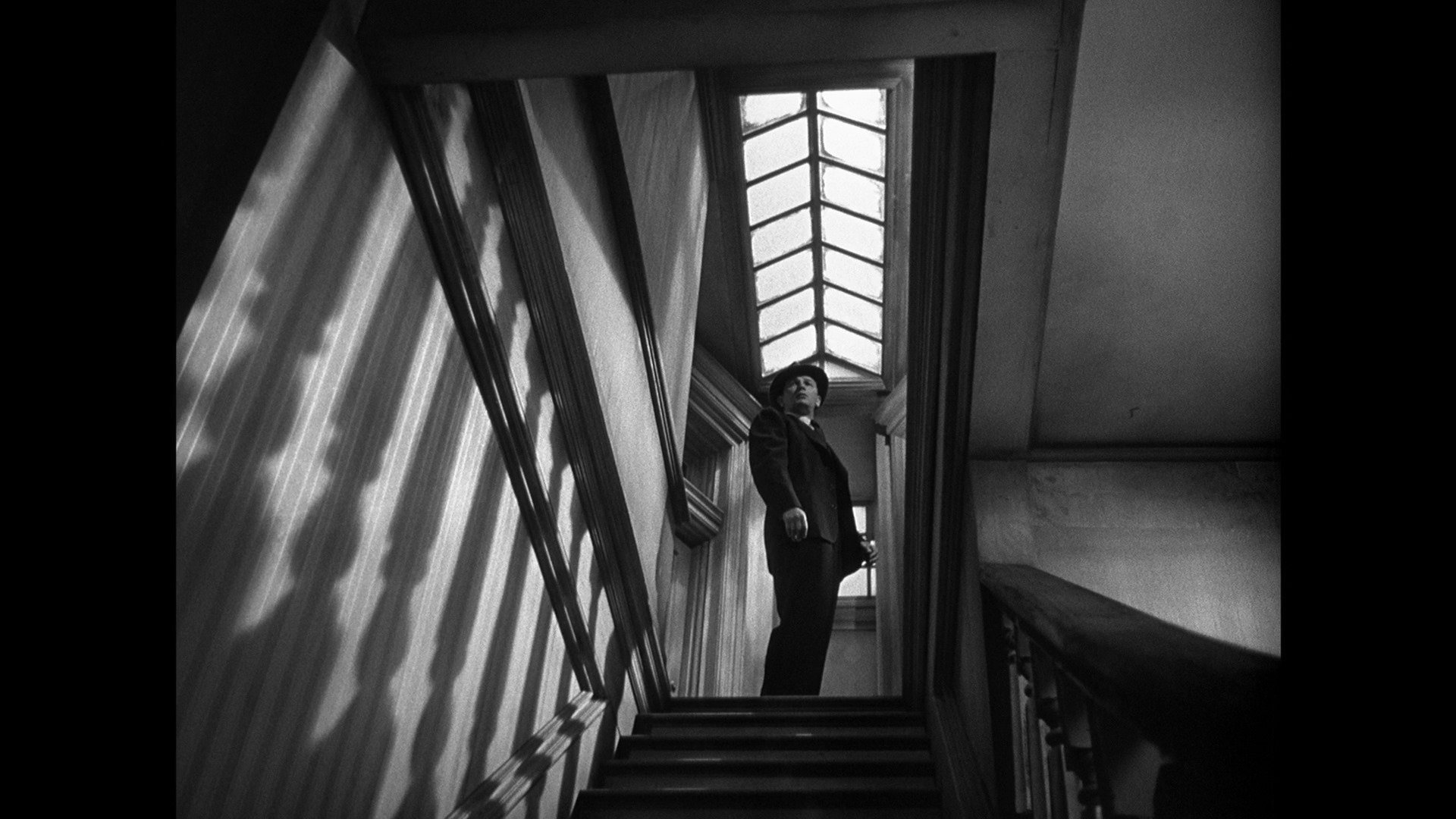
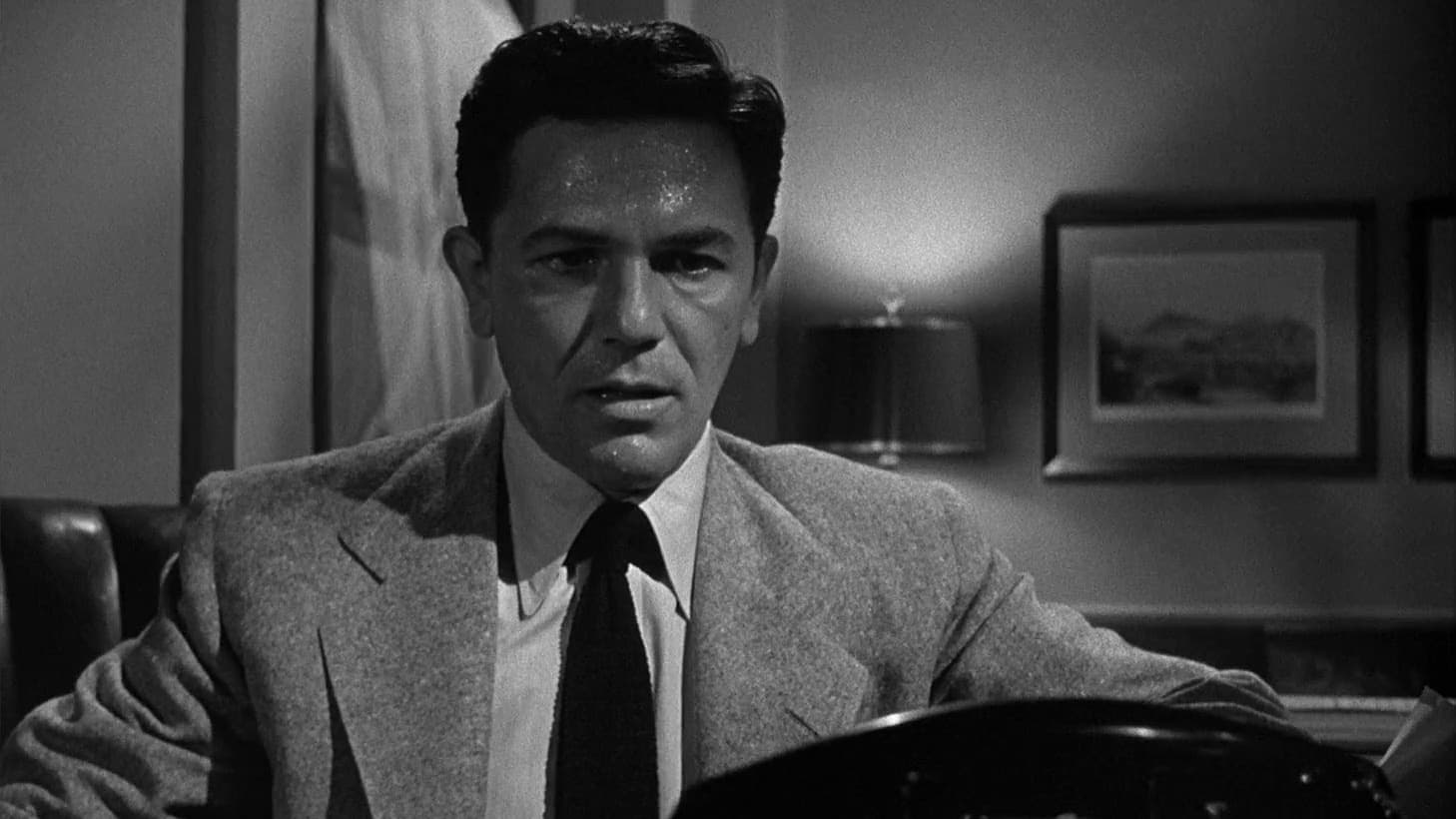
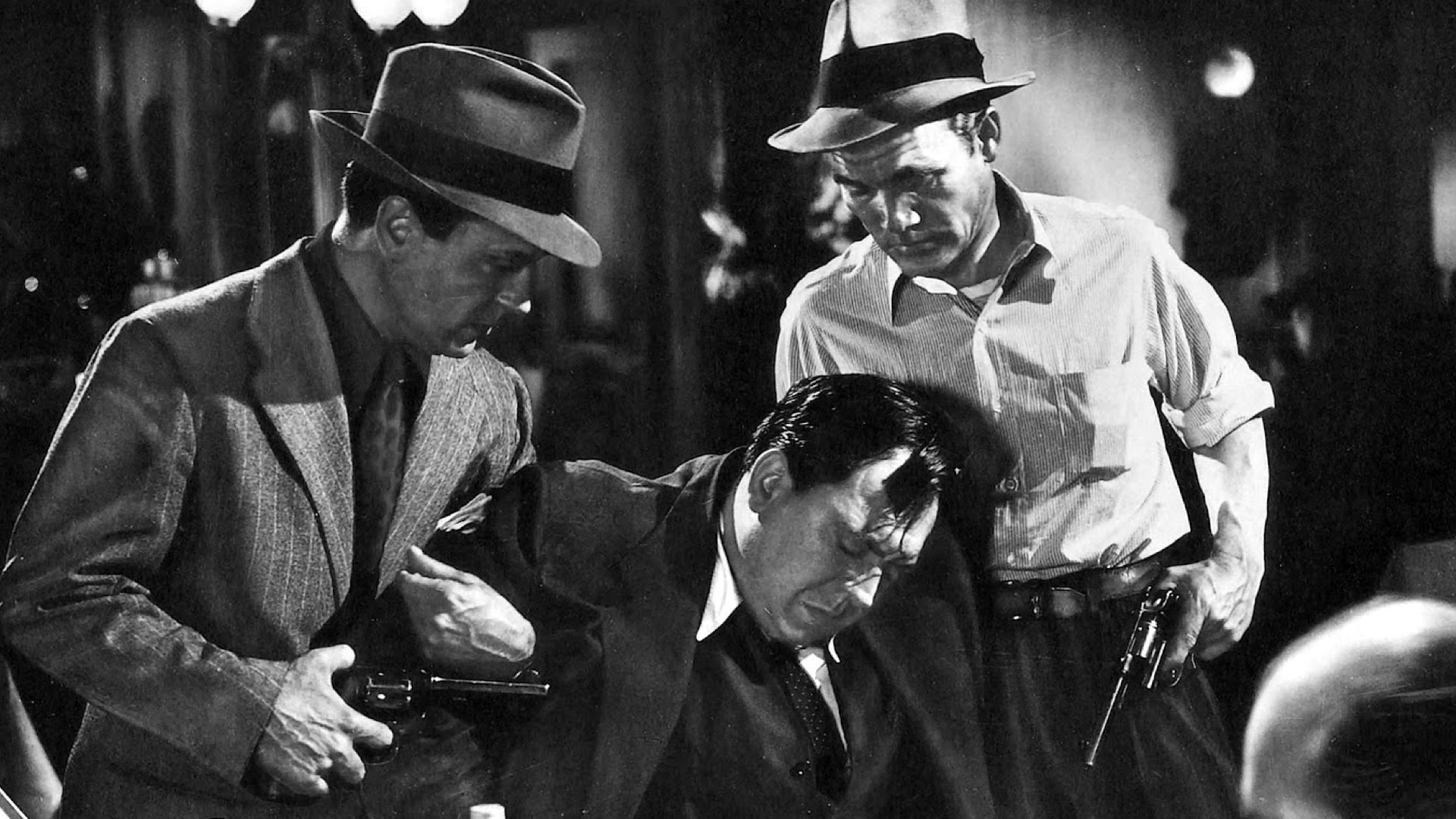

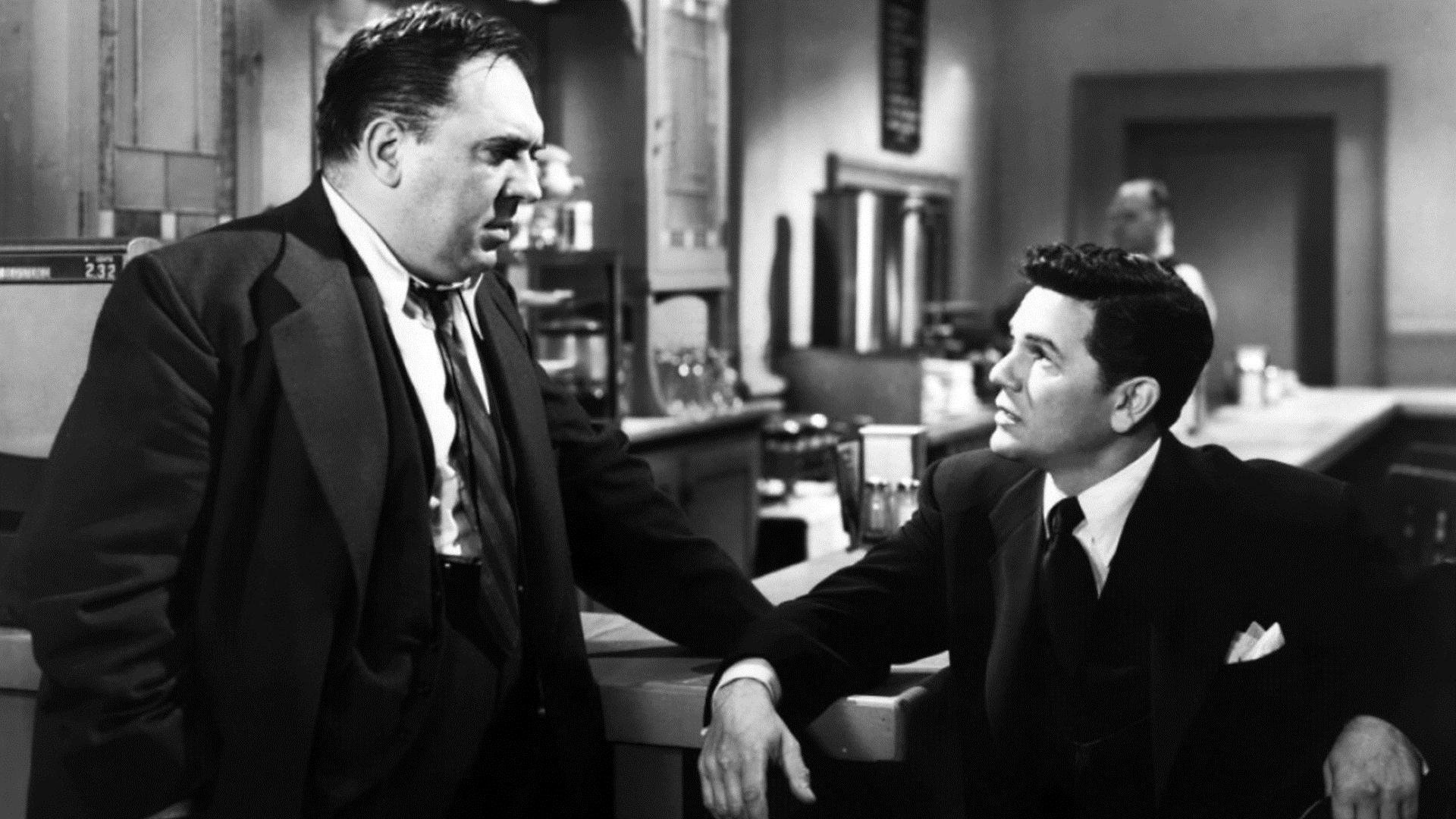


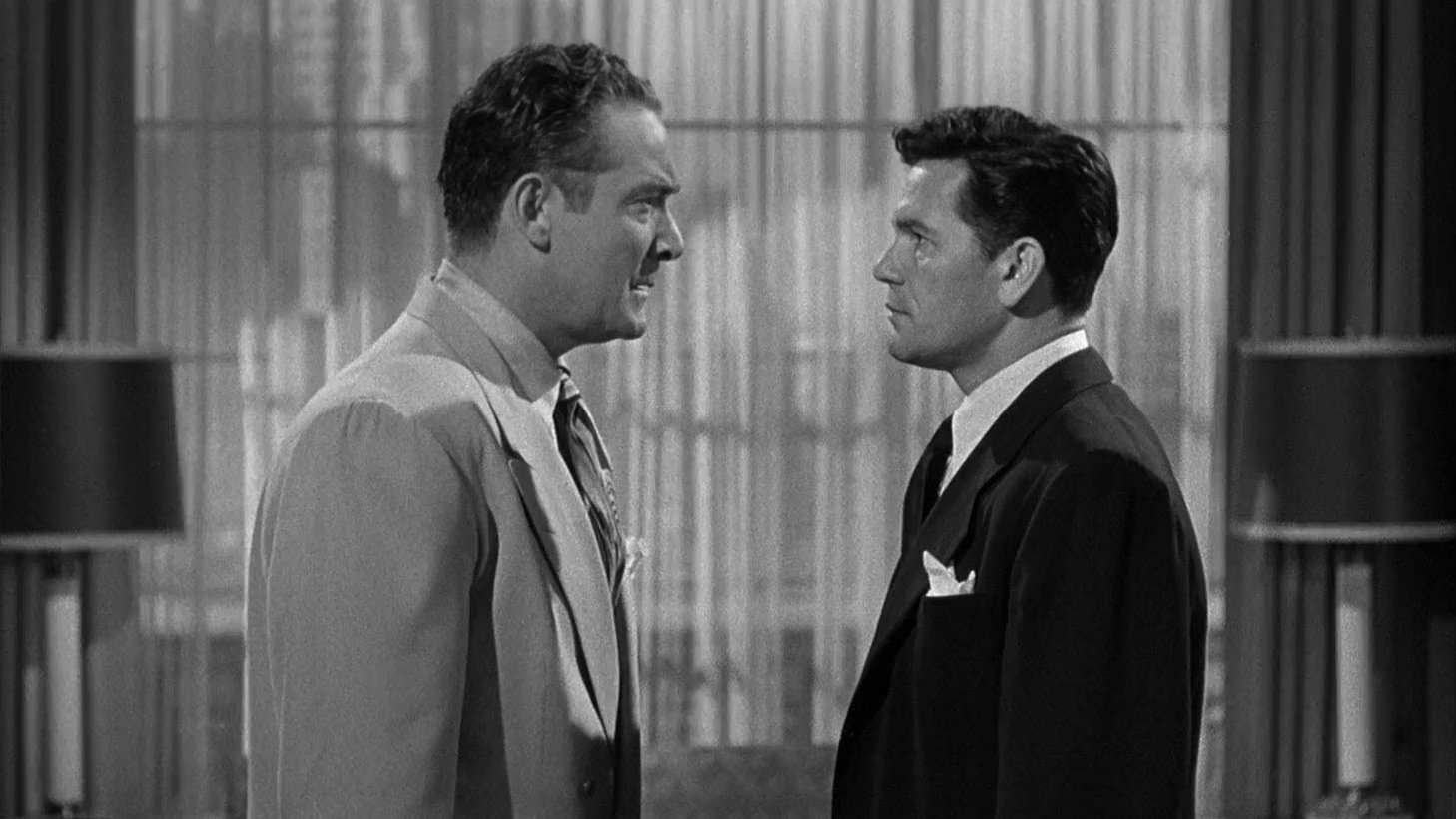
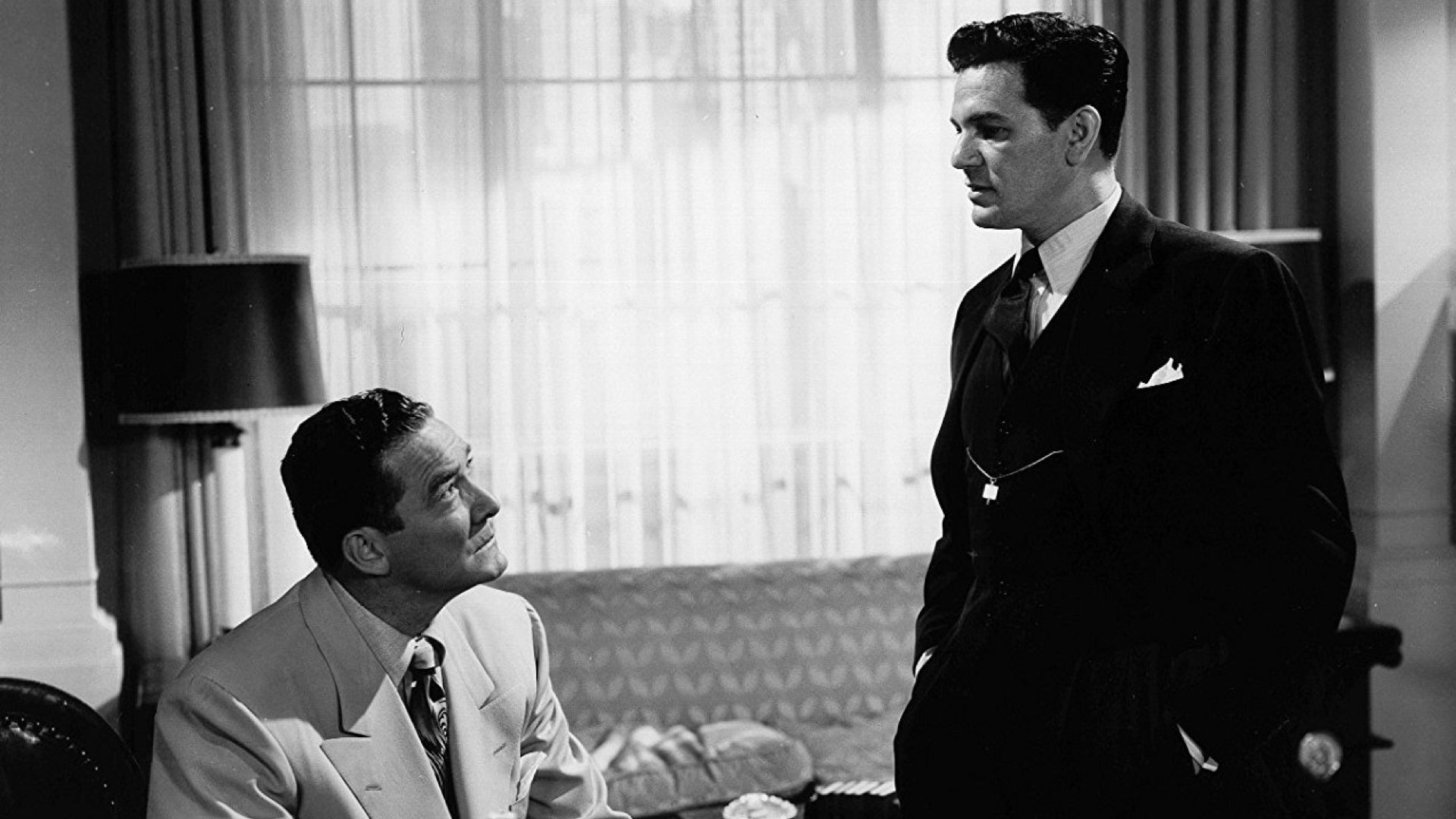
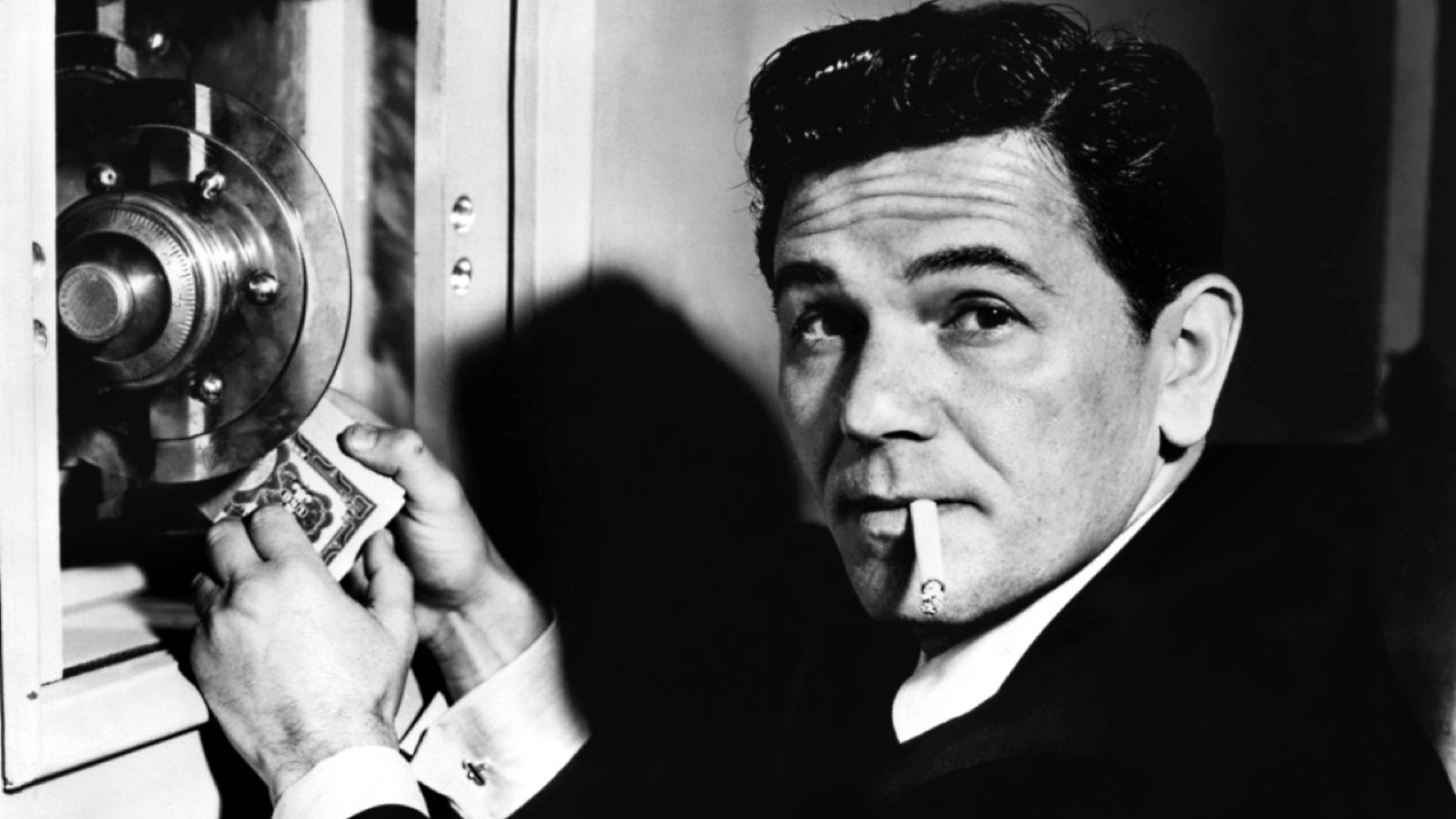
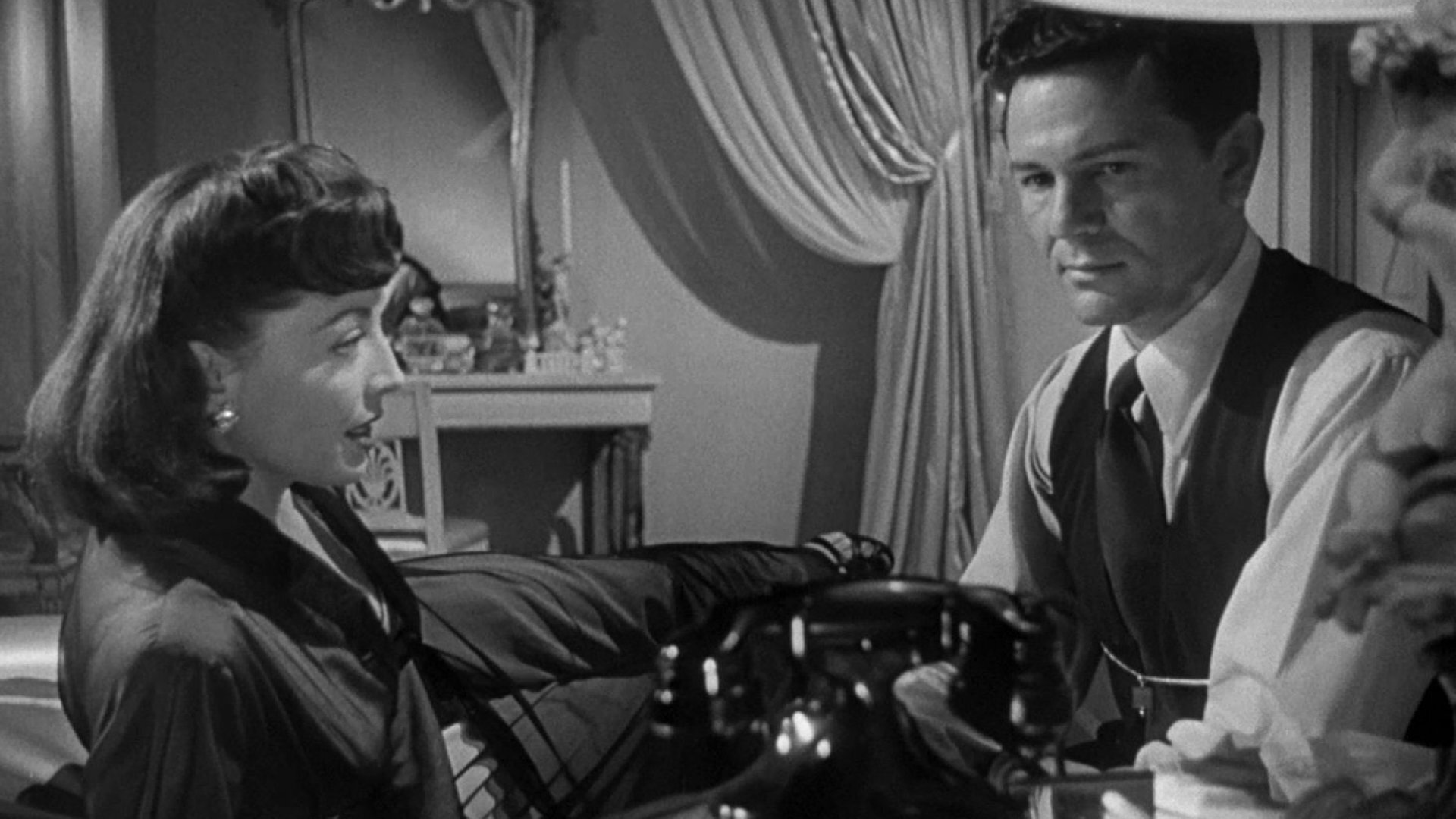
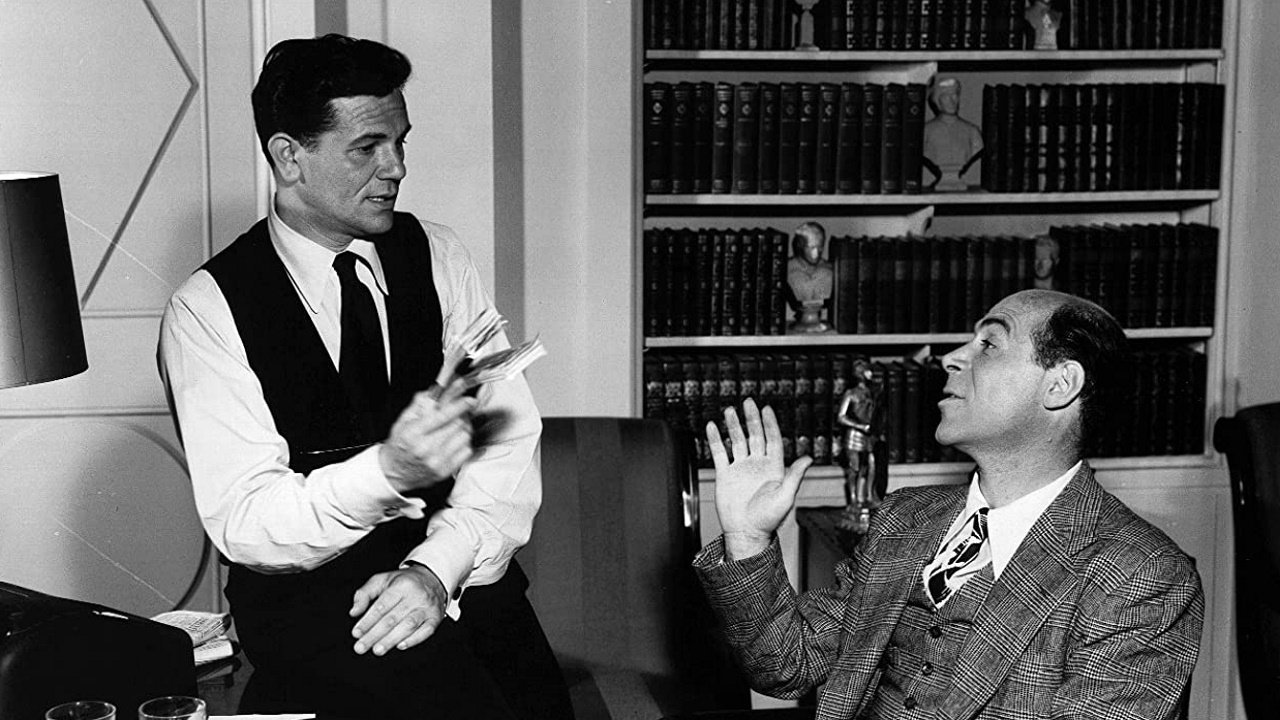
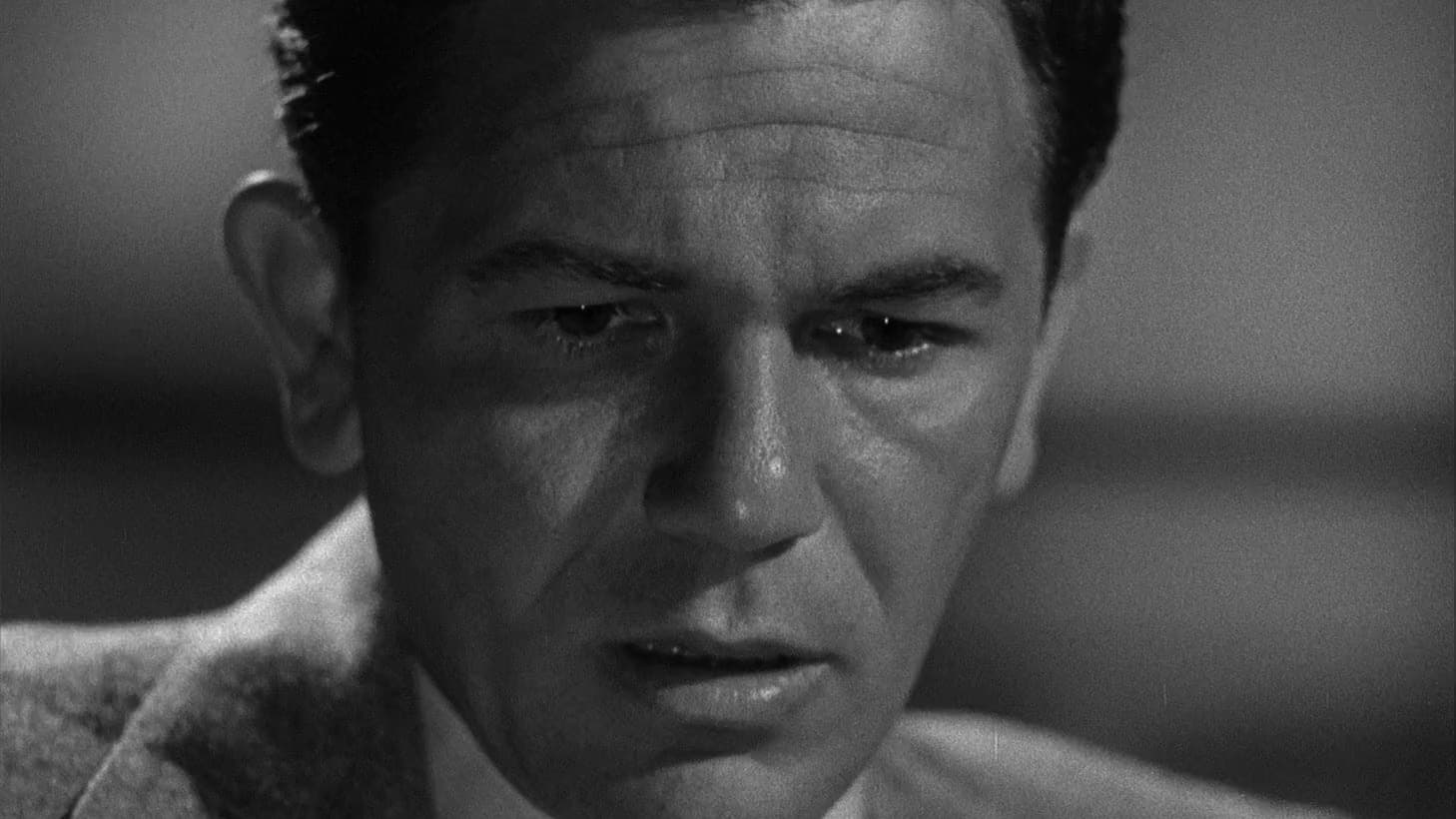
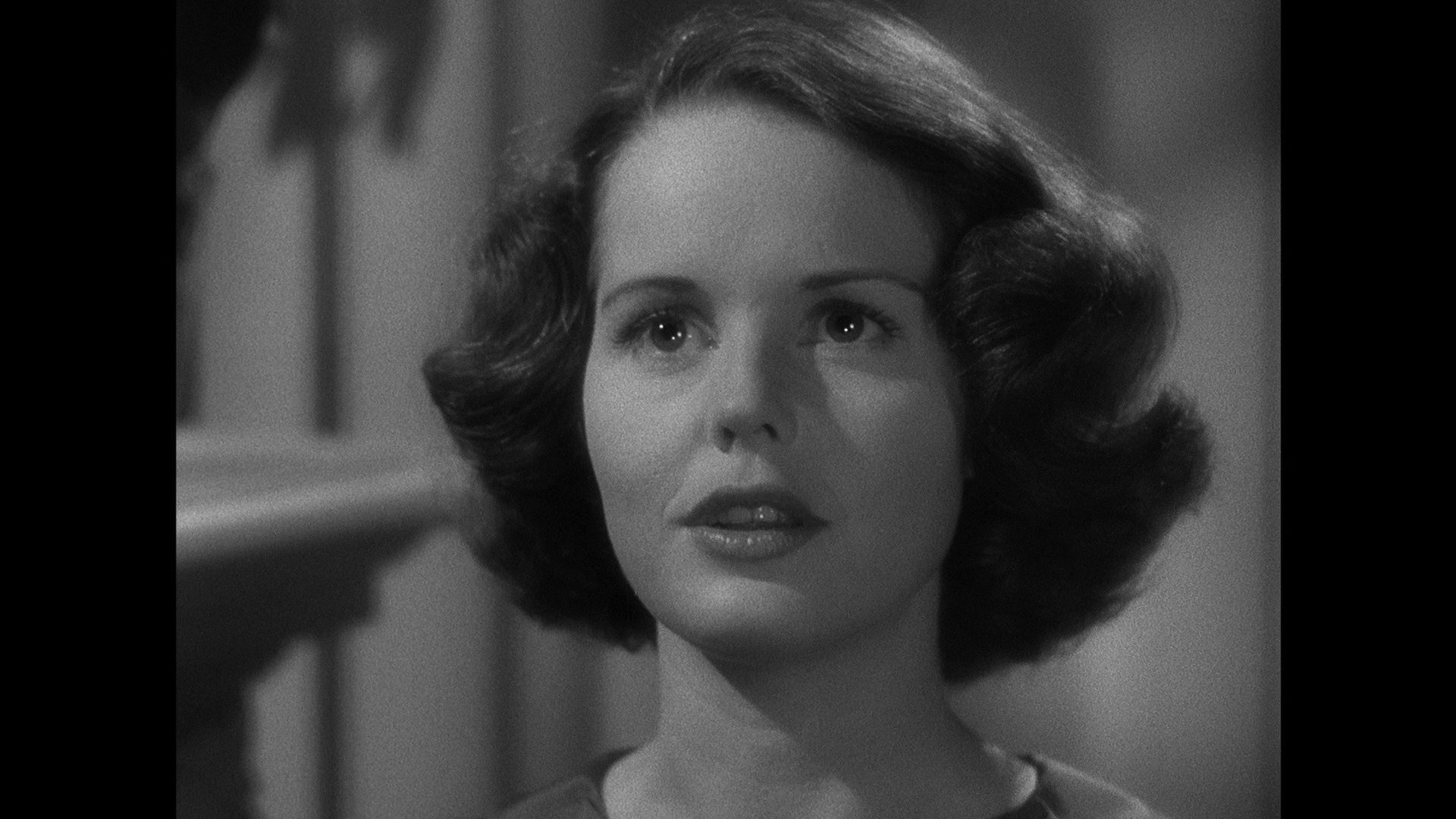
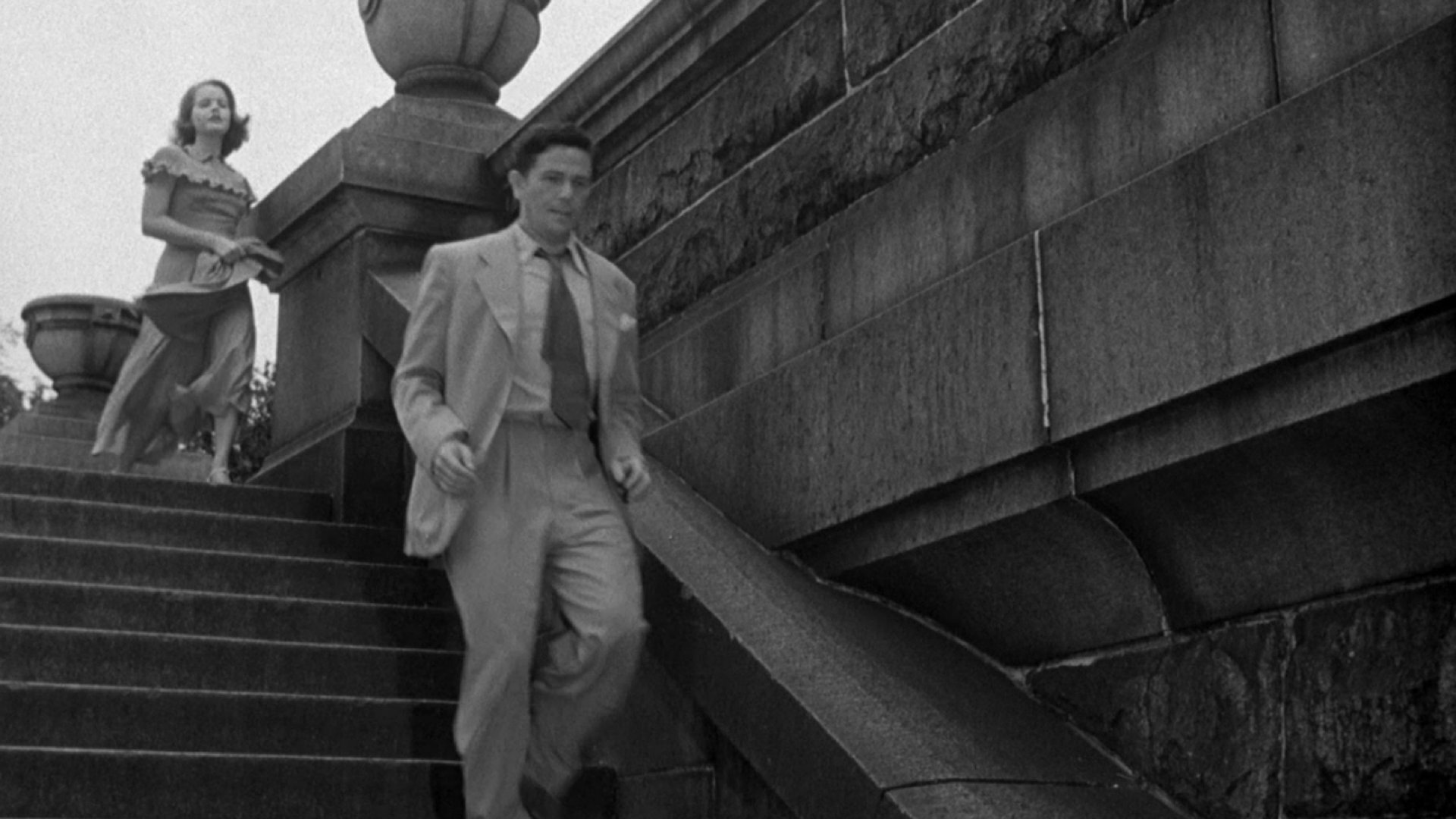
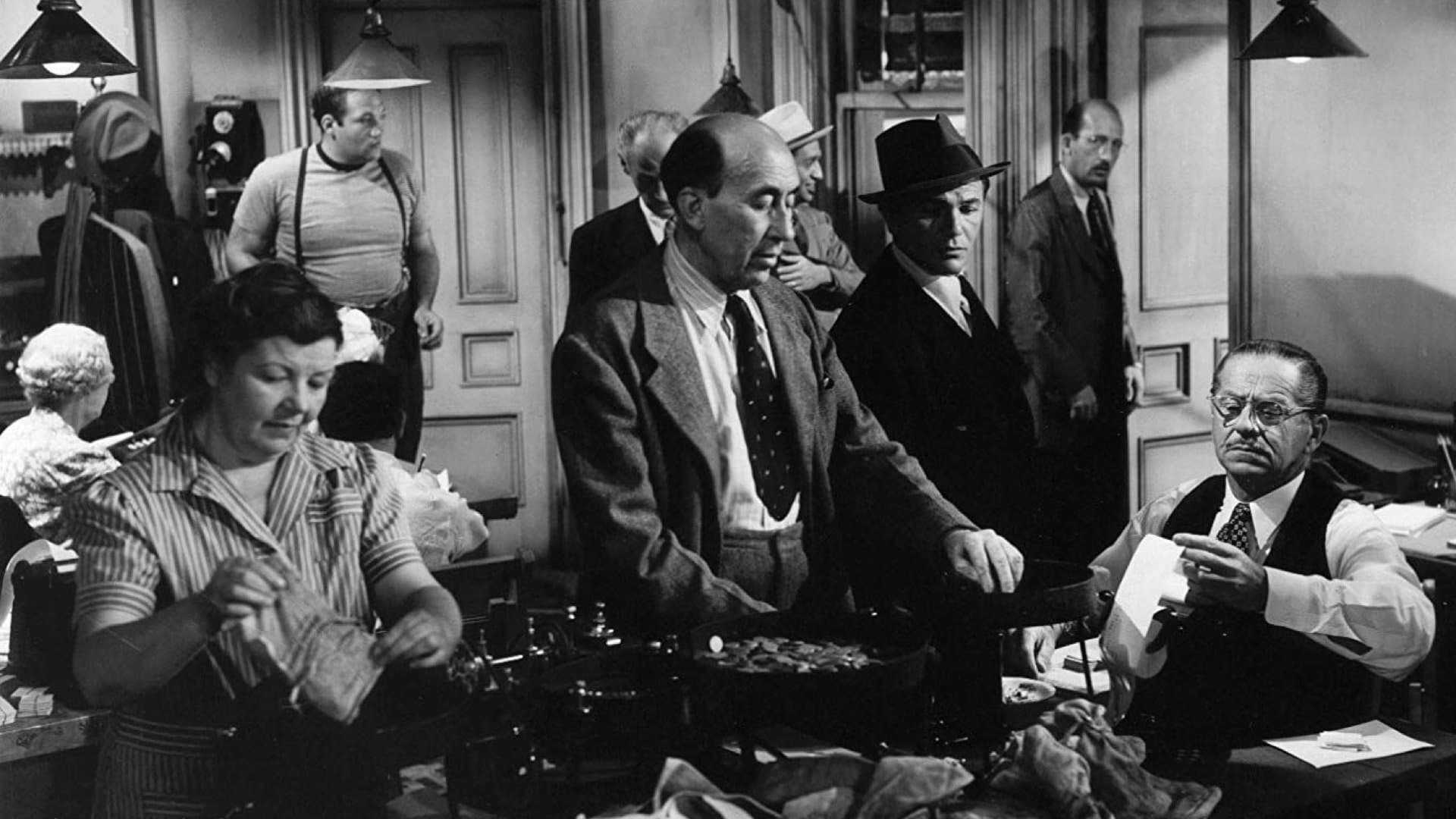
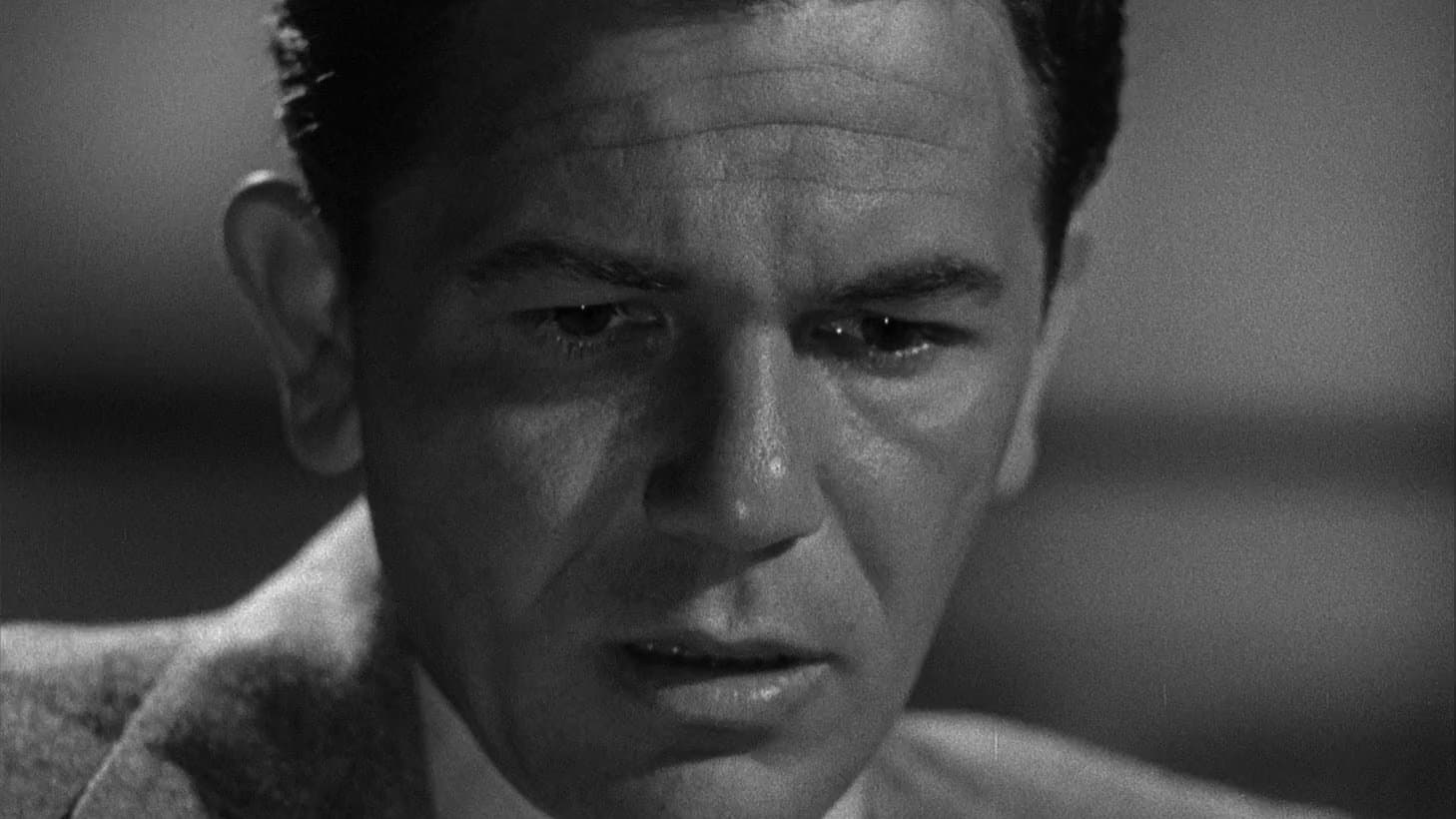
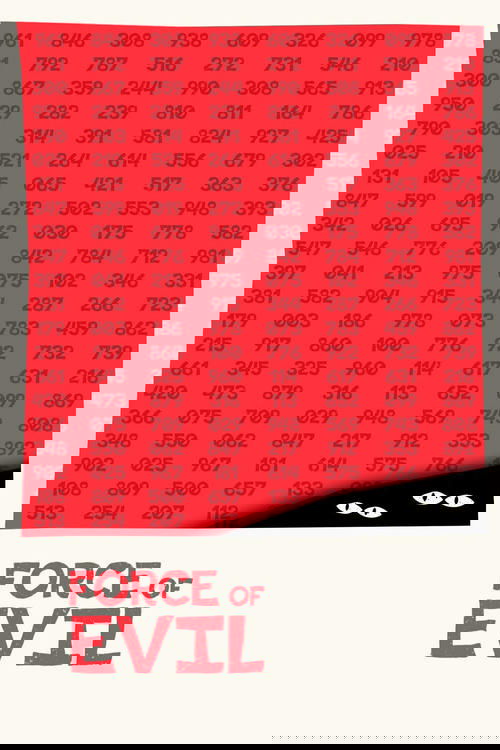
Lawyer Joe Morse wants to consolidate all the small-time numbers racket operators into one big powerful operation. But his elder brother Leo is one of these small-time operators who wants to stay that way, preferring not to deal with the gangsters who dominate the big-time.
Directed by Abraham Polonsky
new york city
gangster
film noir
lawyer
numbers racket
brother brother relationship

Trailer

IMDB
N/A
Cast
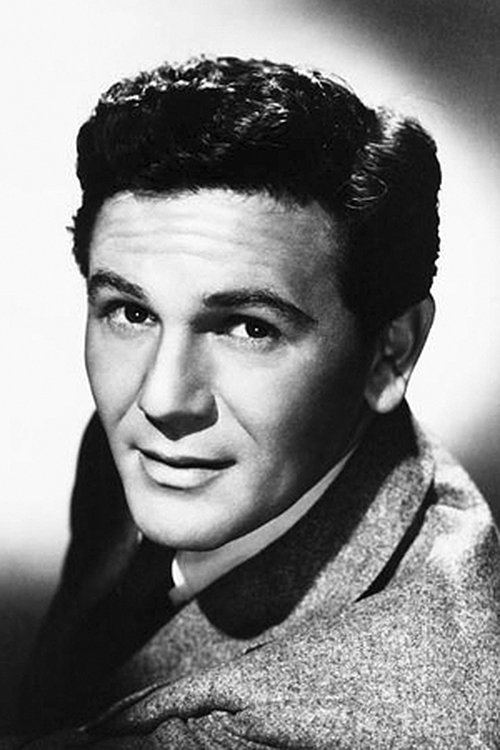
John Garfield
Joe Morse
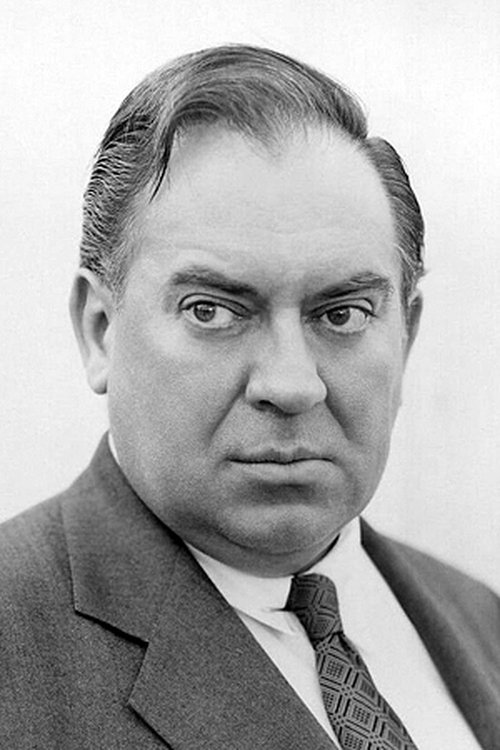
Thomas Gomez
Leo Morse

Marie Windsor
Edna Tucker
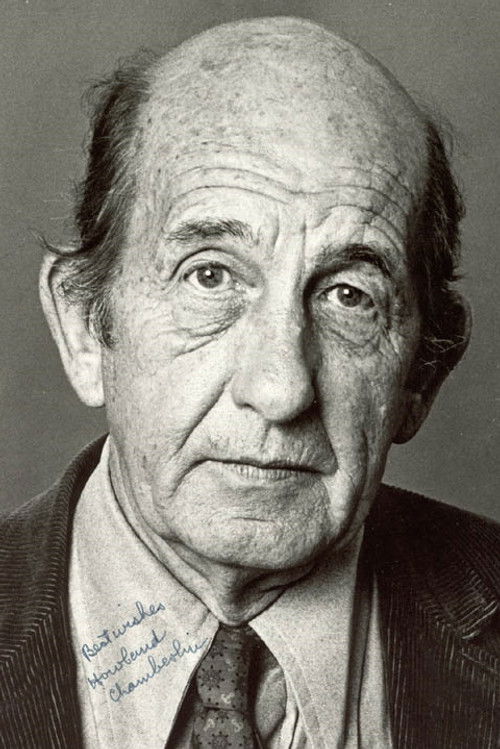
Howland Chamberlain
Freddie Bauer
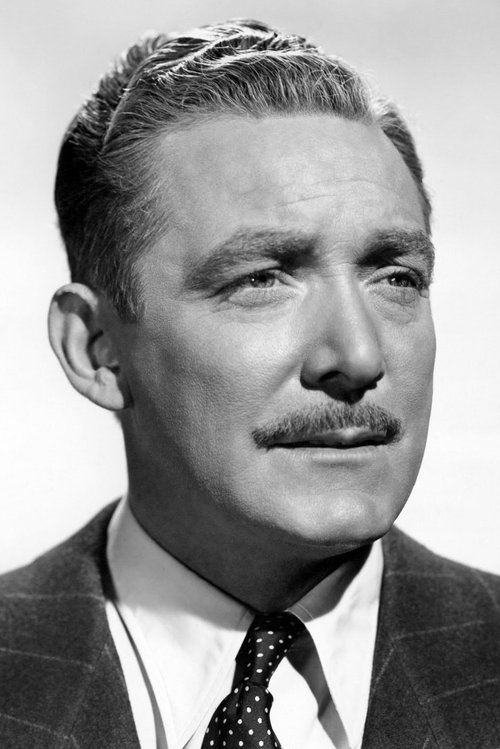
Roy Roberts
Ben Tucker
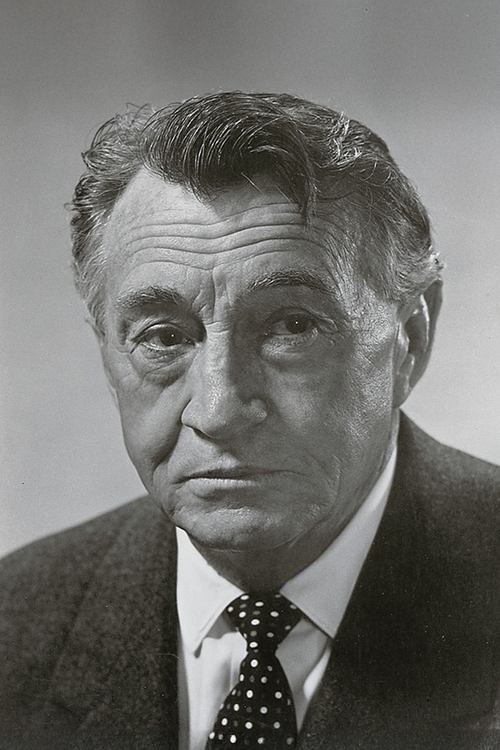
Paul Fix
Bill Ficco

Stanley Prager
Wally
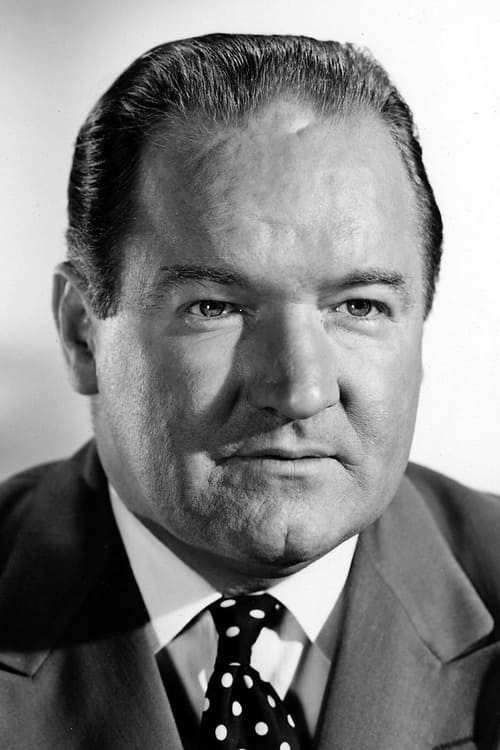
Barry Kelley
Detective Egan
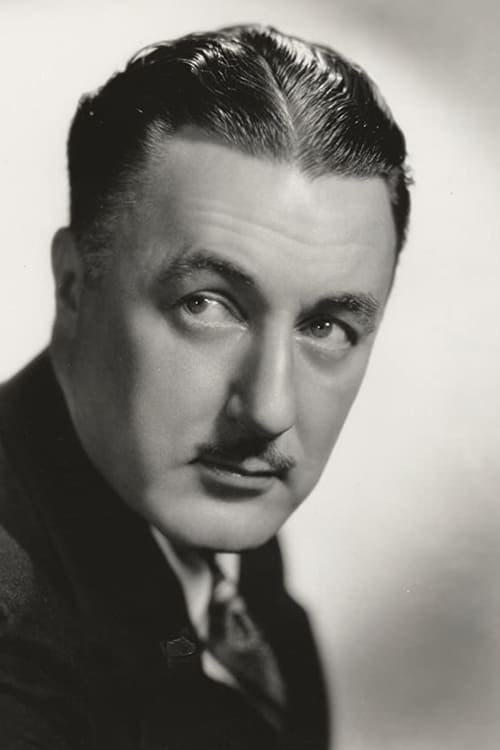
Paul McVey
Hobe Wheelock

Beatrice Pearson
Doris Lowry
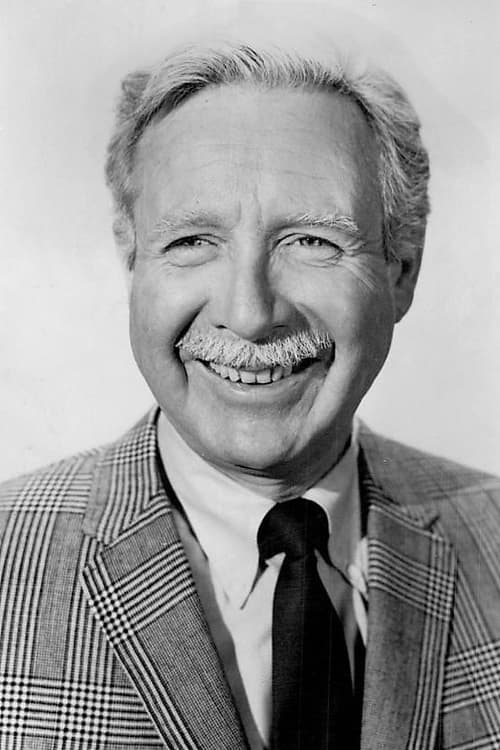
Arthur O'Connell
Link Hall (uncredited)
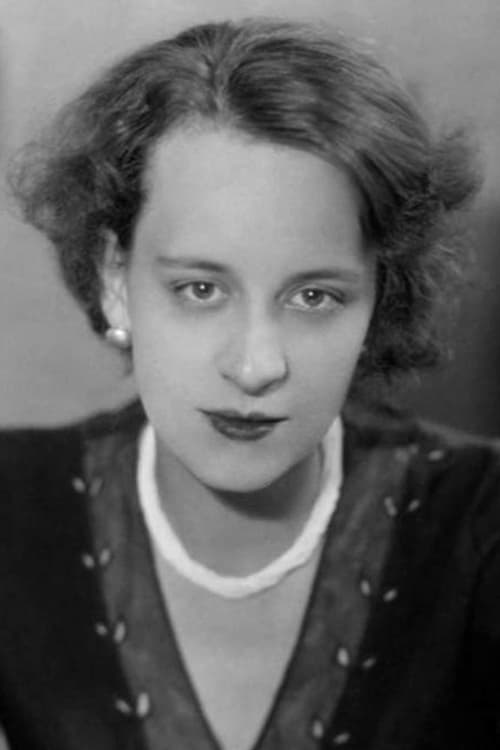
Georgia Backus
Sylvia Morse (uncredited)
Crew
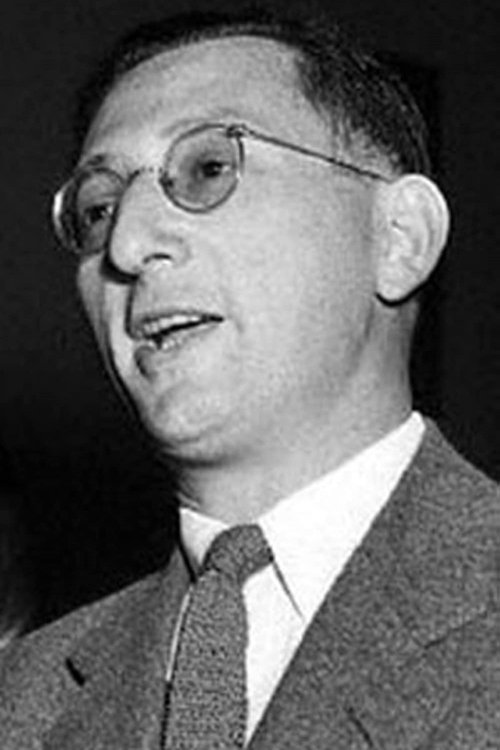
Abraham Polonsky
Director
Abraham Polonsky
Screenplay
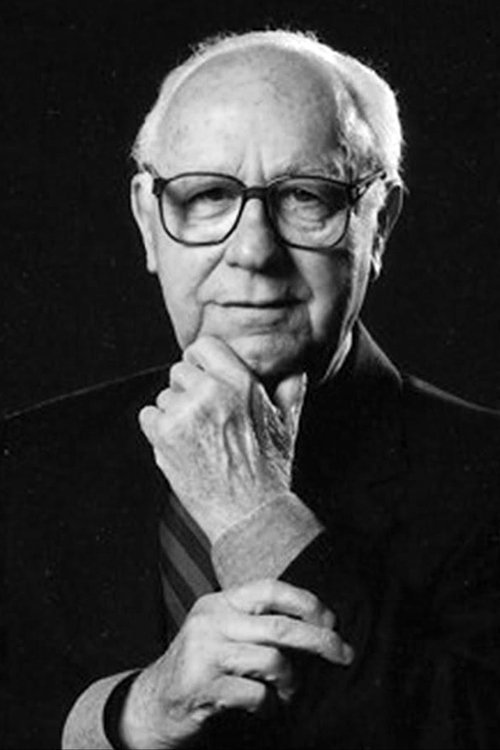
David Raksin
Music
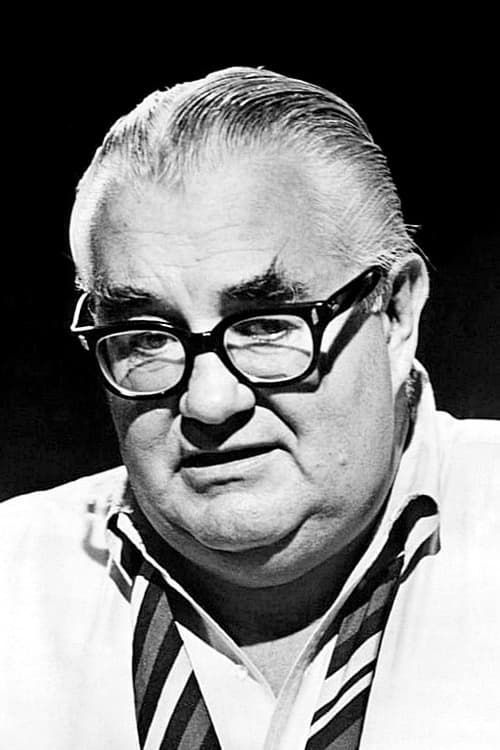
Robert Aldrich
Assistant Director
Popular Reviews
28 reviews
Poo
8.0★ · 11/05/25
Palette cleanse after the red scare propaganda hogwash of I Was A Communist for the FBI, one of the most anti-capitalistic films of the era by one an openly Marxist director and starring John Garfield, both of whom would be blacklisted in only a few short years after its release.
Really loved Garfield here. I've seen him take on more worn-down working man roles in He Ran All the Way and The Breaking Point, but here he's a slick lawyer who thinks he can have it all until it all unravels leading to a devastating final scene.
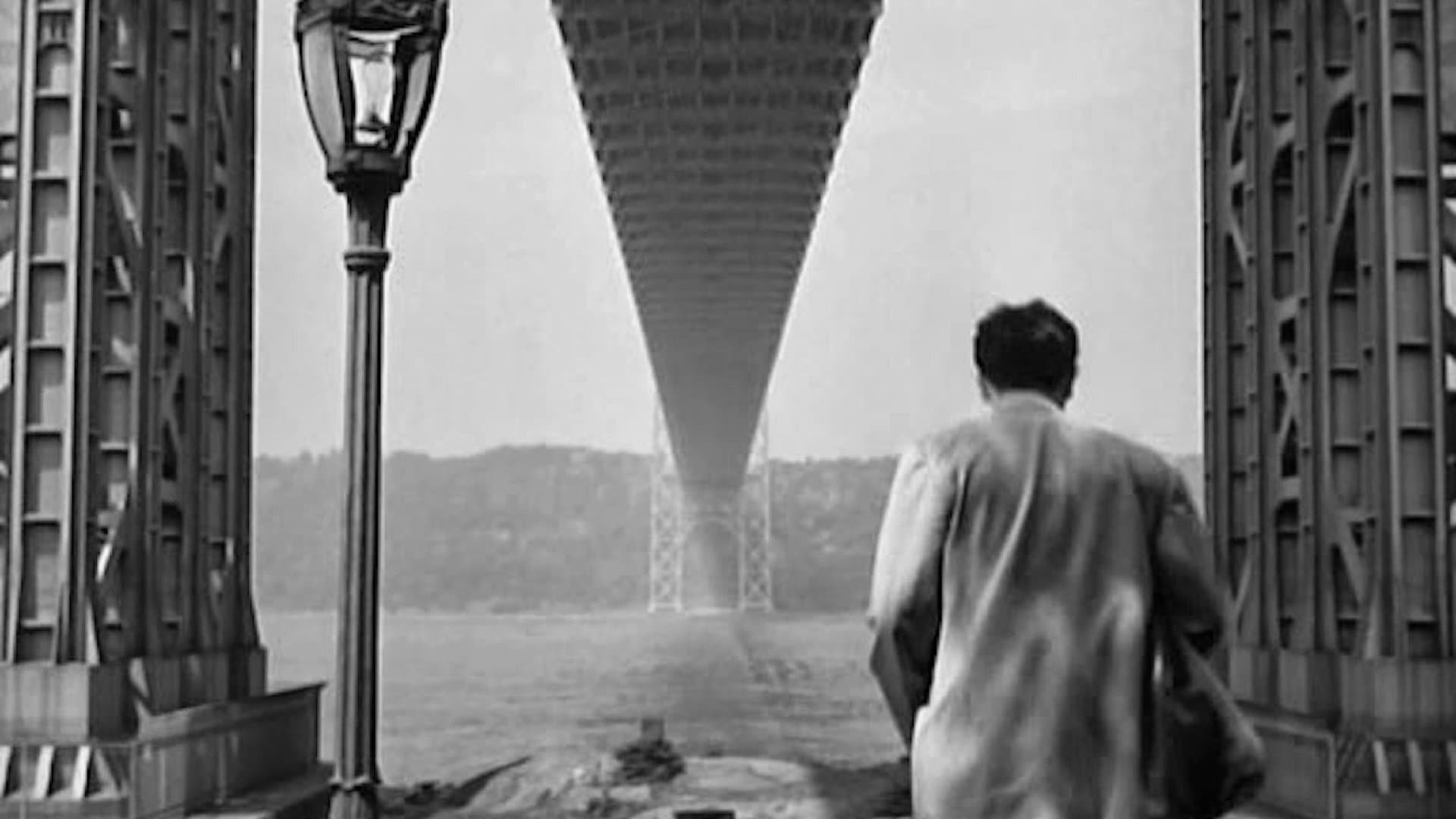
Definitely see the influence this had on Scorsese from the themes (Money! Family!) and tone to the gorgeous on location cinematography and haunting score.
Really loved Garfield here. I've seen him take on more worn-down working man roles in He Ran All the Way and The Breaking Point, but here he's a slick lawyer who thinks he can have it all until it all unravels leading to a devastating final scene.
Definitely see the influence this had on Scorsese from the themes (Money! Family!) and tone to the gorgeous on location cinematography and haunting score.
Palette cleanse after the red scare propaganda hogwash of I Was A Communist for the FBI, one of the most anti-capitalistic films of the era by one an openly Marxist director and starring John Garfield, both of whom would be blacklisted in only a few short years after its release.
Really loved Garfield here. I've seen him take on more worn-down working man roles in He Ran All the Way and The Breaking Point, but here he's a slick lawyer who thinks he can have it all until it all unravels leading to a devastating final scene.
Definitely see the influence this had on Scorsese from the themes (Money! Family!) and tone to the gorgeous on location cinematography and haunting score.
Really loved Garfield here. I've seen him take on more worn-down working man roles in He Ran All the Way and The Breaking Point, but here he's a slick lawyer who thinks he can have it all until it all unravels leading to a devastating final scene.
Definitely see the influence this had on Scorsese from the themes (Money! Family!) and tone to the gorgeous on location cinematography and haunting score.


mel
5.0★ · 09/25/25
mid
mid
Bryce
6.0★ · 06/14/25
A good noir flick. Greed ends up killing joe's brother leo and the numbers operation that they set up.
A good noir flick. Greed ends up killing joe's brother leo and the numbers operation that they set up.
Milan
8.0★ · 02/05/24
It's very interesting to me how much more hopeful the end of 40s Noirs are compared to the constant bleak and gritty ends of 50s Noirs, right up to Touch of Evil's exasperatedly immoral world, which almost reeks of corruption, perhaps reaching the high point of such corruption, that forced the death of Film Noir simply because nothing could get bleaker.
Even though Force of Evil (the similarity of the names is not lost on me) is made in 1948, and has one of the most hopeless character arcs in Leo Morse, there is still a huge redemptive element to the end. Despite the corruption and downfall of his brother, and perhaps even because of it, the fact that Joe Morse has a revelatory turn to the light saves the whole film's hope, and in that sense, saves the world of the film.
Perhaps there is also an element of hope in both Morse's transformations - in Touch of Evil, Hank Quinlan is barely a human, but for his peeling-away facade; instead, Welles' police chief becomes a physical symbol of the bloated immorality in Noirs. With both Morse brothers, they at least are given a chance to be human - no matter how they end up. The transformative hope of The Maltese Falcon, the first Noir, remains.
Even though Force of Evil (the similarity of the names is not lost on me) is made in 1948, and has one of the most hopeless character arcs in Leo Morse, there is still a huge redemptive element to the end. Despite the corruption and downfall of his brother, and perhaps even because of it, the fact that Joe Morse has a revelatory turn to the light saves the whole film's hope, and in that sense, saves the world of the film.
Perhaps there is also an element of hope in both Morse's transformations - in Touch of Evil, Hank Quinlan is barely a human, but for his peeling-away facade; instead, Welles' police chief becomes a physical symbol of the bloated immorality in Noirs. With both Morse brothers, they at least are given a chance to be human - no matter how they end up. The transformative hope of The Maltese Falcon, the first Noir, remains.
It's very interesting to me how much more hopeful the end of 40s Noirs are compared to the constant bleak and gritty ends of 50s Noirs, right up to Touch of Evil's exasperatedly immoral world, which almost reeks of corruption, perhaps reaching the high point of such corruption, that forced the death of Film Noir simply because nothing could get bleaker.
Even though Force of Evil (the similarity of the names is not lost on me) is made in 1948, and has one of the most hopeless character arcs in Leo Morse, there is still a huge redemptive element to the end. Despite the corruption and downfall of his brother, and perhaps even because of it, the fact that Joe Morse has a revelatory turn to the light saves the whole film's hope, and in that sense, saves the world of the film.
Perhaps there is also an element of hope in both Morse's transformations - in Touch of Evil, Hank Quinlan is barely a human, but for his peeling-away facade; instead, Welles' police chief becomes a physical symbol of the bloated immorality in Noirs. With both Morse brothers, they at least are given a chance to be human - no matter how they end up. The transformative hope of The Maltese Falcon, the first Noir, remains.
Even though Force of Evil (the similarity of the names is not lost on me) is made in 1948, and has one of the most hopeless character arcs in Leo Morse, there is still a huge redemptive element to the end. Despite the corruption and downfall of his brother, and perhaps even because of it, the fact that Joe Morse has a revelatory turn to the light saves the whole film's hope, and in that sense, saves the world of the film.
Perhaps there is also an element of hope in both Morse's transformations - in Touch of Evil, Hank Quinlan is barely a human, but for his peeling-away facade; instead, Welles' police chief becomes a physical symbol of the bloated immorality in Noirs. With both Morse brothers, they at least are given a chance to be human - no matter how they end up. The transformative hope of The Maltese Falcon, the first Noir, remains.
Mickey R
7.0★ · 06/13/23
you know Francis Ford Coppola was taking notes
you know Francis Ford Coppola was taking notes