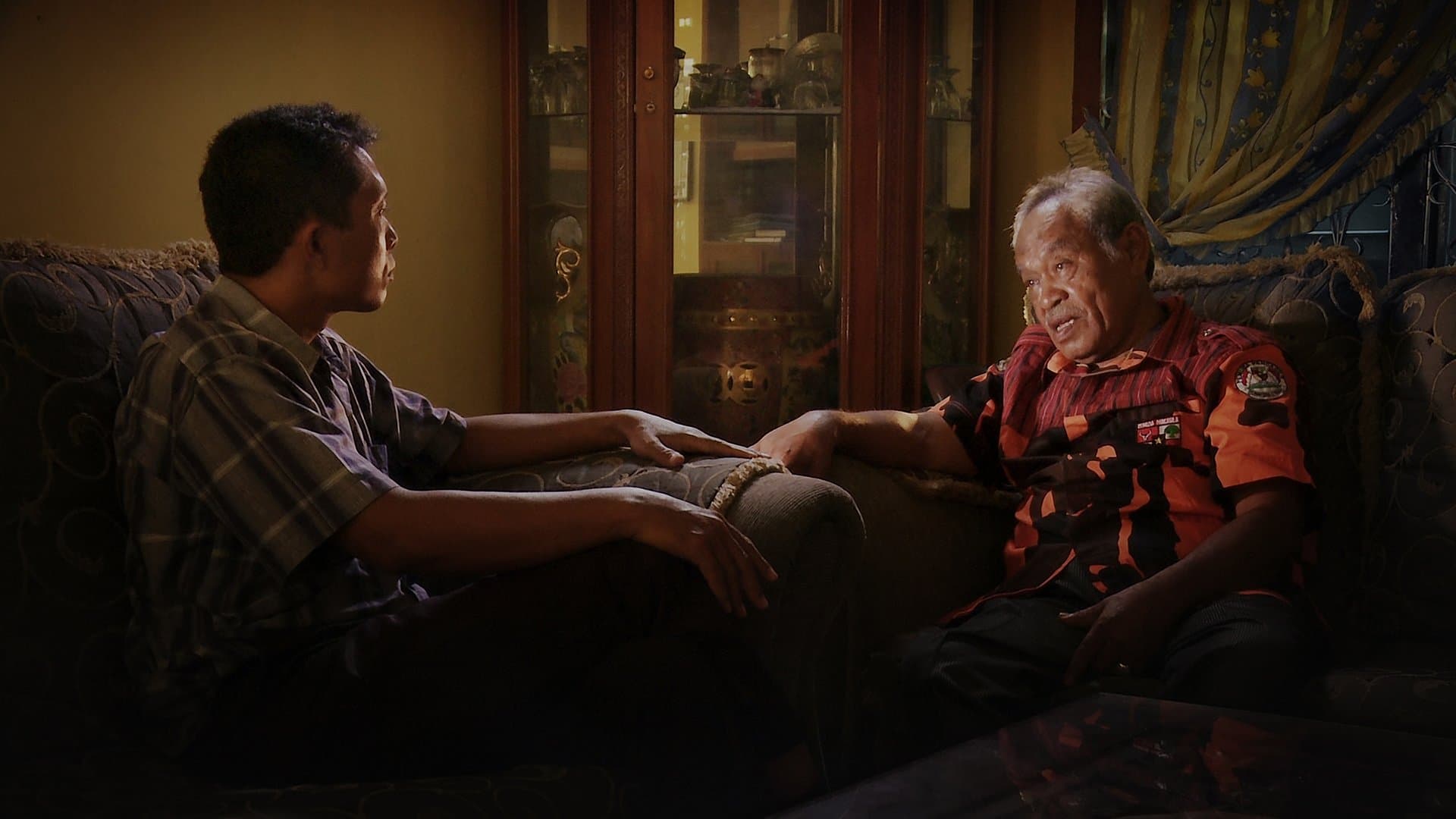
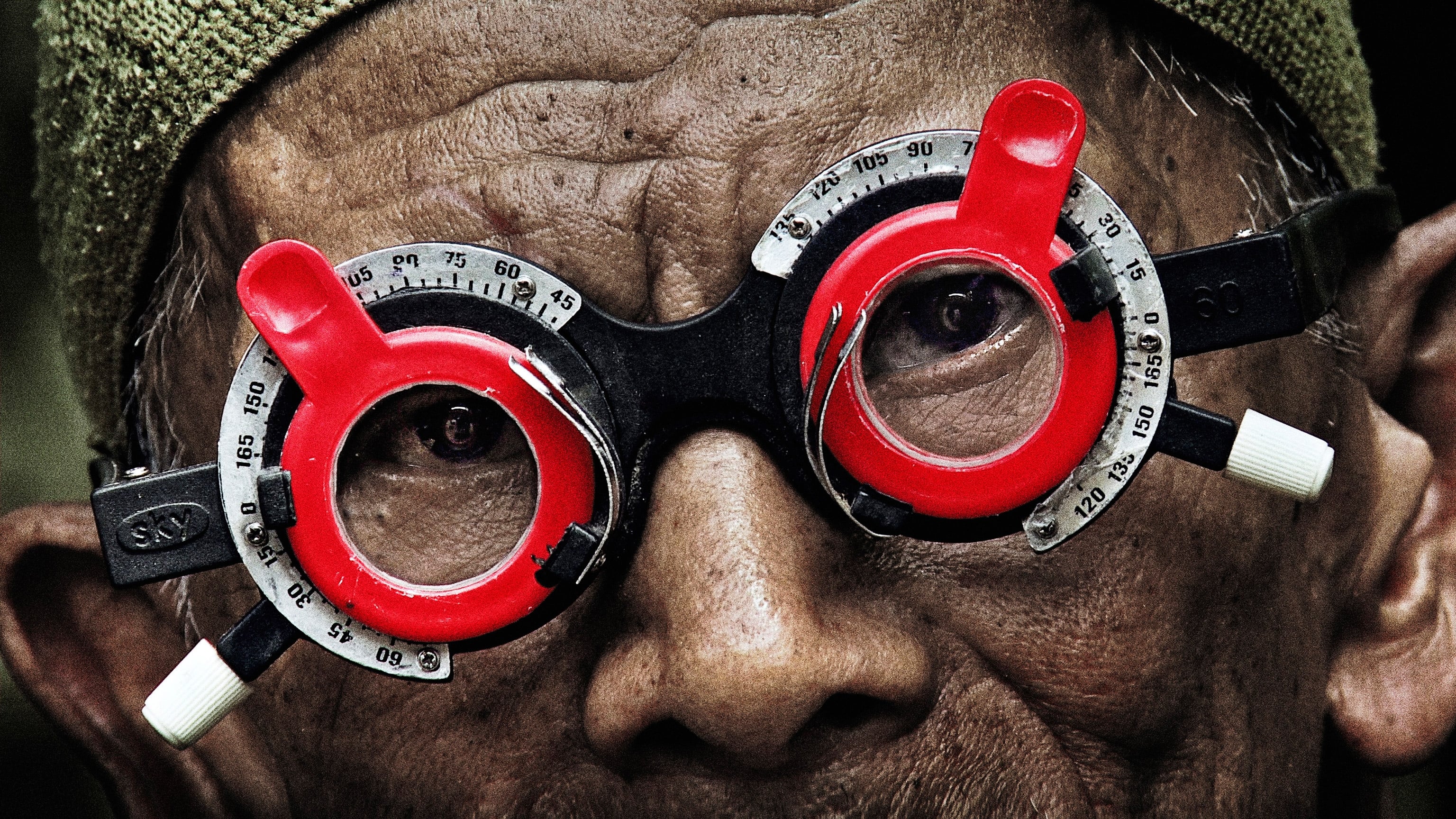
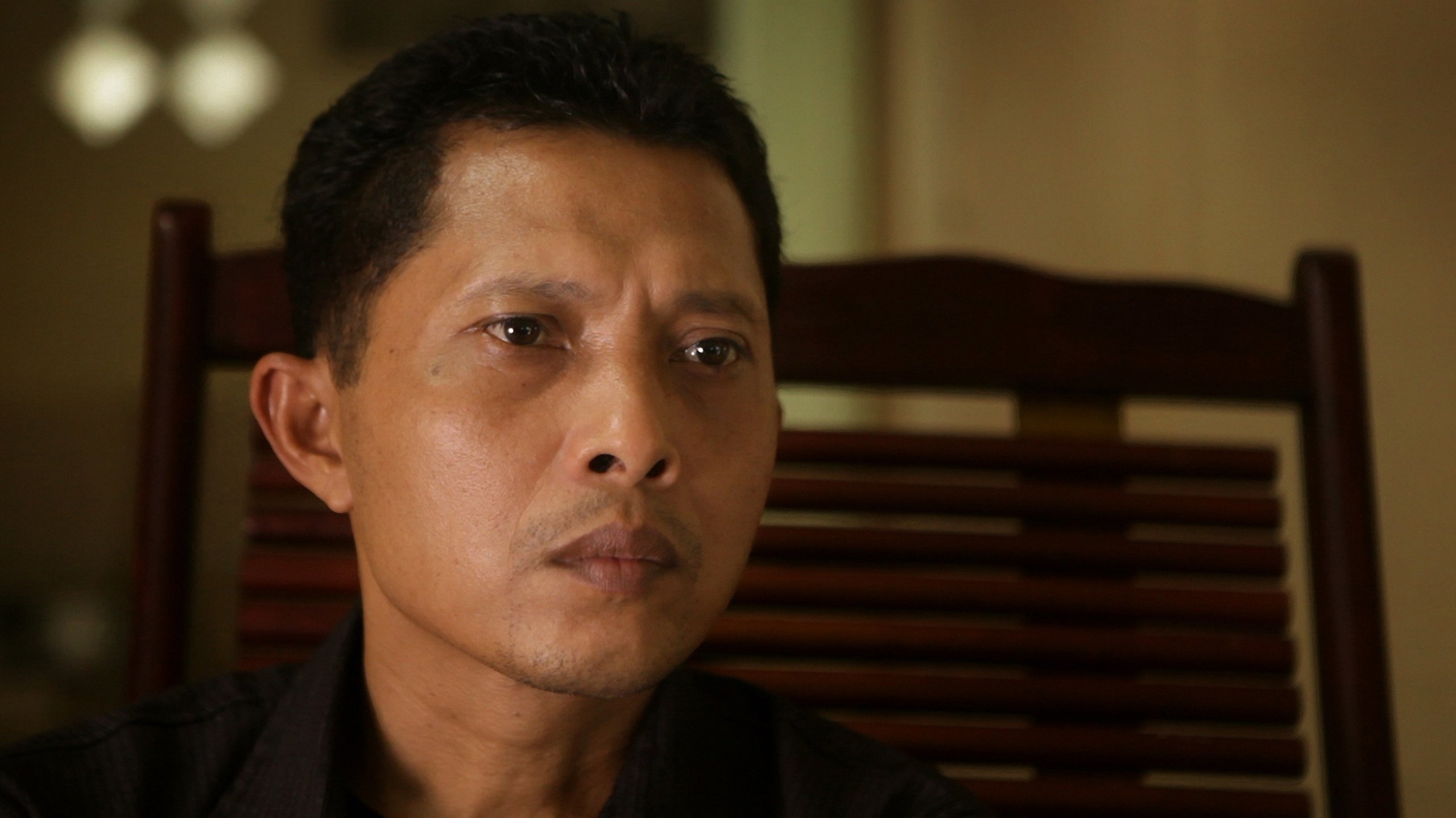
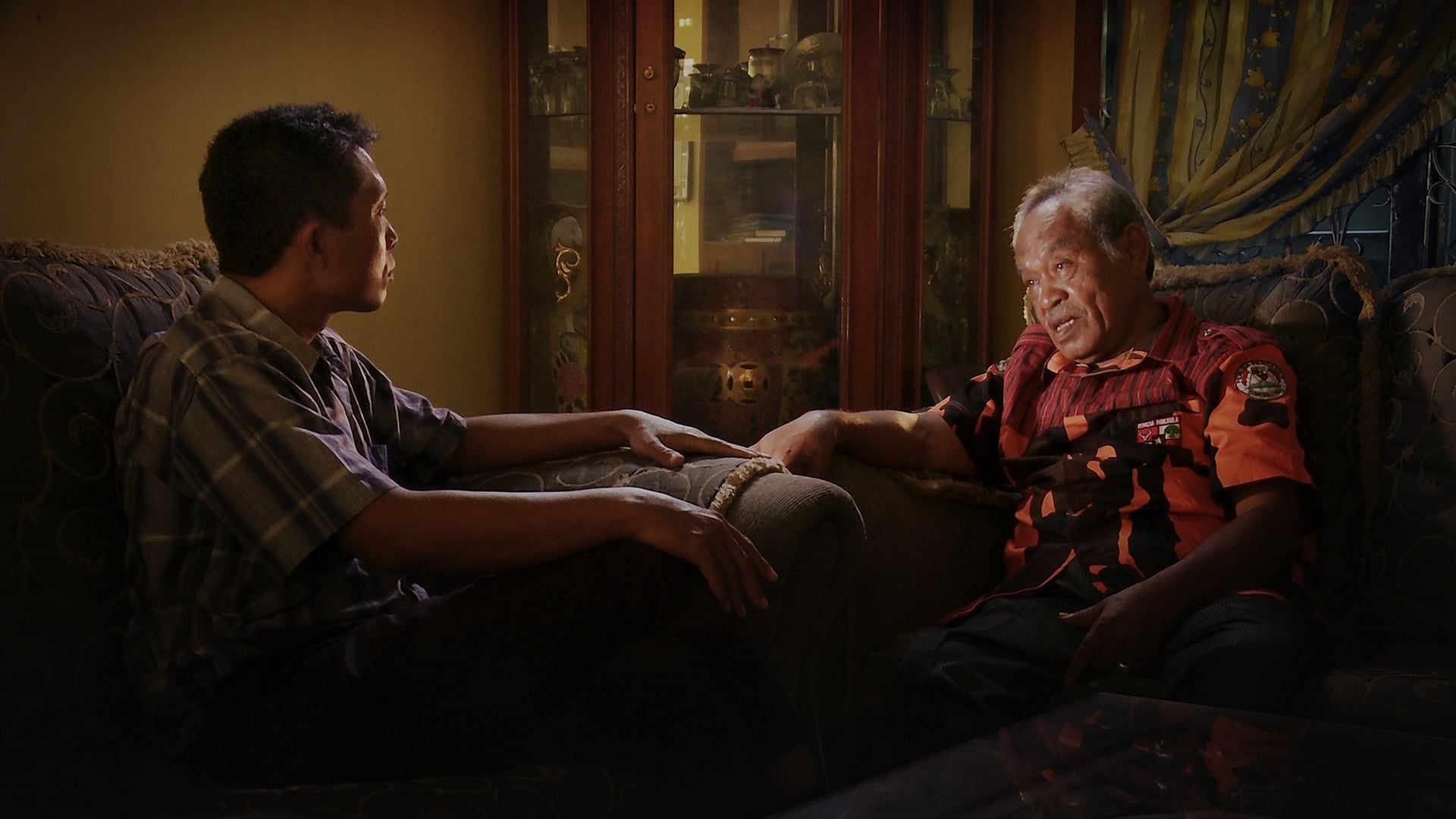
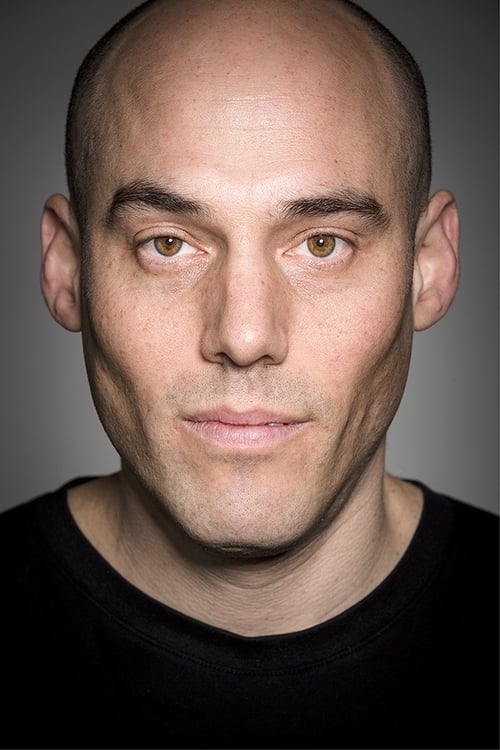
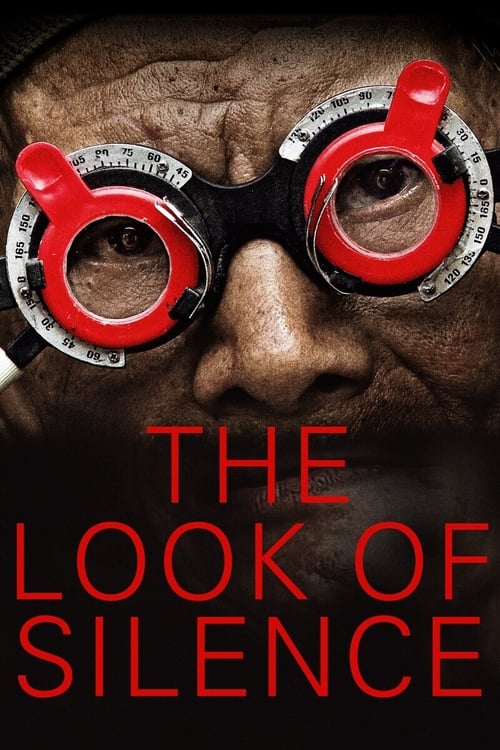
Kalau The Act of Killing adalah film yang menelanjangi kebanggaan para pelaku, maka The Look of Silence adalah film yang menelanjangi luka para korban — pelan, tenang, tapi jauh lebih menyayat. Joshua Oppenheimer kali ini menaruh kameranya di sisi lain meja: bukan lagi di hadapan para pembunuh yang berfantasi jadi bintang film, tapi di hadapan mereka yang keluarganya hilang di tangan orang-orang itu. Tokoh utamanya adalah Adi Rukun, seorang tukang kacamata dari Sumatera Utara, yang dengan berani menemui satu per satu para pelaku pembunuhan 1965, menatap mata mereka, dan dengan suara datar menanyakan hal-hal yang selama ini cuma bisa disimpan dalam hati: “Kenapa kalian bunuh kakak saya?” Pertanyaan sederhana itu menembus lapisan waktu dan ketakutan — bukan lewat amarah, tapi lewat ketenangan yang justru lebih menakutkan dari teriakan.
Bedanya dengan film sebelumnya, The Look of Silence nggak butuh absurditas atau musikal warna-warni buat menunjukkan betapa rusaknya moral bangsa ini. Di sini, sunyi jadi senjata utama. Banyak adegan yang dibiarkan berjalan dengan lama: wajah Adi yang tetap datar meskipun di depannya orang-orang itu tertawa, mengelak, bahkan balik mengancam. Joshua memfilmkan semua itu kayak doa yang lama tertahan — pelan tapi penuh tenaga. Ada momen ketika ibu Adi berbicara tentang suaminya yang sudah tua dan pikun, masih trauma dengan masa lalu; atau saat Adi menatap mata seorang pembunuh yang mulai gelisah, lalu tiba-tiba pura-pura nggak ingat. Semuanya terasa seperti menonton sejarah yang mencoba untuk melupakan dirinya sendiri.
Yang bikin film ini luar biasa pahit adalah kenyataan bahwa semua ini terjadi di negeri yang sama, dengan sistem sosial dan politik yang masih mencoba untuk menyangkal kebenaran nya. Ketika Adi mencoba bicara, banyak dari mereka menutup telinga — karena mengakui berarti mengguncang narasi besar yang sudah dijaga selama puluhan tahun lamanya. Tapi The Look of Silence nggak datang buat balas dendam. Film ini datang buat menatap, buat mengingat, dan buat menuntut kejujuran yang nggak pernah dikeluarkan dari mereka. Dalam tatapan Adi, kita melihat keberanian yang tenang tapi mematikan: keberanian untuk tidak lagi diam.
Kalau The Act of Killing adalah teriakan yang lantang, The Look of Silence adalah bisikan yang jauh lebih menusuk. Film ini seperti luka yang nggak pernah sembuh tapi juga nggak mau ditutup, karena dari situ lah kebenaran bisa tetap hidup. Ketika layar akhirnya gelap, kita nggak cuma ngerasa sedih — kita ngerasa malu. Karena di balik keheningan itu, ada sejarah kelam yang masih berdenyut, menunggu bangsa ini berani menatapnya kembali tanpa harus berpaling.
Kalau The Act of Killing adalah film yang menelanjangi kebanggaan para pelaku, maka The Look of Silence adalah film yang menelanjangi luka para korban — pelan, tenang, tapi jauh lebih menyayat. Joshua Oppenheimer kali ini menaruh kameranya di sisi lain meja: bukan lagi di hadapan para pembunuh yang berfantasi jadi bintang film, tapi di hadapan mereka yang keluarganya hilang di tangan orang-orang itu. Tokoh utamanya adalah Adi Rukun, seorang tukang kacamata dari Sumatera Utara, yang dengan berani menemui satu per satu para pelaku pembunuhan 1965, menatap mata mereka, dan dengan suara datar menanyakan hal-hal yang selama ini cuma bisa disimpan dalam hati: “Kenapa kalian bunuh kakak saya?” Pertanyaan sederhana itu menembus lapisan waktu dan ketakutan — bukan lewat amarah, tapi lewat ketenangan yang justru lebih menakutkan dari teriakan.
Bedanya dengan film sebelumnya, The Look of Silence nggak butuh absurditas atau musikal warna-warni buat menunjukkan betapa rusaknya moral bangsa ini. Di sini, sunyi jadi senjata utama. Banyak adegan yang dibiarkan berjalan dengan lama: wajah Adi yang tetap datar meskipun di depannya orang-orang itu tertawa, mengelak, bahkan balik mengancam. Joshua memfilmkan semua itu kayak doa yang lama tertahan — pelan tapi penuh tenaga. Ada momen ketika ibu Adi berbicara tentang suaminya yang sudah tua dan pikun, masih trauma dengan masa lalu; atau saat Adi menatap mata seorang pembunuh yang mulai gelisah, lalu tiba-tiba pura-pura nggak ingat. Semuanya terasa seperti menonton sejarah yang mencoba untuk melupakan dirinya sendiri.
Yang bikin film ini luar biasa pahit adalah kenyataan bahwa semua ini terjadi di negeri yang sama, dengan sistem sosial dan politik yang masih mencoba untuk menyangkal kebenaran nya. Ketika Adi mencoba bicara, banyak dari mereka menutup telinga — karena mengakui berarti mengguncang narasi besar yang sudah dijaga selama puluhan tahun lamanya. Tapi The Look of Silence nggak datang buat balas dendam. Film ini datang buat menatap, buat mengingat, dan buat menuntut kejujuran yang nggak pernah dikeluarkan dari mereka. Dalam tatapan Adi, kita melihat keberanian yang tenang tapi mematikan: keberanian untuk tidak lagi diam.
Kalau The Act of Killing adalah teriakan yang lantang, The Look of Silence adalah bisikan yang jauh lebih menusuk. Film ini seperti luka yang nggak pernah sembuh tapi juga nggak mau ditutup, karena dari situ lah kebenaran bisa tetap hidup. Ketika layar akhirnya gelap, kita nggak cuma ngerasa sedih — kita ngerasa malu. Karena di balik keheningan itu, ada sejarah kelam yang masih berdenyut, menunggu bangsa ini berani menatapnya kembali tanpa harus berpaling.