Trying to Watch as Many of the Films I Blind Bought this Year Before the Year is Over 14Buck and the Preacher, directed by Sidney Poitier, 1972
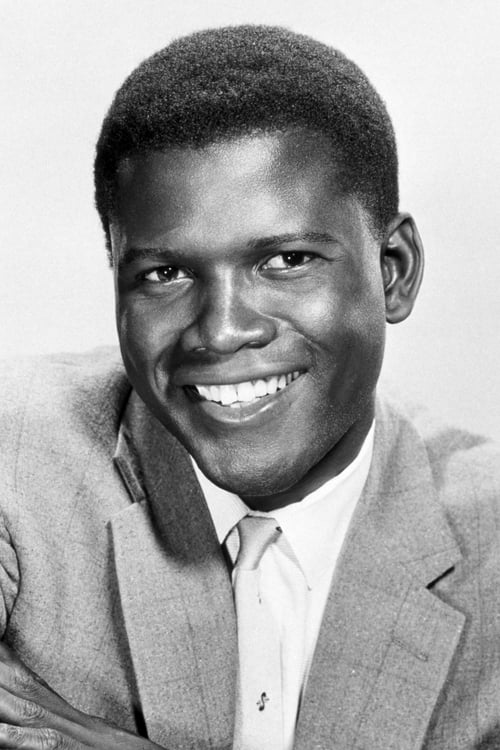
After watching Lillies in the Field earlier this year, I grew more curious about Sidney Poitier. I was already interested in exploring his career since a lot of black Hollywood is a huge blind spot for me, at least mostly when it pertains to a lot of older Hollywood. I knew his name in a tertiary sense before. His name would come up in essays and videos about black actors in Hollywood that I would read and watch, always taking into consideration the kinds of roles that he would take - decisions that would brand him as a “sell-out” by some black audiences. I knew I wanted to delve into his filmography more, but I also wanted to take a look at the films he directed. I also only started recently getting into westerns. Seeking them out more frequently and wanting to watch more of them. With Criterion Collection adding Buck and The Preacher to their collection two years ago and the 50% Criterion Collection sale at Barnes & Nobel that happened last July, now was a great time to pick up the film.
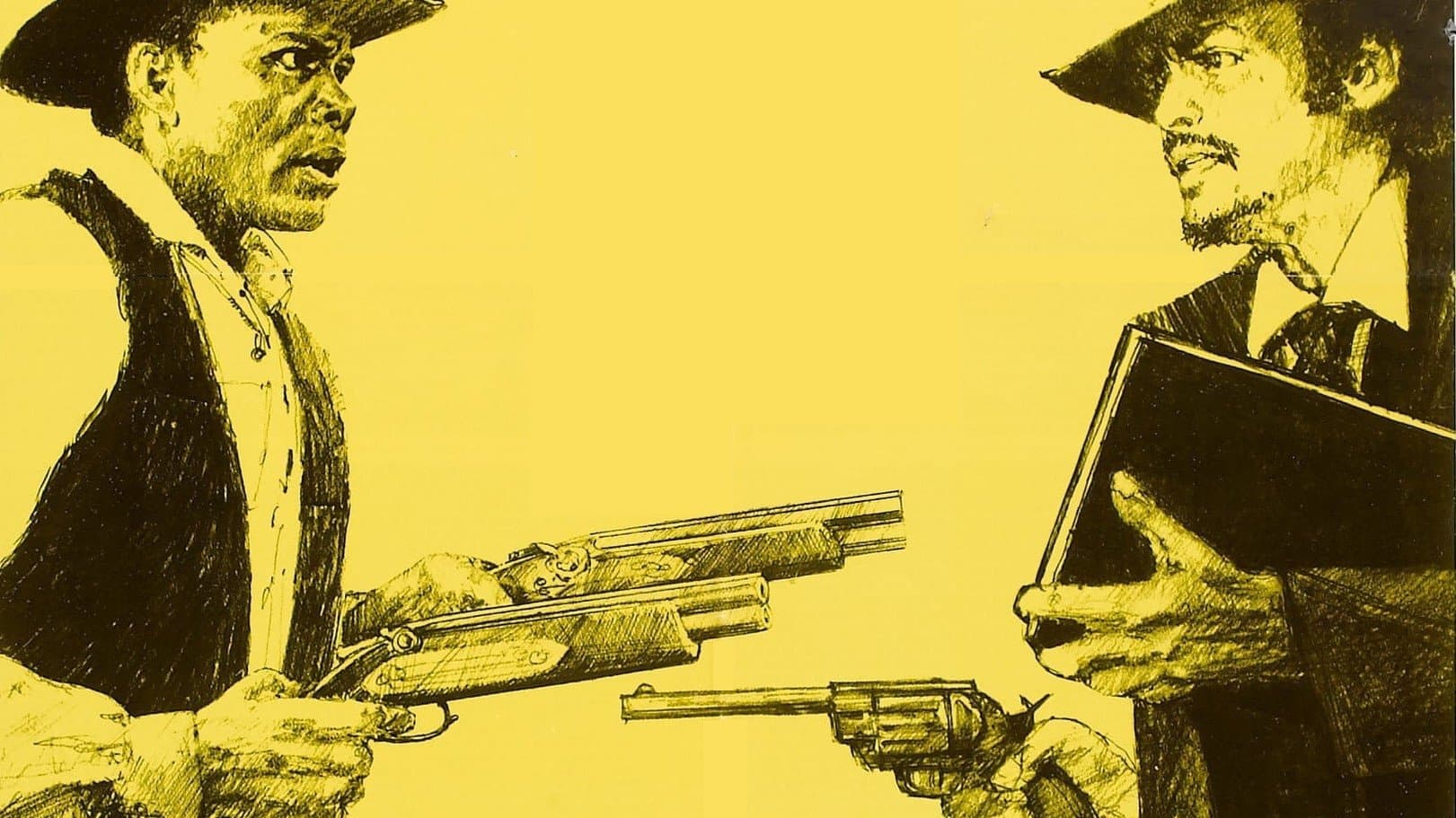
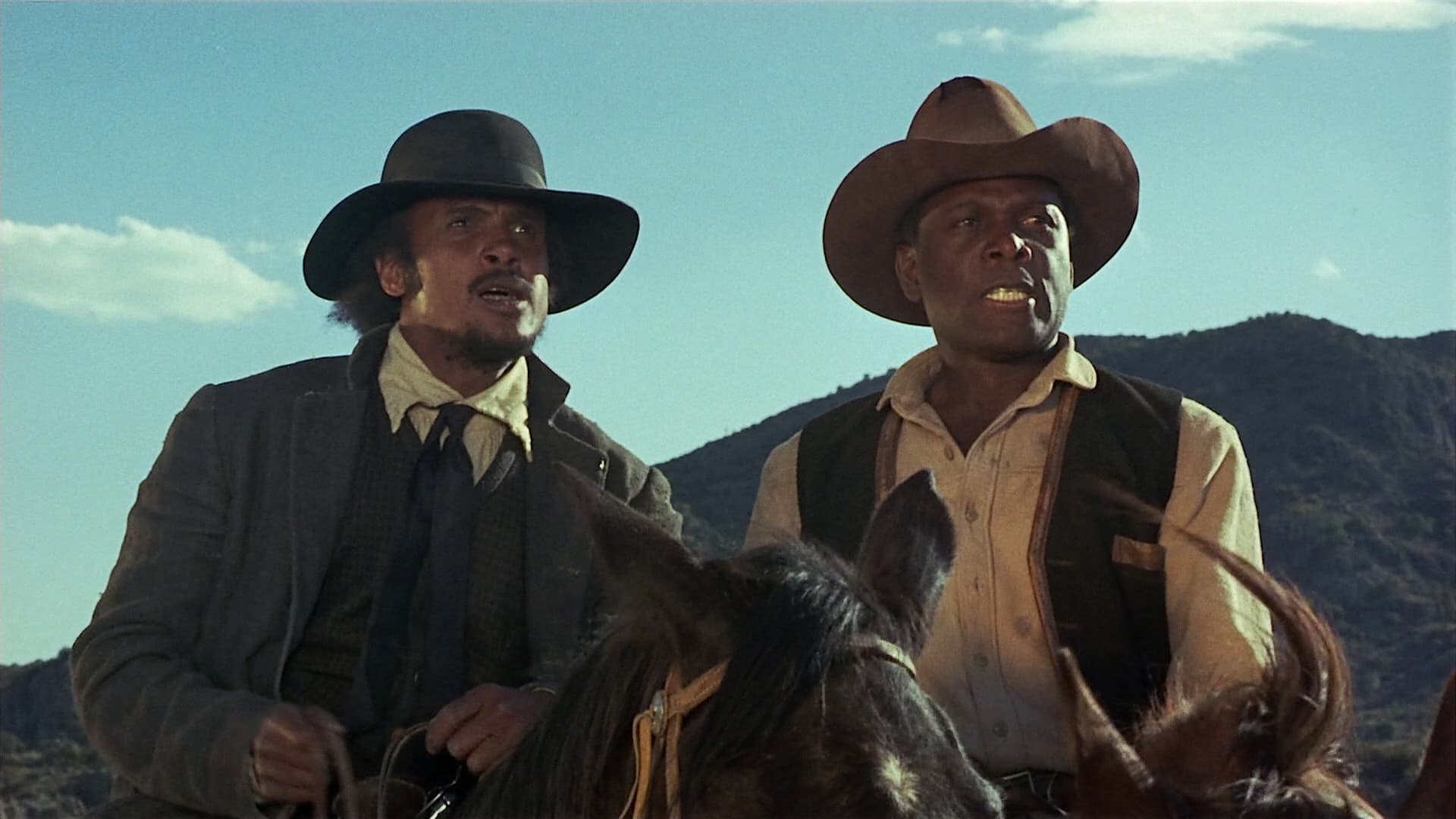
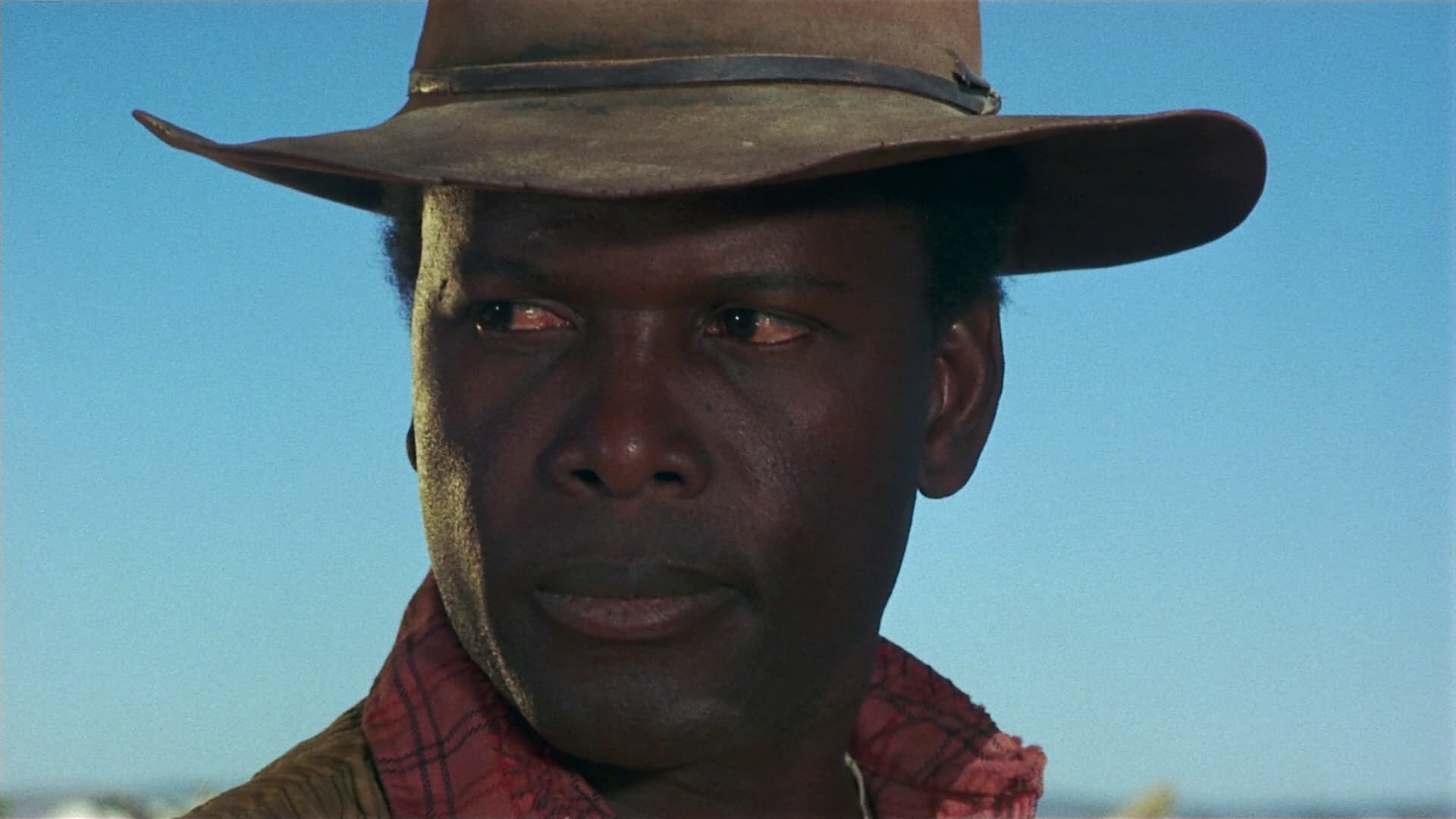
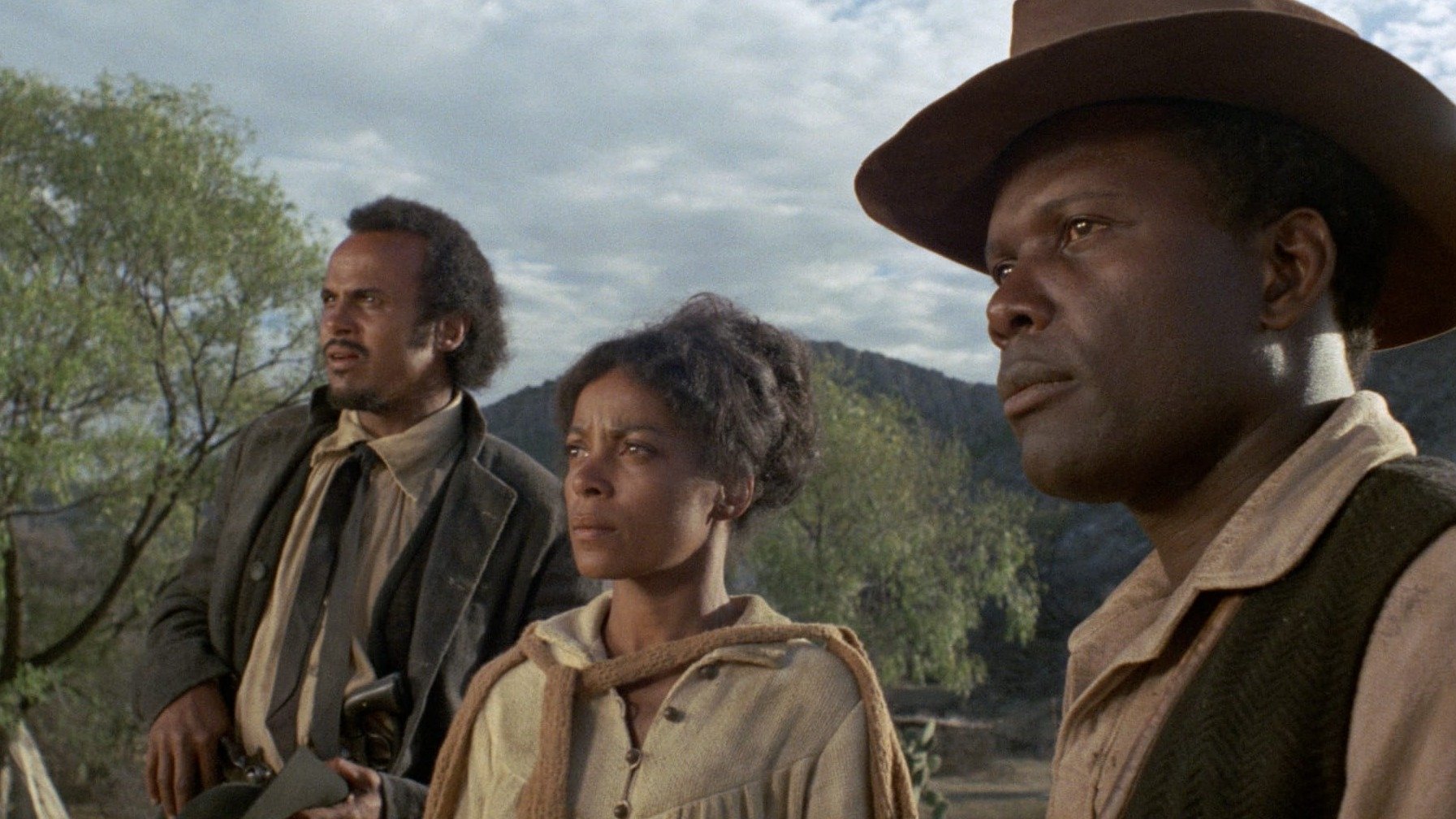
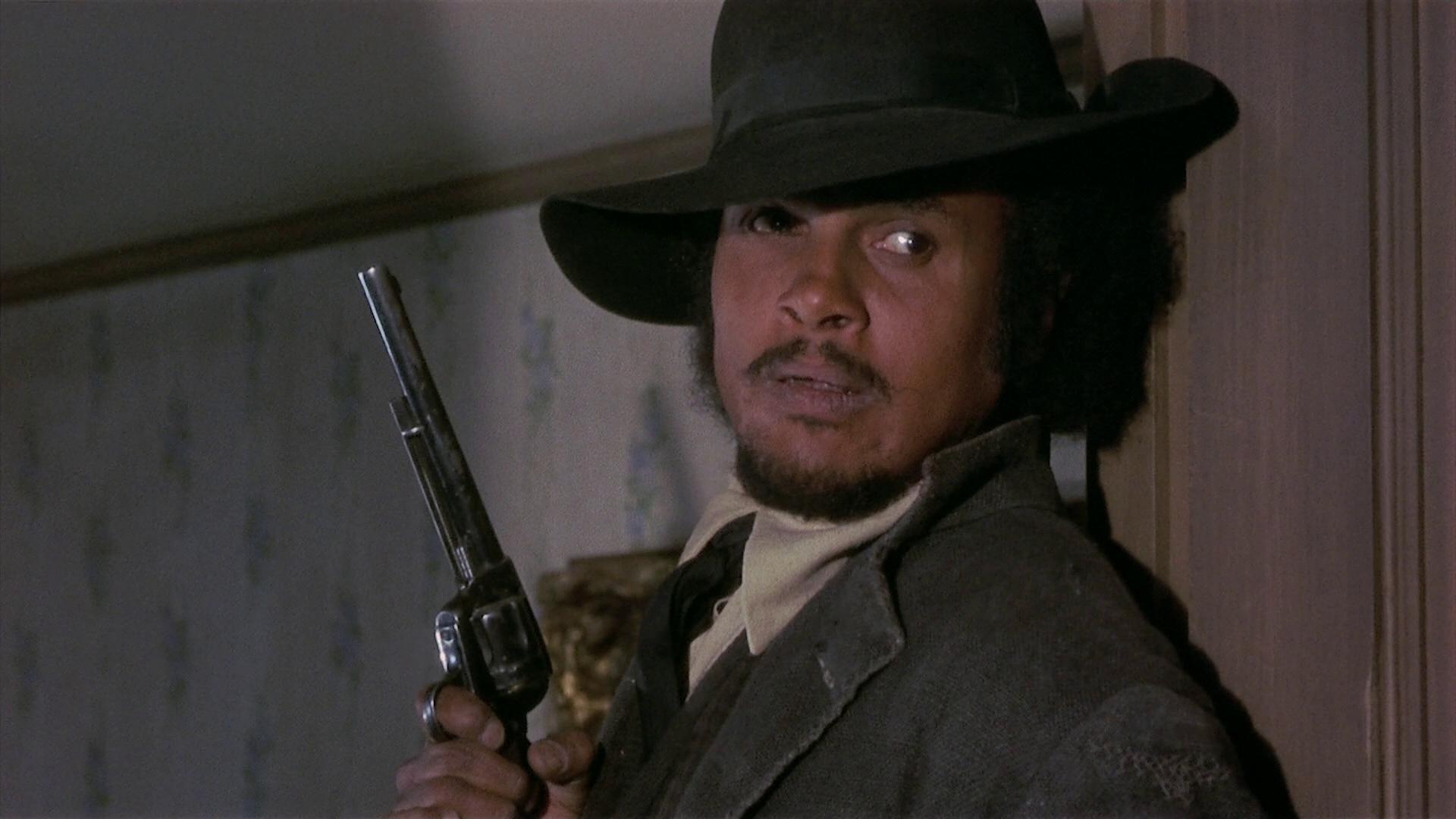
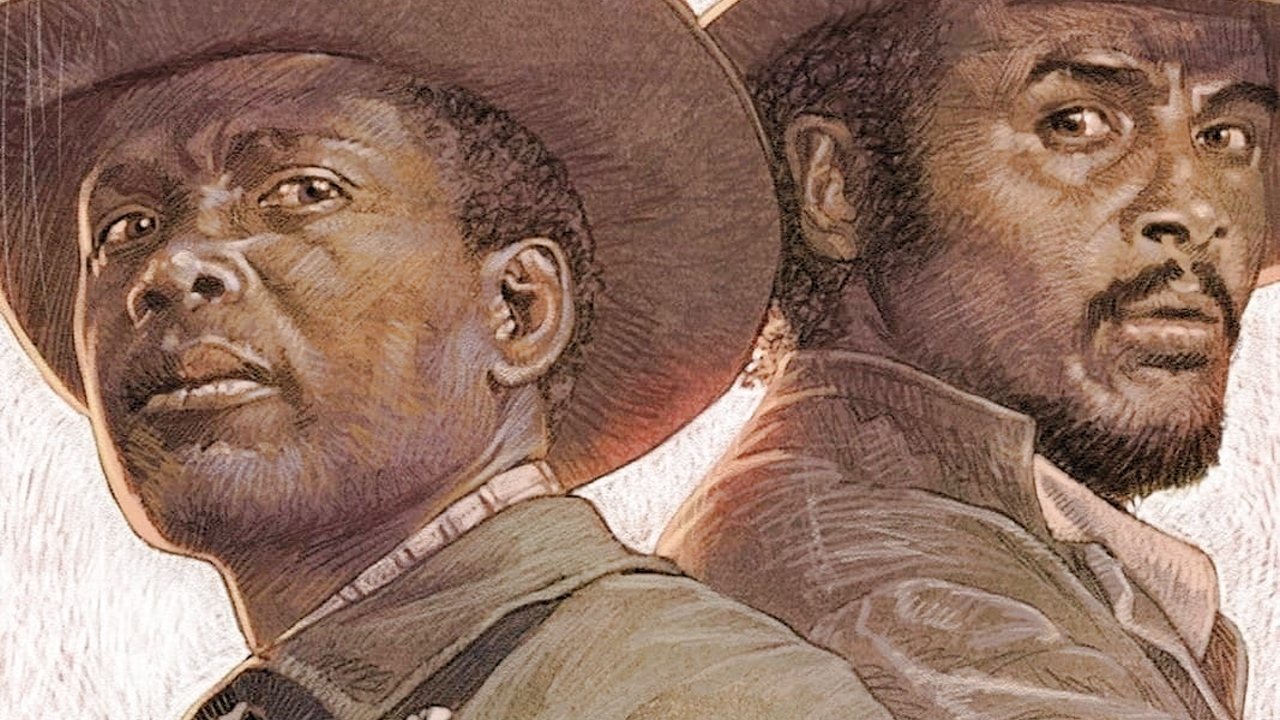
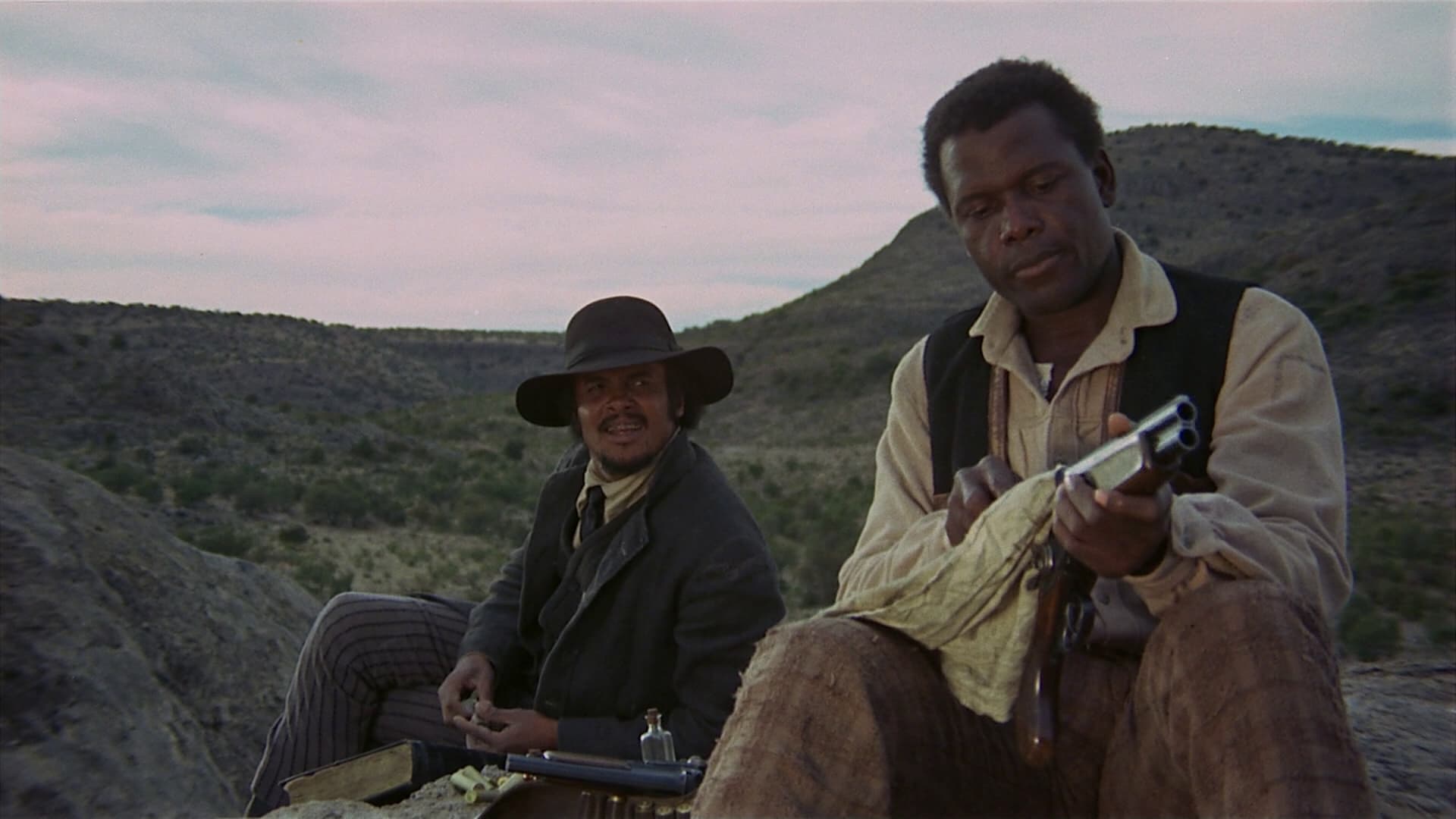
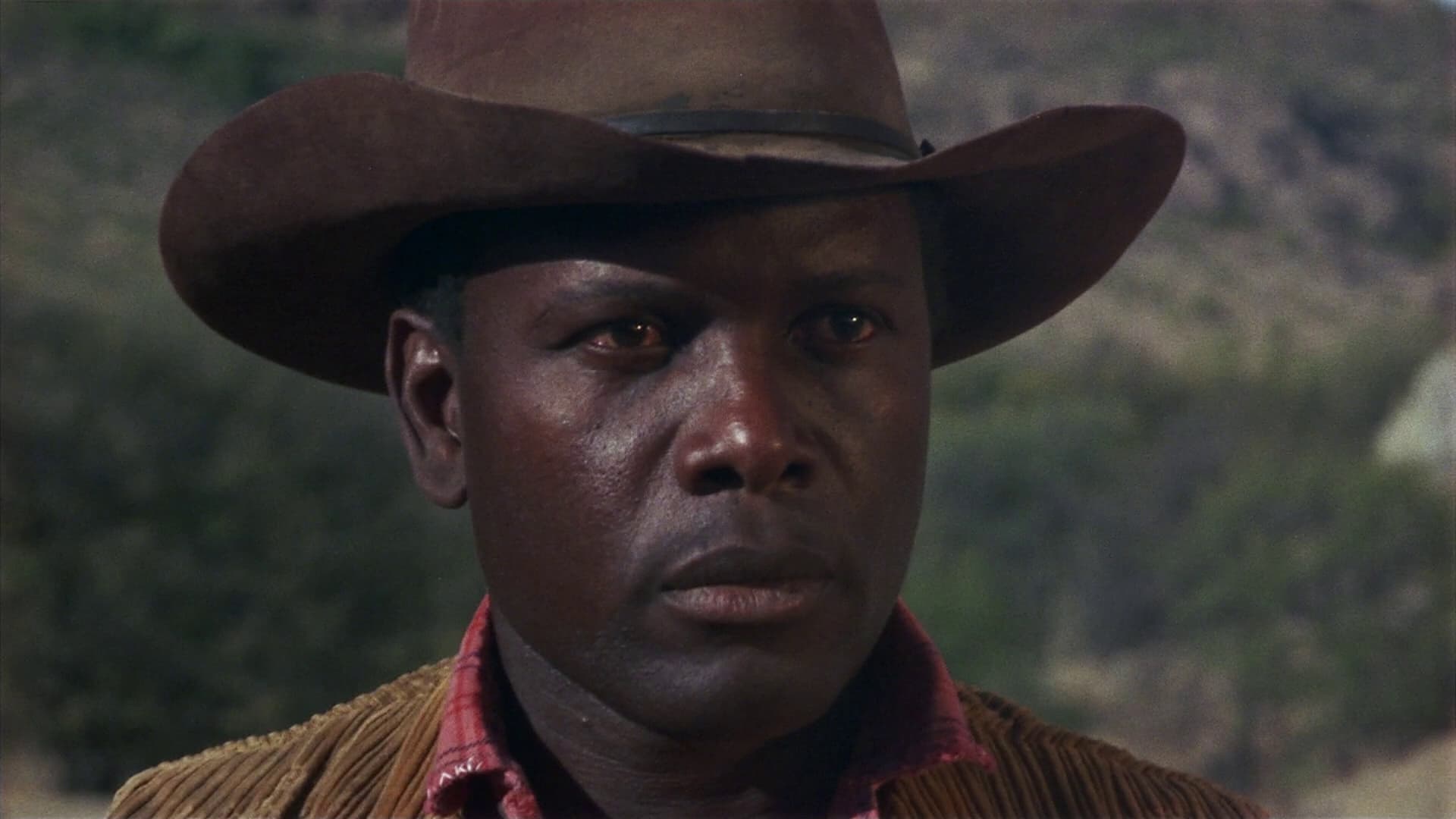
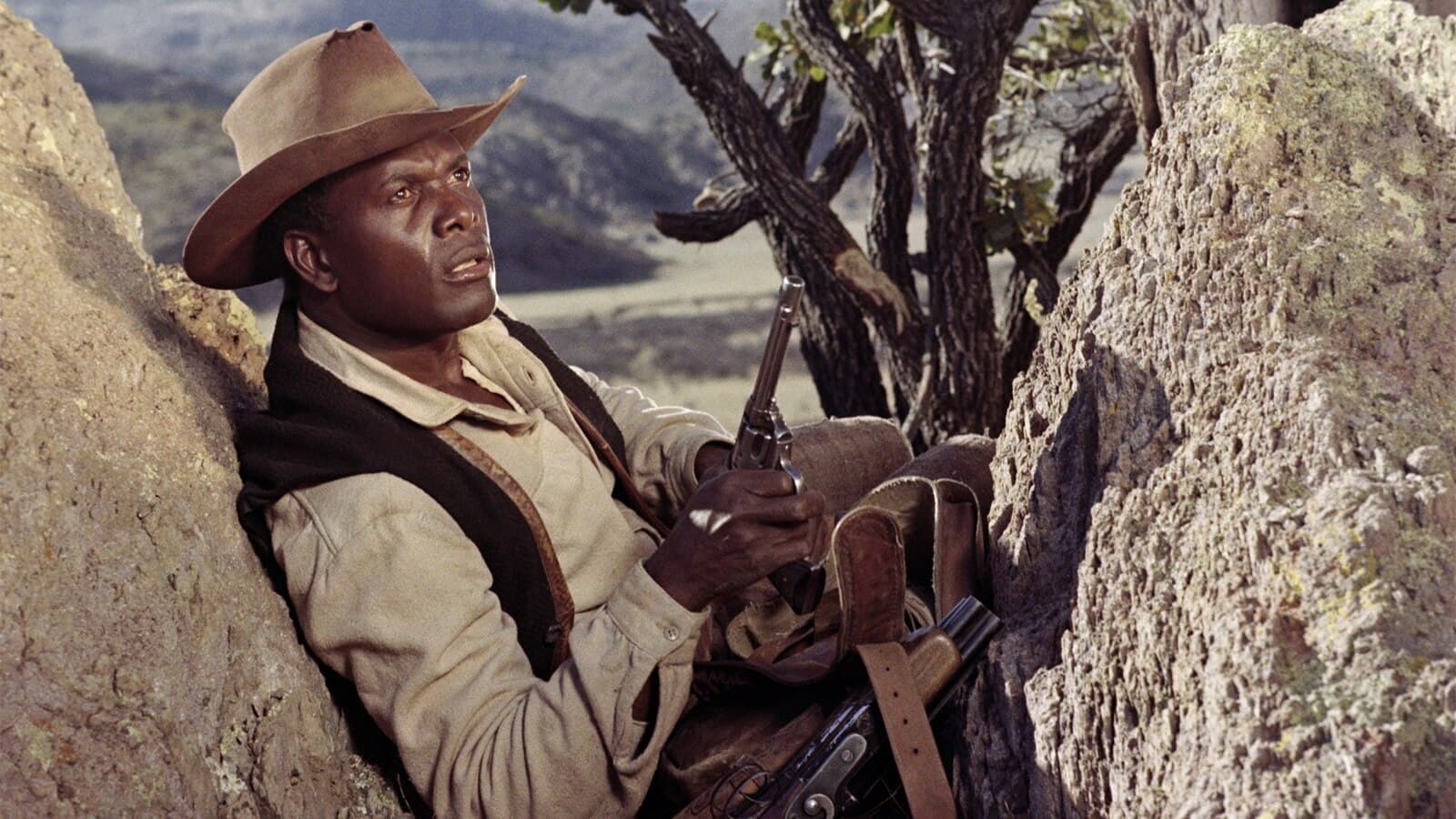
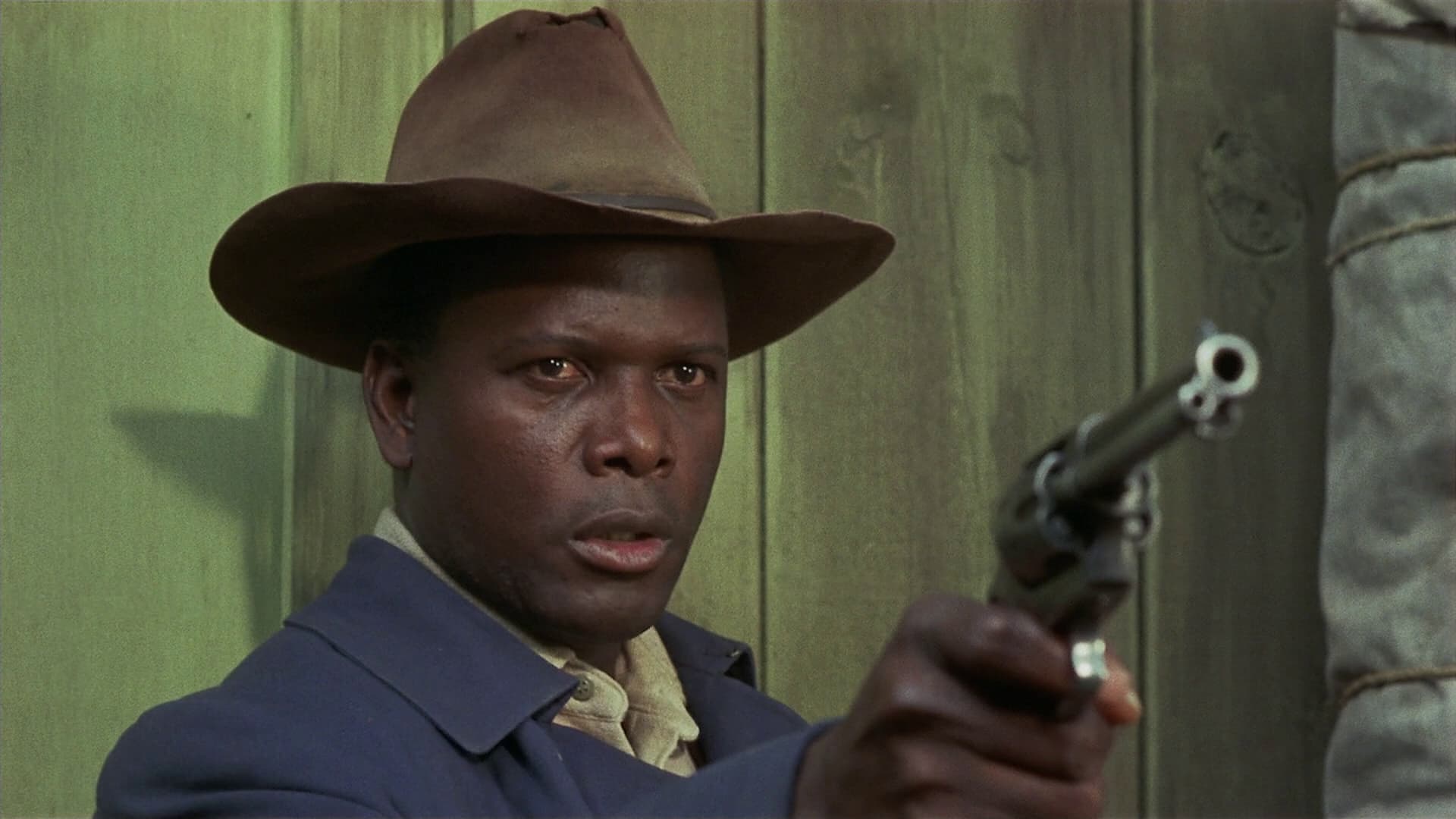
While not as visually interesting as a lot of the westerns I have watched so far, what makes Buck and the Preacher stand out is the energy between Sidney Poitier and Harry Belafonte in the titular roles. Also interesting is how the film takes into account the time period. Other films would make passing mention to, say, the Union or the Confederacy, but Buck and the Preacher explicitly sets itself during the Reconstruction era, with a lot of freed slaves moving westward in order to make a place for themselves. Poitier plays Buck, who works as a guide for black settlers whereas Belafonte plays the Preacher, another freed slave who initially butts heads with Buck but comes around to working alongside him.
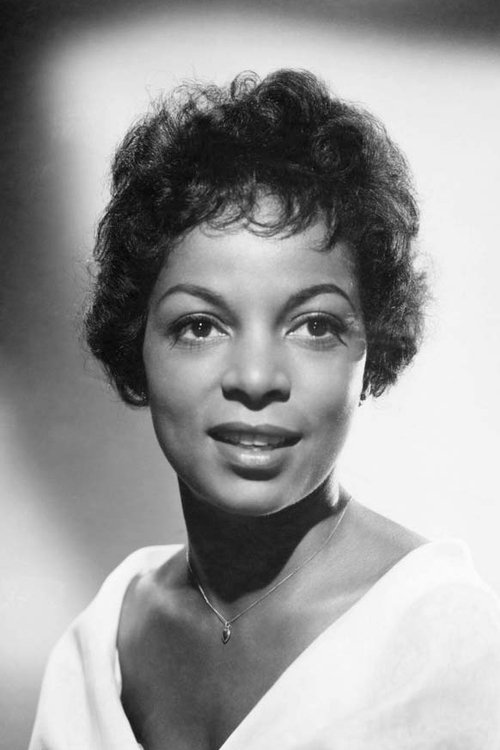
The film is rather interesting, politically, as well. The presence of Native Americans in the film positions both them and the freed black slaves as dealing with unique oppressions at the hands of white supremacy. While they do align to fight against the white men who are preventing the movement of black settlers, the history of black men in the very same armies that displaced Native American tribes serve as a point of conflict between the groups. That along with the role women play in the film make Buck and the Preacher a lot more culturally poignant than one might think. The character of Ruth, played by Ruby Dee, places black women as having different needs than their male counterparts during the Reconstruction era, but still being best positioned beside them. The amount of times Ruth takes part in the action of the film itself might as well have been enough to put her name in the title also.
Trying to Watch as Many of the Films I Blind Bought this Year Before the Year is Over 14Buck and the Preacher, directed by Sidney Poitier, 1972
After watching Lillies in the Field earlier this year, I grew more curious about Sidney Poitier. I was already interested in exploring his career since a lot of black Hollywood is a huge blind spot for me, at least mostly when it pertains to a lot of older Hollywood. I knew his name in a tertiary sense before. His name would come up in essays and videos about black actors in Hollywood that I would read and watch, always taking into consideration the kinds of roles that he would take - decisions that would brand him as a “sell-out” by some black audiences. I knew I wanted to delve into his filmography more, but I also wanted to take a look at the films he directed. I also only started recently getting into westerns. Seeking them out more frequently and wanting to watch more of them. With Criterion Collection adding Buck and The Preacher to their collection two years ago and the 50% Criterion Collection sale at Barnes & Nobel that happened last July, now was a great time to pick up the film.
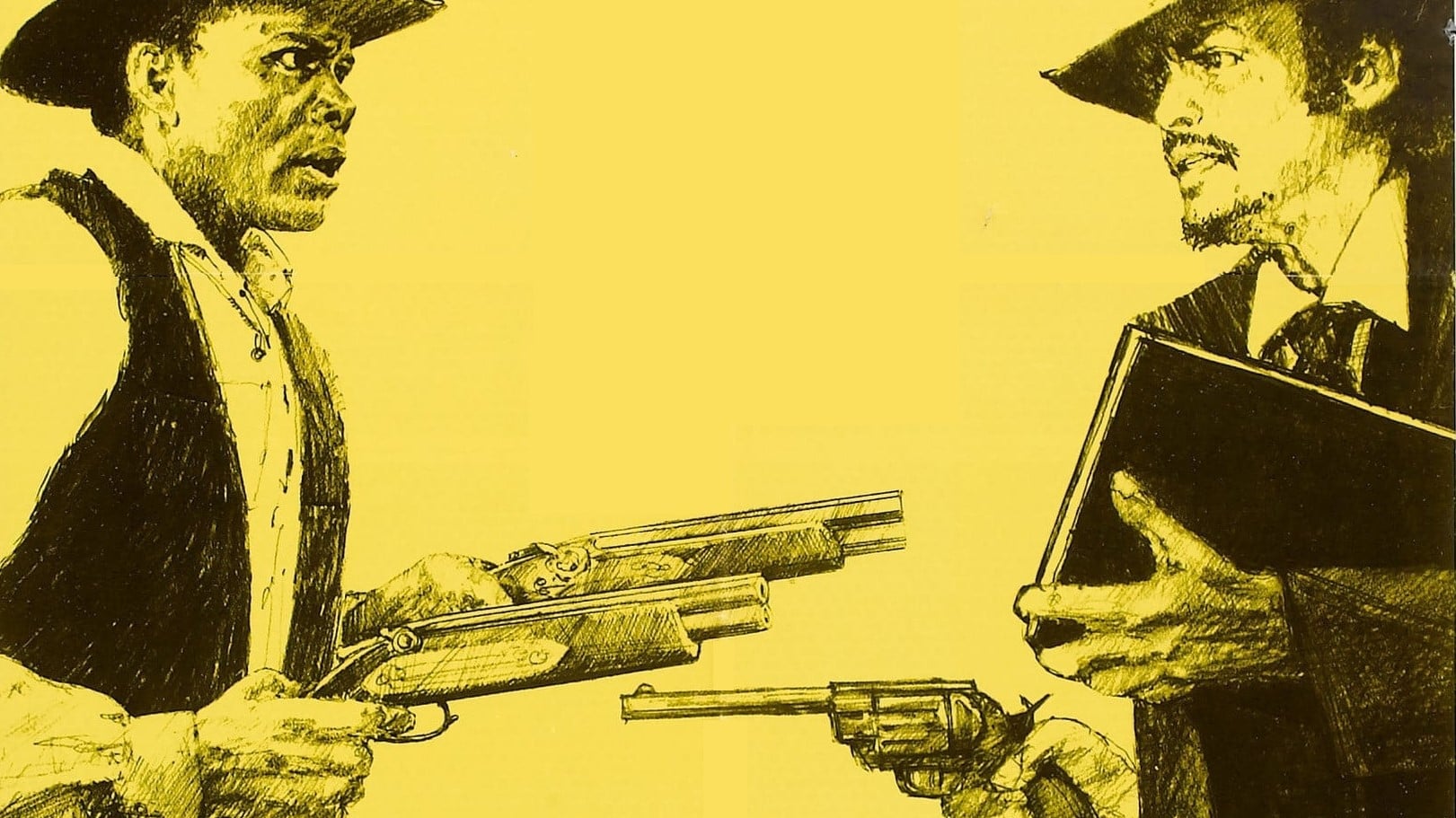
While not as visually interesting as a lot of the westerns I have watched so far, what makes Buck and the Preacher stand out is the energy between Sidney Poitier and Harry Belafonte in the titular roles. Also interesting is how the film takes into account the time period. Other films would make passing mention to, say, the Union or the Confederacy, but Buck and the Preacher explicitly sets itself during the Reconstruction era, with a lot of freed slaves moving westward in order to make a place for themselves. Poitier plays Buck, who works as a guide for black settlers whereas Belafonte plays the Preacher, another freed slave who initially butts heads with Buck but comes around to working alongside him.
The film is rather interesting, politically, as well. The presence of Native Americans in the film positions both them and the freed black slaves as dealing with unique oppressions at the hands of white supremacy. While they do align to fight against the white men who are preventing the movement of black settlers, the history of black men in the very same armies that displaced Native American tribes serve as a point of conflict between the groups. That along with the role women play in the film make Buck and the Preacher a lot more culturally poignant than one might think. The character of Ruth, played by Ruby Dee, places black women as having different needs than their male counterparts during the Reconstruction era, but still being best positioned beside them. The amount of times Ruth takes part in the action of the film itself might as well have been enough to put her name in the title also.