

1953·Romance·1h 38m
7.1
★
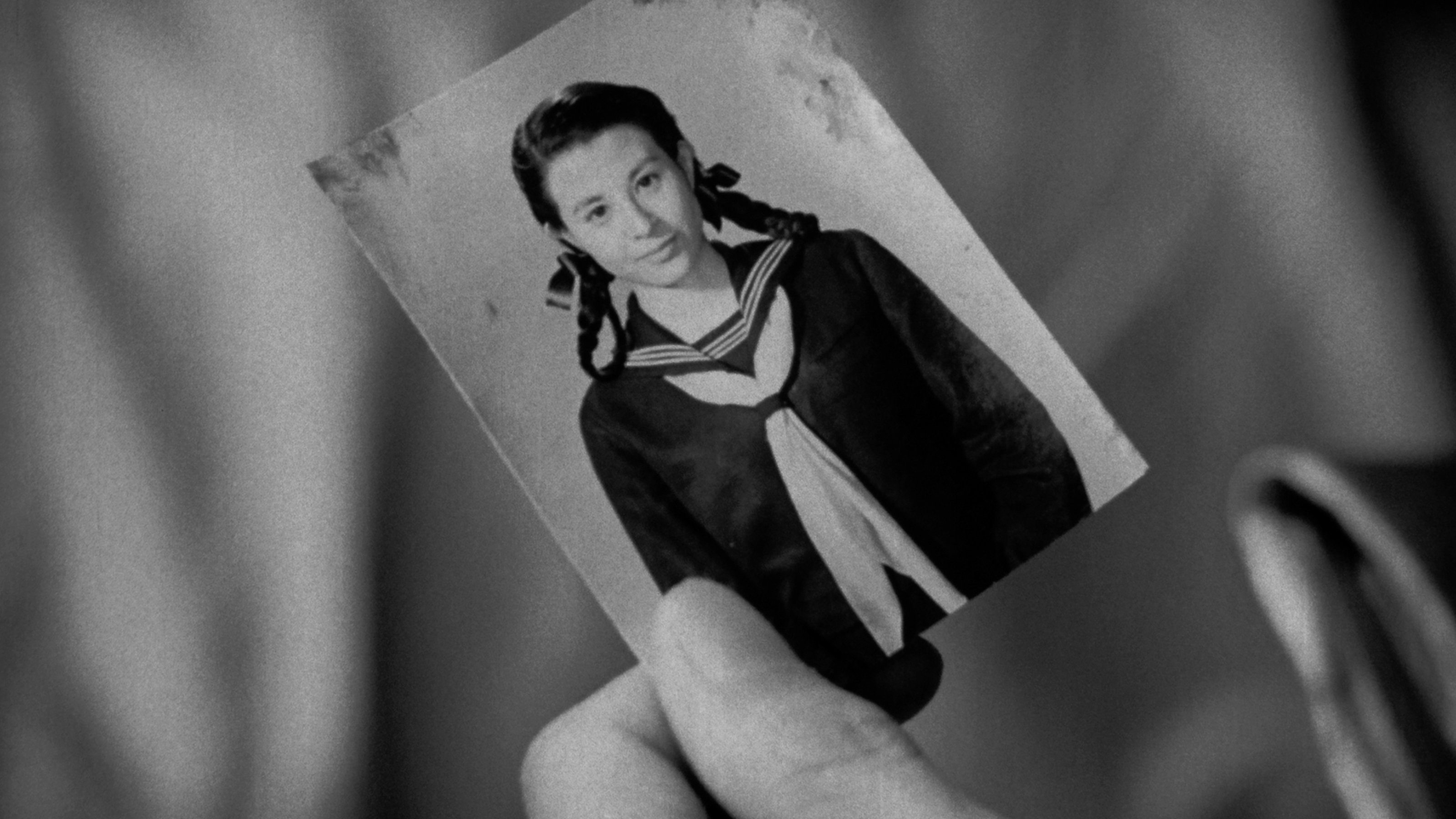
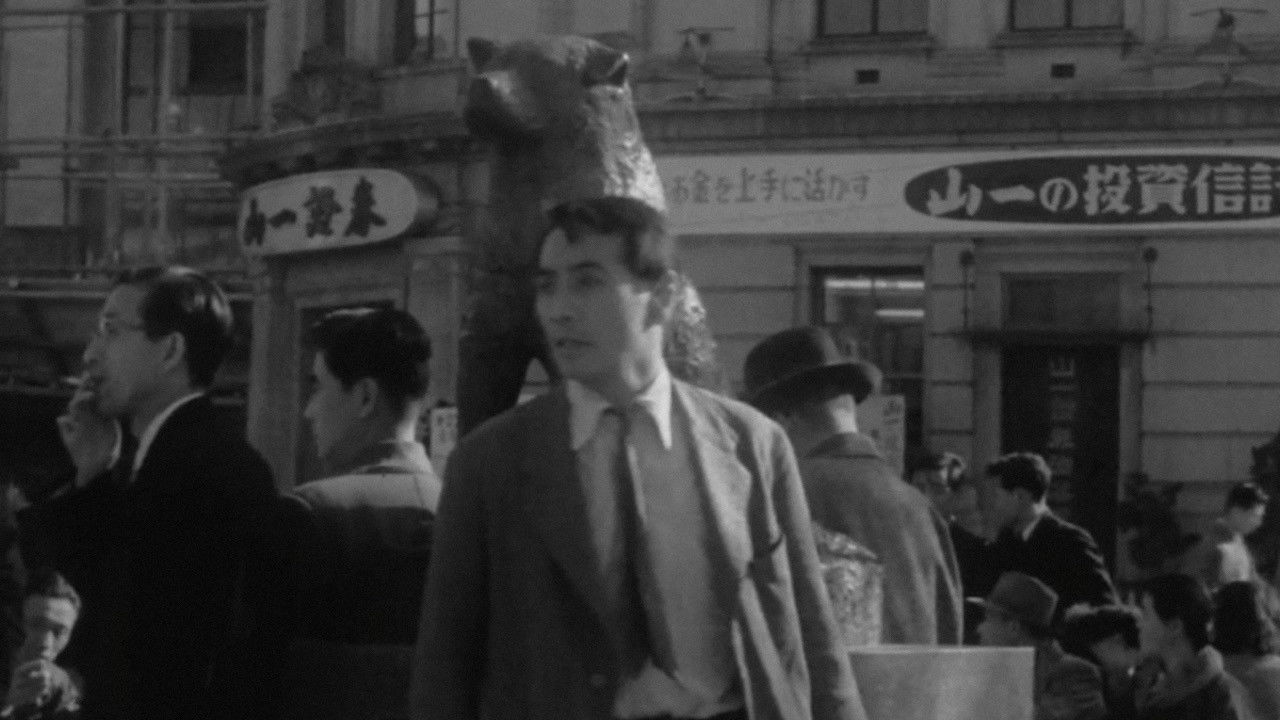
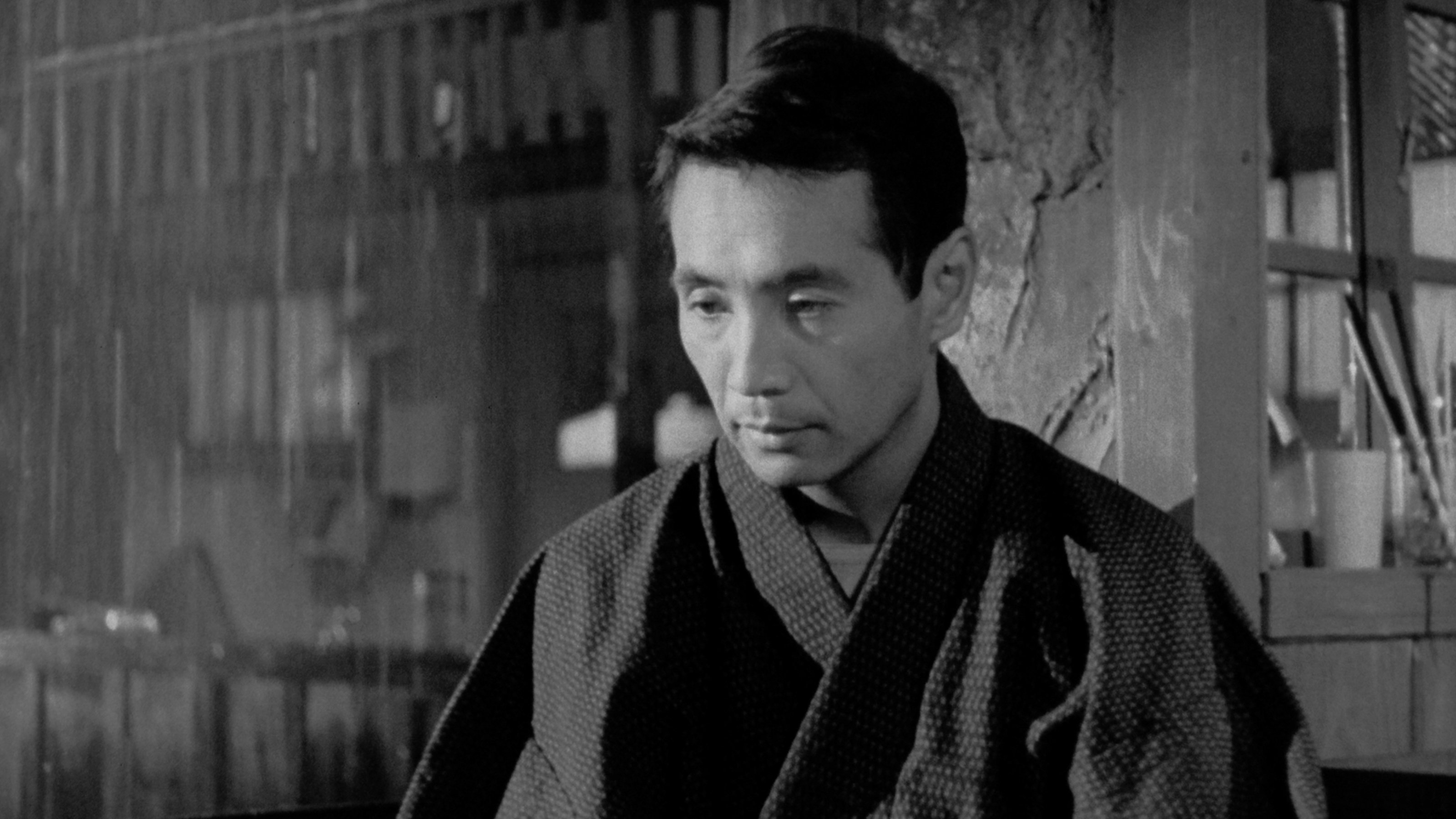
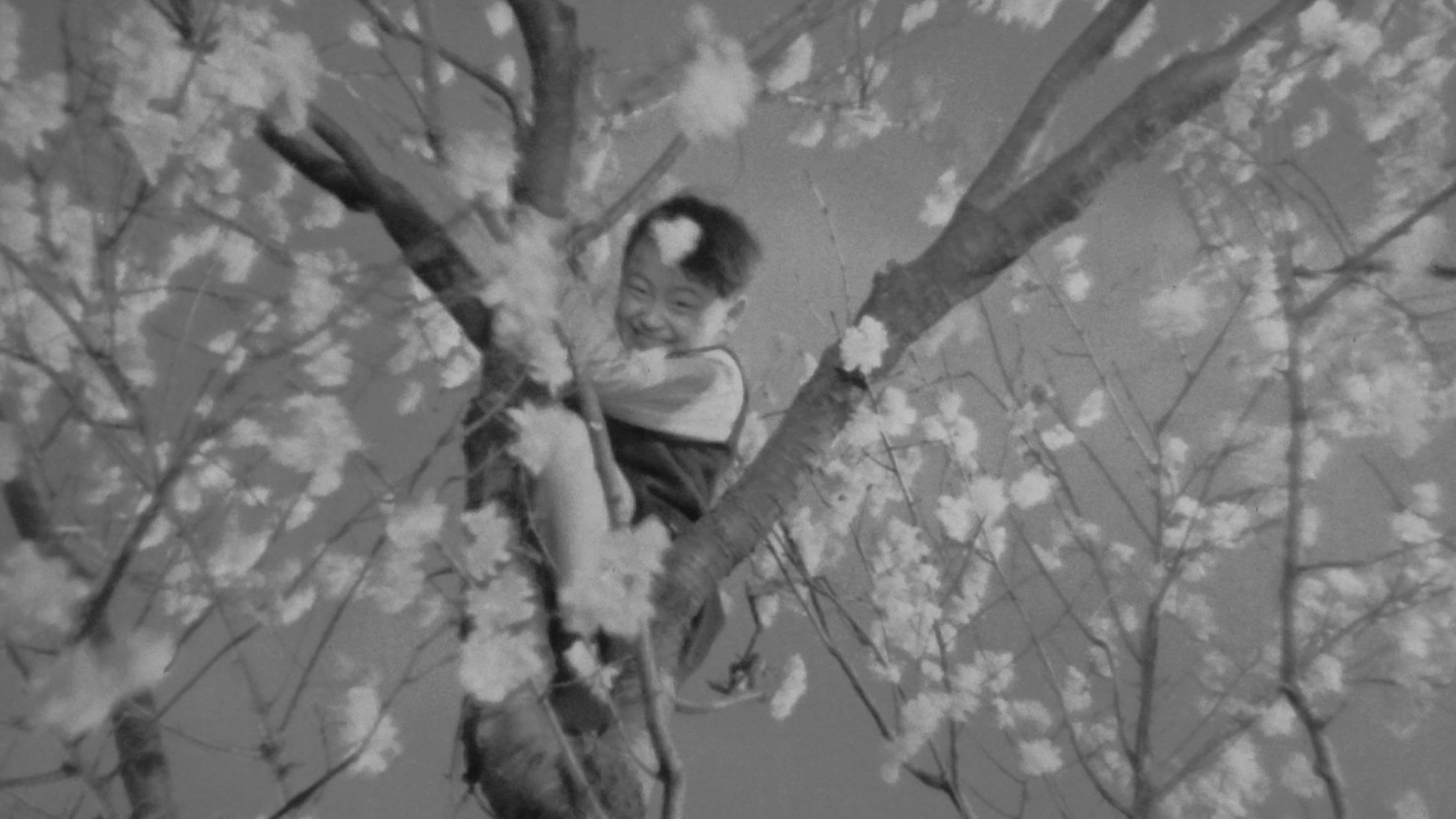
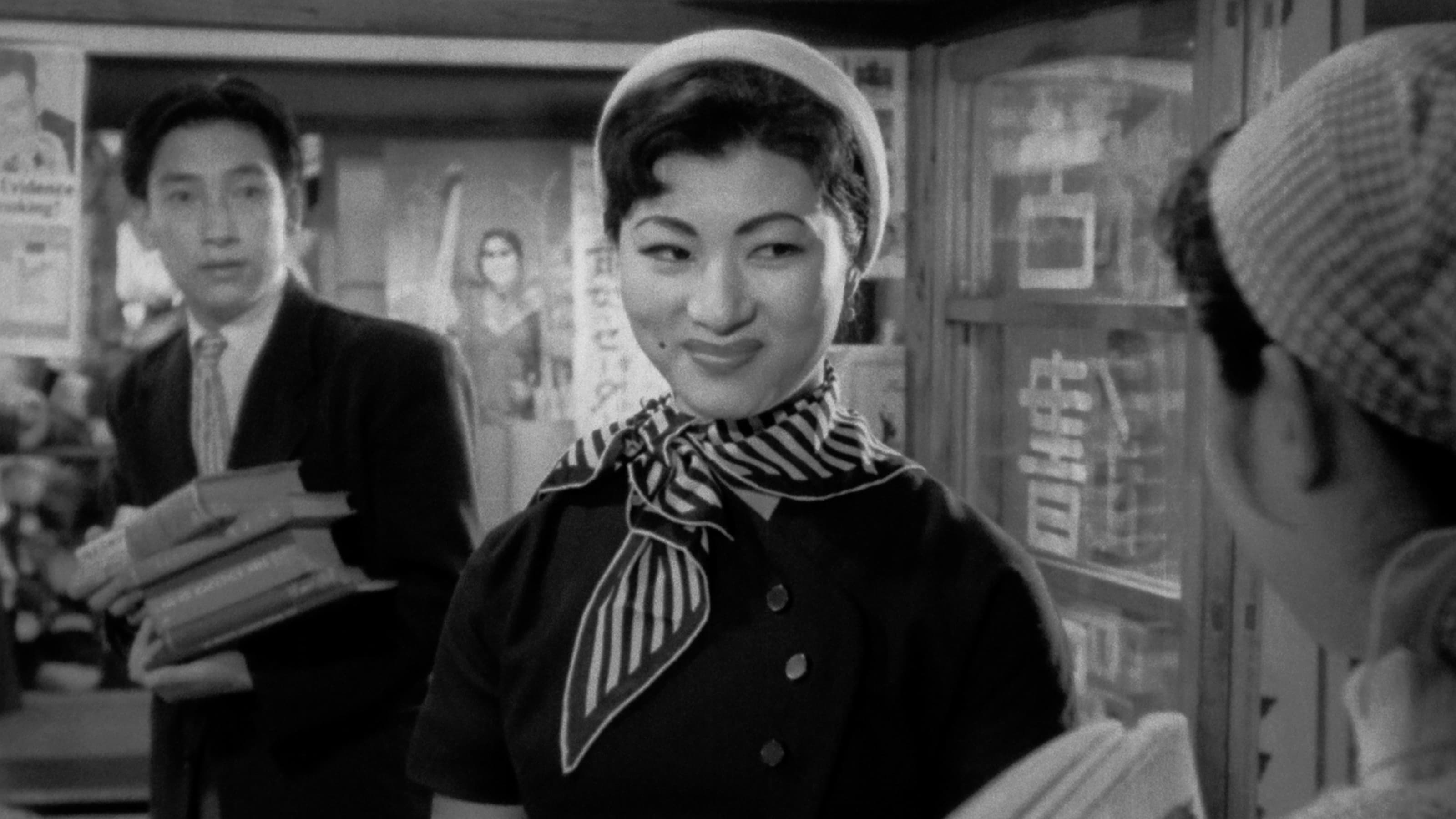
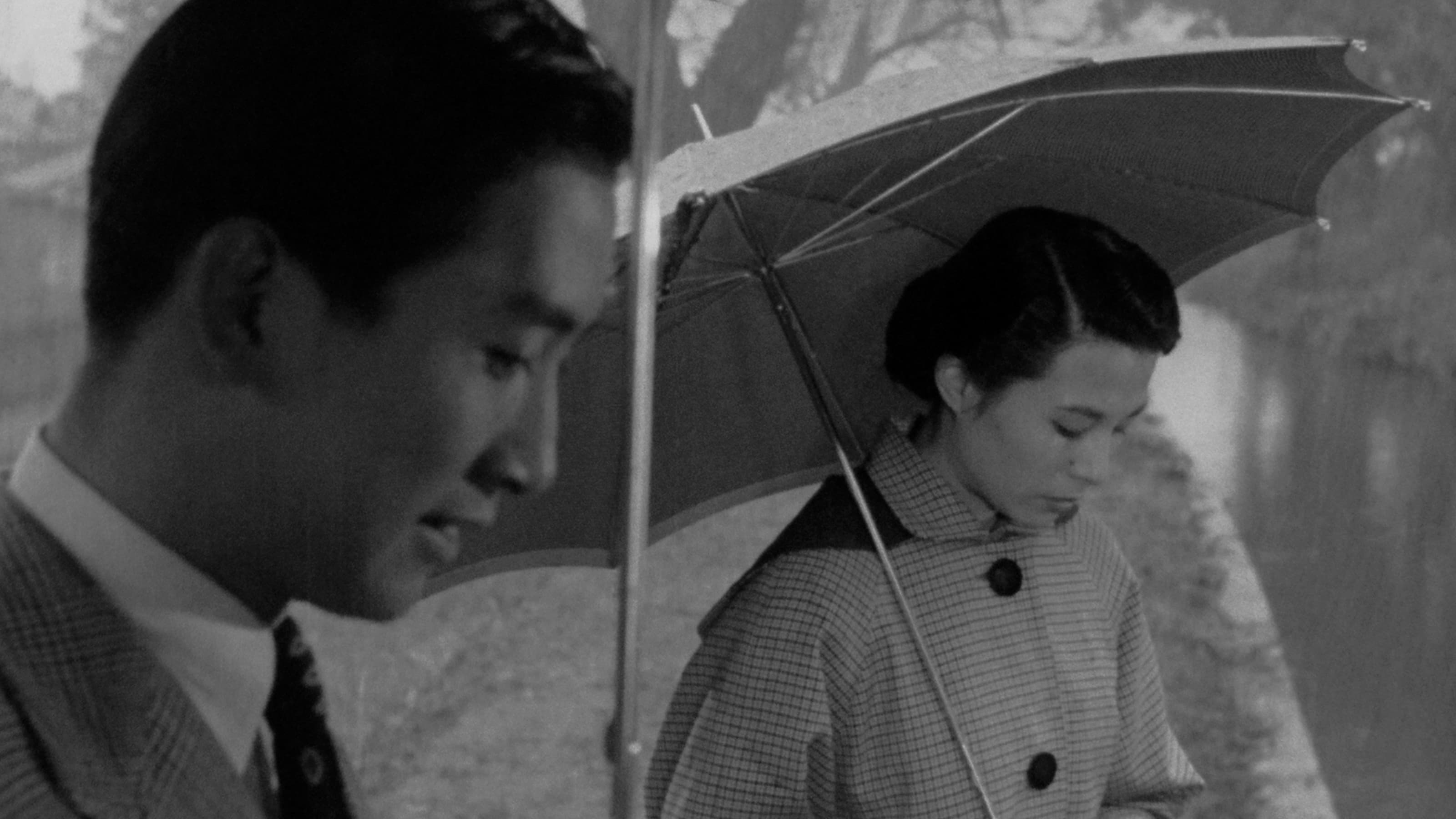
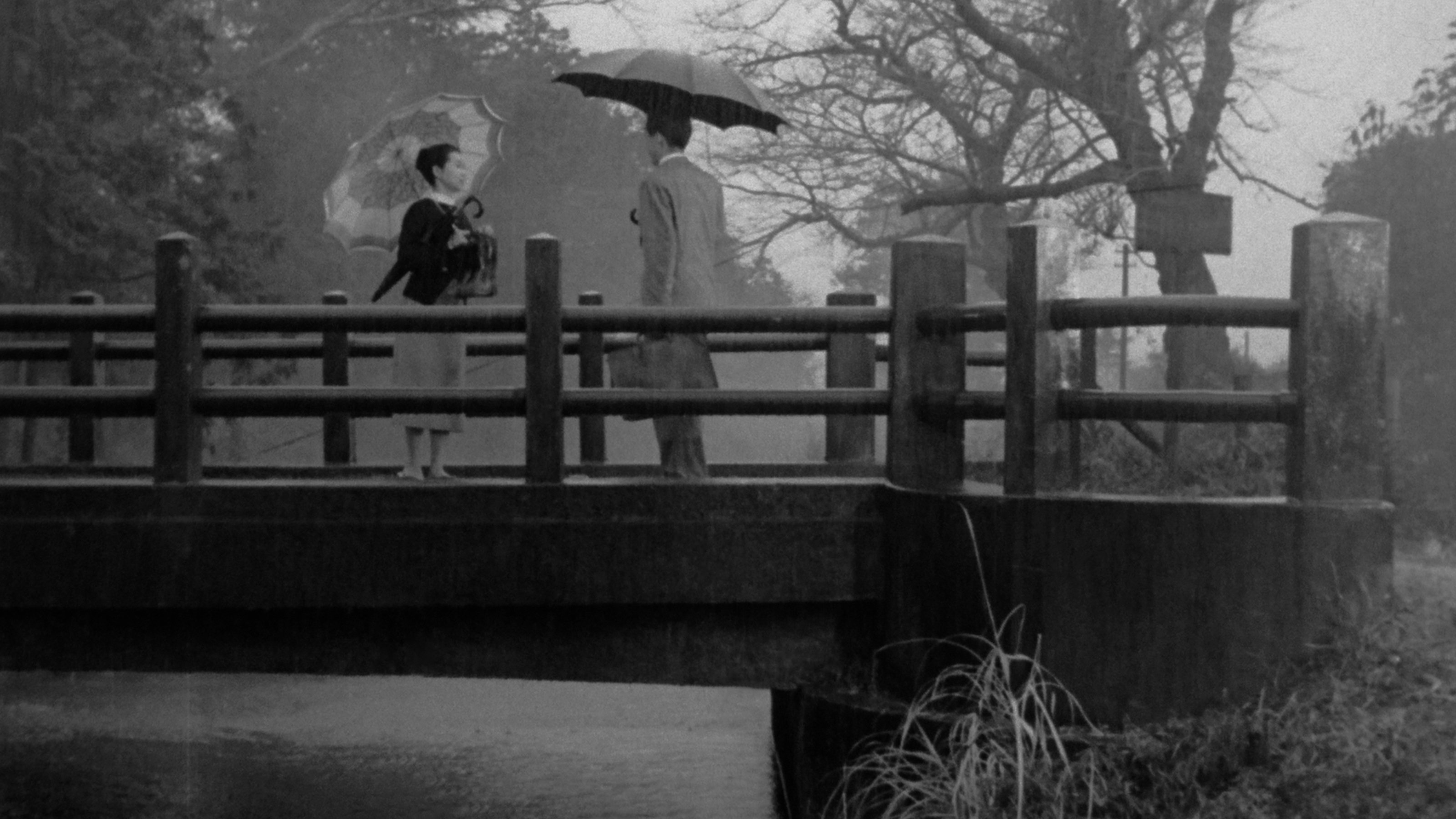
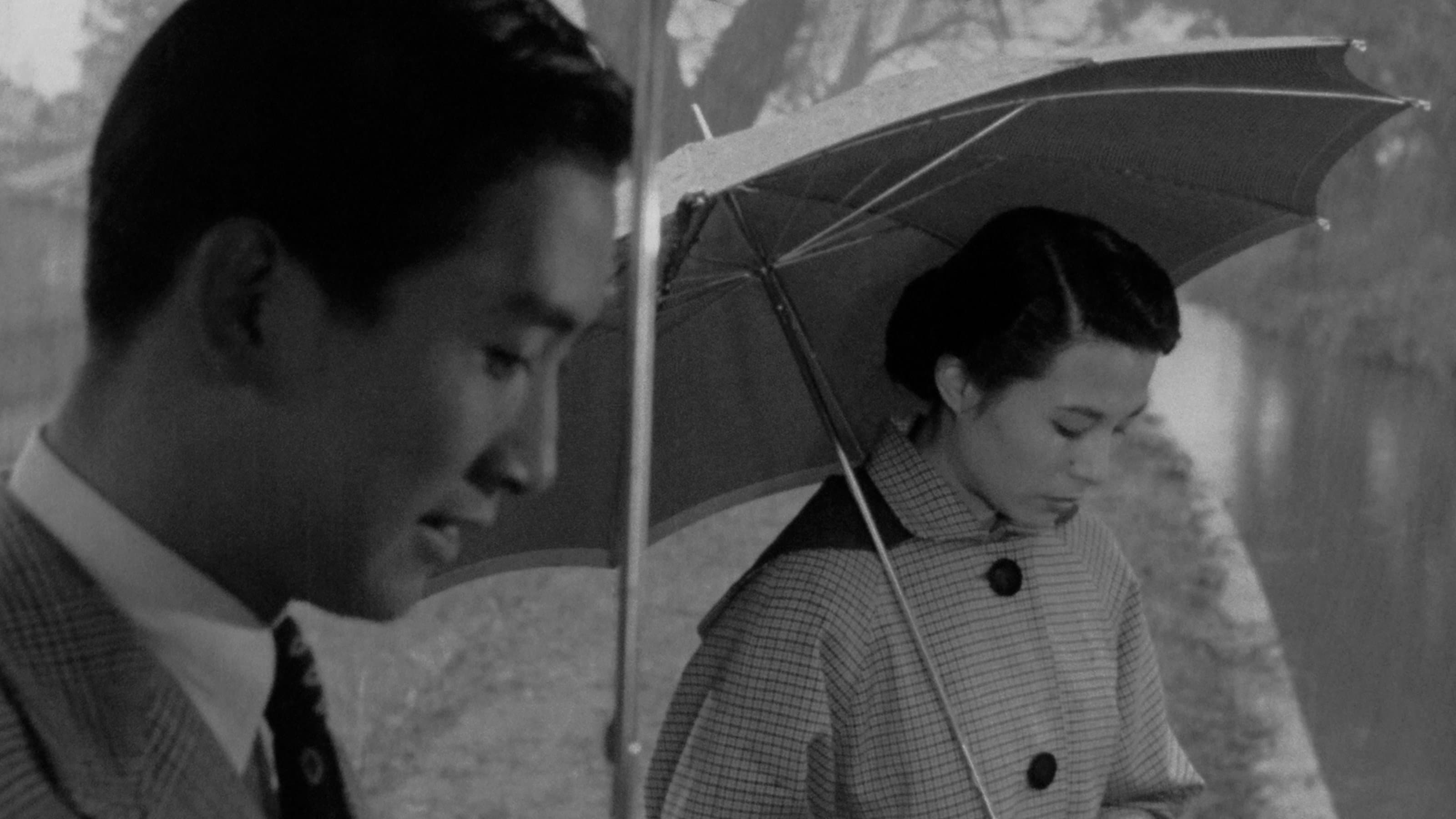
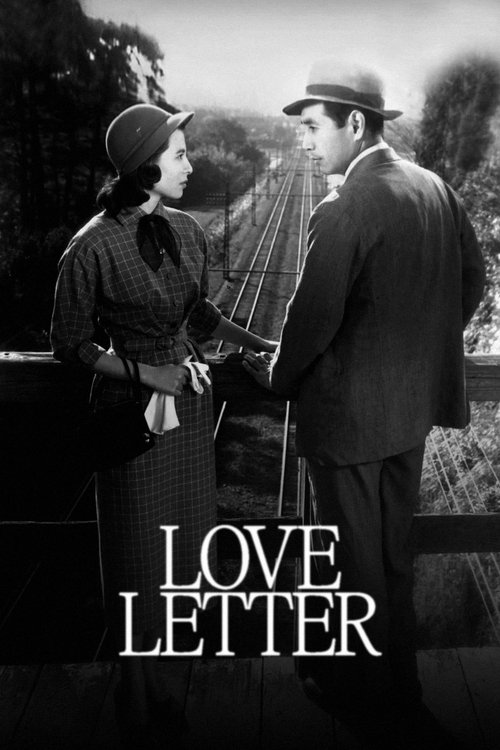
Five years after the end of the Second World War, Reikichi, a repatriated veteran, translates love letters for Japanese women to American GIs, while searching for his lost love, Michiko.
Directed by Kinuyo Tanaka
woman director

IMDB
N/A
Cast
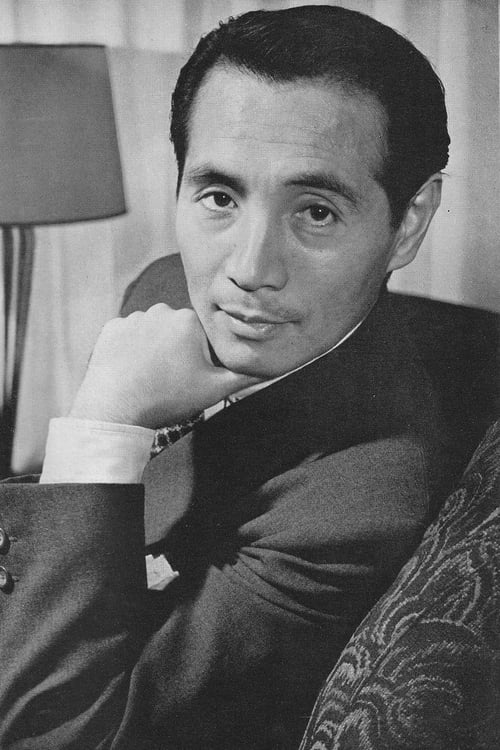
Masayuki Mori
Reikichi Mayumi

Yoshiko Kuga
Michiko Kubota
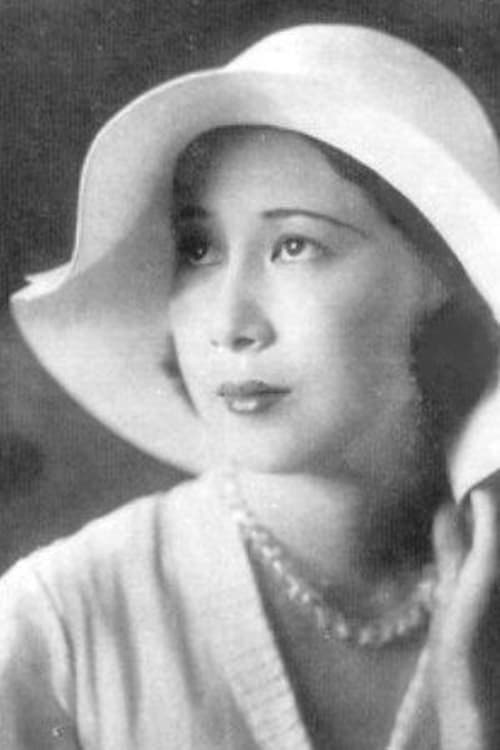
Shizue Natsukawa
Reikichi's mother

Jūkichi Uno
Naoto Yamaji
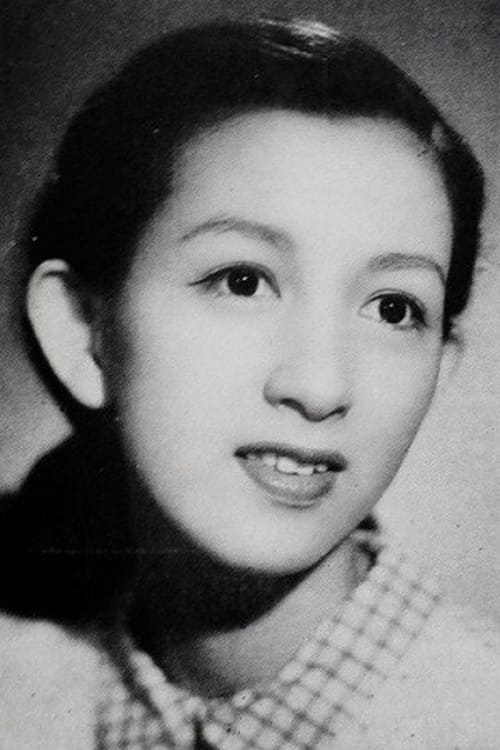
Chieko Seki
Office lady

Kyōko Anzai
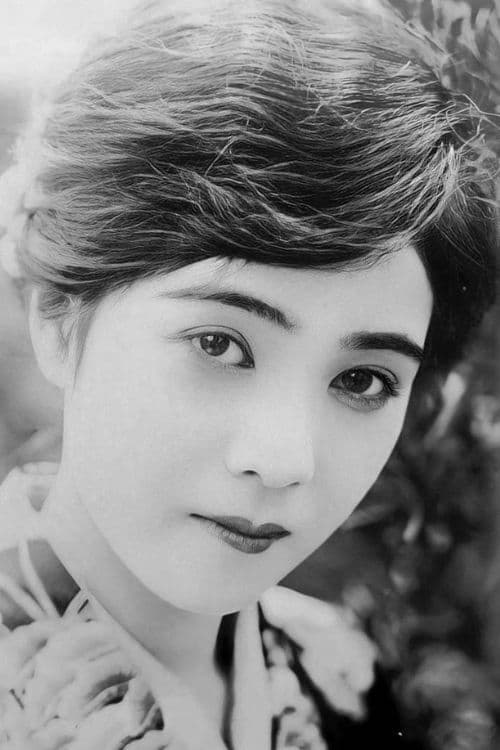
Kikuko Hanaoka
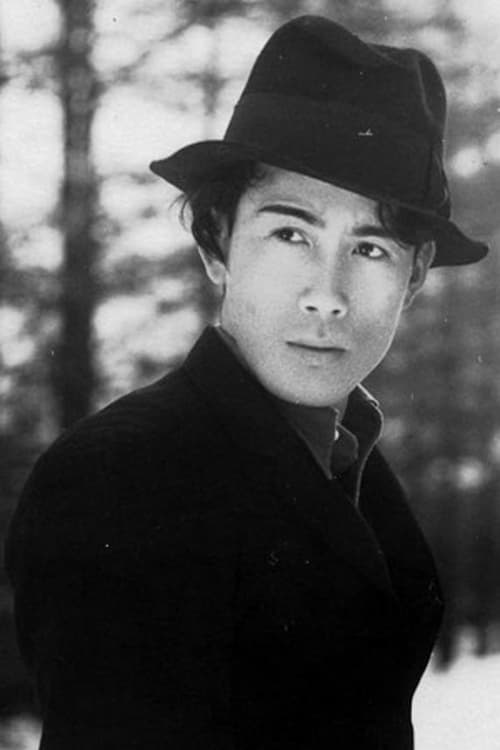
Shigeru Ogura
Hiroshi

Naoko Kubo
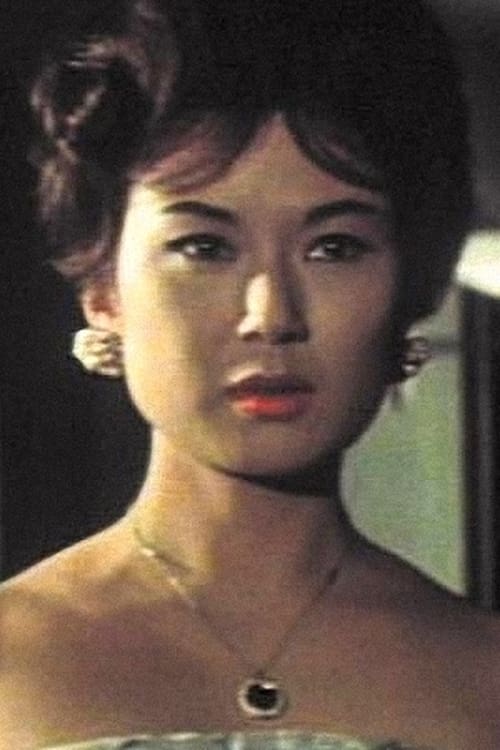
Yōko Mihara
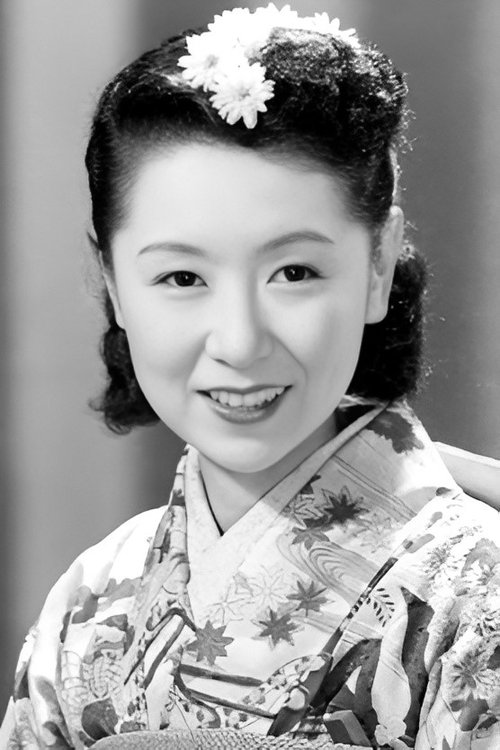
Kinuyo Tanaka
Landlady
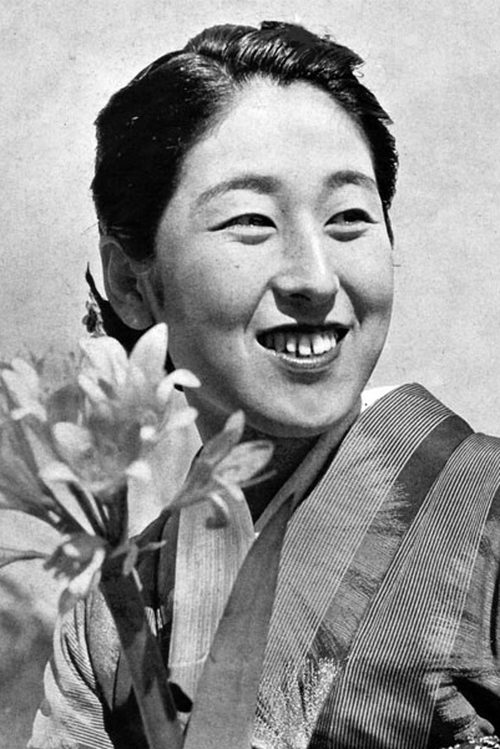
Ranko Hanai
Crew
Kinuyo Tanaka
Director
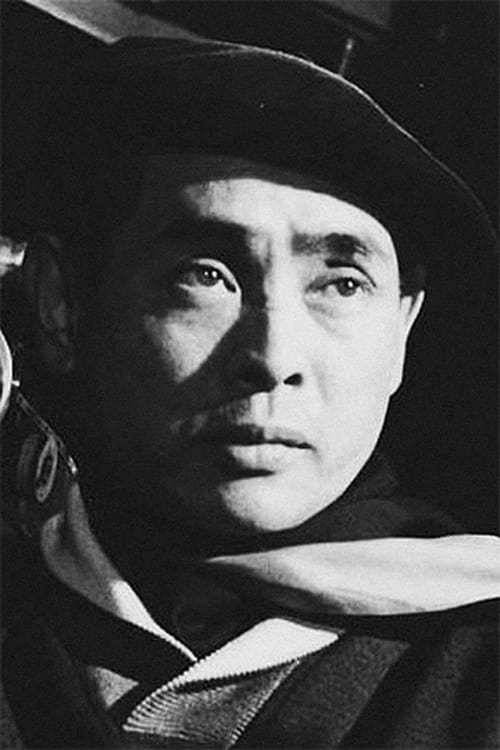
Keisuke Kinoshita
Screenplay

Fumio Niwa
Original Story

Ko Fujibayashi
Lighting Technician

Teruo Ishii
Assistant Director
Popular Reviews
15 reviews
NoéPRO
10.0★ · 07/14/26
Après ce dernier film de la filmo de la Goat Kinuyo Tanaka je me sens vide en me disant que j’ai plus aucun de ses films à découvrir d’elle en tant que réalisatrice.
Merci à Arte de m'avoir fait découvrir cette grande réalisatrice
Merci à Arte de m'avoir fait découvrir cette grande réalisatrice
Après ce dernier film de la filmo de la Goat Kinuyo Tanaka je me sens vide en me disant que j’ai plus aucun de ses films à découvrir d’elle en tant que réalisatrice.
Merci à Arte de m'avoir fait découvrir cette grande réalisatrice
Merci à Arte de m'avoir fait découvrir cette grande réalisatrice


Giulian_cmli
9.0★ · 03/10/26
Le premier film en tant que director pour tanaka et franchement quel réussite !
J’ai vrmt hâte de continuer à regarder ses autres œuvres
J’ai vrmt hâte de continuer à regarder ses autres œuvres
Le premier film en tant que director pour tanaka et franchement quel réussite !
J’ai vrmt hâte de continuer à regarder ses autres œuvres
J’ai vrmt hâte de continuer à regarder ses autres œuvres
Joakim
8.0★ · 01/20/26
Japanuary 2026 - #19 - Love Letter
Kinuyo Tanaka sin debutfilm som en av de eneste kvinnelige regissørene i Japan på tiden. Utrolig pen film. Spesielt likte jeg scenen med paraply i regnet. En shot hvor Michiko snur seg vekk fra Hiroshi og paraplyens bakside fyller framen som ga meg helt frysninger haha. Bra film.
Kinuyo Tanaka sin debutfilm som en av de eneste kvinnelige regissørene i Japan på tiden. Utrolig pen film. Spesielt likte jeg scenen med paraply i regnet. En shot hvor Michiko snur seg vekk fra Hiroshi og paraplyens bakside fyller framen som ga meg helt frysninger haha. Bra film.
Japanuary 2026 - #19 - Love Letter
Kinuyo Tanaka sin debutfilm som en av de eneste kvinnelige regissørene i Japan på tiden. Utrolig pen film. Spesielt likte jeg scenen med paraply i regnet. En shot hvor Michiko snur seg vekk fra Hiroshi og paraplyens bakside fyller framen som ga meg helt frysninger haha. Bra film.
Kinuyo Tanaka sin debutfilm som en av de eneste kvinnelige regissørene i Japan på tiden. Utrolig pen film. Spesielt likte jeg scenen med paraply i regnet. En shot hvor Michiko snur seg vekk fra Hiroshi og paraplyens bakside fyller framen som ga meg helt frysninger haha. Bra film.
endo
6.0★ · 06/27/25
She is trying to become a woman who deserve you.
Mon premier Kinuyo Tanaka, et pour un premier film c'est un petit chef d'oeuvre honnêtement.
L'histoire est très simple mais tellement bien mises en scène, on voit déjà un immense talent pour les scènes tournées a l'extérieur notamment avec la scène dans le chemin, mais aussi grâce a un jeu d'acteur exceptionnel de Yoshiko Kuga qui m'a transmise tellement d'émotion.
Honnêtement c'est réellement compliqué de parler du film sans trop en dévoiler donc je préfère parler de la réalisatrice parce que un moment faut abolir Sofia Coppola. Kinuyo Tanaka est considérée comme la deuxième réalisatrice japonais de tous les temps derrière Sakane Tazuko qui n'avait réalisée qu'un court métrage de propagande et un film qui est perdu. Kinuyo est a la base une actrice qui a joué dans d'immense film comme des Kurosawa, Mizoguchi, Kinoshita. Elle se lance dans la réalisation a 44 ans assez tardivement mais on voit déjà toute son expériences sur les tournages qui déteint sur ses talents de réalisatrice. J'ai hâte de continuer sa filmo que je vais finir en juillet je pense étant donné le petit nombre de films qu'elle a réalisée.
Mon premier Kinuyo Tanaka, et pour un premier film c'est un petit chef d'oeuvre honnêtement.
L'histoire est très simple mais tellement bien mises en scène, on voit déjà un immense talent pour les scènes tournées a l'extérieur notamment avec la scène dans le chemin, mais aussi grâce a un jeu d'acteur exceptionnel de Yoshiko Kuga qui m'a transmise tellement d'émotion.
Honnêtement c'est réellement compliqué de parler du film sans trop en dévoiler donc je préfère parler de la réalisatrice parce que un moment faut abolir Sofia Coppola. Kinuyo Tanaka est considérée comme la deuxième réalisatrice japonais de tous les temps derrière Sakane Tazuko qui n'avait réalisée qu'un court métrage de propagande et un film qui est perdu. Kinuyo est a la base une actrice qui a joué dans d'immense film comme des Kurosawa, Mizoguchi, Kinoshita. Elle se lance dans la réalisation a 44 ans assez tardivement mais on voit déjà toute son expériences sur les tournages qui déteint sur ses talents de réalisatrice. J'ai hâte de continuer sa filmo que je vais finir en juillet je pense étant donné le petit nombre de films qu'elle a réalisée.
She is trying to become a woman who deserve you.
Mon premier Kinuyo Tanaka, et pour un premier film c'est un petit chef d'oeuvre honnêtement.
L'histoire est très simple mais tellement bien mises en scène, on voit déjà un immense talent pour les scènes tournées a l'extérieur notamment avec la scène dans le chemin, mais aussi grâce a un jeu d'acteur exceptionnel de Yoshiko Kuga qui m'a transmise tellement d'émotion.
Honnêtement c'est réellement compliqué de parler du film sans trop en dévoiler donc je préfère parler de la réalisatrice parce que un moment faut abolir Sofia Coppola. Kinuyo Tanaka est considérée comme la deuxième réalisatrice japonais de tous les temps derrière Sakane Tazuko qui n'avait réalisée qu'un court métrage de propagande et un film qui est perdu. Kinuyo est a la base une actrice qui a joué dans d'immense film comme des Kurosawa, Mizoguchi, Kinoshita. Elle se lance dans la réalisation a 44 ans assez tardivement mais on voit déjà toute son expériences sur les tournages qui déteint sur ses talents de réalisatrice. J'ai hâte de continuer sa filmo que je vais finir en juillet je pense étant donné le petit nombre de films qu'elle a réalisée.
Mon premier Kinuyo Tanaka, et pour un premier film c'est un petit chef d'oeuvre honnêtement.
L'histoire est très simple mais tellement bien mises en scène, on voit déjà un immense talent pour les scènes tournées a l'extérieur notamment avec la scène dans le chemin, mais aussi grâce a un jeu d'acteur exceptionnel de Yoshiko Kuga qui m'a transmise tellement d'émotion.
Honnêtement c'est réellement compliqué de parler du film sans trop en dévoiler donc je préfère parler de la réalisatrice parce que un moment faut abolir Sofia Coppola. Kinuyo Tanaka est considérée comme la deuxième réalisatrice japonais de tous les temps derrière Sakane Tazuko qui n'avait réalisée qu'un court métrage de propagande et un film qui est perdu. Kinuyo est a la base une actrice qui a joué dans d'immense film comme des Kurosawa, Mizoguchi, Kinoshita. Elle se lance dans la réalisation a 44 ans assez tardivement mais on voit déjà toute son expériences sur les tournages qui déteint sur ses talents de réalisatrice. J'ai hâte de continuer sa filmo que je vais finir en juillet je pense étant donné le petit nombre de films qu'elle a réalisée.
Nick
8.0★ · 05/18/25
The past and the future, joined by the hinge of the present. At each level of humanity, this hinge is predicated on an everpresent evaluation of the past. The human social landscape, at both a proximal and global level, necessitates a judicial paradigm.
Whether the scale is global, measuring tolls of world wars, or the scale is micro, judging choices in life and love, each judgement must consider the infinitude of nuance which came before. There is an immense responsibility carried with these judgements.
In Reikichi, we see the consequences of rash and selfish judgement. He pays a self-destructive cost by not considering the bigger picture of Michiko’s life. He represents the cracked facade of a former Japanese soldier and with it a hypocritical clutch upon morals and honour.
The juxtapositions between new and old world are compounded by the complex moral aftermath of Japan’s role in the war. The nation, at a macro and micro level, is transforming. This means a simultaneous death and judgement of the past.
Internally, the nation must judge itself with respect to its own past. Reikichi must judge himself. Externally, Japan will be judged by victorious nations. Reikichi is judging Michiko. The complicated relationships between Reikichi, the women for whom he writes, his own role in the war, and Michiko visualize the complicated web and resulting reverberations of all judgements.
By its end, Tanaka beautifully visualizes the melodrama of postwar Japan while highlighting the delicacy of big picture issues.
Whether the scale is global, measuring tolls of world wars, or the scale is micro, judging choices in life and love, each judgement must consider the infinitude of nuance which came before. There is an immense responsibility carried with these judgements.
In Reikichi, we see the consequences of rash and selfish judgement. He pays a self-destructive cost by not considering the bigger picture of Michiko’s life. He represents the cracked facade of a former Japanese soldier and with it a hypocritical clutch upon morals and honour.
The juxtapositions between new and old world are compounded by the complex moral aftermath of Japan’s role in the war. The nation, at a macro and micro level, is transforming. This means a simultaneous death and judgement of the past.
Internally, the nation must judge itself with respect to its own past. Reikichi must judge himself. Externally, Japan will be judged by victorious nations. Reikichi is judging Michiko. The complicated relationships between Reikichi, the women for whom he writes, his own role in the war, and Michiko visualize the complicated web and resulting reverberations of all judgements.
By its end, Tanaka beautifully visualizes the melodrama of postwar Japan while highlighting the delicacy of big picture issues.
The past and the future, joined by the hinge of the present. At each level of humanity, this hinge is predicated on an everpresent evaluation of the past. The human social landscape, at both a proximal and global level, necessitates a judicial paradigm.
Whether the scale is global, measuring tolls of world wars, or the scale is micro, judging choices in life and love, each judgement must consider the infinitude of nuance which came before. There is an immense responsibility carried with these judgements.
In Reikichi, we see the consequences of rash and selfish judgement. He pays a self-destructive cost by not considering the bigger picture of Michiko’s life. He represents the cracked facade of a former Japanese soldier and with it a hypocritical clutch upon morals and honour.
The juxtapositions between new and old world are compounded by the complex moral aftermath of Japan’s role in the war. The nation, at a macro and micro level, is transforming. This means a simultaneous death and judgement of the past.
Internally, the nation must judge itself with respect to its own past. Reikichi must judge himself. Externally, Japan will be judged by victorious nations. Reikichi is judging Michiko. The complicated relationships between Reikichi, the women for whom he writes, his own role in the war, and Michiko visualize the complicated web and resulting reverberations of all judgements.
By its end, Tanaka beautifully visualizes the melodrama of postwar Japan while highlighting the delicacy of big picture issues.
Whether the scale is global, measuring tolls of world wars, or the scale is micro, judging choices in life and love, each judgement must consider the infinitude of nuance which came before. There is an immense responsibility carried with these judgements.
In Reikichi, we see the consequences of rash and selfish judgement. He pays a self-destructive cost by not considering the bigger picture of Michiko’s life. He represents the cracked facade of a former Japanese soldier and with it a hypocritical clutch upon morals and honour.
The juxtapositions between new and old world are compounded by the complex moral aftermath of Japan’s role in the war. The nation, at a macro and micro level, is transforming. This means a simultaneous death and judgement of the past.
Internally, the nation must judge itself with respect to its own past. Reikichi must judge himself. Externally, Japan will be judged by victorious nations. Reikichi is judging Michiko. The complicated relationships between Reikichi, the women for whom he writes, his own role in the war, and Michiko visualize the complicated web and resulting reverberations of all judgements.
By its end, Tanaka beautifully visualizes the melodrama of postwar Japan while highlighting the delicacy of big picture issues.