91
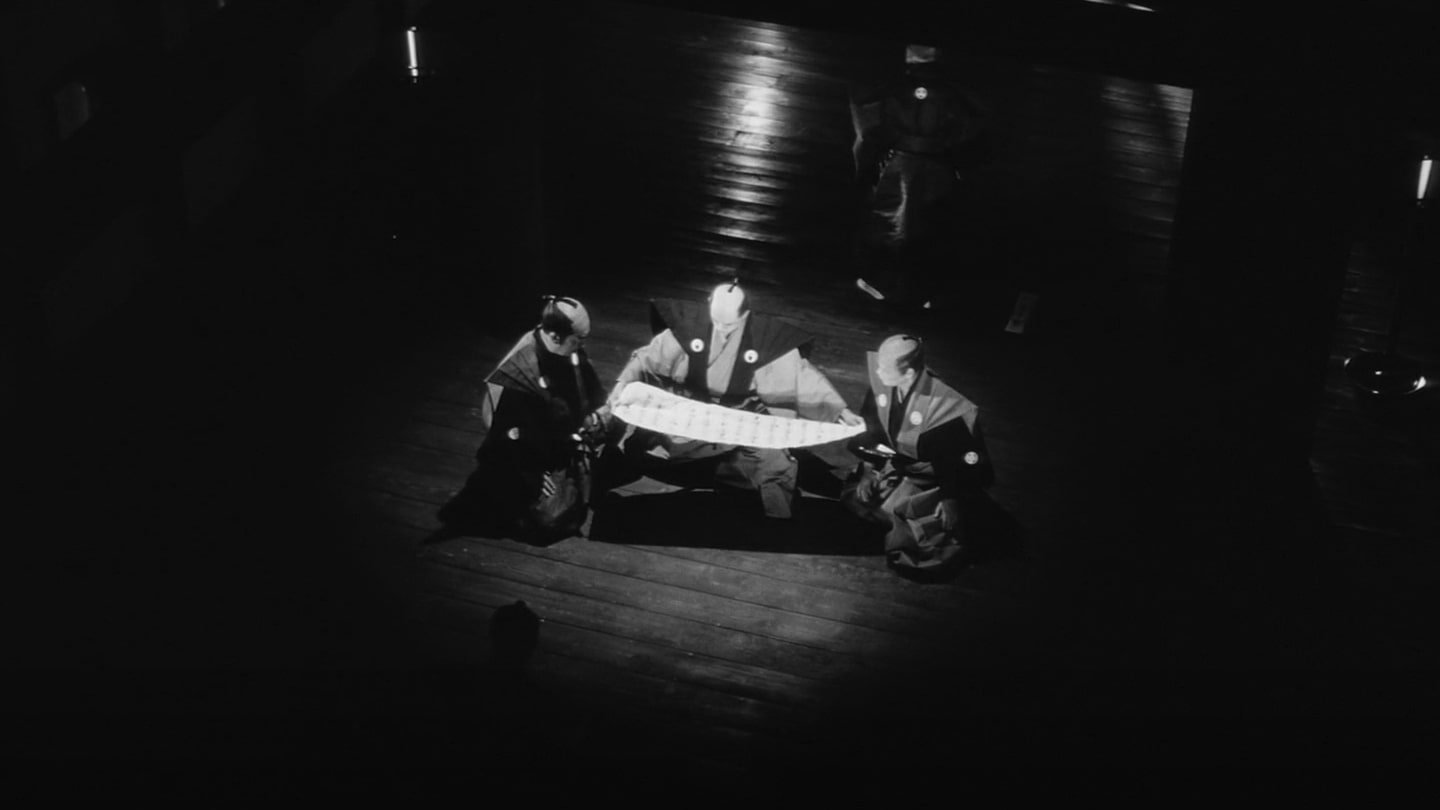
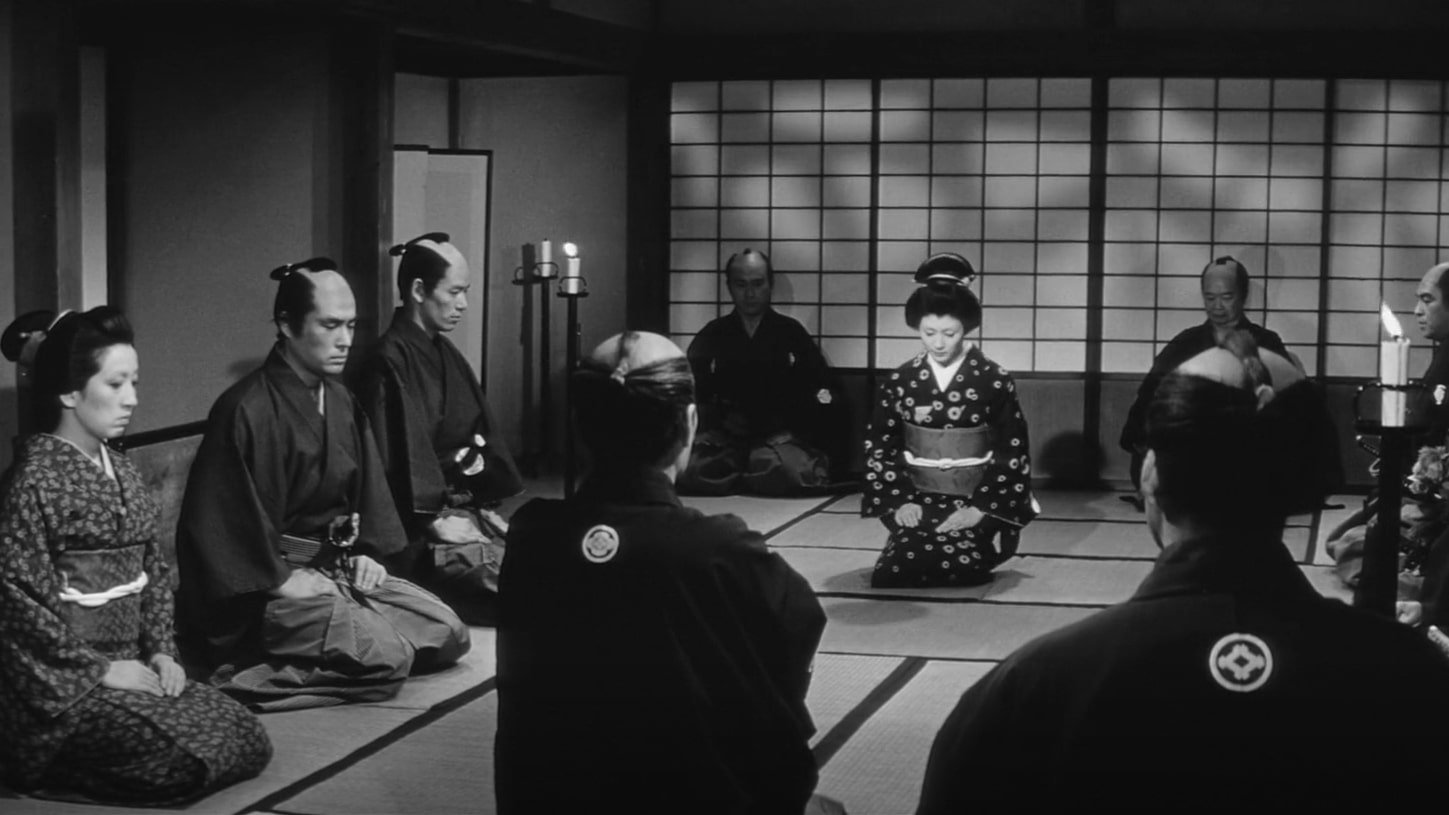
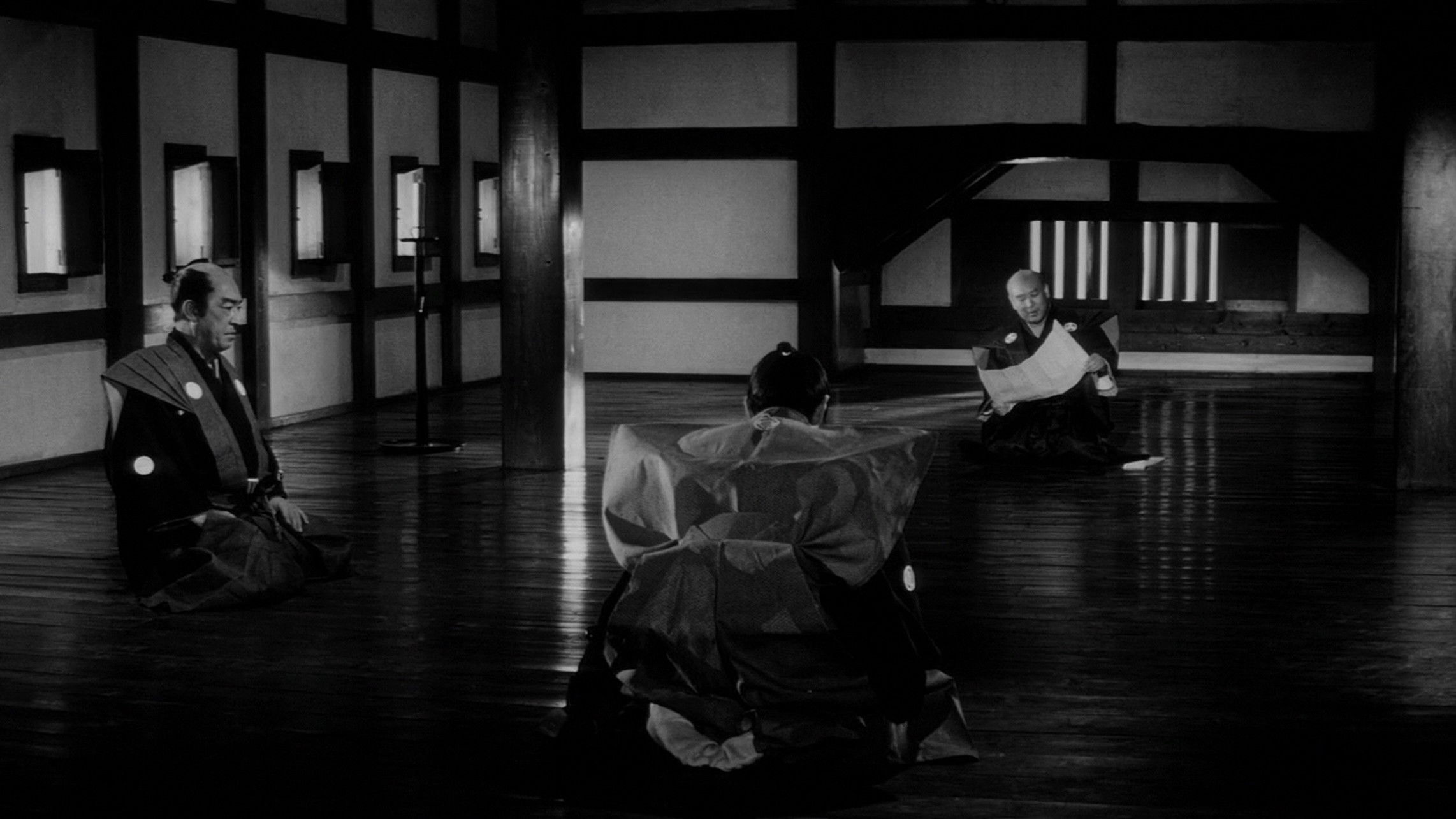
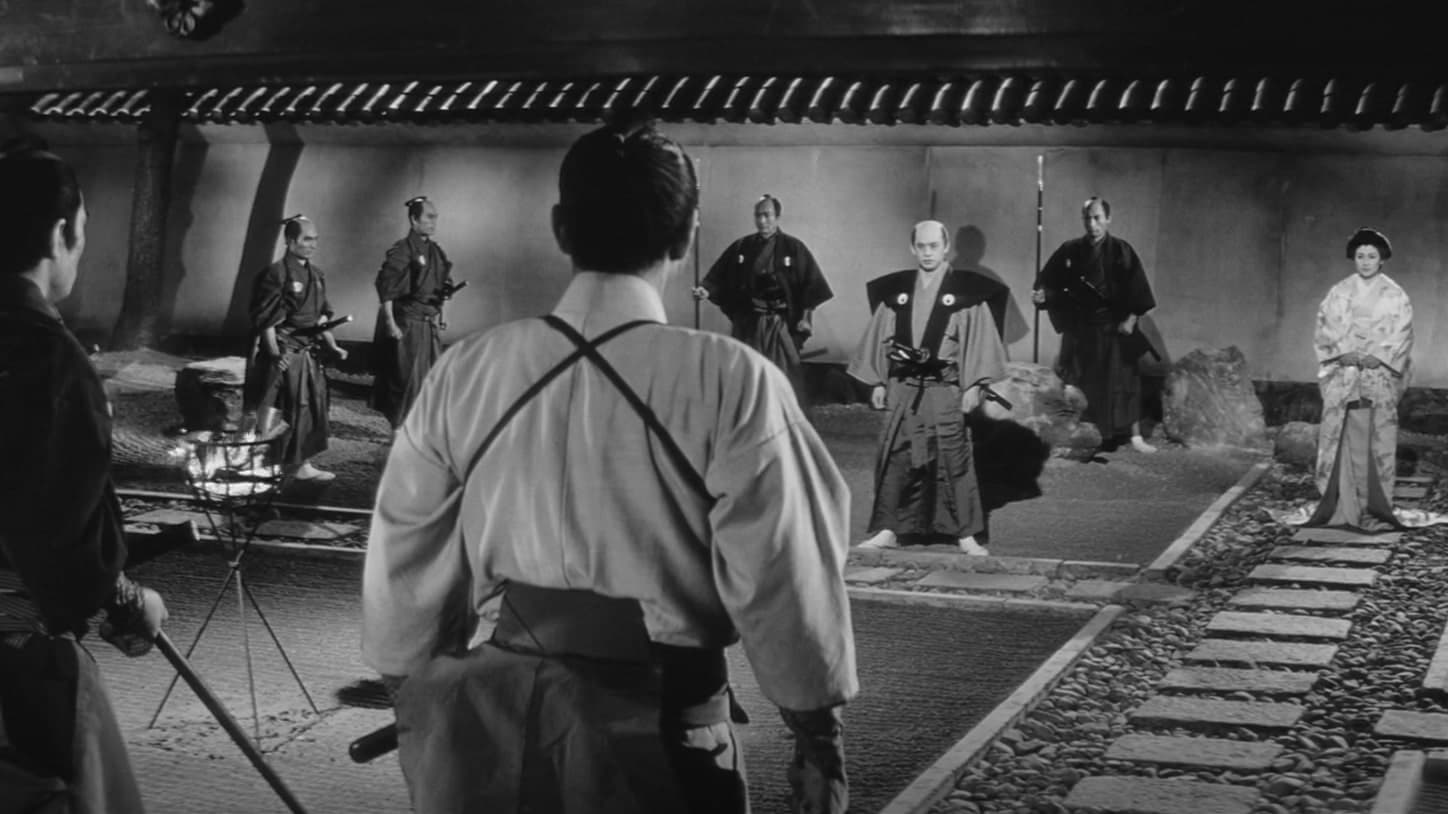
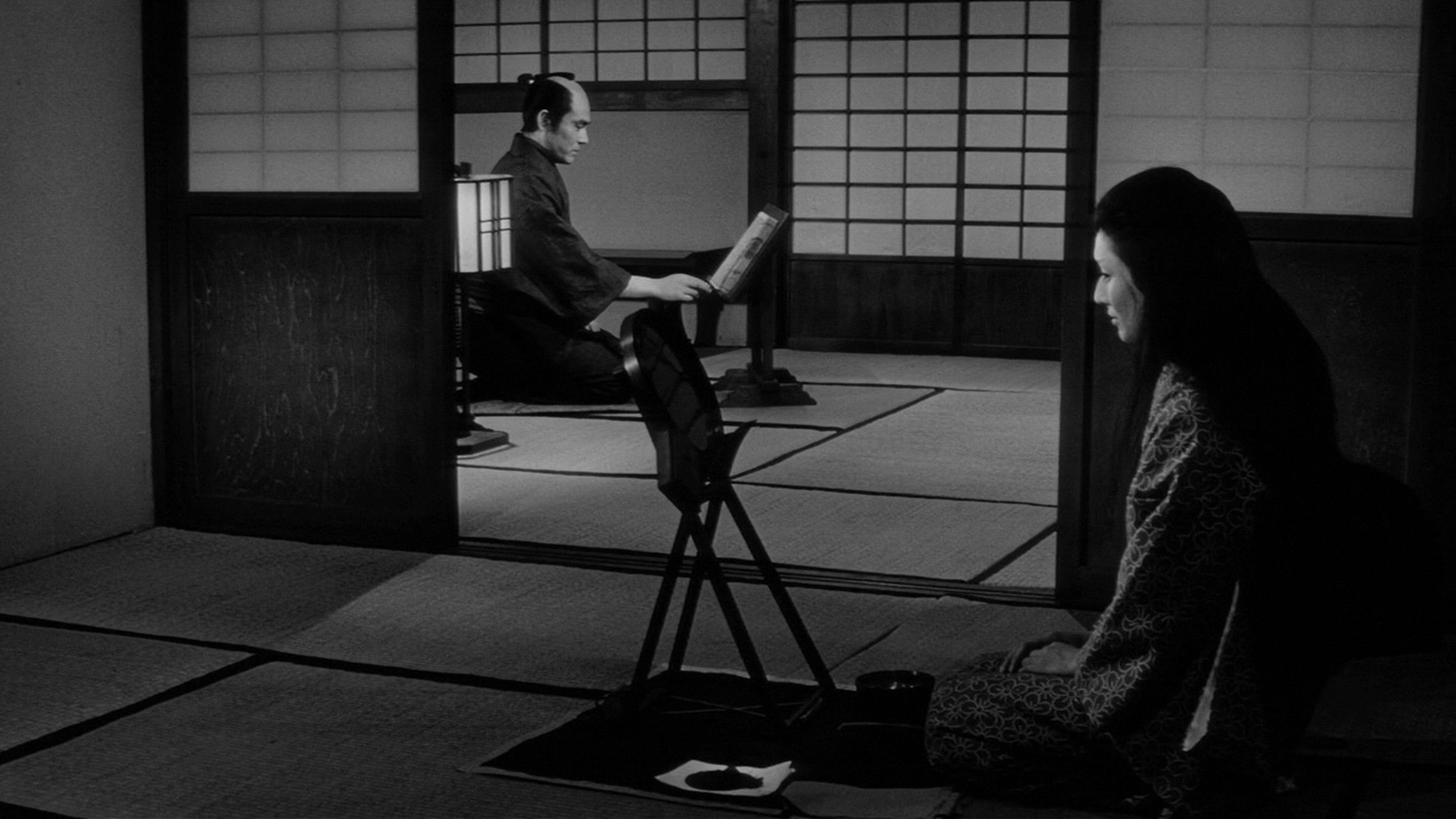
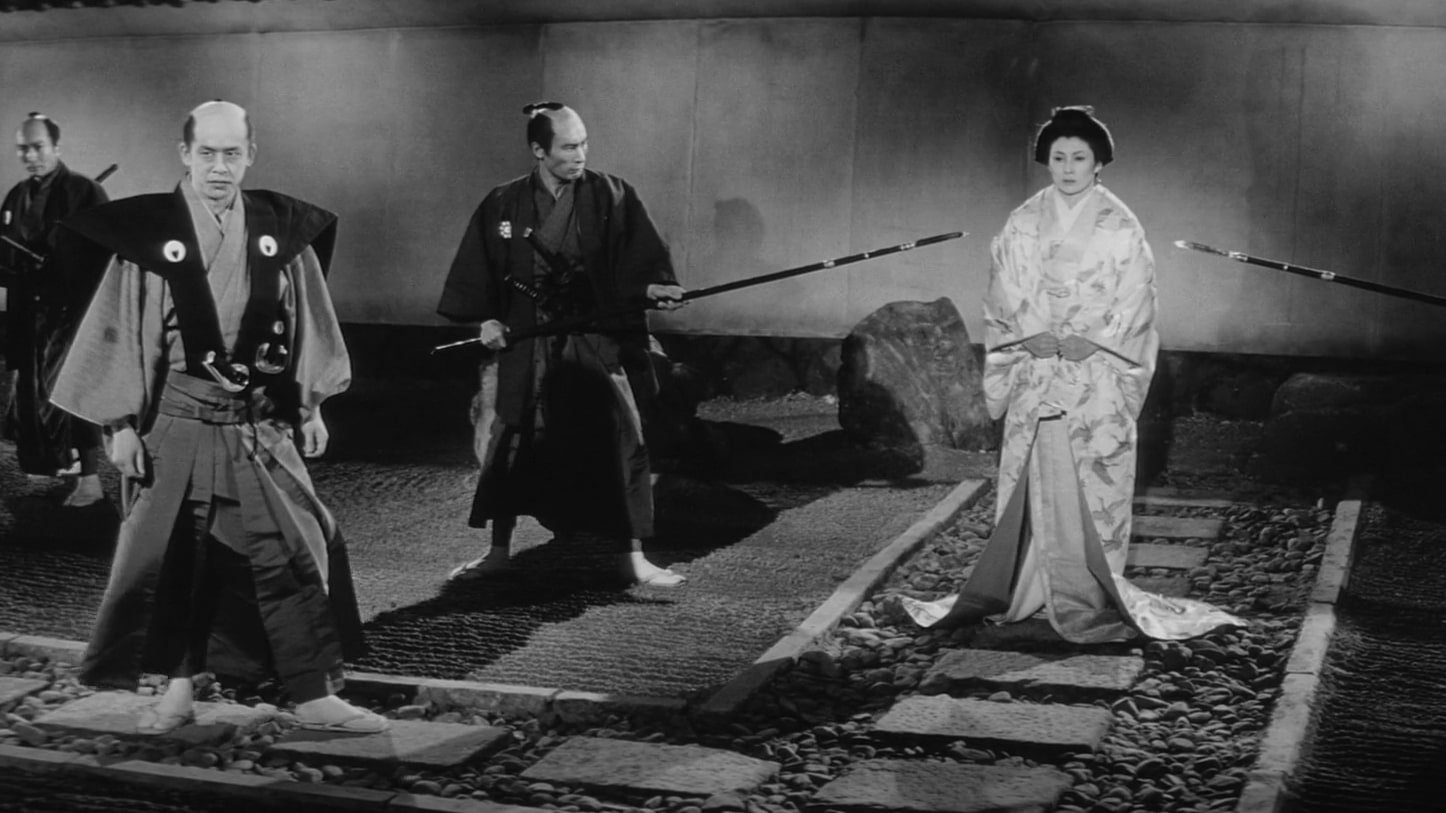
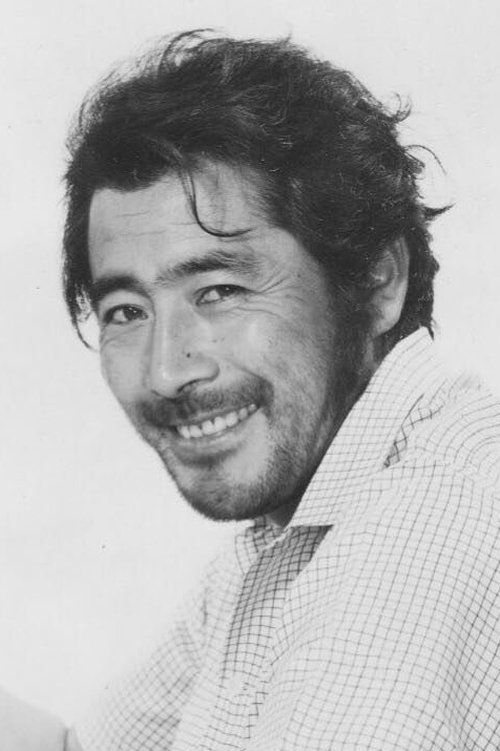
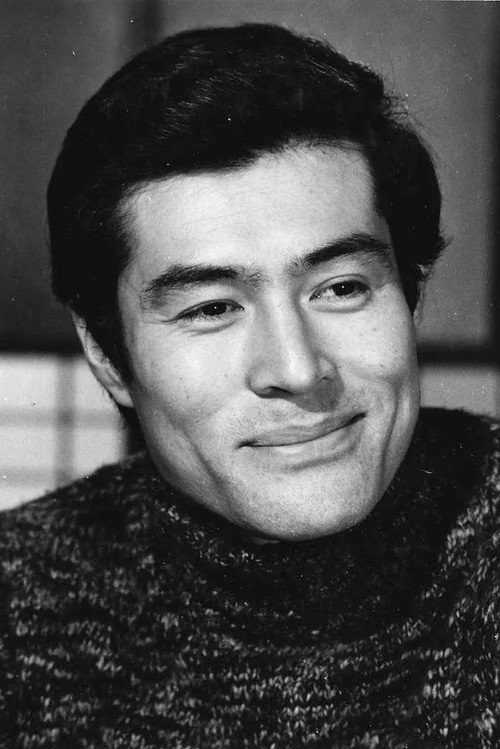
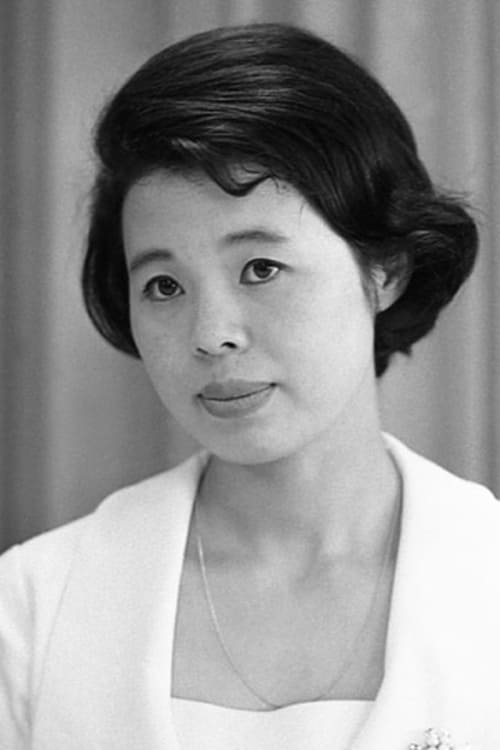
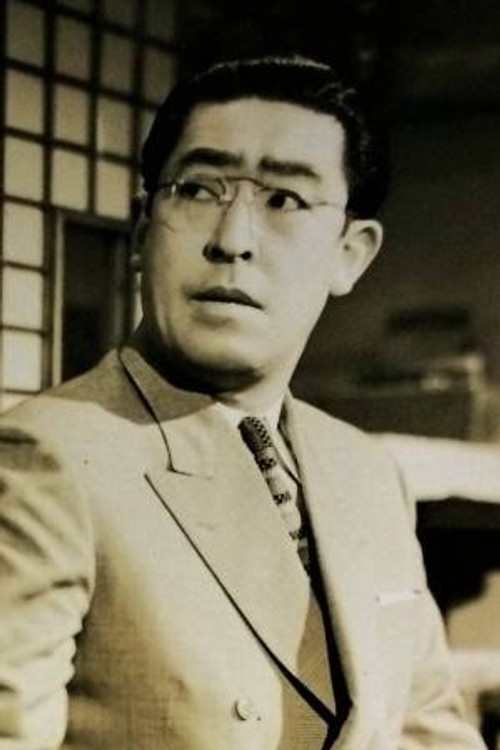
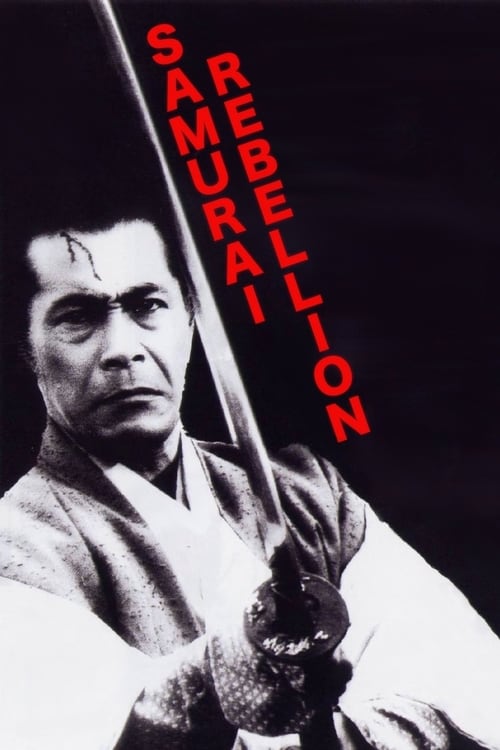
What an amazing film. Maybe this will be more of a summary than a review. The story of Samurai Rebellion is one that is almost as intriguing as the great Harakiri. As Toshiro Mifune is stuck in a lower position despite his power and intellect, his son is forced to marry his lord's ex-concubine. Normally, this brings us into a story of unfair standards, and in this film, it still does, but in a unique way. We see that there is happiness there. For years, the relationship flourishes and the two have a beautiful child together. But so far down the line, the unfairness occurs. With this, Masaki Kobayashi gives us hope and takes it away, ripping it away from us like weak strings. That's part of what makes this film special. The first 90 minutes of the film raise tensions brilliantly, you can feel the emotions boil until the scene in the courtyard.
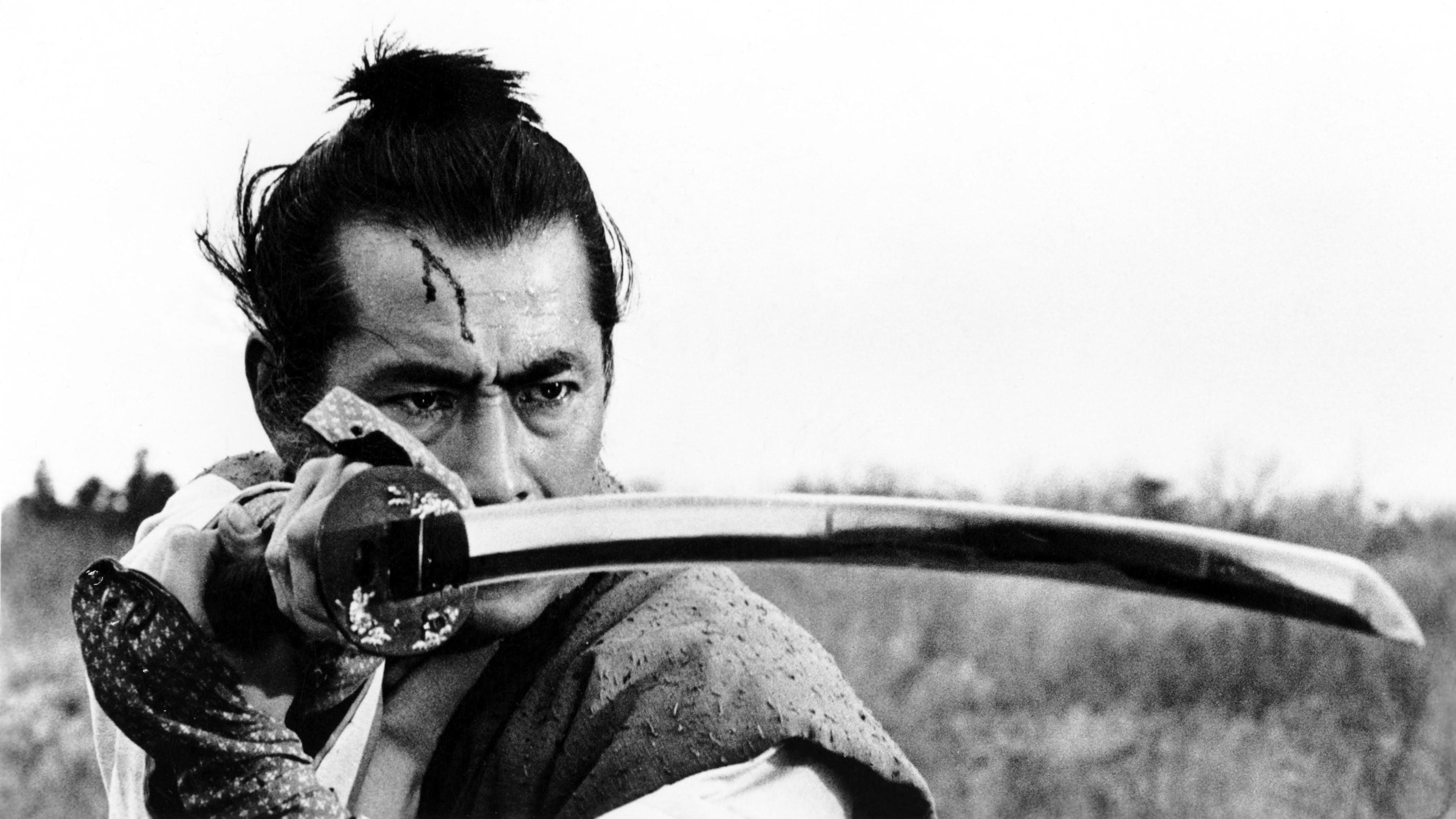
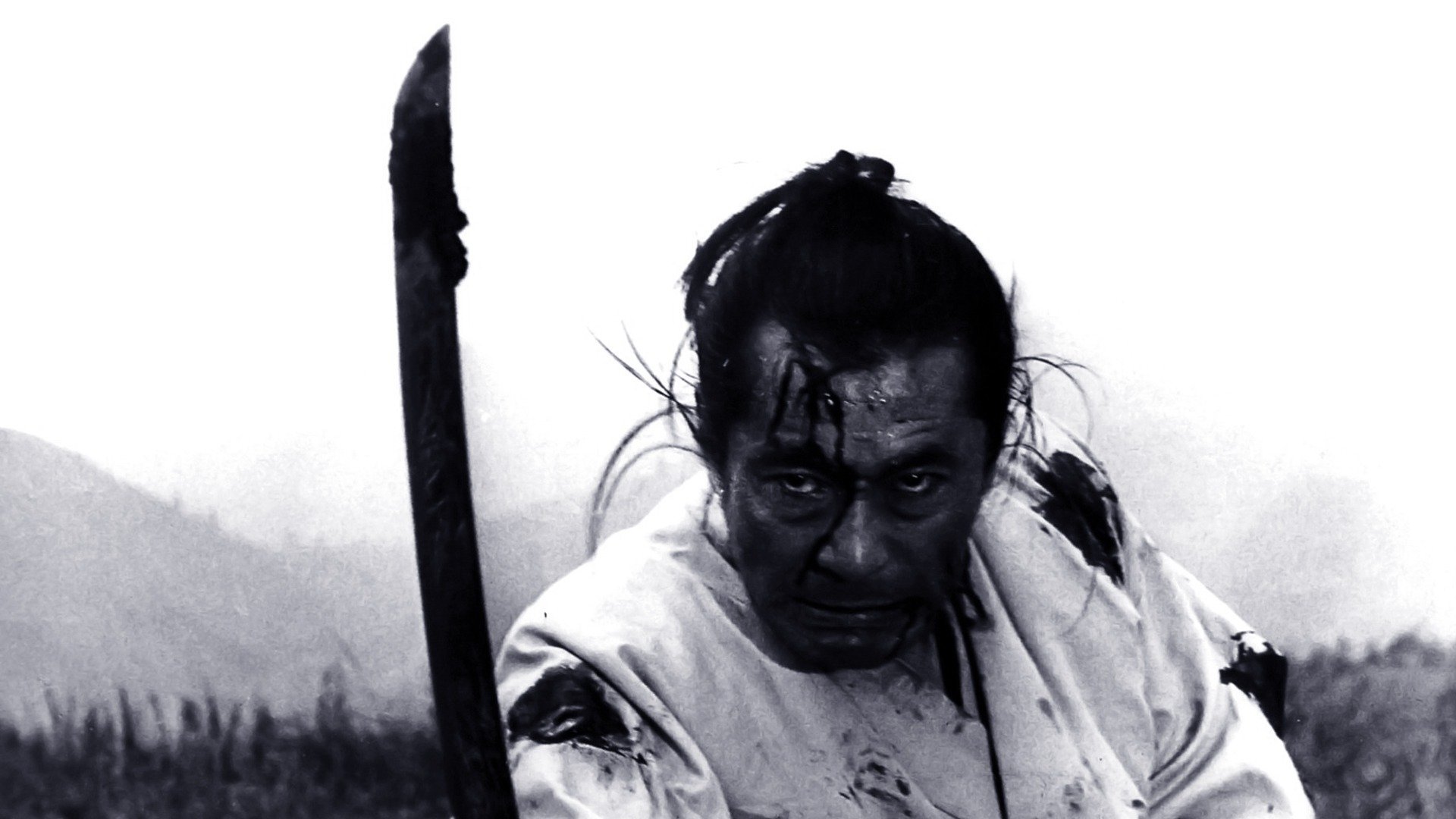
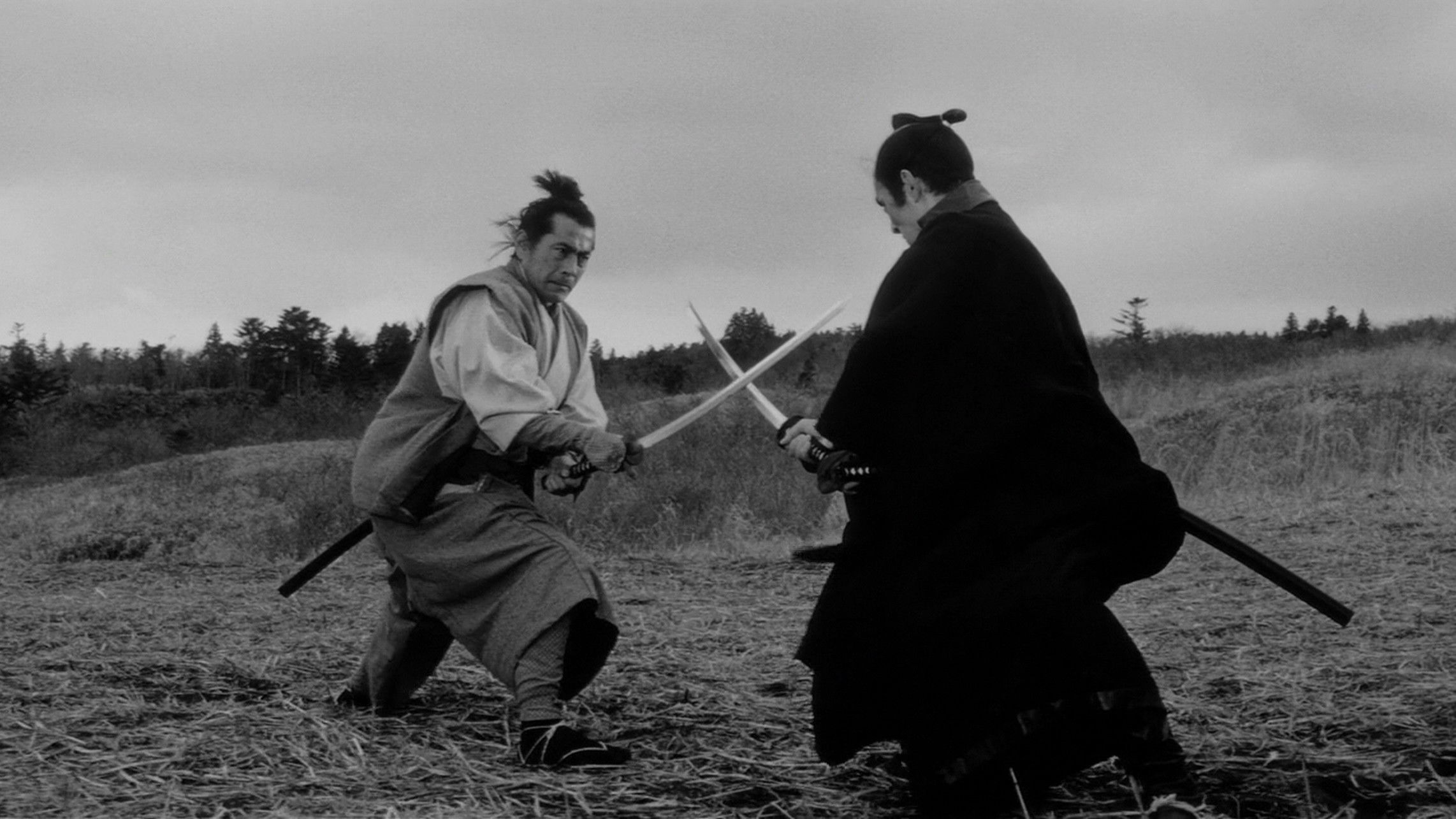
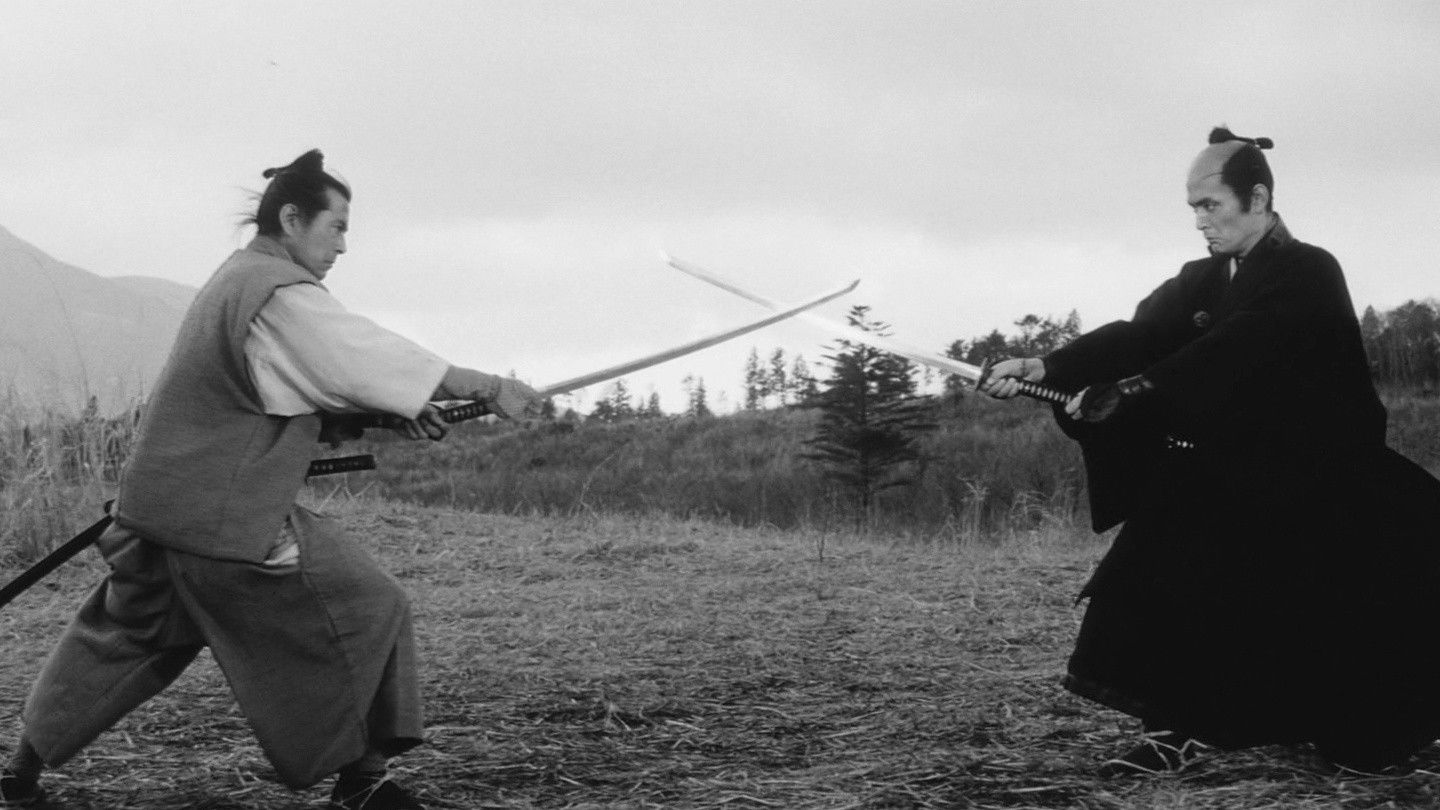
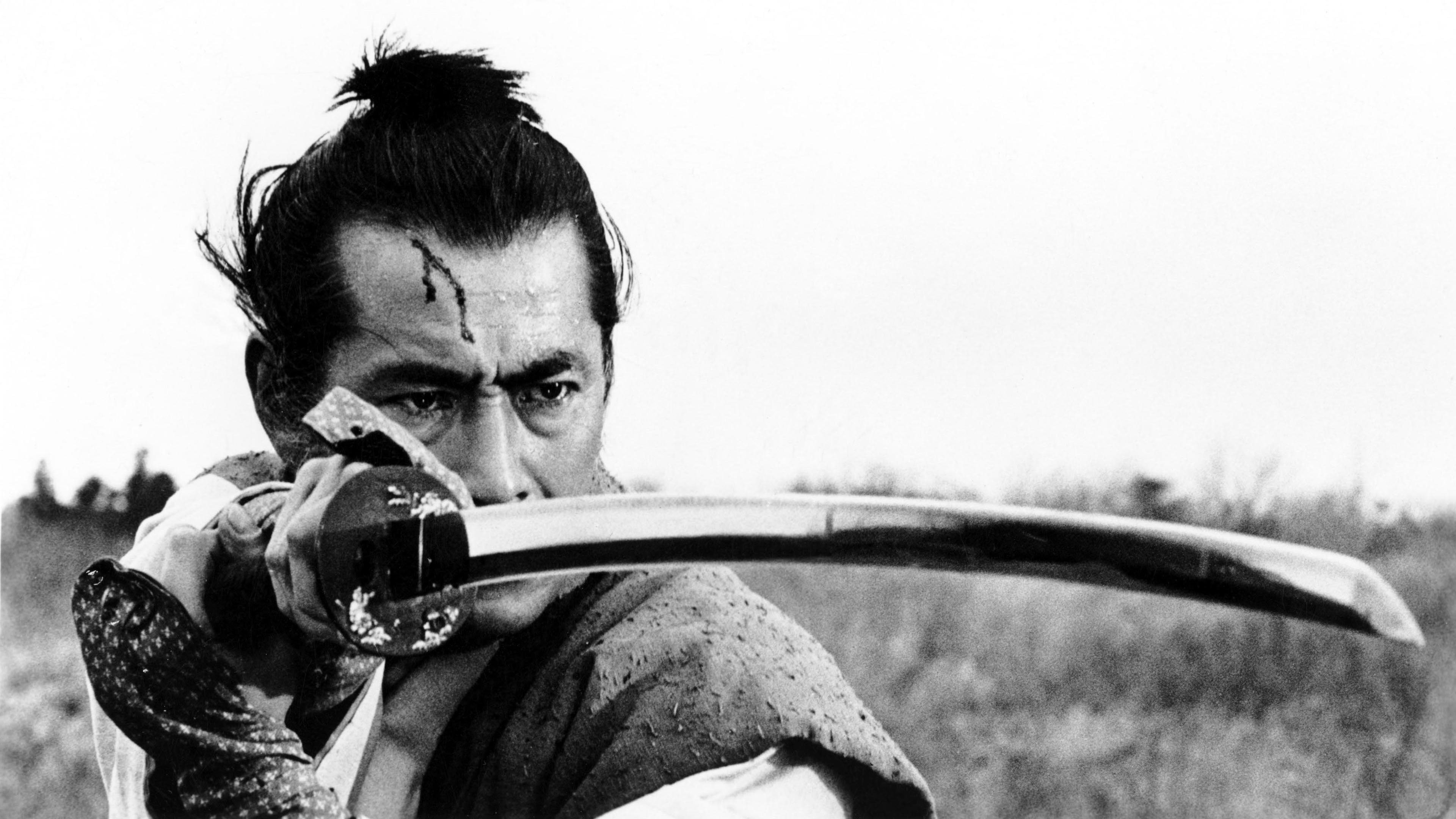
Both his son and his wife are killed, and he slays them all. With this, his rebellion has turned from one of words to one of blood. Then, we think it's all over. He'll escape to Japan with Tomi and it'll all be over, right? Wrong! He's confronted by his best friend, played by the great Tatsuya Nakadai. He is now still part of the true samurai, while Mifune, who was once decently "civilized", now resembles a rōnin more than anything. Nakadai's sword is light, resembling his remaining purity and respect, while Mifune's is dark, representing the blood he's shed and the purity he's lost. Nakadai holds strong but is defeated, and Mifune runs back to Tomi. But of course, it isn't over. Mifune is gunned down, never returning to Tomi. And due to this, he never fulfilled his promise to her. He said if he never returned, Nakadai would care to her. Neither of which occured.
Even if I didn't know anything about this film before watching it, I fully believe I could figure out this was a Kobayashi film. It's clear to see strands of samurai facade and criticism of codes that directly transferred from Harakiri, and we can even see similarities to his other works (namely the Human Condition trilogy). This film was wonderful, and leaves you with a strange pain that leaves you craving even more.
91
What an amazing film. Maybe this will be more of a summary than a review. The story of Samurai Rebellion is one that is almost as intriguing as the great Harakiri. As Toshiro Mifune is stuck in a lower position despite his power and intellect, his son is forced to marry his lord's ex-concubine. Normally, this brings us into a story of unfair standards, and in this film, it still does, but in a unique way. We see that there is happiness there. For years, the relationship flourishes and the two have a beautiful child together. But so far down the line, the unfairness occurs. With this, Masaki Kobayashi gives us hope and takes it away, ripping it away from us like weak strings. That's part of what makes this film special. The first 90 minutes of the film raise tensions brilliantly, you can feel the emotions boil until the scene in the courtyard.
Both his son and his wife are killed, and he slays them all. With this, his rebellion has turned from one of words to one of blood. Then, we think it's all over. He'll escape to Japan with Tomi and it'll all be over, right? Wrong! He's confronted by his best friend, played by the great Tatsuya Nakadai. He is now still part of the true samurai, while Mifune, who was once decently "civilized", now resembles a rōnin more than anything. Nakadai's sword is light, resembling his remaining purity and respect, while Mifune's is dark, representing the blood he's shed and the purity he's lost. Nakadai holds strong but is defeated, and Mifune runs back to Tomi. But of course, it isn't over. Mifune is gunned down, never returning to Tomi. And due to this, he never fulfilled his promise to her. He said if he never returned, Nakadai would care to her. Neither of which occured.
Even if I didn't know anything about this film before watching it, I fully believe I could figure out this was a Kobayashi film. It's clear to see strands of samurai facade and criticism of codes that directly transferred from Harakiri, and we can even see similarities to his other works (namely the Human Condition trilogy). This film was wonderful, and leaves you with a strange pain that leaves you craving even more.