Sight and Sound’s Greatest Films of All Time watch challenge #116 - (film =152 out of 264)
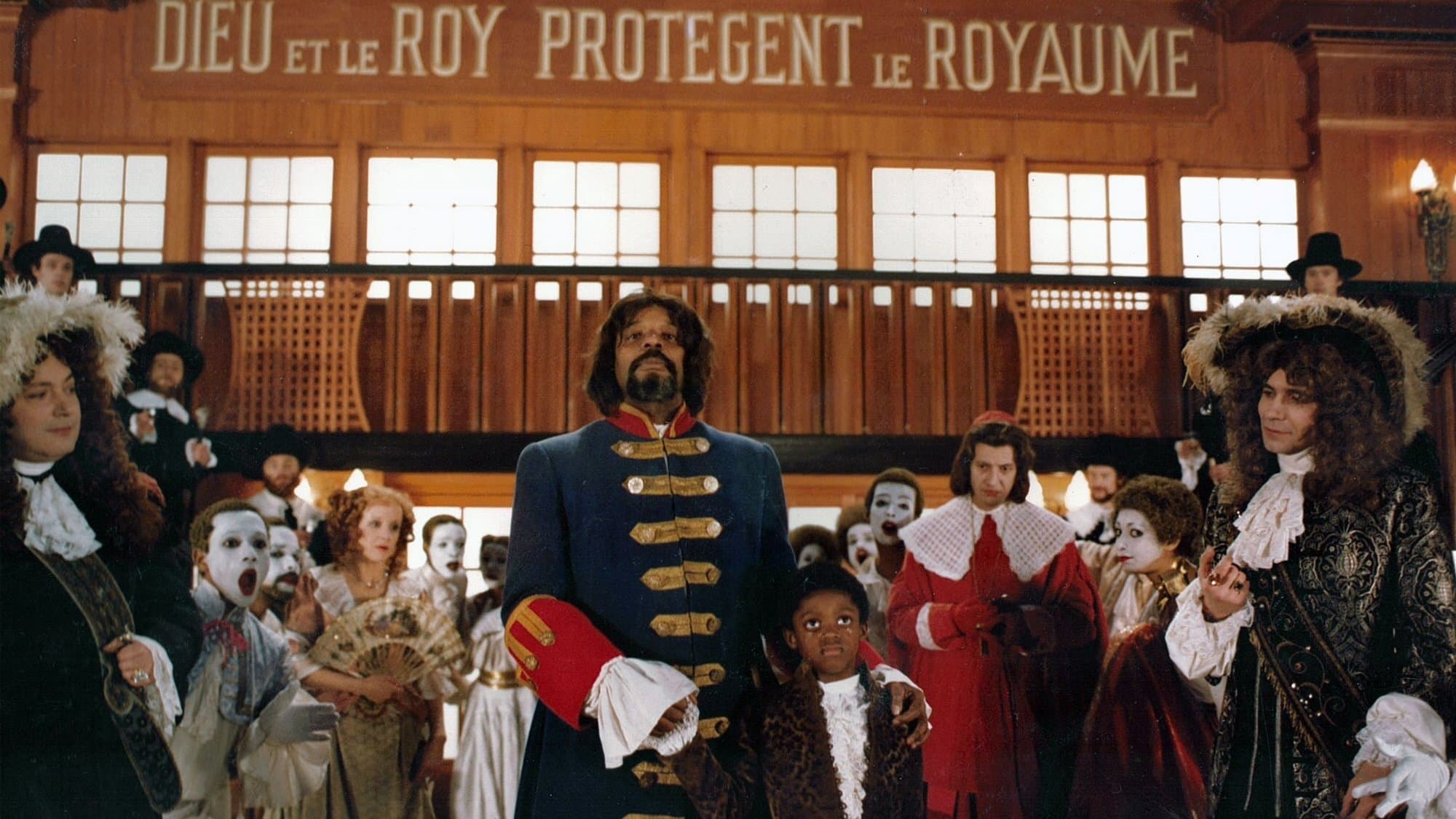
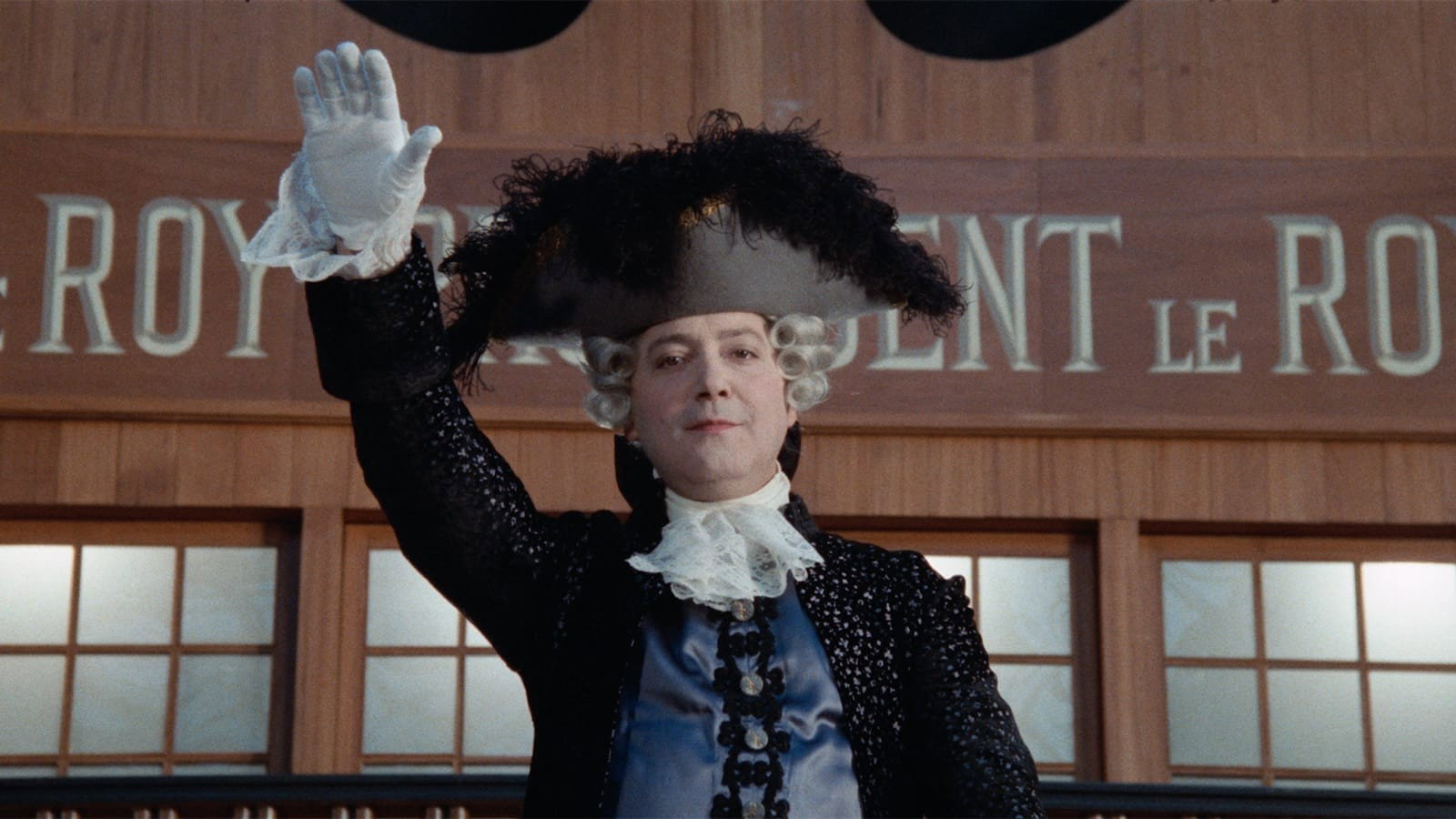
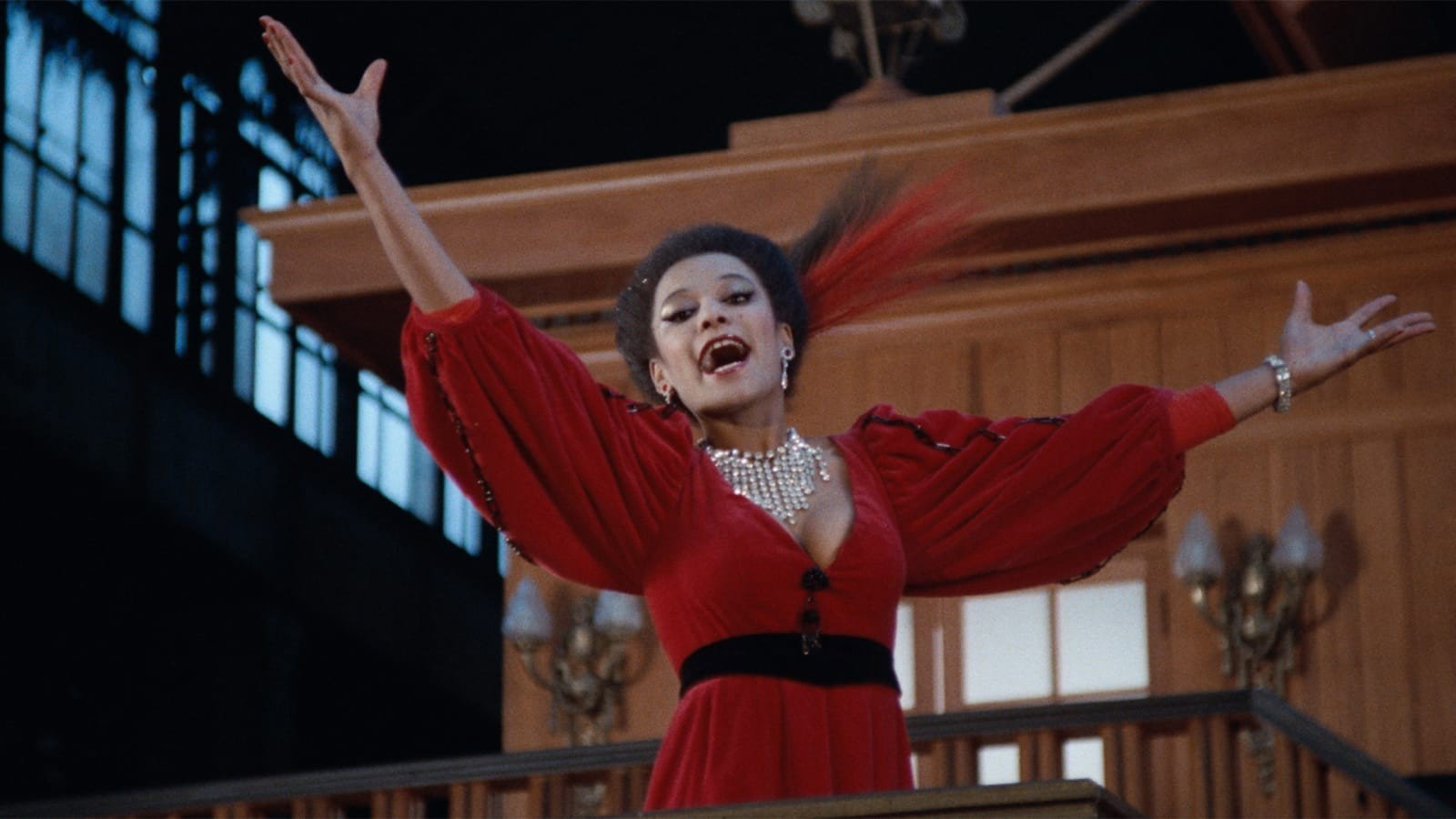
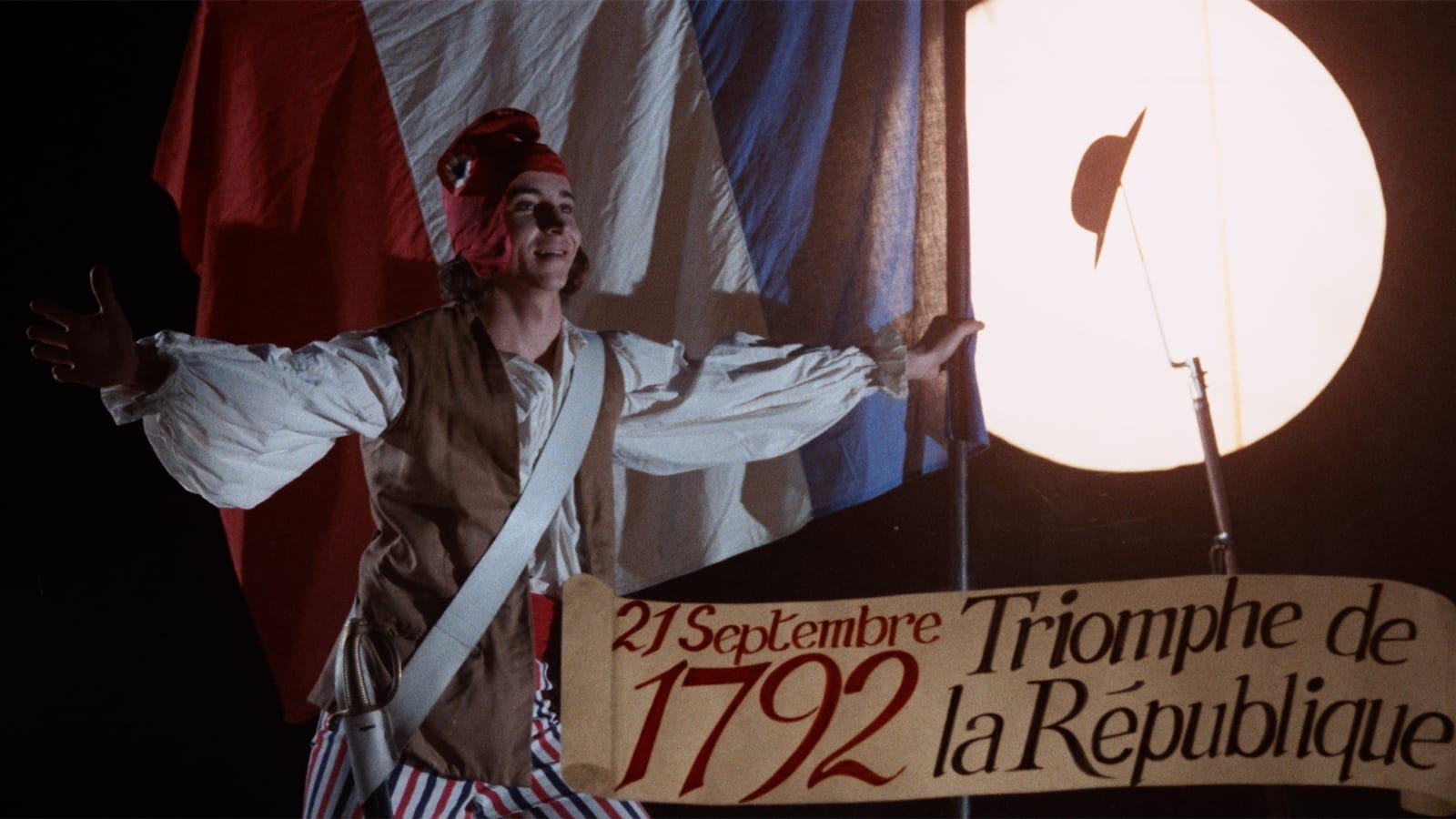
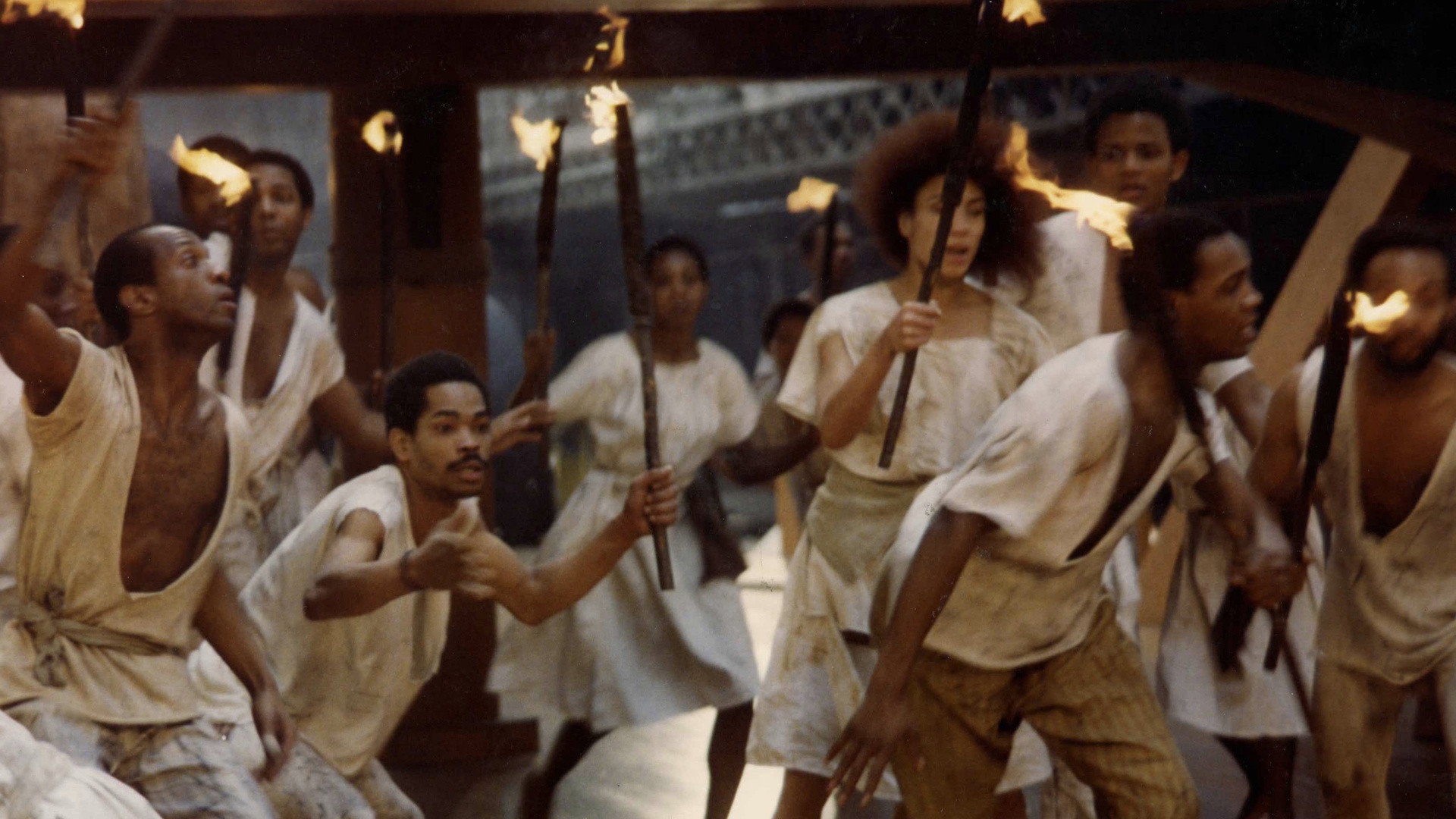
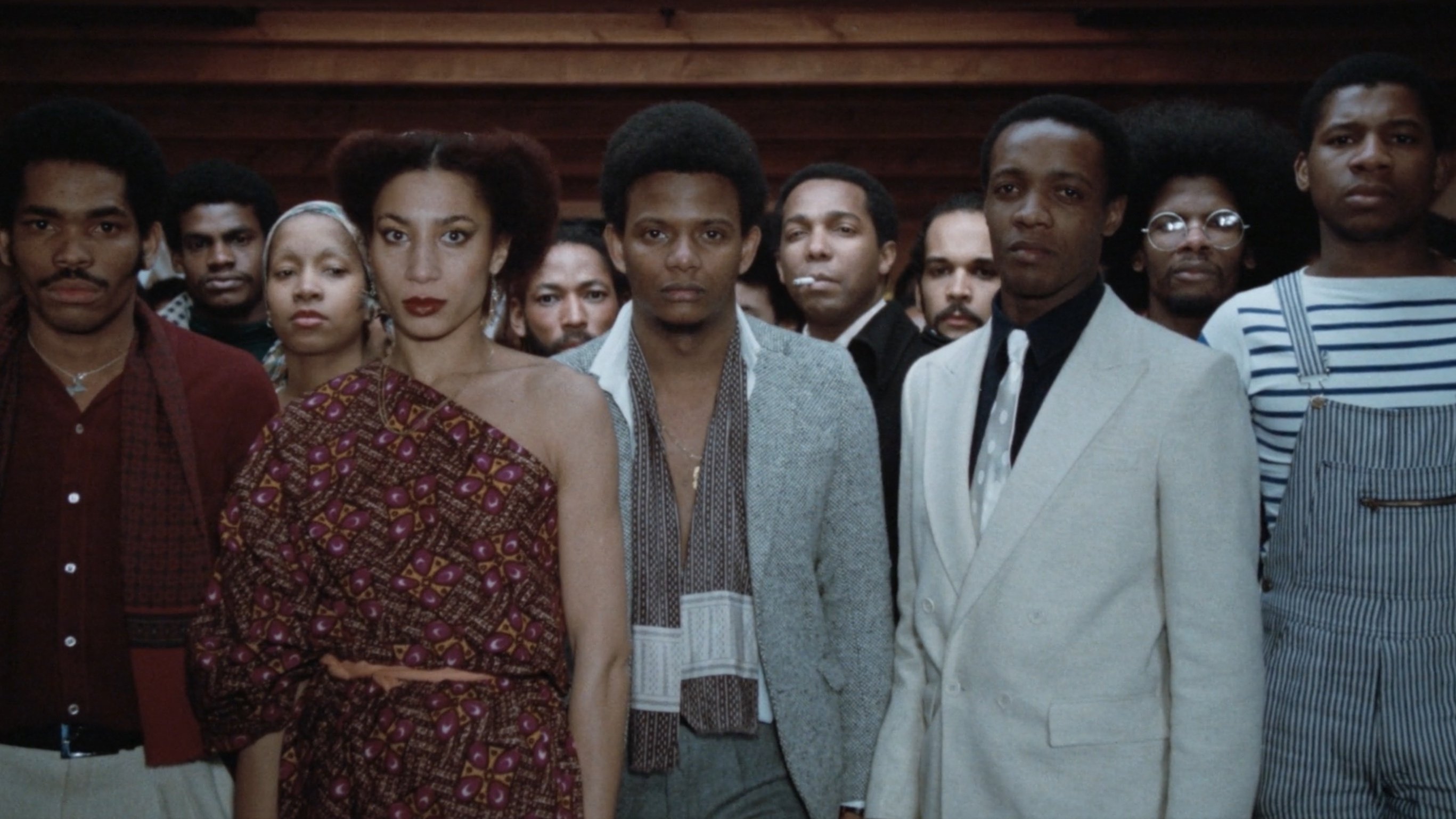
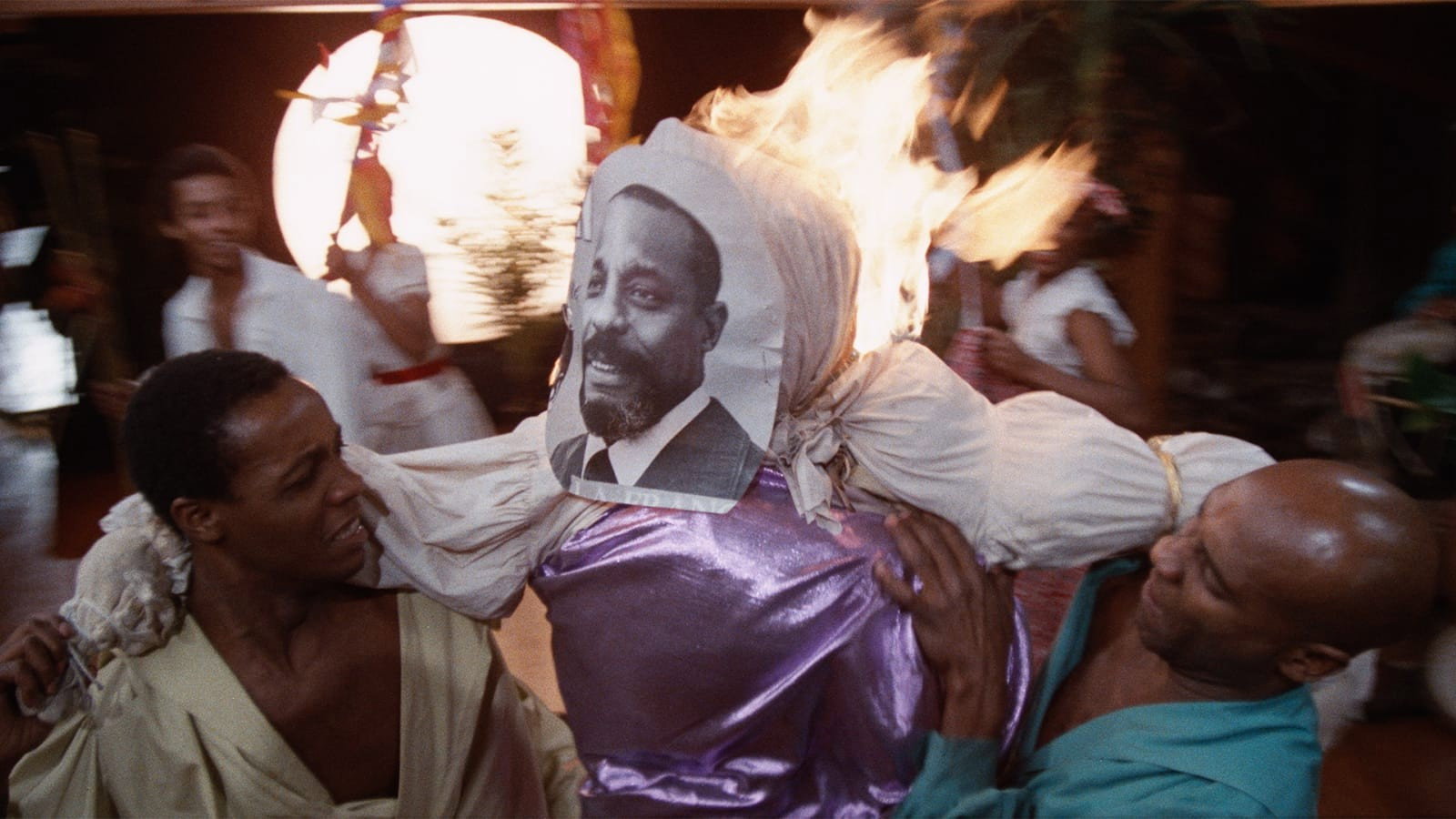
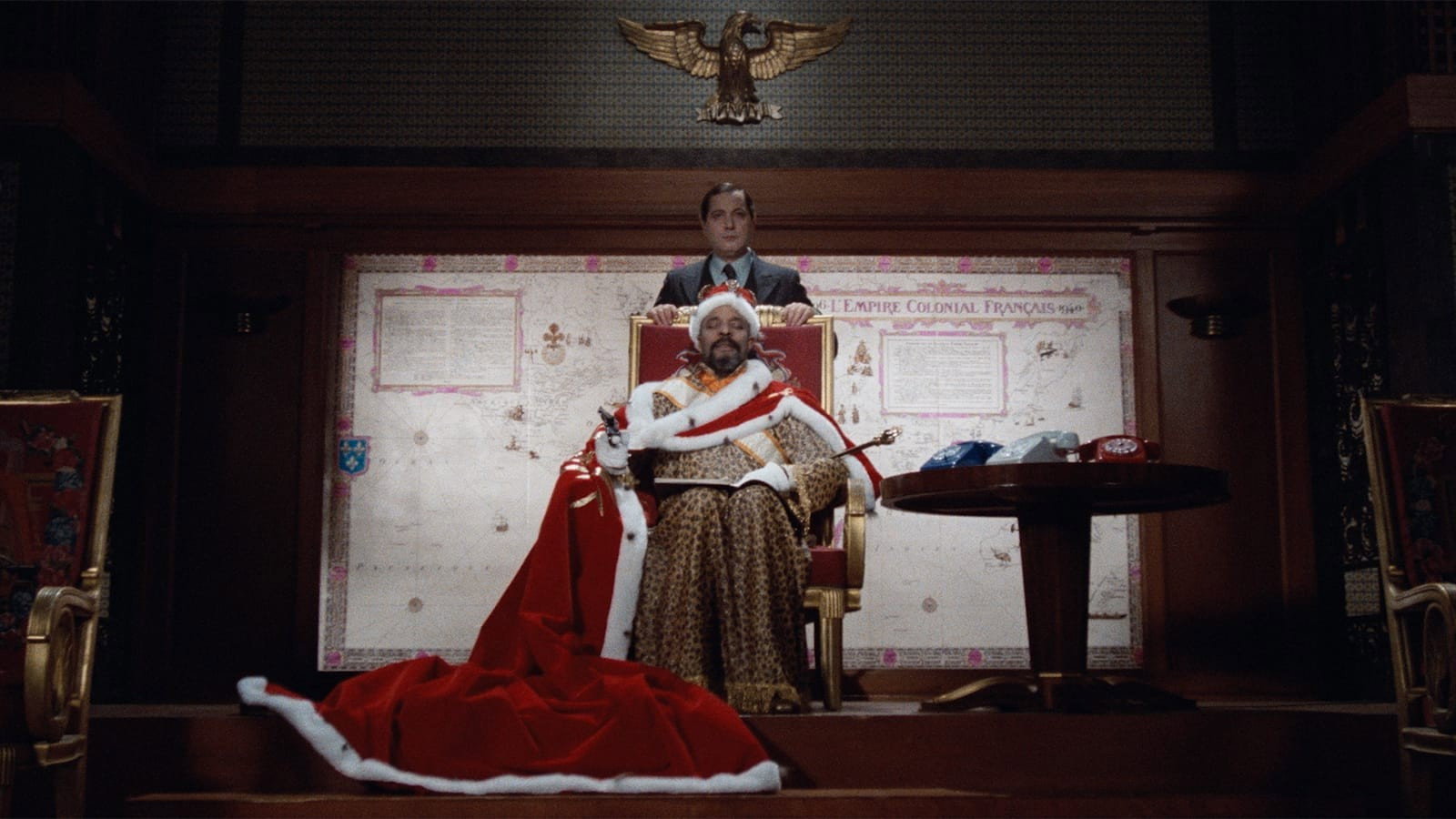
I came to love Med Hondo's work right away earlier this year when I first saw Soleil O, which was also on this list. West Indies: The Fugitive Slaves of Liberty follows a lot of the same themes as Soleil O, but completely blows it out of the water. A wildly expensive spectacle, it had one of the biggest budgets of any African film ever made, and it is immediately clear why. The film, a movie musical in its own right, was made entirely on one large set piece inside of a massive warehouse. The set, a large ship, was created in a way so every inch of it can be used as a different location with ample space for actors to fill every square inch of its surface when needed. The ship, of course, representing the same slave trade that brought Africans to the West Indies, transforms with simple drapery and props added to the frame to represent both the islands and Paris itself. The film is shot as if it is the recording of a stage musical, even though the film itself was never made to be shown in front of a stage audience. This level of artifice only bolsters the harsh critique of how France subjugated and oppressed Africa and the Caribbean, with lavish ornamentation decorating the captain's quarters of the ship, where the various company holders, social workers, politicians, and clergymen meet to discuss how they plan to maintain control over the colonies while also dealing with problems in regards to labor in France due to various revolutionary action. The amount of pageantry borders on cartoonish, showing how hypocritical the elites are and how willing those who benefit from such prejudice and exploitation are willing to blindly go along with it, even when it is clear that the boon to their pockets will quickly become a bane.
Sight and Sound’s Greatest Films of All Time watch challenge #116 - (film =152 out of 264)
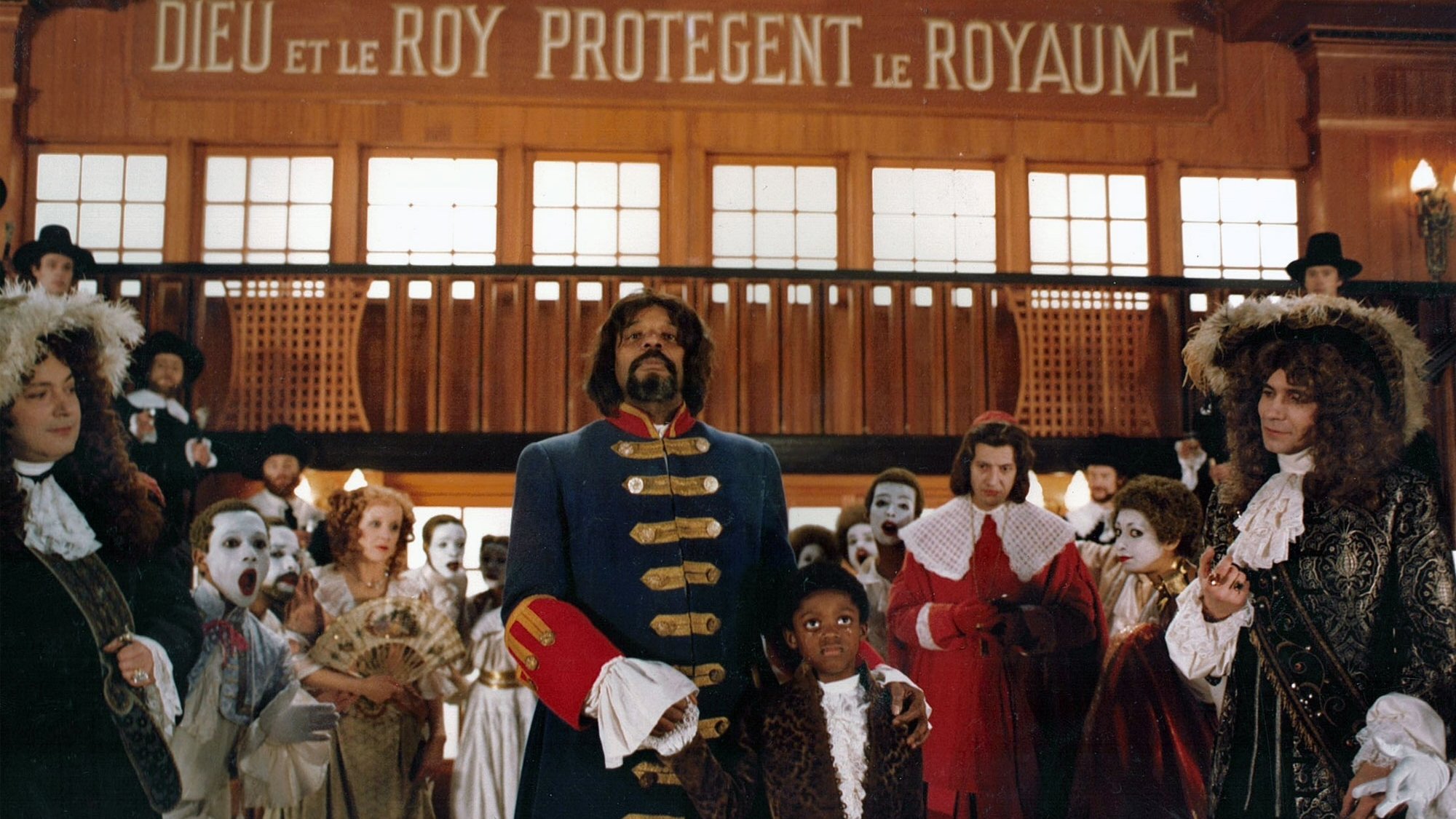
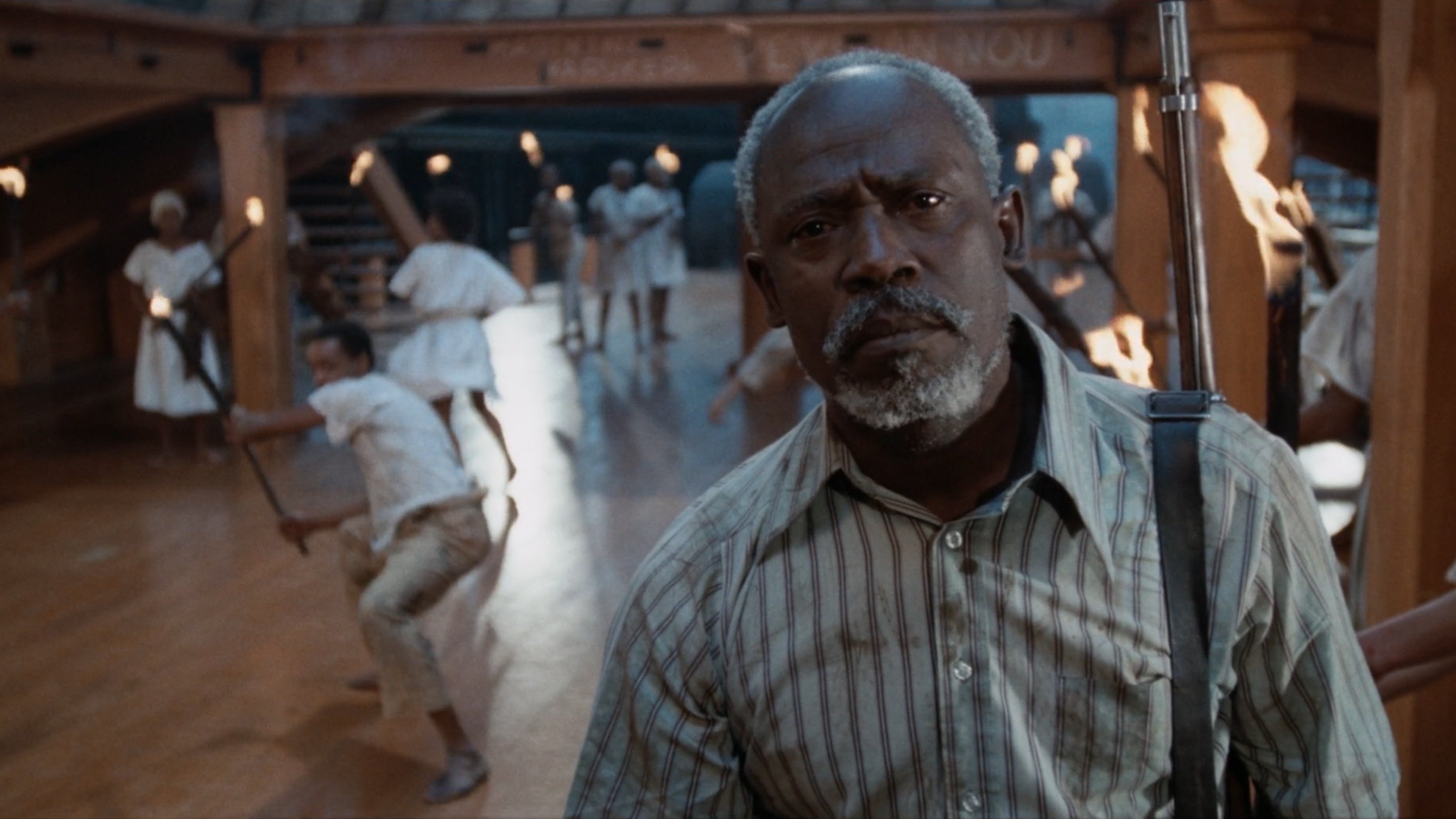
I came to love Med Hondo's work right away earlier this year when I first saw Soleil O, which was also on this list. West Indies: The Fugitive Slaves of Liberty follows a lot of the same themes as Soleil O, but completely blows it out of the water. A wildly expensive spectacle, it had one of the biggest budgets of any African film ever made, and it is immediately clear why. The film, a movie musical in its own right, was made entirely on one large set piece inside of a massive warehouse. The set, a large ship, was created in a way so every inch of it can be used as a different location with ample space for actors to fill every square inch of its surface when needed. The ship, of course, representing the same slave trade that brought Africans to the West Indies, transforms with simple drapery and props added to the frame to represent both the islands and Paris itself. The film is shot as if it is the recording of a stage musical, even though the film itself was never made to be shown in front of a stage audience. This level of artifice only bolsters the harsh critique of how France subjugated and oppressed Africa and the Caribbean, with lavish ornamentation decorating the captain's quarters of the ship, where the various company holders, social workers, politicians, and clergymen meet to discuss how they plan to maintain control over the colonies while also dealing with problems in regards to labor in France due to various revolutionary action. The amount of pageantry borders on cartoonish, showing how hypocritical the elites are and how willing those who benefit from such prejudice and exploitation are willing to blindly go along with it, even when it is clear that the boon to their pockets will quickly become a bane.