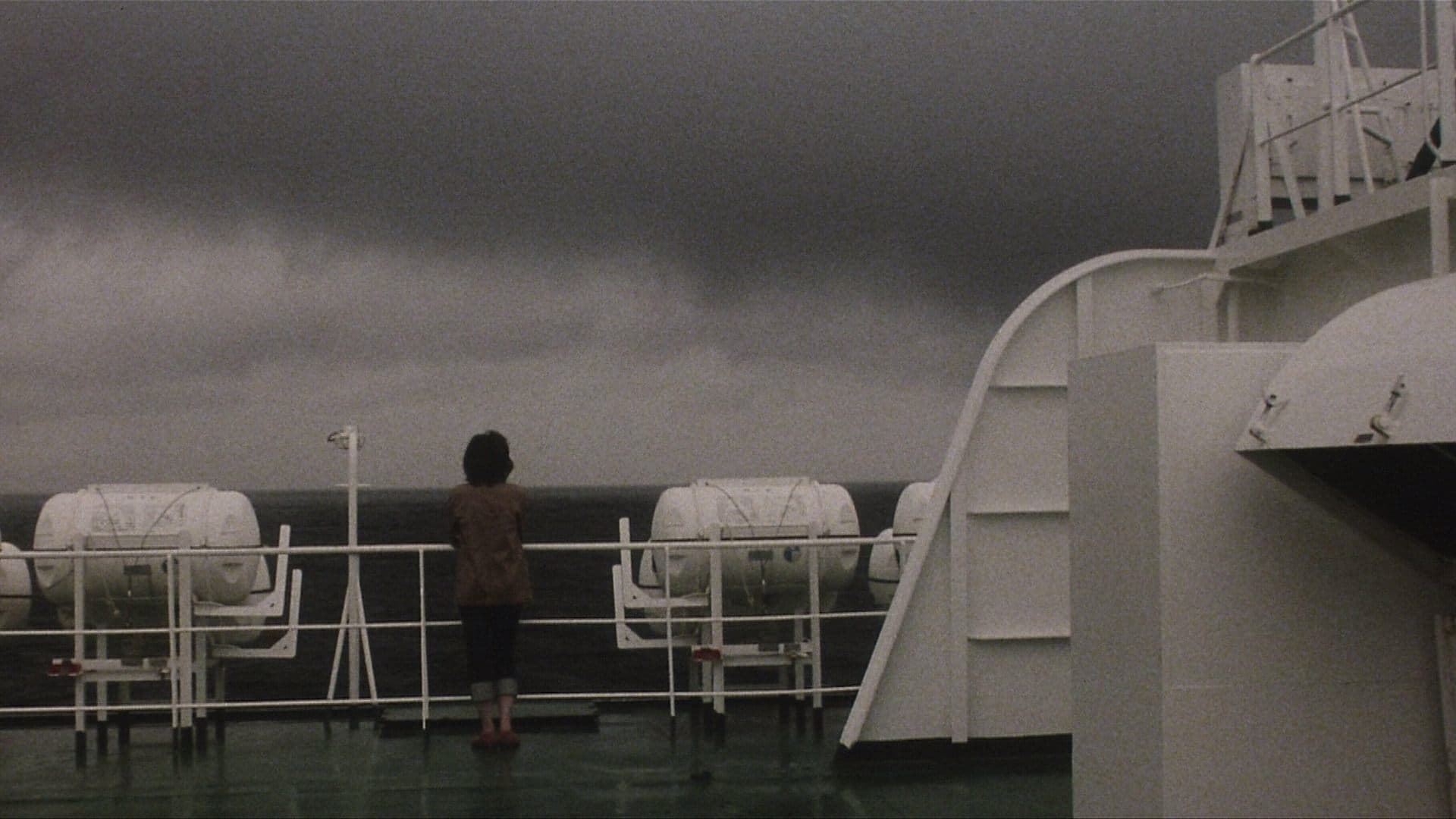
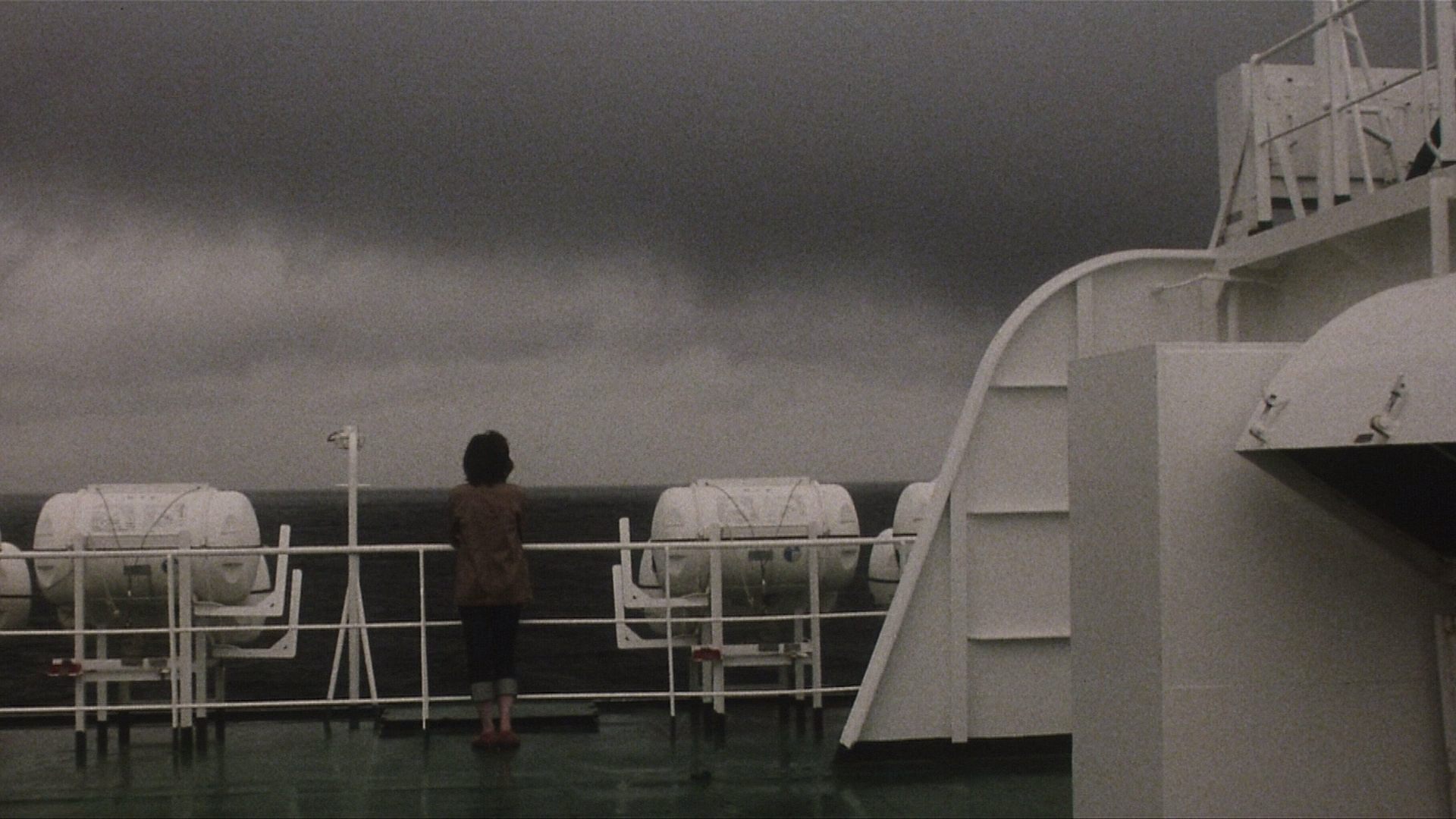
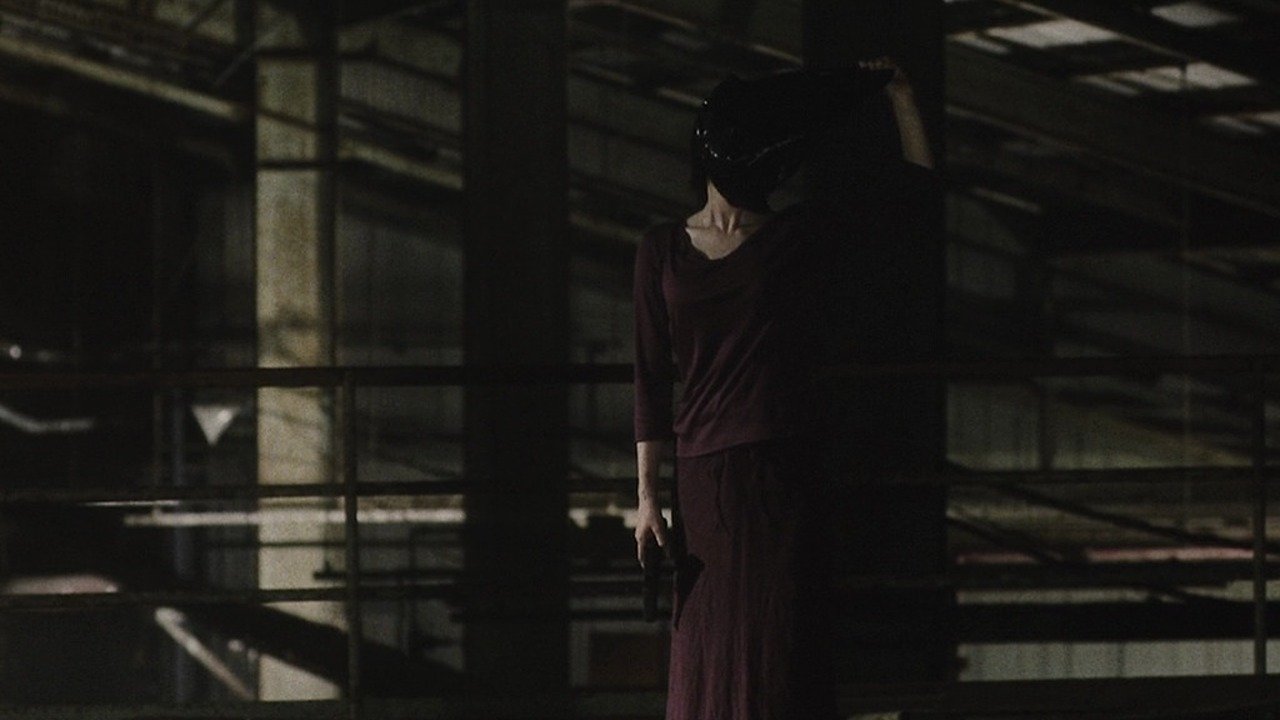
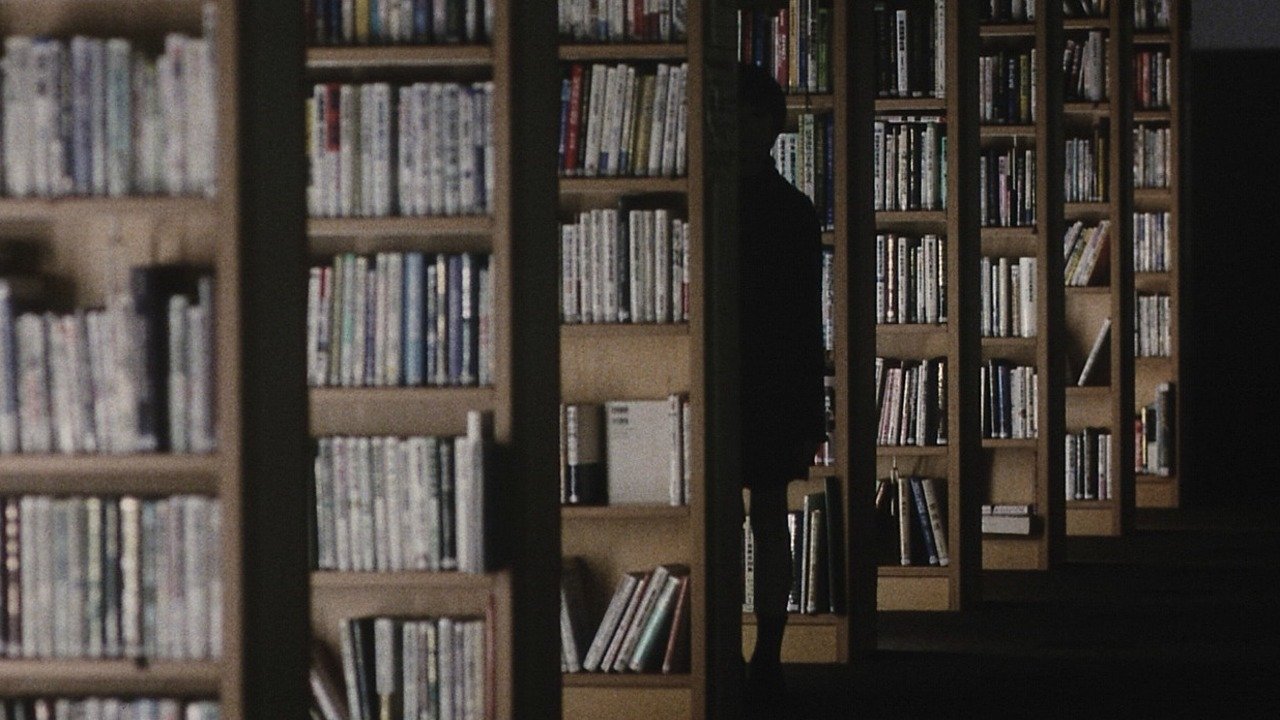
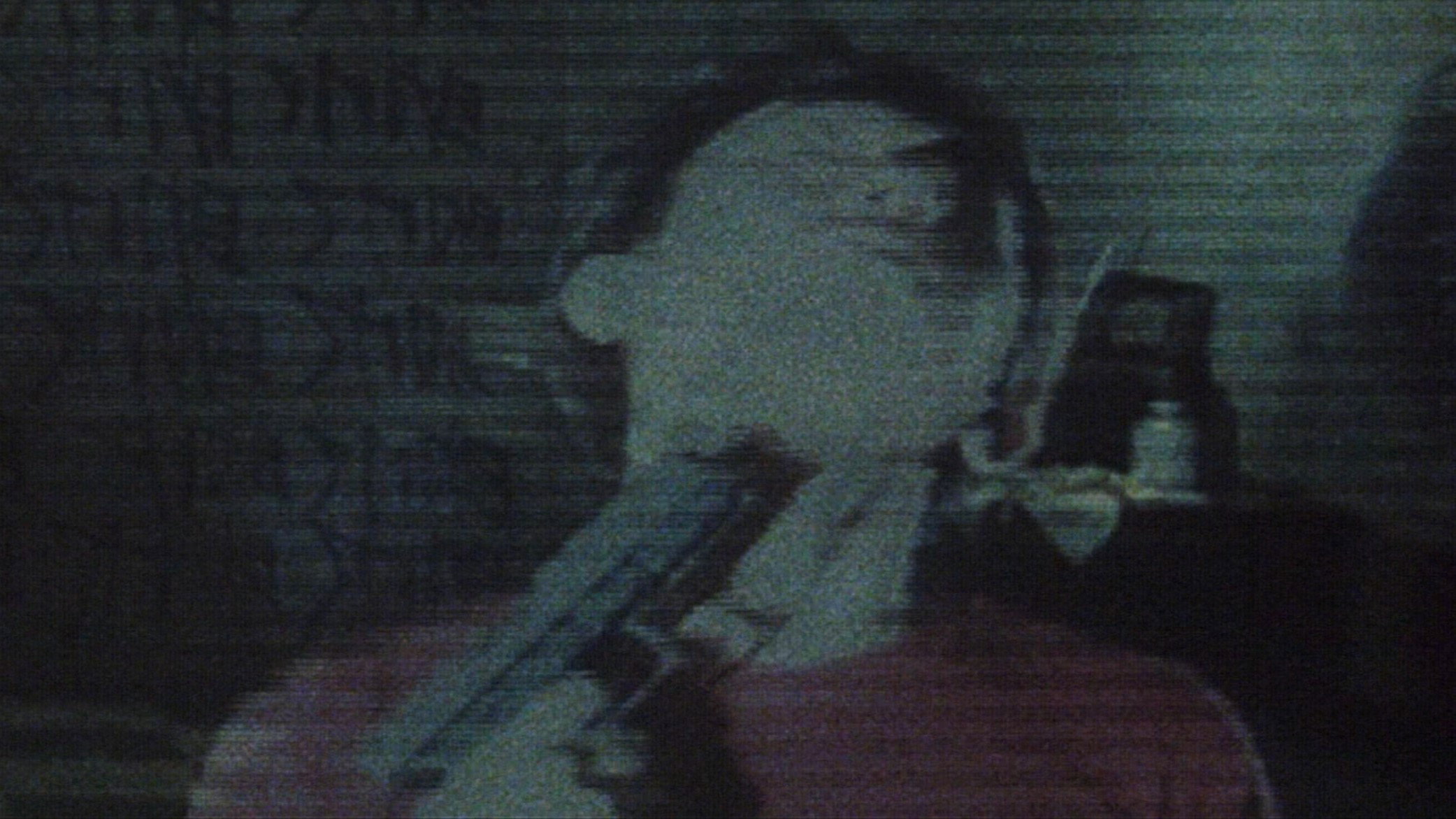
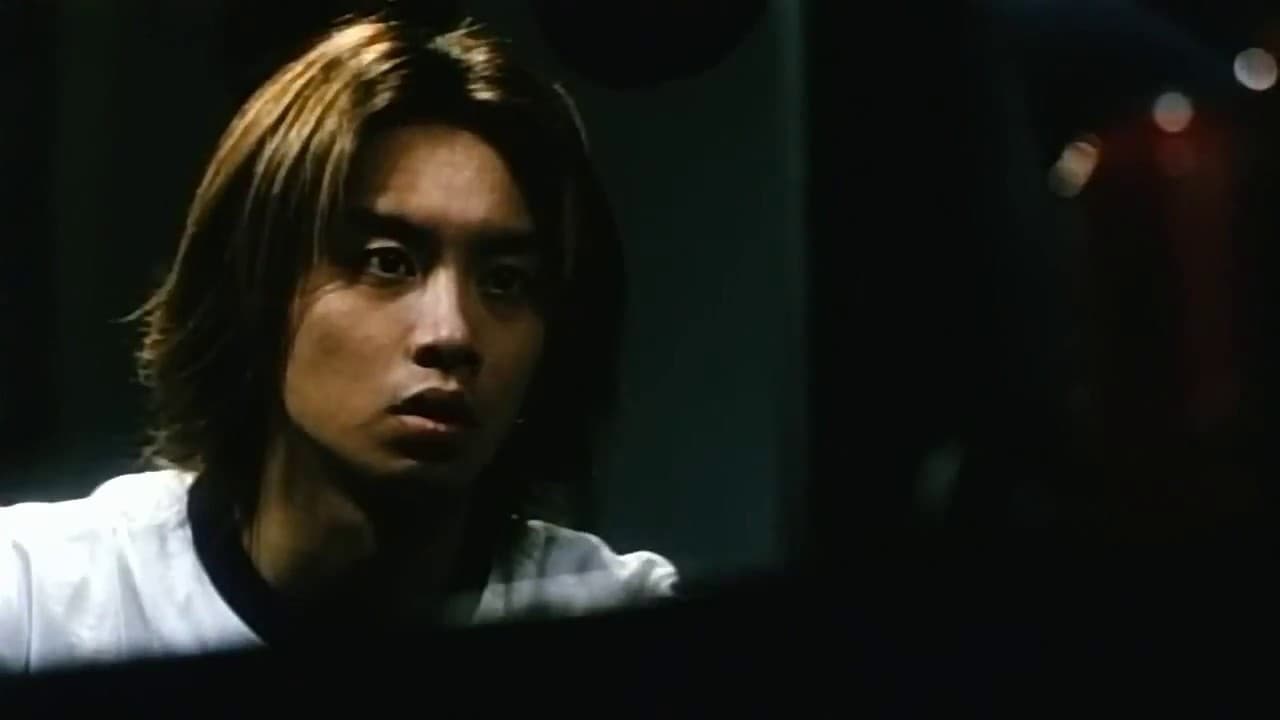
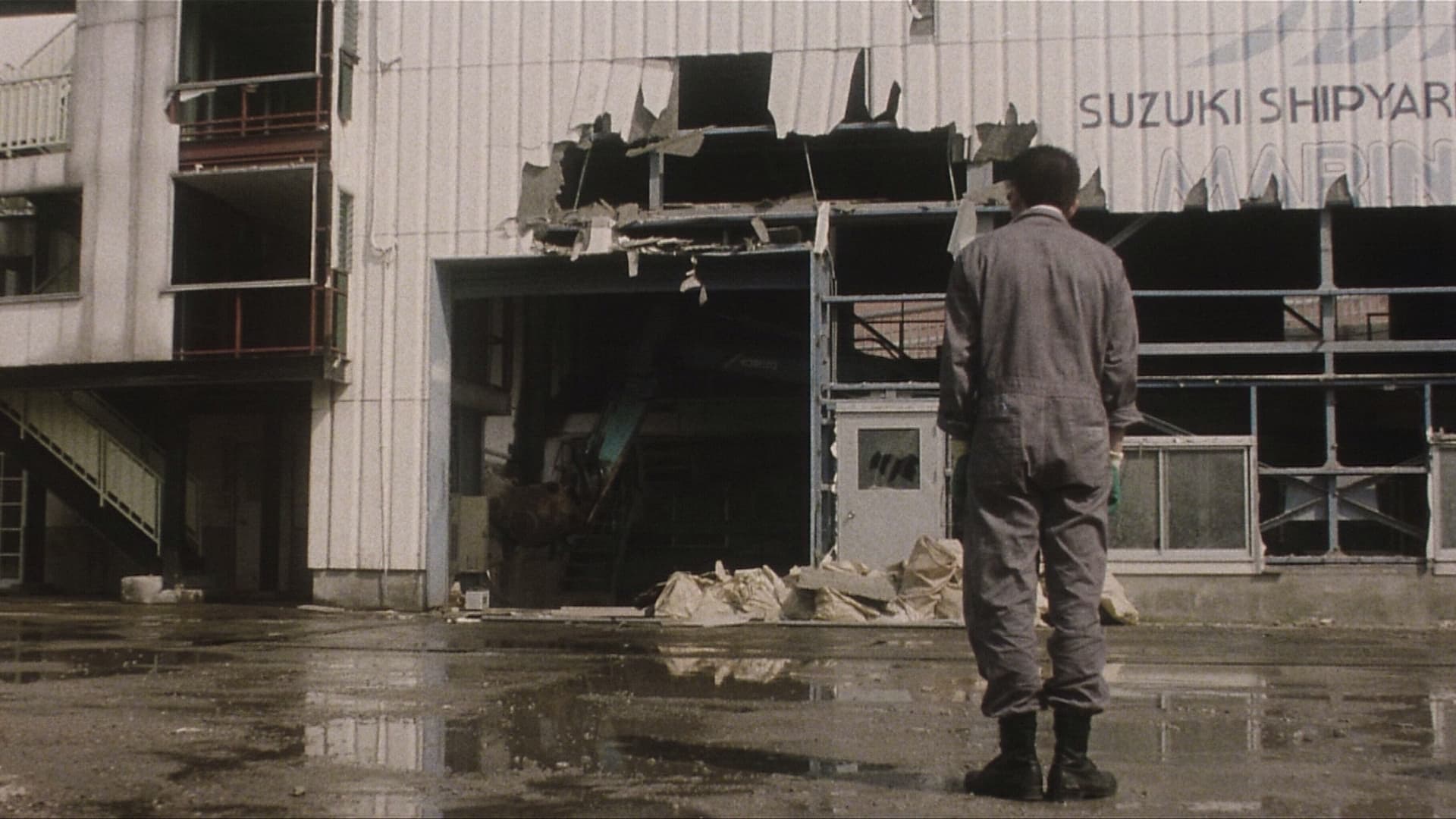
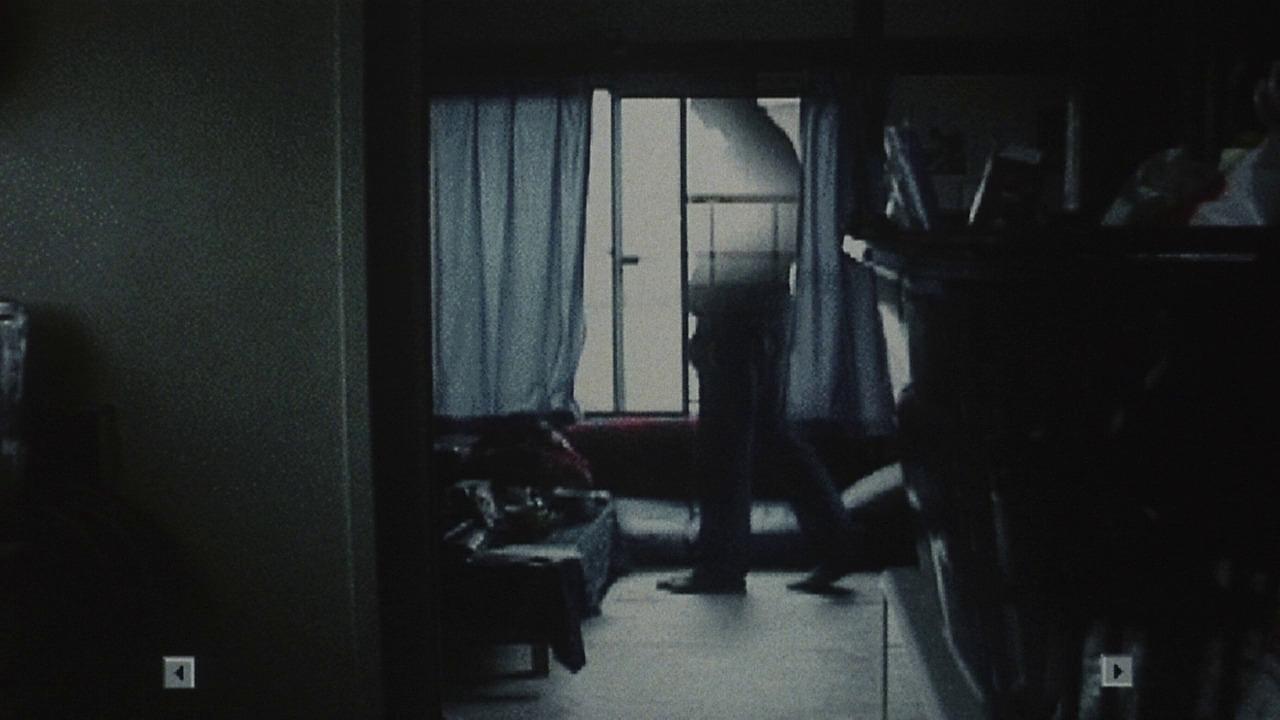
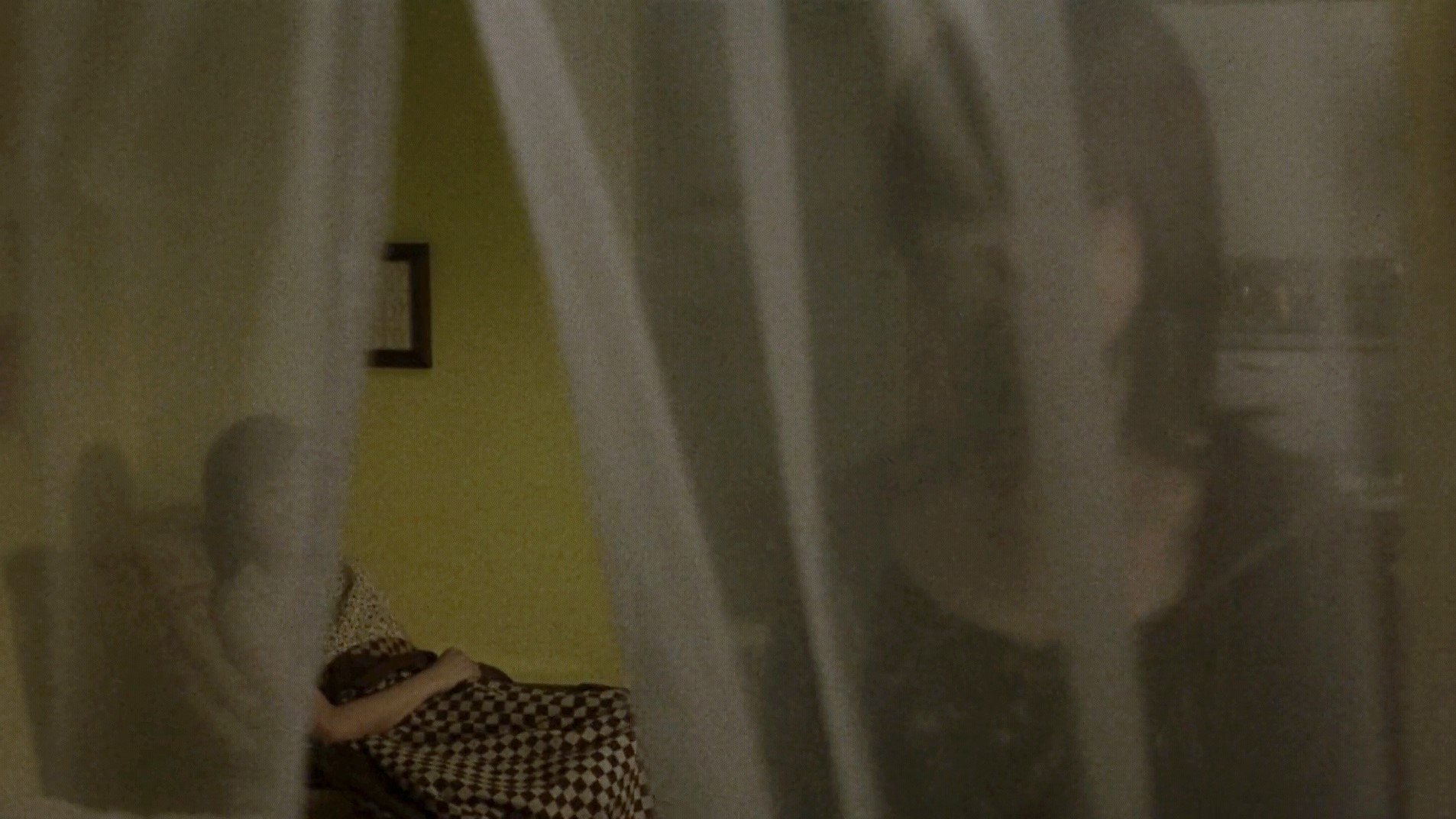
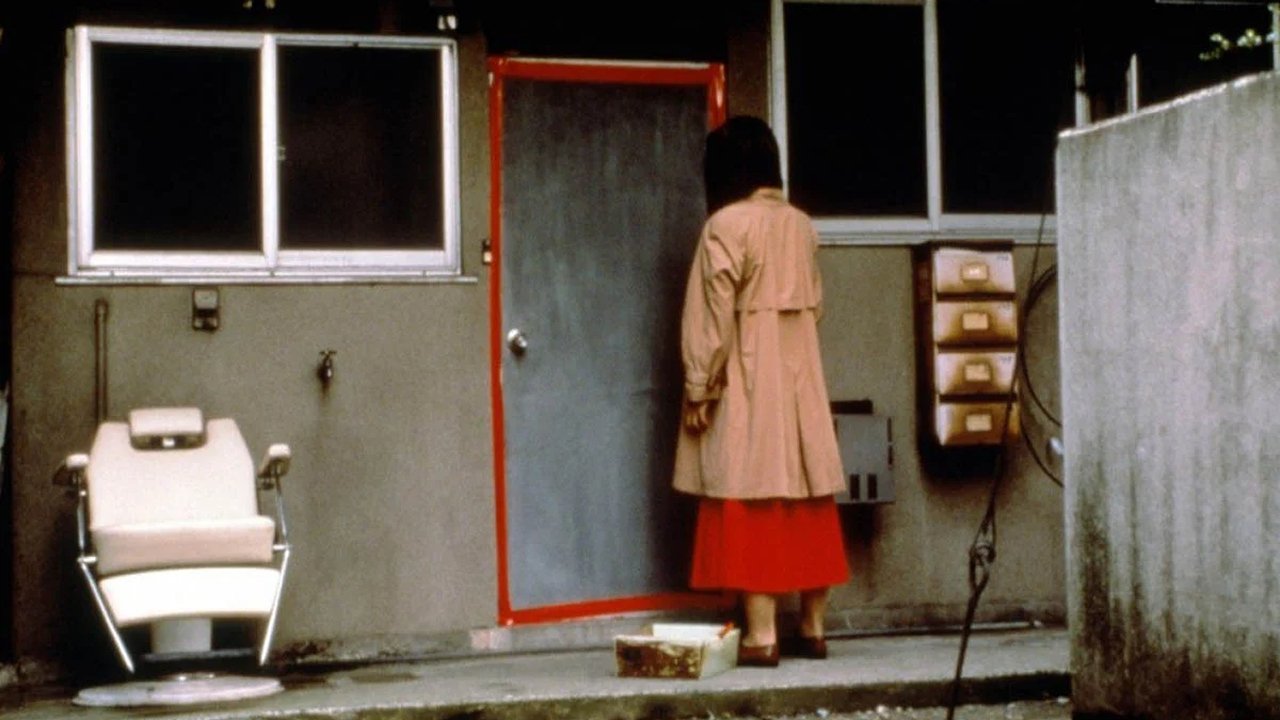
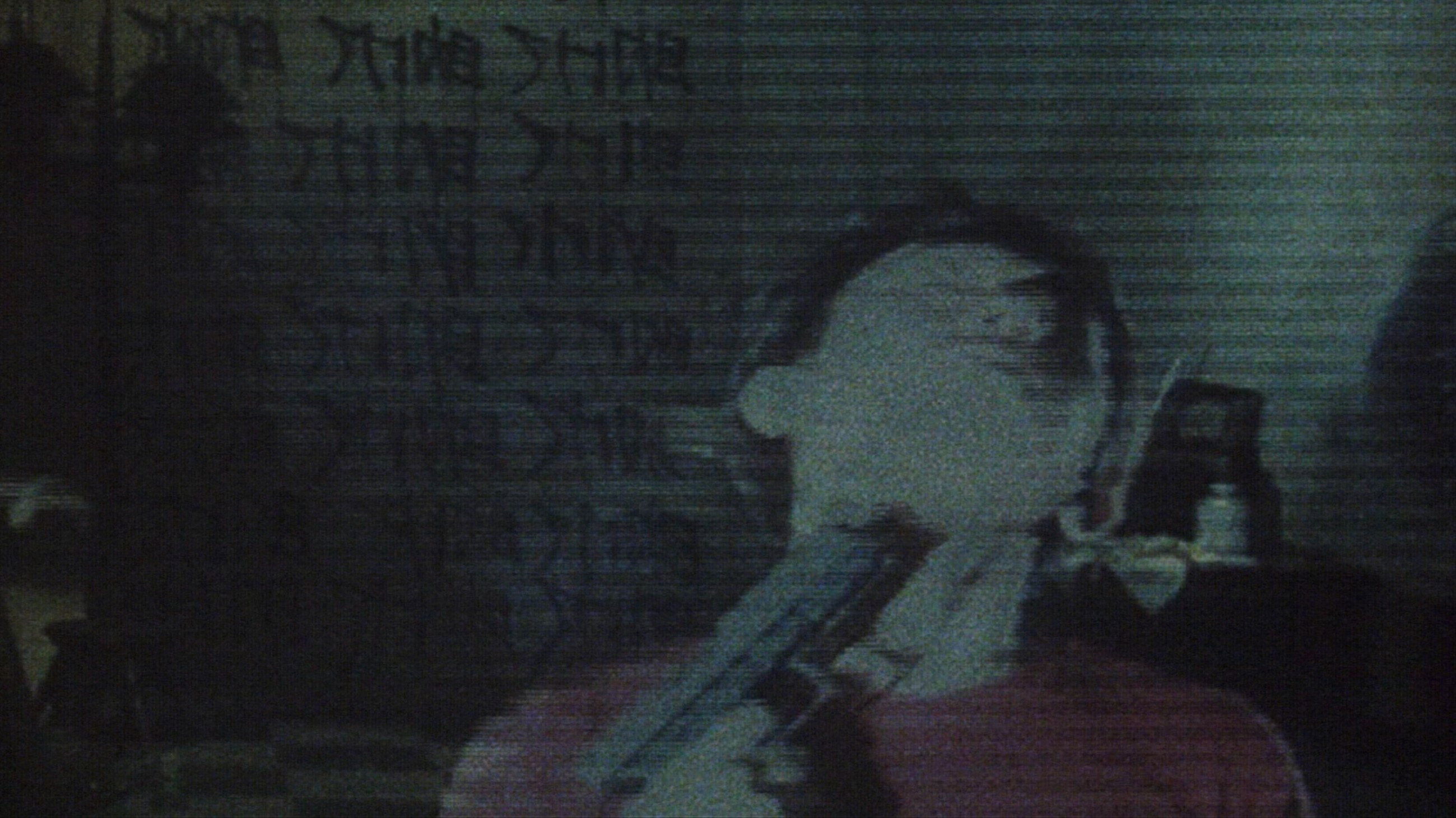
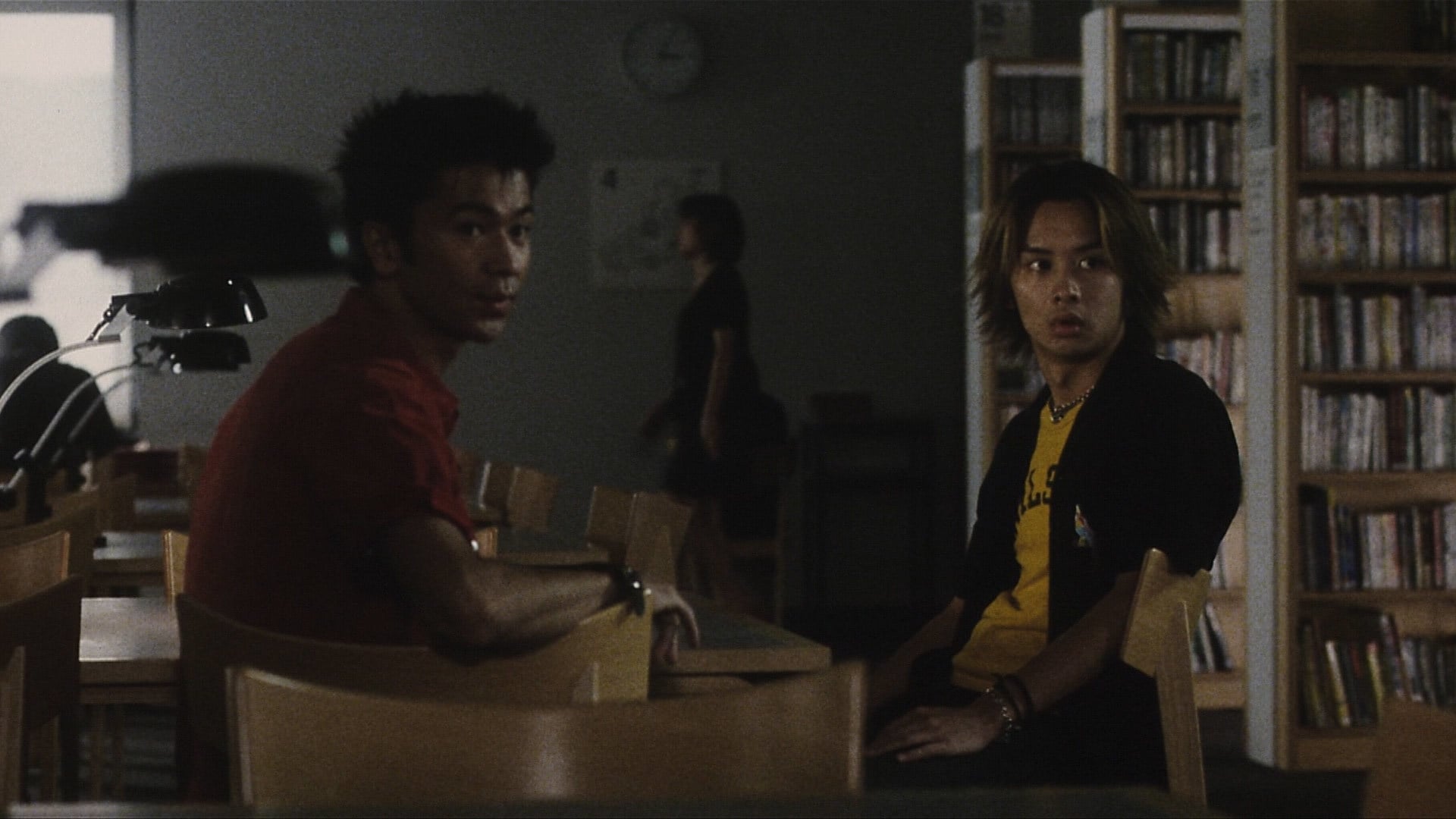
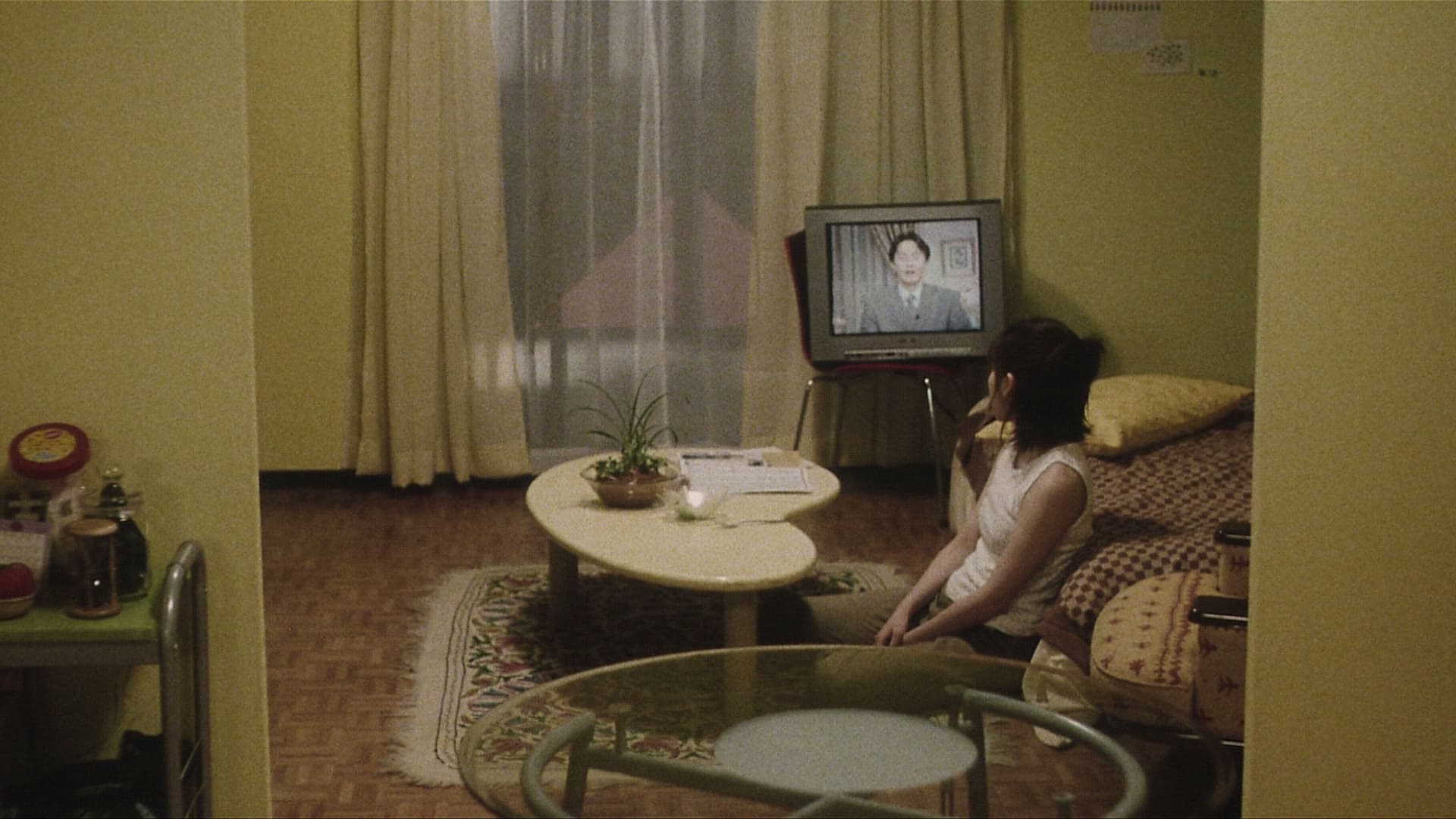
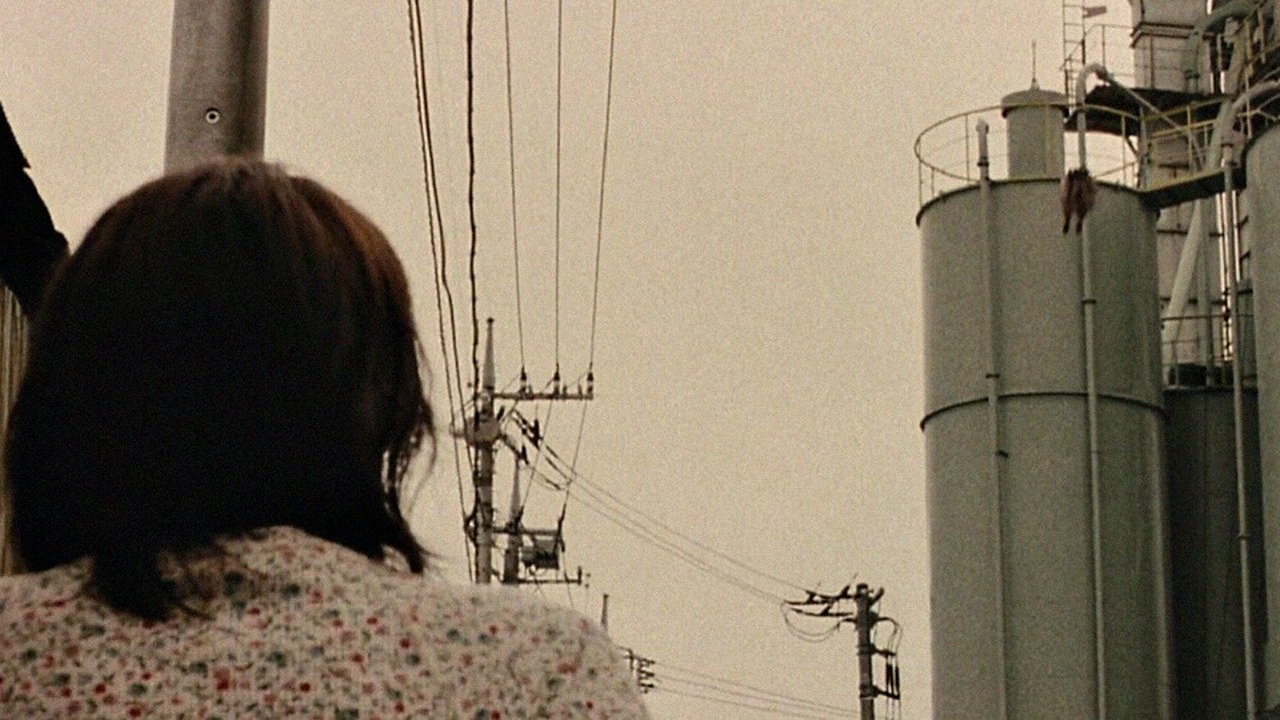
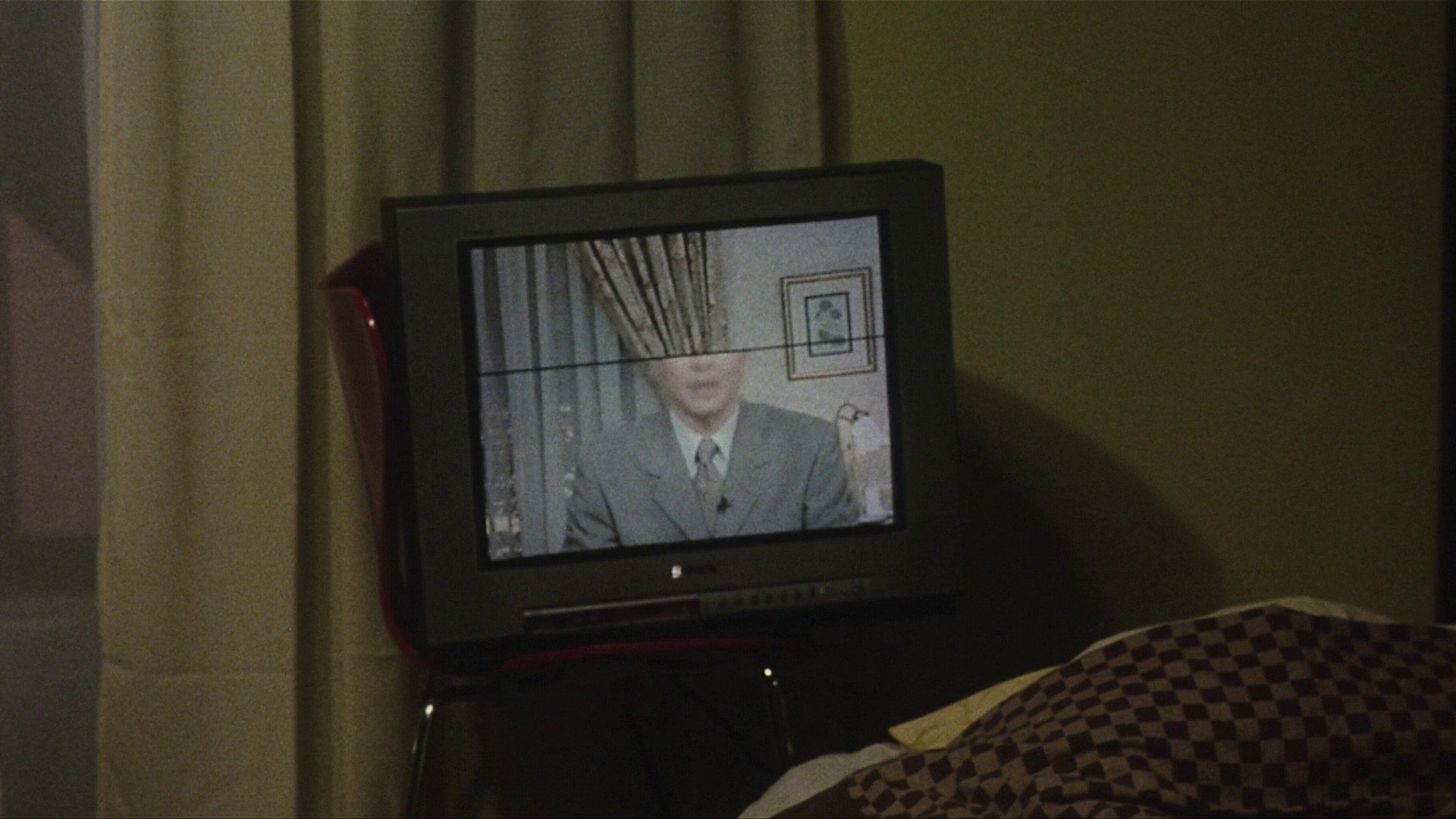
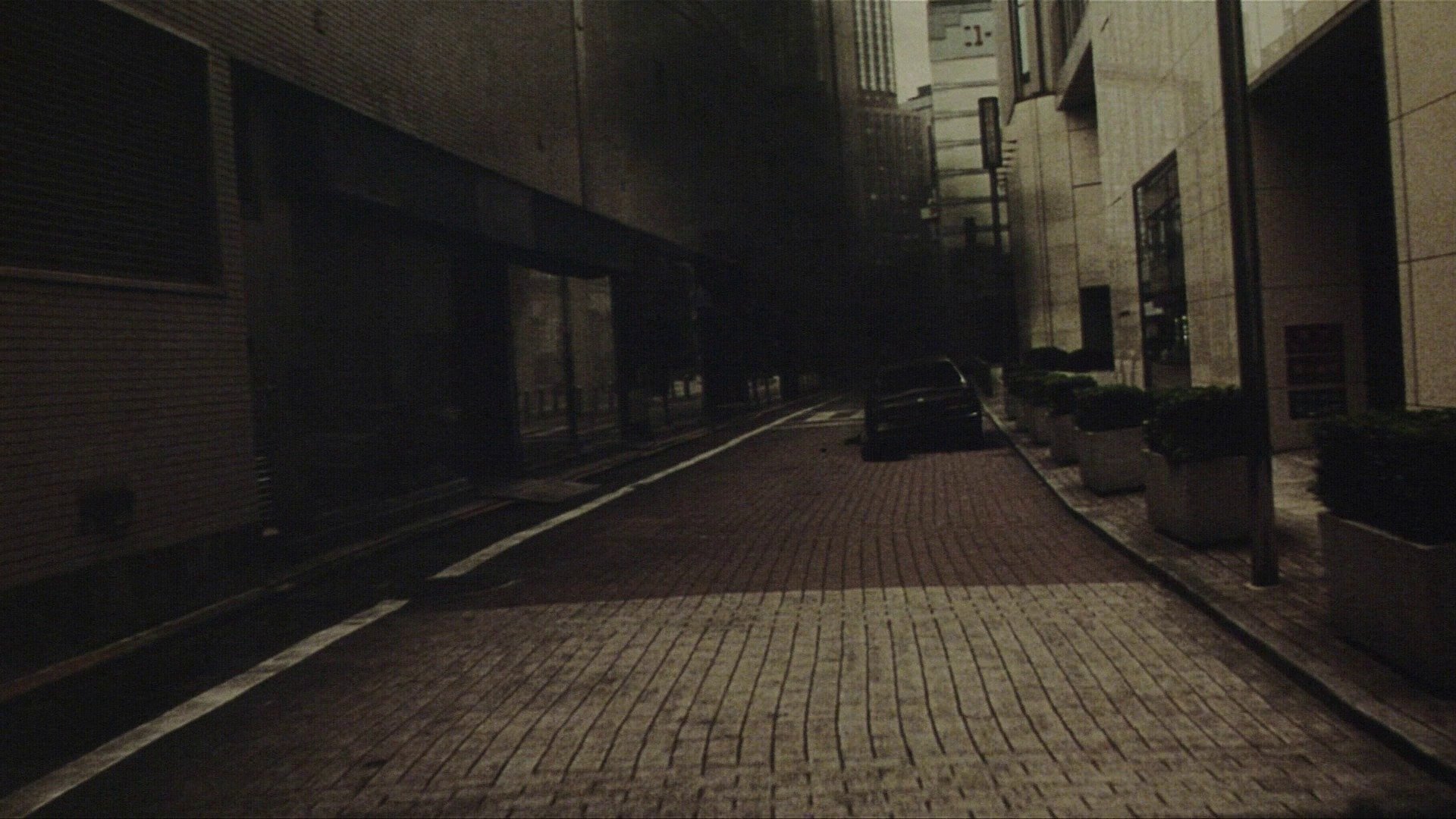
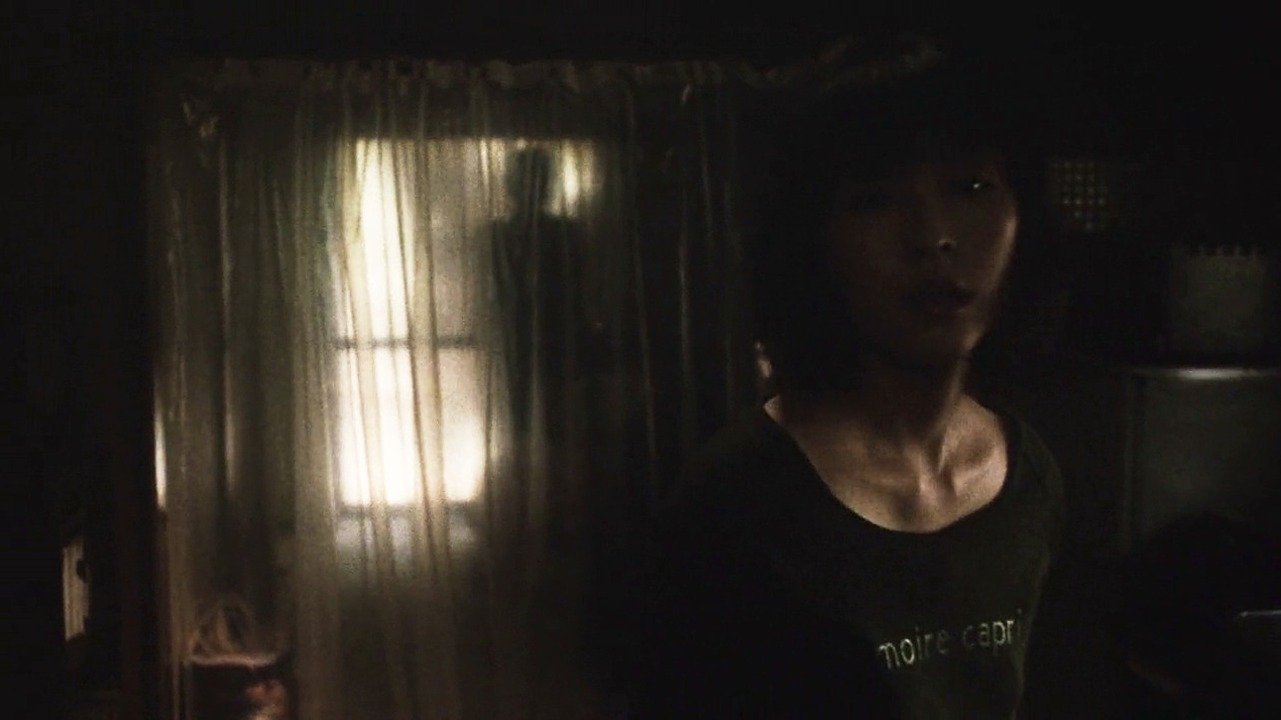
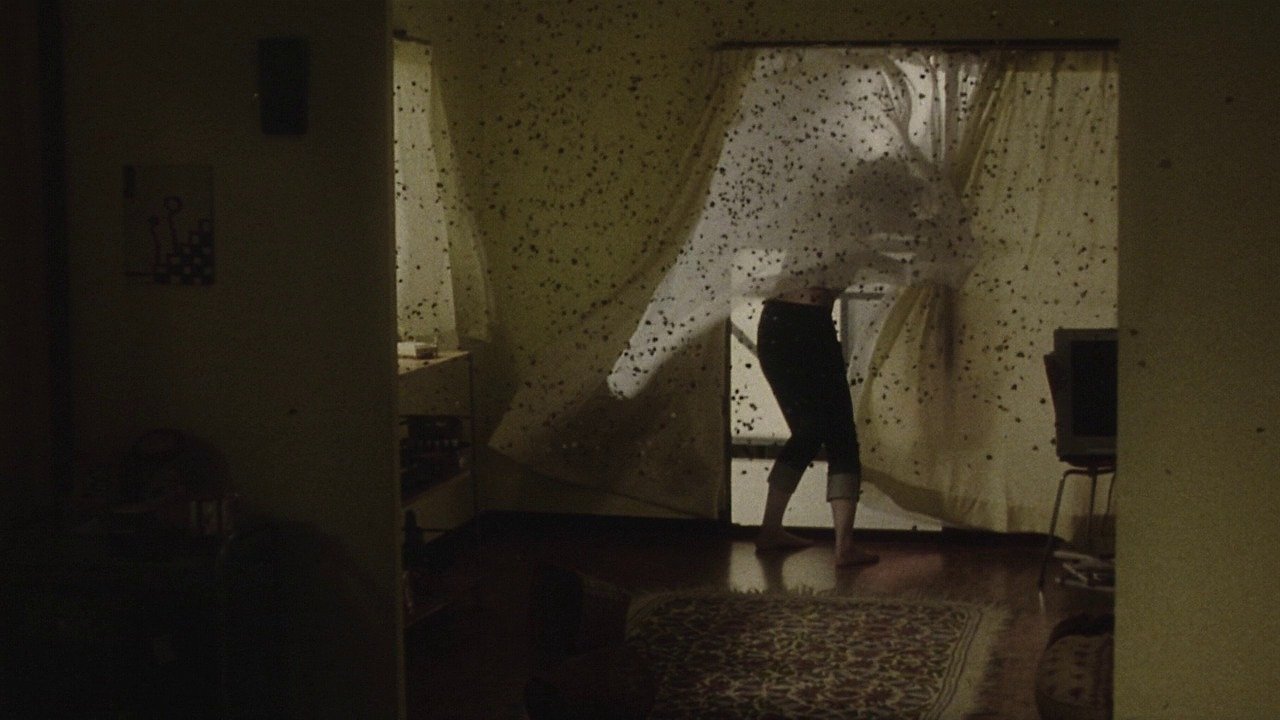
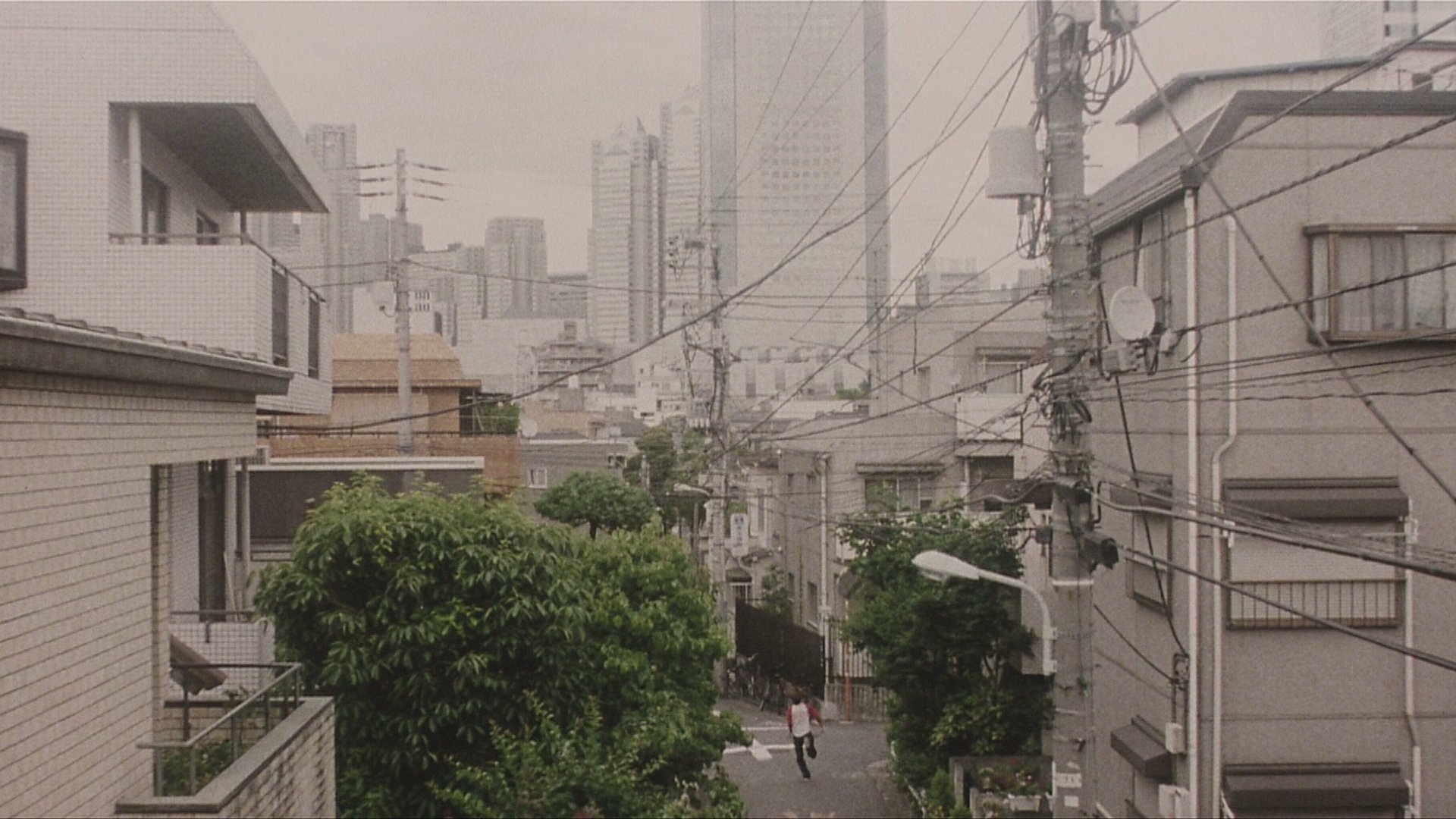
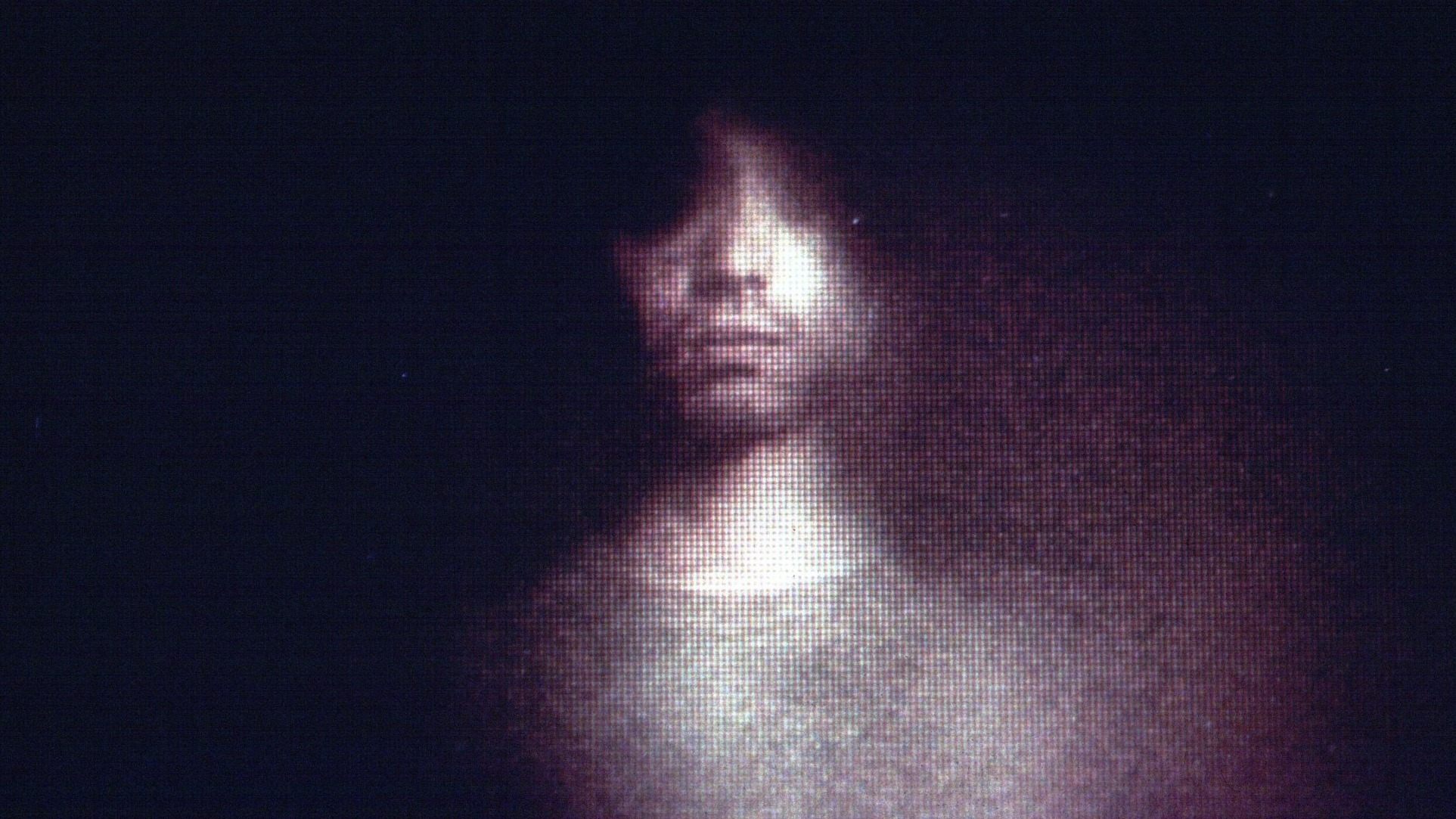
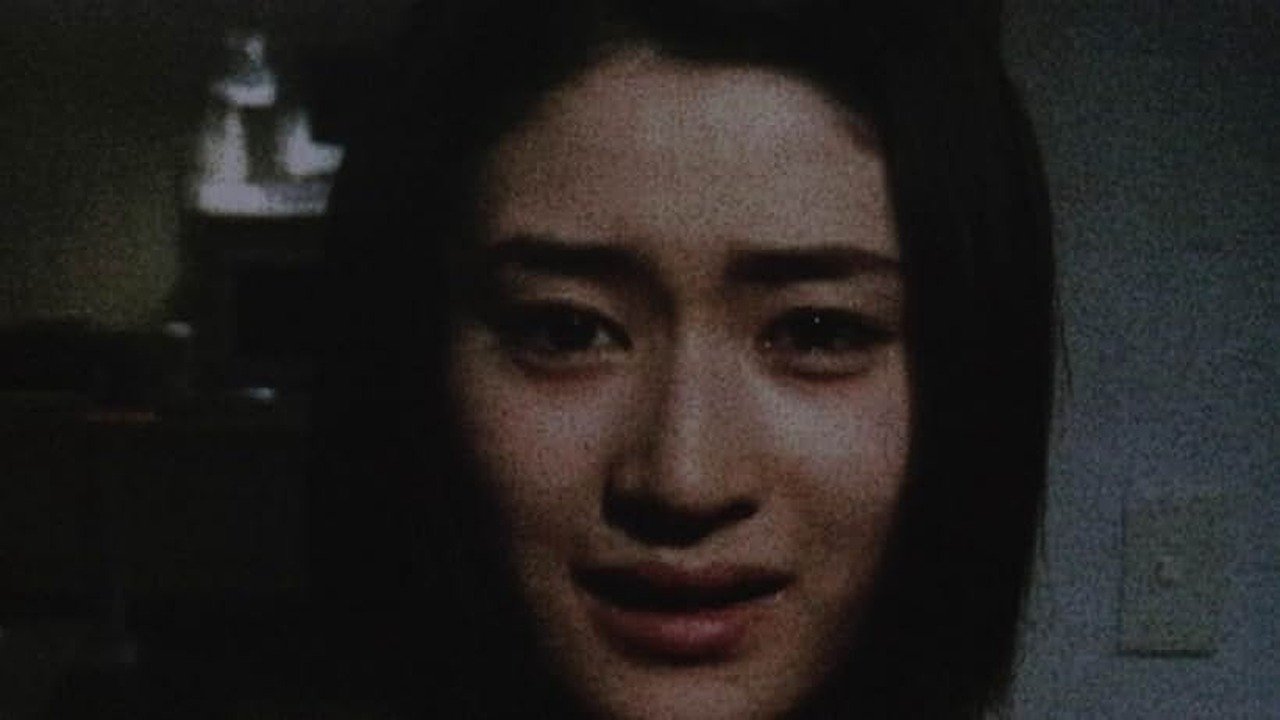
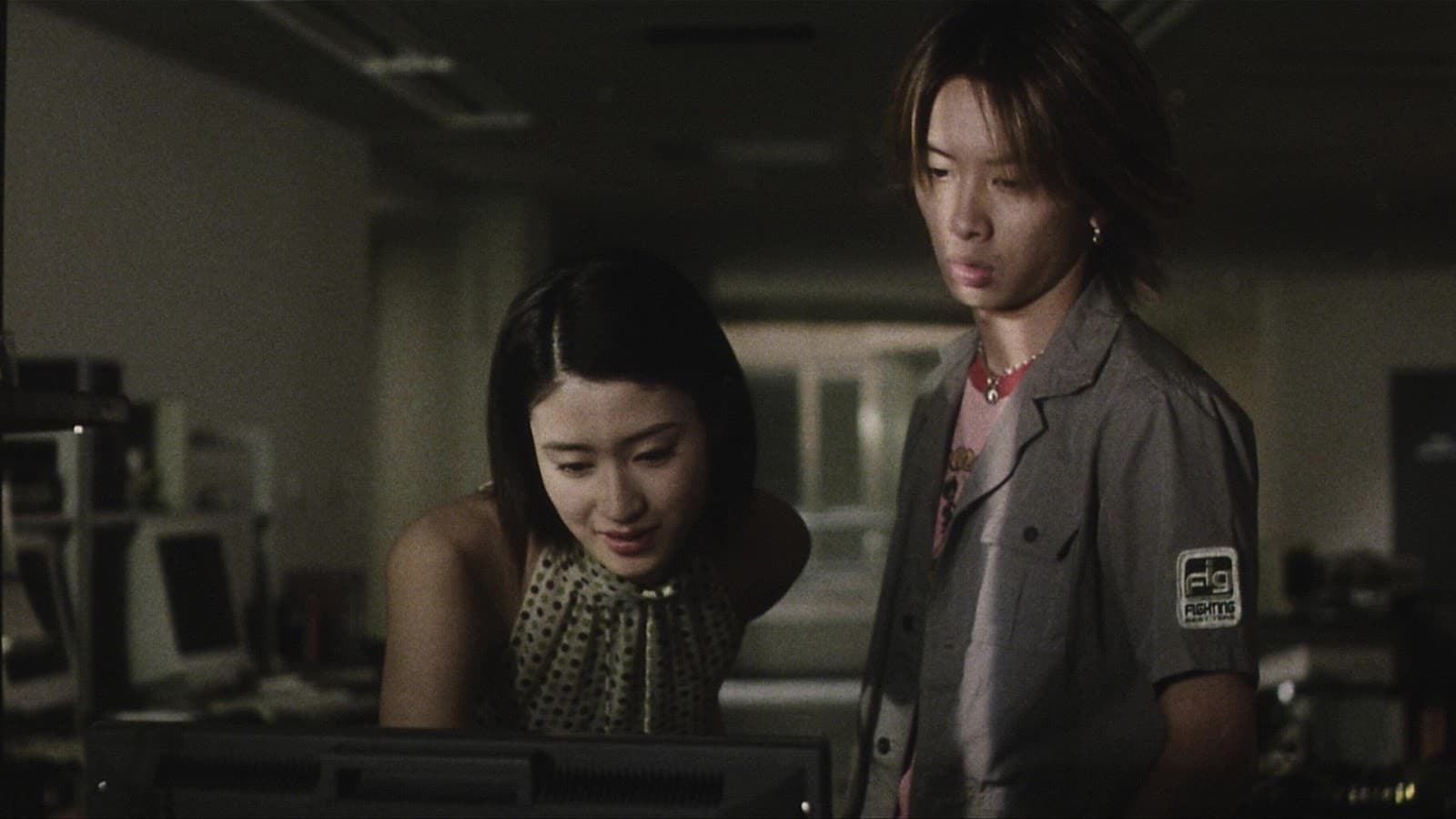
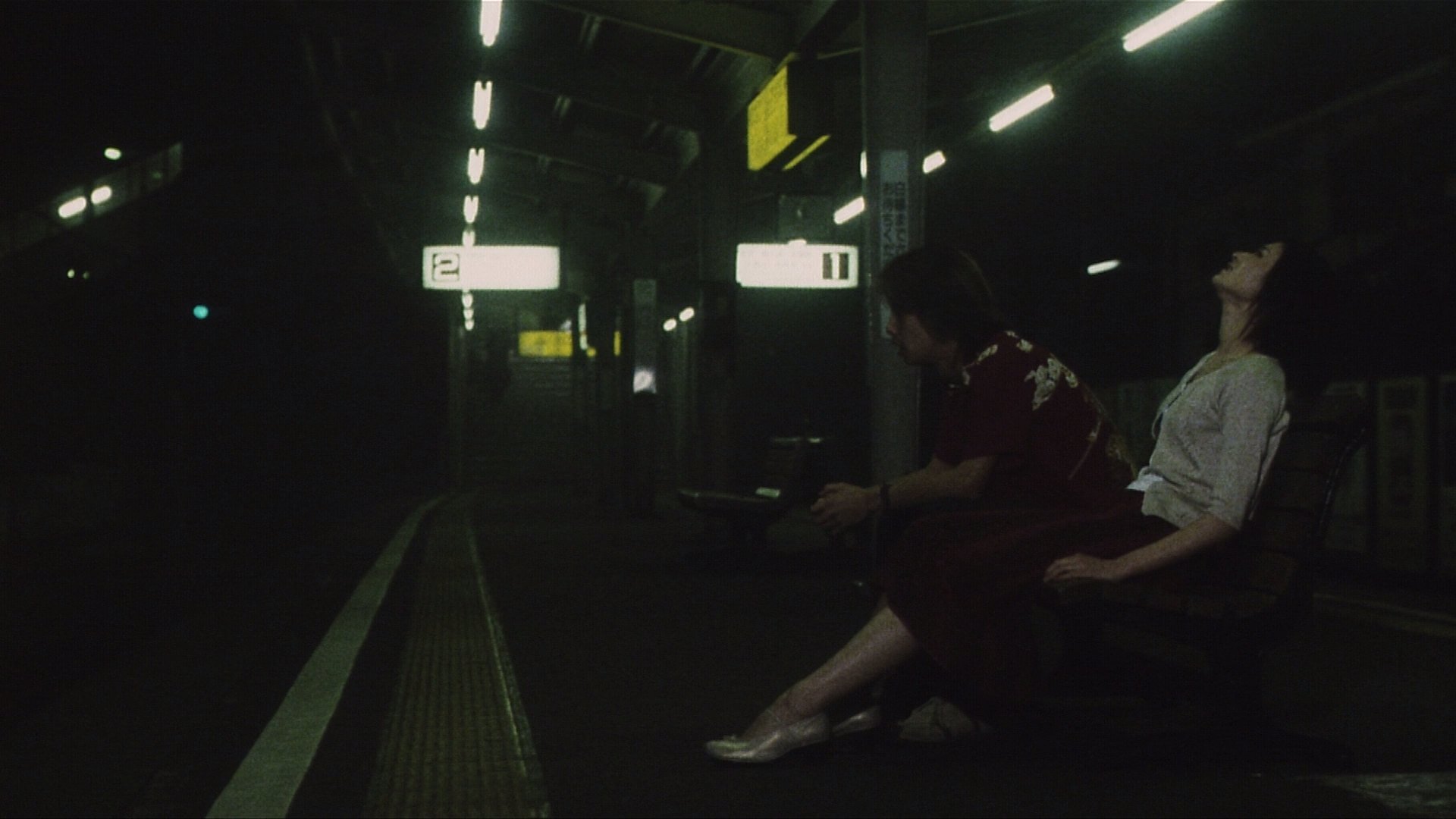
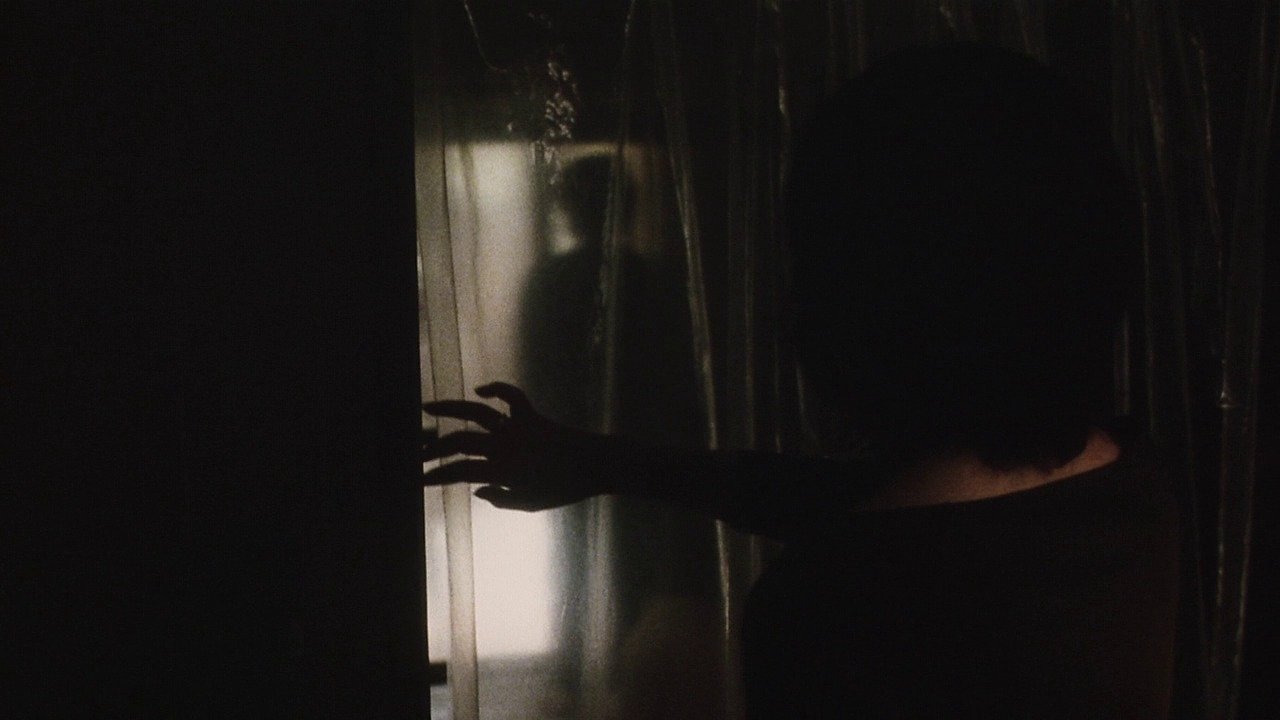
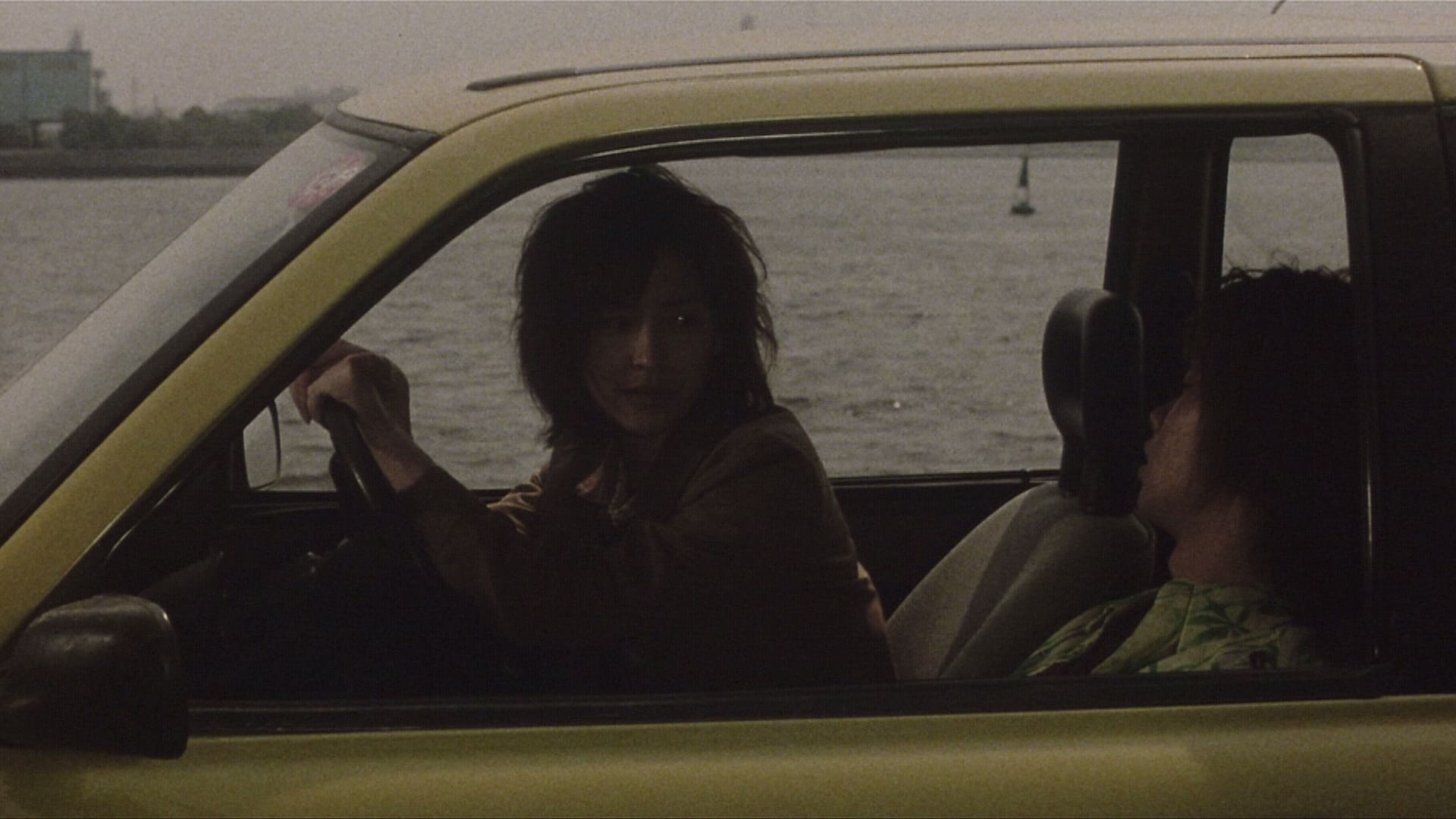
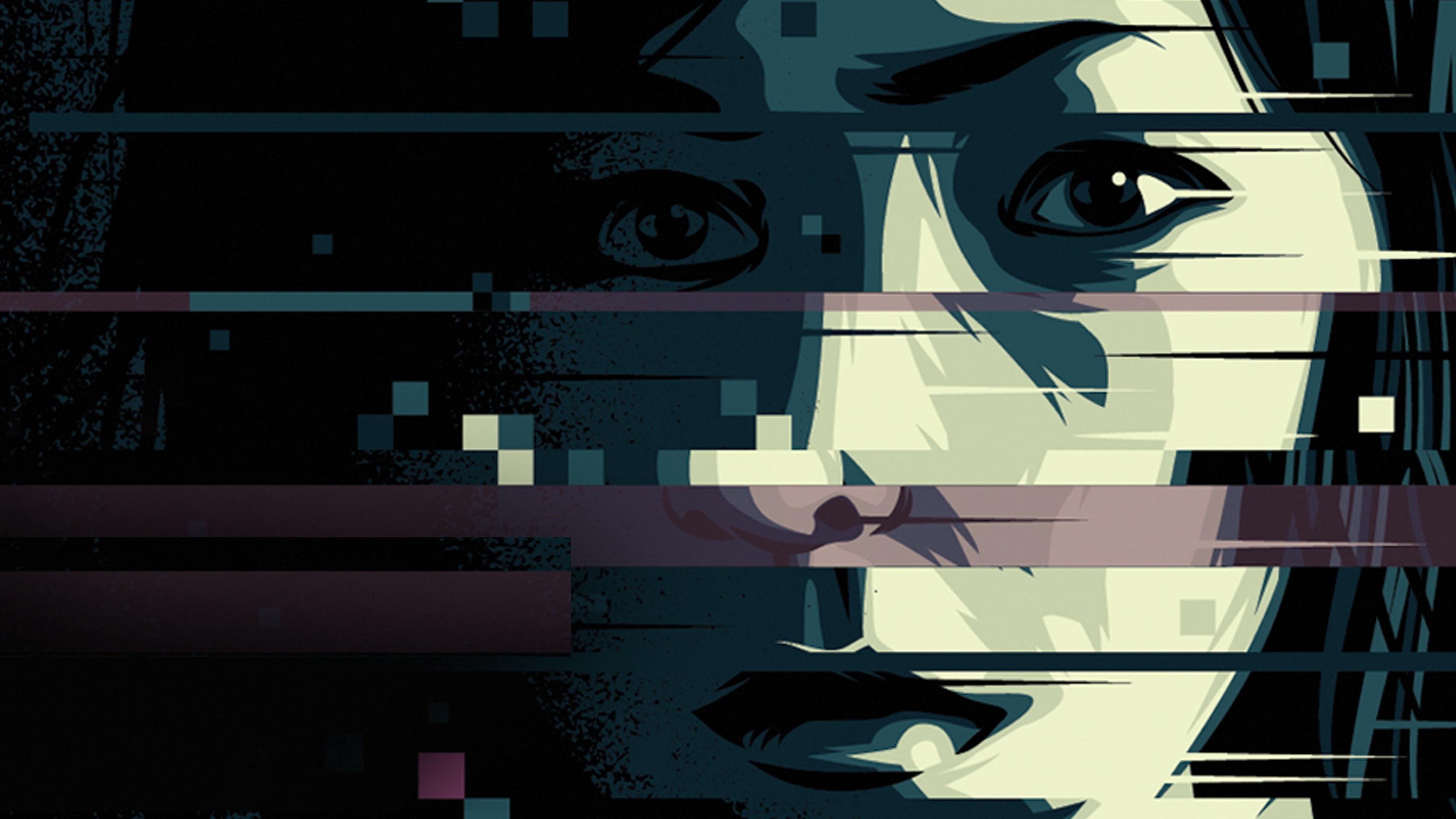
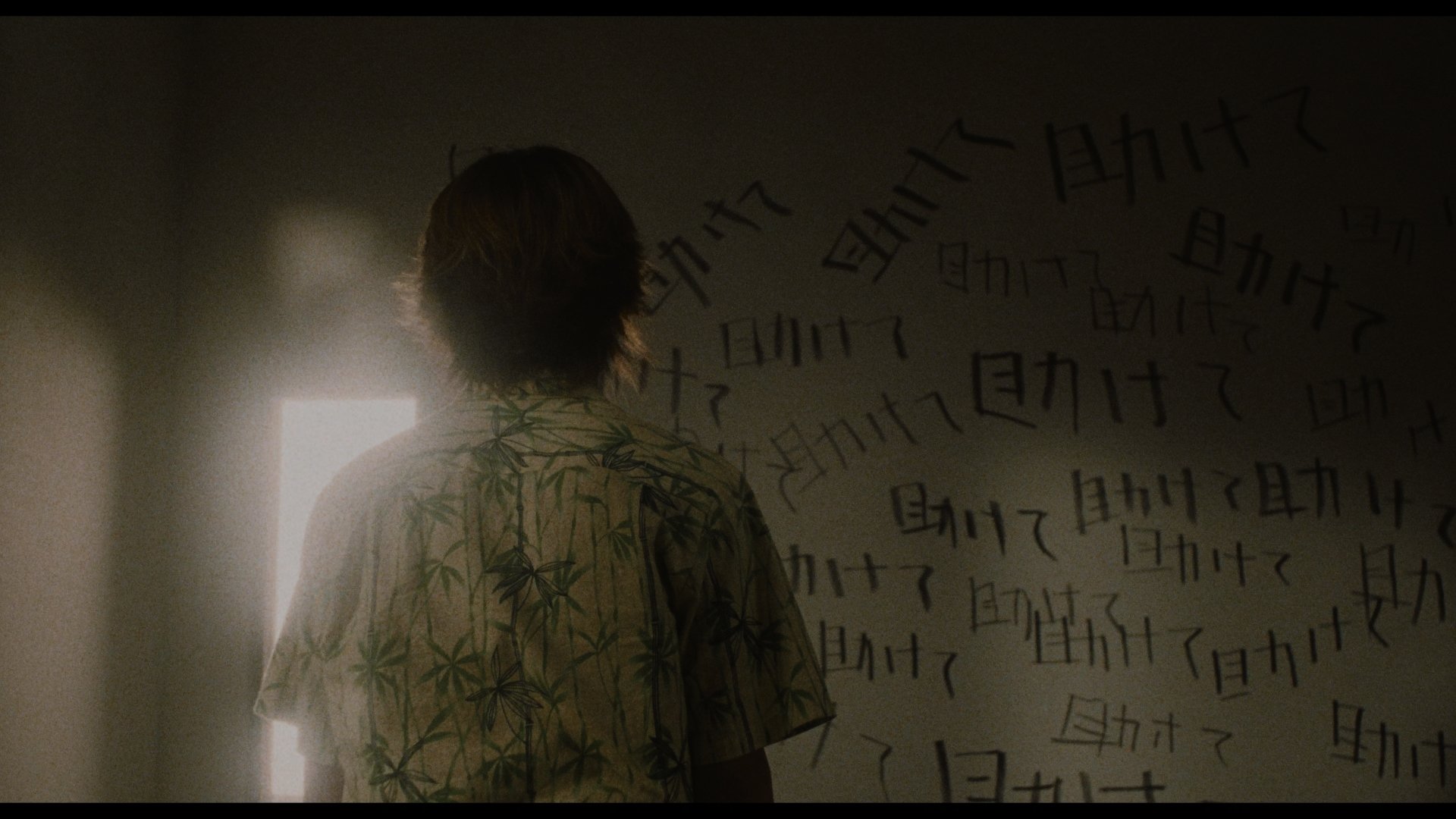
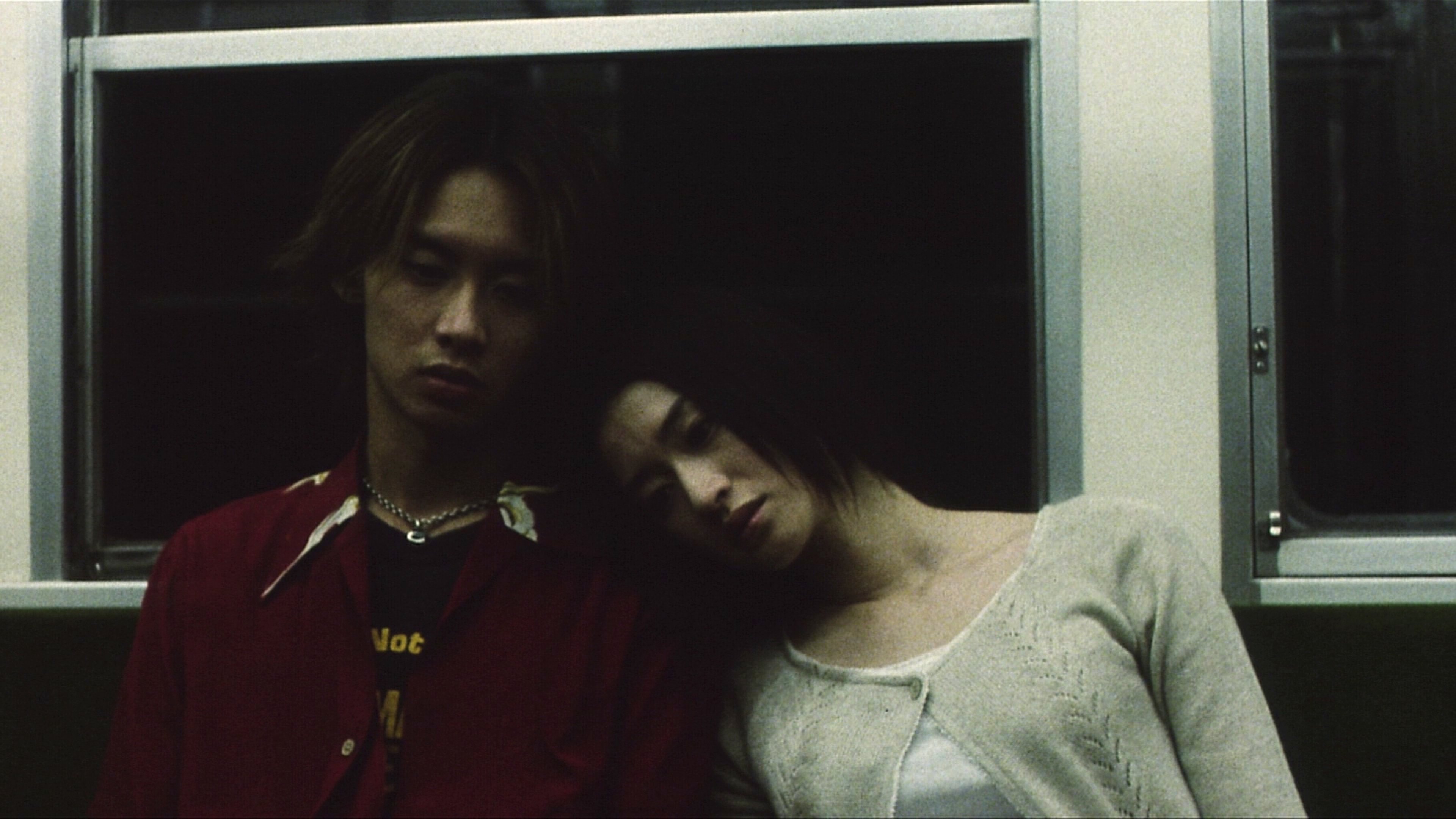
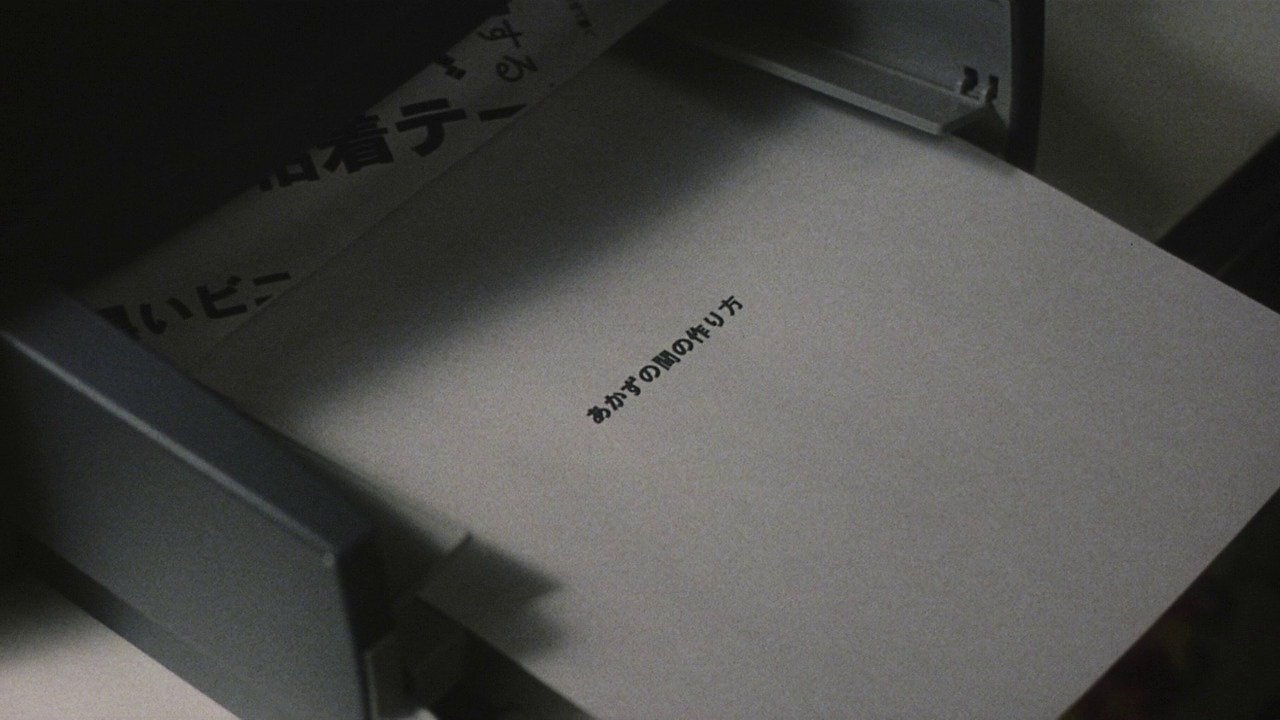
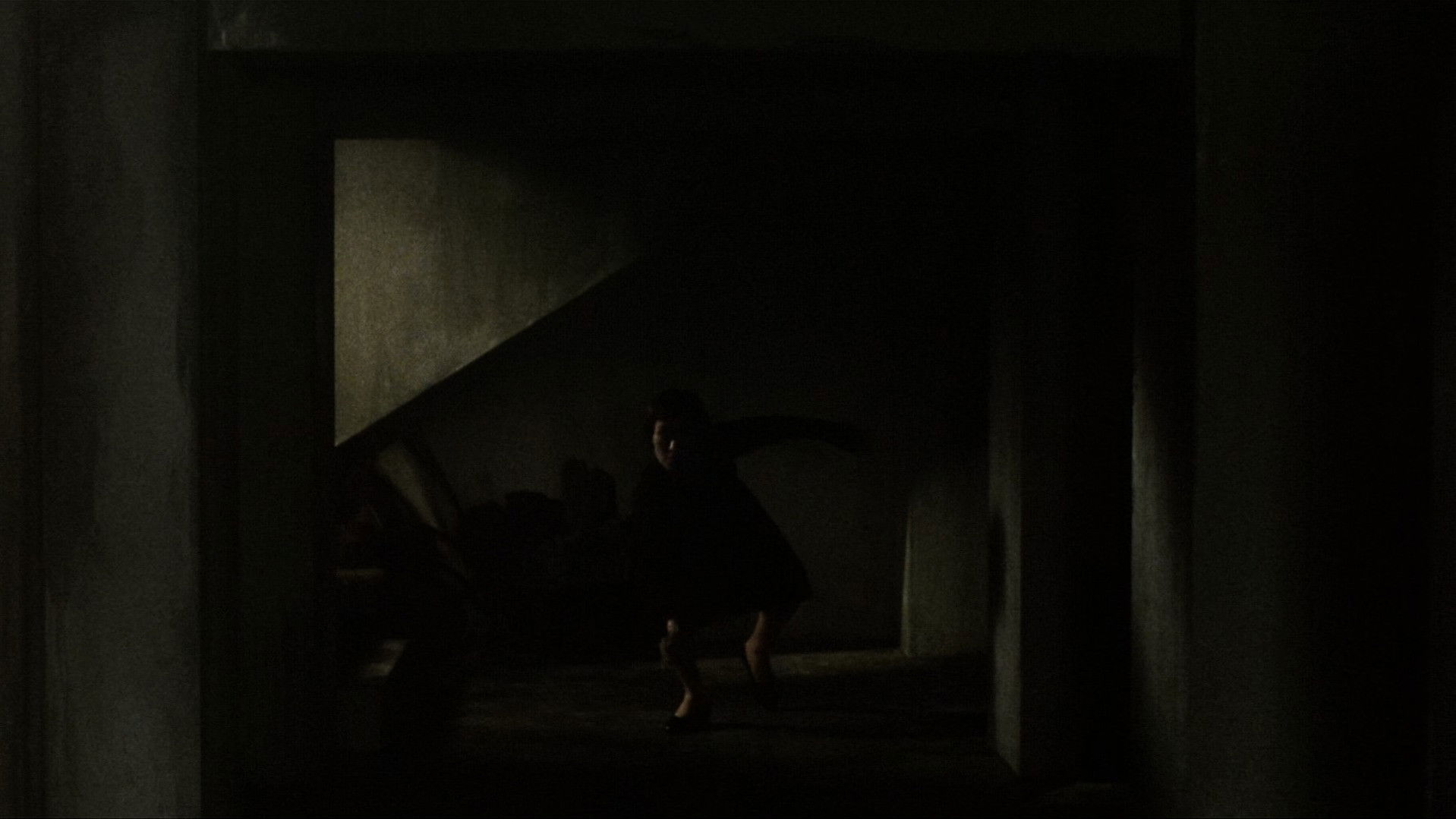
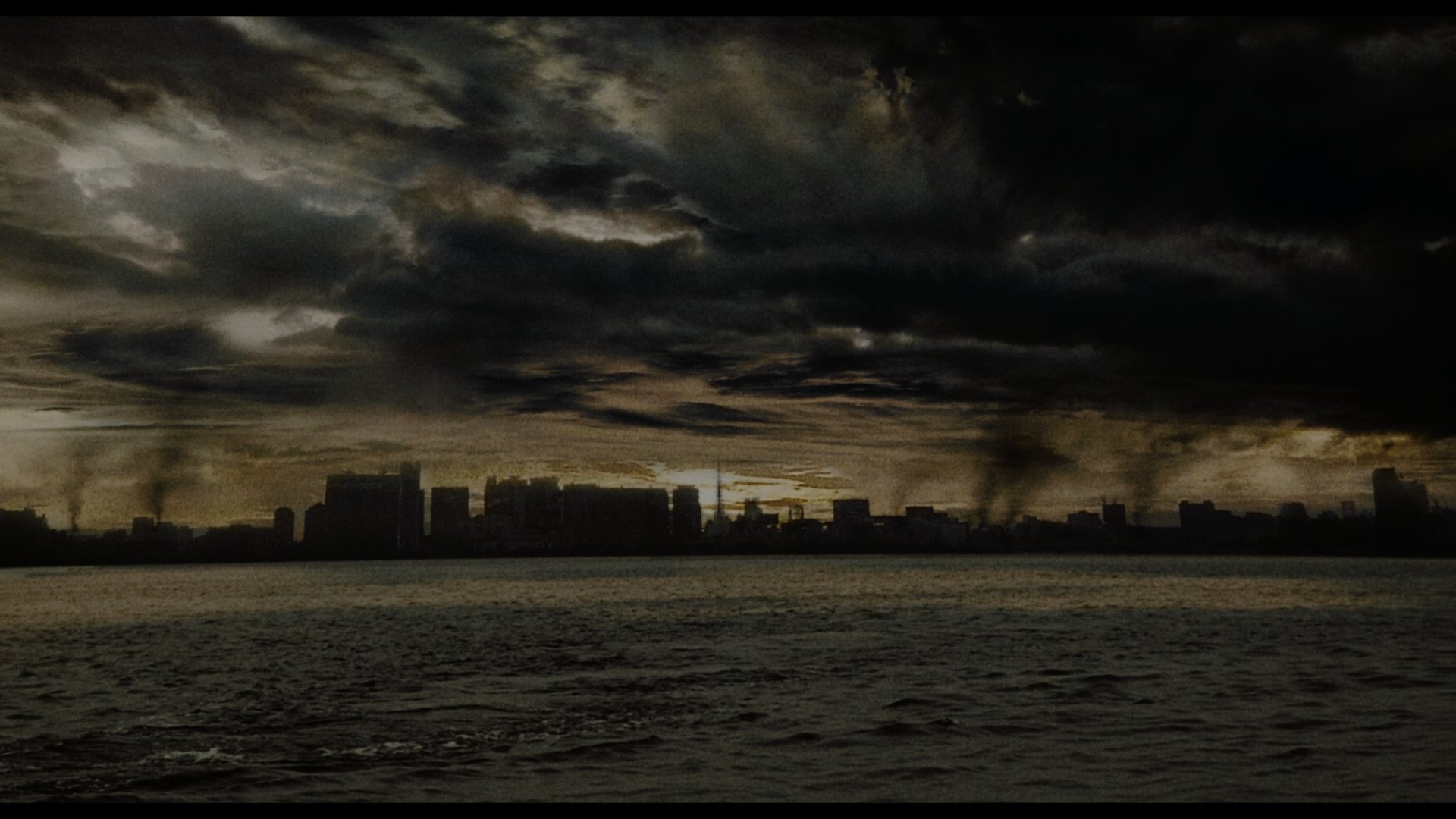
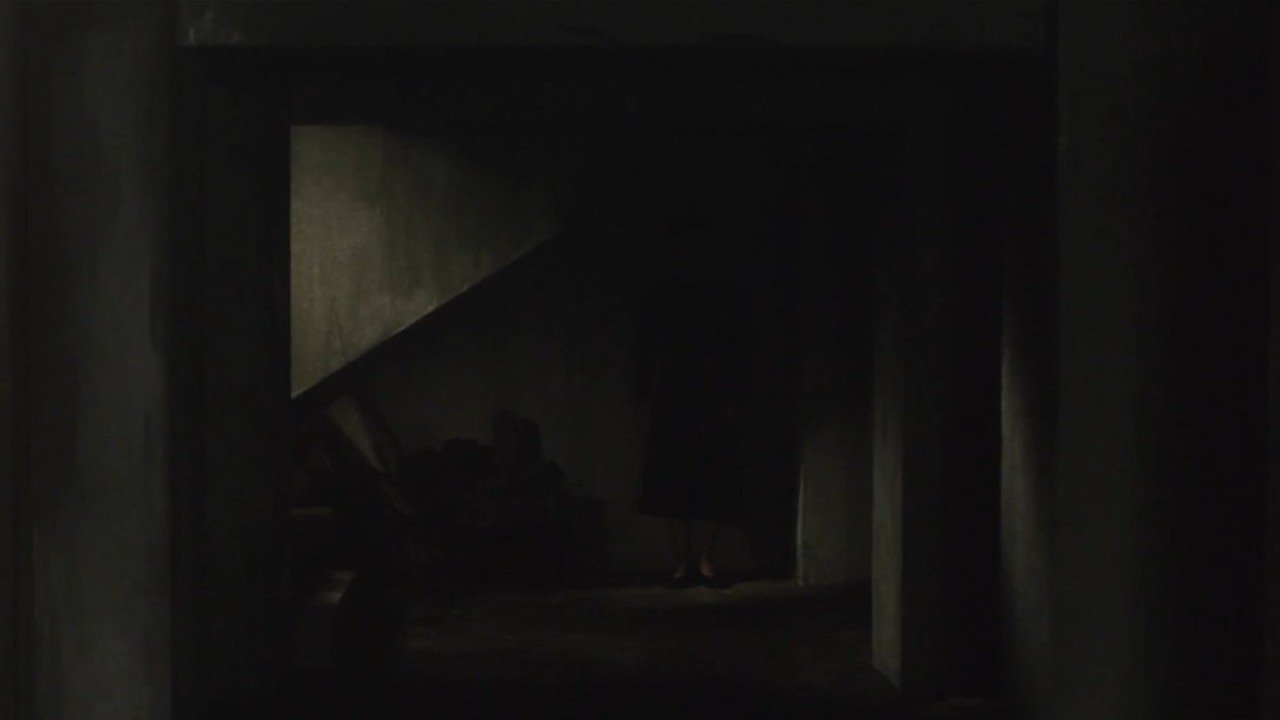
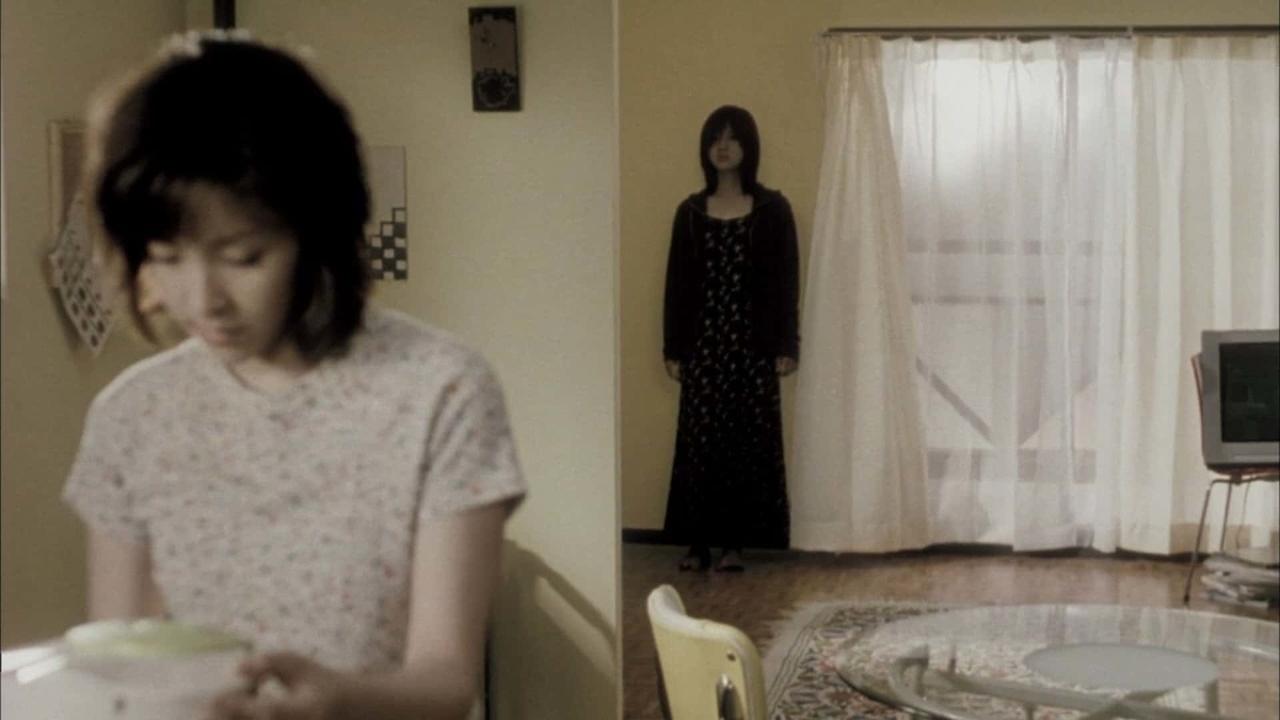
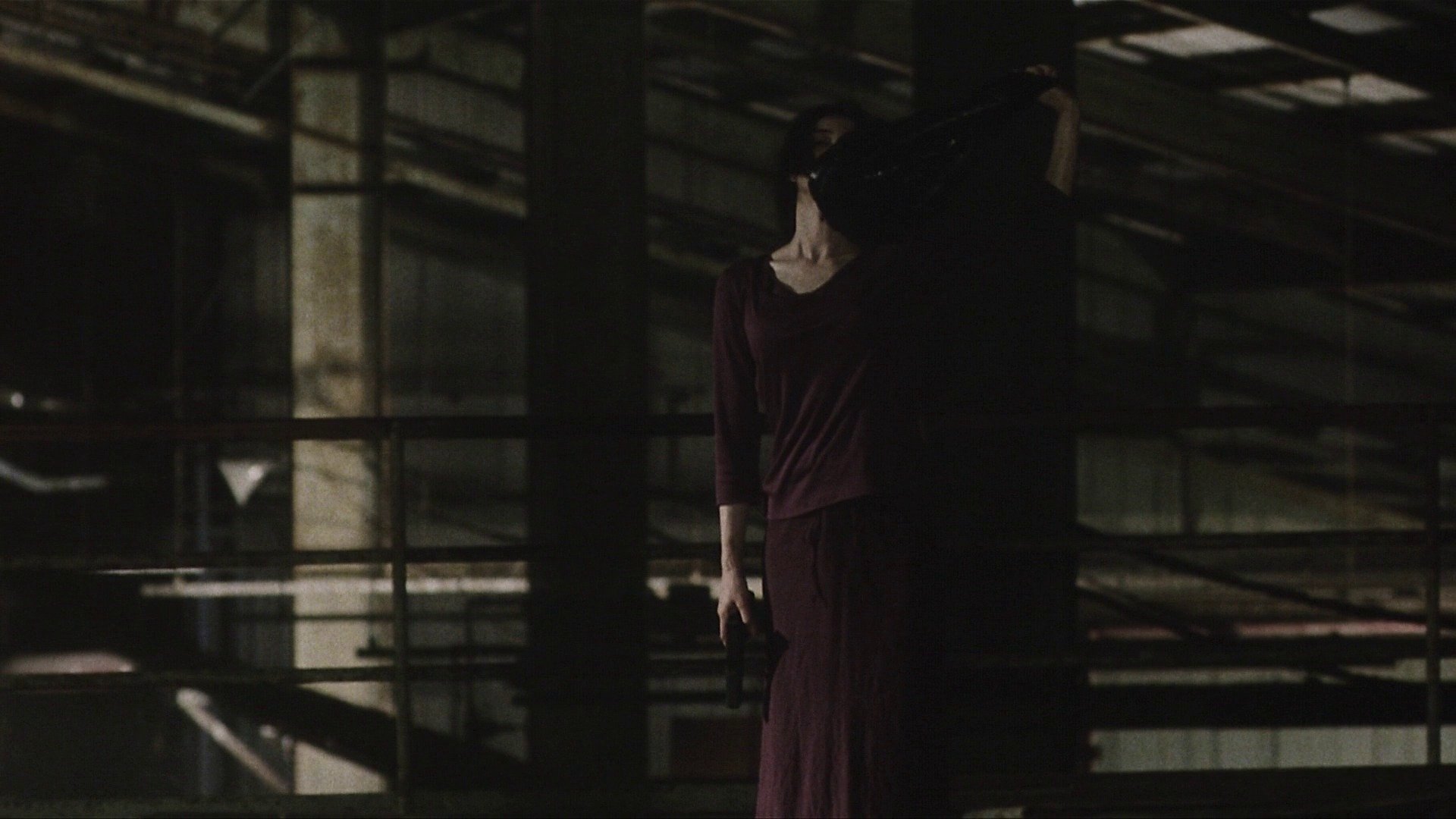
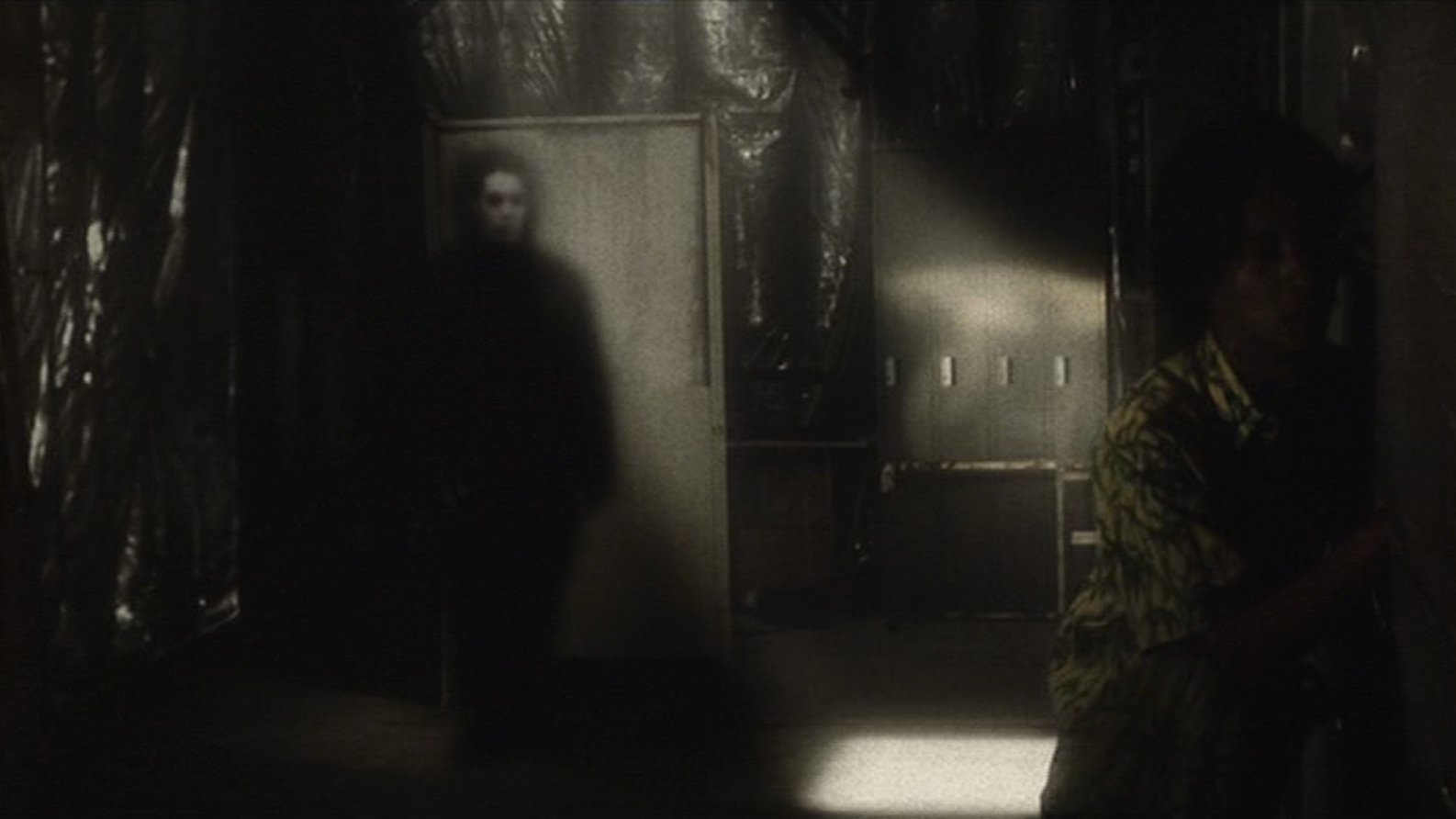
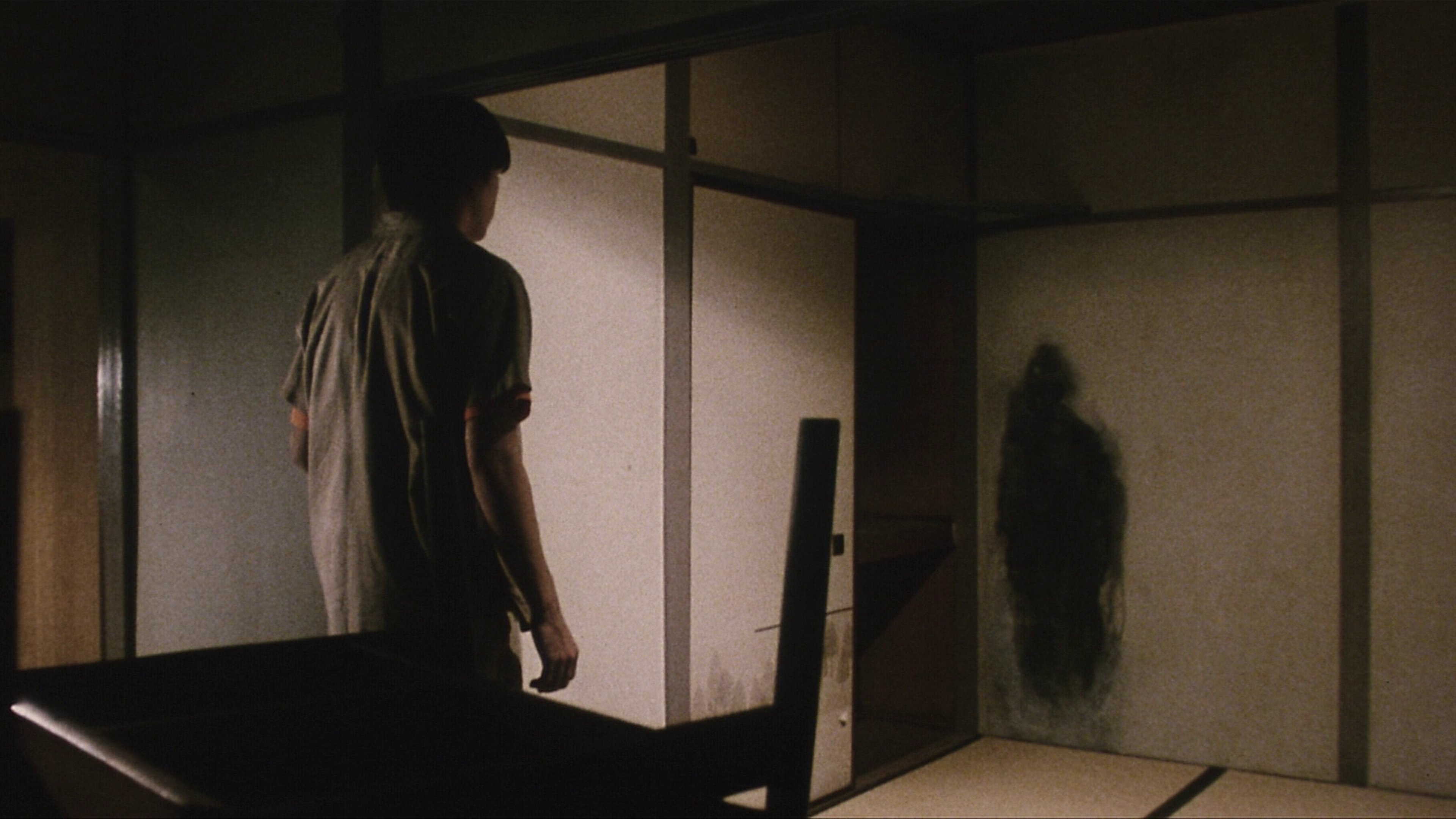
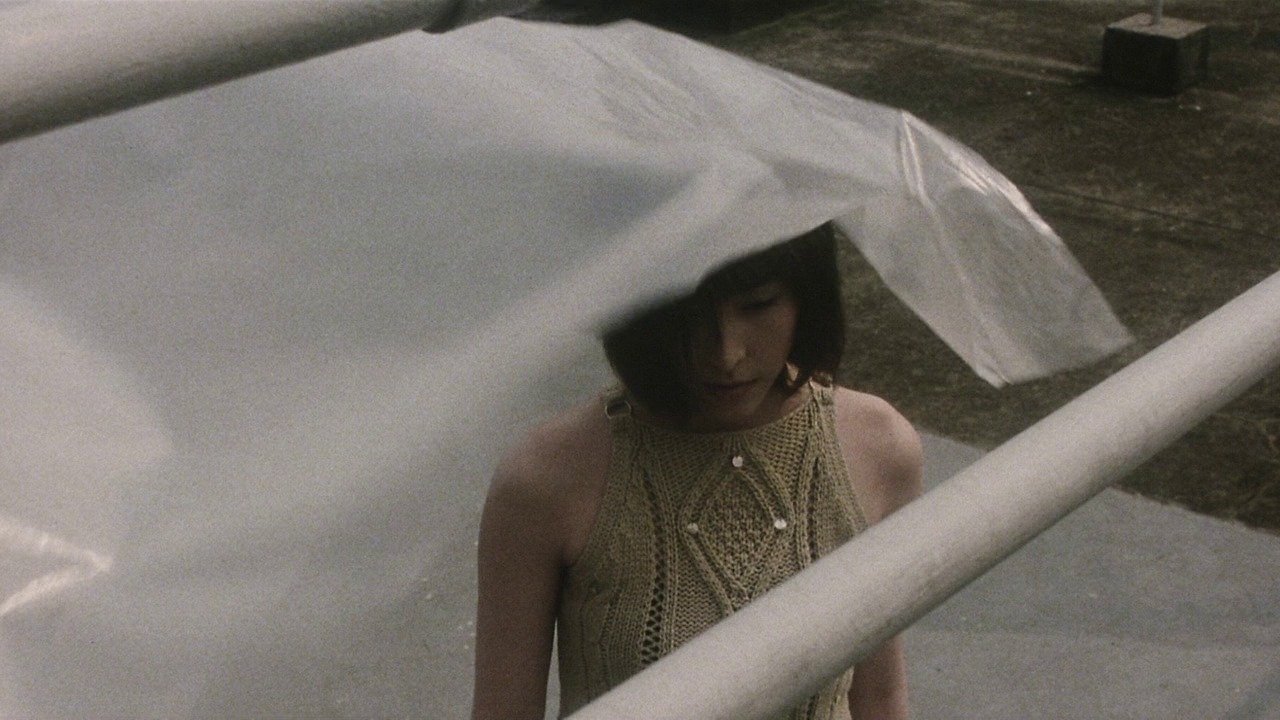
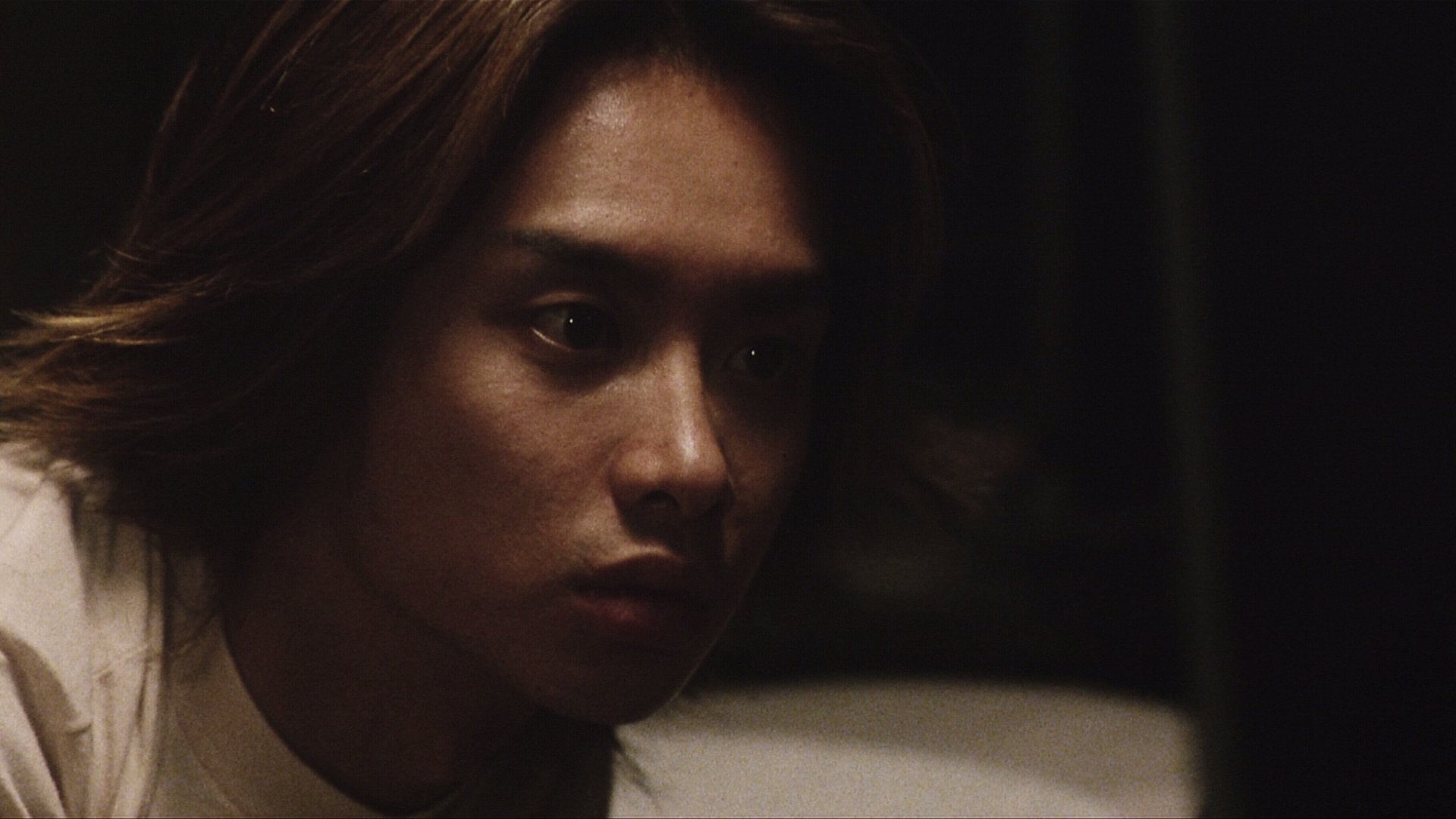
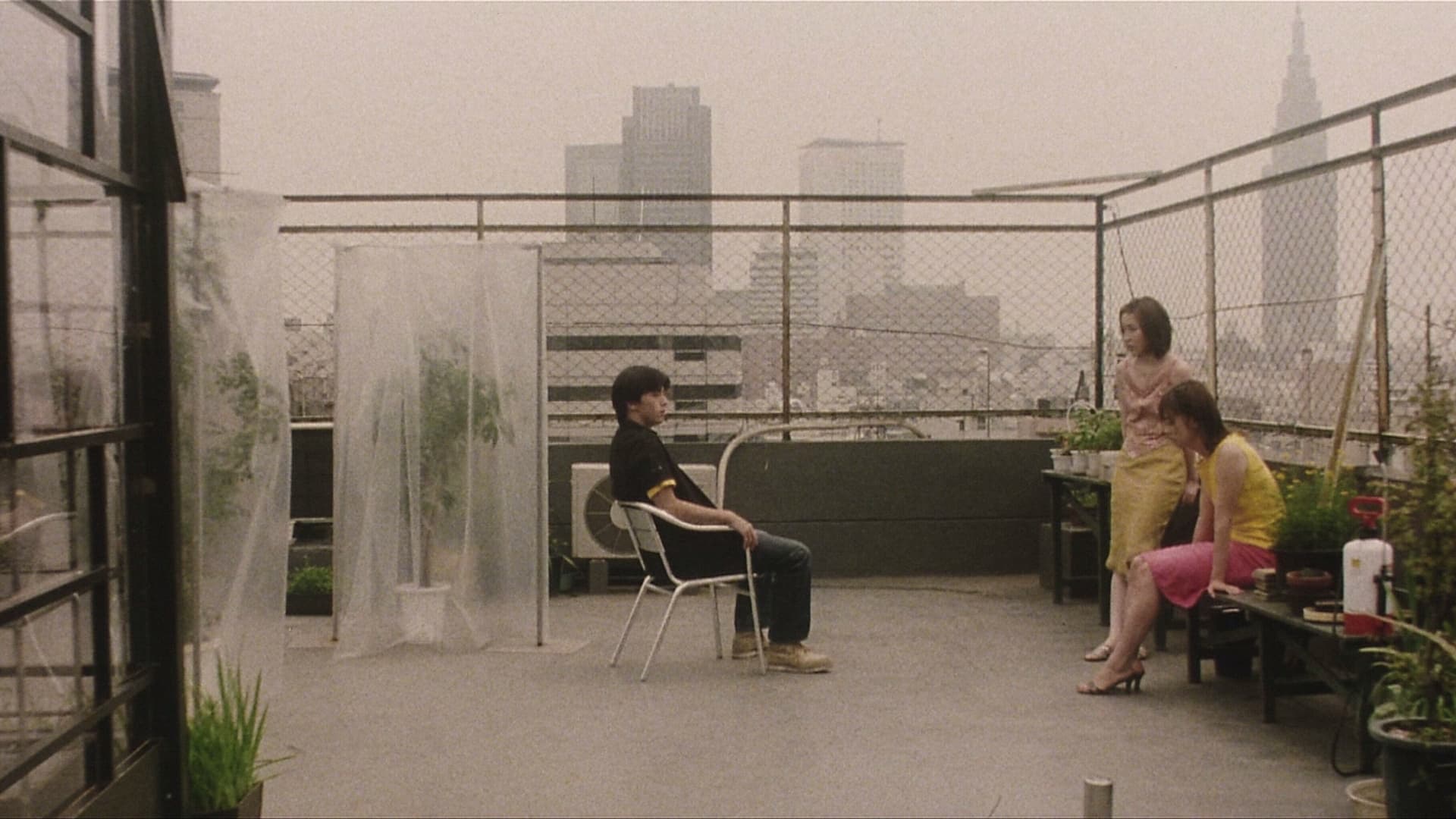
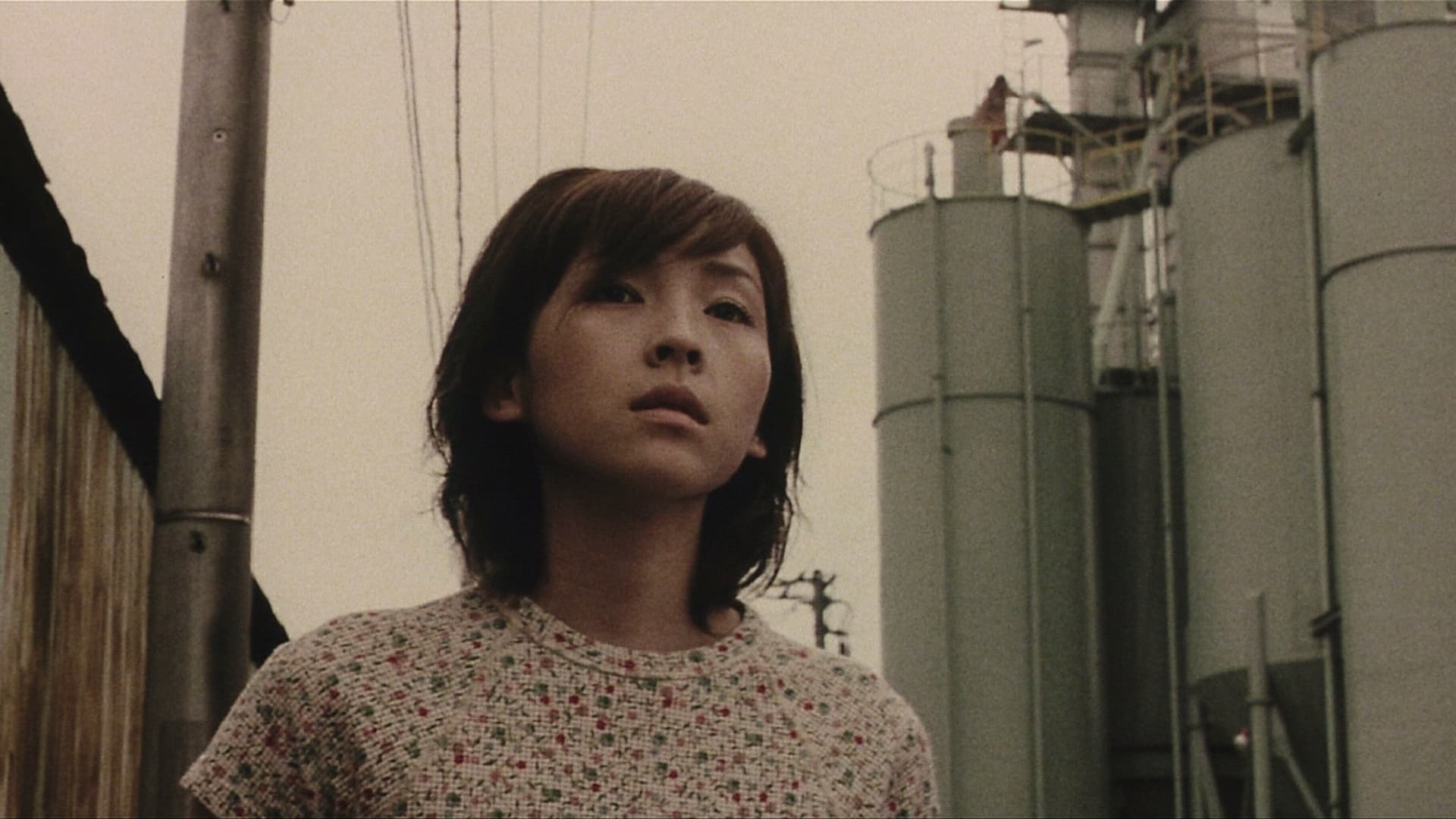
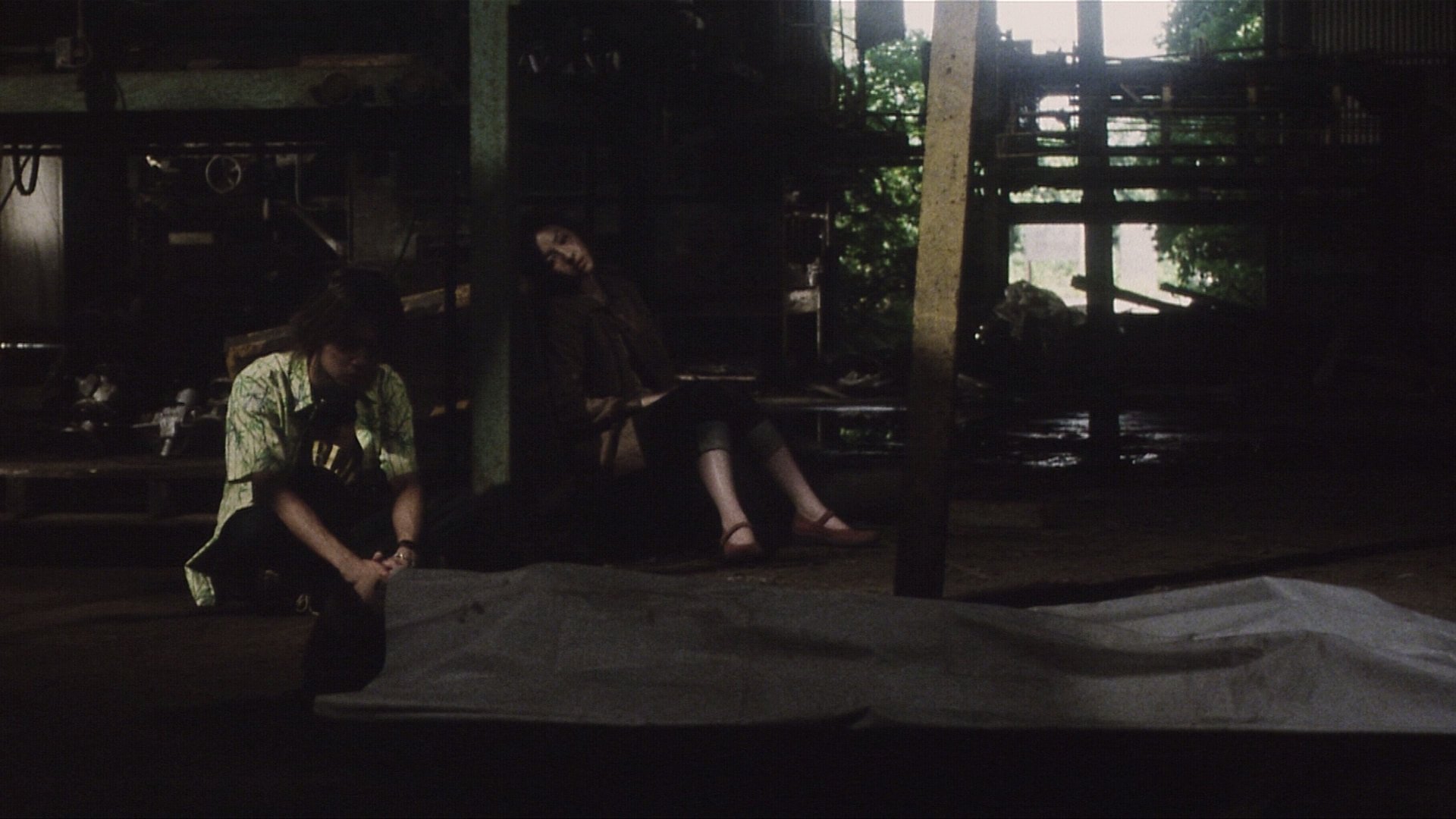
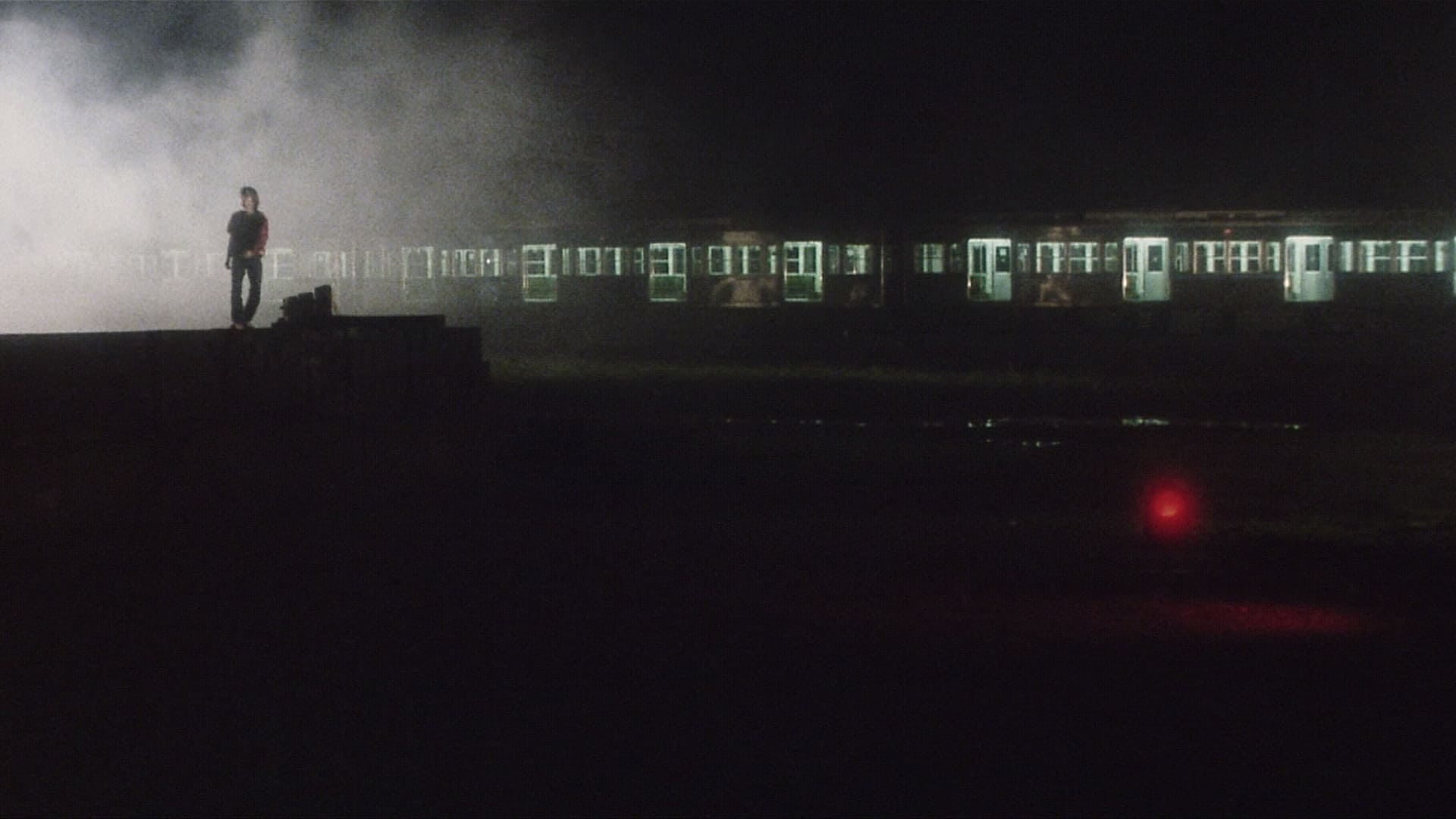
Perhaps the most frightening film I’ve ever seen, Pulse is truly horrific to its core. It relies purely on atmosphere, lingering moments where it hesitates to cut away, the absence of sound, or the sight of a black shadow standing silently in the corner of an empty room. Its presence is fierce, bleak, and unlike almost anything else within the horror genre.
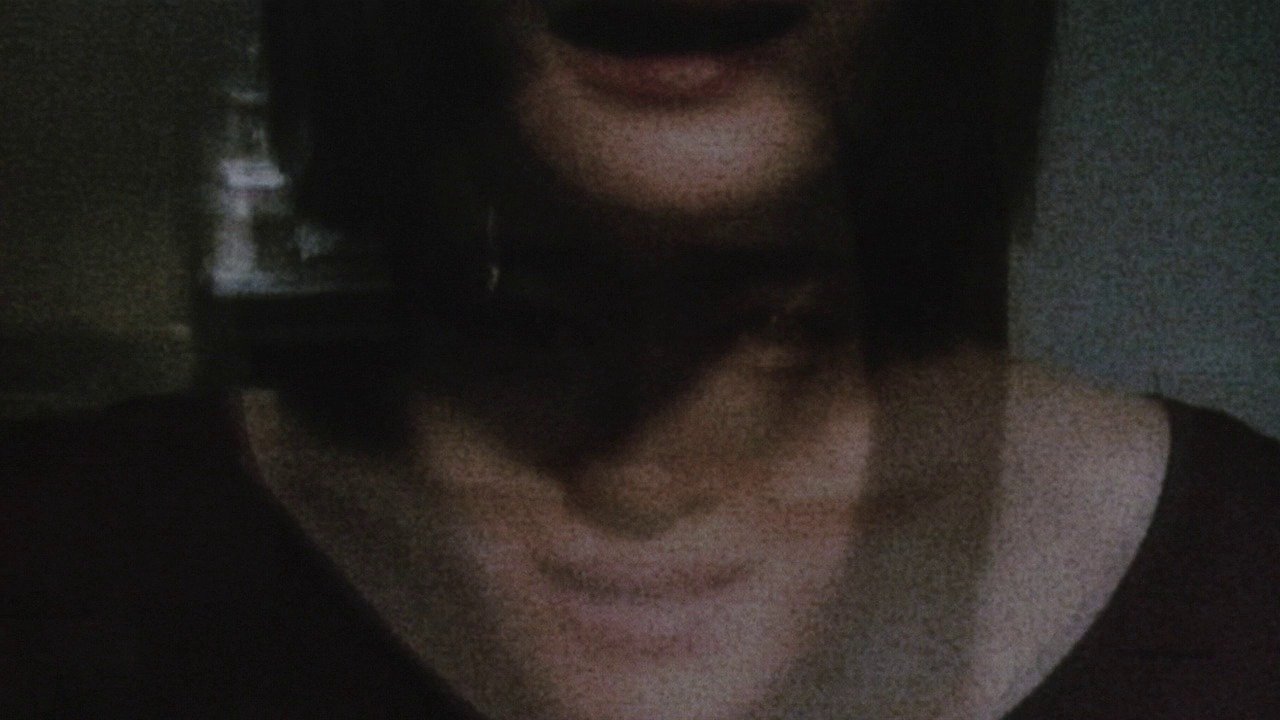
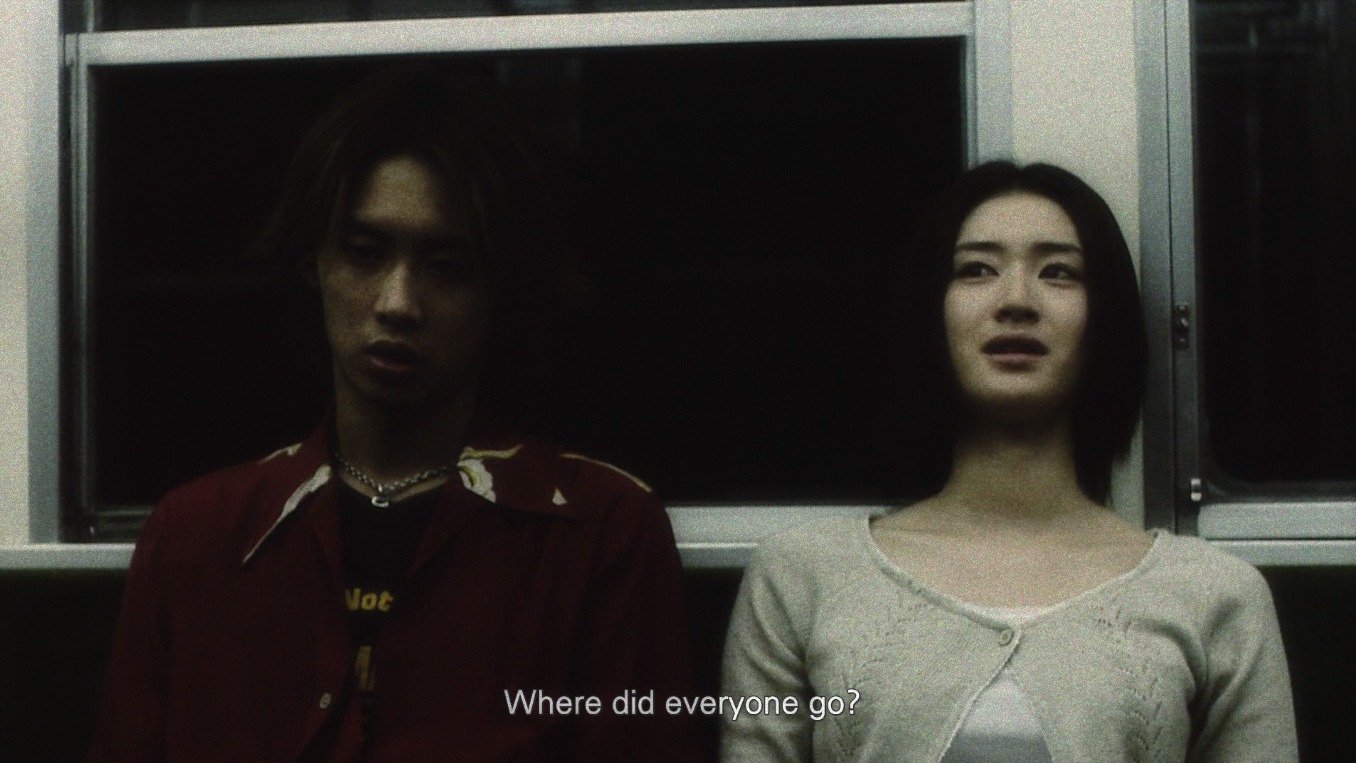
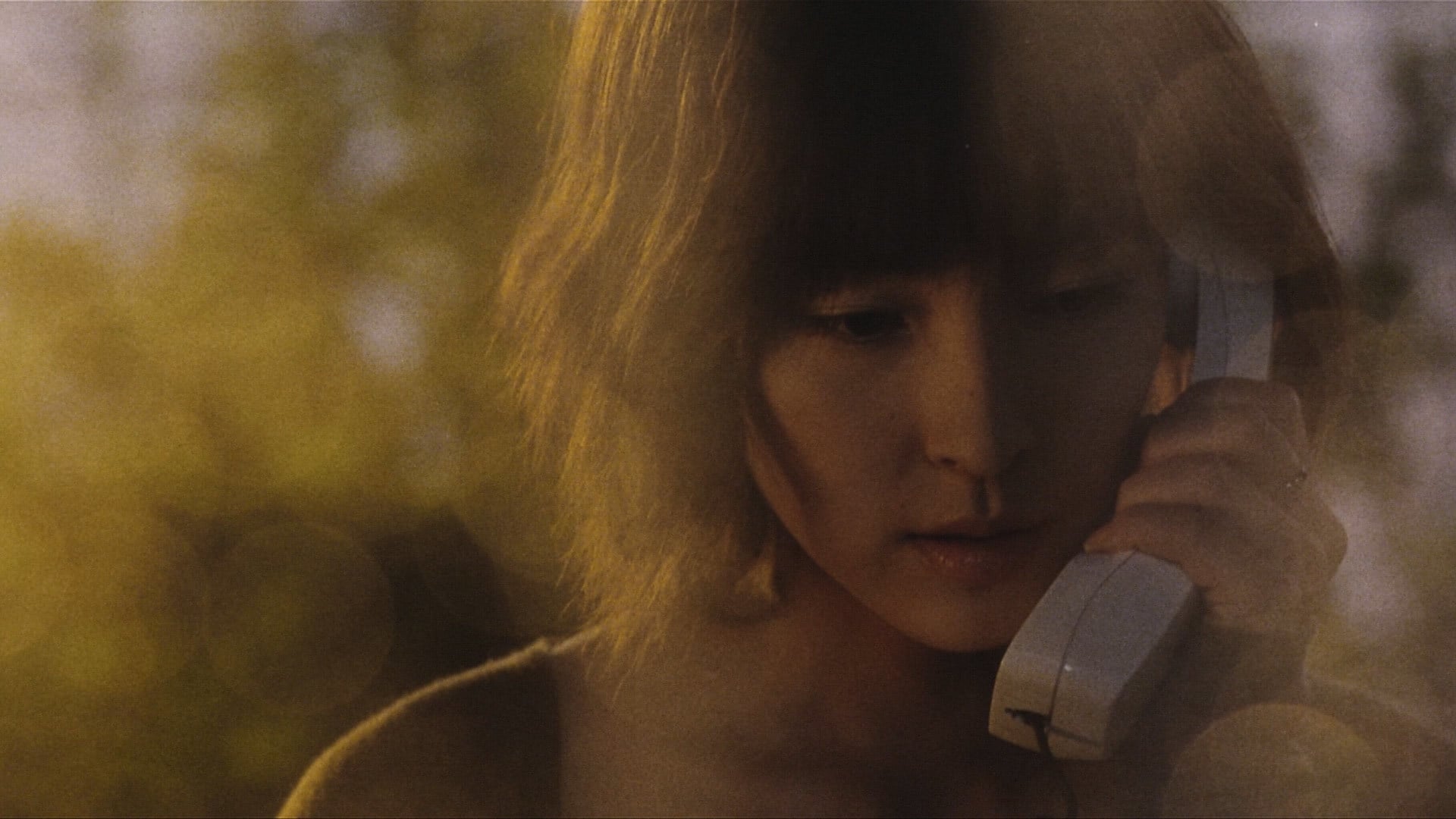
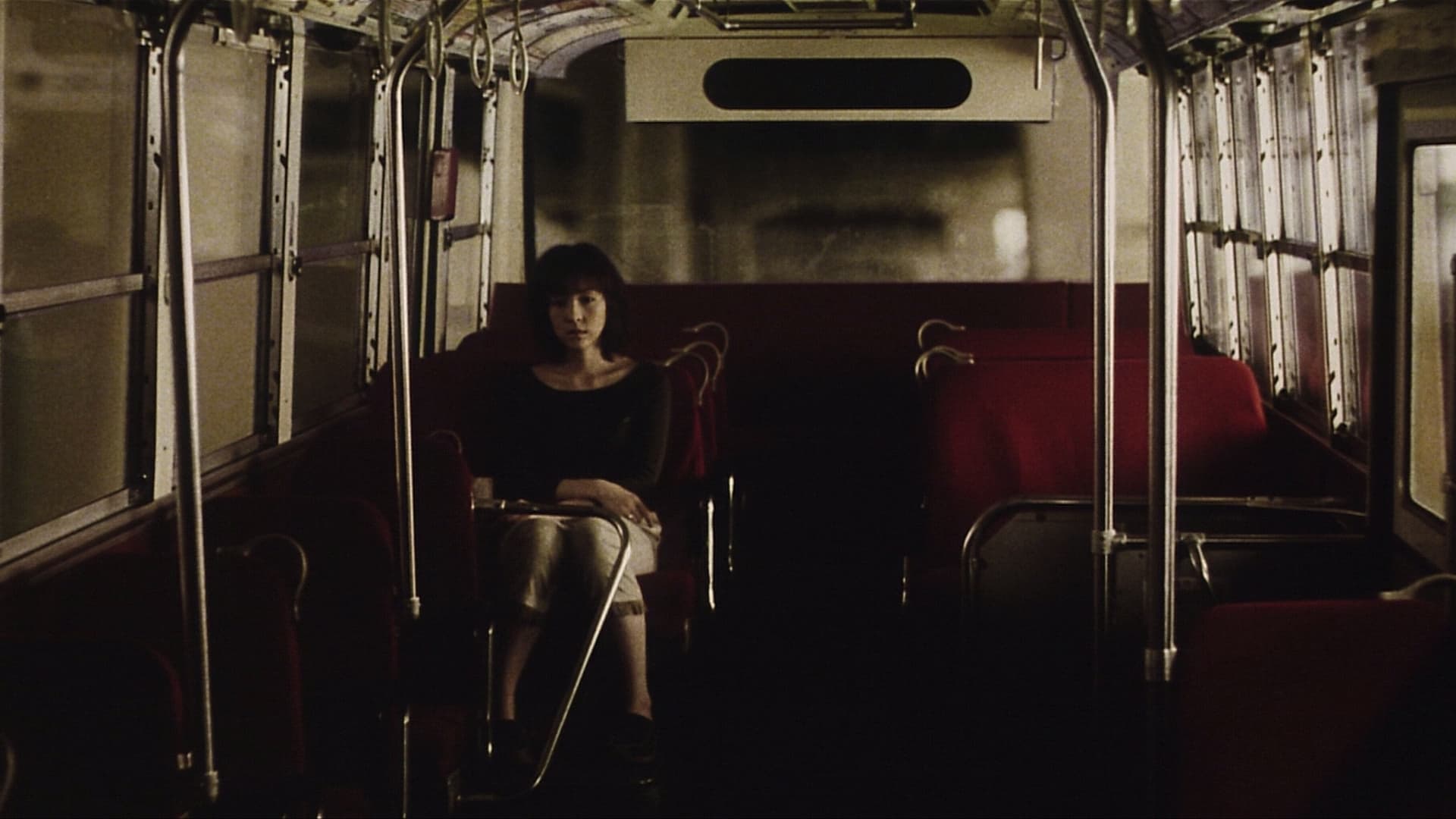
There’s no gore to speak of, nor are there traditional jump scares. Instead, the film completely envelops you in emptiness, loneliness, and dread, whether through its short, fragmented conversations or its deeply unsettling psychological imagery. What makes the film so effective is how restrained it is; the horror feels quiet yet overwhelming.
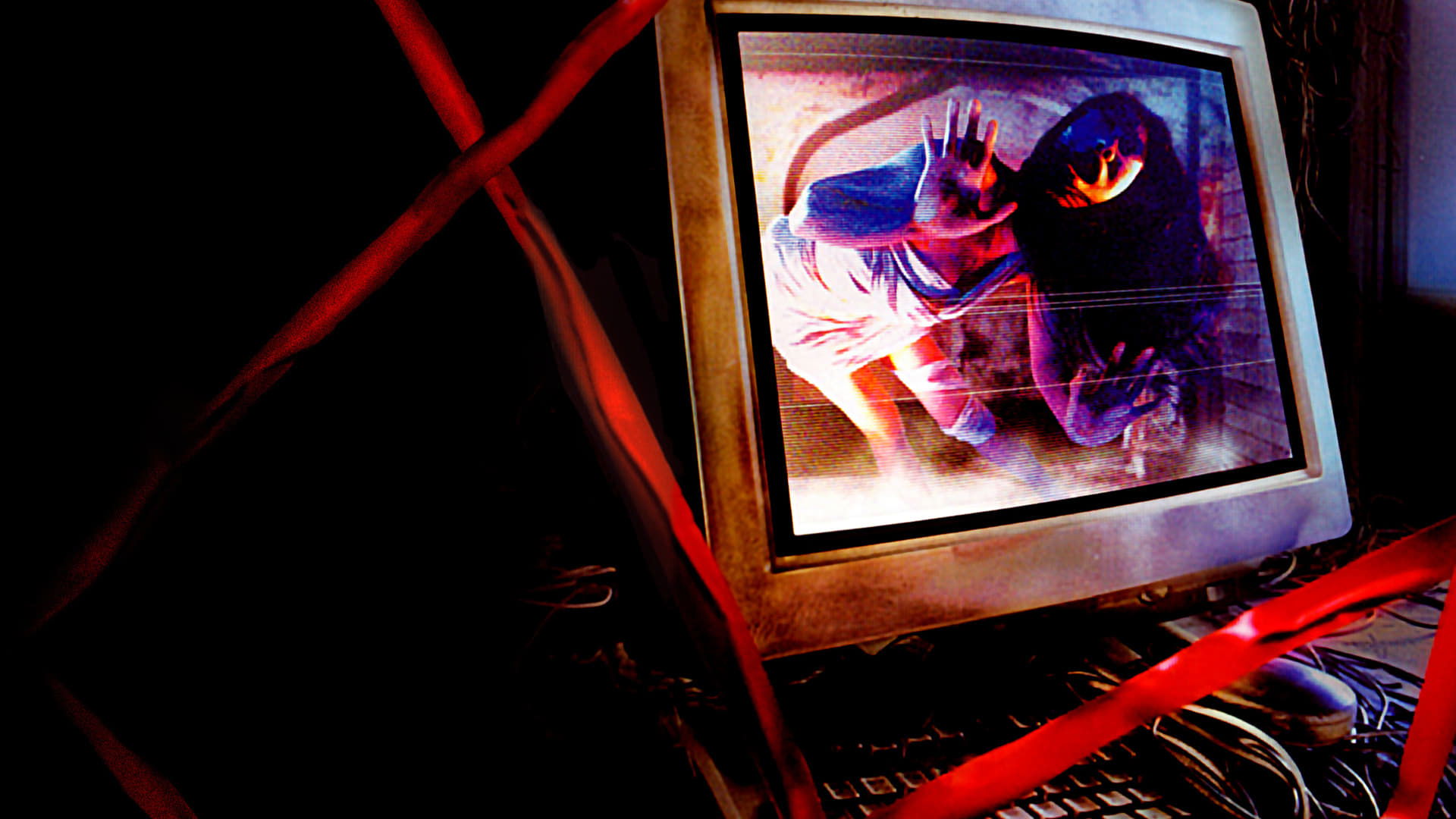
I also found the film deeply metaphorical in its critique of emerging technology and the fear that it would ultimately damage society, leading to emotional and social collapse. The “ghosts,” who in many ways act as the film’s central figures, seem to offer an easier way out, Essentially nihilistic, selling the idea that sooner or later life becomes a cup filled to the brim, with nowhere left to go. They prey specifically on the lonely, isolated, and emotionally lost, which makes the film feel disturbingly human beneath its supernatural surface.
The film doesn’t present technology as inherently evil, nor does it offer a direct narrative critique of it. Instead, its depiction feels more ambiguous; technology functions as a conduit or mirror for an existing human isolation, amplifying it and making it impossible to ignore rather than creating it outright.
All in all, what works most for me here is its boldness in approaching real human emotions at the brink of what, at the time, was like a new wave of social and technological change, yet presenting them in the most unsettling and uncompromising way imaginable.
Perhaps the most frightening film I’ve ever seen, Pulse is truly horrific to its core. It relies purely on atmosphere, lingering moments where it hesitates to cut away, the absence of sound, or the sight of a black shadow standing silently in the corner of an empty room. Its presence is fierce, bleak, and unlike almost anything else within the horror genre.
There’s no gore to speak of, nor are there traditional jump scares. Instead, the film completely envelops you in emptiness, loneliness, and dread, whether through its short, fragmented conversations or its deeply unsettling psychological imagery. What makes the film so effective is how restrained it is; the horror feels quiet yet overwhelming.
I also found the film deeply metaphorical in its critique of emerging technology and the fear that it would ultimately damage society, leading to emotional and social collapse. The “ghosts,” who in many ways act as the film’s central figures, seem to offer an easier way out, Essentially nihilistic, selling the idea that sooner or later life becomes a cup filled to the brim, with nowhere left to go. They prey specifically on the lonely, isolated, and emotionally lost, which makes the film feel disturbingly human beneath its supernatural surface.
The film doesn’t present technology as inherently evil, nor does it offer a direct narrative critique of it. Instead, its depiction feels more ambiguous; technology functions as a conduit or mirror for an existing human isolation, amplifying it and making it impossible to ignore rather than creating it outright.
All in all, what works most for me here is its boldness in approaching real human emotions at the brink of what, at the time, was like a new wave of social and technological change, yet presenting them in the most unsettling and uncompromising way imaginable.