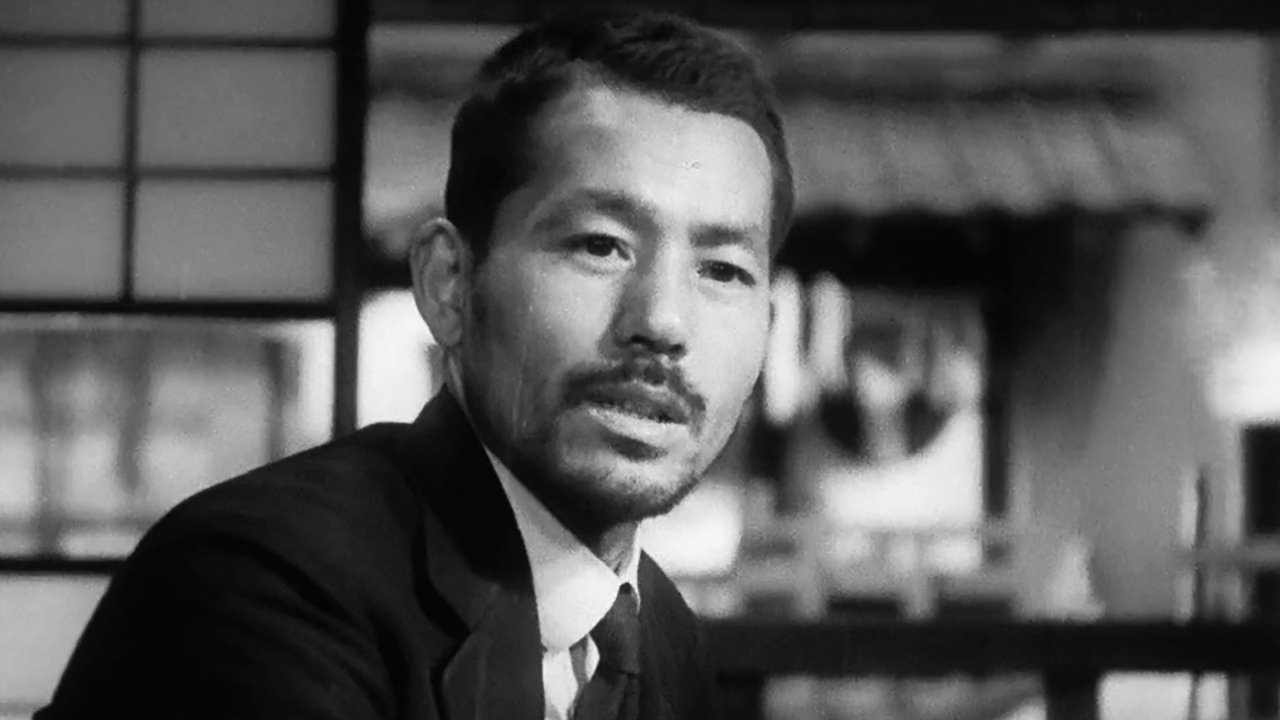
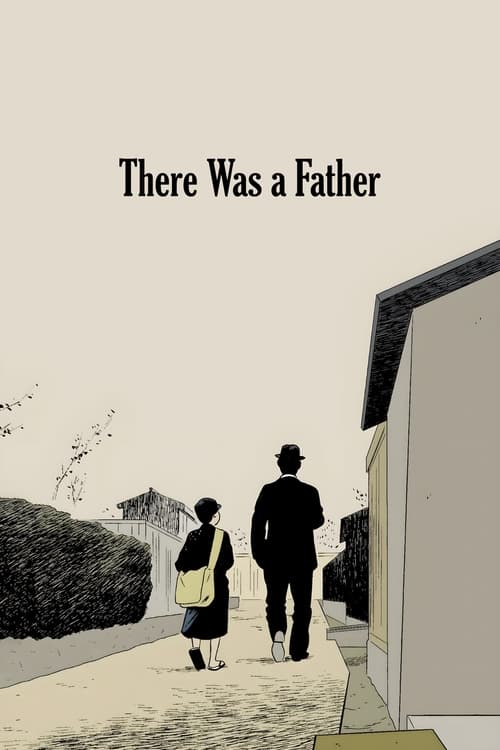
Released in 1942, many will strike this as controversial. Some may say it’s profound message of ‘doing the best we can’ materialises propaganda, in its precise methods showing negligence of closed ones for a larger responsibility, which could be a deep reference to the war.
I never felt this way. Not during its runtime, nor after it ends.
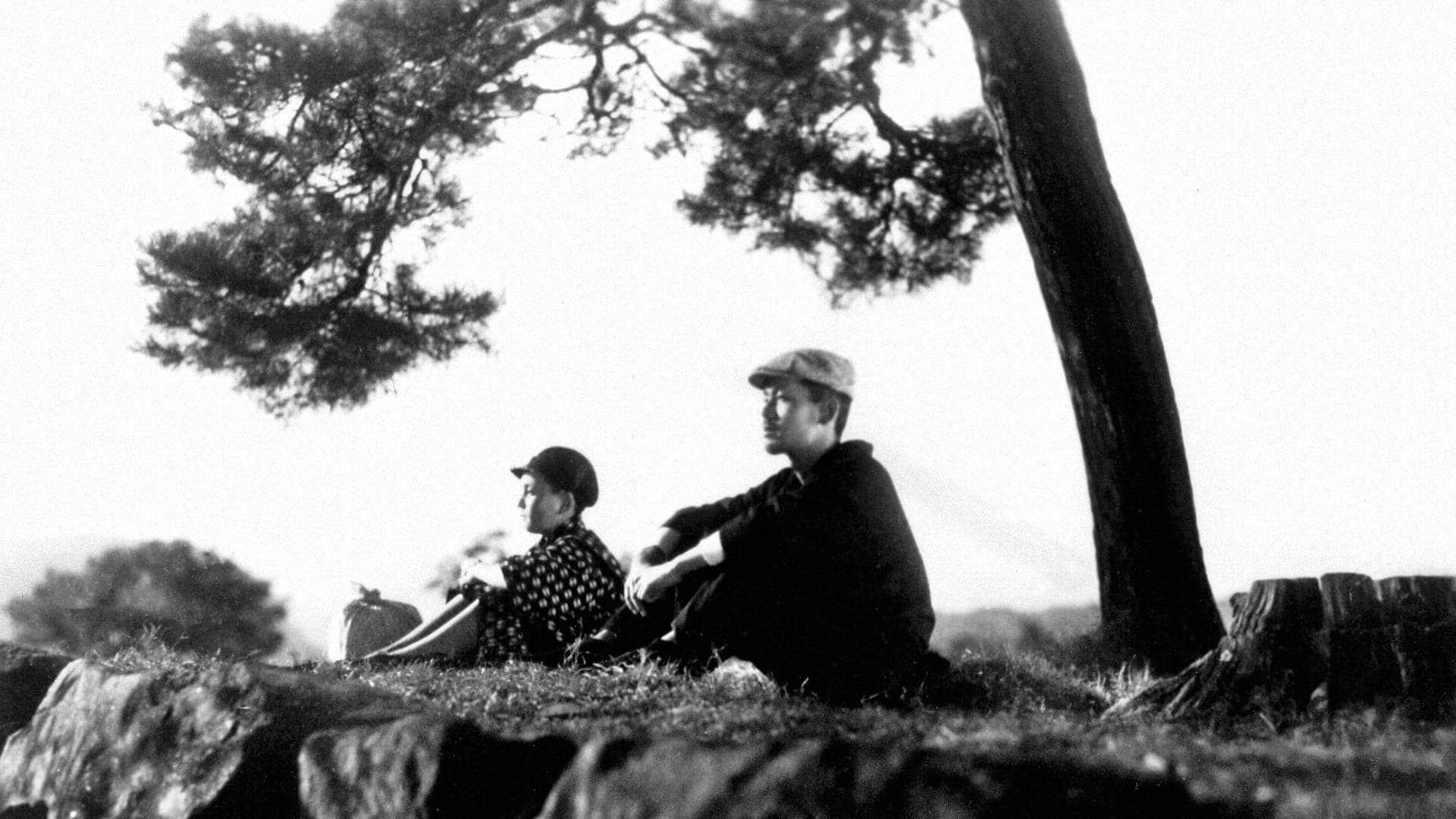
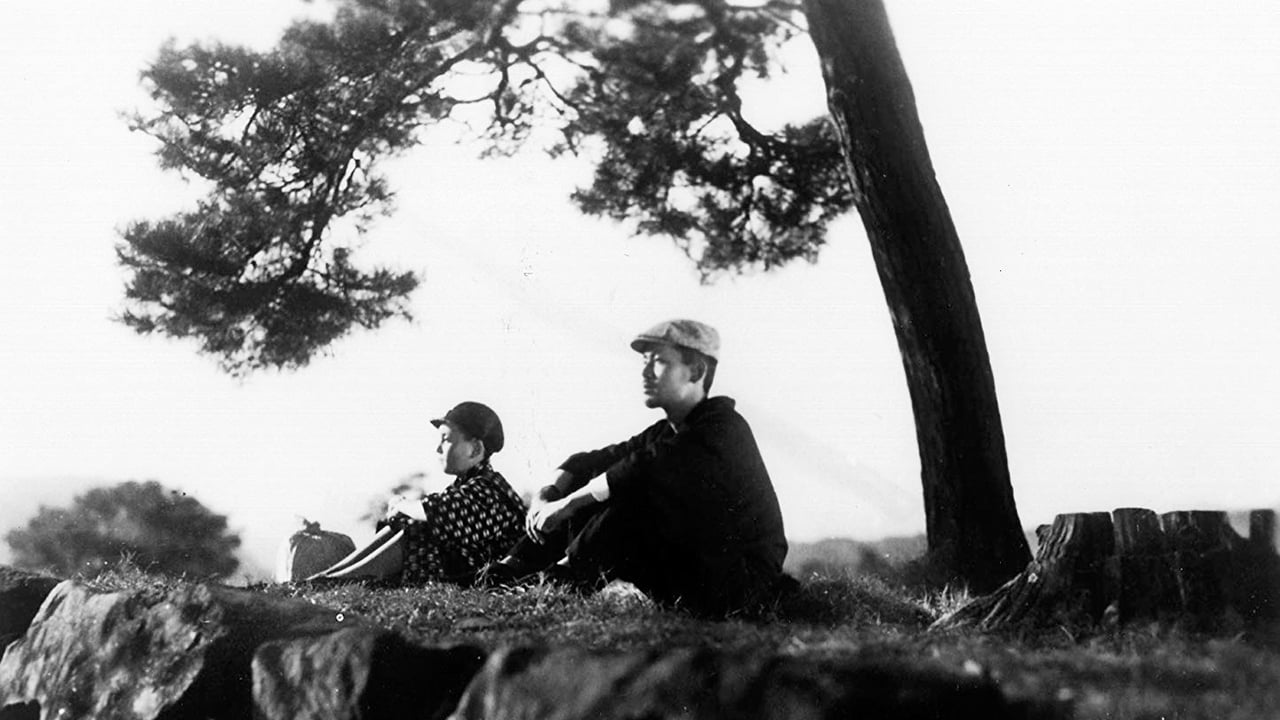
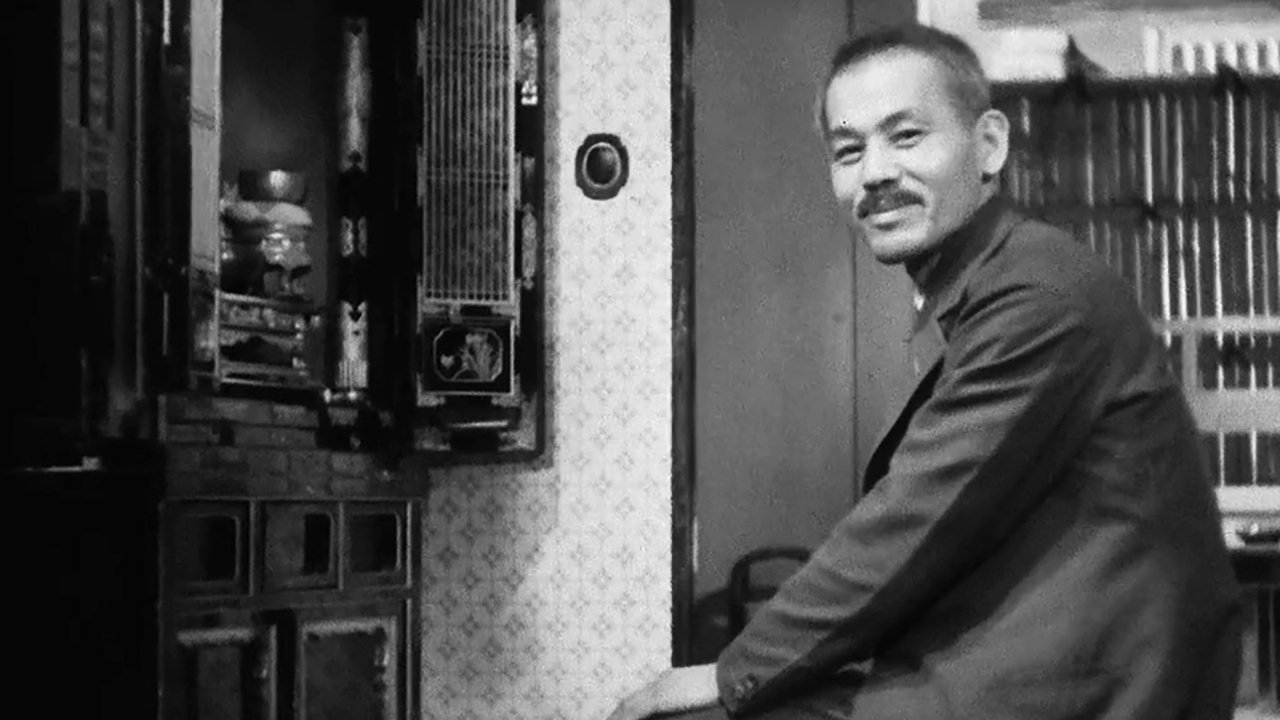
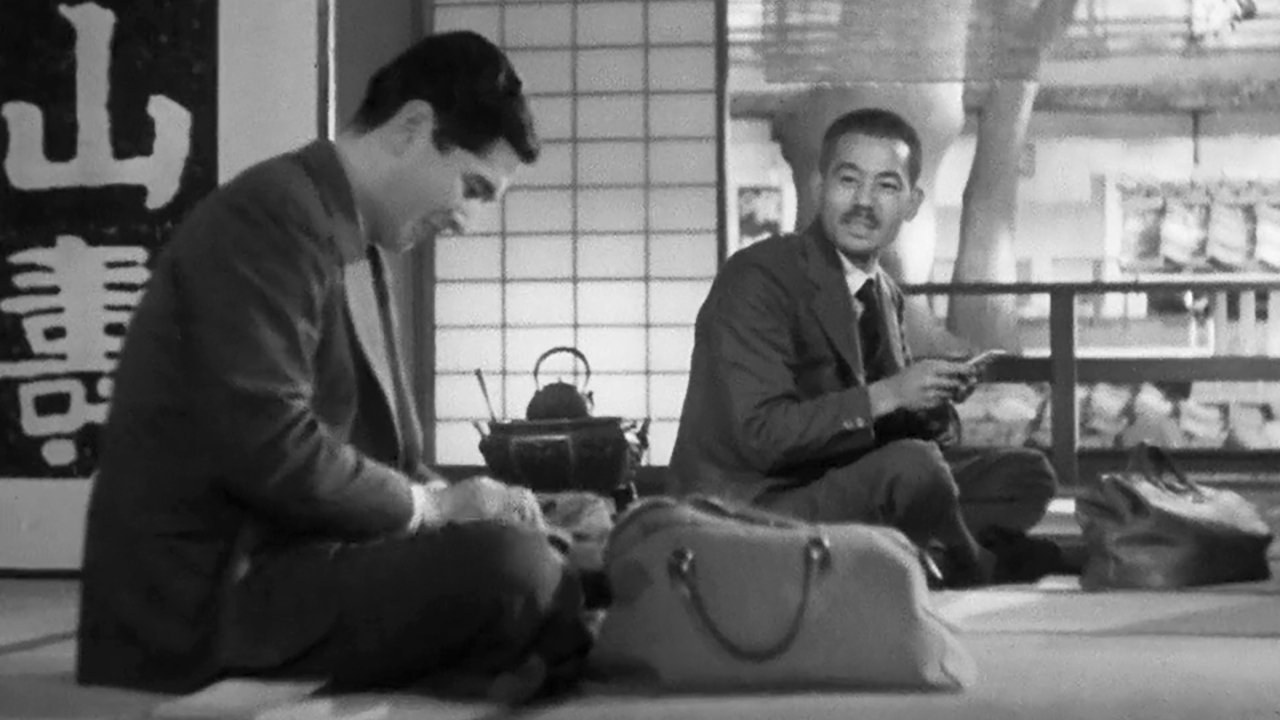
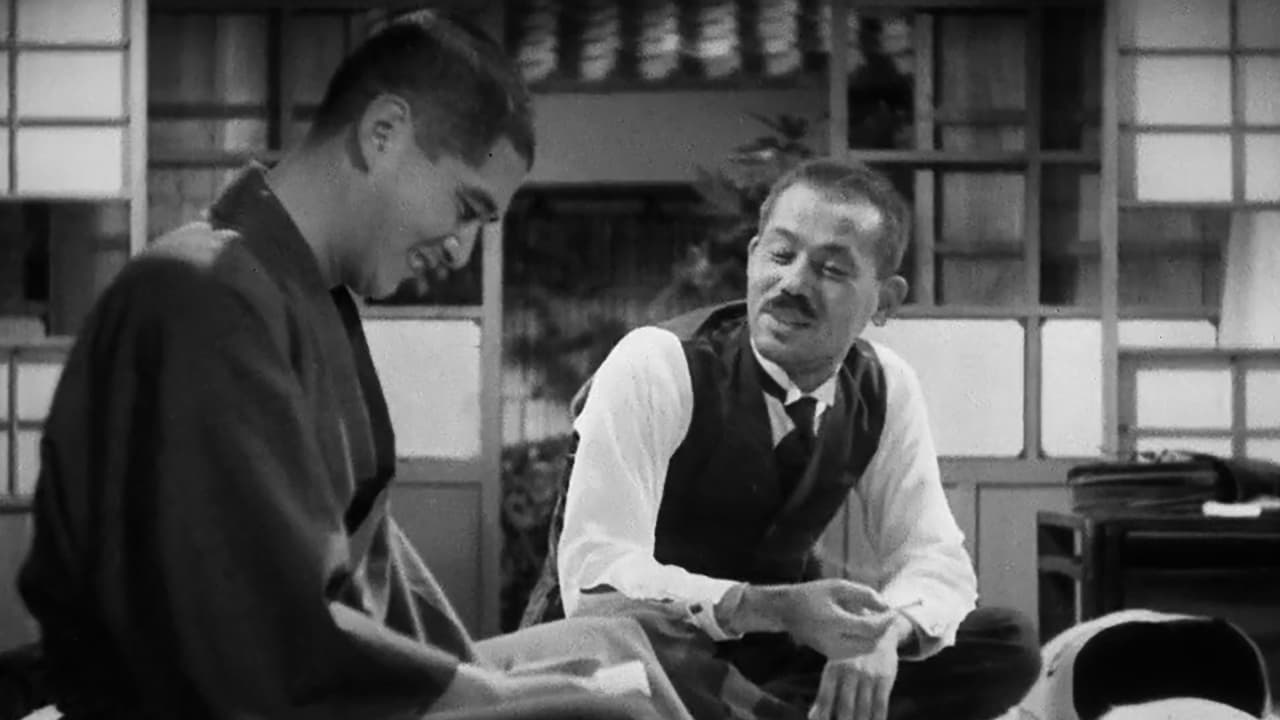
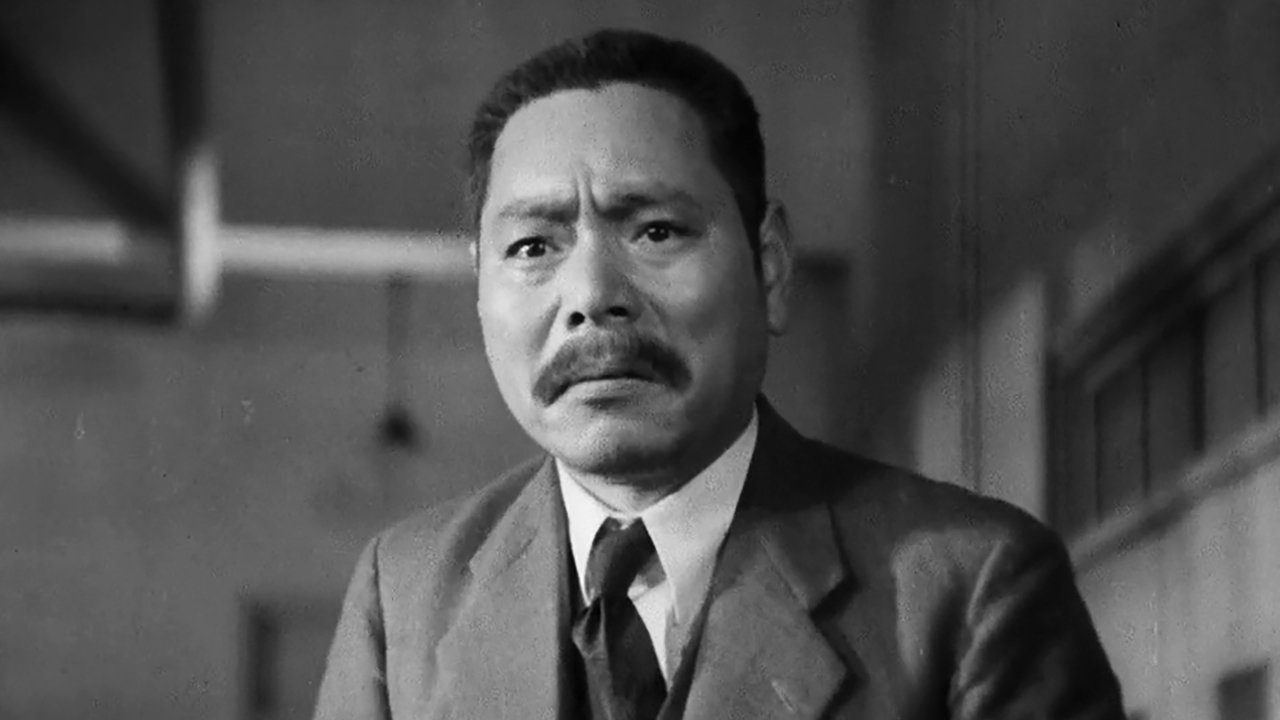
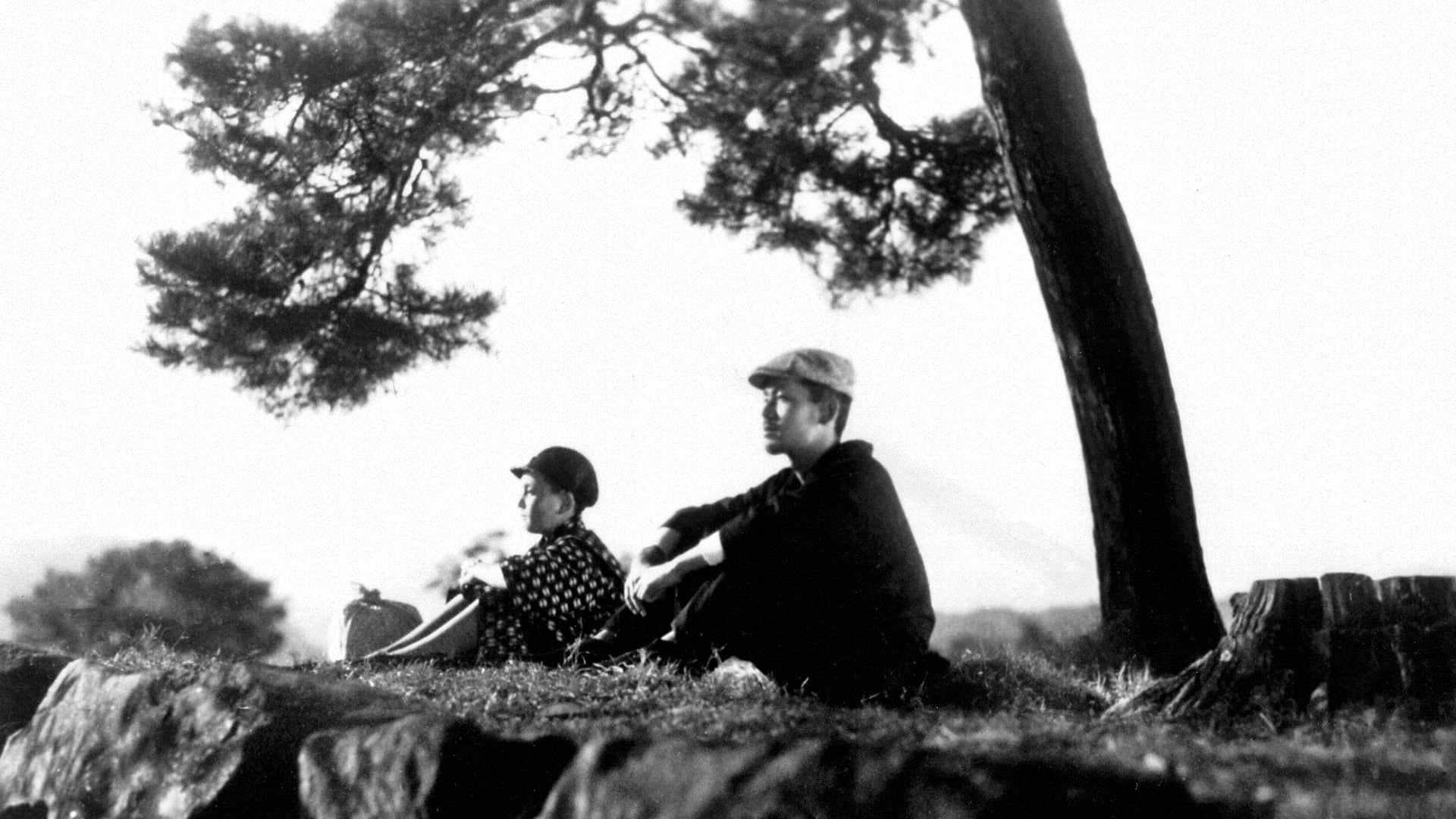
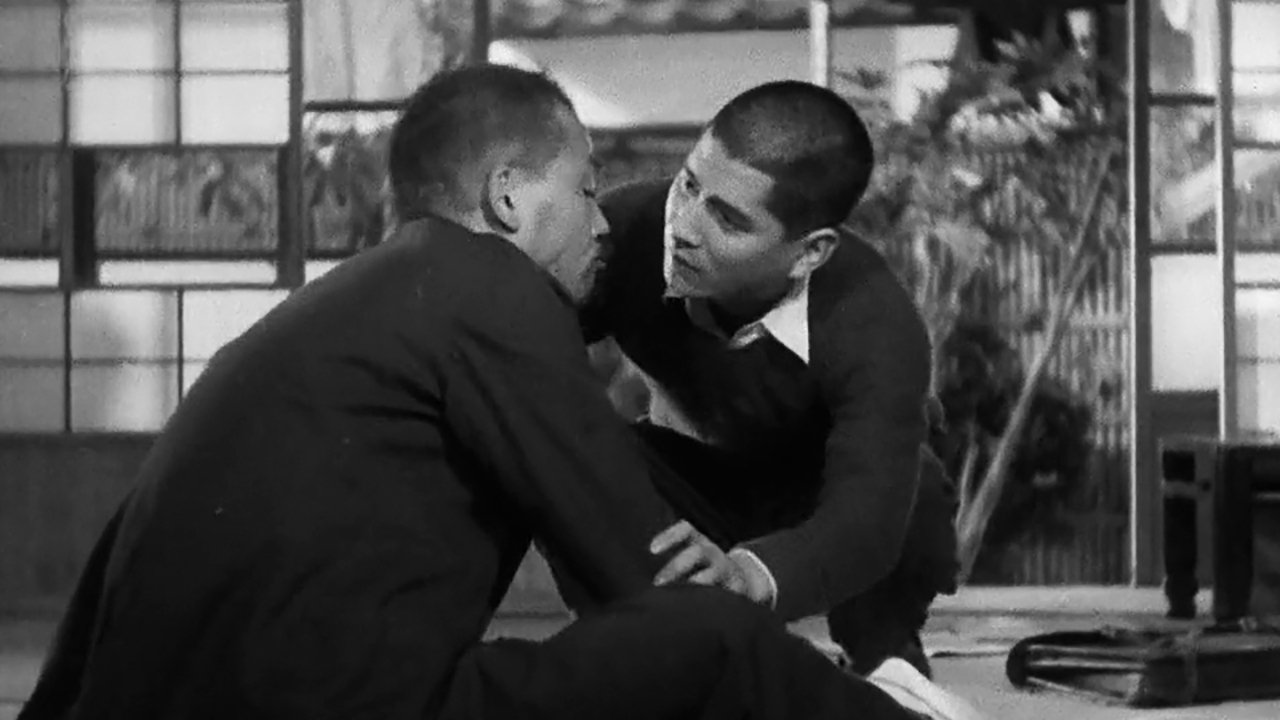
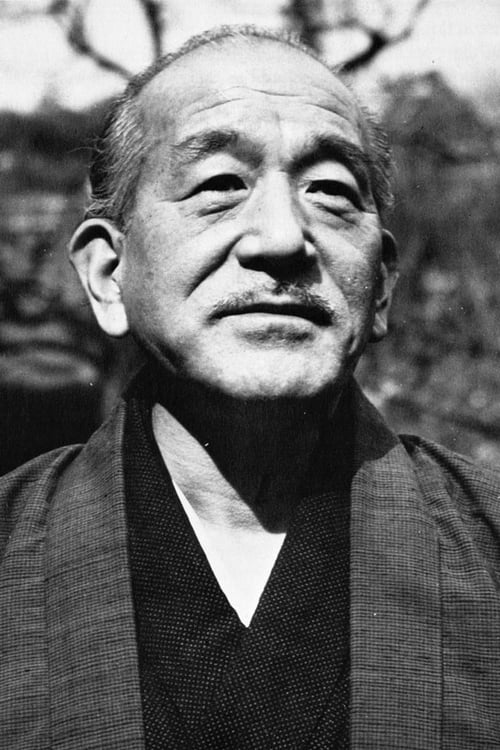
Ozu simply shows off his usual themes with a petrifying application of sadness. It’s a great movie, comforting at most, but leaves audiences stranded towards the end, in isolation of the departure of a loved one, especially the father who avoided his son for almost his entire life. All to preach about the importance of carrying out work to the maximum ability.
Never once I thought maybe the Japs treated the responsibility of a soldier like a teacher. People just overthink, and that ruins a beautiful tragedy which could only be told by the mater himself - Ozu.
Released in 1942, many will strike this as controversial. Some may say it’s profound message of ‘doing the best we can’ materialises propaganda, in its precise methods showing negligence of closed ones for a larger responsibility, which could be a deep reference to the war.
I never felt this way. Not during its runtime, nor after it ends.
Ozu simply shows off his usual themes with a petrifying application of sadness. It’s a great movie, comforting at most, but leaves audiences stranded towards the end, in isolation of the departure of a loved one, especially the father who avoided his son for almost his entire life. All to preach about the importance of carrying out work to the maximum ability.
Never once I thought maybe the Japs treated the responsibility of a soldier like a teacher. People just overthink, and that ruins a beautiful tragedy which could only be told by the mater himself - Ozu.