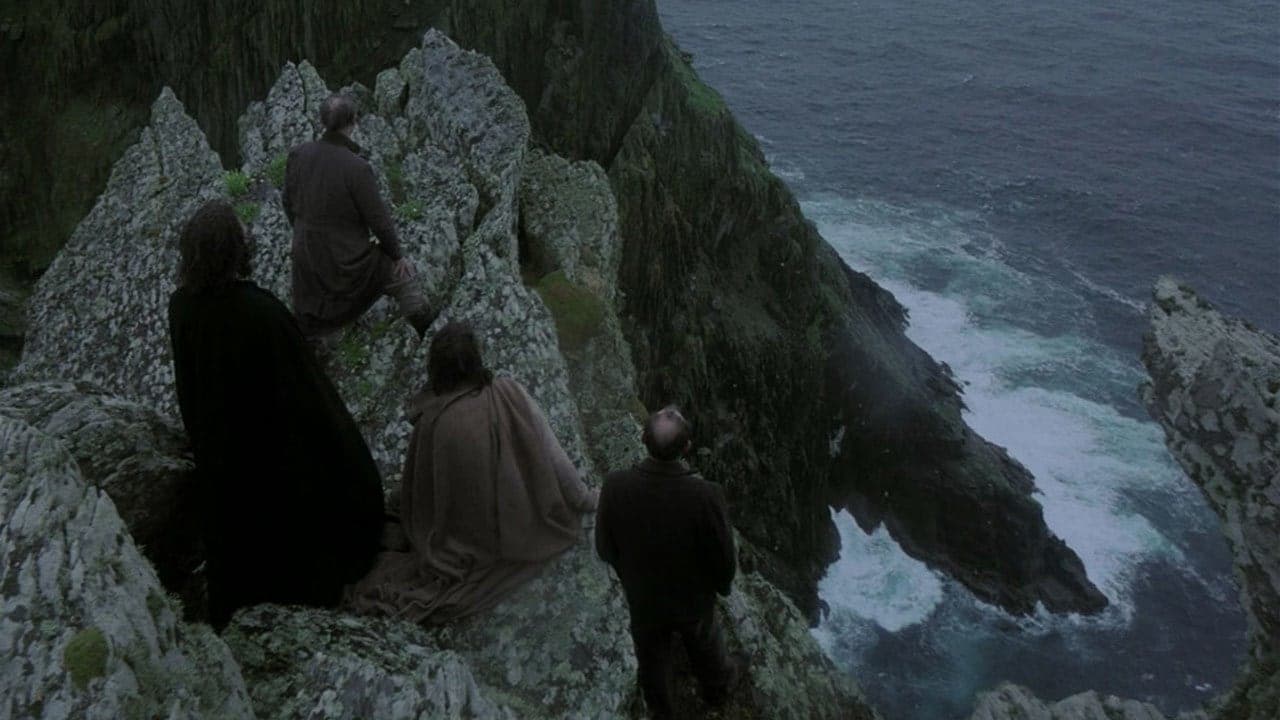
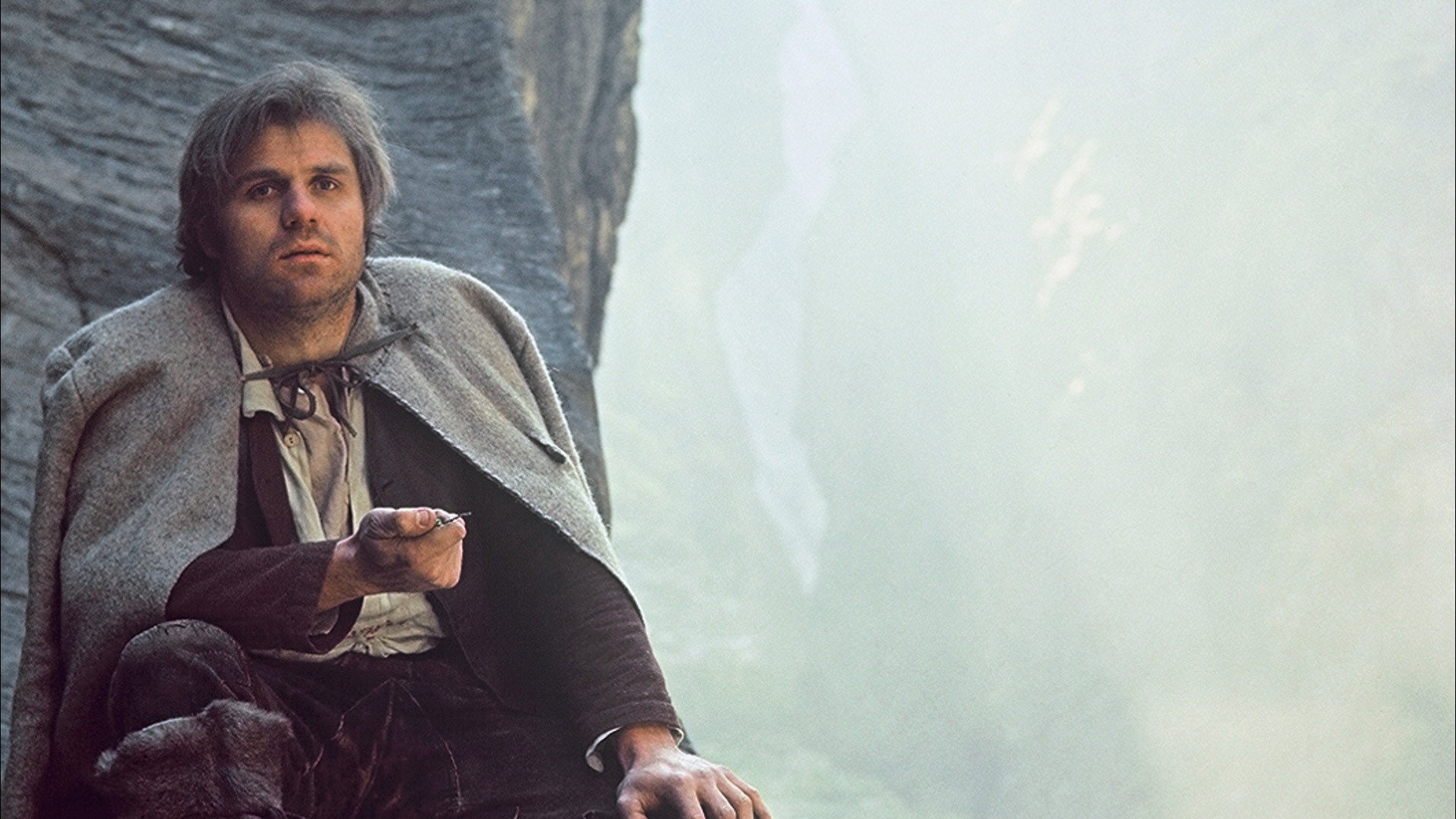
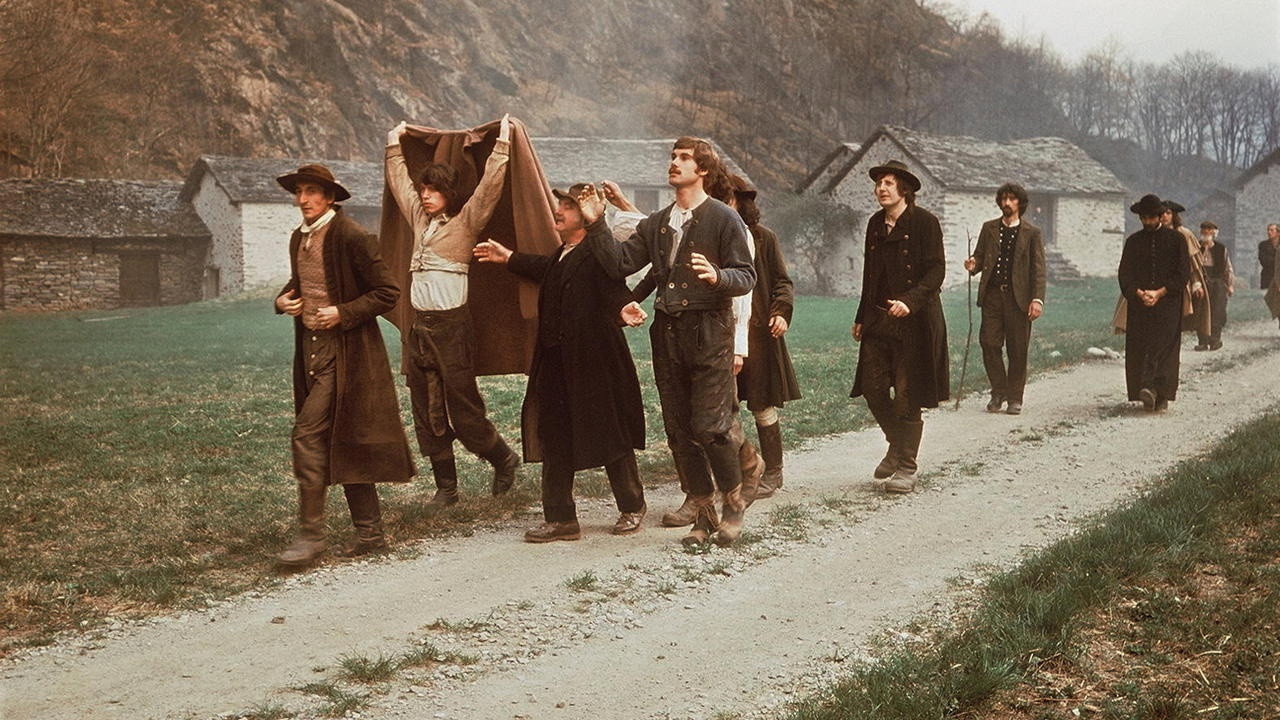
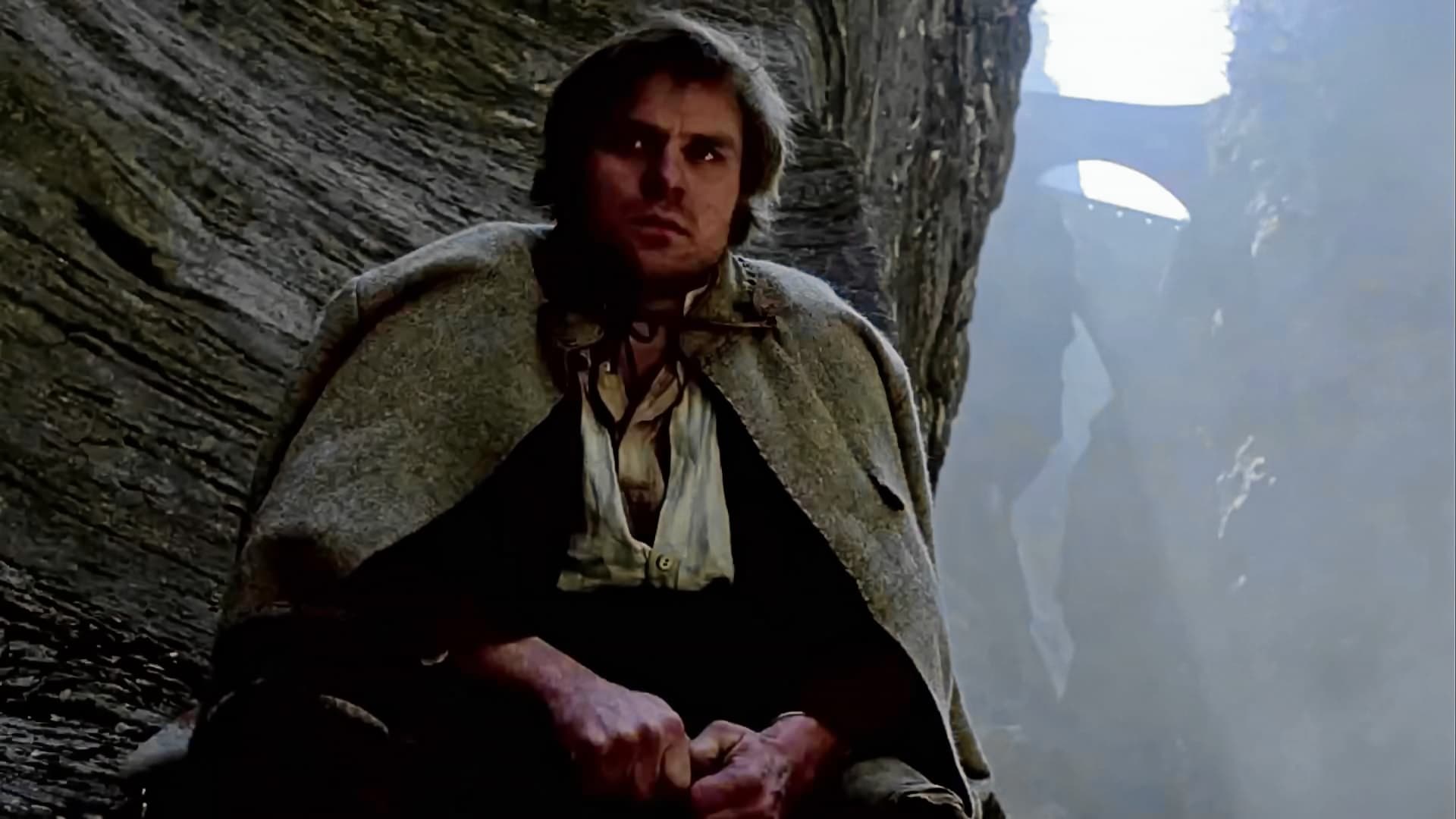
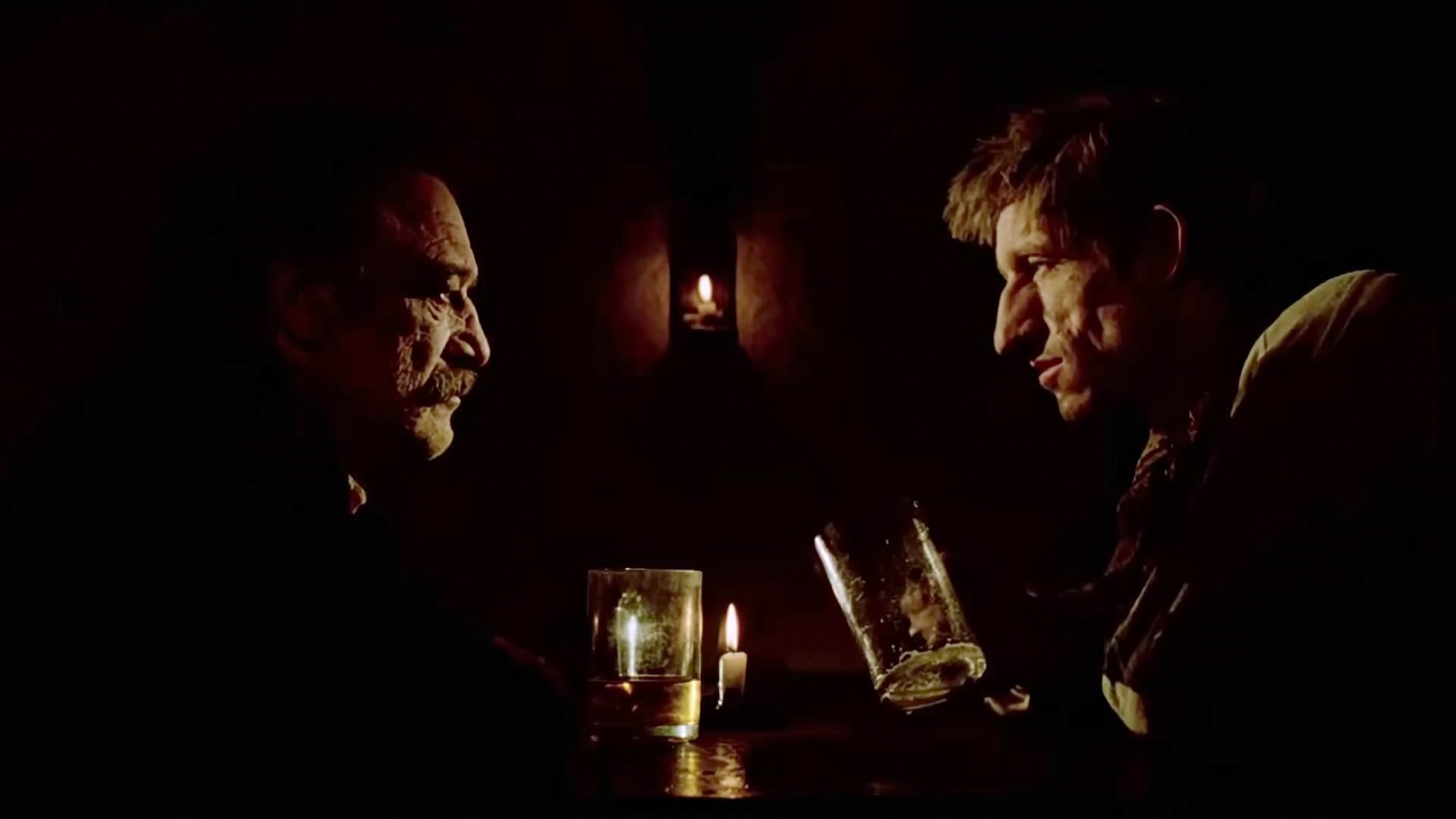
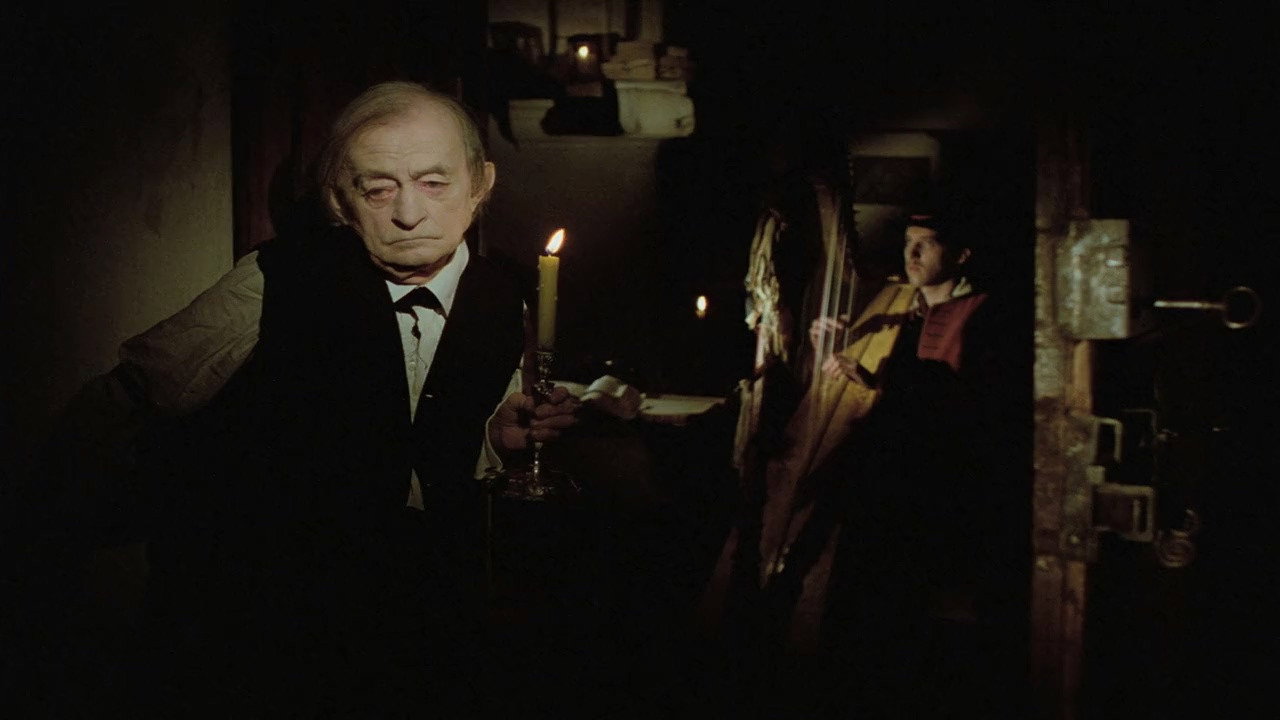
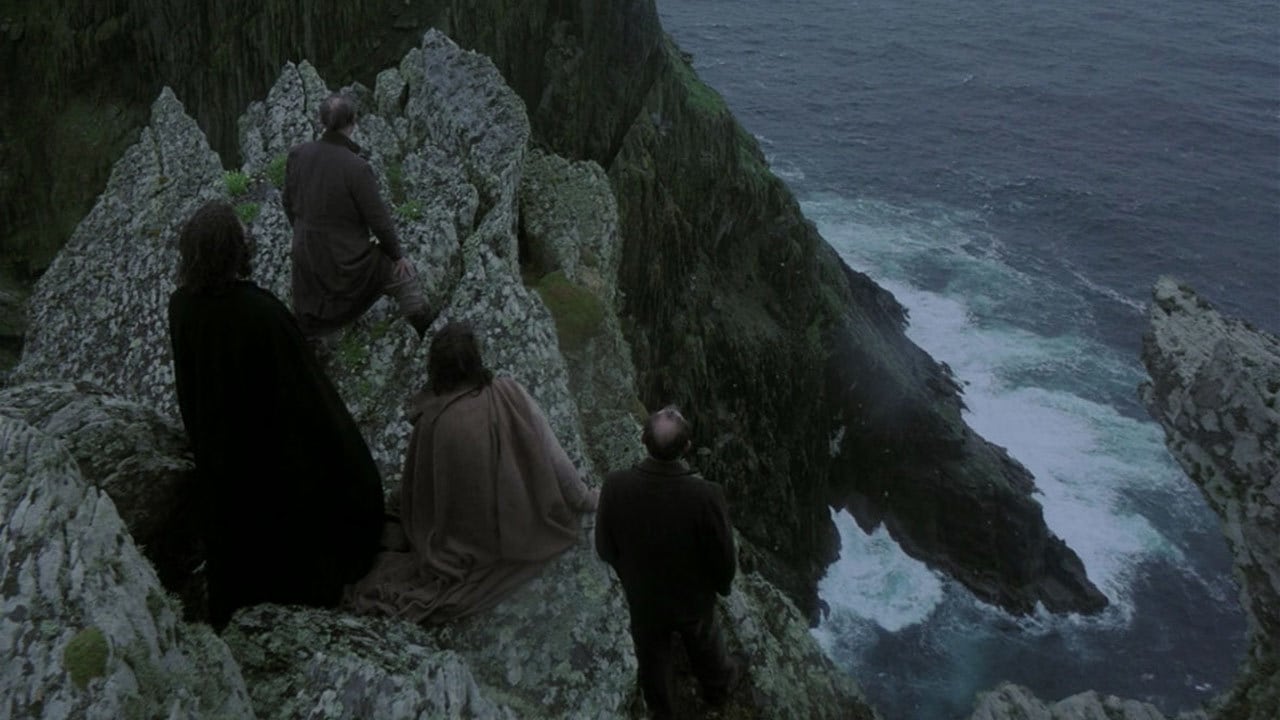
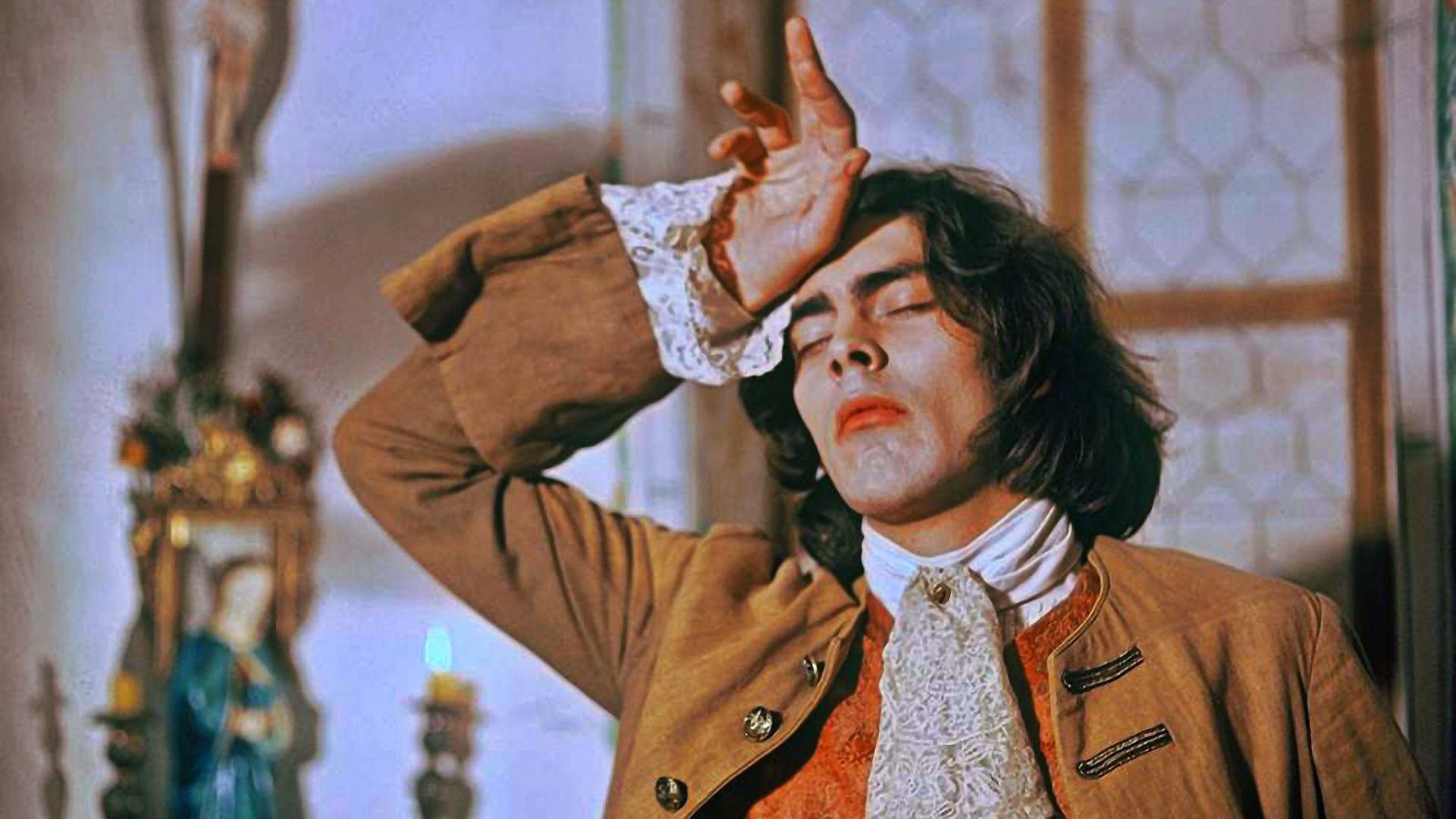
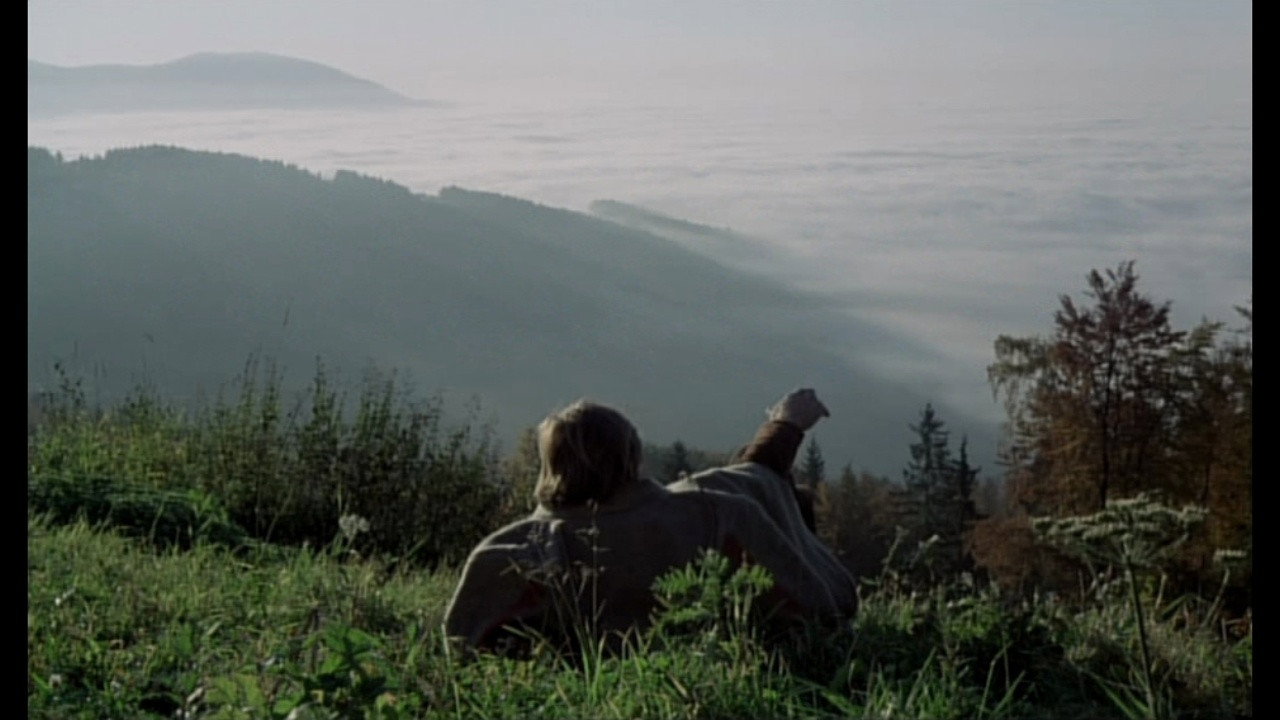
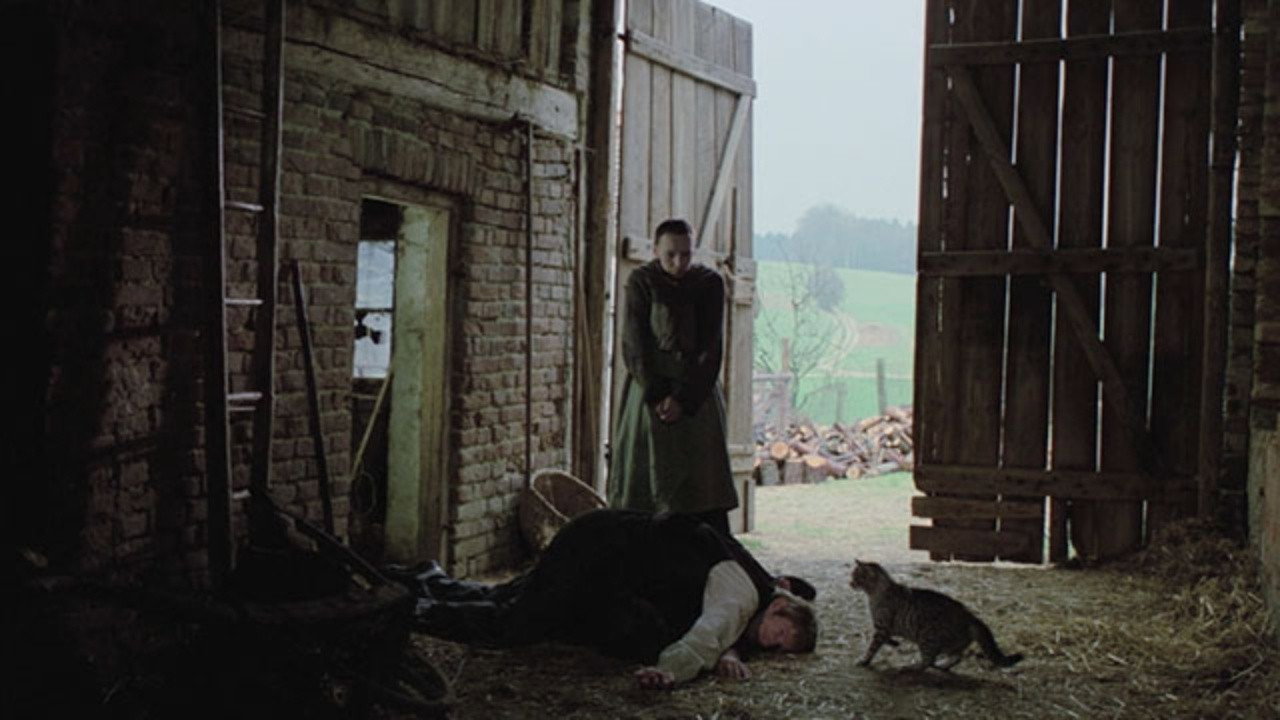
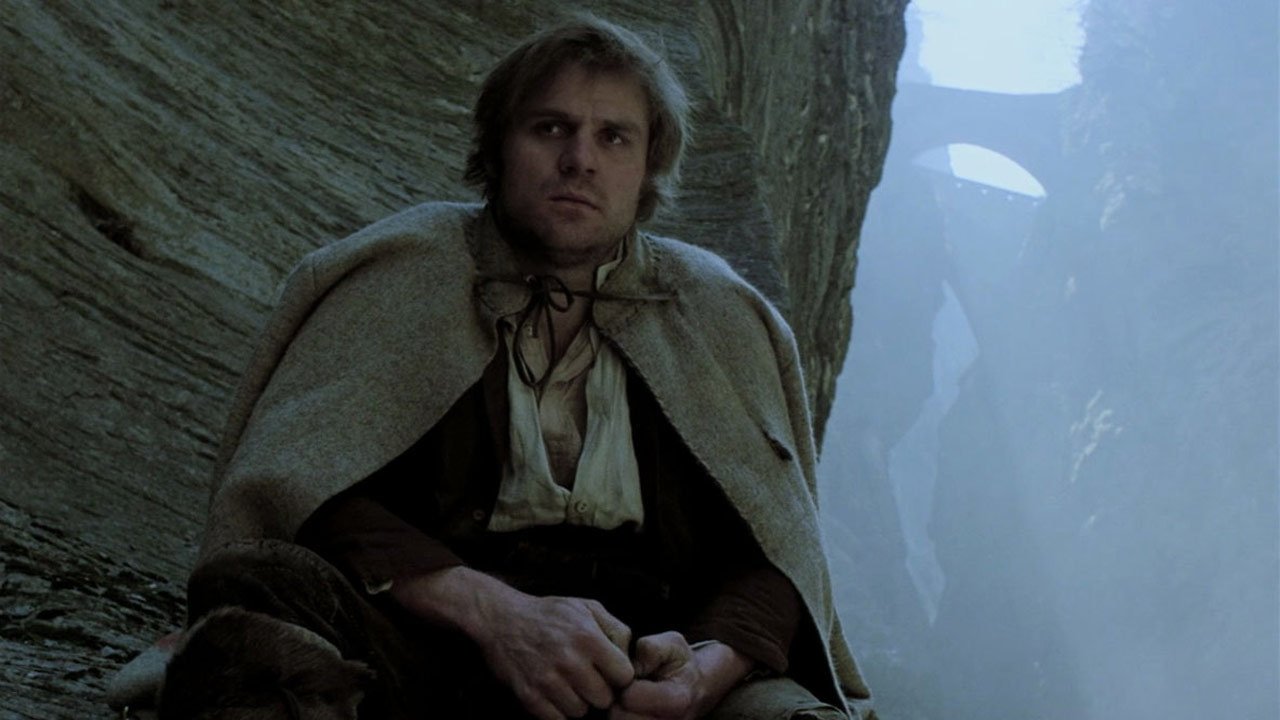
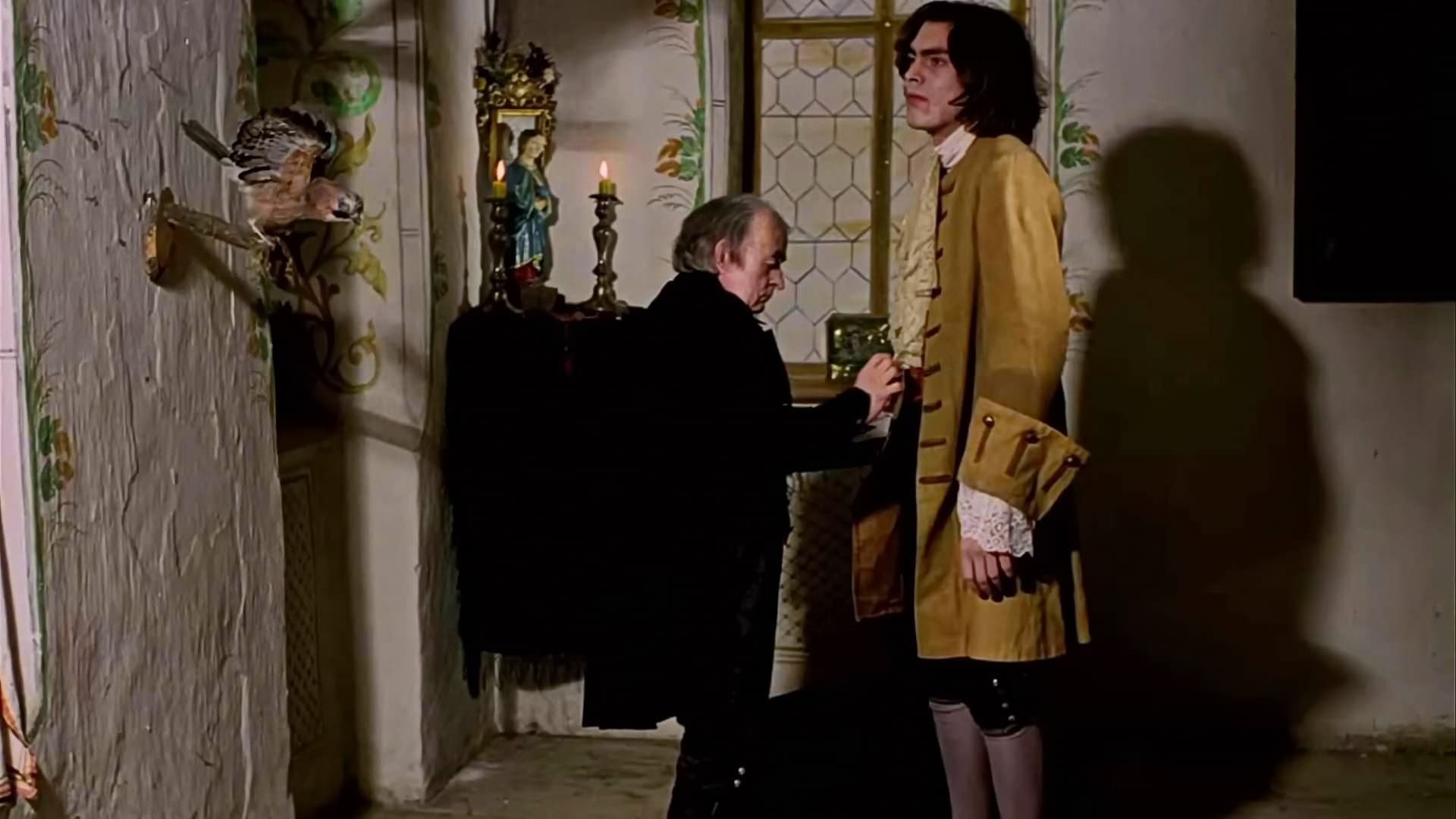
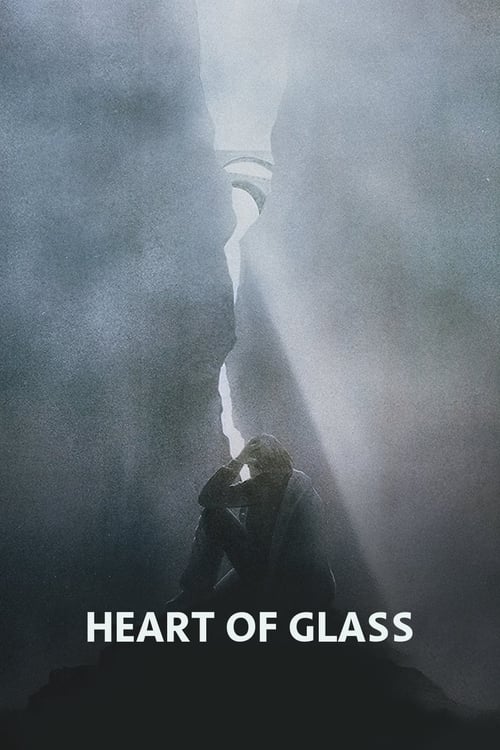
I took some psilocybin before watching The Super Mario Galaxy Movie because I wanted to be in a different state of mind when the post-credit scene came on. I realized it was starting to work because I felt increasingly isolated even as I noticed families leaving. The screen displayed only the word “Draft” against a black background. Strangely, that felt comforting. No one wanted to stay. Only me in this emptiness. The mood reminded me of Heart of Glass, where people seem so spiritually numb that even their hysteria feels heavy and slow. They do not break into chaos because they still have some inner spark. They drift because the spark is long gone, and all that remains is the hope of what’s already lost. The next morning, I woke up feeling confused, as if I had just come out of a long dream. What needed to change was my presence in most situations. Herzog’s villagers do the opposite. They keep slipping deeper into the dream because waking up would mean facing the emptiness behind their routines. The “heart of ruby glass” becomes almost emblematic. Something fragile and luminous that once gave shape to a world, now shattered, leaving everyone to stumble in search of substitute meanings. Herzog shows how emptiness in society and spirit makes it possible. The real fear is not just the madness that consumes us, but the crowd ready to follow because they have forgotten how to appreciate what they have. Their obedience is not a sudden panic, but the natural result of a culture that no longer knows how to live without something to worship. A nation of lost souls who follow madness with blank obedience. Subtle, right?
I took some psilocybin before watching The Super Mario Galaxy Movie because I wanted to be in a different state of mind when the post-credit scene came on. I realized it was starting to work because I felt increasingly isolated even as I noticed families leaving. The screen displayed only the word “Draft” against a black background. Strangely, that felt comforting. No one wanted to stay. Only me in this emptiness. The mood reminded me of Heart of Glass, where people seem so spiritually numb that even their hysteria feels heavy and slow. They do not break into chaos because they still have some inner spark. They drift because the spark is long gone, and all that remains is the hope of what’s already lost. The next morning, I woke up feeling confused, as if I had just come out of a long dream. What needed to change was my presence in most situations. Herzog’s villagers do the opposite. They keep slipping deeper into the dream because waking up would mean facing the emptiness behind their routines. The “heart of ruby glass” becomes almost emblematic. Something fragile and luminous that once gave shape to a world, now shattered, leaving everyone to stumble in search of substitute meanings. Herzog shows how emptiness in society and spirit makes it possible. The real fear is not just the madness that consumes us, but the crowd ready to follow because they have forgotten how to appreciate what they have. Their obedience is not a sudden panic, but the natural result of a culture that no longer knows how to live without something to worship. A nation of lost souls who follow madness with blank obedience. Subtle, right?