

1962·Crime·1h 59m
7.1
★
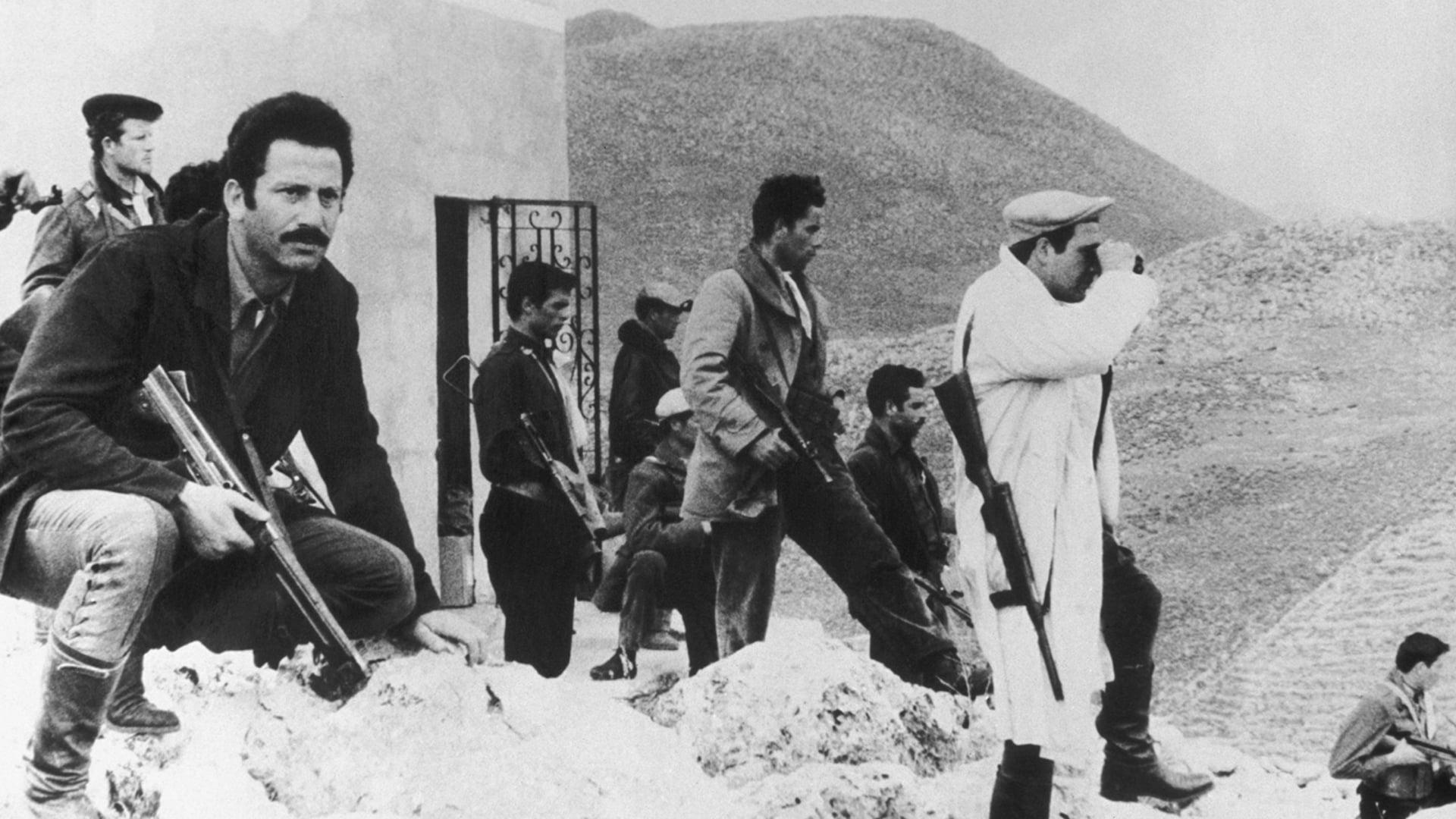
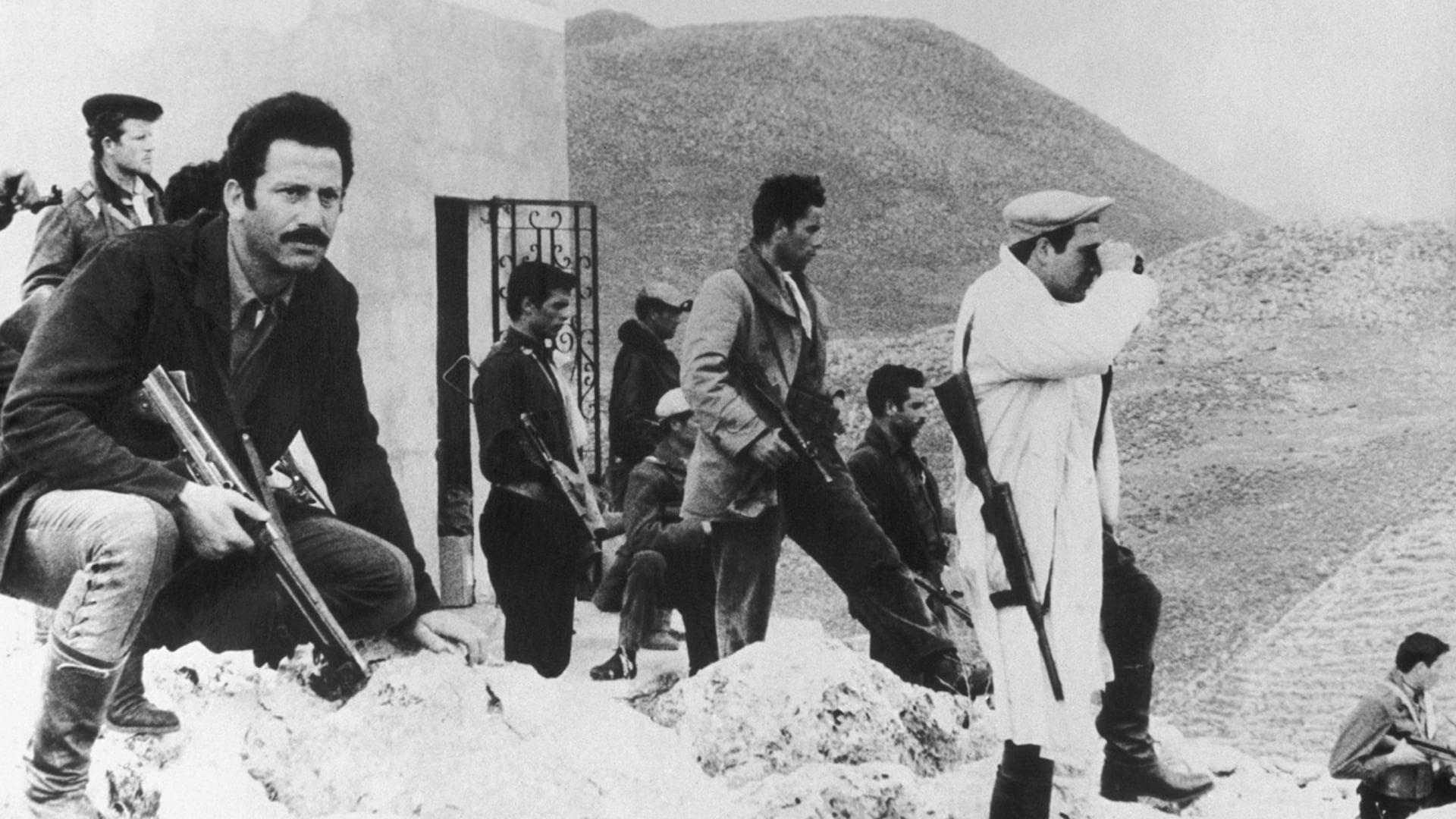
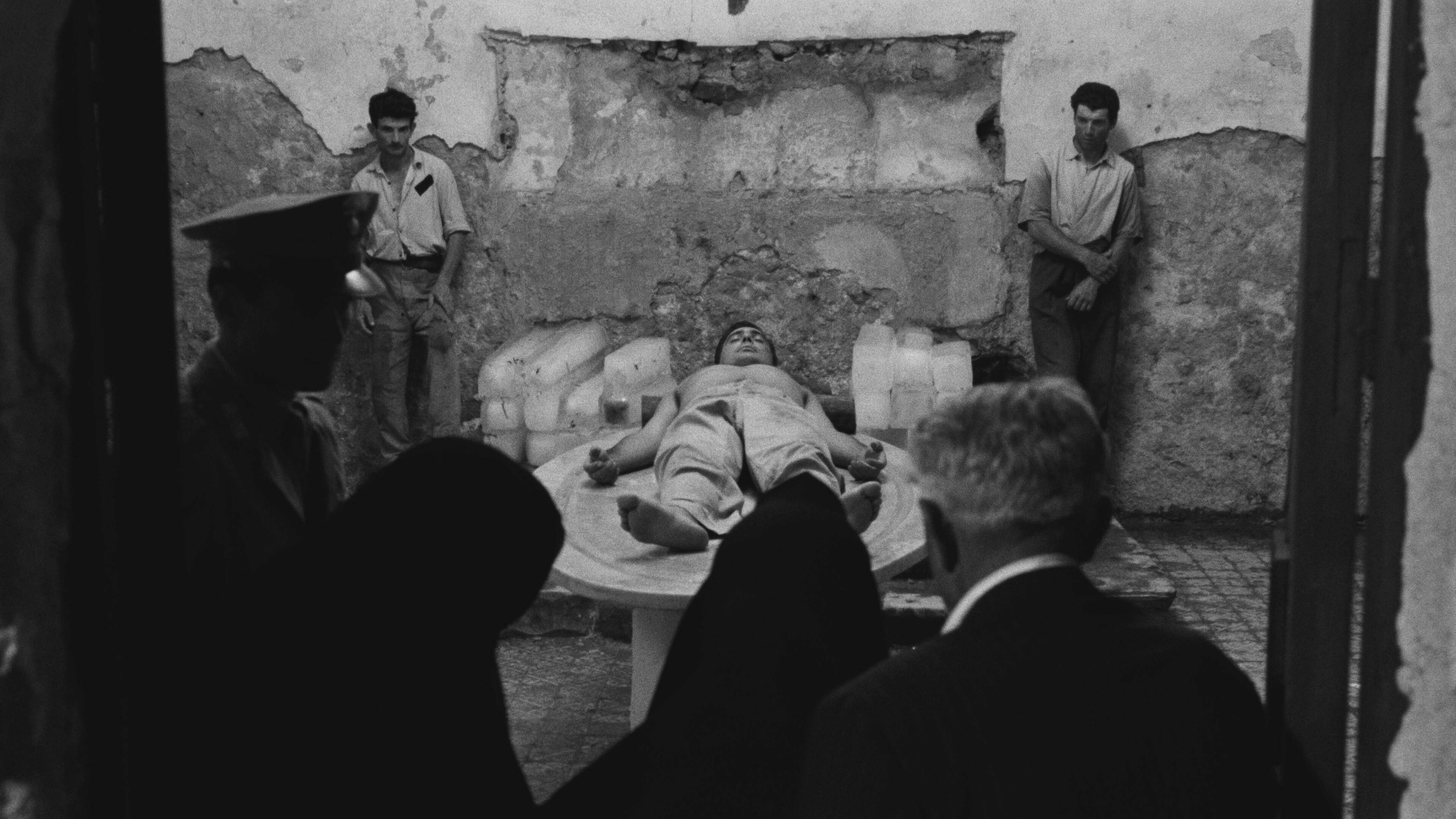
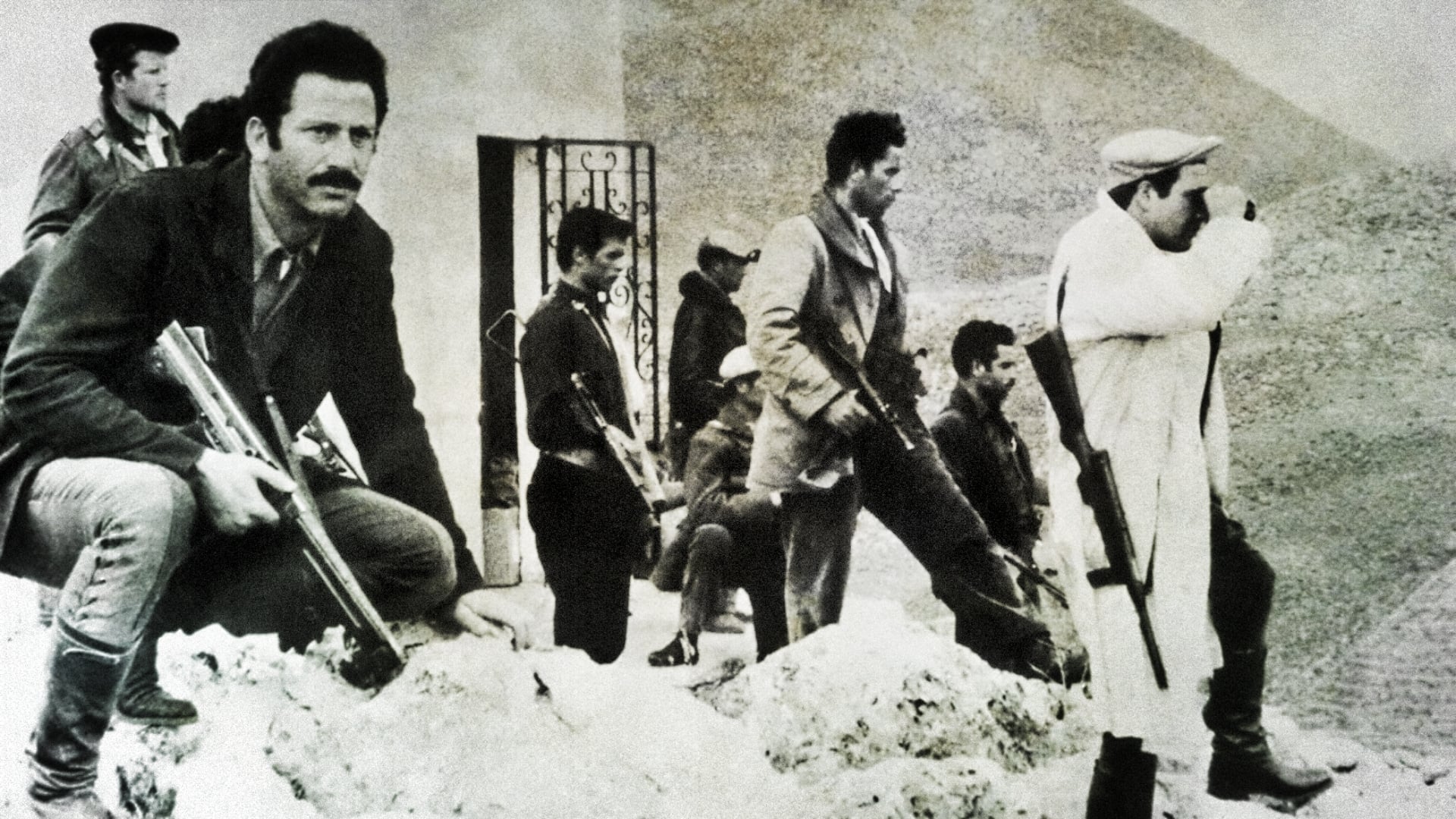
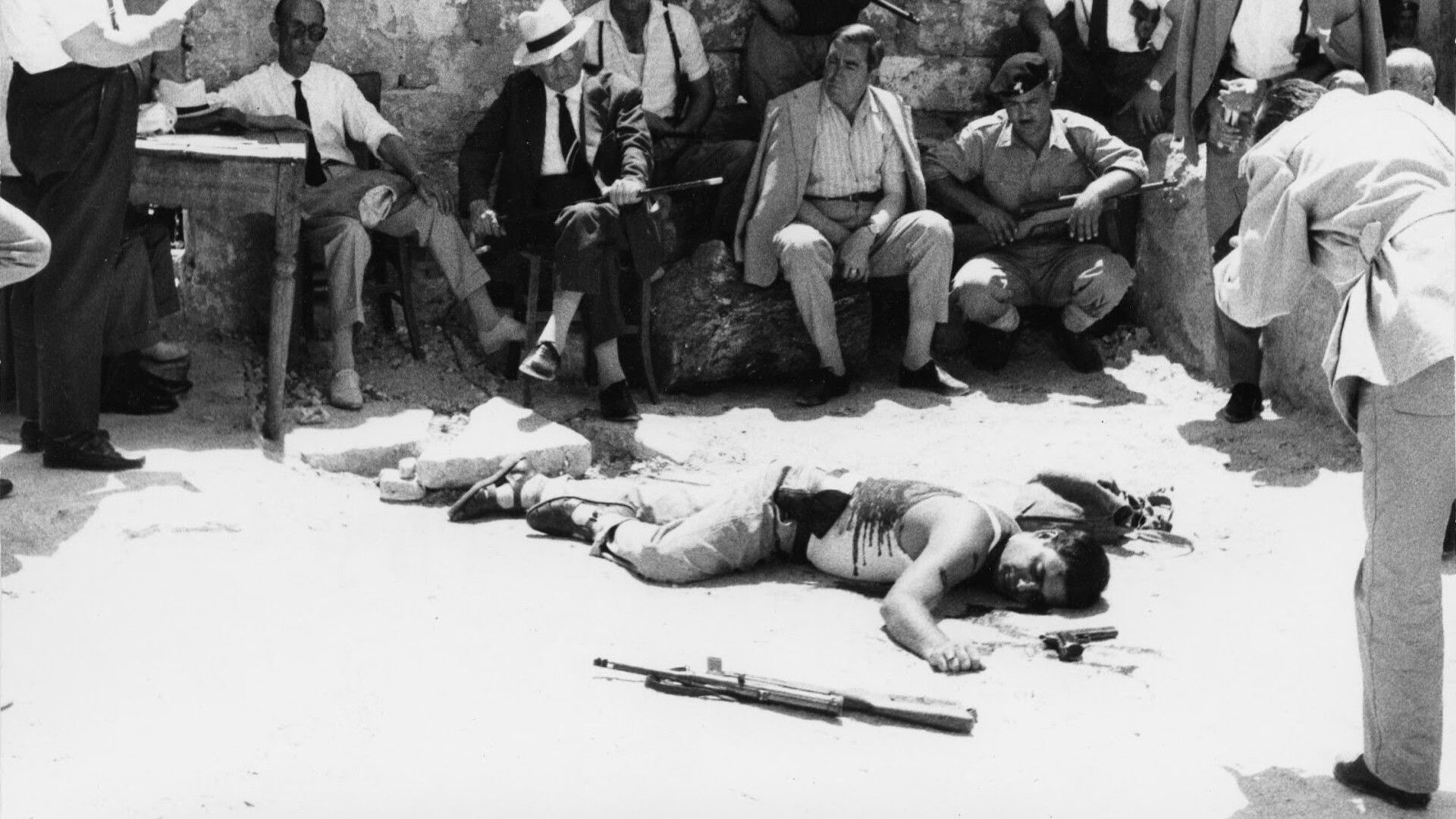
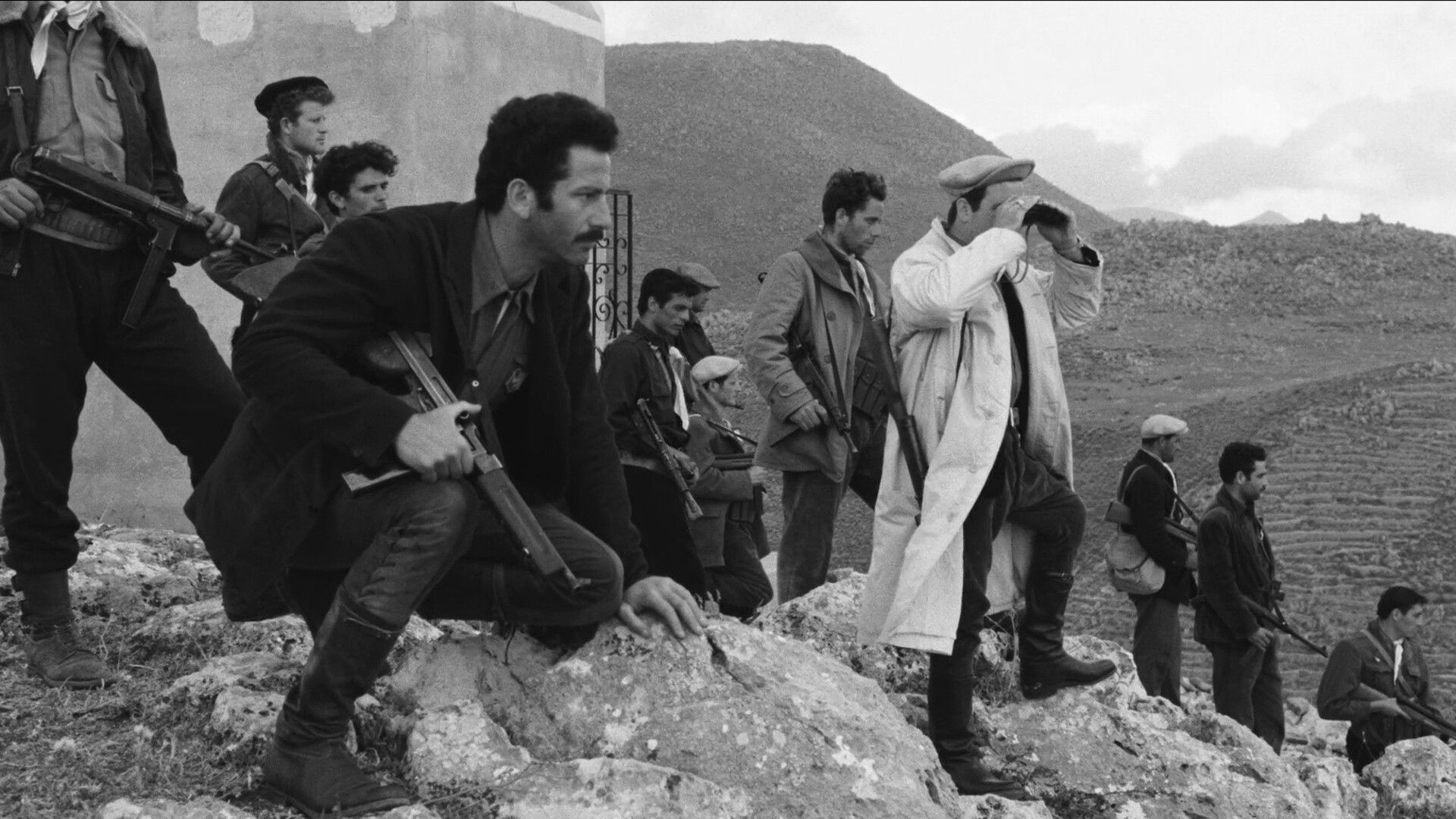
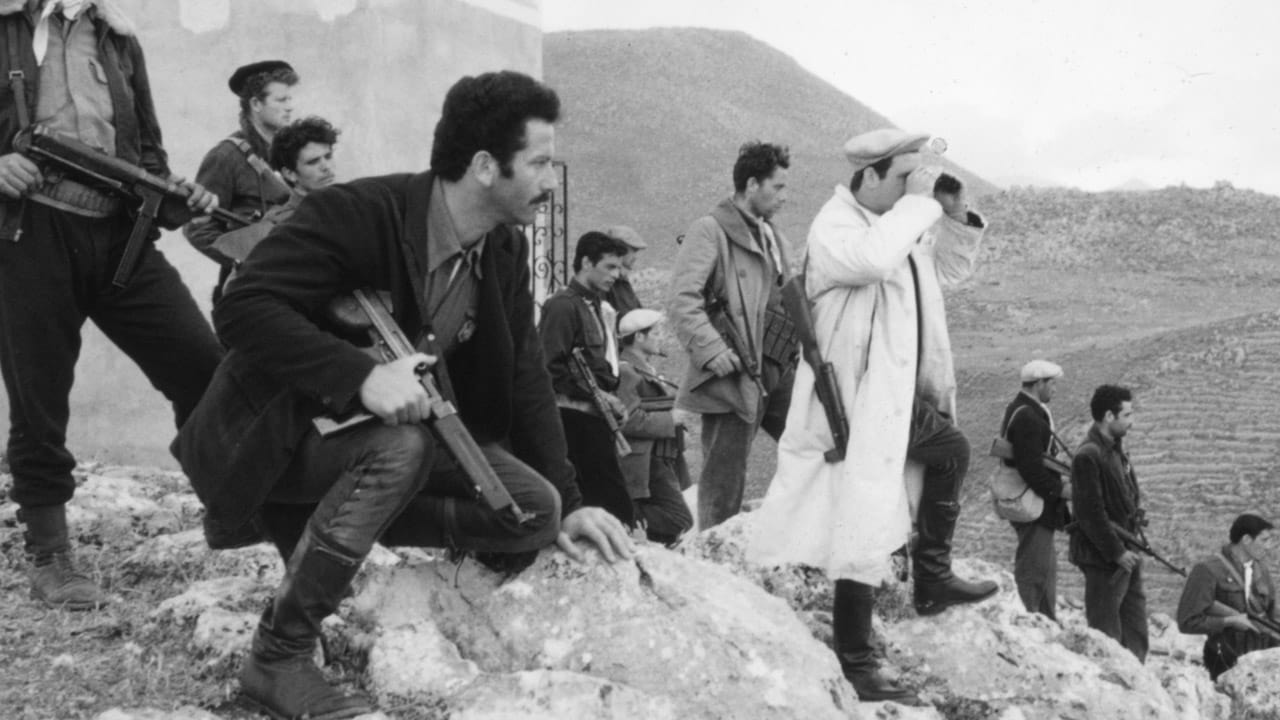
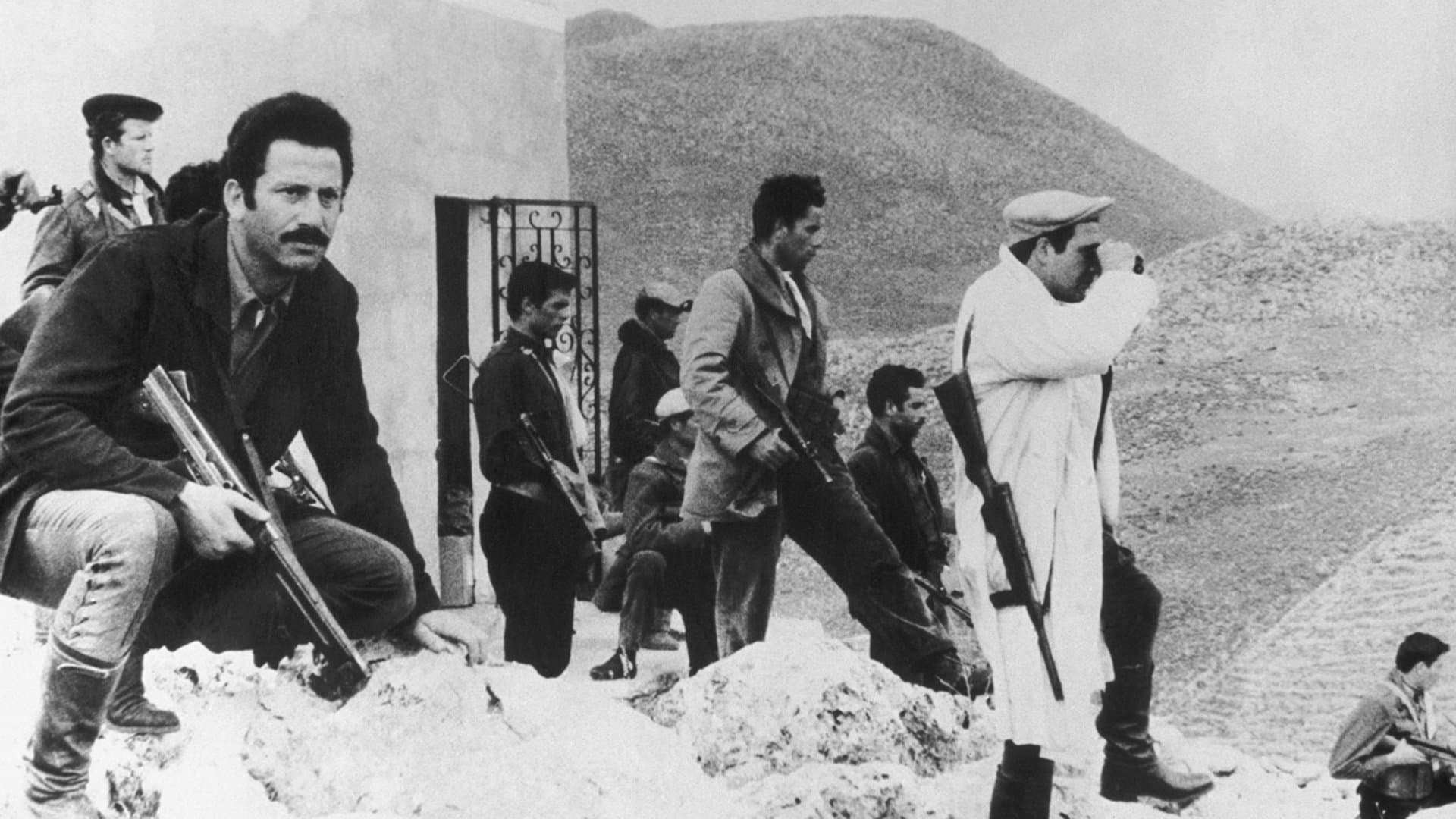
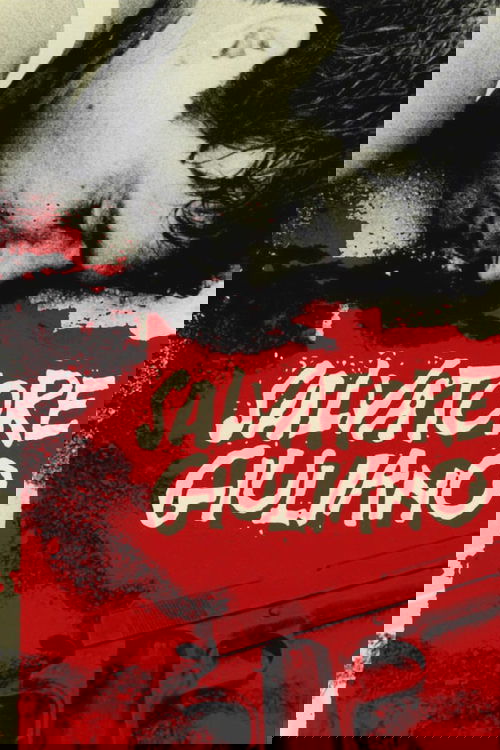
Sicilian bandit Salvatore Giuliano's bullet-riddled corpse is found facedown in a courtyard in Castelvetrano, a handgun and rifle by his side. Local and international press descend upon the scene, hoping to crack open the true story behind the death of this young man, who, at the age of twenty-seven, had already become Italy’s most wanted criminal and celebrated hero.
Directed by Francesco Rosi
sicily, italy
mafia
death
sicilian mafia

Trailer

IMDB
N/A
Cast
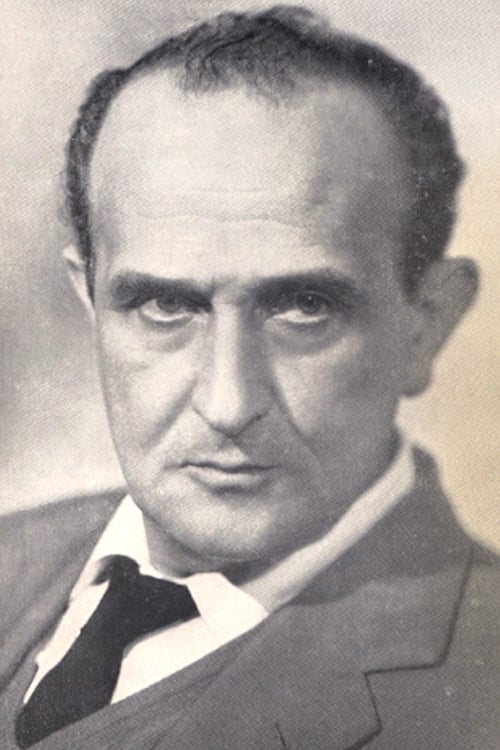
Salvo Randone
President of Viterbo Assize Court
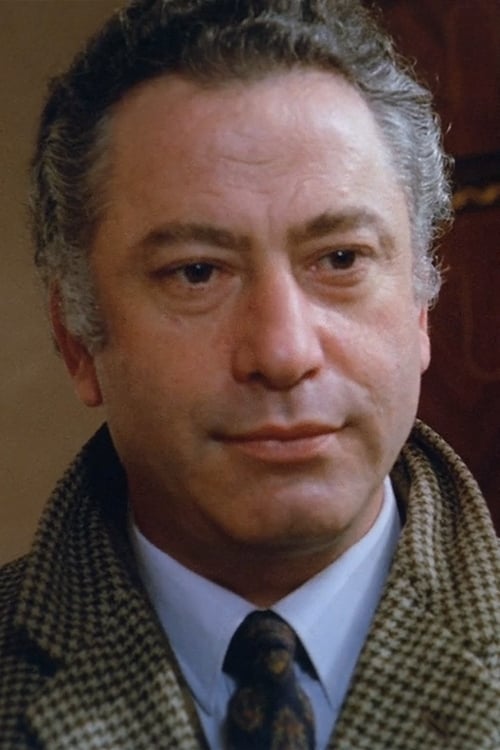
Frank Wolff
Gaspare Pisciotta
Pippo Agusta
Minor Role (uncredited)
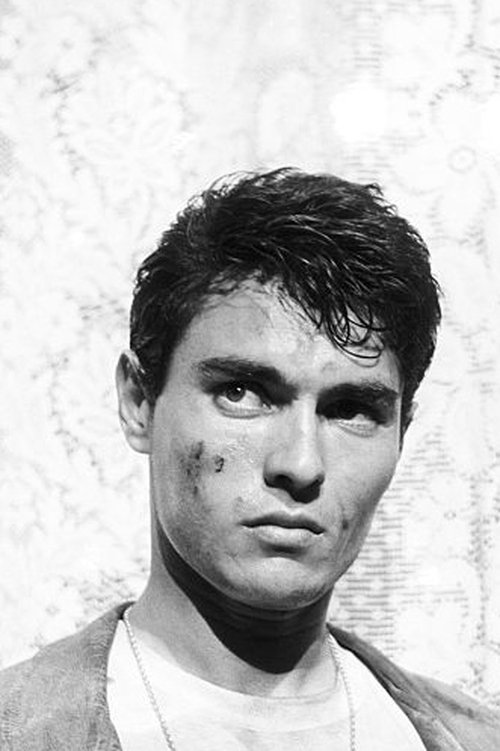
Max Cartier
Francesco (uncredited)
Nando Cicero
Bandit (uncredited)
Renato Pinciroli
Pinciroli (uncredited)
Francesco Rosi
Narrator (voice) (uncredited)

Bruno Ukmar
Spy (uncredited)
Crew
Francesco Rosi
Director

Franco Solinas
Screenplay
Francesco Rosi
Screenplay
Suso Cecchi d'Amico
Screenplay
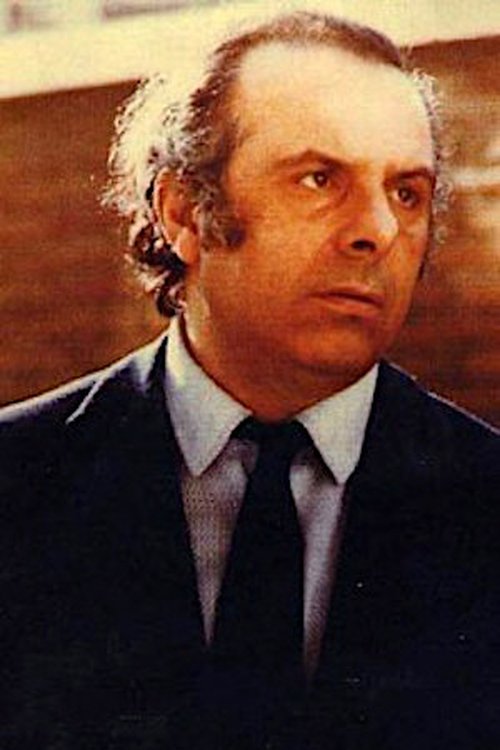
Piero Piccioni
Original Music Composer
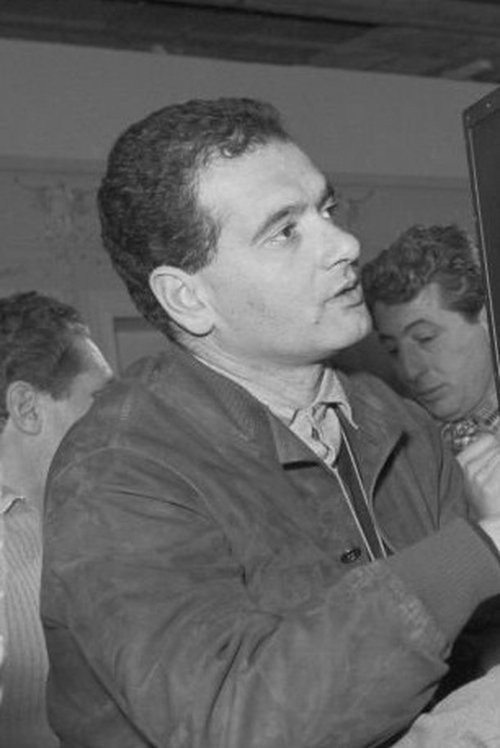
Gianni Di Venanzo
Director of Photography
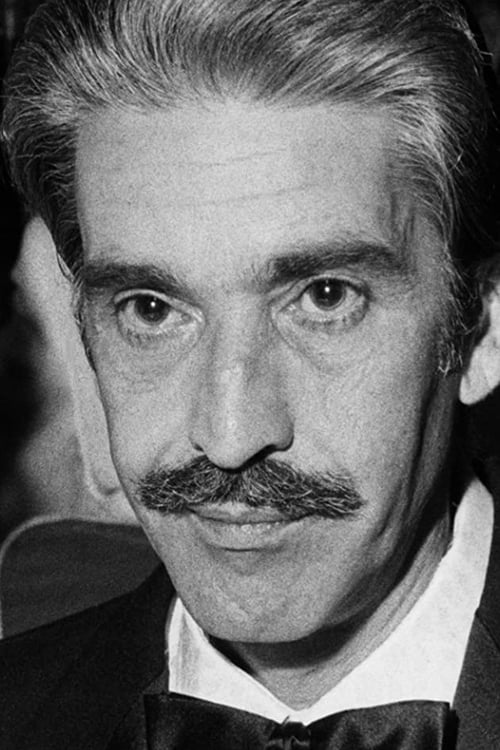
Franco Cristaldi
Producer
Nando Cicero
First Assistant Director
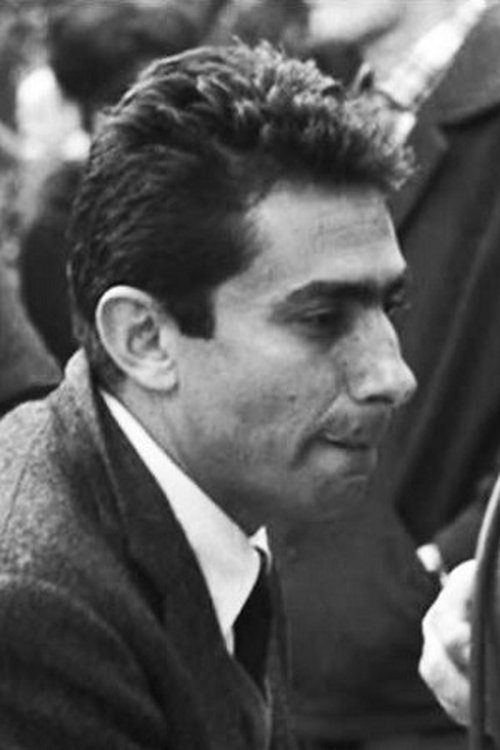
Franco Indovina
First Assistant Director
Suso Cecchi d'Amico
Story
Francesco Rosi
Story
Franco Solinas
Story
Popular Reviews
9 reviews
Sergio
8.0★ · 02/19/26
i’m indecisive between this two reviews
sicilians, ungovernable people
or
Giuliano never really appears in the film. When he does, he’s filtered: a voice-over, someone else’s account or a body laid out, almost iconic, in a shot that recalls Mantegna’s “Dead Christ”. Rosi takes him out of the center. The film carries his name, but keeps him at the margins. The protagonist is an absence.
Portella della Ginestra stays there like a wound that blocks any indulgence. In 47, peasants protesting for rights and equality were killed. That alone is enough to kill any romantic reading. Giuliano is a murderer. History and the memory of it pins him down. And yet something still unsettles. A kind of fascination that doesn’t come from heroism, but from the void around him. Hobsbawm calls this kind of figure a “social bandit”: someone who emerges where the state is weak or distant. Not a conscious hero, not an ideologue, but a product of a pre-political space. That’s where the first Giuliano belongs. Rosi though, doesn’t build a legend. He shows the puzzled ways in which it can occur. That all this happens in Castelvetrano, town of many ghosts, one of them Messina Denaro, isn’t just a folkloric coincidence. And it’s not some vague fatalism “à la sicilienne”, linked to Tomasi di Lampedusa’s idea that “everything must change so that everything can stay the same.”
It’s more concrete than that: when the state is absent or ineffective, the myth of the outlaw comes back. Bandits, mafiosi: the names change. The dynamic doesn’t. If their power depends on a play between presence and absence, the heaviest absence of all is the state.
which one you prefer?
sicilians, ungovernable people
or
Giuliano never really appears in the film. When he does, he’s filtered: a voice-over, someone else’s account or a body laid out, almost iconic, in a shot that recalls Mantegna’s “Dead Christ”. Rosi takes him out of the center. The film carries his name, but keeps him at the margins. The protagonist is an absence.
Portella della Ginestra stays there like a wound that blocks any indulgence. In 47, peasants protesting for rights and equality were killed. That alone is enough to kill any romantic reading. Giuliano is a murderer. History and the memory of it pins him down. And yet something still unsettles. A kind of fascination that doesn’t come from heroism, but from the void around him. Hobsbawm calls this kind of figure a “social bandit”: someone who emerges where the state is weak or distant. Not a conscious hero, not an ideologue, but a product of a pre-political space. That’s where the first Giuliano belongs. Rosi though, doesn’t build a legend. He shows the puzzled ways in which it can occur. That all this happens in Castelvetrano, town of many ghosts, one of them Messina Denaro, isn’t just a folkloric coincidence. And it’s not some vague fatalism “à la sicilienne”, linked to Tomasi di Lampedusa’s idea that “everything must change so that everything can stay the same.”
It’s more concrete than that: when the state is absent or ineffective, the myth of the outlaw comes back. Bandits, mafiosi: the names change. The dynamic doesn’t. If their power depends on a play between presence and absence, the heaviest absence of all is the state.
which one you prefer?
i’m indecisive between this two reviews
sicilians, ungovernable people
or
Giuliano never really appears in the film. When he does, he’s filtered: a voice-over, someone else’s account or a body laid out, almost iconic, in a shot that recalls Mantegna’s “Dead Christ”. Rosi takes him out of the center. The film carries his name, but keeps him at the margins. The protagonist is an absence.
Portella della Ginestra stays there like a wound that blocks any indulgence. In 47, peasants protesting for rights and equality were killed. That alone is enough to kill any romantic reading. Giuliano is a murderer. History and the memory of it pins him down. And yet something still unsettles. A kind of fascination that doesn’t come from heroism, but from the void around him. Hobsbawm calls this kind of figure a “social bandit”: someone who emerges where the state is weak or distant. Not a conscious hero, not an ideologue, but a product of a pre-political space. That’s where the first Giuliano belongs. Rosi though, doesn’t build a legend. He shows the puzzled ways in which it can occur. That all this happens in Castelvetrano, town of many ghosts, one of them Messina Denaro, isn’t just a folkloric coincidence. And it’s not some vague fatalism “à la sicilienne”, linked to Tomasi di Lampedusa’s idea that “everything must change so that everything can stay the same.”
It’s more concrete than that: when the state is absent or ineffective, the myth of the outlaw comes back. Bandits, mafiosi: the names change. The dynamic doesn’t. If their power depends on a play between presence and absence, the heaviest absence of all is the state.
which one you prefer?
sicilians, ungovernable people
or
Giuliano never really appears in the film. When he does, he’s filtered: a voice-over, someone else’s account or a body laid out, almost iconic, in a shot that recalls Mantegna’s “Dead Christ”. Rosi takes him out of the center. The film carries his name, but keeps him at the margins. The protagonist is an absence.
Portella della Ginestra stays there like a wound that blocks any indulgence. In 47, peasants protesting for rights and equality were killed. That alone is enough to kill any romantic reading. Giuliano is a murderer. History and the memory of it pins him down. And yet something still unsettles. A kind of fascination that doesn’t come from heroism, but from the void around him. Hobsbawm calls this kind of figure a “social bandit”: someone who emerges where the state is weak or distant. Not a conscious hero, not an ideologue, but a product of a pre-political space. That’s where the first Giuliano belongs. Rosi though, doesn’t build a legend. He shows the puzzled ways in which it can occur. That all this happens in Castelvetrano, town of many ghosts, one of them Messina Denaro, isn’t just a folkloric coincidence. And it’s not some vague fatalism “à la sicilienne”, linked to Tomasi di Lampedusa’s idea that “everything must change so that everything can stay the same.”
It’s more concrete than that: when the state is absent or ineffective, the myth of the outlaw comes back. Bandits, mafiosi: the names change. The dynamic doesn’t. If their power depends on a play between presence and absence, the heaviest absence of all is the state.
which one you prefer?


Alanna Estrada
6.0★ · 11/12/24
a good italian political film but it could not keep my attention tbh
a good italian political film but it could not keep my attention tbh
Timothy Kandra
Italian cinema at its finest. Well paced and very engaging.
Italian cinema at its finest. Well paced and very engaging.
towersim
7.0★ · 06/11/26
John Fichera
9.0★ · 06/09/25