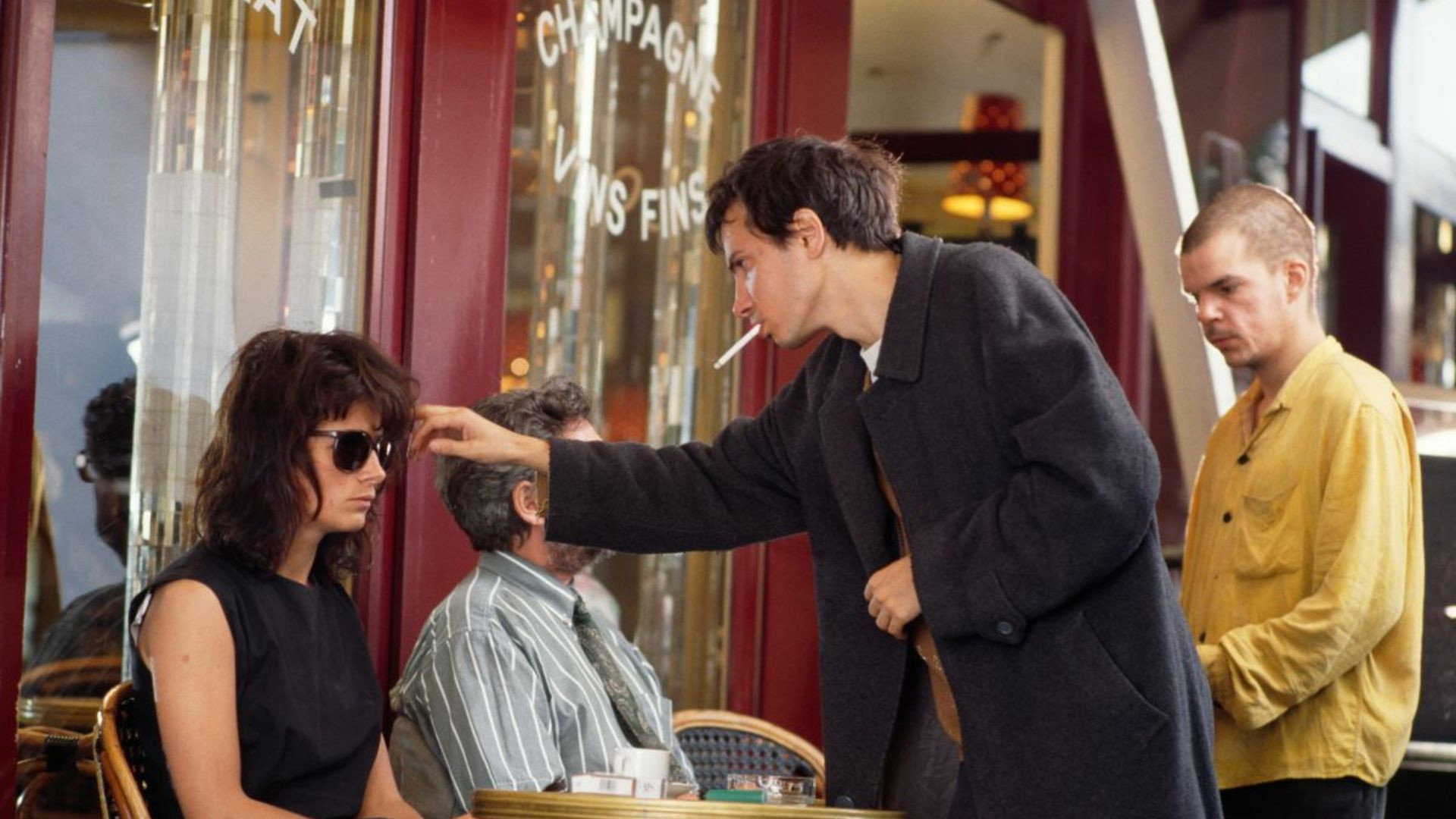
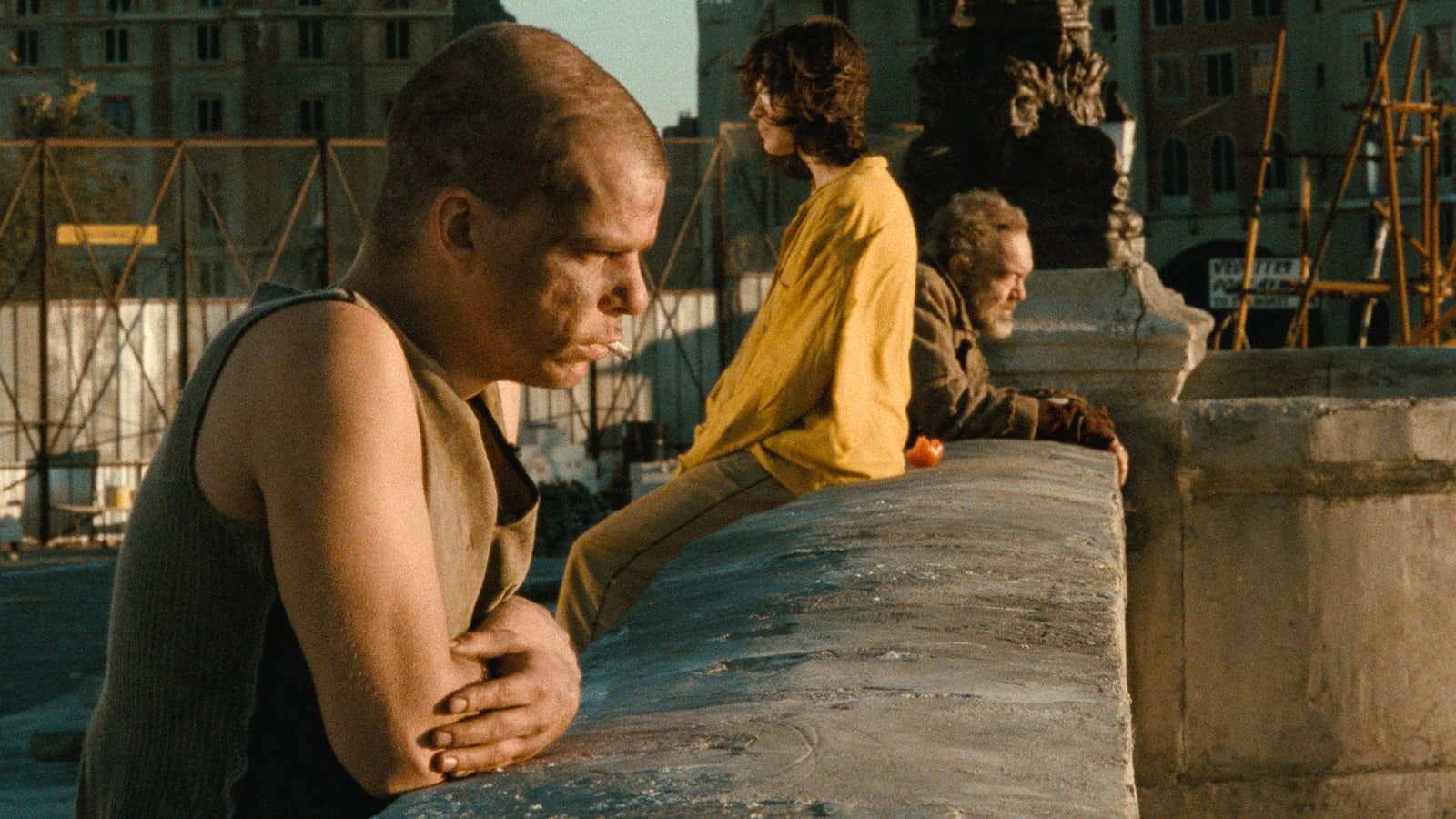
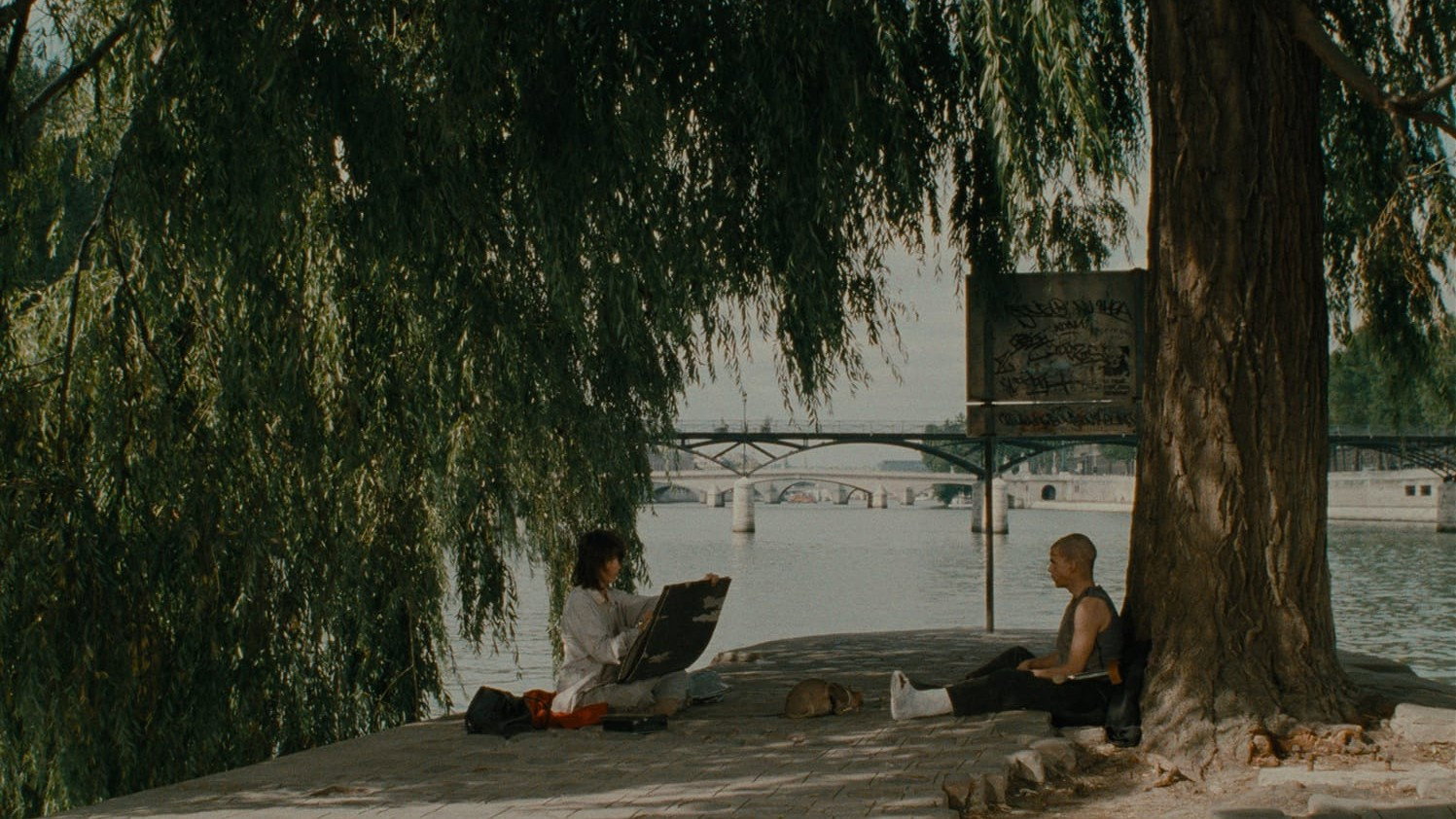
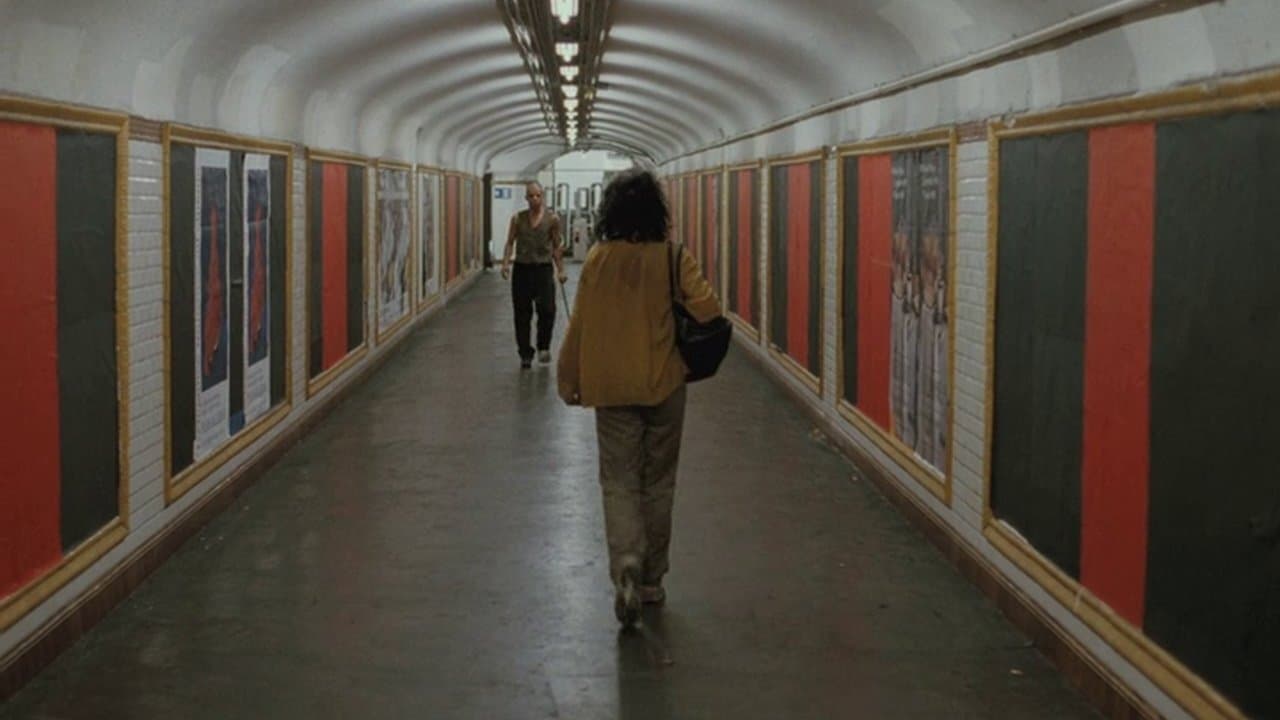
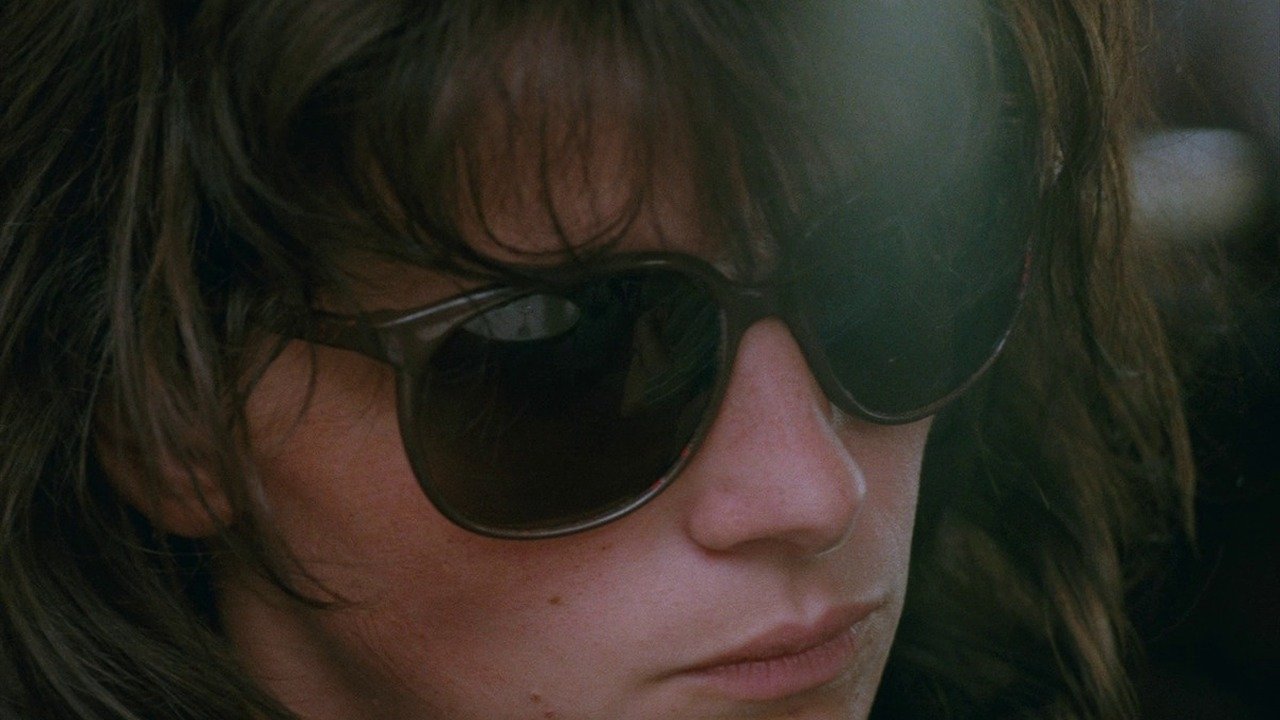
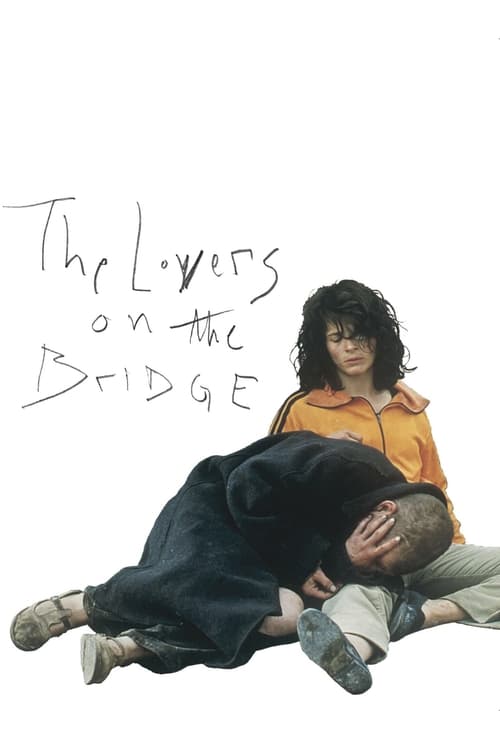
The Lovers on the Bridge (1991) is an experimental romance film directed by French auteur Leos Carax. My only knowledge of Carax is through his Palme D’or nominated film Holly Motors (2012). Holly Motors was surreal, unhinged, and one of the weirdest films I’ve ever seen. I absolutely loved it, but could understand the mixed response. Going into this film I had no idea what to expect, only that it was shot 20 years earlier, and briefly became part of the Letterboxd official Top 250 list.
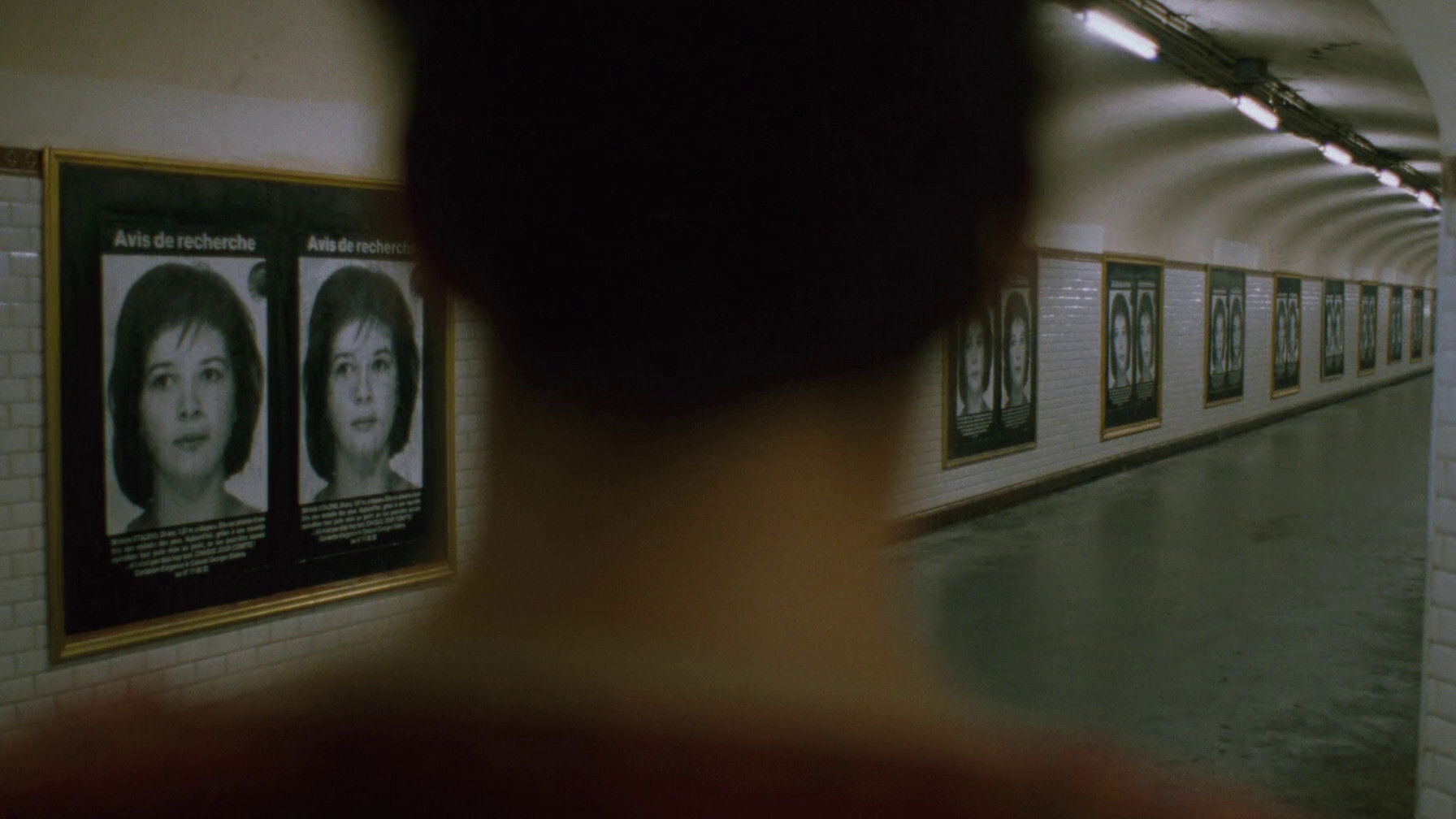
The opening is chaotic. Carax uses hand held cameras to show cars driving through Paris nearly hitting an unknown man walking in the road. Eventually one does. He is rescued and sent to a recovery centre. The scenes are highly graphic, and show the directors intent to make a social commentary around alcohol broken government support systems which lead to relapse cycles and long term homelessness.
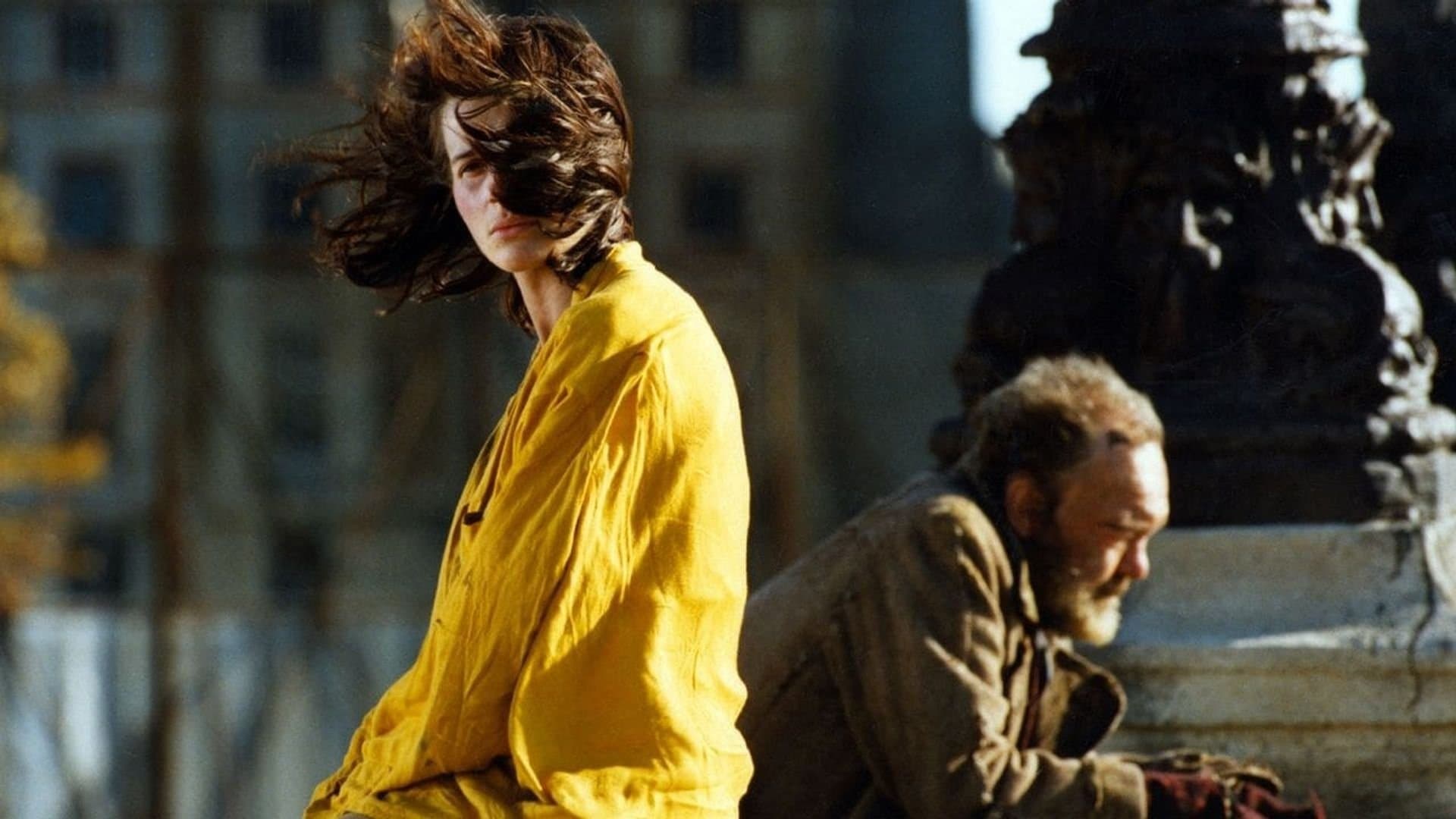
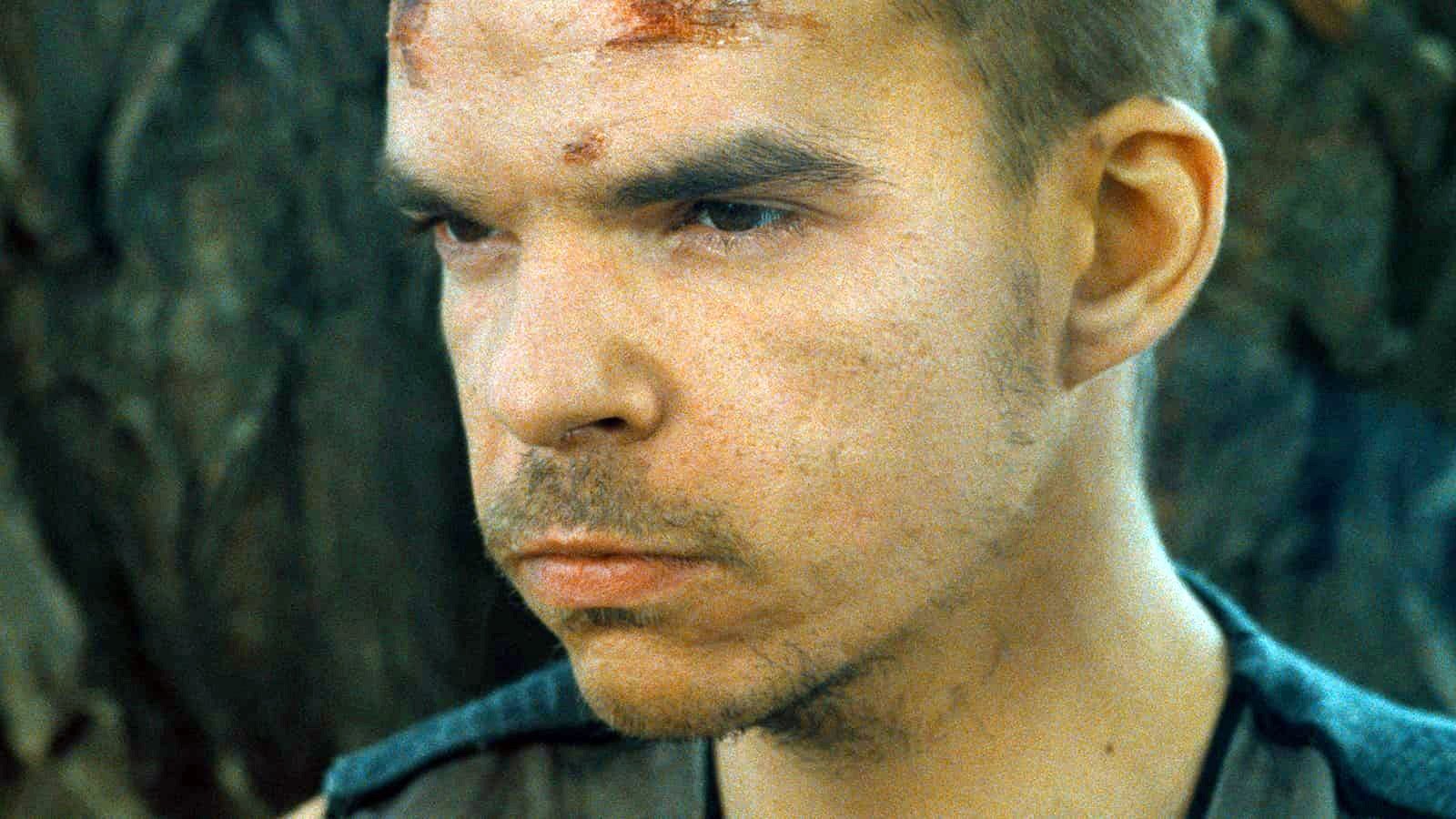
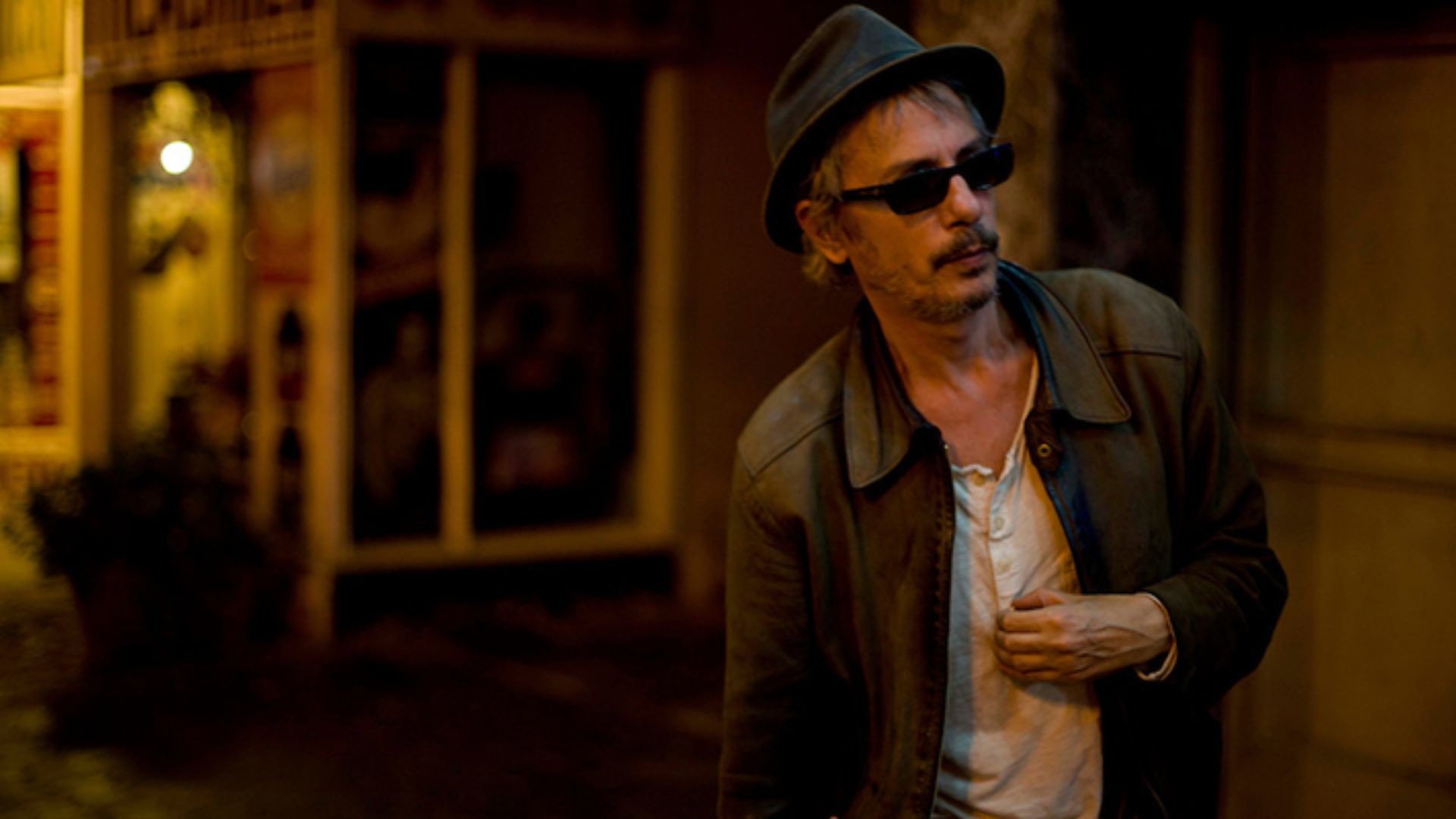
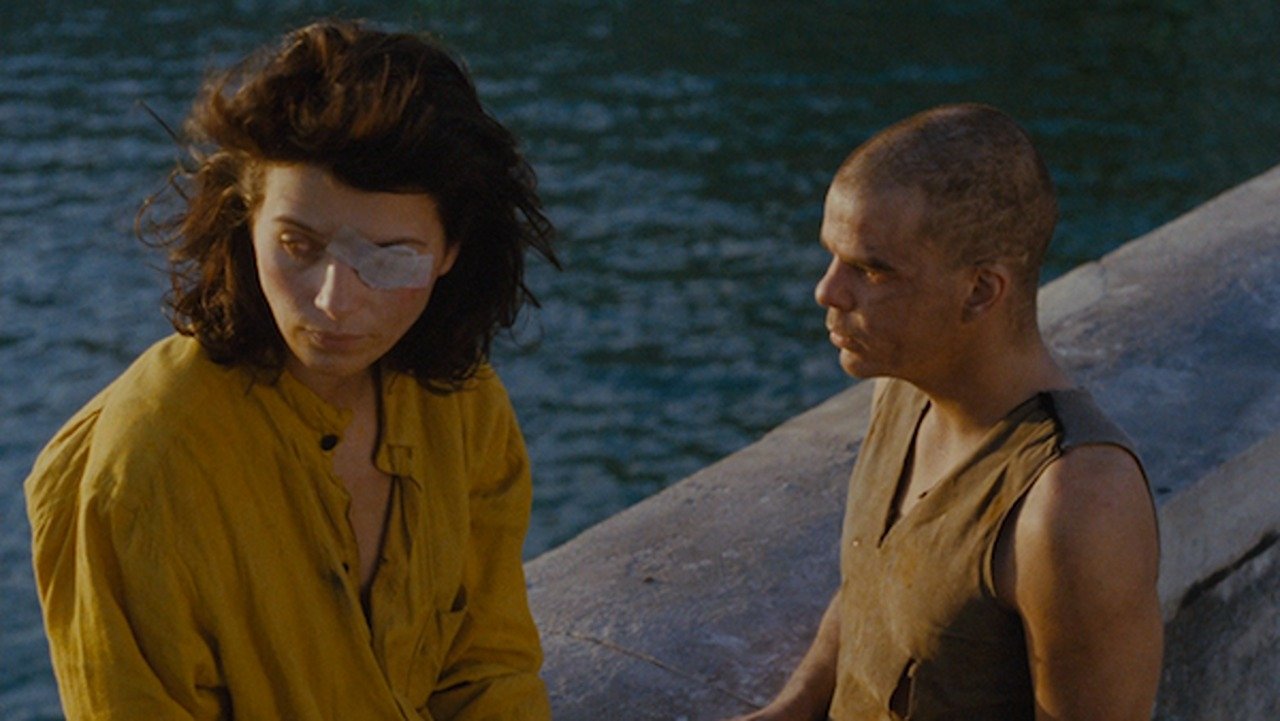
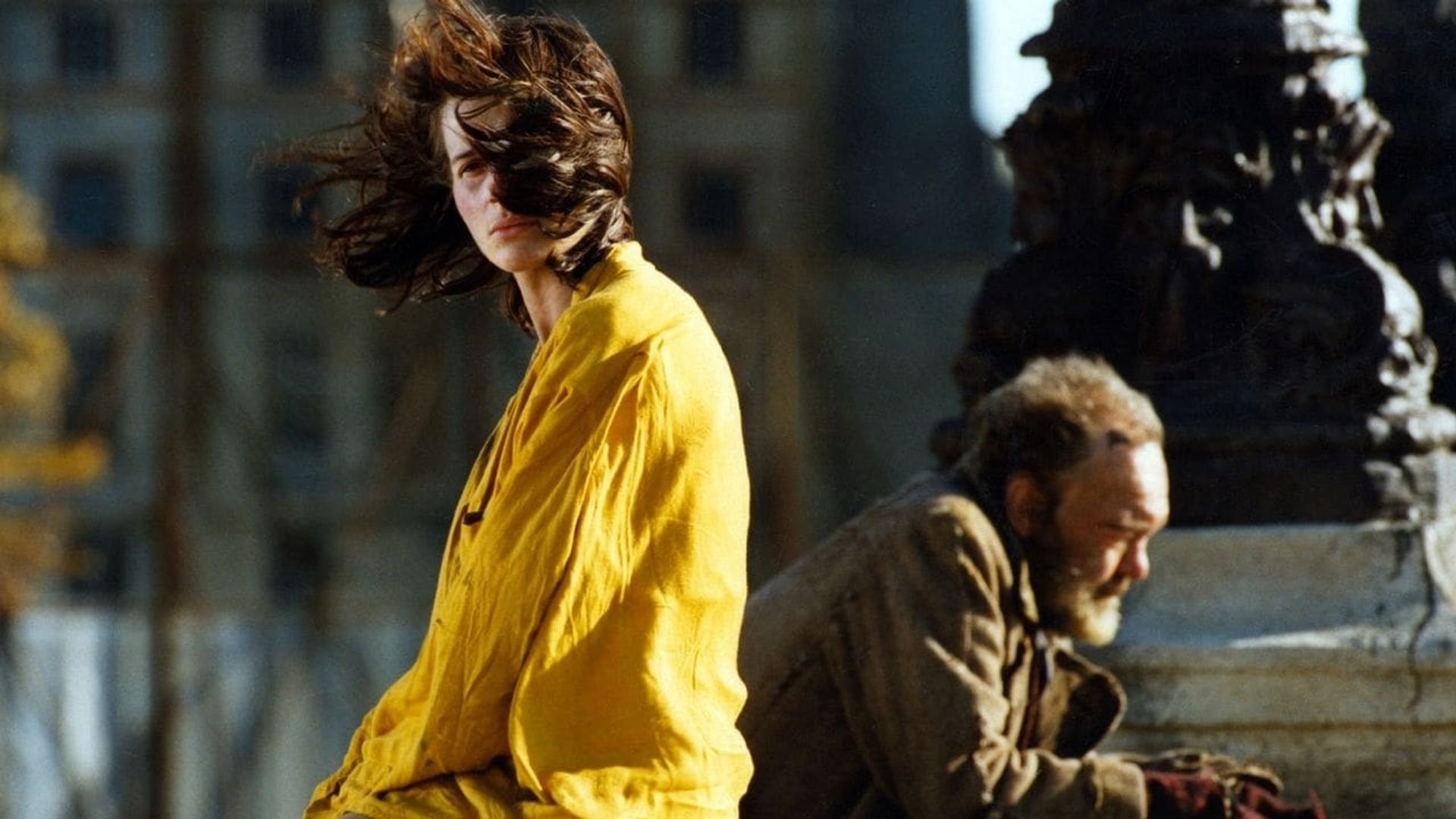
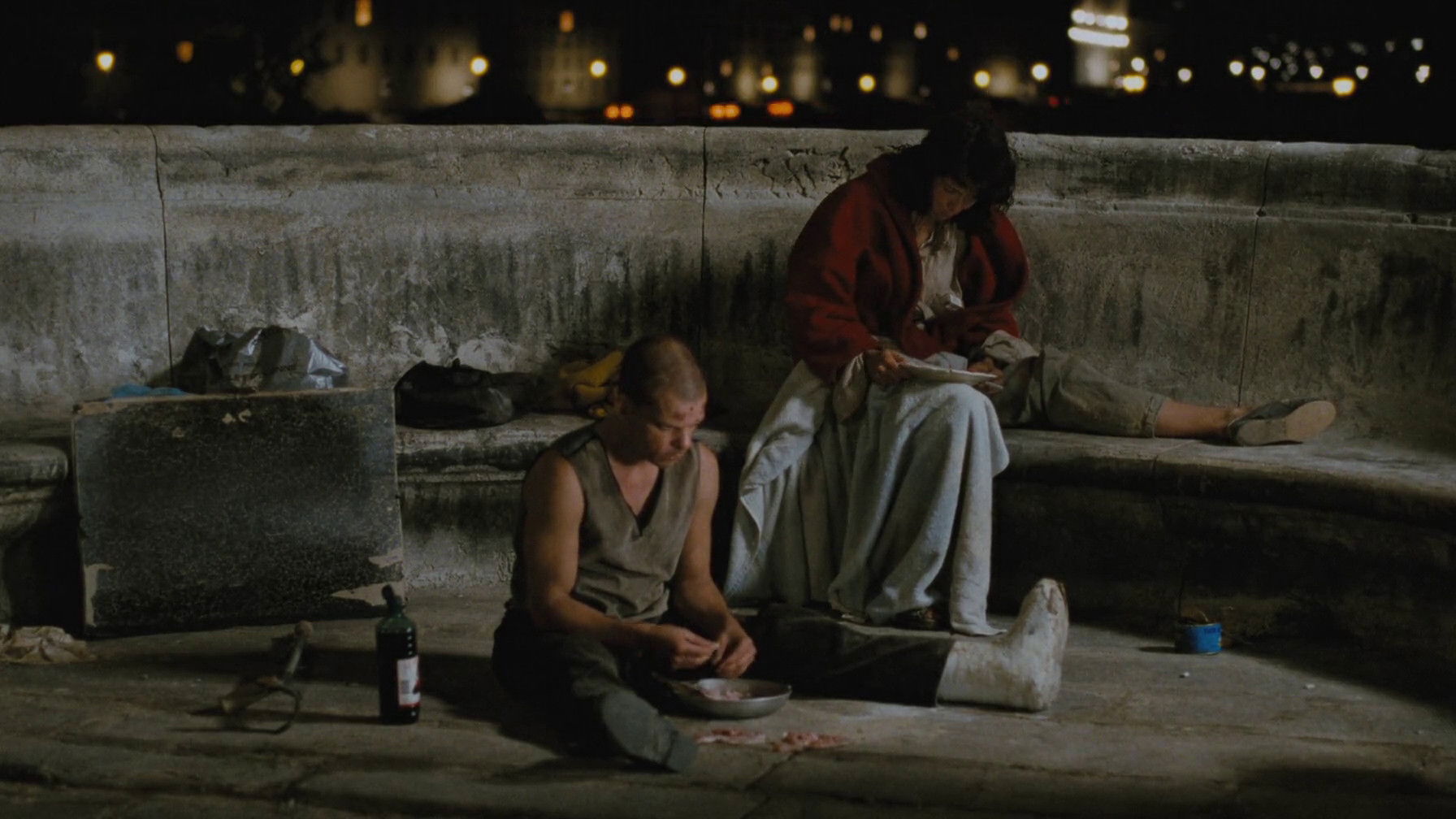
The stranger is introduced as our protagonist Alex (Denis Lavant) who lives under a bridge in Paris with his older friend Hans (Klaus-Michael Gruber). Act 1 is slow, dark, and upsetting as we see Alex repeatedly drink to excess. Both characters have accepted, and there is no romanticism of alcohol or silver lining for hope.
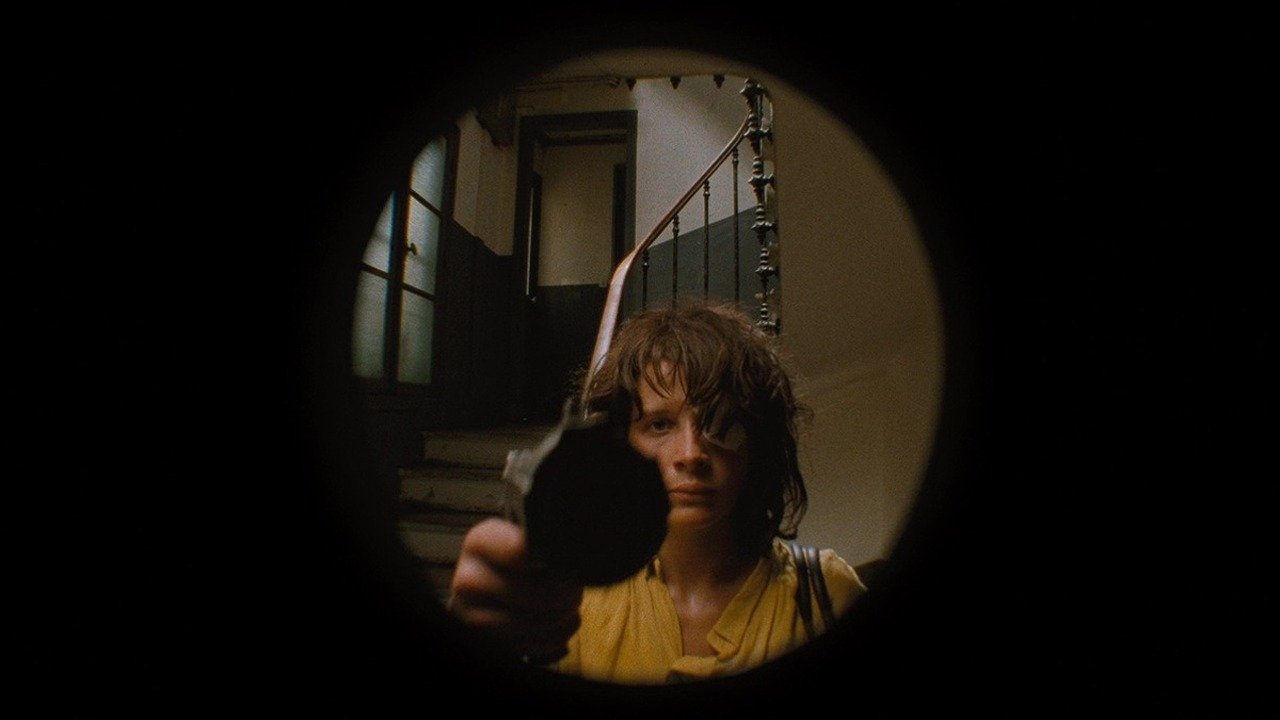
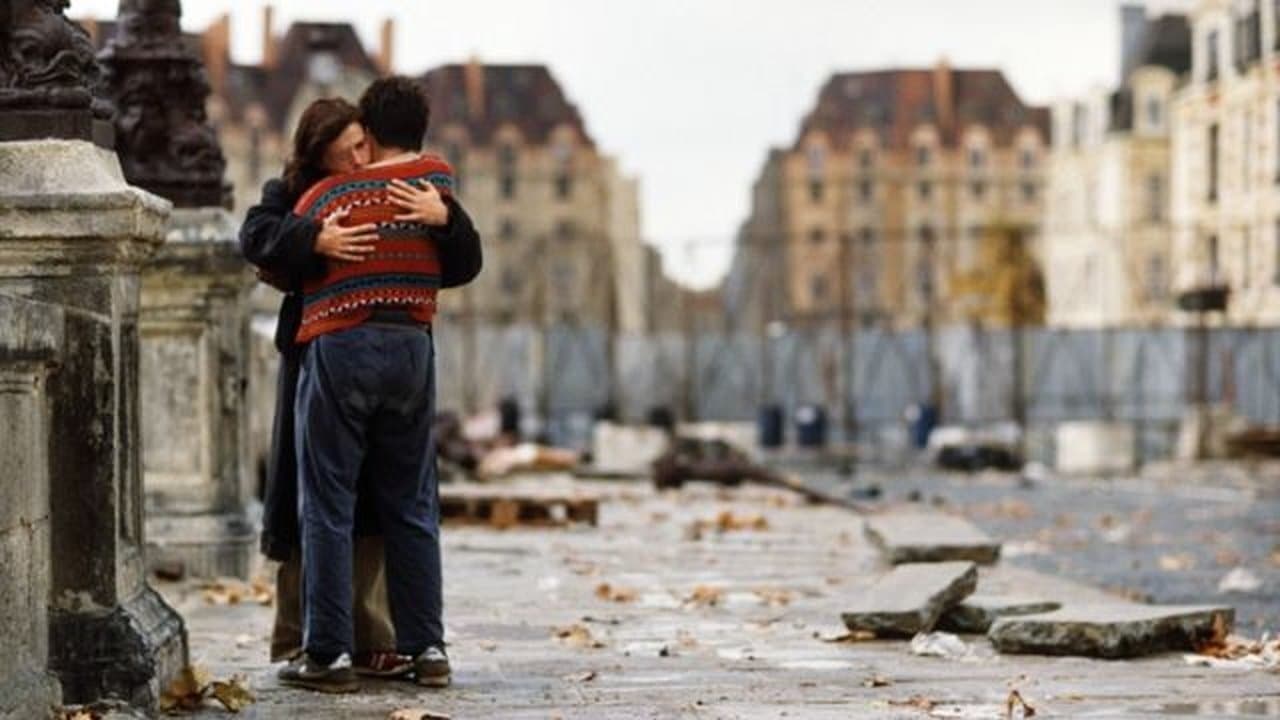
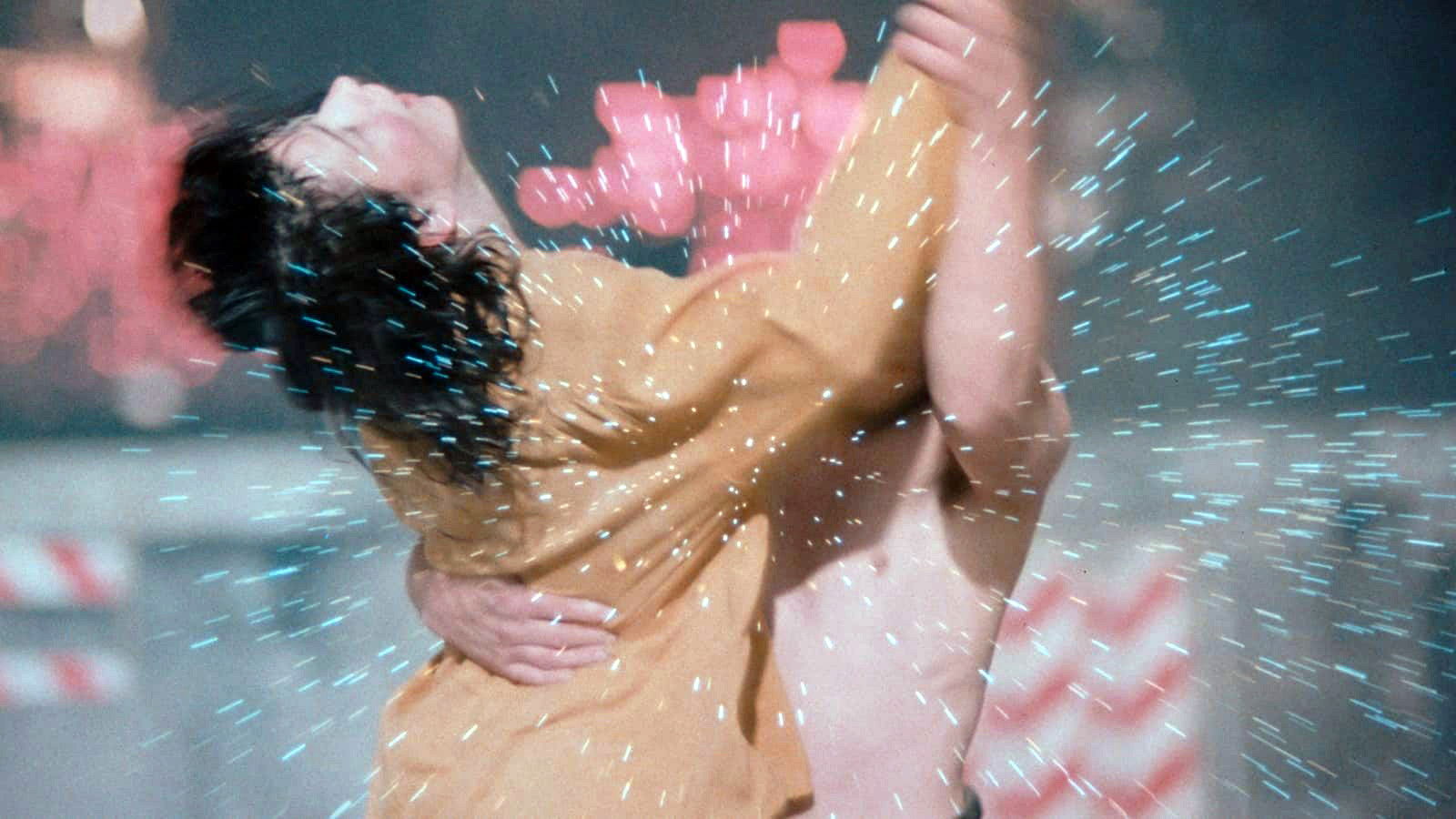
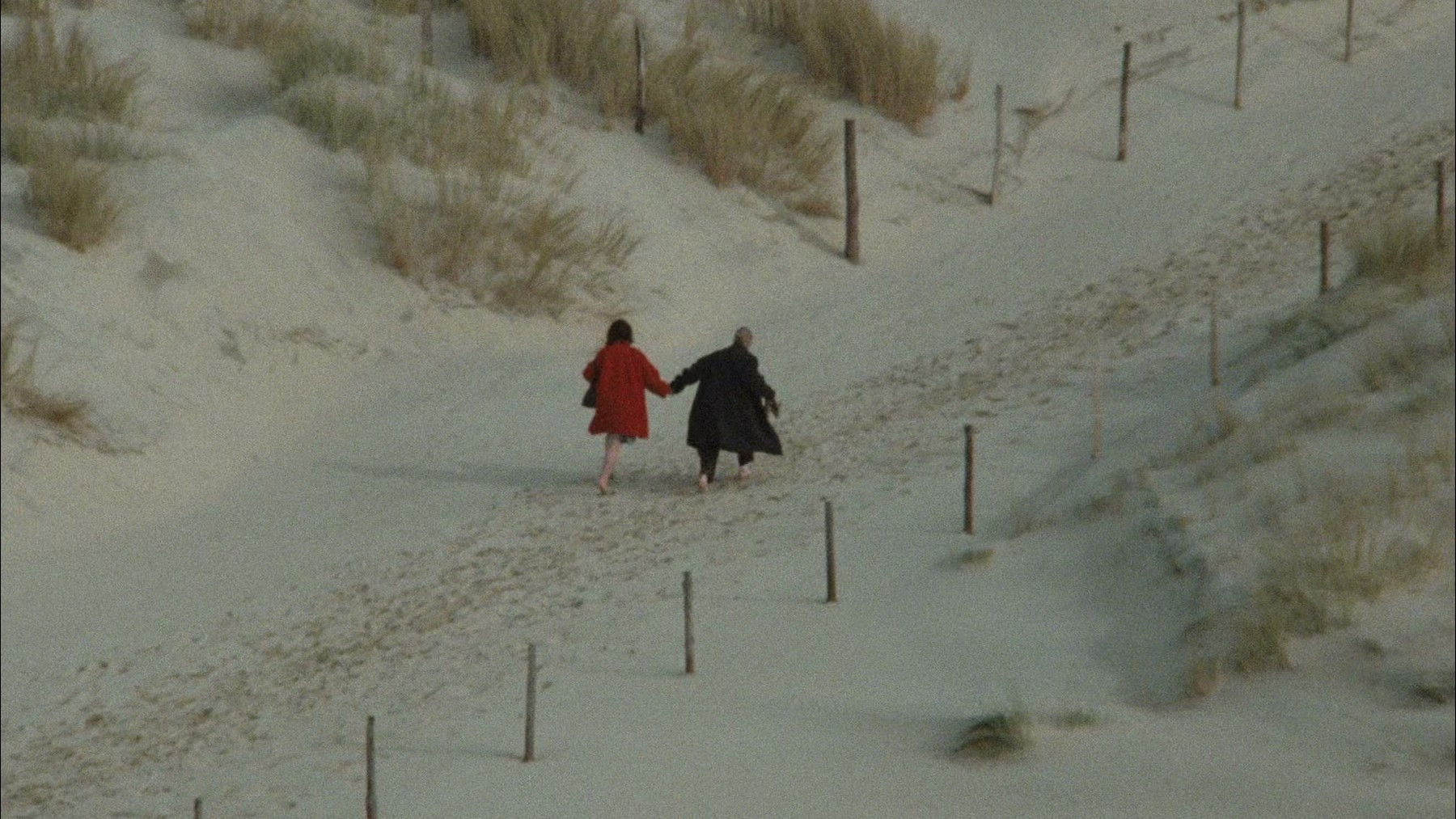
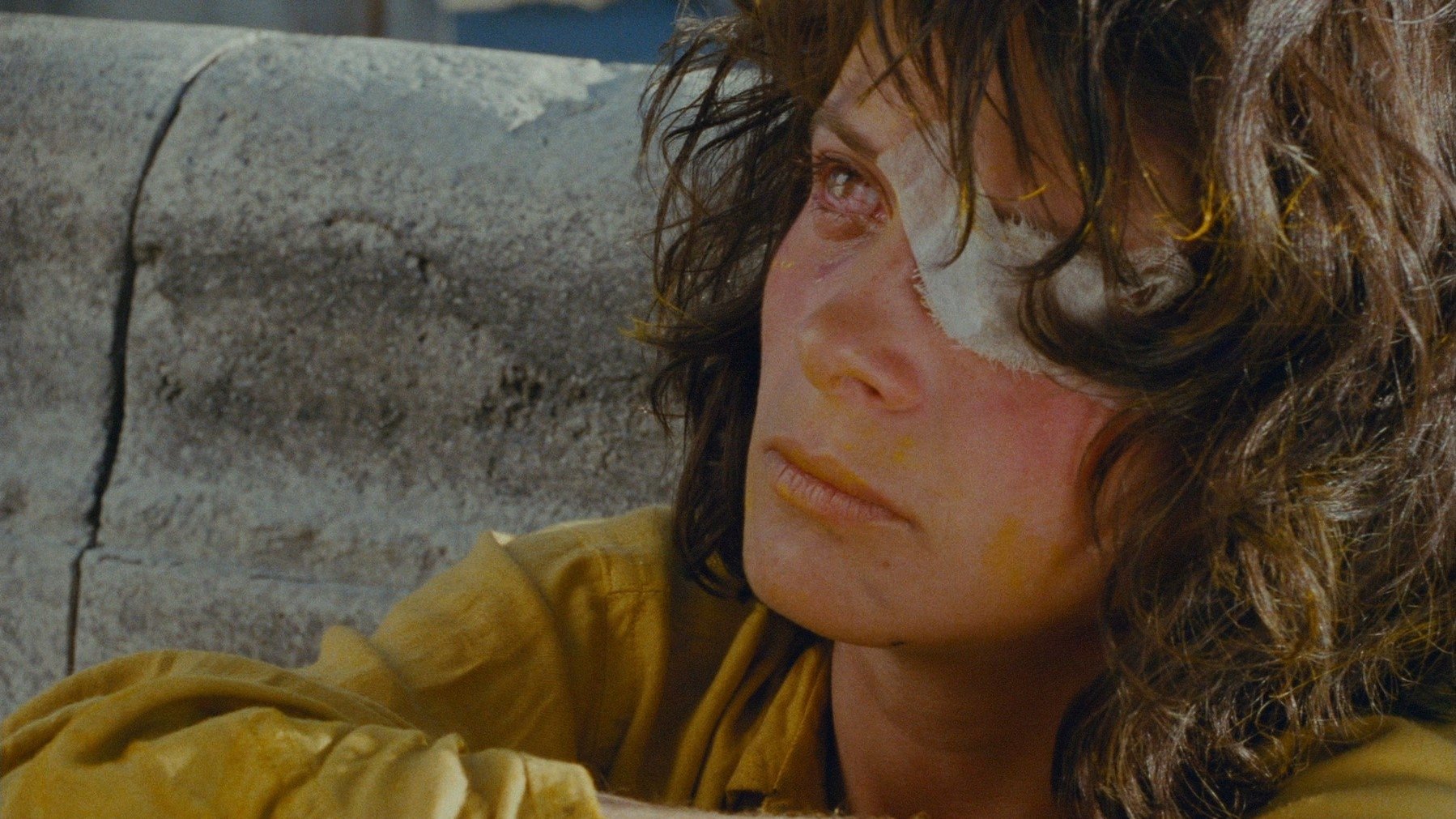
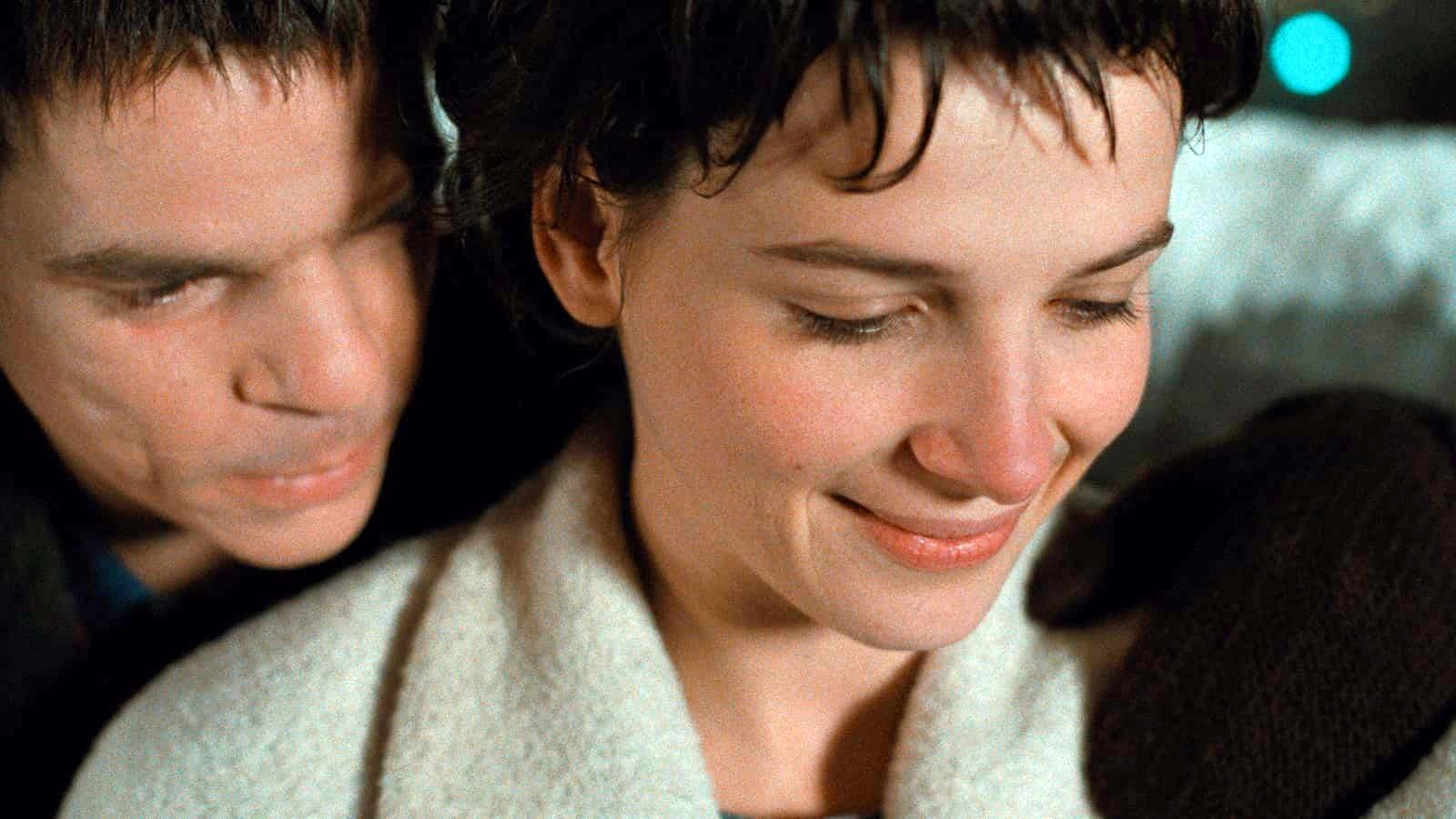
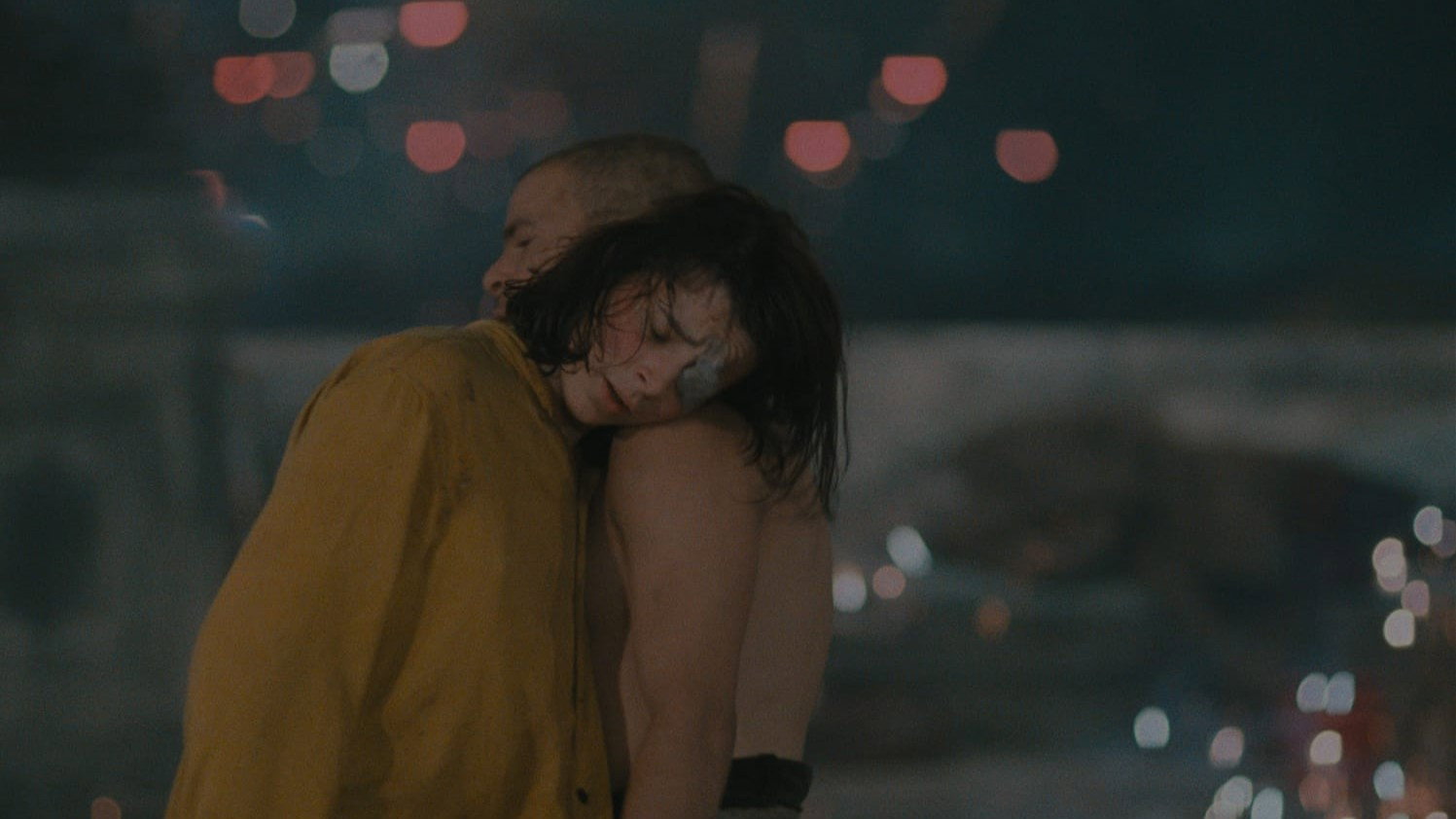
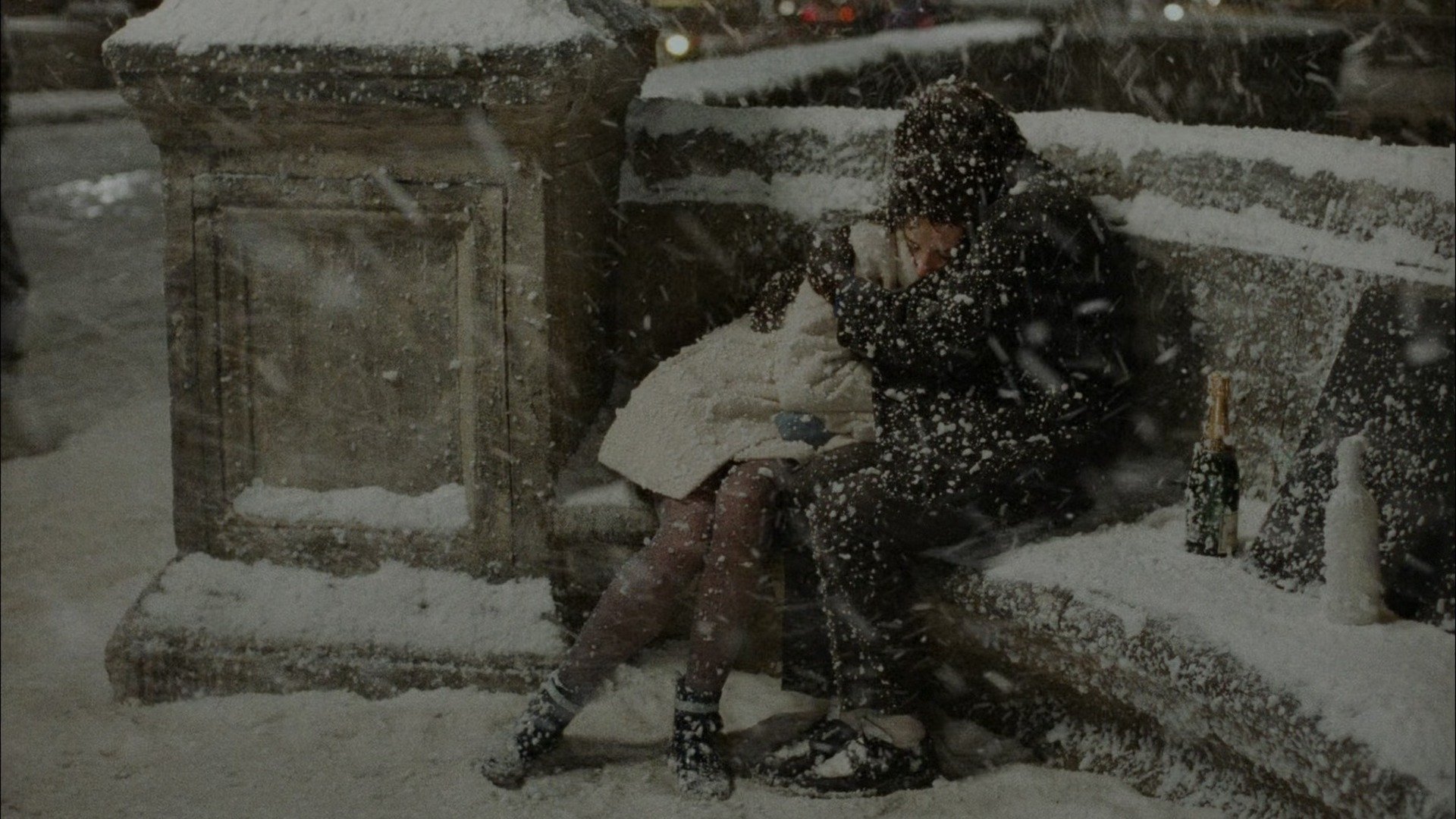
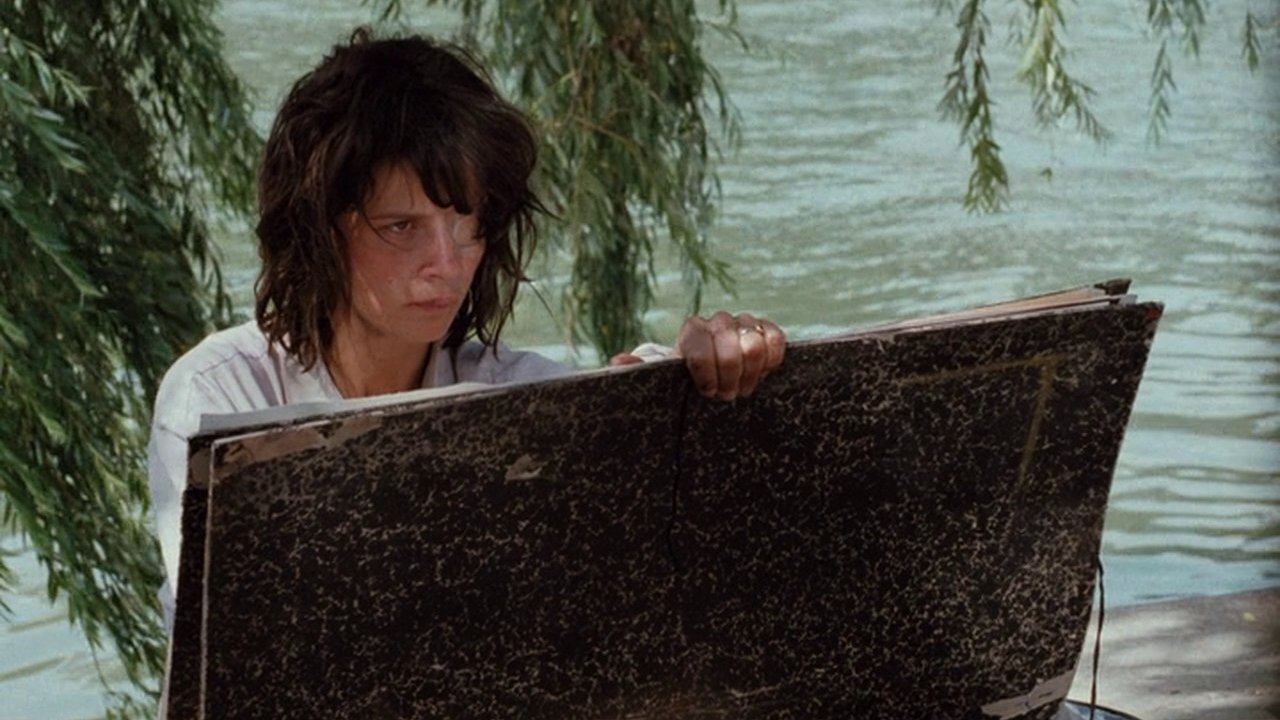
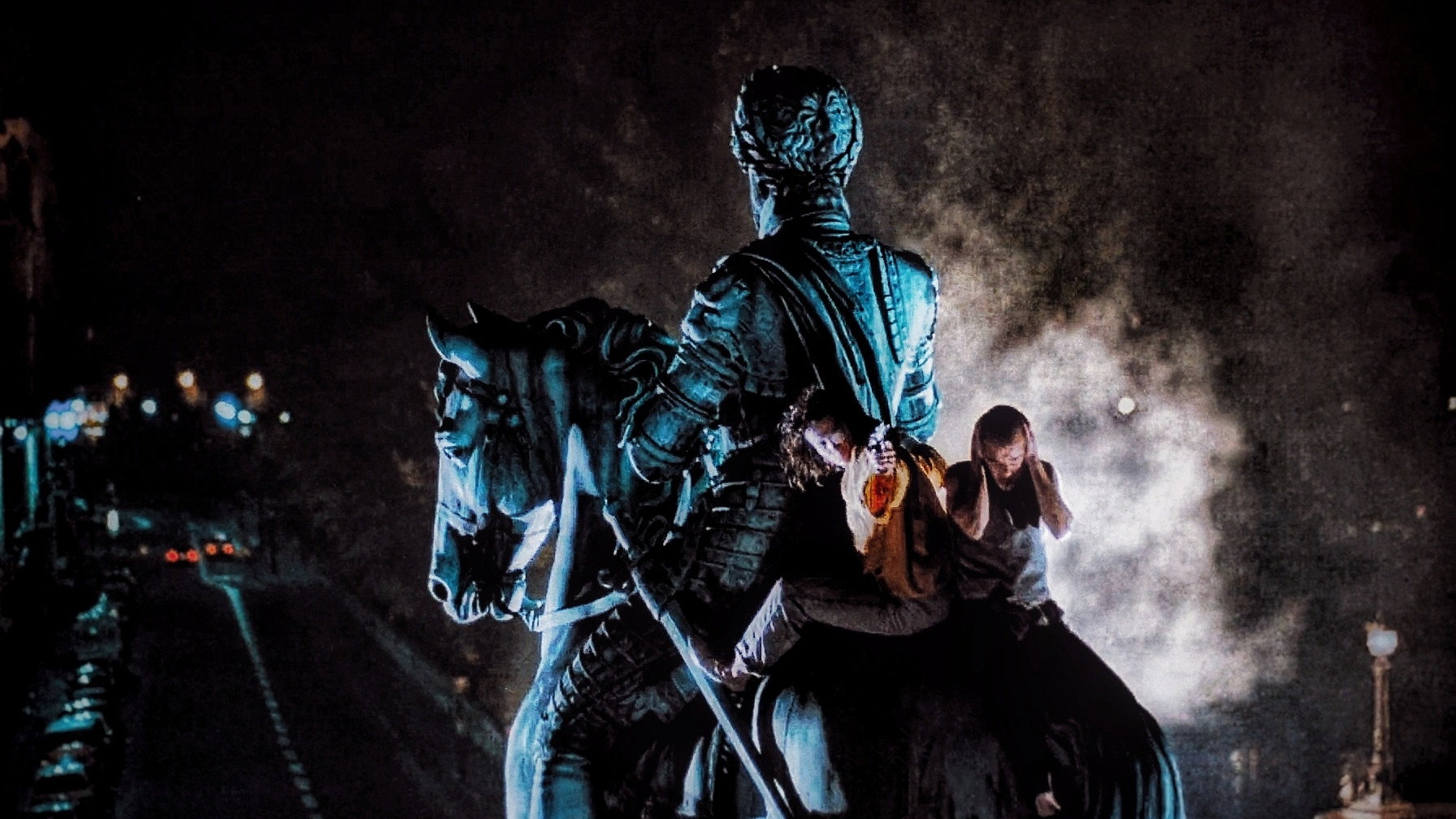
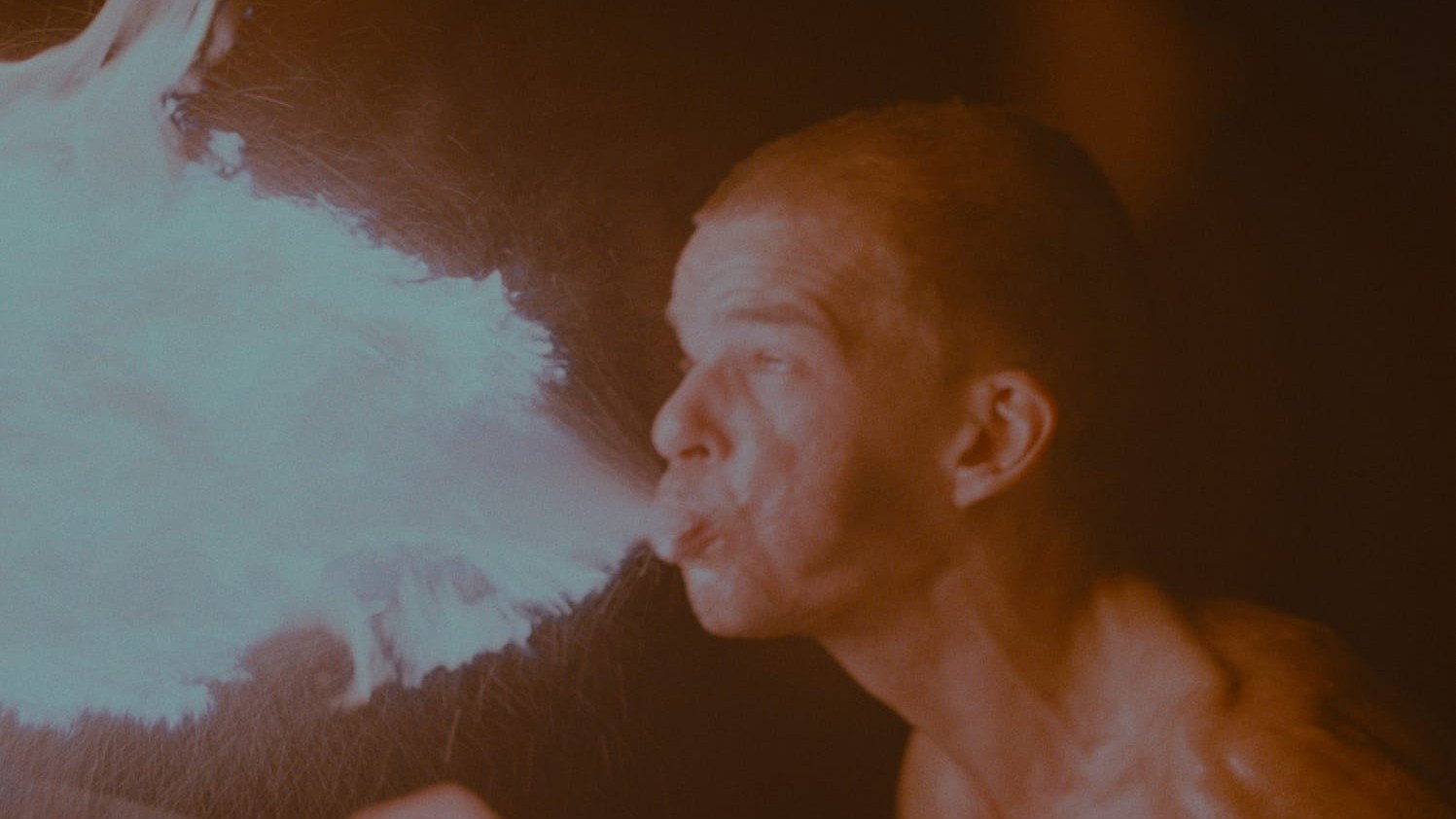
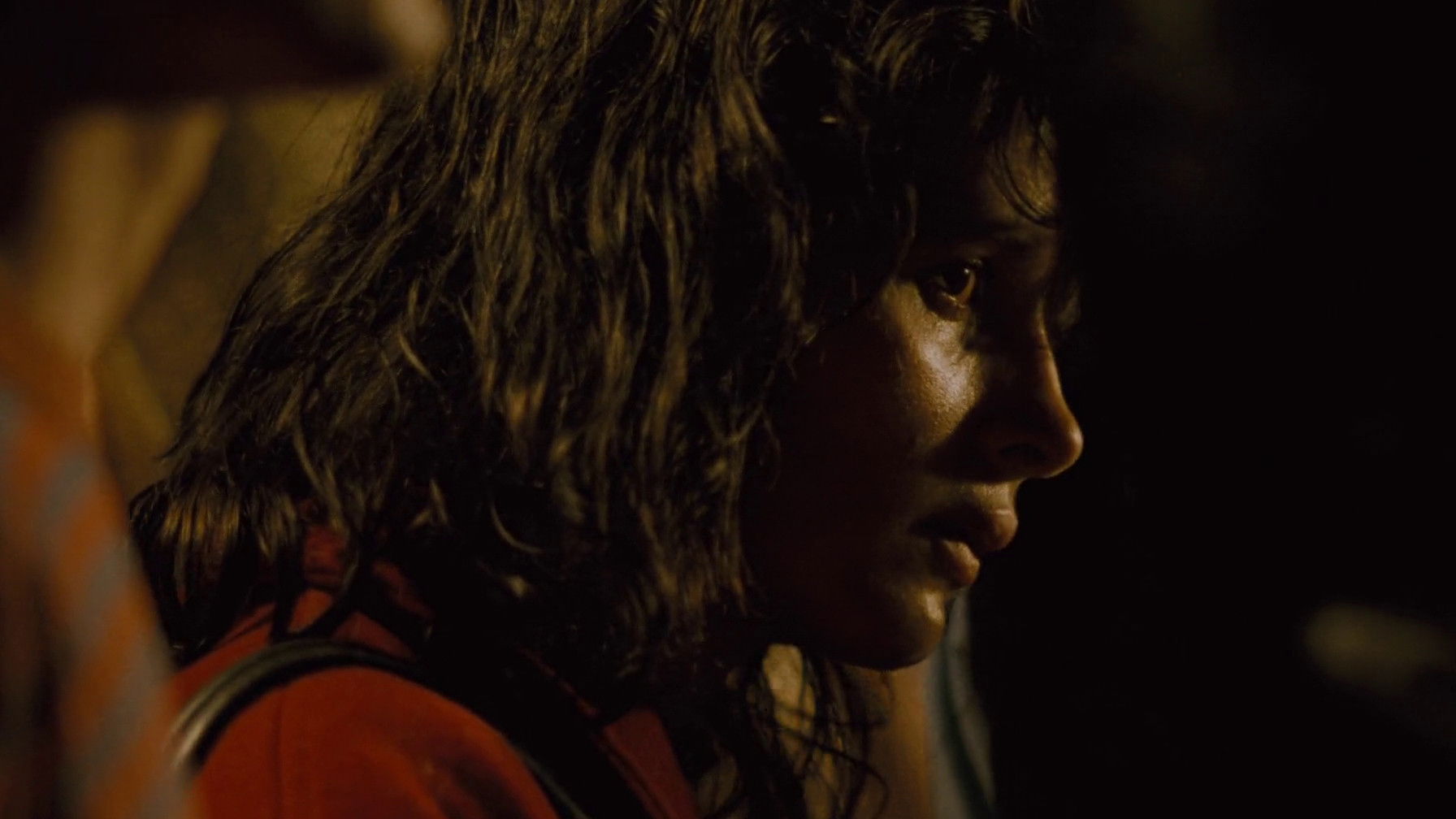
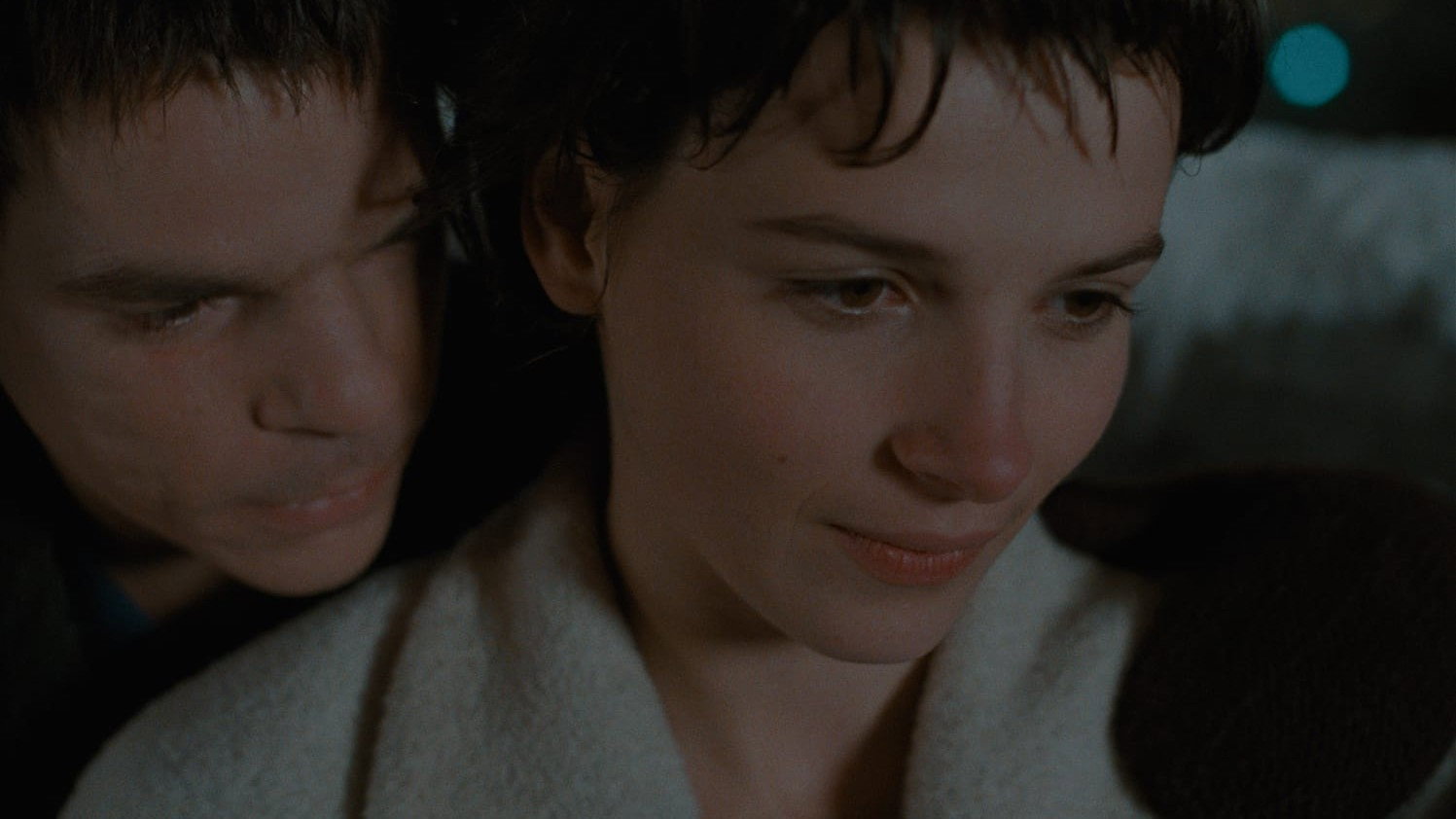
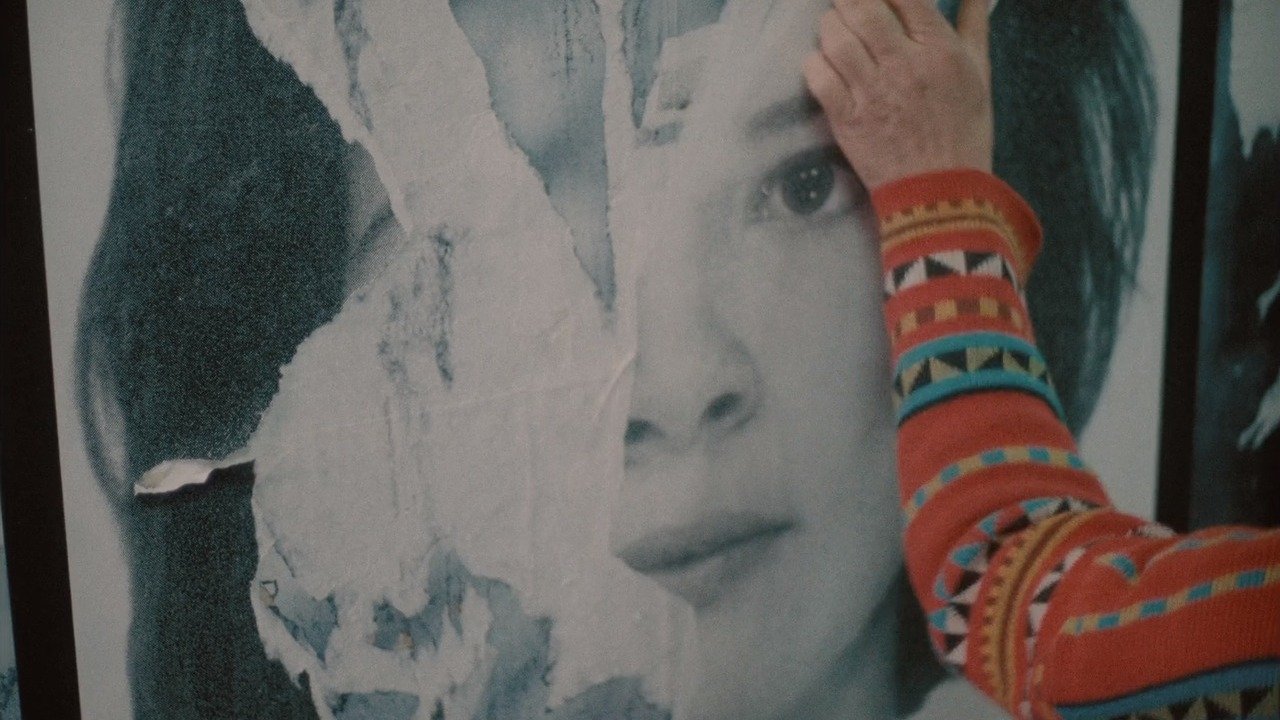
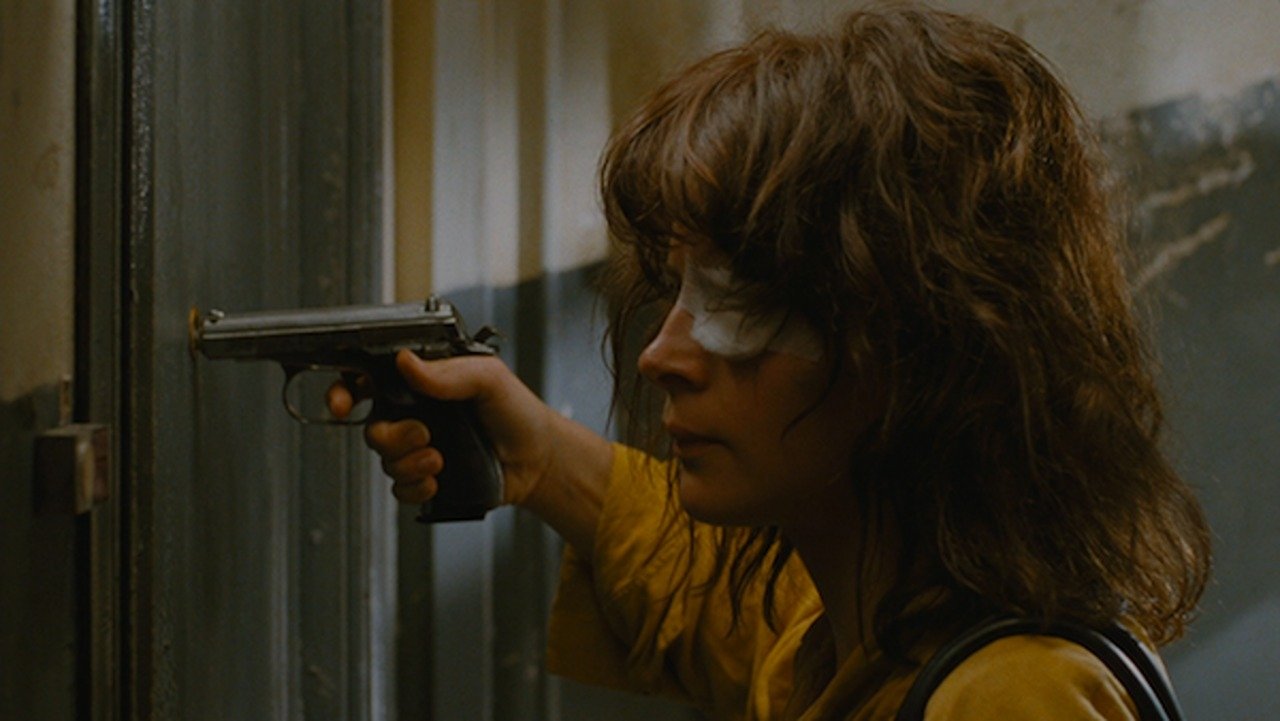
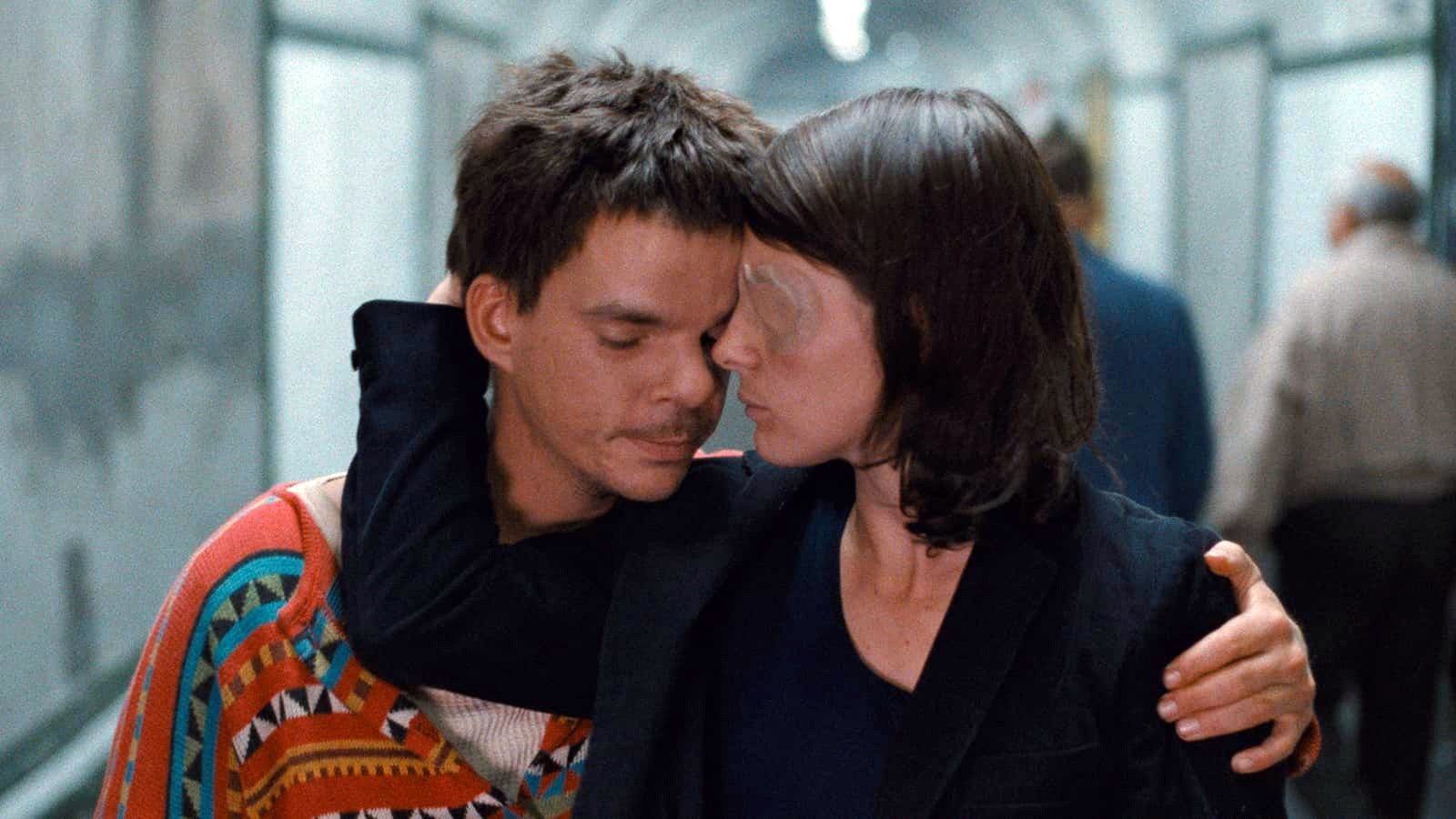
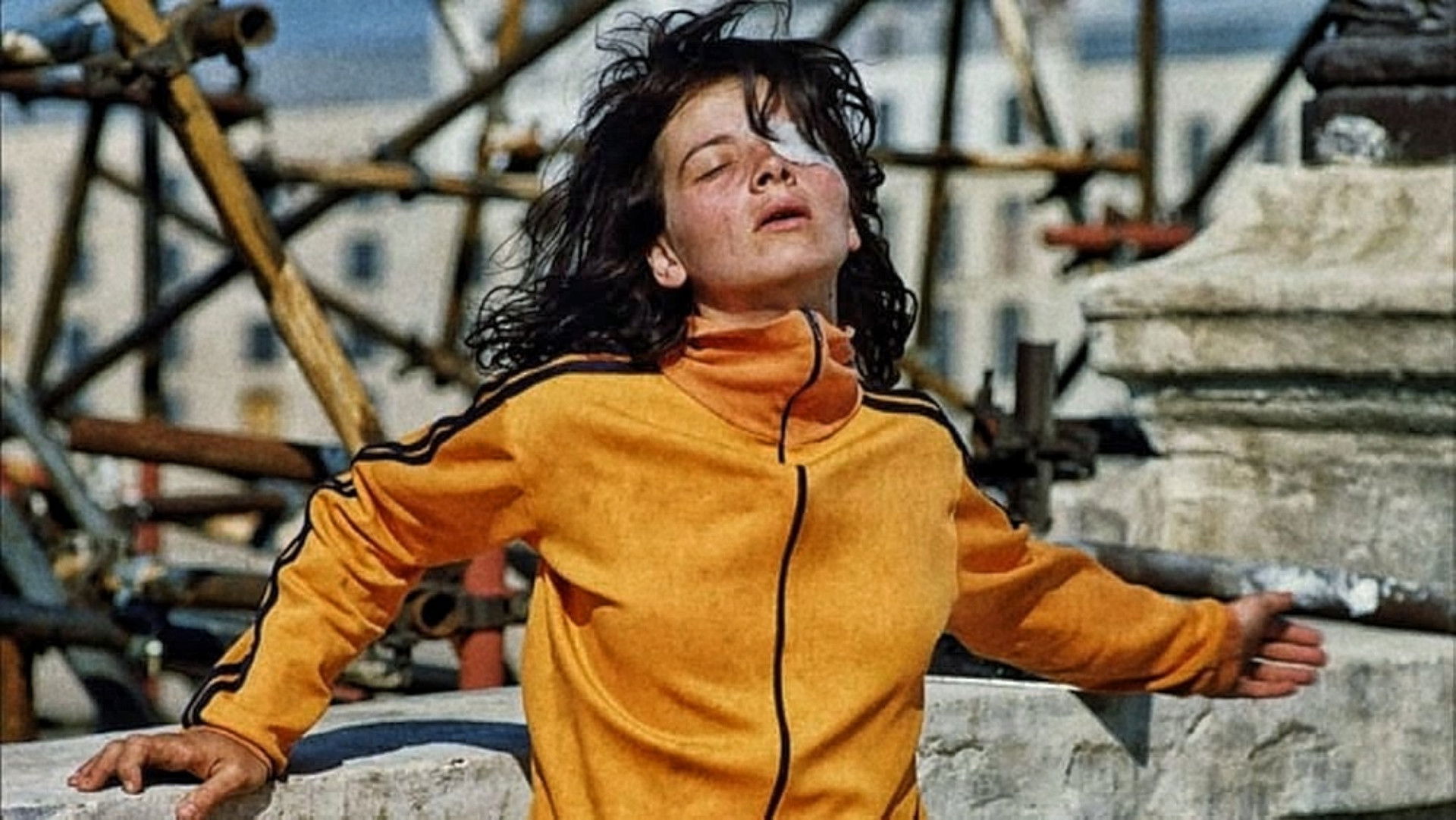
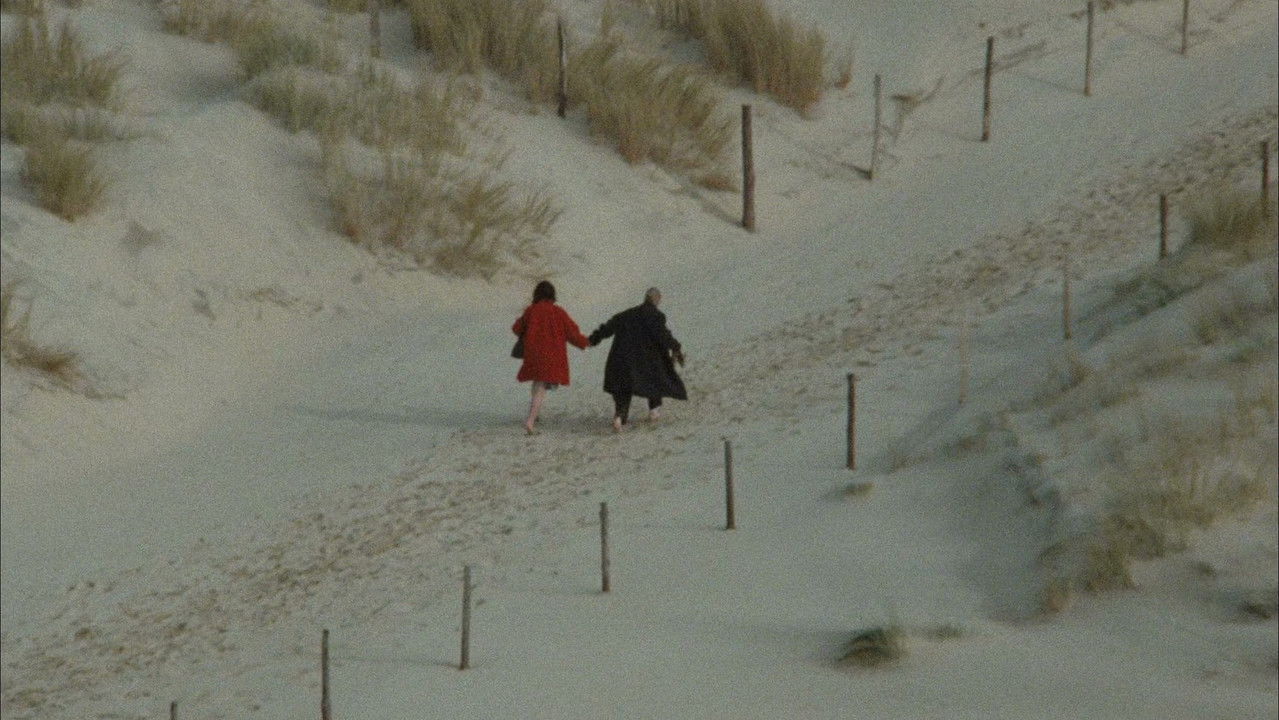
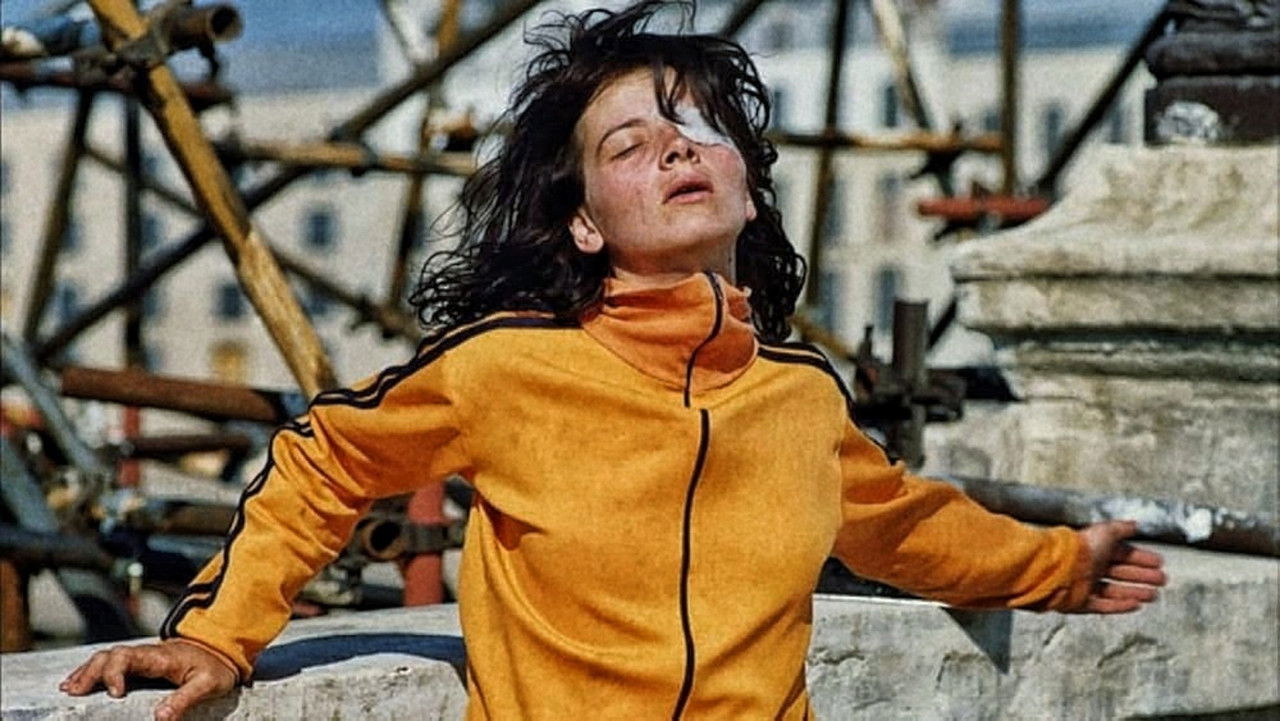
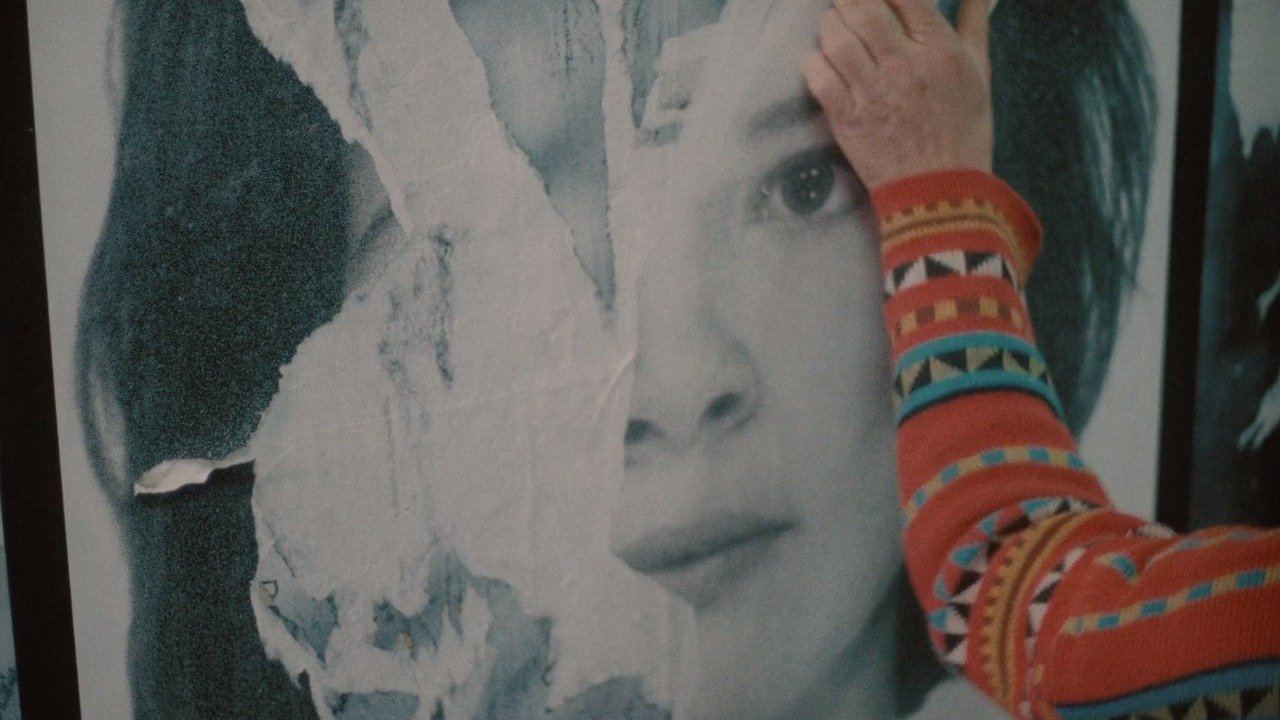
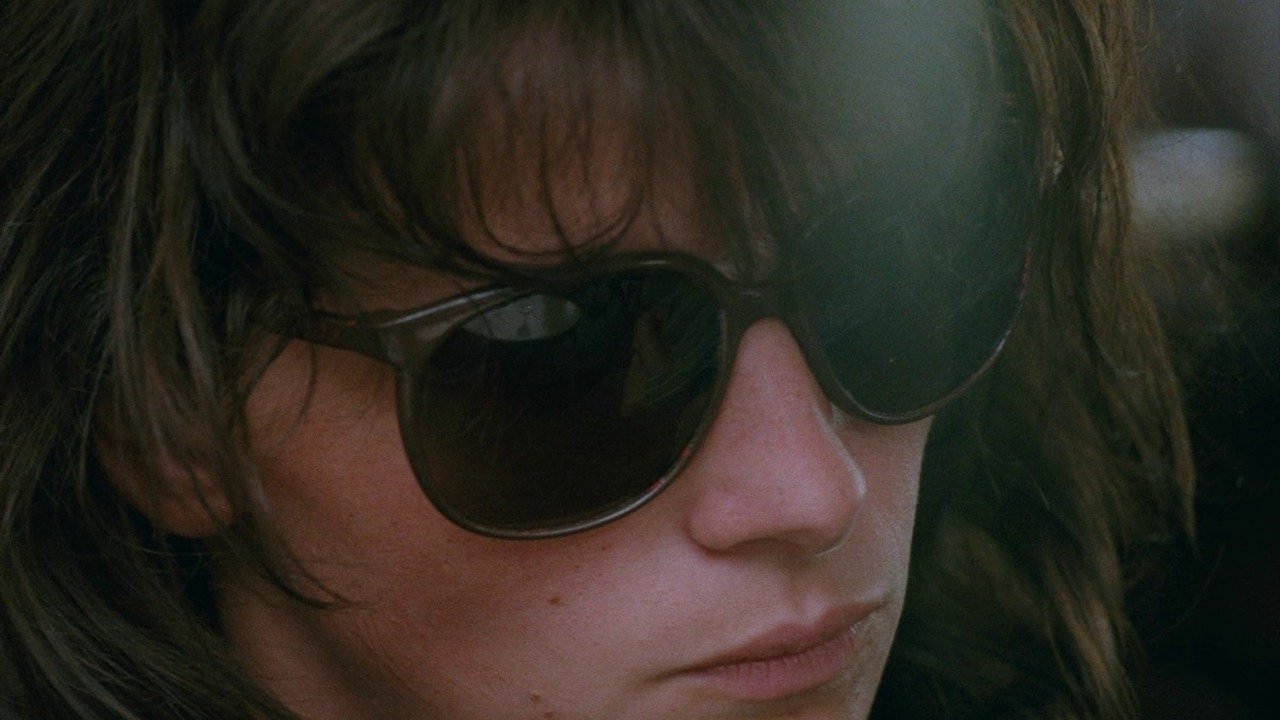
In Act 2, Alex meets a fellow vagrant called Michelle (Juliette Binoche), and the film takes an unexpected twist. There is a scene where the film briefly transitions into a high production musical, full of fireworks, energy, and colour, as they dance across the bridge. Iggy Pop and Public enemy provide punk attitude, tying in with themes of anarchic rebellion, and the choreography feels like something out of a twisted version of La La Land. It is an absolutely brilliant scene which showcases their alcohol fuelled romantic fantasy. The scene that follows is equally memorable, using shaky hand held to create unique abstract shots of a river from a fast moving boat. Carax’s unique style and creative flair is on full display in this film, and these scenes are a joy to watch. After these scenes, the film quietens to focus on heart felt interactions between Alex, Michelle on the bridge. It is slow, character focused, and beautifully shot with a grainy old fashioned cinema quality. The contrast works perfectly. A final standout scene is with Alex and Michelle running on the beach, hidden in silhouette as they run in the darkness. It’s one of the first and only times we see Alex experience real happiness. The magic and romantic authenticity of these scenes remind me of films like Eternal Sunshine Or Y Tu Mama Tambien.
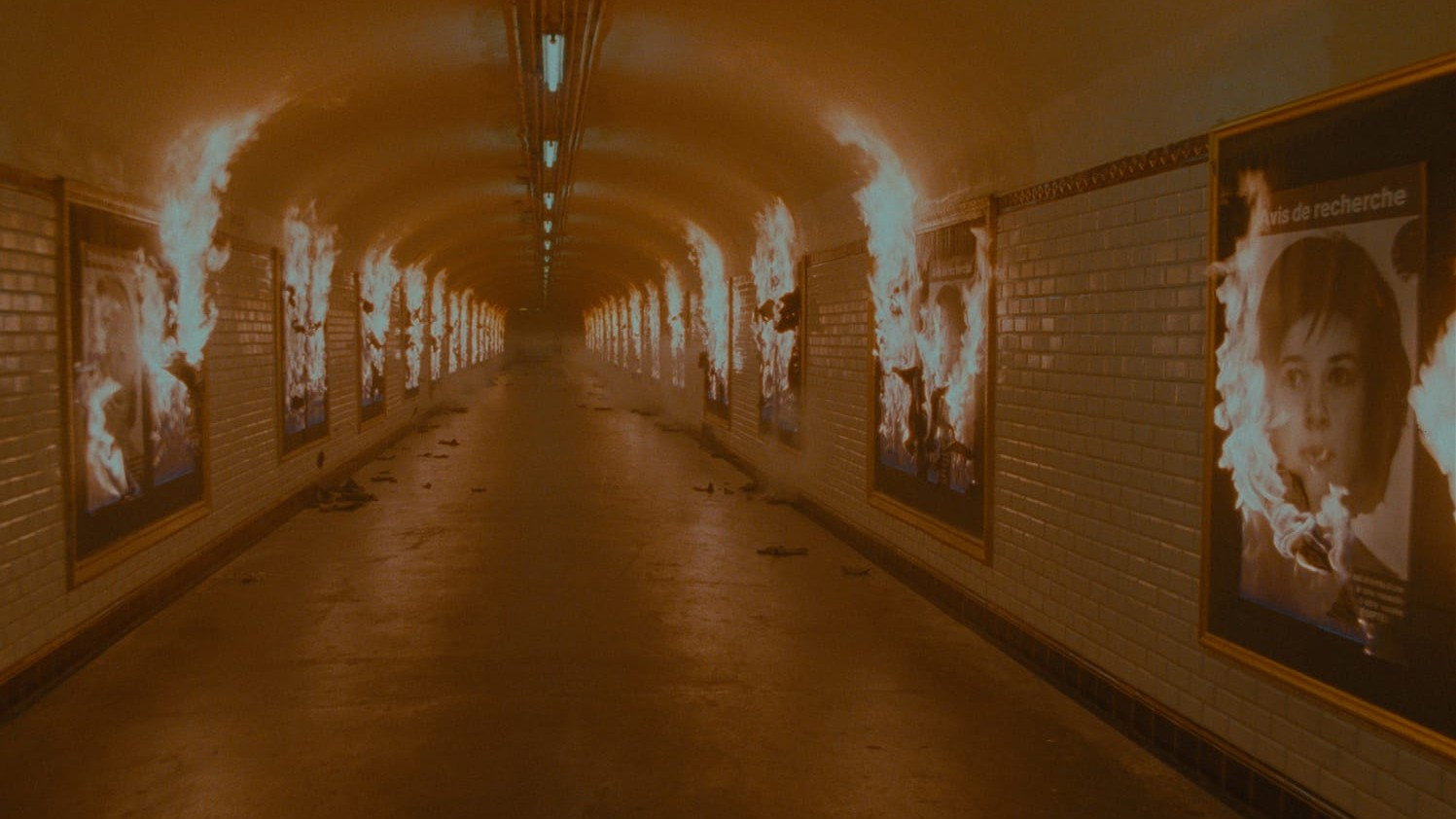
My disappointment with the film was in its ending. To me, there was a sense of inevitability to Alex’s character, where we hope he can heal but know that he can’t. Unfortunately it felt like the film couldn’t decide what direction it wanted to take, and I think that reflects the problem with Carax’s work as a whole. He experiments so much that you end up having a film with moments of magic and genius that doesn’t entirely come together. This is a shame because at its best, The Lovers on the Bridge (1991) is a beautiful romance film, full of magic and creative ingenuity, and it had the potential to be so much more.
Overall, I loved the films experimentation, ambition, poignant messages, and memorable characters, and this felt far more important than moments of incoherent narrative. I think The Lovers on the Bridge (1991) is unique in the romance genre and deserves more attention than it has received. 4.5/5.
The Lovers on the Bridge (1991) is an experimental romance film directed by French auteur Leos Carax. My only knowledge of Carax is through his Palme D’or nominated film Holly Motors (2012). Holly Motors was surreal, unhinged, and one of the weirdest films I’ve ever seen. I absolutely loved it, but could understand the mixed response. Going into this film I had no idea what to expect, only that it was shot 20 years earlier, and briefly became part of the Letterboxd official Top 250 list.
The opening is chaotic. Carax uses hand held cameras to show cars driving through Paris nearly hitting an unknown man walking in the road. Eventually one does. He is rescued and sent to a recovery centre. The scenes are highly graphic, and show the directors intent to make a social commentary around alcohol broken government support systems which lead to relapse cycles and long term homelessness.
The stranger is introduced as our protagonist Alex (Denis Lavant) who lives under a bridge in Paris with his older friend Hans (Klaus-Michael Gruber). Act 1 is slow, dark, and upsetting as we see Alex repeatedly drink to excess. Both characters have accepted, and there is no romanticism of alcohol or silver lining for hope.
In Act 2, Alex meets a fellow vagrant called Michelle (Juliette Binoche), and the film takes an unexpected twist. There is a scene where the film briefly transitions into a high production musical, full of fireworks, energy, and colour, as they dance across the bridge. Iggy Pop and Public enemy provide punk attitude, tying in with themes of anarchic rebellion, and the choreography feels like something out of a twisted version of La La Land. It is an absolutely brilliant scene which showcases their alcohol fuelled romantic fantasy. The scene that follows is equally memorable, using shaky hand held to create unique abstract shots of a river from a fast moving boat. Carax’s unique style and creative flair is on full display in this film, and these scenes are a joy to watch. After these scenes, the film quietens to focus on heart felt interactions between Alex, Michelle on the bridge. It is slow, character focused, and beautifully shot with a grainy old fashioned cinema quality. The contrast works perfectly. A final standout scene is with Alex and Michelle running on the beach, hidden in silhouette as they run in the darkness. It’s one of the first and only times we see Alex experience real happiness. The magic and romantic authenticity of these scenes remind me of films like Eternal Sunshine Or Y Tu Mama Tambien.
My disappointment with the film was in its ending. To me, there was a sense of inevitability to Alex’s character, where we hope he can heal but know that he can’t. Unfortunately it felt like the film couldn’t decide what direction it wanted to take, and I think that reflects the problem with Carax’s work as a whole. He experiments so much that you end up having a film with moments of magic and genius that doesn’t entirely come together. This is a shame because at its best, The Lovers on the Bridge (1991) is a beautiful romance film, full of magic and creative ingenuity, and it had the potential to be so much more.
Overall, I loved the films experimentation, ambition, poignant messages, and memorable characters, and this felt far more important than moments of incoherent narrative. I think The Lovers on the Bridge (1991) is unique in the romance genre and deserves more attention than it has received. 4.5/5.