

2014·Drama·5h 45m
7.1
★
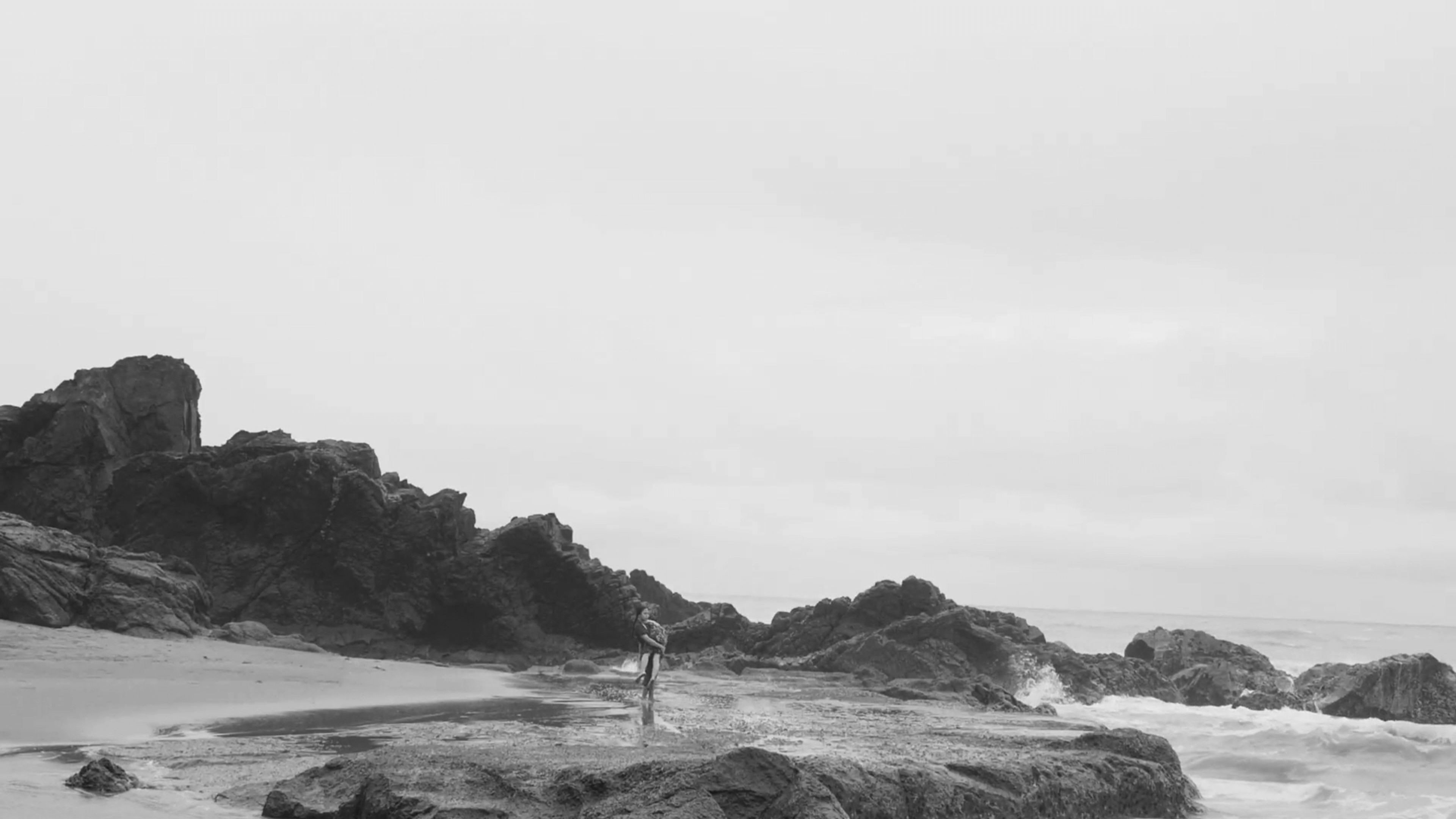
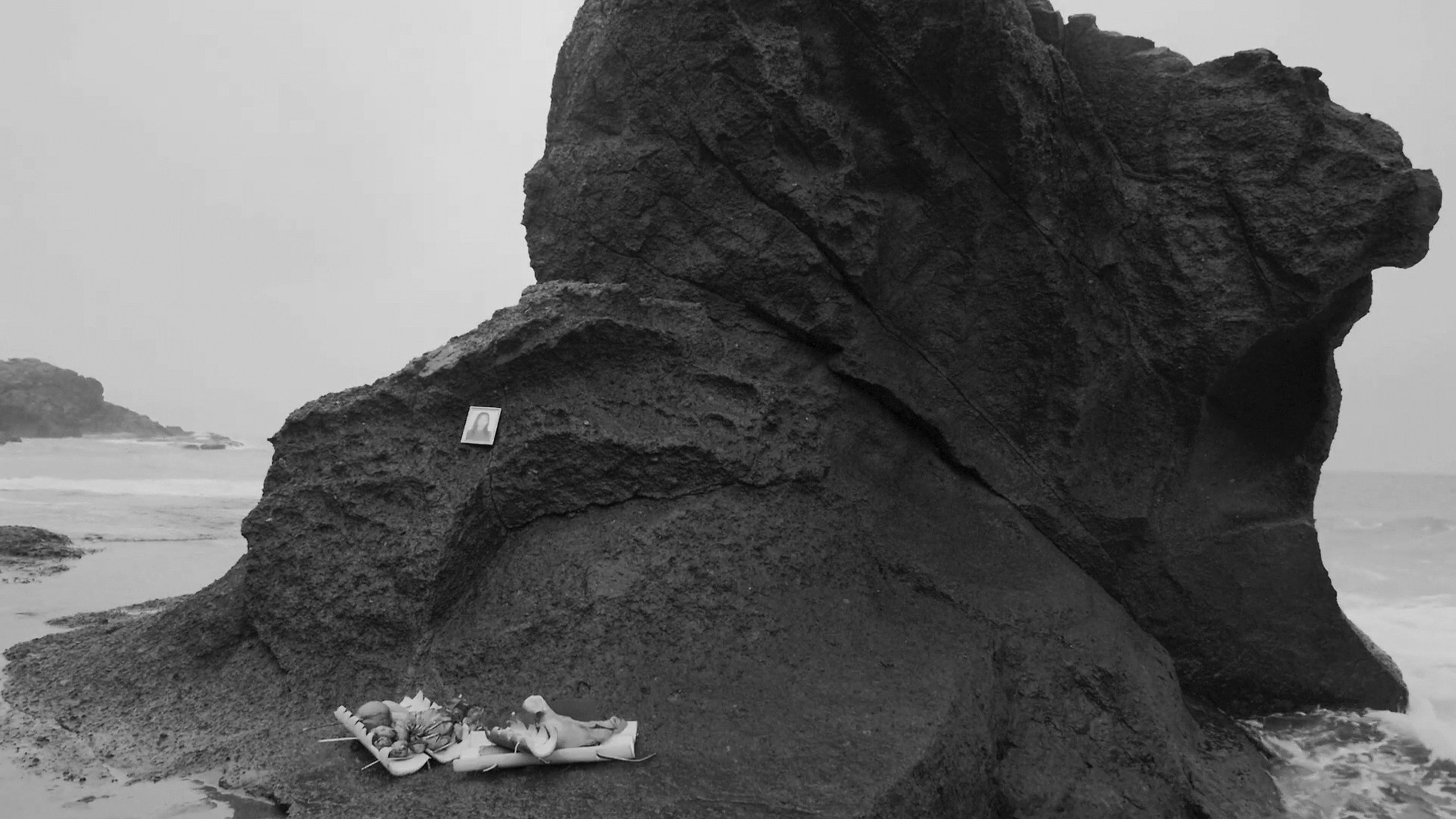
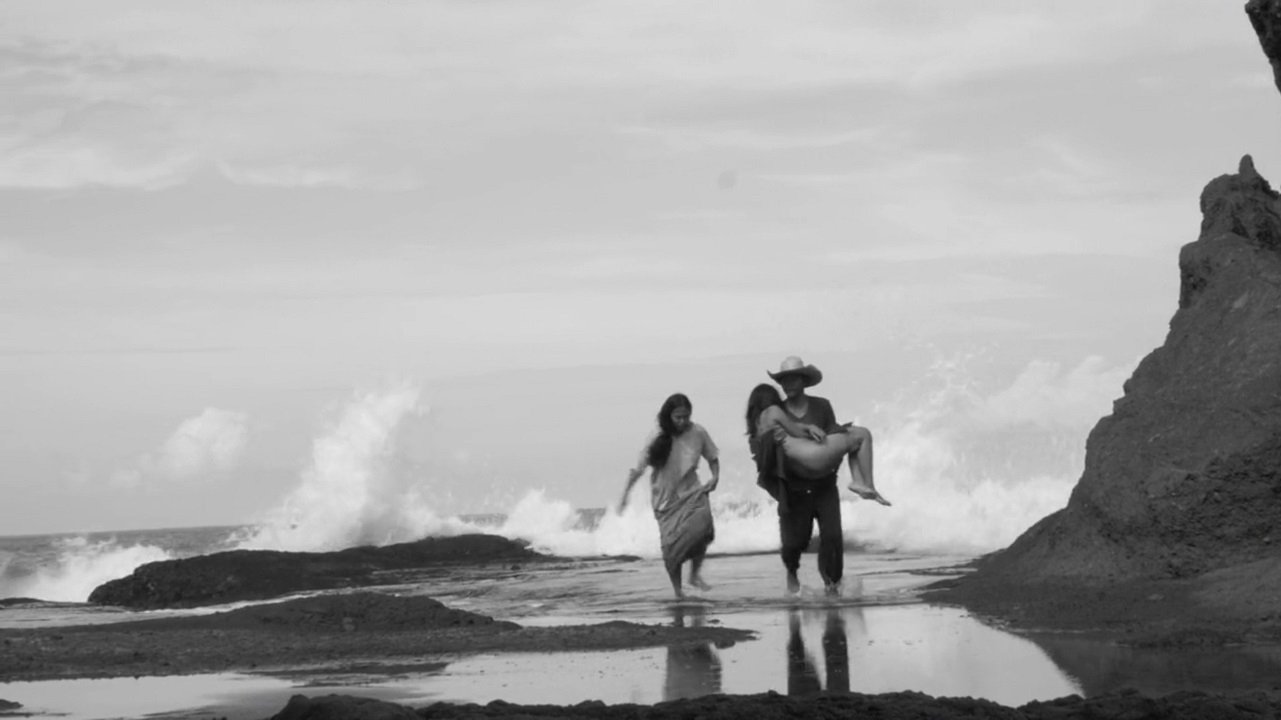
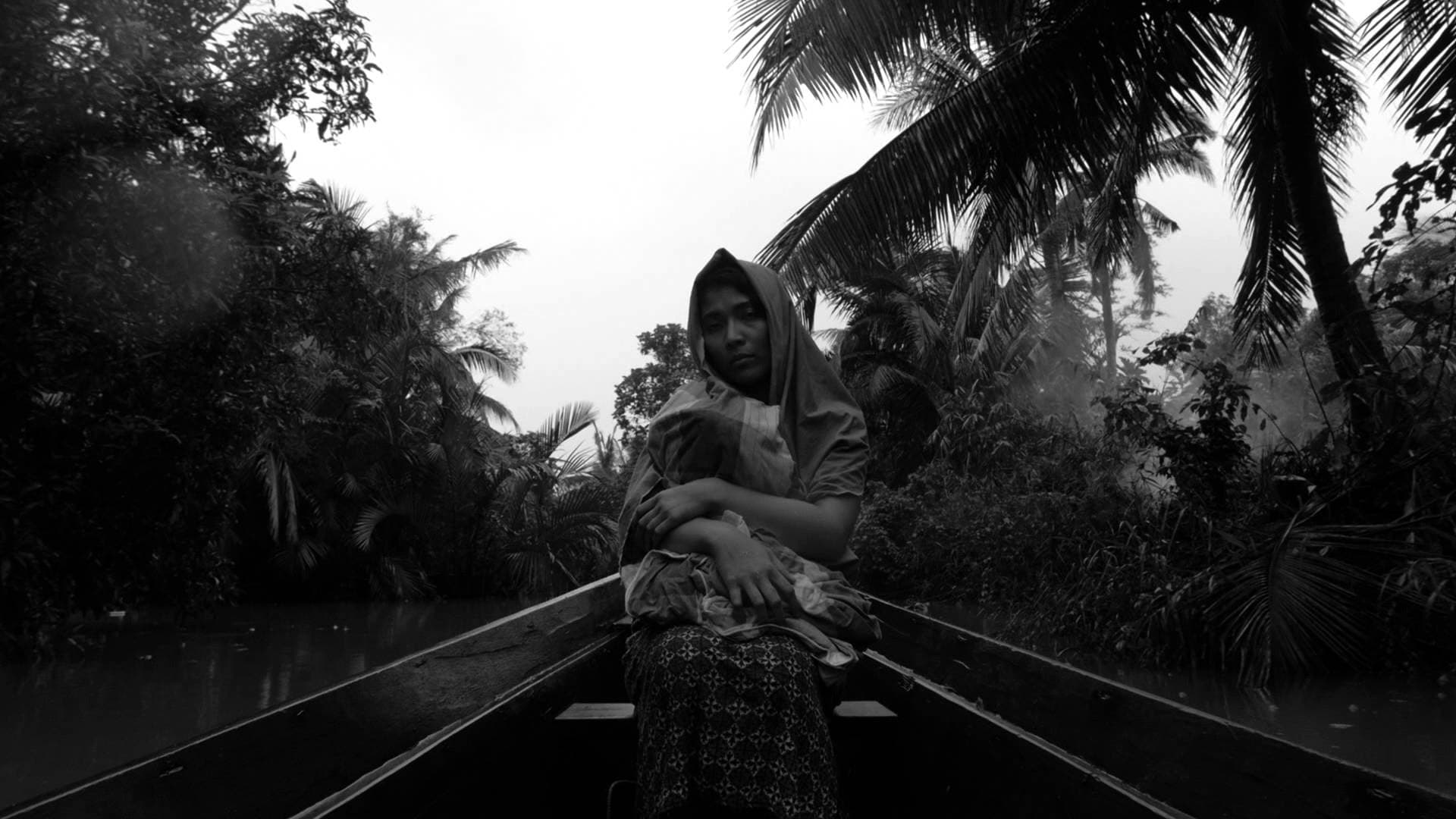
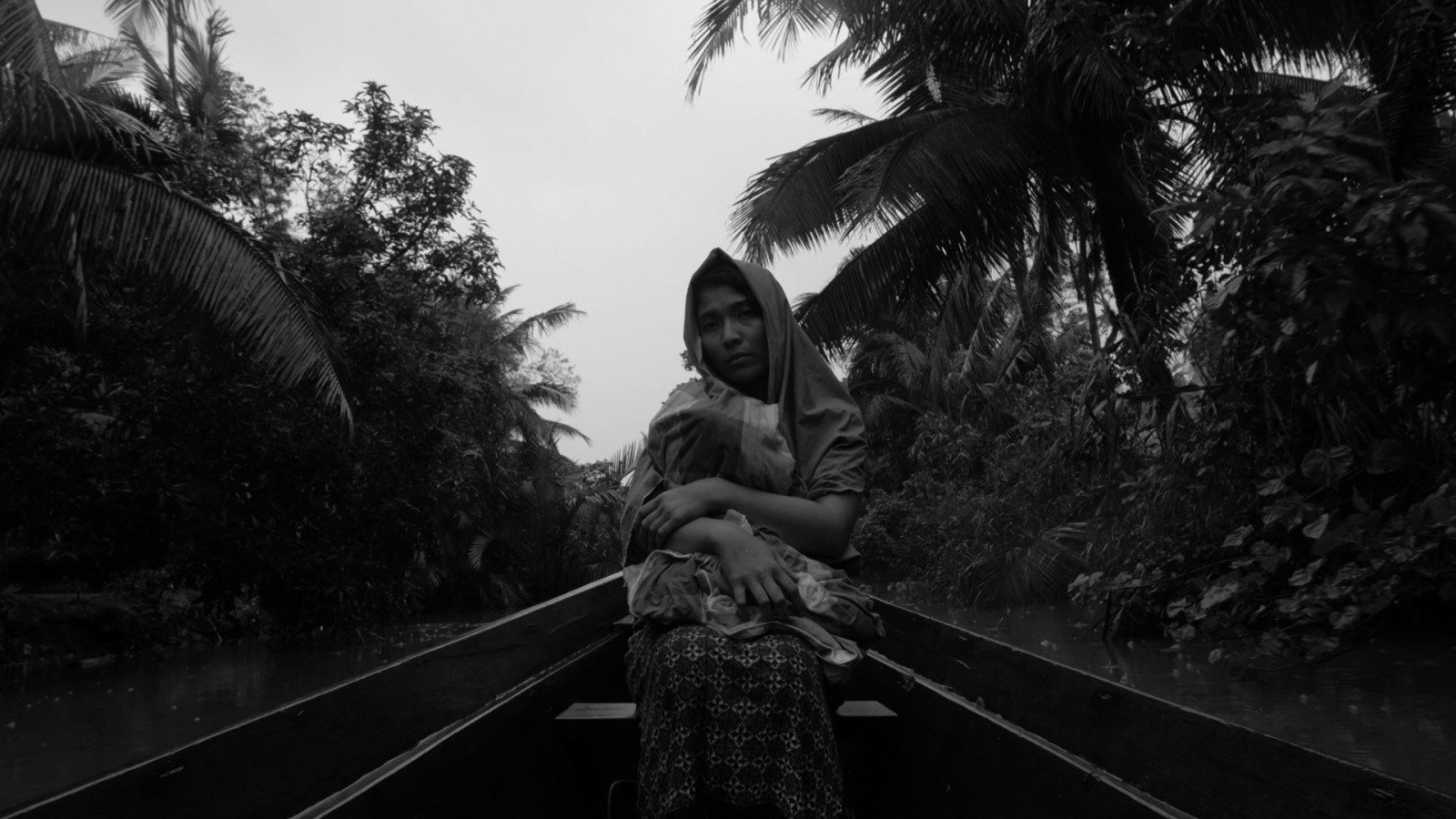
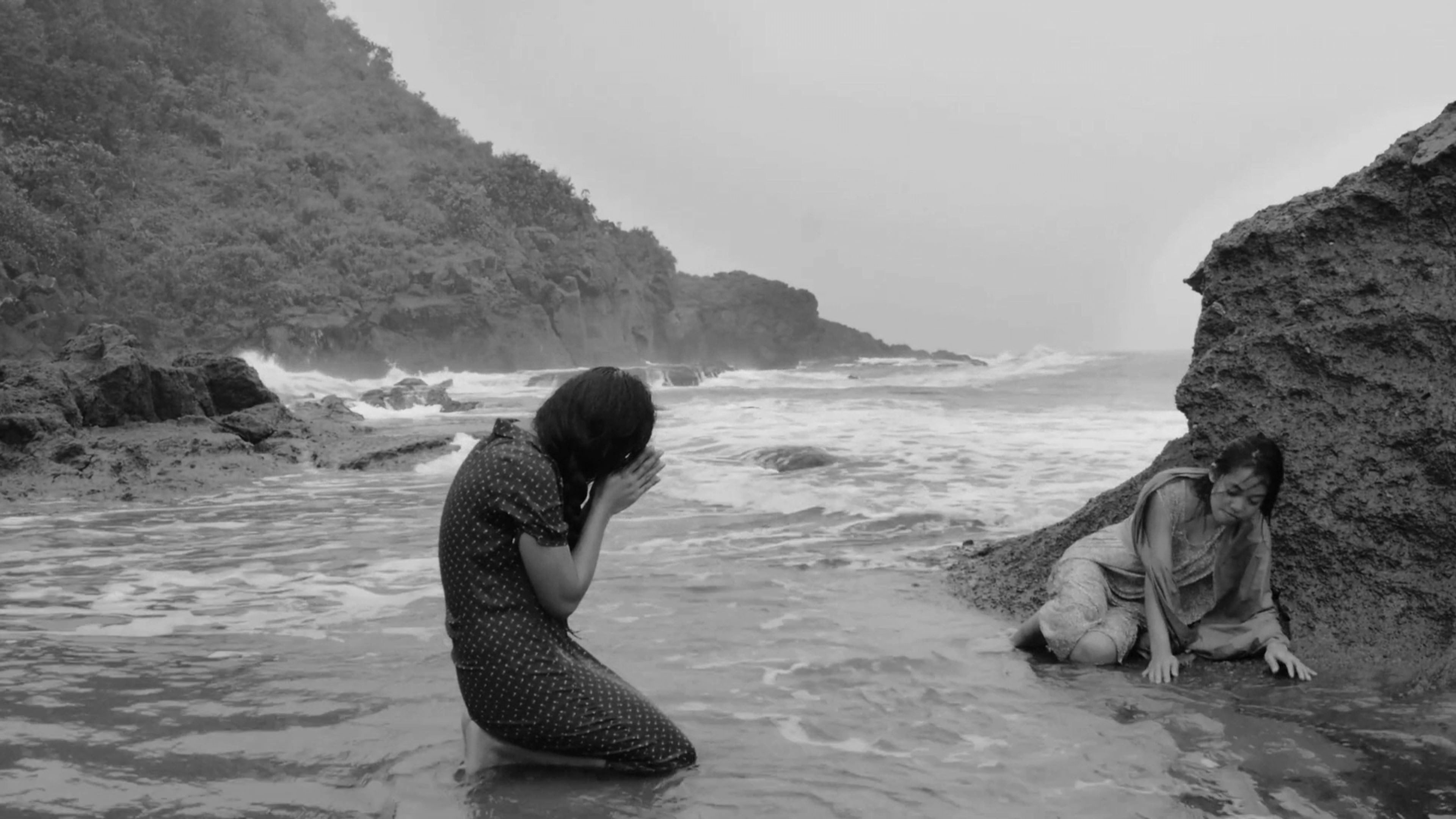
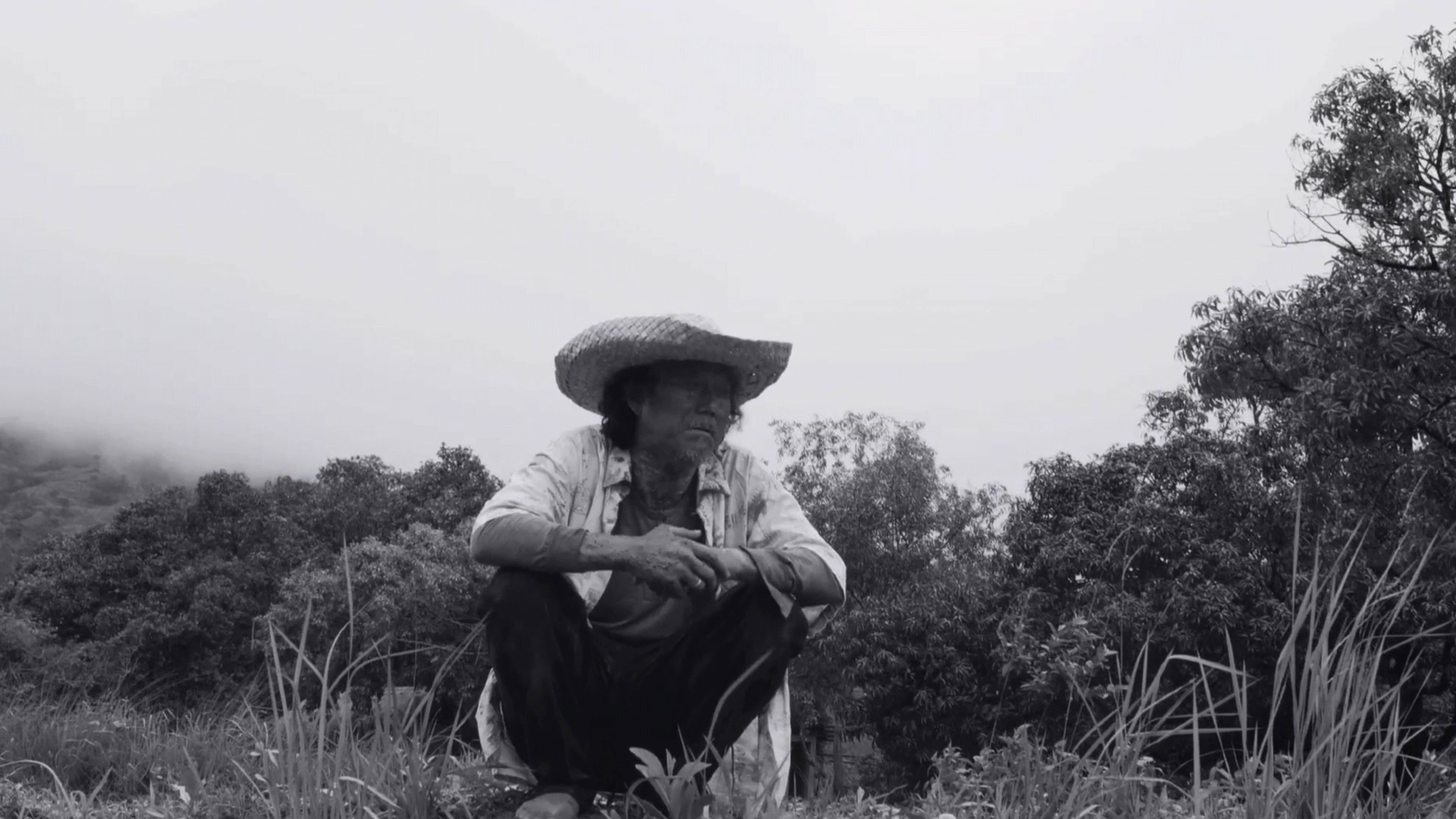
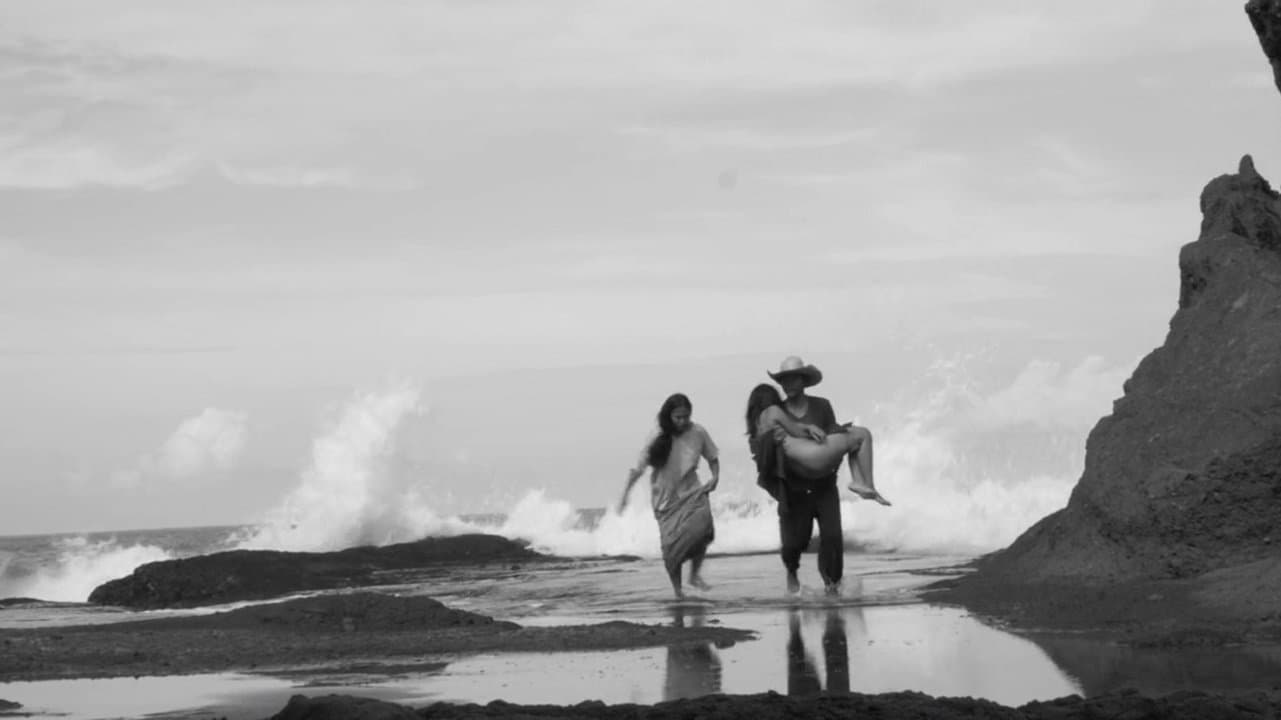
The Philippines, 1972. Mysterious things are happening in a remote barrio. Wails are heard from the forest, cows are hacked to death, a man is found bleeding to death at the crossroad, and houses are burned. Ferdinand E. Marcos announces Proclamation No. 1081, putting the entire country under Martial Law.
Directed by Lav Diaz
martial law
philippines
mysterious death
remote town
military camp

Trailer

IMDB
N/A
Cast
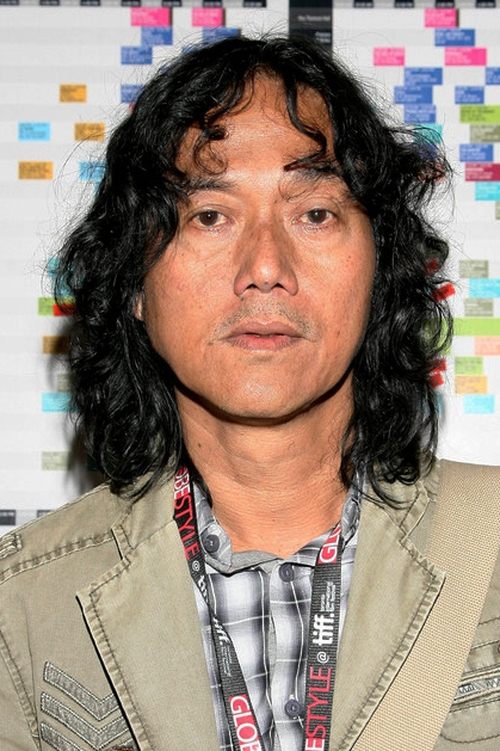
Perry Dizon
Sito
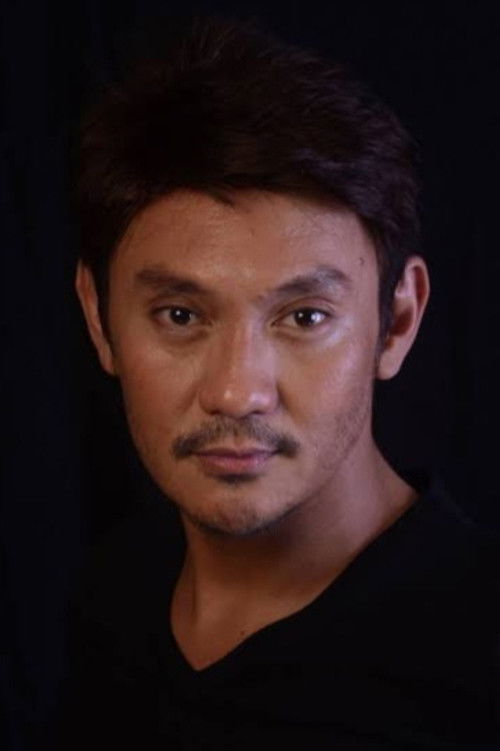
Roeder Camañag
Tony

Hazel Orencio
Pacita

Karenina Haniel
Joselina
Reynan Abcede
Hakob

Mailes Kanapi
Heding
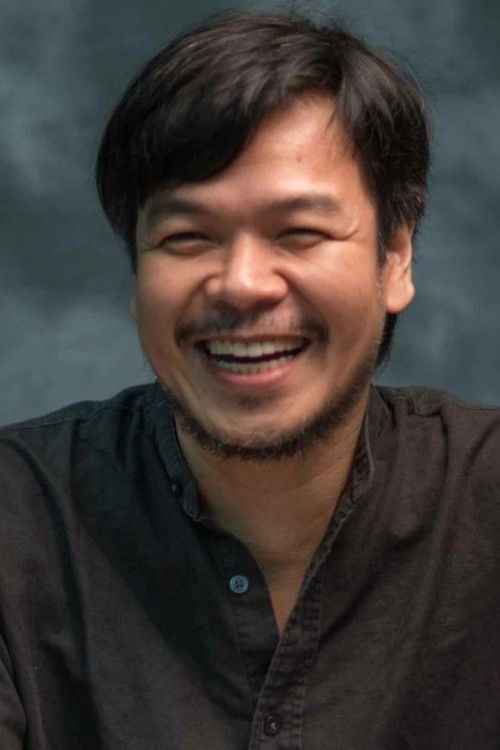
Ian Lomongo
Lt. Perdido

Joel Saracho
Father Guido

Evelyn Vargas
Miss Acevedo
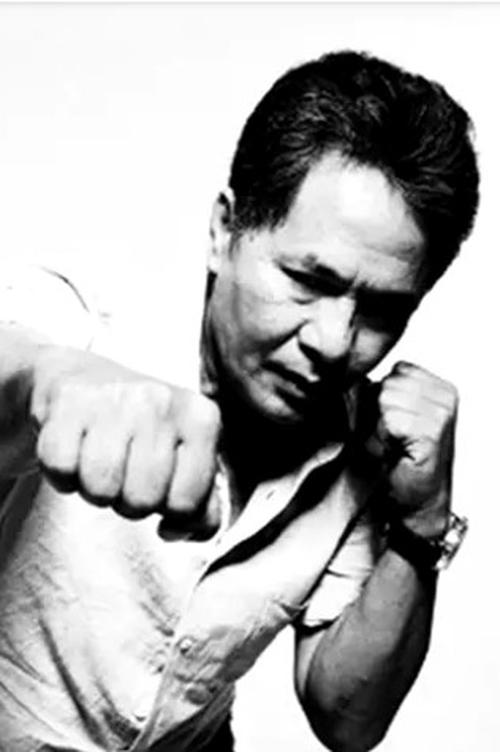
Noel Sto. Domingo
Horacio
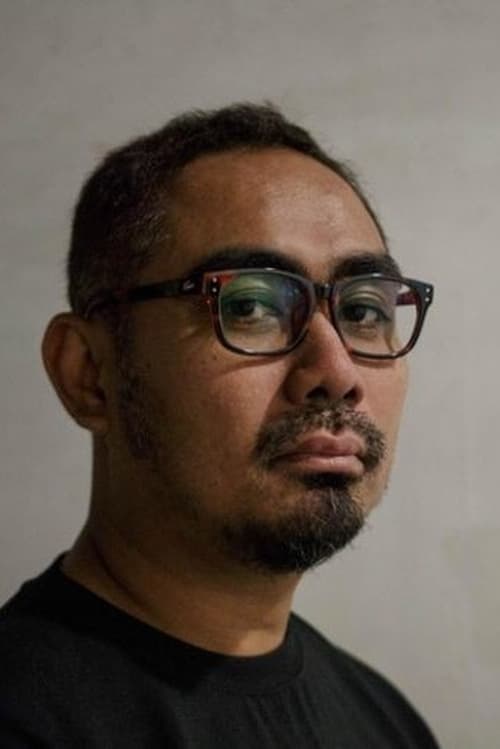
Gutierrez Mangansakan II
School Principal
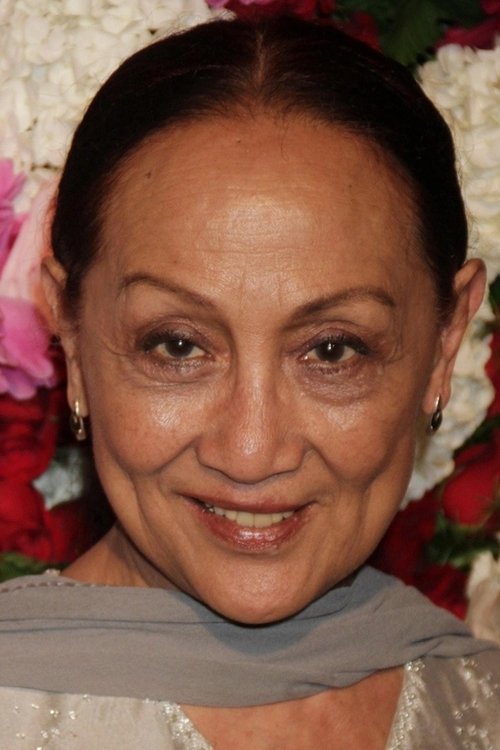
Ching Valdes-Aran
Babu
Crew
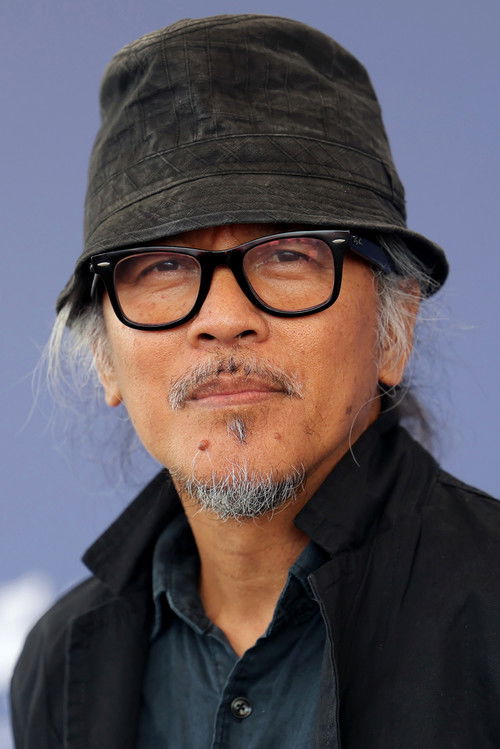
Lav Diaz
Director
Lav Diaz
Writer
Lav Diaz
Editor
Lav Diaz
Director of Photography
Lav Diaz
Producer

Kim Perez
Costume Designer
Mark Locsin
Sound Director
Perry Dizon
Production Design

Liryc Dela Cruz
Production Manager
Hazel Orencio
Assistant Director
Liryc Dela Cruz
Art Direction
Kim Perez
Art Direction
Popular Reviews
24 reviews
Eclectic Sorcerer
10.0★ · 05/31/26
Diaz paints such a disturbing and depressing portrait of the suffering of the people of The Philippines. But its so much more than hell.
Diaz paints such a disturbing and depressing portrait of the suffering of the people of The Philippines. But its so much more than hell.


Eclectic Sorcerer
10.0★ · 05/31/26
Diaz paints such a disturbing and depressing portrait of the suffering of the people of The Philippines. But its so much more than hell.
Diaz paints such a disturbing and depressing portrait of the suffering of the people of The Philippines. But its so much more than hell.
mintbanana
10.0★ · 12/07/25
I spent the whole day watching this film, and I don’t regret it at all. This was my first Lav Diaz film and I felt that he shares certain similarities with Béla Tarr. Although both directors work in long takes and black-and-white, Tarr’s sense of time and space feels unreal and majestically beautiful whereas Lav captures landscapes in a quiet plain manner, remaining unembellished yet brutally realistic.
Through a recurring pattern in which acts of unexplained violence are followed by close-ups of silent natural landscapes, I came away with the impression that evil is always lurking brutally close to us. It made me realize that oppression can be articulated through form itself. I was also left with the sense that adopting such a form may be the most ethical way to approach this kind of subject matter.
Unlike films that speak loudly, this one seems to insist that films like this must exist too. There is a tragic dignity in quietly fading away. It is despairing to think that such acts must have been carried out countless times throughout human history. The film left me unsettled, as if it were reminding me of forgotten histories that lie beneath the surface, hidden in the blind spots of the world.
Through a recurring pattern in which acts of unexplained violence are followed by close-ups of silent natural landscapes, I came away with the impression that evil is always lurking brutally close to us. It made me realize that oppression can be articulated through form itself. I was also left with the sense that adopting such a form may be the most ethical way to approach this kind of subject matter.
Unlike films that speak loudly, this one seems to insist that films like this must exist too. There is a tragic dignity in quietly fading away. It is despairing to think that such acts must have been carried out countless times throughout human history. The film left me unsettled, as if it were reminding me of forgotten histories that lie beneath the surface, hidden in the blind spots of the world.
I spent the whole day watching this film, and I don’t regret it at all. This was my first Lav Diaz film and I felt that he shares certain similarities with Béla Tarr. Although both directors work in long takes and black-and-white, Tarr’s sense of time and space feels unreal and majestically beautiful whereas Lav captures landscapes in a quiet plain manner, remaining unembellished yet brutally realistic.
Through a recurring pattern in which acts of unexplained violence are followed by close-ups of silent natural landscapes, I came away with the impression that evil is always lurking brutally close to us. It made me realize that oppression can be articulated through form itself. I was also left with the sense that adopting such a form may be the most ethical way to approach this kind of subject matter.
Unlike films that speak loudly, this one seems to insist that films like this must exist too. There is a tragic dignity in quietly fading away. It is despairing to think that such acts must have been carried out countless times throughout human history. The film left me unsettled, as if it were reminding me of forgotten histories that lie beneath the surface, hidden in the blind spots of the world.
Through a recurring pattern in which acts of unexplained violence are followed by close-ups of silent natural landscapes, I came away with the impression that evil is always lurking brutally close to us. It made me realize that oppression can be articulated through form itself. I was also left with the sense that adopting such a form may be the most ethical way to approach this kind of subject matter.
Unlike films that speak loudly, this one seems to insist that films like this must exist too. There is a tragic dignity in quietly fading away. It is despairing to think that such acts must have been carried out countless times throughout human history. The film left me unsettled, as if it were reminding me of forgotten histories that lie beneath the surface, hidden in the blind spots of the world.
Jack
10.0★ · 11/23/25
Long Movie Marathon Part VIII
“the misfortune, the hardships, the pain…it never ends…it never stops. i want it to stop.”
where has not only this film, but this director been my entire life?
something tells me Lav Diaz likes Béla Tarr and his works, especially ‘Satantango’ and ‘Werckmeister Harmonies’. it’s reminiscent of Tarr’s works with the extremely long and contemplative takes, the use of monochrome colors and shades to add to the atmosphere of despair, and most apparently, the runtime and minimalistic dialogue. when there is such minimal dialogue and someone does speak, it is so much more captivating and powerful than a film chalked with meaningless conversation. a few of the ways Diaz seperates himself from Tarr though is the lack of score which makes the film much more intense and thrilling, and it also deals with spirituality, faith, and loss in much greater depth than Tarr normally would. honestly it almost reminded me of ‘Andrei Rublev’ by Tarkovsky in more ways than one.
i love when modern directors make movies in black and white; it tells me they dont care about appeasing the masses like most do these days. they are either making the film for themselves, or for a somewhat niche audience, often times both.
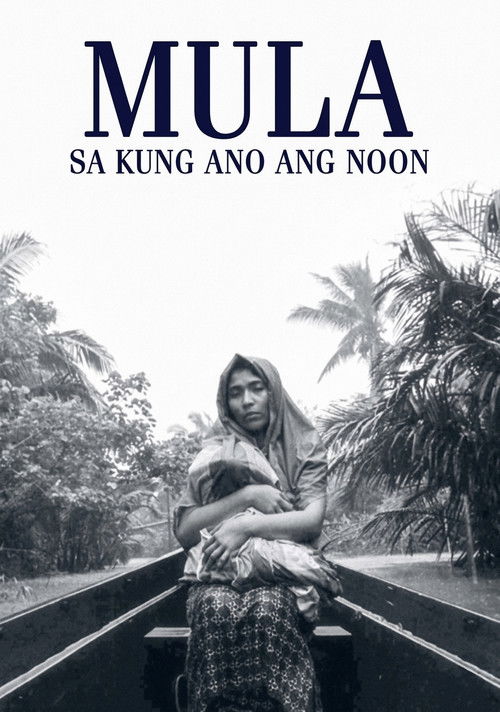
i had to include this, the boat scene towards the start of the film is probably one of my favorite sequences i have ever seen. i was completely entranced for its entire duration, it was so fucking gorgeous dude. the nature, the camera work, the 1000 yard stare, it was pure perfection; as was the entire movie.
this film marks the end of what is the greatest and most ambitious series i have ever done. 8 days, 7 films, over 42 hours of runtime, all while working a full time job, and i loved and savored every minute.
(also fuck the philippino government in the 70s)
“the misfortune, the hardships, the pain…it never ends…it never stops. i want it to stop.”
where has not only this film, but this director been my entire life?
something tells me Lav Diaz likes Béla Tarr and his works, especially ‘Satantango’ and ‘Werckmeister Harmonies’. it’s reminiscent of Tarr’s works with the extremely long and contemplative takes, the use of monochrome colors and shades to add to the atmosphere of despair, and most apparently, the runtime and minimalistic dialogue. when there is such minimal dialogue and someone does speak, it is so much more captivating and powerful than a film chalked with meaningless conversation. a few of the ways Diaz seperates himself from Tarr though is the lack of score which makes the film much more intense and thrilling, and it also deals with spirituality, faith, and loss in much greater depth than Tarr normally would. honestly it almost reminded me of ‘Andrei Rublev’ by Tarkovsky in more ways than one.
i love when modern directors make movies in black and white; it tells me they dont care about appeasing the masses like most do these days. they are either making the film for themselves, or for a somewhat niche audience, often times both.
i had to include this, the boat scene towards the start of the film is probably one of my favorite sequences i have ever seen. i was completely entranced for its entire duration, it was so fucking gorgeous dude. the nature, the camera work, the 1000 yard stare, it was pure perfection; as was the entire movie.
this film marks the end of what is the greatest and most ambitious series i have ever done. 8 days, 7 films, over 42 hours of runtime, all while working a full time job, and i loved and savored every minute.
(also fuck the philippino government in the 70s)
Long Movie Marathon Part VIII
“the misfortune, the hardships, the pain…it never ends…it never stops. i want it to stop.”
where has not only this film, but this director been my entire life?
something tells me Lav Diaz likes Béla Tarr and his works, especially ‘Satantango’ and ‘Werckmeister Harmonies’. it’s reminiscent of Tarr’s works with the extremely long and contemplative takes, the use of monochrome colors and shades to add to the atmosphere of despair, and most apparently, the runtime and minimalistic dialogue. when there is such minimal dialogue and someone does speak, it is so much more captivating and powerful than a film chalked with meaningless conversation. a few of the ways Diaz seperates himself from Tarr though is the lack of score which makes the film much more intense and thrilling, and it also deals with spirituality, faith, and loss in much greater depth than Tarr normally would. honestly it almost reminded me of ‘Andrei Rublev’ by Tarkovsky in more ways than one.
i love when modern directors make movies in black and white; it tells me they dont care about appeasing the masses like most do these days. they are either making the film for themselves, or for a somewhat niche audience, often times both.
i had to include this, the boat scene towards the start of the film is probably one of my favorite sequences i have ever seen. i was completely entranced for its entire duration, it was so fucking gorgeous dude. the nature, the camera work, the 1000 yard stare, it was pure perfection; as was the entire movie.
this film marks the end of what is the greatest and most ambitious series i have ever done. 8 days, 7 films, over 42 hours of runtime, all while working a full time job, and i loved and savored every minute.
(also fuck the philippino government in the 70s)
“the misfortune, the hardships, the pain…it never ends…it never stops. i want it to stop.”
where has not only this film, but this director been my entire life?
something tells me Lav Diaz likes Béla Tarr and his works, especially ‘Satantango’ and ‘Werckmeister Harmonies’. it’s reminiscent of Tarr’s works with the extremely long and contemplative takes, the use of monochrome colors and shades to add to the atmosphere of despair, and most apparently, the runtime and minimalistic dialogue. when there is such minimal dialogue and someone does speak, it is so much more captivating and powerful than a film chalked with meaningless conversation. a few of the ways Diaz seperates himself from Tarr though is the lack of score which makes the film much more intense and thrilling, and it also deals with spirituality, faith, and loss in much greater depth than Tarr normally would. honestly it almost reminded me of ‘Andrei Rublev’ by Tarkovsky in more ways than one.
i love when modern directors make movies in black and white; it tells me they dont care about appeasing the masses like most do these days. they are either making the film for themselves, or for a somewhat niche audience, often times both.
i had to include this, the boat scene towards the start of the film is probably one of my favorite sequences i have ever seen. i was completely entranced for its entire duration, it was so fucking gorgeous dude. the nature, the camera work, the 1000 yard stare, it was pure perfection; as was the entire movie.
this film marks the end of what is the greatest and most ambitious series i have ever done. 8 days, 7 films, over 42 hours of runtime, all while working a full time job, and i loved and savored every minute.
(also fuck the philippino government in the 70s)
Nick
8.0★ · 04/21/25
Of the three Diaz films I've now seen, this is the most painterly. This appears to be ranked among his best and I can see why. Diaz is in firm control of the camera and shot length. The synthesis between painterly composition and shot length create an expansive link to the viewer. One particular procession, captured in its entirety of course, recalled the experience of seeing a still image in a museum with mentally imagined movement. I'd be lying if I didn't think there were a few shots that were too long, but that's an irrelevant criticism, in my opinion. For filmmakers like Diaz, the language of film is completely on his terms and externally applied rules are simply strawman criticisms. This is Diaz' truth in his language. The roots of this film run deep and I think the honesty of this cultural experience is undeniable.
Of the three Diaz films I've now seen, this is the most painterly. This appears to be ranked among his best and I can see why. Diaz is in firm control of the camera and shot length. The synthesis between painterly composition and shot length create an expansive link to the viewer. One particular procession, captured in its entirety of course, recalled the experience of seeing a still image in a museum with mentally imagined movement. I'd be lying if I didn't think there were a few shots that were too long, but that's an irrelevant criticism, in my opinion. For filmmakers like Diaz, the language of film is completely on his terms and externally applied rules are simply strawman criticisms. This is Diaz' truth in his language. The roots of this film run deep and I think the honesty of this cultural experience is undeniable.