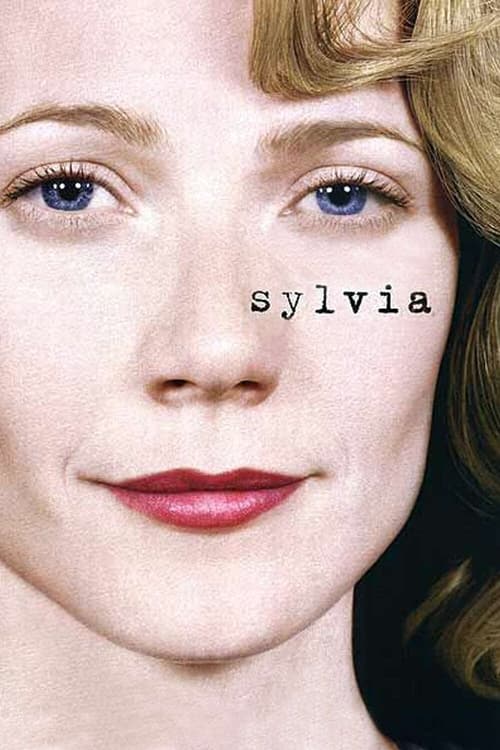
initially, i was not so fond of paltrow’s portrayal of plath and thought to myself that i would prefer to reread her books than finish the film. however as the movie progressed, i found that she seemed to grow into her body and character, becoming her sadness and debatable happiness. it was incredibly humanizing to see how she embodied and communicated through her own translation, plath’s experience as a mother and as an individual in a conflicting relationship. i’m glad to have seen this film; to me, it introduced a new medium of communicating plath’s life to us. i ended this film with a renewed sense of respect for sylvia. it is clear that this was simply one individual’s interpretation of her life, but i think that because it shows how a different individual understood her life, it holds some power over me. i don’t have the feeling that this film is an accurate representation of her life and find her works much more visceral and communicative of her life, but it is regardless, an appreciated experience to view her story through a different lens. i am left with a renewal of the feeling i had during my first reading of the bell jar, now through a lens of reflection.
for me personally, the film was especially enlightening on ted’s influence on her life and it made me feel as if his foreword in “johnny panic and the bible of dreams” was almost a marker of disrespect. i think this detail was glossed over and should be considered as one of the purposes of the film and through reading some other reviews, i find it important to mention that suffering should not define an individual. suffering can be an attribute, it can be a product, it can be an asset, but it is not defining. i for one, no matter how great my suffering was or what level of art it brought, would hate to be defined by my suffering. i would argue for definition through mode of thought, perception, mode of understanding, worldview, etc. many seem to be deeply attached to her suffering and have mythologized her memory as a result of that. i find it insulting and marring of the individual’s capability to receive new translations. food for thought.
initially, i was not so fond of paltrow’s portrayal of plath and thought to myself that i would prefer to reread her books than finish the film. however as the movie progressed, i found that she seemed to grow into her body and character, becoming her sadness and debatable happiness. it was incredibly humanizing to see how she embodied and communicated through her own translation, plath’s experience as a mother and as an individual in a conflicting relationship. i’m glad to have seen this film; to me, it introduced a new medium of communicating plath’s life to us. i ended this film with a renewed sense of respect for sylvia. it is clear that this was simply one individual’s interpretation of her life, but i think that because it shows how a different individual understood her life, it holds some power over me. i don’t have the feeling that this film is an accurate representation of her life and find her works much more visceral and communicative of her life, but it is regardless, an appreciated experience to view her story through a different lens. i am left with a renewal of the feeling i had during my first reading of the bell jar, now through a lens of reflection.
for me personally, the film was especially enlightening on ted’s influence on her life and it made me feel as if his foreword in “johnny panic and the bible of dreams” was almost a marker of disrespect. i think this detail was glossed over and should be considered as one of the purposes of the film and through reading some other reviews, i find it important to mention that suffering should not define an individual. suffering can be an attribute, it can be a product, it can be an asset, but it is not defining. i for one, no matter how great my suffering was or what level of art it brought, would hate to be defined by my suffering. i would argue for definition through mode of thought, perception, mode of understanding, worldview, etc. many seem to be deeply attached to her suffering and have mythologized her memory as a result of that. i find it insulting and marring of the individual’s capability to receive new translations. food for thought.