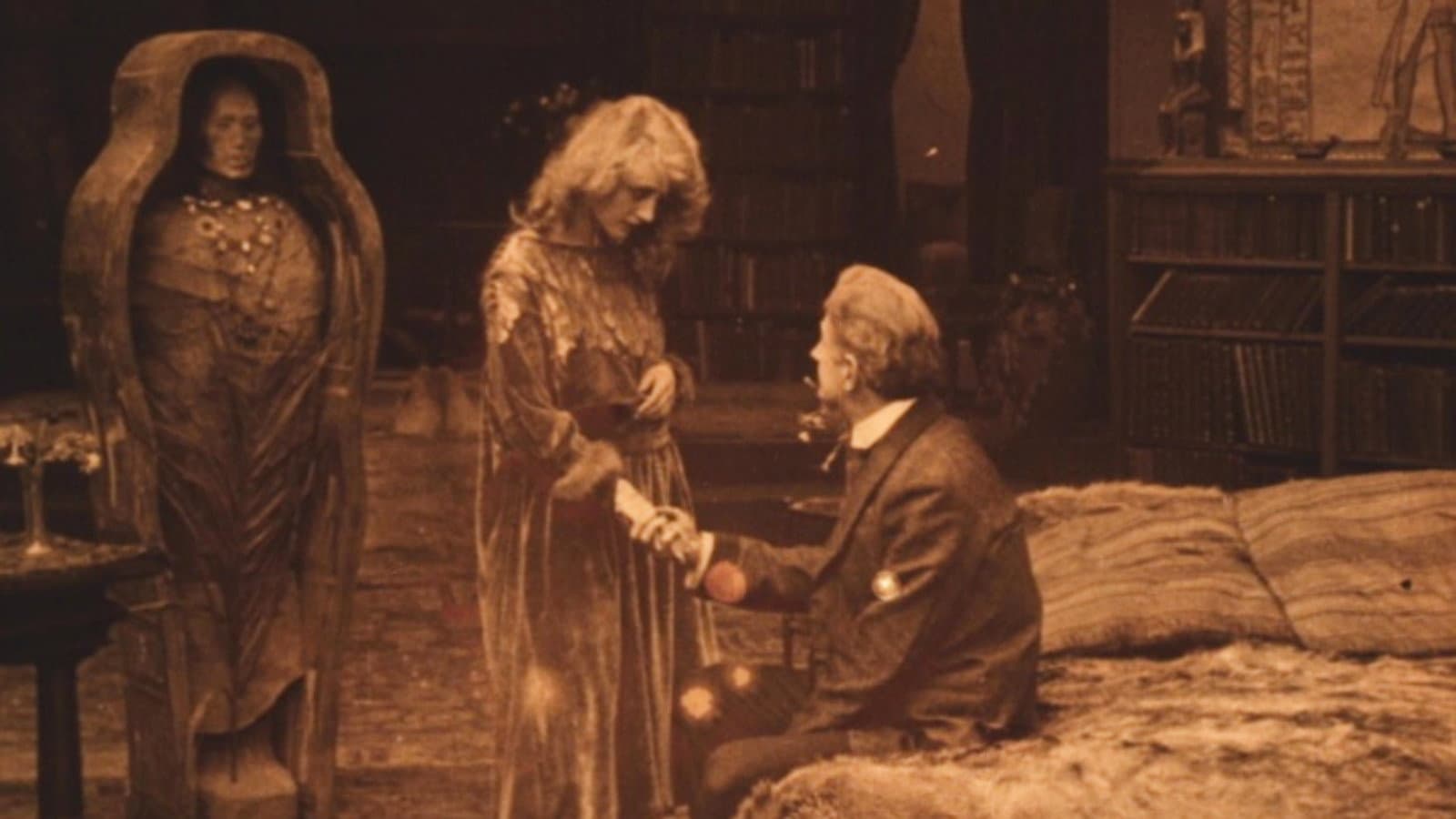
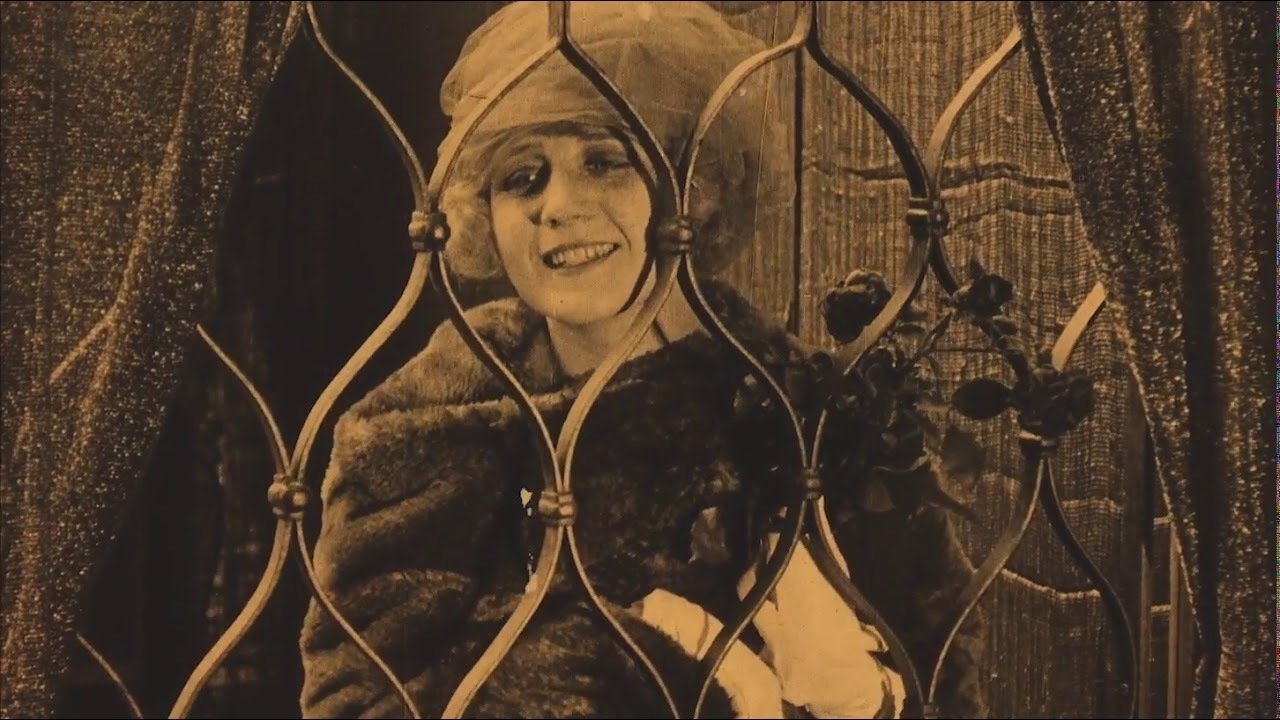
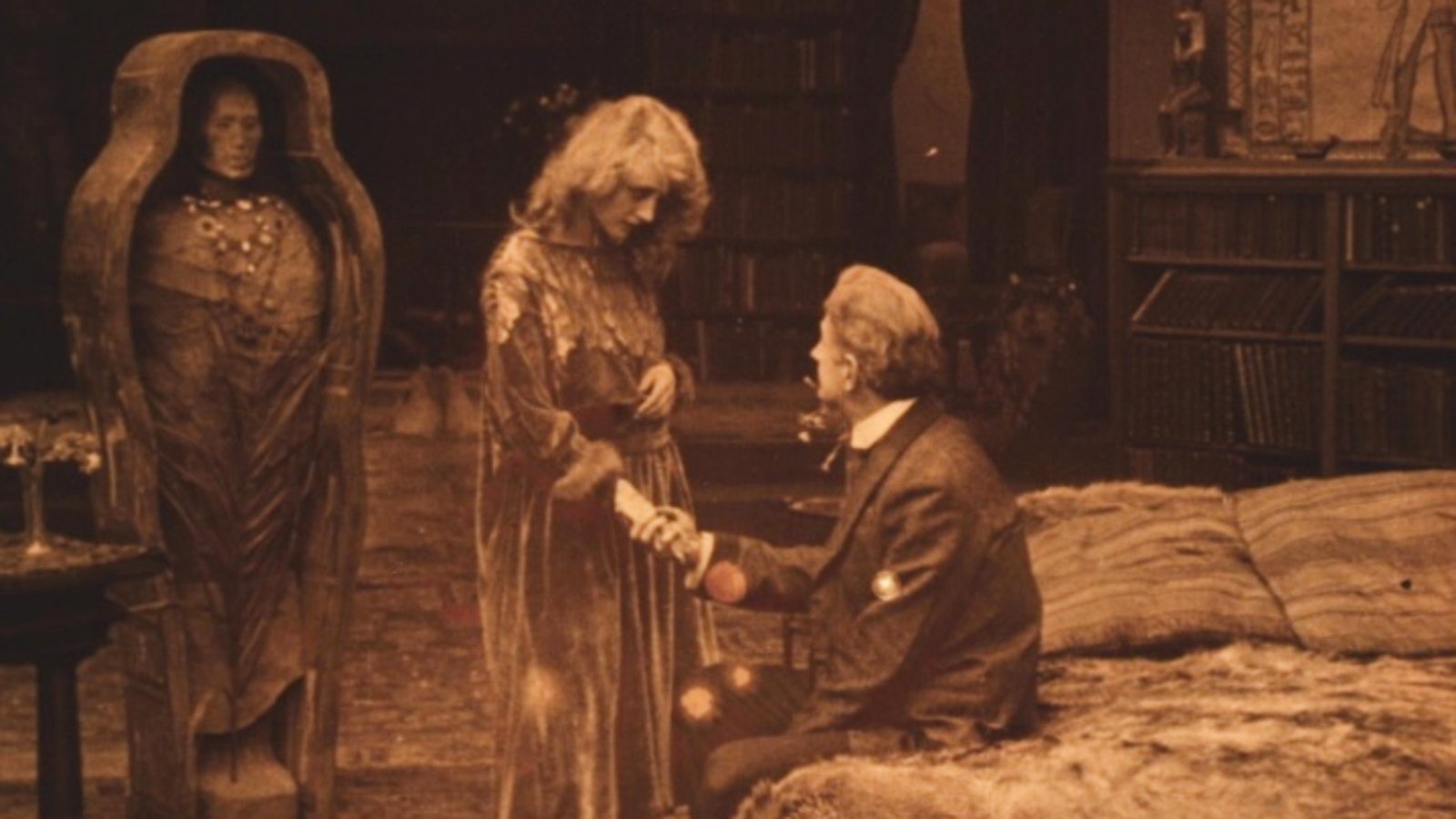
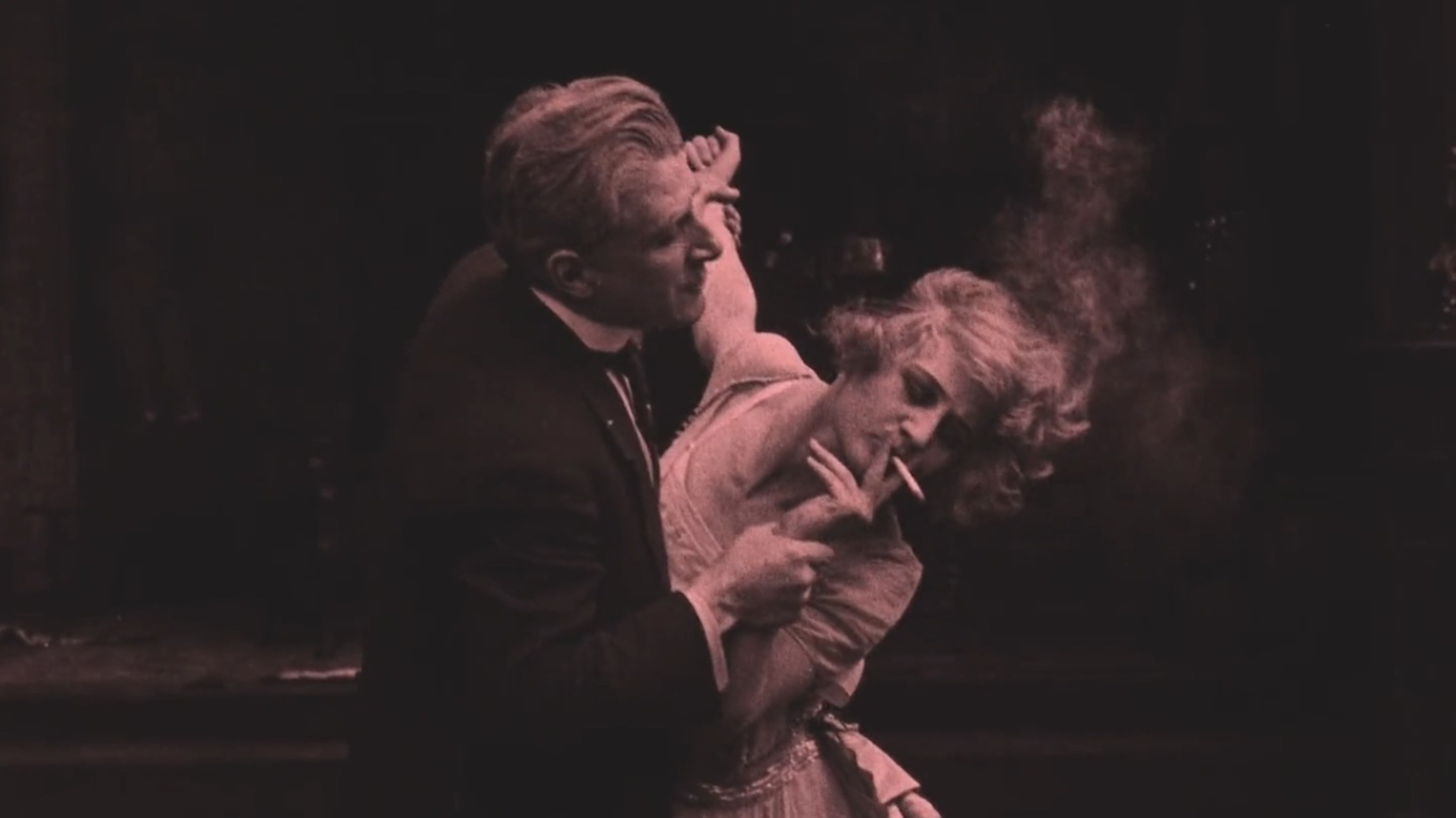
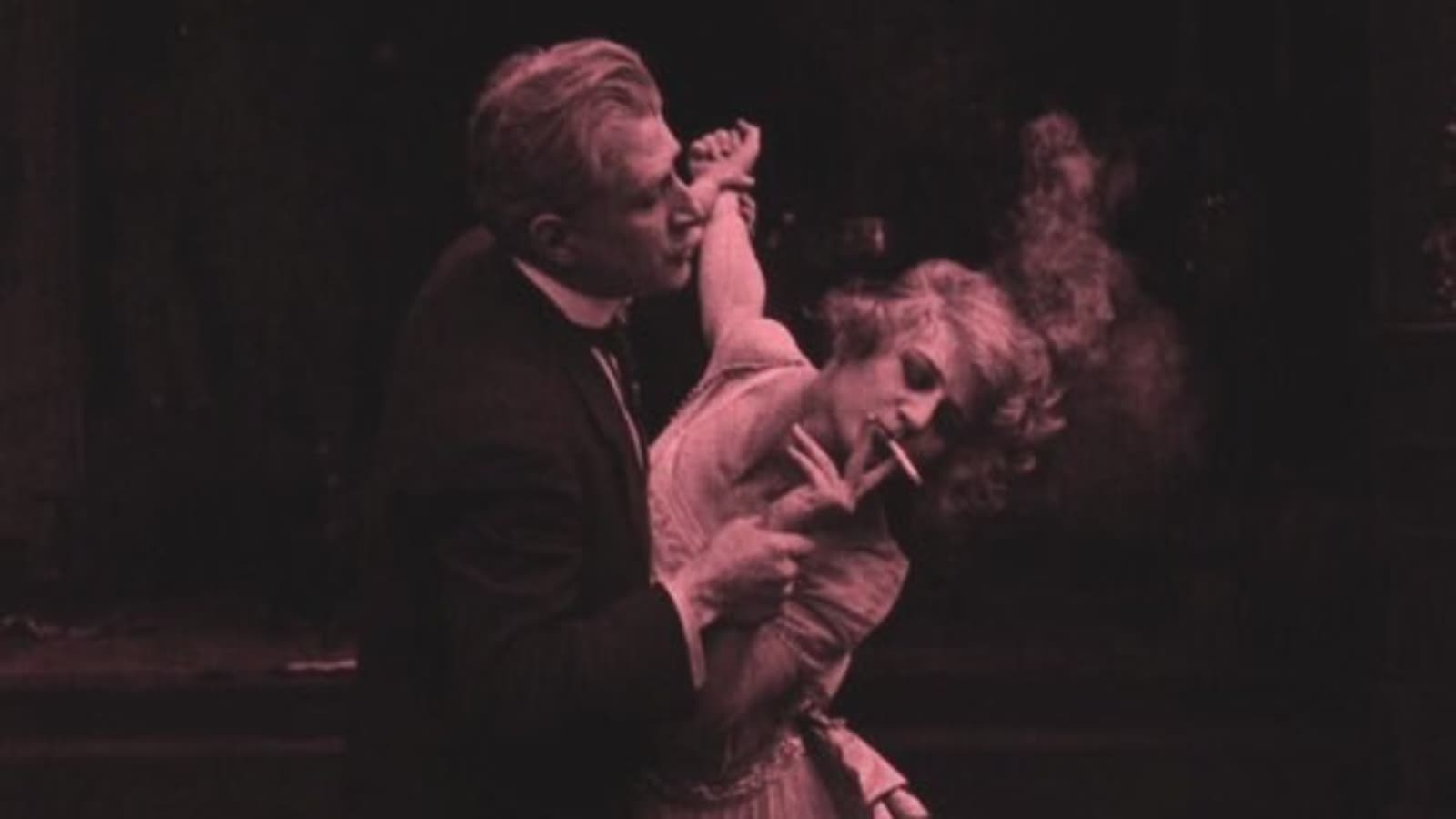
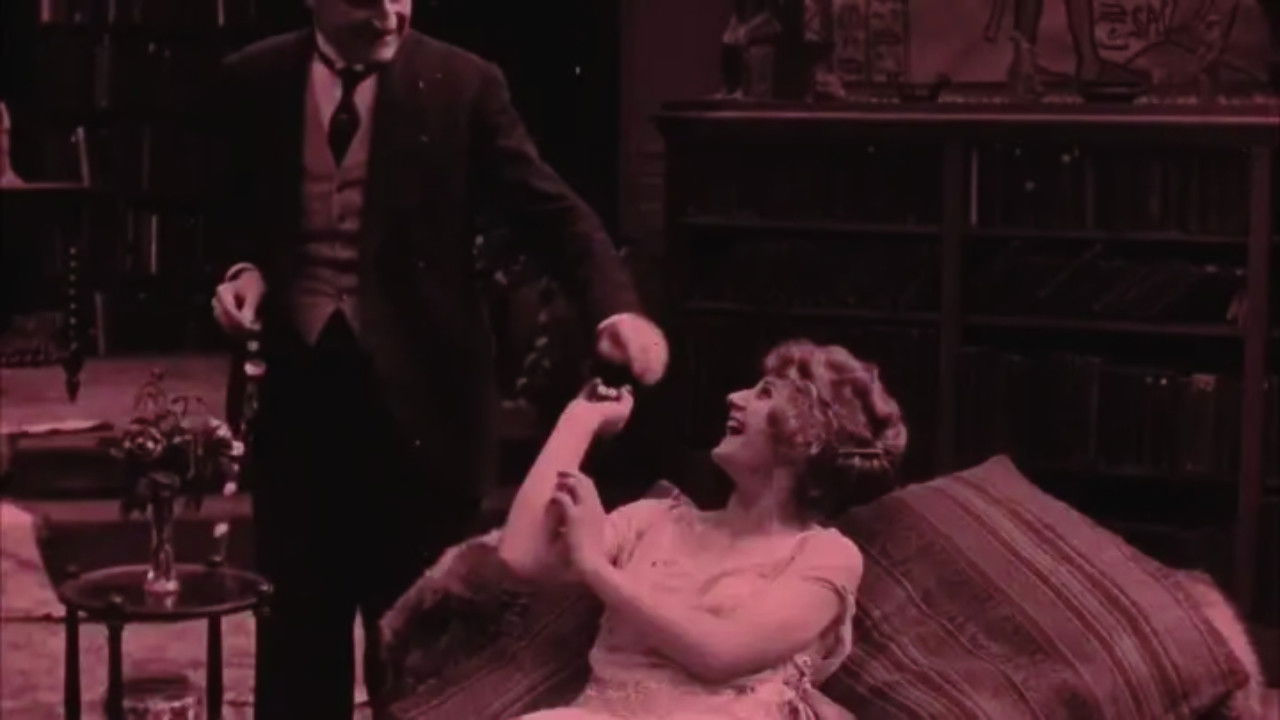
There is a pain that is born not from explicit abandonment, but from the subtle distance that settles between two bodies still close. What touched me the most was precisely this absence shaped as presence — the silence that grows between gestures of affection, the space that keeps widening between what is felt and what is assumed. Love, in the film, does not dissolve with time but becomes intoxicated by misunderstandings, by misread intentions, by a kind of emotional blindness that does not come from lack of love but from the inability to speak what one fears to feel, from the insecurities that corrode from within. And it’s exactly in that gap — in that tragic interval between the stare and the word — that something perhaps irretrievable is consumed. The beauty lies in how all of this is suggested, whether by lit cigarettes or by a face that looks without knowing if it will be looked at in return.
Suicide is not a final act — it was already there from the very first moment. There is a painful poetry in this idea that someone’s end can happen without the other even realizing something was coming to an end. There is also a critique of a kind of coexistence in which intimacy becomes performance, and our certainties about those we love reveal themselves as dangerous fictions. Assuming that the other will be better off without you, that in the end they will understand, that they know we love them — all of that can be fatal. In that, I was truly struck by that uncomfortable reminder of how many times, out of fear, we fail to ask, we fail to say.
Knowing that this is the oldest surviving work of the pioneering feminist Germaine Dulac adds a lot to the experience, as if we were witnessing the first whisper of a revolution still timid but already profoundly lucid. It’s remarkable to see how, even so early on, Dulac not only mastered the tools of cinema but already sensed its power as an instrument of inner exploration and social critique. This is not a feminism of slogans, but something far more sophisticated: the unveiling of a woman’s intimate pain, of the incommunicability within domestic life, of the emotional prison disguised as marital stability. And by doing this with such aesthetic subtlety, she inaugurates a gaze that escapes the rigidity of discourse and finds strength precisely in its ambiguity — in its disturbing beauty. That this is the oldest existing trace of her work is an immense stroke of luck. A precious fragment of what could have been lost and which, fortunately, has survived to remind us where the true gesture of rupture begins.
There is a pain that is born not from explicit abandonment, but from the subtle distance that settles between two bodies still close. What touched me the most was precisely this absence shaped as presence — the silence that grows between gestures of affection, the space that keeps widening between what is felt and what is assumed. Love, in the film, does not dissolve with time but becomes intoxicated by misunderstandings, by misread intentions, by a kind of emotional blindness that does not come from lack of love but from the inability to speak what one fears to feel, from the insecurities that corrode from within. And it’s exactly in that gap — in that tragic interval between the stare and the word — that something perhaps irretrievable is consumed. The beauty lies in how all of this is suggested, whether by lit cigarettes or by a face that looks without knowing if it will be looked at in return.
Suicide is not a final act — it was already there from the very first moment. There is a painful poetry in this idea that someone’s end can happen without the other even realizing something was coming to an end. There is also a critique of a kind of coexistence in which intimacy becomes performance, and our certainties about those we love reveal themselves as dangerous fictions. Assuming that the other will be better off without you, that in the end they will understand, that they know we love them — all of that can be fatal. In that, I was truly struck by that uncomfortable reminder of how many times, out of fear, we fail to ask, we fail to say.
Knowing that this is the oldest surviving work of the pioneering feminist Germaine Dulac adds a lot to the experience, as if we were witnessing the first whisper of a revolution still timid but already profoundly lucid. It’s remarkable to see how, even so early on, Dulac not only mastered the tools of cinema but already sensed its power as an instrument of inner exploration and social critique. This is not a feminism of slogans, but something far more sophisticated: the unveiling of a woman’s intimate pain, of the incommunicability within domestic life, of the emotional prison disguised as marital stability. And by doing this with such aesthetic subtlety, she inaugurates a gaze that escapes the rigidity of discourse and finds strength precisely in its ambiguity — in its disturbing beauty. That this is the oldest existing trace of her work is an immense stroke of luck. A precious fragment of what could have been lost and which, fortunately, has survived to remind us where the true gesture of rupture begins.