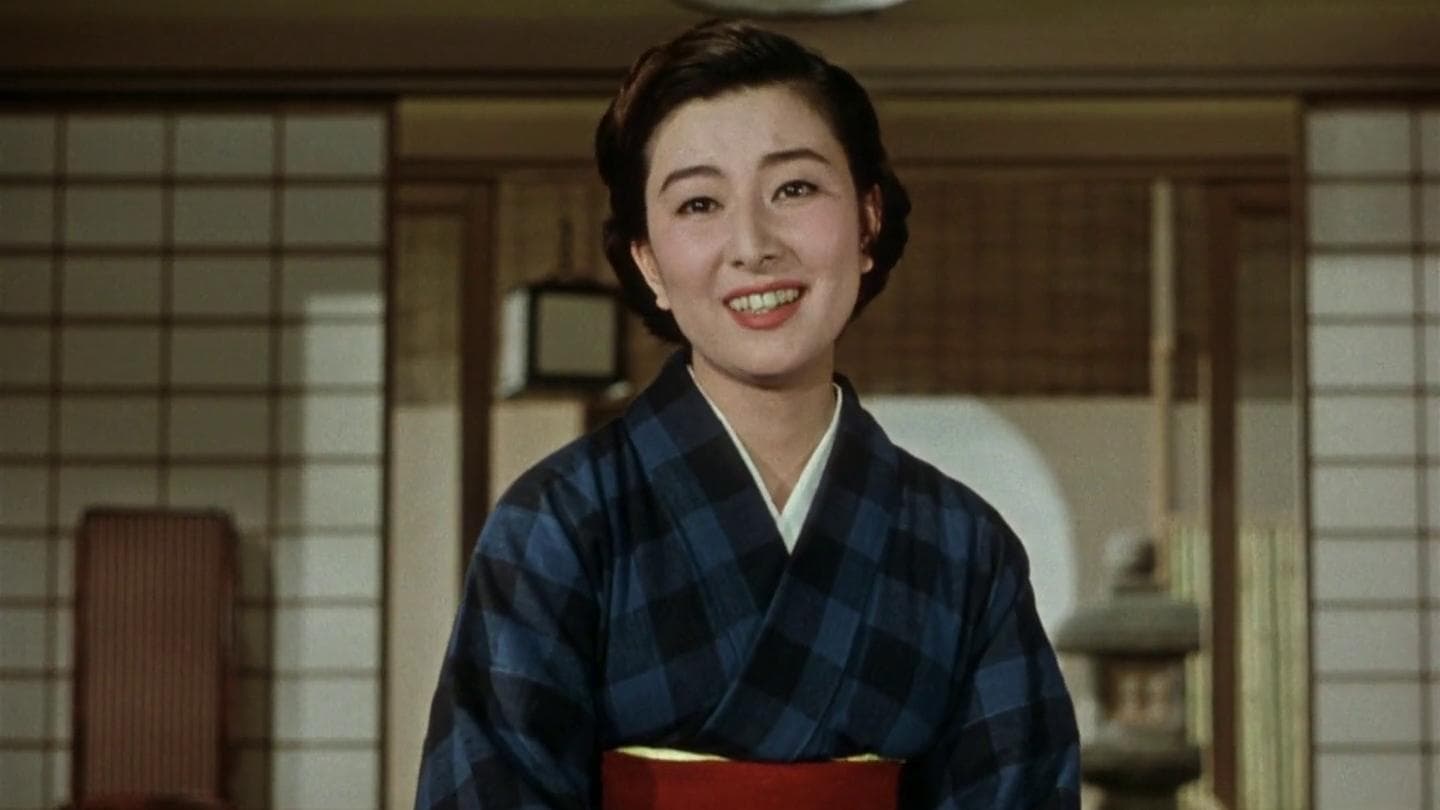
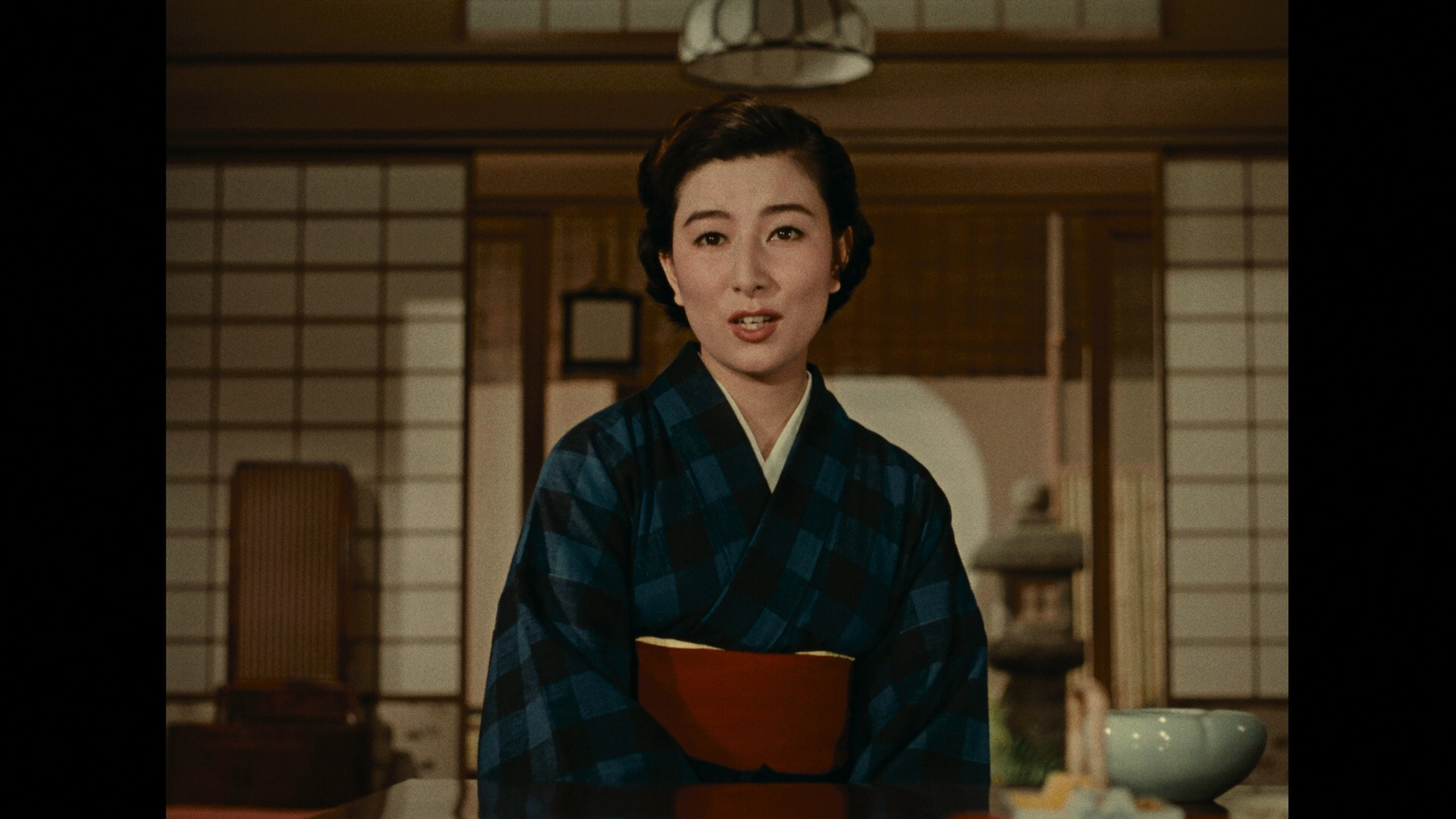
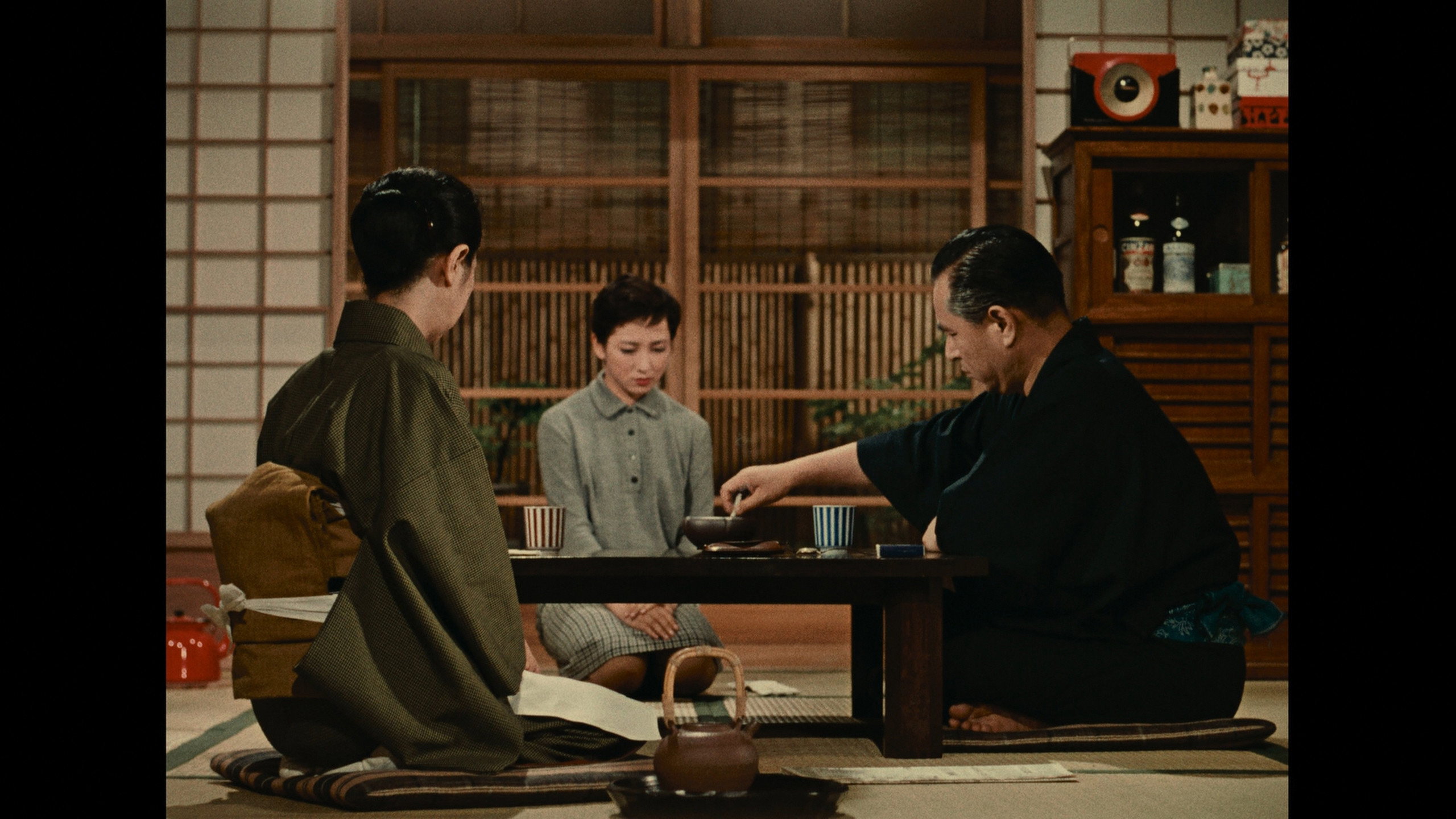
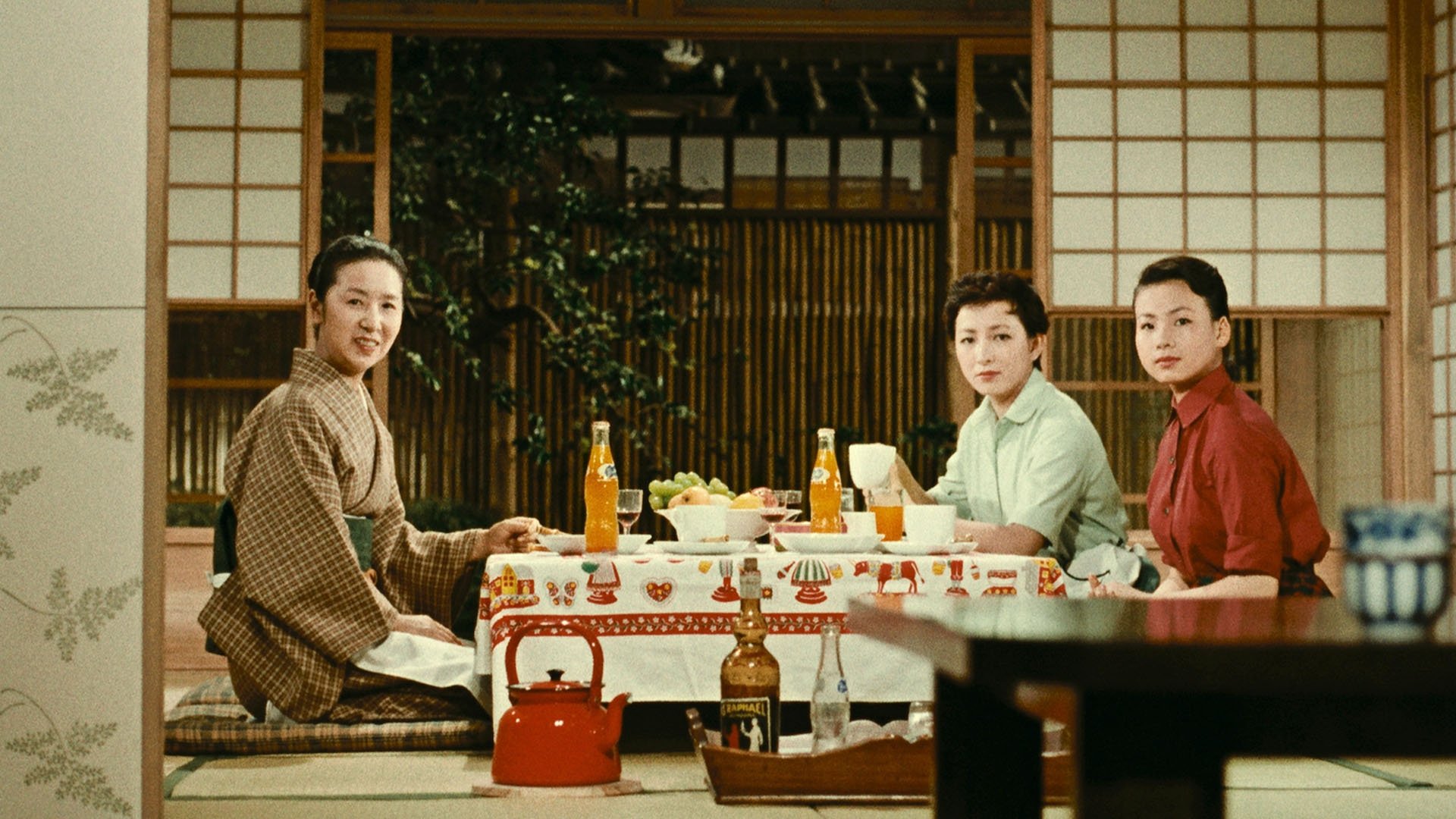
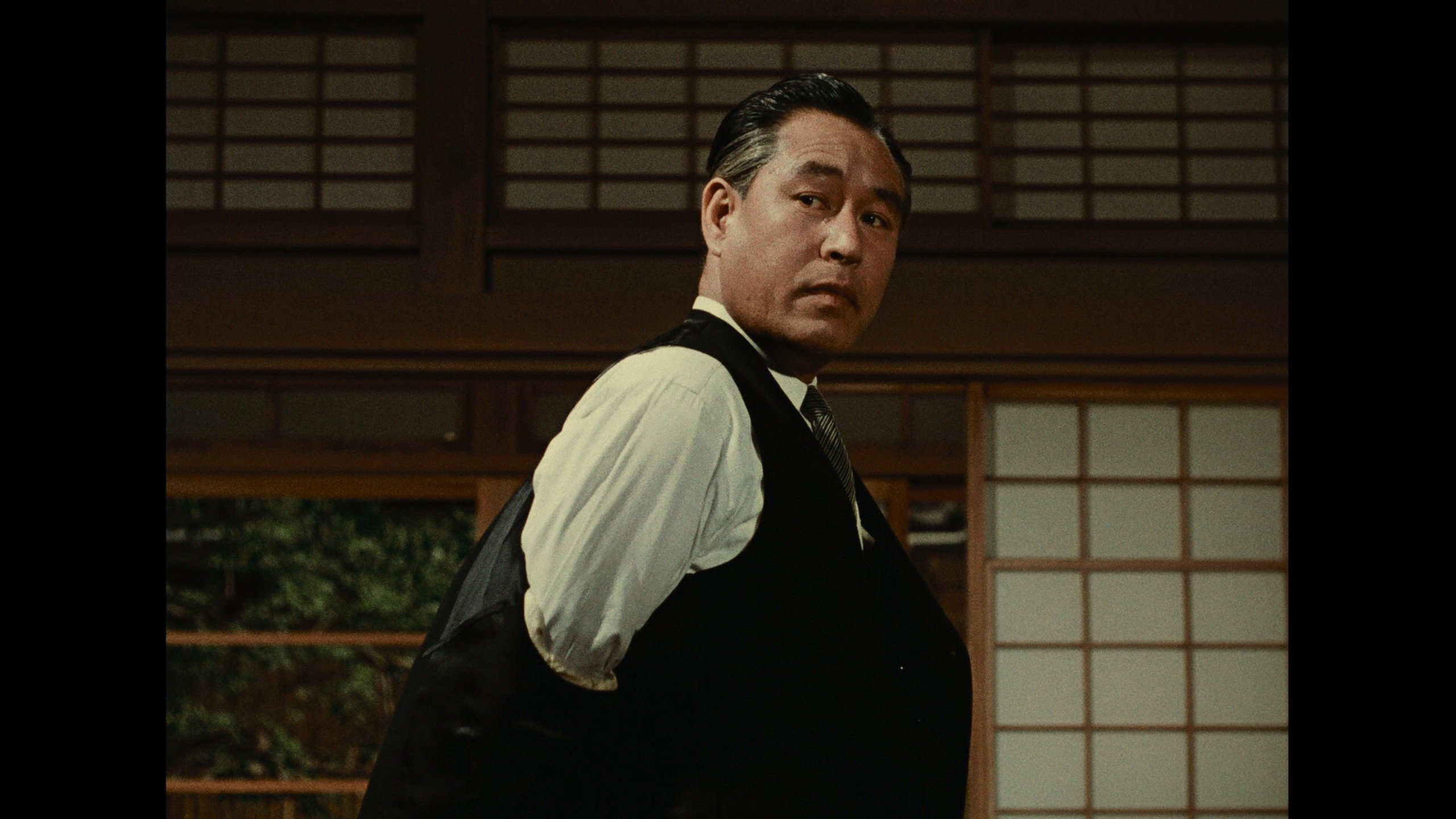
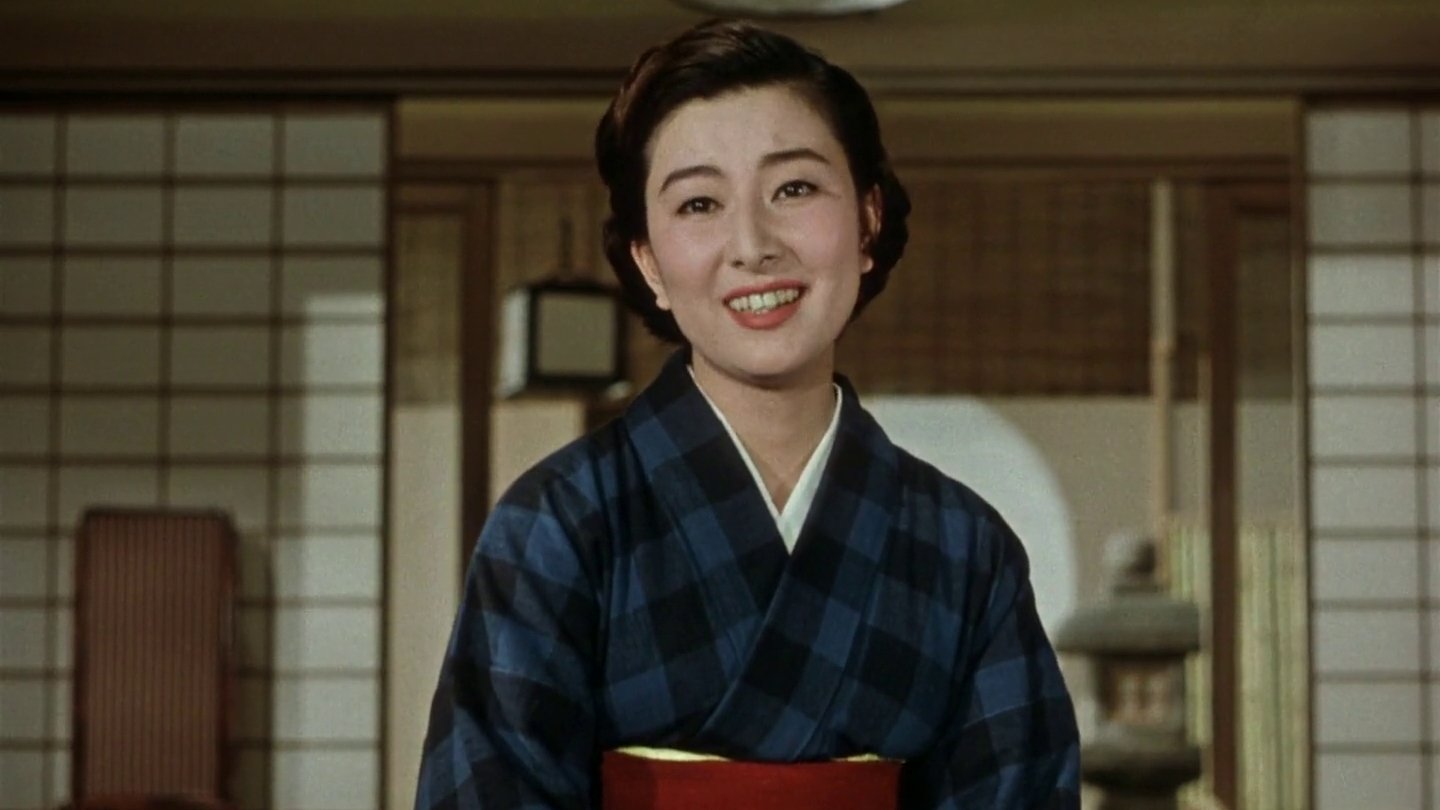
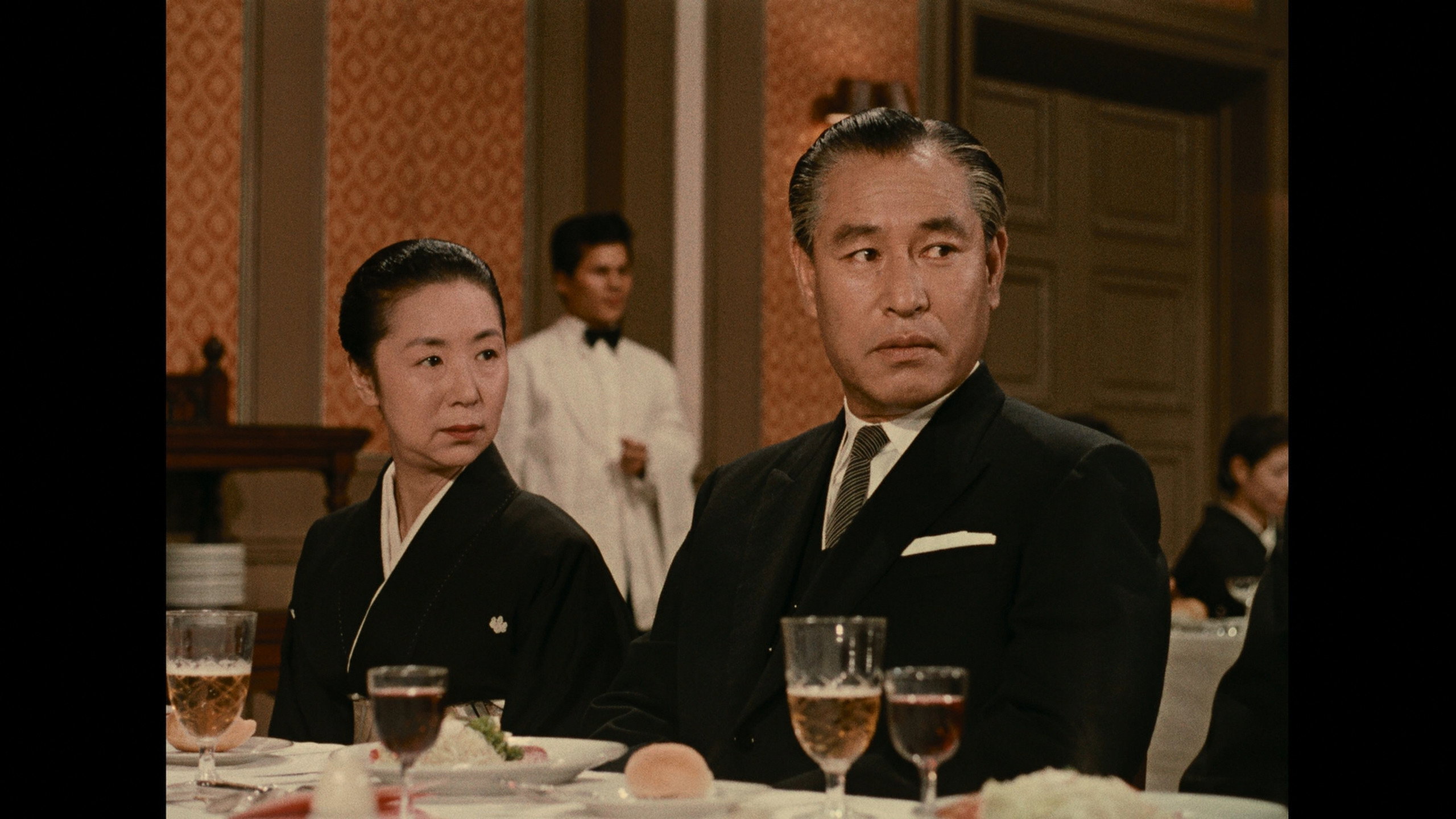
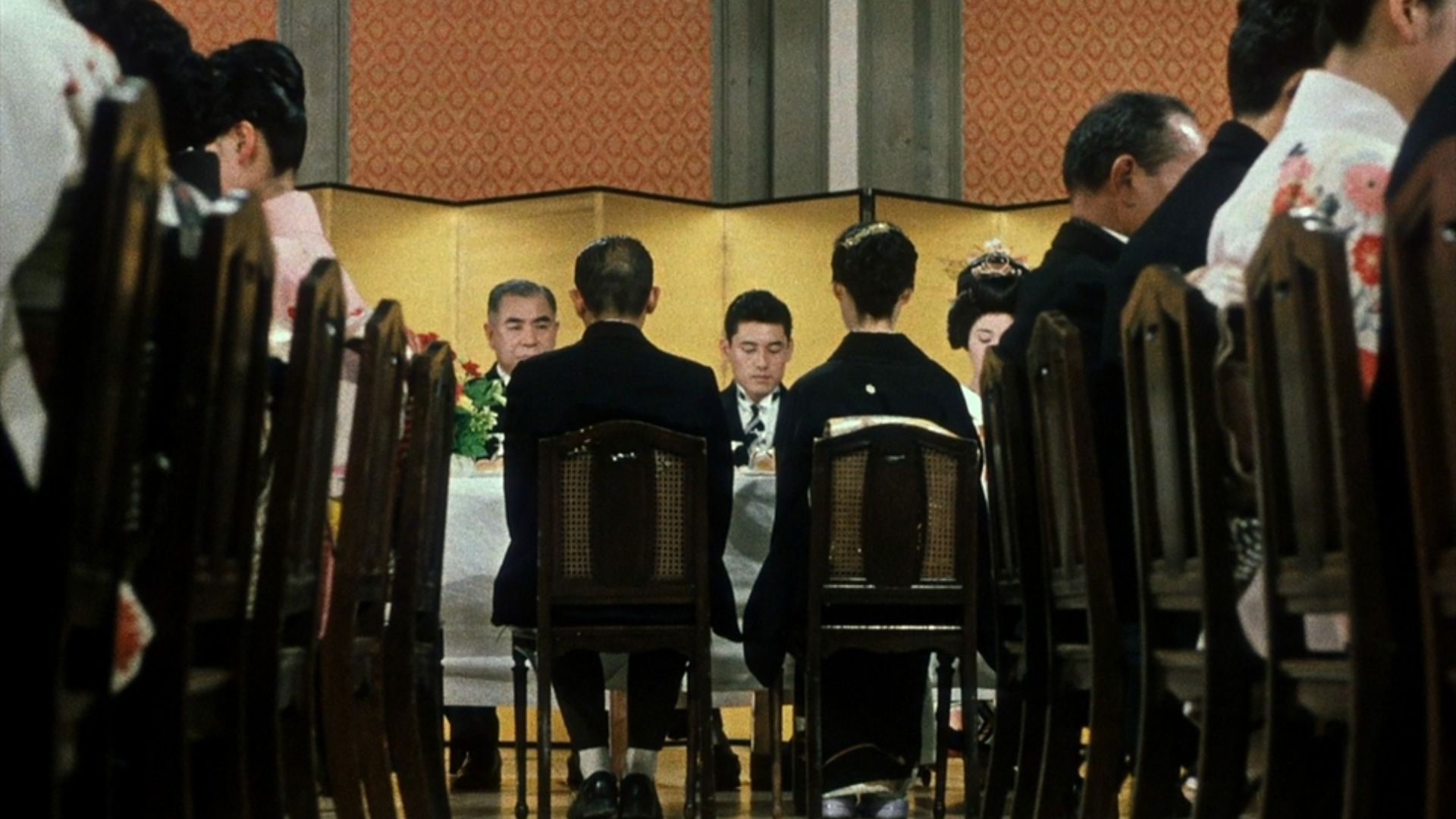
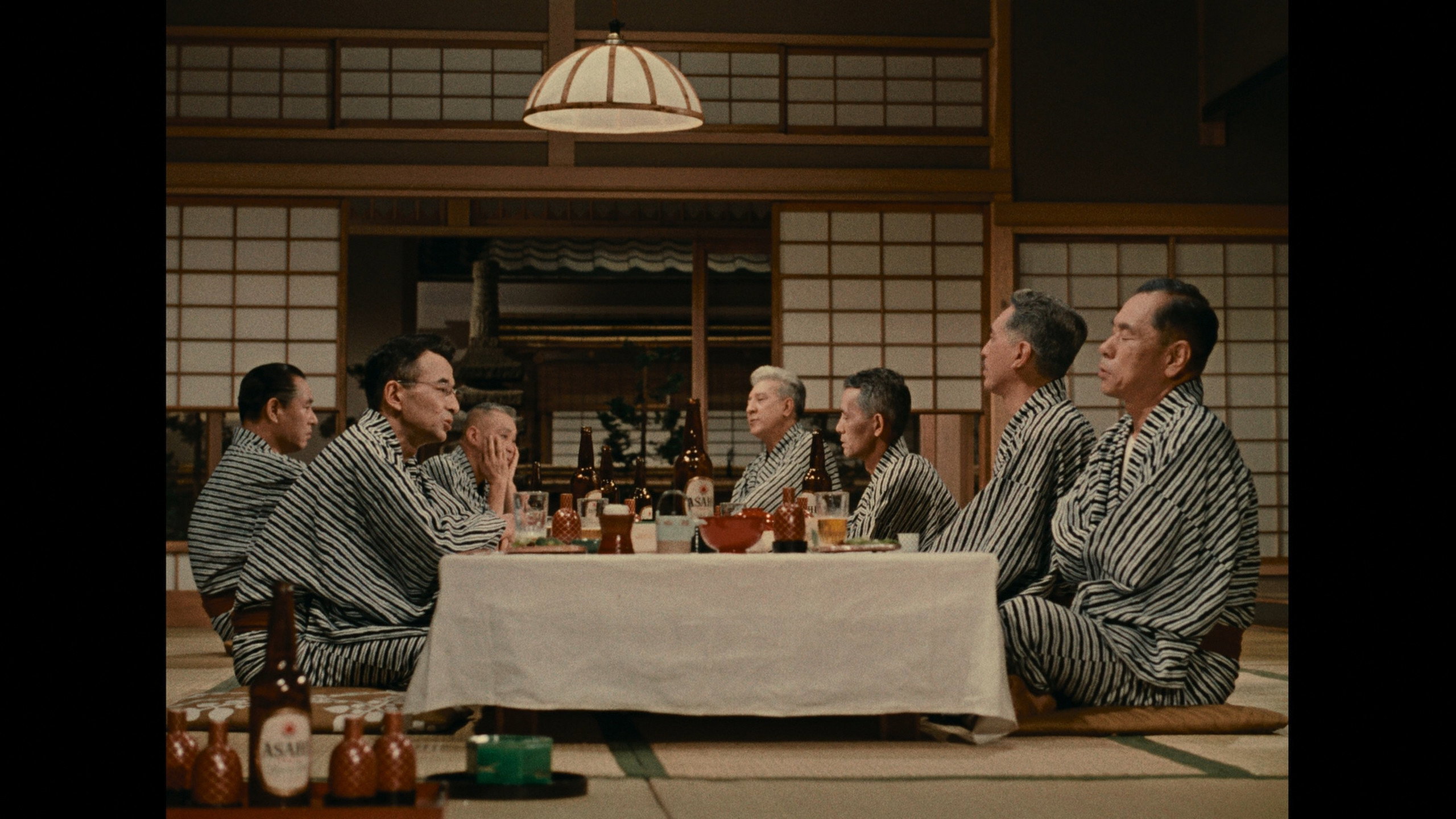
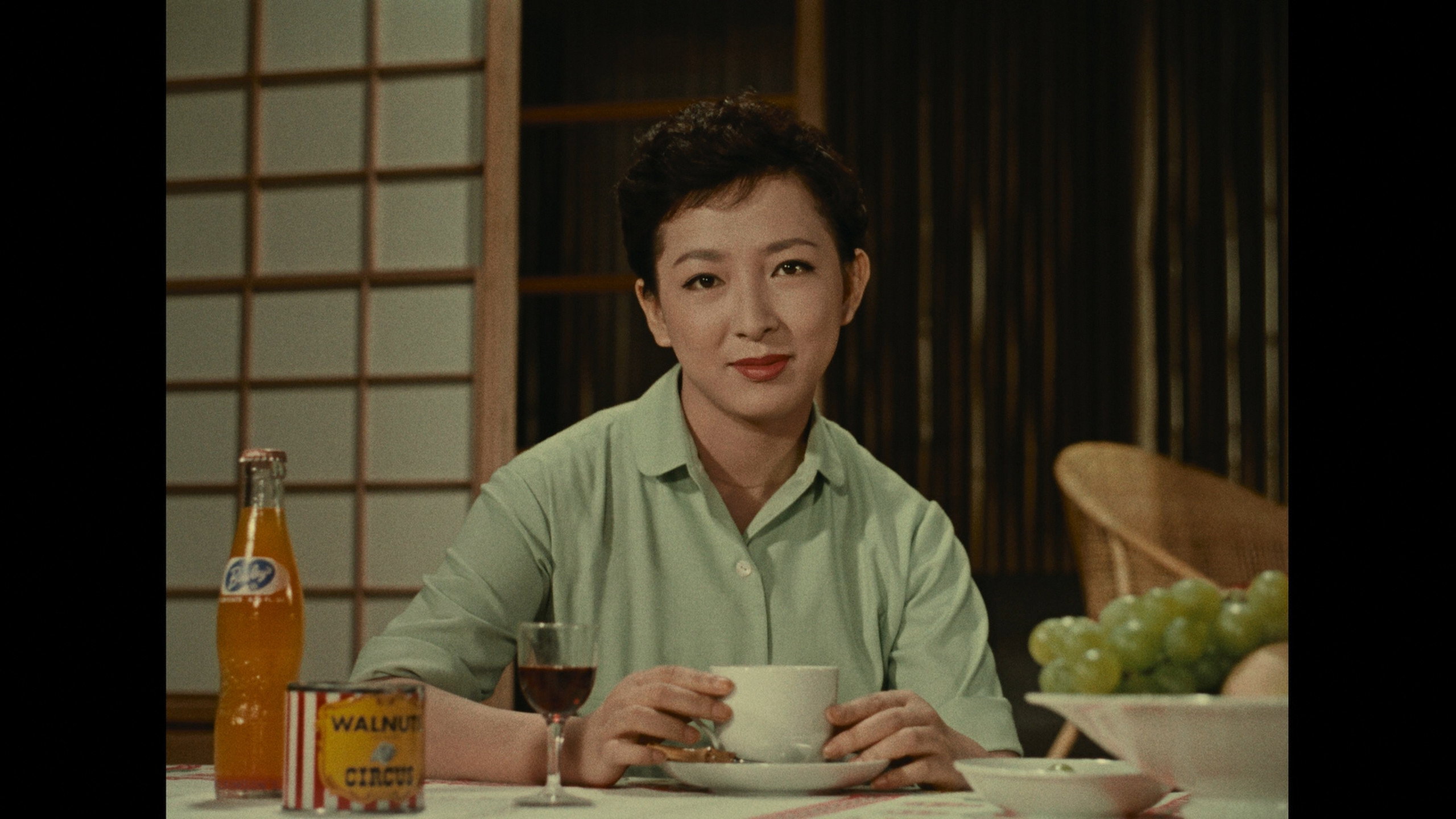
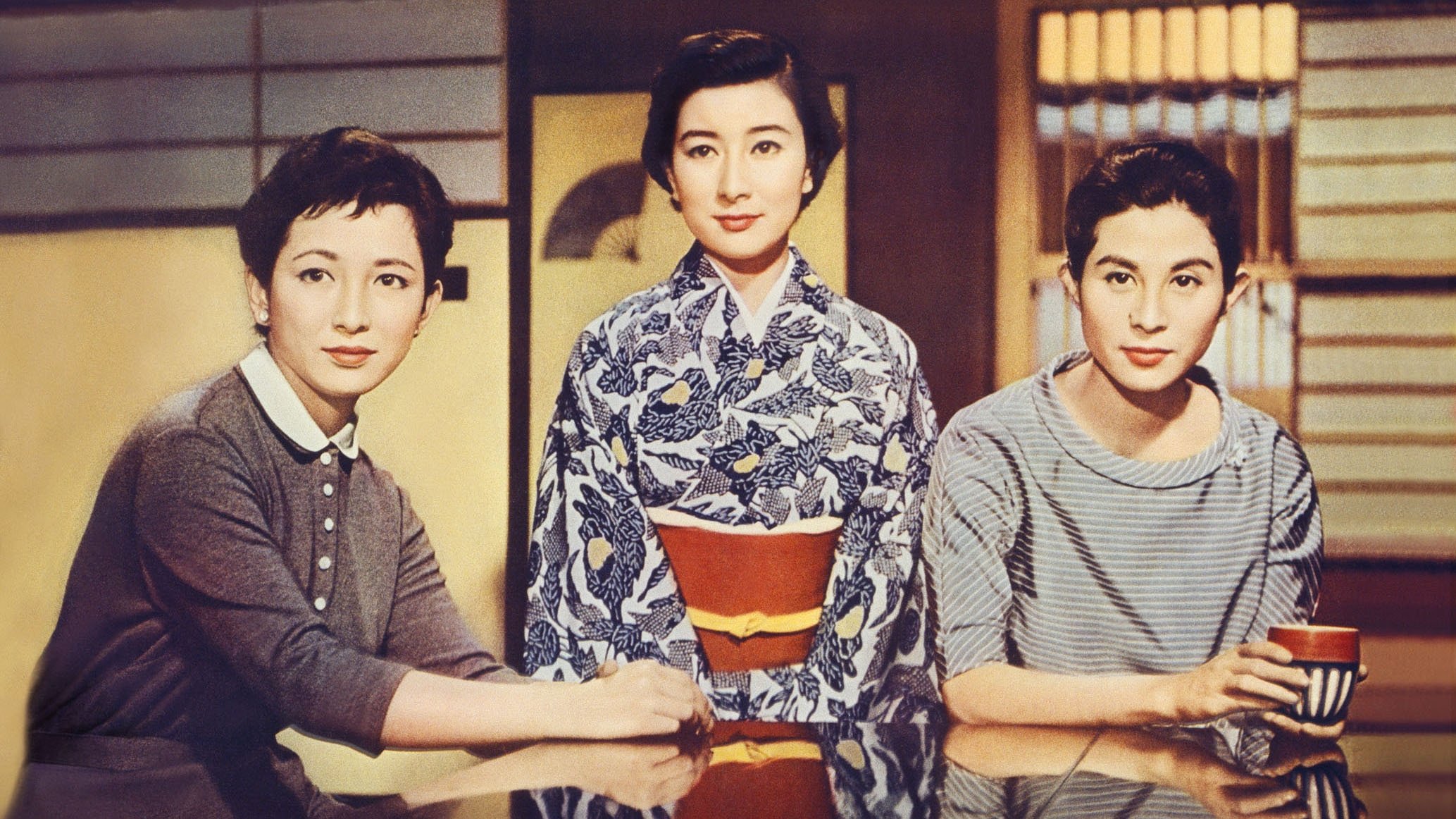
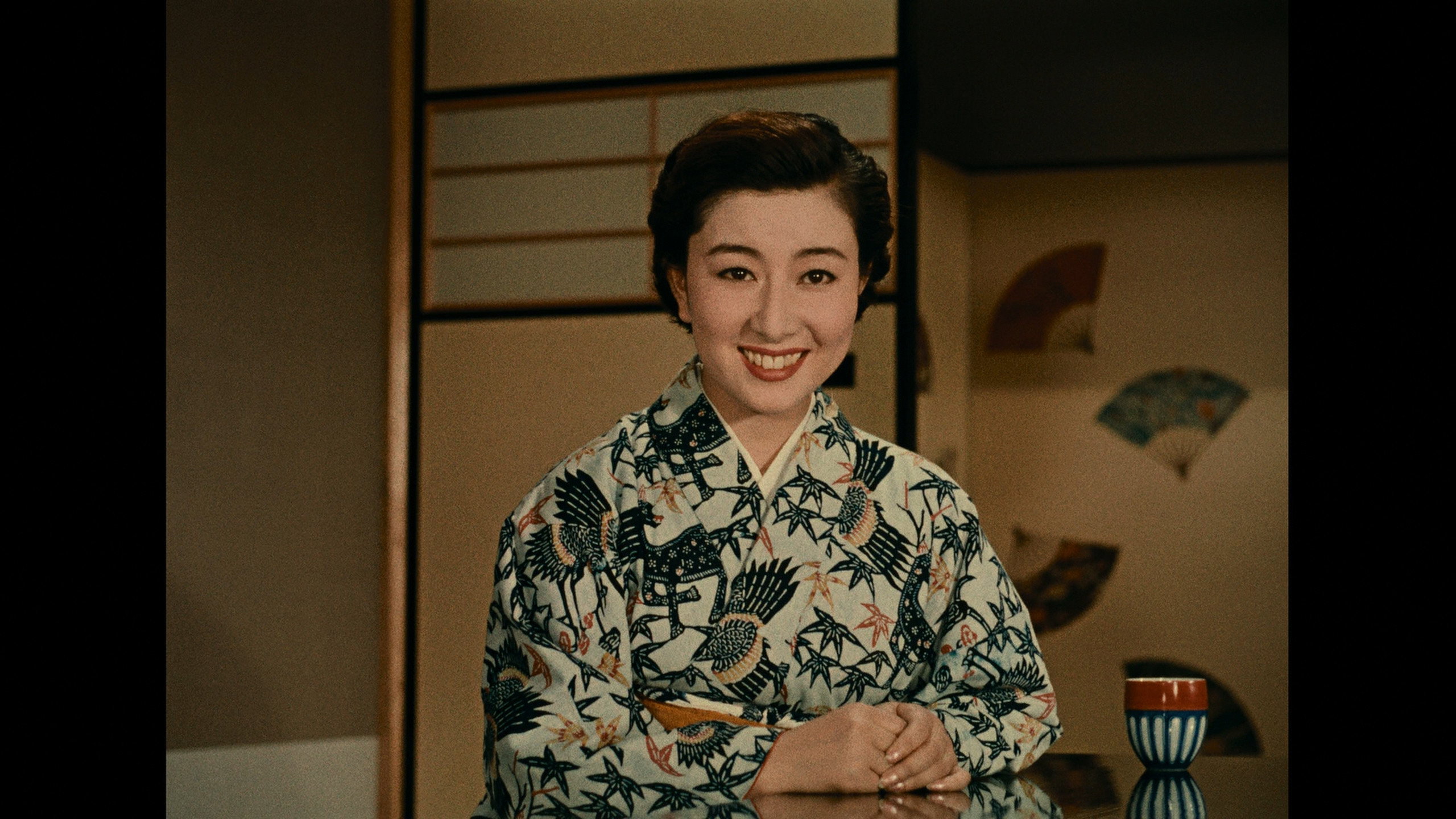
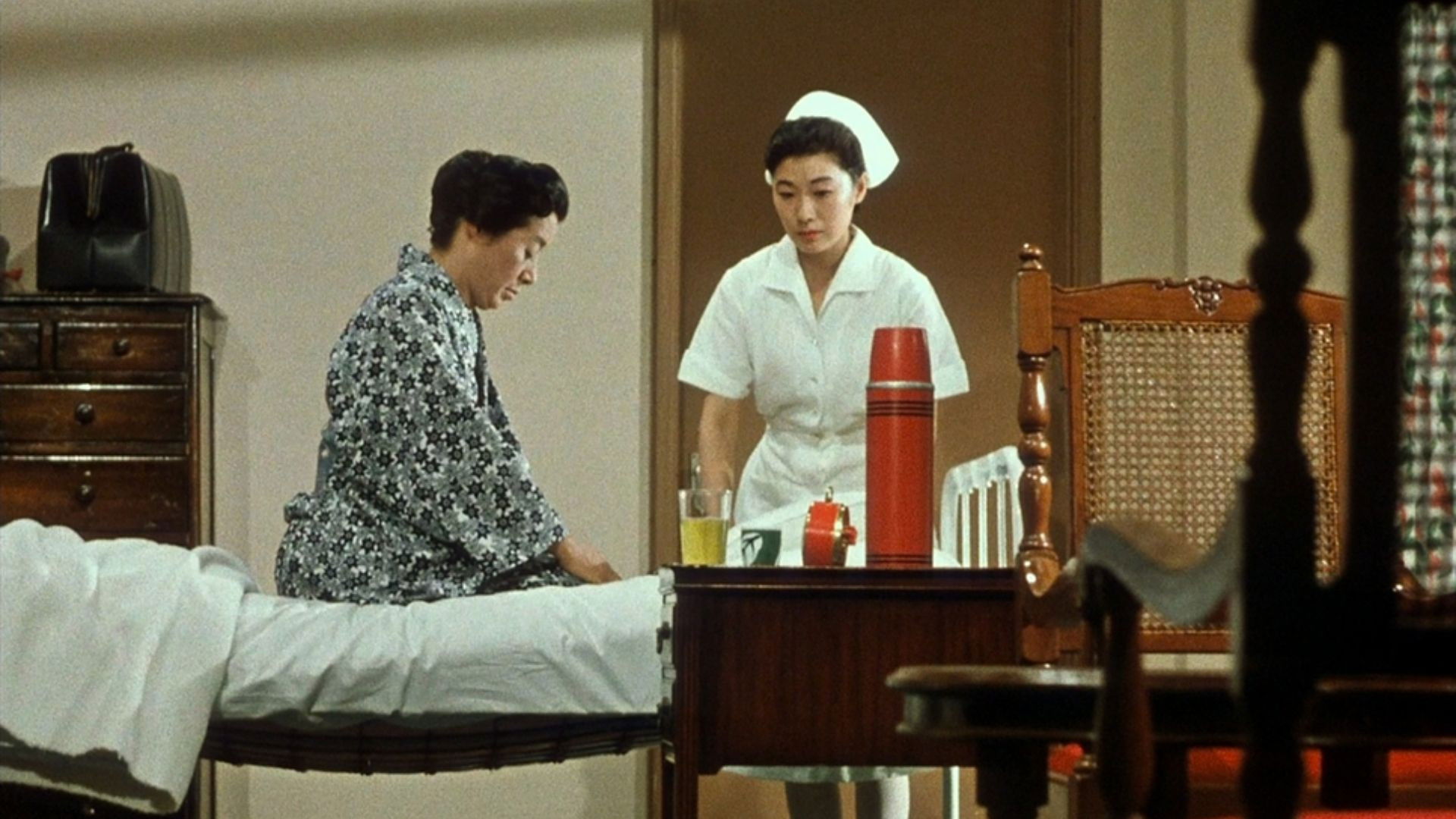
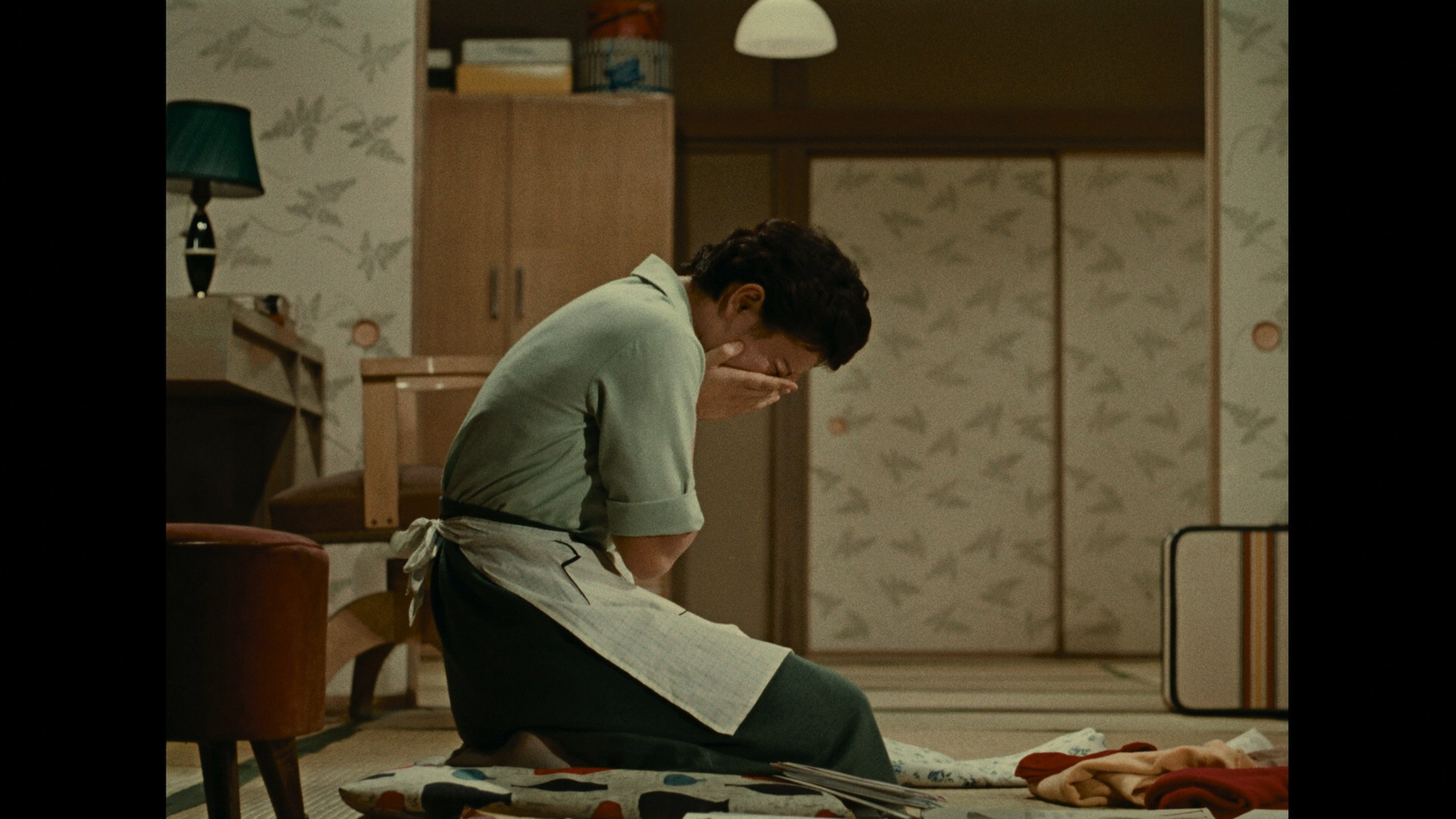
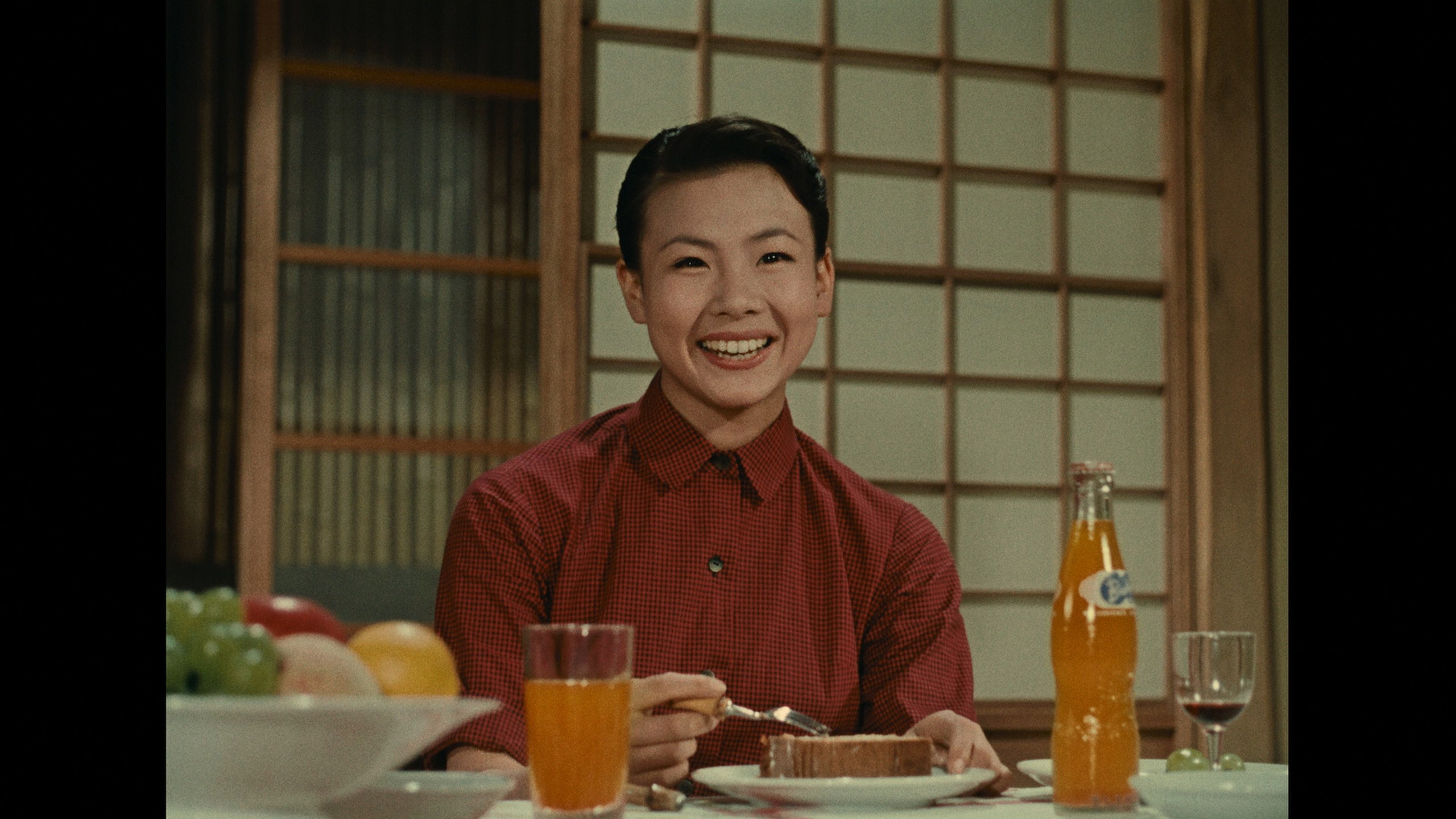
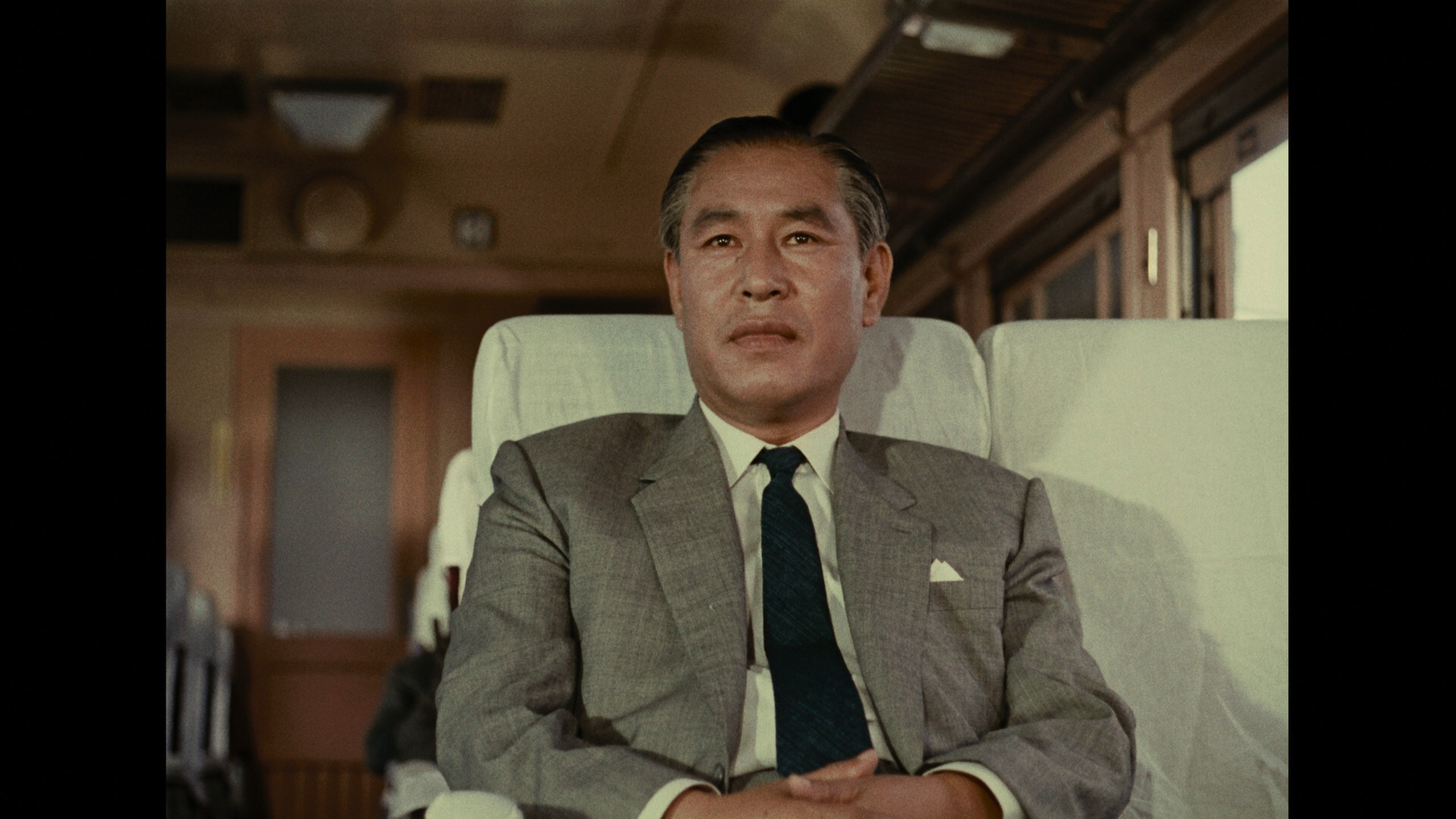
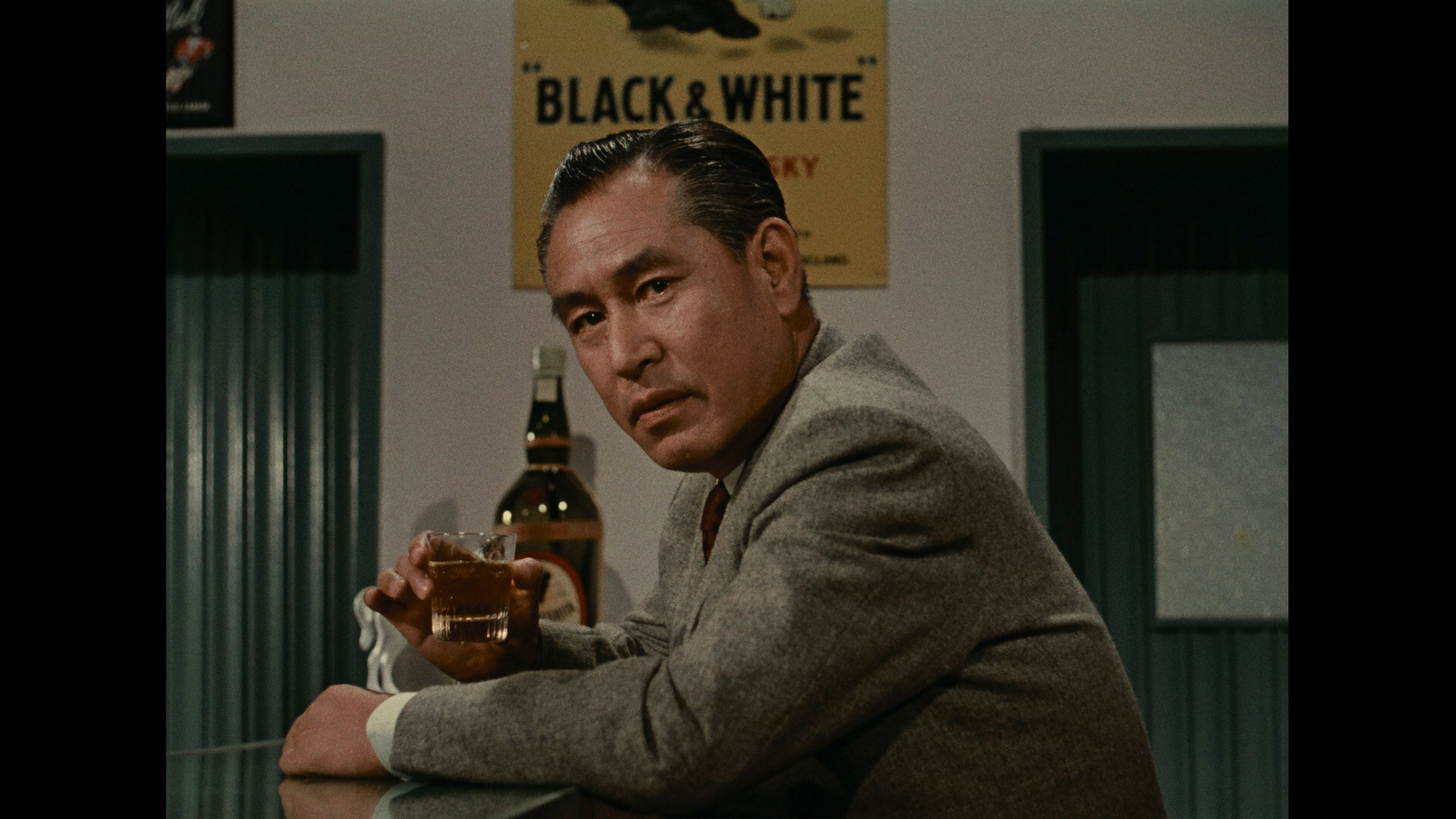
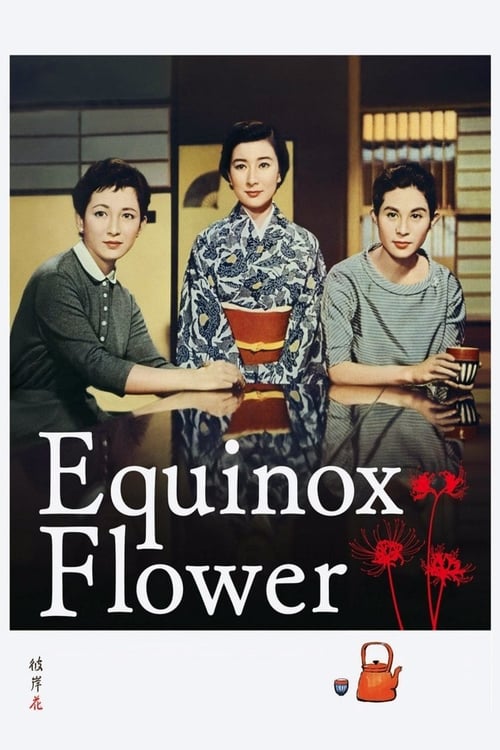
Ozu truly was like "I only have one life to live, which means I might have time to make like, maybe 50 movies, and I'll be damned if they're not going to be all about how Japan, as a society, needs to leave arranged marriages in the past." And I respect it a lot actually.
As far as Ozu movies about the struggle of middle-class Japanese families dealing with the cultural shift toward female independence goes, this one felt the most to me like watching somebody else go to therapy.
Watching the way this stubborn man refused to learn the lesson that was repeatedly presented to him, the suffering that this caused everyone around him, and the lightness that came from his slowly allowing people (including himself) to just be happy, was like watching therapy slowly doing its job. Can't imagine what it must have been like for people to watch this in 1958.
Ozu truly was like "I only have one life to live, which means I might have time to make like, maybe 50 movies, and I'll be damned if they're not going to be all about how Japan, as a society, needs to leave arranged marriages in the past." And I respect it a lot actually.
As far as Ozu movies about the struggle of middle-class Japanese families dealing with the cultural shift toward female independence goes, this one felt the most to me like watching somebody else go to therapy.
Watching the way this stubborn man refused to learn the lesson that was repeatedly presented to him, the suffering that this caused everyone around him, and the lightness that came from his slowly allowing people (including himself) to just be happy, was like watching therapy slowly doing its job. Can't imagine what it must have been like for people to watch this in 1958.