In mathematics, a
DAG visualizes the causal landscape of different variables. Now, having seen every major Ozu work, I see how each film is an iteration of the same DAG with varying interactions and directionality. Parents, children, romantic prospects, and cultural generations are positioned toward or against, directly or indirectly, but always the same players at the same camera height. A critic would posit this is superfluous repetition. A wise person would see the existential iterations of life as parallels with Ozu’s thematic and topical investigations.
The End of Summer captures a wide spectrum of intense emotions. Comedy and tragedy are both emphasized. The dance of juxtaposition is always complimentary, never cannibalistic. Death is treated with reverence in the first dimension of the camera, only to end with a hop and skip in a further spatial dimension in the same scene.
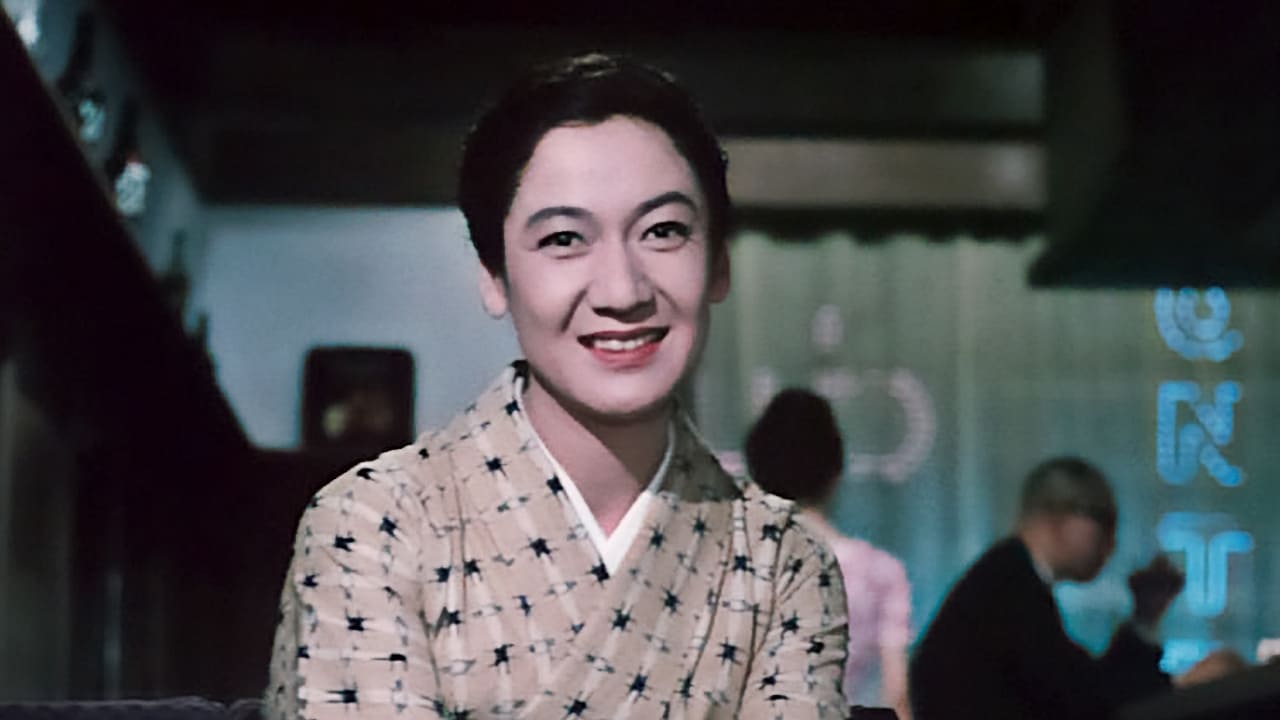
One of my favourite things in Ozu films is when women stand up against men. Here, Fumiko (Michiyo Aratama) is portrayed as a woman of strong will. She directly tells her brother to literally shut up and speaks to her father with audaciousness. Sometimes in Ozu films, characters’ strengths end up being pushed far enough to bite themselves in the butt. So too, here, does Fumiko’s stubbornness persist and eventually go a little too far.
Ozu catalyzes self-reflection when a character’s strength takes them past the threshold of acceptability. A poignant line about being able to change behaviour but not character reflects the fact how we all have temperaments which can compliment or conflict with others. We can see then how a person’s quality, like the father’s wanton behaviour can be endearing and annoying.
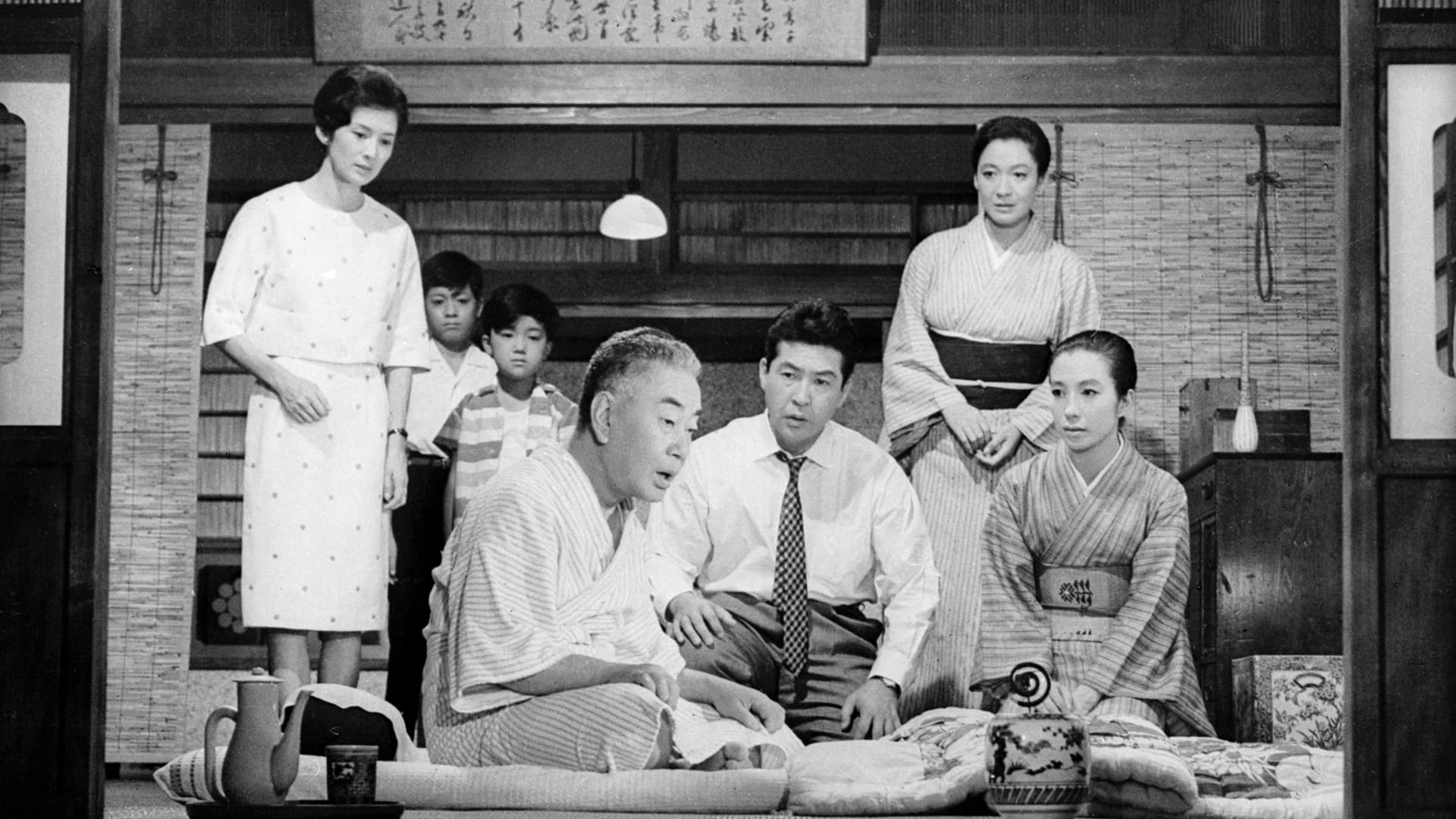
I really enjoyed Ganjirō Nakamura II playing the patriarch, Manbei Kohayagawa. The story gives him an interesting position. At the time within the film, his wife has passed and he is old. He reignites a flame with an old mistress. Fumiko (his daughter) recounts the hardship her father’s behaviour inflicted upon her and her family in their youth. Thus, we have two truths: the father’s irresponsibility and negligence of the past & his present status as a widower. I think this is an example of the subjectivity of the social construct.
I found Manbei largely blameless and good-natured in his present. In fact, when he starts helping to clean the floors at his mistress’s, I thought this was the literal only time we’ve seen a man do domestic labour in an Ozu film. His playfulness certainly didn’t make him more dislikable. Yet, we must recognize this same man was actually probably a bad father. Fumiko’s trauma is real. Thus we have a now/then, good/bad, it-all-depends situation. It’s not didactic, it’s honest.
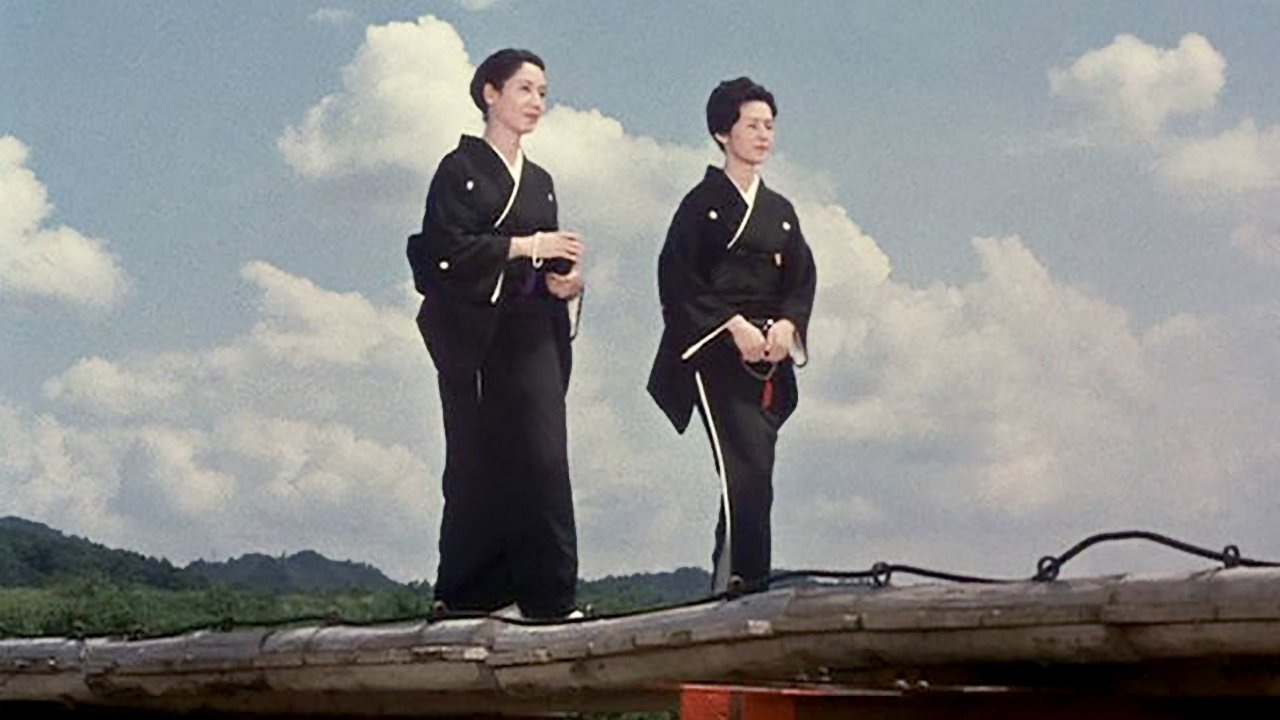
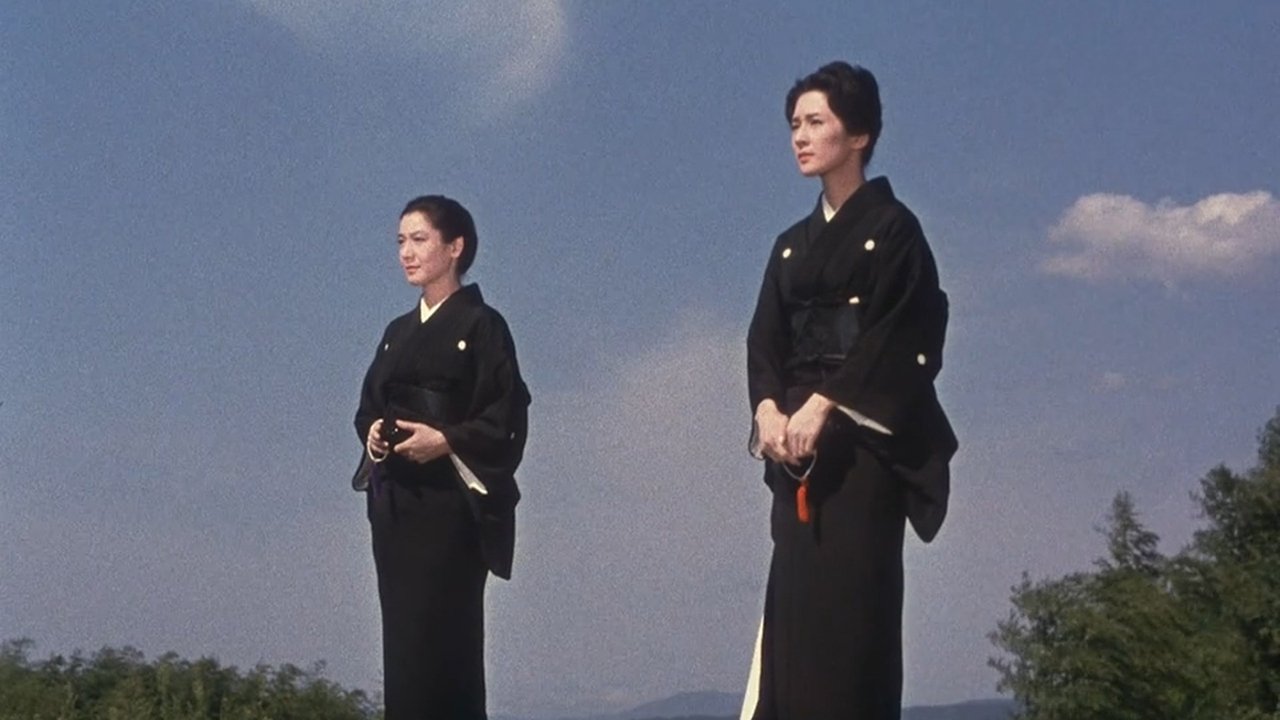
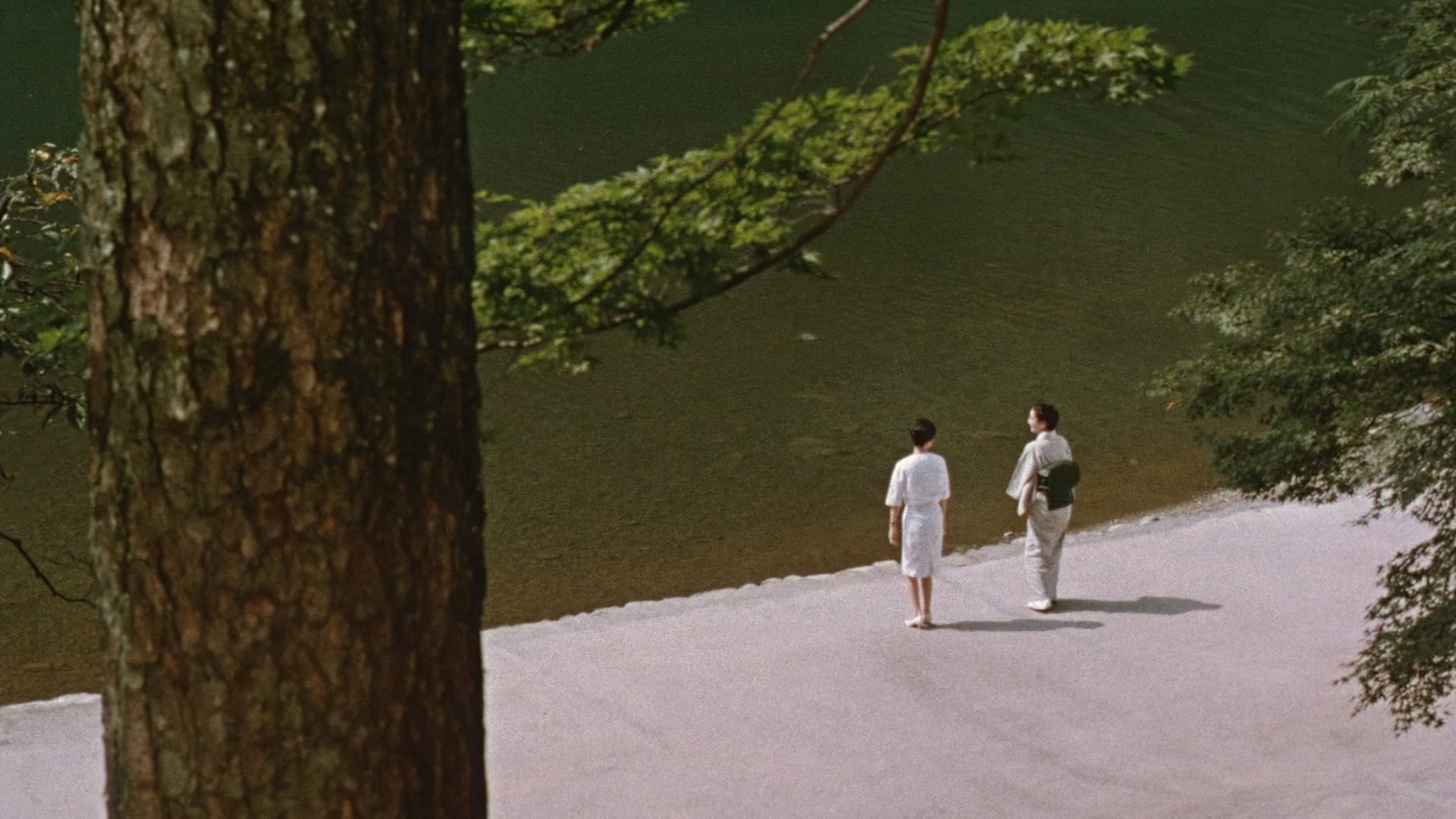
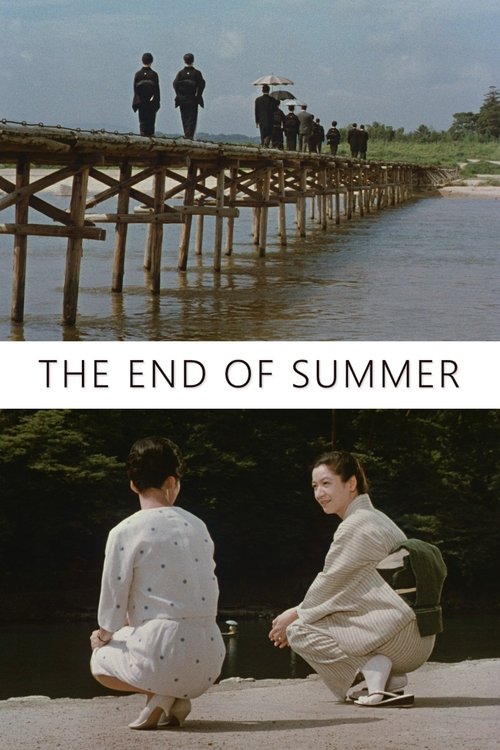
The fate of two women, Akiko and Noriko, is concluded with rebellious serenity. Noriko goes through the cost-benefit analysis of marriage between two prospects. One was whom she personally wanted, and one was a man her father wanted for her. She triumphs her autonomy and chooses herself. Akiko, similarly, proclaims her autonomy and resolves to be single as long
she truly wished. This conclusion is a little rushed, but visually beautiful. The two are framed in one of Ozu’s signature styles and their exchange is no less sincere.
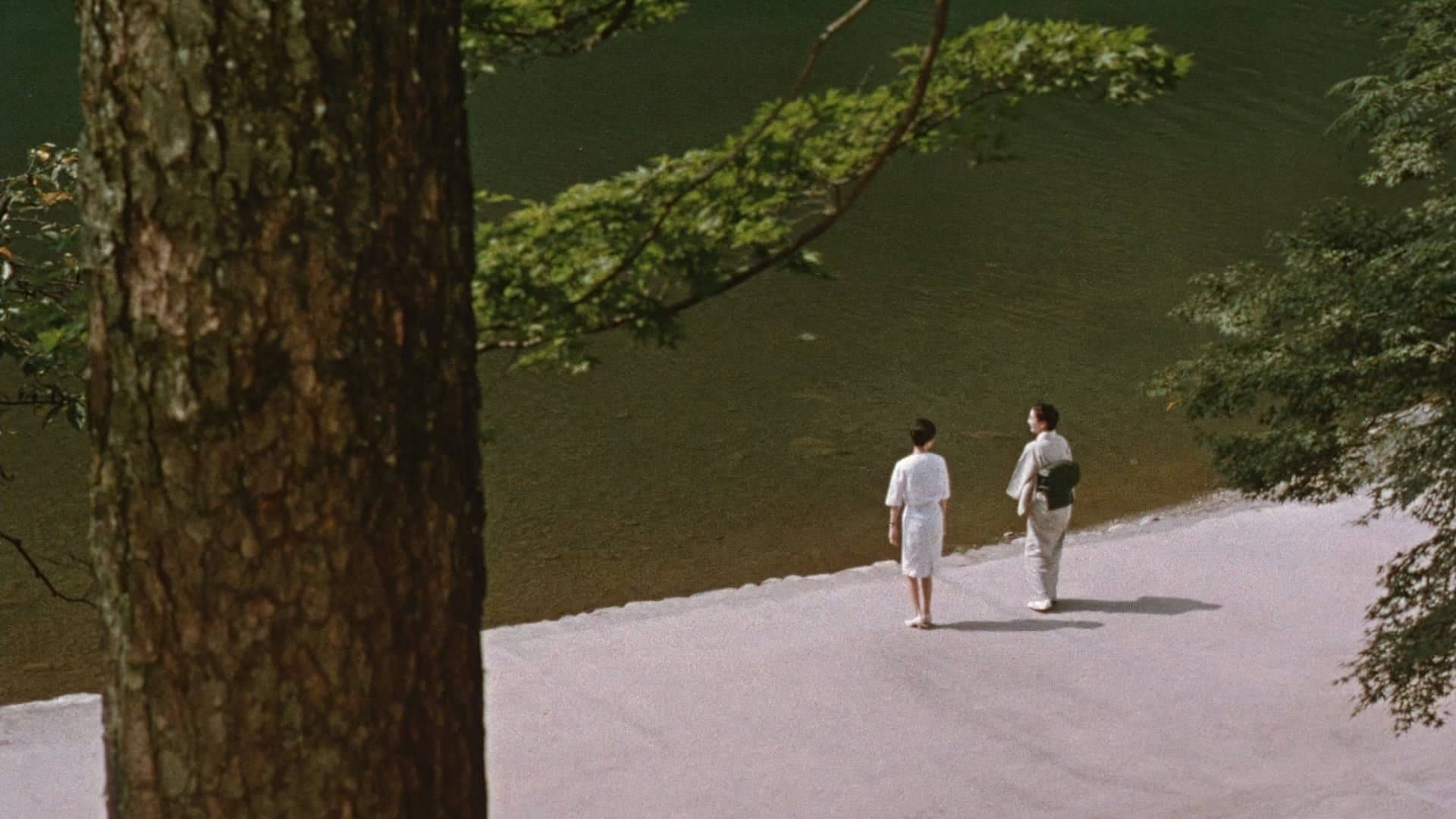
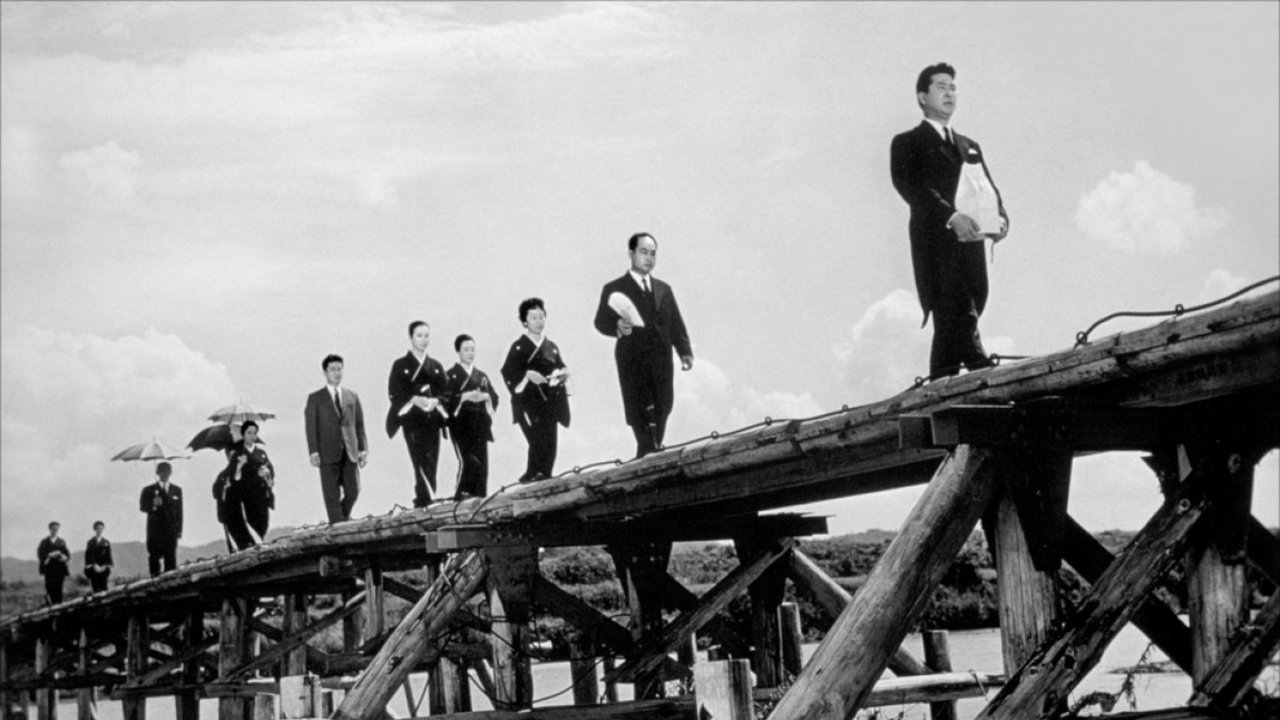
Ozu’s visual poetry is on full blast here. As usual, the delicacy and intentionality of Ozu’s framing is incomparable. To recount them is to repeat the film, but I’d be remiss if I didn’t highlight the smokestack in this film. Ozu’s obsession with phallic urban architecture gets maybe its most sacred role here. Our beloved Chishū Ryū briefly appears to introduce us to the smokestack. Then later, we witness the final dialogue and send-off with the father in the back-and-forth shots between each family member and smokestack. The white smoke is father’s final goodbye.
Chishū Ryū and Yūko Mochizuki end the film with Ozu’s most explicit sentiment of existential equilibrium. With every person who passes, another is born. Life comes and life goes. But Life always continues.