
Fires on the Plain
2015·War·1h 27m
7.1
★
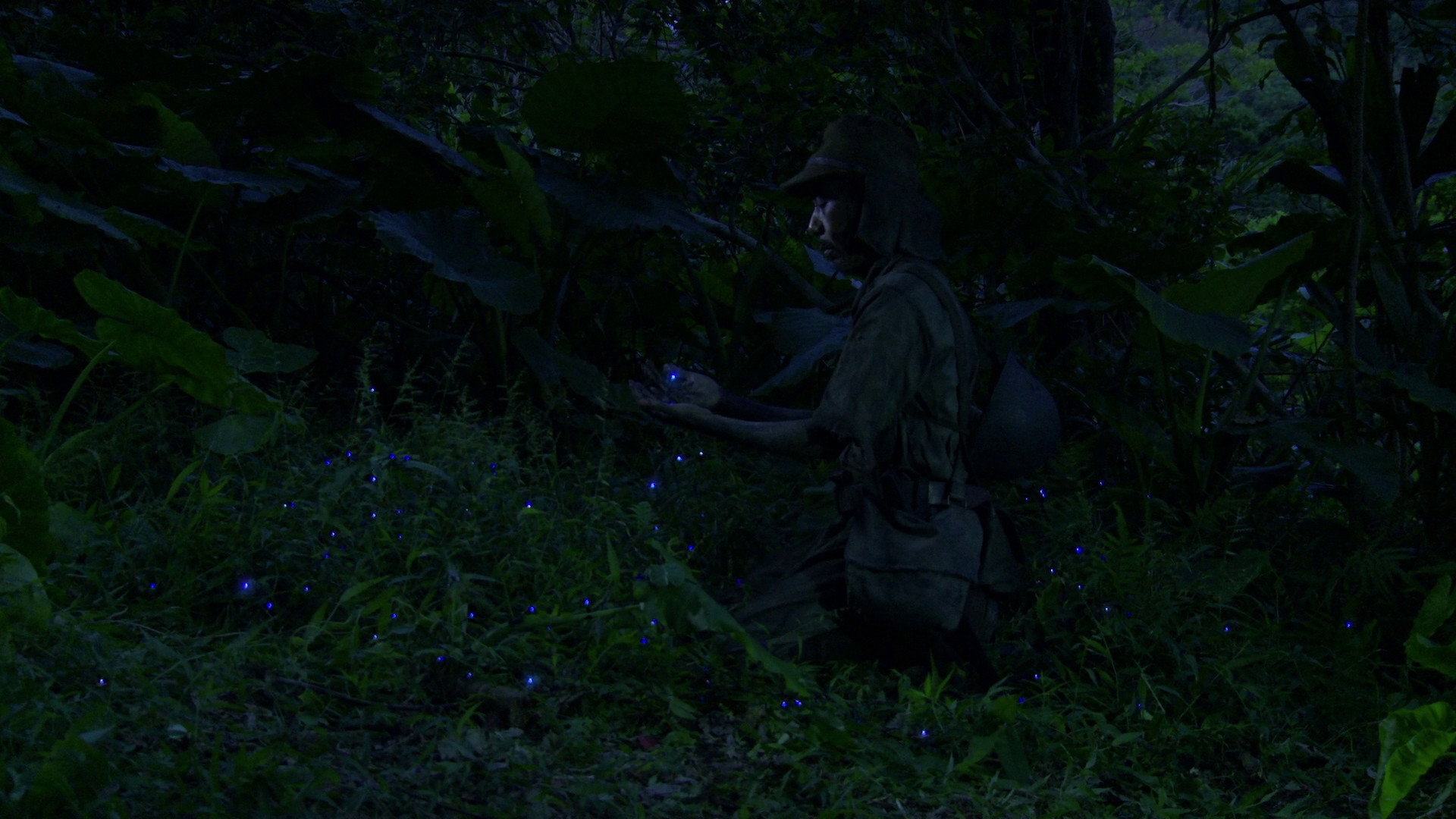
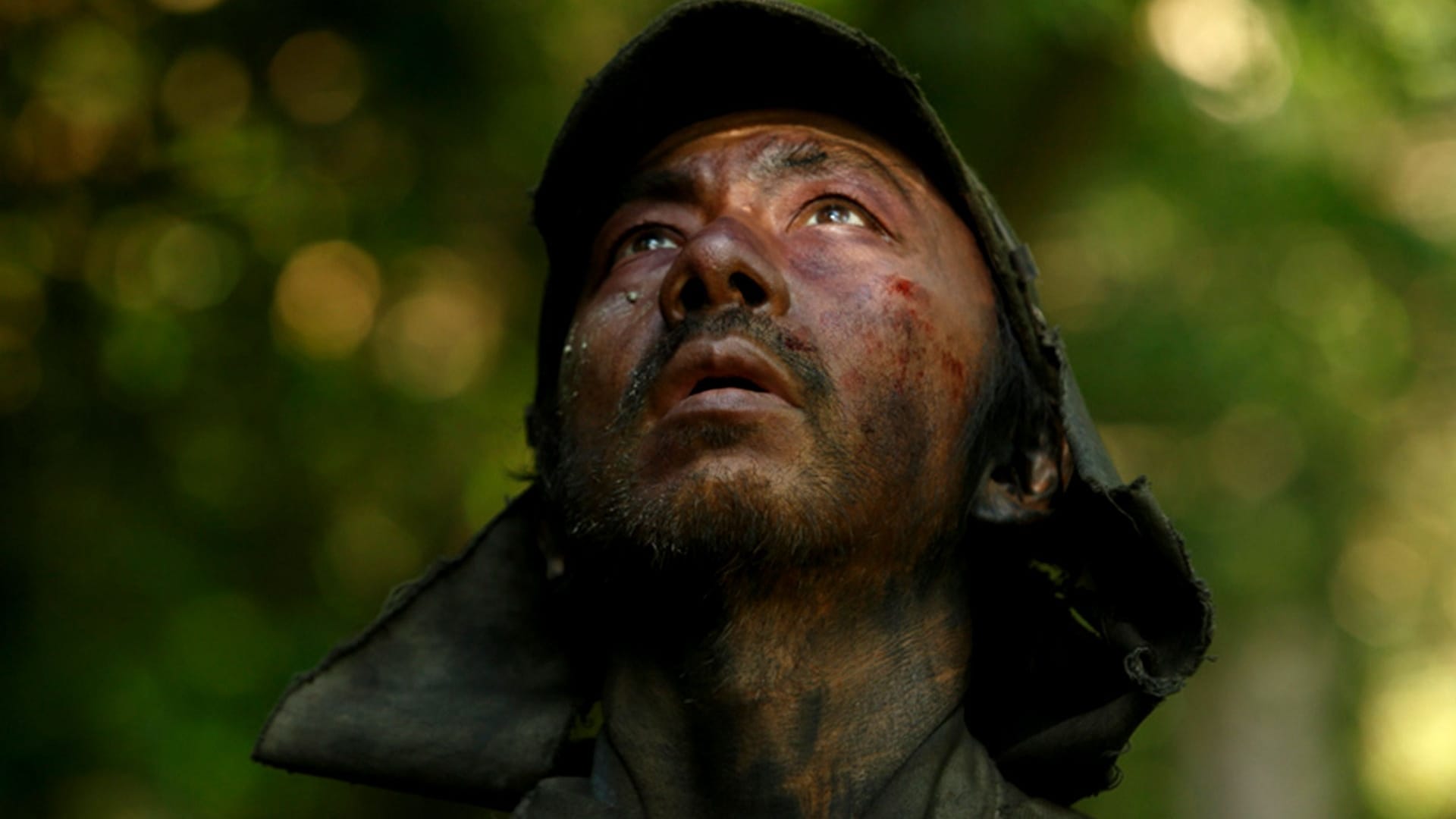
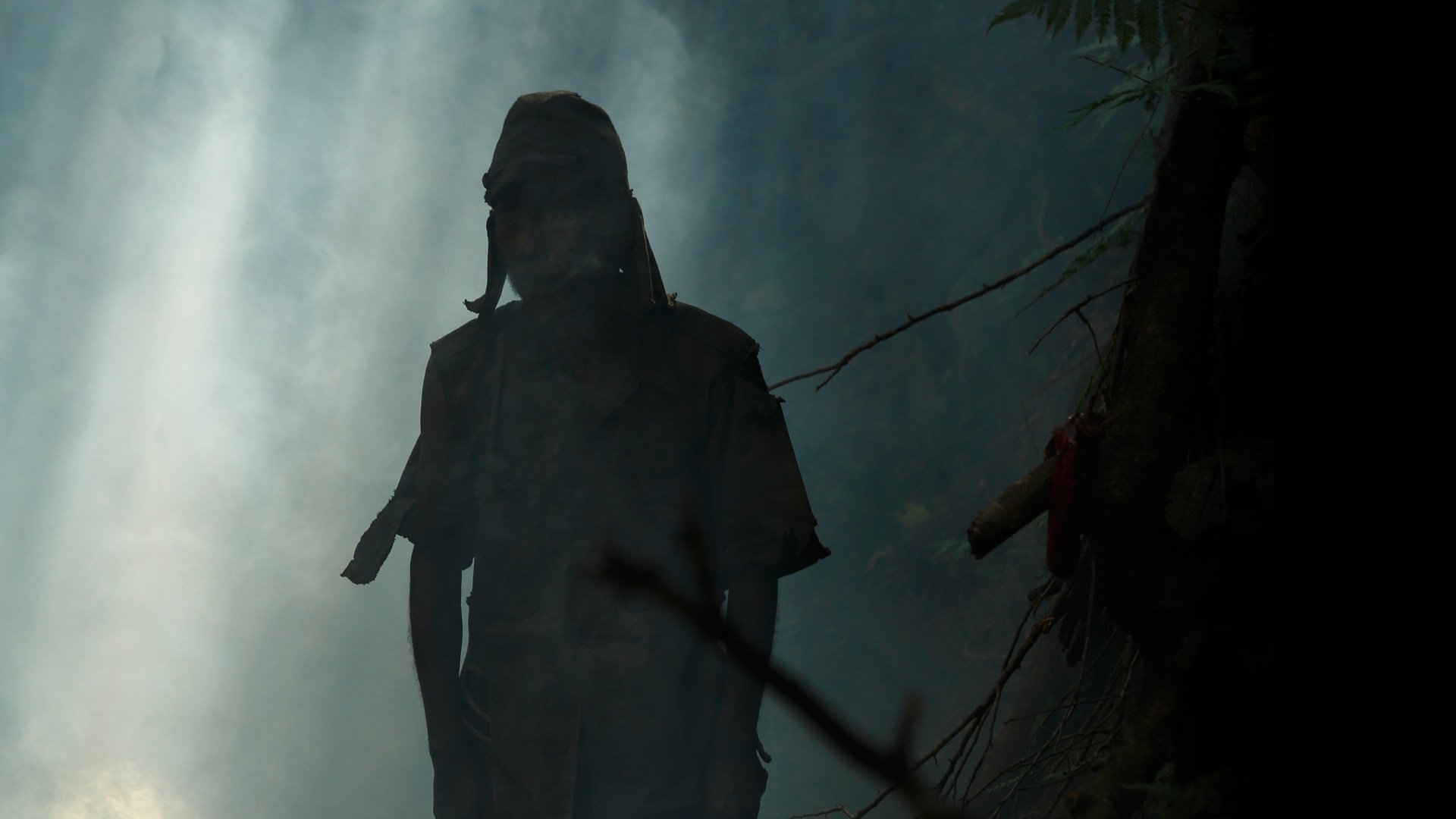
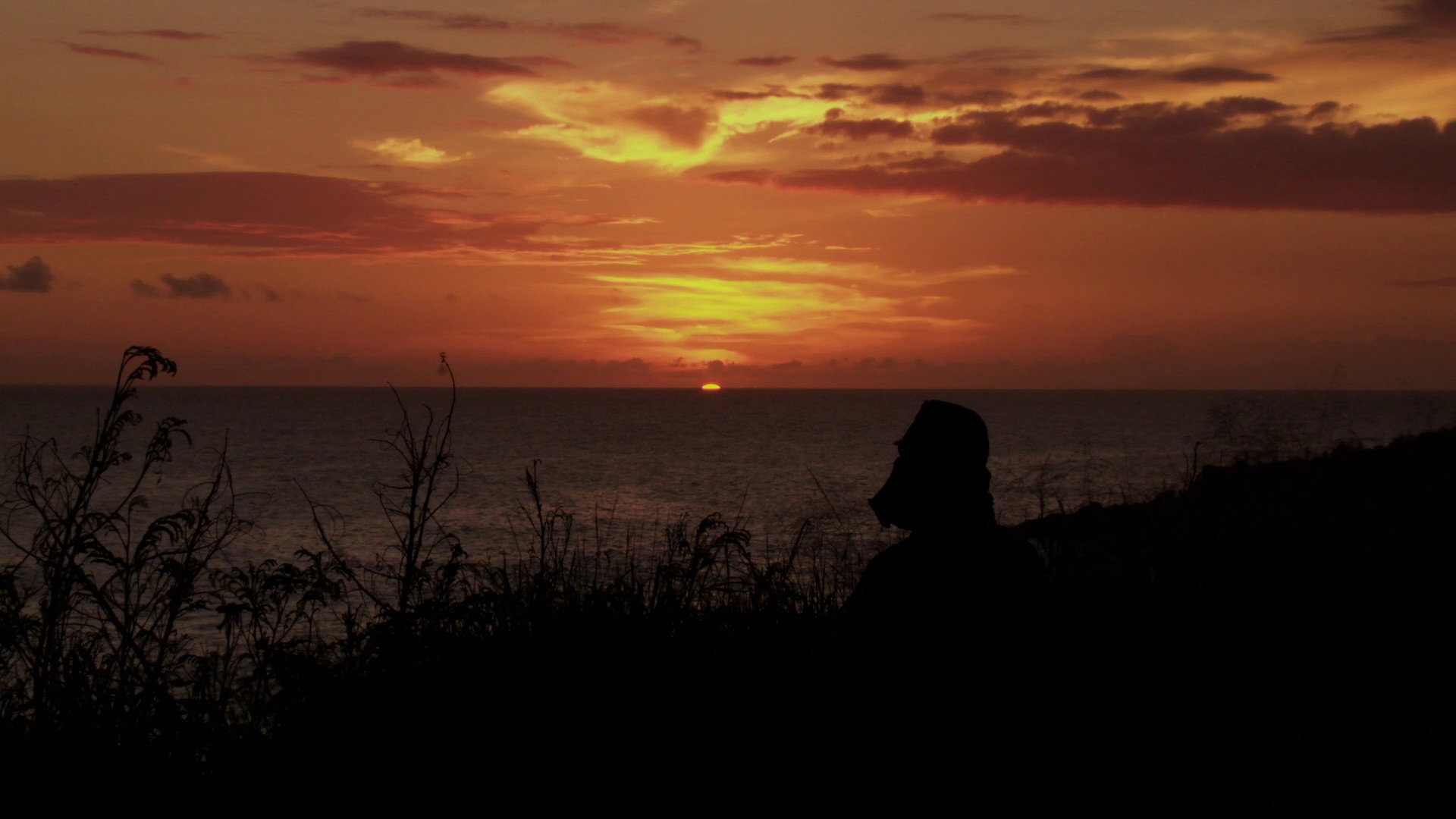
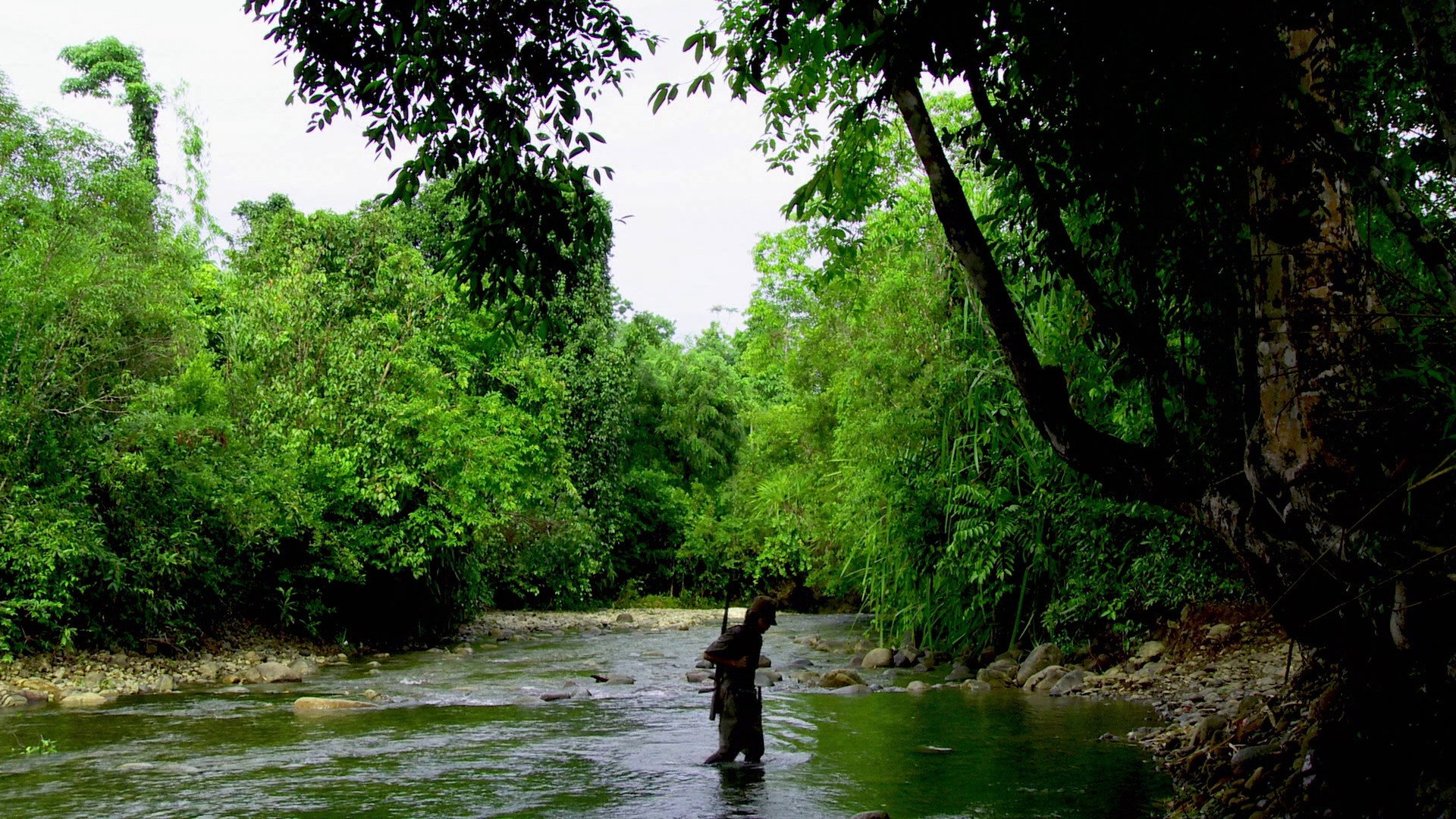
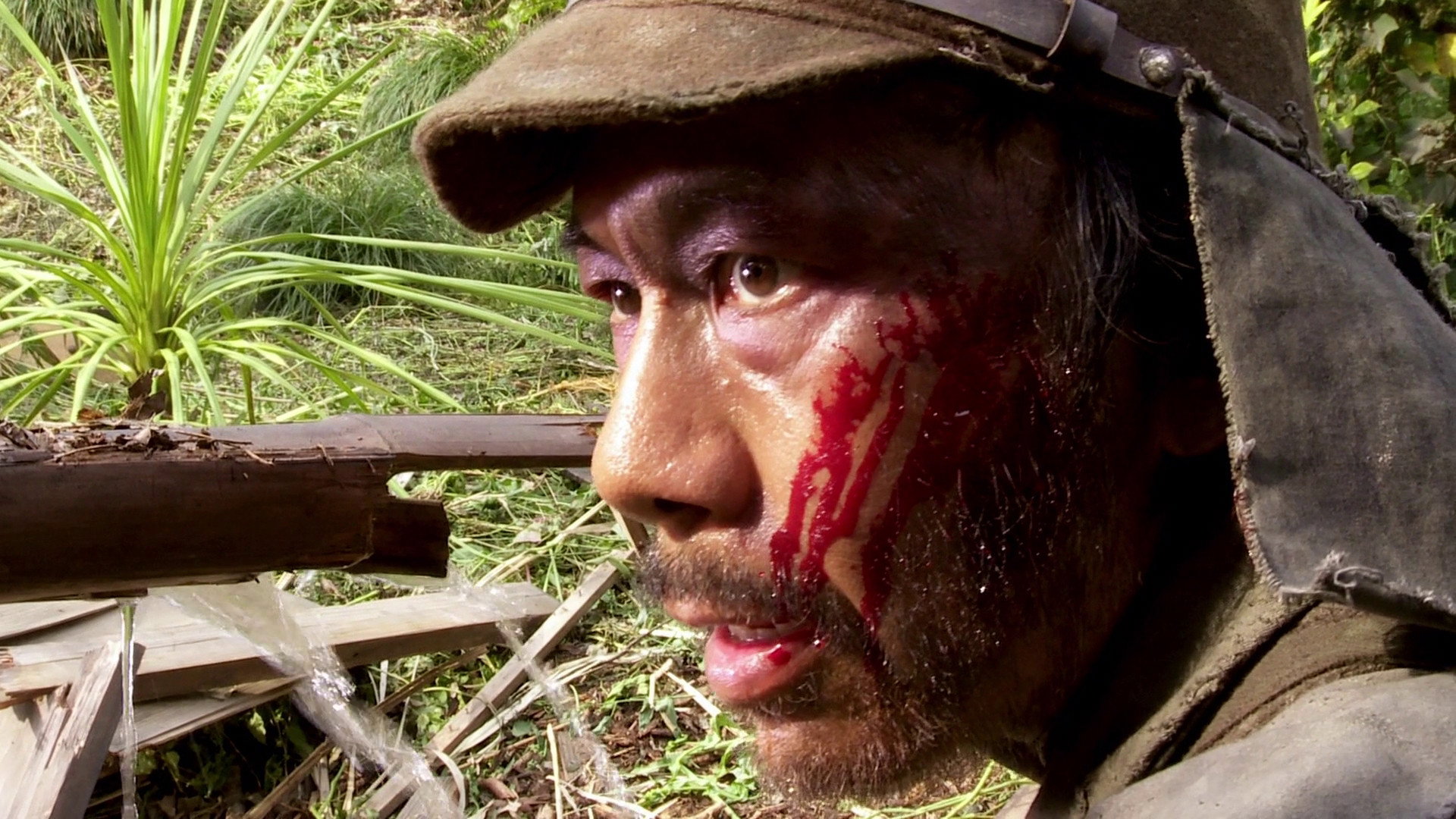
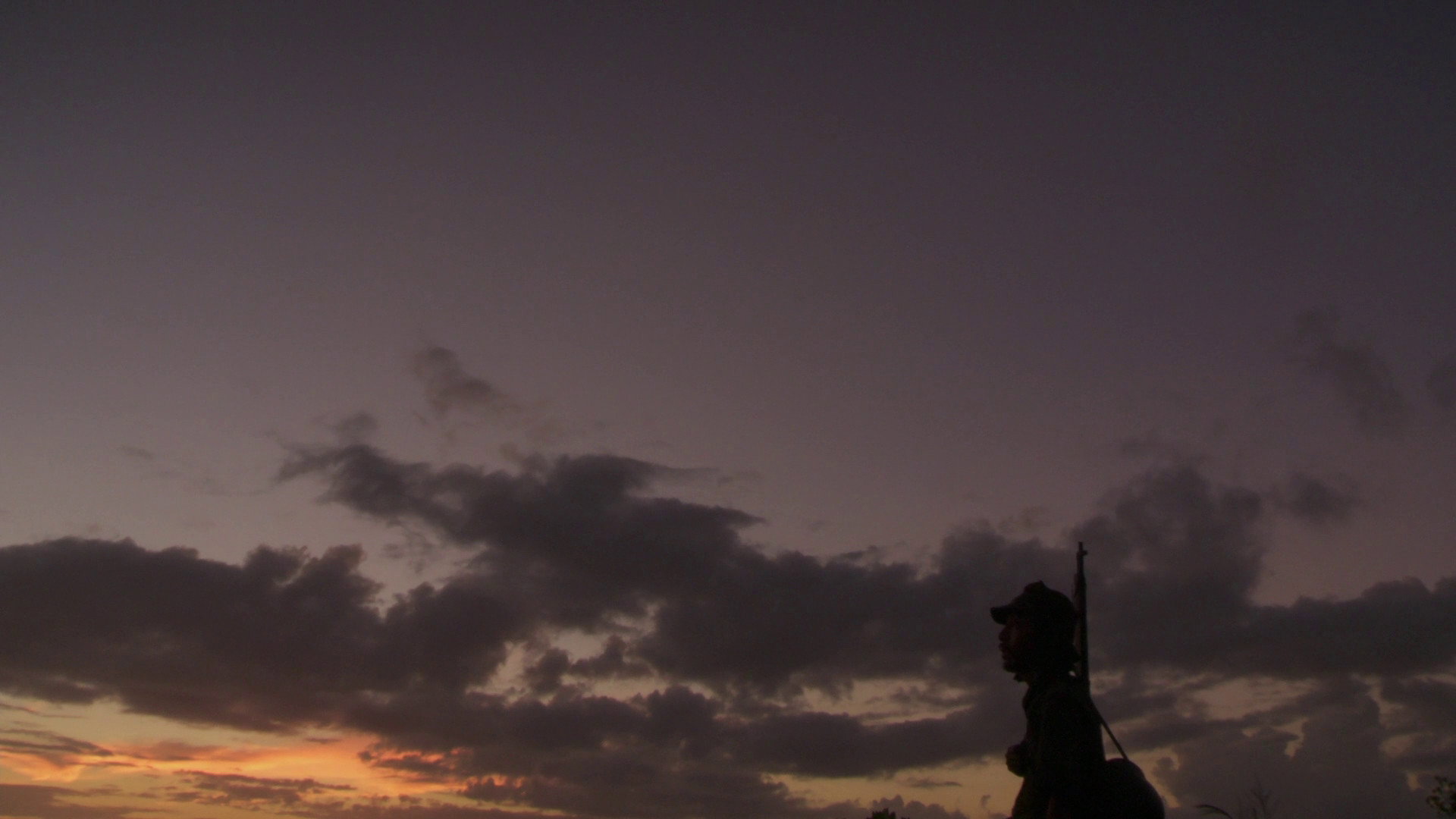
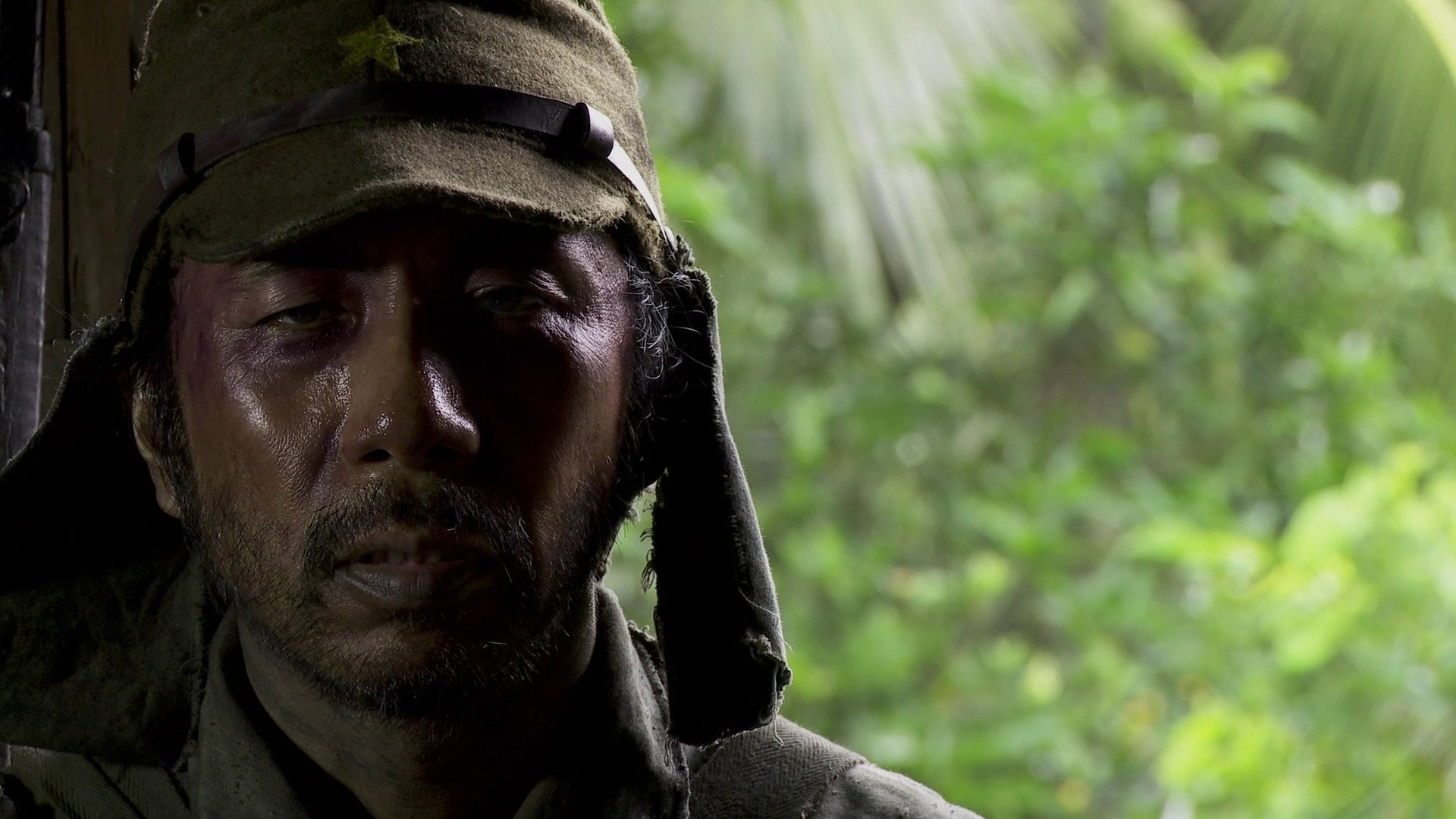
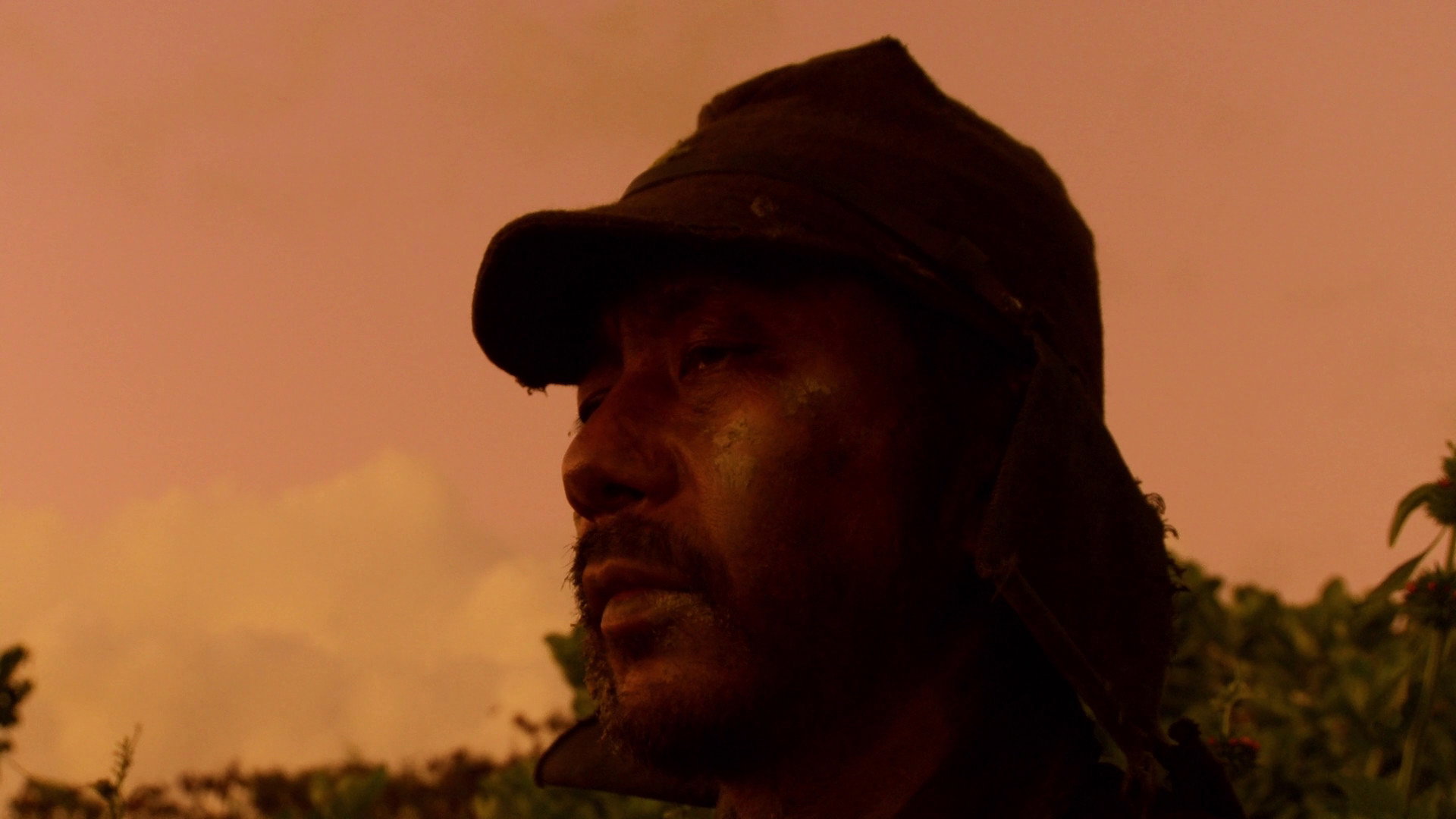
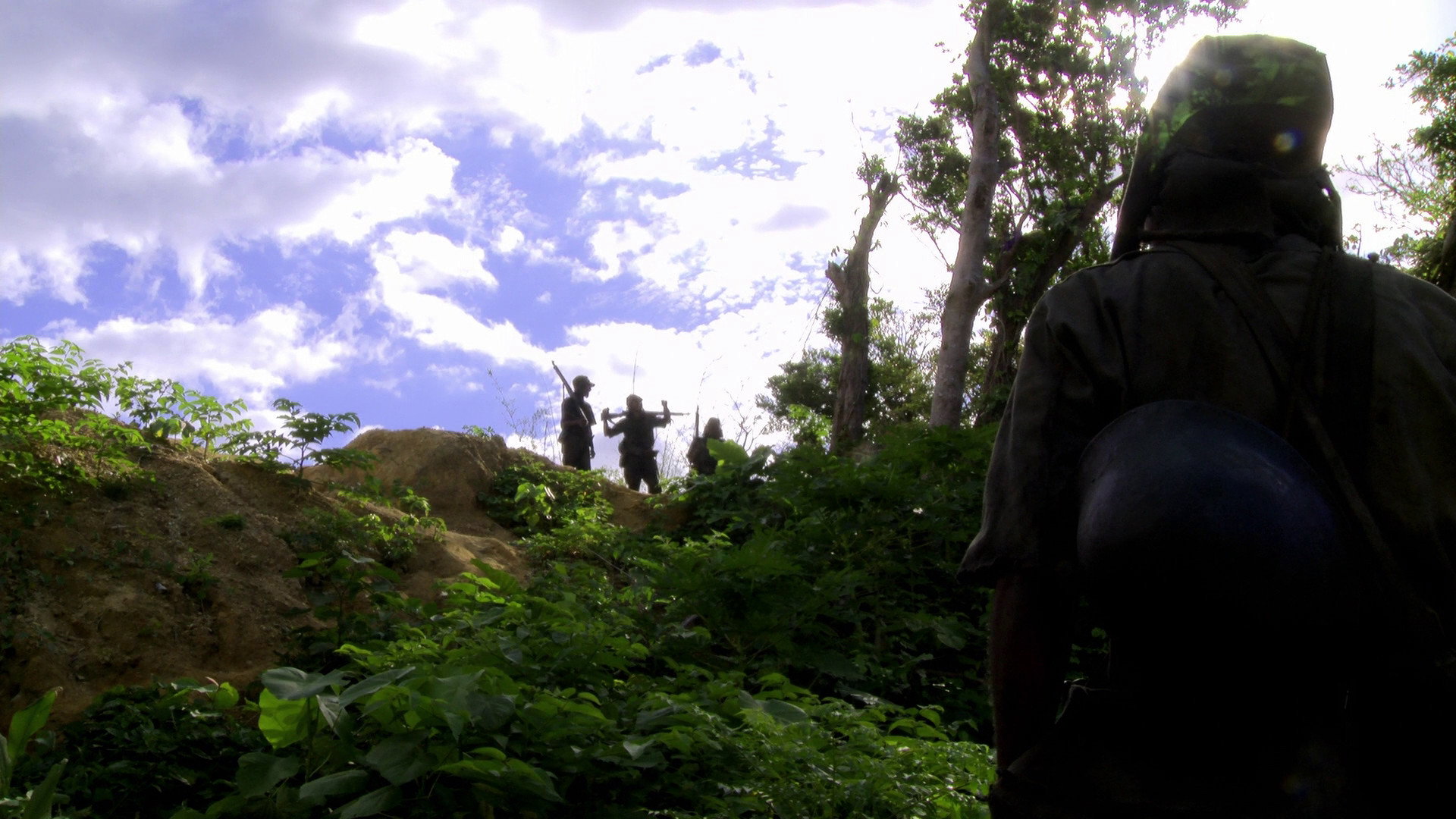
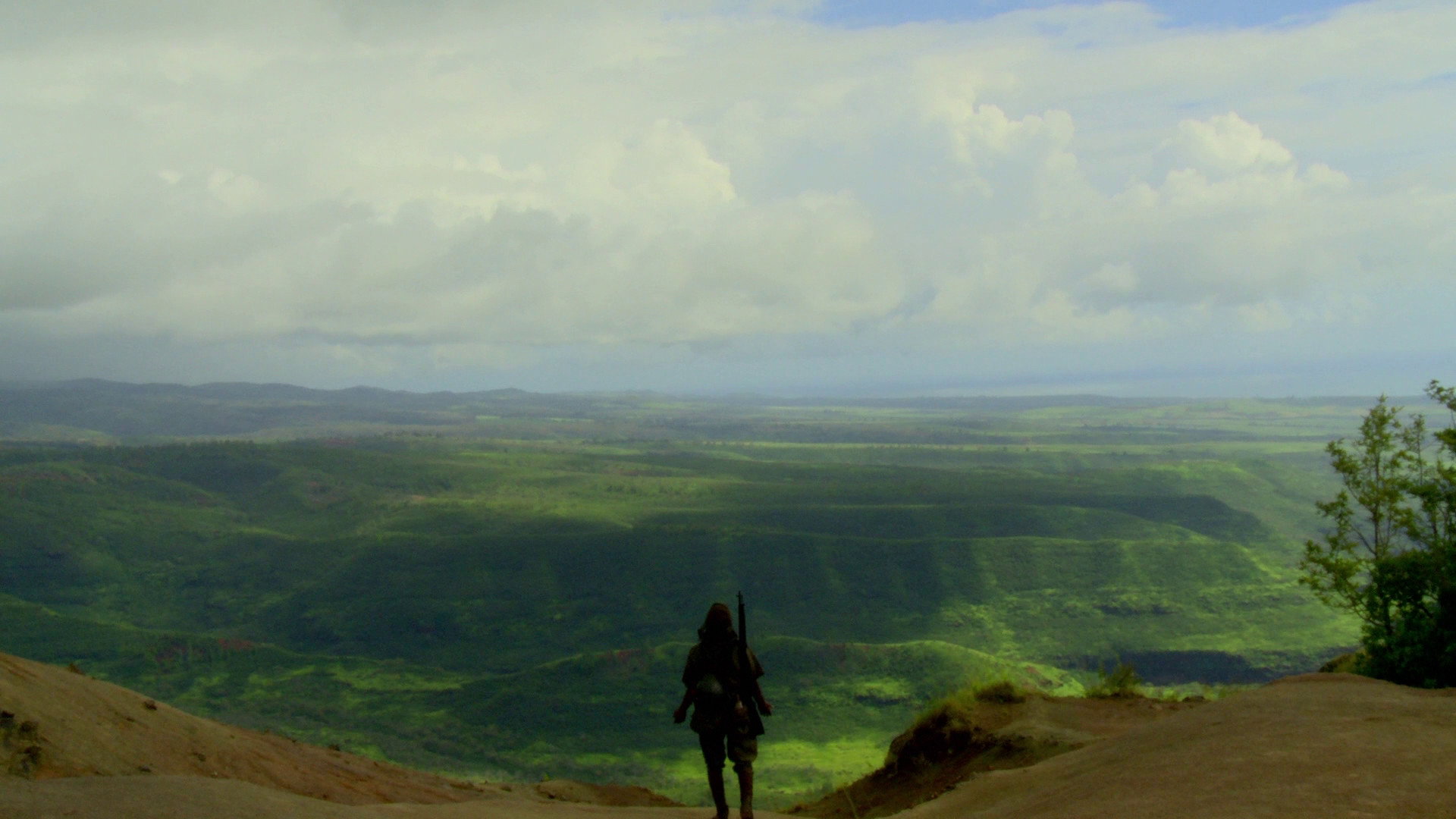
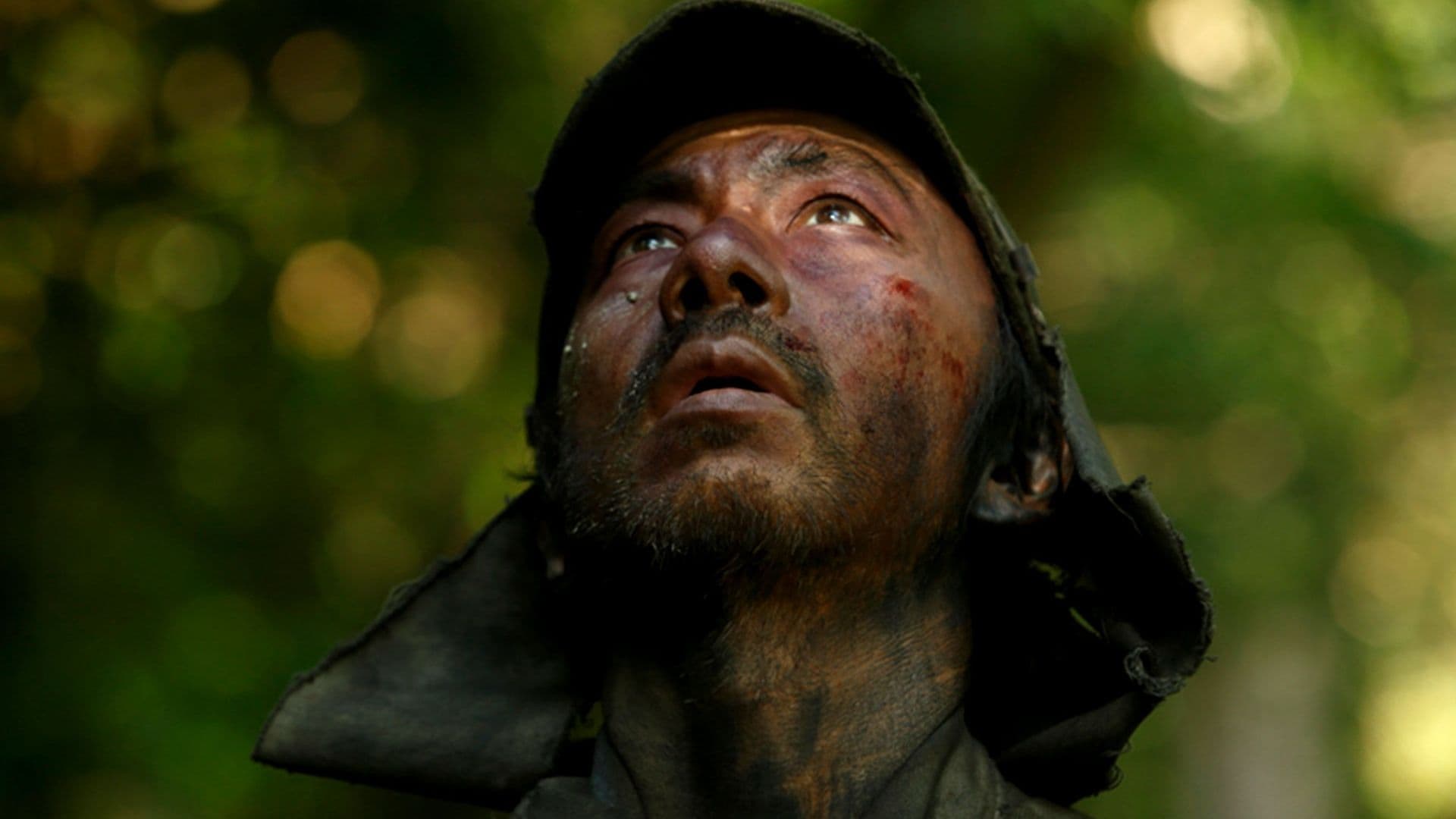
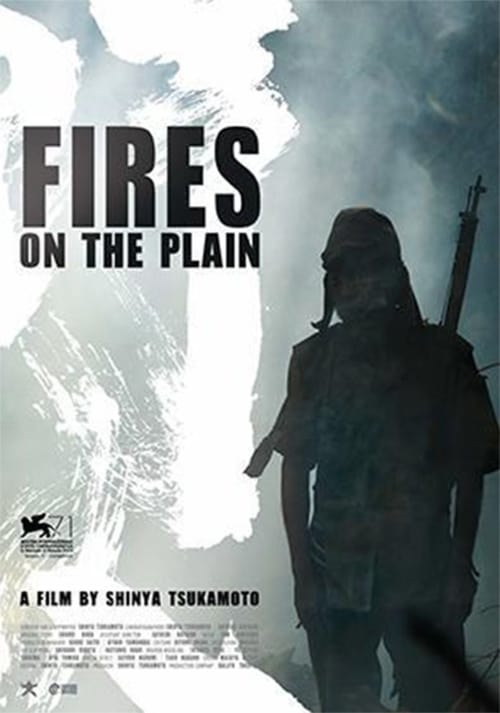
In the final days of World War II, occupying Japanese forces in the Philippines face resistance from the local population and the American offensive. The dwindling Japanese soldiers attempt to survive through the horrors of war.
Directed by Shinya Tsukamoto
world war ii
philippines
pacific war
remake
cannibal
struggle for survival
japanese army
1940s

Trailer

IMDB
N/A
Where to Watch


Cast

Shinya Tsukamoto
Tamura
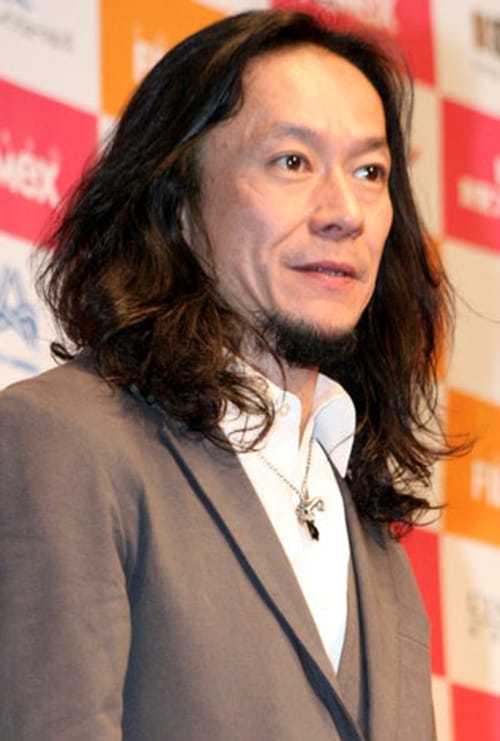
Tatsuya Nakamura
Corporal
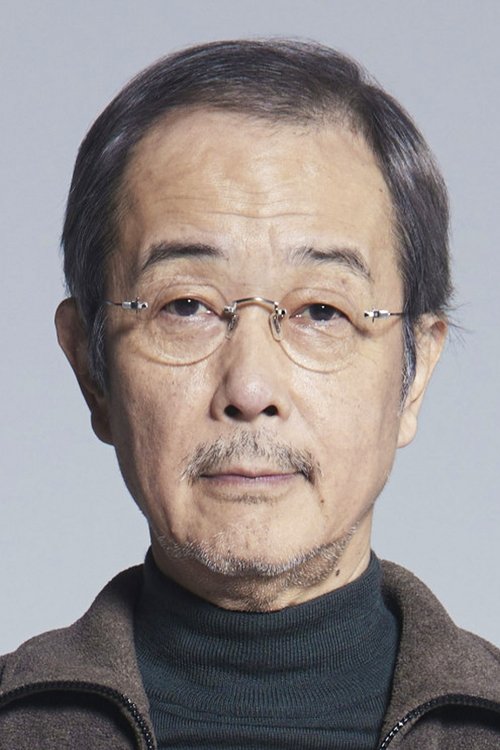
Lily Franky
Yasuda
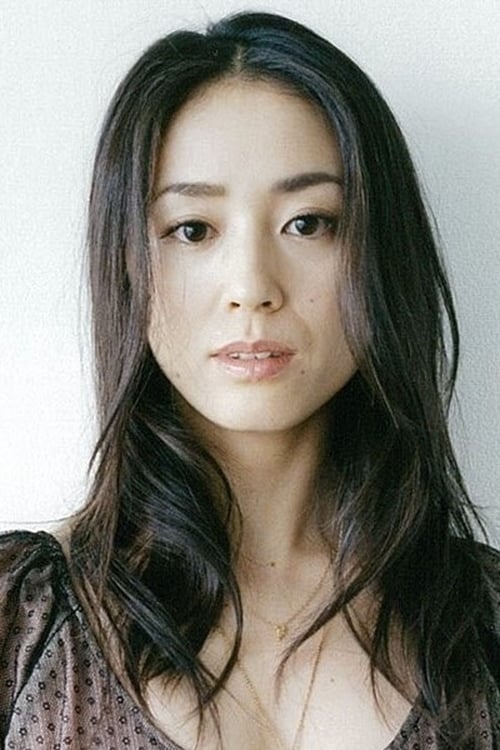
Yuko Nakamura
Tamura's Wife
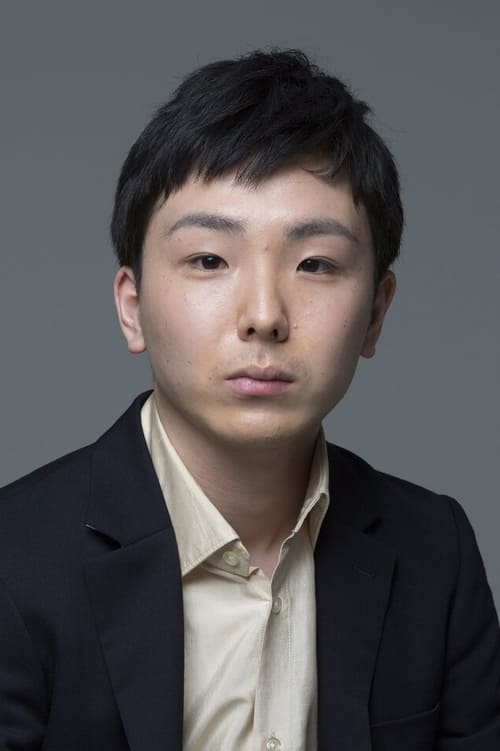
Yusaku Mori
Nagamatsu
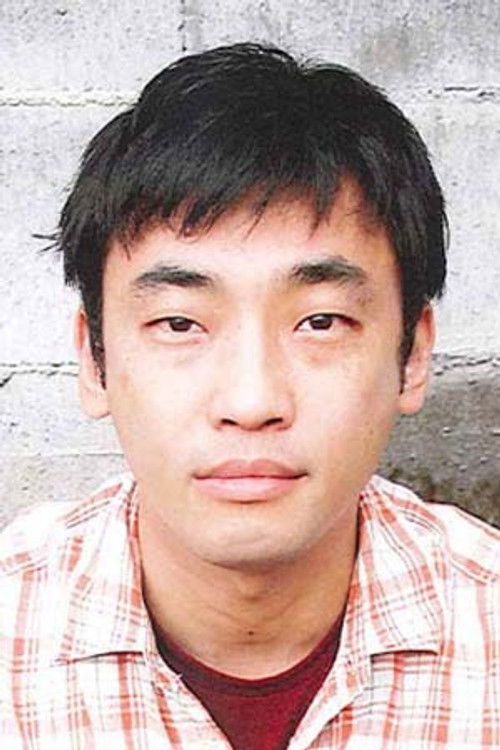
Hiroshi Yamamoto
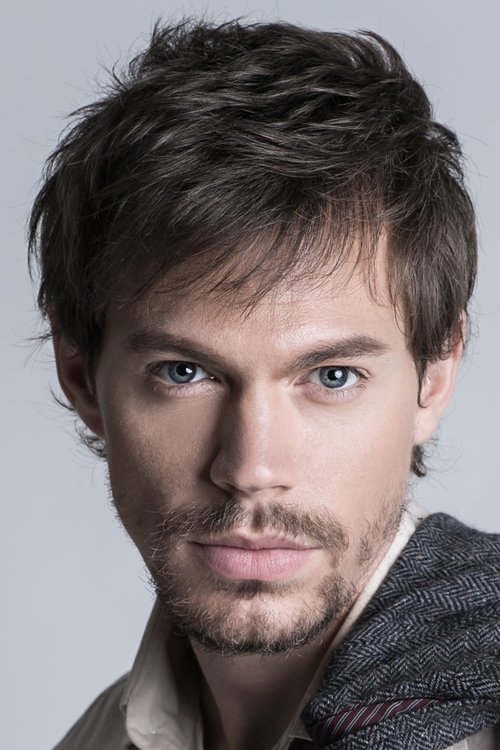
Dean Newcombe
American Soldier
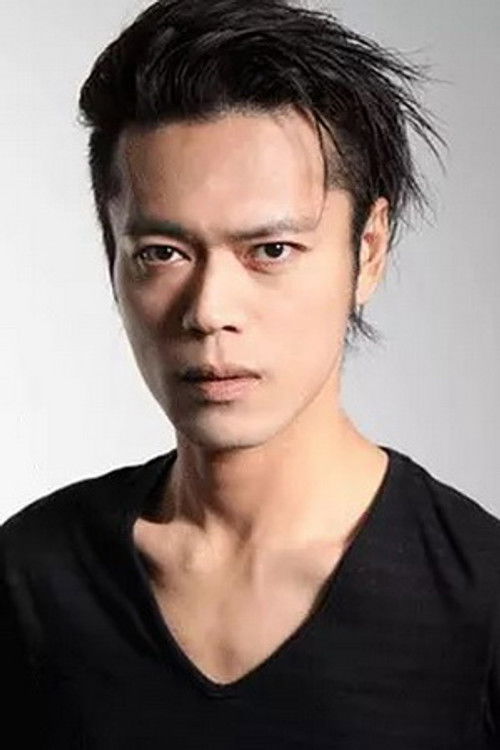
Masato Tsujioka
Crew
Shinya Tsukamoto
Director
Shinya Tsukamoto
Screenplay
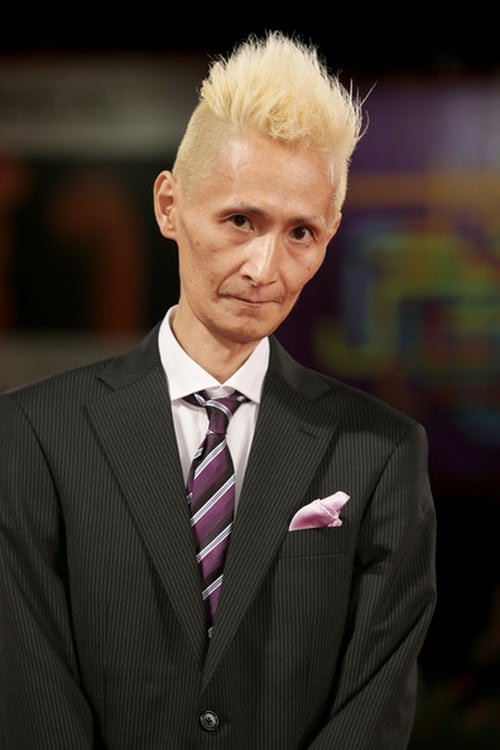
Chu Ishikawa
Original Music Composer
Shinya Tsukamoto
Editor
Shinya Tsukamoto
Director of Photography
Shinya Tsukamoto
Producer
Popular Reviews
6 reviews
Danny Reguinho
10.0★ · 02/06/24
I am not familiar with the novel this is based on nor have I seen the classic film that shares the name, but this film on its own is something to truly behold. Tsukamoto goes all out in his signature dreamlike way of evoking such strong and animalistic emotion. His style is so expressionistic and primal, and as he has gone through a transition into digital, it only compliments those strong and visceral aspects as it takes on a new level of naturalism. Every scene and frame of this film is drenched in misery and solitude, even when the characters are so painfully not alone and surrounded by the gorgeous flora of the Philippines. The documentary style cinematography and editing that he has explored in his later career period pieces is quite unique and yet even while feeling of a piece, this film and Killing (2018) still tackle totally different tones and themes. I'm very pleased that I decided to dive into some of Shinya Tsukamoto's most recent work lately and explore beyond the iconic (and amazing) Tetsuo and now I just want to fill in all my gaps in his filmography!
I am not familiar with the novel this is based on nor have I seen the classic film that shares the name, but this film on its own is something to truly behold. Tsukamoto goes all out in his signature dreamlike way of evoking such strong and animalistic emotion. His style is so expressionistic and primal, and as he has gone through a transition into digital, it only compliments those strong and visceral aspects as it takes on a new level of naturalism. Every scene and frame of this film is drenched in misery and solitude, even when the characters are so painfully not alone and surrounded by the gorgeous flora of the Philippines. The documentary style cinematography and editing that he has explored in his later career period pieces is quite unique and yet even while feeling of a piece, this film and Killing (2018) still tackle totally different tones and themes. I'm very pleased that I decided to dive into some of Shinya Tsukamoto's most recent work lately and explore beyond the iconic (and amazing) Tetsuo and now I just want to fill in all my gaps in his filmography!


Danny Reguinho
10.0★ · 02/06/24
I am not familiar with the novel this is based on nor have I seen the classic film that shares the name, but this film on its own is something to truly behold. Tsukamoto goes all out in his signature dreamlike way of evoking such strong and animalistic emotion. His style is so expressionistic and primal, and as he has gone through a transition into digital, it only compliments those strong and visceral aspects as it takes on a new level of naturalism. Every scene and frame of this film is drenched in misery and solitude, even when the characters are so painfully not alone and surrounded by the gorgeous flora of the Philippines. The documentary style cinematography and editing that he has explored in his later career period pieces is quite unique and yet even while feeling of a piece, this film and Killing (2018) still tackle totally different tones and themes. I'm very pleased that I decided to dive into some of Shinya Tsukamoto's most recent work lately and explore beyond the iconic (and amazing) Tetsuo and now I just want to fill in all my gaps in his filmography!
I am not familiar with the novel this is based on nor have I seen the classic film that shares the name, but this film on its own is something to truly behold. Tsukamoto goes all out in his signature dreamlike way of evoking such strong and animalistic emotion. His style is so expressionistic and primal, and as he has gone through a transition into digital, it only compliments those strong and visceral aspects as it takes on a new level of naturalism. Every scene and frame of this film is drenched in misery and solitude, even when the characters are so painfully not alone and surrounded by the gorgeous flora of the Philippines. The documentary style cinematography and editing that he has explored in his later career period pieces is quite unique and yet even while feeling of a piece, this film and Killing (2018) still tackle totally different tones and themes. I'm very pleased that I decided to dive into some of Shinya Tsukamoto's most recent work lately and explore beyond the iconic (and amazing) Tetsuo and now I just want to fill in all my gaps in his filmography!
Danny Reguinho
10.0★ · 02/06/24
I am not familiar with the novel this is based on nor have I seen the classic film that shares the name, but this film on its own is something to truly behold. Tsukamoto goes all out in his signature dreamlike way of evoking such strong and animalistic emotion. His style is so expressionistic and primal, and as he has gone through a transition into digital, it only compliments those strong and visceral aspects as it takes on a new level of naturalism. Every scene and frame of this film is drenched in misery and solitude, even when the characters are so painfully not alone and surrounded by the gorgeous flora of the Philippines. The documentary style cinematography and editing that he has explored in his later career period pieces is quite unique and yet even while feeling of a piece, this film and Killing (2018) still tackle totally different tones and themes. I'm very pleased that I decided to dive into some of Shinya Tsukamoto's most recent work lately and explore beyond the iconic (and amazing) Tetsuo and now I just want to fill in all my gaps in his filmography!
I am not familiar with the novel this is based on nor have I seen the classic film that shares the name, but this film on its own is something to truly behold. Tsukamoto goes all out in his signature dreamlike way of evoking such strong and animalistic emotion. His style is so expressionistic and primal, and as he has gone through a transition into digital, it only compliments those strong and visceral aspects as it takes on a new level of naturalism. Every scene and frame of this film is drenched in misery and solitude, even when the characters are so painfully not alone and surrounded by the gorgeous flora of the Philippines. The documentary style cinematography and editing that he has explored in his later career period pieces is quite unique and yet even while feeling of a piece, this film and Killing (2018) still tackle totally different tones and themes. I'm very pleased that I decided to dive into some of Shinya Tsukamoto's most recent work lately and explore beyond the iconic (and amazing) Tetsuo and now I just want to fill in all my gaps in his filmography!
Danny Reguinho
10.0★ · 02/06/24
I am not familiar with the novel this is based on nor have I seen the classic film that shares the name, but this film on its own is something to truly behold. Tsukamoto goes all out in his signature dreamlike way of evoking such strong and animalistic emotion. His style is so expressionistic and primal, and as he has gone through a transition into digital, it only compliments those strong and visceral aspects as it takes on a new level of naturalism. Every scene and frame of this film is drenched in misery and solitude, even when the characters are so painfully not alone and surrounded by the gorgeous flora of the Philippines. The documentary style cinematography and editing that he has explored in his later career period pieces is quite unique and yet even while feeling of a piece, this film and Killing (2018) still tackle totally different tones and themes. I'm very pleased that I decided to dive into some of Shinya Tsukamoto's most recent work lately and explore beyond the iconic (and amazing) Tetsuo and now I just want to fill in all my gaps in his filmography!
I am not familiar with the novel this is based on nor have I seen the classic film that shares the name, but this film on its own is something to truly behold. Tsukamoto goes all out in his signature dreamlike way of evoking such strong and animalistic emotion. His style is so expressionistic and primal, and as he has gone through a transition into digital, it only compliments those strong and visceral aspects as it takes on a new level of naturalism. Every scene and frame of this film is drenched in misery and solitude, even when the characters are so painfully not alone and surrounded by the gorgeous flora of the Philippines. The documentary style cinematography and editing that he has explored in his later career period pieces is quite unique and yet even while feeling of a piece, this film and Killing (2018) still tackle totally different tones and themes. I'm very pleased that I decided to dive into some of Shinya Tsukamoto's most recent work lately and explore beyond the iconic (and amazing) Tetsuo and now I just want to fill in all my gaps in his filmography!
Chad Argabright
9.0★ · 05/22/26