
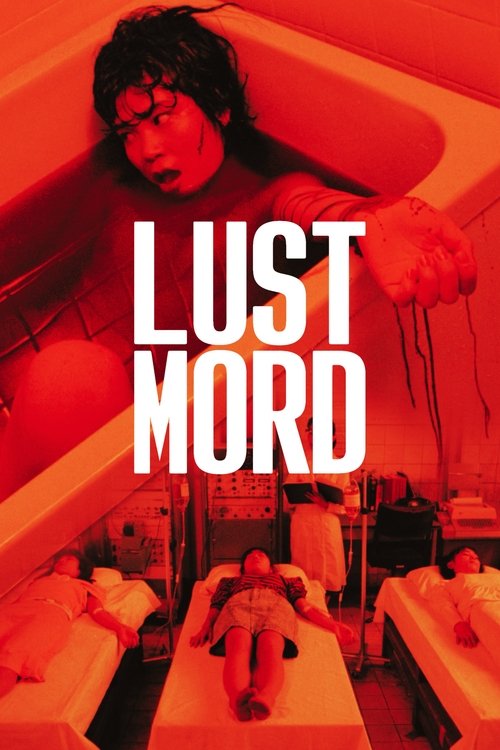
Lustmord
1987·Horror·57m
7.1
★
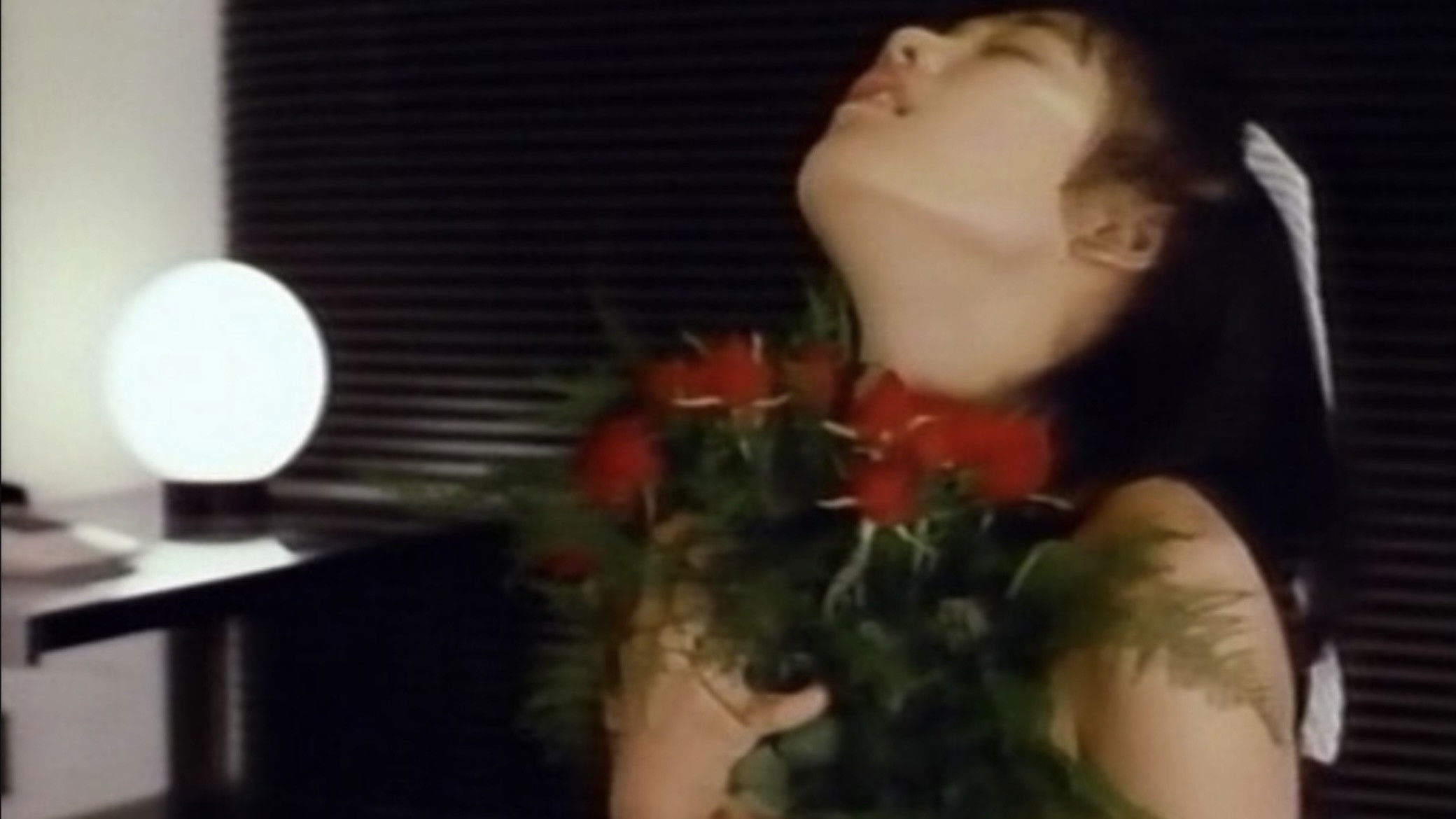
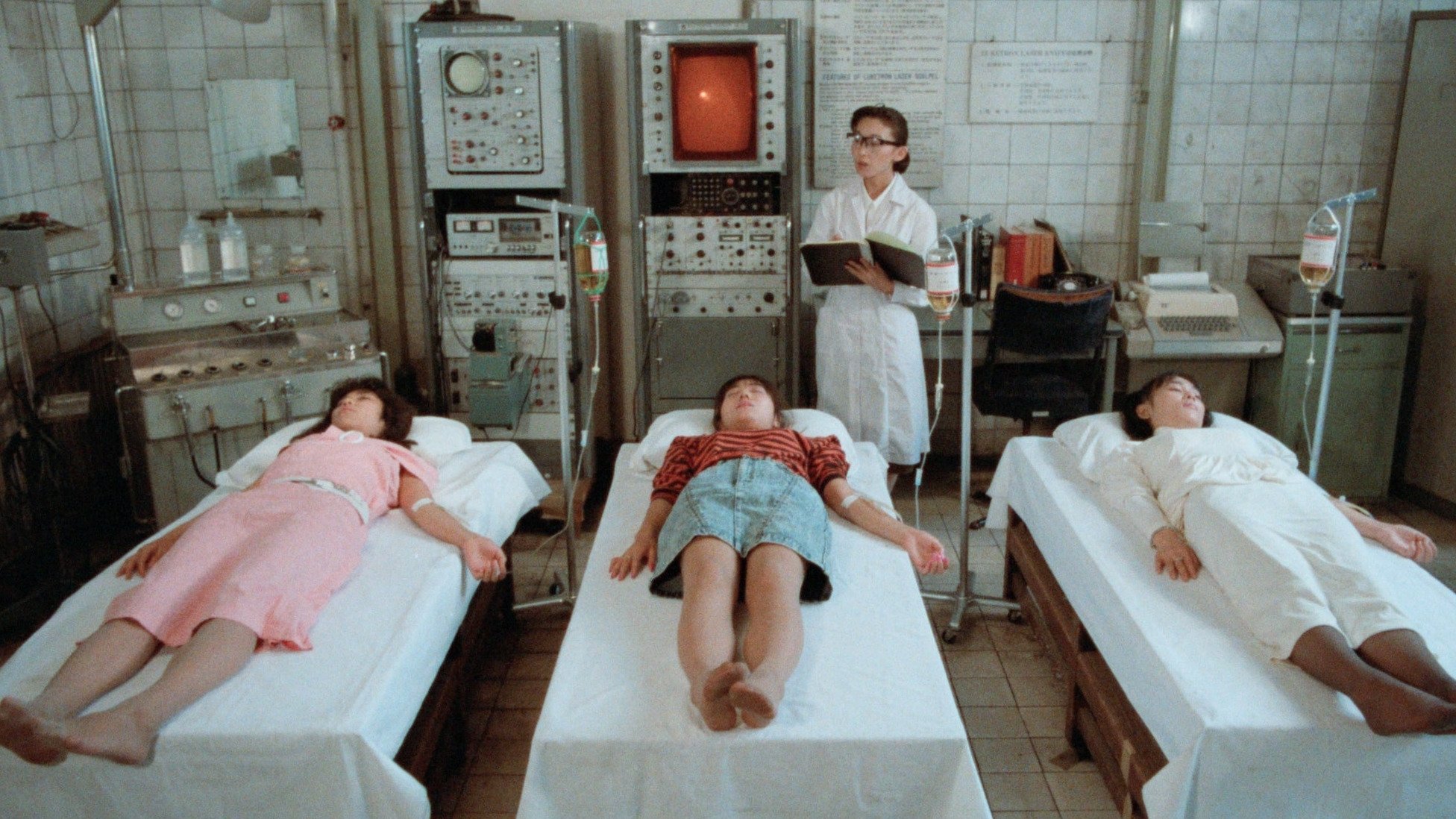
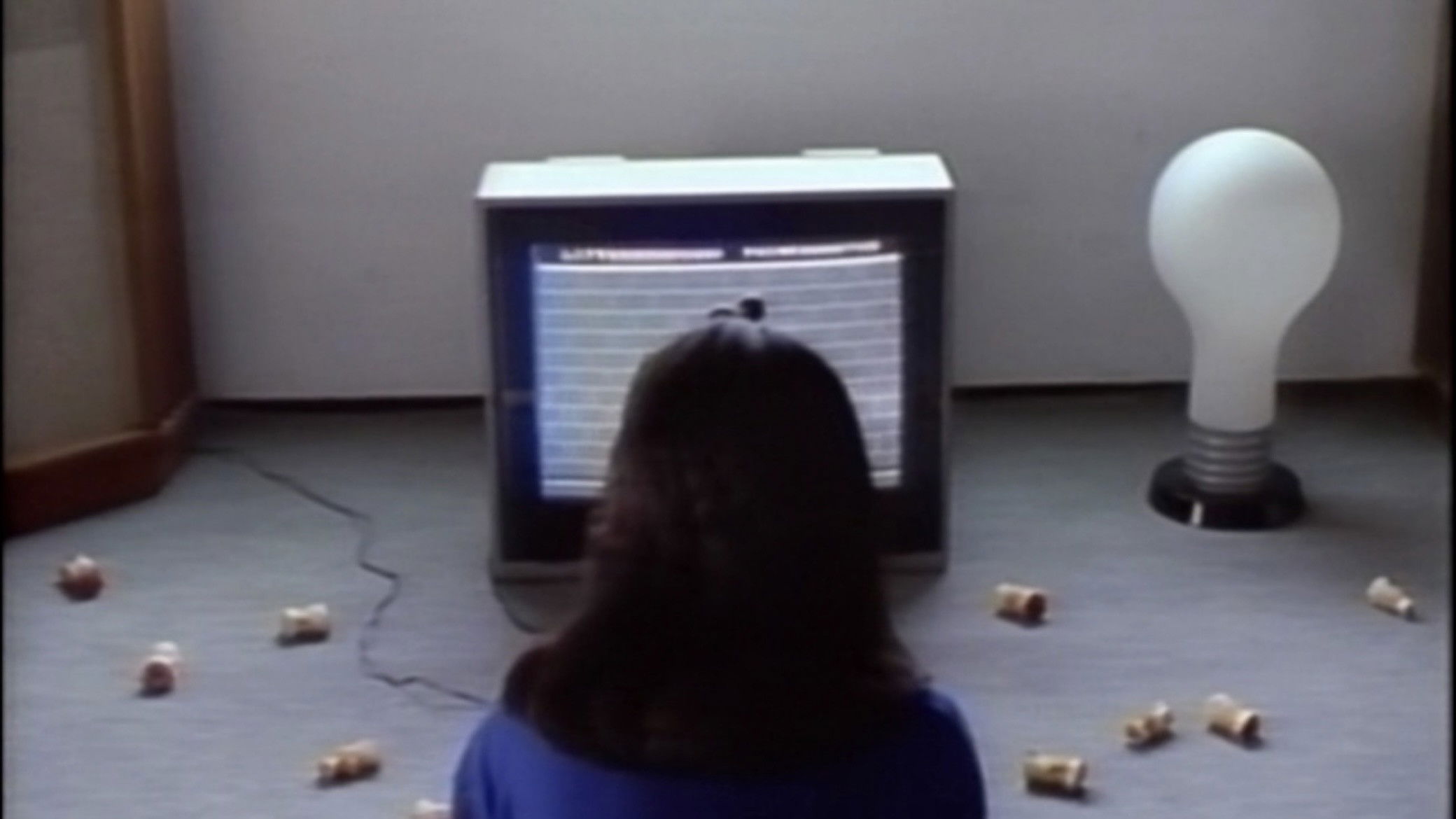
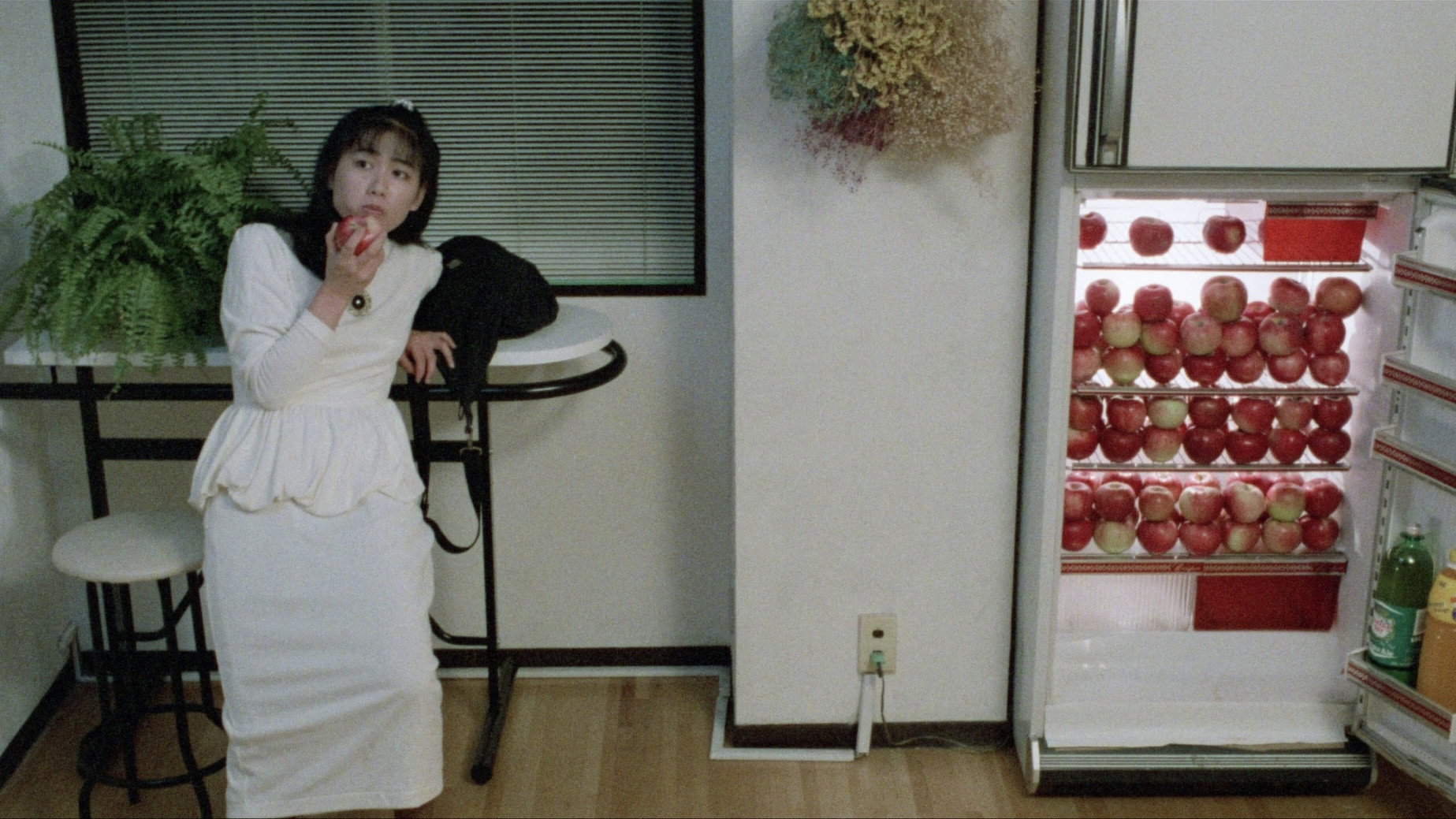
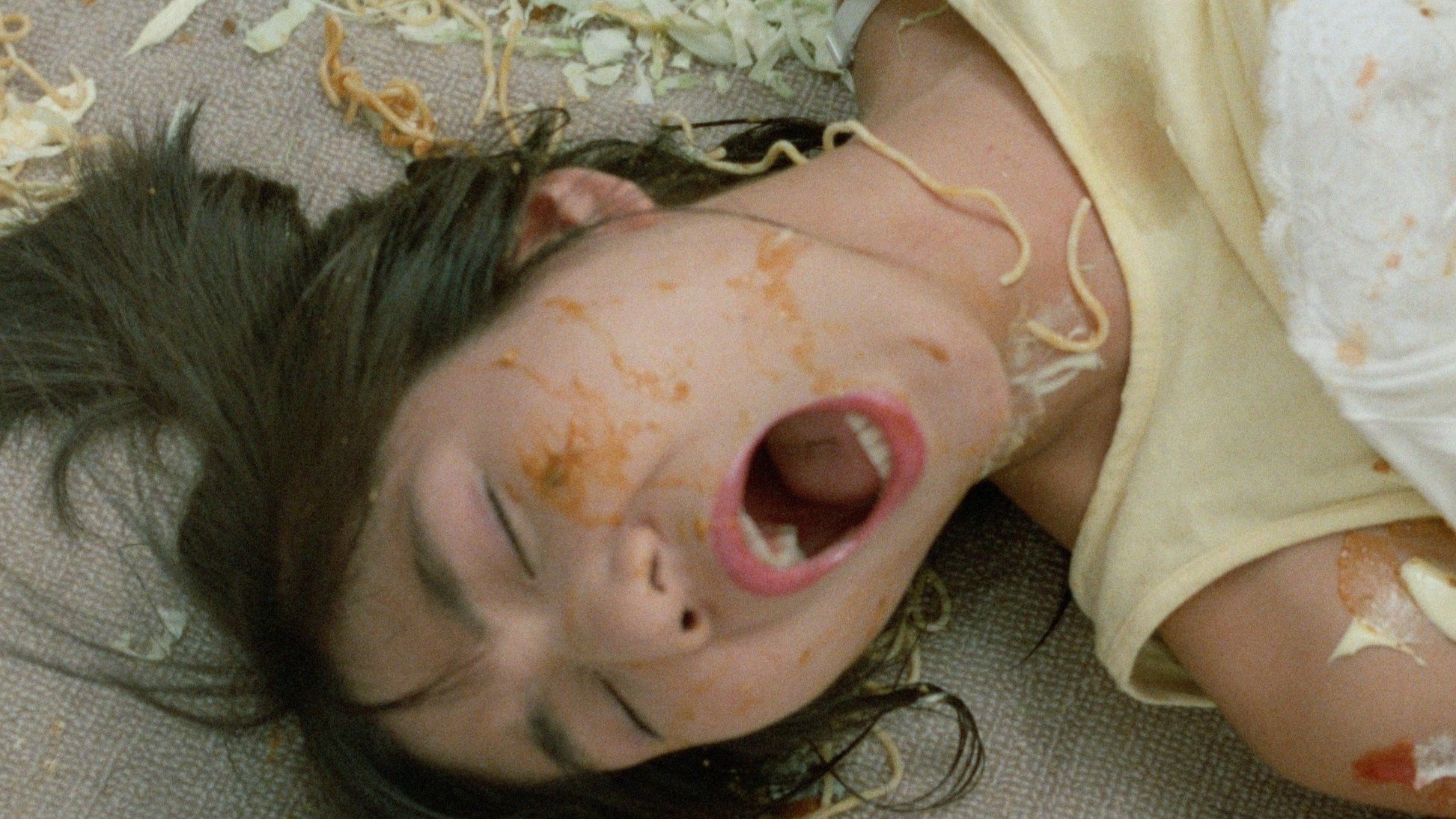
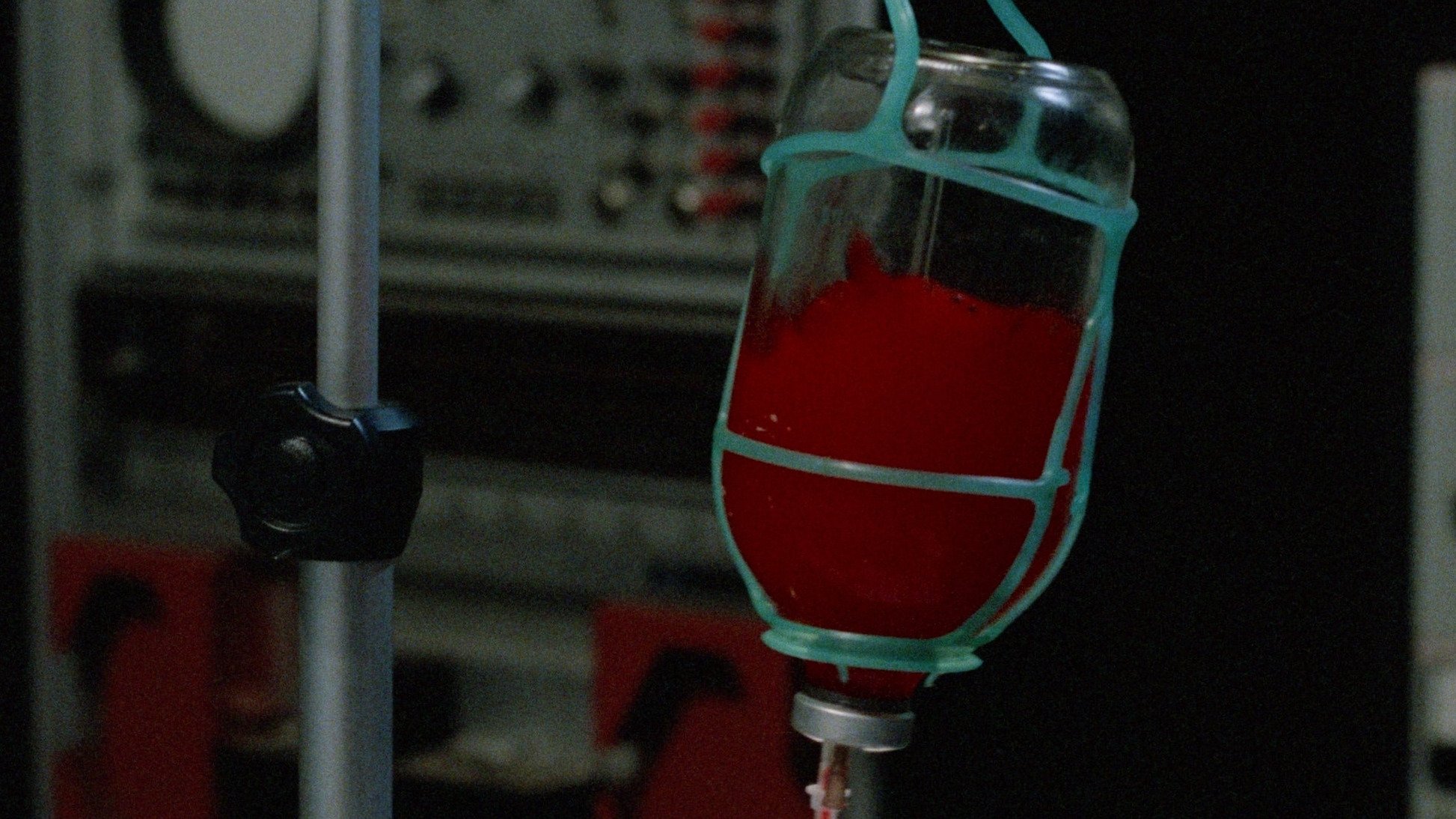
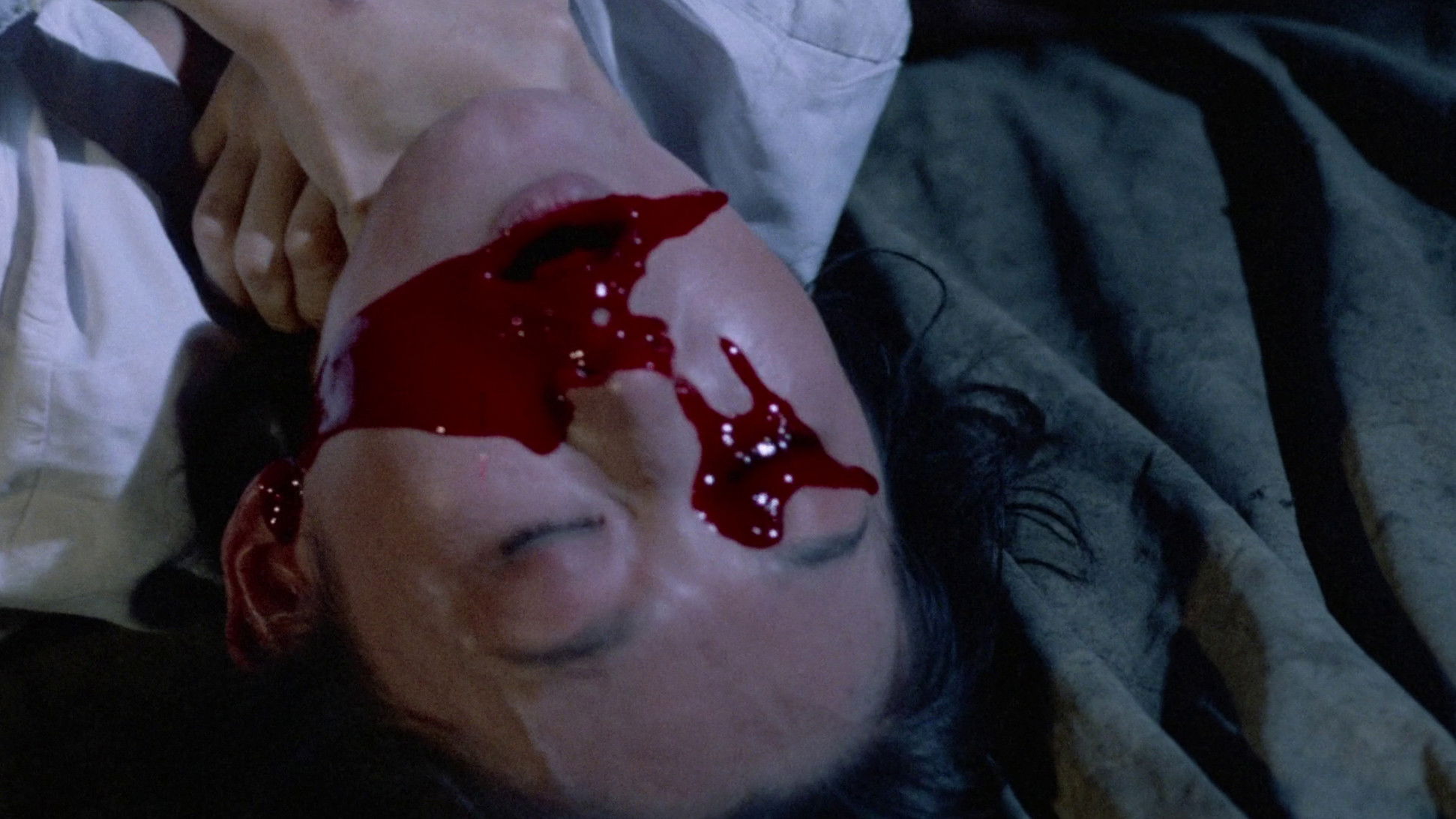
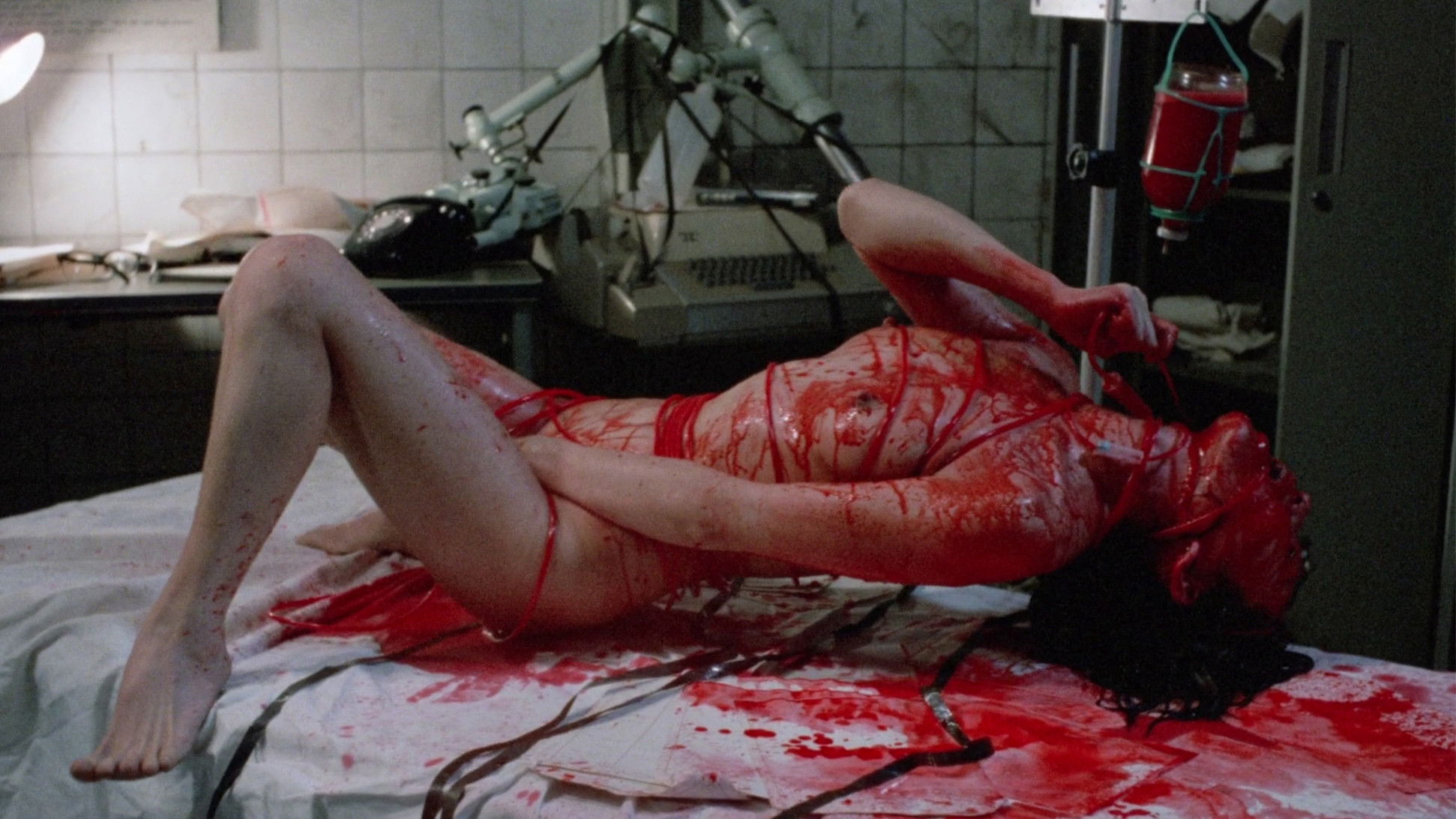
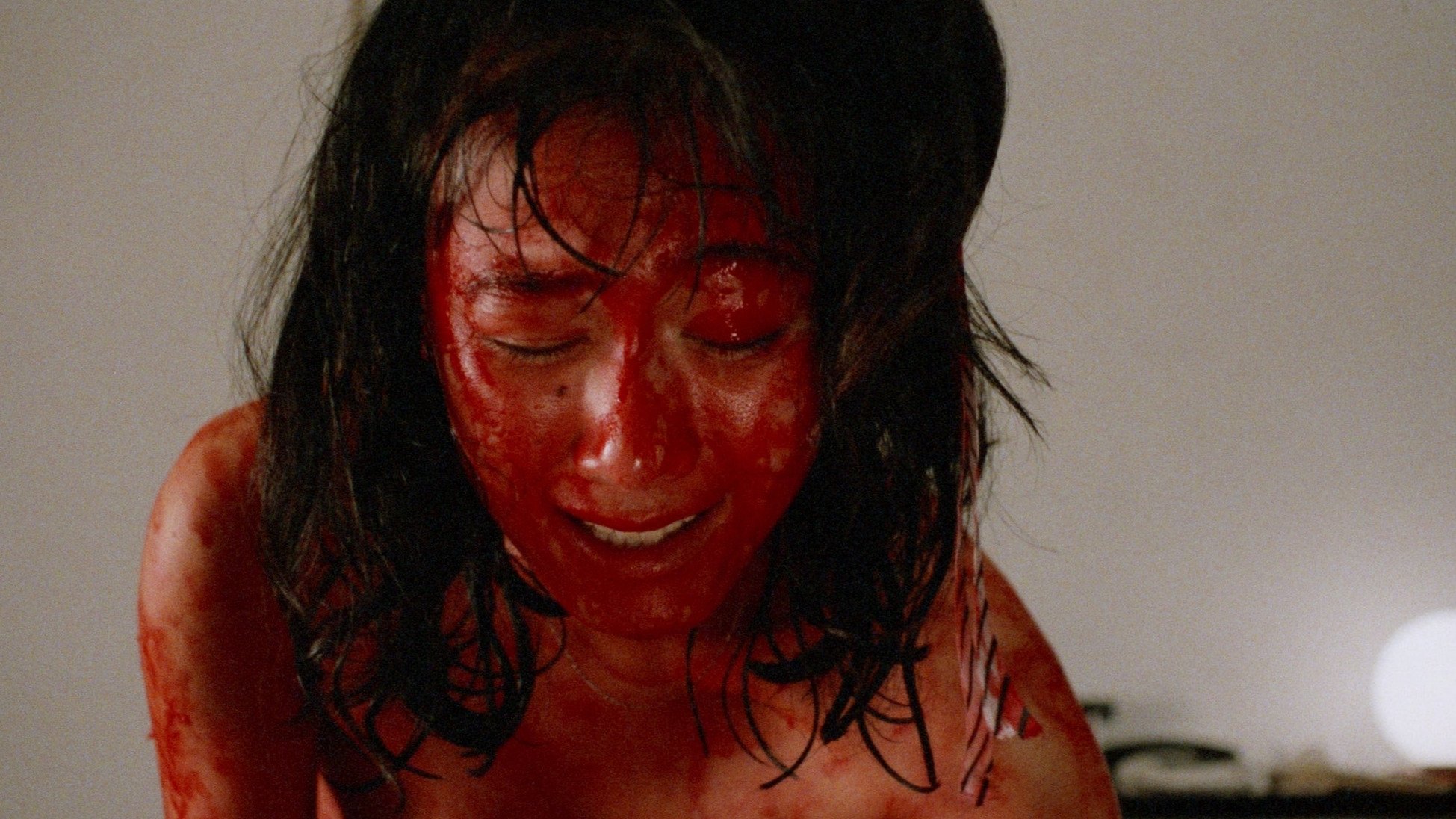
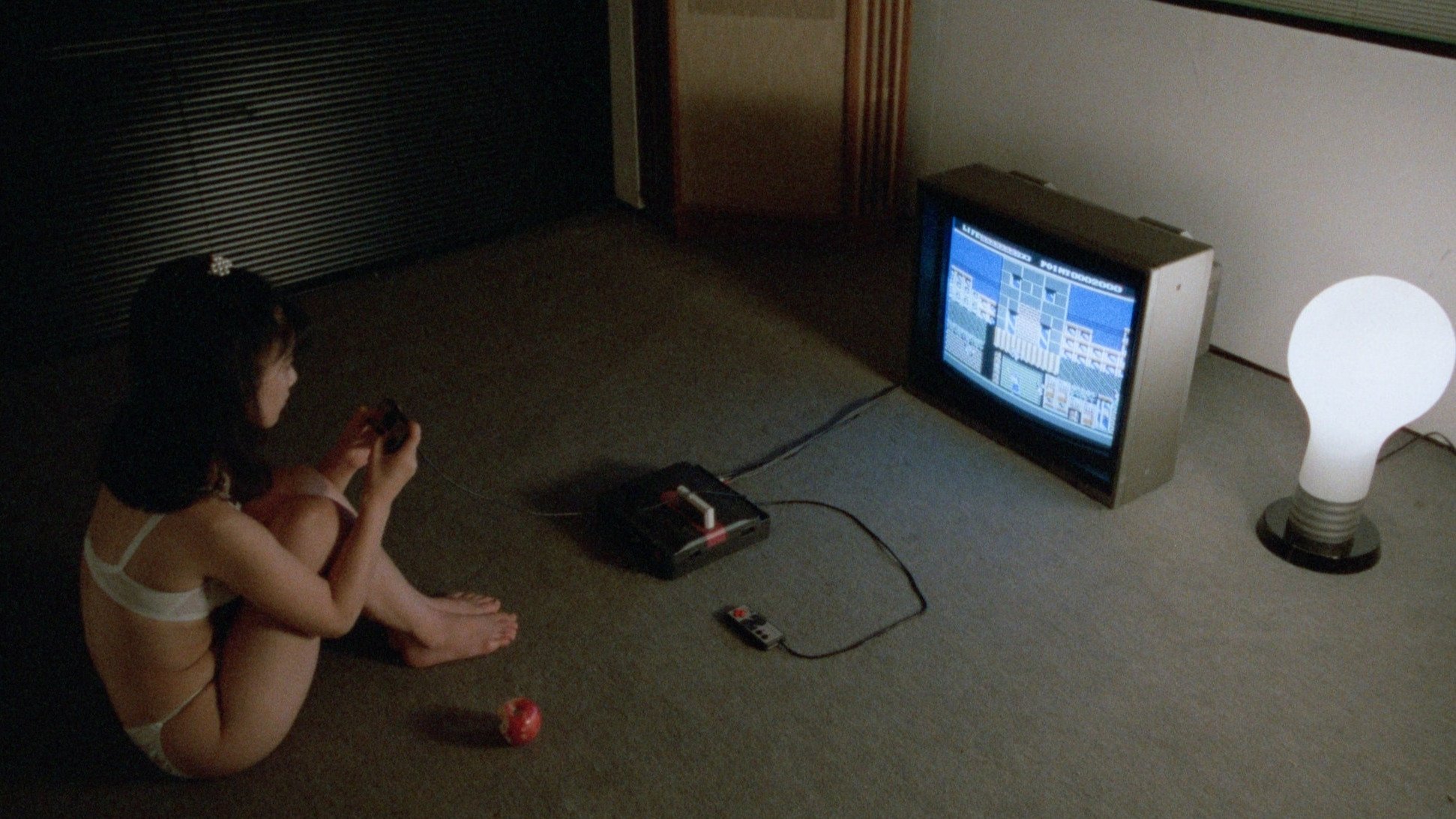
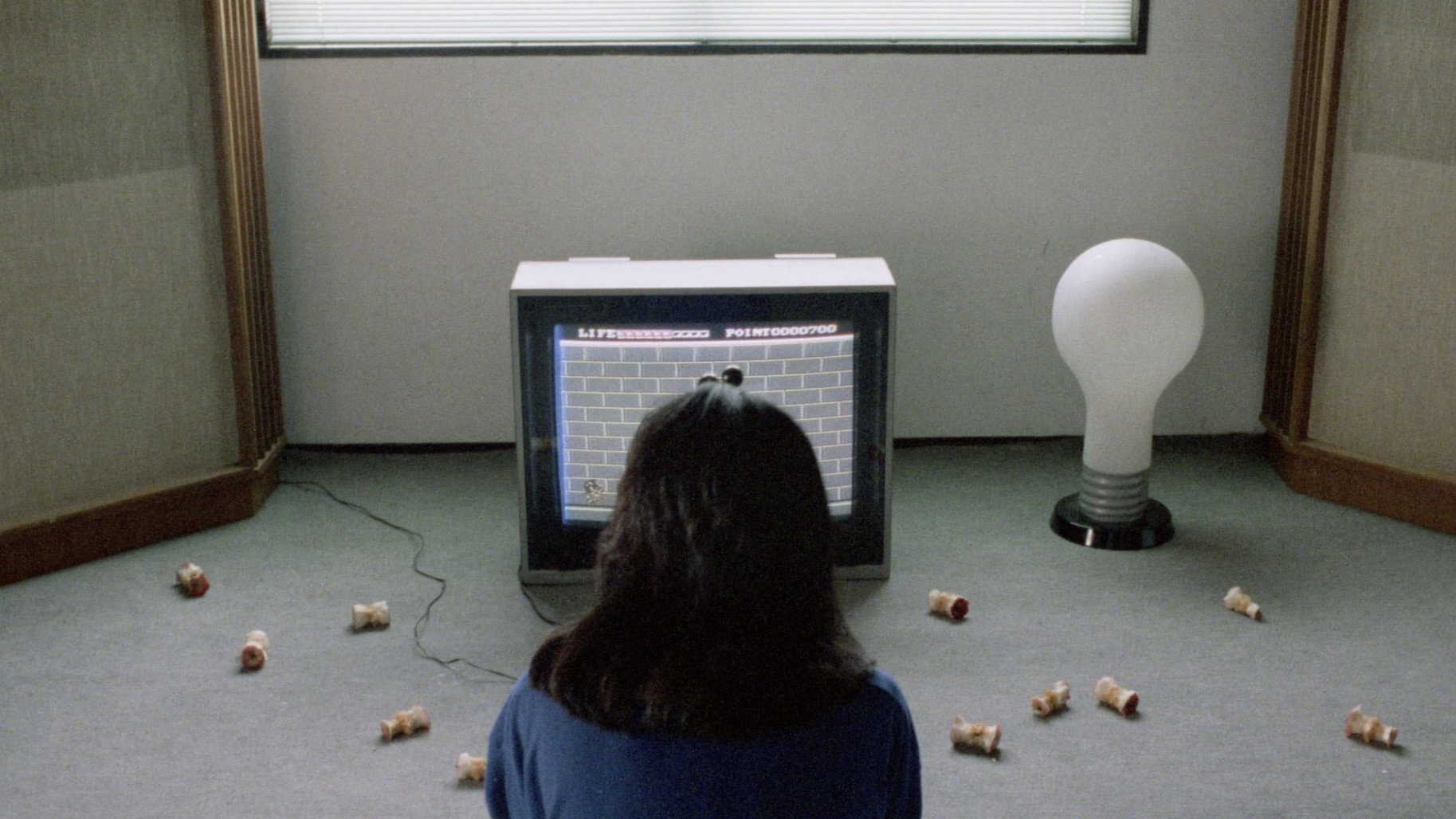
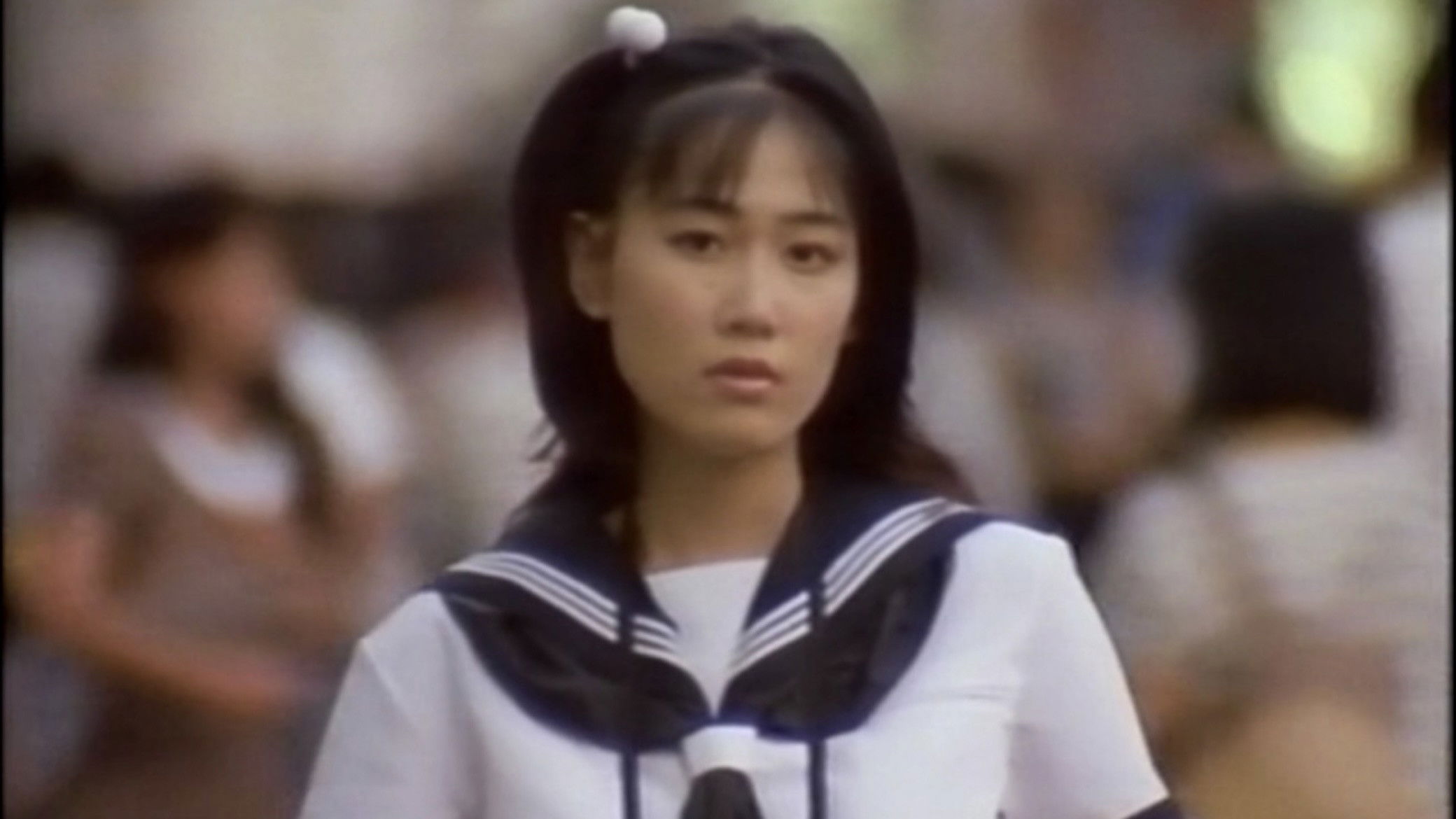
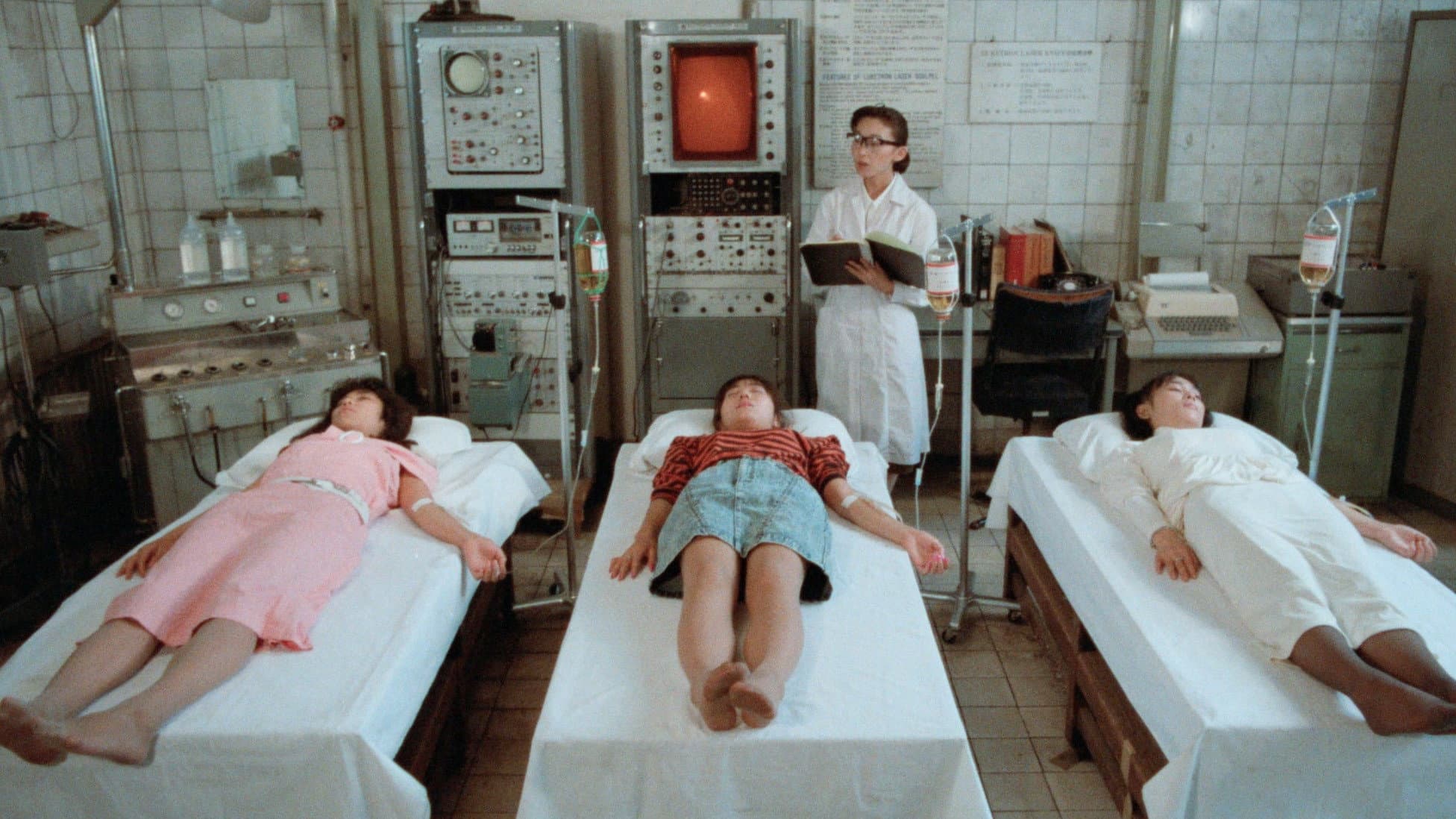
Eiji, a teenager eager to follow in his late father's scientific footsteps perfects one of his old experiments to diminish the barrier between pain and pleasure.
Directed by Hisayasu Satō
pink film

Trailer

IMDB
N/A
Cast

Nanako Fujitani
Rika Minami
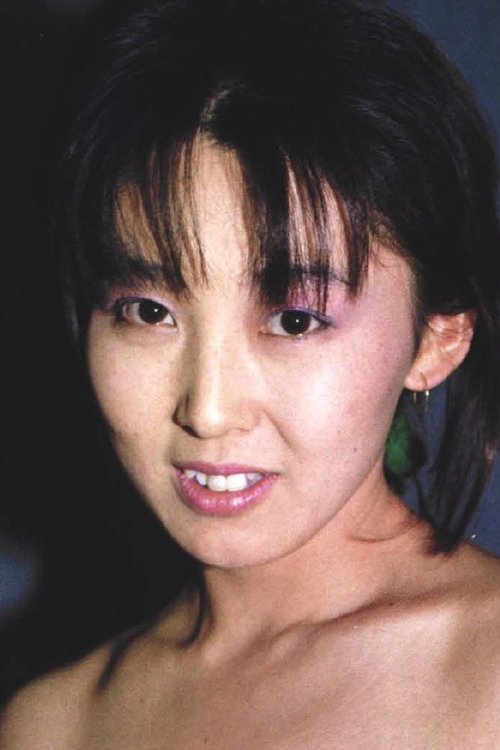
Kiyomi Itō
Eiji's mother
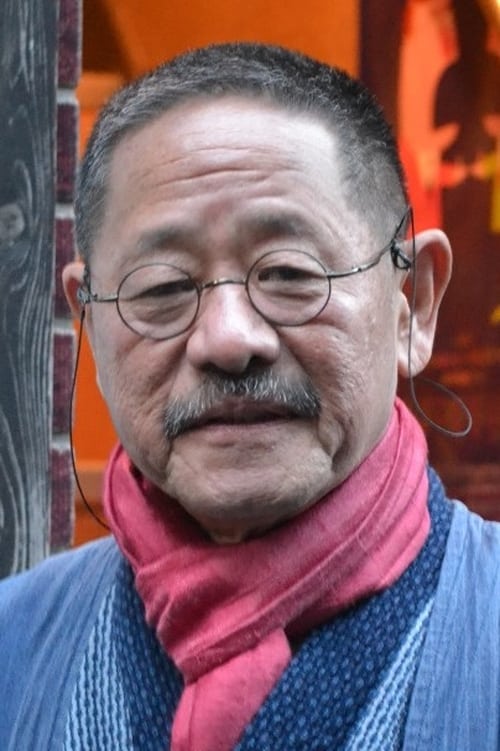
Bunmei Tobayama
Man with hat
Crew
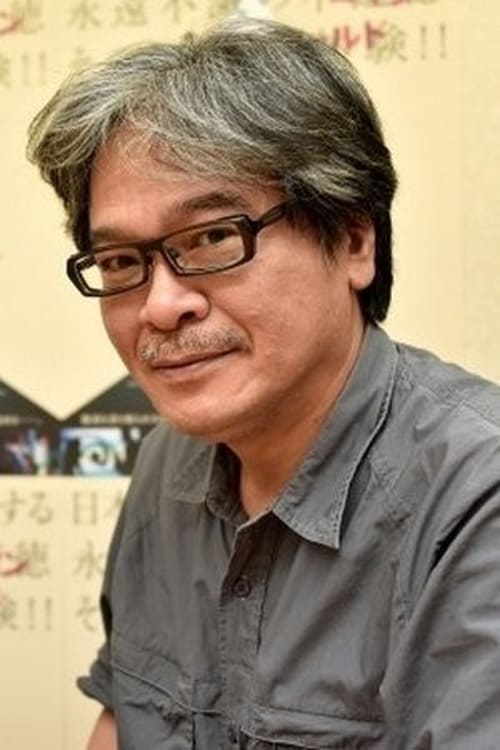
Hisayasu Satō
Director
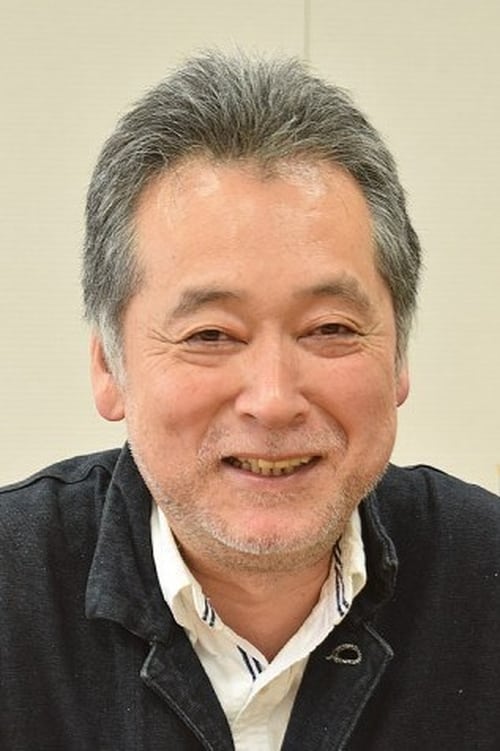
Takahisa Zeze
Second Assistant Director
Popular Reviews
12 reviews
Pixiecorpse
8.0★ · 02/23/26
it’s a sex bloodbath, wrapped up in sadism, hedonism and cute little rats! i freaking love it !! it’s perfect 🫀🩸💉
it’s a sex bloodbath, wrapped up in sadism, hedonism and cute little rats! i freaking love it !! it’s perfect 🫀🩸💉


max m
8.0★ · 01/15/26
satô’s films often play out like experiments. video experiments, as i like to call them.
and this one highlights his films’ experimental nature as it’s about a literal, scientific experiment.
and it’s repulsive. instantly wanted this one off my conscience (i’m writing this a few weeks later because it’s not the kind of film you willingly reflect upon right away. i kind of just accepted that my night was ruined and went to bed).
the roughly-one-hour timeframe of the pinku film works perfectly with satô’s style. a short, sharp and concise hypothesis and result. and the ending… 😬
again, its pinku so some parts drag on. it’s to be expected. but regardless its very well made. just grueling.
great restoration!
and this one highlights his films’ experimental nature as it’s about a literal, scientific experiment.
and it’s repulsive. instantly wanted this one off my conscience (i’m writing this a few weeks later because it’s not the kind of film you willingly reflect upon right away. i kind of just accepted that my night was ruined and went to bed).
the roughly-one-hour timeframe of the pinku film works perfectly with satô’s style. a short, sharp and concise hypothesis and result. and the ending… 😬
again, its pinku so some parts drag on. it’s to be expected. but regardless its very well made. just grueling.
great restoration!
satô’s films often play out like experiments. video experiments, as i like to call them.
and this one highlights his films’ experimental nature as it’s about a literal, scientific experiment.
and it’s repulsive. instantly wanted this one off my conscience (i’m writing this a few weeks later because it’s not the kind of film you willingly reflect upon right away. i kind of just accepted that my night was ruined and went to bed).
the roughly-one-hour timeframe of the pinku film works perfectly with satô’s style. a short, sharp and concise hypothesis and result. and the ending… 😬
again, its pinku so some parts drag on. it’s to be expected. but regardless its very well made. just grueling.
great restoration!
and this one highlights his films’ experimental nature as it’s about a literal, scientific experiment.
and it’s repulsive. instantly wanted this one off my conscience (i’m writing this a few weeks later because it’s not the kind of film you willingly reflect upon right away. i kind of just accepted that my night was ruined and went to bed).
the roughly-one-hour timeframe of the pinku film works perfectly with satô’s style. a short, sharp and concise hypothesis and result. and the ending… 😬
again, its pinku so some parts drag on. it’s to be expected. but regardless its very well made. just grueling.
great restoration!
Cthulhusshoes
8.0★ · 11/07/25
Ahhh. Satō. After about a month of being delayed, I finally got my hands on the first Pink Line release 💗
Jumping into it, I started here as I'd already seen (and loved) Re-wind. Let me just start by saying this rescan looks absolutely immaculate. Calling back to my super low quality 480p rip of Re-wind -- the difference is night and day. Knocked it out of the park.
I can't help but feel that Sato was a precursor to the 2000's j-horror boom with how he focuses on Japanese society and it's relationship with a more technological society.
Sure, the drug is the focus here -- but it's all a front for how Japanese youth were deriving pleasure from isolating themselves and stimulating their brains with newly evolving technology. Pleasure from Pain.
Jumping into it, I started here as I'd already seen (and loved) Re-wind. Let me just start by saying this rescan looks absolutely immaculate. Calling back to my super low quality 480p rip of Re-wind -- the difference is night and day. Knocked it out of the park.
I can't help but feel that Sato was a precursor to the 2000's j-horror boom with how he focuses on Japanese society and it's relationship with a more technological society.
Sure, the drug is the focus here -- but it's all a front for how Japanese youth were deriving pleasure from isolating themselves and stimulating their brains with newly evolving technology. Pleasure from Pain.
Ahhh. Satō. After about a month of being delayed, I finally got my hands on the first Pink Line release 💗
Jumping into it, I started here as I'd already seen (and loved) Re-wind. Let me just start by saying this rescan looks absolutely immaculate. Calling back to my super low quality 480p rip of Re-wind -- the difference is night and day. Knocked it out of the park.
I can't help but feel that Sato was a precursor to the 2000's j-horror boom with how he focuses on Japanese society and it's relationship with a more technological society.
Sure, the drug is the focus here -- but it's all a front for how Japanese youth were deriving pleasure from isolating themselves and stimulating their brains with newly evolving technology. Pleasure from Pain.
Jumping into it, I started here as I'd already seen (and loved) Re-wind. Let me just start by saying this rescan looks absolutely immaculate. Calling back to my super low quality 480p rip of Re-wind -- the difference is night and day. Knocked it out of the park.
I can't help but feel that Sato was a precursor to the 2000's j-horror boom with how he focuses on Japanese society and it's relationship with a more technological society.
Sure, the drug is the focus here -- but it's all a front for how Japanese youth were deriving pleasure from isolating themselves and stimulating their brains with newly evolving technology. Pleasure from Pain.
Medhansh
9.3★ · 09/08/25
Director- Sato Hisayasu.This is the sixth film I have seen of his.I decided to watch this after being underwhelmed by Sato's film, Splatter Naked Blood, a remake of this work.I enjoyed this work a lot more as it lacks the psychedelic imagery and instead focuses more on the pinku aspect of it.It offers quite an intriguing situation, through the pain and arousal being intertwined and how one can succumb to self-indulgence under the feelings of estrogen.The way the runtime is utilised in this work is much superior due to the film pushing us through the inciting incident a lot quicker. Hence, it achieved better results even with a runtime of nineteen minutes shorter. This works better in this film, from what message I derived from it.The choices of the three girls offer variety, while a commonality exists within the trio. This makes room for theorising what separated the female lead from the other two. Her nature of refraining from expressing herself to anyone allows her to be unbridled with the burden of excess.In the character of the foodie girl, one can observe that the sin of gluttony is indeed running rampant, which was figuratively eating her from the inside, but the experiment led her to resort to eating herself in the process. I enjoyed this all the more as I was in search of such a film, having been disappointed by The Grand Buffet 1973 by Marco Ferreri, where the people didn't eat themselves to death but ate till they died.This reminded me of an Indian film called Aamis 2019 by Bhaskar Harazika as well. Though the film features this act in a different theme, which resembles Together 2025 by Michael Shanks, more than Pleasure Kill.The characterisation of the female lead doesn't have a cactus this time around. Instead, she has a video game, which symbolises her willingness to ditch her world for one within a game. She believes that the world inside is a much better one.What I couldn't understand in both works is whether the killing of the rest of the characters was done by the female lead or not. While in Splatter Naked Blood, I believe that it was a simulation, I am inclined to believe that it isn't the case in this film.Her killing the rest of the characters except the protagonist shows her mercy for them, as they were unable to control themselves, falling deeper into destructive behaviour driven by estrogen-induced depravity. They were unable to satiate their ever-growing hunger, leading to a slow death, and the protagonist kindly helped to quicken the process.The ending with the Female Lead killing the protagonist for me symbolises her seeking revenge against him for subjecting her and her friends to such a cruel fate. She stole his opportunity to view what output his experiment would bring later on, which was the best revenge against such a person.The protagonist is shown to have an Oedipal complex, which might be a driving force for his pursuit of knowledge, with him trying to be as good a scientist as his father was. This explains why he, too, was infatuated with pushing the extreme boundaries of science, as his father once was.The ending being on the open-ended side is fitting and was the right choice, as it leaves the viewer wanting more, as well as allowing us to wonder about the adventures she had later on.Overall, this is a film I will highly recommend people to check out if they have in him to be able to stomach such themes. This is also a much better work compared to Splatter Naked Blood and is more so a work of Sato than of someone else, such as Obayashi. I will try to watch Kagemusha next as a palette cleanser of sorts and also because I wish to view a Naakdai Tatsuya film next.
Director- Sato Hisayasu.This is the sixth film I have seen of his.I decided to watch this after being underwhelmed by Sato's film, Splatter Naked Blood, a remake of this work.I enjoyed this work a lot more as it lacks the psychedelic imagery and instead focuses more on the pinku aspect of it.It offers quite an intriguing situation, through the pain and arousal being intertwined and how one can succumb to self-indulgence under the feelings of estrogen.The way the runtime is utilised in this work is much superior due to the film pushing us through the inciting incident a lot quicker. Hence, it achieved better results even with a runtime of nineteen minutes shorter. This works better in this film, from what message I derived from it.The choices of the three girls offer variety, while a commonality exists within the trio. This makes room for theorising what separated the female lead from the other two. Her nature of refraining from expressing herself to anyone allows her to be unbridled with the burden of excess.In the character of the foodie girl, one can observe that the sin of gluttony is indeed running rampant, which was figuratively eating her from the inside, but the experiment led her to resort to eating herself in the process. I enjoyed this all the more as I was in search of such a film, having been disappointed by The Grand Buffet 1973 by Marco Ferreri, where the people didn't eat themselves to death but ate till they died.This reminded me of an Indian film called Aamis 2019 by Bhaskar Harazika as well. Though the film features this act in a different theme, which resembles Together 2025 by Michael Shanks, more than Pleasure Kill.The characterisation of the female lead doesn't have a cactus this time around. Instead, she has a video game, which symbolises her willingness to ditch her world for one within a game. She believes that the world inside is a much better one.What I couldn't understand in both works is whether the killing of the rest of the characters was done by the female lead or not. While in Splatter Naked Blood, I believe that it was a simulation, I am inclined to believe that it isn't the case in this film.Her killing the rest of the characters except the protagonist shows her mercy for them, as they were unable to control themselves, falling deeper into destructive behaviour driven by estrogen-induced depravity. They were unable to satiate their ever-growing hunger, leading to a slow death, and the protagonist kindly helped to quicken the process.The ending with the Female Lead killing the protagonist for me symbolises her seeking revenge against him for subjecting her and her friends to such a cruel fate. She stole his opportunity to view what output his experiment would bring later on, which was the best revenge against such a person.The protagonist is shown to have an Oedipal complex, which might be a driving force for his pursuit of knowledge, with him trying to be as good a scientist as his father was. This explains why he, too, was infatuated with pushing the extreme boundaries of science, as his father once was.The ending being on the open-ended side is fitting and was the right choice, as it leaves the viewer wanting more, as well as allowing us to wonder about the adventures she had later on.Overall, this is a film I will highly recommend people to check out if they have in him to be able to stomach such themes. This is also a much better work compared to Splatter Naked Blood and is more so a work of Sato than of someone else, such as Obayashi. I will try to watch Kagemusha next as a palette cleanser of sorts and also because I wish to view a Naakdai Tatsuya film next.
Theo
6.0★ · 08/19/24
wow this was a seriously disturbing film, even more so that its follow-up Naked Blood. this film is not as surreal or gory as its follow-up, but it has a lot of seriously dark moments. the industrial soundtrack, claustrophobic cinematography & graphic violence all comes together to create a depressing & truly gross film. seriously, some of the visuals here are crazy.
while i prefer Naked Blood, this is a well made predecessor that covers different themes & contains different moments to it, making it worth a watch. Satô is a really cool director & im looking forward to watching more of his work!
while i prefer Naked Blood, this is a well made predecessor that covers different themes & contains different moments to it, making it worth a watch. Satô is a really cool director & im looking forward to watching more of his work!
wow this was a seriously disturbing film, even more so that its follow-up Naked Blood. this film is not as surreal or gory as its follow-up, but it has a lot of seriously dark moments. the industrial soundtrack, claustrophobic cinematography & graphic violence all comes together to create a depressing & truly gross film. seriously, some of the visuals here are crazy.
while i prefer Naked Blood, this is a well made predecessor that covers different themes & contains different moments to it, making it worth a watch. Satô is a really cool director & im looking forward to watching more of his work!
while i prefer Naked Blood, this is a well made predecessor that covers different themes & contains different moments to it, making it worth a watch. Satô is a really cool director & im looking forward to watching more of his work!