In Julia Kristeva’s Strangers to Ourselves she offers a philosophical definition of “the foreigner,” or otherwise, “the Other.” Kristeva contends that the “[...] foreigner lives within us: he is the hidden space of our identity, the space that wrecks our abode, the time in which understanding and affinity founder,” going on to state that “[t]he foreigner comes in when the consciousness of my difference arises, and he disappears when we all acknowledge ourselves as foreigners, unamenable to bonds and communities,” (Kristeva 1). To Kristeva, otherness is an unavoidable facet to contemporary society in terms of politics, art, and economy, despite its common falsehoods and inaccuracies. Though Kristeva posits that if humans were all to recognize their individual, innate otherness, xenophobic systems of government, sociality, and economy, though thoroughly unlikely, could eventually be mended. In 1890, photojournalist Jacob Riis published his widely lauded photobook How the Other Half Lives. Depicting the deplorable conditions that poor New Yorkers living in tenement houses in the Lower East Side were facing at the time, Riis intended through his photography to push a social agenda of awareness of such an ignored reality to the middle and upper classes and ultimately bring about legislation to improve the lives and housing conditions of impoverished New Yorkers. Though successful in his legislative endeavour at the time, Riis’s work has been widely debated over ever since its publishing and has been shown in eminent art galleries across the globe. Denigrated by critics abroad as exploitative, Riis did not record the names of anyone he photographed, did not conduct interviews, nor is it clear whether or not the photographs are candid or staged by Riis. Layered by Riis’s partitioning of the book based on racial demographics, many argue that those who Riis photographed were damned as anonymous victims, while the privileged Riis behind the camera had the opportunity to achieve fame as a legendary photographer. As a result, the book and its photographs are more well-known in discourse as early artifacts of photography asserting itself as an art form than as a historical catalyst to important legislation. Further successors in the photography world like Weegee and Diane Arbus faced similar criticism, though still to this day, their bodies of work are considered integral pieces of art history before they are recognized for their social content.
In the realm of cinema, ethnographer Robert Flaherty was in Northern Canada crafting Nanook of the North (1922), pitting real Inuits against a contrived fictional plot. Italian Neorealist filmmakers after World War II were taking their cameras to the streets in efforts of exposing the harsh realities and truth of the hardships that lower-class workers were facing in Postwar Europe, though soon saw the same sort of criticism at the hands of fictional stories and the undeniable political leaning of Neorealist directors. In France, Jean Rouch was cultivating cinema verite in the shadow of postcolonial Senegal, contending that through provocation via the camera on real subjects, a so-called cinematic “truth” could be obtained within the documentary form. Rouch was detested in Africa, most notably by legendary African filmmaker Ousmane Sembene, who frequently outed Rouch as treating Africans like caged animals, both literally and representationally. This Postwar era of cinema was, in French film theory, being defined as the time-image. In a strong antipode to the Prewar movement-image, French philosopher Gilles Deleuze identified the shift between said images, and contended that the War posed a representational crisis to cinema. What resulted was a cinema that was shifting more towards temporality and ultimately negated the importance of the rational cuts and narrative continuity of the movement-image for the sake of sequences becoming “relinked by means of false continuity and irrational cuts,” (Deleuze XI). Cinema no longer guided audiences smoothly through the cinematic experience as the movement-image allowed, but now warranted varying degrees of intellectual legwork and participation from the audience in order to fully experience and understand a given film. French film theorist Andre Bazin identified that the cinema of the time-image was a direct result of the aesthetics of Robert Flaherty and early actuality cinema. To Bazin, “montage plays no part in [time-image] films, except where reality superabounds” (Bazin 27) highlighting how matters like waiting and pure duration were becoming the “very substance of the image, its true object” (Bazin 27). Artists abroad in the new era of the time-image were voraciously seeking a means of hyperrealist representation in their work in response to the turbulent state of the mid-20th century world.
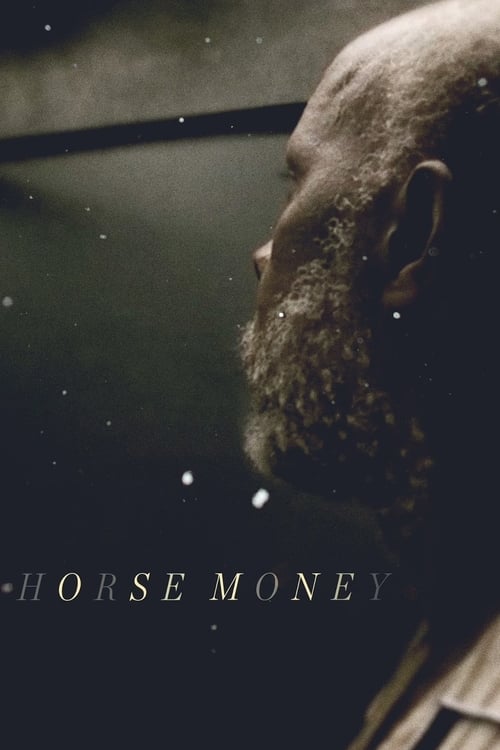
Thus, a moral debacle surfaced in the realm of cinema and photography, where questions of whether or not realism was truly possible in cinematic representation as well as whether or not one could correctly represent via the art object, without exploitation, those which are innately different and subordinate to the filmmaker/photographer. In response to the ever growing moral flaws of documentary film, reaching an ugly head in the dawn of the talking-head style of studio interviews and heavily edited re-enactments and b-roll footage, filmmakers like Pedro Costa arose. Employing time-image aesthetics via sprawling takes which rarely show overt cuts, minimal dialogue, non-narrative structures, static shots, and an emphasis on silence/ambience over sound, within Costa’s lies genuine stories being retold by the people who experienced them. Lauded widely as a luminary of the slow cinema genre, Costa has received the aesthetic likeness of Rembrandt and the Italian Neorealists by critics, though has largely ignored and scoffed at any art object associations with his work. Though the subject matter of approaching those who were on the fringes of society in documentary film and photojournalism was growing in popularity and still persists today, art objects of the Other in 20th-century film and photography relied heavily on exoticizing minorities/subordinated groups through a formal attention to how different, or otherwise how primitive and strange they are in comparison to the commonly white, middle-to-upper class theatregoers and photography aficionados. In this essay, I will approach the moral quandary of whether or not a filmmaker can sensitively and accurately represent the Other in cinema. Relying primarily on an analysis of Pedro Costa’s work with the residents of Fontainhas and his 2014 film Horse Money, I will reach a conclusion of aesthetics, filmmaking methodology, and moral necessities that filmmakers inarguably must adopt in order to successfully provide a responsible, mimetically-accurate cinematic representation of the Other.
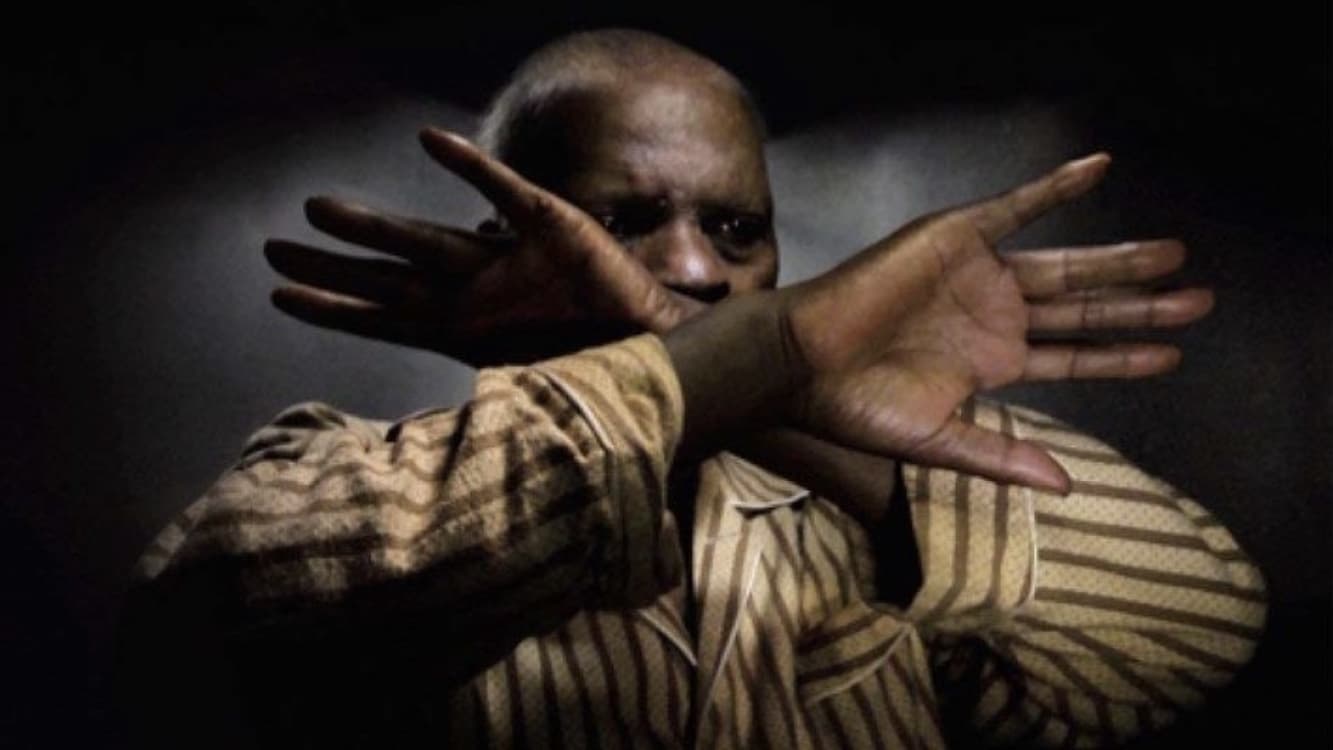
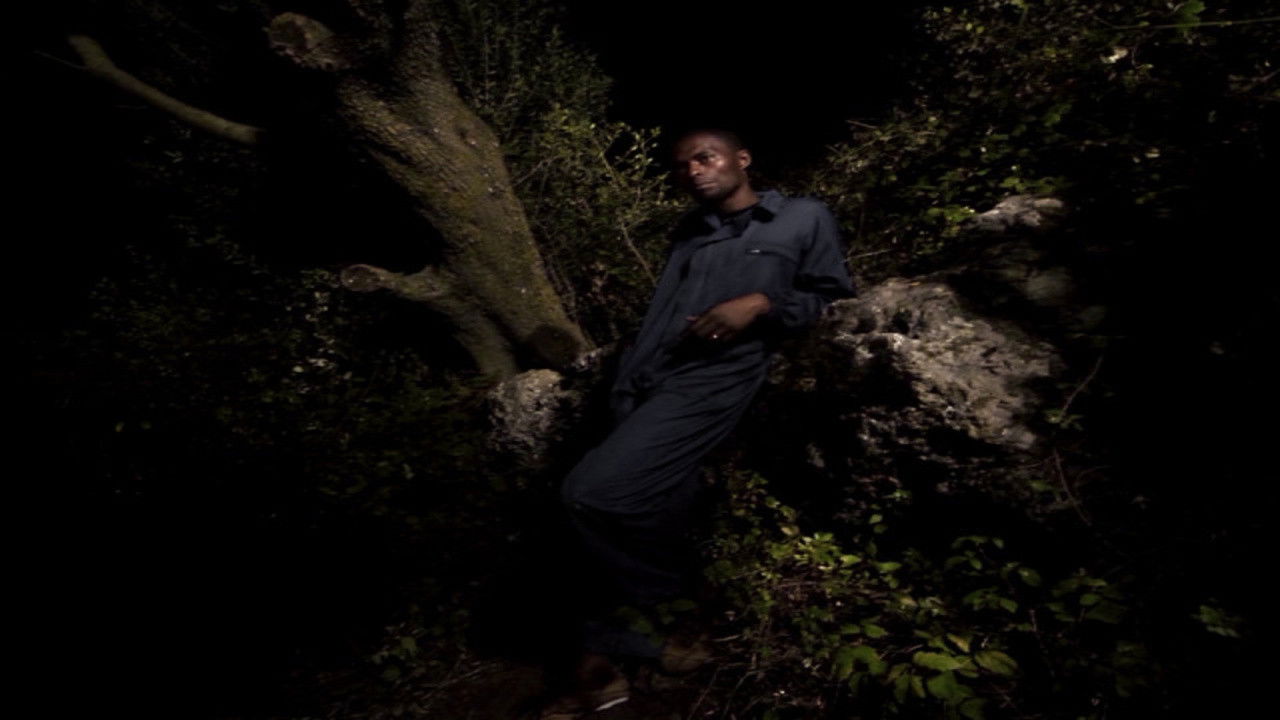
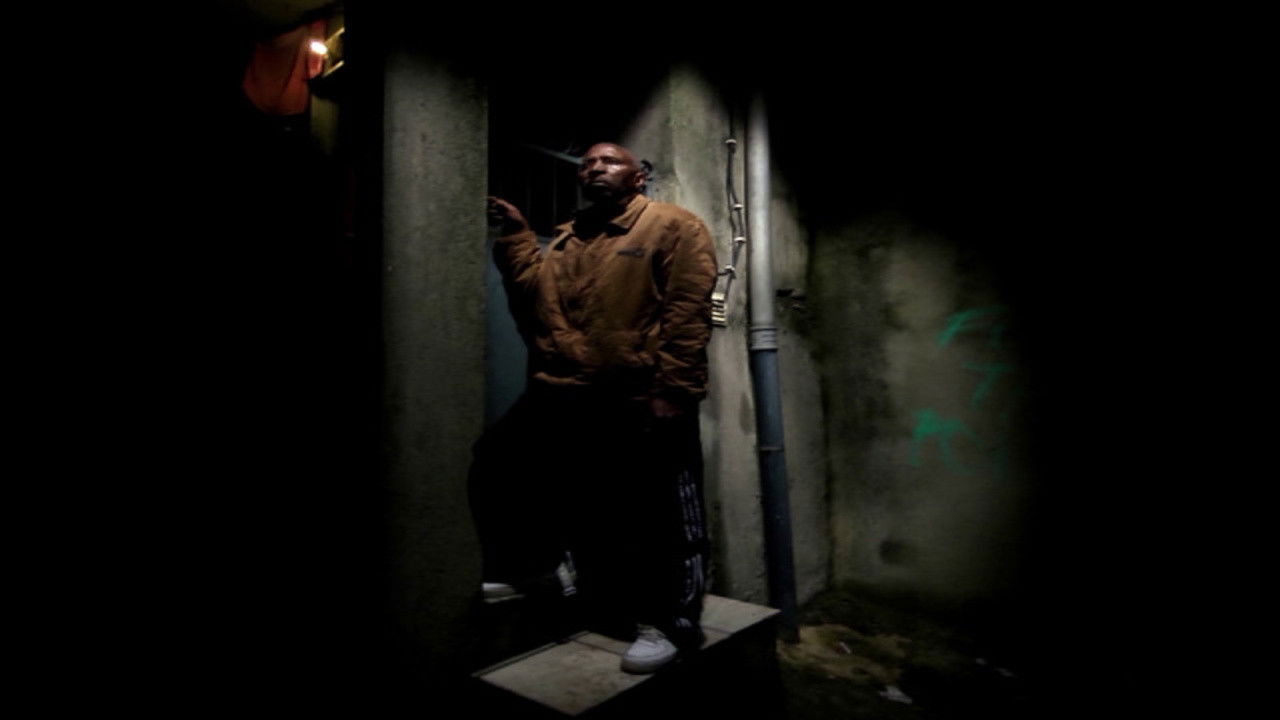
During the production of Costa’s first feature length film Casa de Lava (1994), which was filmed entirely on the Cape Verdean archipelago in Africa, several residents from Cape Verde gave Costa letters and gifts for him to deliver to their family members that had immigrated to Lisbon for work after the Carnation Revolution in 1974 had lead Portugal to pull its colonial rule from Africa. Led to a now demolished shanty town called Fontainhas outside of Lisbon, Costa became acquainted with its residents and chose to devote his filmography to telling their stories. For over twenty years Costa has worked with Ventura, the Cape Verdean immigrant at the face of Horse Money (2014), appearing as the lead in Colossal Youth (2006) and the supporting non-actor (though after two features and various short films with Costa, Ventura could suitably be termed an actor) alongside Vitalina Varela in Costa’s 2019 film named after her. Costa has frequently stated that his decision to work with the residents of Fontainhas resulted from his recognition of those who were displaced or left impoverished by the Carnation Revolution. Costa and Ventura were in the same place at the same time during the Revolution, while he as a white Portuguese man happily celebrated the victory of the military coup that ended Portugal’s colonialist powers and Ventura, as a black immigrant, was fearful and uncertain about his and his family’s future. Thus, through filmmaking Costa endeavors to simultaneously recognize his privilege as white artist and hold himself accountable for his innate comforts whilst extending his artistic expression to exclusively representing the trials and tribulations of the oppressed; the Other. Though one cannot deny that Costa’s aesthetic vision permeates his shot compositions, his formal attention to chiaroscuro, and his editing structures, one would contend that Costa’s cinematic platform is exclusively dictated and helmed by his subjects. Not only due to the fact that Costa’s films, unlike traditional ethnography, do not force empathy upon the viewer nor rely on systems of otherness and exoticization, Costa enacts a direct collaboration with individuals like Ventura through the production of his films, often veering the general filmmaking process in a random direction, with scenes determined based on an interview process that Costa conducts during filming.
Entering his films without a script or a narrative (meaning he seldom ever gets funding), which he chose to abandon completely after his 1997 film Ossos that had a production company backing, a script that he had to adhere to, and a large professional film crew left him feeling highly exploitative, Costa shapes his films as he edits them, oftentimes filming in a completely disjointed manner based on stories told by his subjects during his interview process. Ultimately, Costa functions within the realm of ethnographic documentary, though subverts every element of the genre for the sake of his own uniquely visceral cinematic language. In an interview with Aaron Cutler at Cineaste Magazine on Horse Money, Costa stated that to create the film with Ventura, the two of them “[...] tried to map out the past with questions as though we were making a chart on a table: Where were you at 5 o’clock on the 25th? Where was I? Where were you when the soldiers arrived downtown? When it became sour on March 11th, did you hide? Did you forget about your wife? Was I writing a letter to my first girlfriend? Were you building a school or a bank?” (Cutler, Costa). To answer these questions, Costa and his crew begin filming, ultimately in an anatomical sort of effort “to open up a body and try to understand the disease, the cause of death,” (Cutler, Costa) with the ultimate goal of Ventura forgetting about the ills of the past and to conquer his lingering demons. As a result, one cannot deny that Costa himself is also confronting his past, perhaps motivated by guilt for the pleasures and the opportunity that he had during the 1970s while Ventura’s life spiraled out of control. Employing various aesthetic distancing devices, primarily through a non-narrative structure, Costa intentionally keeps his art world audience at arm’s length so as to create a cinematic space that those of the First World cannot phenomenologically enter and encounter comforts within, as he completely excludes any representative semblance of capitalist society. In an interview between Costa and film theorist Laura Mulvey, she offers her own analysis of Horse Money’s non-narrative prowess. She claims that to her, the film presents the difficulty of committing histories to the filmic form. She argues that “easy histories” are histories that fall into simple chronological patterns, while “difficult histories” are repressed histories that often come from minorities and the oppressed. Mulvey contends that “difficult histories” result in a necessarily different manner of representation, as they often cannot be told in a simple straight-line narrative progression. To mirror the life and struggles of Ventura in the cinematic form, Costa as a “director” innately has no authority. Horse Money ultimately has no semblance of Costa as a “director” in it apart from his position behind the camera, manifesting more so as a silent collaborator/provider of the medium while Ventura becomes the true director of the film. Thus, one might argue that Costa, as well as those of the First World become the Other in his cinematic universe, while the conventionally viewed “Other” becomes the relentless agent of their own cinematic domain. Such a dispension of hierarchical authority is integral in Costa’s responsible mimetic methodology.
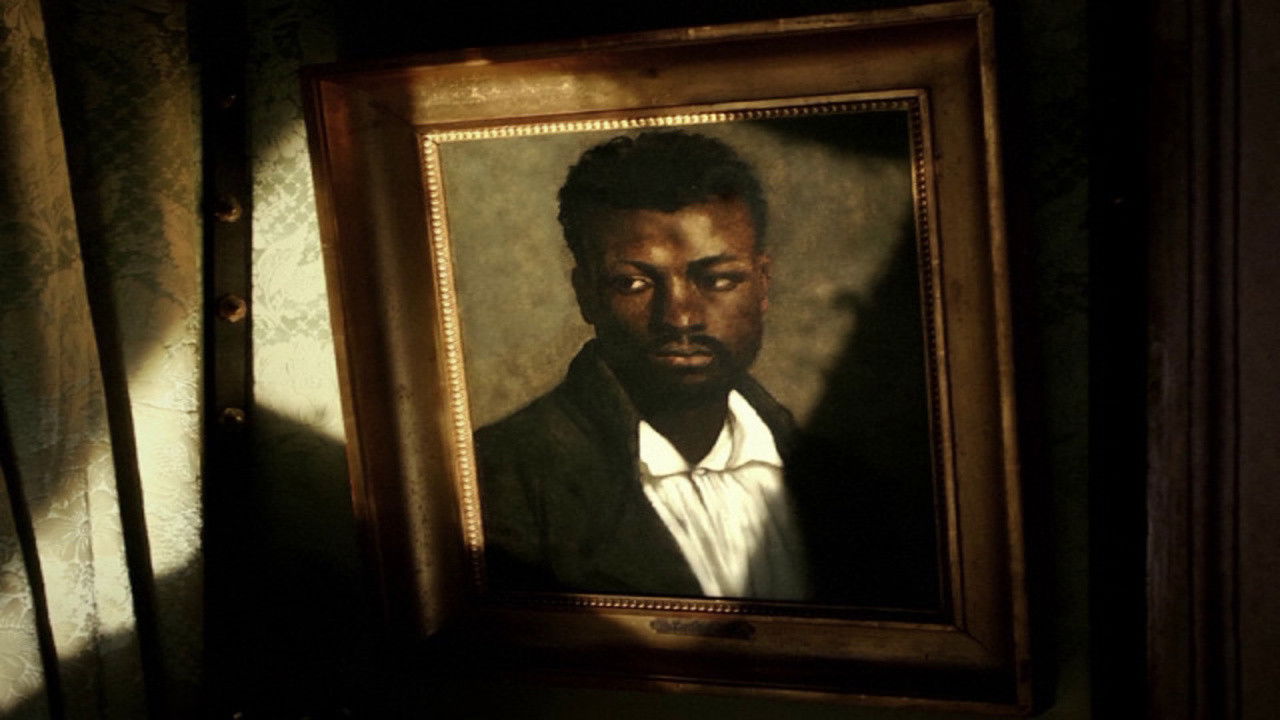
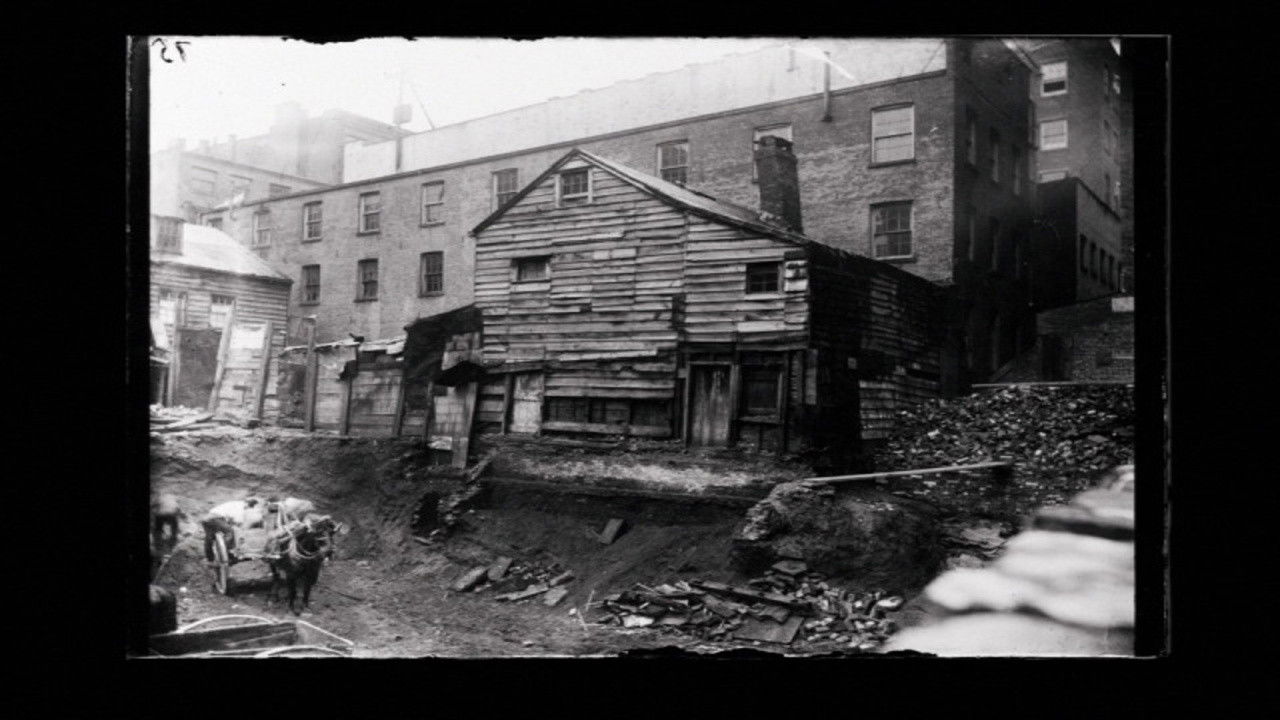
Beginning Horse Money is a montage of photographs from Jacob Riis’s How the Other Half Lives, a historical attempt at depicting a “difficult history.” Arguably due to the frequent criticism that Riis’s work has faced as it has become a pure art object in the contemporary age, Costa situates Riis’s photographs within the film’s diegesis to soberly remind his audience of the victimhood that Riis ignored in his subjects. One could contend that, though completely silent, the montage functions to denigrate Riis as ego-driven and self-interested, ready and willing to accept his success as a photographer and comfortable leaving behind the subjects that the book conveyed. Though Riis’s book brought about modifications to tenement housing conditions on the Lower East Side of New York, there is no historical mention that Riis continued in this agenda after the book was published to ensure that the legislation was effective and permanent. After the silent montage, the camera lingers on a Théodore Géricault painting of a black aristocrat to further Costa’s own agenda of criticizing the contemporary status of the aestheticization of the Other via the art object, which like Riis’s work, initially may have social significance, but ultimately fails in that very sense at the positioning of said work within a highbrow museum setting. Soon, Ventura enters the frame and wanders about for the remainder of the film, interacting with figures from his past that the audience is unaware as to whether or not are alive or dead.
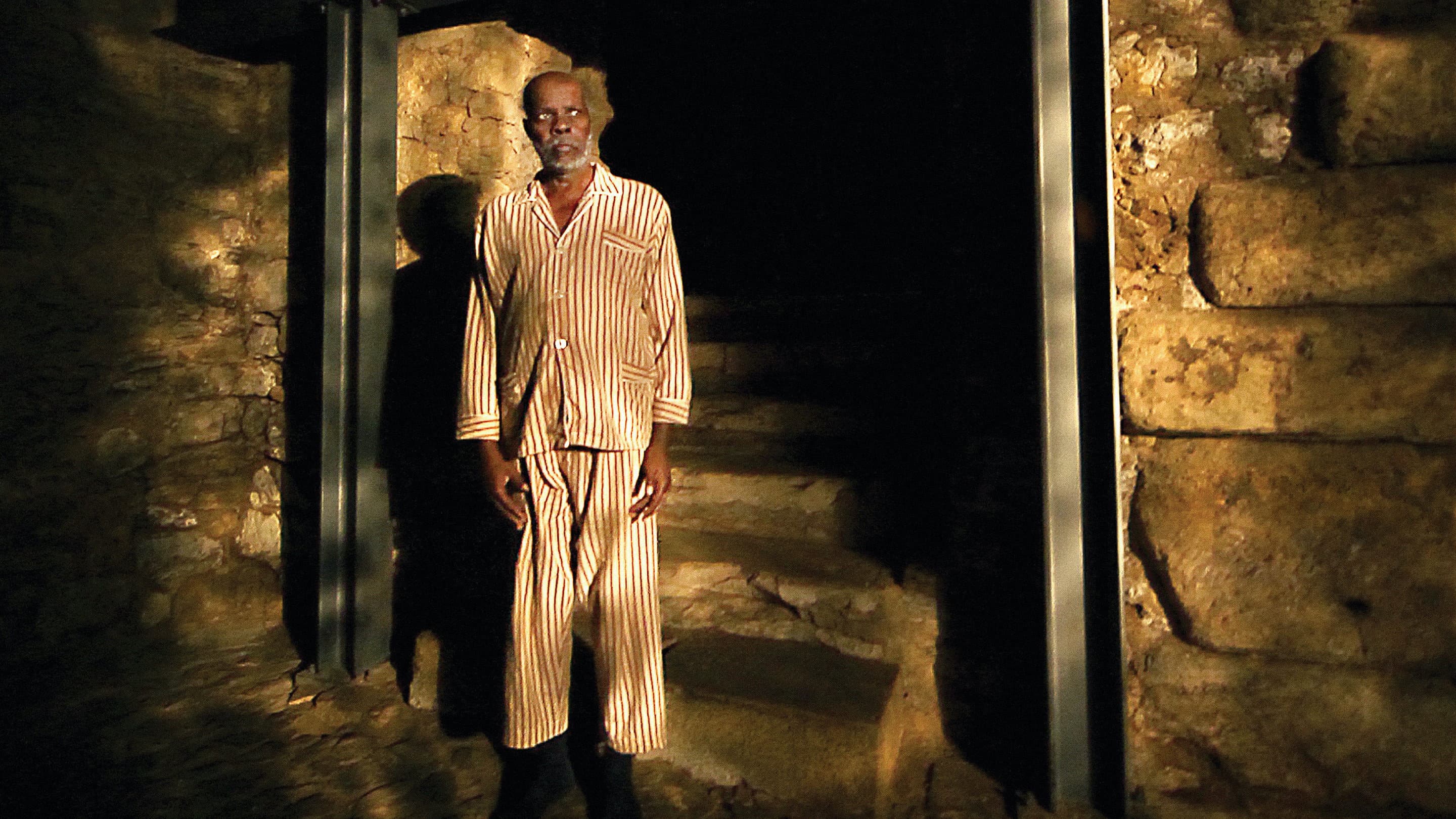
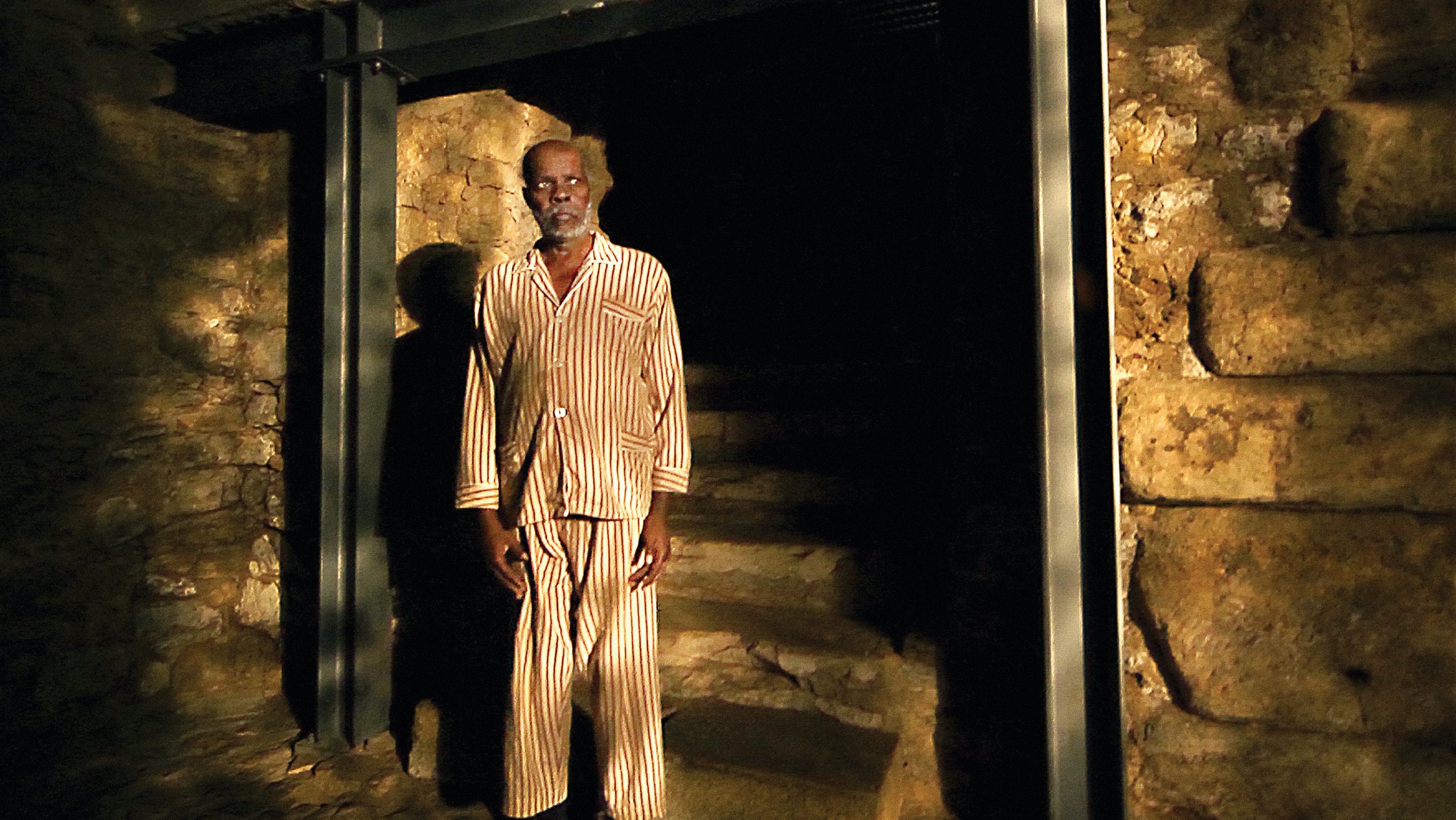
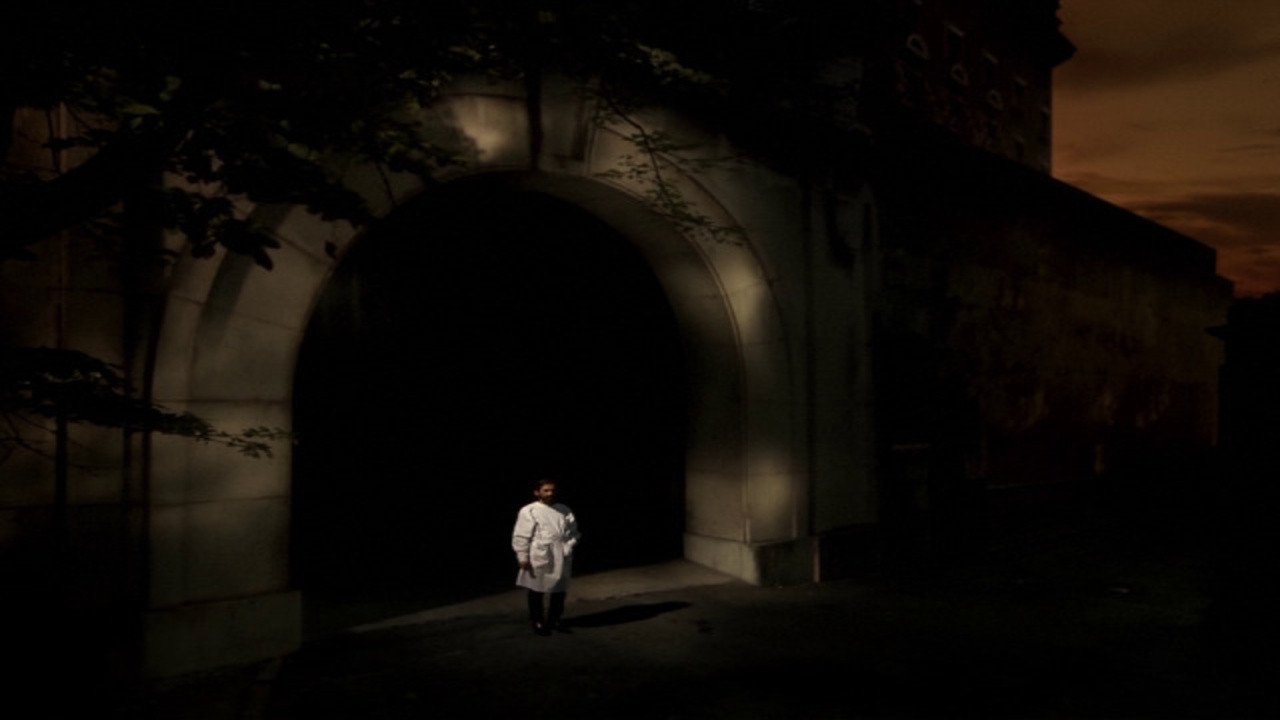
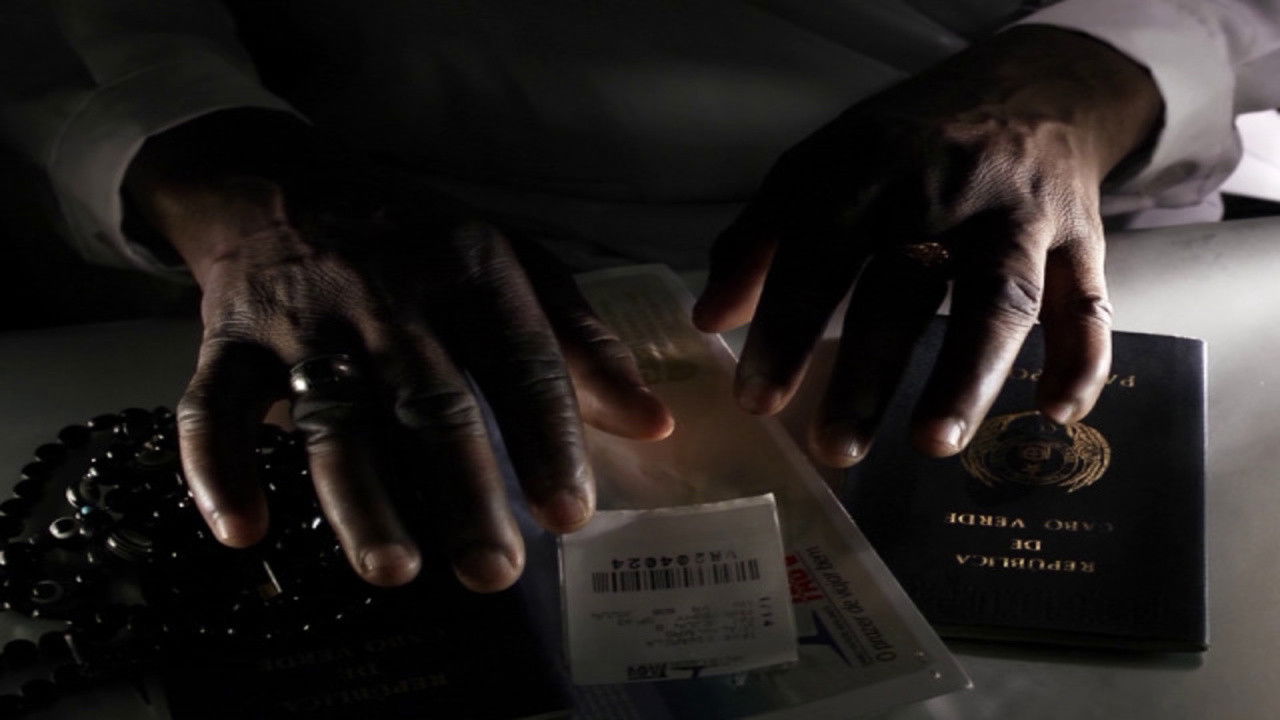
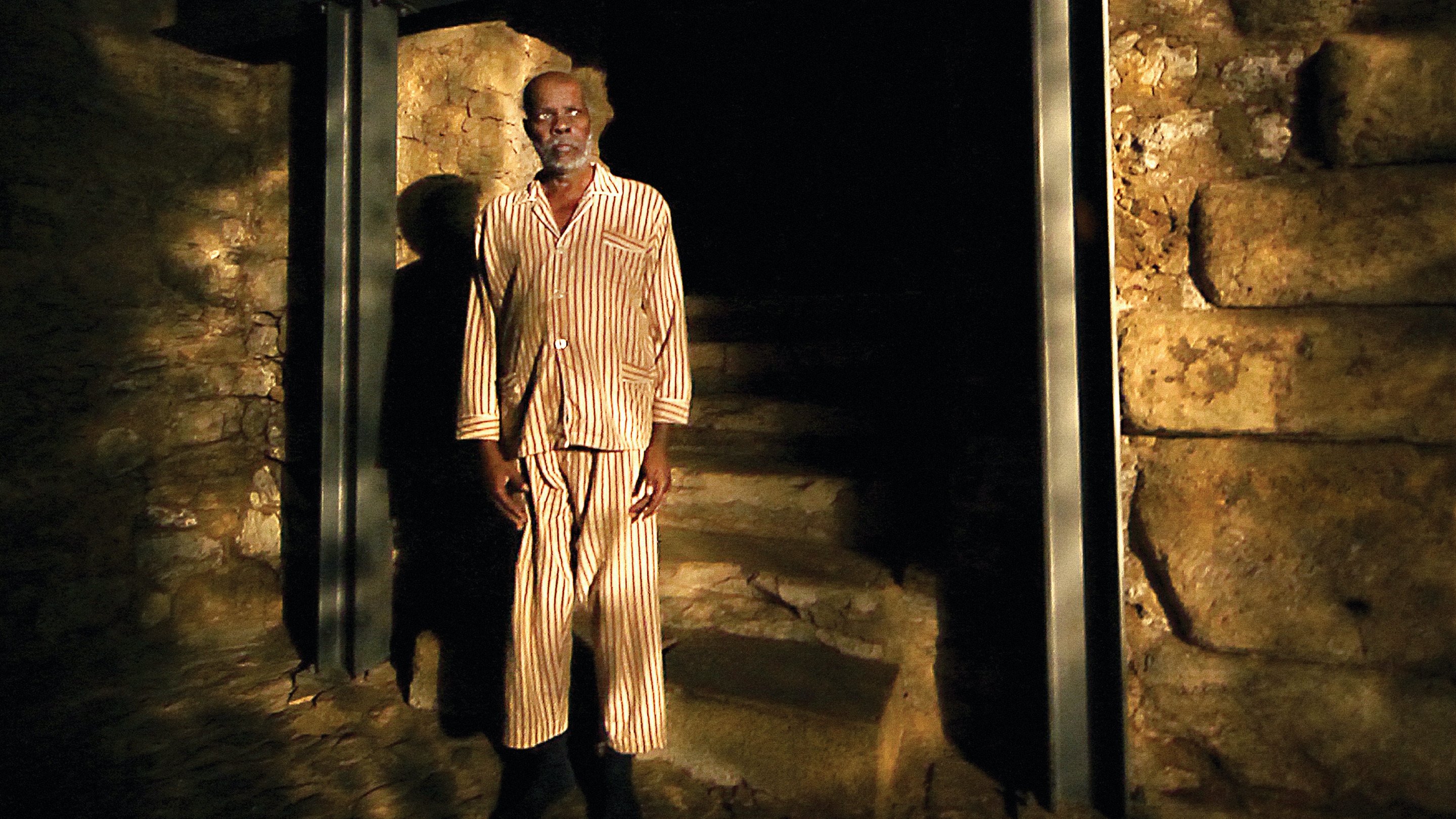
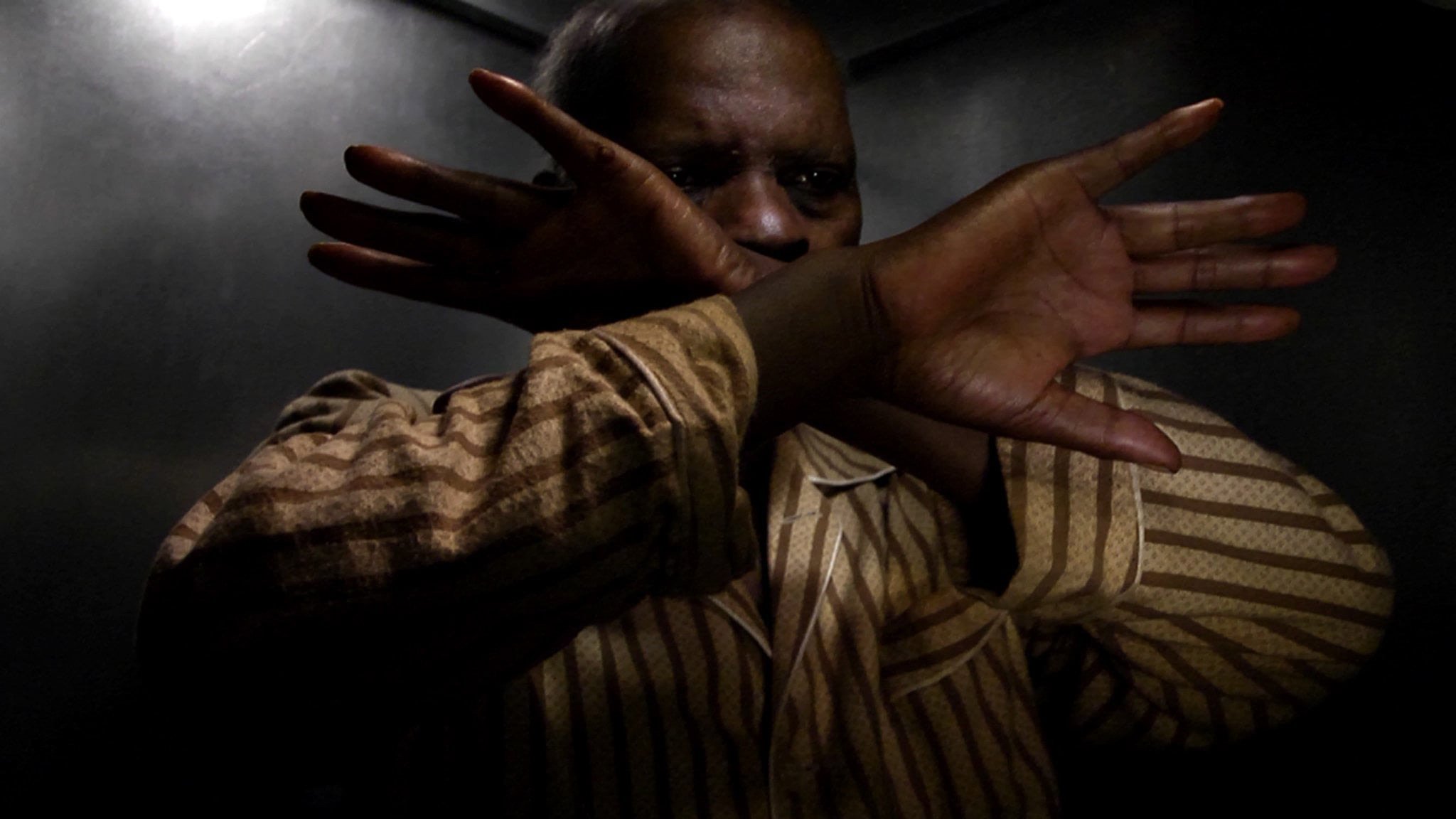
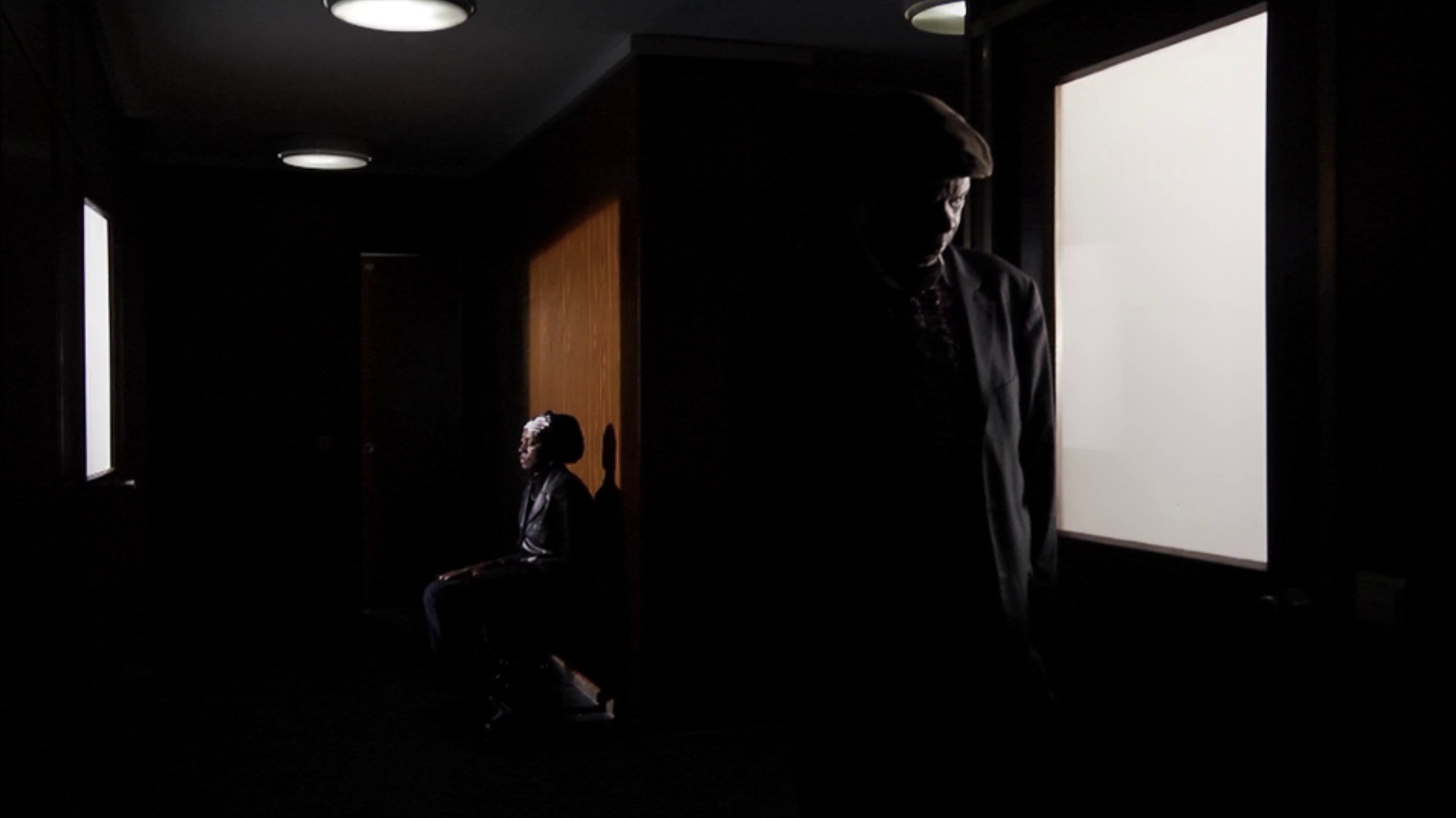
Throughout the film, Ventura states that the year is 1975 and that he is only nineteen and three months old, further distancing the audience as the spectator is even unsure as to when the film is occurring, consistently debated between Ventura and Vitalina Varela, who he comes in contact with in an underground pitch black tunnel, to be either 1975 or 2014. As Aaron Cutler with Cineaste Magazine notes, “Ventura’s life has not improved since [1975], [...] he registers as a person stuck in time,” (Cutler). Though he is inarguably playing a fictionalized version of himself, the version that Ventura is playing is entirely up to his own needs and desires, where Costa’s directorial hand only appears at the limits of shot composition, camera angles, and lighting. Costa adopts a dreamlike, phantasmagorical narrative structure to adapt to Ventura’s past and his haunted reality of being stuck in time, situated within a vacant hospital as he wanders its hallways, making various attempts to escape, though dragged back to his hospital bed by white orderlies every time. Though the film is steeped in history, the time period is consistently shrouded in mystery, along with much of the filmic space and overall sequential coherence, allowing for Costa to deal with the “difficult history” of the oppressed Cape Verdean immigrants in contemporary Portugal without playing into conventional period piece, straight-line narrative formulas. As a result, the cinematic space of Horse Money becomes completely disparate from reality and any overtly exposed truths despite the realism at play, negating any necessity of so-called provocations of Rouch’s cinema verite for the sake of a unique, personally crafted approach to direct cinema that manifests more so as a creation of a temporal purgatory-like landscape where, through the cinematic medium, Ventura confronts his past demons and mistakes in order to achieve ultimate freedom and spiritual exaltation.
Thus, Ventura and the figure of the Other via Costa’s alternative cinematic methods are enabled the outlet to seize an autonomous representative identity, shaped apart from the director’s hand and ultimately form the rigid basis of Simon O’Sullivan’s discussion of a “[...] a people yet to come” (O’Sullivan 1). In regards to Gilles Deleuze and Felix Guattari’s notion of the minor in their book A Thousand Plateaus, O’Sullivan explores their theory built around Franz Kafka, a German Jewish author that did not identify with either the Prague Jews nor the Germans. Deleuze and Guattari assert that Kafka adopted the German language to deterritorialize the major language, resulting in a “stammering or stuttering” (O’Sullivan 6) of the language that functioned to define and ultimately invent the identity of a “people who are missing” (Deleuze, Guattari 217) within a land which is largely alien to them. Coupled with the notion of cinema itself as a sort of language, one could reflect on Costa’s adoption of First World production methods during the creation of Ossos (1997), which allowed for him an immovable presence on the world stage of arthouse cinema and the festival sphere. As Costa’s filmography progressed through the Letters from Fontainhas trilogy, his filmmaking methods gradually deconstructed into purist minimalism, employing only a crew of four people including himself during the production of Horse Money. Thus, one could echo O’Sullivan’s mention that this method of inventing an audience, or defining a people/giving representative authority to the Other via Costa’s filmmaking process, “[...] is produced through a kind of manipulation of the elements of the major,” (O’Sullivan 6). Ultimately, one concludes that Costa’s disruption of systems of otherness through his time-image aesthetics and his favoring of forfeiting his hierarchical authority as a director for the sake of granting representative authority to his subjects, distinctly identifies his filmmaking process as a means of producing a responsible, mimetically-accurate cinematic representational system of depicting the Other.
In Julia Kristeva’s Strangers to Ourselves she offers a philosophical definition of “the foreigner,” or otherwise, “the Other.” Kristeva contends that the “[...] foreigner lives within us: he is the hidden space of our identity, the space that wrecks our abode, the time in which understanding and affinity founder,” going on to state that “[t]he foreigner comes in when the consciousness of my difference arises, and he disappears when we all acknowledge ourselves as foreigners, unamenable to bonds and communities,” (Kristeva 1). To Kristeva, otherness is an unavoidable facet to contemporary society in terms of politics, art, and economy, despite its common falsehoods and inaccuracies. Though Kristeva posits that if humans were all to recognize their individual, innate otherness, xenophobic systems of government, sociality, and economy, though thoroughly unlikely, could eventually be mended. In 1890, photojournalist Jacob Riis published his widely lauded photobook How the Other Half Lives. Depicting the deplorable conditions that poor New Yorkers living in tenement houses in the Lower East Side were facing at the time, Riis intended through his photography to push a social agenda of awareness of such an ignored reality to the middle and upper classes and ultimately bring about legislation to improve the lives and housing conditions of impoverished New Yorkers. Though successful in his legislative endeavour at the time, Riis’s work has been widely debated over ever since its publishing and has been shown in eminent art galleries across the globe. Denigrated by critics abroad as exploitative, Riis did not record the names of anyone he photographed, did not conduct interviews, nor is it clear whether or not the photographs are candid or staged by Riis. Layered by Riis’s partitioning of the book based on racial demographics, many argue that those who Riis photographed were damned as anonymous victims, while the privileged Riis behind the camera had the opportunity to achieve fame as a legendary photographer. As a result, the book and its photographs are more well-known in discourse as early artifacts of photography asserting itself as an art form than as a historical catalyst to important legislation. Further successors in the photography world like Weegee and Diane Arbus faced similar criticism, though still to this day, their bodies of work are considered integral pieces of art history before they are recognized for their social content.
In the realm of cinema, ethnographer Robert Flaherty was in Northern Canada crafting Nanook of the North (1922), pitting real Inuits against a contrived fictional plot. Italian Neorealist filmmakers after World War II were taking their cameras to the streets in efforts of exposing the harsh realities and truth of the hardships that lower-class workers were facing in Postwar Europe, though soon saw the same sort of criticism at the hands of fictional stories and the undeniable political leaning of Neorealist directors. In France, Jean Rouch was cultivating cinema verite in the shadow of postcolonial Senegal, contending that through provocation via the camera on real subjects, a so-called cinematic “truth” could be obtained within the documentary form. Rouch was detested in Africa, most notably by legendary African filmmaker Ousmane Sembene, who frequently outed Rouch as treating Africans like caged animals, both literally and representationally. This Postwar era of cinema was, in French film theory, being defined as the time-image. In a strong antipode to the Prewar movement-image, French philosopher Gilles Deleuze identified the shift between said images, and contended that the War posed a representational crisis to cinema. What resulted was a cinema that was shifting more towards temporality and ultimately negated the importance of the rational cuts and narrative continuity of the movement-image for the sake of sequences becoming “relinked by means of false continuity and irrational cuts,” (Deleuze XI). Cinema no longer guided audiences smoothly through the cinematic experience as the movement-image allowed, but now warranted varying degrees of intellectual legwork and participation from the audience in order to fully experience and understand a given film. French film theorist Andre Bazin identified that the cinema of the time-image was a direct result of the aesthetics of Robert Flaherty and early actuality cinema. To Bazin, “montage plays no part in [time-image] films, except where reality superabounds” (Bazin 27) highlighting how matters like waiting and pure duration were becoming the “very substance of the image, its true object” (Bazin 27). Artists abroad in the new era of the time-image were voraciously seeking a means of hyperrealist representation in their work in response to the turbulent state of the mid-20th century world.
Thus, a moral debacle surfaced in the realm of cinema and photography, where questions of whether or not realism was truly possible in cinematic representation as well as whether or not one could correctly represent via the art object, without exploitation, those which are innately different and subordinate to the filmmaker/photographer. In response to the ever growing moral flaws of documentary film, reaching an ugly head in the dawn of the talking-head style of studio interviews and heavily edited re-enactments and b-roll footage, filmmakers like Pedro Costa arose. Employing time-image aesthetics via sprawling takes which rarely show overt cuts, minimal dialogue, non-narrative structures, static shots, and an emphasis on silence/ambience over sound, within Costa’s lies genuine stories being retold by the people who experienced them. Lauded widely as a luminary of the slow cinema genre, Costa has received the aesthetic likeness of Rembrandt and the Italian Neorealists by critics, though has largely ignored and scoffed at any art object associations with his work. Though the subject matter of approaching those who were on the fringes of society in documentary film and photojournalism was growing in popularity and still persists today, art objects of the Other in 20th-century film and photography relied heavily on exoticizing minorities/subordinated groups through a formal attention to how different, or otherwise how primitive and strange they are in comparison to the commonly white, middle-to-upper class theatregoers and photography aficionados. In this essay, I will approach the moral quandary of whether or not a filmmaker can sensitively and accurately represent the Other in cinema. Relying primarily on an analysis of Pedro Costa’s work with the residents of Fontainhas and his 2014 film Horse Money, I will reach a conclusion of aesthetics, filmmaking methodology, and moral necessities that filmmakers inarguably must adopt in order to successfully provide a responsible, mimetically-accurate cinematic representation of the Other.
During the production of Costa’s first feature length film Casa de Lava (1994), which was filmed entirely on the Cape Verdean archipelago in Africa, several residents from Cape Verde gave Costa letters and gifts for him to deliver to their family members that had immigrated to Lisbon for work after the Carnation Revolution in 1974 had lead Portugal to pull its colonial rule from Africa. Led to a now demolished shanty town called Fontainhas outside of Lisbon, Costa became acquainted with its residents and chose to devote his filmography to telling their stories. For over twenty years Costa has worked with Ventura, the Cape Verdean immigrant at the face of Horse Money (2014), appearing as the lead in Colossal Youth (2006) and the supporting non-actor (though after two features and various short films with Costa, Ventura could suitably be termed an actor) alongside Vitalina Varela in Costa’s 2019 film named after her. Costa has frequently stated that his decision to work with the residents of Fontainhas resulted from his recognition of those who were displaced or left impoverished by the Carnation Revolution. Costa and Ventura were in the same place at the same time during the Revolution, while he as a white Portuguese man happily celebrated the victory of the military coup that ended Portugal’s colonialist powers and Ventura, as a black immigrant, was fearful and uncertain about his and his family’s future. Thus, through filmmaking Costa endeavors to simultaneously recognize his privilege as white artist and hold himself accountable for his innate comforts whilst extending his artistic expression to exclusively representing the trials and tribulations of the oppressed; the Other. Though one cannot deny that Costa’s aesthetic vision permeates his shot compositions, his formal attention to chiaroscuro, and his editing structures, one would contend that Costa’s cinematic platform is exclusively dictated and helmed by his subjects. Not only due to the fact that Costa’s films, unlike traditional ethnography, do not force empathy upon the viewer nor rely on systems of otherness and exoticization, Costa enacts a direct collaboration with individuals like Ventura through the production of his films, often veering the general filmmaking process in a random direction, with scenes determined based on an interview process that Costa conducts during filming.
Entering his films without a script or a narrative (meaning he seldom ever gets funding), which he chose to abandon completely after his 1997 film Ossos that had a production company backing, a script that he had to adhere to, and a large professional film crew left him feeling highly exploitative, Costa shapes his films as he edits them, oftentimes filming in a completely disjointed manner based on stories told by his subjects during his interview process. Ultimately, Costa functions within the realm of ethnographic documentary, though subverts every element of the genre for the sake of his own uniquely visceral cinematic language. In an interview with Aaron Cutler at Cineaste Magazine on Horse Money, Costa stated that to create the film with Ventura, the two of them “[...] tried to map out the past with questions as though we were making a chart on a table: Where were you at 5 o’clock on the 25th? Where was I? Where were you when the soldiers arrived downtown? When it became sour on March 11th, did you hide? Did you forget about your wife? Was I writing a letter to my first girlfriend? Were you building a school or a bank?” (Cutler, Costa). To answer these questions, Costa and his crew begin filming, ultimately in an anatomical sort of effort “to open up a body and try to understand the disease, the cause of death,” (Cutler, Costa) with the ultimate goal of Ventura forgetting about the ills of the past and to conquer his lingering demons. As a result, one cannot deny that Costa himself is also confronting his past, perhaps motivated by guilt for the pleasures and the opportunity that he had during the 1970s while Ventura’s life spiraled out of control. Employing various aesthetic distancing devices, primarily through a non-narrative structure, Costa intentionally keeps his art world audience at arm’s length so as to create a cinematic space that those of the First World cannot phenomenologically enter and encounter comforts within, as he completely excludes any representative semblance of capitalist society. In an interview between Costa and film theorist Laura Mulvey, she offers her own analysis of Horse Money’s non-narrative prowess. She claims that to her, the film presents the difficulty of committing histories to the filmic form. She argues that “easy histories” are histories that fall into simple chronological patterns, while “difficult histories” are repressed histories that often come from minorities and the oppressed. Mulvey contends that “difficult histories” result in a necessarily different manner of representation, as they often cannot be told in a simple straight-line narrative progression. To mirror the life and struggles of Ventura in the cinematic form, Costa as a “director” innately has no authority. Horse Money ultimately has no semblance of Costa as a “director” in it apart from his position behind the camera, manifesting more so as a silent collaborator/provider of the medium while Ventura becomes the true director of the film. Thus, one might argue that Costa, as well as those of the First World become the Other in his cinematic universe, while the conventionally viewed “Other” becomes the relentless agent of their own cinematic domain. Such a dispension of hierarchical authority is integral in Costa’s responsible mimetic methodology.
Beginning Horse Money is a montage of photographs from Jacob Riis’s How the Other Half Lives, a historical attempt at depicting a “difficult history.” Arguably due to the frequent criticism that Riis’s work has faced as it has become a pure art object in the contemporary age, Costa situates Riis’s photographs within the film’s diegesis to soberly remind his audience of the victimhood that Riis ignored in his subjects. One could contend that, though completely silent, the montage functions to denigrate Riis as ego-driven and self-interested, ready and willing to accept his success as a photographer and comfortable leaving behind the subjects that the book conveyed. Though Riis’s book brought about modifications to tenement housing conditions on the Lower East Side of New York, there is no historical mention that Riis continued in this agenda after the book was published to ensure that the legislation was effective and permanent. After the silent montage, the camera lingers on a Théodore Géricault painting of a black aristocrat to further Costa’s own agenda of criticizing the contemporary status of the aestheticization of the Other via the art object, which like Riis’s work, initially may have social significance, but ultimately fails in that very sense at the positioning of said work within a highbrow museum setting. Soon, Ventura enters the frame and wanders about for the remainder of the film, interacting with figures from his past that the audience is unaware as to whether or not are alive or dead.
Throughout the film, Ventura states that the year is 1975 and that he is only nineteen and three months old, further distancing the audience as the spectator is even unsure as to when the film is occurring, consistently debated between Ventura and Vitalina Varela, who he comes in contact with in an underground pitch black tunnel, to be either 1975 or 2014. As Aaron Cutler with Cineaste Magazine notes, “Ventura’s life has not improved since [1975], [...] he registers as a person stuck in time,” (Cutler). Though he is inarguably playing a fictionalized version of himself, the version that Ventura is playing is entirely up to his own needs and desires, where Costa’s directorial hand only appears at the limits of shot composition, camera angles, and lighting. Costa adopts a dreamlike, phantasmagorical narrative structure to adapt to Ventura’s past and his haunted reality of being stuck in time, situated within a vacant hospital as he wanders its hallways, making various attempts to escape, though dragged back to his hospital bed by white orderlies every time. Though the film is steeped in history, the time period is consistently shrouded in mystery, along with much of the filmic space and overall sequential coherence, allowing for Costa to deal with the “difficult history” of the oppressed Cape Verdean immigrants in contemporary Portugal without playing into conventional period piece, straight-line narrative formulas. As a result, the cinematic space of Horse Money becomes completely disparate from reality and any overtly exposed truths despite the realism at play, negating any necessity of so-called provocations of Rouch’s cinema verite for the sake of a unique, personally crafted approach to direct cinema that manifests more so as a creation of a temporal purgatory-like landscape where, through the cinematic medium, Ventura confronts his past demons and mistakes in order to achieve ultimate freedom and spiritual exaltation.
Thus, Ventura and the figure of the Other via Costa’s alternative cinematic methods are enabled the outlet to seize an autonomous representative identity, shaped apart from the director’s hand and ultimately form the rigid basis of Simon O’Sullivan’s discussion of a “[...] a people yet to come” (O’Sullivan 1). In regards to Gilles Deleuze and Felix Guattari’s notion of the minor in their book A Thousand Plateaus, O’Sullivan explores their theory built around Franz Kafka, a German Jewish author that did not identify with either the Prague Jews nor the Germans. Deleuze and Guattari assert that Kafka adopted the German language to deterritorialize the major language, resulting in a “stammering or stuttering” (O’Sullivan 6) of the language that functioned to define and ultimately invent the identity of a “people who are missing” (Deleuze, Guattari 217) within a land which is largely alien to them. Coupled with the notion of cinema itself as a sort of language, one could reflect on Costa’s adoption of First World production methods during the creation of Ossos (1997), which allowed for him an immovable presence on the world stage of arthouse cinema and the festival sphere. As Costa’s filmography progressed through the Letters from Fontainhas trilogy, his filmmaking methods gradually deconstructed into purist minimalism, employing only a crew of four people including himself during the production of Horse Money. Thus, one could echo O’Sullivan’s mention that this method of inventing an audience, or defining a people/giving representative authority to the Other via Costa’s filmmaking process, “[...] is produced through a kind of manipulation of the elements of the major,” (O’Sullivan 6). Ultimately, one concludes that Costa’s disruption of systems of otherness through his time-image aesthetics and his favoring of forfeiting his hierarchical authority as a director for the sake of granting representative authority to his subjects, distinctly identifies his filmmaking process as a means of producing a responsible, mimetically-accurate cinematic representational system of depicting the Other.