"bakla!" (gay!)
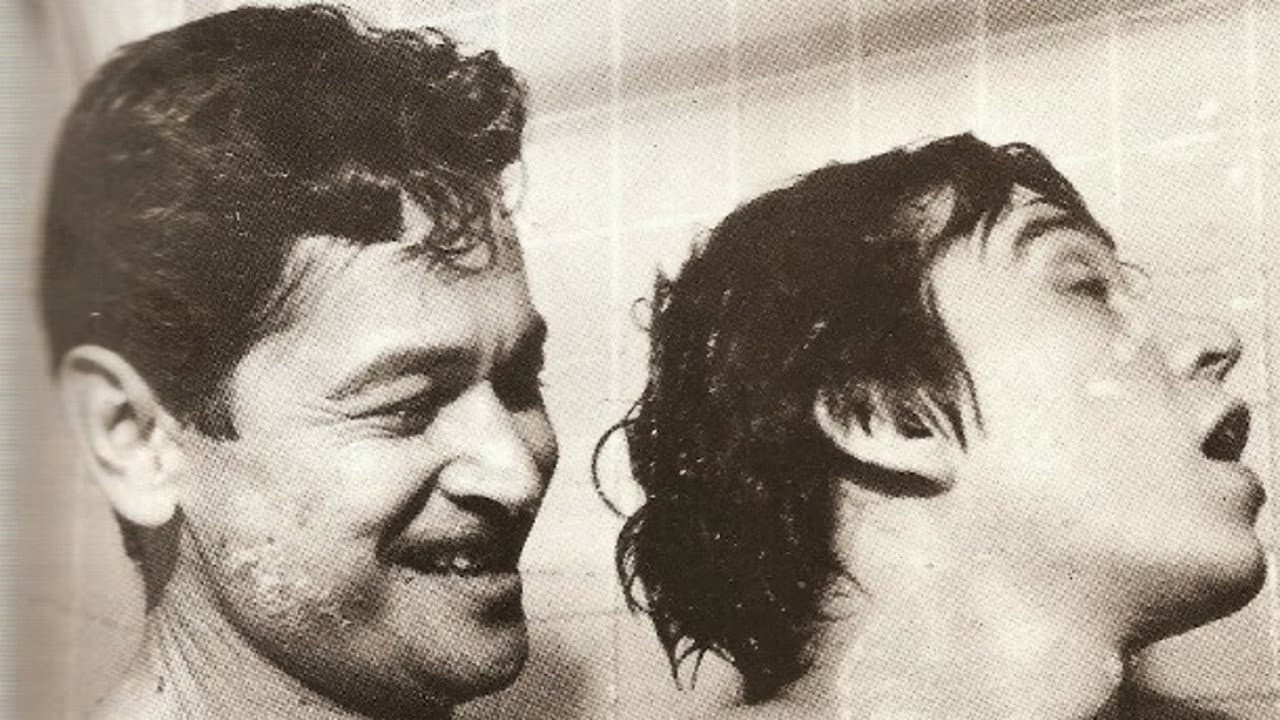
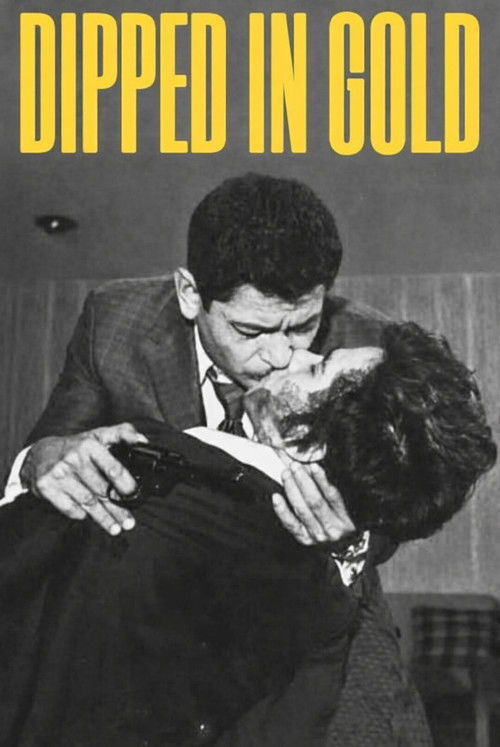
one word enough to crush you at the hellish pits of shame, so much shame from the fact that only someone's dick could be the downhill hitting rock bottom all because you wanted to scratch your sexual inhibitions. another thing is the representation of homophobia in a filipino setting, it's a sinister—horror even to witness "shameful" acts that broke genuine connections just goes to show how much of a conservative filipinos were… and still are, sadly.
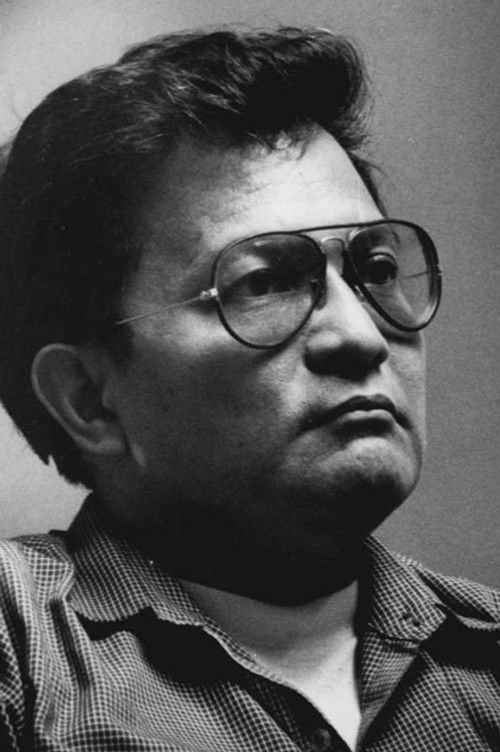
gregg araki is a good example of a film director with significant participation in the new queer wave cinema movement and he represents the dynamics of american queerness among gay men—unhinged men to be exact. conservativeness as the very context of lino brocka's film plays its sociocultural role where being gay is a big no no… or should i say a big, horrible taboo.
i think comparing these two film directors really does yield multifaceted interpretations of how queer folks interact in that homophobic generation—and one unfortunate thing for sure is they are heavily conditioned to infamous activities like hookups that would only exacerbate an ammunition of misrepresentation formed into hiv and aids as the discriminatory testament—it's as if our loudest clamor has become so muffled that not a single sound can be heard.
i can definitely say that brocka portrayed being a queer man in a conservative society.
"bakla!" (gay!)
one word enough to crush you at the hellish pits of shame, so much shame from the fact that only someone's dick could be the downhill hitting rock bottom all because you wanted to scratch your sexual inhibitions. another thing is the representation of homophobia in a filipino setting, it's a sinister—horror even to witness "shameful" acts that broke genuine connections just goes to show how much of a conservative filipinos were… and still are, sadly.
gregg araki is a good example of a film director with significant participation in the new queer wave cinema movement and he represents the dynamics of american queerness among gay men—unhinged men to be exact. conservativeness as the very context of lino brocka's film plays its sociocultural role where being gay is a big no no… or should i say a big, horrible taboo.
i think comparing these two film directors really does yield multifaceted interpretations of how queer folks interact in that homophobic generation—and one unfortunate thing for sure is they are heavily conditioned to infamous activities like hookups that would only exacerbate an ammunition of misrepresentation formed into hiv and aids as the discriminatory testament—it's as if our loudest clamor has become so muffled that not a single sound can be heard.
i can definitely say that brocka portrayed being a queer man in a conservative society.