
The Iron Ministry
2014·Documentary·1h 22m
7.1
★
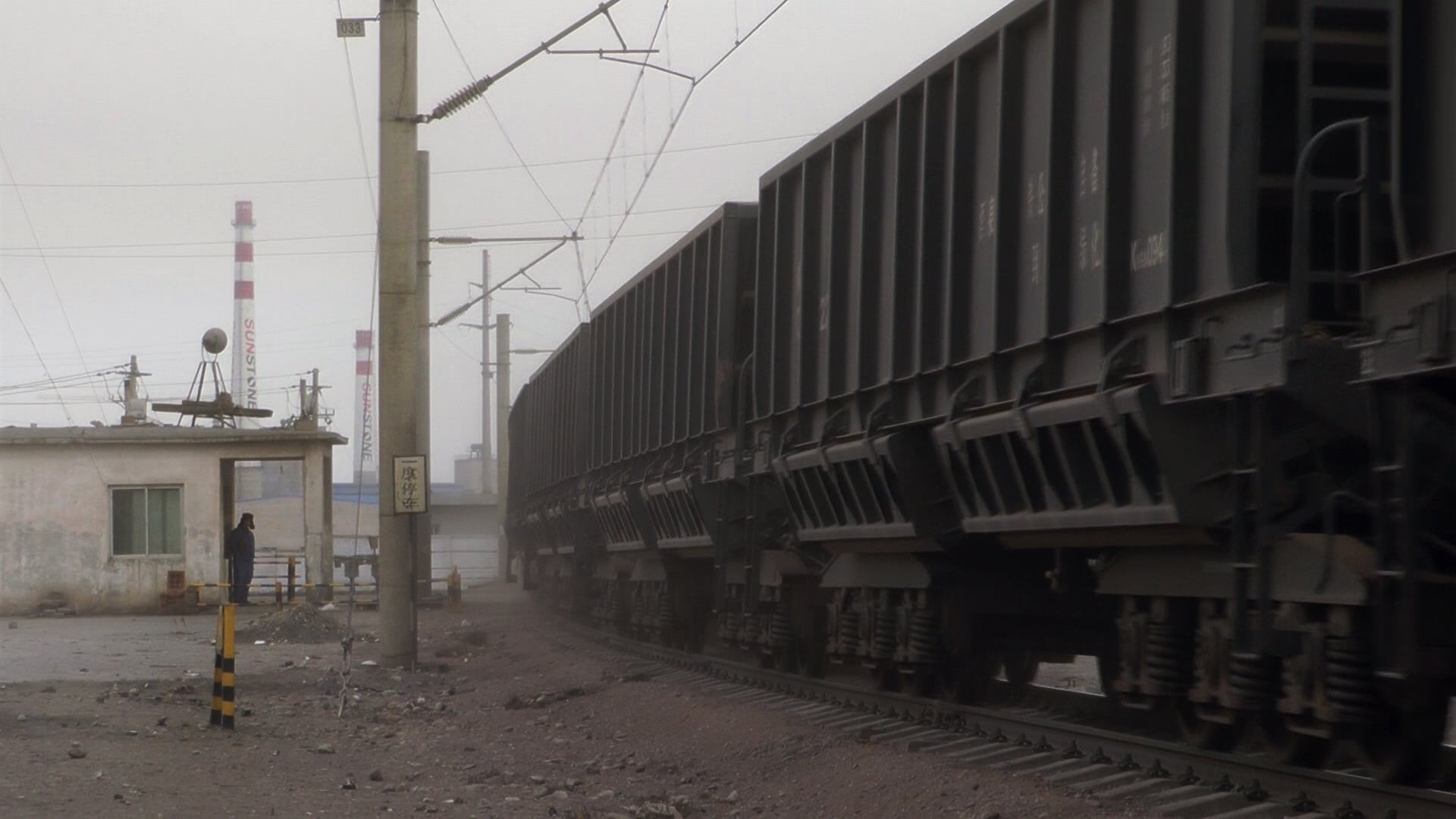
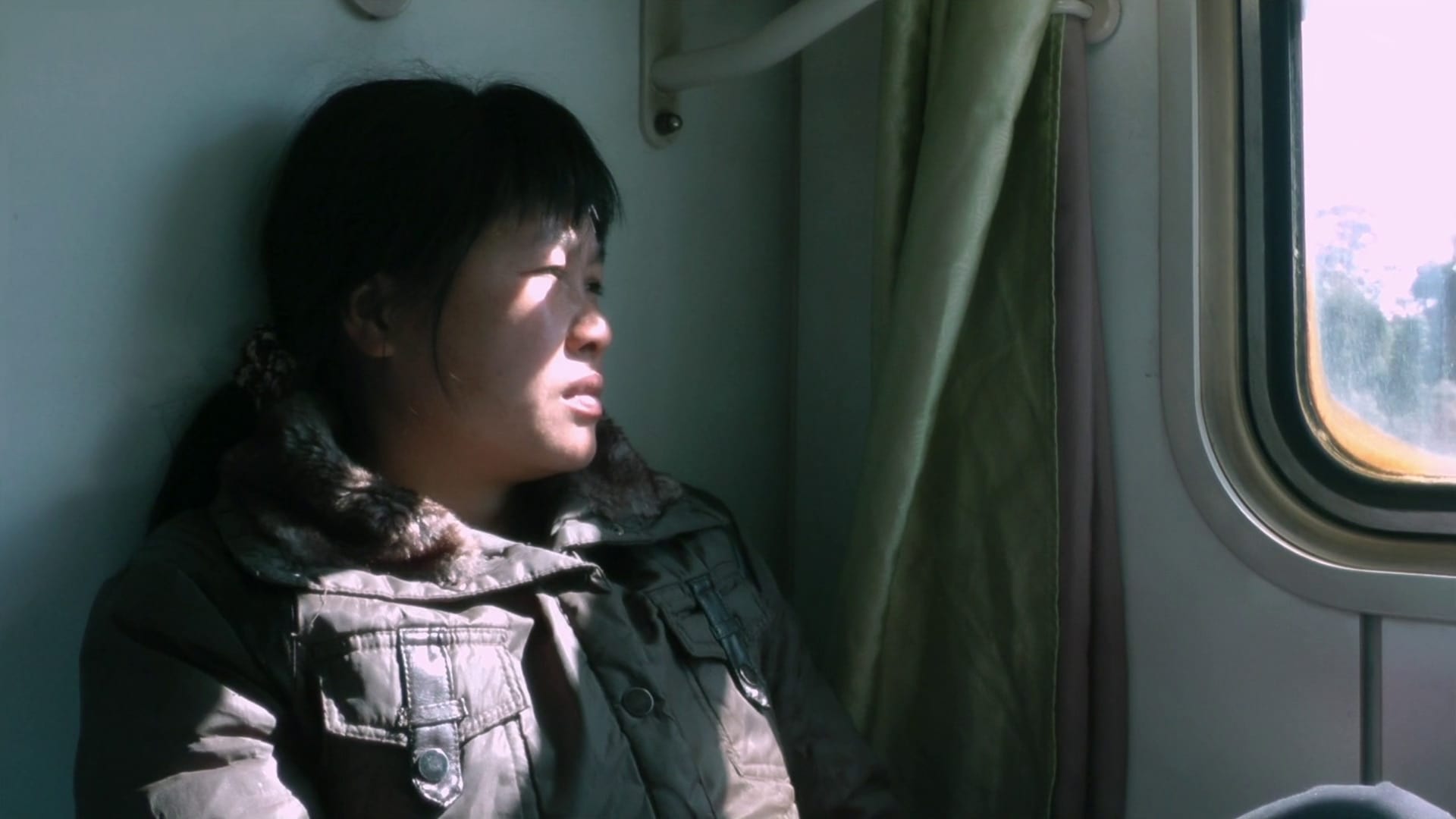
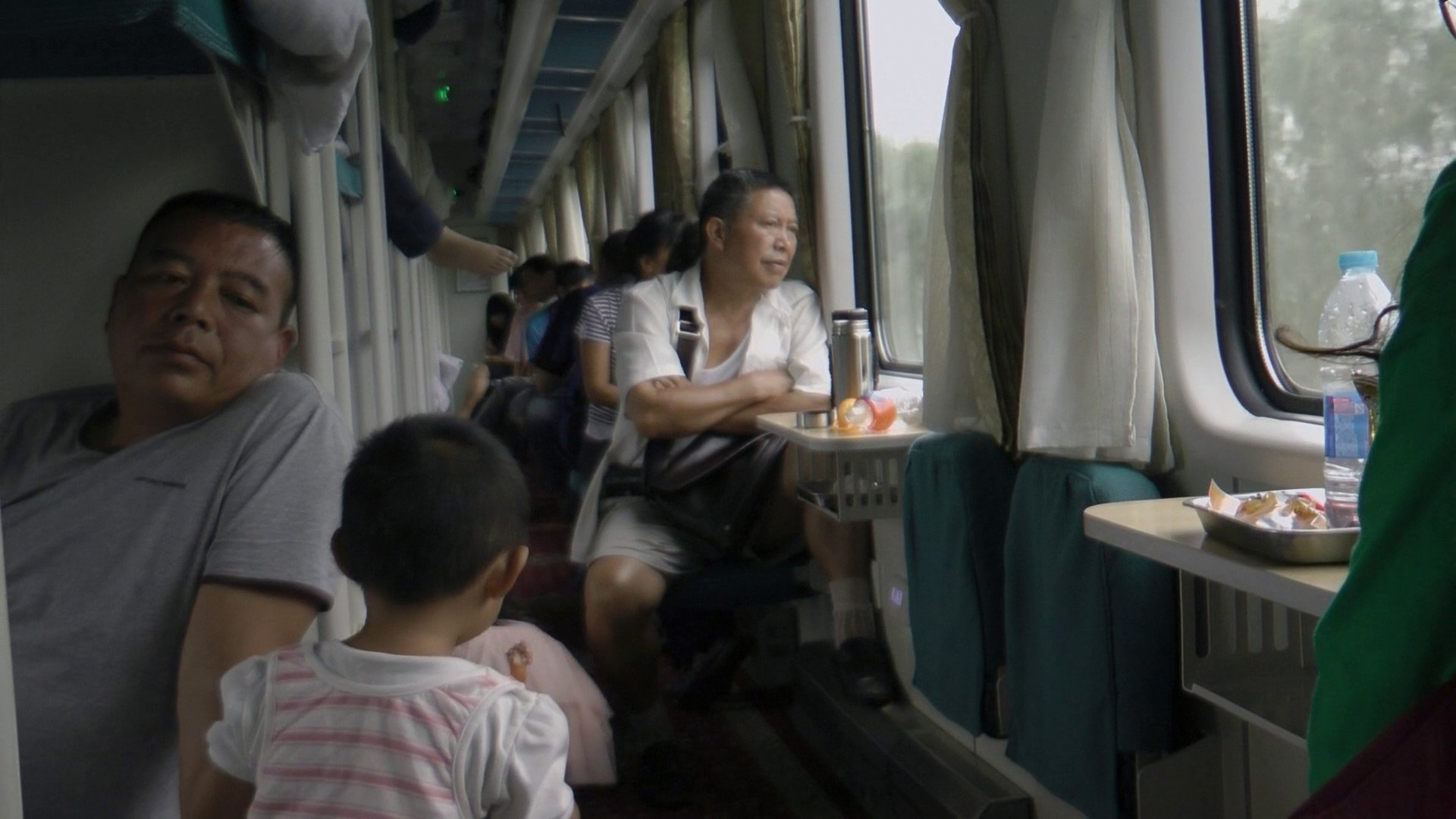
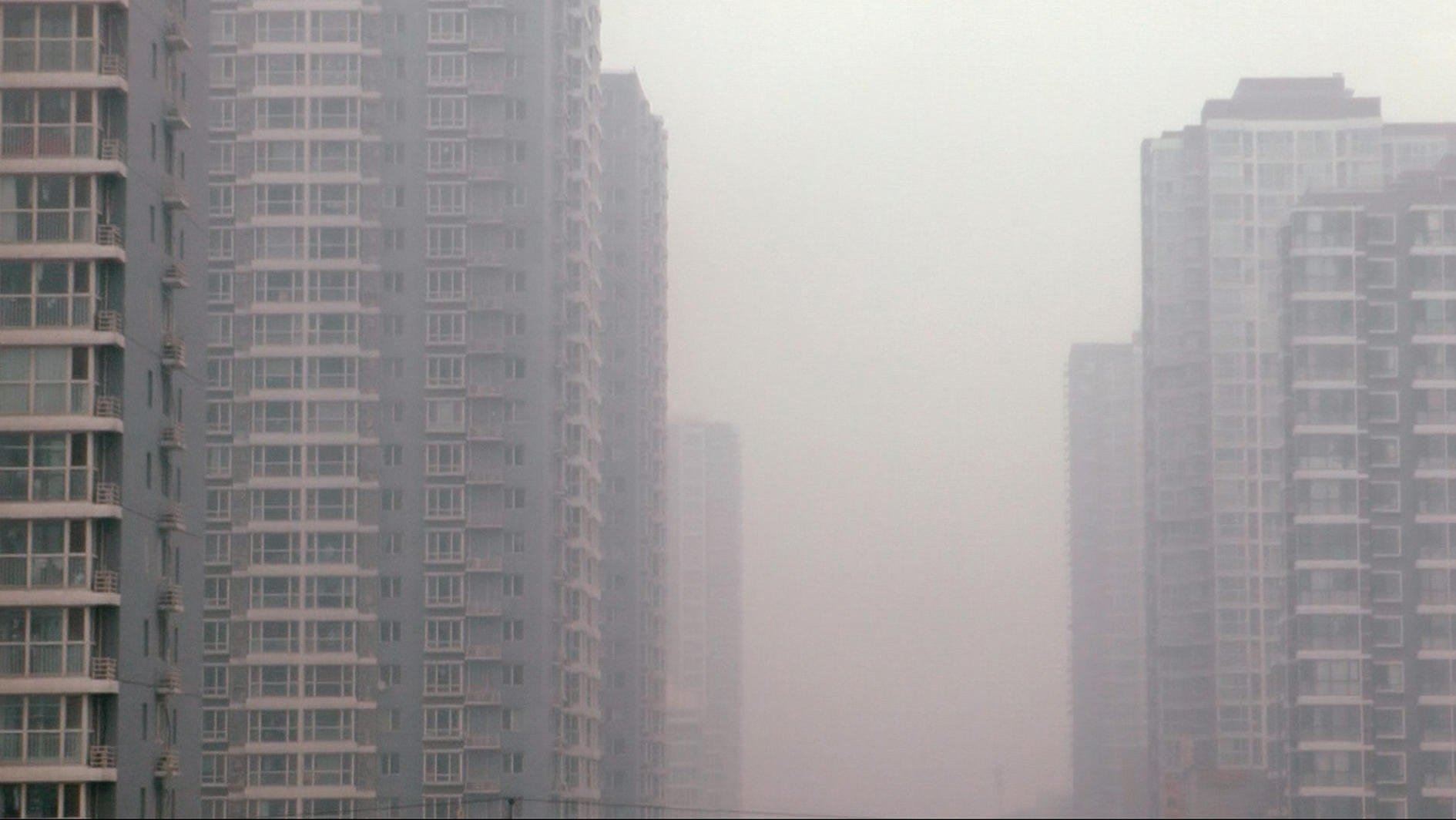
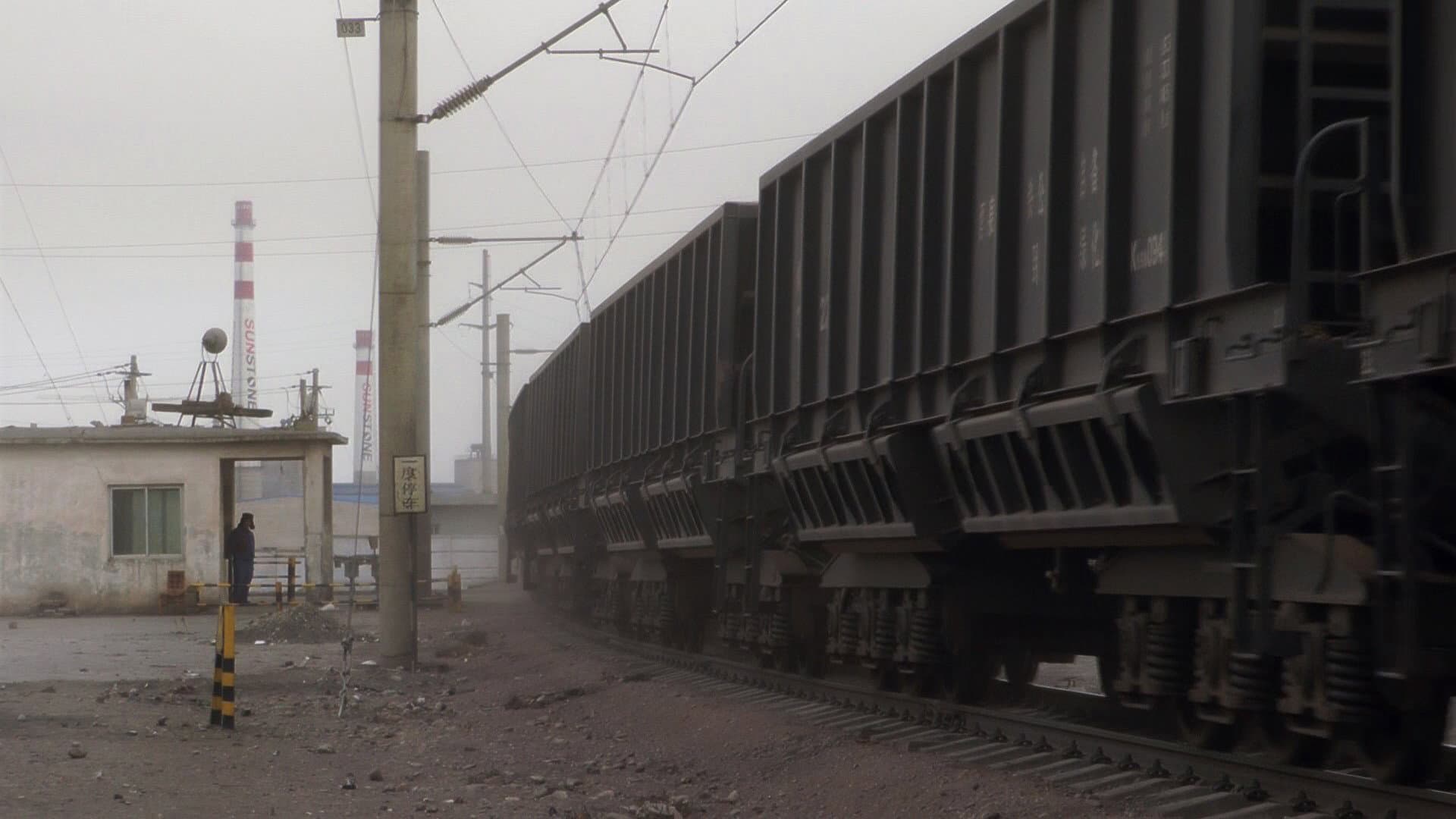
Filmed over three years on China’s railways, The Iron Ministry traces the vast interiors of a country on the move: flesh and metal, clangs and squeals, light and dark, and language and gesture. Scores of rail journeys come together into one, capturing the thrills and anxieties of social and technological transformation. The Iron Ministry immerses audiences in fleeting relationships and uneasy encounters between humans and machines on what will soon be the world’s largest railway network.
Directed by J.P. Sniadecki
ministry

Trailer

IMDB
N/A
Where to Watch

Crew

J.P. Sniadecki
Director
Popular Reviews
3 reviews
Pword
10.0★ · 05/24/25

[DOCUMENTAL]
The Iron Ministry (J. P. Sniadecki, 2014)
• Apartado visual: 10/10
• Composición: 10/10
• Comentario: -/10
• Personal: 10/10
• Ritmo: 10/10
• Originalidad: 10/10
• Banda sonora: 9/10
• Entrevistas/Testimonios: 10/10
[ ] Total: 9.9/10
The Iron Ministry (J. P. Sniadecki, 2014)
• Apartado visual: 10/10
• Composición: 10/10
• Comentario: -/10
• Personal: 10/10
• Ritmo: 10/10
• Originalidad: 10/10
• Banda sonora: 9/10
• Entrevistas/Testimonios: 10/10
[ ] Total: 9.9/10
[DOCUMENTAL]
The Iron Ministry (J. P. Sniadecki, 2014)
• Apartado visual: 10/10
• Composición: 10/10
• Comentario: -/10
• Personal: 10/10
• Ritmo: 10/10
• Originalidad: 10/10
• Banda sonora: 9/10
• Entrevistas/Testimonios: 10/10
[ ] Total: 9.9/10
The Iron Ministry (J. P. Sniadecki, 2014)
• Apartado visual: 10/10
• Composición: 10/10
• Comentario: -/10
• Personal: 10/10
• Ritmo: 10/10
• Originalidad: 10/10
• Banda sonora: 9/10
• Entrevistas/Testimonios: 10/10
[ ] Total: 9.9/10


Ecknos
8.0★ · 04/10/25
one of the first things someone will tell you about this film is likely that it is about trains in china. naturally i inferred this idea going into the film as well but it really is a bit more than just trains. the people that say the film is about trains arent exactly wrong, but the trains themselves hold something deeper. the filmmaking and style share something more about the culture and the social interactions that occur in these atmospheres. theres a bit of a blur between parts where we view the trains through a camera lens, and other parts where we sort of "become" director sniadecki and start to converse with/listen in on/spy on these different interactions. to fully grasp the films significance, we also should consider the broader context of china in the world stage.
china has always been a prominent force in the world. for the longest time before indias recent overtaking, they boasted the largest population in the world. they also still today have one of the strongest economies and military forces. in america you could say it has garnered sort of a reputation as a communist country or one with a very corrupted political system and an evil leader that goes by the name of mao zedong. its a bit of an exaggeration but the truth is that china has excluded america from being aware of a lot of what is even happening there, and many people still maintain this outlook on the country. im really not an expert on this subject of china us relations but i can say that most of it is not true. as tensions arise and social media presence increases, america has begun to turn less of a blind eye towards china, noticing that they truly have become a real powerhouse in terms of modernity and development. life actually seems really damn good there to an american and looks super "cyberpunk" or "futuristic" and etc.
so the question here is why has sniadecki chosen to film the cheapest, oldest, and most broken down trains in the country to film? granted this was filmed over 10 years ago and china has seen insane amounts of acceleration in development, but theres still something very meaningful about sniadecki deciding to go to poorer train lines to seek footage and information. from the getgo we are thrust into narrow aisles and generallly dirtier environments that are noisy and unsettling, with a really natural sense of videography that makes the viewer really feel that they are there in that environment. these are trains that may feel unnatural to the viewer but feel normal to the passengers. sniadecki is able to capture the ways people demonstrate their comfort with the trains be it chatting with strangers or napping on the floor on bags. its supposed to be an intense contrast with the inevitable ends of the film of more modern trains that are less claustrophobic and more "civilized" by most conventions but the true gems we get in these environments are the dialogue.
here and there sniadecki is able to capture a glimpse of a conversation that a group may be having. whether he is a participant in the conversation is negligible but i still find it admirable that he is maintaining a presence in them. we get quite a few memorable moments of happiness and hope and conflict and tension and it all comes through in the dialogue. we find a man justifying his religion, discussions of work and rising prices, and even sarcastic jokes about how the mother in law is the real reason behind rising real estate prices. its all interesting to think about in a bubble, but in combination with the visuals it tells a very real story about uncertainty about the country and modernity and development. theres an argument to be had that the dialogue in the movie gives the message too straight, but i think its a well done complement that boosts the visual imagery throughout to a message with significantly heightened impact.
10 years later china has truly executed on much of the development they sought after, and theres no sign of them slowing down. films like these really give us a chance to ask ourselves if what we need really is more development. should we keep reaching for greatness, or should we really slow down and make sure no one gets left behind? were left at the end with very short snippets of the modern trains. seating is in great abundance and social activity of any sort is nowhere to be found. instead we are left with just the sounds of the train, the sounds that the film began with. this final moment invites the viewer to speculate on whether the march of progress can overshadow genuine human connection, or if there is a way to preserve both along the way. The Iron Ministry highlights not just the resilience of people adapting to cramped, older trains, but also the uncertainty of how they will fit into anever-modernizing future - like passengers on a train, eager to move forward but unsure of how to reach the destination.
china has always been a prominent force in the world. for the longest time before indias recent overtaking, they boasted the largest population in the world. they also still today have one of the strongest economies and military forces. in america you could say it has garnered sort of a reputation as a communist country or one with a very corrupted political system and an evil leader that goes by the name of mao zedong. its a bit of an exaggeration but the truth is that china has excluded america from being aware of a lot of what is even happening there, and many people still maintain this outlook on the country. im really not an expert on this subject of china us relations but i can say that most of it is not true. as tensions arise and social media presence increases, america has begun to turn less of a blind eye towards china, noticing that they truly have become a real powerhouse in terms of modernity and development. life actually seems really damn good there to an american and looks super "cyberpunk" or "futuristic" and etc.
so the question here is why has sniadecki chosen to film the cheapest, oldest, and most broken down trains in the country to film? granted this was filmed over 10 years ago and china has seen insane amounts of acceleration in development, but theres still something very meaningful about sniadecki deciding to go to poorer train lines to seek footage and information. from the getgo we are thrust into narrow aisles and generallly dirtier environments that are noisy and unsettling, with a really natural sense of videography that makes the viewer really feel that they are there in that environment. these are trains that may feel unnatural to the viewer but feel normal to the passengers. sniadecki is able to capture the ways people demonstrate their comfort with the trains be it chatting with strangers or napping on the floor on bags. its supposed to be an intense contrast with the inevitable ends of the film of more modern trains that are less claustrophobic and more "civilized" by most conventions but the true gems we get in these environments are the dialogue.
here and there sniadecki is able to capture a glimpse of a conversation that a group may be having. whether he is a participant in the conversation is negligible but i still find it admirable that he is maintaining a presence in them. we get quite a few memorable moments of happiness and hope and conflict and tension and it all comes through in the dialogue. we find a man justifying his religion, discussions of work and rising prices, and even sarcastic jokes about how the mother in law is the real reason behind rising real estate prices. its all interesting to think about in a bubble, but in combination with the visuals it tells a very real story about uncertainty about the country and modernity and development. theres an argument to be had that the dialogue in the movie gives the message too straight, but i think its a well done complement that boosts the visual imagery throughout to a message with significantly heightened impact.
10 years later china has truly executed on much of the development they sought after, and theres no sign of them slowing down. films like these really give us a chance to ask ourselves if what we need really is more development. should we keep reaching for greatness, or should we really slow down and make sure no one gets left behind? were left at the end with very short snippets of the modern trains. seating is in great abundance and social activity of any sort is nowhere to be found. instead we are left with just the sounds of the train, the sounds that the film began with. this final moment invites the viewer to speculate on whether the march of progress can overshadow genuine human connection, or if there is a way to preserve both along the way. The Iron Ministry highlights not just the resilience of people adapting to cramped, older trains, but also the uncertainty of how they will fit into anever-modernizing future - like passengers on a train, eager to move forward but unsure of how to reach the destination.
one of the first things someone will tell you about this film is likely that it is about trains in china. naturally i inferred this idea going into the film as well but it really is a bit more than just trains. the people that say the film is about trains arent exactly wrong, but the trains themselves hold something deeper. the filmmaking and style share something more about the culture and the social interactions that occur in these atmospheres. theres a bit of a blur between parts where we view the trains through a camera lens, and other parts where we sort of "become" director sniadecki and start to converse with/listen in on/spy on these different interactions. to fully grasp the films significance, we also should consider the broader context of china in the world stage.
china has always been a prominent force in the world. for the longest time before indias recent overtaking, they boasted the largest population in the world. they also still today have one of the strongest economies and military forces. in america you could say it has garnered sort of a reputation as a communist country or one with a very corrupted political system and an evil leader that goes by the name of mao zedong. its a bit of an exaggeration but the truth is that china has excluded america from being aware of a lot of what is even happening there, and many people still maintain this outlook on the country. im really not an expert on this subject of china us relations but i can say that most of it is not true. as tensions arise and social media presence increases, america has begun to turn less of a blind eye towards china, noticing that they truly have become a real powerhouse in terms of modernity and development. life actually seems really damn good there to an american and looks super "cyberpunk" or "futuristic" and etc.
so the question here is why has sniadecki chosen to film the cheapest, oldest, and most broken down trains in the country to film? granted this was filmed over 10 years ago and china has seen insane amounts of acceleration in development, but theres still something very meaningful about sniadecki deciding to go to poorer train lines to seek footage and information. from the getgo we are thrust into narrow aisles and generallly dirtier environments that are noisy and unsettling, with a really natural sense of videography that makes the viewer really feel that they are there in that environment. these are trains that may feel unnatural to the viewer but feel normal to the passengers. sniadecki is able to capture the ways people demonstrate their comfort with the trains be it chatting with strangers or napping on the floor on bags. its supposed to be an intense contrast with the inevitable ends of the film of more modern trains that are less claustrophobic and more "civilized" by most conventions but the true gems we get in these environments are the dialogue.
here and there sniadecki is able to capture a glimpse of a conversation that a group may be having. whether he is a participant in the conversation is negligible but i still find it admirable that he is maintaining a presence in them. we get quite a few memorable moments of happiness and hope and conflict and tension and it all comes through in the dialogue. we find a man justifying his religion, discussions of work and rising prices, and even sarcastic jokes about how the mother in law is the real reason behind rising real estate prices. its all interesting to think about in a bubble, but in combination with the visuals it tells a very real story about uncertainty about the country and modernity and development. theres an argument to be had that the dialogue in the movie gives the message too straight, but i think its a well done complement that boosts the visual imagery throughout to a message with significantly heightened impact.
10 years later china has truly executed on much of the development they sought after, and theres no sign of them slowing down. films like these really give us a chance to ask ourselves if what we need really is more development. should we keep reaching for greatness, or should we really slow down and make sure no one gets left behind? were left at the end with very short snippets of the modern trains. seating is in great abundance and social activity of any sort is nowhere to be found. instead we are left with just the sounds of the train, the sounds that the film began with. this final moment invites the viewer to speculate on whether the march of progress can overshadow genuine human connection, or if there is a way to preserve both along the way. The Iron Ministry highlights not just the resilience of people adapting to cramped, older trains, but also the uncertainty of how they will fit into anever-modernizing future - like passengers on a train, eager to move forward but unsure of how to reach the destination.
china has always been a prominent force in the world. for the longest time before indias recent overtaking, they boasted the largest population in the world. they also still today have one of the strongest economies and military forces. in america you could say it has garnered sort of a reputation as a communist country or one with a very corrupted political system and an evil leader that goes by the name of mao zedong. its a bit of an exaggeration but the truth is that china has excluded america from being aware of a lot of what is even happening there, and many people still maintain this outlook on the country. im really not an expert on this subject of china us relations but i can say that most of it is not true. as tensions arise and social media presence increases, america has begun to turn less of a blind eye towards china, noticing that they truly have become a real powerhouse in terms of modernity and development. life actually seems really damn good there to an american and looks super "cyberpunk" or "futuristic" and etc.
so the question here is why has sniadecki chosen to film the cheapest, oldest, and most broken down trains in the country to film? granted this was filmed over 10 years ago and china has seen insane amounts of acceleration in development, but theres still something very meaningful about sniadecki deciding to go to poorer train lines to seek footage and information. from the getgo we are thrust into narrow aisles and generallly dirtier environments that are noisy and unsettling, with a really natural sense of videography that makes the viewer really feel that they are there in that environment. these are trains that may feel unnatural to the viewer but feel normal to the passengers. sniadecki is able to capture the ways people demonstrate their comfort with the trains be it chatting with strangers or napping on the floor on bags. its supposed to be an intense contrast with the inevitable ends of the film of more modern trains that are less claustrophobic and more "civilized" by most conventions but the true gems we get in these environments are the dialogue.
here and there sniadecki is able to capture a glimpse of a conversation that a group may be having. whether he is a participant in the conversation is negligible but i still find it admirable that he is maintaining a presence in them. we get quite a few memorable moments of happiness and hope and conflict and tension and it all comes through in the dialogue. we find a man justifying his religion, discussions of work and rising prices, and even sarcastic jokes about how the mother in law is the real reason behind rising real estate prices. its all interesting to think about in a bubble, but in combination with the visuals it tells a very real story about uncertainty about the country and modernity and development. theres an argument to be had that the dialogue in the movie gives the message too straight, but i think its a well done complement that boosts the visual imagery throughout to a message with significantly heightened impact.
10 years later china has truly executed on much of the development they sought after, and theres no sign of them slowing down. films like these really give us a chance to ask ourselves if what we need really is more development. should we keep reaching for greatness, or should we really slow down and make sure no one gets left behind? were left at the end with very short snippets of the modern trains. seating is in great abundance and social activity of any sort is nowhere to be found. instead we are left with just the sounds of the train, the sounds that the film began with. this final moment invites the viewer to speculate on whether the march of progress can overshadow genuine human connection, or if there is a way to preserve both along the way. The Iron Ministry highlights not just the resilience of people adapting to cramped, older trains, but also the uncertainty of how they will fit into anever-modernizing future - like passengers on a train, eager to move forward but unsure of how to reach the destination.
Jonafan
8.4★ · 09/25/22