
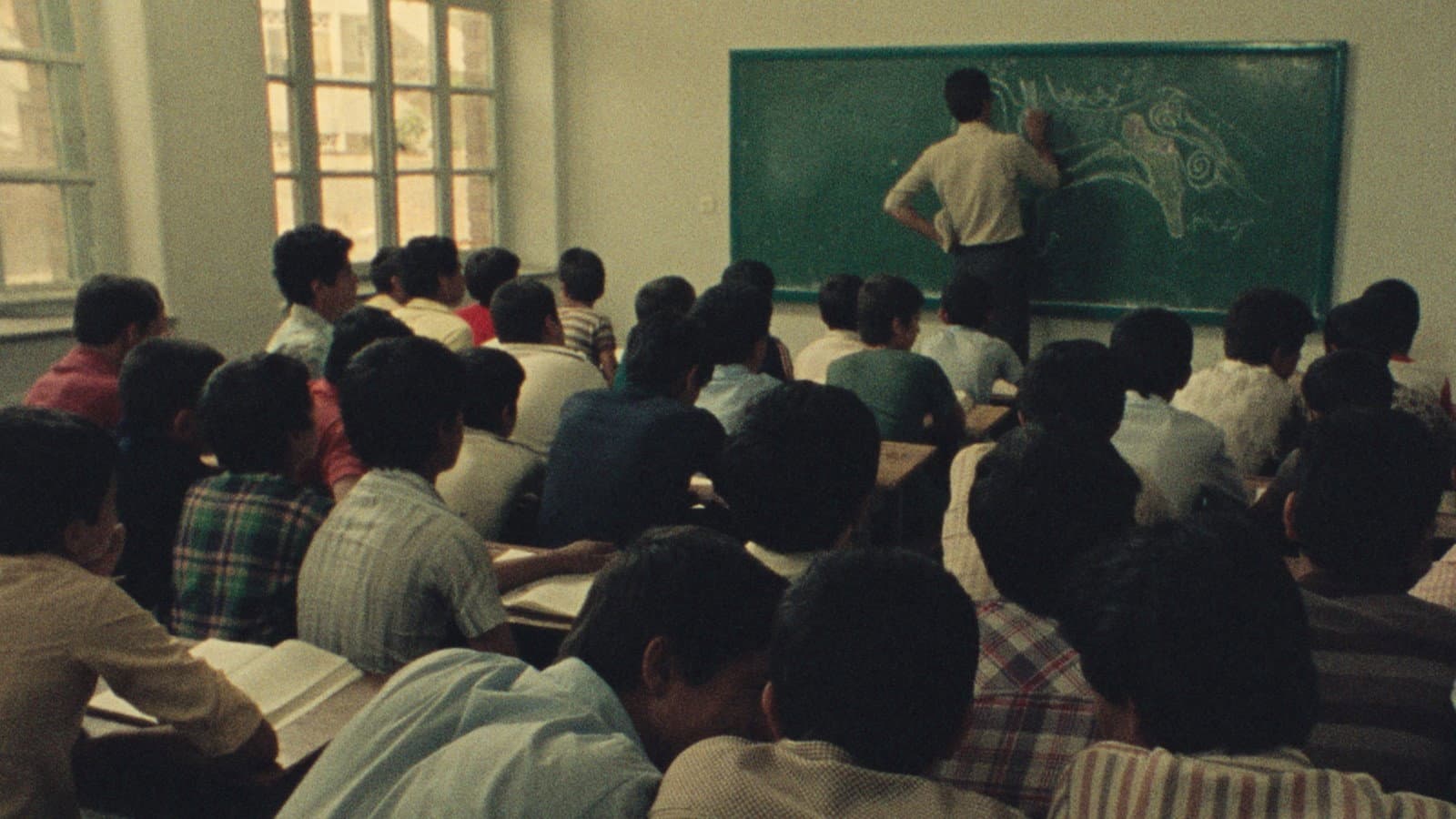
First Case, Second Case
1979·Documentary·53m
7.1
★
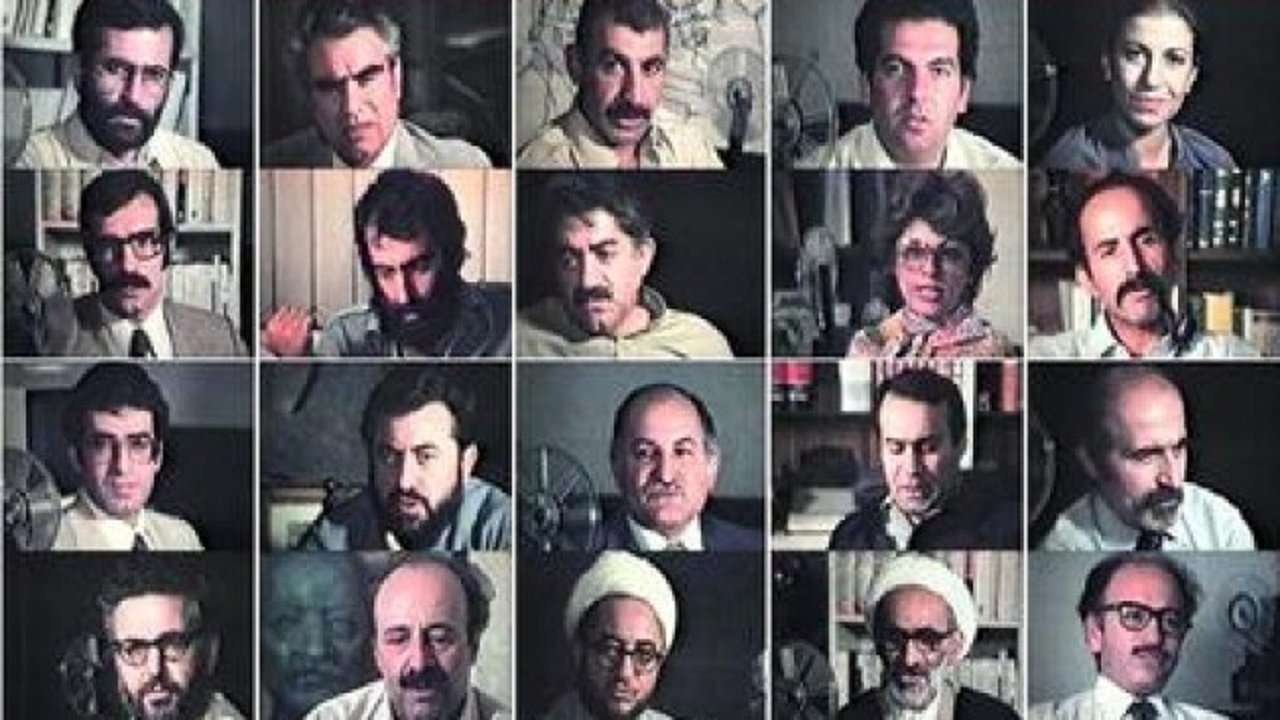
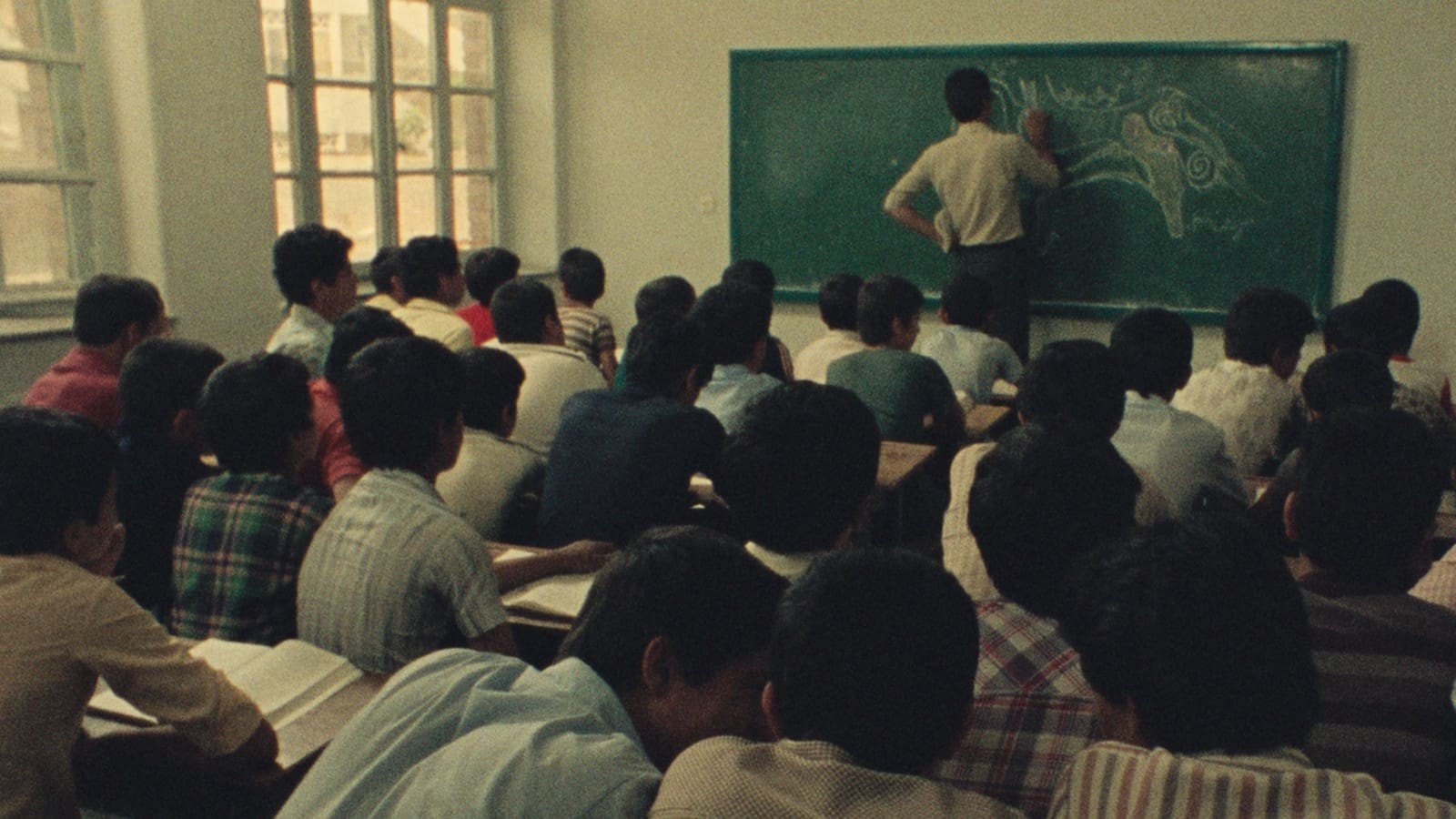
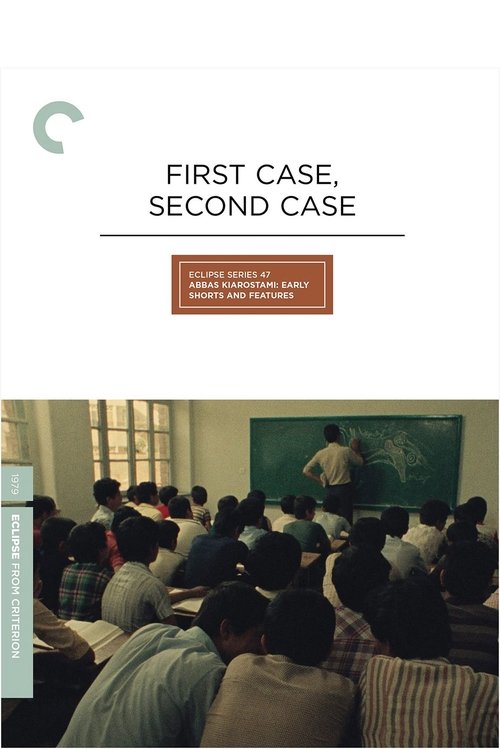
A documentary about a teacher who sends a group of pupils out of the classroom when one of them does not own up to talking behind the master's back.
Directed by Abbas Kiarostami
revolution
moral ambiguity
education
school

IMDB
N/A
Cast

Nader Ebrahimi
Self
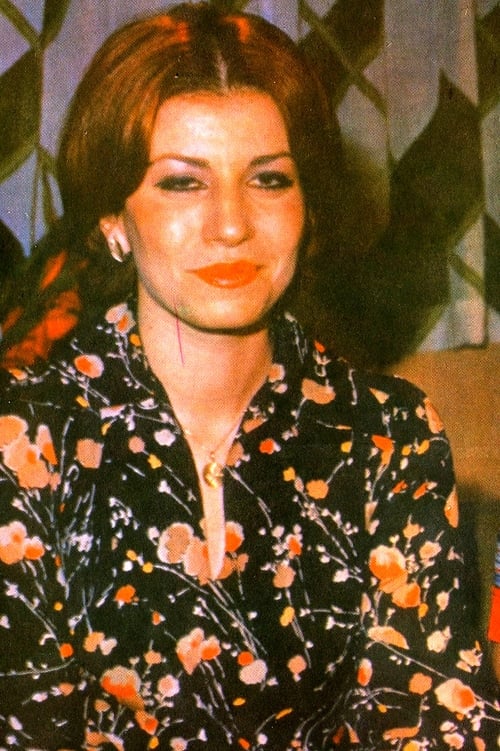
Ehteram Boroumand
Self
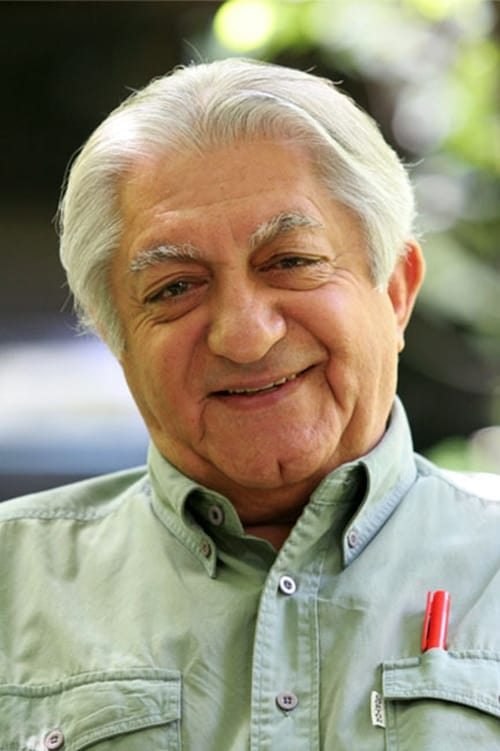
Ezzatollah Entezami
Self
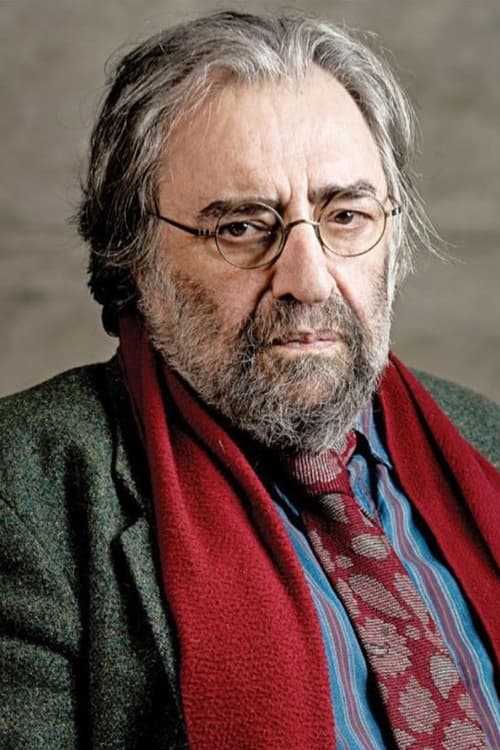
Masoud Kimiai
Self
Crew
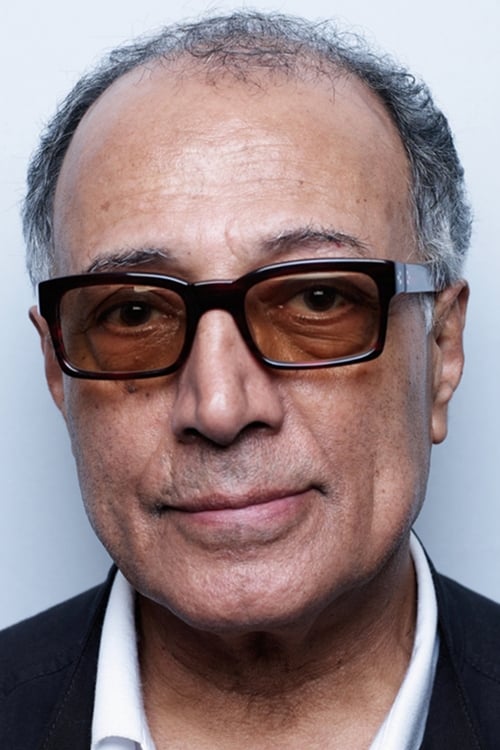
Abbas Kiarostami
Director
Abbas Kiarostami
Writer
Abbas Kiarostami
Editor
Popular Reviews
15 reviews
Giulia ZanoliPRO
7.0★ · 04/01/26
“Dato che l’oggetto della solidarietà è illecito, la solidarietà perde la propria nobiltà. Diventa un controvalore. Quindi, mentre resistere all’ingiustizia é un atto di valore… in quanto resistenza, la resistenza alla giustizia diventa un controvalore.”
*
*
- studi sul branco, Cialdini
*
*
- studi sul branco, Cialdini
“Dato che l’oggetto della solidarietà è illecito, la solidarietà perde la propria nobiltà. Diventa un controvalore. Quindi, mentre resistere all’ingiustizia é un atto di valore… in quanto resistenza, la resistenza alla giustizia diventa un controvalore.”
*
*
- studi sul branco, Cialdini
*
*
- studi sul branco, Cialdini

1

MopudPRO
7.0★ · 09/14/25
Only Kiarostami can turn a classroom chalkboard into a national debate on morality.
Only Kiarostami can turn a classroom chalkboard into a national debate on morality.
Vasco
9.0★ · 09/13/25
Il regime di Khomeini è stato uni dei più basati della storia e questo film ne è la dimostrazione
Il regime di Khomeini è stato uni dei più basati della storia e questo film ne è la dimostrazione
Davis Carroll
8.0★ · 05/14/25
Feels like the first time Kiarostami begins to blend narrative and documentary styles so overtly. To do this he made a courageous about revolutionary mindsets during a time of major social unrest in Iran. In fact the day they shot the interviews, people stormed and occupied the television station they were at. Kiarostami remarks how this film couldn’t have been made at any other time except when it was made, a perfect confluence of factors led to its creation. He said “you can only make a film like this during a transition of power,” he expands with “although it wasn’t my intention at the time, this film is a historical film. People who were caught by surprise at this specific moment in history helped to make the film. If I was to make it again with the same people, the same film wouldn’t be made.”
Feels like the first time Kiarostami begins to blend narrative and documentary styles so overtly. To do this he made a courageous about revolutionary mindsets during a time of major social unrest in Iran. In fact the day they shot the interviews, people stormed and occupied the television station they were at. Kiarostami remarks how this film couldn’t have been made at any other time except when it was made, a perfect confluence of factors led to its creation. He said “you can only make a film like this during a transition of power,” he expands with “although it wasn’t my intention at the time, this film is a historical film. People who were caught by surprise at this specific moment in history helped to make the film. If I was to make it again with the same people, the same film wouldn’t be made.”
Ayush
7.0★ · 06/17/26