1927 Best Picture (1st Academy Awards)
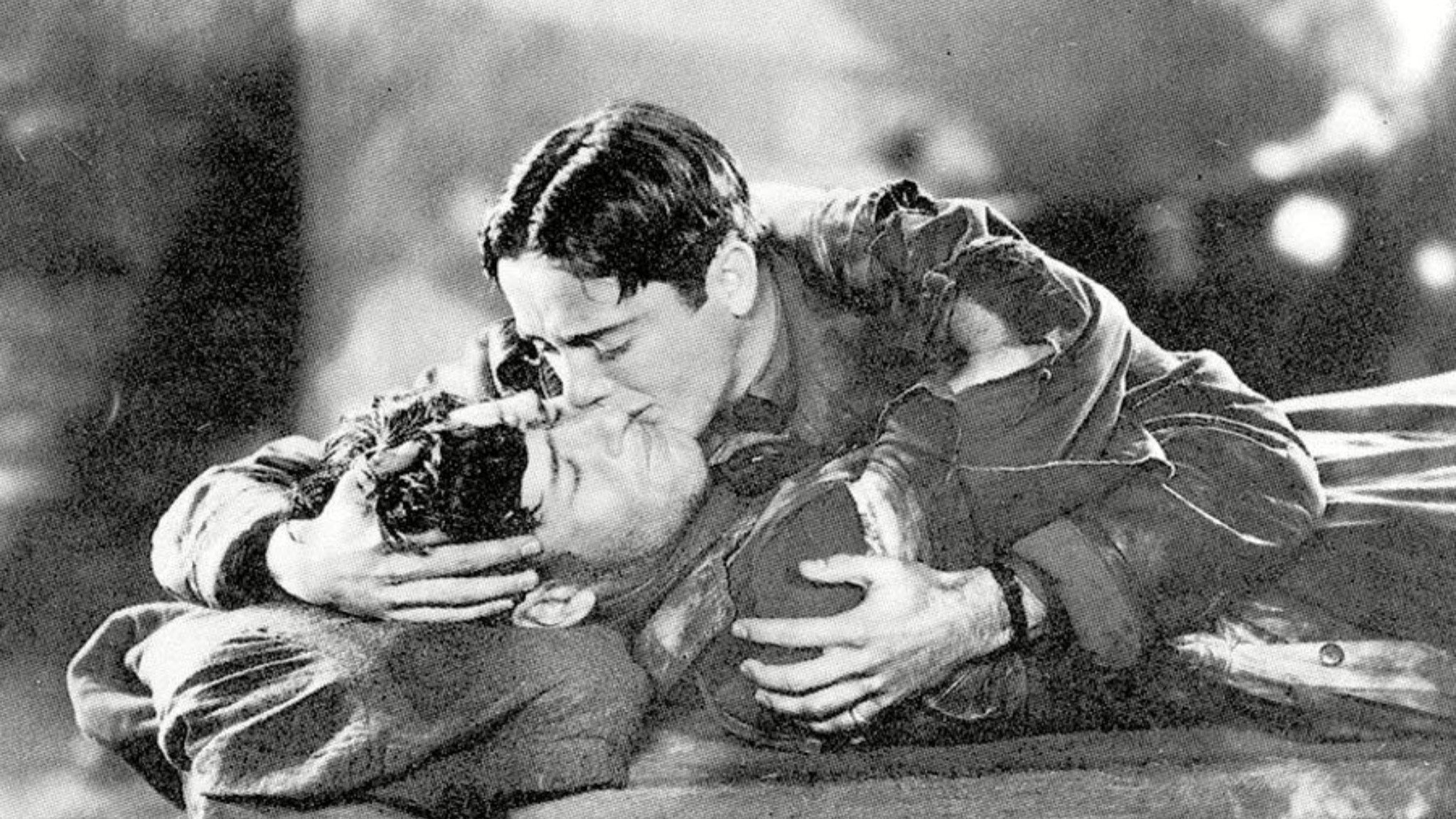
“Do you know what you can do when you see a shooting star? You can kiss the girl you love.”
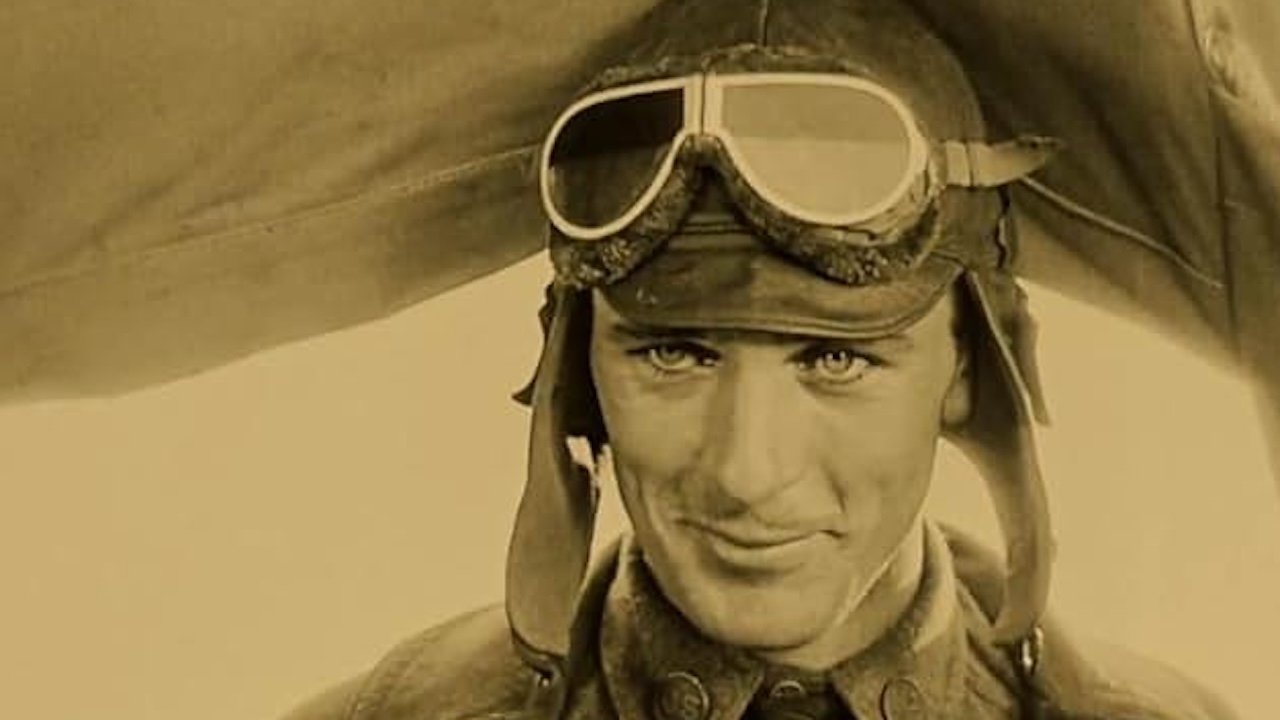
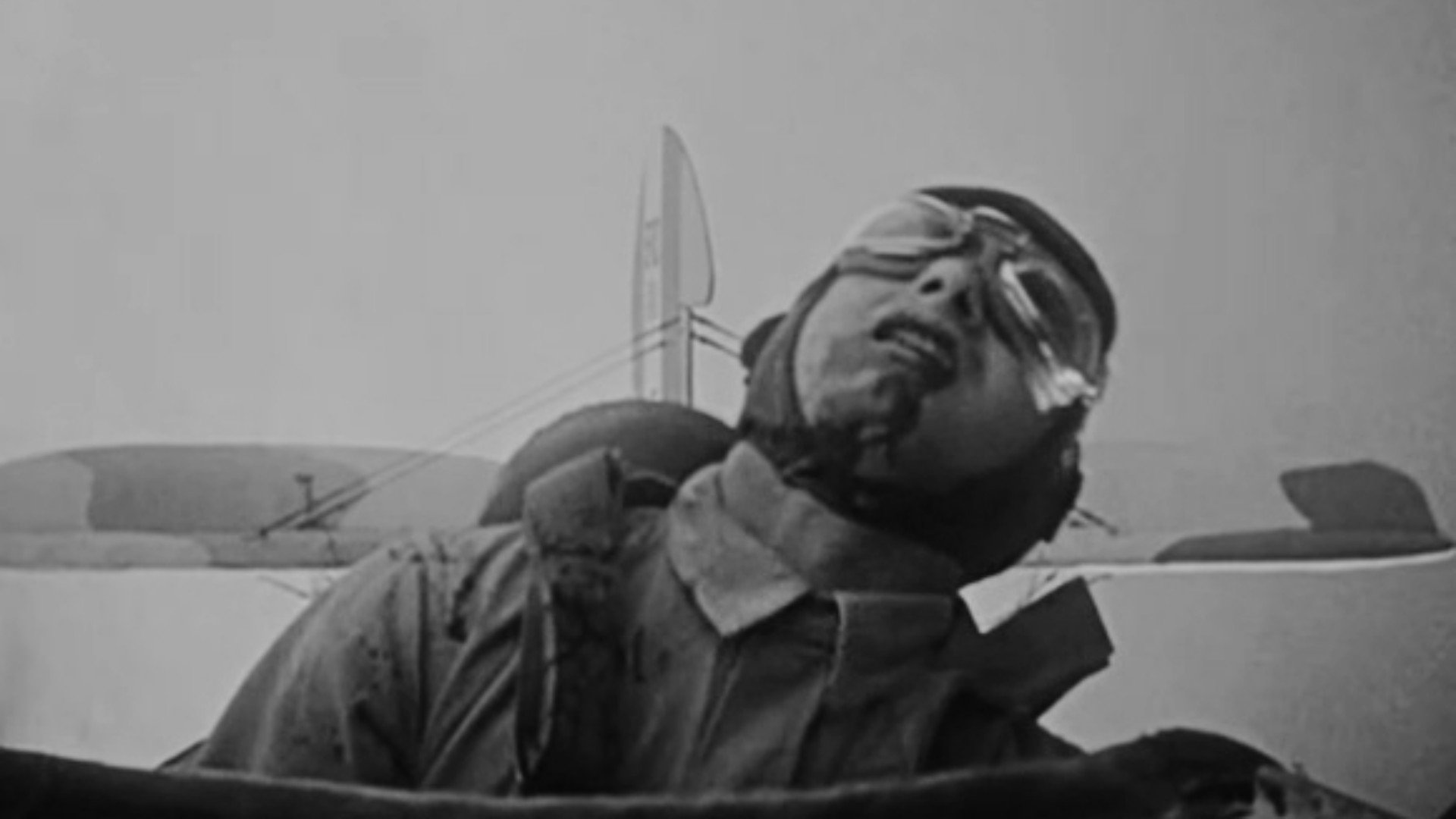
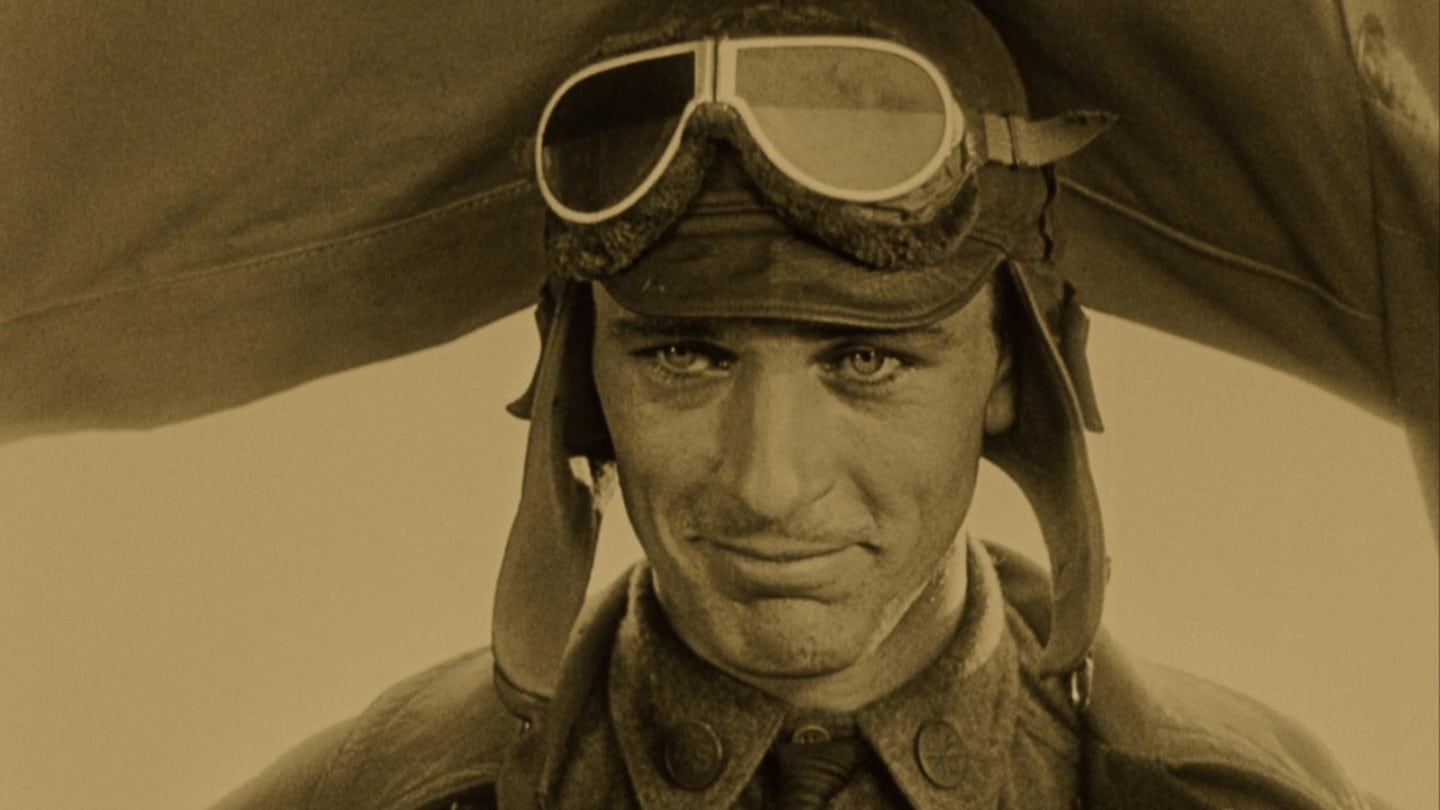
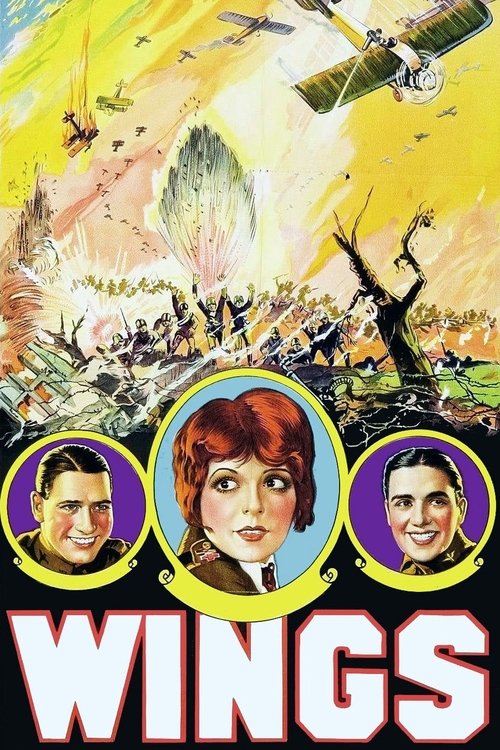
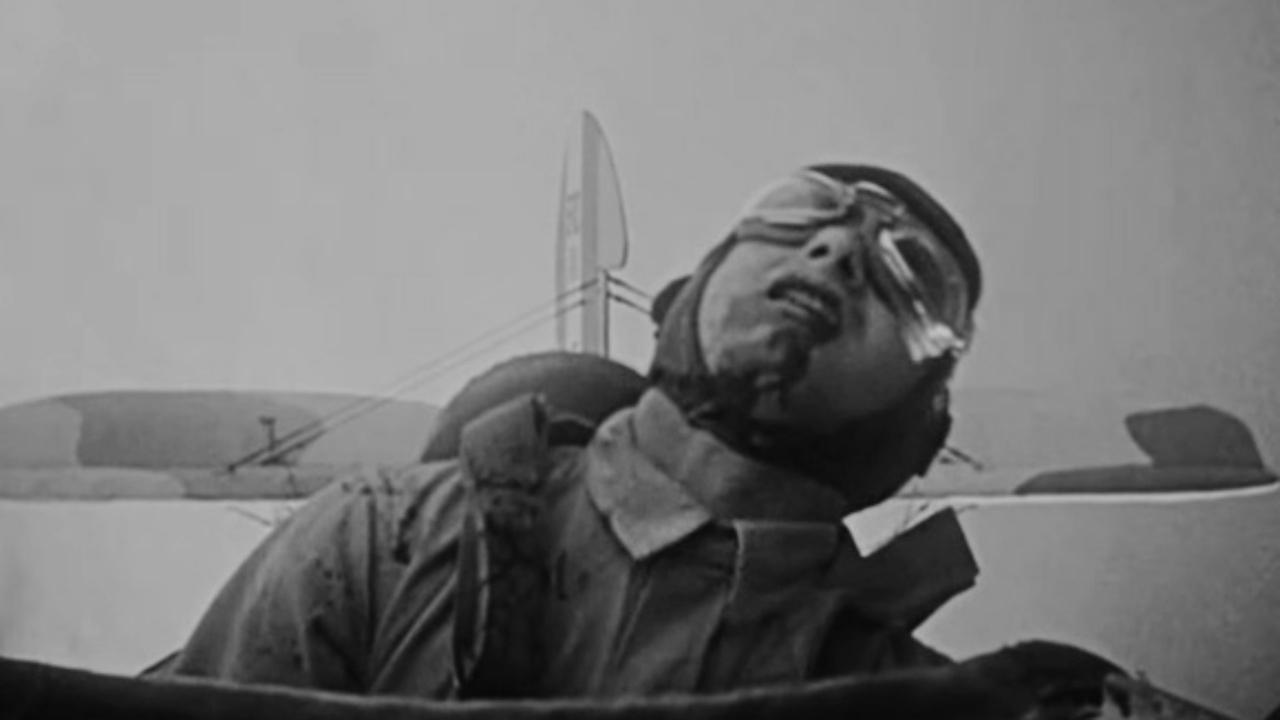
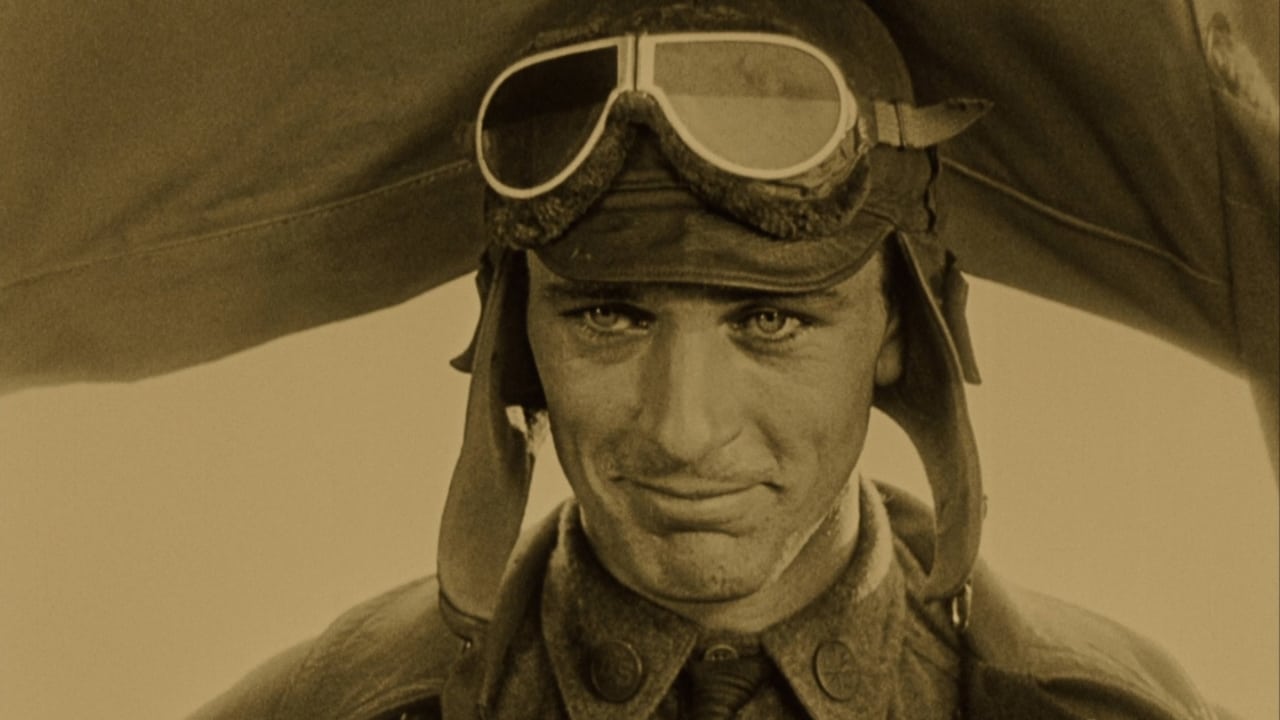
A monumental film that goes beyond it just being the first Best Picture winner, along with being the only silent film to win the award. On a $2M budget (roughly $40M today), Wings is a two hour cinematic spectacle, depicting the fighter pilots of WW1 with real arial footage of planes. For this film being 99 years old, its practical effects are timeless and absolutely mind blowing to see.
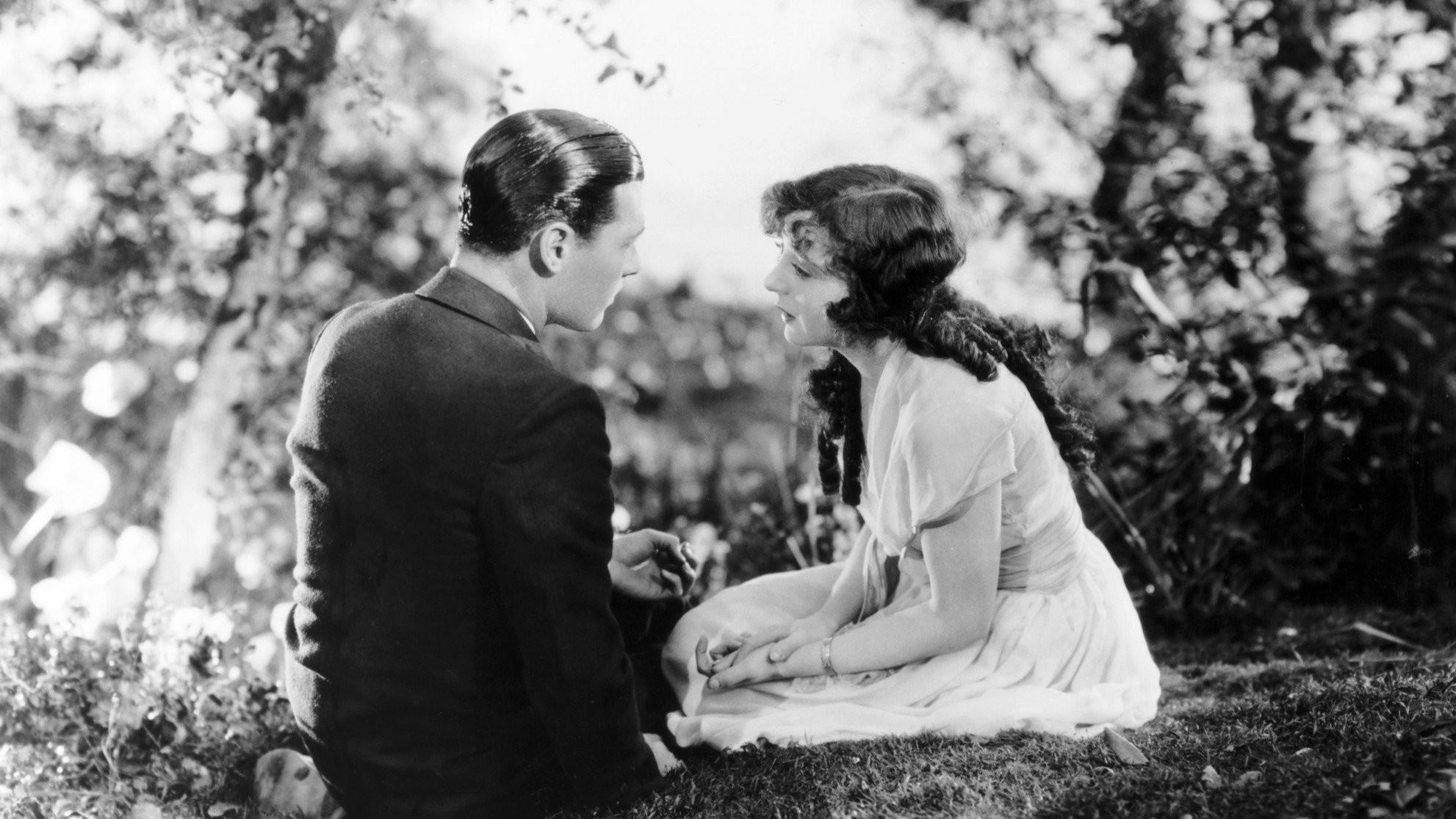
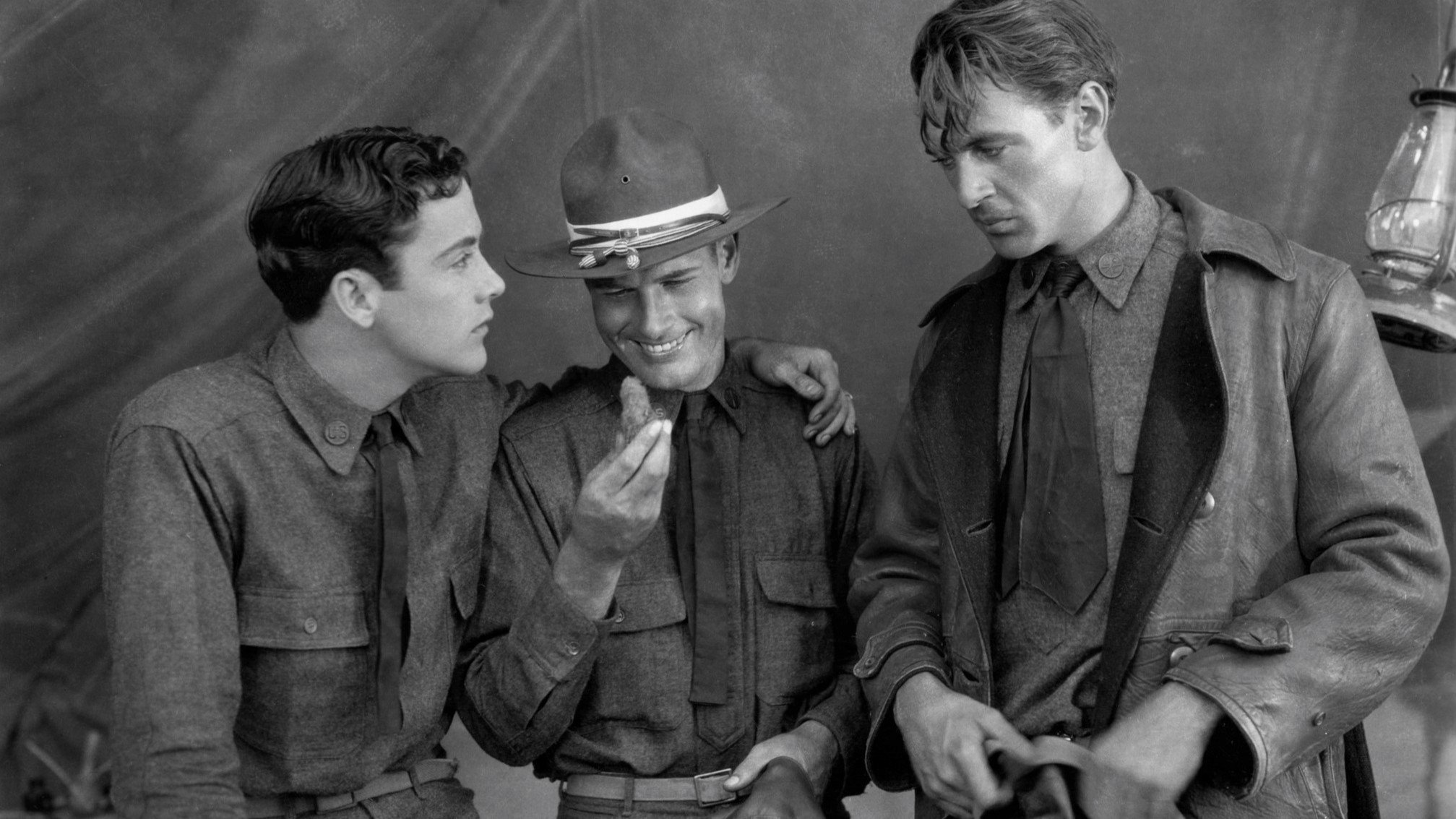
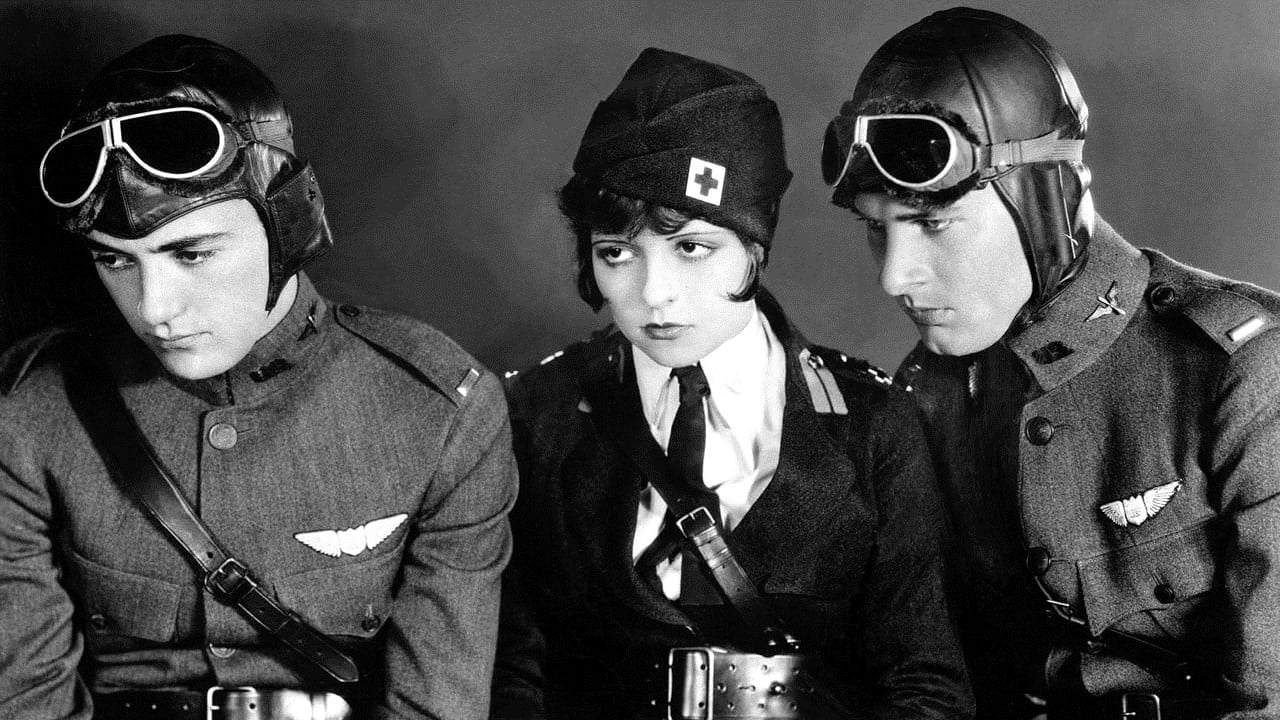
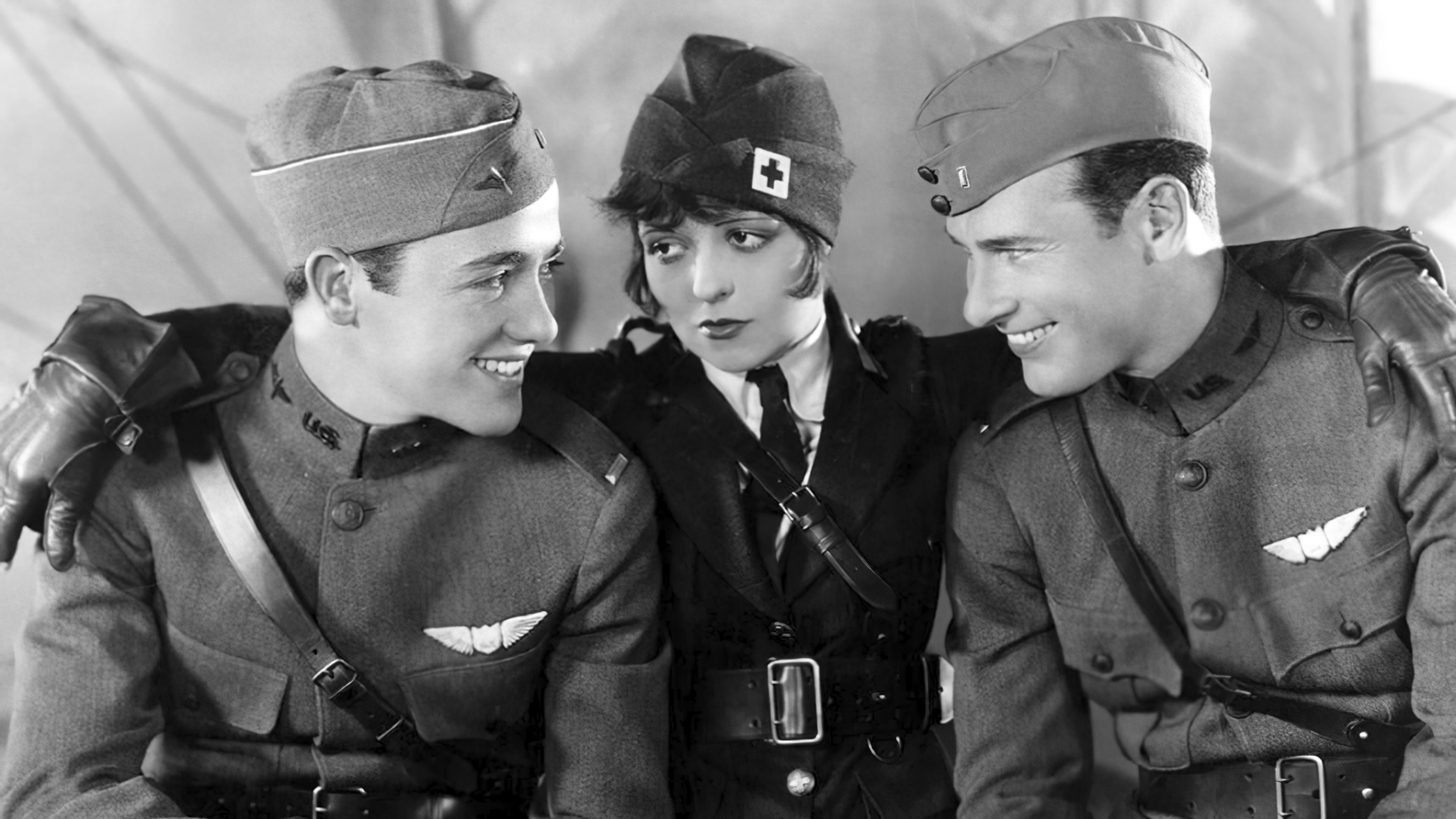
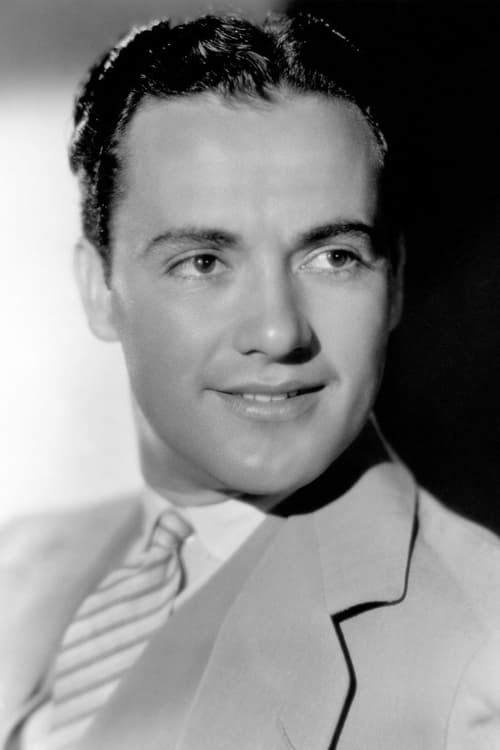
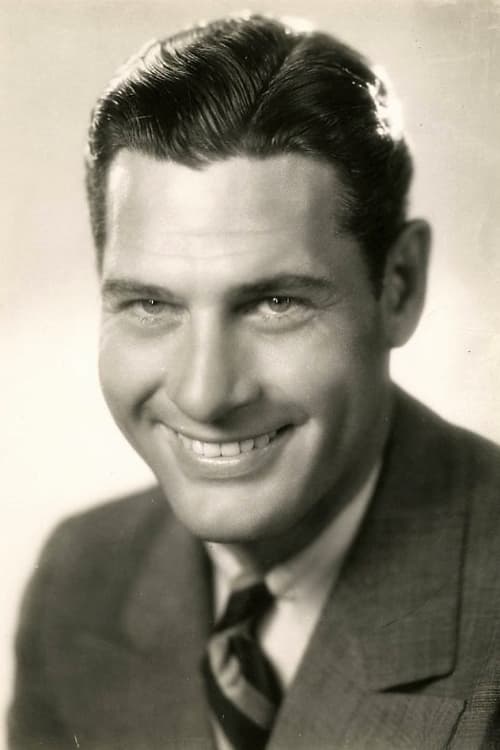
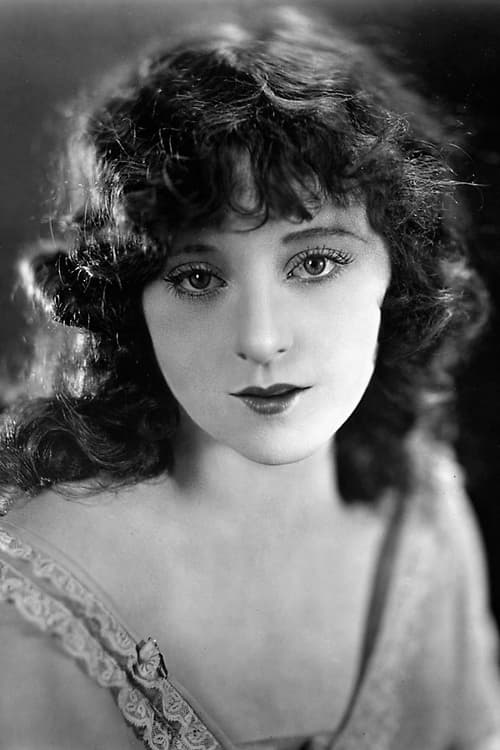
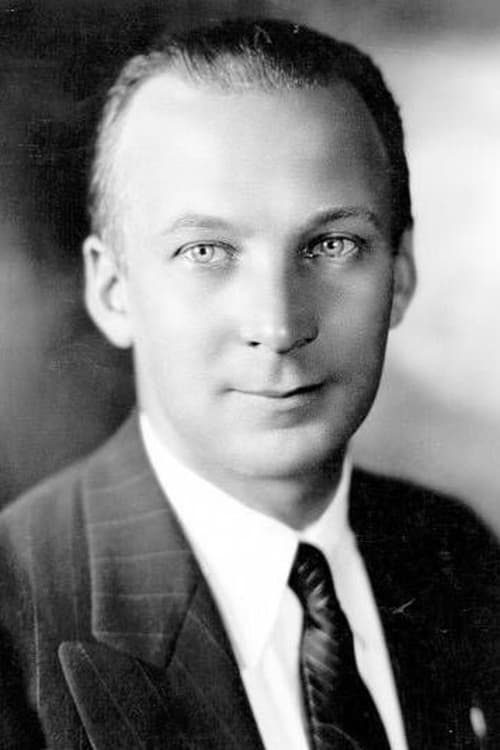
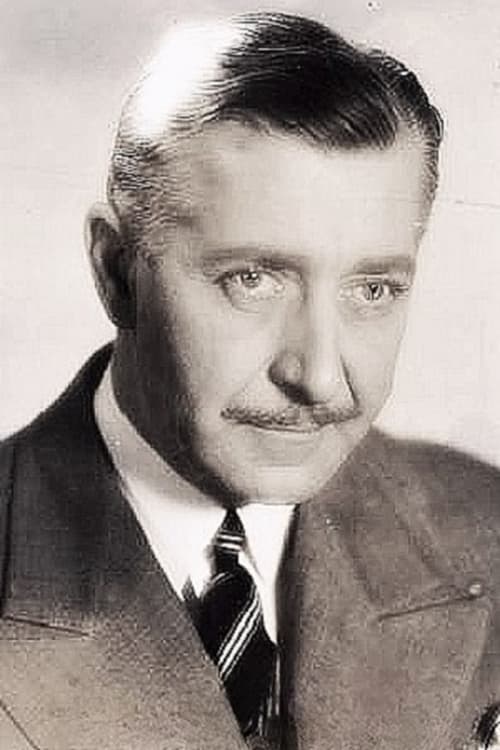
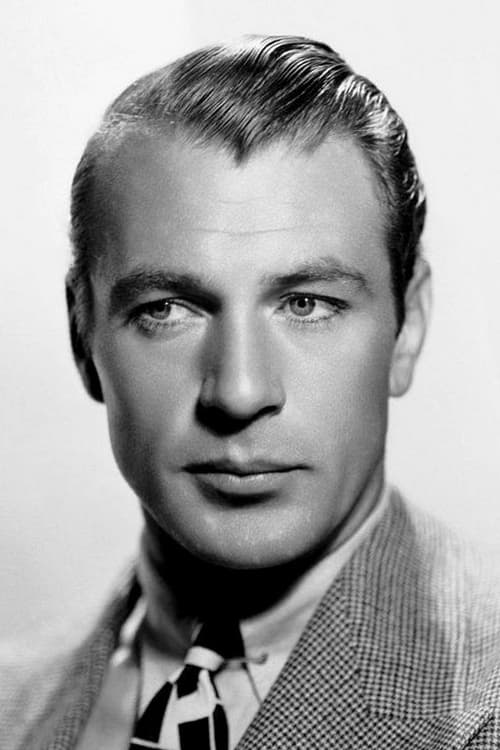
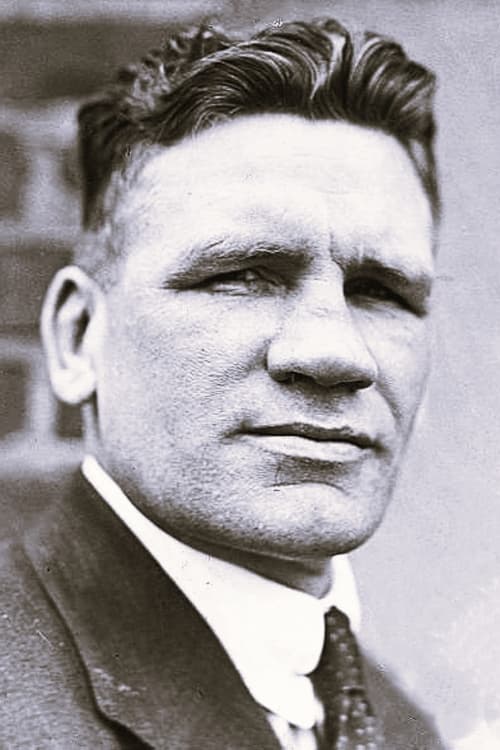
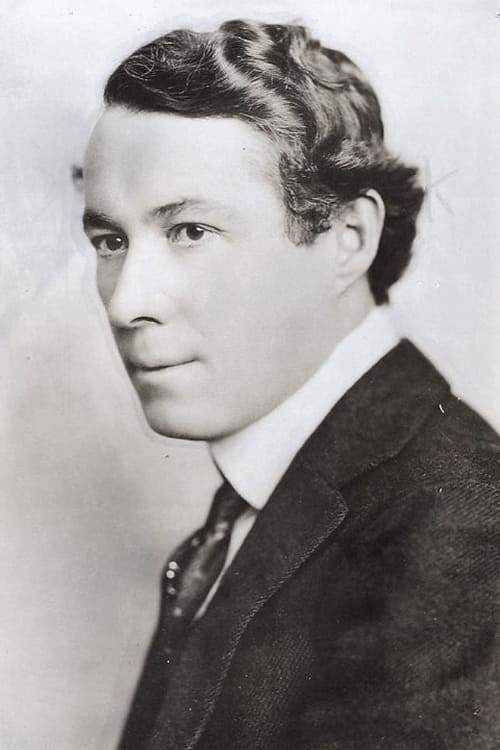
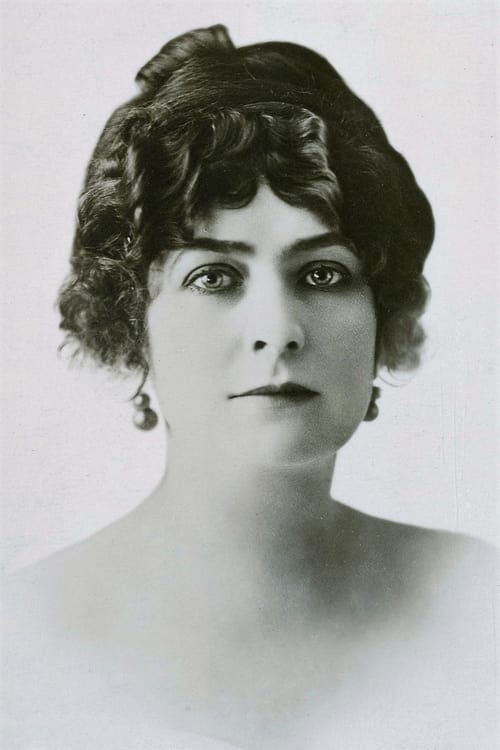
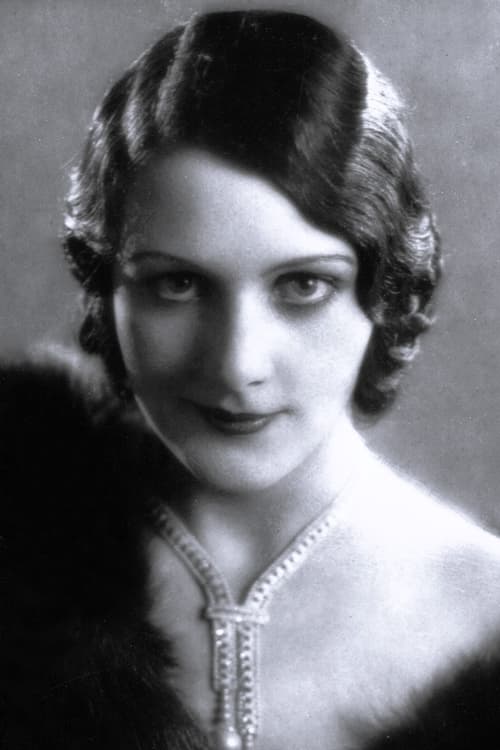
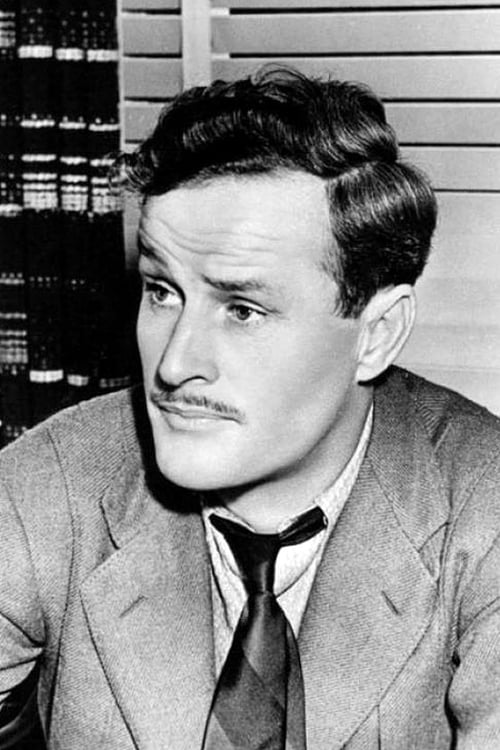
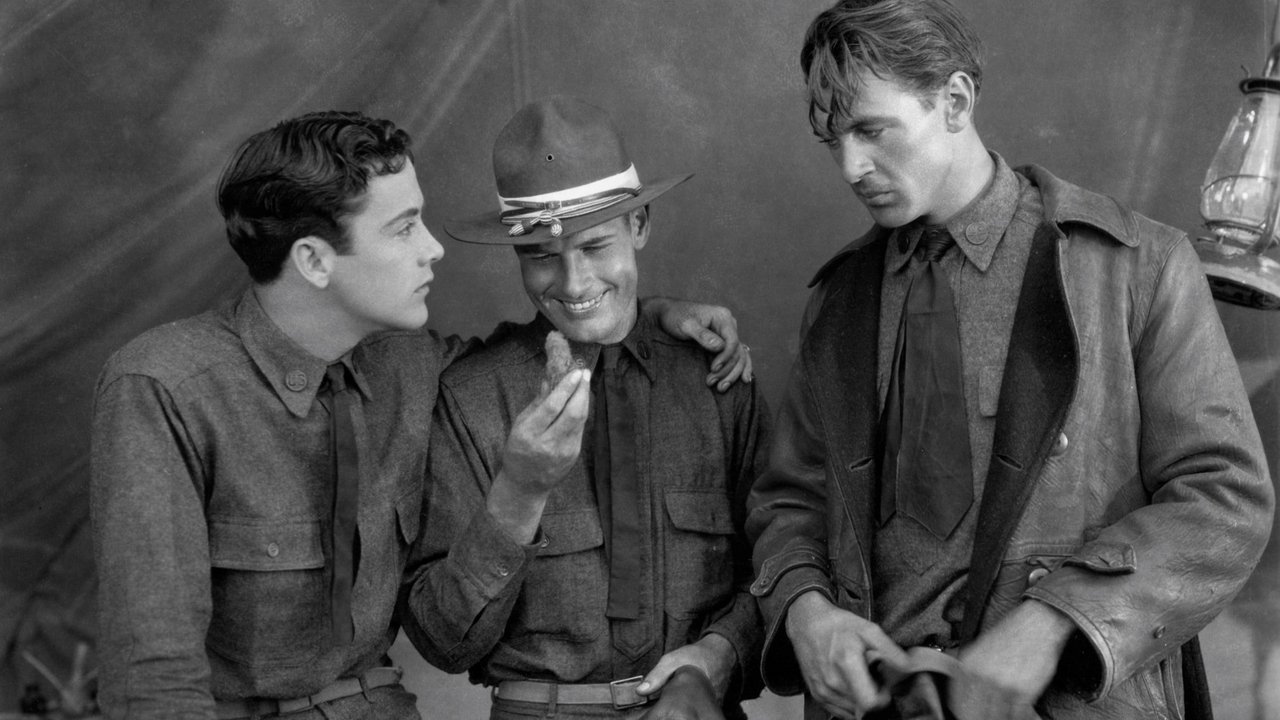
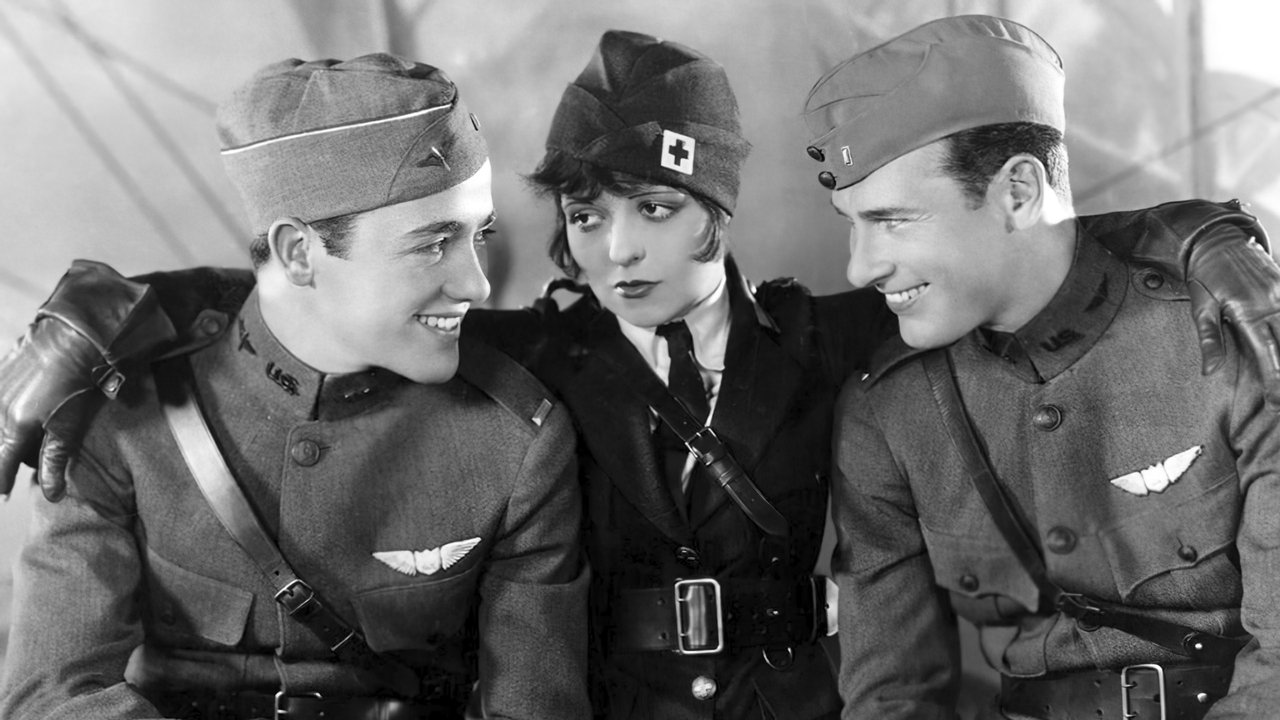
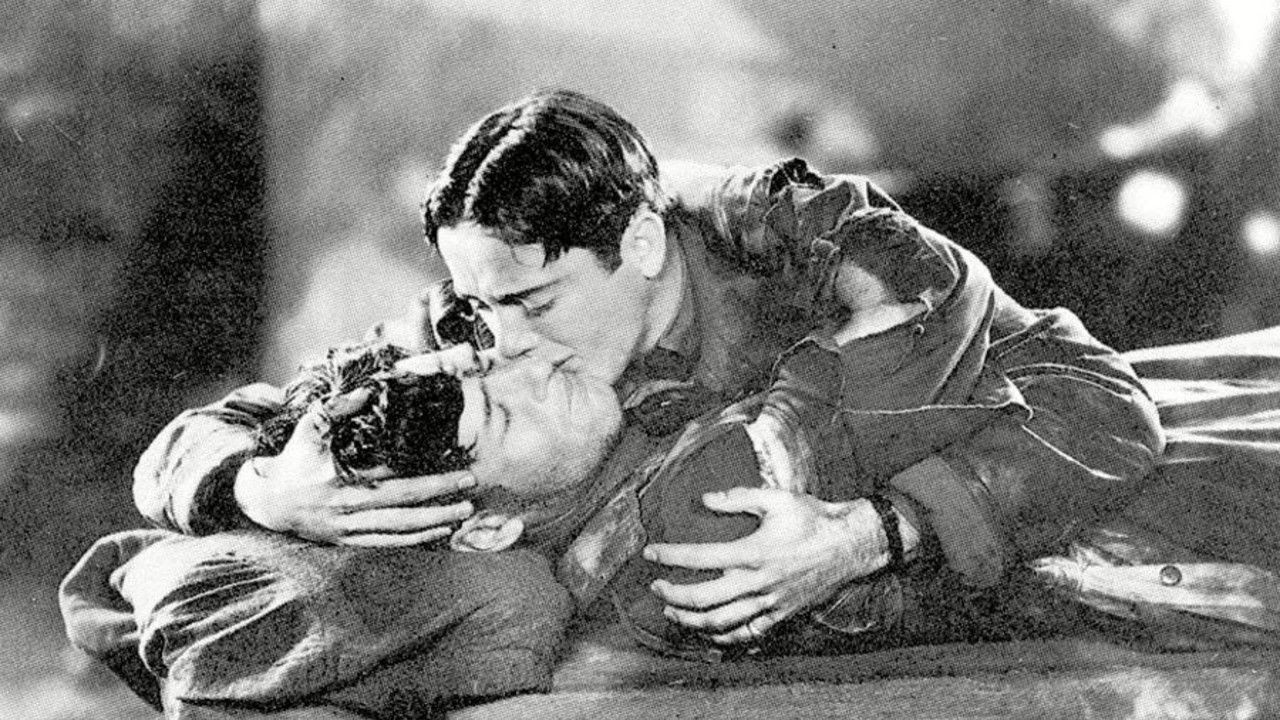
As for the film and its plot, it’s a rather simple war story, following hometown rivals Jack Powell (Charles Rogers) and David Armstrong (Richard Arlen), who fight over Jack’s girlfriend, Sylvia (Jobyna Ralston). When they both get paired to fly planes, they begin to bond and form a strong friendship.
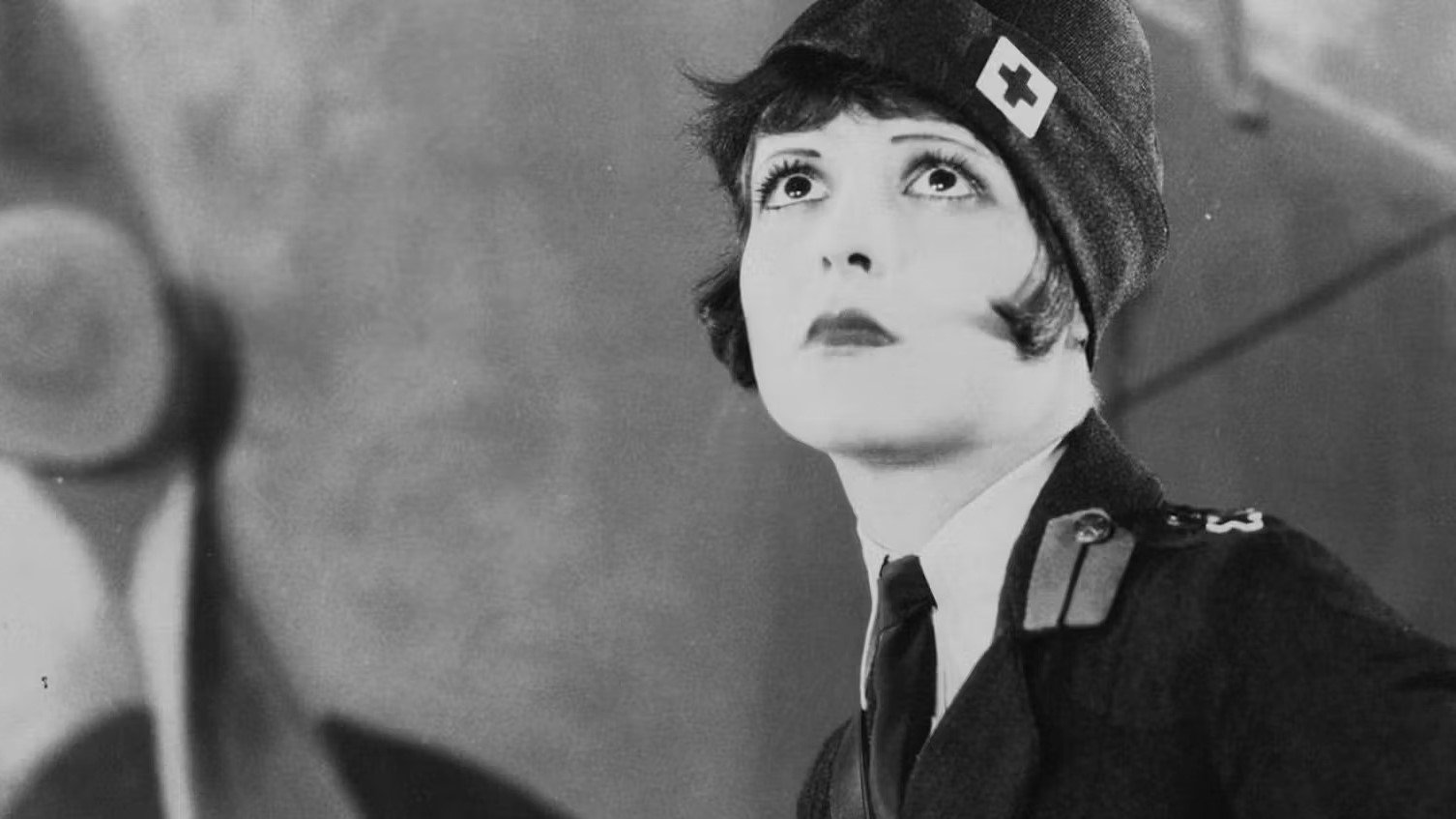
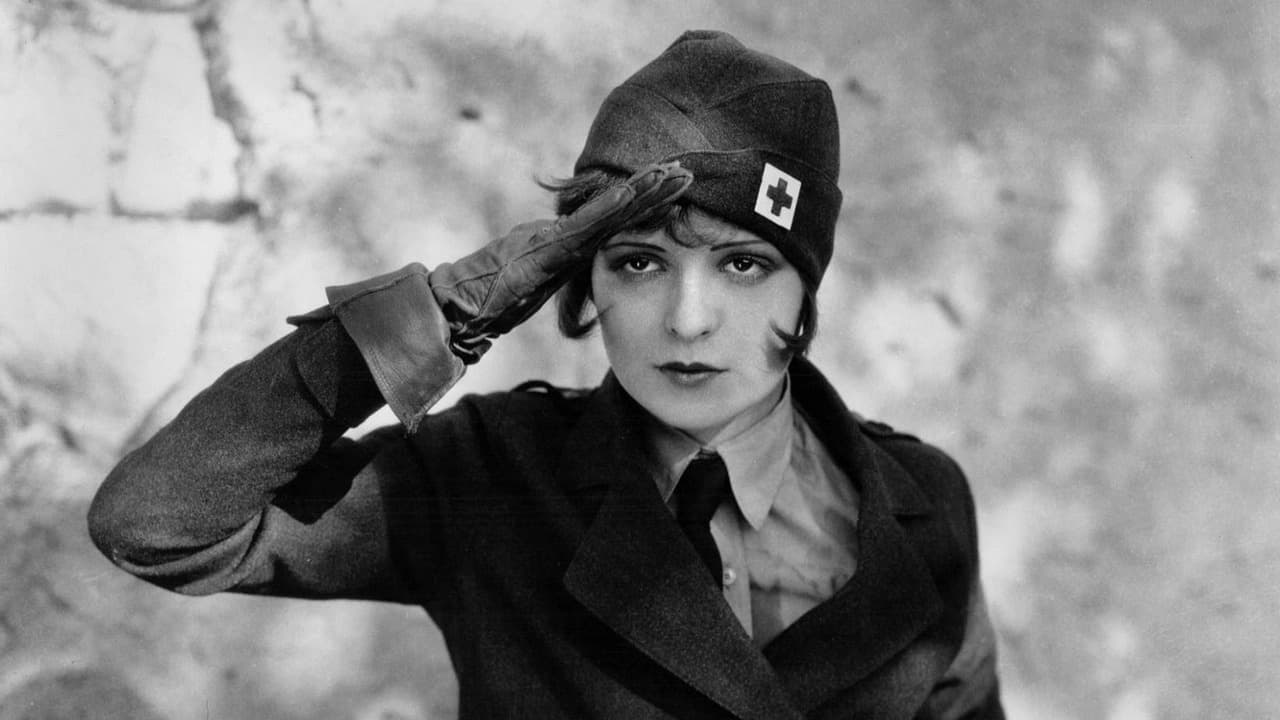
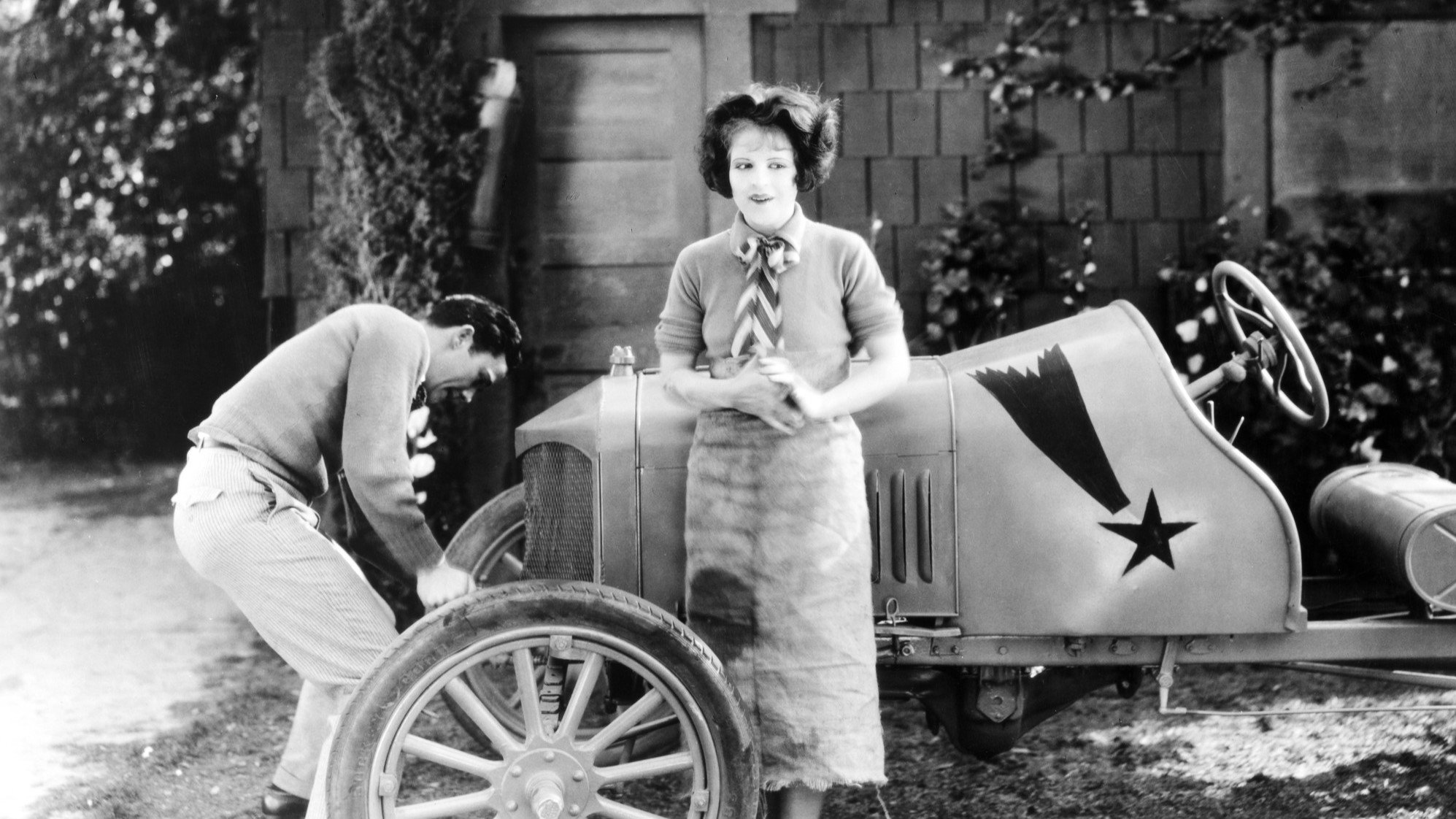
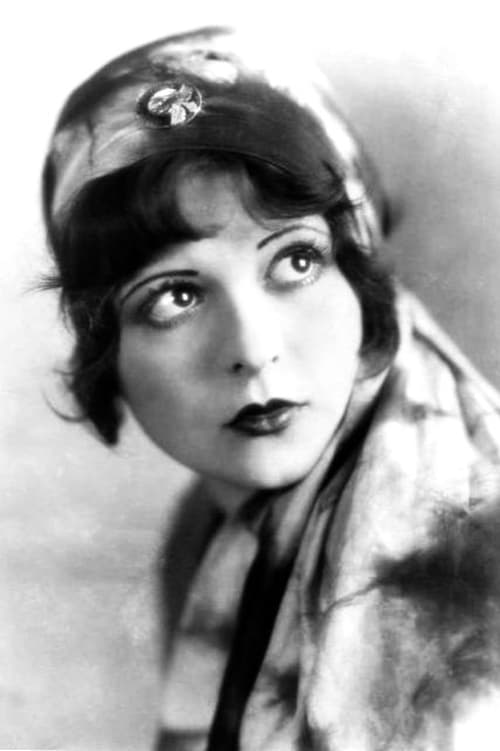
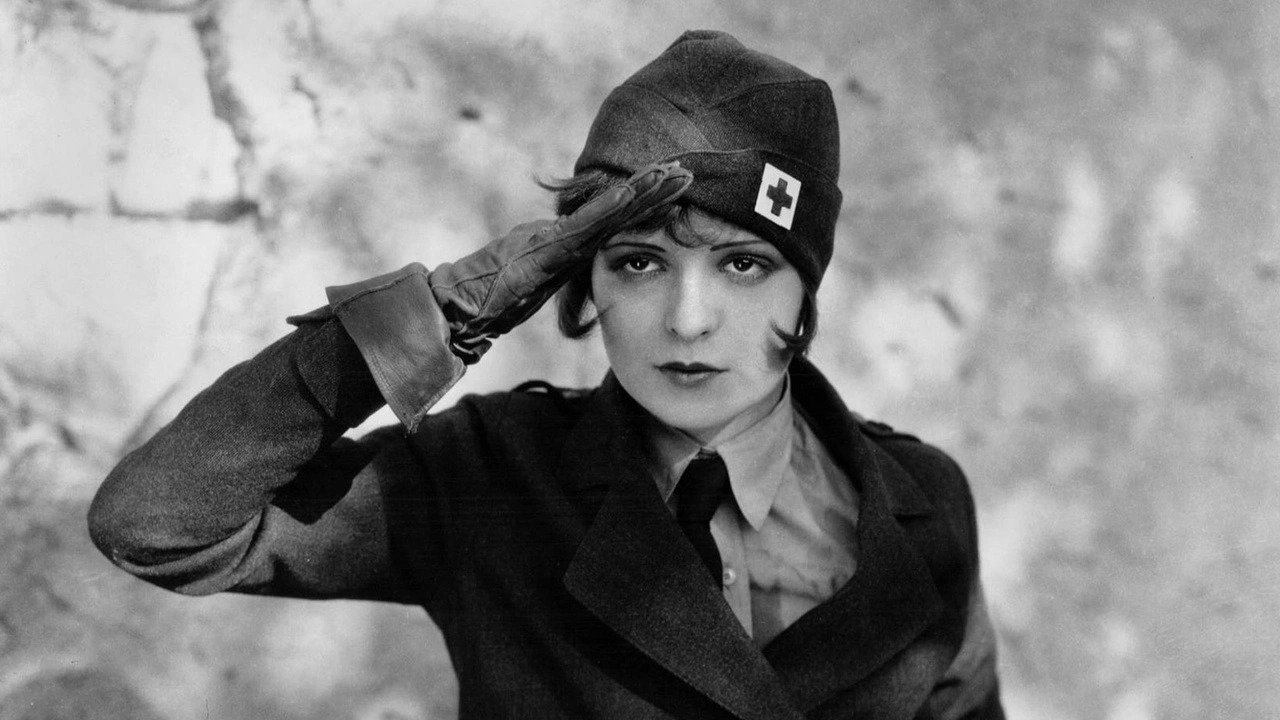
But neither Rogers, Arlen or Ralston are THE star in this film. That’s because Wings introduces a beautiful subplot with Jack’s neighbor, a young woman named Mary Preston, who is in love with Jack, and is played by the “it girl” of the silent era, Clara Bow. Bow is absolutely stunning in this film, and her sincere elegance is radiating. There’s a handful of incredible actresses who were clearly ahead of their time. Some notable names in my humble opinion are Audrey Hepburn, Ingrid Bergman and Barbara Stanwyck. And Clara Bow is definitely a great example of that, she feels like she was plucked out of the 80s and thrown into the silent era.
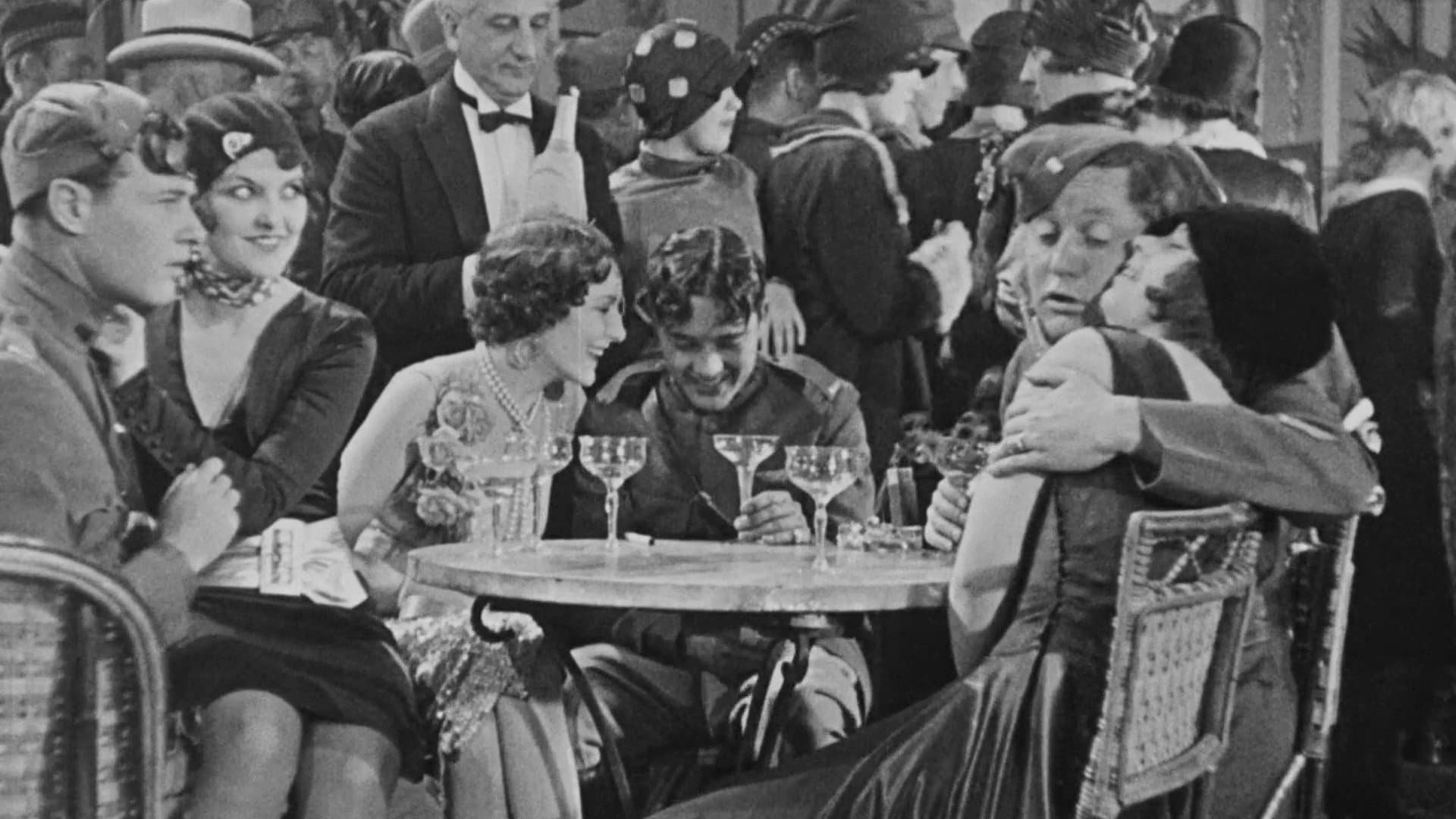
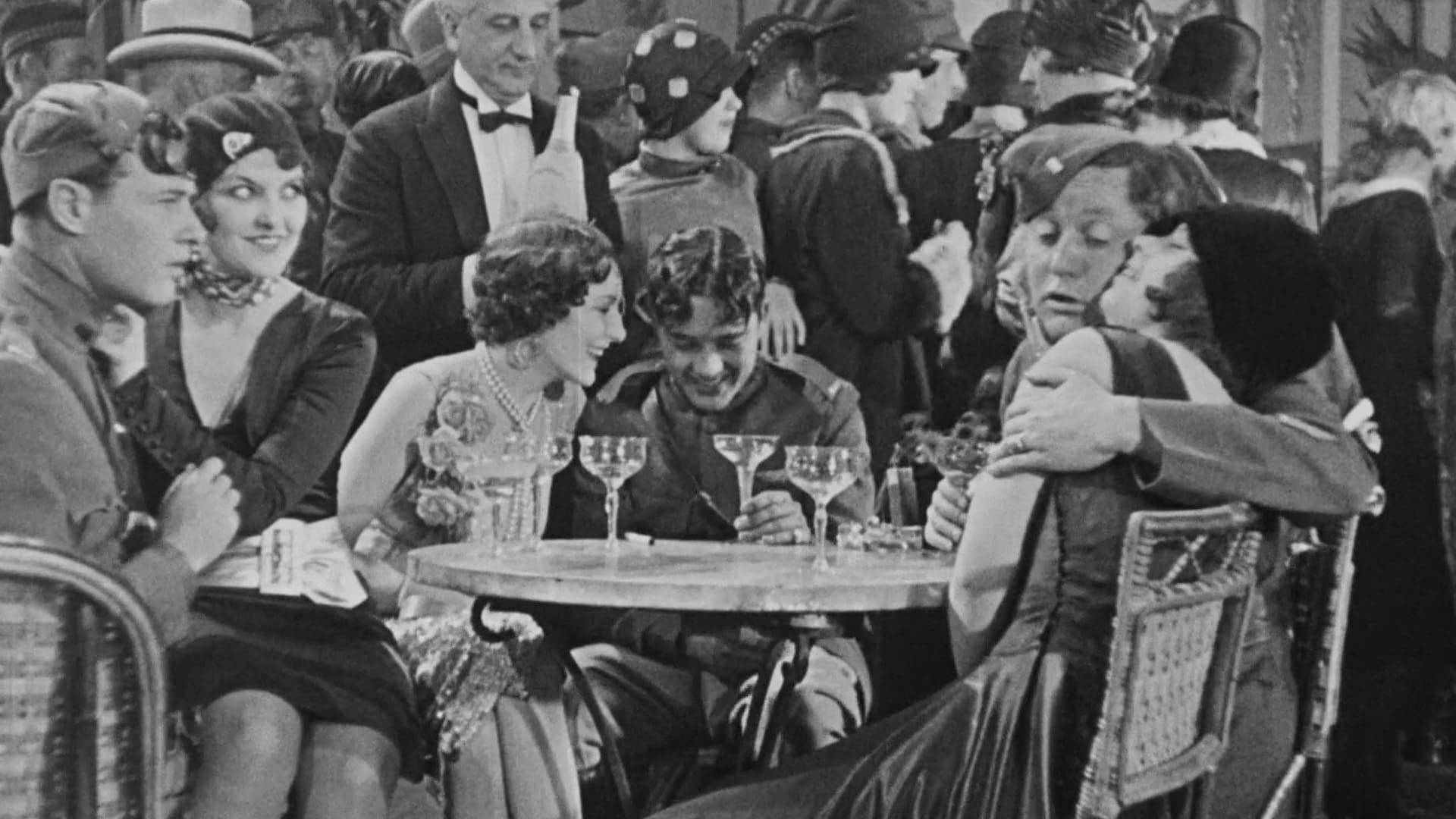
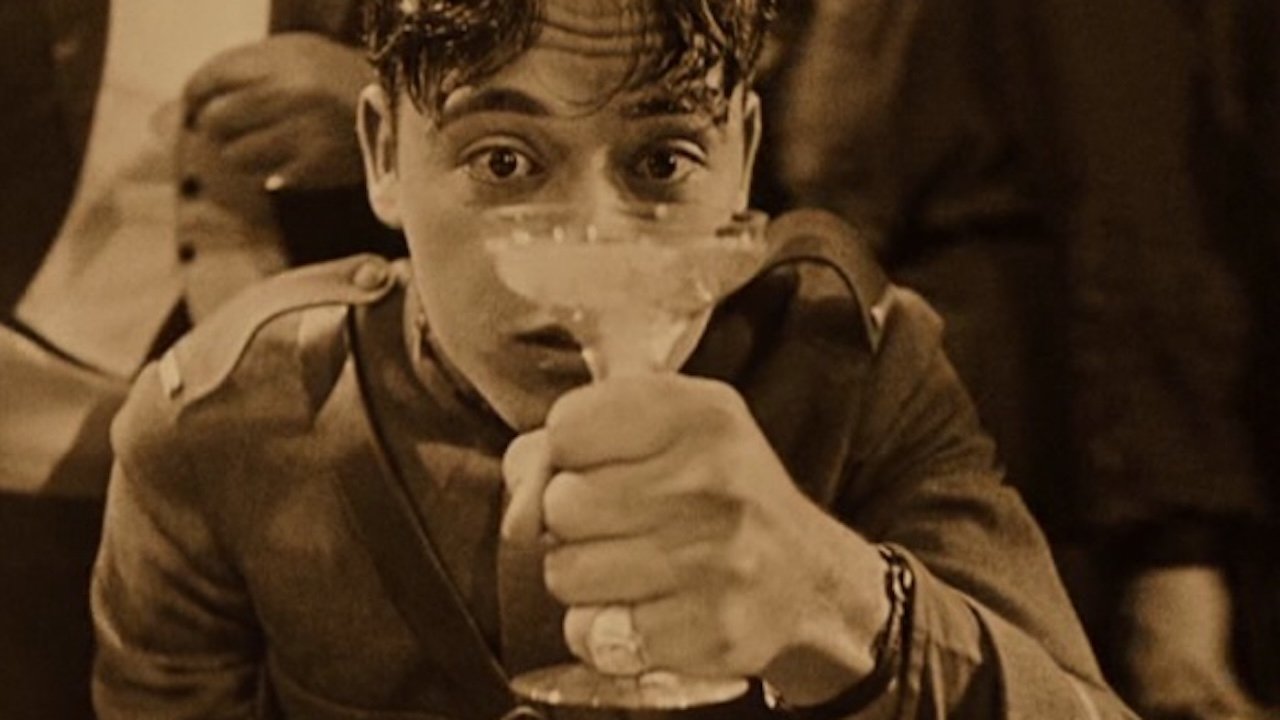
There’s so many iconic moments that stand out in this film. But the main one is the incredible club scene, where Jack and David are getting drunk on white wine and hugging on beautiful women. The scene opens up with an incredible tracking shot, moving past multiple tables that tell their own story of social classes and politics. Starting with the upper class tables, passing all the way down to our war hero, Jack. That’s when Mary Preston makes her way into the club to search for Jack, who’s so drunk can’t even recognize her face. He starts seeing bubbles float up out of the wine, and appear everywhere else. A visual effect I was equally as impressed and in love with. The scene ends with Jack seeing bubbles pop from Mary’s eyes and drags her back to a hotel. This is where the film gets very risqué.
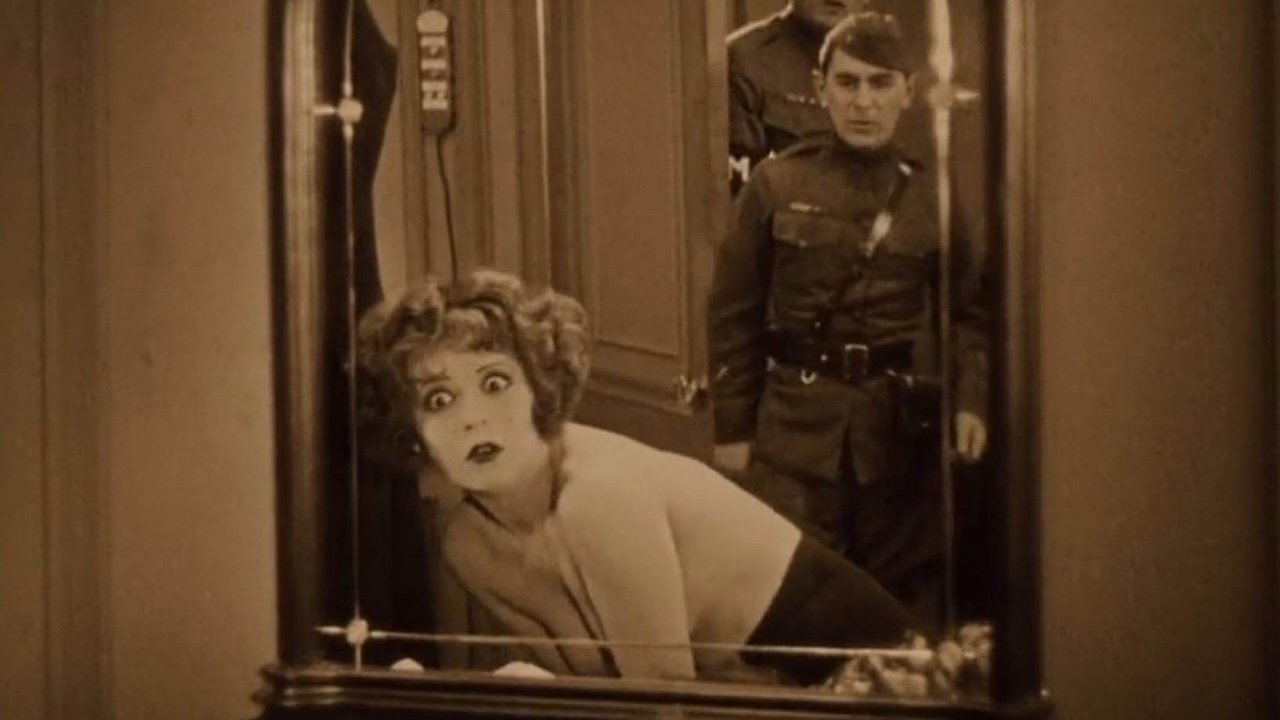
When Jack takes Mary back to the hotel, he collapses in bed. Mary helplessly looks at him, and takes his locket from his pocket, which in it is a photo of Sylvia. She becomes upset, and decides to take off her shimmering dress and put back on her work uniform, which showcases a brief glimpse of nudity, marking Wings as one of the earliest films with nudity. But it wasn’t the only moment risqué for the time; in that tracking shot between the tables, we see a lesbian couple being flirtatious with each other, which sparks concern between two men, who share puzzling glares at them at the table behind them.
Wings is a monumental and influential film in more ways than one. It wasn’t afraid to show war violence and even got away with erotic shots. Wings won the 1st ever Best Picture, named Outstanding Picture at the time, beating out 7th Heaven and The Racket. While I think my favorite film of that year is F.W. Murnau’s Sunrise, I think Wings was the perfect choice to headline the end of the silent era, as the first talkie, The Jazz Singer, released just four months later.
1927 Best Picture (1st Academy Awards)
“Do you know what you can do when you see a shooting star? You can kiss the girl you love.”
A monumental film that goes beyond it just being the first Best Picture winner, along with being the only silent film to win the award. On a $2M budget (roughly $40M today), Wings is a two hour cinematic spectacle, depicting the fighter pilots of WW1 with real arial footage of planes. For this film being 99 years old, its practical effects are timeless and absolutely mind blowing to see.
As for the film and its plot, it’s a rather simple war story, following hometown rivals Jack Powell (Charles Rogers) and David Armstrong (Richard Arlen), who fight over Jack’s girlfriend, Sylvia (Jobyna Ralston). When they both get paired to fly planes, they begin to bond and form a strong friendship.
But neither Rogers, Arlen or Ralston are THE star in this film. That’s because Wings introduces a beautiful subplot with Jack’s neighbor, a young woman named Mary Preston, who is in love with Jack, and is played by the “it girl” of the silent era, Clara Bow. Bow is absolutely stunning in this film, and her sincere elegance is radiating. There’s a handful of incredible actresses who were clearly ahead of their time. Some notable names in my humble opinion are Audrey Hepburn, Ingrid Bergman and Barbara Stanwyck. And Clara Bow is definitely a great example of that, she feels like she was plucked out of the 80s and thrown into the silent era.
There’s so many iconic moments that stand out in this film. But the main one is the incredible club scene, where Jack and David are getting drunk on white wine and hugging on beautiful women. The scene opens up with an incredible tracking shot, moving past multiple tables that tell their own story of social classes and politics. Starting with the upper class tables, passing all the way down to our war hero, Jack. That’s when Mary Preston makes her way into the club to search for Jack, who’s so drunk can’t even recognize her face. He starts seeing bubbles float up out of the wine, and appear everywhere else. A visual effect I was equally as impressed and in love with. The scene ends with Jack seeing bubbles pop from Mary’s eyes and drags her back to a hotel. This is where the film gets very risqué.
When Jack takes Mary back to the hotel, he collapses in bed. Mary helplessly looks at him, and takes his locket from his pocket, which in it is a photo of Sylvia. She becomes upset, and decides to take off her shimmering dress and put back on her work uniform, which showcases a brief glimpse of nudity, marking Wings as one of the earliest films with nudity. But it wasn’t the only moment risqué for the time; in that tracking shot between the tables, we see a lesbian couple being flirtatious with each other, which sparks concern between two men, who share puzzling glares at them at the table behind them.
Wings is a monumental and influential film in more ways than one. It wasn’t afraid to show war violence and even got away with erotic shots. Wings won the 1st ever Best Picture, named Outstanding Picture at the time, beating out 7th Heaven and The Racket. While I think my favorite film of that year is F.W. Murnau’s Sunrise, I think Wings was the perfect choice to headline the end of the silent era, as the first talkie, The Jazz Singer, released just four months later.