
Storm Children
2014·Documentary·2h 23m
7.1
★
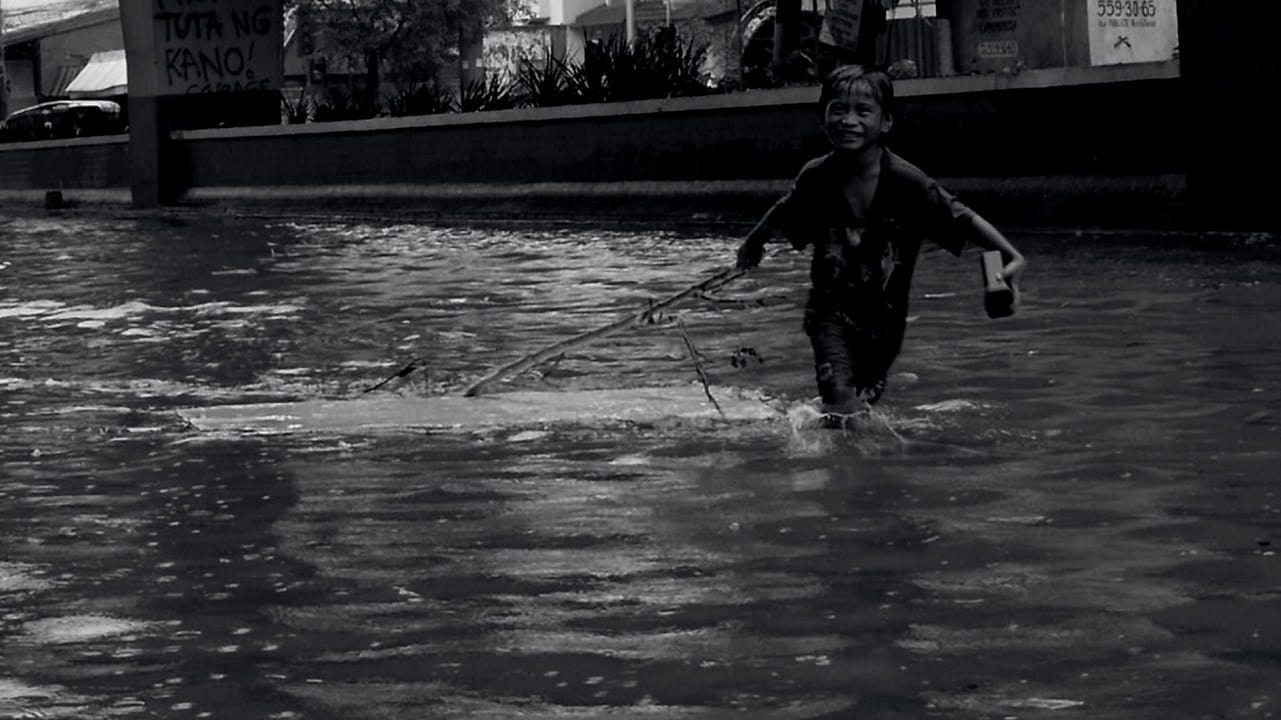
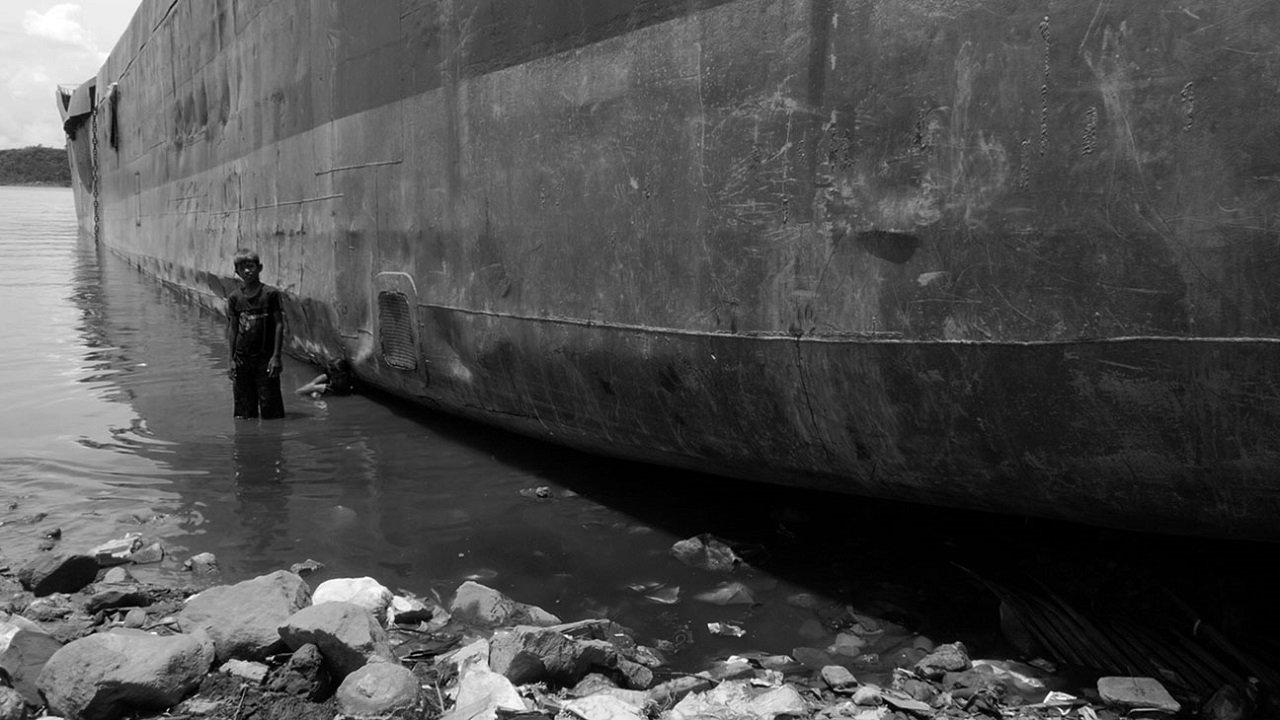
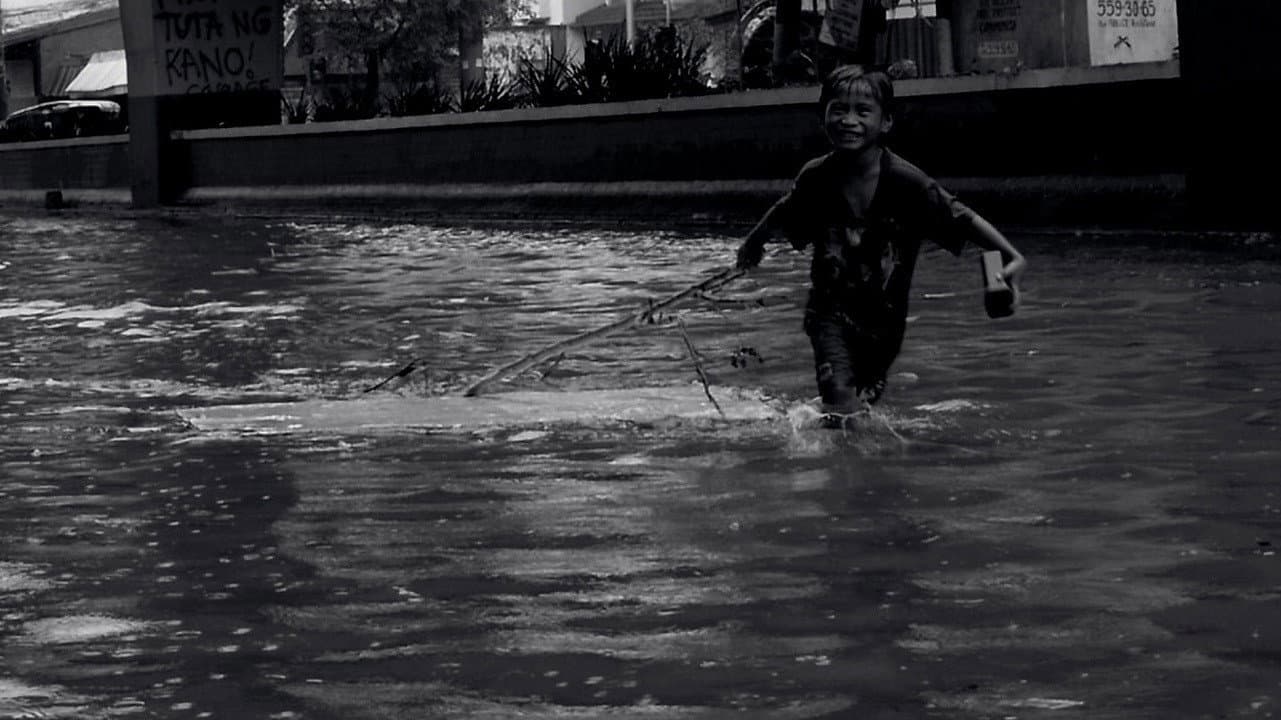
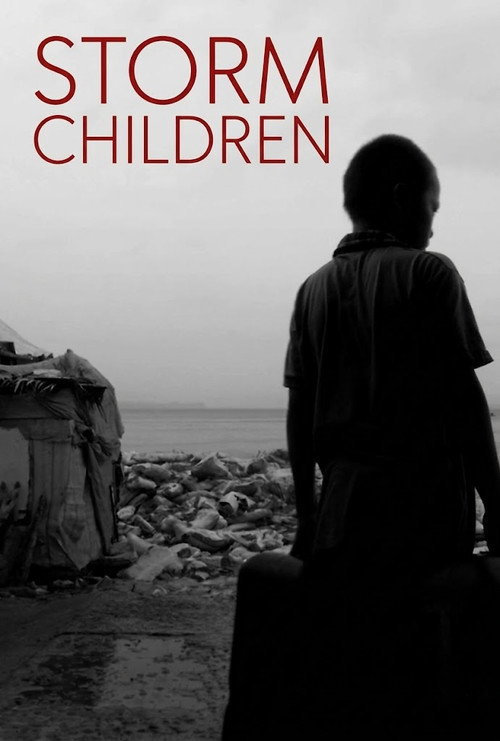
The Philippines is visited by an average of 20~28 strong typhoons and storms every year. It is the most storm-battered country in the world. Last year, Typhoon Haiyan, considered the strongest storm in history, struck the Philipines, leaving in its path apocalyptic devastation.
Directed by Lav Diaz
philippines
storm

Trailer

IMDB
N/A
Crew
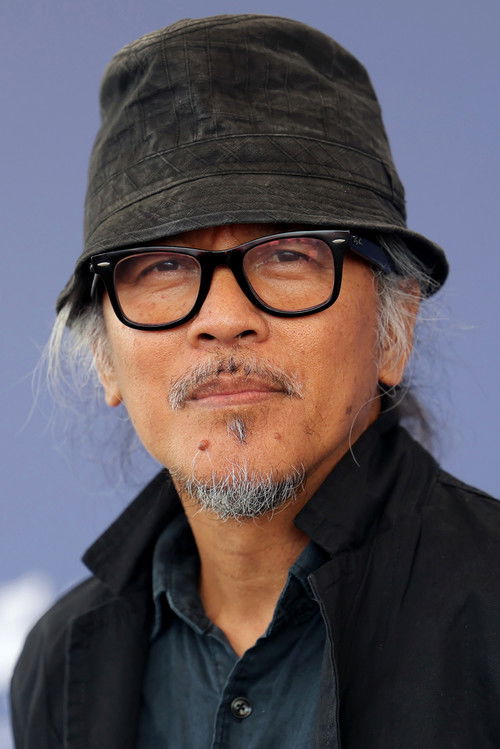
Lav Diaz
Director
Lav Diaz
Editor
Lav Diaz
Cinematography

Hazel Orencio
Production Coordinator

Liryc Dela Cruz
Production Manager
Popular Reviews
3 reviews
Ivy
9.9★ · 08/15/25
This is my first exposure to Lav Diaz. Outside of my pretty evident concerns surrounding length—a point which feels hypocritical given that my favorite narrative film is A Brighter Summer Day, but I sadly have a life and 5-8 hour movies are difficult to schedule around—Storm Children was a surprisingly perfect entrance into Diaz’s world, considering my own idiosyncratic filmic values and obsessions.
Living street photography documenting tragedy that nevertheless maintains centred around the poetry of the mundane, wielding the documentarian’s tongue as transcendent in its blending of the mystic and concrete. While clearly standing as a “lesser” work, there still remains the same cinematic tones as News From Home, Field Niggas, and Killer of Sheep, all of which stand as fundamental to my personal relationship to cinema. It’s about documenting and being that mouthpiece for the collective experience. In the most simplest terms, that is what this shit is about. That is what cinema is to me. I keep repeating myself but like… it’s my truth.
The images in this instantly burnt themselves into my mind. After one film, I’m already feeling the primal need to study the composition, to study Diaz’s cinematic language. Maybe it’s faulty of my brain to jump towards, “How can I use this piece for my own benefit?” But I can’t help it. For how apparently critical I am, I’m also very easily and aggressively inspired.
When breaking down my own cinematic ideals into genres, I simply cannot see myself creating anything without some kind of documentarian element and some kind of romantic connection, which is apparently strange to some people. The extent of which reality can touch narrative filmmaking—especially utilizing a genre as escapist and idealistic as romance—has been limited. When I mention documentary filmmaking, a whole other image is composed in others’ minds. For this reason, watching films like Storm Children—especially those so explicitly constructed around and for the sake of the collective—is admittedly the highest form of artistic validation. I ain’t crazy. There’s a space for me, even if I want to extend my reach beyond the very figures that I admire. Maybe that’s the arrogance talking.
Just from this relatively brief window into Diaz’s aesthetic voice and personal values, I can tell that his narrative work is gonna change my motherfucking brain chemistry. The films that interest me the most are Batang West Side and Florentina Hubaldo, CTE; however, I am gonna kindly request that anyone who has grown familiar with my (pretty consistent) taste please give me recommendations of where I should start. These films are a goddamn commitment. Your girl can’t lie.
Edit: After rereading this, I just want to say that I actually do have thoughts surrounding the contents of this film. I just use Letterboxd as a public diary, and that is reflected through my “reviews.” I ain’t writing movie reviews, and when I do write some kind of literary analysis, it’s gonna loop back into the core diaristic purpose of my account. When that analysis is separate from any diaristic purpose, I’m most likely gonna keep it to myself. (Though I do often make exceptions just to voice my disappointment ‘cause, while I may lack experience, I’ll gladly still treat subpar filmmakers like they’re my children)
For films like this, I feel bad ‘cause there’s a lot of thoughts flooding my head. I may start writing like short “afterthoughts” that bring actual analysis of the filmmaking and literary elements at play. My only concern is that I already yap a lot, and don’t know if I can limit myself. Idk I just love cinema. I love the movies.
Also, I rewatched Pom Poko like less than a week ago. I want to write a longer, more actively involved—albeit still diaristic—piece on it ‘cause I truly believe that it’s a top 3 Ghibli film, and most folks interpret the film’s didactic structure as simplicity while simultaneously ignoring the deeper themes of the degradation of revolutionary action, (neo)colonial ideology, and the foxes being fucking coons. Like I can’t be the only one who saw the parallels between the tanuki community and indigenous peoples, right? I ain’t alone, right? Idk when imma sit down and write that shit but… expect that soon… ish.
Living street photography documenting tragedy that nevertheless maintains centred around the poetry of the mundane, wielding the documentarian’s tongue as transcendent in its blending of the mystic and concrete. While clearly standing as a “lesser” work, there still remains the same cinematic tones as News From Home, Field Niggas, and Killer of Sheep, all of which stand as fundamental to my personal relationship to cinema. It’s about documenting and being that mouthpiece for the collective experience. In the most simplest terms, that is what this shit is about. That is what cinema is to me. I keep repeating myself but like… it’s my truth.
The images in this instantly burnt themselves into my mind. After one film, I’m already feeling the primal need to study the composition, to study Diaz’s cinematic language. Maybe it’s faulty of my brain to jump towards, “How can I use this piece for my own benefit?” But I can’t help it. For how apparently critical I am, I’m also very easily and aggressively inspired.
When breaking down my own cinematic ideals into genres, I simply cannot see myself creating anything without some kind of documentarian element and some kind of romantic connection, which is apparently strange to some people. The extent of which reality can touch narrative filmmaking—especially utilizing a genre as escapist and idealistic as romance—has been limited. When I mention documentary filmmaking, a whole other image is composed in others’ minds. For this reason, watching films like Storm Children—especially those so explicitly constructed around and for the sake of the collective—is admittedly the highest form of artistic validation. I ain’t crazy. There’s a space for me, even if I want to extend my reach beyond the very figures that I admire. Maybe that’s the arrogance talking.
Just from this relatively brief window into Diaz’s aesthetic voice and personal values, I can tell that his narrative work is gonna change my motherfucking brain chemistry. The films that interest me the most are Batang West Side and Florentina Hubaldo, CTE; however, I am gonna kindly request that anyone who has grown familiar with my (pretty consistent) taste please give me recommendations of where I should start. These films are a goddamn commitment. Your girl can’t lie.
Edit: After rereading this, I just want to say that I actually do have thoughts surrounding the contents of this film. I just use Letterboxd as a public diary, and that is reflected through my “reviews.” I ain’t writing movie reviews, and when I do write some kind of literary analysis, it’s gonna loop back into the core diaristic purpose of my account. When that analysis is separate from any diaristic purpose, I’m most likely gonna keep it to myself. (Though I do often make exceptions just to voice my disappointment ‘cause, while I may lack experience, I’ll gladly still treat subpar filmmakers like they’re my children)
For films like this, I feel bad ‘cause there’s a lot of thoughts flooding my head. I may start writing like short “afterthoughts” that bring actual analysis of the filmmaking and literary elements at play. My only concern is that I already yap a lot, and don’t know if I can limit myself. Idk I just love cinema. I love the movies.
Also, I rewatched Pom Poko like less than a week ago. I want to write a longer, more actively involved—albeit still diaristic—piece on it ‘cause I truly believe that it’s a top 3 Ghibli film, and most folks interpret the film’s didactic structure as simplicity while simultaneously ignoring the deeper themes of the degradation of revolutionary action, (neo)colonial ideology, and the foxes being fucking coons. Like I can’t be the only one who saw the parallels between the tanuki community and indigenous peoples, right? I ain’t alone, right? Idk when imma sit down and write that shit but… expect that soon… ish.
This is my first exposure to Lav Diaz. Outside of my pretty evident concerns surrounding length—a point which feels hypocritical given that my favorite narrative film is A Brighter Summer Day, but I sadly have a life and 5-8 hour movies are difficult to schedule around—Storm Children was a surprisingly perfect entrance into Diaz’s world, considering my own idiosyncratic filmic values and obsessions.
Living street photography documenting tragedy that nevertheless maintains centred around the poetry of the mundane, wielding the documentarian’s tongue as transcendent in its blending of the mystic and concrete. While clearly standing as a “lesser” work, there still remains the same cinematic tones as News From Home, Field Niggas, and Killer of Sheep, all of which stand as fundamental to my personal relationship to cinema. It’s about documenting and being that mouthpiece for the collective experience. In the most simplest terms, that is what this shit is about. That is what cinema is to me. I keep repeating myself but like… it’s my truth.
The images in this instantly burnt themselves into my mind. After one film, I’m already feeling the primal need to study the composition, to study Diaz’s cinematic language. Maybe it’s faulty of my brain to jump towards, “How can I use this piece for my own benefit?” But I can’t help it. For how apparently critical I am, I’m also very easily and aggressively inspired.
When breaking down my own cinematic ideals into genres, I simply cannot see myself creating anything without some kind of documentarian element and some kind of romantic connection, which is apparently strange to some people. The extent of which reality can touch narrative filmmaking—especially utilizing a genre as escapist and idealistic as romance—has been limited. When I mention documentary filmmaking, a whole other image is composed in others’ minds. For this reason, watching films like Storm Children—especially those so explicitly constructed around and for the sake of the collective—is admittedly the highest form of artistic validation. I ain’t crazy. There’s a space for me, even if I want to extend my reach beyond the very figures that I admire. Maybe that’s the arrogance talking.
Just from this relatively brief window into Diaz’s aesthetic voice and personal values, I can tell that his narrative work is gonna change my motherfucking brain chemistry. The films that interest me the most are Batang West Side and Florentina Hubaldo, CTE; however, I am gonna kindly request that anyone who has grown familiar with my (pretty consistent) taste please give me recommendations of where I should start. These films are a goddamn commitment. Your girl can’t lie.
Edit: After rereading this, I just want to say that I actually do have thoughts surrounding the contents of this film. I just use Letterboxd as a public diary, and that is reflected through my “reviews.” I ain’t writing movie reviews, and when I do write some kind of literary analysis, it’s gonna loop back into the core diaristic purpose of my account. When that analysis is separate from any diaristic purpose, I’m most likely gonna keep it to myself. (Though I do often make exceptions just to voice my disappointment ‘cause, while I may lack experience, I’ll gladly still treat subpar filmmakers like they’re my children)
For films like this, I feel bad ‘cause there’s a lot of thoughts flooding my head. I may start writing like short “afterthoughts” that bring actual analysis of the filmmaking and literary elements at play. My only concern is that I already yap a lot, and don’t know if I can limit myself. Idk I just love cinema. I love the movies.
Also, I rewatched Pom Poko like less than a week ago. I want to write a longer, more actively involved—albeit still diaristic—piece on it ‘cause I truly believe that it’s a top 3 Ghibli film, and most folks interpret the film’s didactic structure as simplicity while simultaneously ignoring the deeper themes of the degradation of revolutionary action, (neo)colonial ideology, and the foxes being fucking coons. Like I can’t be the only one who saw the parallels between the tanuki community and indigenous peoples, right? I ain’t alone, right? Idk when imma sit down and write that shit but… expect that soon… ish.
Living street photography documenting tragedy that nevertheless maintains centred around the poetry of the mundane, wielding the documentarian’s tongue as transcendent in its blending of the mystic and concrete. While clearly standing as a “lesser” work, there still remains the same cinematic tones as News From Home, Field Niggas, and Killer of Sheep, all of which stand as fundamental to my personal relationship to cinema. It’s about documenting and being that mouthpiece for the collective experience. In the most simplest terms, that is what this shit is about. That is what cinema is to me. I keep repeating myself but like… it’s my truth.
The images in this instantly burnt themselves into my mind. After one film, I’m already feeling the primal need to study the composition, to study Diaz’s cinematic language. Maybe it’s faulty of my brain to jump towards, “How can I use this piece for my own benefit?” But I can’t help it. For how apparently critical I am, I’m also very easily and aggressively inspired.
When breaking down my own cinematic ideals into genres, I simply cannot see myself creating anything without some kind of documentarian element and some kind of romantic connection, which is apparently strange to some people. The extent of which reality can touch narrative filmmaking—especially utilizing a genre as escapist and idealistic as romance—has been limited. When I mention documentary filmmaking, a whole other image is composed in others’ minds. For this reason, watching films like Storm Children—especially those so explicitly constructed around and for the sake of the collective—is admittedly the highest form of artistic validation. I ain’t crazy. There’s a space for me, even if I want to extend my reach beyond the very figures that I admire. Maybe that’s the arrogance talking.
Just from this relatively brief window into Diaz’s aesthetic voice and personal values, I can tell that his narrative work is gonna change my motherfucking brain chemistry. The films that interest me the most are Batang West Side and Florentina Hubaldo, CTE; however, I am gonna kindly request that anyone who has grown familiar with my (pretty consistent) taste please give me recommendations of where I should start. These films are a goddamn commitment. Your girl can’t lie.
Edit: After rereading this, I just want to say that I actually do have thoughts surrounding the contents of this film. I just use Letterboxd as a public diary, and that is reflected through my “reviews.” I ain’t writing movie reviews, and when I do write some kind of literary analysis, it’s gonna loop back into the core diaristic purpose of my account. When that analysis is separate from any diaristic purpose, I’m most likely gonna keep it to myself. (Though I do often make exceptions just to voice my disappointment ‘cause, while I may lack experience, I’ll gladly still treat subpar filmmakers like they’re my children)
For films like this, I feel bad ‘cause there’s a lot of thoughts flooding my head. I may start writing like short “afterthoughts” that bring actual analysis of the filmmaking and literary elements at play. My only concern is that I already yap a lot, and don’t know if I can limit myself. Idk I just love cinema. I love the movies.
Also, I rewatched Pom Poko like less than a week ago. I want to write a longer, more actively involved—albeit still diaristic—piece on it ‘cause I truly believe that it’s a top 3 Ghibli film, and most folks interpret the film’s didactic structure as simplicity while simultaneously ignoring the deeper themes of the degradation of revolutionary action, (neo)colonial ideology, and the foxes being fucking coons. Like I can’t be the only one who saw the parallels between the tanuki community and indigenous peoples, right? I ain’t alone, right? Idk when imma sit down and write that shit but… expect that soon… ish.


Eclectic Sorcerer
9.0★ · 06/16/26
Eclectic Sorcerer
9.0★ · 06/16/26
Ivy
9.7★ · 11/08/25