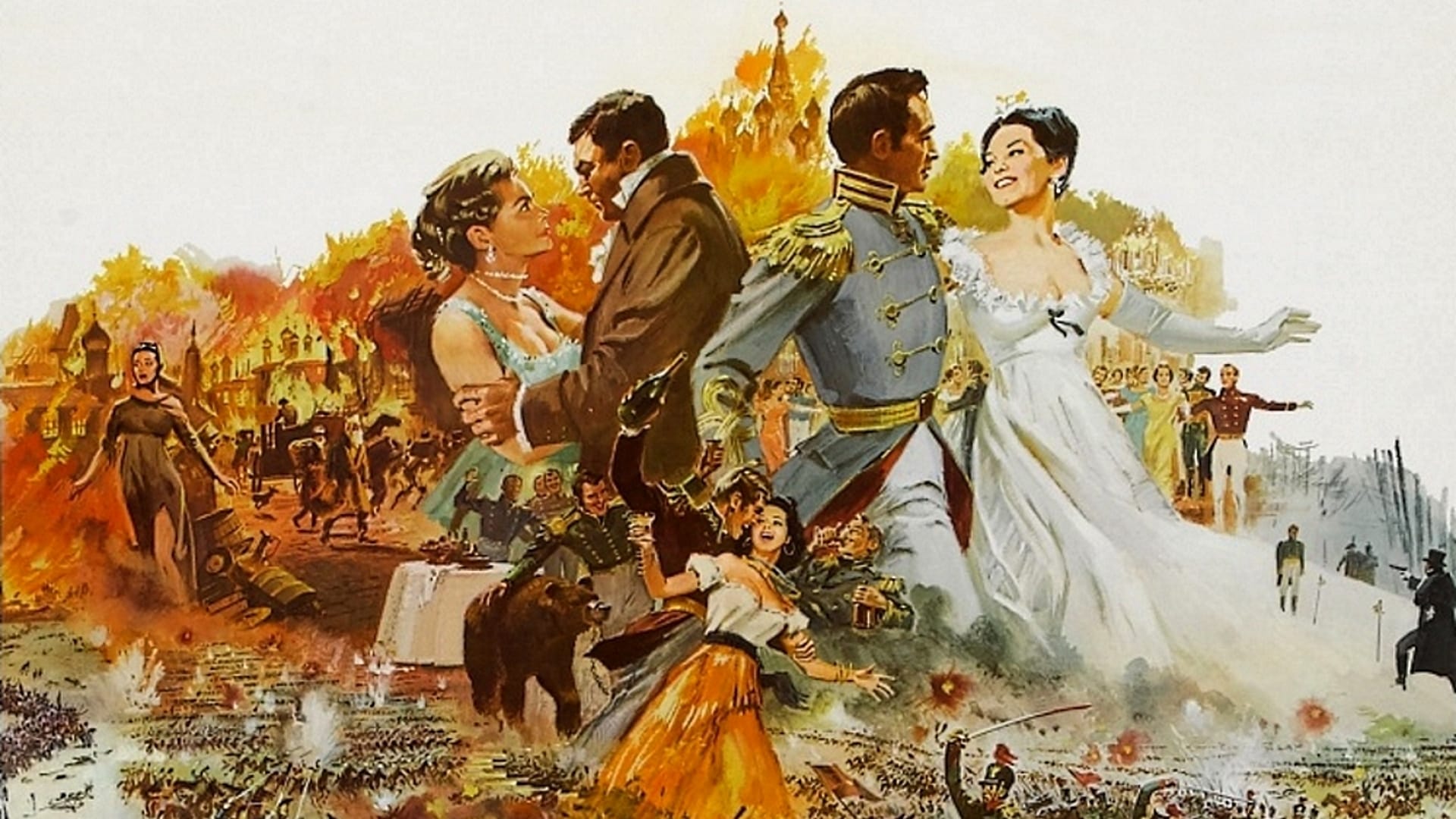
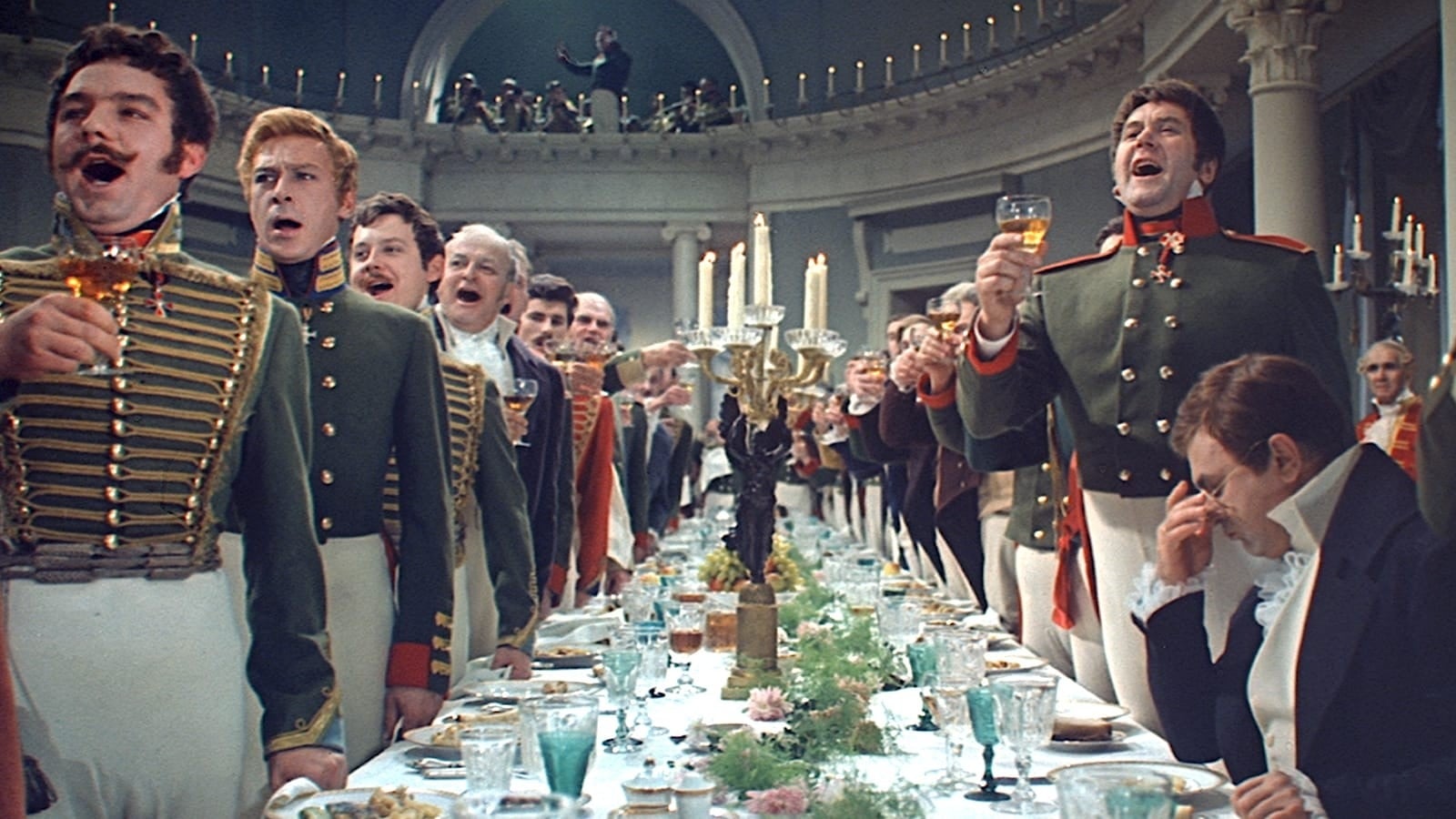
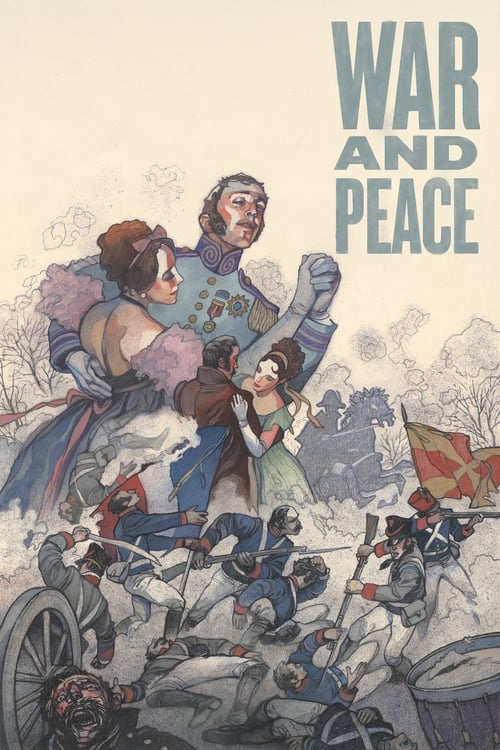
An absolutely epic and ambitious series,
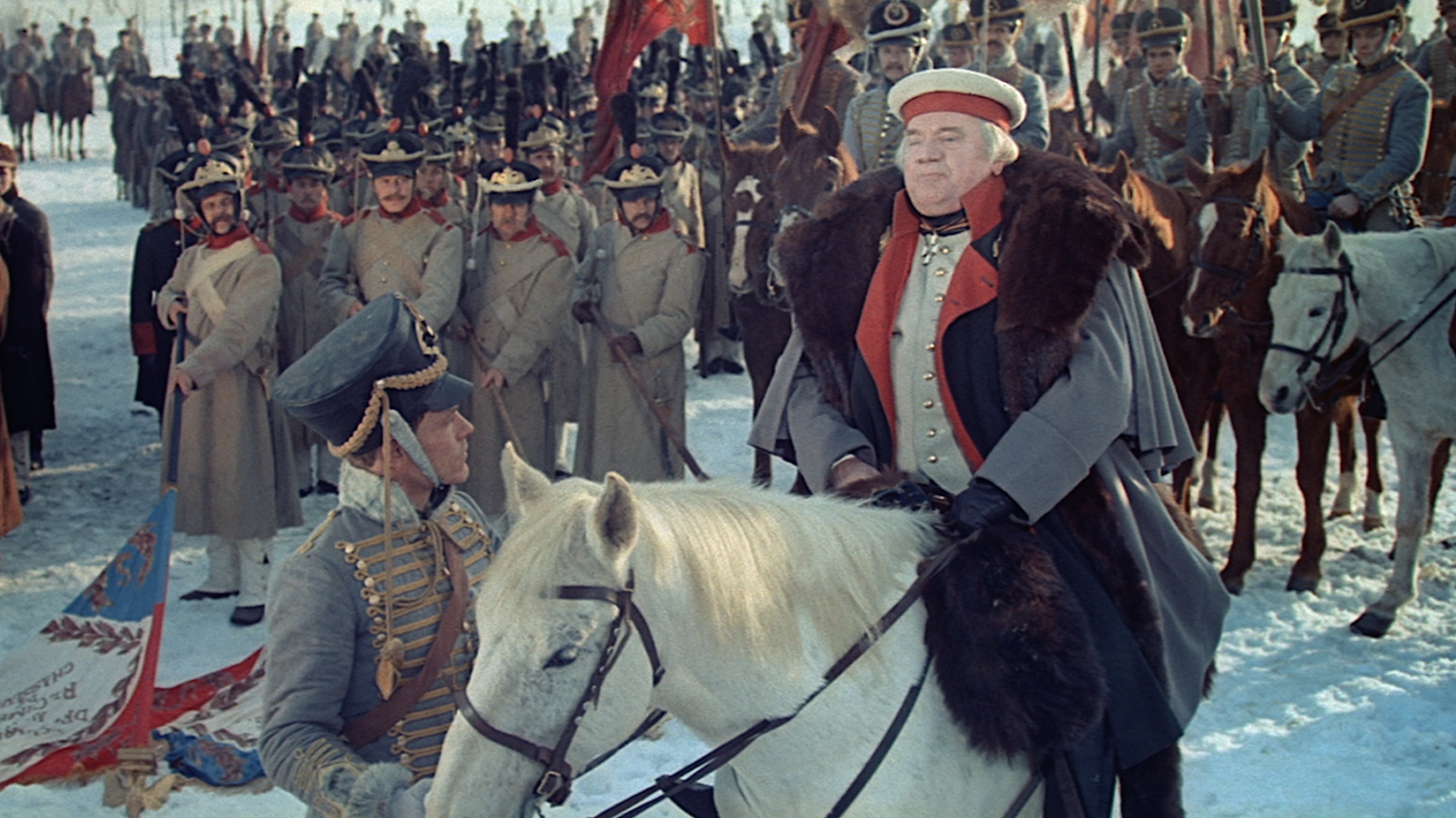
War and Peace had so much effort lavished into it: seven years of production, massive military resources from the Soviet state, a cast of thousands and revolutionary cinematic techniques for this glorious work of art.
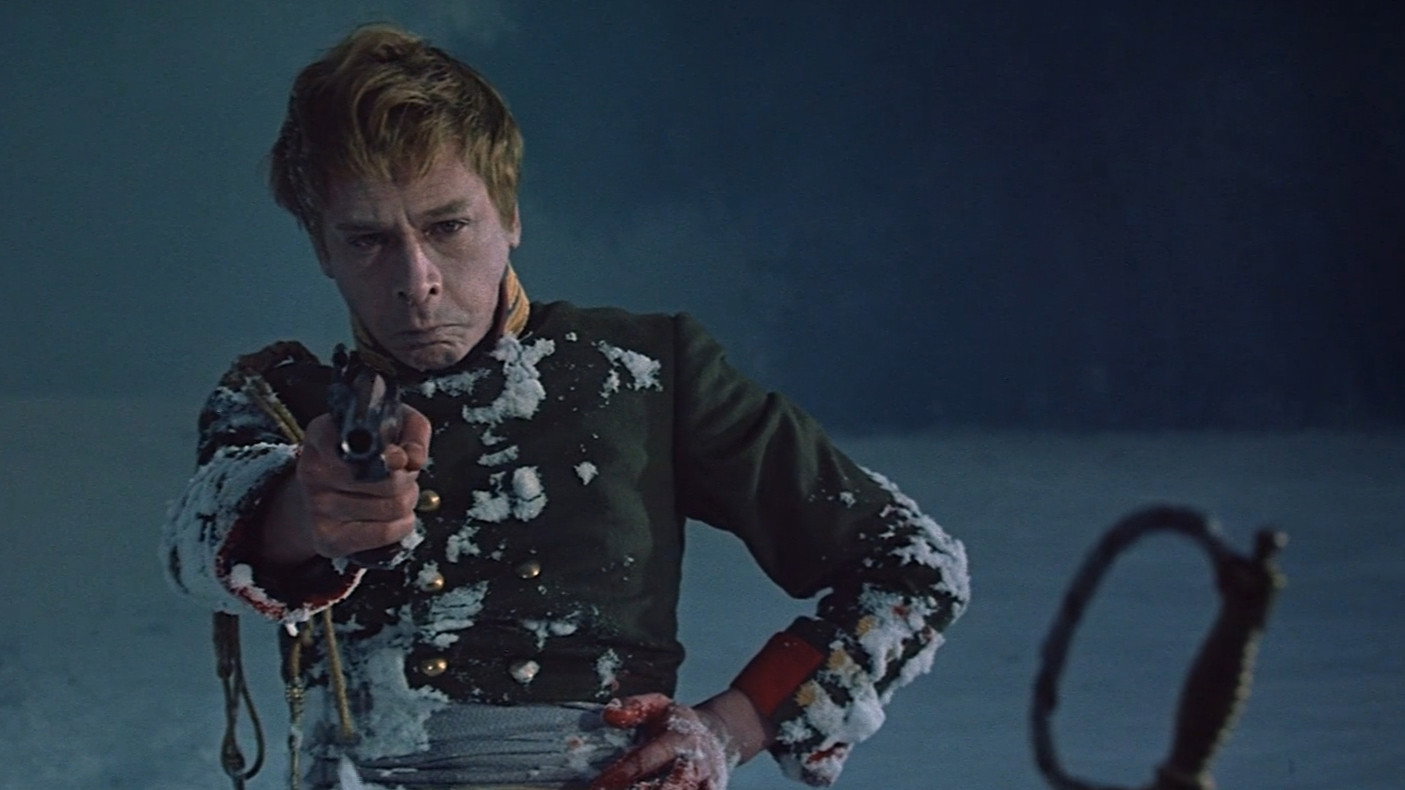
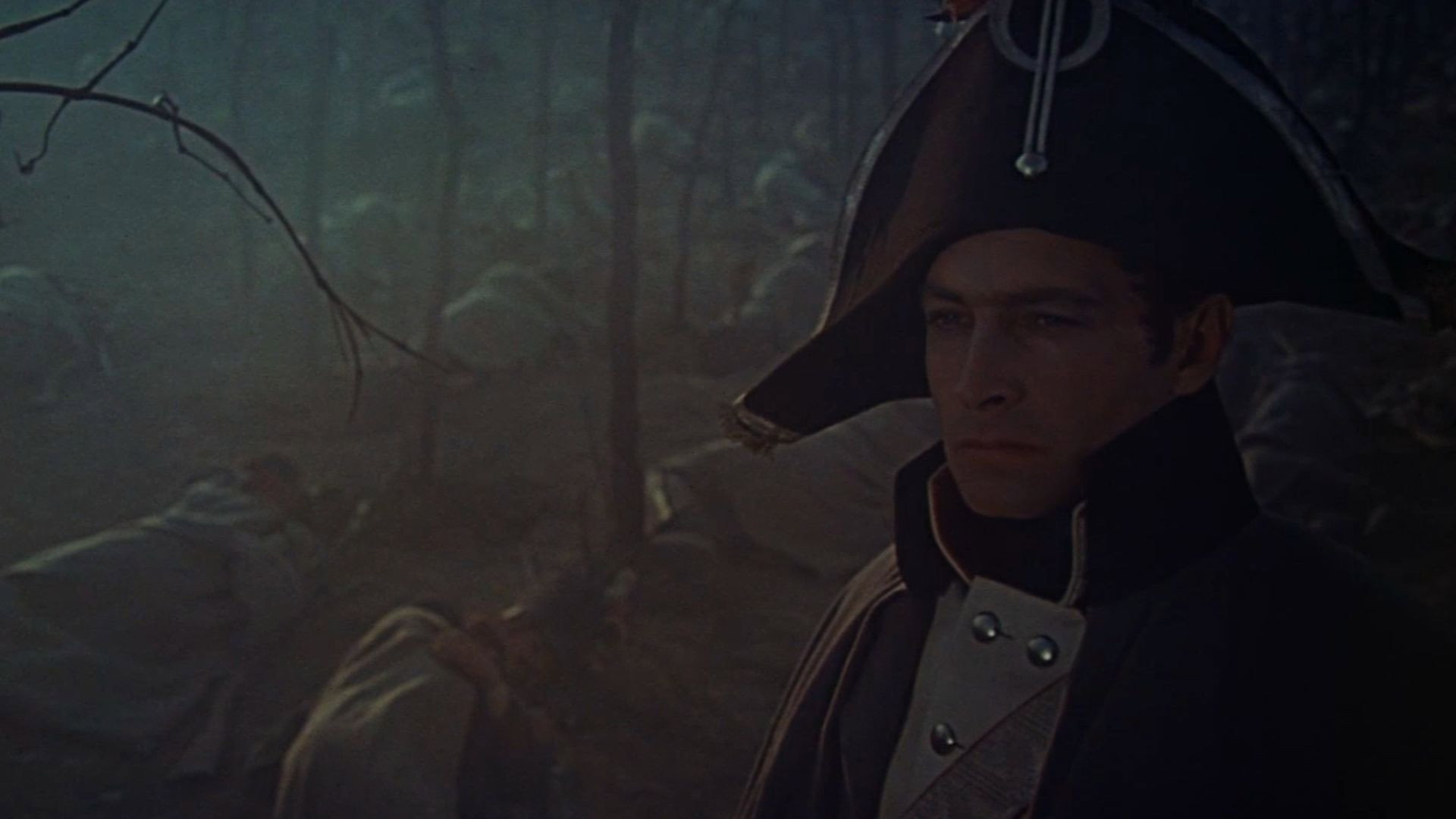
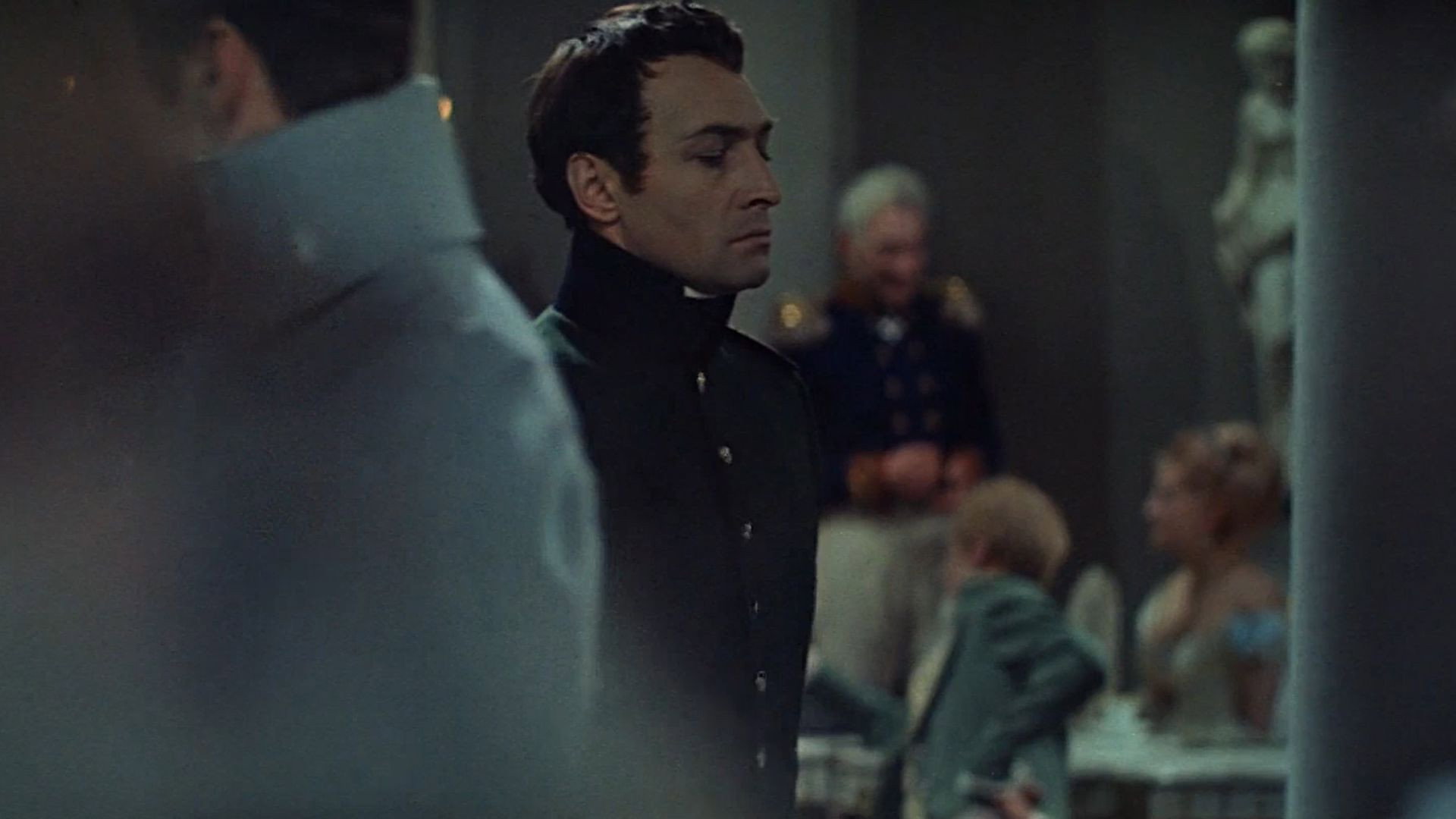
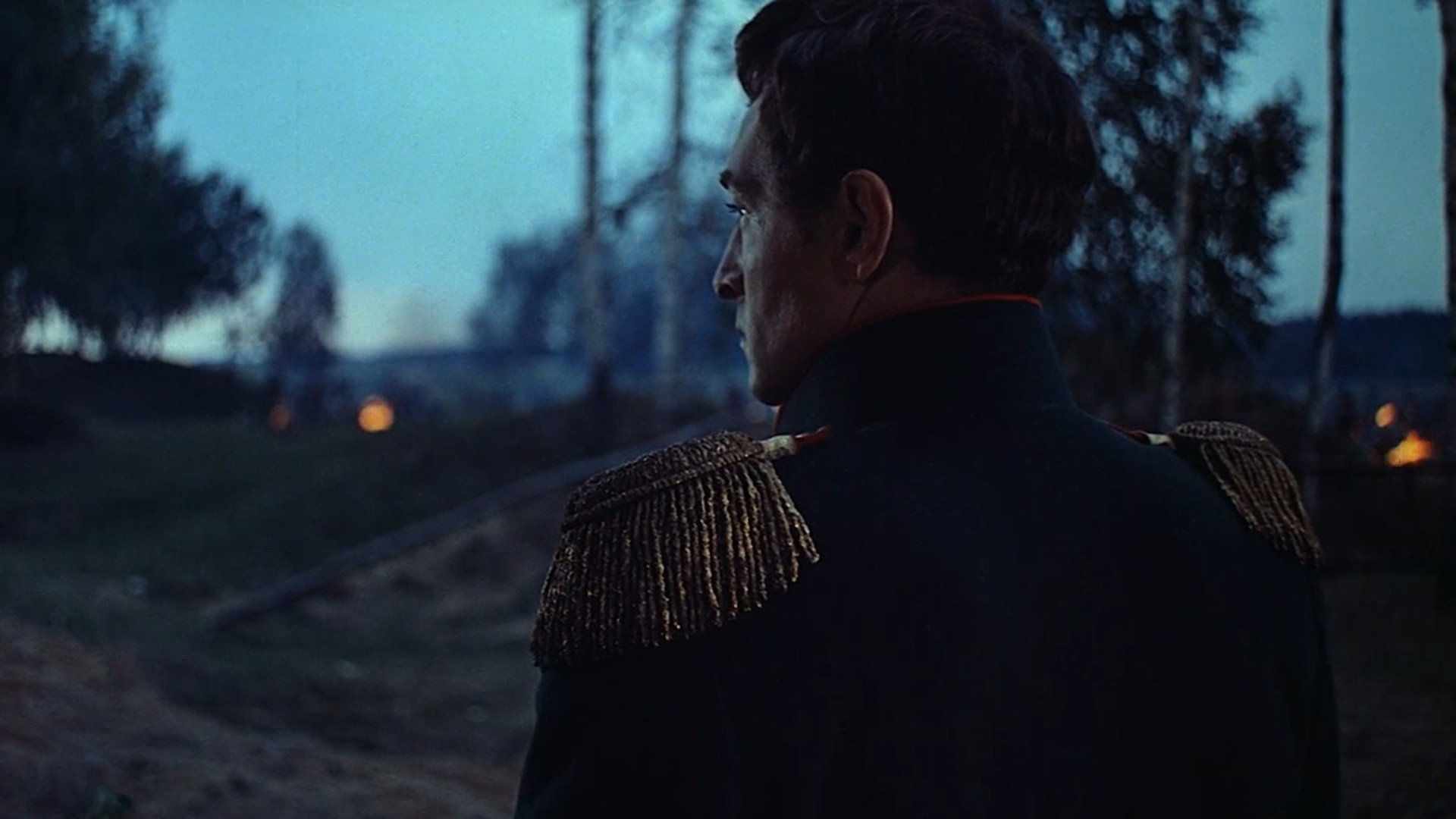
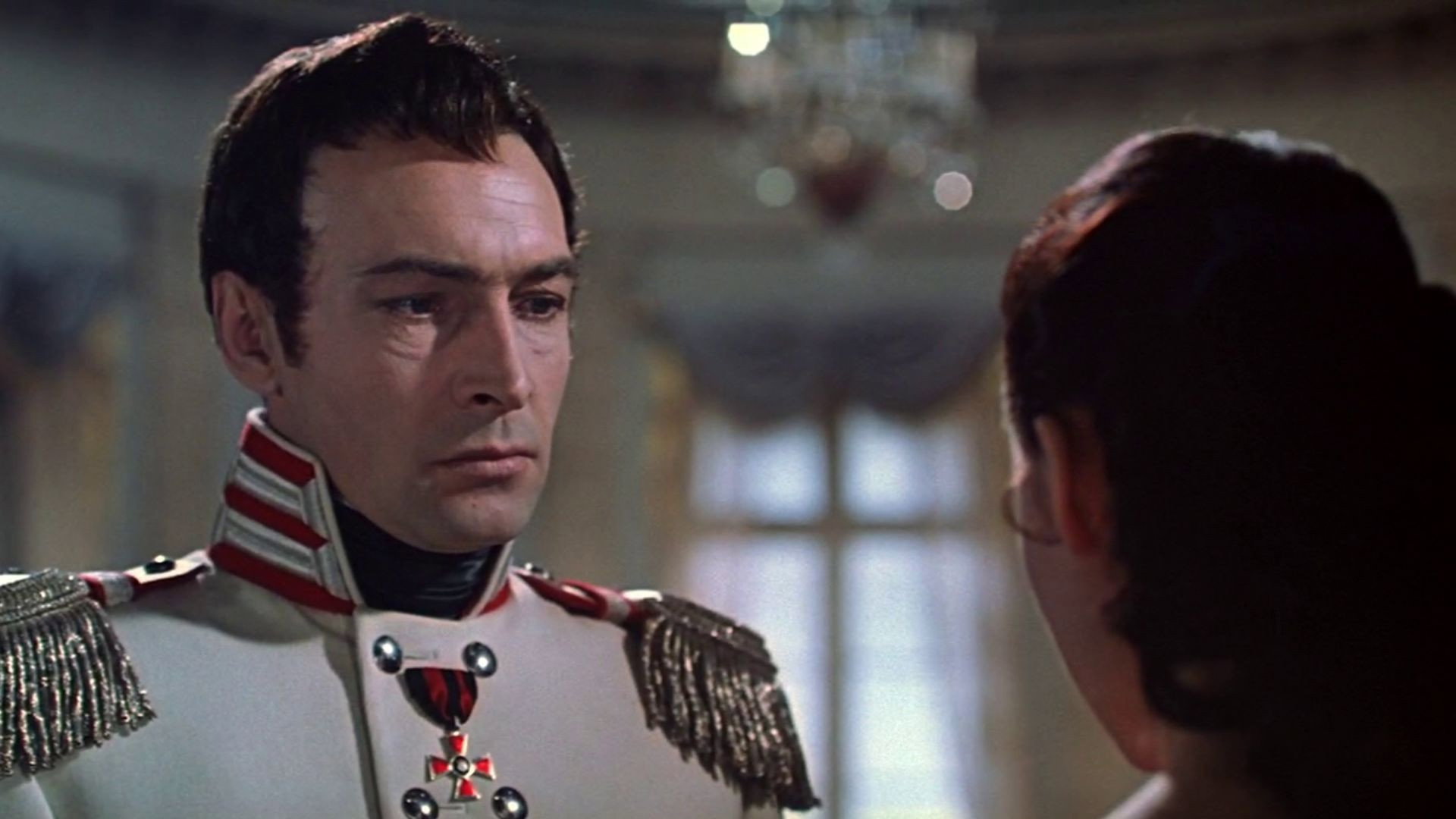
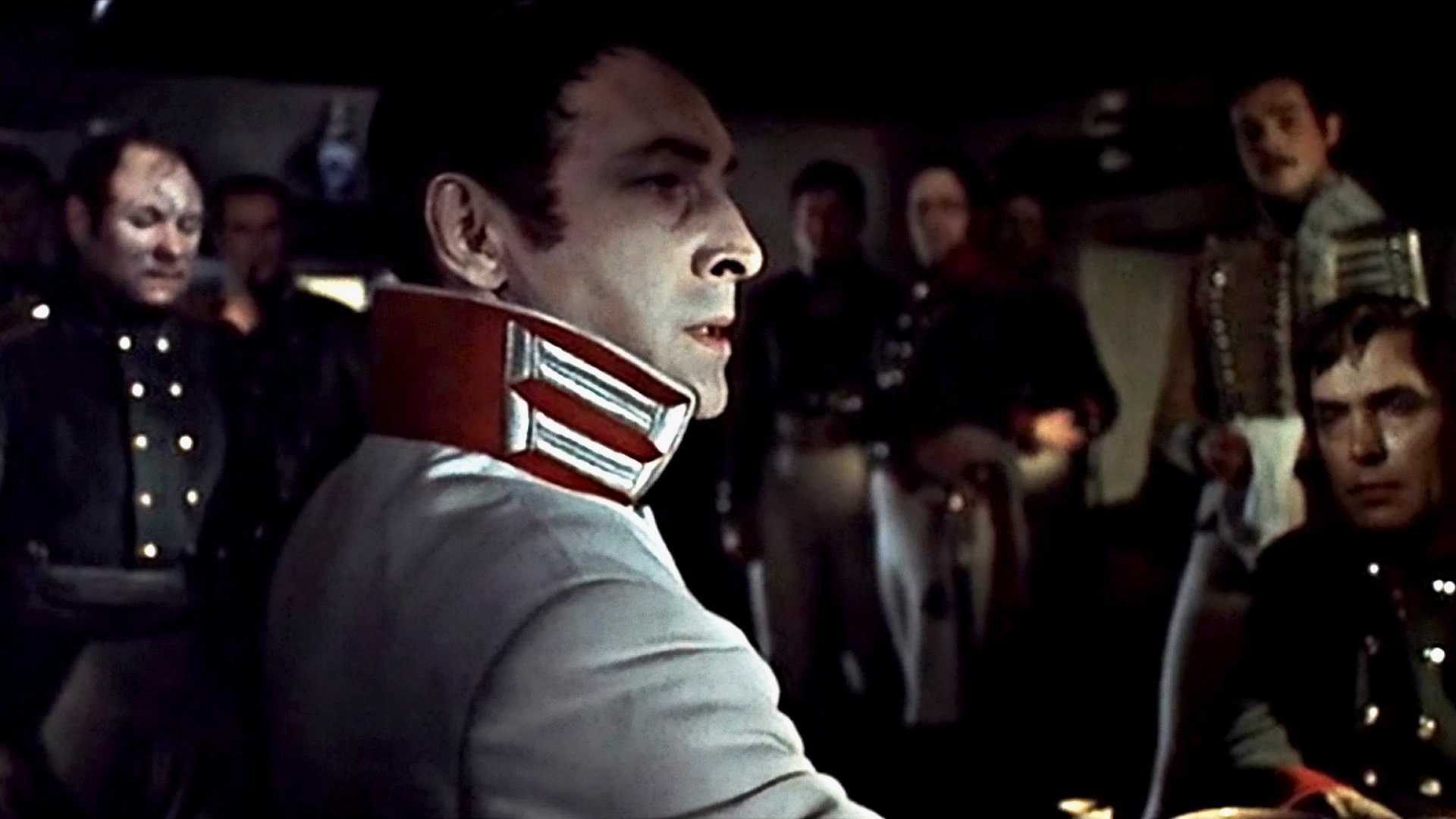
Part I: Andrei BolkonskyAndrei is introduced as being trapped by the emptiness of his social world. War becomes his chance of escape and a chance at glory, purpose and a "real" life beyond society's frivolity.
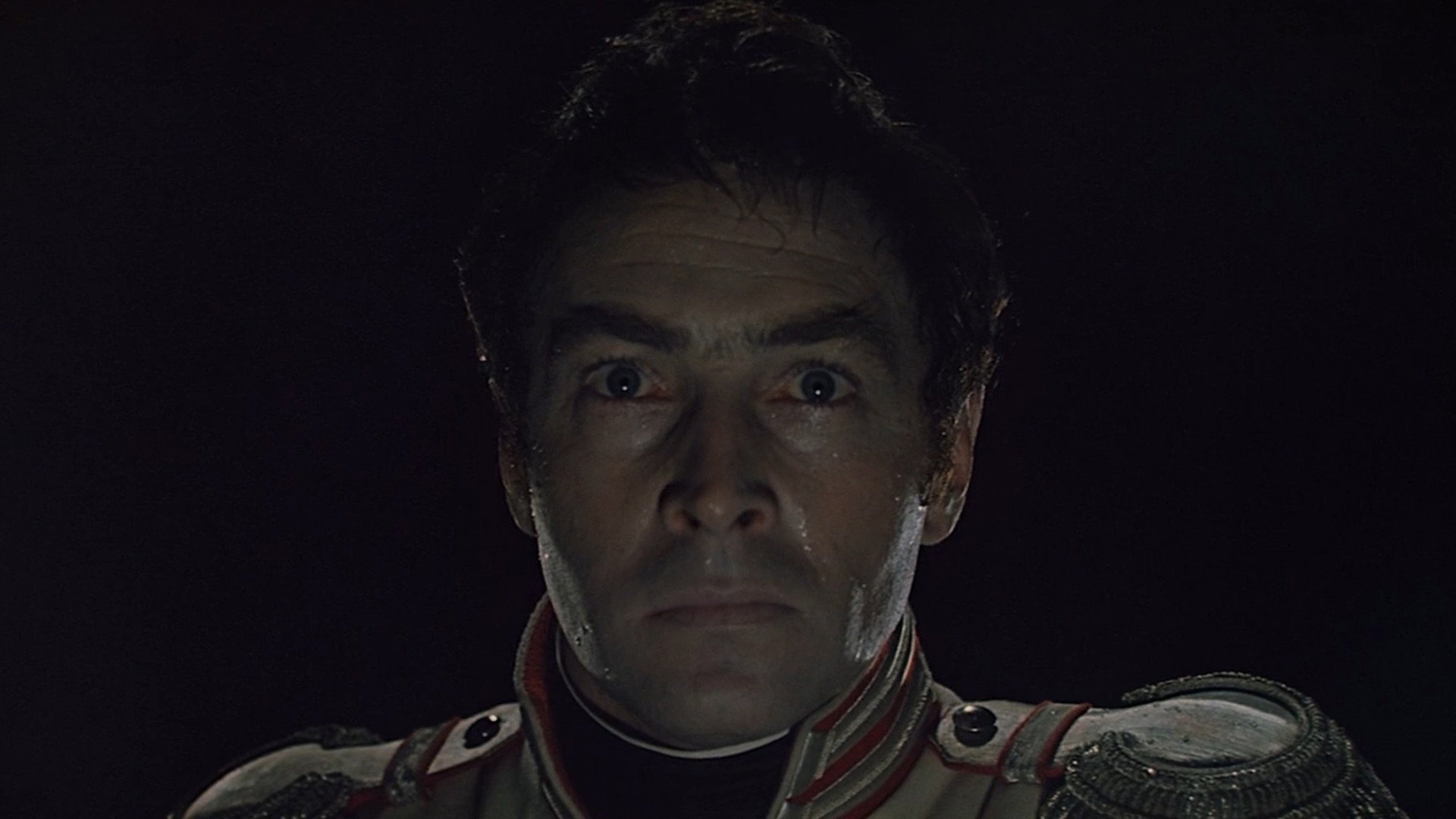
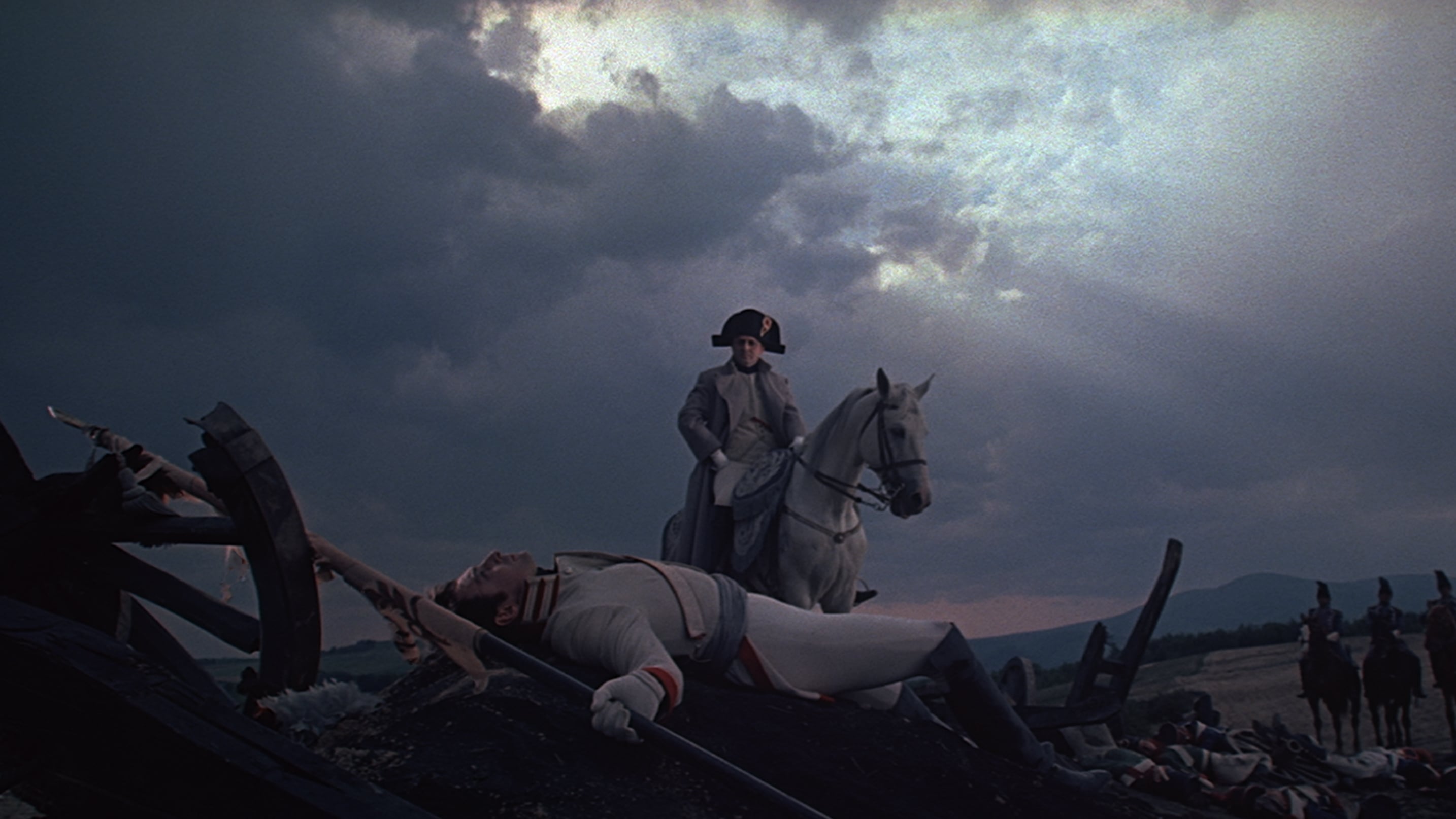
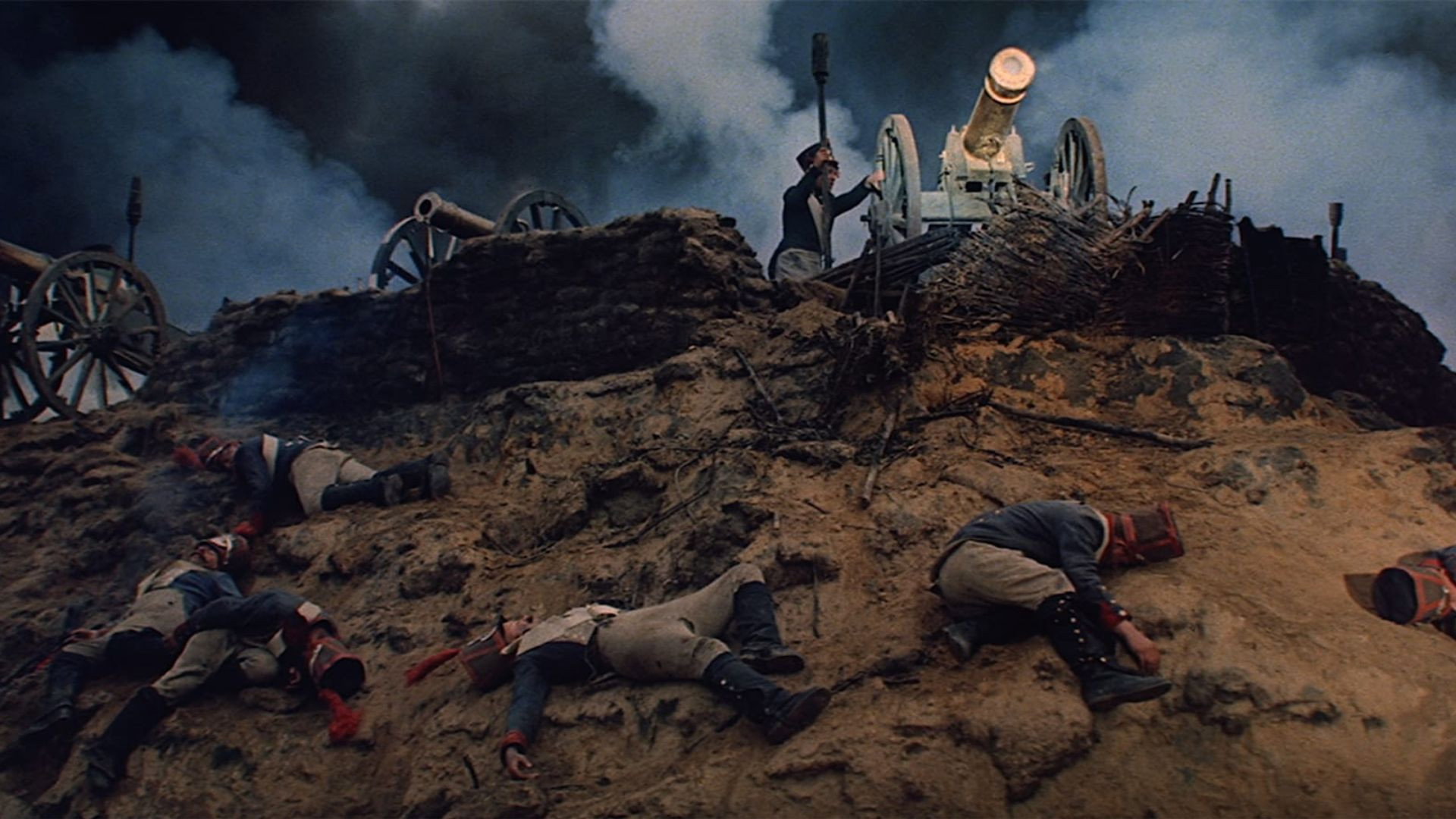
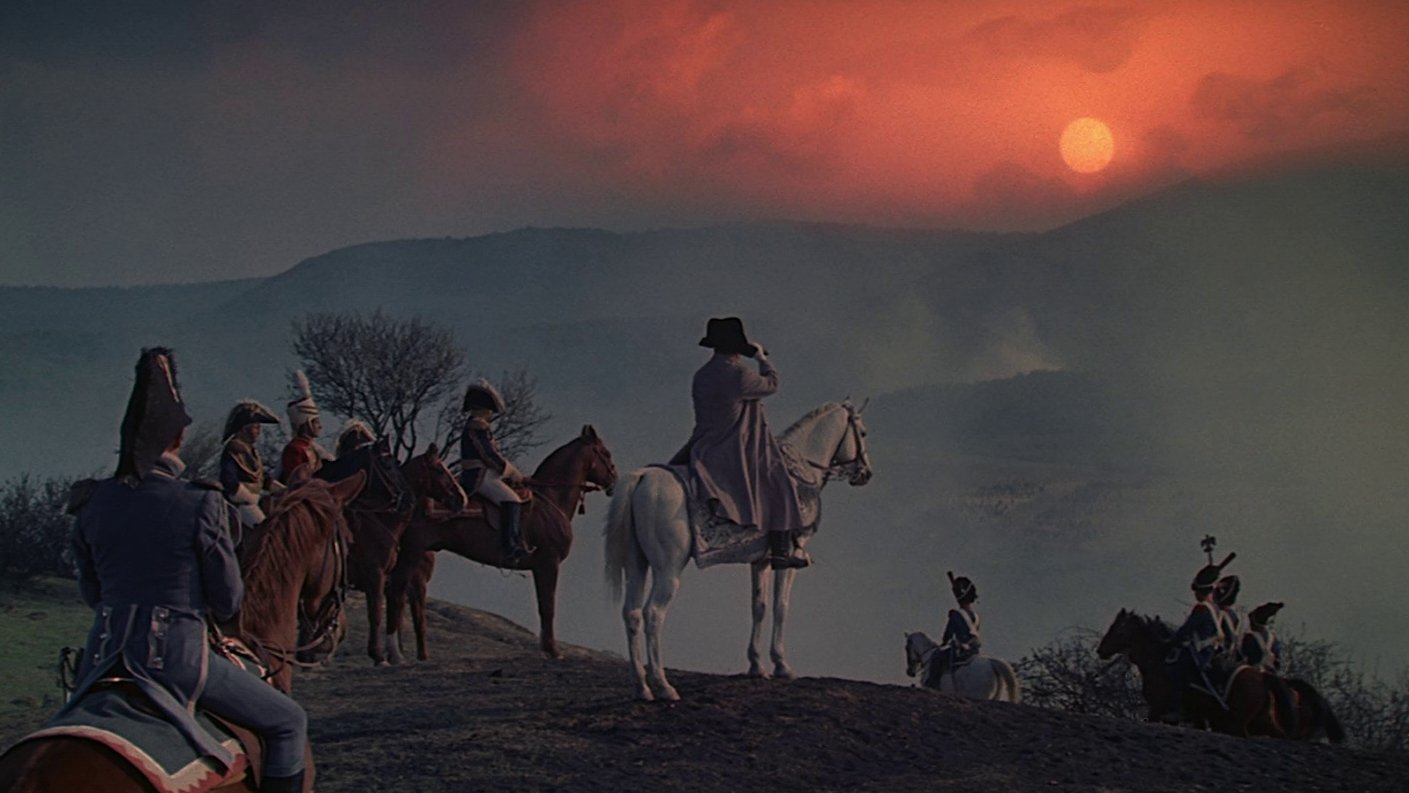
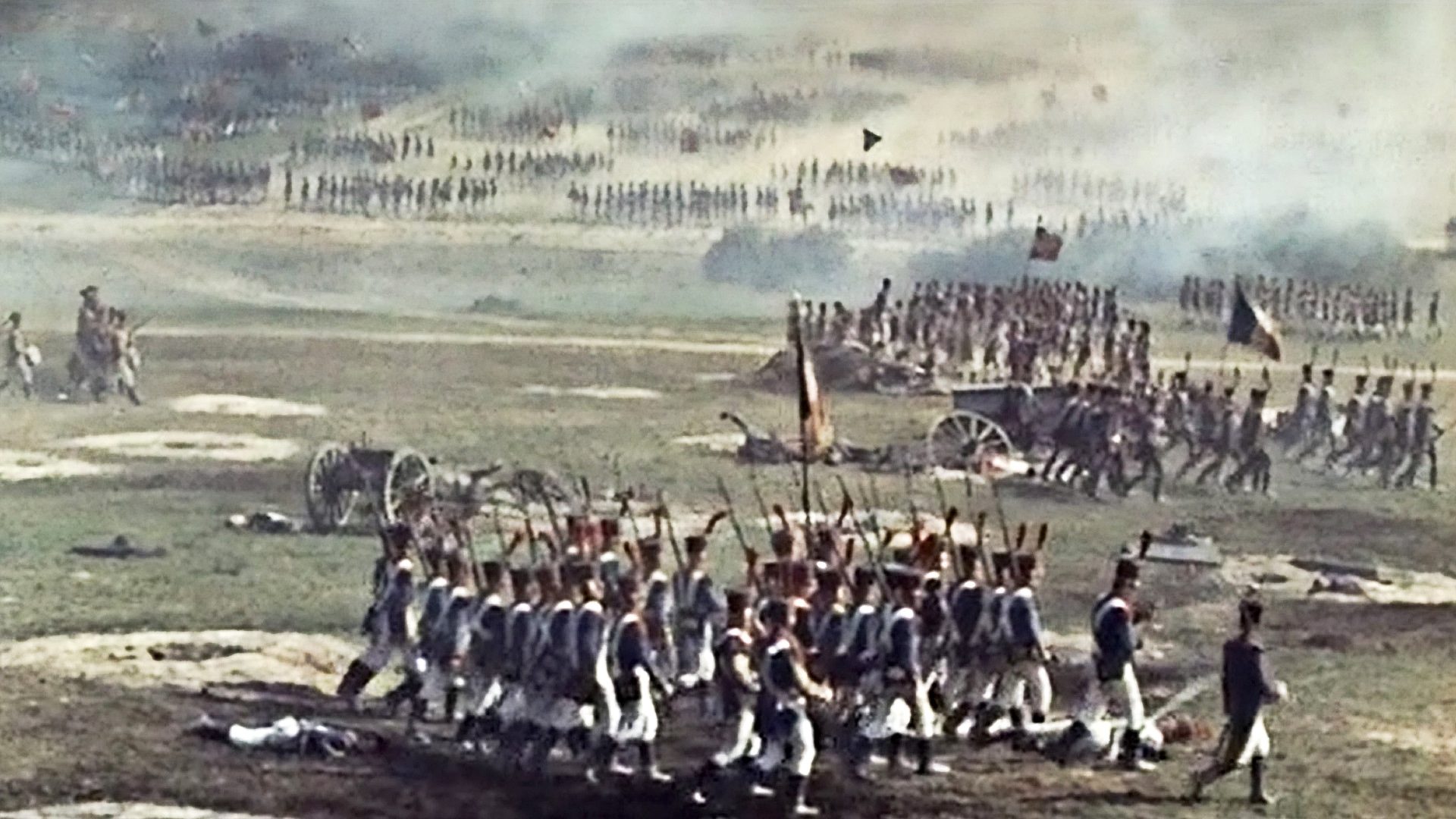
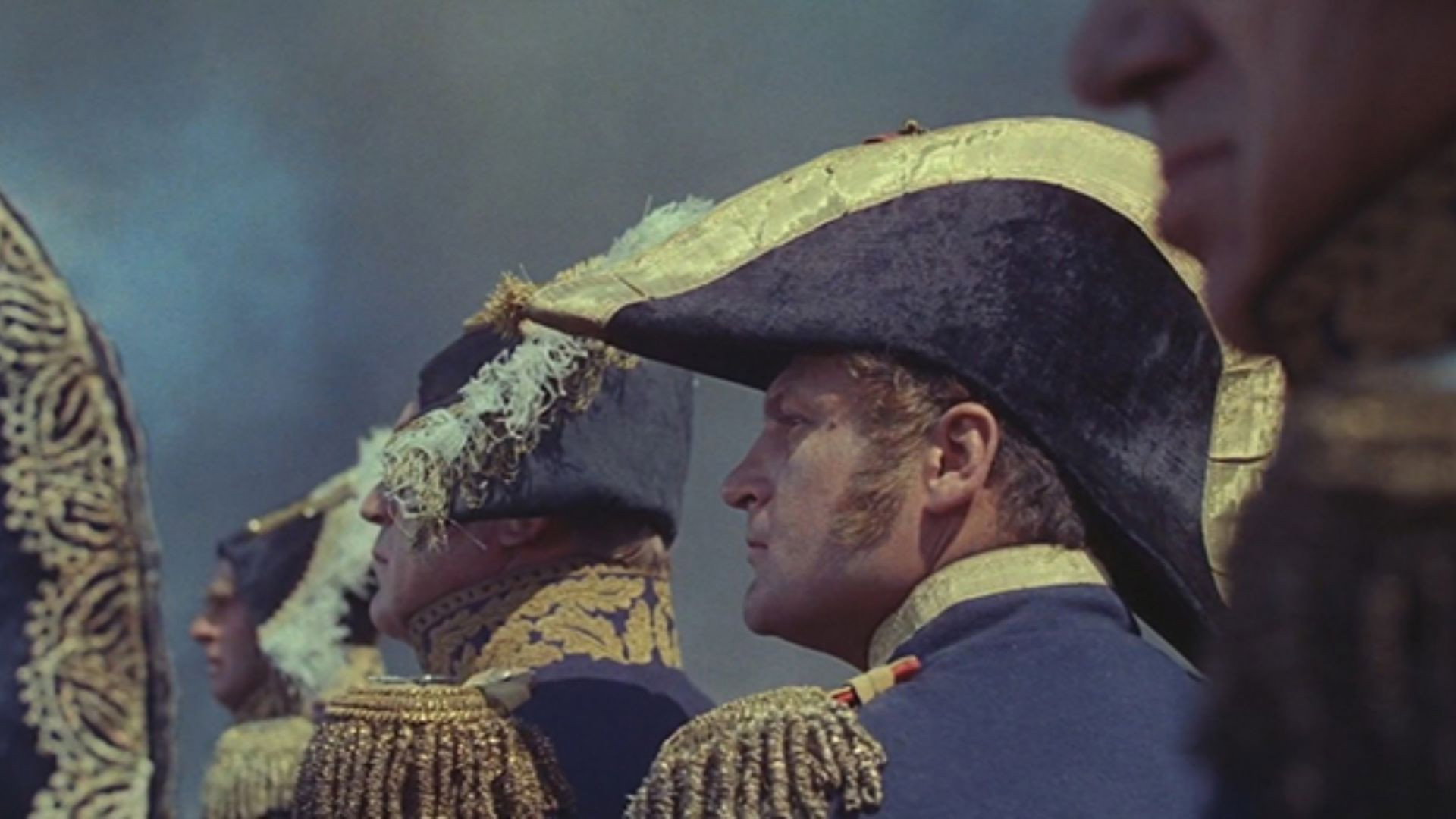
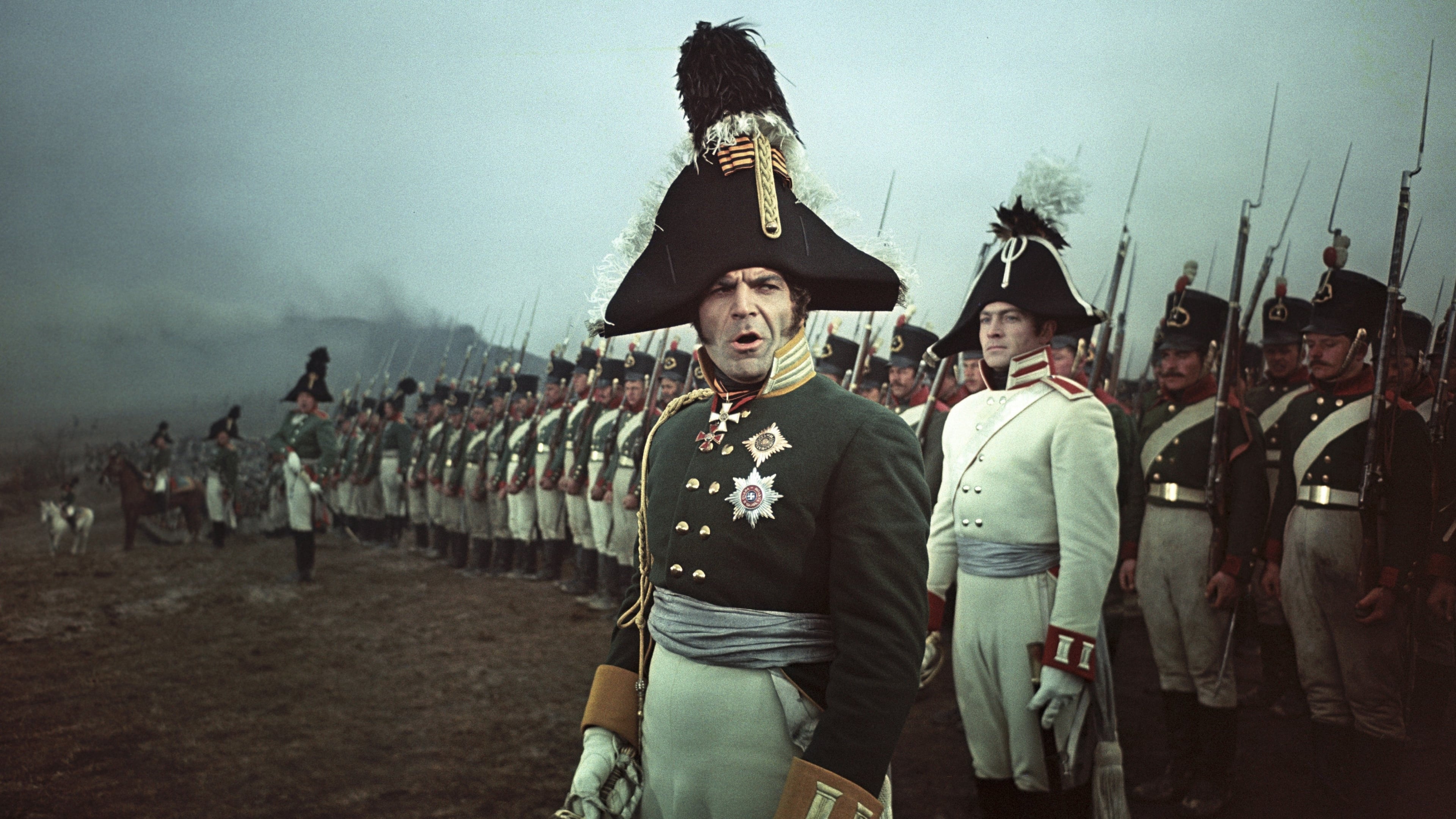
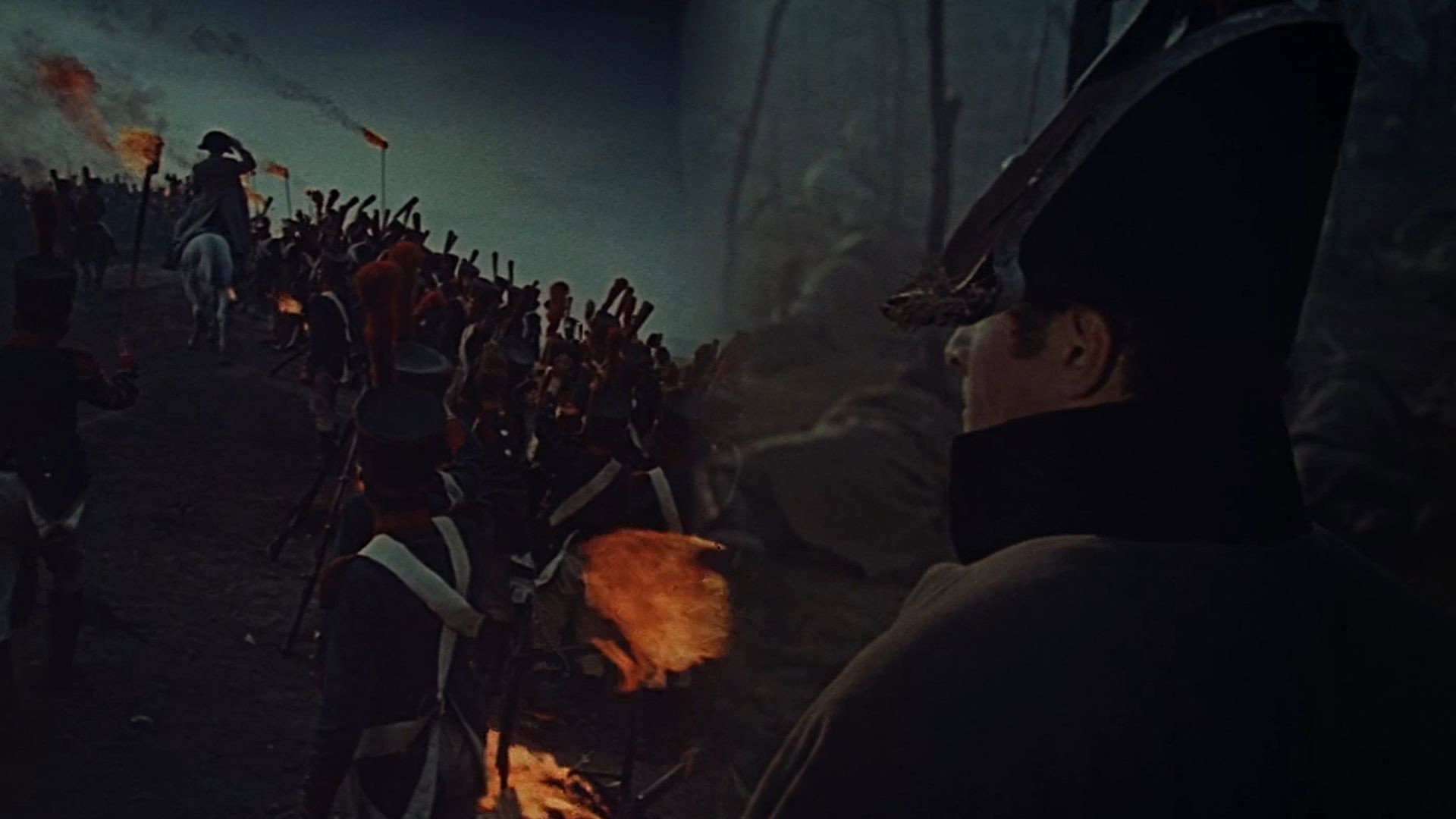
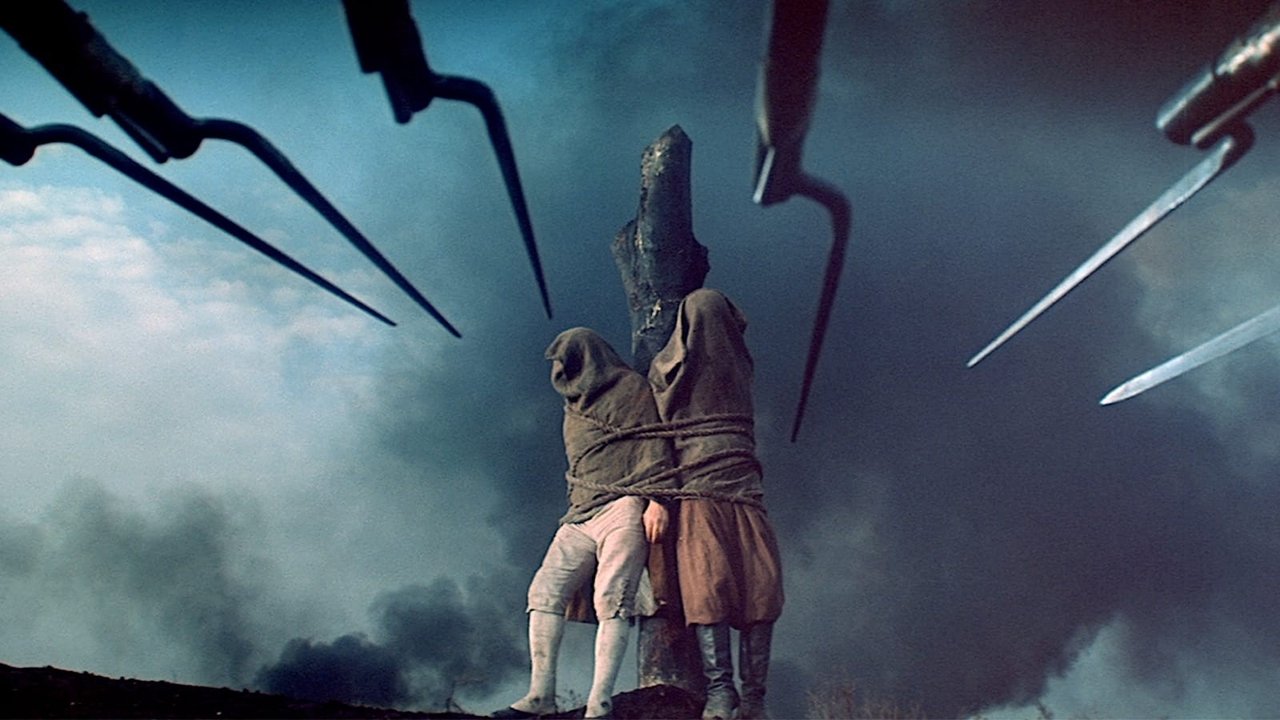
Bondarchuk's battle sequences are presented with chaotic handheld camerawork, rapid cutting, experimental sound and a refusal to romanticise combat. This matches the philosophy that war is heroic but chaotic and indifferent. Andrei enters seeking glory but finds confusion, fear and meaningless.
Bondarchuck pioneered techniques that Hollywood wouldn't nab until a good few decades later: huge moving crane shots, 360° battlefield rotations, practical explosions and THOUSANDS of extras. He uses stylised movement and subjective POV shots to bring the audience directly into the psychological state of Andrei.
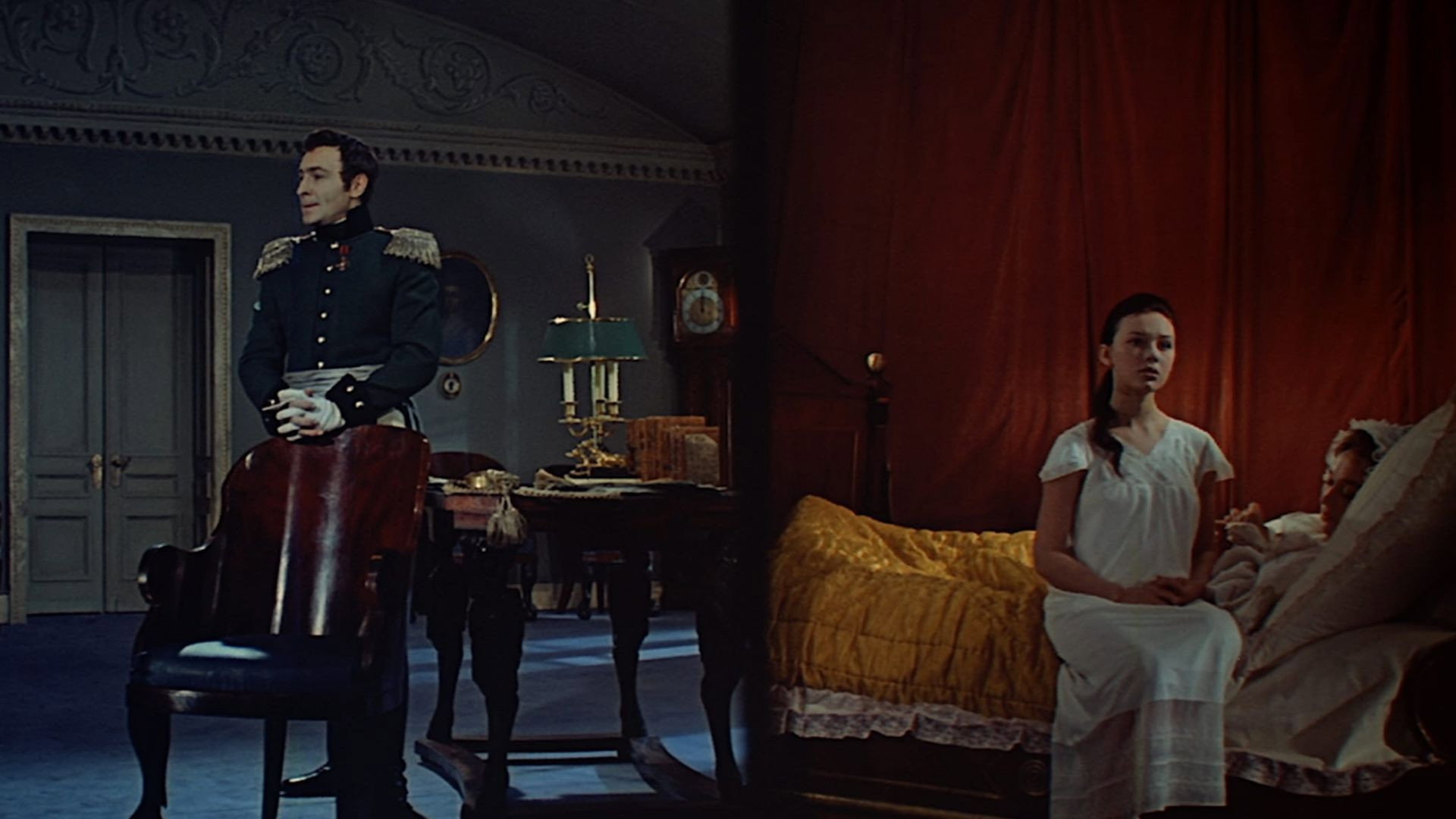
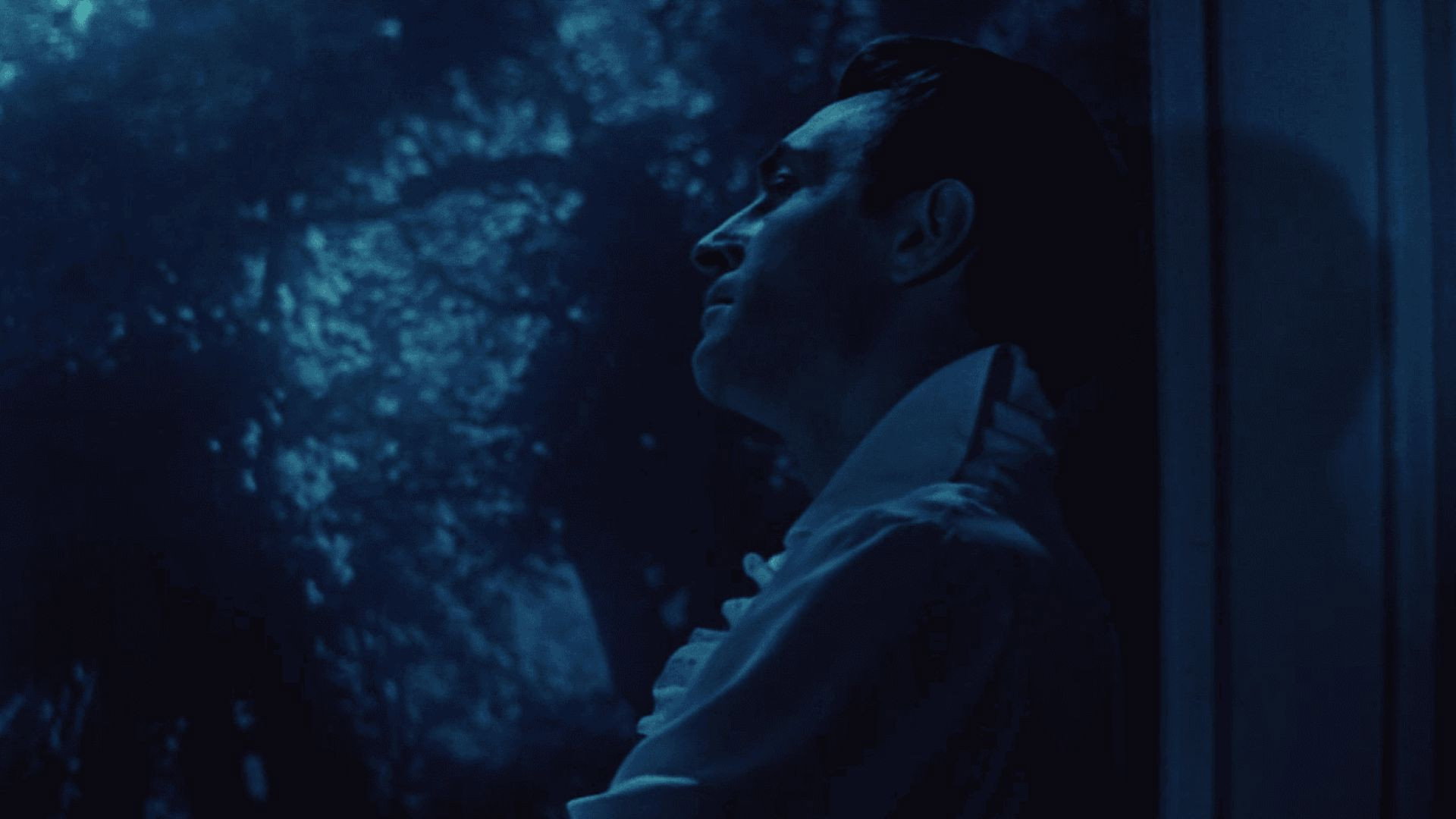
Andrei is suspended between the upper class world he hates and the mystic meaning he longs for. The film portrays his marriage as tragic before tragedy strikes. By the end of the film, Andrei returns not as a hero but a humbled and searching man.
Part II: Natasha RostovaPart II is a major shift in perspective and tone,
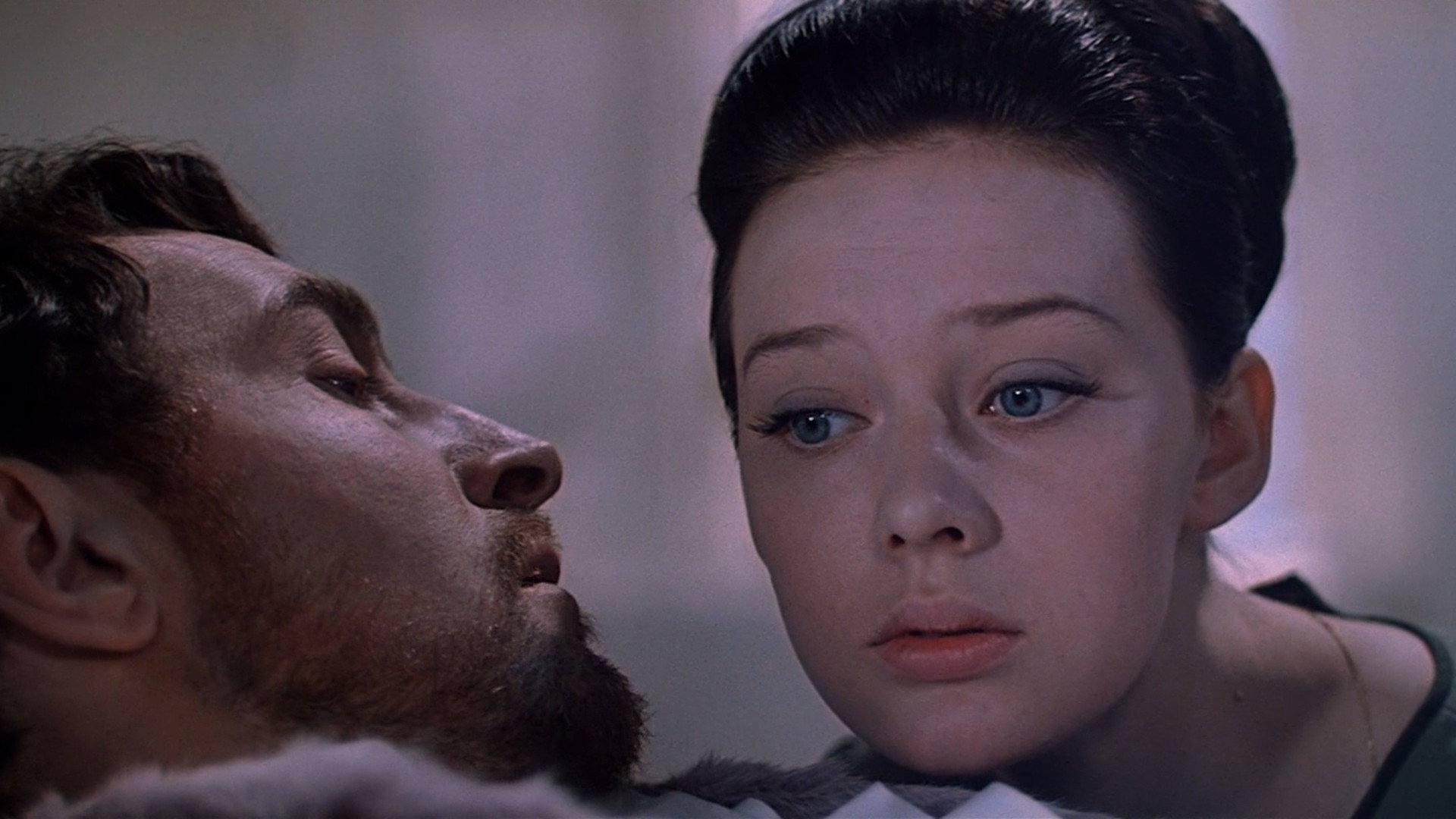
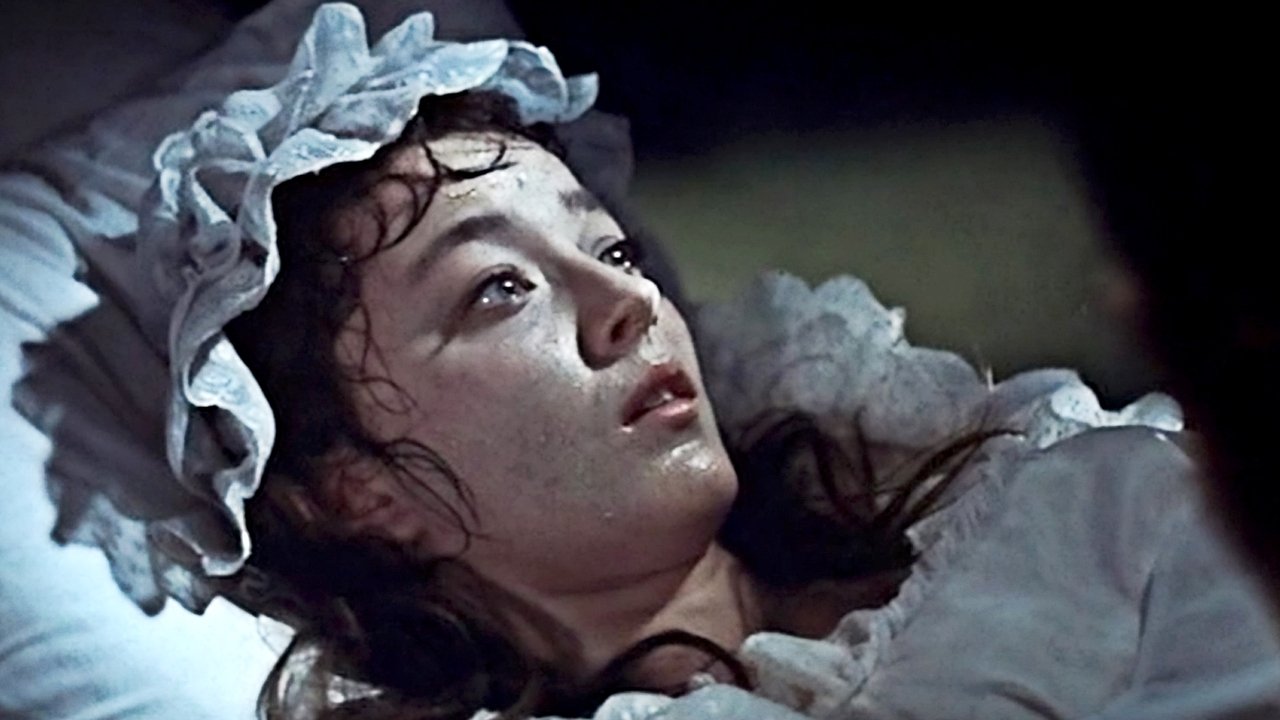
Part I focusing on the masculine military world but is moved to the feminine emotional world. It now all revolves around the liveliness, innocence and radiance of Natasha which now offers the audience a cinematic embodiment of the life-affirming qualities that the first film lacked.
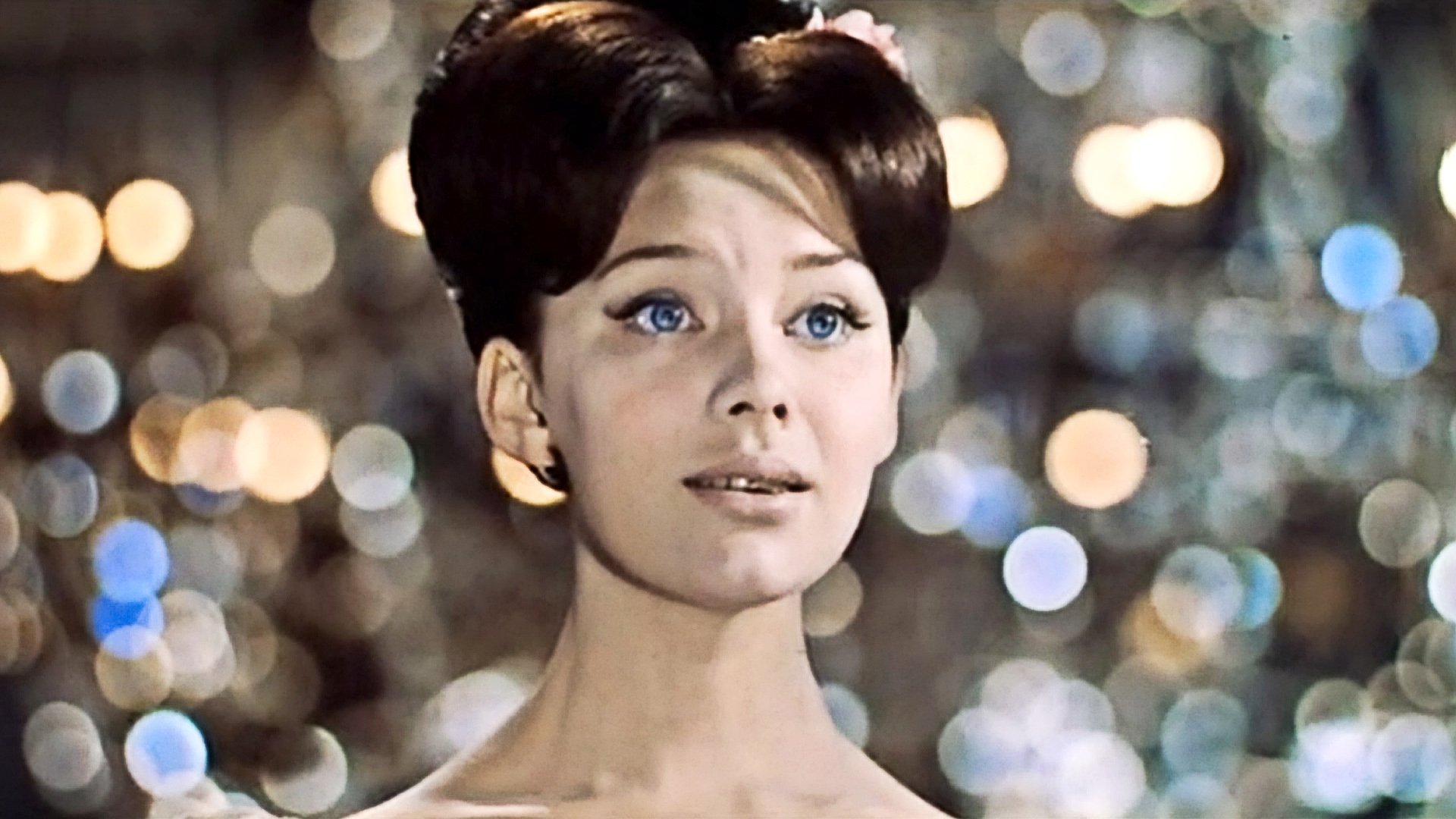
Natasha is presented by Bondarchuk as a force of nature: lively camera movements around her, bright lighting and colour palettes and rapid shifts in mood, music and energy. She is the complete opposite of what Andrei endured in the first film.
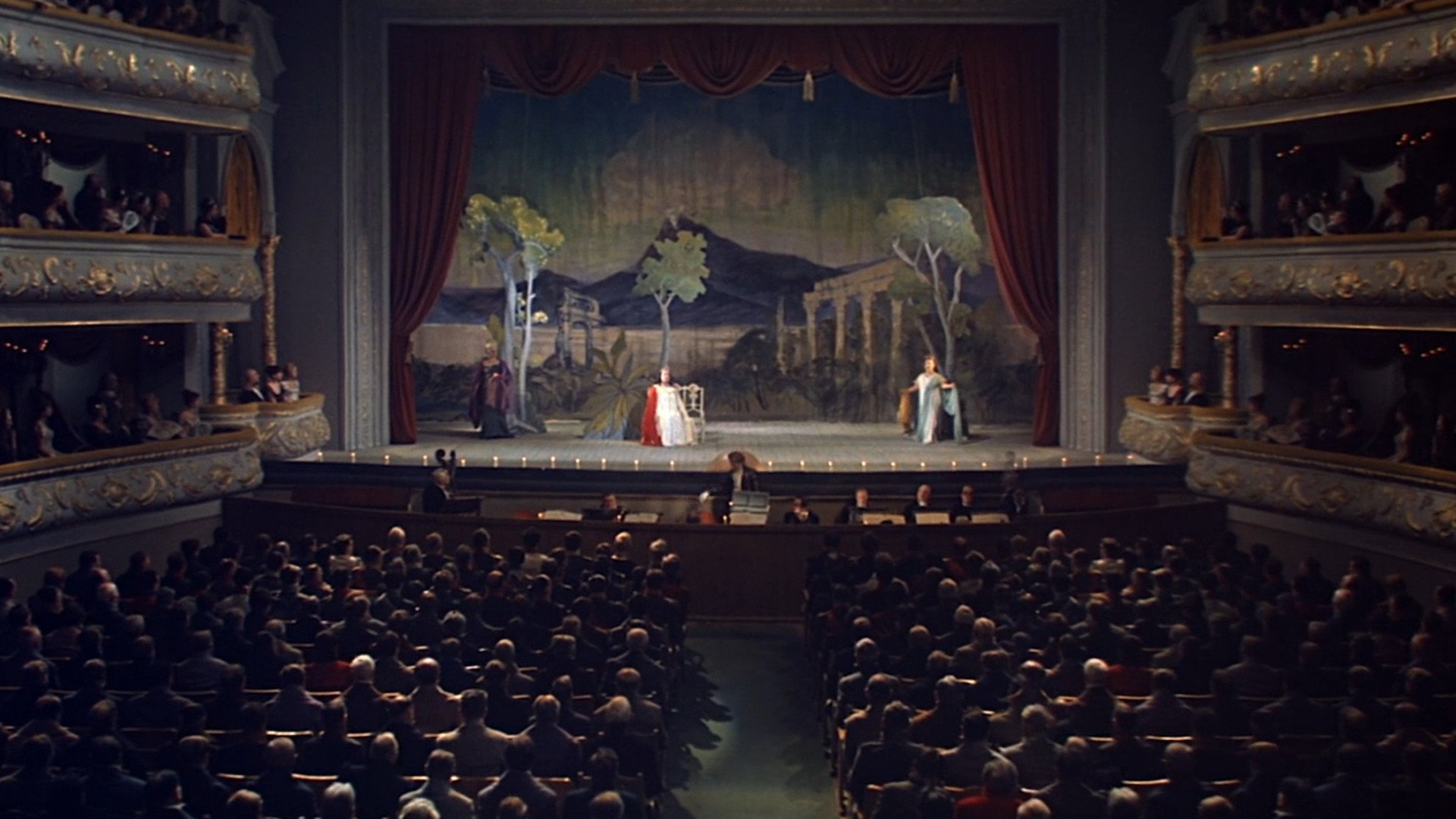
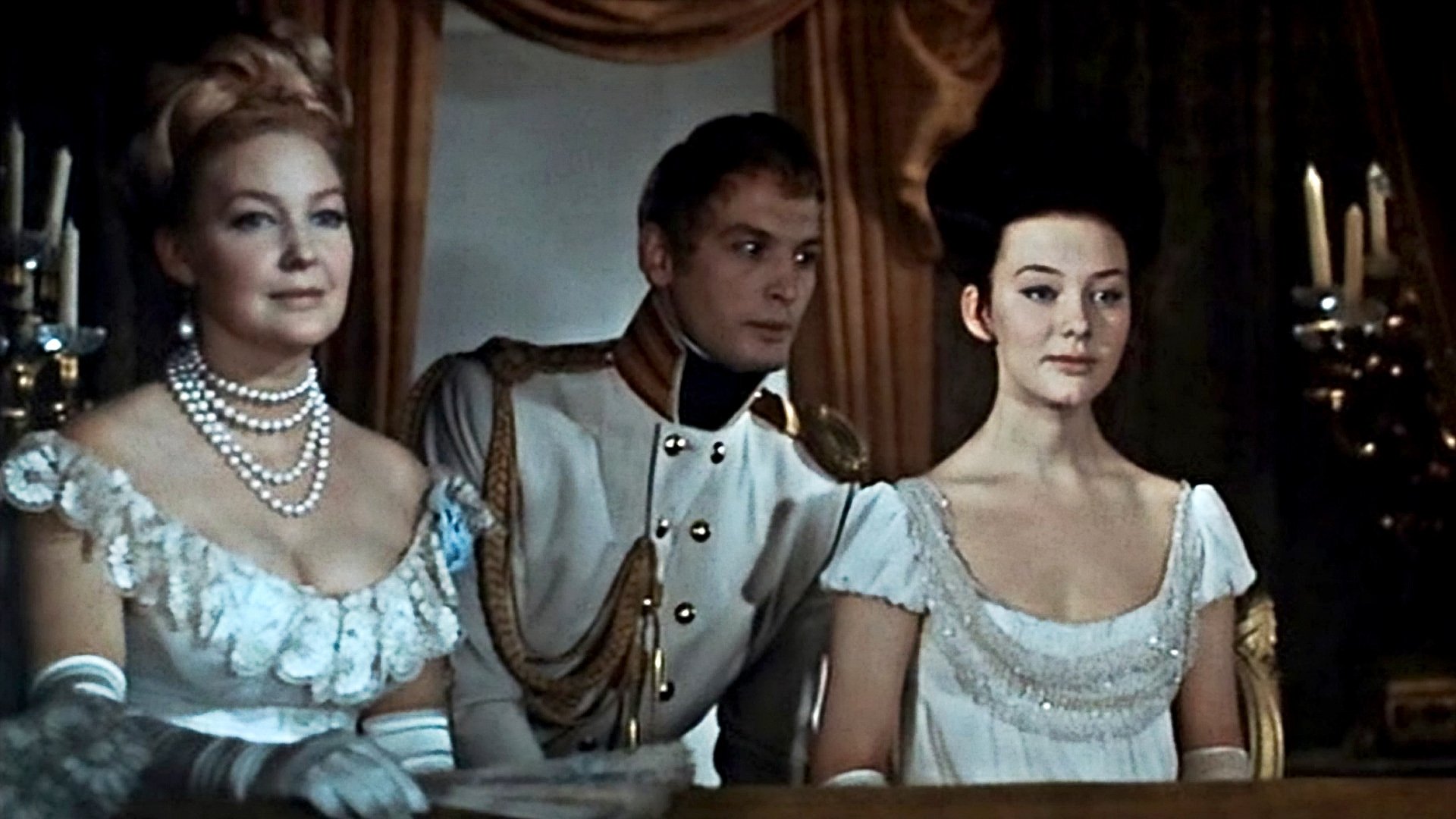
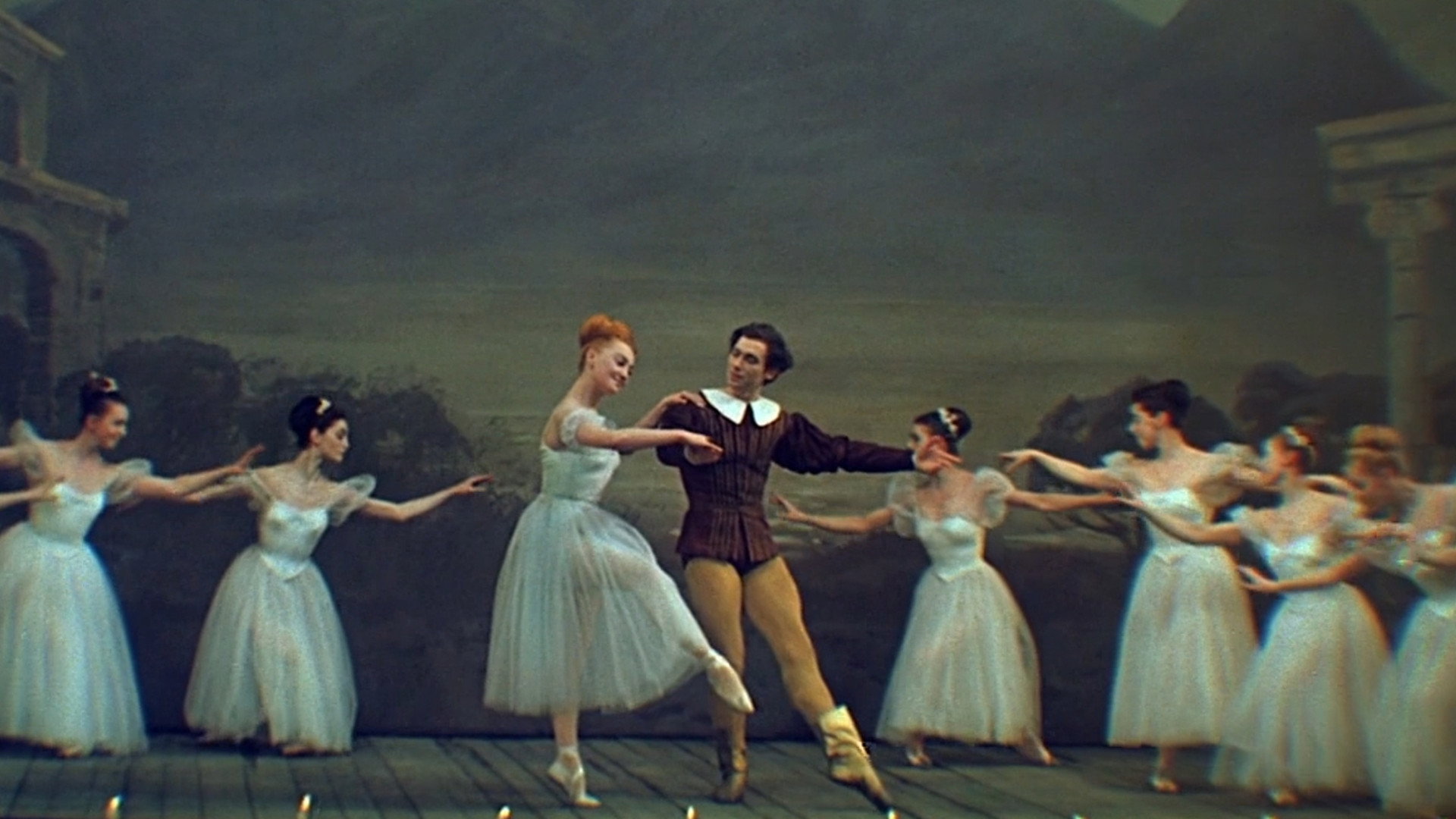
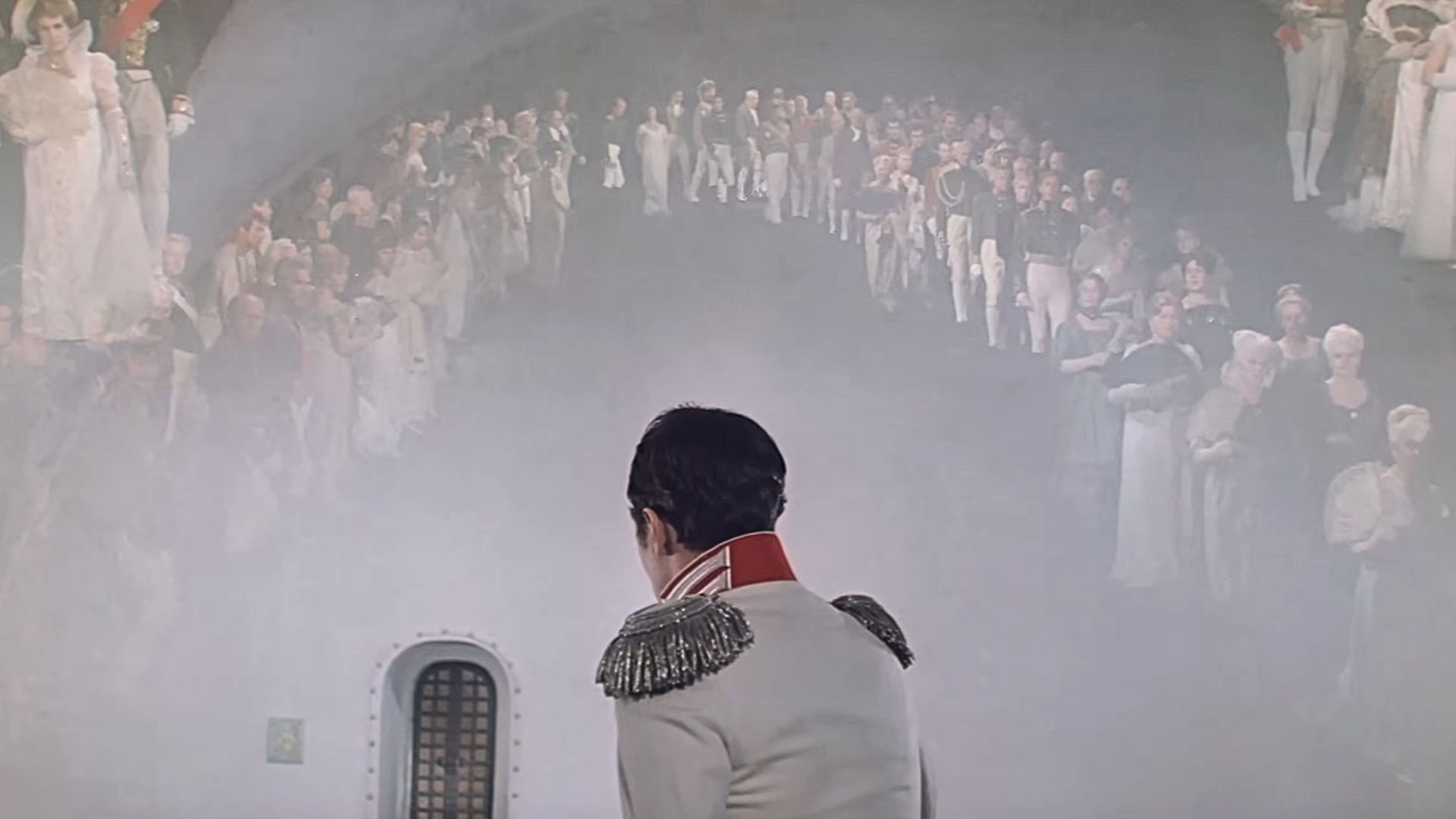
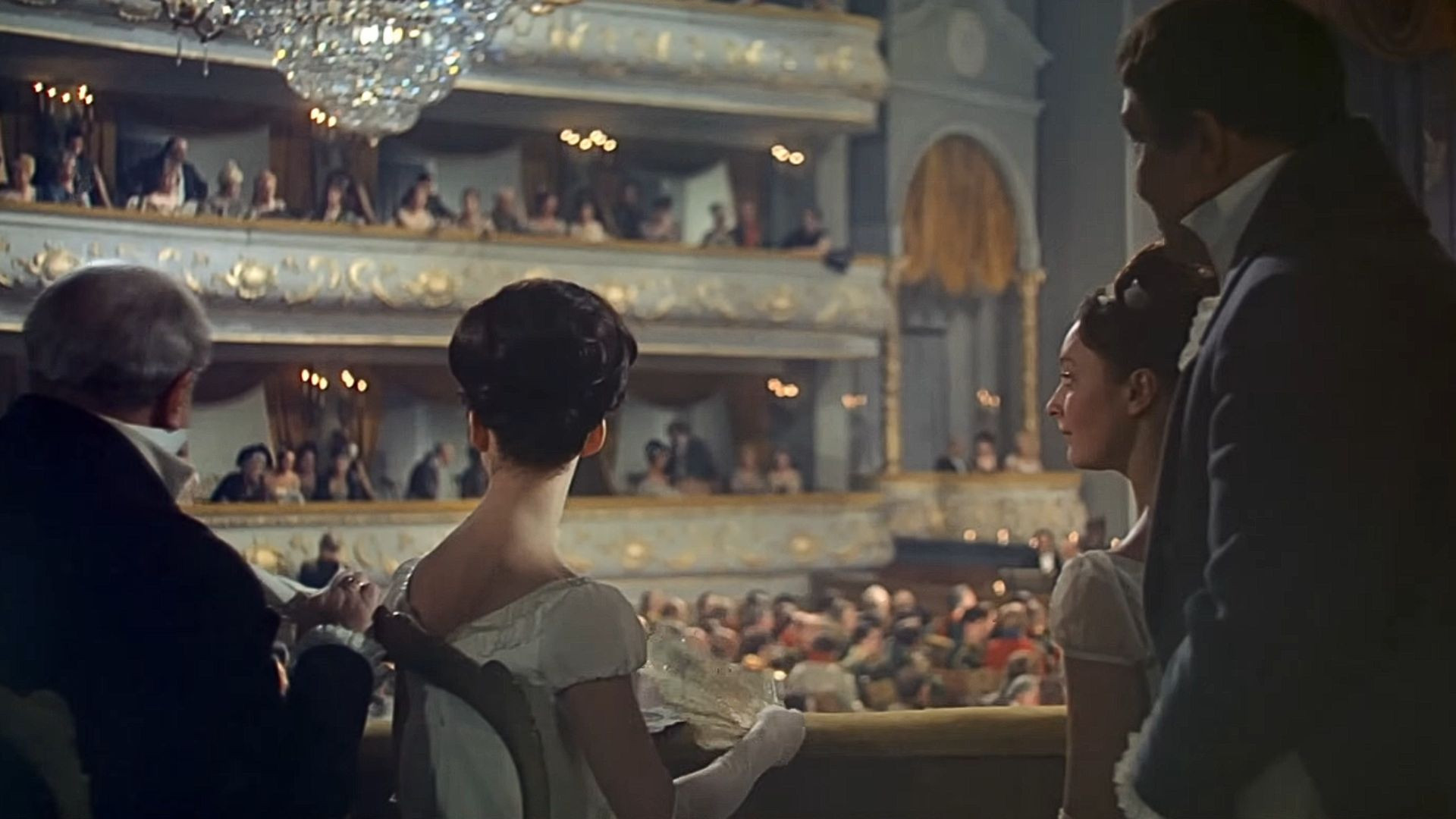
The Opera sequence is absolutely sublime and probably my favourite in the film. Bondarchuck films the opera not as a spectacle but as a psychological attack with the artifical lighting, grotesque close-ups, disorientating camera movements and exaggerated stylisation. It represents the falsify of high society which overwhelms Natasha and pulls her into a world where appearances dominate reality. This is where Anatole Kuragin's influence begins.
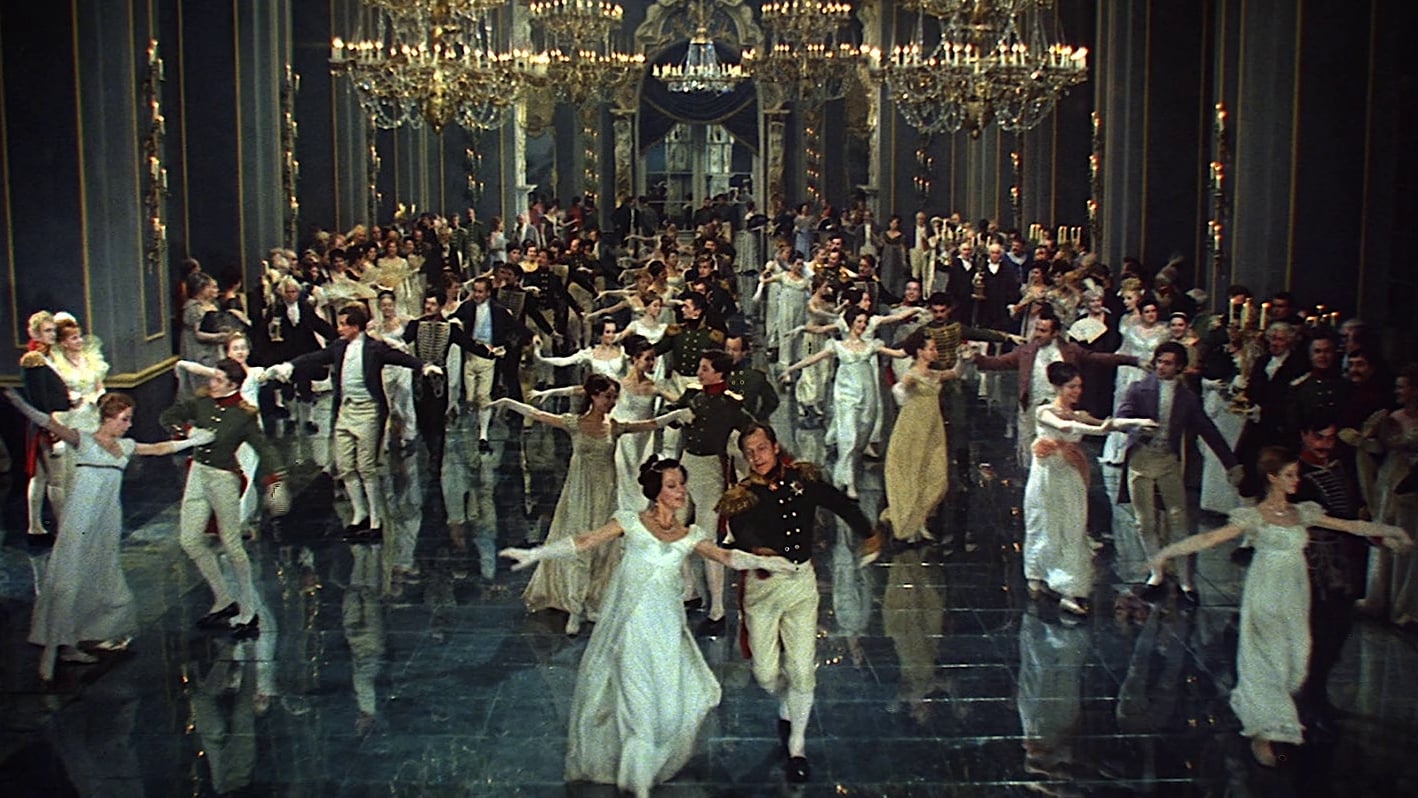
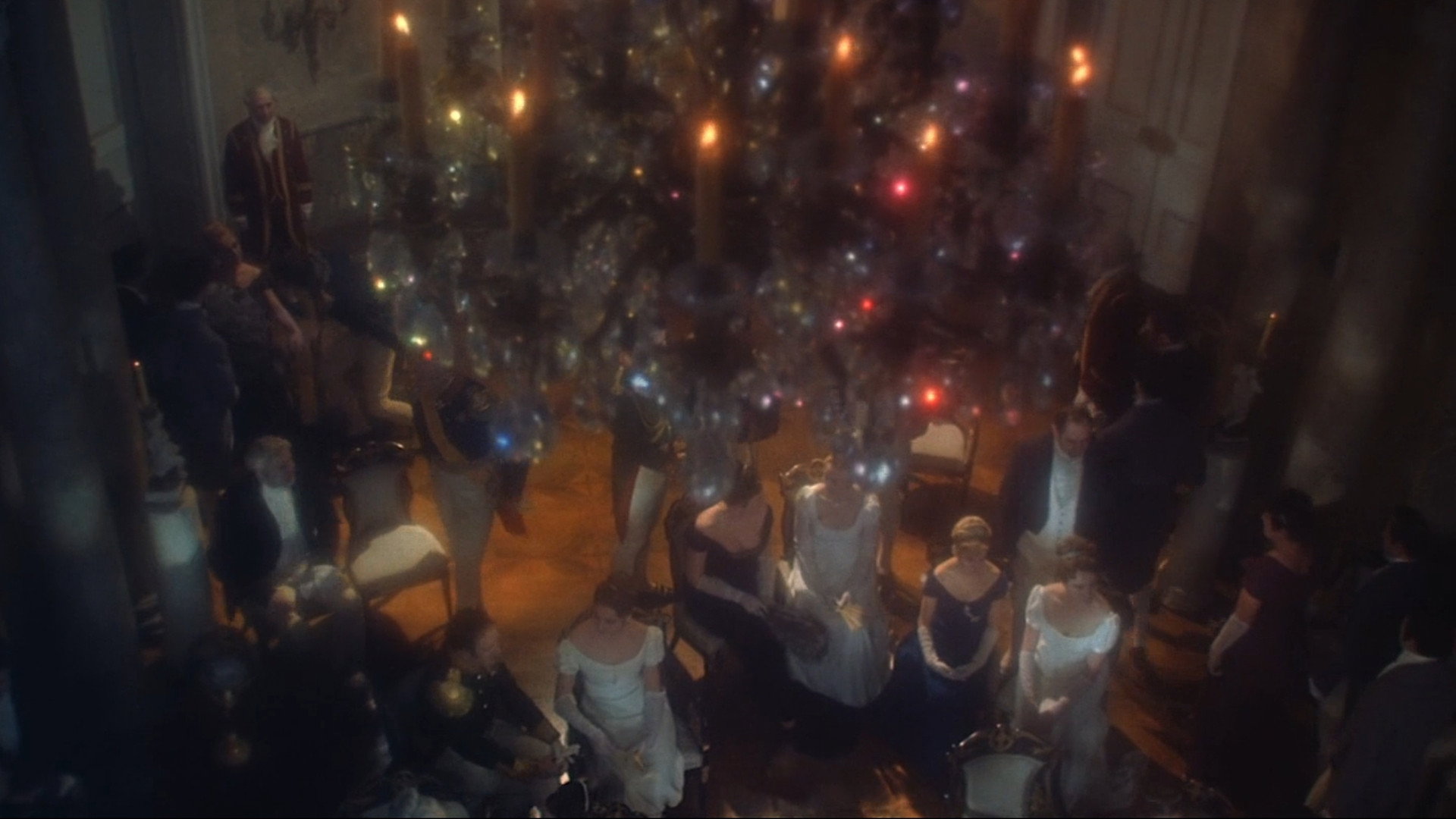
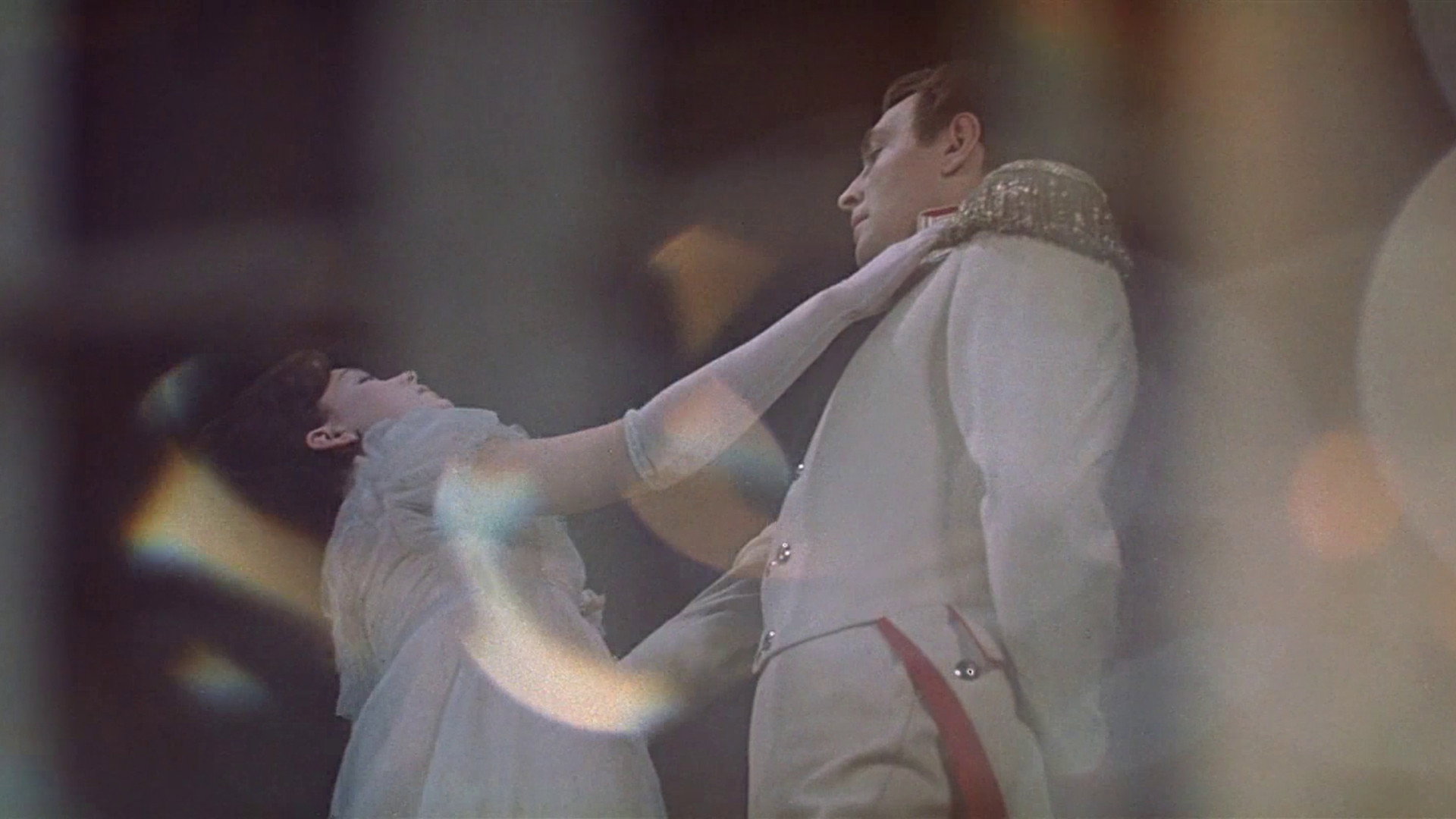
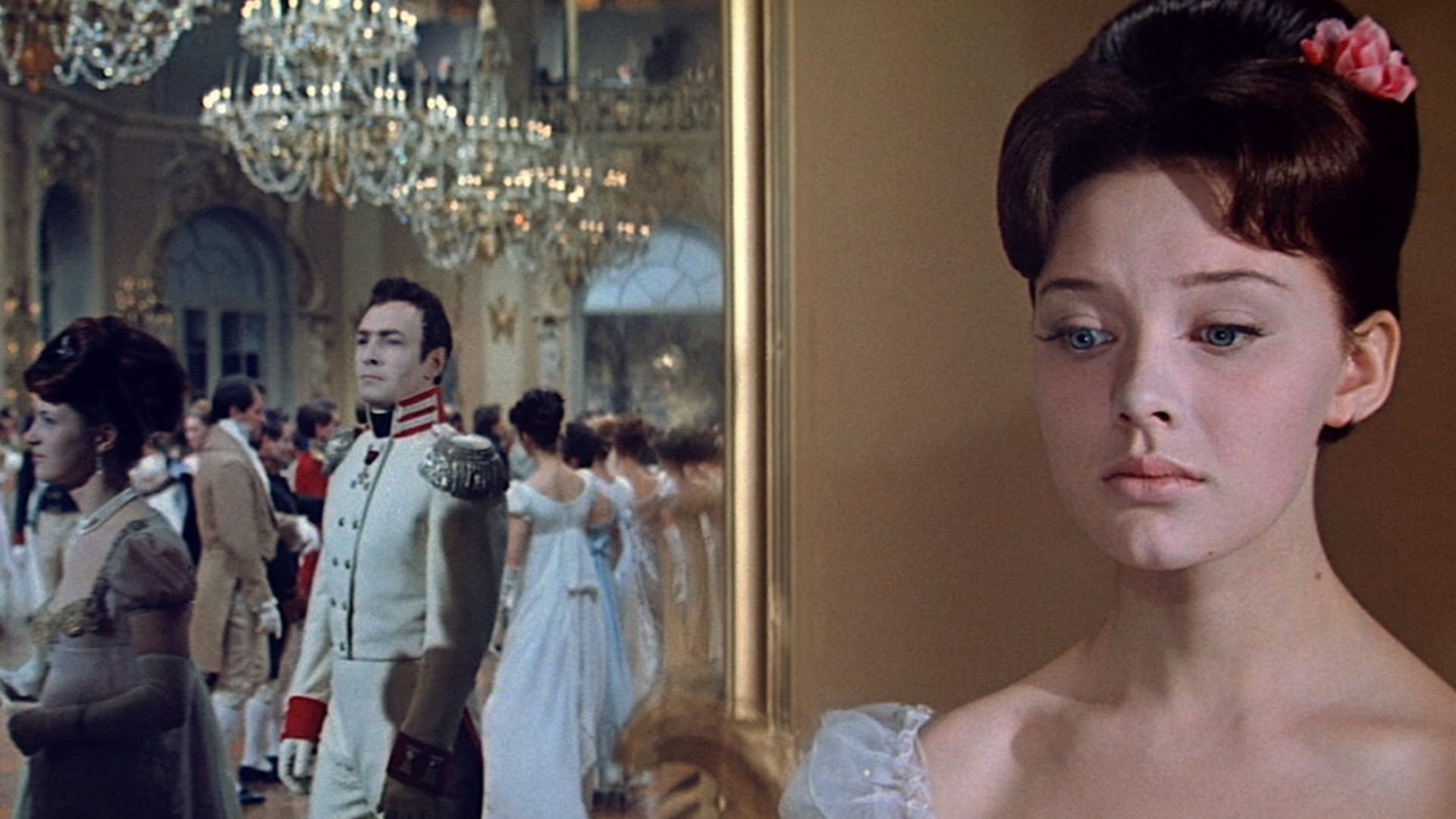
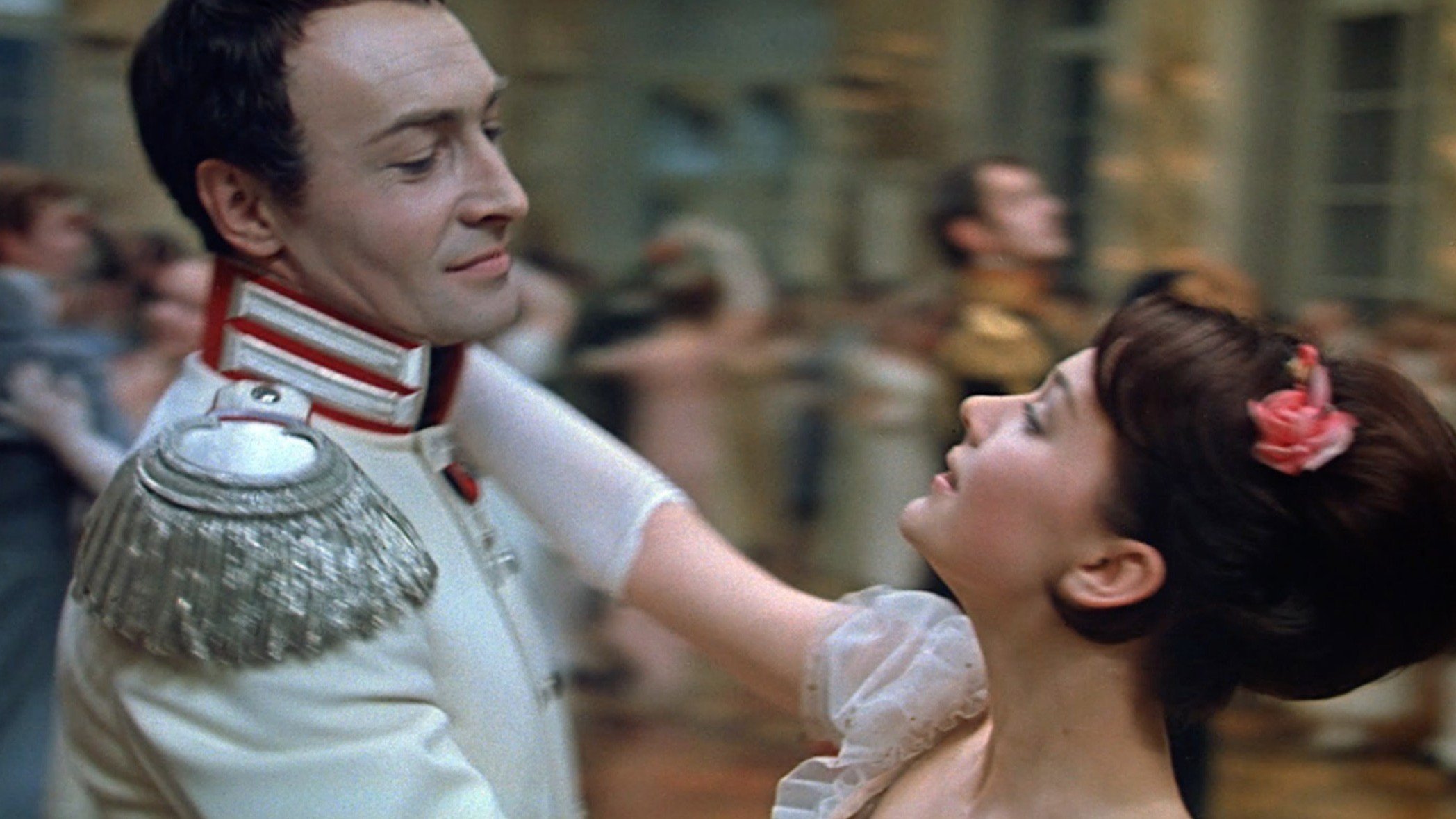
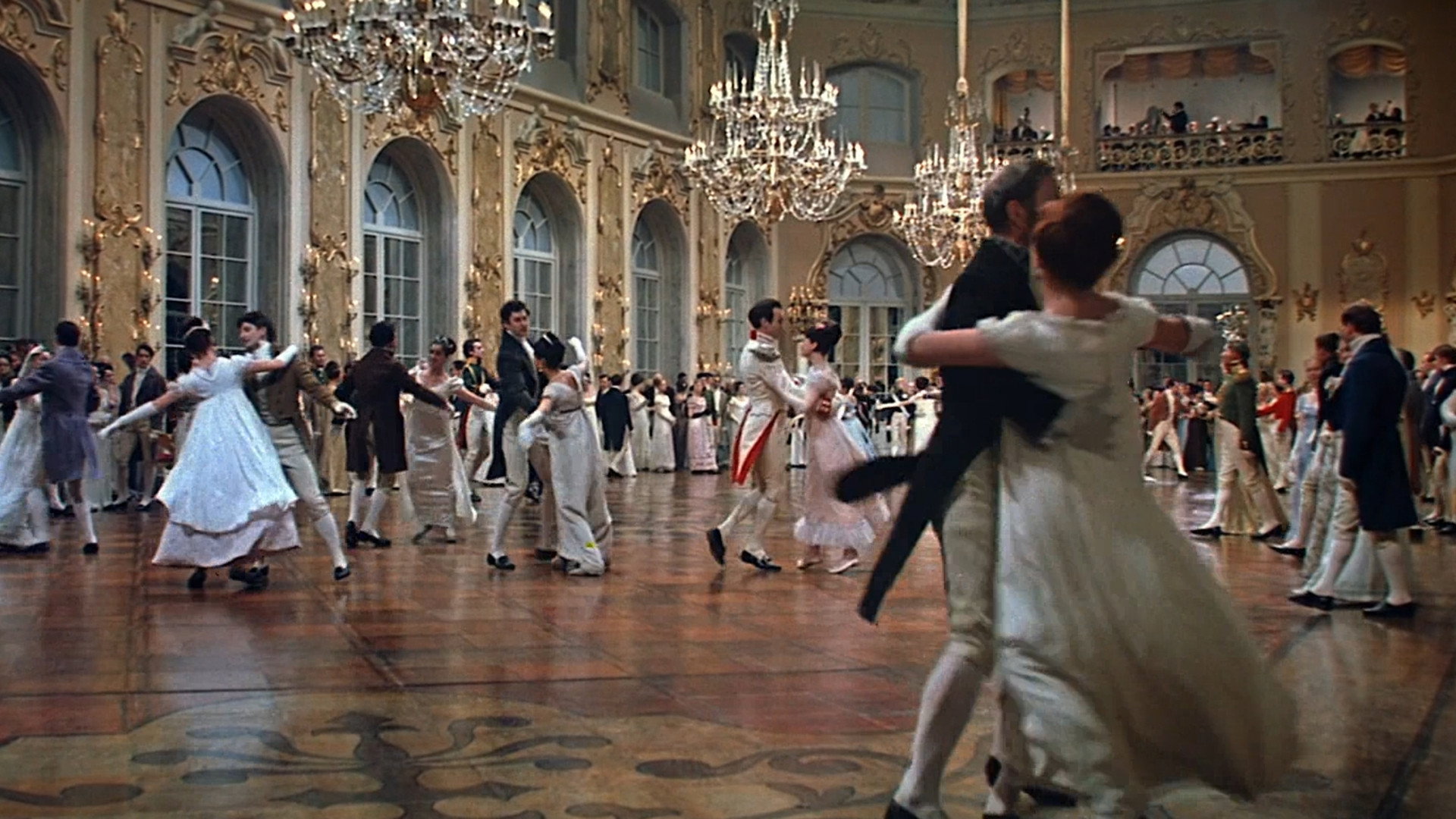
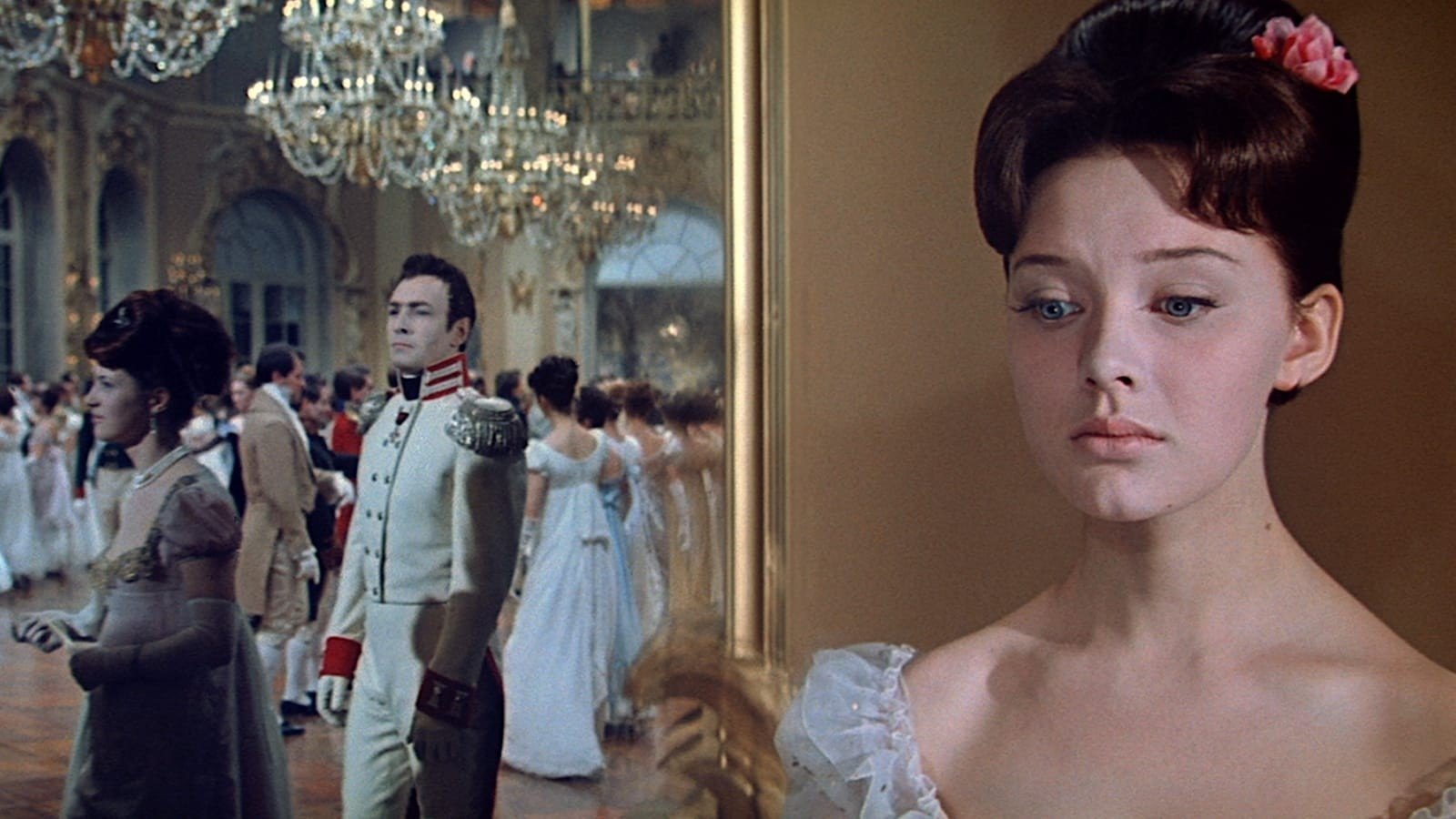
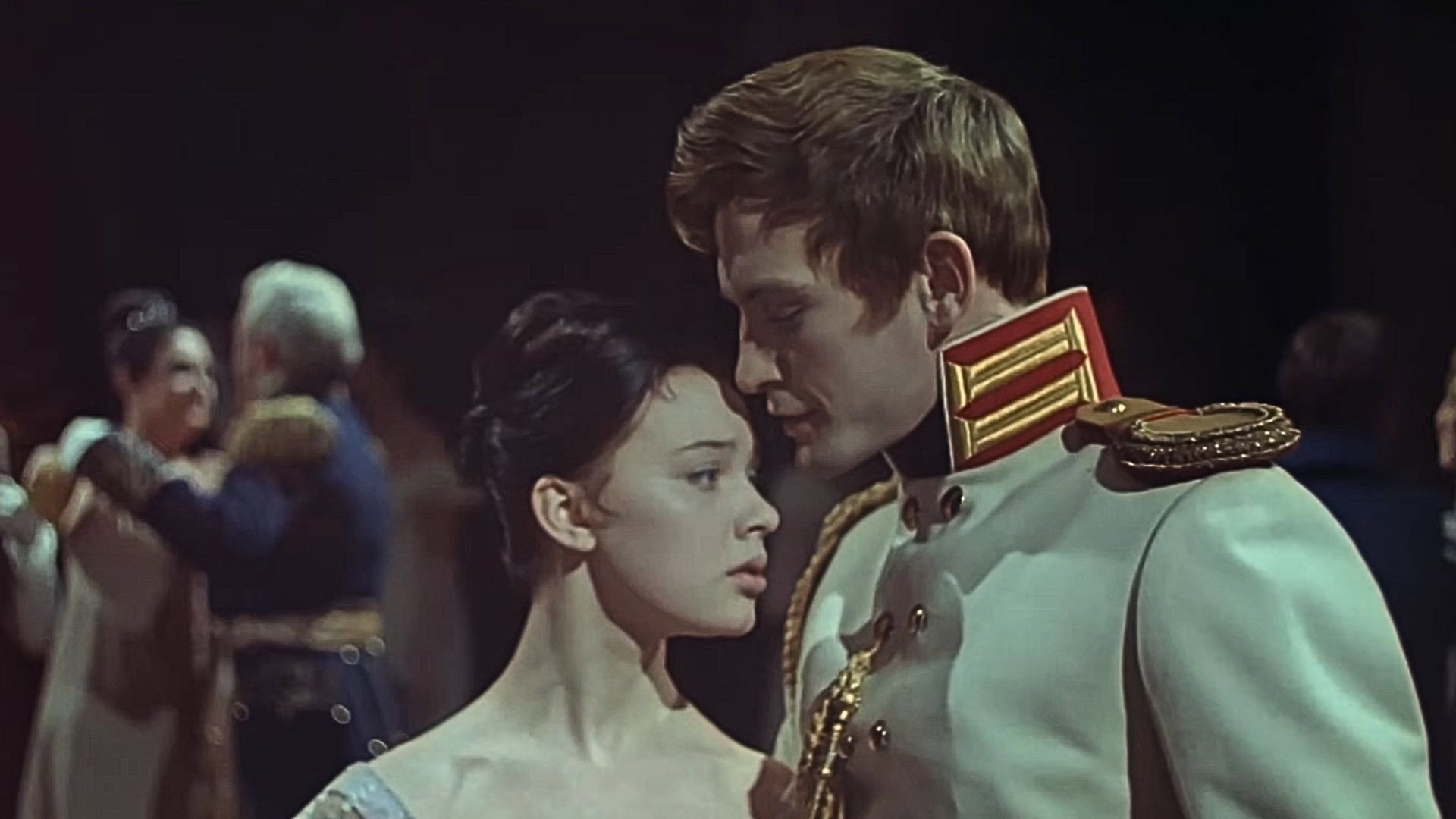
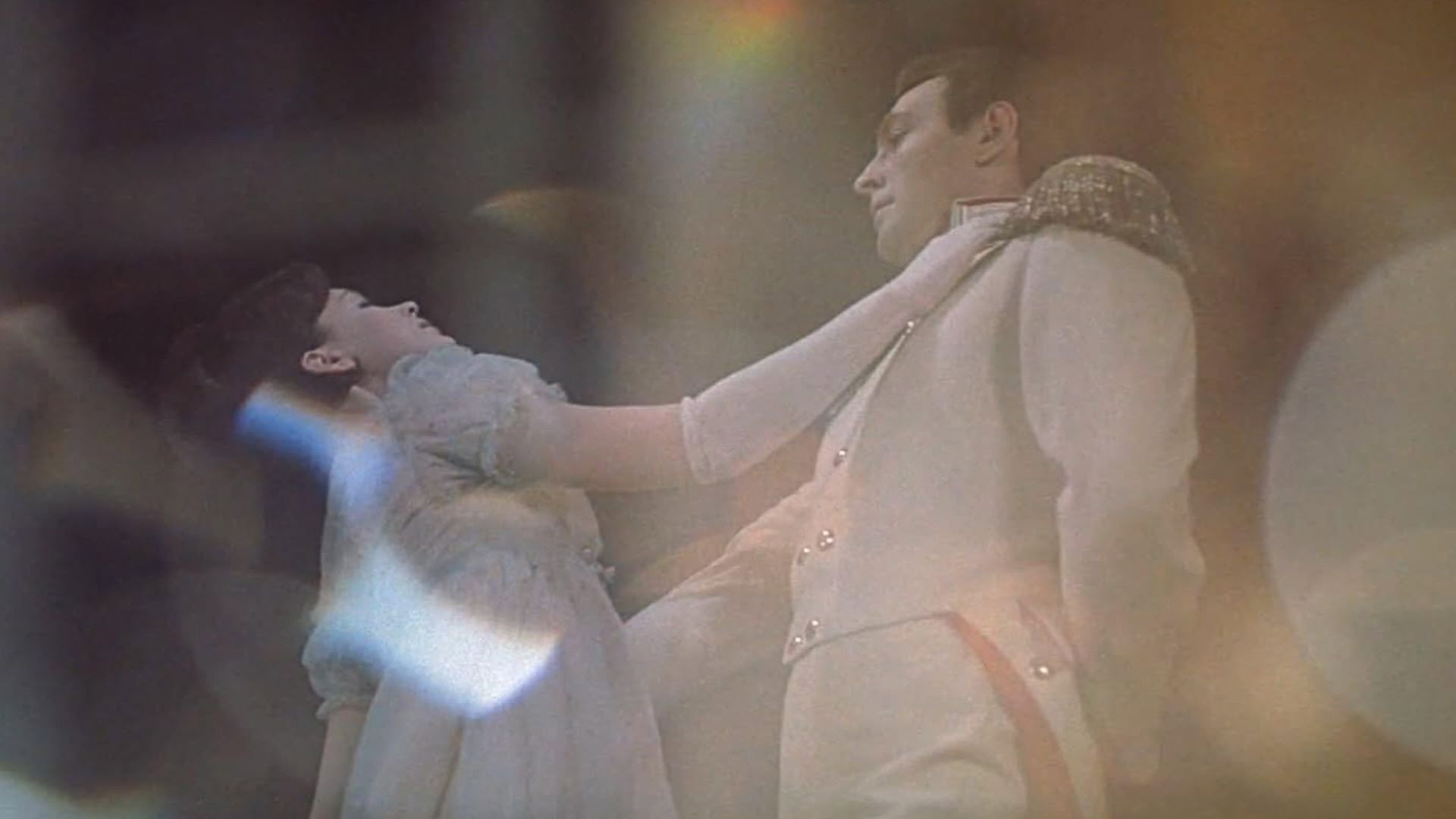
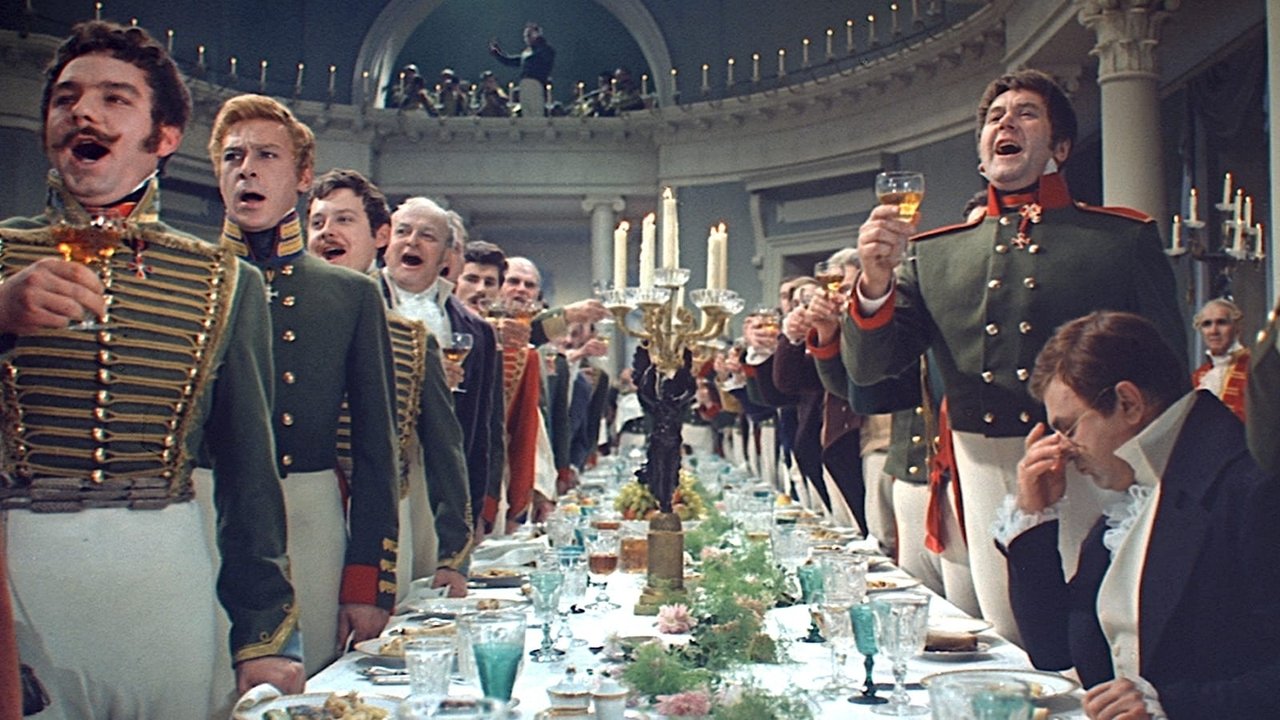
The ballroom scene is one of the most elegant things I've ever watched. Long tracking shots, slow circular motion, gold and white lighting and full spatial depth come together to make absolute art. This is where Natasha becomes an adult as she dances with Andrei and blooms.
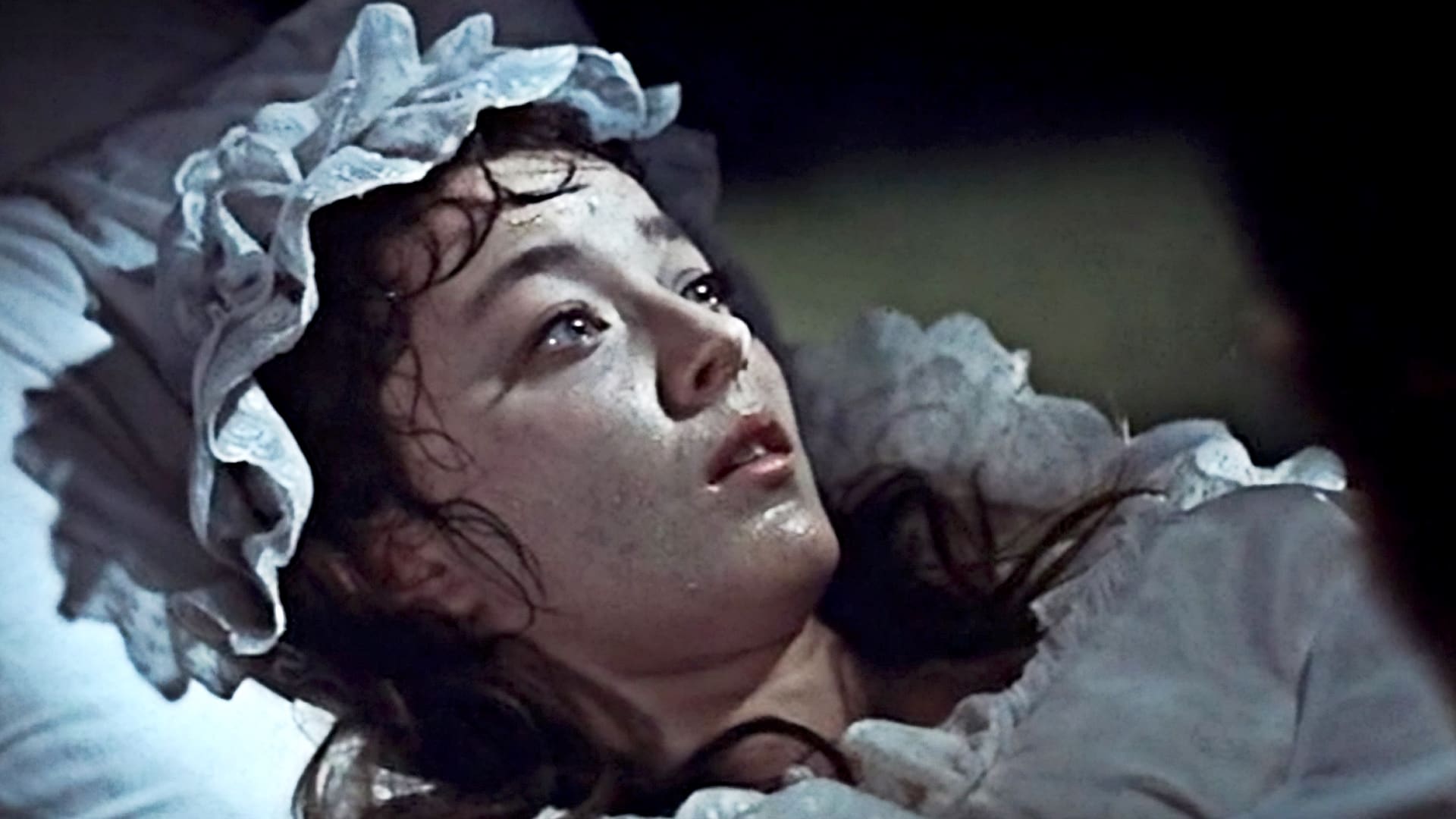
Part II is about the transition of Natasha as she hors through her childhood to emotional awakening to near-ruin. At the very start, she's reached the brim of joy, curiosity and empathy. At the ball, she experiences love, attention and the potent pressure of aristocratic life. She then becomes lost in the artifical world that dazzles her and her attempted elopement destroys her reputation and breaks her spiritually.
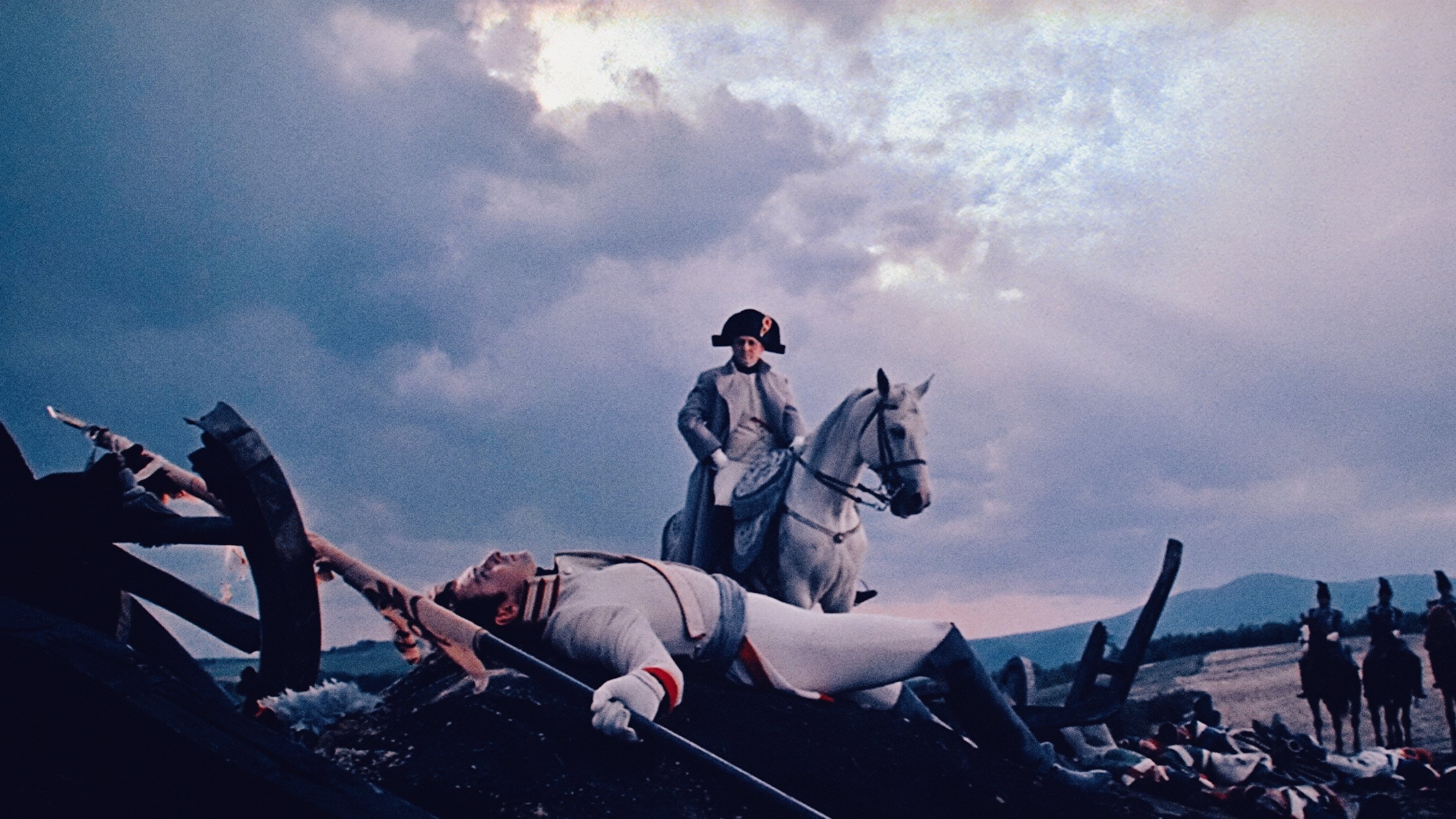
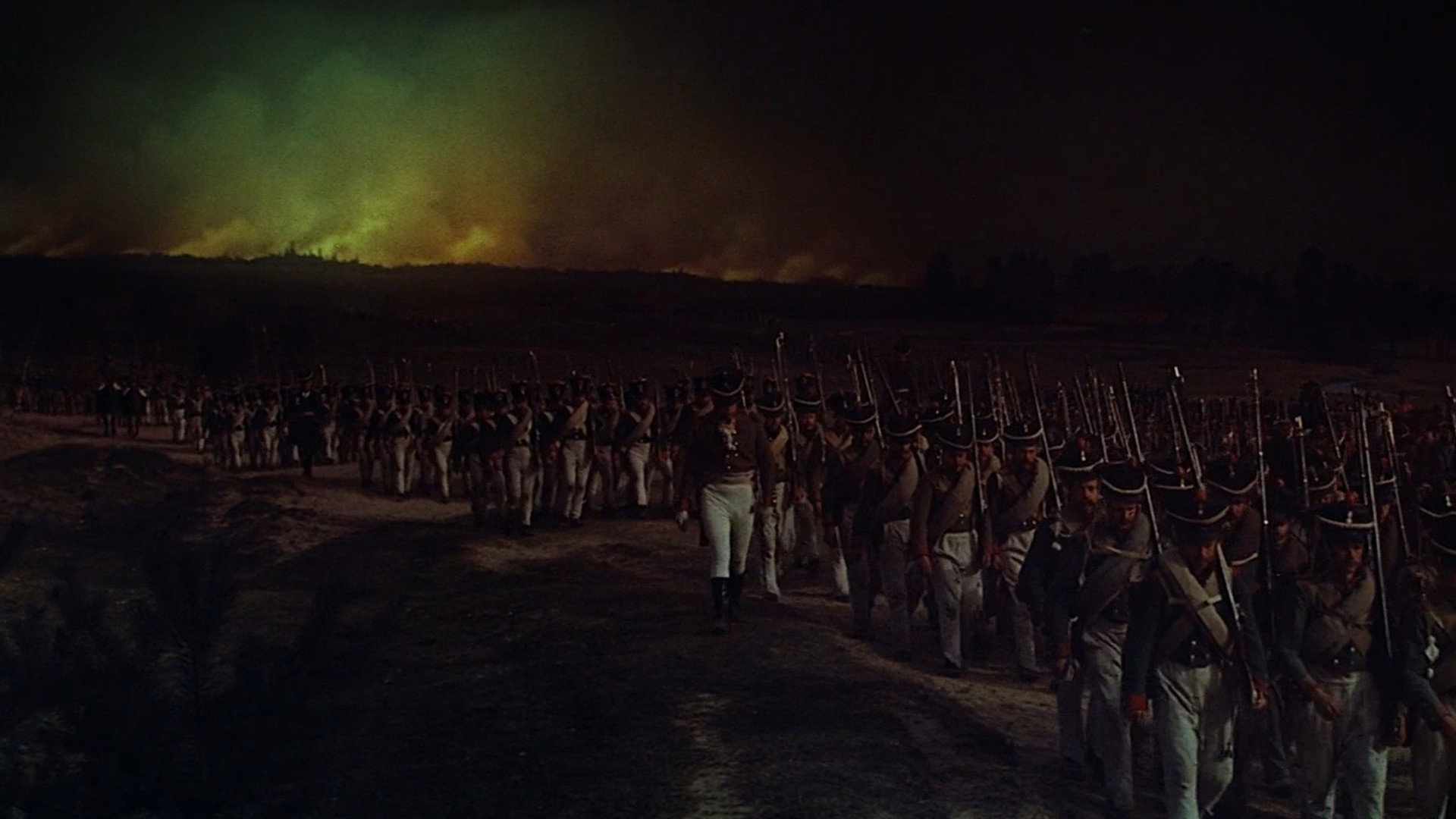
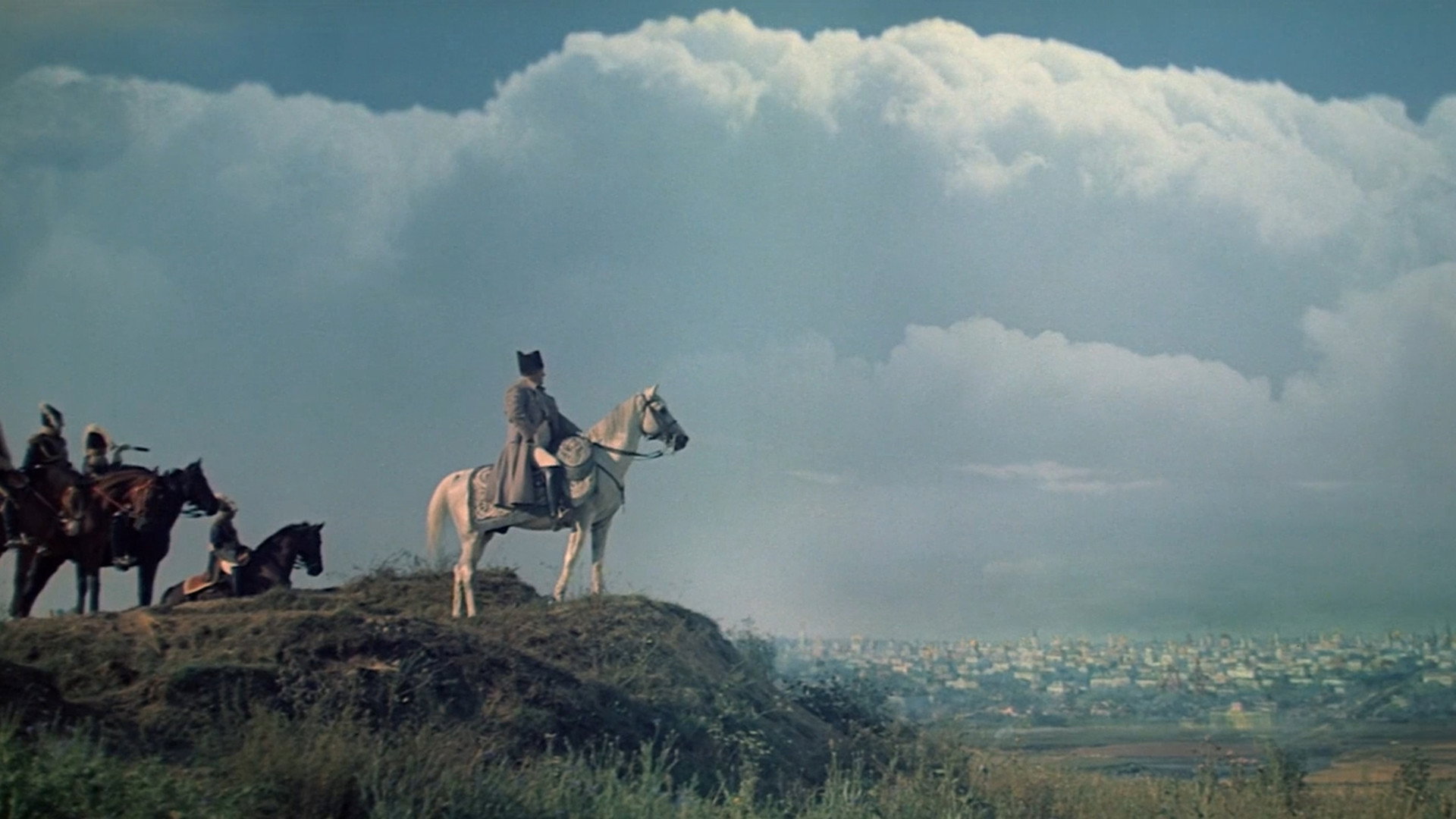
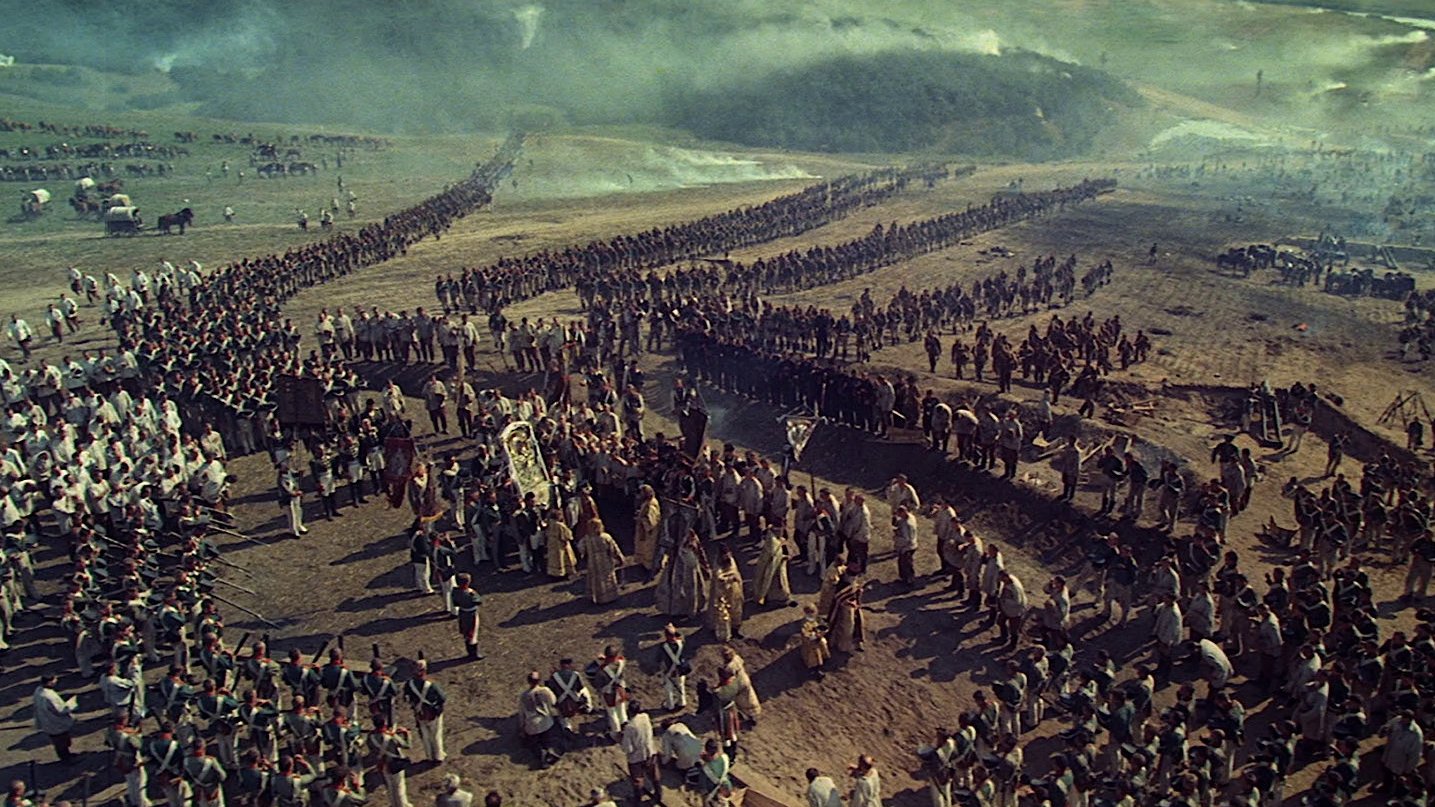
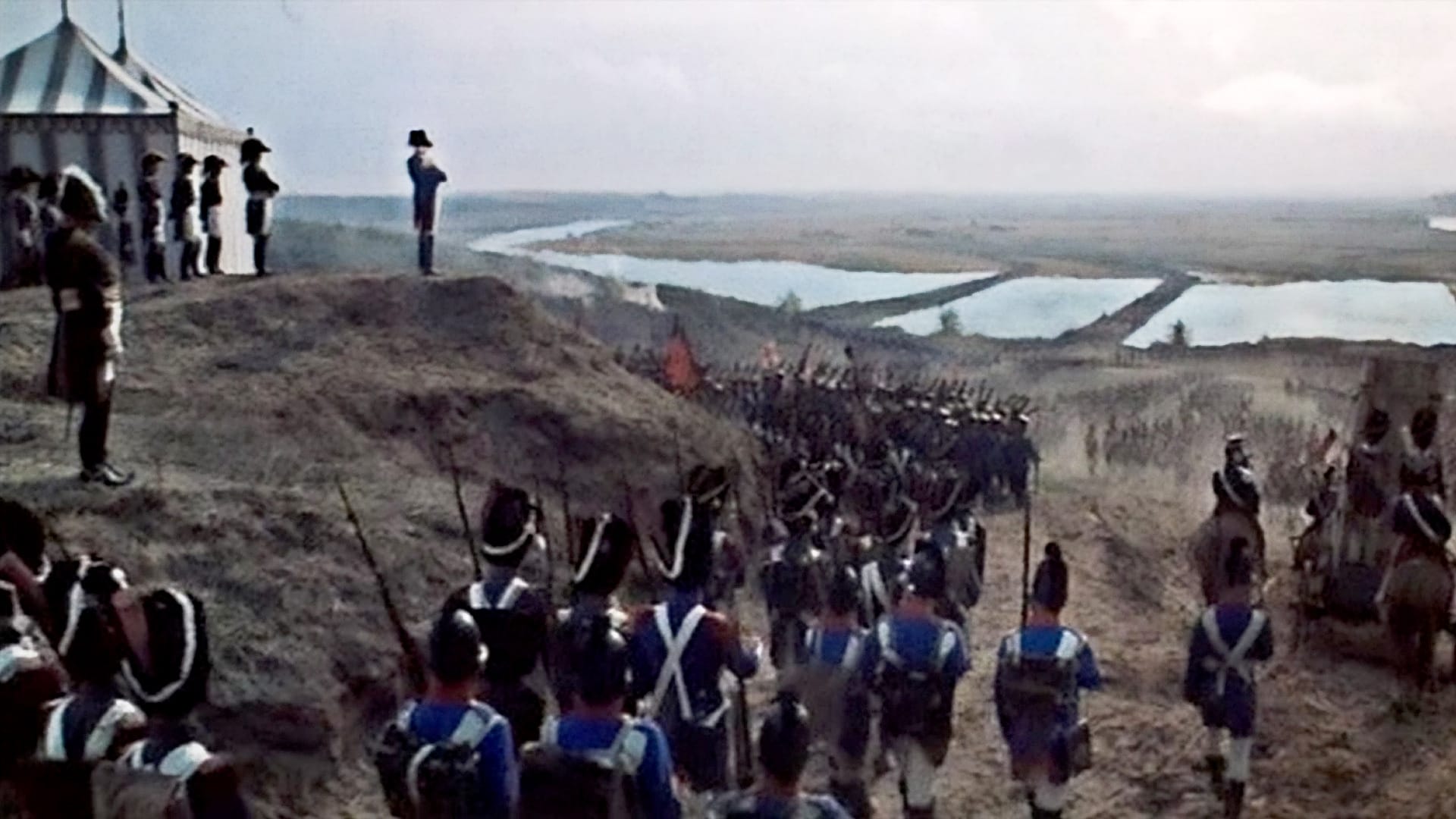
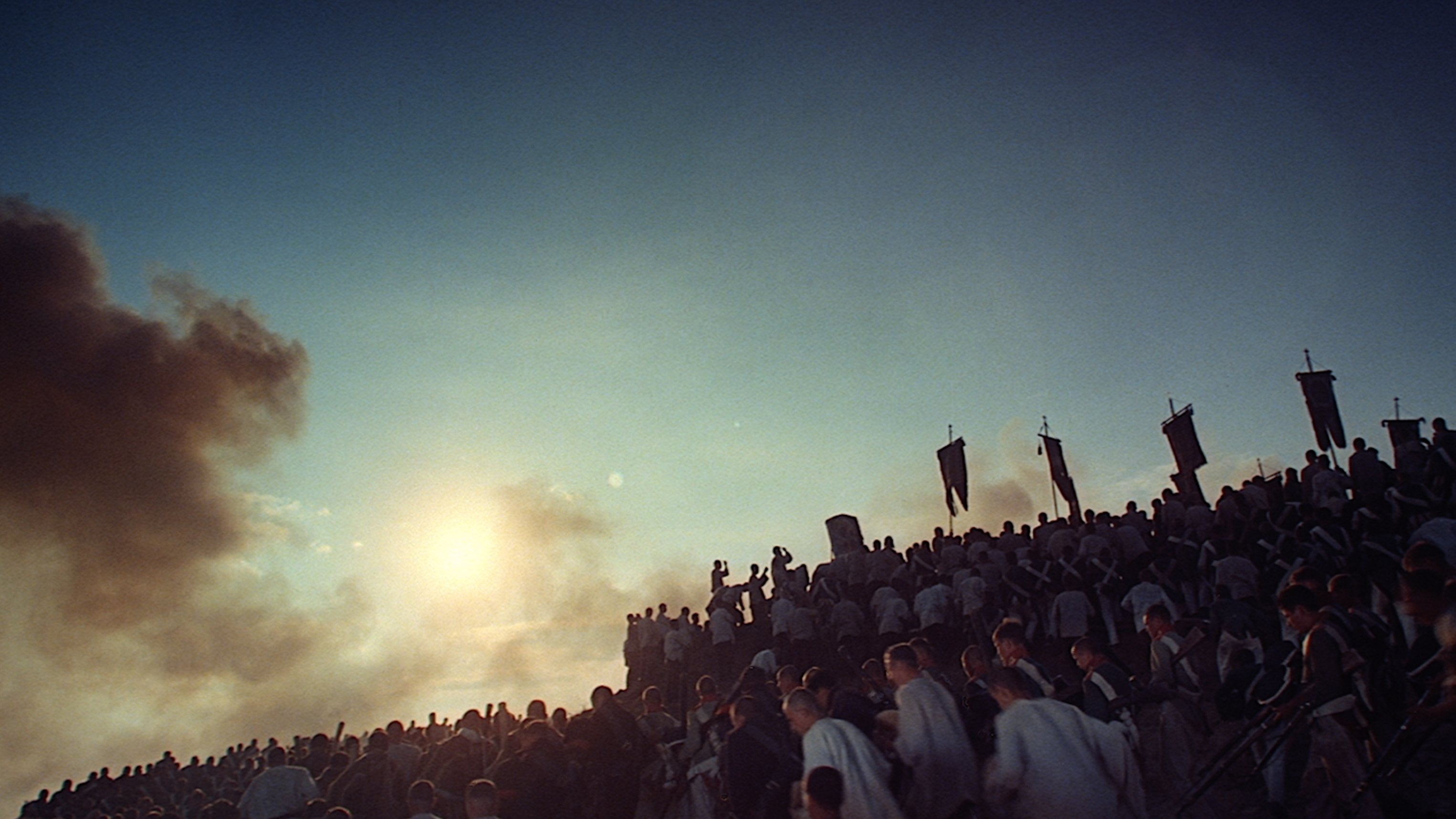
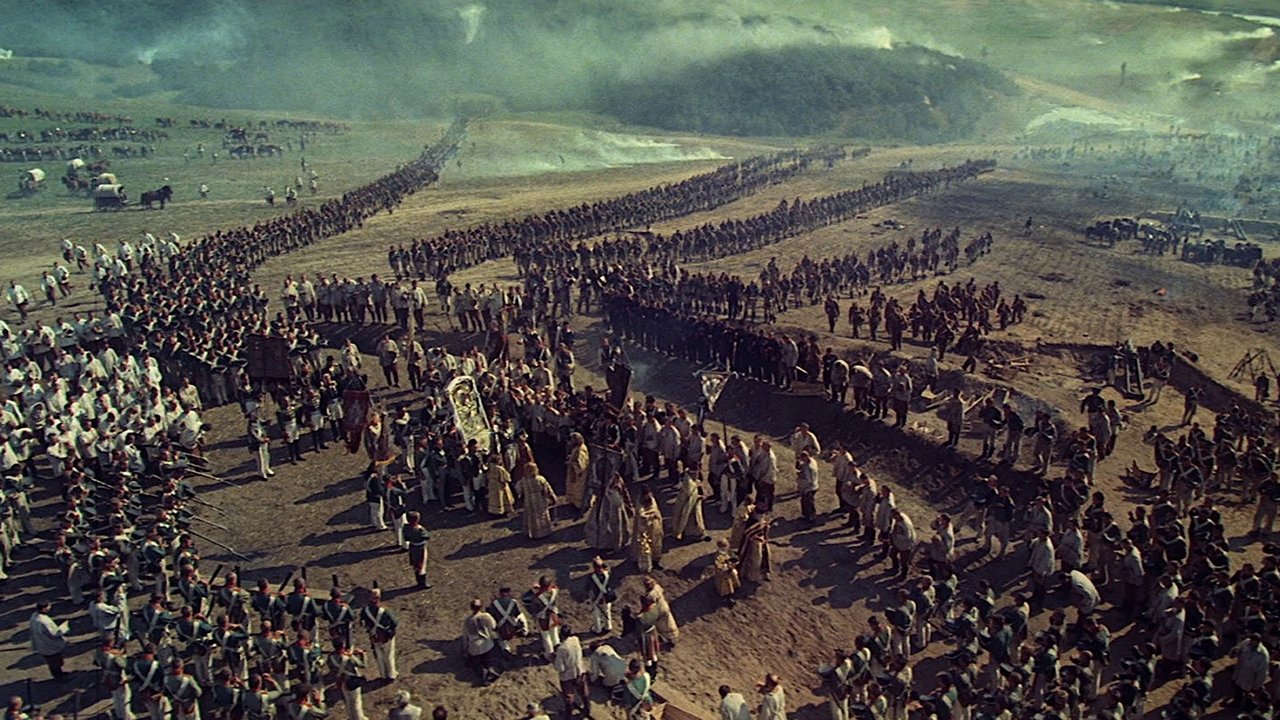
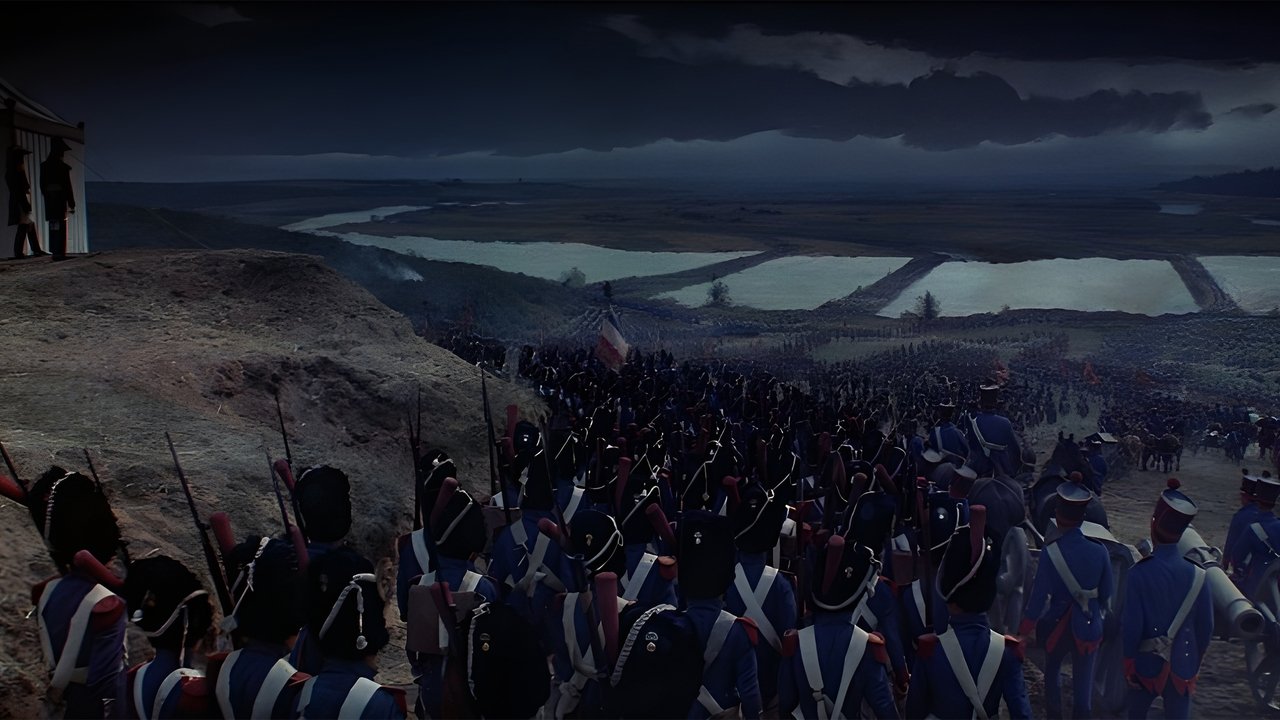
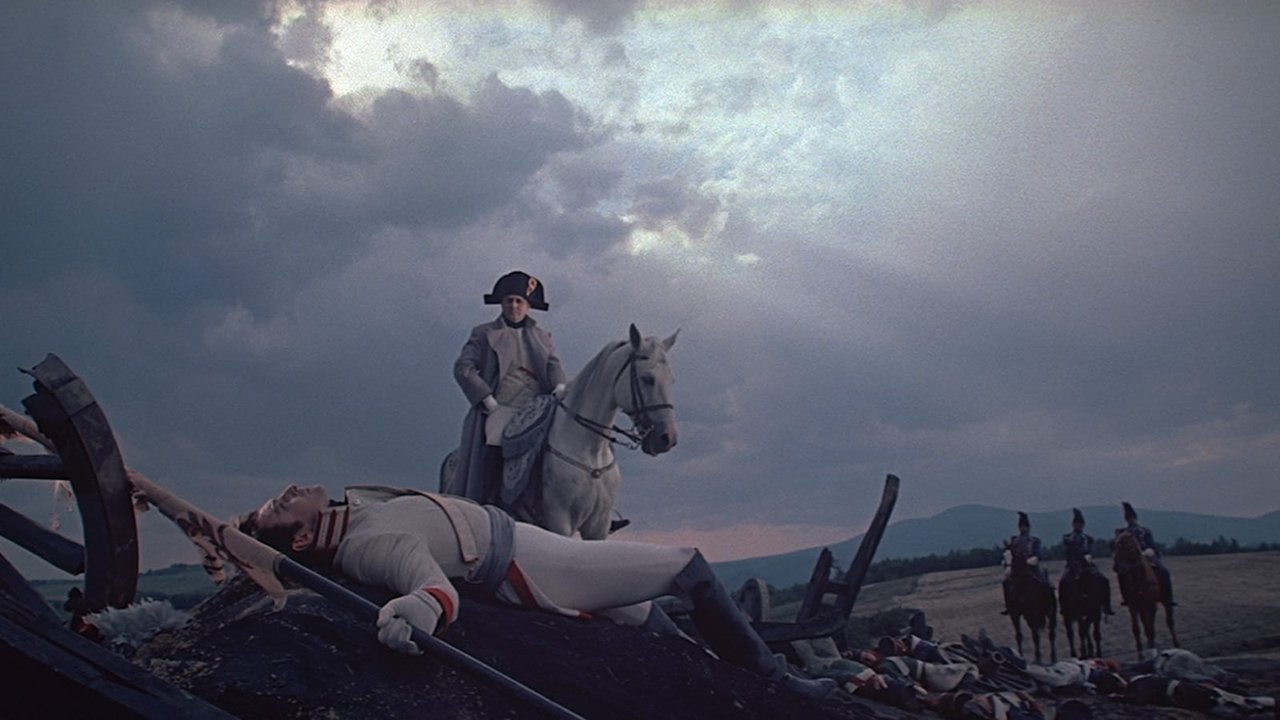
Part III: The Year 1812Part III covers the heart of the Napoleanic Invasion and is one of the most extraordinary representations of warfare ever put to screen. While Part II was more intimate and social, Part III links back to the first film, thrusting the audience into brutality, confusion and tragic magnificence of the Battle of Borodino.
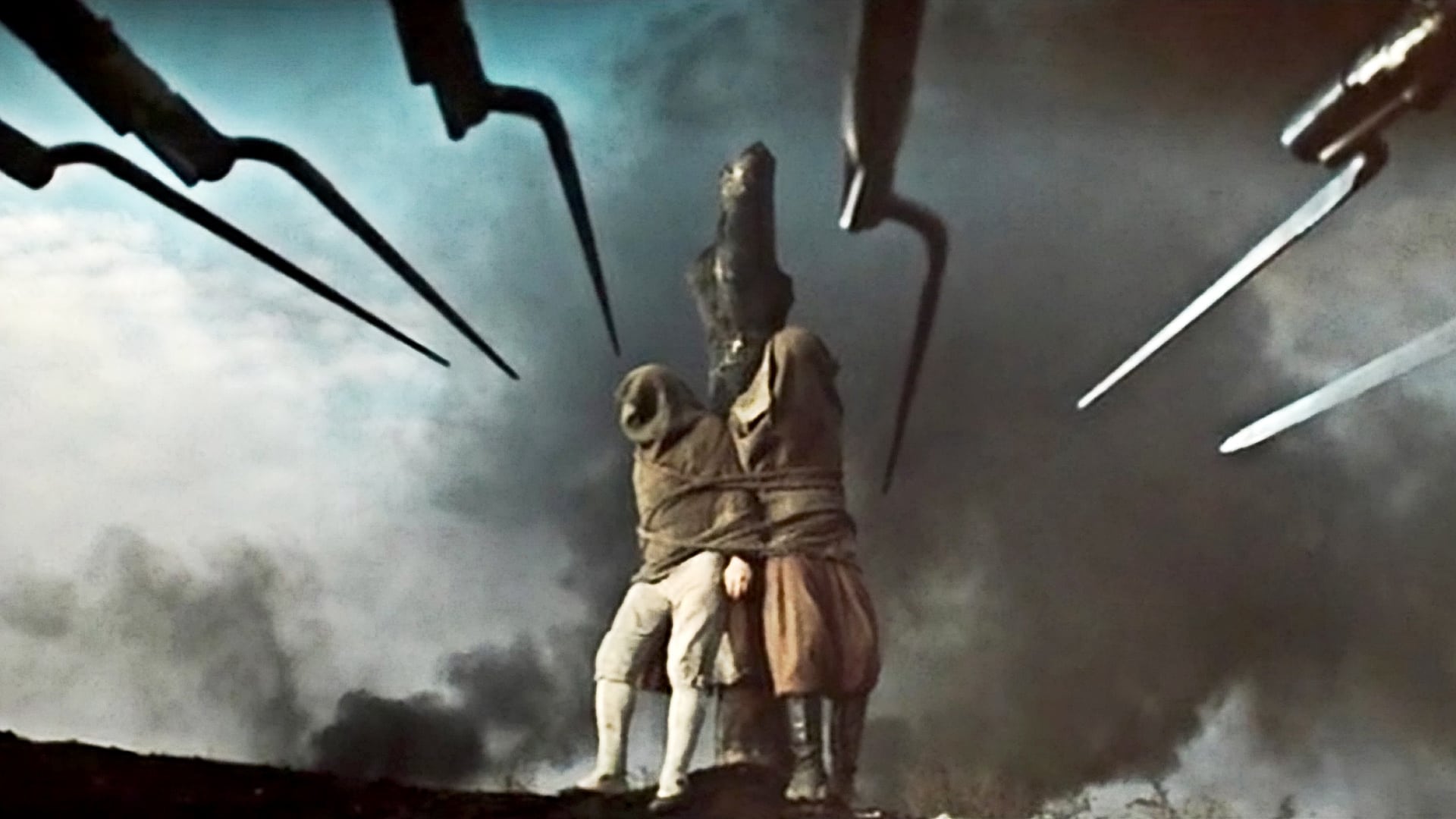
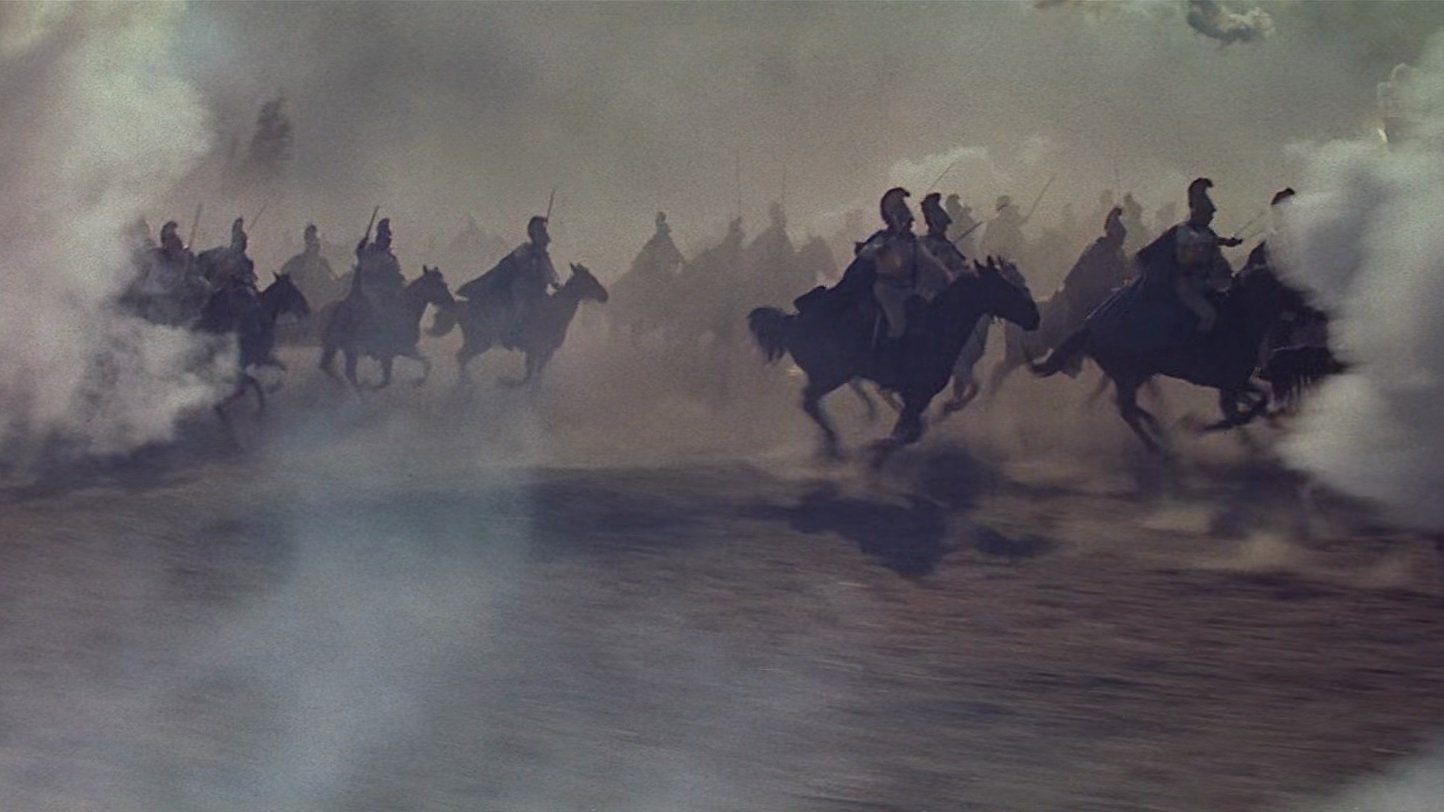
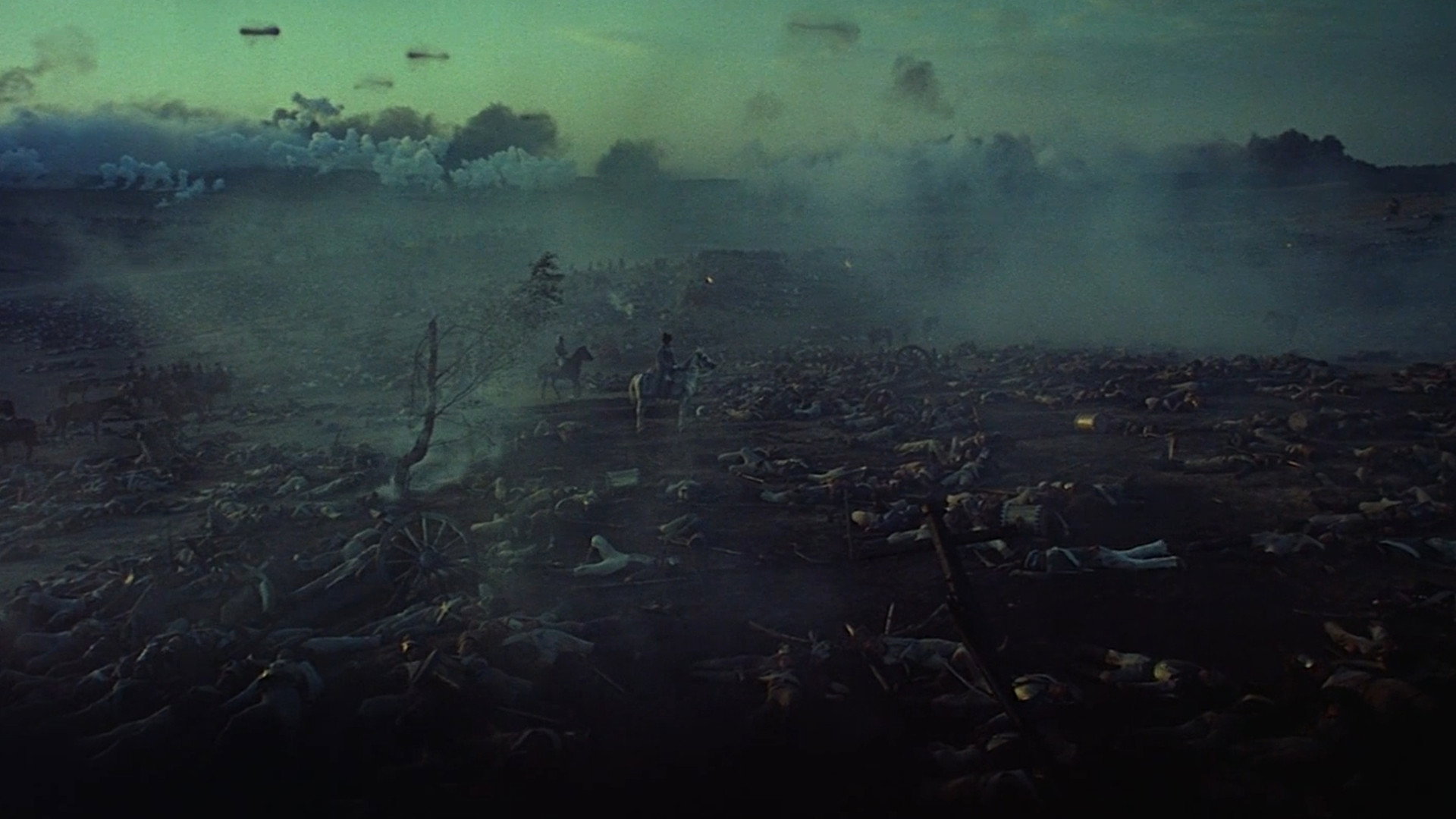
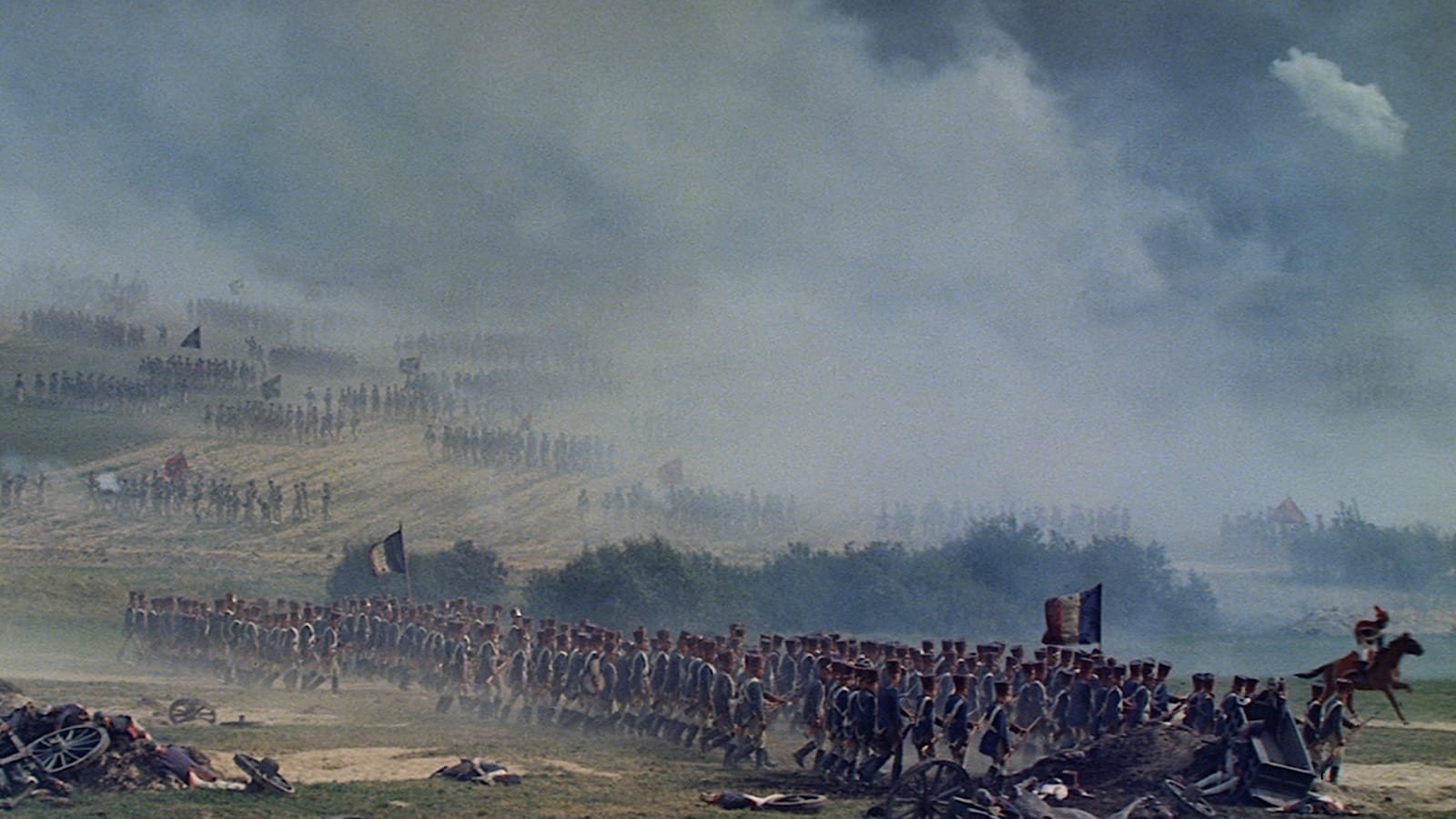
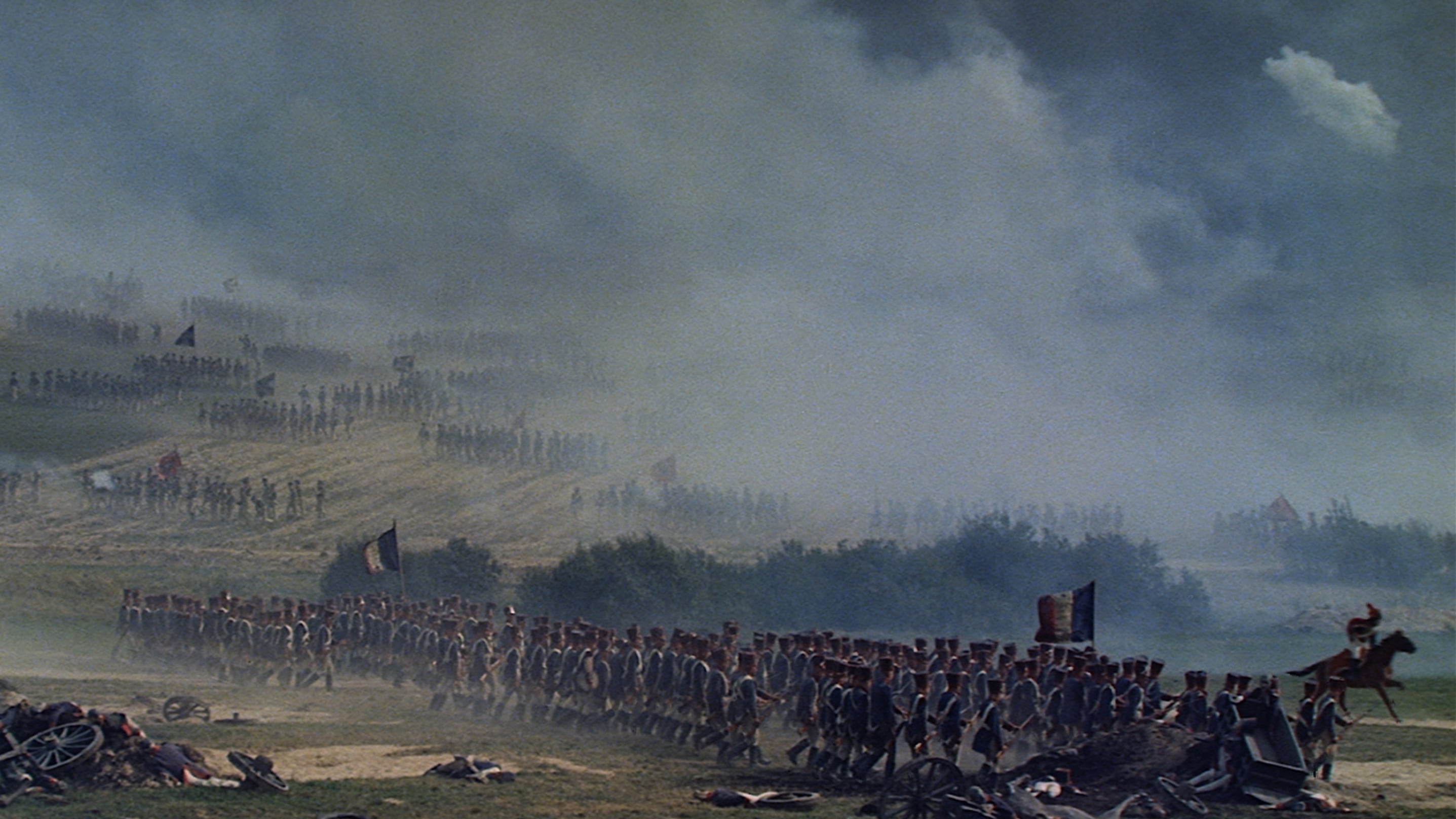
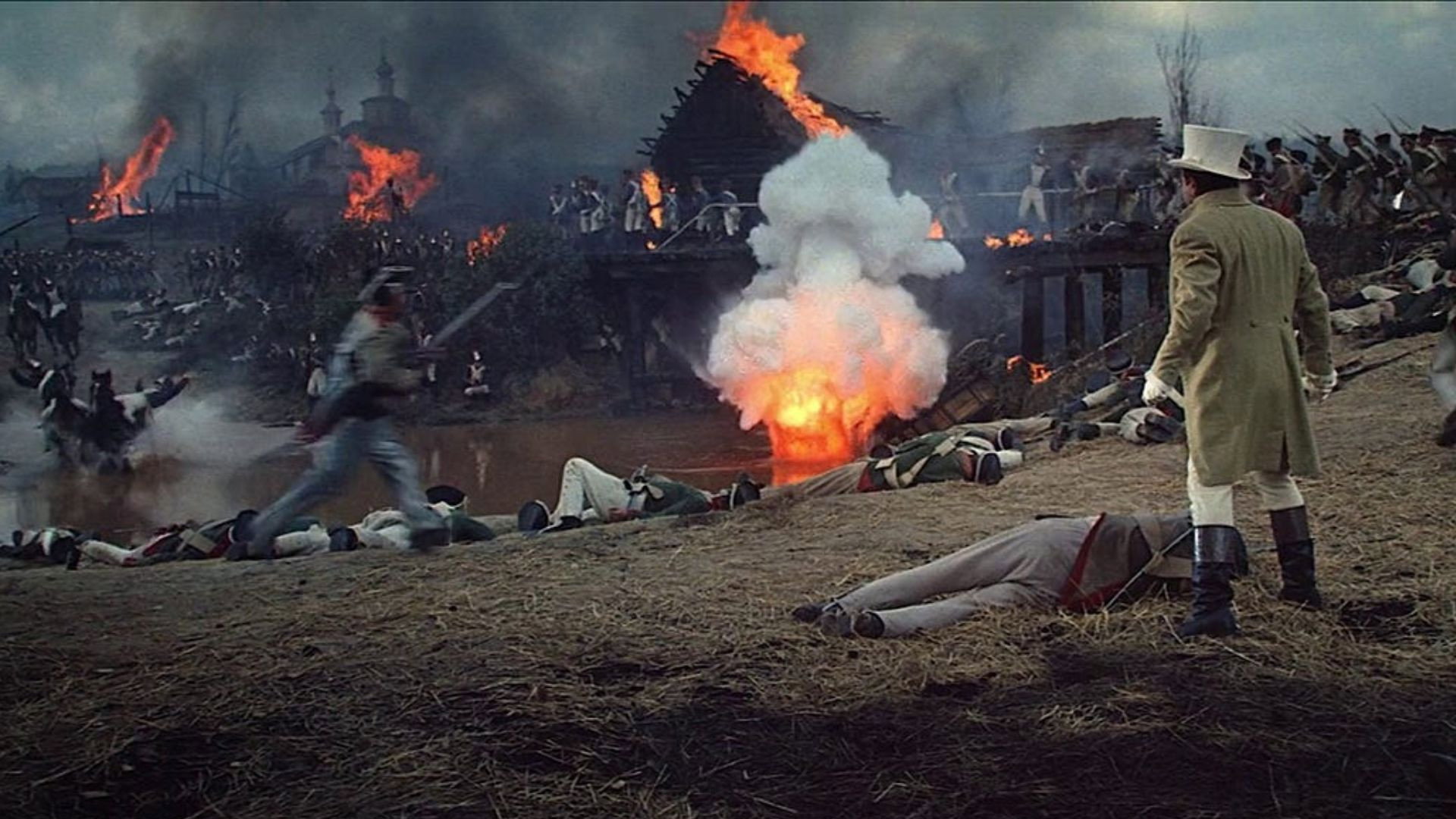
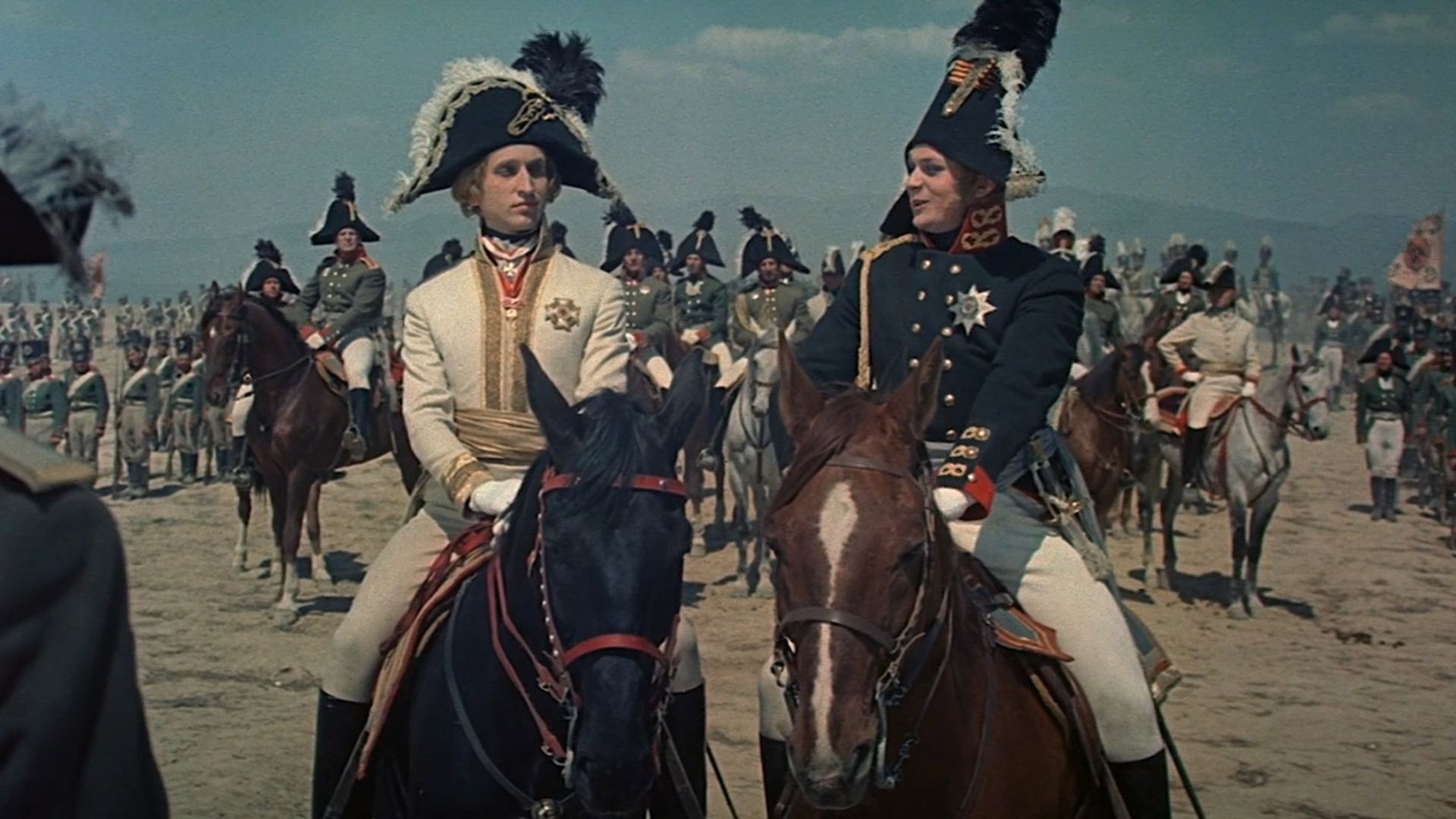
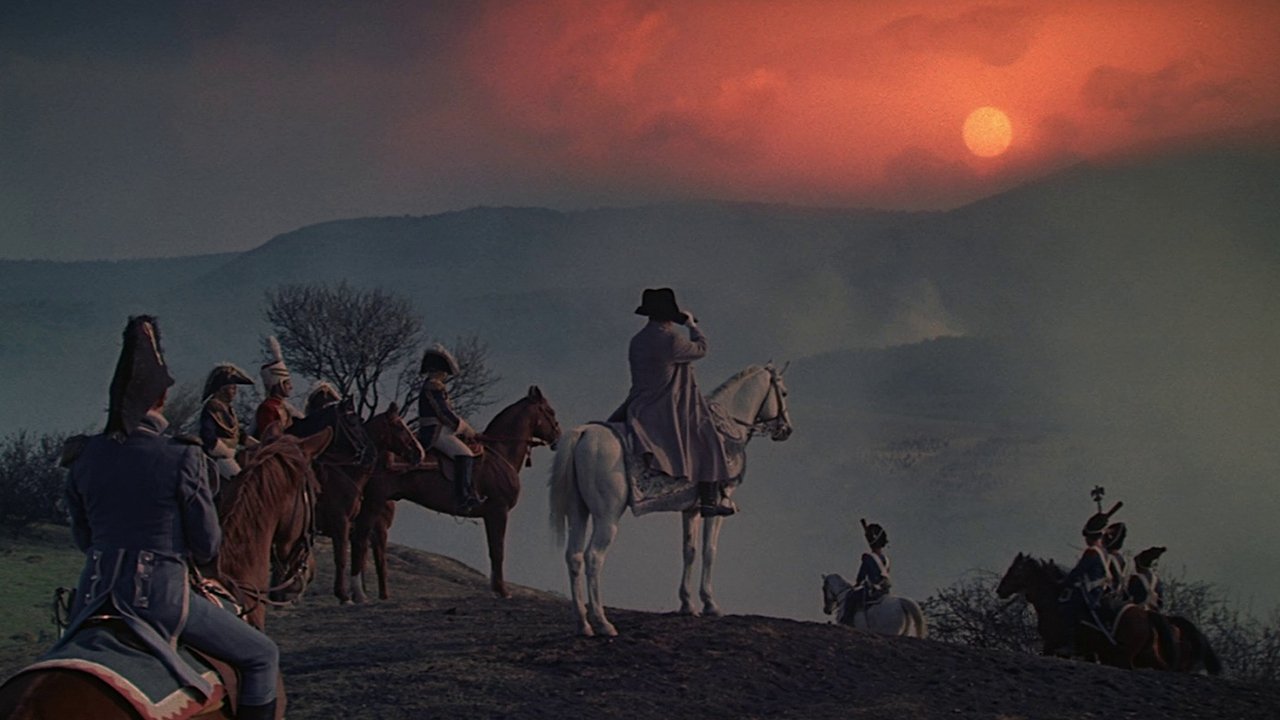
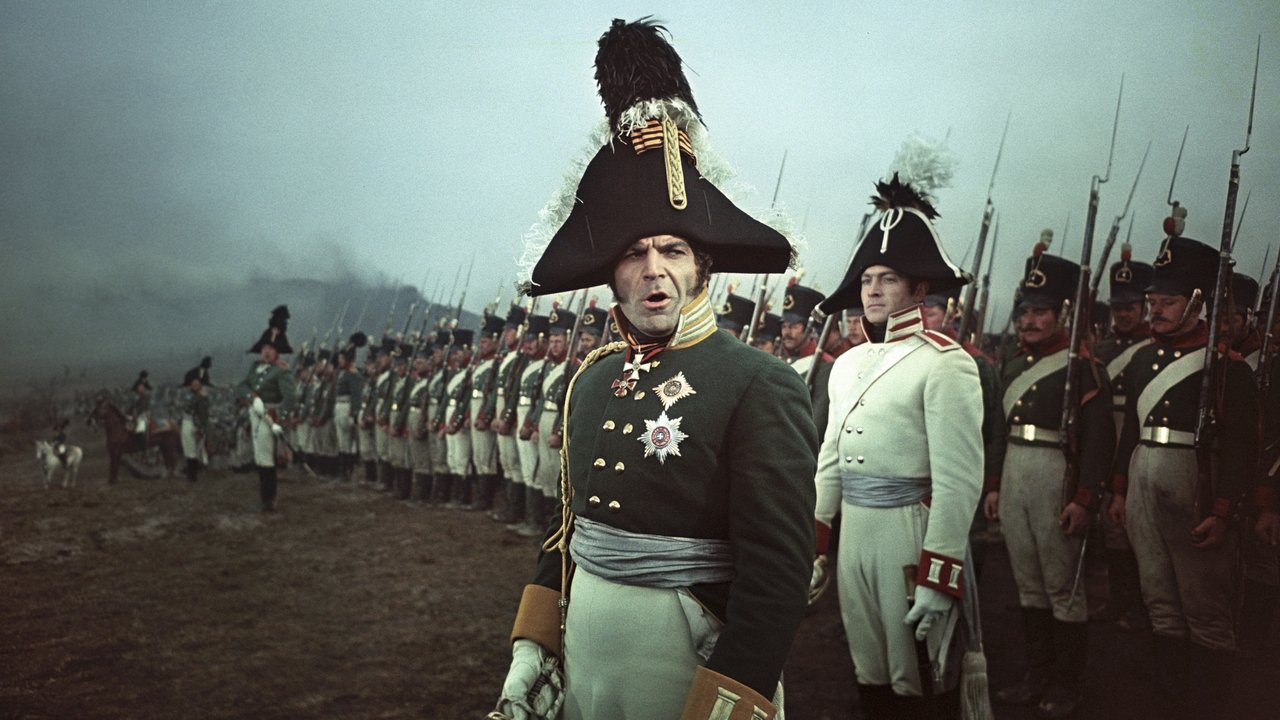
The entire Borodino sequence (which is almost half of the entire film) is the greatest battle sequence I've ever seen. Bondarchuk used 70mm film, sweeping crane shots, helicopter shots and handheld POV shots to create a dizzying and immersive aesthetic. Apparently, 120,000 extras played the Soviet soldiers and genuine military equipment was used, creating an overwhelming sense of scale. Explosions, dust clouds and smoke obscure the fields, emphasising confusion and disorder rather than heroic clarity.
Pierre has a great arc in Part III, entering the battle as an observer hoping to view greatness but ends up discovering the meaninglessness and horror of war. His strangely visible white civilian coat is a symbol of moral naivety amid carnage. He constantly wanders in shock as he encounters suffering soldiers, random violence and senseless death.
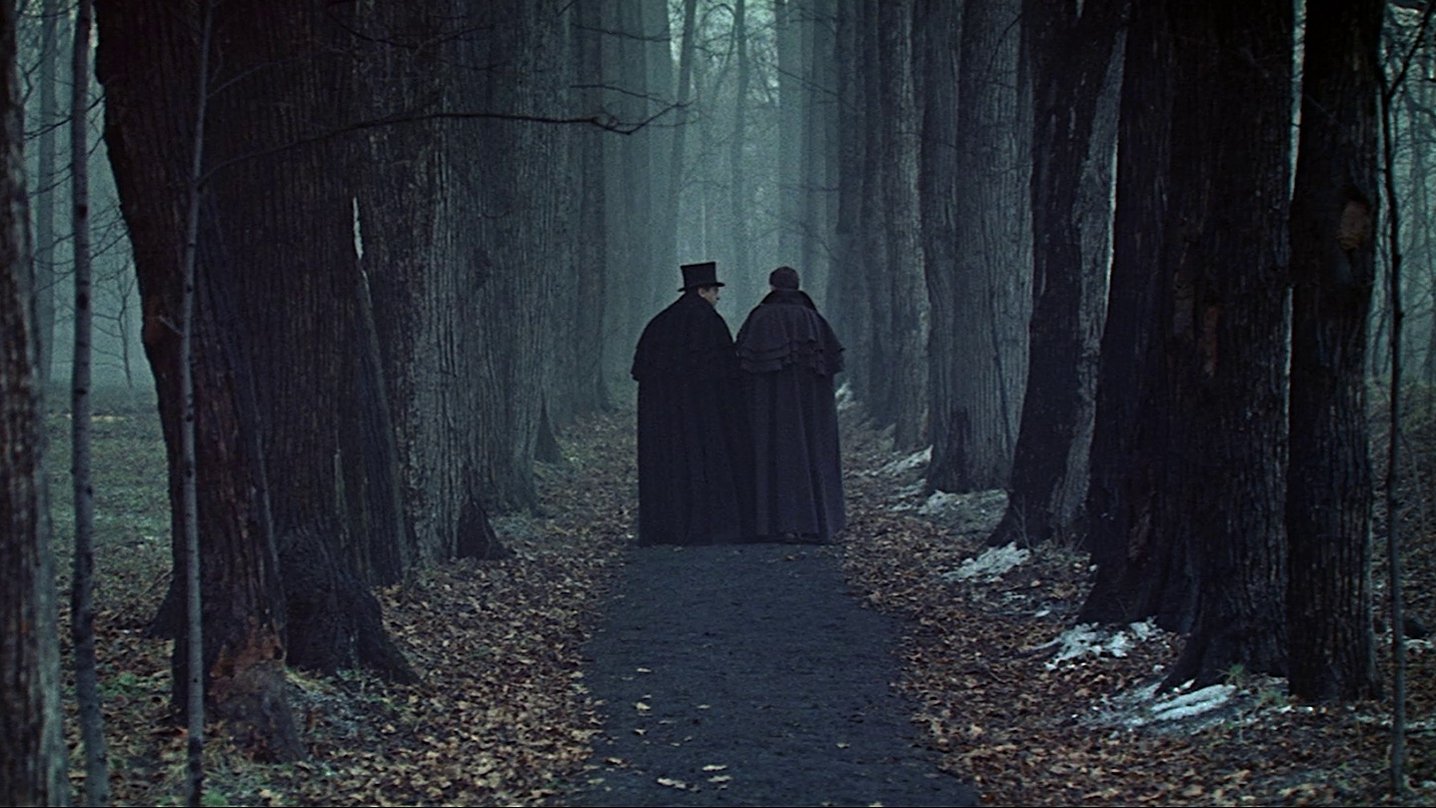
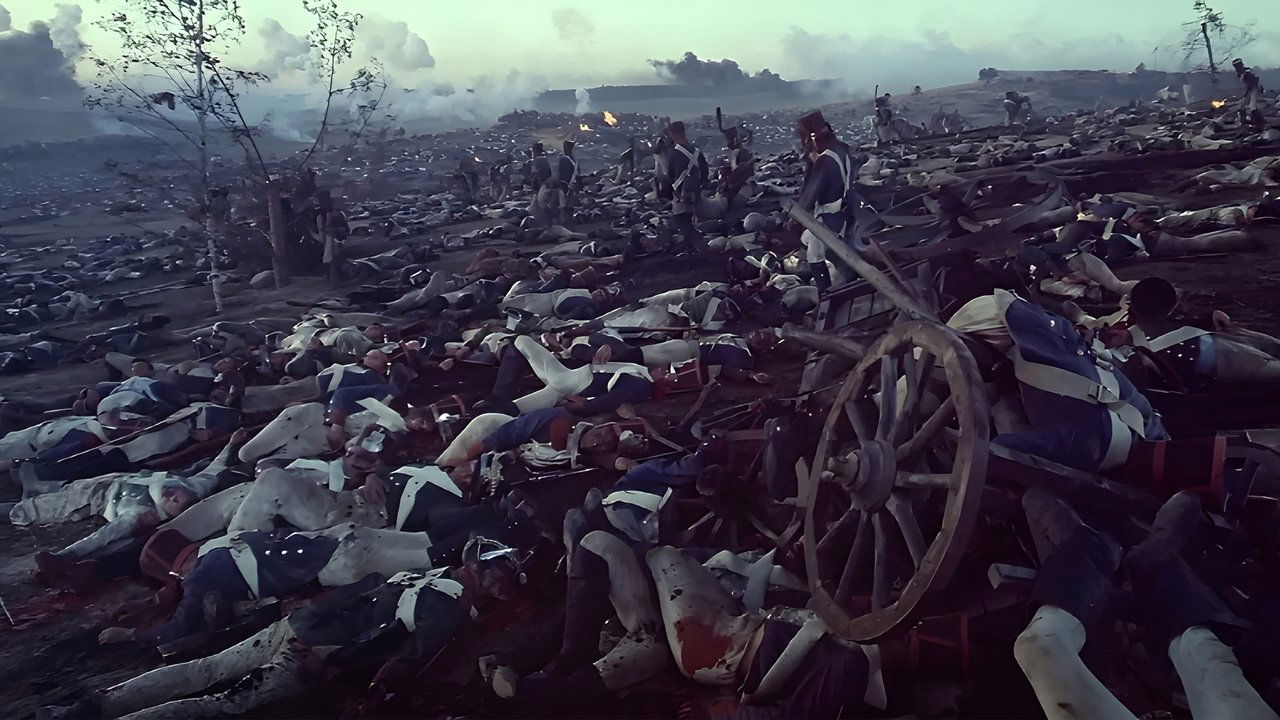
Symbolism and imagery is reacurring throughout: red and grey often dominate the screen during the battles e.g. fire, smoke, ash and blood; battle lines dissolve visually to show the collapse of structure, hierarchy and control and the film frequently cuts to sweeping skies, forests and fields, showing how nature remains indifferent and eternal incontrast human folly.
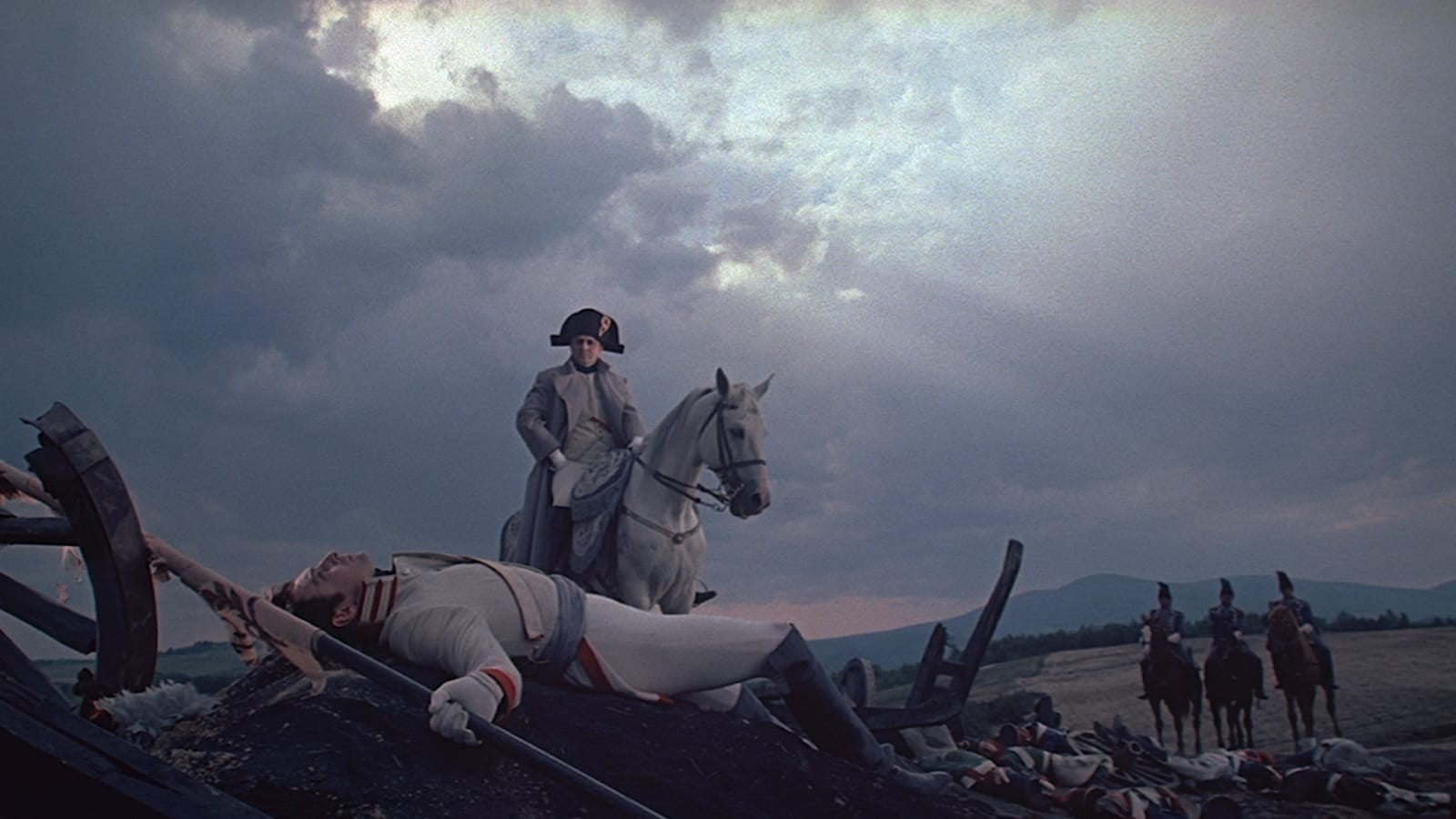
The film's tone shows how glory, strategy and purpose evaporate in violence and chaos. Bondarchuk shows suffering across ranks, from aristocrats to peasants to officers to wounded soldiers to civilians. There are no villains or heroes, just human beings crushed by necessity.
Part IV: Pierre BezukhovPart IV is the final installment of Sergey Bondarchuk's monumental adaptation of Tolstoy's novel. It centres on Pierre's psychological and moral transformation, bringing the epic's philosophical core to the forefront.
The burning of Moscow is an impressive sequence in an epic lavished with impressive sequences. The audience is right there with the panicking crowd, filmed on hand-held cameras. The superimposed flames bolden them so they dominate over the people beneath. The chaotic sound design emphasises disorientation. It marks the breakdown of all external structures for Pierre: society, morality and his own illusions.
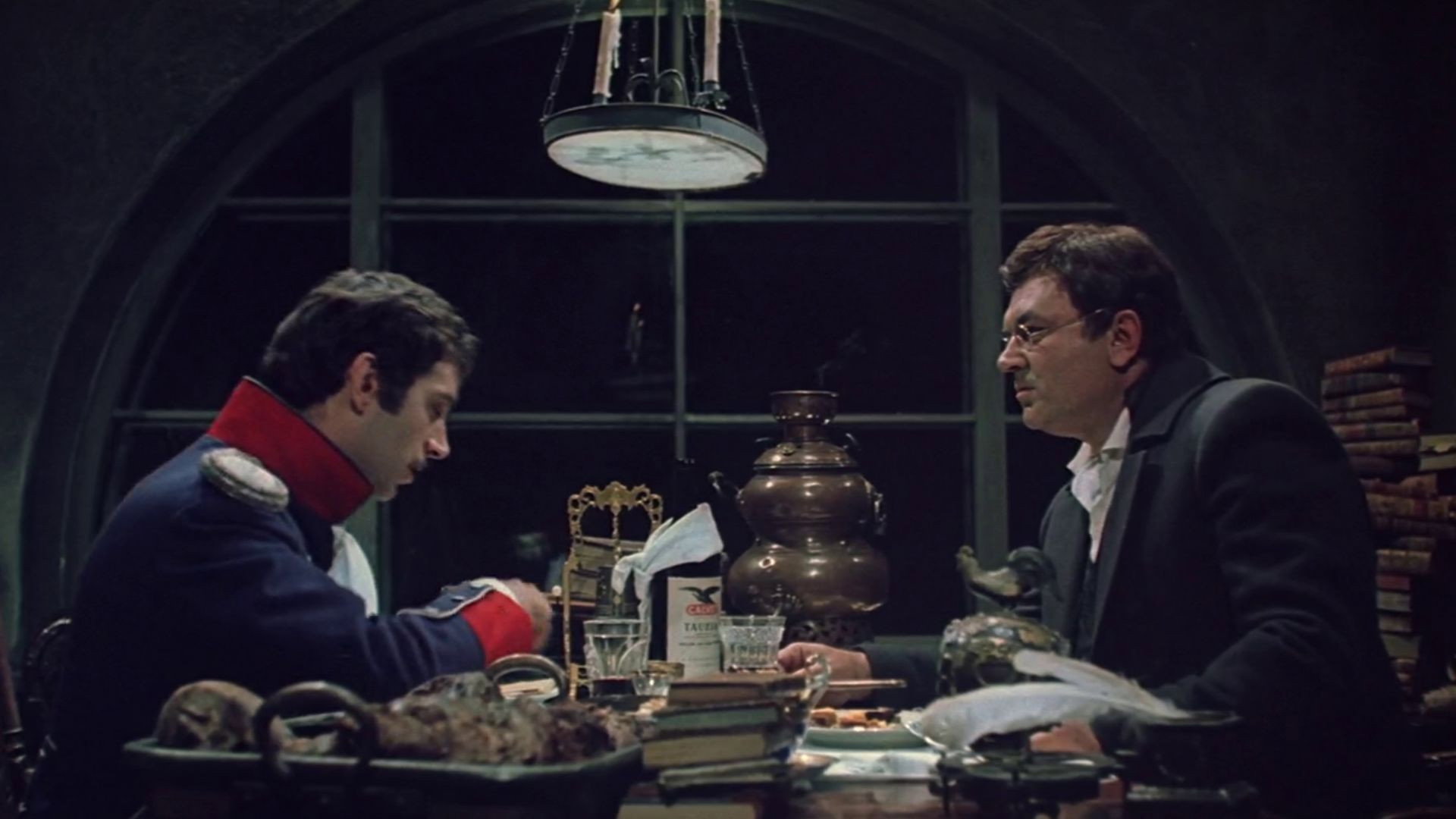
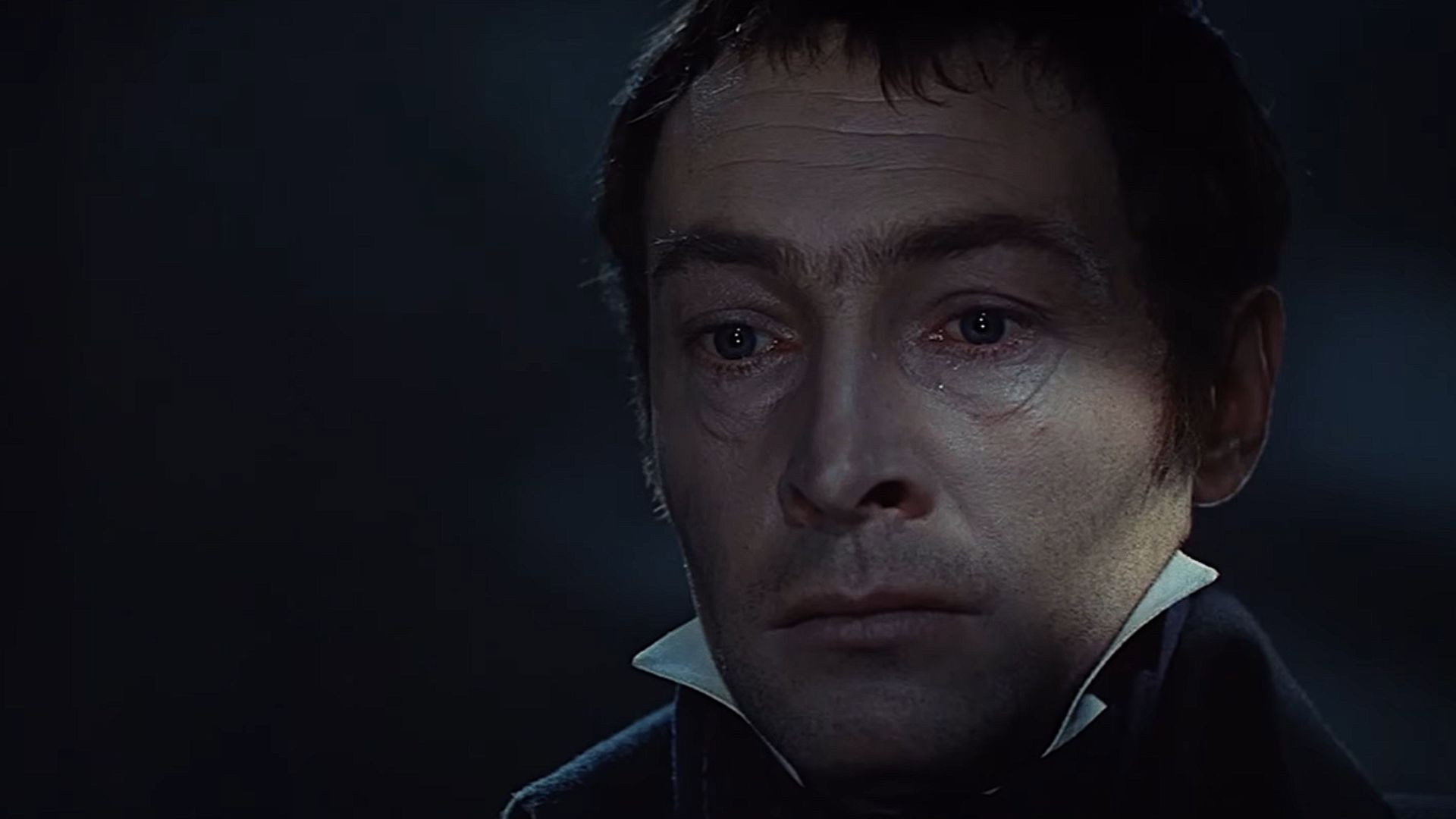
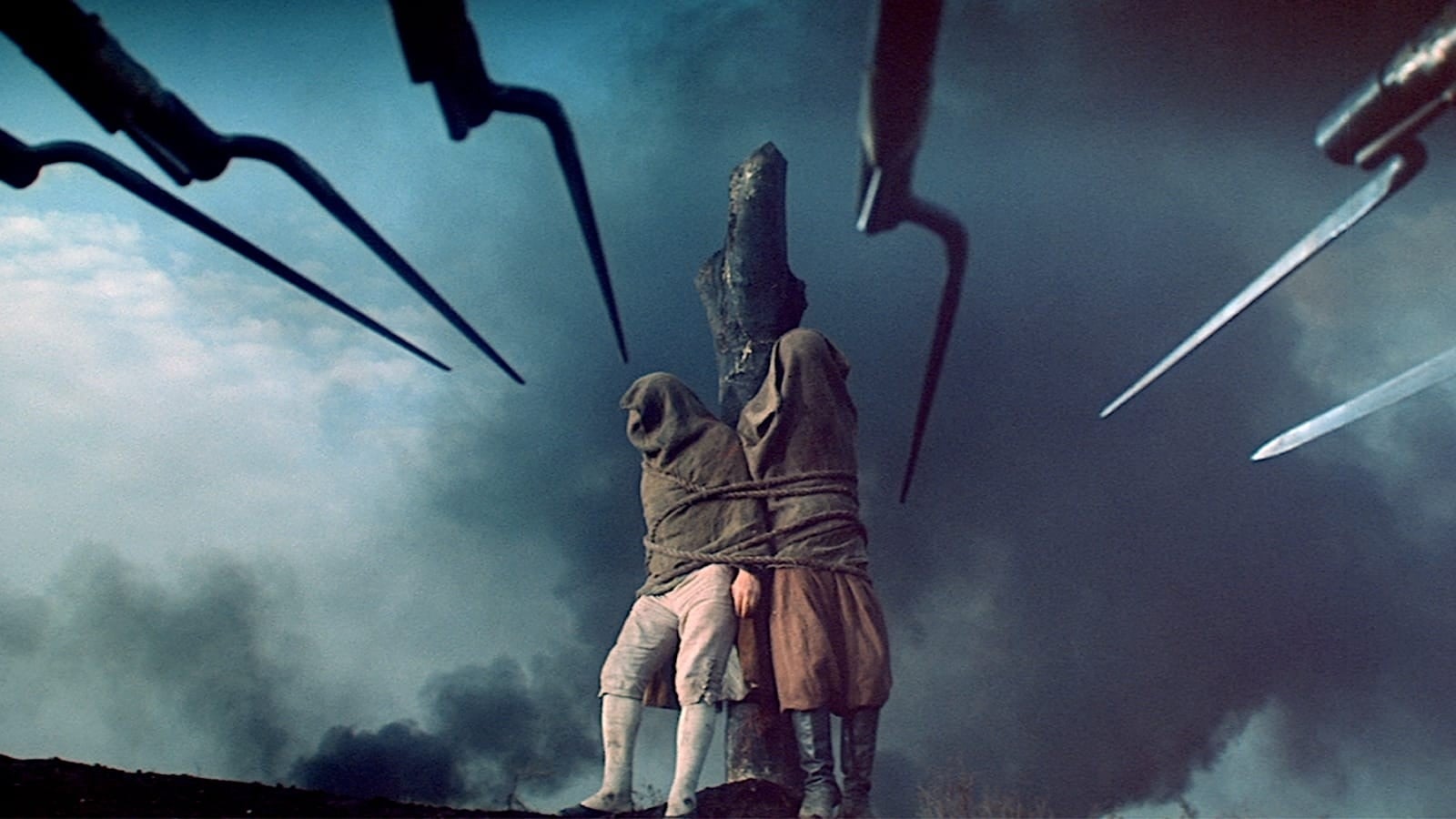
Pierre's capture by the French initiates the most important character shift. His interactions with Karateev become the heart of Part IV. Their relationship is rendered with emotional simplicity; no musical underscoring, just silence, footsteps and whispered conversations.
The survival and libertisation symbolises purification. His performance fully changes to a steadier voice and calmer posture to reflect a man who has found inner freedom. Unlike traditional war epics, Pierre's heroism is moral rather than martial. Bondarchuck emphasises this by contrasting his new demeanour with bombastic battle scenes.
Overall,
War and Peace is one of the most ambitious projects of all time,
Part I showing the somewhat ignorant Andrei transform into a more degraded self in some of the greatest battle sequences ever put to screen, revolutionising cinema with its unique use of cameras and mass amounts of extras.
Part II is the film that gives the epic its emotional core. It presents the audience with the crumbling notoriety of an aristocratic lady along with some of the most spectacular cinematography and carefully crafted and thought-through scenes ever.
Part III is an epic feat of war cinema, exploiting the futility and terror that occurs on the battlefield rather than the propaganda enforced at home. So much genuine effort was poured into the battle, unlike anything ever seen before with heaps upon heaps of actors along with authentic equipment for one of the most gargantuan scenes ever. It shows how war, in a way, makes everyone equal as no one suffers less than the last. Part IV is the emotional, philosophical climax of the drama epic. Rather than concluding with triumph, it's more rebirth for Pierre as he has now morphed into a new and better person. This is a film where it actually had to be seven hours long because of the magnum source material yet it still matches its greatness. This is one of the most beautiful, heart-wrecking and action-packed films that I have ever seen and it was worth every second. It works on every level and once I started, I couldn't stop. Masterpiece!>
"War... here it is. Real war..."