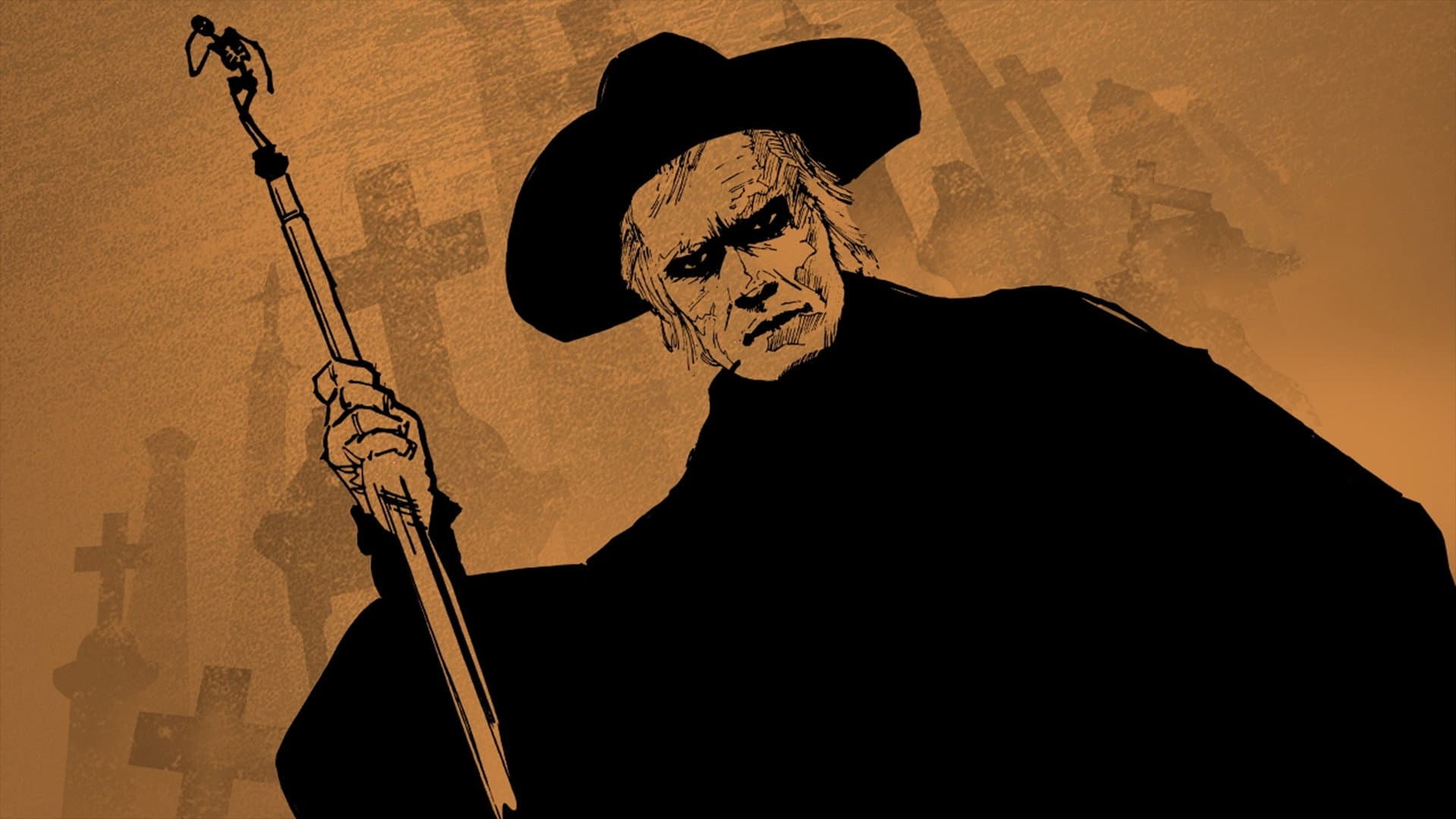
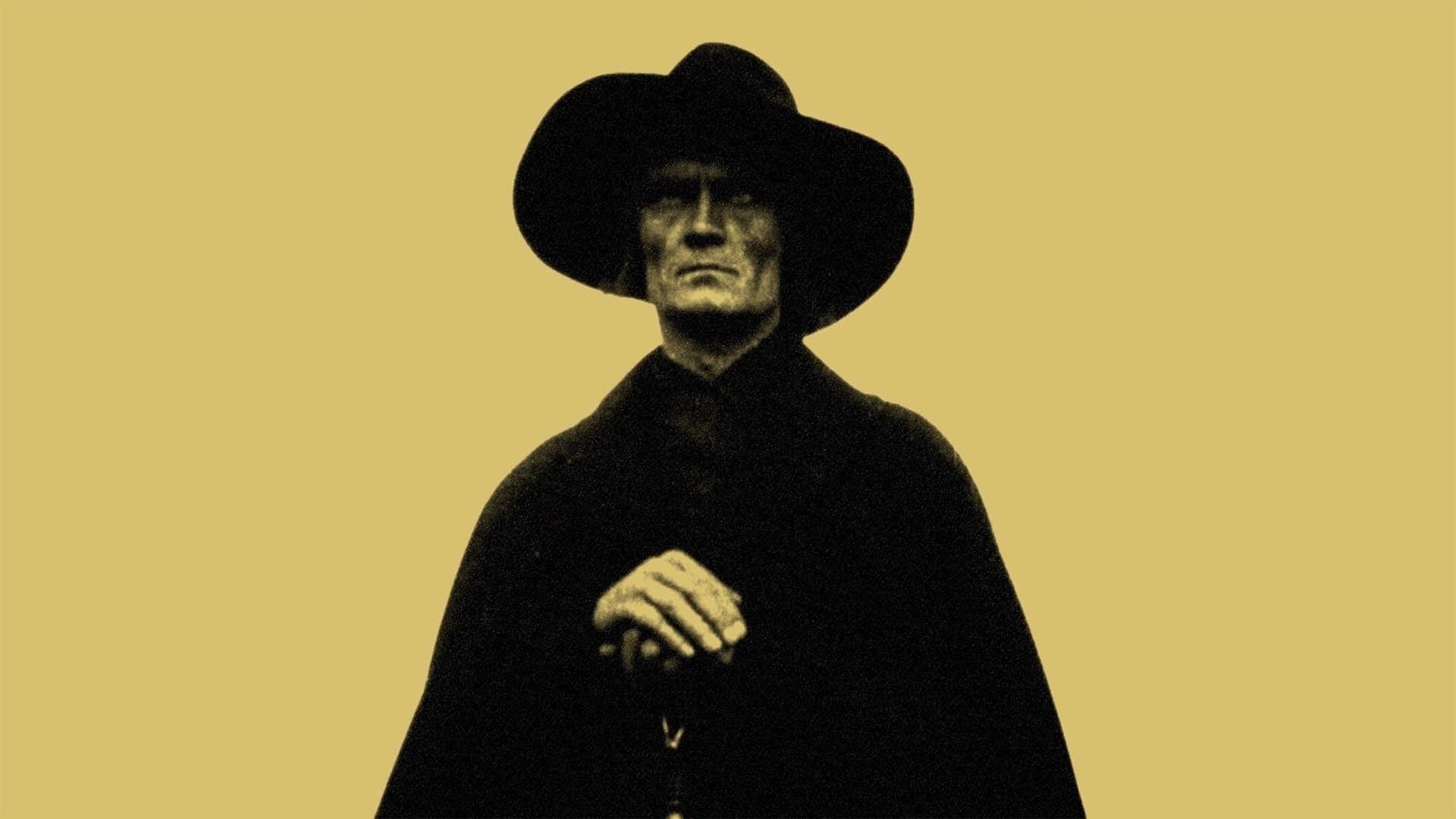
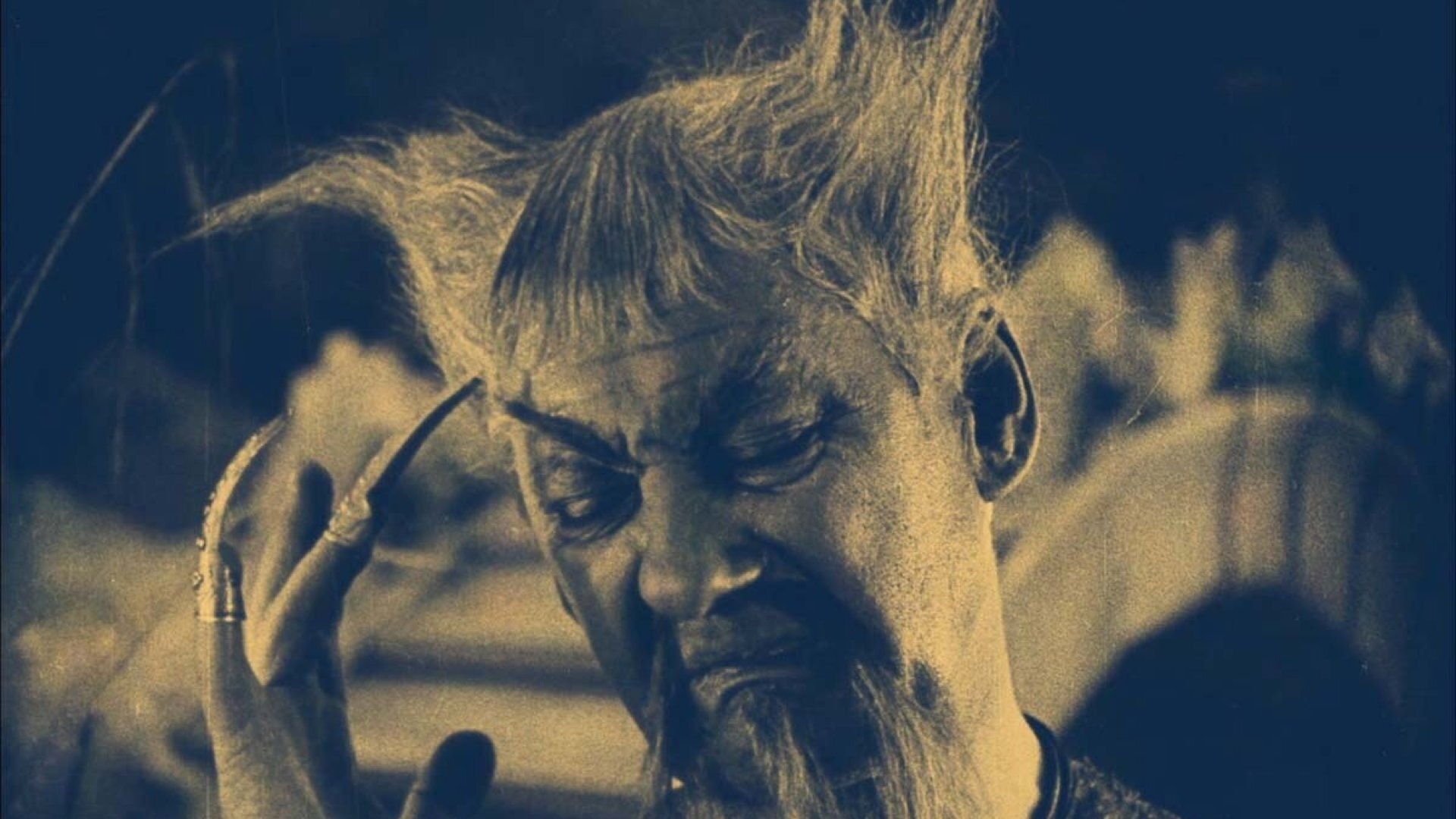
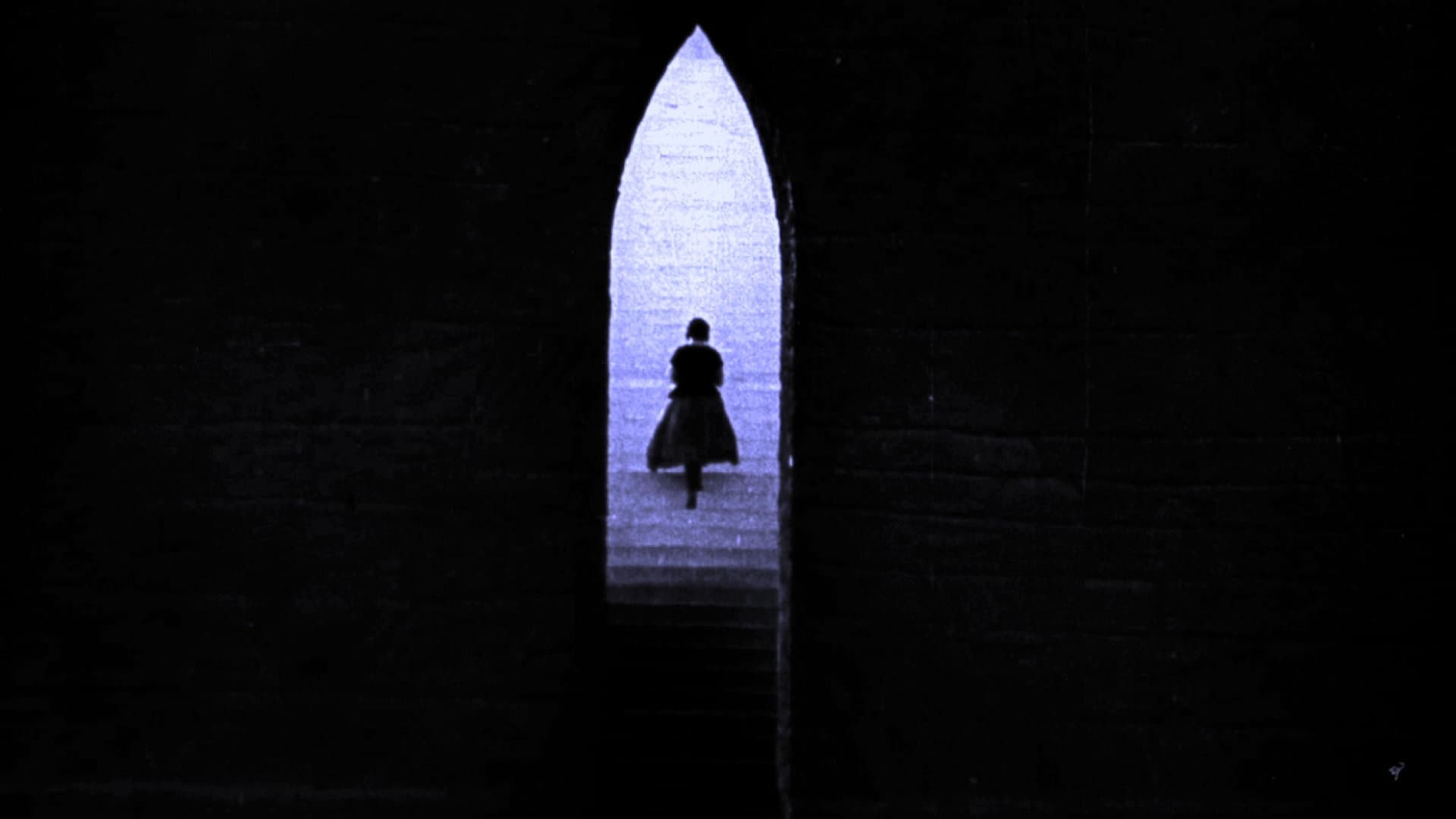
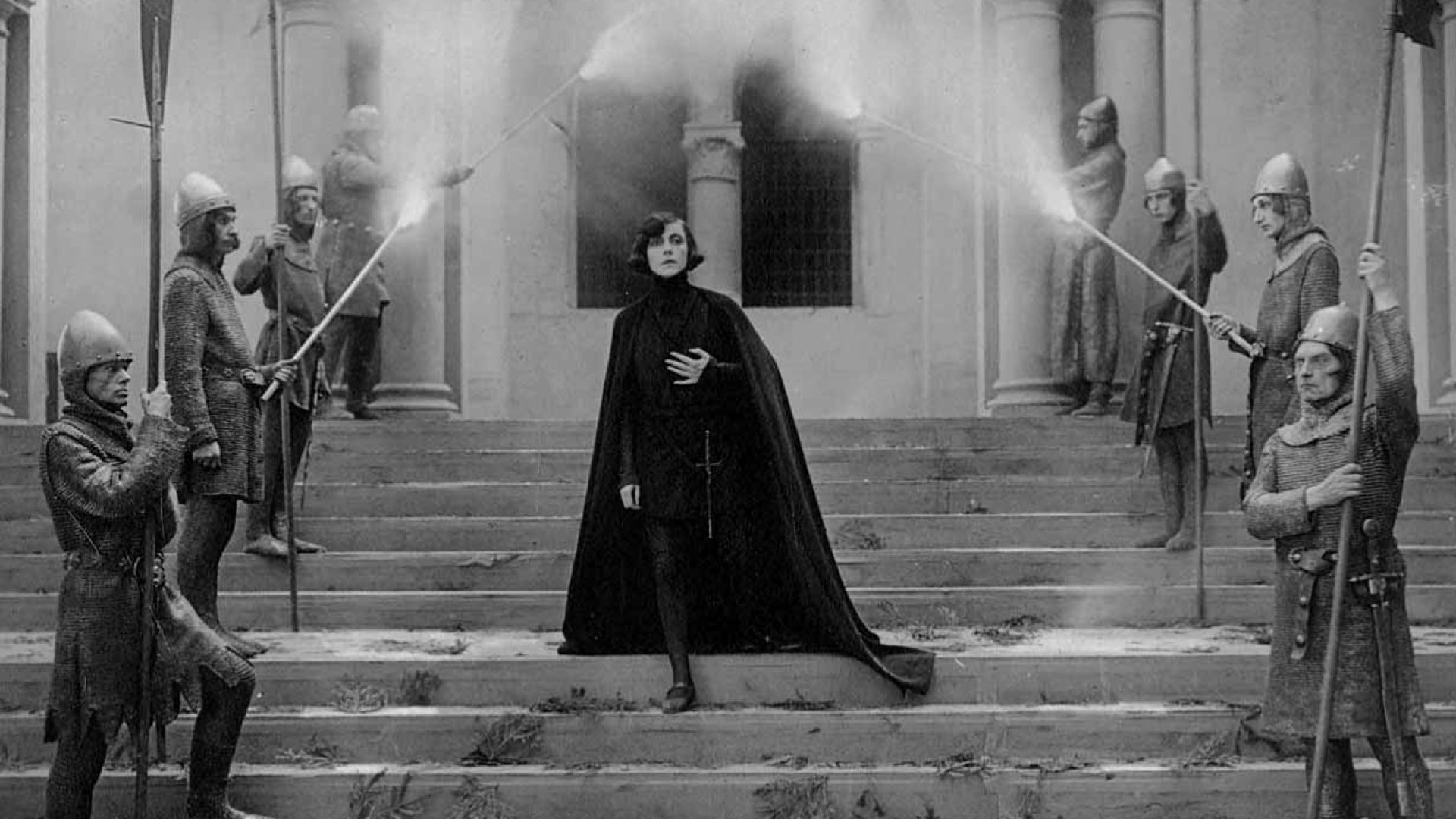
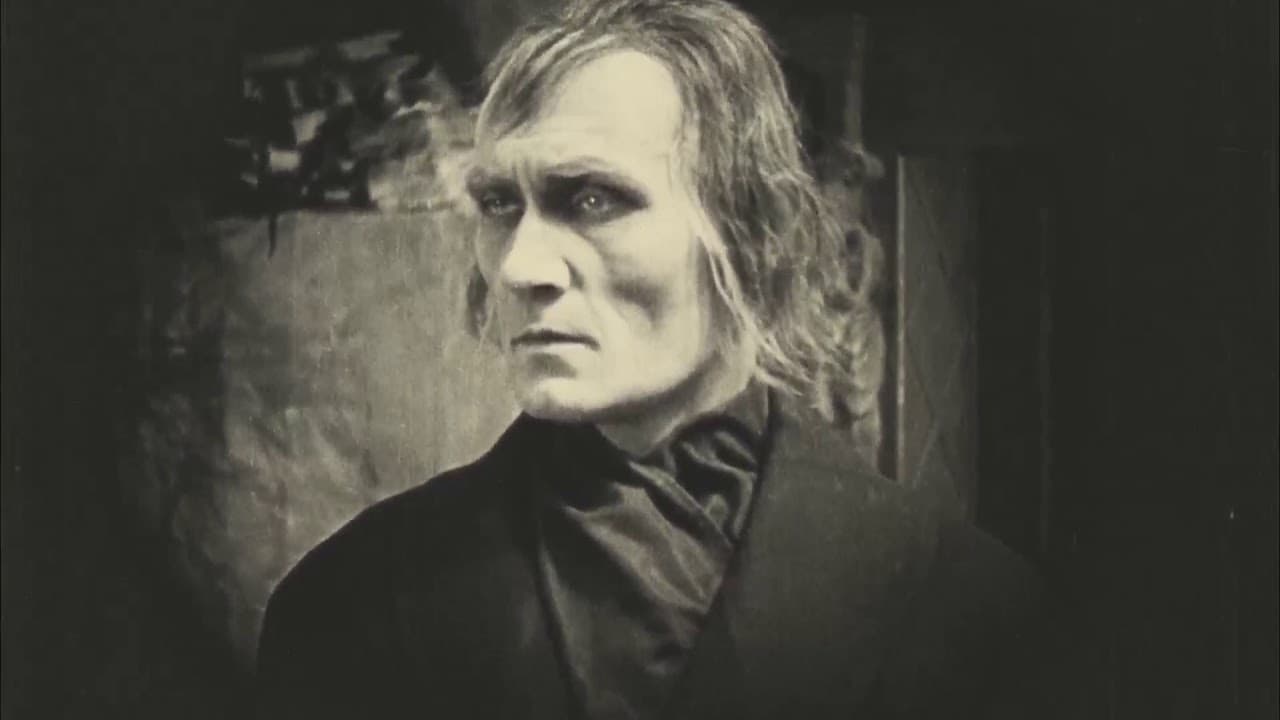
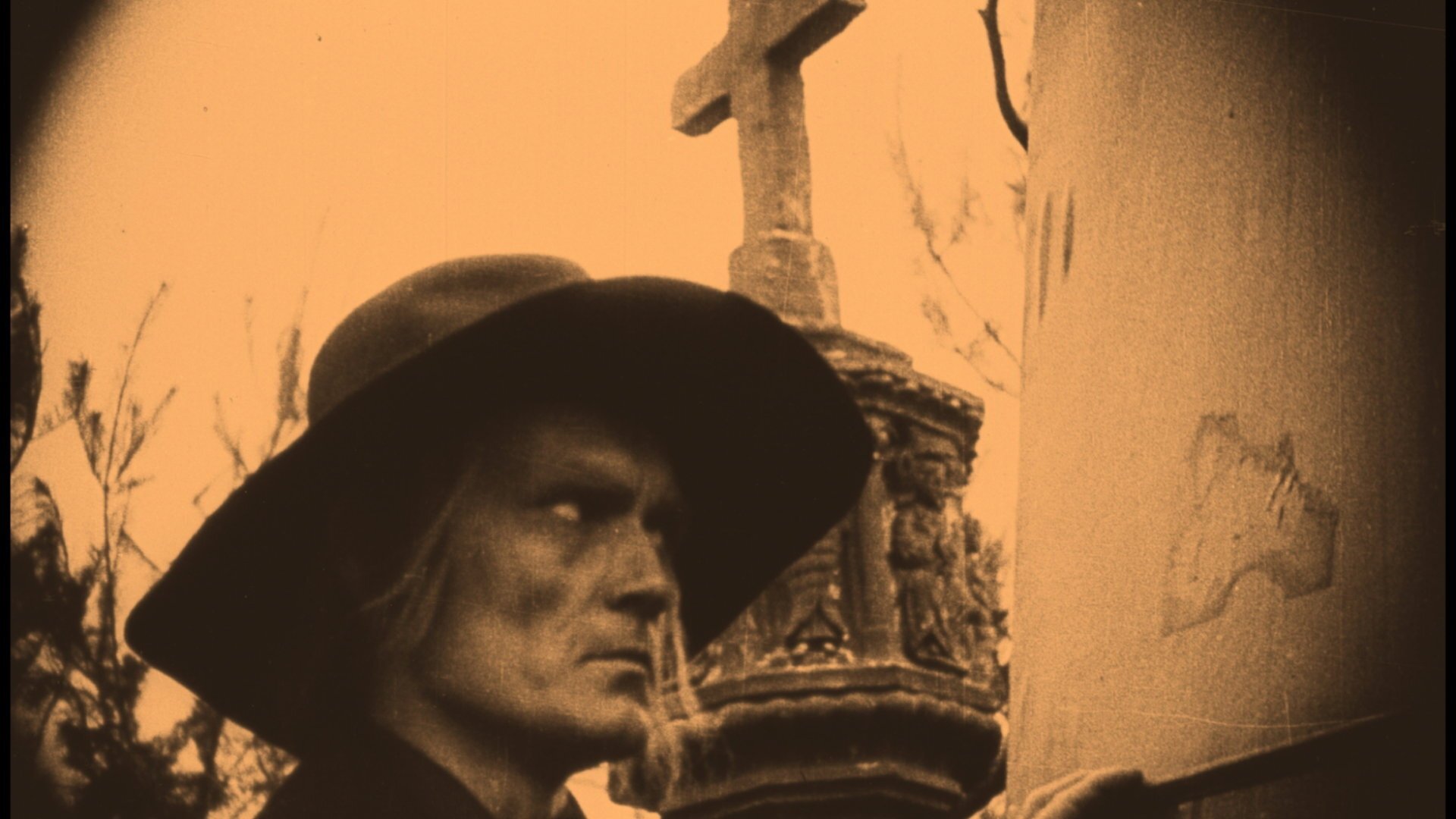
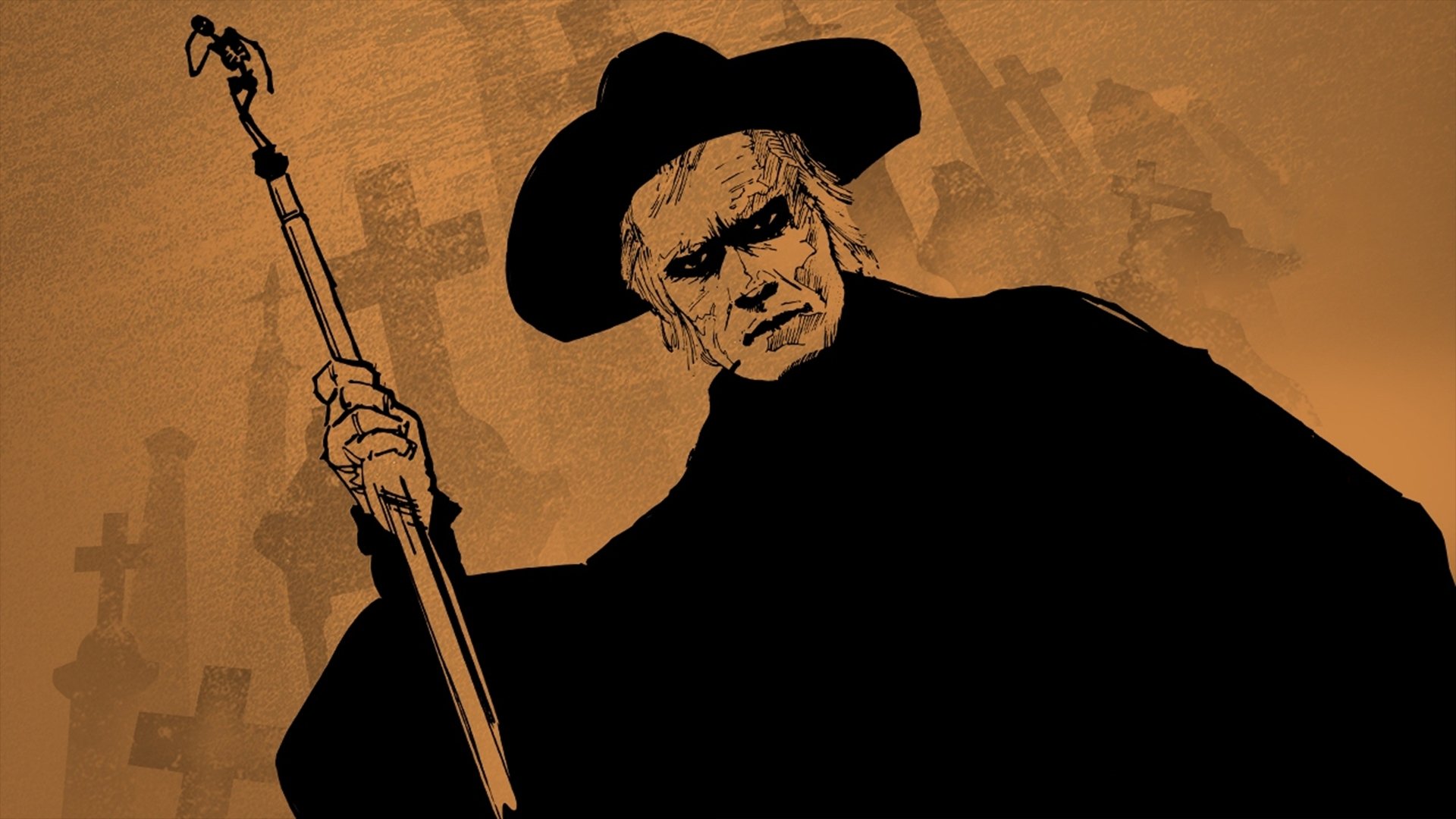
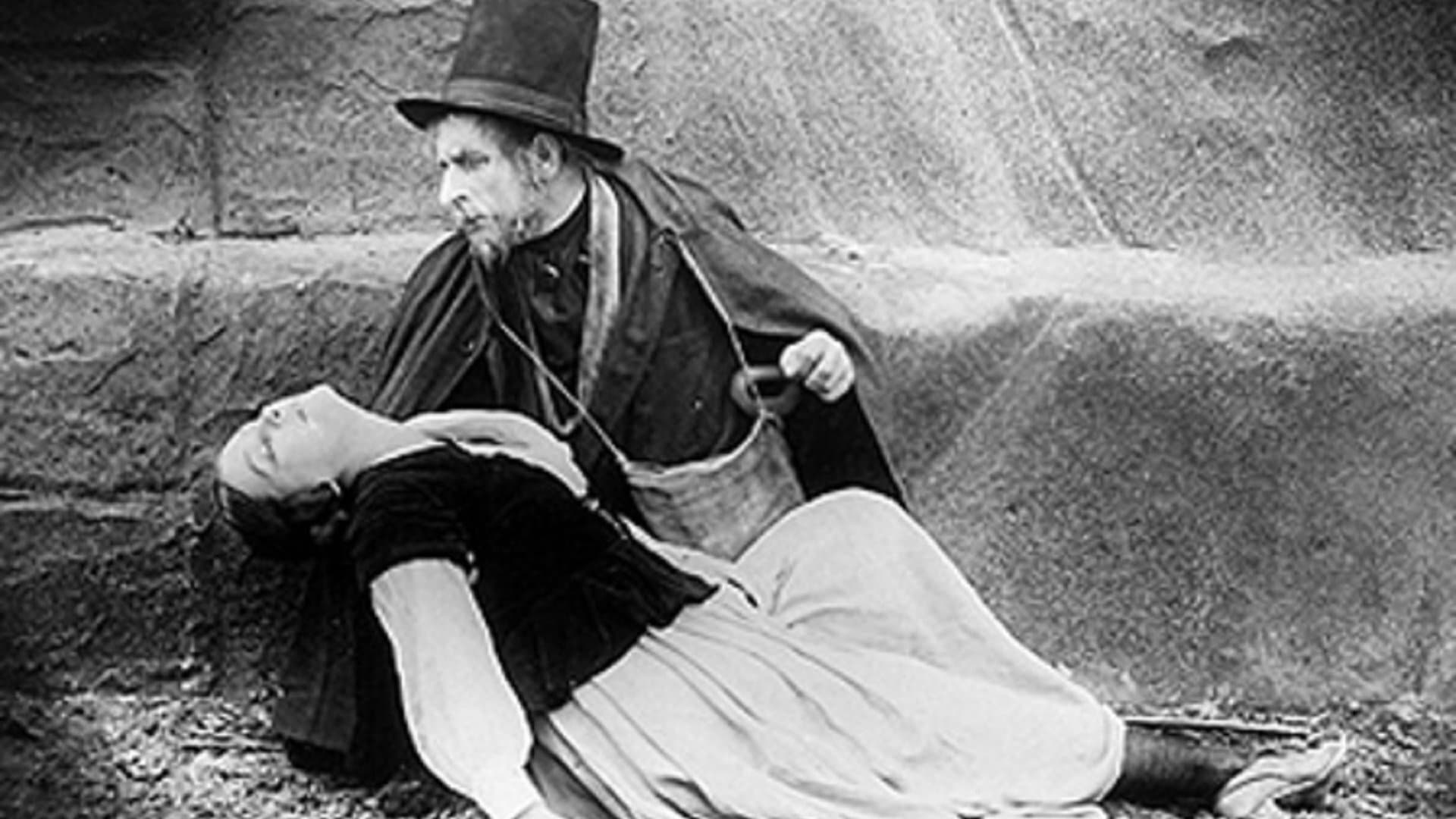
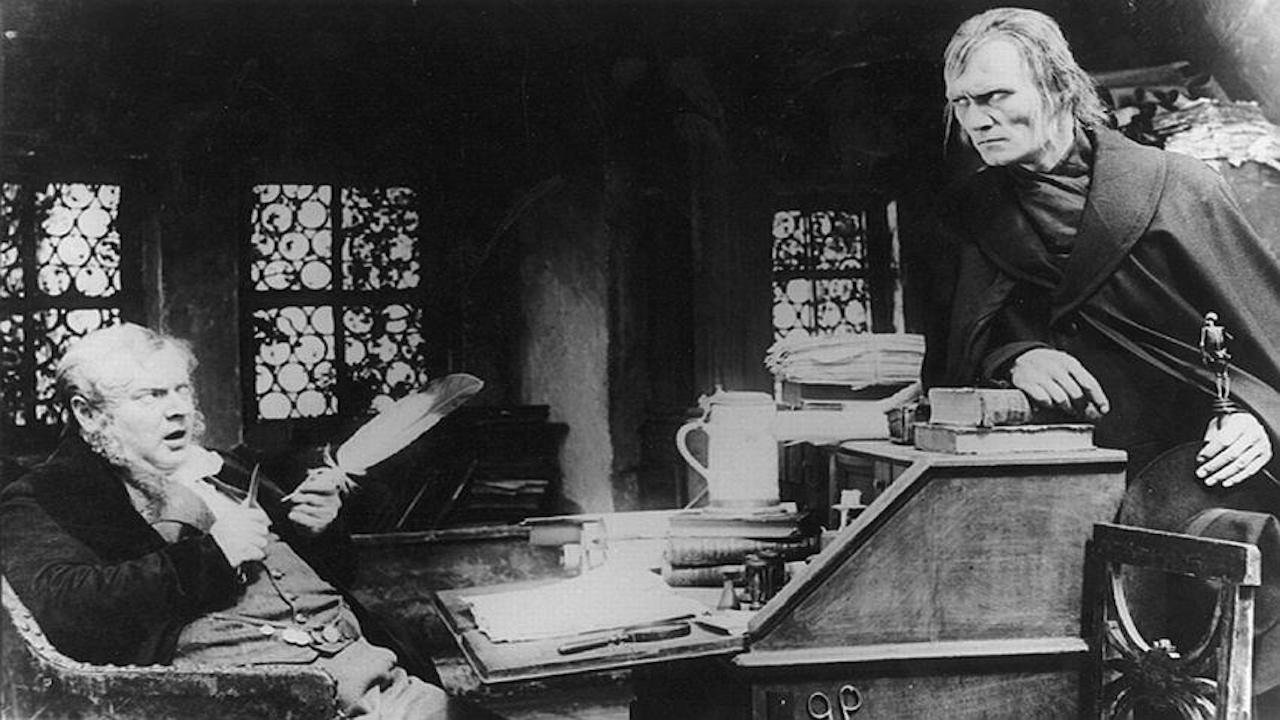
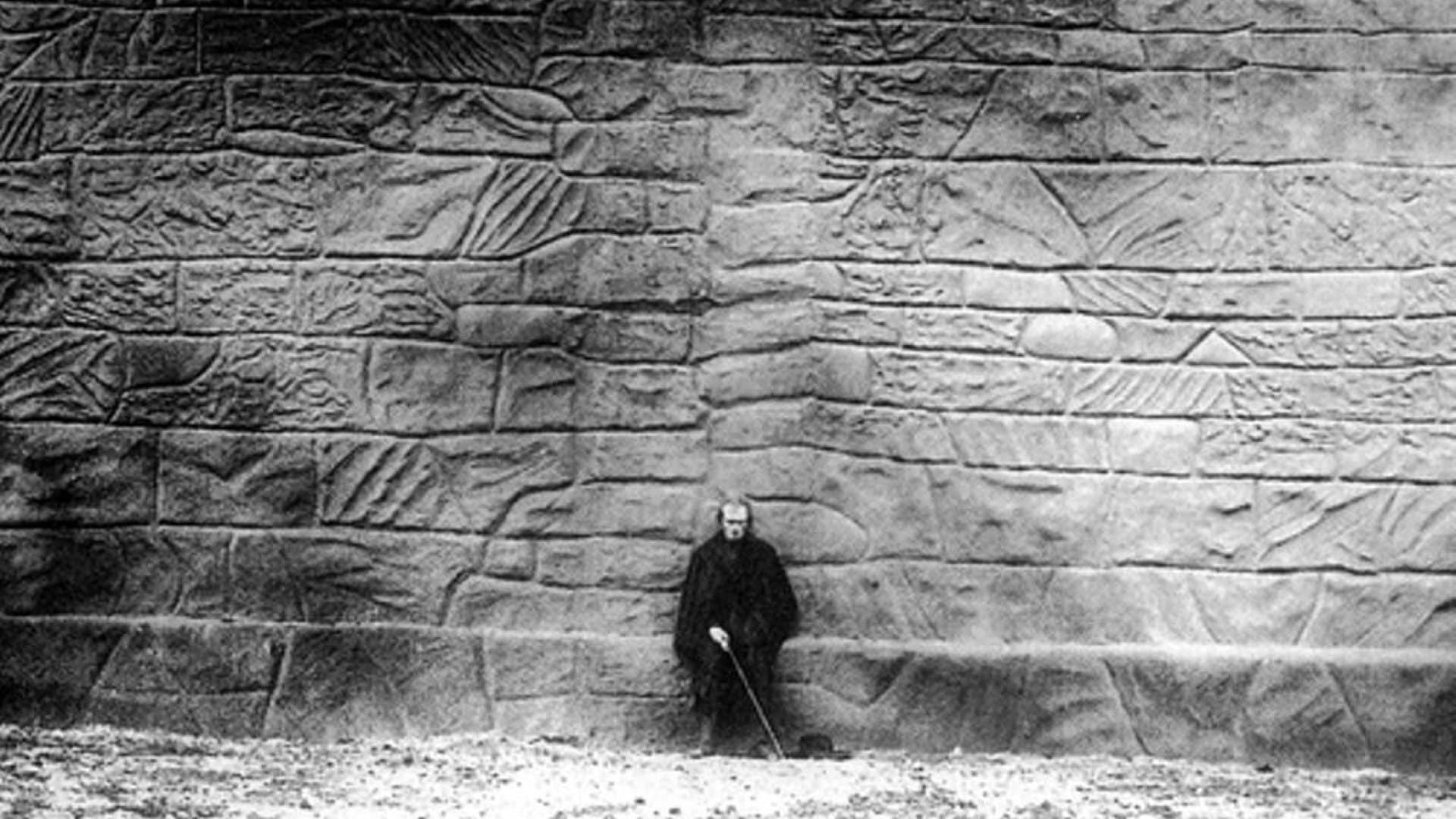
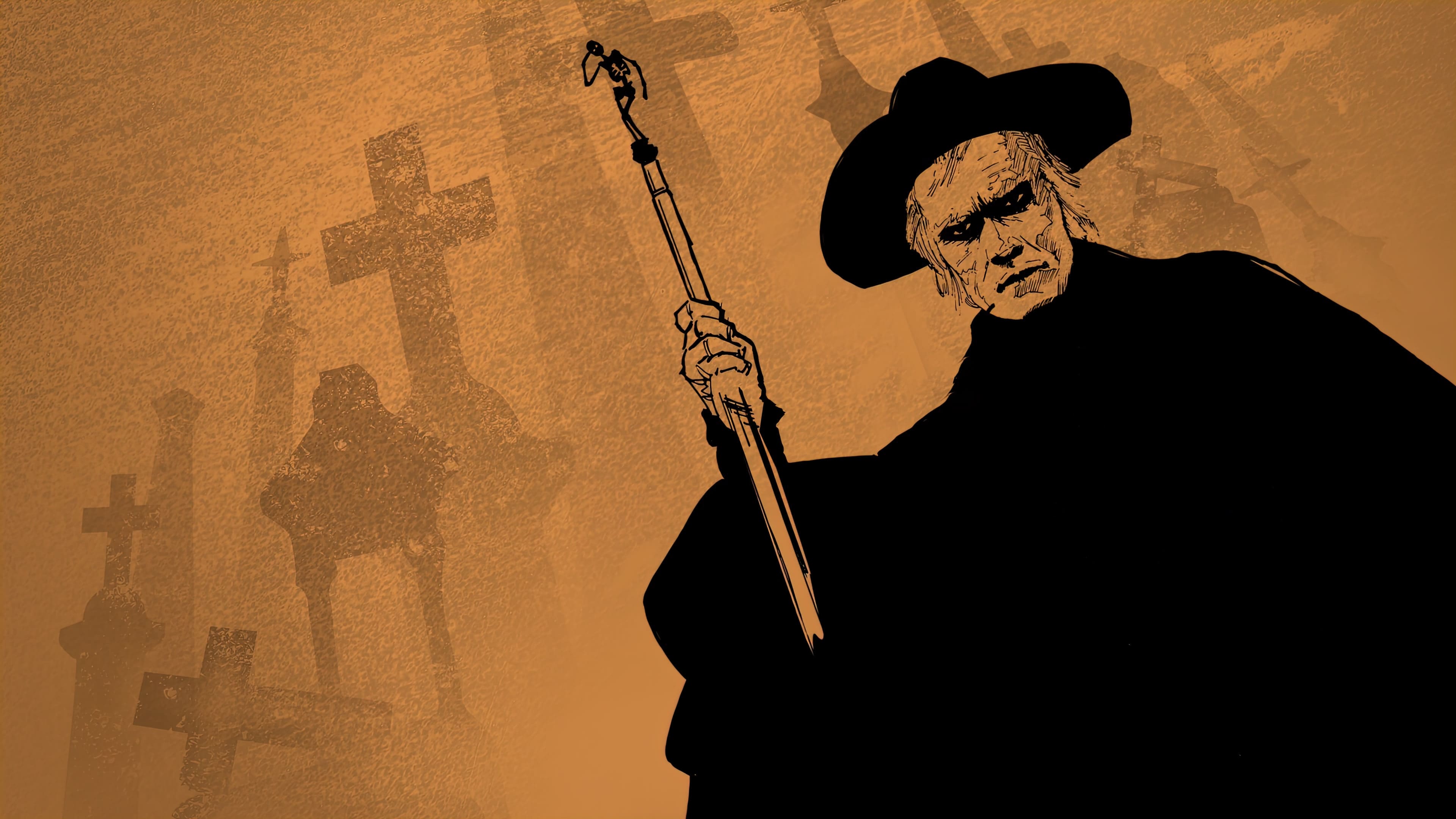
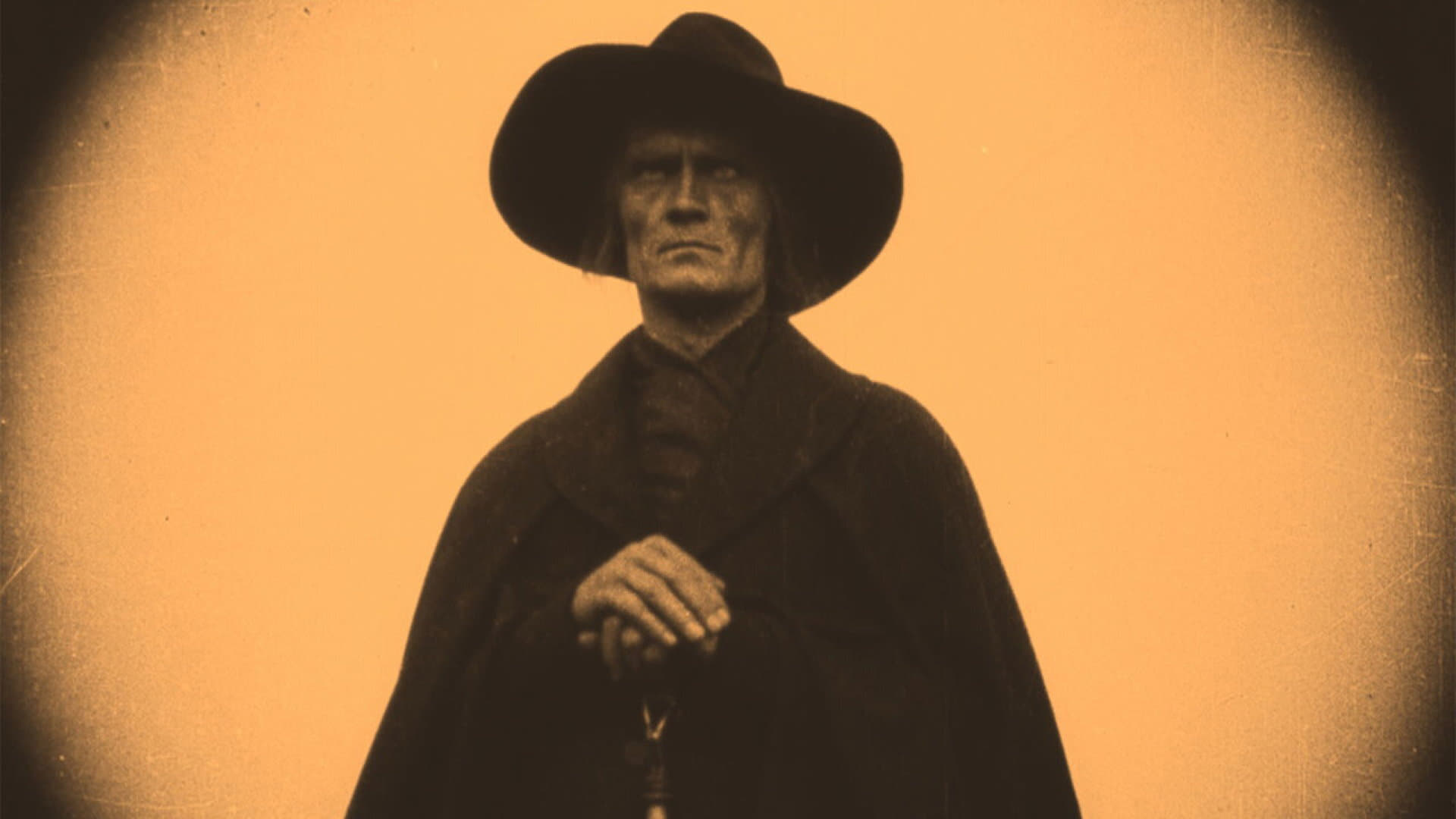
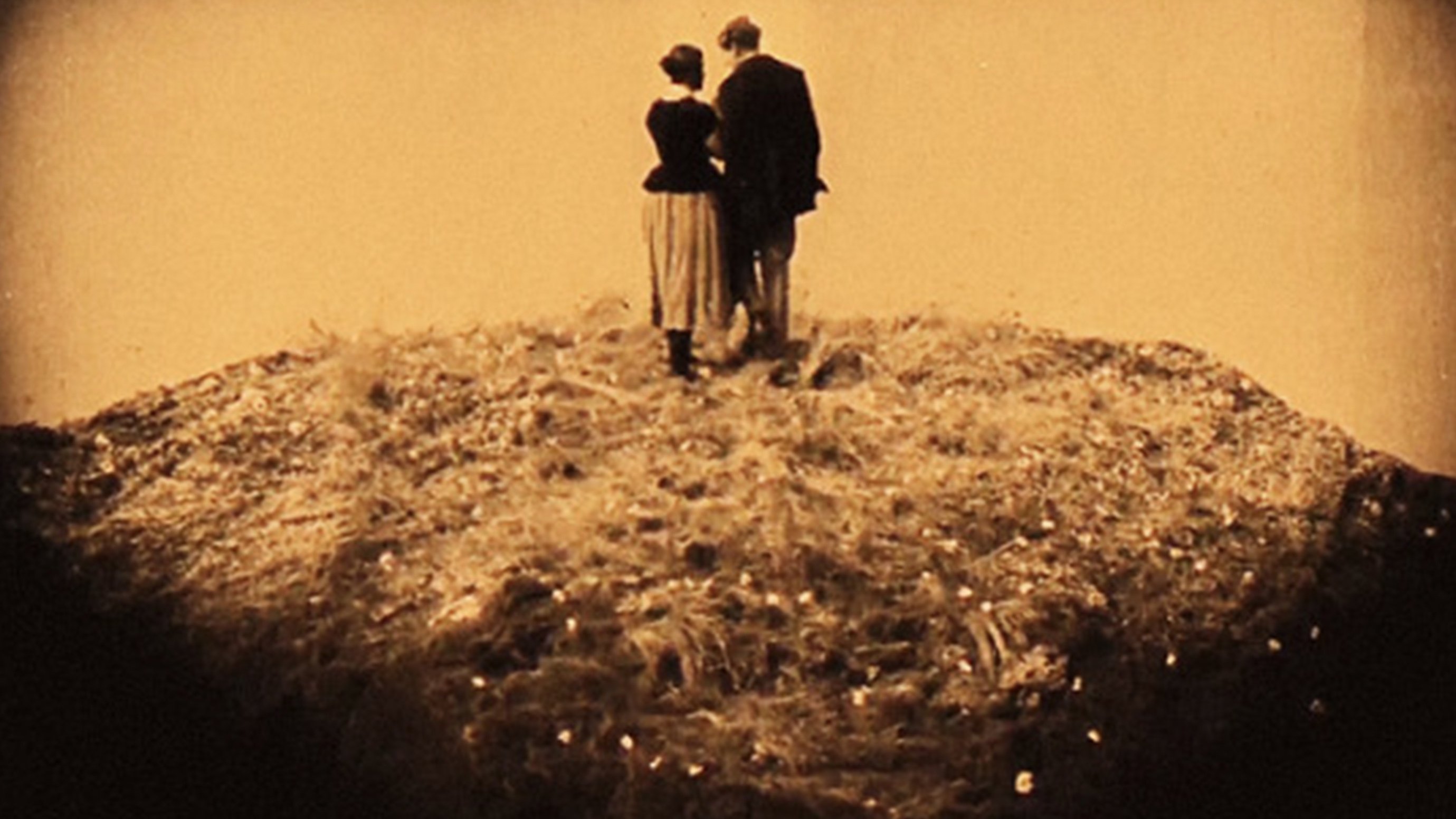
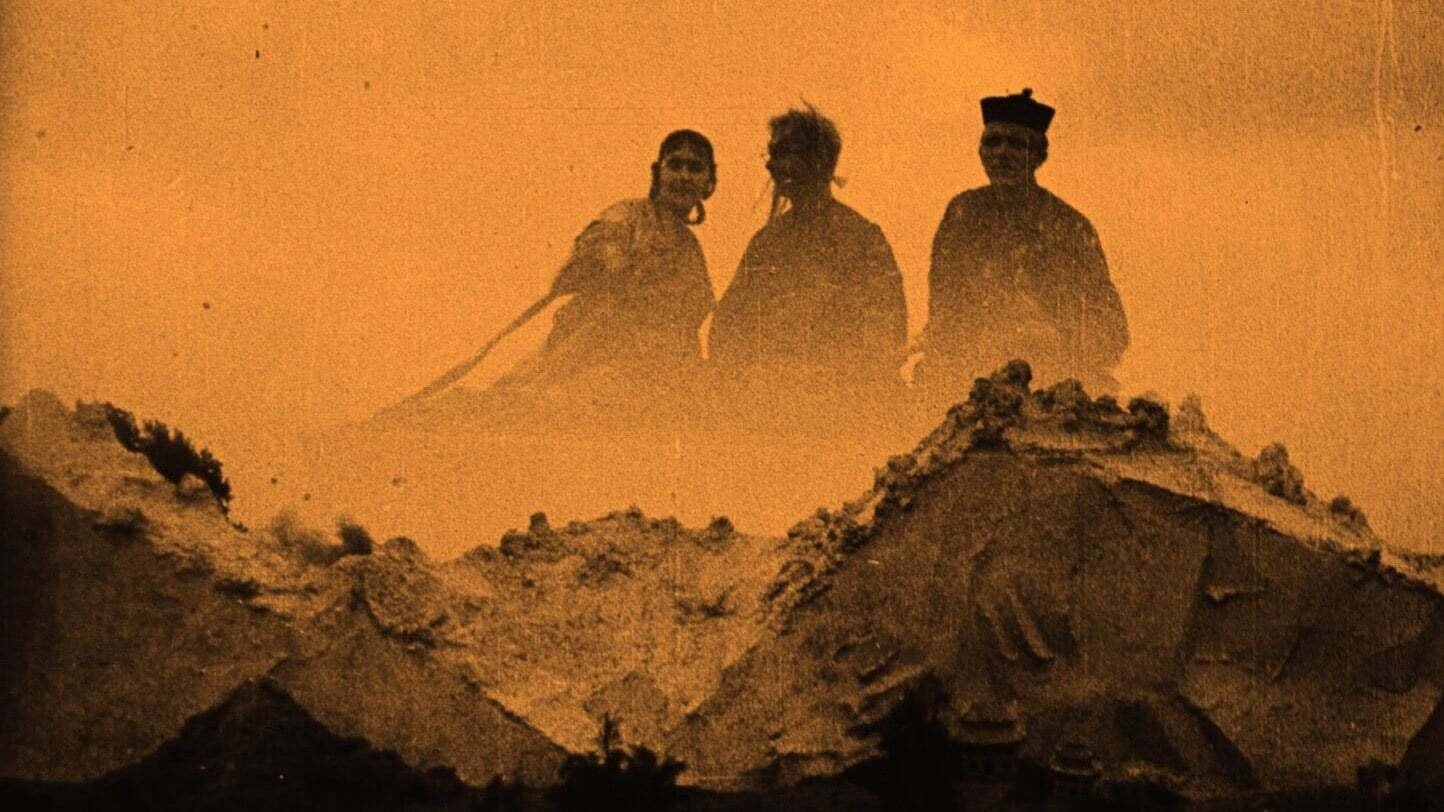
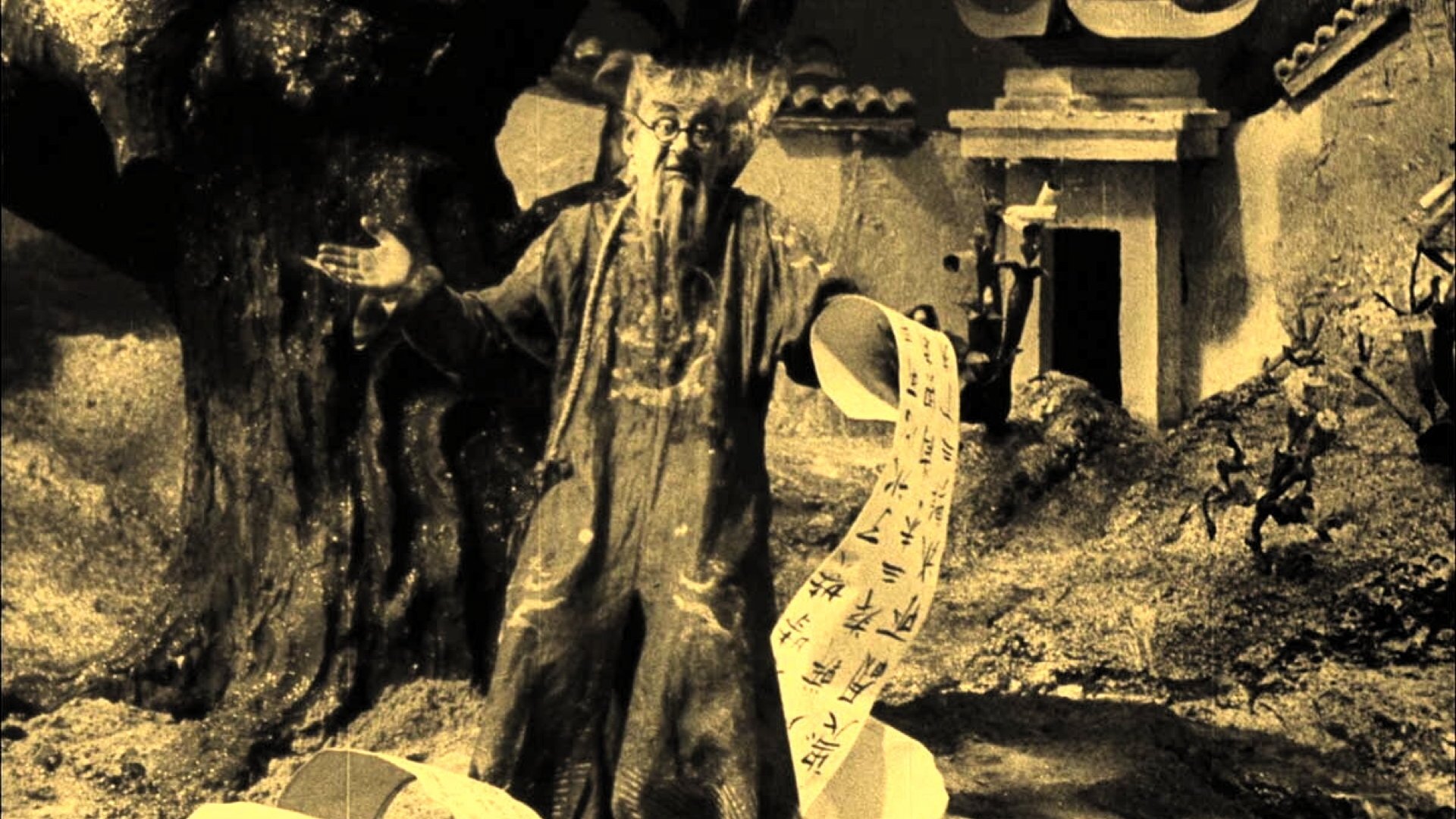
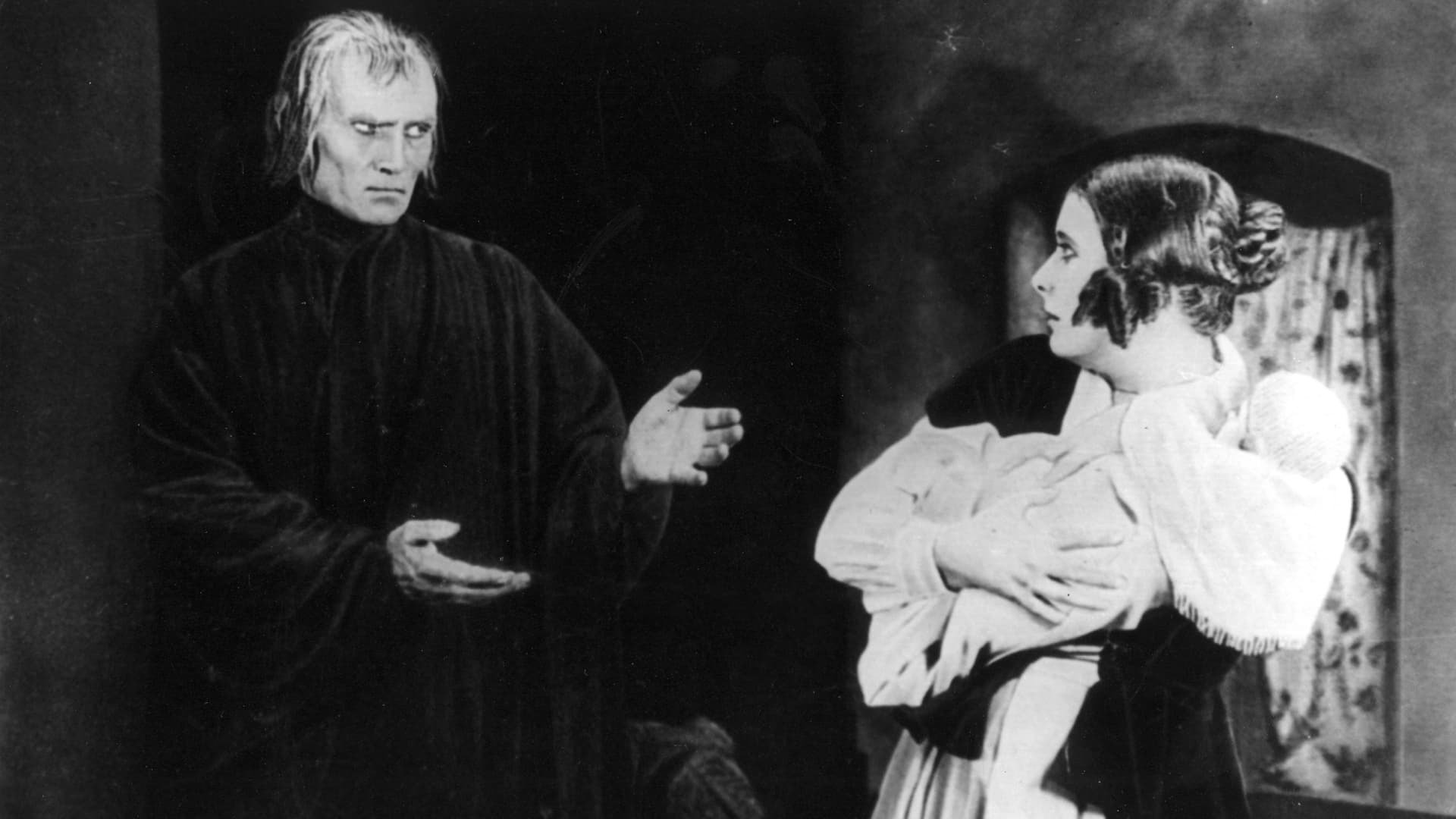
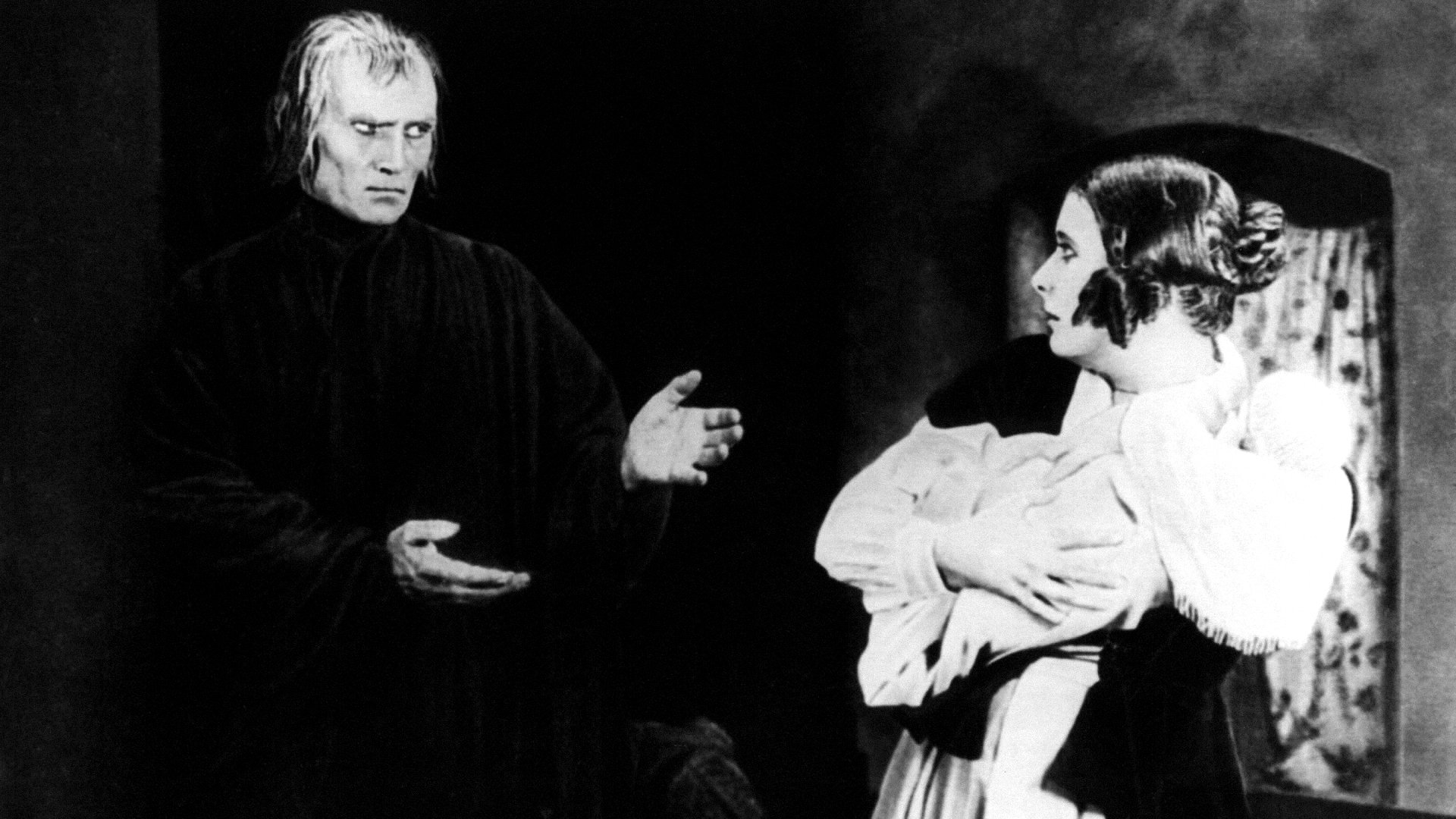
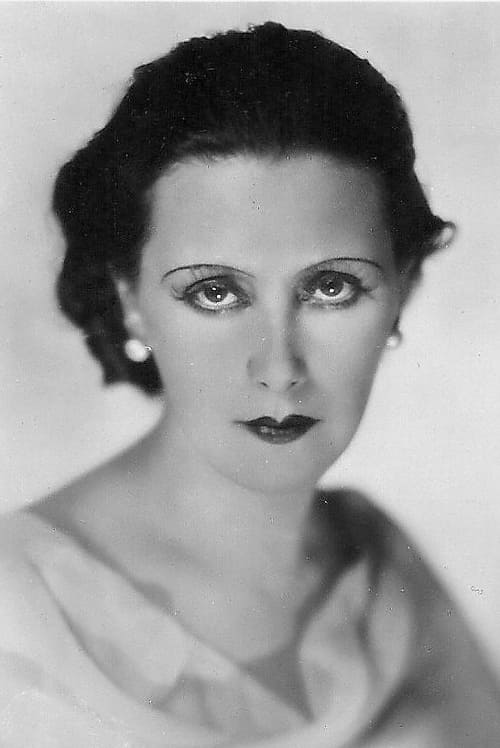
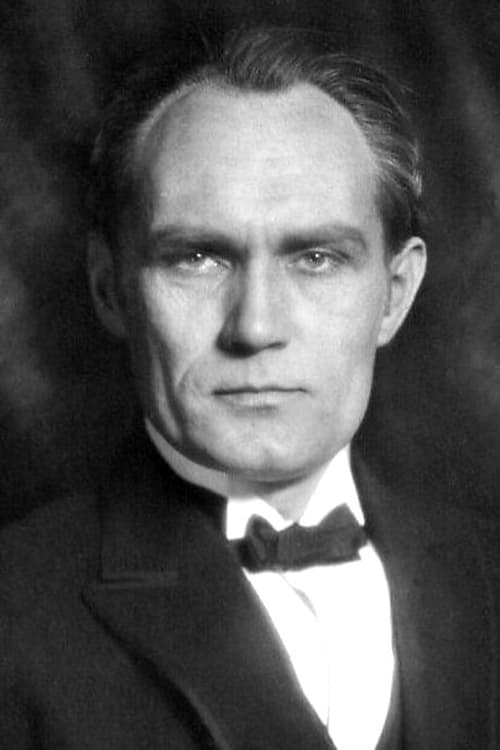
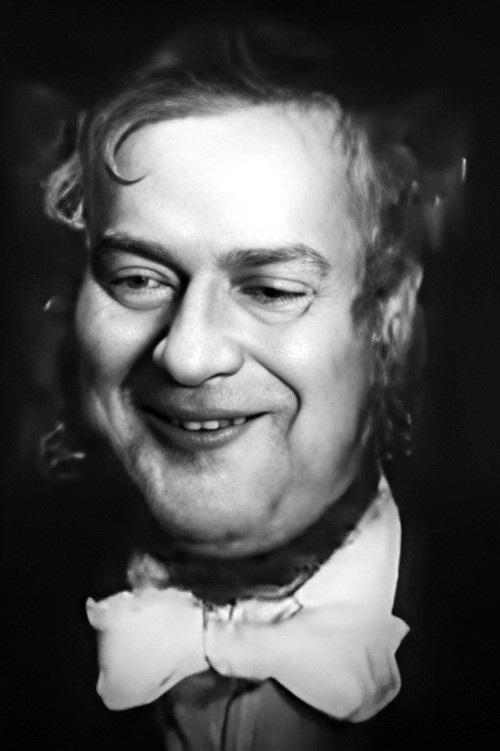
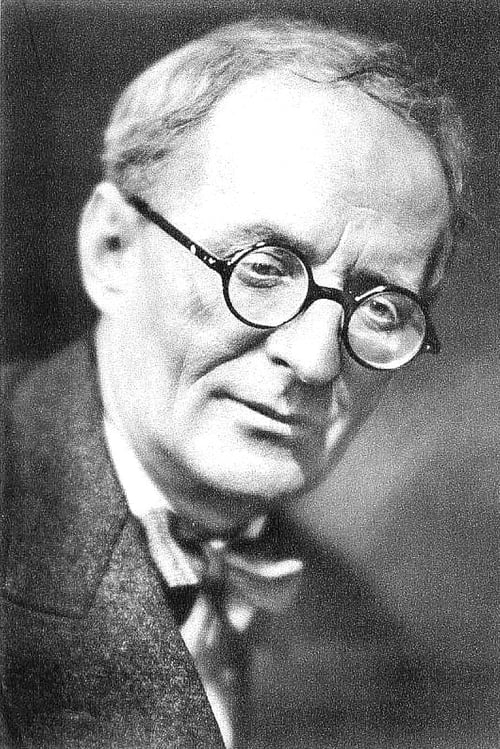
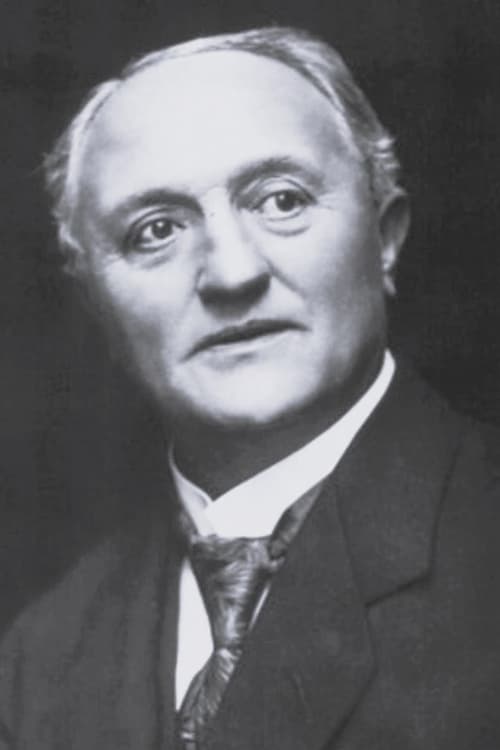
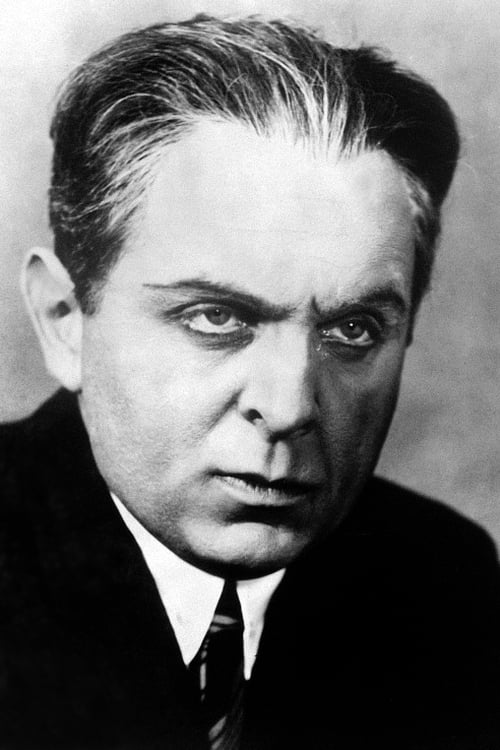
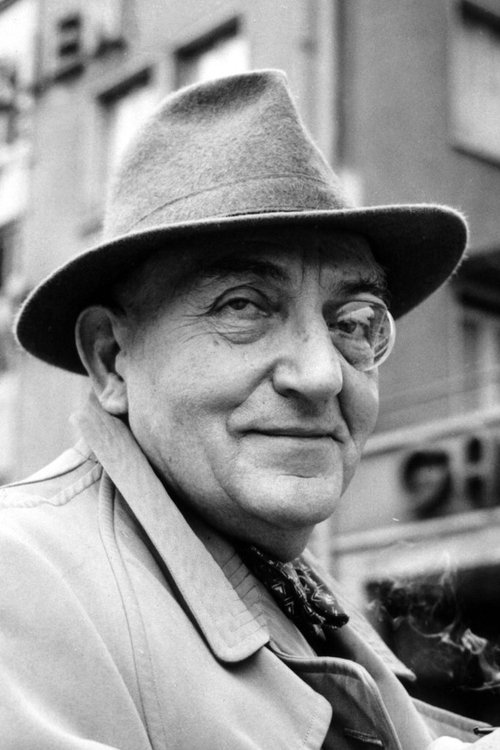
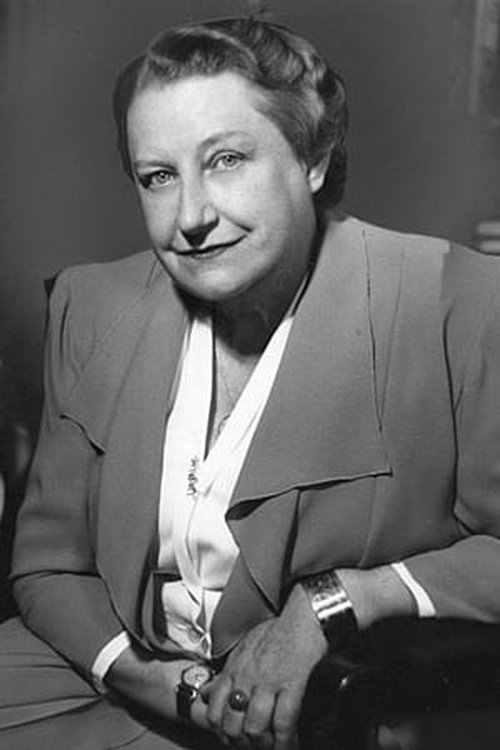
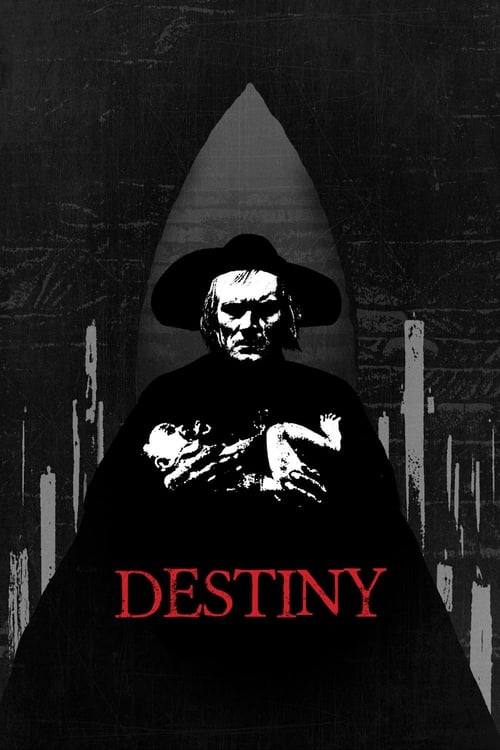
Destiny is a very interesting film as it explores deep existential themes, which make it truly fascinating for it's era. The film is about fate and death. There's literally death personified through a spiritual figure, a person who controls and extinguishes people's lives. The female character tries to bring back the man she loved whom she felt was gone too quickly. The character has attempts to defy destiny as she is given three chances to save a life in different historical settings. But she fails to do so. Destiny is predetermined, but it's also in our fate. Love is universal and stronger than death and it transcends death, even in this film. Ultimately the female lead realises that she must sacrifice her life to be with the man she loves, the man she felt was taken away from her too soon. The clock that struck 12 to soon for her lover, she realised she needed to achieve the same, through her sacrifice. Love is about making sacrifices and this film proves it even more. The film is almost dreamlike, surreal and mystical, the sets are stunning and the costuming are incredible. While I am sure there are multiple historical liberties, some I noticed myself. I felt that the Ramadan sequence was a bit disrespectful but I also am willing to let it slide because well it's 1921. But I don't know I just felt it was strange that the genders weren't segregated in the mosque because usually they are. I do appreciate though the female characters are covered up instead of being exoticised and sexualised through wearing skimpy outfits like a lot of the Arab women in the western media, including but not excluding Jasmine from Aladdin. I'm not sure if the Chinese storyline was offensive (but I wouldn't be surprised!), the yellow face and brown face was problematic but again it's the 20s so I don't really expect any better. Anyways I don't actually have anything against this film asides from that I just thought it was important to say because I think people do leave that out. But the cinematography is stunning, the shadowy imagery of the Weimar cinema is so fascinating for a number of reasons but mostly because of it's future influence on a variety of films. Bernard Goetzke was chilling, enigmatic and alluring as death. He truly personified that character, a spiritual figure who is somewhat repressed in the way he feels. He's a fascinating actor in this. My second Lil Dagover film. She was in this more than she was in The Cabinet of Dr. Caligari but she's wonderful in this and she's fully expressive and amazing. I can't leave this without mentioning the artistic craft of Fritz Lang, who I am just so in love right now and I admire him and his craft. It seems as compared to his later Hollywood noir work, his silent Weimar cinema was full of ambition and excess, excitement and large scale sets and production designs with themes that are existential, important and reflect society. He's a fascinating director!
Destiny is a very interesting film as it explores deep existential themes, which make it truly fascinating for it's era. The film is about fate and death. There's literally death personified through a spiritual figure, a person who controls and extinguishes people's lives. The female character tries to bring back the man she loved whom she felt was gone too quickly. The character has attempts to defy destiny as she is given three chances to save a life in different historical settings. But she fails to do so. Destiny is predetermined, but it's also in our fate. Love is universal and stronger than death and it transcends death, even in this film. Ultimately the female lead realises that she must sacrifice her life to be with the man she loves, the man she felt was taken away from her too soon. The clock that struck 12 to soon for her lover, she realised she needed to achieve the same, through her sacrifice. Love is about making sacrifices and this film proves it even more. The film is almost dreamlike, surreal and mystical, the sets are stunning and the costuming are incredible. While I am sure there are multiple historical liberties, some I noticed myself. I felt that the Ramadan sequence was a bit disrespectful but I also am willing to let it slide because well it's 1921. But I don't know I just felt it was strange that the genders weren't segregated in the mosque because usually they are. I do appreciate though the female characters are covered up instead of being exoticised and sexualised through wearing skimpy outfits like a lot of the Arab women in the western media, including but not excluding Jasmine from Aladdin. I'm not sure if the Chinese storyline was offensive (but I wouldn't be surprised!), the yellow face and brown face was problematic but again it's the 20s so I don't really expect any better. Anyways I don't actually have anything against this film asides from that I just thought it was important to say because I think people do leave that out. But the cinematography is stunning, the shadowy imagery of the Weimar cinema is so fascinating for a number of reasons but mostly because of it's future influence on a variety of films. Bernard Goetzke was chilling, enigmatic and alluring as death. He truly personified that character, a spiritual figure who is somewhat repressed in the way he feels. He's a fascinating actor in this. My second Lil Dagover film. She was in this more than she was in The Cabinet of Dr. Caligari but she's wonderful in this and she's fully expressive and amazing. I can't leave this without mentioning the artistic craft of Fritz Lang, who I am just so in love right now and I admire him and his craft. It seems as compared to his later Hollywood noir work, his silent Weimar cinema was full of ambition and excess, excitement and large scale sets and production designs with themes that are existential, important and reflect society. He's a fascinating director!