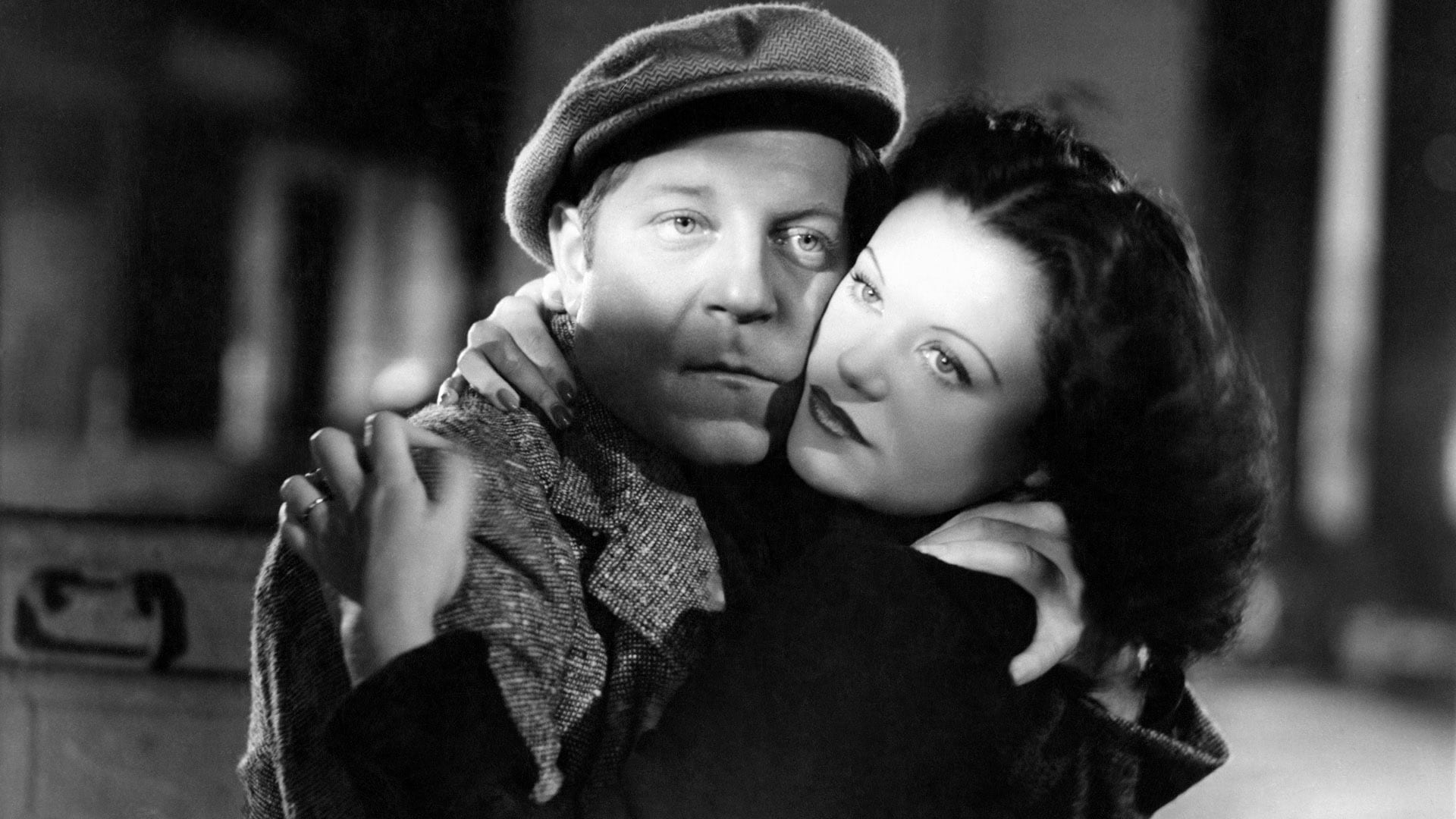
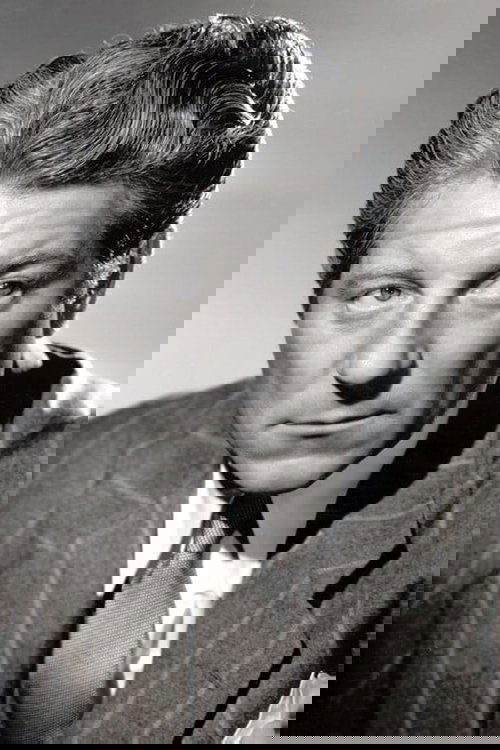
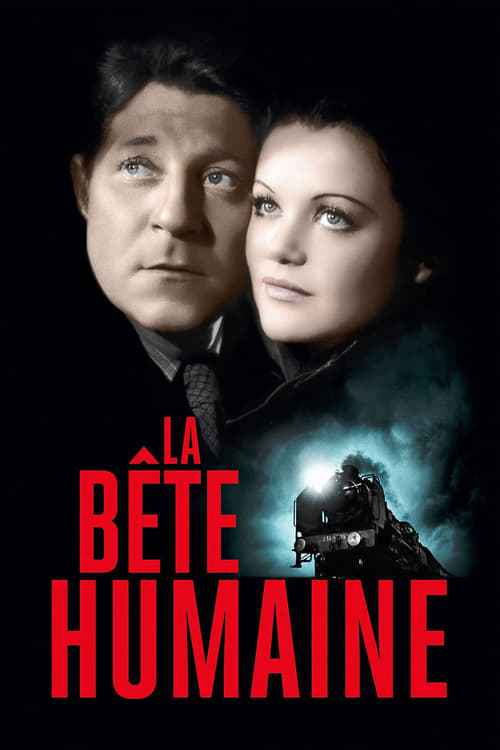
I’m sorry, why didn’t she go for the cute one though. (Yes, I understand that wasn’t the point.)
I talked about this film in depth in my Cinema History class and I definitely have more of an appreciation for it than when I first watched it.
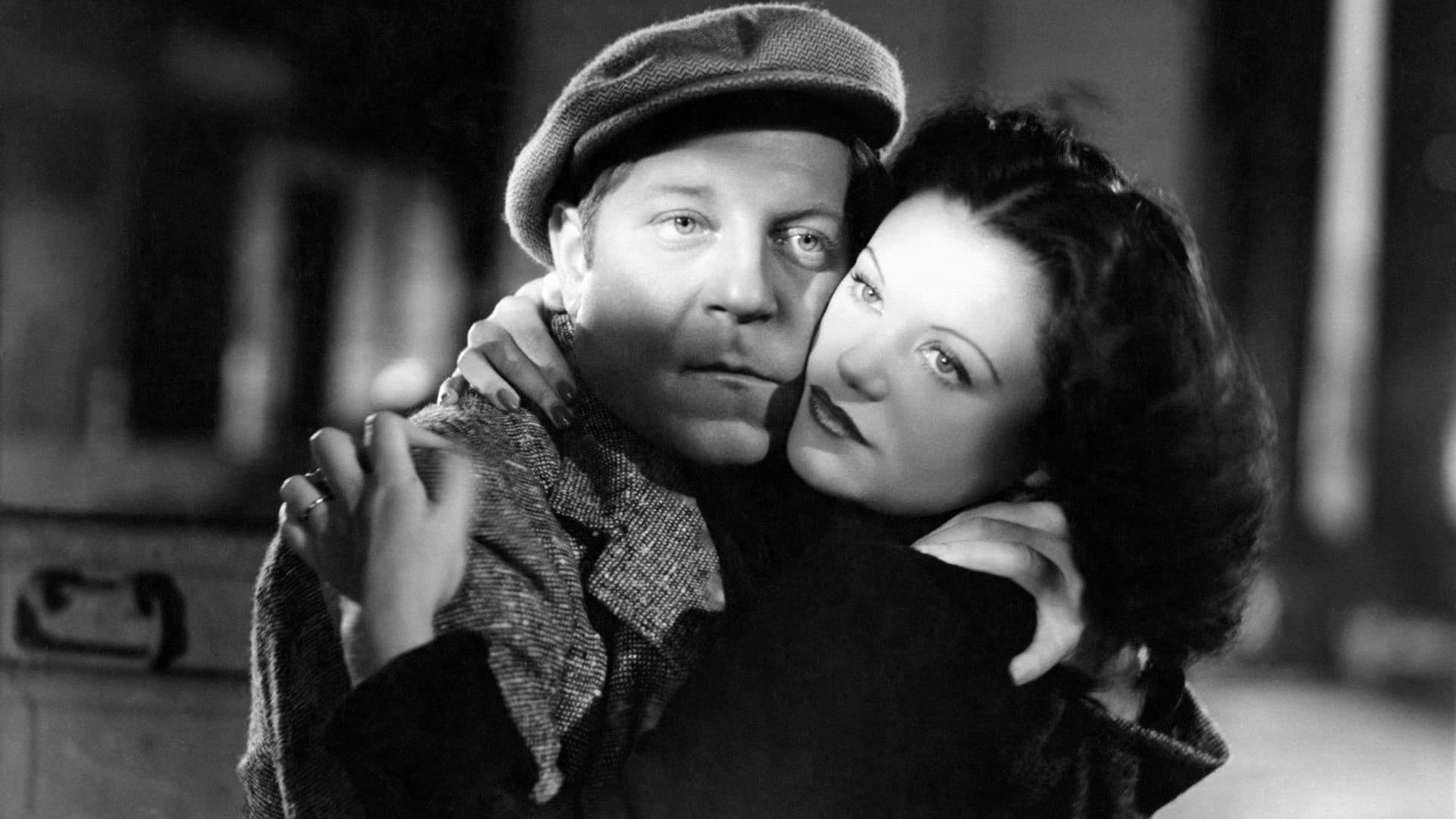
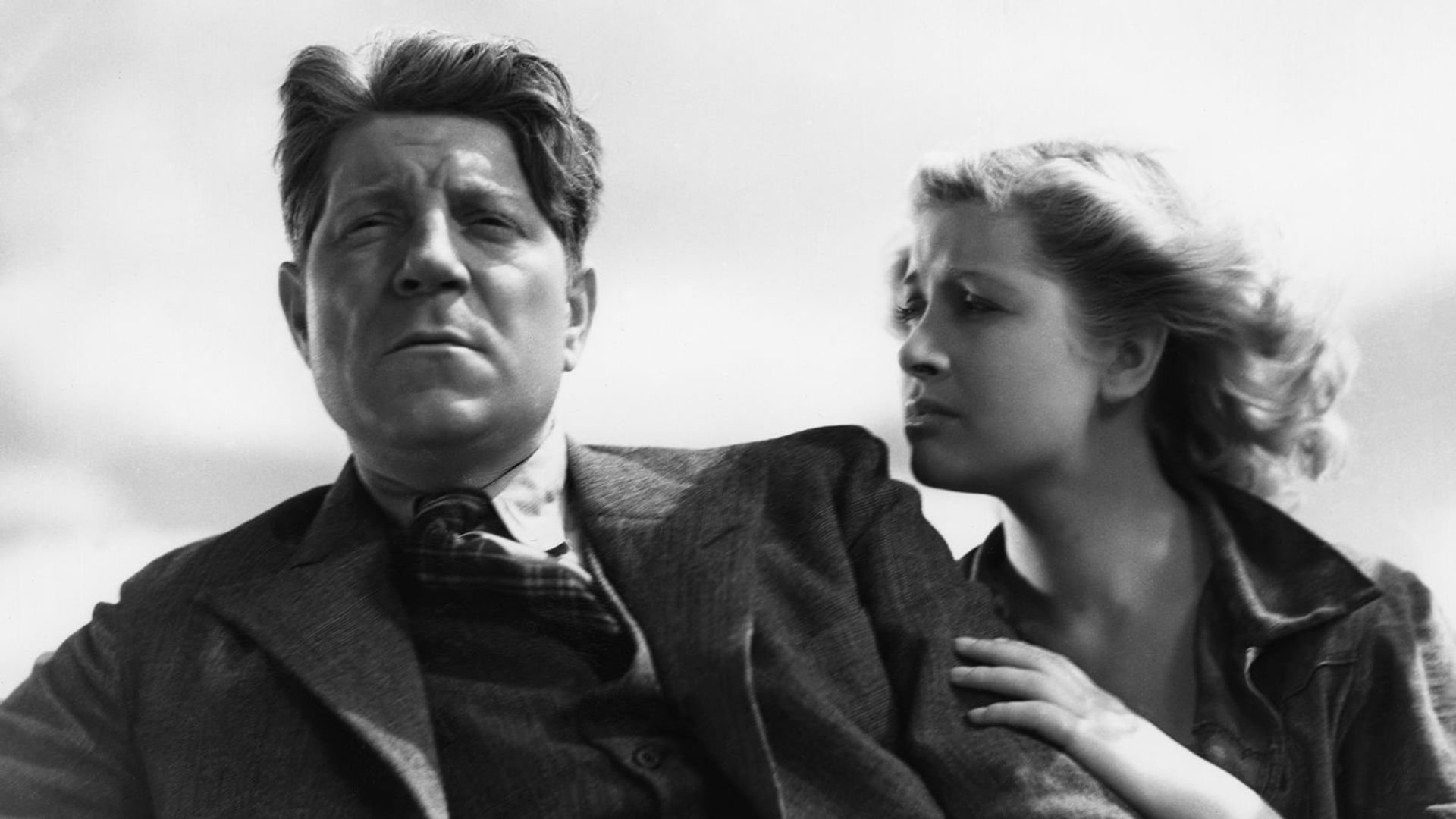
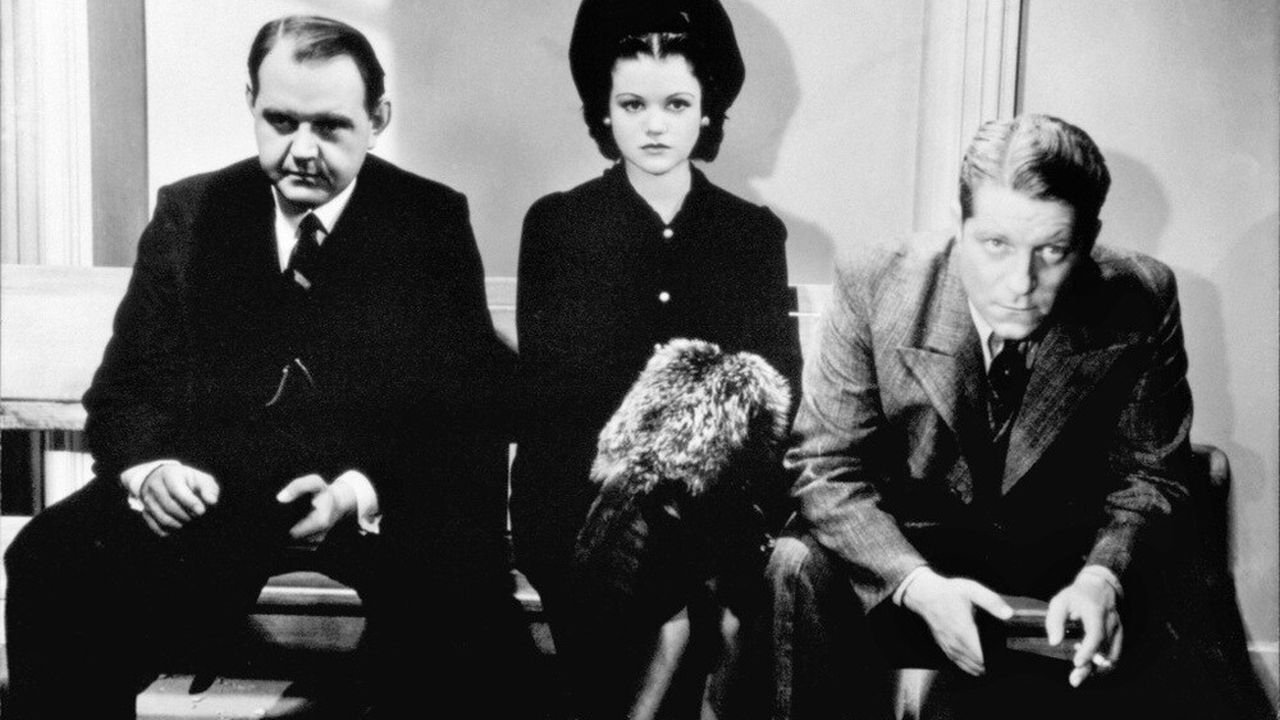
It’s like a “who do you feel bad for?” kind of story. There were various perspectives discussed but it’s clear that Séverine was a victim. She was being self preserving with Jacques which ended in her demise but ultimately she just wanted to get away. She was very complex but that very complexity is what makes her character so interesting.
Clearly she was abused as a child by her Godfather. Which led her husband to make her watch his death. The whole train scene when this murder takes place is really great. The music that fades into the train noise as the window shutters get closed, awesome.
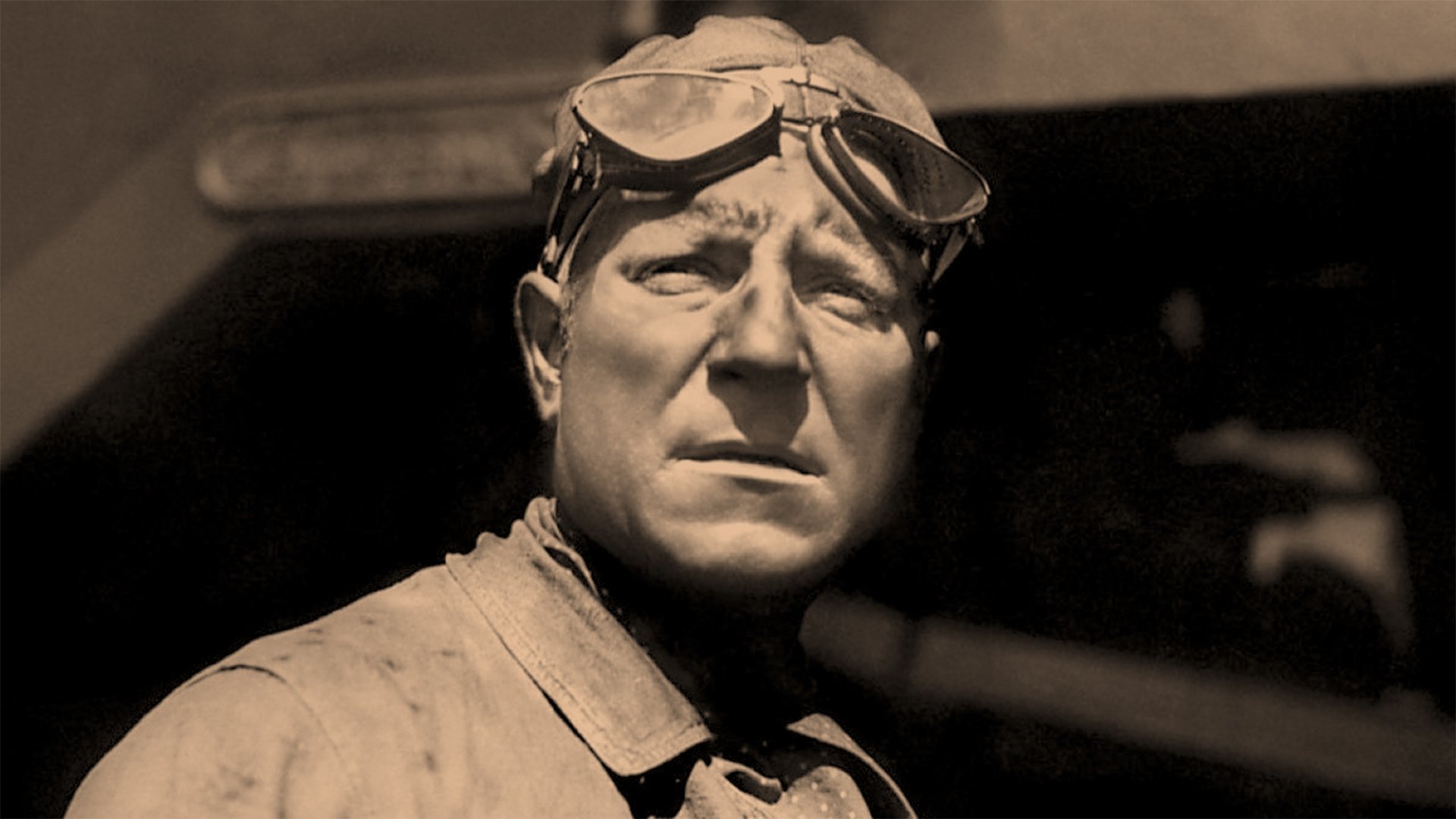
Lastly, my favorite scene was when Jacques goes to kill Roubaud but backs out. The scene is really well shot and Roubaud walking off into the distance as Jacques makes his decision was a great choice.
The rating is on the lower side but that’s because it’s not a movie I’d watch again. It’s definitely worth a watch though!
I’m sorry, why didn’t she go for the cute one though. (Yes, I understand that wasn’t the point.)
I talked about this film in depth in my Cinema History class and I definitely have more of an appreciation for it than when I first watched it.
It’s like a “who do you feel bad for?” kind of story. There were various perspectives discussed but it’s clear that Séverine was a victim. She was being self preserving with Jacques which ended in her demise but ultimately she just wanted to get away. She was very complex but that very complexity is what makes her character so interesting.
Clearly she was abused as a child by her Godfather. Which led her husband to make her watch his death. The whole train scene when this murder takes place is really great. The music that fades into the train noise as the window shutters get closed, awesome.
Lastly, my favorite scene was when Jacques goes to kill Roubaud but backs out. The scene is really well shot and Roubaud walking off into the distance as Jacques makes his decision was a great choice.
The rating is on the lower side but that’s because it’s not a movie I’d watch again. It’s definitely worth a watch though!