Either this is a dream or I'm losing my mind. Since it's inconceivable that I've lost all reason, I'll just wait till I wake up.
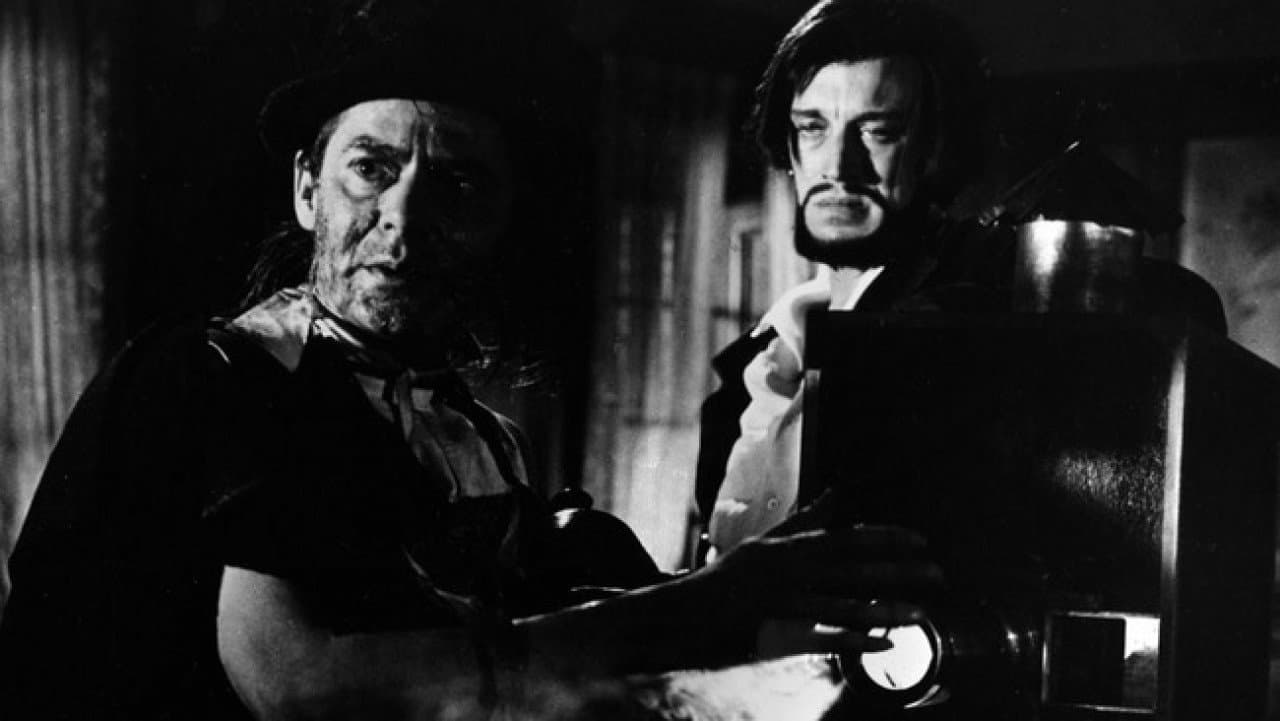
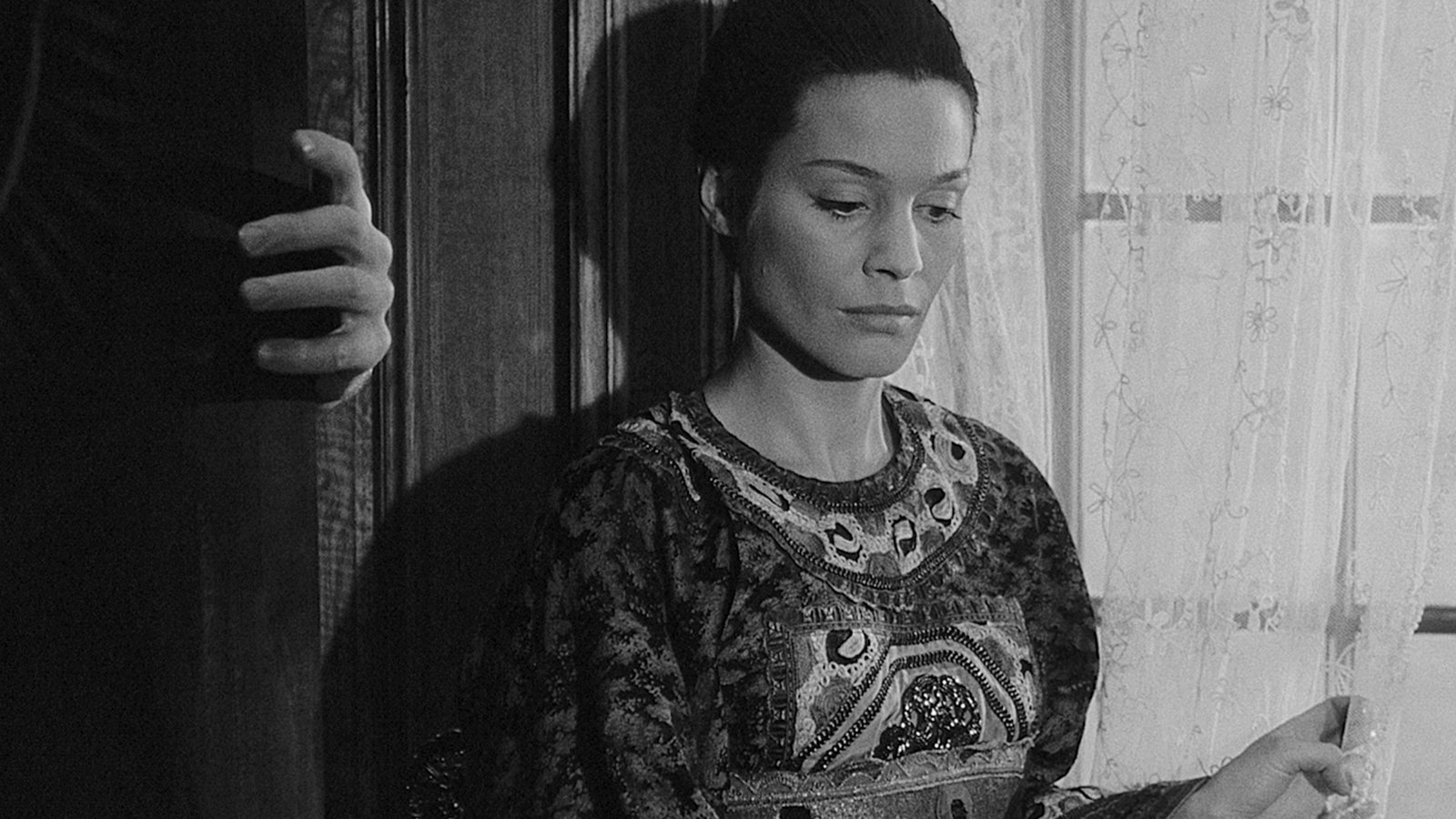
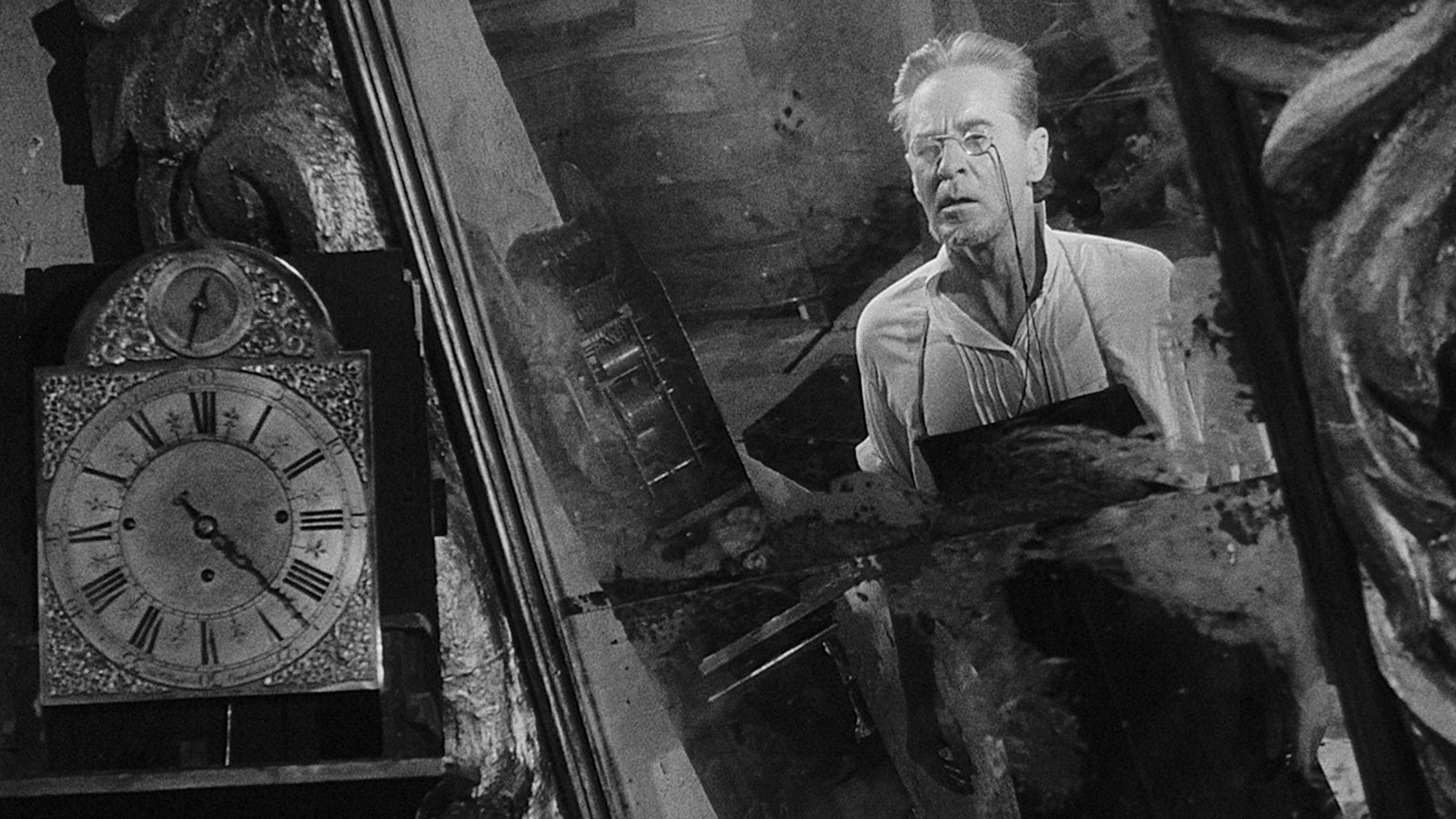
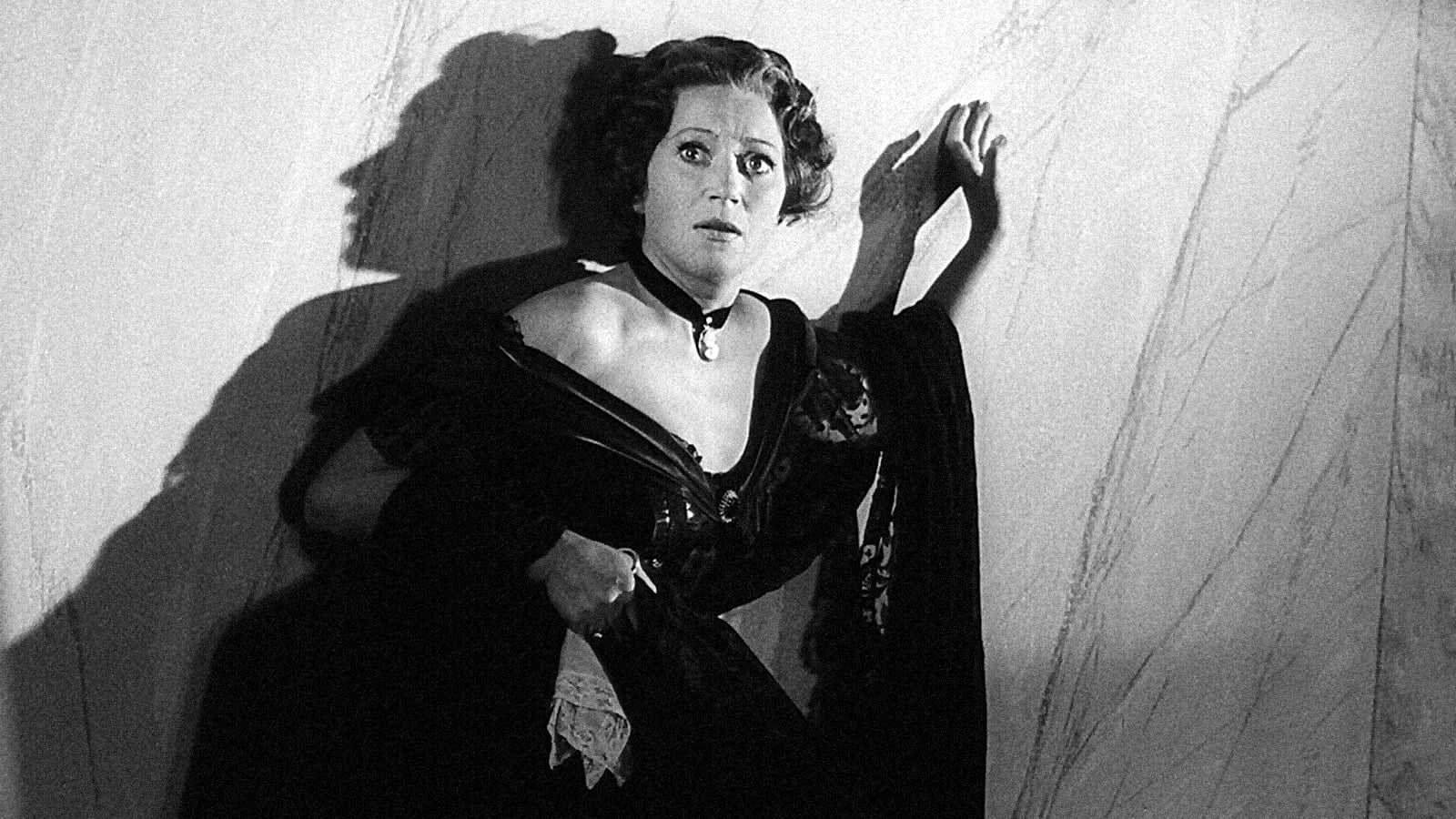
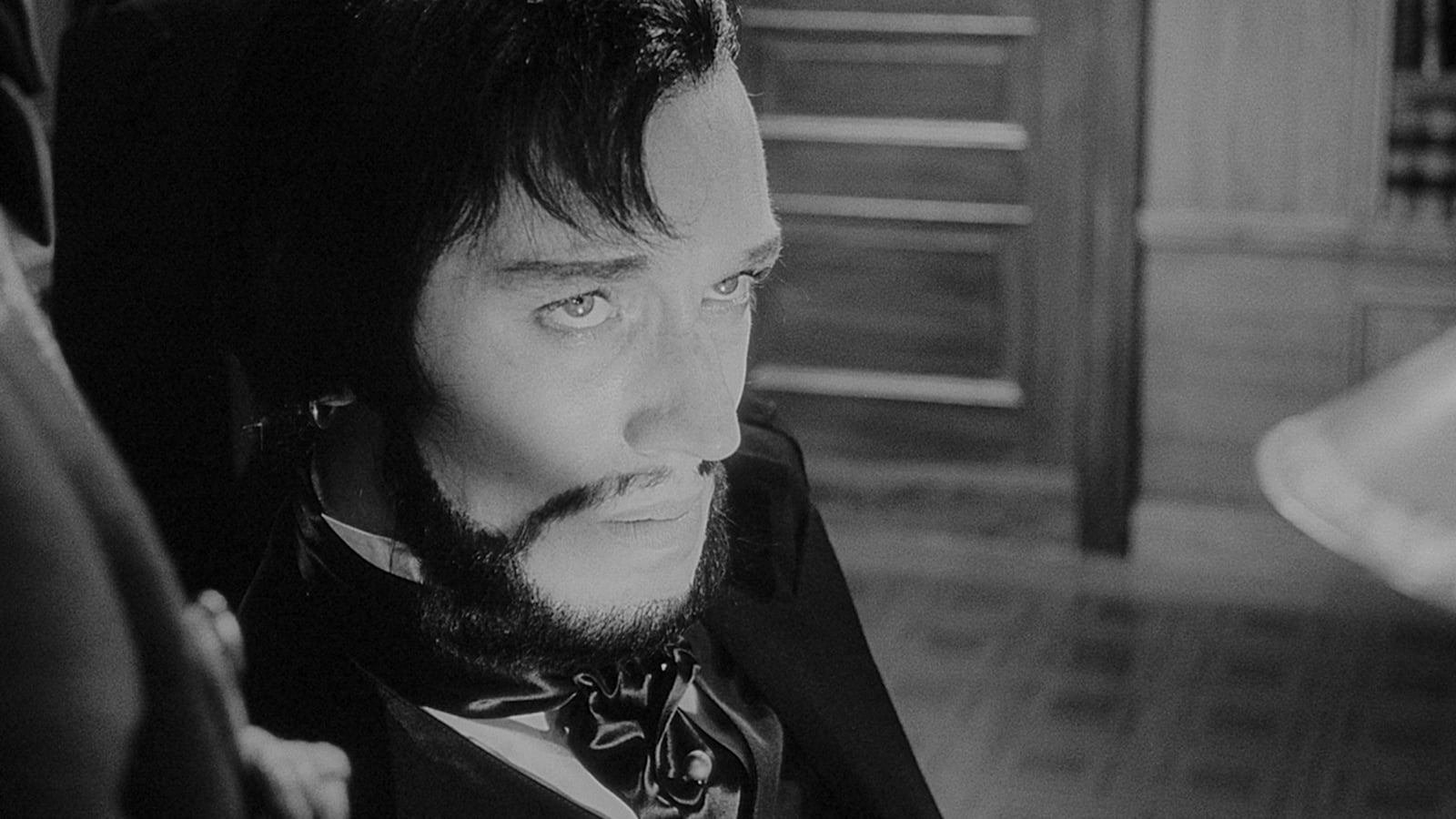
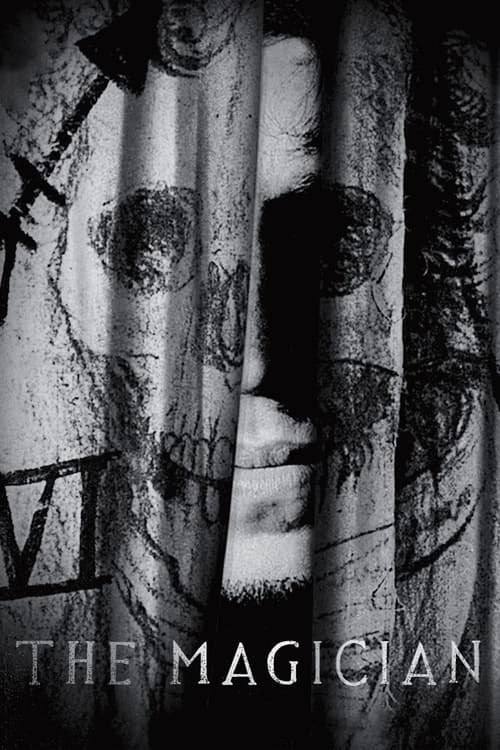
The protagonists are Vogler and Vergerus; the former is a magician, irrational, insecure, dreamy, romantic, tormented. Vergerus is a doctor, scientist, earthly, atheist, arrogant, and must assess whether the former's show is harmless and can and should be performed in the village. Neither Vogler nor Vergerus. Bergman is with the former's young assistants and with the servants of the house where the latter operates.
They, who eat without wondering if everyone in the world can afford it, who make love without worrying about a possible watchful god, who laugh without thinking that the world incites tears more, are Bergman's favorites, those envied by him. Those who don't know if they are Vogler or Vergerus because they haven't considered it and wouldn't understand the premise.
To be a good player when it comes to power, it is necessary to play with appearances, as Vogler and his wife do, skillfully using their masks and whose tricks go beyond what they carry in their carriage and what their audience can see.
Vergerus, with his air of moral superiority (who is supposedly only interested in revealing the actors' deceptions), also wields his power, albeit in such an unconscious and uncontrolled manner that he is defeated.
Magic and even religion are present in this film. Throughout, we see skeptics wavering in their disbelief at the presence of a well-executed magic trick, and believers groveling at the feet of their idols at any performance. The feigned muteness of the main magician awakens in his hostess an absolute and submissive glorification, interpreting in his mere glance the answers to her conflicts, just as the silent images of the saints awaken long conversations with their believers.
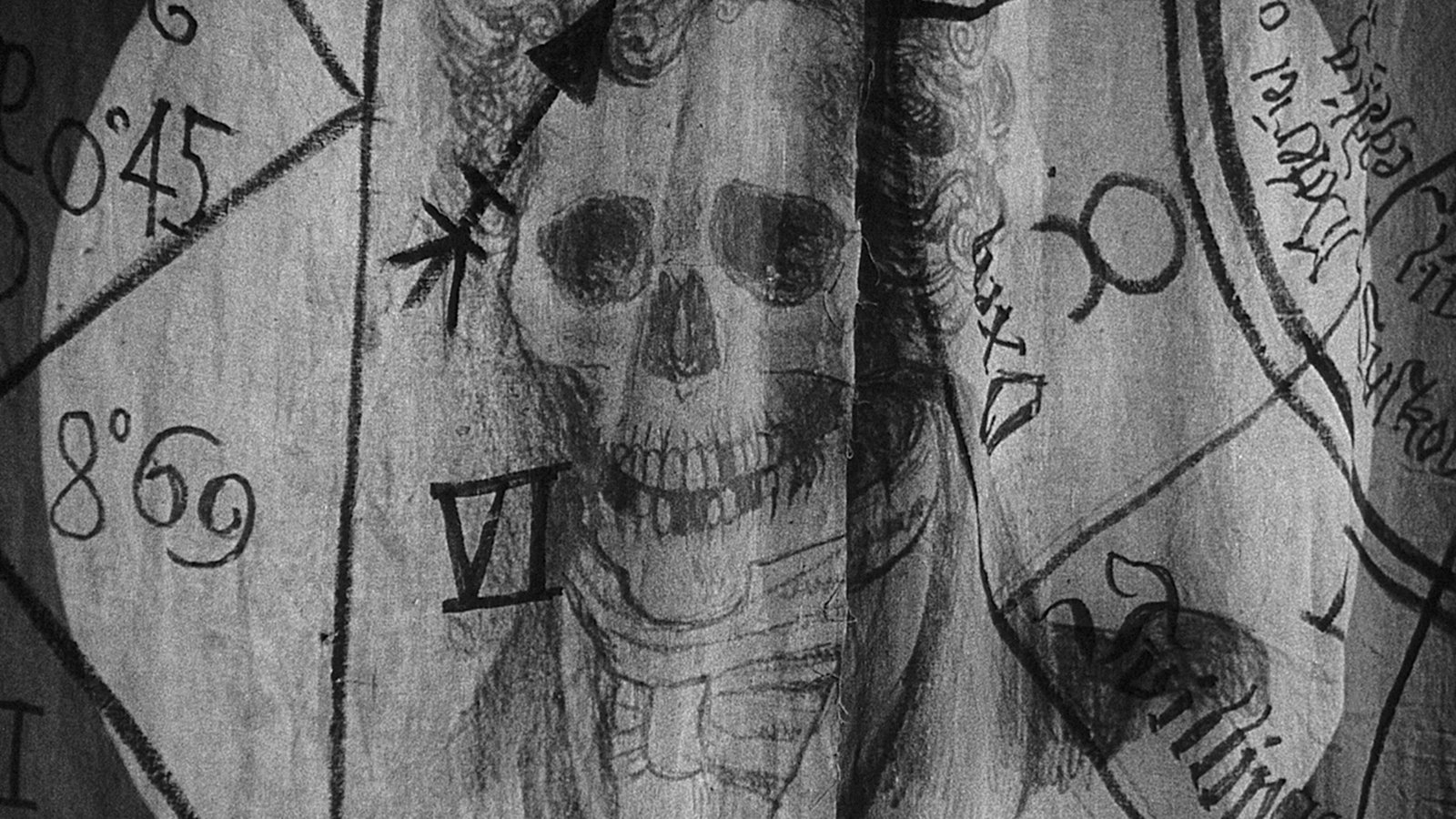
In this film, Ingmar Bergman revels in some of his obsessions: mysticism and the immaterial vs. rationalism and skepticism, science, in short. Evidently, there are also the well-known references to death, base instincts, and the search for refuge in those mystical (artifices?) to which we resort in the face of the despair of the extinction of our own existence. Everything converges in a strange ending, close to the horror genre.
In any case, with Bergman, Tarkovsky, and so many other authors, the emotional connection is more relevant than pure understanding. I will always maintain that these films are not boring but personal and, therefore, difficult; we are accessing the interior of a sensibility that is alien and, probably, superior to our own. We must first make these obsessions our own, and the rational plane isn't always the most appropriate or the only one for this, in order to be able to value them. But this happens in cinema, literature, painting, the eternal and boring discussion and misunderstanding about the abstract. Look for yourself in what you're told, understand the postulates they put forward, and then judge. Otherwise, we run the risk of reducing what we see to our own limitations.
In this film, skepticism, represented primarily by the doctor, a man who takes humiliation as his path, incapable of anything other than ridiculing and denying that which isn't tangible and empirically verifiable, doesn't fare well.
On the other side of the ring, we find art, representation. From this point of view, we see an exaltation of illusion and fable, whether in theater, magic, or cinema, against reductionism of any kind. But we can go further, broaden our perspective and raise the stakes, and also consider it an authentic vision and defense of mysticism and even religion as an anesthetic against death.
Ingmar Bergman Ranked