
Tender Are the Feet
1972·Drama·1h 46m
7.1
★
Made under the Burmese dictatorship, Maung Wanna’s debut feature tells a story of Sein Lin, the drummer for a traditional dance theatre group in Rangoon, who falls in love with beautiful dancer Khin San. When she leaves the group to pursue a career as a film actress, he gives her a small figure as a keepsake, a symbol of traditional theatre. He tells her to return it only when she is certain she wants to stay in film. The dancer’s independence in choosing to become a film actress breaks with cultural tradition, as does Sein Lin’s performance in a jazz club, symbolising the colonial influence.
Directed by Maung Wunna

IMDB
N/A
Crew
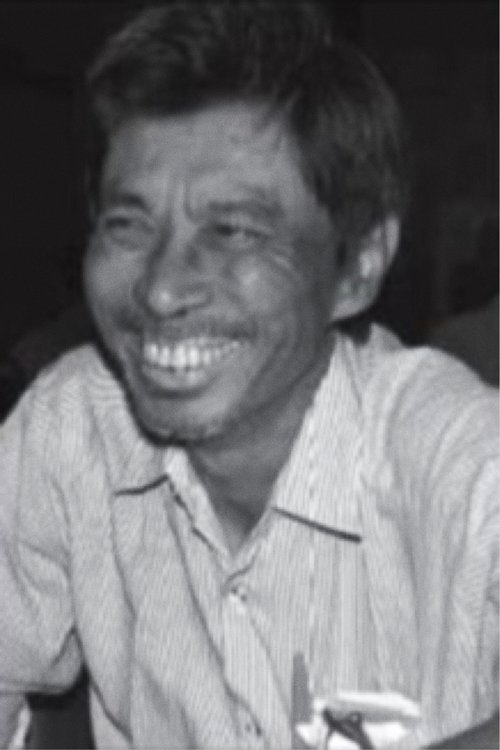
Maung Wunna
Director
Maung Wunna
Editor
Popular Reviews
3 reviews
Alex Mayfield
9.8★ · 03/28/25
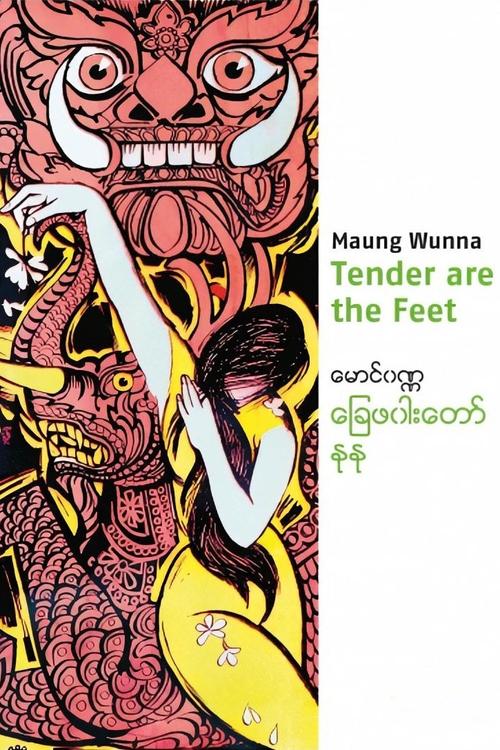
ခြေဖဝါးတော်နုနု (၁၉၇၂)
[English below]ဘဝမှာပထမဆုံး စာပေဘက် ကိုယ့်ကိုဆွဲခေါ်သွားခဲ့တာ မောင်ဝဏ္ဏရဲ့အရေးအသားတွေပဲ။ “လို၍မရသောဆင်းရဲ” ကလည်း အခုချိန်ထိ အကြိုက်ဆုံး ကြိုက်မြဲစာအုပ်တစ်အုပ်ပဲ။ အဲ့တုန်းက မောင်ဝဏ္ဏဆိုတာ ဘယ်သူလဲမသိသေး။ ငယ်မယ်ထင်တယ်ပေါ့။ အရေးအသားတွေကတော့ ဆရာခေါ်စရာ စကားလုံးအသုံးအနှုန်းတွေနဲ့ အဖြတ်အတောက်တွေဗျာ။ အဲ့အချိန်ကစလို့ ကျွန်တော် မောင်ဝဏ္ဏကို စွဲစွဲလမ်းလမ်းစဖြစ်ရာကနေ သူ့စာအုပ်တွေအကုန်စုဝယ် အကြိုက်ဆုံး ရုပ်ရှင်ဒါရိုက်တာအဖြစ် သတ်မှတ် အဲ့လိုတွေဖြစ်သွားတဲ့အချိန်ထိပဲပေါ့။ ဆရာမောင်ဝဏ္ဏ ကို အရမ်းသဘောကျရတဲ့အချက်ကလည်း သူကိုယ်က ဖလော်ဆော်ဖီ သမားမို့နေမှာပါ။ ကိုယ်ကလည်း ဖလော်ကို သူက စမိတ်ဆက်ပေးလို့ သိခဲ့တယ်လို့တော့ထင်တာပဲ သေချာတော့မမှတ်မိတော့ပေမယ့် အဲ့သလိုဖြစ်ဖို့တော့ ရာခိုင်နှုန်း အများဆုံး။ နောက်တစ်ချက်က မောင်ဝဏ္ဏရဲ့ ဝတ္ထုတွေကို ဖတ်ရင် သတိထားမိကြမှာက သမာရိုးကျဖြစ်နေတဲ့အချက်ဆိုတာကိုရယ် သူကိုယ်တိုင်က နယ်ပယ်အစုံမှာ ဘယ်လောက်တချို့အရာတွေ ဘယ်သူ့ထက် ပိုသိသိ မလိုရင် ပညာမပြဘူး။ အဲ့တချက်ကတော့ တော်တော်လေးစားဖို့ကောင်းသလို တော်တော်လည်းအံ့ဩဖို့ကောင်းတယ်။ အပေါ်ယံတွေကတော့ သူ့ဝတ္ထုတွေ စာတွေ တစ်ပုဒ်နှစ်ပုဒ် ဖတ်ရင်တော့ သမာရိုးကျ ဗမာကျတဲ့ဝတ္ထုတွေပါကွာဆိုပြီး ထင်ရလောက်စေမယ့်ဟာမျိုးတွေပေါ့။ ဒါပေမယ့် သူ့ကို အချိန်အကြာကြီးတကယ် သိကျွမ်းသွားရင်တော့ တူးလေ နက်လေ ရွှေပိုရလေ စိန်ပိုရလေ ဆိုသလိုပဲ ကိုယ်တူးကြည့်မှ တူးကြည့်တဲ့ ပမာဏအရအလိုက် အသစ်အသစ်တွေ ရှာတွေ့နေနိုင်တယ် ဆိုတဲ့ အချက်။ ဆရာကြီးကတော့ ဖလော် ၊ ဂီတ ၊ ရုပ်ရှင် နဲ့တခြားသောနယ်ပယ်တွေ (သင်္ချာ ၊ ရူပ ၊ ဓာတု) အစရှိတဲ့နယ်ပယ်တွေလို နေရာမျိုးတွေမှာ တခြားသူတွေထက် အဲ့ခေတ်အခါတုန်းက ပိုသိနေခဲ့တာတောင် သူမဟုတ်သလိုပဲ အဆုံးထိ နေသွားခဲ့တယ်။ မာန ဆိုတာလည်းမရှိ။ ဒီရုပ်ရှင်ထဲမှာဆိုရင်လည်း တချို့အရာတွေက အခုခေတ်ထိ ဗမာပေါကားရုပ်ရှင်လောကမှာ ဥာဏ်မမီသေး ၊ လုံးဝရှိမှန်းတောင်မသိခဲ့တဲ့ အရာတွေကို တွေ့ရတယ်။ montages တွေသုံးပုံတွေက သမာရိုးကျမဟုတ်နေတာတွေ။ ကြည့်ရှူသူနဲ့ ပြနေတဲ့ ပြကွက်ကြားမှာ ကွက်လပ်တစ်ခုလိုနေရာကွက်တစ်ခုကို ကောင်းစွာ ထားတတ်တာတွေ။ ပိုစ့်မော်ဒန်ဝတ္ထုတွေမှာတွေ့ရတတ်တဲ့ metaphor ထက်ပိုတဲ့ ရေးသူရော ဖတ်သူရော ရောက်မမီတဲ့ နေရာလွတ်တစ်ခုလိုမျိုးနဲ့ဆင်တဲ့ သဘောတစ်ခုကိုဆိုလိုတာ။ အဲ့သလိုလုပ်တာ က တကယ်မရှိတဲ့နံရံကွက်လပ်ကြားမှာ ကြည့်နေသူတွေကို ဇာတ်ထဲကိုယ်တိုင်ရောက်နေအောင် လုပ်နိုင်စွမ်းရှိသွားတာ။ ဟိုလိုအကွက်တွေဆိုလည်းတစ်ခုမှမပါ အကုန်ဒိုးပဲ။ ဘယ်လိုအကွက်တွေလဲဆို ဇာတ်ကောင်တွေက စကားတွေ ဒိုင်ယာလောခ့်တွေကနေ သက်သက်ပဲ ကြည့်တဲ့သူတွေကို တမင်ကြီးအကုန် ပါးစပ်နဲ့ရှင်းပြတဲ့ အကွက်မျိုးတွေပေါ့ ဇာတ်မနိုင် ဖင်မနိုင်တော့ရင် အဲ့လိုတွေပဲ ဗမာကားအထာတွေက လုပ်တတ်ကြ။ ခုနကဆိုလိုတာက အပြောနဲ့ မဟုတ်ဘဲ အပြနဲ့ပြ ဆိုတဲ့ show don’t tell ဆိုတဲ့ technique ကိုဆိုလိုတာမဟုတ်။ ဆက်ရရင်တော့ ဒီထဲမှာလည်း show don’t tell ကိုကောင်းအောင်သုံးသွားတာကလည်း တကယ်လက်လန်ပါတယ်။ အရေးအသားအပိုင်းတော့မပြောတော့ပါဘူး။ တစ်ခါတစ်လေ ဆရာမောင်ဝဏ္ဏလို စကားလုံးလှလှကလေးတွေသုံးတတ်ဖို့ တရားစာအုပ်တွေတစ်နေကုန်ထိုင်ဖတ်ချင်စိတ်တောင်ပေါက်ပါတယ်။ မောင်ဝဏ္ဏကတော့ ဒီကားထွက်အပြီးတော့ အရှူံးတွေပေါ်ခဲ့တယ်လို့တော့ သူ့အရေးအသားတွေထဲ ရေးဖူးတာကို ဖတ်ဖူးပါ့။ ရယ်လည်းရယ်ရသား မရှူံးဘဲ နေရင်ကို ပိုအံ့ဩစရာဖြစ်မှာ။
Tender are the Feet (1972)
The first thing that drew me to literature in my life was Maung Wunna’s writings. The Unnecessary Poverty is still my favorite book. At that time, I didn’t know who Maung Wunna was — I thought he was young. His writings are full of words and phrases that make me want to call him a “master of wordplay.” From that time on, I became obsessed with Maung Wunna. I bought all his books and even came to consider him my favorite film director. The reason I like Maung Wunna so much is that he was a philosophy student. I think he introduced me to philosophy — though I don’t remember for sure, it’s probably the most likely. Another thing you’ll notice when you read Maung Wunna’s novels is that he presents himself as a very ordinary person. Yet he clearly knows more about many things than anyone else in many fields, and he never shows off that knowledge. That is both very interesting and very surprising. On the surface, if you read just a few of his novels and articles, you might think they are simply ordinary Burmese novels with ordinary plot lines. But if you spend time with his work, digging deeper, you discover more and more — like finding hidden gold and diamonds. The deeper you go, the more treasures you find. The master knew more about books, music, cinema, and even fields like mathematics, physics, and chemistry than anyone else at the time. And yet, he remained humble until the end. There was no pride. In Tender Are the Feet, there are things that are still not understood in the Burmese film world today — or even completely unknown. The montages in this film are not ordinary. They create a kind of distance between the viewer and the scene, a sense of space that feels more like a metaphor. It reminds me of the atmosphere often found in postmodern novels — something beyond the reach of both writer and reader. Through this technique, the film makes the viewer feel like they are inside the story, standing between empty walls that don’t really exist. None of the scenes feel pretentious or cringeworthy. By that, I mean the kind of scenes where characters over-explain everything to the viewer through words and dialogue — the usual clichés that mainstream Burmese directors often rely on when they cannot tell the story visually. What Maung Wunna does is not simply “show, don’t tell,” but a deeper, cleverer use of that principle. And then, of course, there is his writing. Sometimes I feel like sitting and reading his books all day, just to learn how to use words as beautifully as Saya Maung Wunna did. I’ve read in his writings that there were problems after this movie came out. It would have been even more amazing if he hadn’t faced those problems.
[English below]ဘဝမှာပထမဆုံး စာပေဘက် ကိုယ့်ကိုဆွဲခေါ်သွားခဲ့တာ မောင်ဝဏ္ဏရဲ့အရေးအသားတွေပဲ။ “လို၍မရသောဆင်းရဲ” ကလည်း အခုချိန်ထိ အကြိုက်ဆုံး ကြိုက်မြဲစာအုပ်တစ်အုပ်ပဲ။ အဲ့တုန်းက မောင်ဝဏ္ဏဆိုတာ ဘယ်သူလဲမသိသေး။ ငယ်မယ်ထင်တယ်ပေါ့။ အရေးအသားတွေကတော့ ဆရာခေါ်စရာ စကားလုံးအသုံးအနှုန်းတွေနဲ့ အဖြတ်အတောက်တွေဗျာ။ အဲ့အချိန်ကစလို့ ကျွန်တော် မောင်ဝဏ္ဏကို စွဲစွဲလမ်းလမ်းစဖြစ်ရာကနေ သူ့စာအုပ်တွေအကုန်စုဝယ် အကြိုက်ဆုံး ရုပ်ရှင်ဒါရိုက်တာအဖြစ် သတ်မှတ် အဲ့လိုတွေဖြစ်သွားတဲ့အချိန်ထိပဲပေါ့။ ဆရာမောင်ဝဏ္ဏ ကို အရမ်းသဘောကျရတဲ့အချက်ကလည်း သူကိုယ်က ဖလော်ဆော်ဖီ သမားမို့နေမှာပါ။ ကိုယ်ကလည်း ဖလော်ကို သူက စမိတ်ဆက်ပေးလို့ သိခဲ့တယ်လို့တော့ထင်တာပဲ သေချာတော့မမှတ်မိတော့ပေမယ့် အဲ့သလိုဖြစ်ဖို့တော့ ရာခိုင်နှုန်း အများဆုံး။ နောက်တစ်ချက်က မောင်ဝဏ္ဏရဲ့ ဝတ္ထုတွေကို ဖတ်ရင် သတိထားမိကြမှာက သမာရိုးကျဖြစ်နေတဲ့အချက်ဆိုတာကိုရယ် သူကိုယ်တိုင်က နယ်ပယ်အစုံမှာ ဘယ်လောက်တချို့အရာတွေ ဘယ်သူ့ထက် ပိုသိသိ မလိုရင် ပညာမပြဘူး။ အဲ့တချက်ကတော့ တော်တော်လေးစားဖို့ကောင်းသလို တော်တော်လည်းအံ့ဩဖို့ကောင်းတယ်။ အပေါ်ယံတွေကတော့ သူ့ဝတ္ထုတွေ စာတွေ တစ်ပုဒ်နှစ်ပုဒ် ဖတ်ရင်တော့ သမာရိုးကျ ဗမာကျတဲ့ဝတ္ထုတွေပါကွာဆိုပြီး ထင်ရလောက်စေမယ့်ဟာမျိုးတွေပေါ့။ ဒါပေမယ့် သူ့ကို အချိန်အကြာကြီးတကယ် သိကျွမ်းသွားရင်တော့ တူးလေ နက်လေ ရွှေပိုရလေ စိန်ပိုရလေ ဆိုသလိုပဲ ကိုယ်တူးကြည့်မှ တူးကြည့်တဲ့ ပမာဏအရအလိုက် အသစ်အသစ်တွေ ရှာတွေ့နေနိုင်တယ် ဆိုတဲ့ အချက်။ ဆရာကြီးကတော့ ဖလော် ၊ ဂီတ ၊ ရုပ်ရှင် နဲ့တခြားသောနယ်ပယ်တွေ (သင်္ချာ ၊ ရူပ ၊ ဓာတု) အစရှိတဲ့နယ်ပယ်တွေလို နေရာမျိုးတွေမှာ တခြားသူတွေထက် အဲ့ခေတ်အခါတုန်းက ပိုသိနေခဲ့တာတောင် သူမဟုတ်သလိုပဲ အဆုံးထိ နေသွားခဲ့တယ်။ မာန ဆိုတာလည်းမရှိ။ ဒီရုပ်ရှင်ထဲမှာဆိုရင်လည်း တချို့အရာတွေက အခုခေတ်ထိ ဗမာပေါကားရုပ်ရှင်လောကမှာ ဥာဏ်မမီသေး ၊ လုံးဝရှိမှန်းတောင်မသိခဲ့တဲ့ အရာတွေကို တွေ့ရတယ်။ montages တွေသုံးပုံတွေက သမာရိုးကျမဟုတ်နေတာတွေ။ ကြည့်ရှူသူနဲ့ ပြနေတဲ့ ပြကွက်ကြားမှာ ကွက်လပ်တစ်ခုလိုနေရာကွက်တစ်ခုကို ကောင်းစွာ ထားတတ်တာတွေ။ ပိုစ့်မော်ဒန်ဝတ္ထုတွေမှာတွေ့ရတတ်တဲ့ metaphor ထက်ပိုတဲ့ ရေးသူရော ဖတ်သူရော ရောက်မမီတဲ့ နေရာလွတ်တစ်ခုလိုမျိုးနဲ့ဆင်တဲ့ သဘောတစ်ခုကိုဆိုလိုတာ။ အဲ့သလိုလုပ်တာ က တကယ်မရှိတဲ့နံရံကွက်လပ်ကြားမှာ ကြည့်နေသူတွေကို ဇာတ်ထဲကိုယ်တိုင်ရောက်နေအောင် လုပ်နိုင်စွမ်းရှိသွားတာ။ ဟိုလိုအကွက်တွေဆိုလည်းတစ်ခုမှမပါ အကုန်ဒိုးပဲ။ ဘယ်လိုအကွက်တွေလဲဆို ဇာတ်ကောင်တွေက စကားတွေ ဒိုင်ယာလောခ့်တွေကနေ သက်သက်ပဲ ကြည့်တဲ့သူတွေကို တမင်ကြီးအကုန် ပါးစပ်နဲ့ရှင်းပြတဲ့ အကွက်မျိုးတွေပေါ့ ဇာတ်မနိုင် ဖင်မနိုင်တော့ရင် အဲ့လိုတွေပဲ ဗမာကားအထာတွေက လုပ်တတ်ကြ။ ခုနကဆိုလိုတာက အပြောနဲ့ မဟုတ်ဘဲ အပြနဲ့ပြ ဆိုတဲ့ show don’t tell ဆိုတဲ့ technique ကိုဆိုလိုတာမဟုတ်။ ဆက်ရရင်တော့ ဒီထဲမှာလည်း show don’t tell ကိုကောင်းအောင်သုံးသွားတာကလည်း တကယ်လက်လန်ပါတယ်။ အရေးအသားအပိုင်းတော့မပြောတော့ပါဘူး။ တစ်ခါတစ်လေ ဆရာမောင်ဝဏ္ဏလို စကားလုံးလှလှကလေးတွေသုံးတတ်ဖို့ တရားစာအုပ်တွေတစ်နေကုန်ထိုင်ဖတ်ချင်စိတ်တောင်ပေါက်ပါတယ်။ မောင်ဝဏ္ဏကတော့ ဒီကားထွက်အပြီးတော့ အရှူံးတွေပေါ်ခဲ့တယ်လို့တော့ သူ့အရေးအသားတွေထဲ ရေးဖူးတာကို ဖတ်ဖူးပါ့။ ရယ်လည်းရယ်ရသား မရှူံးဘဲ နေရင်ကို ပိုအံ့ဩစရာဖြစ်မှာ။
Tender are the Feet (1972)
The first thing that drew me to literature in my life was Maung Wunna’s writings. The Unnecessary Poverty is still my favorite book. At that time, I didn’t know who Maung Wunna was — I thought he was young. His writings are full of words and phrases that make me want to call him a “master of wordplay.” From that time on, I became obsessed with Maung Wunna. I bought all his books and even came to consider him my favorite film director. The reason I like Maung Wunna so much is that he was a philosophy student. I think he introduced me to philosophy — though I don’t remember for sure, it’s probably the most likely. Another thing you’ll notice when you read Maung Wunna’s novels is that he presents himself as a very ordinary person. Yet he clearly knows more about many things than anyone else in many fields, and he never shows off that knowledge. That is both very interesting and very surprising. On the surface, if you read just a few of his novels and articles, you might think they are simply ordinary Burmese novels with ordinary plot lines. But if you spend time with his work, digging deeper, you discover more and more — like finding hidden gold and diamonds. The deeper you go, the more treasures you find. The master knew more about books, music, cinema, and even fields like mathematics, physics, and chemistry than anyone else at the time. And yet, he remained humble until the end. There was no pride. In Tender Are the Feet, there are things that are still not understood in the Burmese film world today — or even completely unknown. The montages in this film are not ordinary. They create a kind of distance between the viewer and the scene, a sense of space that feels more like a metaphor. It reminds me of the atmosphere often found in postmodern novels — something beyond the reach of both writer and reader. Through this technique, the film makes the viewer feel like they are inside the story, standing between empty walls that don’t really exist. None of the scenes feel pretentious or cringeworthy. By that, I mean the kind of scenes where characters over-explain everything to the viewer through words and dialogue — the usual clichés that mainstream Burmese directors often rely on when they cannot tell the story visually. What Maung Wunna does is not simply “show, don’t tell,” but a deeper, cleverer use of that principle. And then, of course, there is his writing. Sometimes I feel like sitting and reading his books all day, just to learn how to use words as beautifully as Saya Maung Wunna did. I’ve read in his writings that there were problems after this movie came out. It would have been even more amazing if he hadn’t faced those problems.
ခြေဖဝါးတော်နုနု (၁၉၇၂)
[English below]ဘဝမှာပထမဆုံး စာပေဘက် ကိုယ့်ကိုဆွဲခေါ်သွားခဲ့တာ မောင်ဝဏ္ဏရဲ့အရေးအသားတွေပဲ။ “လို၍မရသောဆင်းရဲ” ကလည်း အခုချိန်ထိ အကြိုက်ဆုံး ကြိုက်မြဲစာအုပ်တစ်အုပ်ပဲ။ အဲ့တုန်းက မောင်ဝဏ္ဏဆိုတာ ဘယ်သူလဲမသိသေး။ ငယ်မယ်ထင်တယ်ပေါ့။ အရေးအသားတွေကတော့ ဆရာခေါ်စရာ စကားလုံးအသုံးအနှုန်းတွေနဲ့ အဖြတ်အတောက်တွေဗျာ။ အဲ့အချိန်ကစလို့ ကျွန်တော် မောင်ဝဏ္ဏကို စွဲစွဲလမ်းလမ်းစဖြစ်ရာကနေ သူ့စာအုပ်တွေအကုန်စုဝယ် အကြိုက်ဆုံး ရုပ်ရှင်ဒါရိုက်တာအဖြစ် သတ်မှတ် အဲ့လိုတွေဖြစ်သွားတဲ့အချိန်ထိပဲပေါ့။ ဆရာမောင်ဝဏ္ဏ ကို အရမ်းသဘောကျရတဲ့အချက်ကလည်း သူကိုယ်က ဖလော်ဆော်ဖီ သမားမို့နေမှာပါ။ ကိုယ်ကလည်း ဖလော်ကို သူက စမိတ်ဆက်ပေးလို့ သိခဲ့တယ်လို့တော့ထင်တာပဲ သေချာတော့မမှတ်မိတော့ပေမယ့် အဲ့သလိုဖြစ်ဖို့တော့ ရာခိုင်နှုန်း အများဆုံး။ နောက်တစ်ချက်က မောင်ဝဏ္ဏရဲ့ ဝတ္ထုတွေကို ဖတ်ရင် သတိထားမိကြမှာက သမာရိုးကျဖြစ်နေတဲ့အချက်ဆိုတာကိုရယ် သူကိုယ်တိုင်က နယ်ပယ်အစုံမှာ ဘယ်လောက်တချို့အရာတွေ ဘယ်သူ့ထက် ပိုသိသိ မလိုရင် ပညာမပြဘူး။ အဲ့တချက်ကတော့ တော်တော်လေးစားဖို့ကောင်းသလို တော်တော်လည်းအံ့ဩဖို့ကောင်းတယ်။ အပေါ်ယံတွေကတော့ သူ့ဝတ္ထုတွေ စာတွေ တစ်ပုဒ်နှစ်ပုဒ် ဖတ်ရင်တော့ သမာရိုးကျ ဗမာကျတဲ့ဝတ္ထုတွေပါကွာဆိုပြီး ထင်ရလောက်စေမယ့်ဟာမျိုးတွေပေါ့။ ဒါပေမယ့် သူ့ကို အချိန်အကြာကြီးတကယ် သိကျွမ်းသွားရင်တော့ တူးလေ နက်လေ ရွှေပိုရလေ စိန်ပိုရလေ ဆိုသလိုပဲ ကိုယ်တူးကြည့်မှ တူးကြည့်တဲ့ ပမာဏအရအလိုက် အသစ်အသစ်တွေ ရှာတွေ့နေနိုင်တယ် ဆိုတဲ့ အချက်။ ဆရာကြီးကတော့ ဖလော် ၊ ဂီတ ၊ ရုပ်ရှင် နဲ့တခြားသောနယ်ပယ်တွေ (သင်္ချာ ၊ ရူပ ၊ ဓာတု) အစရှိတဲ့နယ်ပယ်တွေလို နေရာမျိုးတွေမှာ တခြားသူတွေထက် အဲ့ခေတ်အခါတုန်းက ပိုသိနေခဲ့တာတောင် သူမဟုတ်သလိုပဲ အဆုံးထိ နေသွားခဲ့တယ်။ မာန ဆိုတာလည်းမရှိ။ ဒီရုပ်ရှင်ထဲမှာဆိုရင်လည်း တချို့အရာတွေက အခုခေတ်ထိ ဗမာပေါကားရုပ်ရှင်လောကမှာ ဥာဏ်မမီသေး ၊ လုံးဝရှိမှန်းတောင်မသိခဲ့တဲ့ အရာတွေကို တွေ့ရတယ်။ montages တွေသုံးပုံတွေက သမာရိုးကျမဟုတ်နေတာတွေ။ ကြည့်ရှူသူနဲ့ ပြနေတဲ့ ပြကွက်ကြားမှာ ကွက်လပ်တစ်ခုလိုနေရာကွက်တစ်ခုကို ကောင်းစွာ ထားတတ်တာတွေ။ ပိုစ့်မော်ဒန်ဝတ္ထုတွေမှာတွေ့ရတတ်တဲ့ metaphor ထက်ပိုတဲ့ ရေးသူရော ဖတ်သူရော ရောက်မမီတဲ့ နေရာလွတ်တစ်ခုလိုမျိုးနဲ့ဆင်တဲ့ သဘောတစ်ခုကိုဆိုလိုတာ။ အဲ့သလိုလုပ်တာ က တကယ်မရှိတဲ့နံရံကွက်လပ်ကြားမှာ ကြည့်နေသူတွေကို ဇာတ်ထဲကိုယ်တိုင်ရောက်နေအောင် လုပ်နိုင်စွမ်းရှိသွားတာ။ ဟိုလိုအကွက်တွေဆိုလည်းတစ်ခုမှမပါ အကုန်ဒိုးပဲ။ ဘယ်လိုအကွက်တွေလဲဆို ဇာတ်ကောင်တွေက စကားတွေ ဒိုင်ယာလောခ့်တွေကနေ သက်သက်ပဲ ကြည့်တဲ့သူတွေကို တမင်ကြီးအကုန် ပါးစပ်နဲ့ရှင်းပြတဲ့ အကွက်မျိုးတွေပေါ့ ဇာတ်မနိုင် ဖင်မနိုင်တော့ရင် အဲ့လိုတွေပဲ ဗမာကားအထာတွေက လုပ်တတ်ကြ။ ခုနကဆိုလိုတာက အပြောနဲ့ မဟုတ်ဘဲ အပြနဲ့ပြ ဆိုတဲ့ show don’t tell ဆိုတဲ့ technique ကိုဆိုလိုတာမဟုတ်။ ဆက်ရရင်တော့ ဒီထဲမှာလည်း show don’t tell ကိုကောင်းအောင်သုံးသွားတာကလည်း တကယ်လက်လန်ပါတယ်။ အရေးအသားအပိုင်းတော့မပြောတော့ပါဘူး။ တစ်ခါတစ်လေ ဆရာမောင်ဝဏ္ဏလို စကားလုံးလှလှကလေးတွေသုံးတတ်ဖို့ တရားစာအုပ်တွေတစ်နေကုန်ထိုင်ဖတ်ချင်စိတ်တောင်ပေါက်ပါတယ်။ မောင်ဝဏ္ဏကတော့ ဒီကားထွက်အပြီးတော့ အရှူံးတွေပေါ်ခဲ့တယ်လို့တော့ သူ့အရေးအသားတွေထဲ ရေးဖူးတာကို ဖတ်ဖူးပါ့။ ရယ်လည်းရယ်ရသား မရှူံးဘဲ နေရင်ကို ပိုအံ့ဩစရာဖြစ်မှာ။
Tender are the Feet (1972)
The first thing that drew me to literature in my life was Maung Wunna’s writings. The Unnecessary Poverty is still my favorite book. At that time, I didn’t know who Maung Wunna was — I thought he was young. His writings are full of words and phrases that make me want to call him a “master of wordplay.” From that time on, I became obsessed with Maung Wunna. I bought all his books and even came to consider him my favorite film director. The reason I like Maung Wunna so much is that he was a philosophy student. I think he introduced me to philosophy — though I don’t remember for sure, it’s probably the most likely. Another thing you’ll notice when you read Maung Wunna’s novels is that he presents himself as a very ordinary person. Yet he clearly knows more about many things than anyone else in many fields, and he never shows off that knowledge. That is both very interesting and very surprising. On the surface, if you read just a few of his novels and articles, you might think they are simply ordinary Burmese novels with ordinary plot lines. But if you spend time with his work, digging deeper, you discover more and more — like finding hidden gold and diamonds. The deeper you go, the more treasures you find. The master knew more about books, music, cinema, and even fields like mathematics, physics, and chemistry than anyone else at the time. And yet, he remained humble until the end. There was no pride. In Tender Are the Feet, there are things that are still not understood in the Burmese film world today — or even completely unknown. The montages in this film are not ordinary. They create a kind of distance between the viewer and the scene, a sense of space that feels more like a metaphor. It reminds me of the atmosphere often found in postmodern novels — something beyond the reach of both writer and reader. Through this technique, the film makes the viewer feel like they are inside the story, standing between empty walls that don’t really exist. None of the scenes feel pretentious or cringeworthy. By that, I mean the kind of scenes where characters over-explain everything to the viewer through words and dialogue — the usual clichés that mainstream Burmese directors often rely on when they cannot tell the story visually. What Maung Wunna does is not simply “show, don’t tell,” but a deeper, cleverer use of that principle. And then, of course, there is his writing. Sometimes I feel like sitting and reading his books all day, just to learn how to use words as beautifully as Saya Maung Wunna did. I’ve read in his writings that there were problems after this movie came out. It would have been even more amazing if he hadn’t faced those problems.
[English below]ဘဝမှာပထမဆုံး စာပေဘက် ကိုယ့်ကိုဆွဲခေါ်သွားခဲ့တာ မောင်ဝဏ္ဏရဲ့အရေးအသားတွေပဲ။ “လို၍မရသောဆင်းရဲ” ကလည်း အခုချိန်ထိ အကြိုက်ဆုံး ကြိုက်မြဲစာအုပ်တစ်အုပ်ပဲ။ အဲ့တုန်းက မောင်ဝဏ္ဏဆိုတာ ဘယ်သူလဲမသိသေး။ ငယ်မယ်ထင်တယ်ပေါ့။ အရေးအသားတွေကတော့ ဆရာခေါ်စရာ စကားလုံးအသုံးအနှုန်းတွေနဲ့ အဖြတ်အတောက်တွေဗျာ။ အဲ့အချိန်ကစလို့ ကျွန်တော် မောင်ဝဏ္ဏကို စွဲစွဲလမ်းလမ်းစဖြစ်ရာကနေ သူ့စာအုပ်တွေအကုန်စုဝယ် အကြိုက်ဆုံး ရုပ်ရှင်ဒါရိုက်တာအဖြစ် သတ်မှတ် အဲ့လိုတွေဖြစ်သွားတဲ့အချိန်ထိပဲပေါ့။ ဆရာမောင်ဝဏ္ဏ ကို အရမ်းသဘောကျရတဲ့အချက်ကလည်း သူကိုယ်က ဖလော်ဆော်ဖီ သမားမို့နေမှာပါ။ ကိုယ်ကလည်း ဖလော်ကို သူက စမိတ်ဆက်ပေးလို့ သိခဲ့တယ်လို့တော့ထင်တာပဲ သေချာတော့မမှတ်မိတော့ပေမယ့် အဲ့သလိုဖြစ်ဖို့တော့ ရာခိုင်နှုန်း အများဆုံး။ နောက်တစ်ချက်က မောင်ဝဏ္ဏရဲ့ ဝတ္ထုတွေကို ဖတ်ရင် သတိထားမိကြမှာက သမာရိုးကျဖြစ်နေတဲ့အချက်ဆိုတာကိုရယ် သူကိုယ်တိုင်က နယ်ပယ်အစုံမှာ ဘယ်လောက်တချို့အရာတွေ ဘယ်သူ့ထက် ပိုသိသိ မလိုရင် ပညာမပြဘူး။ အဲ့တချက်ကတော့ တော်တော်လေးစားဖို့ကောင်းသလို တော်တော်လည်းအံ့ဩဖို့ကောင်းတယ်။ အပေါ်ယံတွေကတော့ သူ့ဝတ္ထုတွေ စာတွေ တစ်ပုဒ်နှစ်ပုဒ် ဖတ်ရင်တော့ သမာရိုးကျ ဗမာကျတဲ့ဝတ္ထုတွေပါကွာဆိုပြီး ထင်ရလောက်စေမယ့်ဟာမျိုးတွေပေါ့။ ဒါပေမယ့် သူ့ကို အချိန်အကြာကြီးတကယ် သိကျွမ်းသွားရင်တော့ တူးလေ နက်လေ ရွှေပိုရလေ စိန်ပိုရလေ ဆိုသလိုပဲ ကိုယ်တူးကြည့်မှ တူးကြည့်တဲ့ ပမာဏအရအလိုက် အသစ်အသစ်တွေ ရှာတွေ့နေနိုင်တယ် ဆိုတဲ့ အချက်။ ဆရာကြီးကတော့ ဖလော် ၊ ဂီတ ၊ ရုပ်ရှင် နဲ့တခြားသောနယ်ပယ်တွေ (သင်္ချာ ၊ ရူပ ၊ ဓာတု) အစရှိတဲ့နယ်ပယ်တွေလို နေရာမျိုးတွေမှာ တခြားသူတွေထက် အဲ့ခေတ်အခါတုန်းက ပိုသိနေခဲ့တာတောင် သူမဟုတ်သလိုပဲ အဆုံးထိ နေသွားခဲ့တယ်။ မာန ဆိုတာလည်းမရှိ။ ဒီရုပ်ရှင်ထဲမှာဆိုရင်လည်း တချို့အရာတွေက အခုခေတ်ထိ ဗမာပေါကားရုပ်ရှင်လောကမှာ ဥာဏ်မမီသေး ၊ လုံးဝရှိမှန်းတောင်မသိခဲ့တဲ့ အရာတွေကို တွေ့ရတယ်။ montages တွေသုံးပုံတွေက သမာရိုးကျမဟုတ်နေတာတွေ။ ကြည့်ရှူသူနဲ့ ပြနေတဲ့ ပြကွက်ကြားမှာ ကွက်လပ်တစ်ခုလိုနေရာကွက်တစ်ခုကို ကောင်းစွာ ထားတတ်တာတွေ။ ပိုစ့်မော်ဒန်ဝတ္ထုတွေမှာတွေ့ရတတ်တဲ့ metaphor ထက်ပိုတဲ့ ရေးသူရော ဖတ်သူရော ရောက်မမီတဲ့ နေရာလွတ်တစ်ခုလိုမျိုးနဲ့ဆင်တဲ့ သဘောတစ်ခုကိုဆိုလိုတာ။ အဲ့သလိုလုပ်တာ က တကယ်မရှိတဲ့နံရံကွက်လပ်ကြားမှာ ကြည့်နေသူတွေကို ဇာတ်ထဲကိုယ်တိုင်ရောက်နေအောင် လုပ်နိုင်စွမ်းရှိသွားတာ။ ဟိုလိုအကွက်တွေဆိုလည်းတစ်ခုမှမပါ အကုန်ဒိုးပဲ။ ဘယ်လိုအကွက်တွေလဲဆို ဇာတ်ကောင်တွေက စကားတွေ ဒိုင်ယာလောခ့်တွေကနေ သက်သက်ပဲ ကြည့်တဲ့သူတွေကို တမင်ကြီးအကုန် ပါးစပ်နဲ့ရှင်းပြတဲ့ အကွက်မျိုးတွေပေါ့ ဇာတ်မနိုင် ဖင်မနိုင်တော့ရင် အဲ့လိုတွေပဲ ဗမာကားအထာတွေက လုပ်တတ်ကြ။ ခုနကဆိုလိုတာက အပြောနဲ့ မဟုတ်ဘဲ အပြနဲ့ပြ ဆိုတဲ့ show don’t tell ဆိုတဲ့ technique ကိုဆိုလိုတာမဟုတ်။ ဆက်ရရင်တော့ ဒီထဲမှာလည်း show don’t tell ကိုကောင်းအောင်သုံးသွားတာကလည်း တကယ်လက်လန်ပါတယ်။ အရေးအသားအပိုင်းတော့မပြောတော့ပါဘူး။ တစ်ခါတစ်လေ ဆရာမောင်ဝဏ္ဏလို စကားလုံးလှလှကလေးတွေသုံးတတ်ဖို့ တရားစာအုပ်တွေတစ်နေကုန်ထိုင်ဖတ်ချင်စိတ်တောင်ပေါက်ပါတယ်။ မောင်ဝဏ္ဏကတော့ ဒီကားထွက်အပြီးတော့ အရှူံးတွေပေါ်ခဲ့တယ်လို့တော့ သူ့အရေးအသားတွေထဲ ရေးဖူးတာကို ဖတ်ဖူးပါ့။ ရယ်လည်းရယ်ရသား မရှူံးဘဲ နေရင်ကို ပိုအံ့ဩစရာဖြစ်မှာ။
Tender are the Feet (1972)
The first thing that drew me to literature in my life was Maung Wunna’s writings. The Unnecessary Poverty is still my favorite book. At that time, I didn’t know who Maung Wunna was — I thought he was young. His writings are full of words and phrases that make me want to call him a “master of wordplay.” From that time on, I became obsessed with Maung Wunna. I bought all his books and even came to consider him my favorite film director. The reason I like Maung Wunna so much is that he was a philosophy student. I think he introduced me to philosophy — though I don’t remember for sure, it’s probably the most likely. Another thing you’ll notice when you read Maung Wunna’s novels is that he presents himself as a very ordinary person. Yet he clearly knows more about many things than anyone else in many fields, and he never shows off that knowledge. That is both very interesting and very surprising. On the surface, if you read just a few of his novels and articles, you might think they are simply ordinary Burmese novels with ordinary plot lines. But if you spend time with his work, digging deeper, you discover more and more — like finding hidden gold and diamonds. The deeper you go, the more treasures you find. The master knew more about books, music, cinema, and even fields like mathematics, physics, and chemistry than anyone else at the time. And yet, he remained humble until the end. There was no pride. In Tender Are the Feet, there are things that are still not understood in the Burmese film world today — or even completely unknown. The montages in this film are not ordinary. They create a kind of distance between the viewer and the scene, a sense of space that feels more like a metaphor. It reminds me of the atmosphere often found in postmodern novels — something beyond the reach of both writer and reader. Through this technique, the film makes the viewer feel like they are inside the story, standing between empty walls that don’t really exist. None of the scenes feel pretentious or cringeworthy. By that, I mean the kind of scenes where characters over-explain everything to the viewer through words and dialogue — the usual clichés that mainstream Burmese directors often rely on when they cannot tell the story visually. What Maung Wunna does is not simply “show, don’t tell,” but a deeper, cleverer use of that principle. And then, of course, there is his writing. Sometimes I feel like sitting and reading his books all day, just to learn how to use words as beautifully as Saya Maung Wunna did. I’ve read in his writings that there were problems after this movie came out. It would have been even more amazing if he hadn’t faced those problems.


Bassman Scott
10.0★ · 11/24/23
" အနုပညာသည်ဆိုတာ အနုပညာကိုမတတ်ပဲနဲ့ပရိသတ်ကိုလိမ်တာ အပြစ်အကြီးဆုံးပဲ။ "
" အနုပညာသည်ဆိုတာ အနုပညာကိုမတတ်ပဲနဲ့ပရိသတ်ကိုလိမ်တာ အပြစ်အကြီးဆုံးပဲ။ "
Ian Macnamar
8.0★ · 01/31/26