“the impulse had become irresistible. there was only one answer to the fury that tortured him. and so he committed his first act of murder. he had broken the most deep-rooted taboo, and found not guilt, not anxiety or fear, but freedom. any humiliation that stood in his way could be swept aside by the simple act of annihilation: murder.”
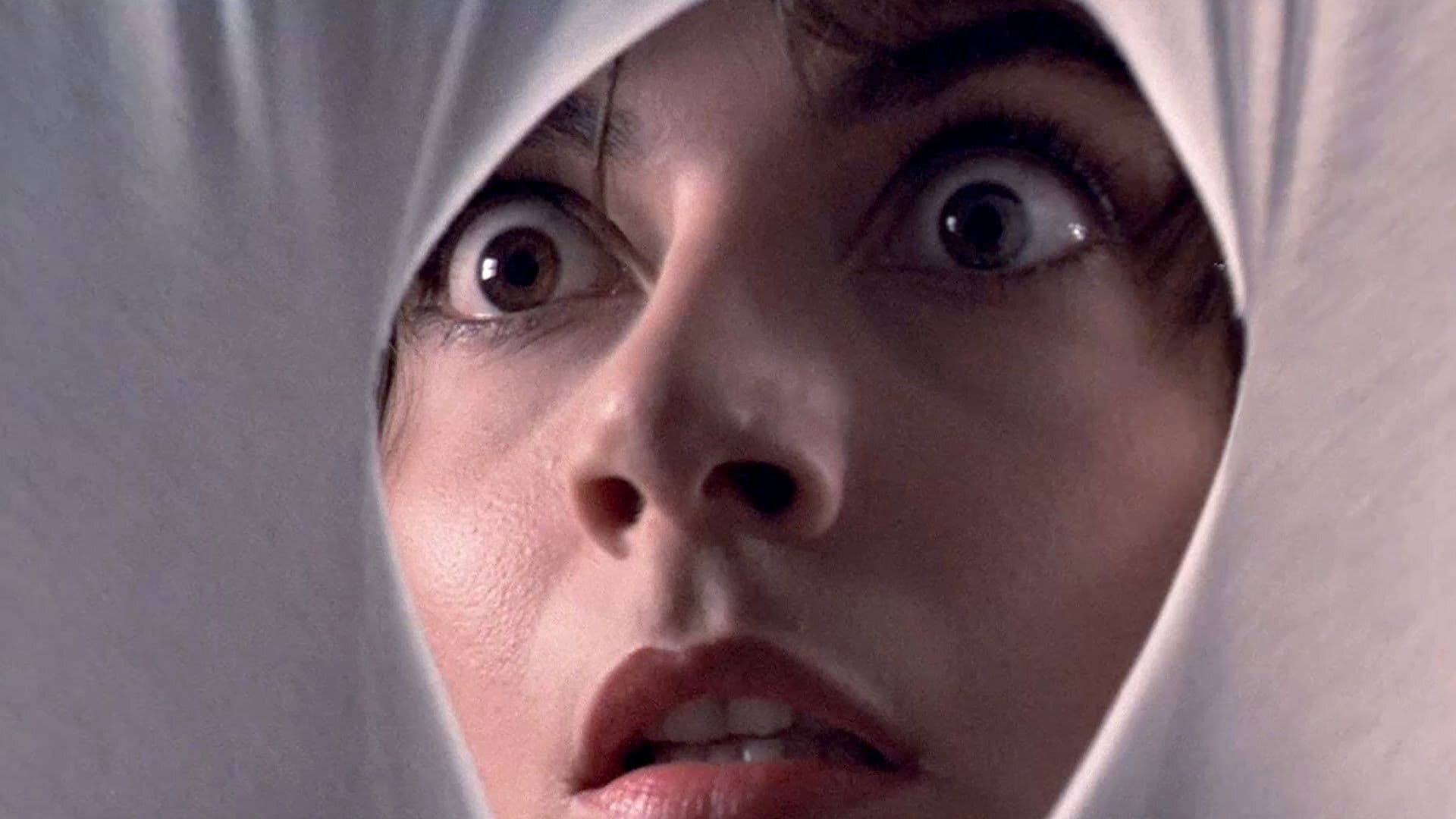
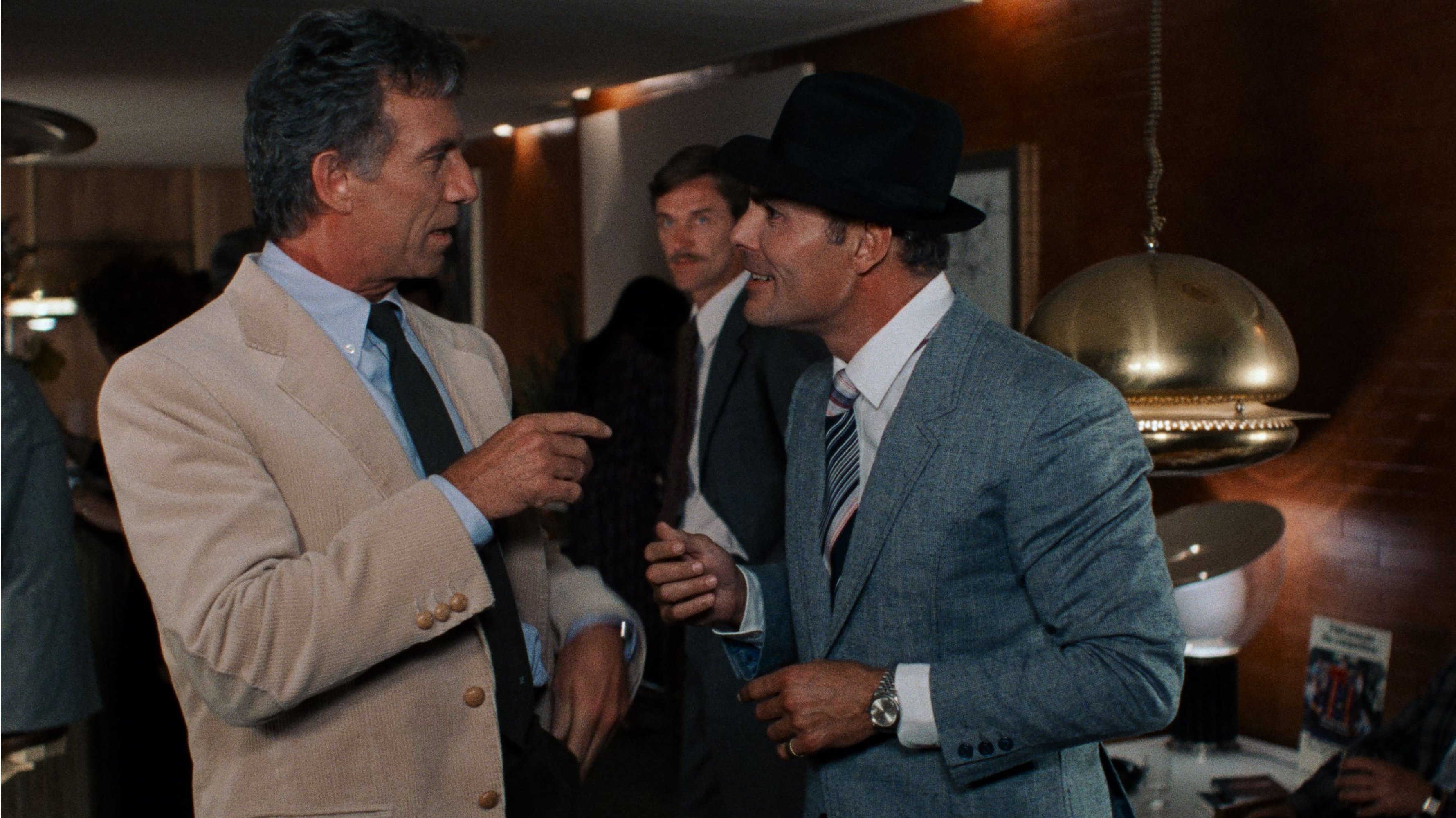
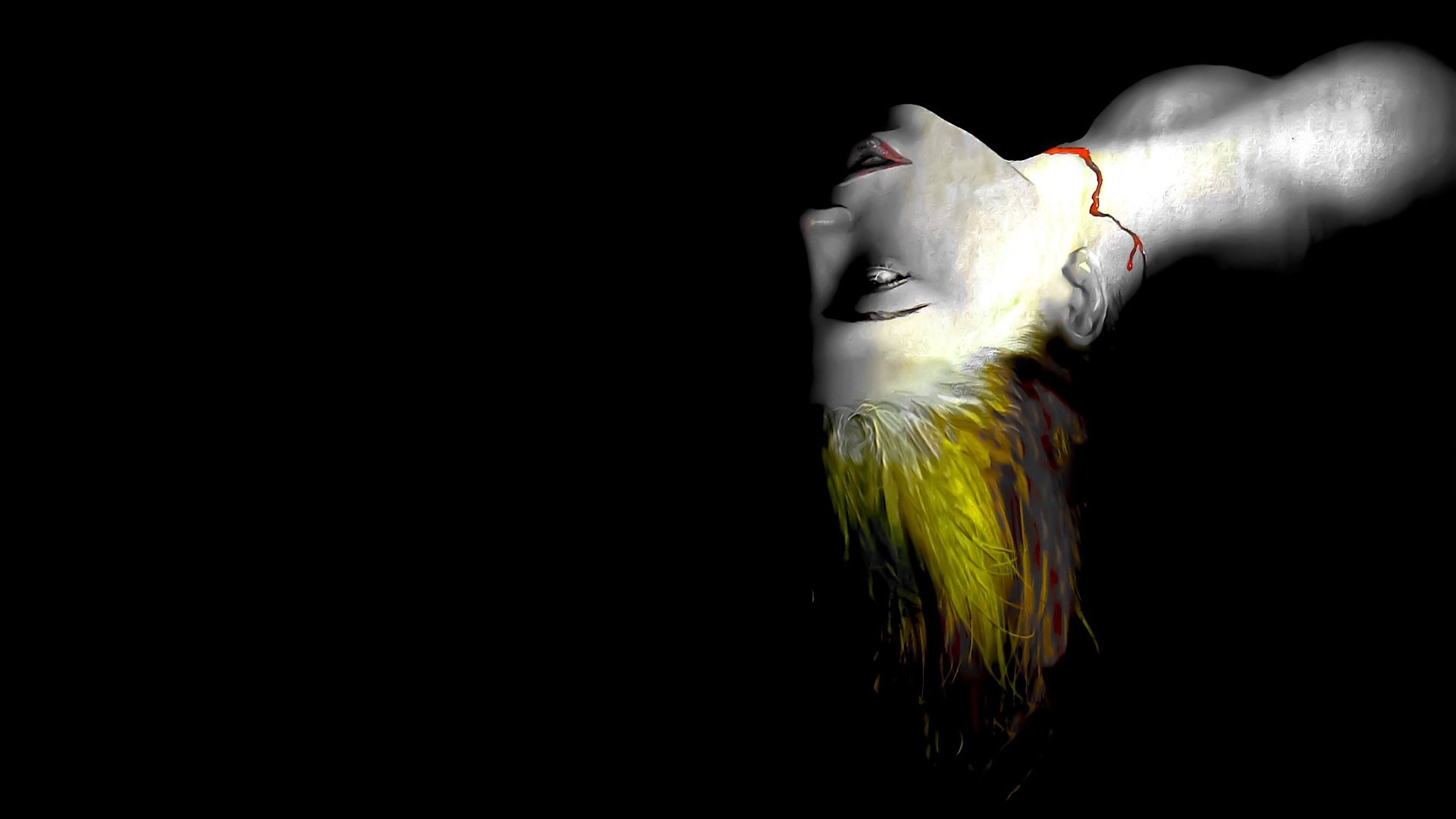
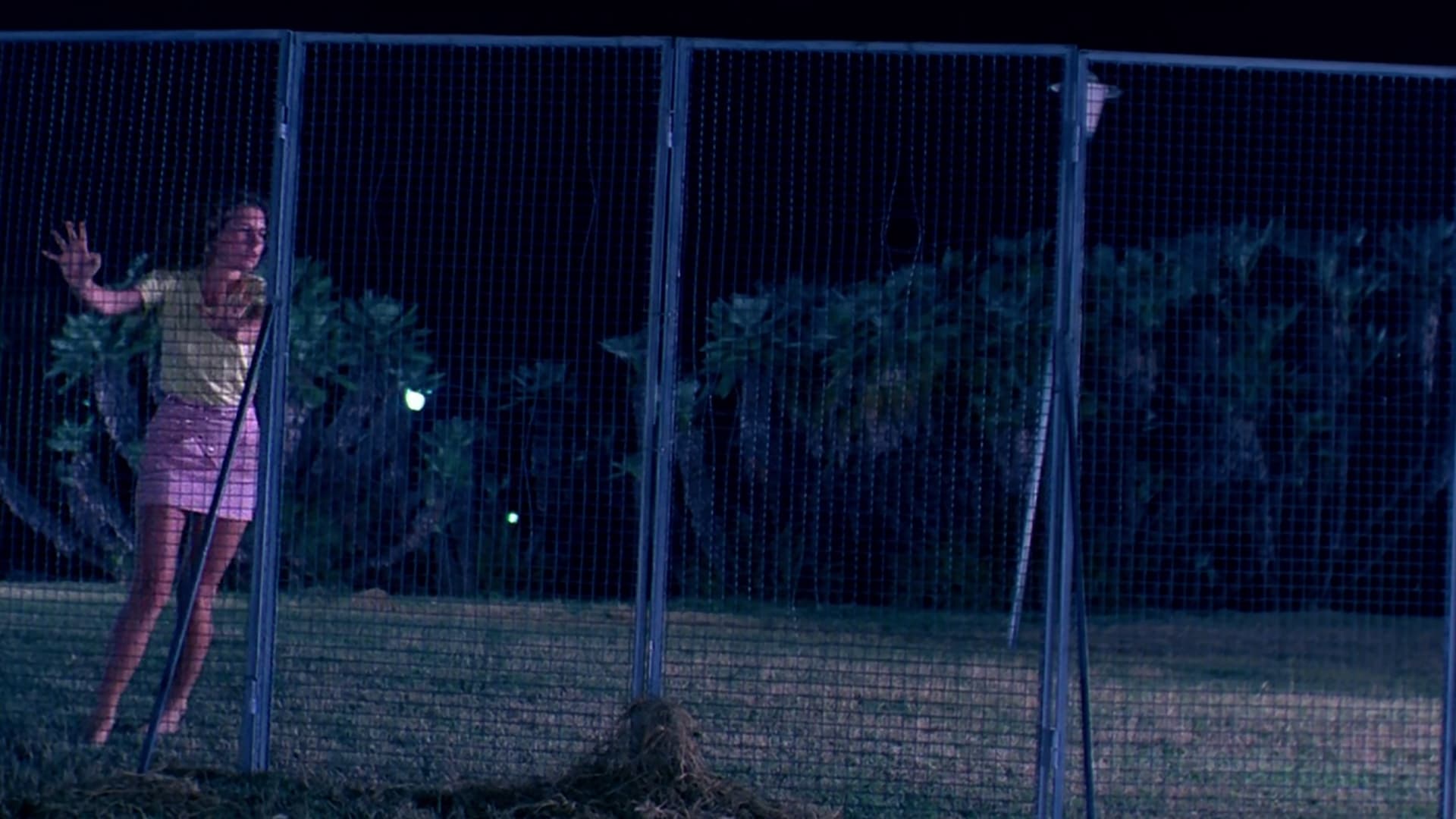
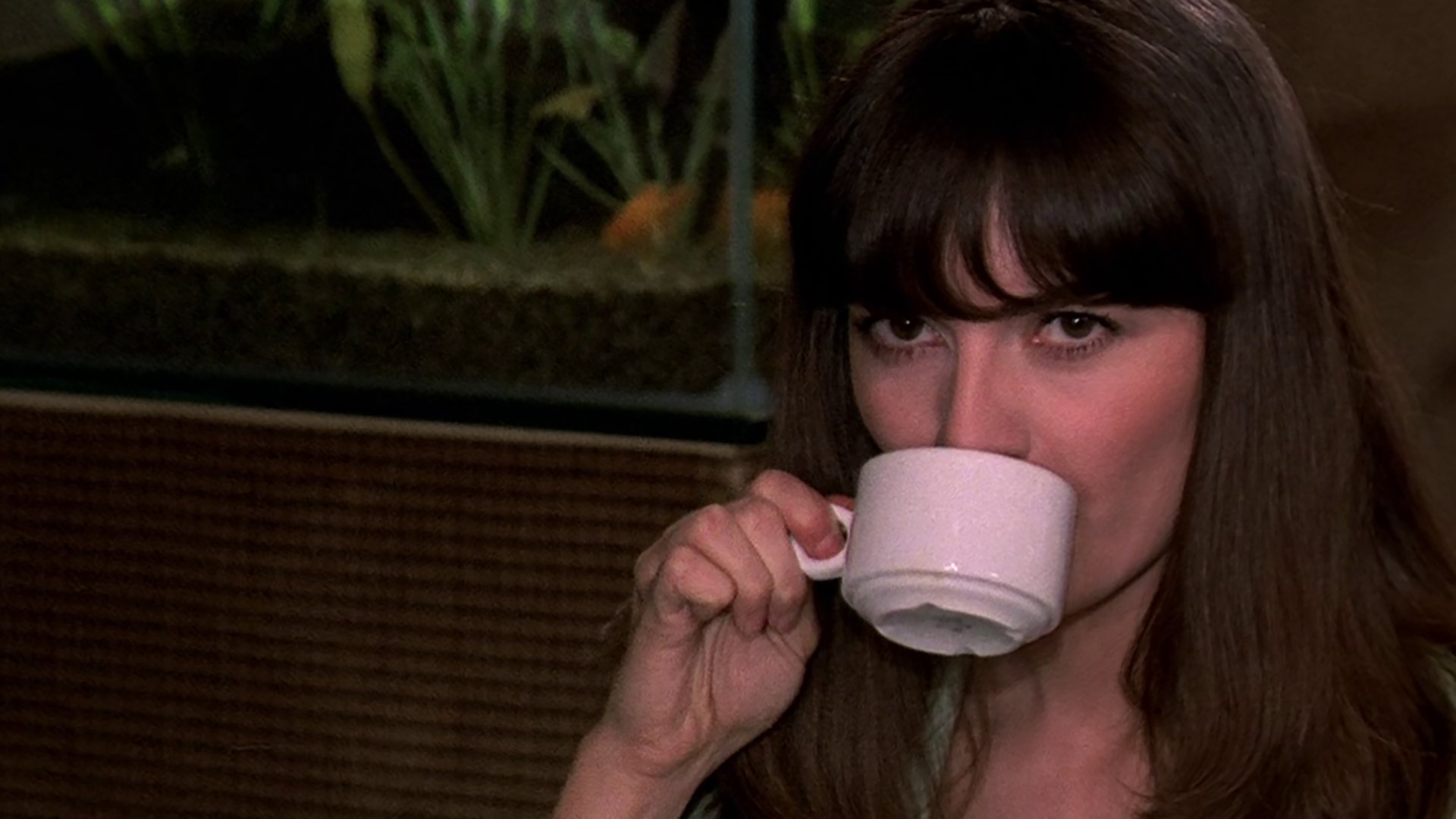
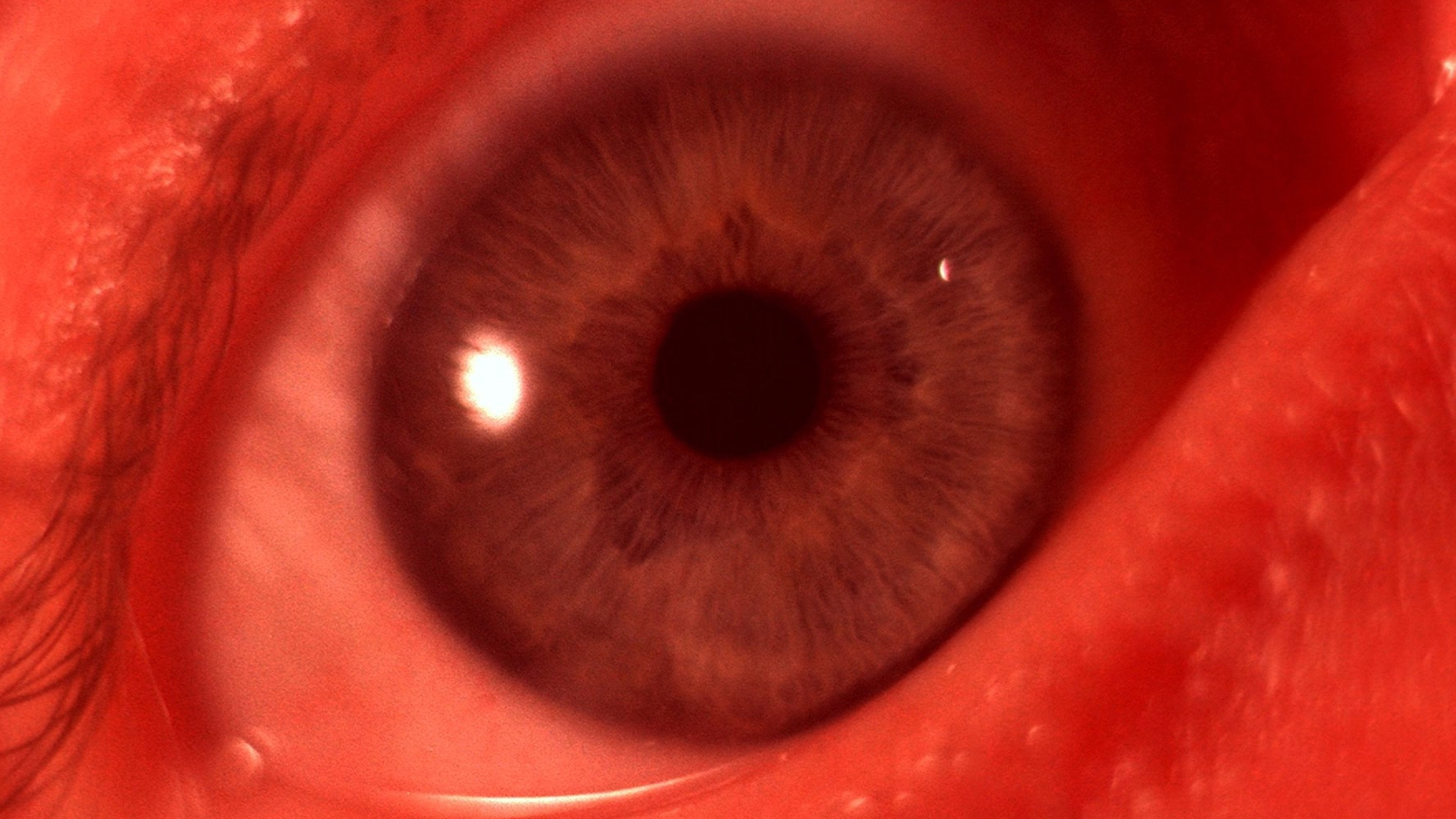
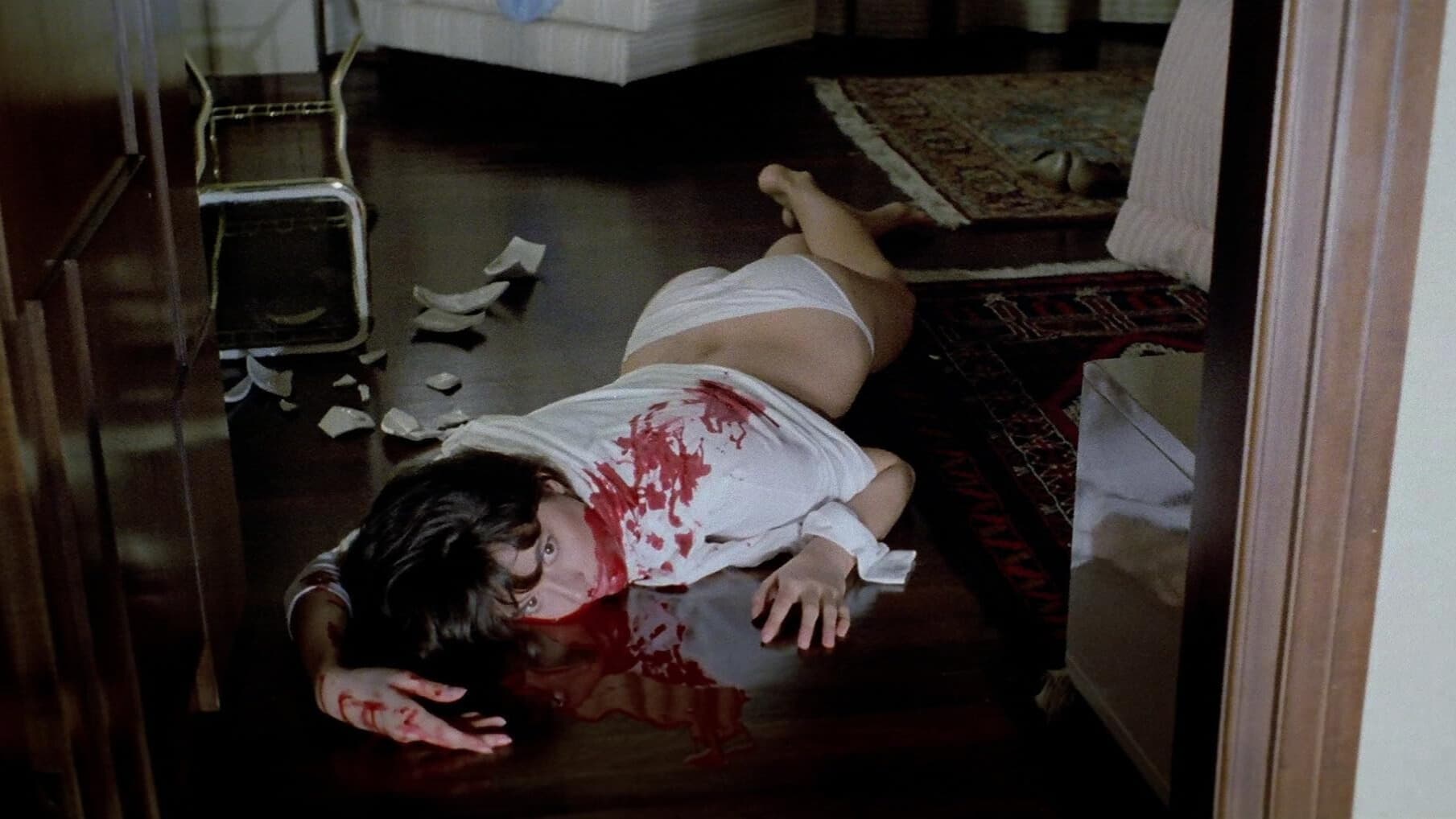
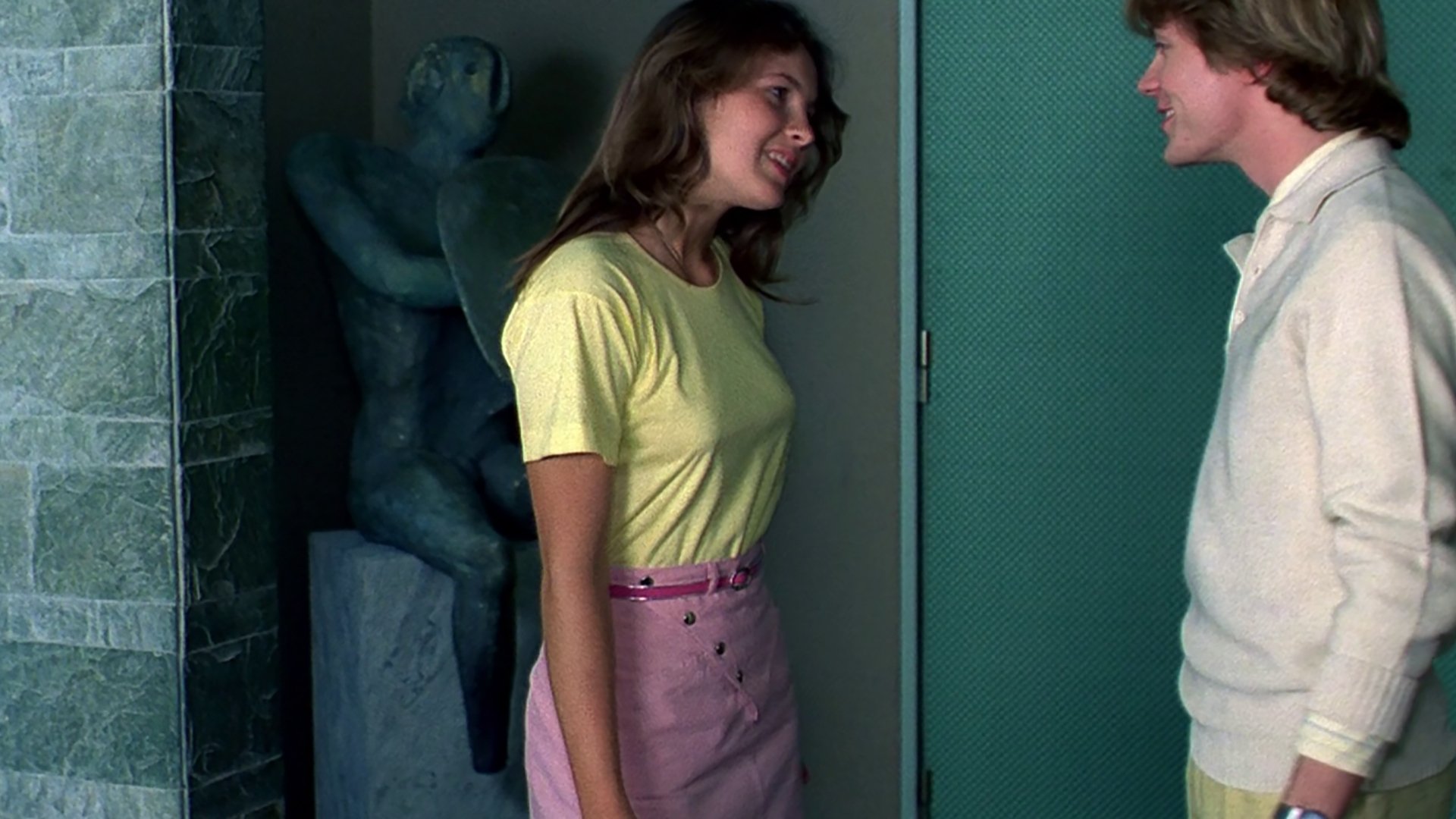
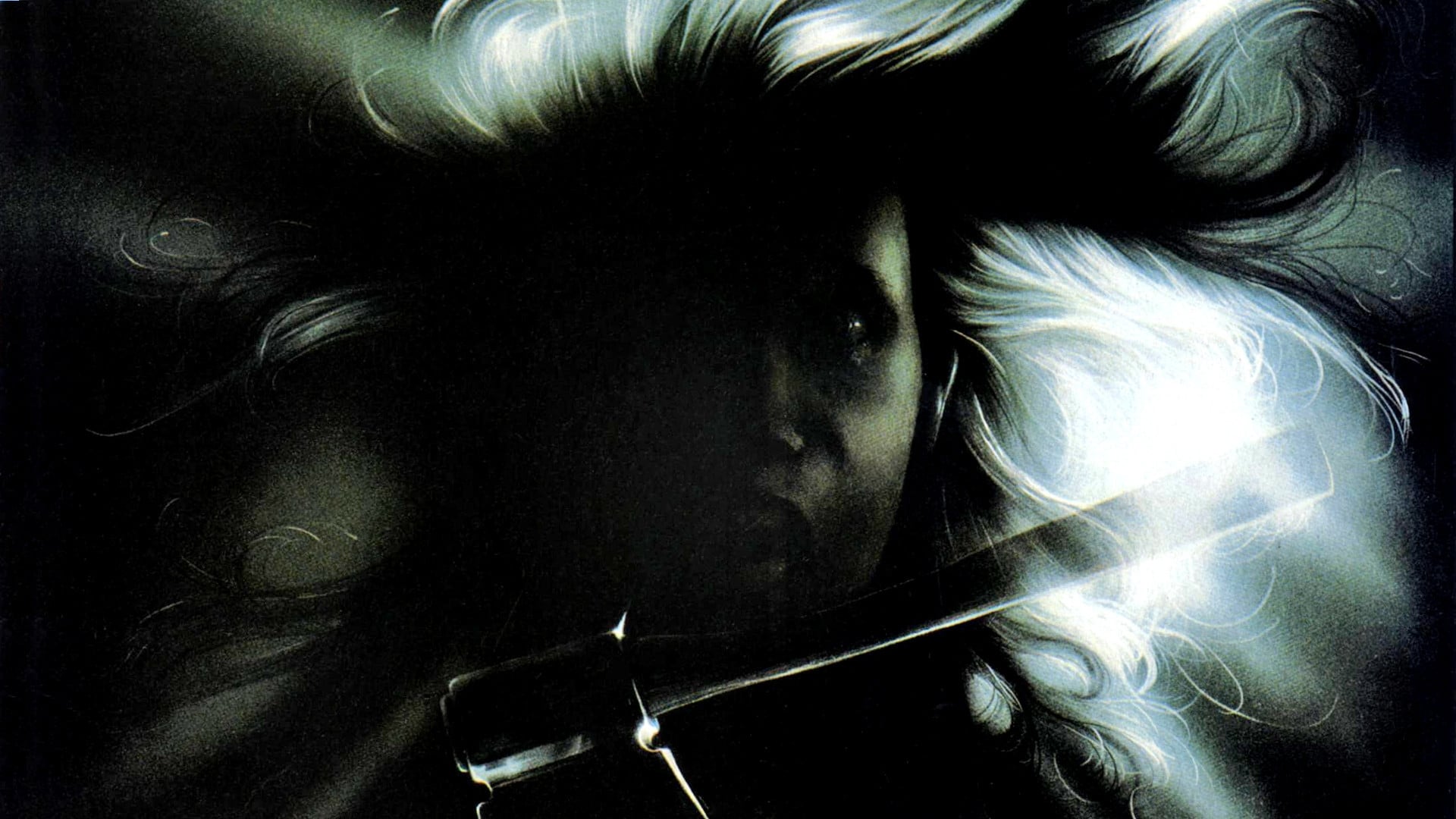
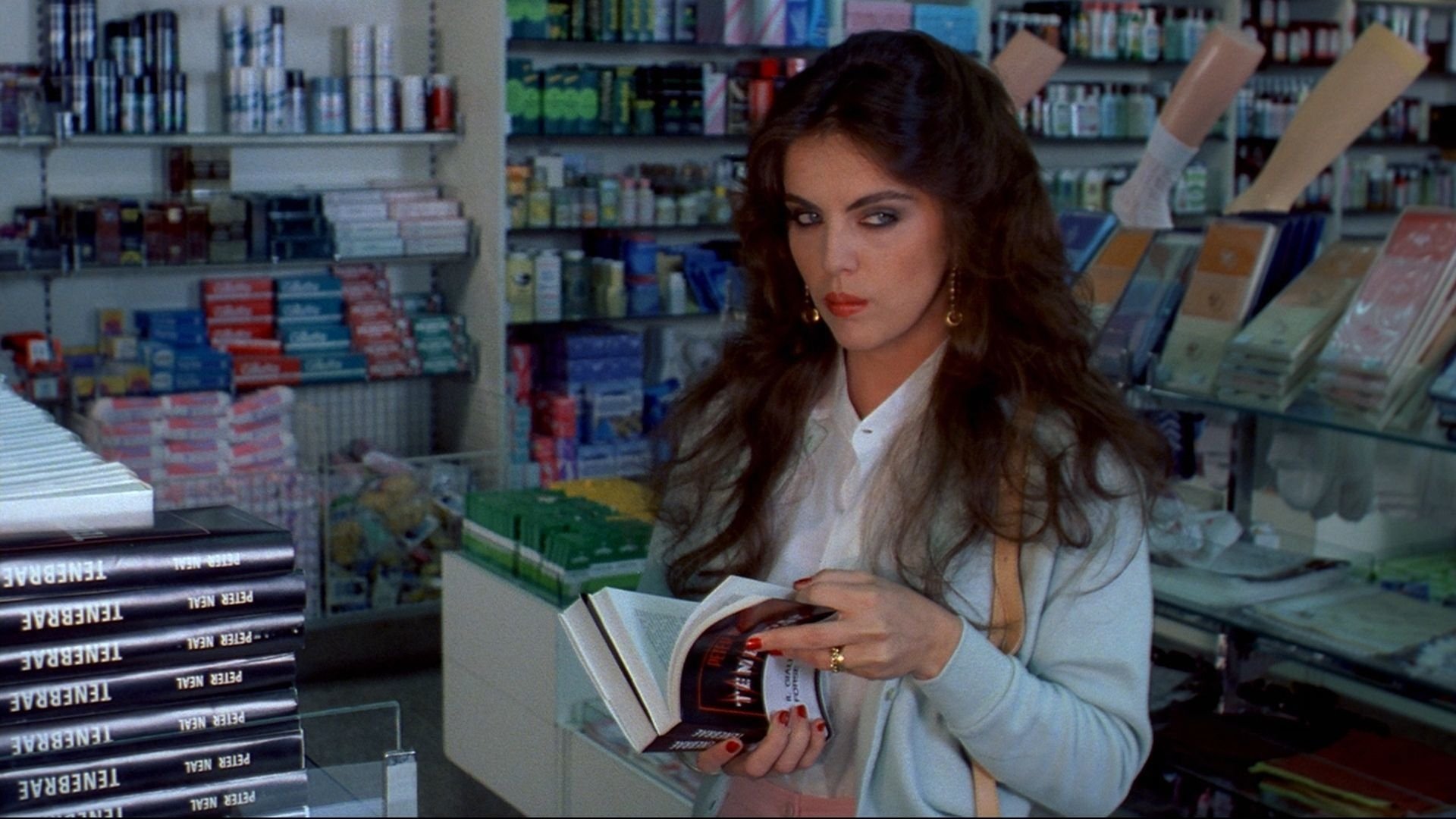
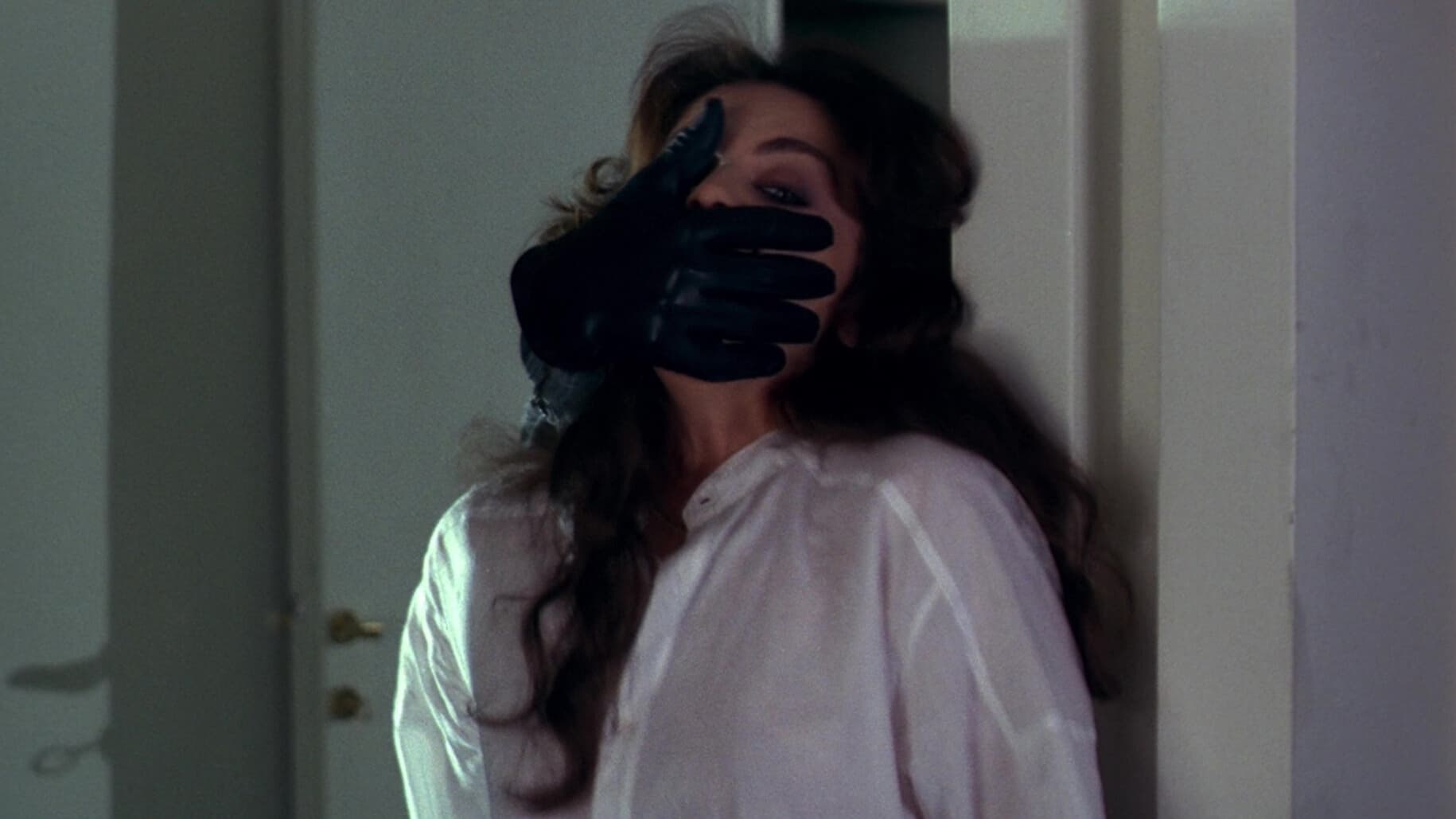
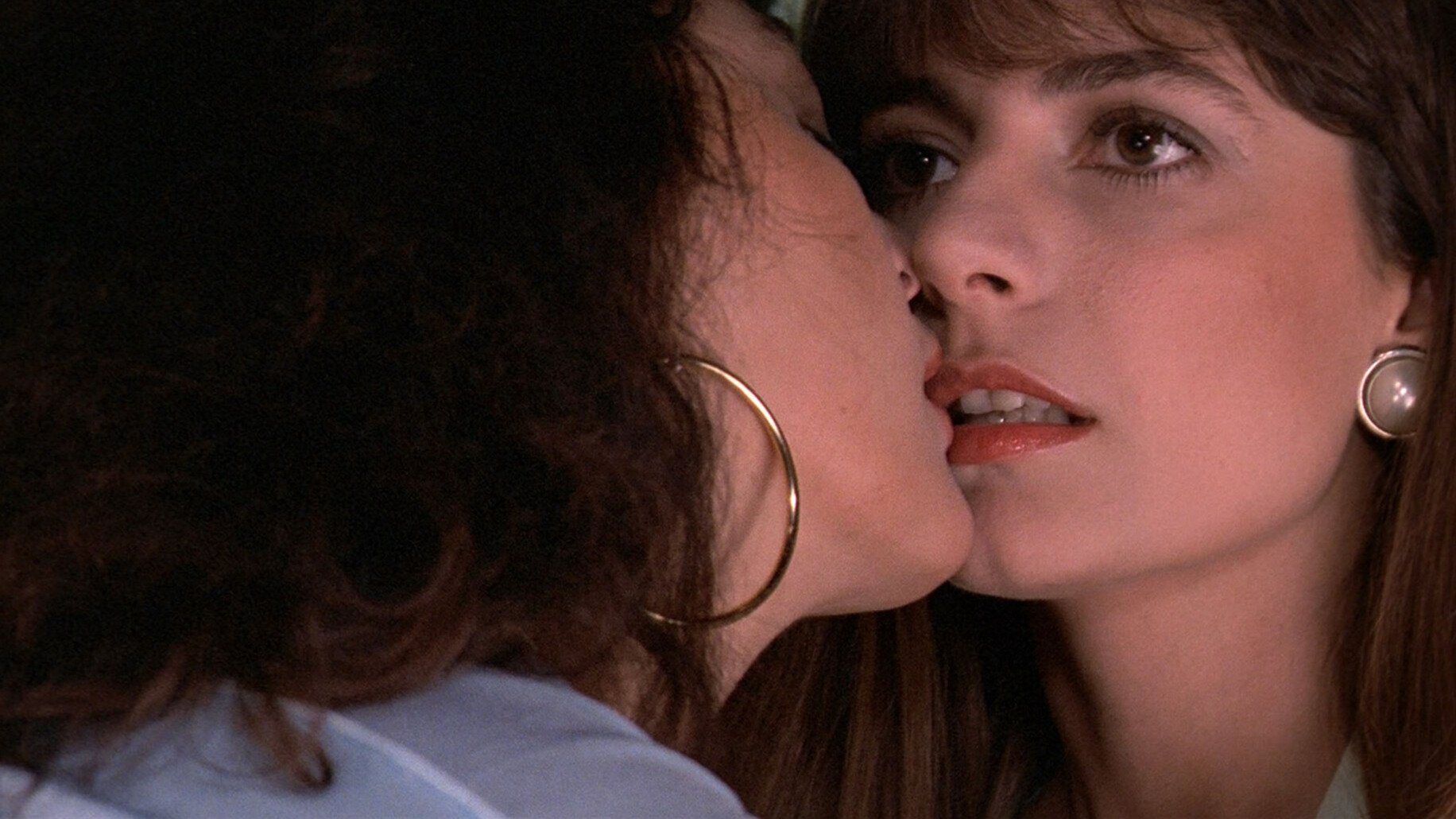
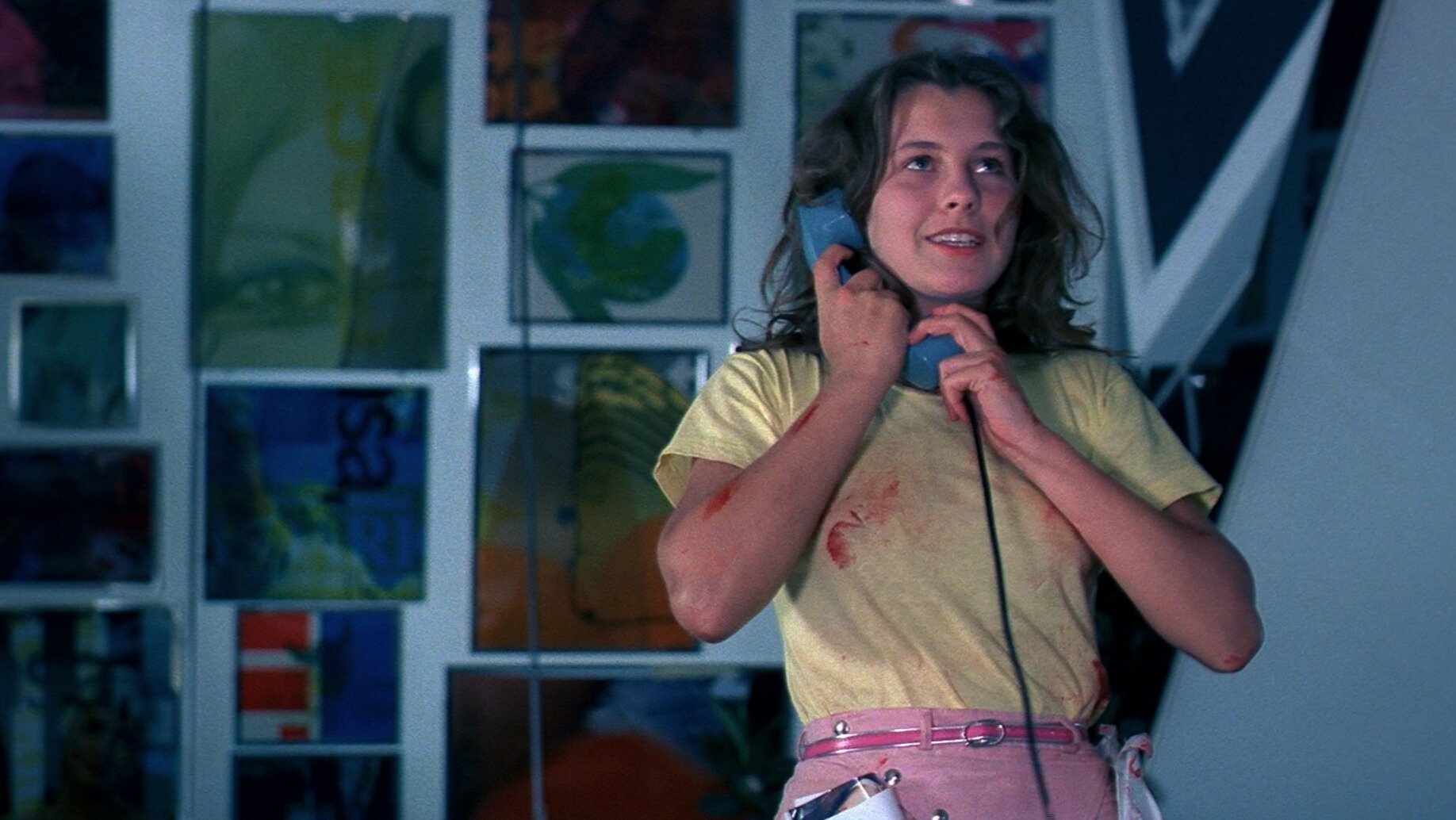
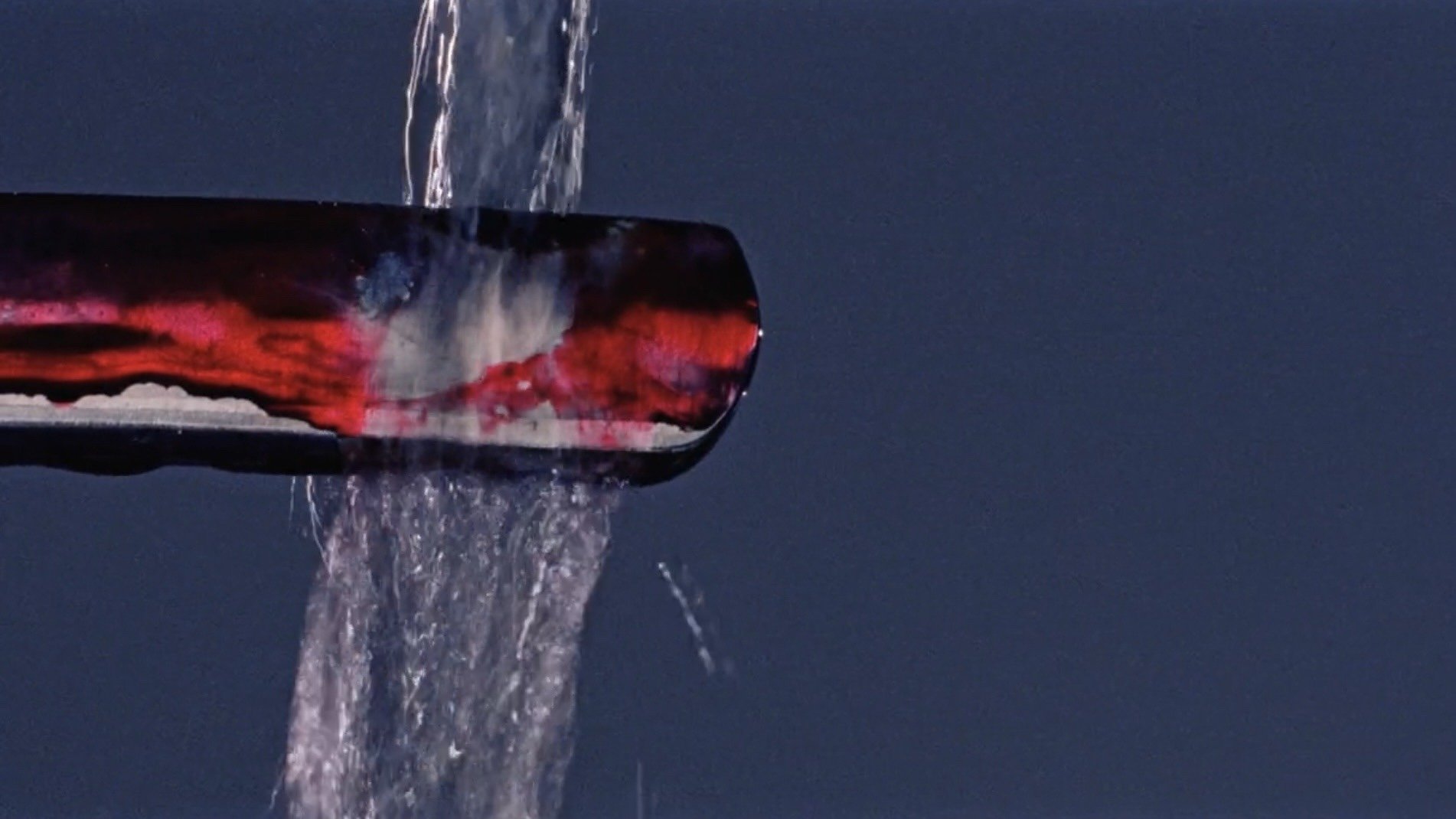
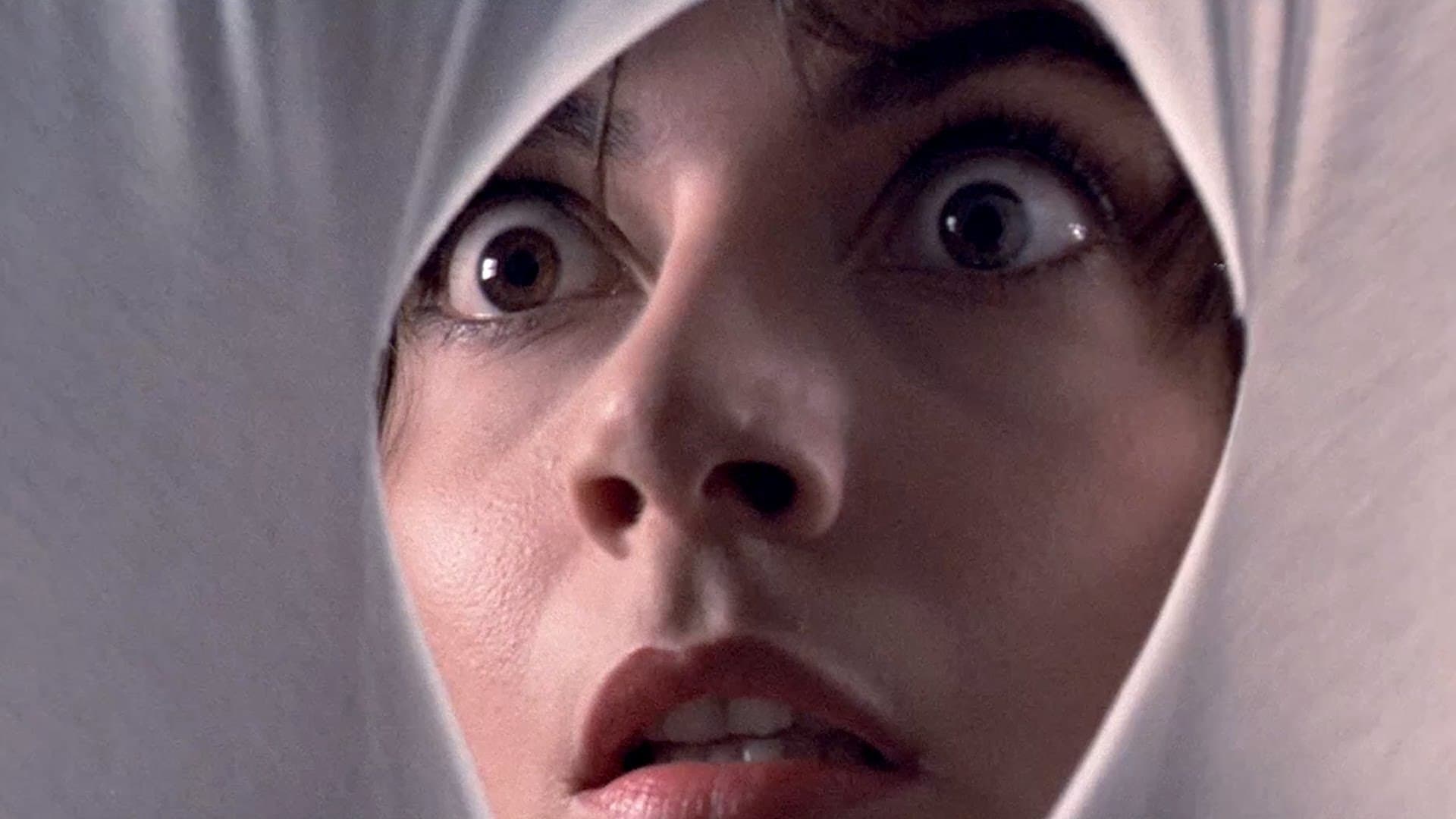
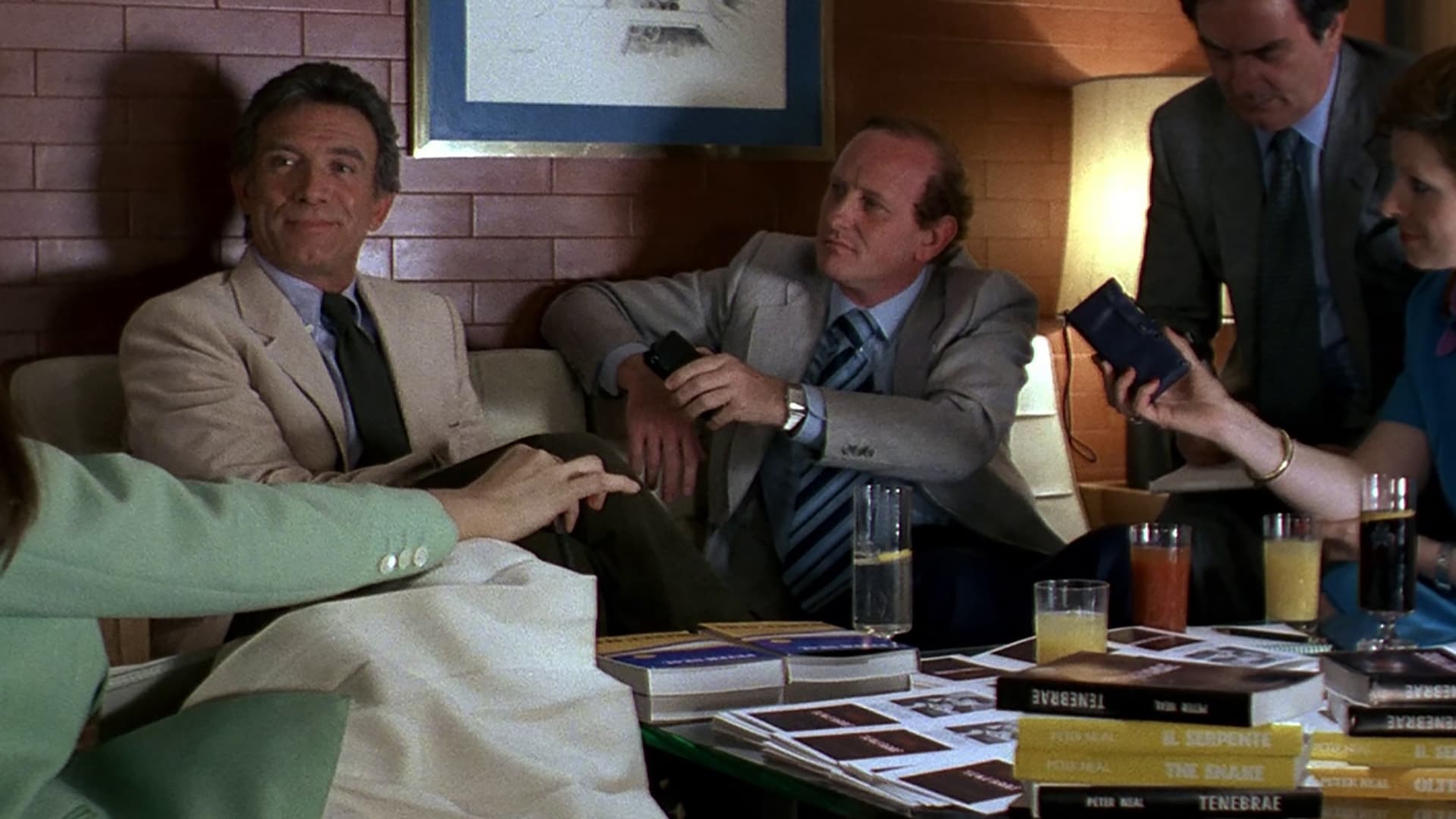
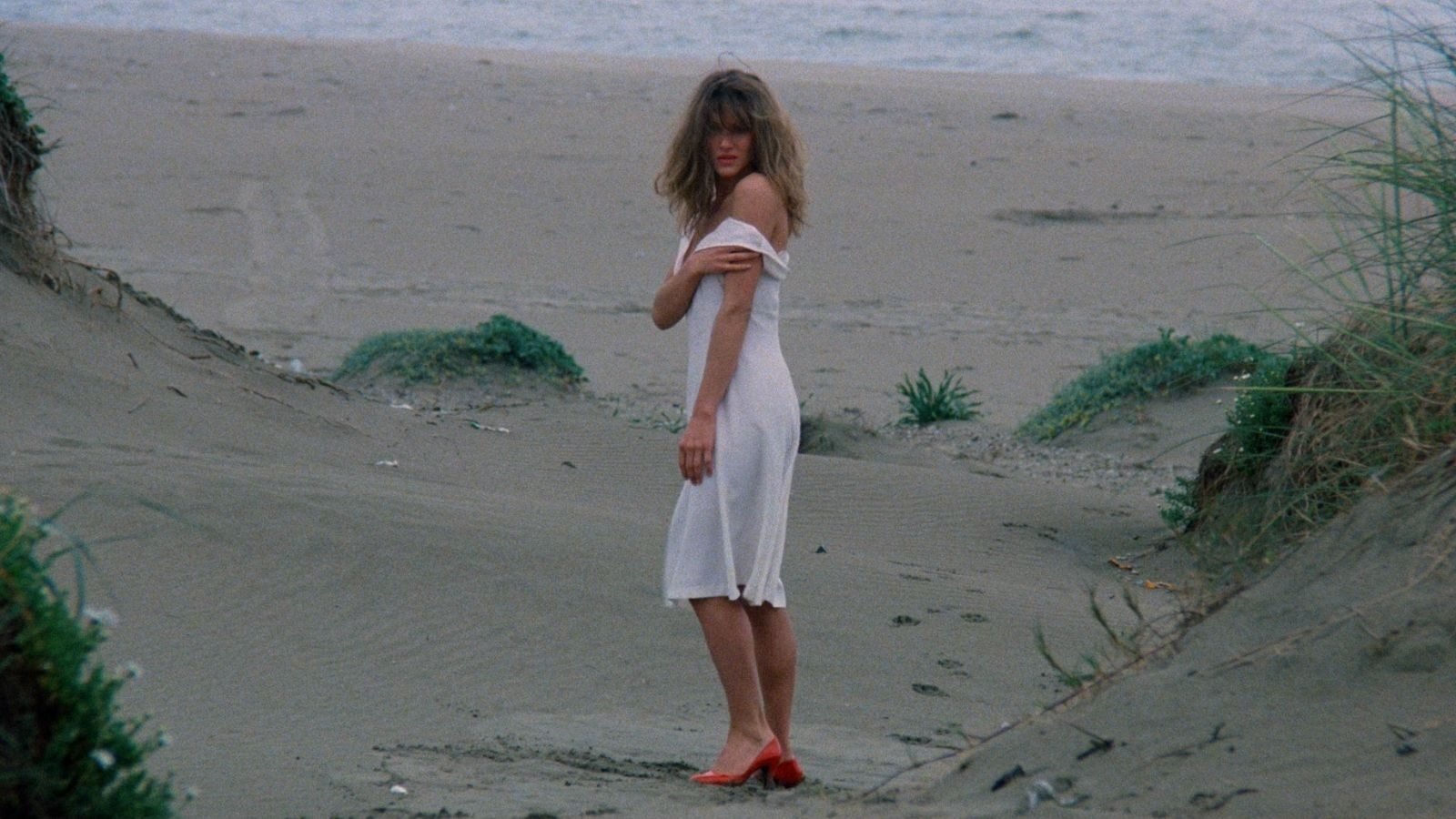
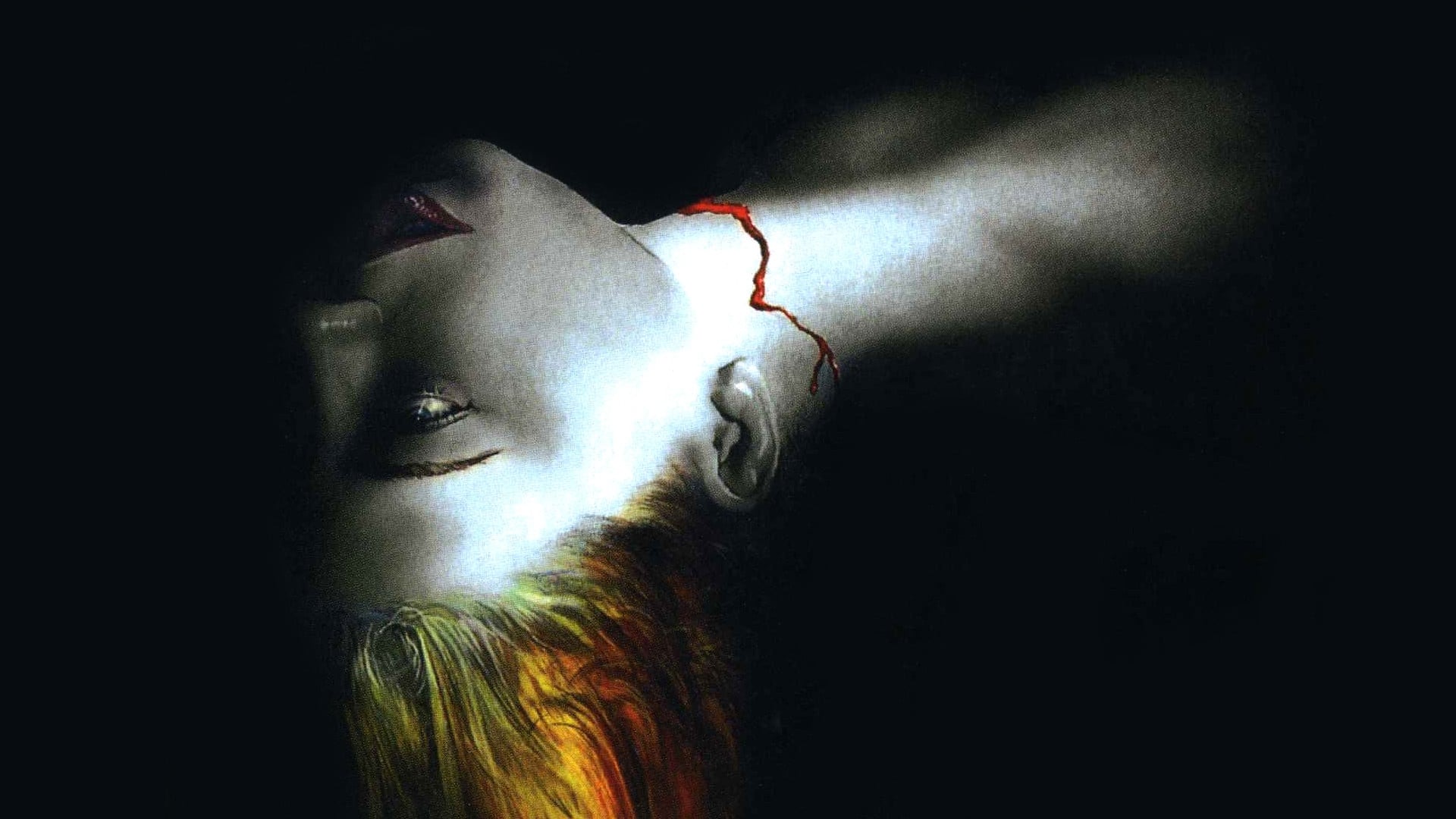
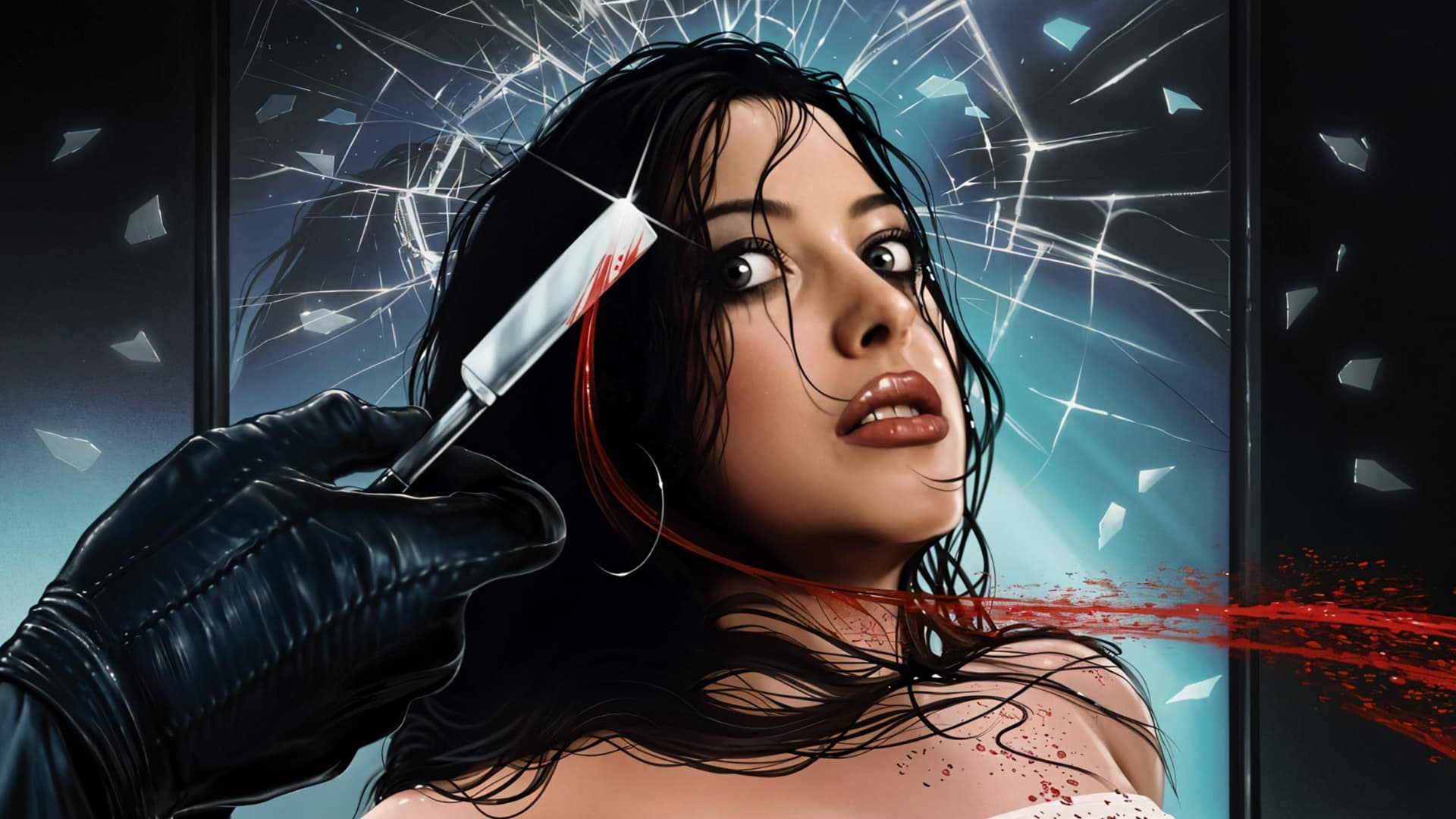
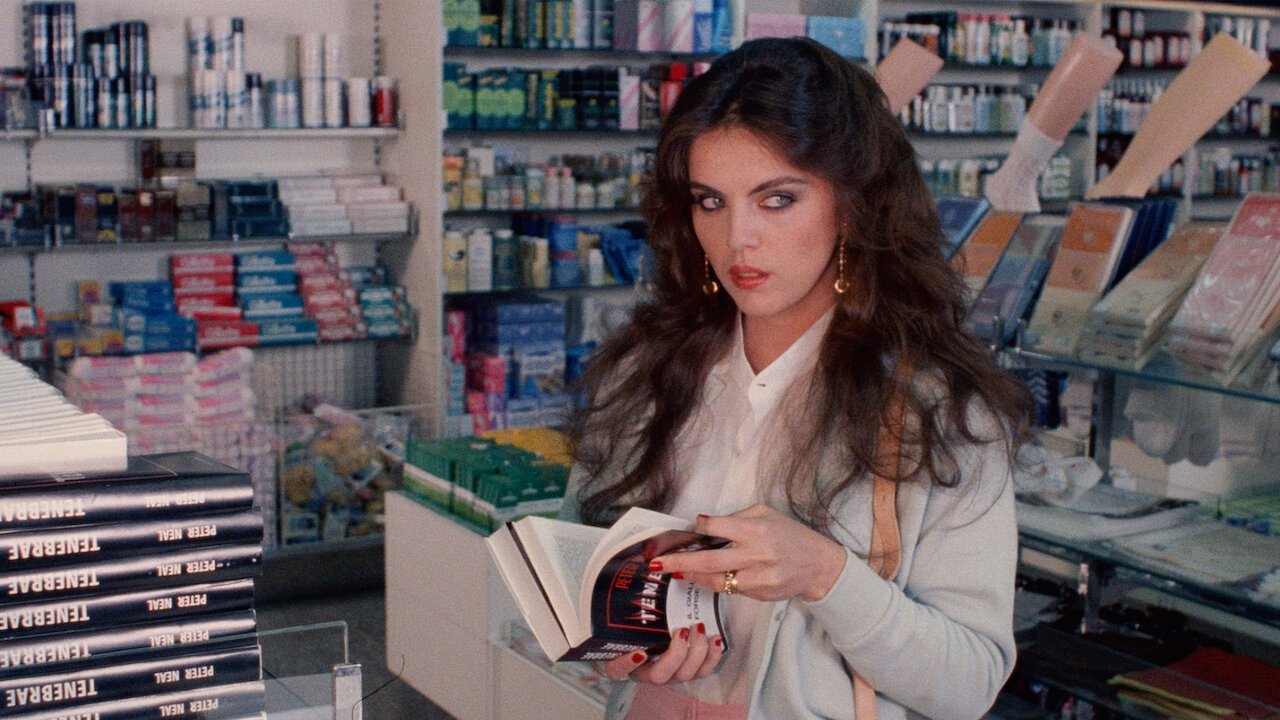
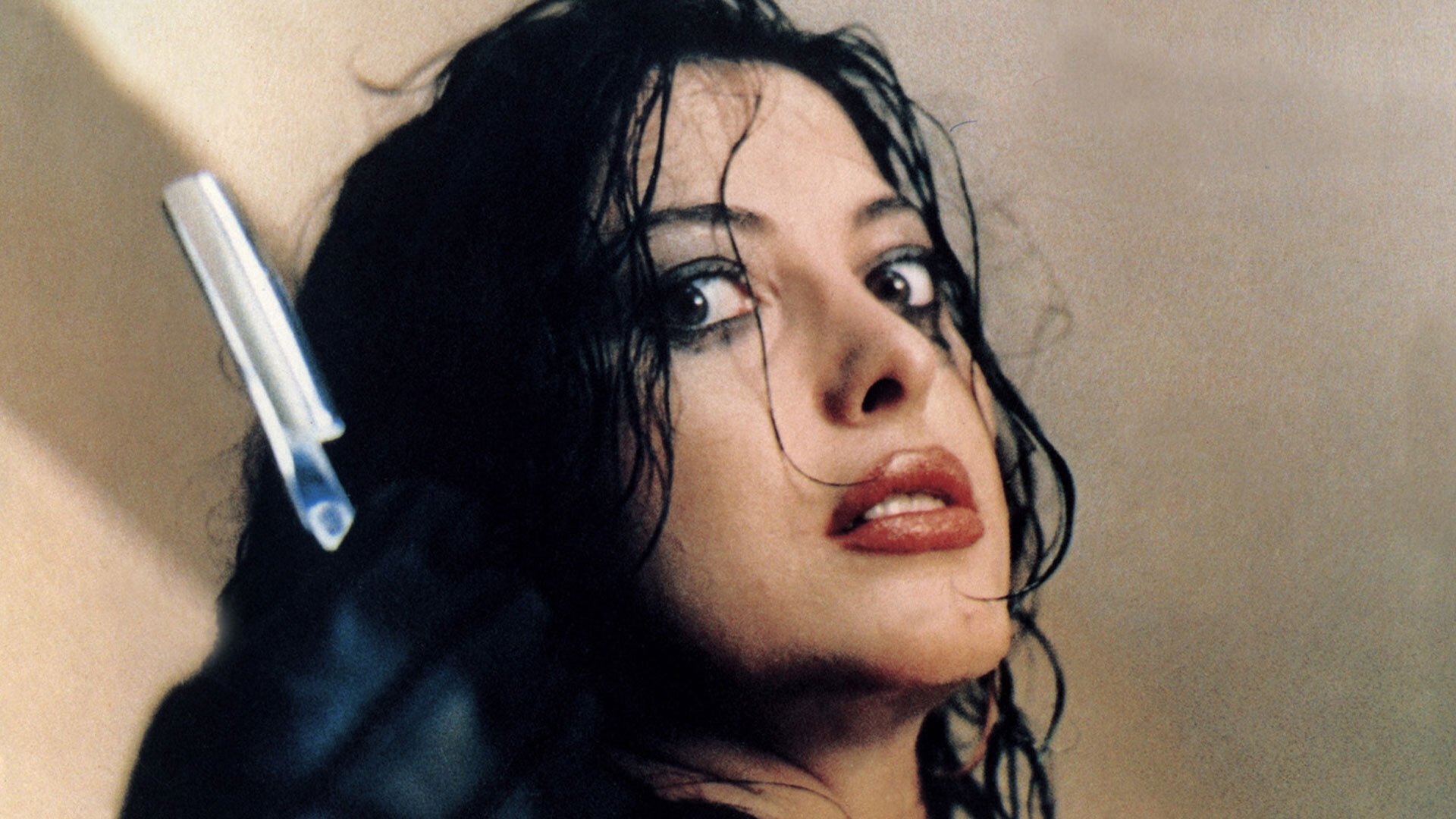
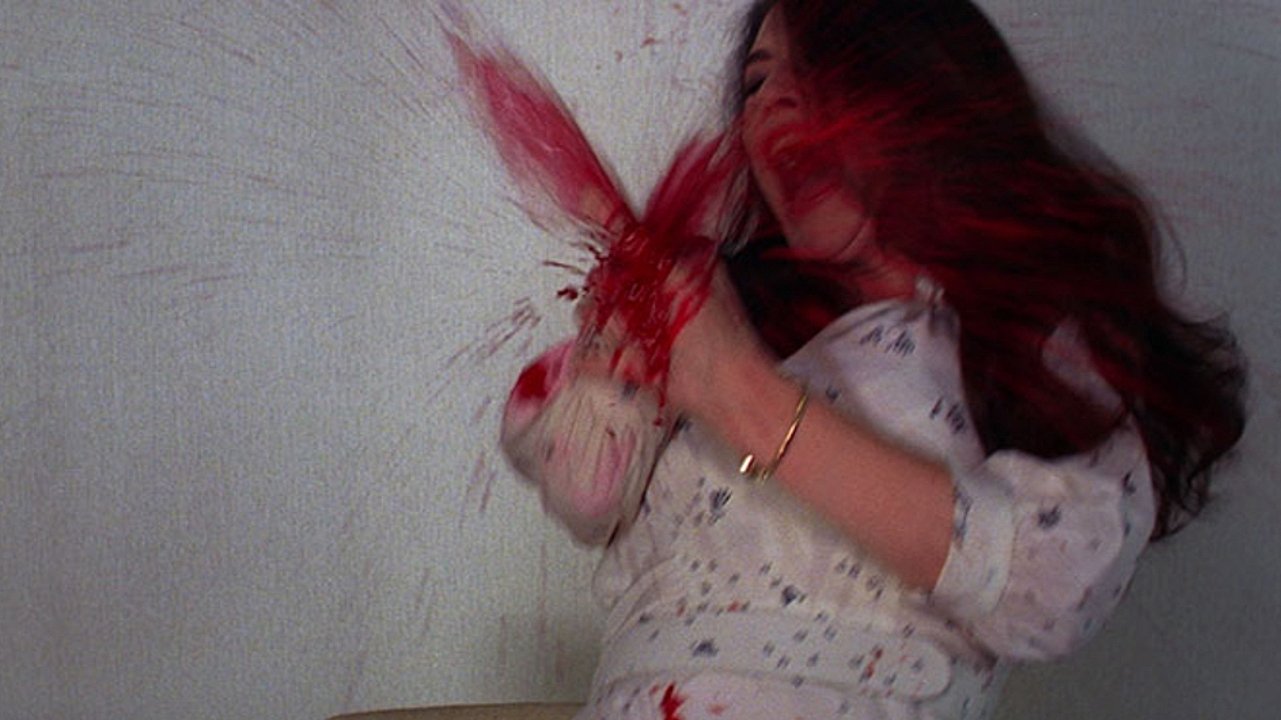
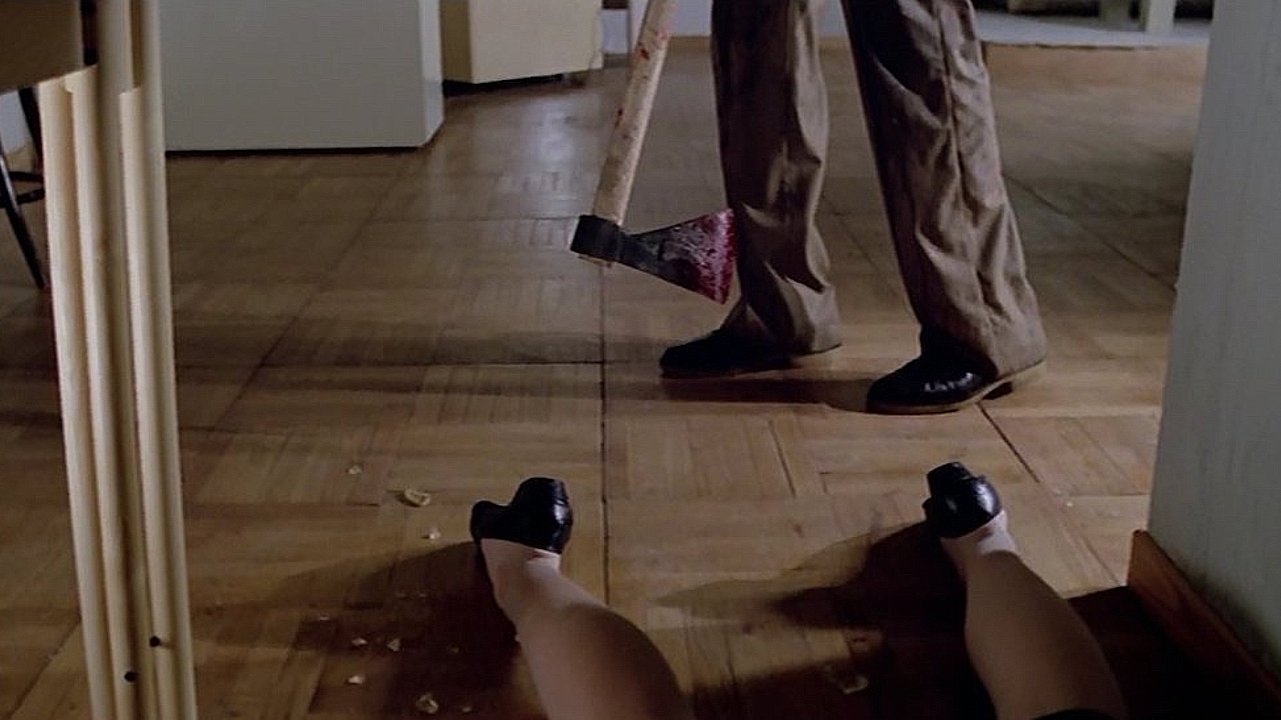
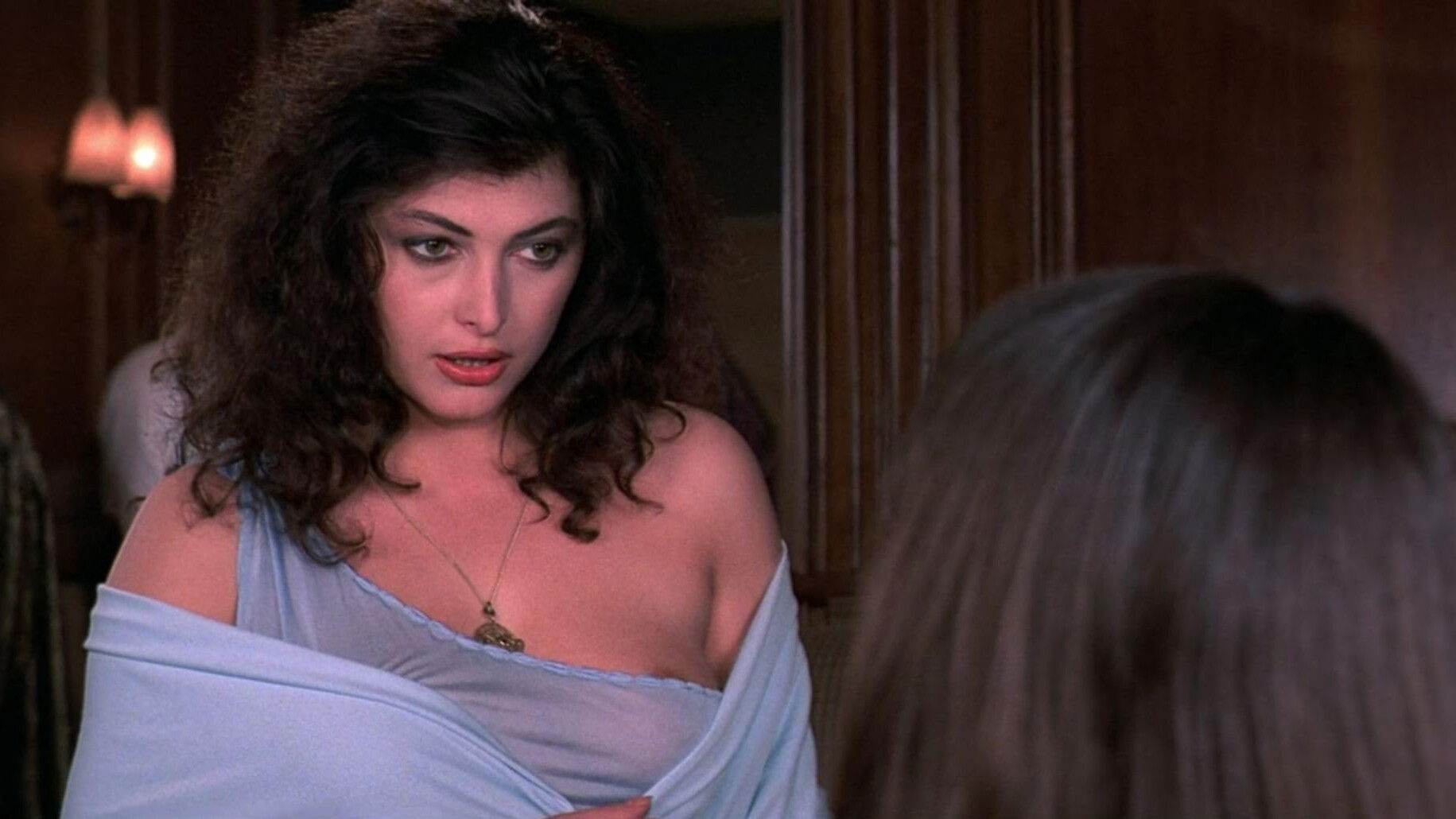
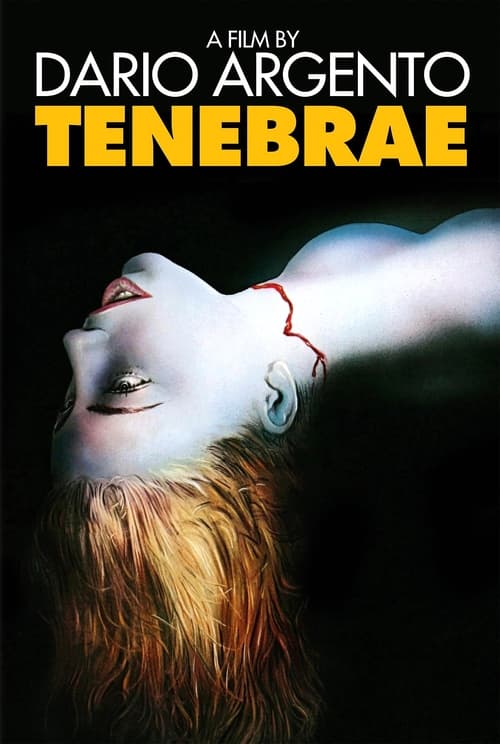
finally rewatching tenebrae: even though i only just watched it in october, i feel like it deserved another watch just because the first watch i just was never truly into it, which is really weird considering it’s an amazing movie, and probably one of, if not the best, giallo i’ve seen up to now. it’s currently the only argento film i’ve watched: and hopefully that’s about to change soon, as i understand how many horror classics he has under his belt (suspira, inferno, deep red, opera) but those are of course for another time. while reviewing this, i probably should’ve watched one of those rather than watching the same one twice - but ‘tenebrae’ is weirdly enough a comfort watch - despite it’s obviously bleak themes. released during the era of giallo slowly dying out, and the popularity boom of the ‘slasher’, an americanised version sort of, that was capitalised through friday the 13th and halloween. but yeah, this movie reinforces how much better this is in comparison to a lot of the cliched slasher slop that just wasn’t very stylish, or particularly entertaining. i feel like ‘tenebrae’ really just has it all, that while completely blow other horrors of the 80s out of the water. ‘tenebrae’ follows a serial killer who follows the murders of the novel of the same name, mirroring the events of the book. i thought that was, while simplistic, highly effective and something original that kept me interested. this film, in many ways, feels extremely revolutionary and subverts usual horror tropes. while many horror films prioritise lowly lit sets to the point you can’t really see anything, tenebrae does the complete opposite. using extremely fluorescent, blinding lights, which is gorgeous but also has this nice cold, detached feeling from its use of light. it isn’t afraid to use colour (which is the biggest problem with film at the moment). it’s massive portrayal of primary colours is sharply contrasted with the blank white walls. the use of cinematography also puts you in the murders perspective : the eery, voyeuristic perspective in the killers POV is deeply unsettling and elevates the horror so much more. my favourite thing about this film, linking to its cinematography, is just its general stylisation. it uses extremely innovative electronic, synthy beats which makes it almost feels like a dance party. it creates this really unique atmosphere, and helps the detached atmosphere heighten. the setting is in sun-drenched rome, a really interesting setting in comparison to the gothic ruins idea that while is an effective location, is probably just massively overused. the gore is extremely aesthetically pleasing: it’s bright red, and there’s a plentiful supply of it: plus the death scenes are really inventive and fun. finally, ‘tenebrae’ contains the best whodunnit ever, and the twist at the end is super unpredictable, and a really satisfying closure. hopefully i’ll get around to more argento, but i doubt this is the last time i watch this for the year.
“the impulse had become irresistible. there was only one answer to the fury that tortured him. and so he committed his first act of murder. he had broken the most deep-rooted taboo, and found not guilt, not anxiety or fear, but freedom. any humiliation that stood in his way could be swept aside by the simple act of annihilation: murder.”
finally rewatching tenebrae: even though i only just watched it in october, i feel like it deserved another watch just because the first watch i just was never truly into it, which is really weird considering it’s an amazing movie, and probably one of, if not the best, giallo i’ve seen up to now. it’s currently the only argento film i’ve watched: and hopefully that’s about to change soon, as i understand how many horror classics he has under his belt (suspira, inferno, deep red, opera) but those are of course for another time. while reviewing this, i probably should’ve watched one of those rather than watching the same one twice - but ‘tenebrae’ is weirdly enough a comfort watch - despite it’s obviously bleak themes. released during the era of giallo slowly dying out, and the popularity boom of the ‘slasher’, an americanised version sort of, that was capitalised through friday the 13th and halloween. but yeah, this movie reinforces how much better this is in comparison to a lot of the cliched slasher slop that just wasn’t very stylish, or particularly entertaining. i feel like ‘tenebrae’ really just has it all, that while completely blow other horrors of the 80s out of the water. ‘tenebrae’ follows a serial killer who follows the murders of the novel of the same name, mirroring the events of the book. i thought that was, while simplistic, highly effective and something original that kept me interested. this film, in many ways, feels extremely revolutionary and subverts usual horror tropes. while many horror films prioritise lowly lit sets to the point you can’t really see anything, tenebrae does the complete opposite. using extremely fluorescent, blinding lights, which is gorgeous but also has this nice cold, detached feeling from its use of light. it isn’t afraid to use colour (which is the biggest problem with film at the moment). it’s massive portrayal of primary colours is sharply contrasted with the blank white walls. the use of cinematography also puts you in the murders perspective : the eery, voyeuristic perspective in the killers POV is deeply unsettling and elevates the horror so much more. my favourite thing about this film, linking to its cinematography, is just its general stylisation. it uses extremely innovative electronic, synthy beats which makes it almost feels like a dance party. it creates this really unique atmosphere, and helps the detached atmosphere heighten. the setting is in sun-drenched rome, a really interesting setting in comparison to the gothic ruins idea that while is an effective location, is probably just massively overused. the gore is extremely aesthetically pleasing: it’s bright red, and there’s a plentiful supply of it: plus the death scenes are really inventive and fun. finally, ‘tenebrae’ contains the best whodunnit ever, and the twist at the end is super unpredictable, and a really satisfying closure. hopefully i’ll get around to more argento, but i doubt this is the last time i watch this for the year.