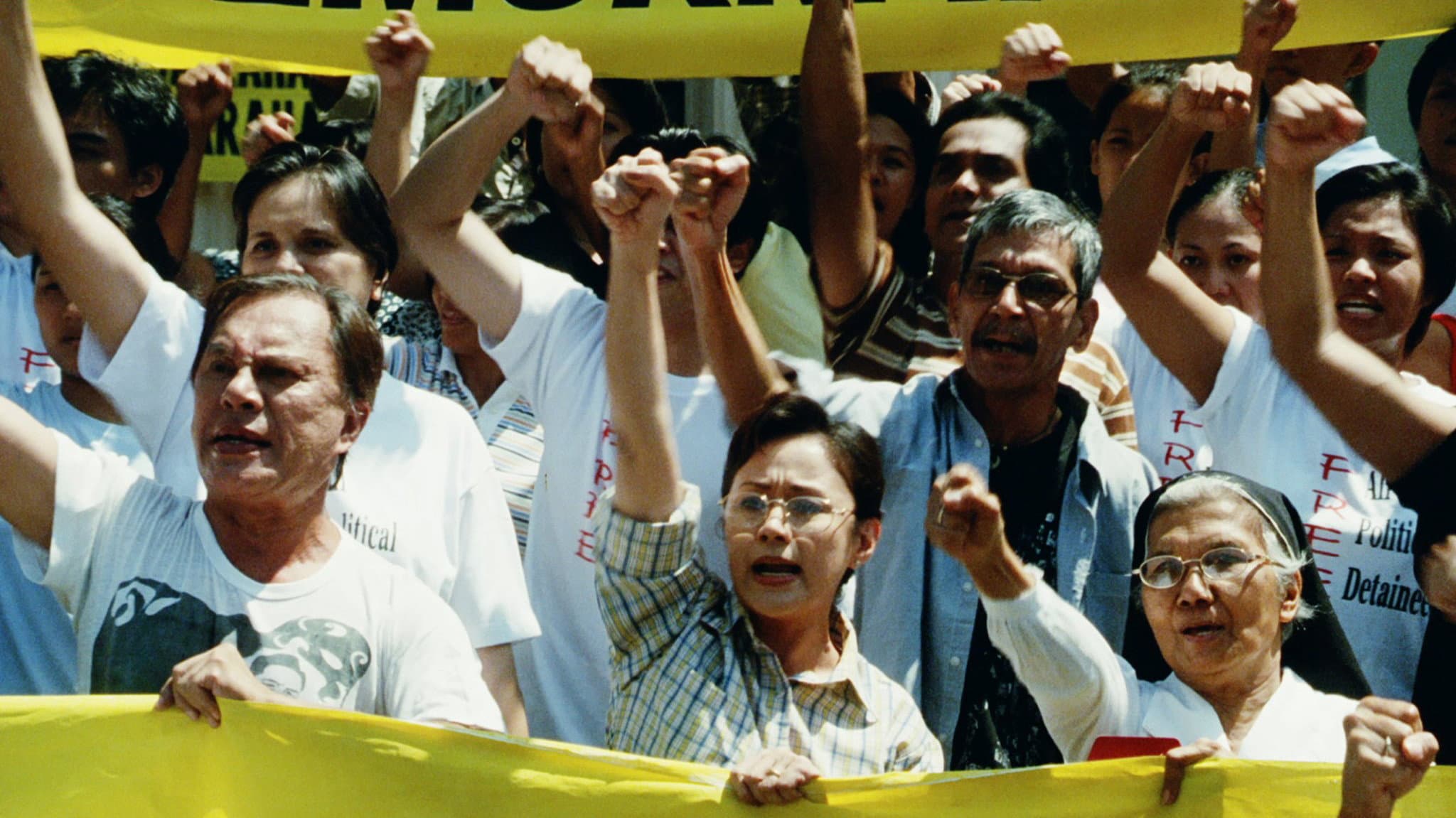
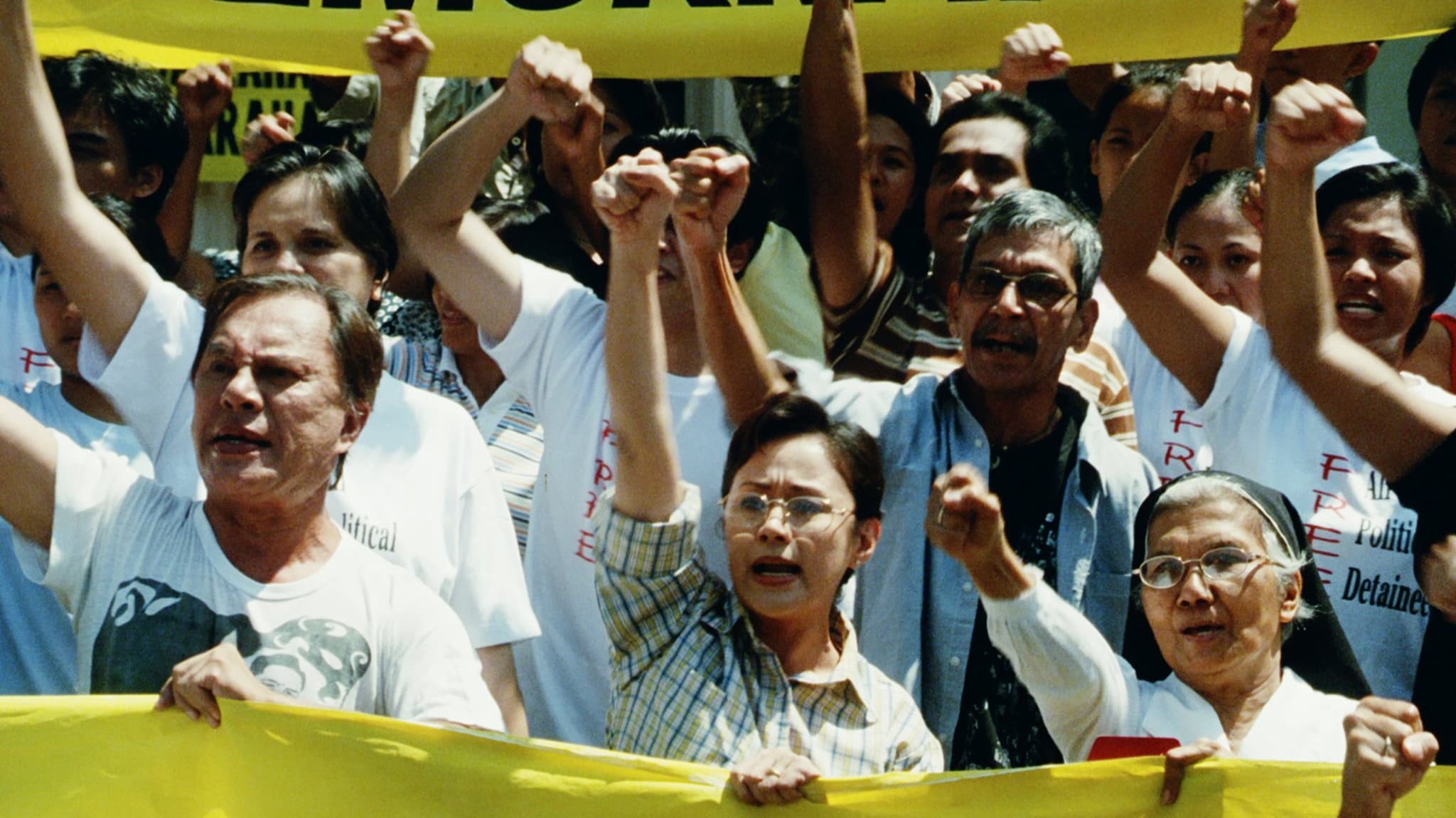
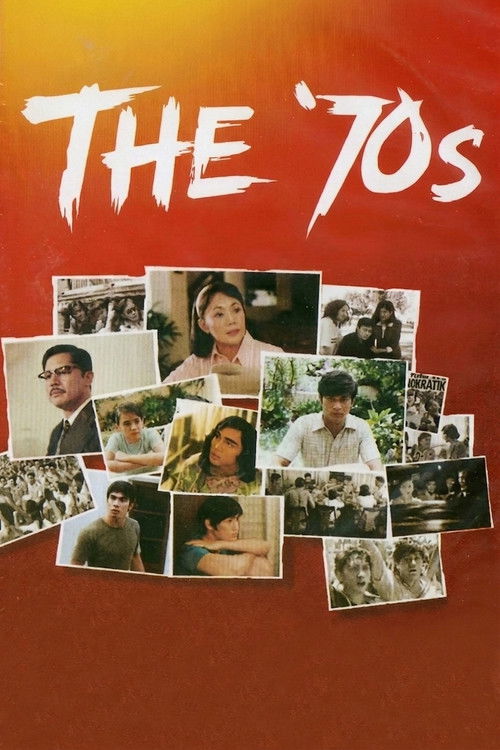
dekada '70 stands as an important work in filipino cinema because of how it captures a specific period while staying deeply personal. it shows how national issues and systems reach into the household and shape each member differently. watching it invites reflection on the country today, since many of the tensions and questions it raises still feel familiar to this day.
the story works because of how it spreads its focus across the family. amanda's journey gives the film its emotional center. her growth feels grounded, especially in how she begins to understand her role beyond what is expected of her. it is easy to relate to her perspective as a woman trying to find her voice within a restrictive environment. as patriarchy shapes the way the family functions and limits how amanda and the children express themselves. thus, amanda’s growth becomes more meaningful because she is pushing against both a political system and a rigid household structure. the sons are affected as well, as expectations of masculinity influence their decisions, their sense of duty, and how they respond to conflict and to the same reality they are facing.
from a technical standpoint, the pacing is steady and allows scenes to develop naturally. the dialogue sounds conversational and unforced for me, which helps the emotional weight come through without exaggeration.
overall, dekada ’70 remains relevant because it shows how a political period reshapes a family from within. it presents change as something gradual, built through small decisions, disagreements, and moments of realization, while also showing how deeply rooted systems like patriarchy continue to affect people alongside larger national issues.
dekada '70 stands as an important work in filipino cinema because of how it captures a specific period while staying deeply personal. it shows how national issues and systems reach into the household and shape each member differently. watching it invites reflection on the country today, since many of the tensions and questions it raises still feel familiar to this day.
the story works because of how it spreads its focus across the family. amanda's journey gives the film its emotional center. her growth feels grounded, especially in how she begins to understand her role beyond what is expected of her. it is easy to relate to her perspective as a woman trying to find her voice within a restrictive environment. as patriarchy shapes the way the family functions and limits how amanda and the children express themselves. thus, amanda’s growth becomes more meaningful because she is pushing against both a political system and a rigid household structure. the sons are affected as well, as expectations of masculinity influence their decisions, their sense of duty, and how they respond to conflict and to the same reality they are facing.
from a technical standpoint, the pacing is steady and allows scenes to develop naturally. the dialogue sounds conversational and unforced for me, which helps the emotional weight come through without exaggeration.
overall, dekada ’70 remains relevant because it shows how a political period reshapes a family from within. it presents change as something gradual, built through small decisions, disagreements, and moments of realization, while also showing how deeply rooted systems like patriarchy continue to affect people alongside larger national issues.